
Wholesale Ski Socks
Develop custom ski socks from your specifications, samples, or product idea, with project feasibility reviewed from 100 pieces per style and color, subject to yarn, construction, and documentation requirements.
Garment and Development References
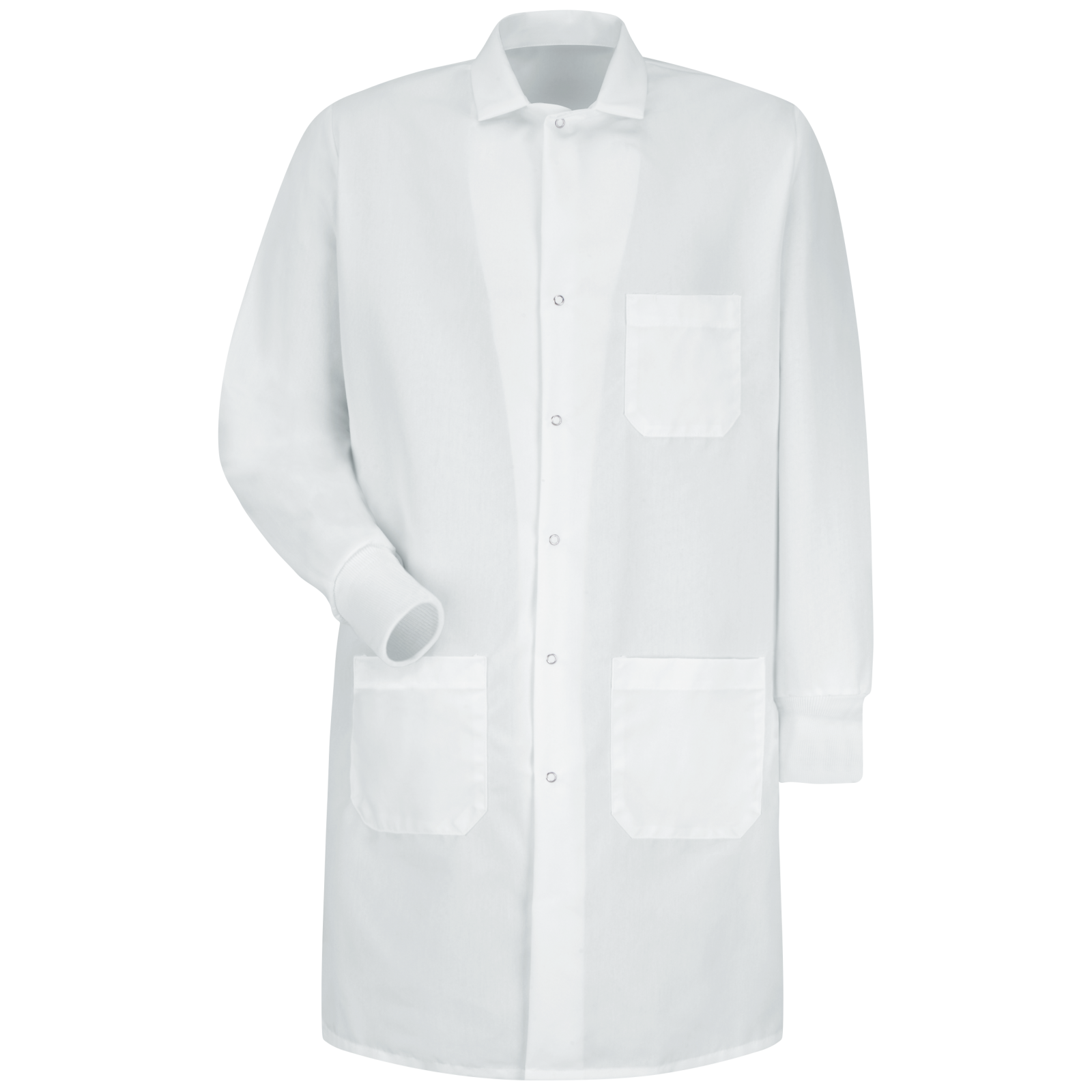
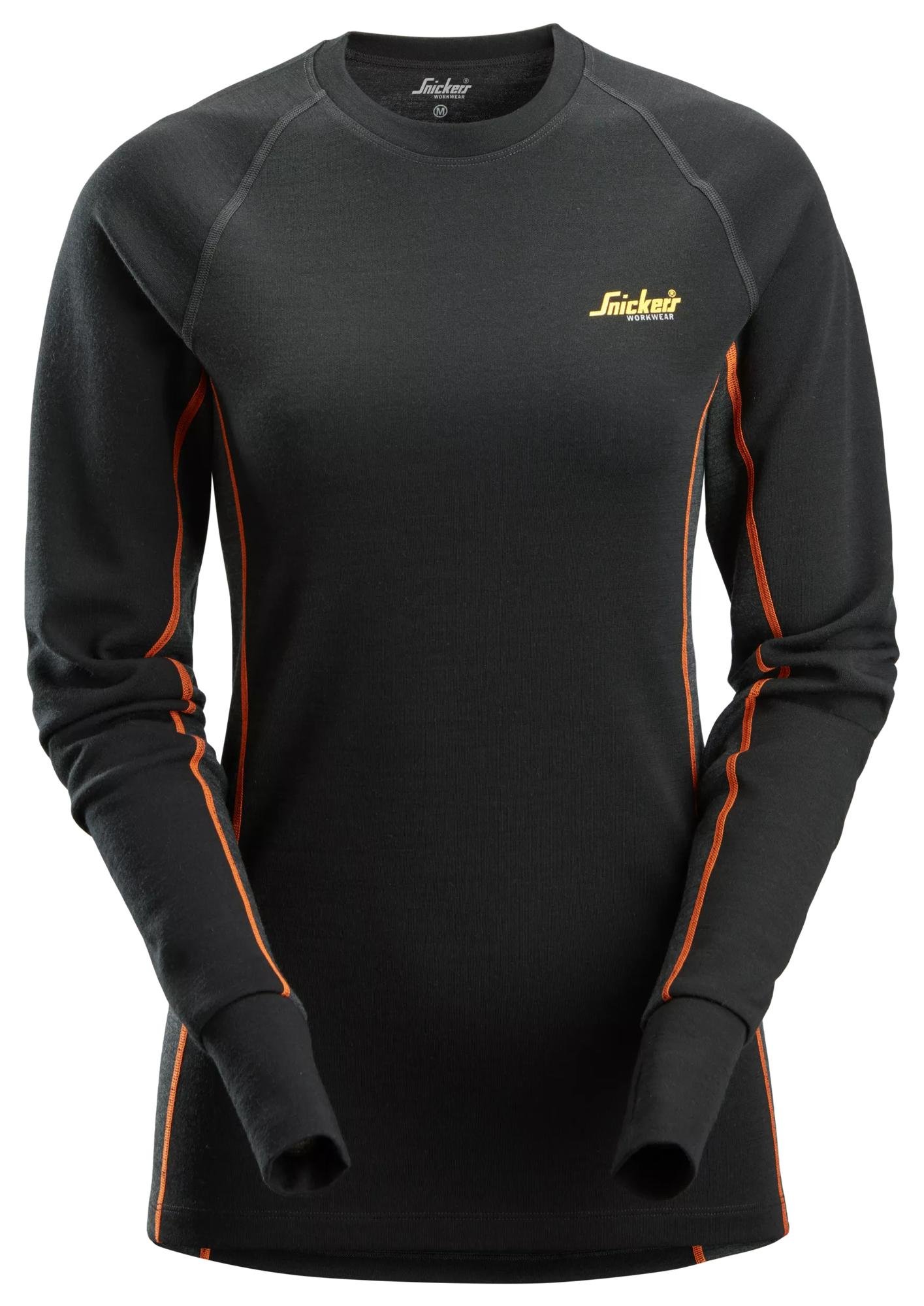

Browse Veelianpro’s Workwear Catalogue
Review current garment references, then send the fit and construction details for your program.





Wholesale Ski Socks, Built to Brief
Define the boot-wear, brand, and approval details needed to assess a made-to-order ski sock program.
Boot-Wear Review
Document intended boot use, preferred sock height, cushioning zones, and fit priorities so the proposed build can be reviewed against your brief.
Buyer-Led Specifications
Start with your tech pack, sketch, sample, or product concept and align materials, construction options, colorways, and size assortment before sampling.
Artwork and Branding
Plan knit-in artwork, labels, patches, and presentation details with placement approvals that keep brand requirements visible throughout development.
Sample Approval Route
Use samples to review agreed measurements, feel, construction choices, and visual details before releasing a written specification for bulk production.
Packaging Planning
Coordinate hang tags, care labels, barcode requirements, retail packaging, and export packing around the distribution route your wholesale ski socks require.
Repeat-Order Records
Retain approved specifications, color references, size ratios, packaging details, and revision history to support clearer replenishment discussions for future orders.
Wholesale Ski Socks Development Options
Choose what you want to specify before sample approval.

OEM Specification Development
Develop a separate wholesale ski socks specification, sample route, and quotation around your brief, with construction and documentation requirements reviewed for project feasibility before production planning.
Get a Quote
Private-Label Foundation Review
Use the product idea, reference, or sketch to define an appropriate private-label development brief, including the decisions to confirm through samples before committing to a made-to-order program.
Get a Quote
Retail Packaging Planning
Coordinate knit-in branding or other requested brand elements, labels, and custom packaging as review items within the wholesale ski socks brief, so product and presentation approvals stay connected.
Get a QuoteWholesale Ski Socks Material Review
Explore materials and fabrics
Merino Wool Blend

A merino-based blend can be reviewed for a soft, insulating feel in ski-boot wear. Specify the intended warmth, hand feel, fiber ratio, and any fiber-origin or documentation requirements before sampling.
Nylon Reinforcement Yarn

Nylon can be proposed where the brief calls for added abrasion resistance around high-contact areas such as the heel, toe, or shin. Confirm placement, yarn proportion, and desired feel through the approved sample.
Performance Polyester

Polyester is a material route to review when the program prioritizes color development, moisture-management intent, or a lighter synthetic hand. Define the use setting, target composition, and any recycled-content evidence required for the SKU.
Acrylic Insulation Blend

An acrylic blend may suit a wholesale ski socks brief seeking a lofted, winter-oriented hand. Buyers should align the blend with boot fit, cushioning plan, colorway, and the approved sample rather than relying on a generic material claim.
Elastane Support Yarn

Elastane can be specified for stretch recovery in the cuff, leg, or foot sections. Review the desired hold and fit with buyer-provided measurements, because support level depends on the complete knit structure and yarn combination.
Terry Cushion Blend

A cushioning yarn blend can be considered for selected boot-contact zones while keeping other areas aligned with the intended fit. Confirm cushion placement, bulk, fiber mix, and sample feedback before releasing the production specification.
Wholesale Ski Socks: Construction and Development Processes
Explore printing and finishing
Yarn Route Review
We review proposed fiber blends, yarn behavior, color needs, and any requested documentation against the intended wear setting before confirming whether the sourcing route is feasible for the project.
Knit Structure Development
View details
Working from your tech pack, sketch, sample, or product concept, we define the requested sock height, leg shape, knit areas, and size range for technical review and sample development.
Cushion Zone Planning
Boot-contact priorities such as shin, instep, heel, toe, and footbed areas can be mapped into the brief, helping the sample review focus on placement, bulk, fit, and wearer comfort.
Logo Integration
Brand colors, knit-in artwork, labels, patches, and packaging elements are reviewed with the construction brief so logo placement, repeat details, and presentation requirements can be approved together.
Sample Review
A sample gives your team a physical basis to check buyer-provided measurements, boot-wear priorities, colors, artwork, sizing, and construction details before written specification approval for a bulk order.
Quality and Packing Requirements
Before production release, define the requested quality checkpoints, labeling, pair presentation, size assortment, and packing format so the program aligns with its retail or distribution route.
Wholesale Ski Socks Branding, Packaging and Trim Choices
Explore labels, trims and packaging
Jacquard Logos
Knit-in logo artwork can be positioned within the approved ski sock design, subject to the selected knit construction and color plan. Buyers use it to build a branded product identity without adding a separate applied decoration.
Woven Labels
Woven labels can be specified for retail presentation or brand identification, with placement reviewed against the finished sock and packing format. Share label artwork, dimensions, fiber information, and any required market text for evaluation.
Care Labels
Care labels carry buyer-approved care, fiber-content, origin, and market-required information where applicable. We review the label format and attachment or packing approach with the approved ski-sock specification and the destination market requirements.
Hang Tags
Hang tags give private-label, resort retail, and team programs a place for product messaging, barcodes, and brand graphics. Specify artwork, tag size, attachment method, and barcode requirements before sample and packaging approval.
Belly Bands
A belly band groups a pair for shelf presentation while keeping the ski sock visible to the buyer. It can carry colorway, size, brand, and selling information, subject to the approved fold, pack method, and carton plan.
Polybags and Cartons
Individual polybags and outer cartons can be planned around the buyer’s warehouse, retail, or export handling requirements. Confirm pack quantities, size stickers, carton marks, barcode rules, and destination labeling needs during packaging review.
Wholesale Ski Socks, Buyer-Led Development
Veelianpro develops custom garment programs for sourcing teams, apparel brands and uniform distributors, beginning with a tech pack, sketch, sample or product idea. We coordinate material and trim sourcing, pattern development, sampling, quality checks, packing and export coordination, then align branding and presentation details with the buyer’s intended channel.
Our documented operating background is in custom workwear; a wholesale ski socks program is therefore reviewed as its own project, with an independent specification, sample route and quotation. Share intended use, size assortment, colorways, artwork, packaging, quantity and destination so we can assess feasibility from 100 pieces per style and color, subject to construction, materials and evidence requirements.

Wholesale Ski Socks: Brief to Approval
Start With Boot-Wear Priorities
We begin wholesale ski socks development by separating resort retail, team issue, and private-label resale requirements. Your brief can identify intended boot use, preferred sock height, warmth target, cushioning locations, calf hold, size range, and any fiber or test documentation needed for the destination market.
- Define the wearer, distribution channel, and intended boot-wear context
- Map review areas such as shin, instep, heel, toe, and footbed
- Specify materials for feasibility review, including merino, synthetic, or blended yarn routes
- Provide required market, fiber-content, recycled-content, or test documentation requirements
Turn Artwork Into a Sample Brief
A clear custom ski socks sample brief connects visual direction with the construction decisions that affect fit and brand presentation. We review artwork, colorways, logo placement, label requirements, and requested knit or cushioning details before sampling, so the buyer can assess the proposed specification as one coordinated product.
- Share a tech pack, sketch, reference sample, or product idea
- Confirm artwork files, placement zones, colorways, and size identification
- List construction options to review, such as cuff shape, cushioning map, and reinforcement areas
- Record revision points before the next sample or quotation stage

Plan Assortment and Presentation
Packaging and size assortment should be set alongside the sock specification, not after it. For a ski socks supplier quote, we can review size splits, pair packing, hang tags, woven labels, care labels, barcode needs, polybags, and export-carton requirements against the program’s retail, team, or distributor plan.
- Set quantities by style and color, plus buyer-provided size ratios
- Review private-label packaging and brand-information requirements
- Confirm decoration, label, and packing details in the approval record
- Assess project feasibility from 100 pieces per style and color, subject to fabric, construction, and evidence requirements
Release One Approved Specification
Before production commitment, we consolidate the approved sample route, materials, construction, branding, sizing, packaging, quantity, destination, and timeline into a usable order record. This gives sourcing teams a practical basis for quotation, quality checks, and repeat-order consistency while keeping any performance claims tied to appropriate evidence.
- Approve the sample and document all accepted revisions
- Confirm the final style, color, size, branding, and packaging scope
- Identify required inspection points and requested supporting documents
- Use the approved record as the reference for quotation and reorder discussions

Wholesale Ski Socks: Custom Development vs. In-Stock Decoration
Compare a project-specific ski-sock brief with an existing sock decorated for your program.
← Swipe left or right to view →
Wholesale Ski Socks Process
From feasibility review to reorder support, we align the ski-sock specification, approvals, production controls, packing, and export coordination around your individual program requirements.
Brief and Feasibility Review
Share intended use, quantity, colorways, size assortment, artwork, destination, and timeline. We review whether the requested wholesale ski socks project is feasible from 100 pieces per style and color.
Specification Development
We translate your tech pack, sketch, sample, or concept into reviewable requirements for fit, yarn route, cushioning areas, branding, packaging, and buyer-approved boot-wear priorities.
Materials and Sample Review
Select yarn, trims, labels, and packaging options for project review, then evaluate samples against the agreed specification. Requested fiber or test documentation is reviewed at SKU and market level.
Quotation and Order Confirmation
After sample and specification decisions are documented, we confirm the quotation, approved details, quantity by style and color, packing plan, and project-specific commercial terms before production release.
Production and Inspection
We coordinate cutting, sewing, reinforcement, decoration, finishing, and quality checks as applicable to the approved build. Inspection focuses on the documented construction, branding, labeling, and packing requirements.
Packing, Shipment, and Reorders
Finished goods are packed to the confirmed export plan and shipment coordination follows. Keep the approved specification and change notes available to support clearer repeat-order discussions.
Buyer-Focused Development Principles
These principles keep a made-to-order ski-sock program clear from feasibility review through bulk release.
Send Your Brief
Provide intended use, quantity, colorways, size range, branding, packaging, destination, timeline, and any required fiber or test evidence for your wholesale ski socks program.
Review Feasibility
We review the proposed custom ski socks specification, material and construction options, and project requirements, including feasibility from 100 pieces per style and color.
Approve Sample and Quote
Review the sample route, artwork, fit priorities, packaging, quotation, and written specification; confirm revisions and approvals before committing the project to production planning.
Confirm Order Details
Finalize approved colorways, size assortment, logo placement, labels, packing instructions, destination, payment terms, and any SKU-level documentation needed for the target market.
Coordinate Final Handover
We coordinate inspection, packing, export handover, and reorder records against the approved specification, helping your team maintain consistency for future wholesale ski socks orders.
Standards and Audit References


Illustrative Wholesale Ski Socks Procurement Scenarios
Illustrative scenario
Apparel Buyer
A sourcing team briefs a ski-boot sock for resort retail, then requests a revised cushioning map and size assortment. Approval evidence includes the agreed technical brief, artwork placement, sample review notes, packaging requirements, and written confirmation of the final specification.
Illustrative scenario
Sourcing Manager
An apparel brand develops custom ski socks for a private-label winter range and adjusts the yarn proposal, colorway, and knit-in branding after sample review. The release package records the approved sample, logo file, size range, labeling, and market-specific documentation requirements.
Illustrative scenario
Production Planner
A uniform distributor plans a team issue program and requests separate packing by size and destination. Before production review, the buyer confirms quantity by style and color, boot-wear priorities, decoration details, carton instructions, and the approved sample route for the project.
Wholesale Ski Socks FAQ
Practical answers for branded winter-sock development, sample approval, documentation, and bulk-order planning.
Can Veelianpro develop wholesale ski socks for a branded winter program?
Is a custom OEM ski sock specification or a private-label route the better choice?
What should we approve in a wholesale ski socks sample?
Which materials can be considered for custom ski socks?
What is the minimum order quantity for custom ski socks?
How do packaging and size assortments get planned for resort, team, or retail orders?
Can Veelianpro coordinate payment, shipment, and repeat-order planning?
How is our design and product information handled during development?
The Complete Buyer’s Guide to Wholesale Ski Socks
A practical framework for defining a ski-sock brief, comparing development routes, evaluating suppliers, approving samples, and avoiding costly specification, packaging, and reorder mistakes.
1. What Are Wholesale Ski Socks?
A ski sock is a boot-interface product: the cuff, shin, instep, heel, toe, and footbed must work together inside a ski boot. Made-to-order wholesale ski socks are therefore developed as a specified program for resort retail, team issue, uniform distribution, or a private-label winter line—not merely as a winter graphic on a stock sock. Industry examples likewise identify boot fit and zoned pressure management as central ski-sock considerations: https://www.sihman.com/sock-types/ski
An in-stock/decorate route begins with an existing sock and typically limits the buyer to available sizes, colors, decoration positions, and packing. A custom brief instead records the intended boot-wear context, warmth objective, cushioning map, size assortment, artwork or knit-in branding requirement, packaging format, and the approved specification needed to control a later reorder; these decisions determine whether samples represent the product the buyer intends to sell or issue.
Veelianpro can review a ski-sock concept from a tech pack, sketch, sample, or product idea and coordinate development inputs, branding, packing, quality checks, and export coordination within its OEM, ODM, private-label, and wholesale workflow. A project may be feasible from 100 pieces per style and color, subject to the proposed fabric, construction, and required evidence; submit the target use, size split, colorways, branding, quantity, destination, and timing for feasibility review.
2. Wholesale Ski Socks: Product Development Context
Ski boots turn an ordinary sock brief into a fit-and-pressure specification: the cuff must reach above the boot line, while the shin, instep, heel, toe, and footbed may need a buyer-defined cushioning map. Extra bulk is not automatically warmer; it can alter boot volume and create bunching, so the sample should be assessed inside the intended boot rather than from a flat sock photo. This boot-loading logic is consistent with ski-sock construction guidance from https://www.sihman.com/sock-types/ski.
For wholesale ski socks, document the wear objective before selecting a yarn route: moisture transfer during exertion, warmth target, cuff retention, and the zones that must stay comparatively thin are separate decisions. Record the approved size range, leg length, colorway, knit artwork, packaging, and sample observations in one controlled specification so the reorder is made against the same brief, not a memory of the first sample.
Veelianpro can review a tech pack, sketch, sample, or product idea and coordinate sourcing, pattern development, sampling, quality checks, packing, and export coordination for a feasible custom program. Projects can start from 100 pieces per style and color, subject to fabric, construction, and evidence requirements; any merino, recycled-content, organic, UV, moisture-management, or test claim must be supported by SKU- and market-specific documentation, not inferred from an image or general material description.
3. Types of Wholesale Ski Socks
Wholesale ski socks should be grouped by the wearer’s boot use and the buyer’s distribution task, not only by artwork. A separate SKU or page is useful when height, cushioning map, size assortment, packaging, or approval route changes materially.
Resort Retail Packs

Resort shops need a retail-ready winter accessory for visitors and destination buyers. Specify an over-the-calf or tall-crew target for review, size splits, colorway, hang tag, barcode needs, and pair-level packaging.
Use a separate SKU when souvenir graphics, gift presentation, or retail replenishment differs from the core performance brief.
Ski School Issue
Ski-school and team issue programs prioritize recognizable allocation across instructors, staff, or members. Review boot-wear fit, calf hold, size ratio, identification approach, and bulk packing before presentation extras.
A distinct SKU is justified when the issued sock needs role colors, name fields, or a different size allocation from retail pairs.
Private-Label Winter Lines
A private-label collection is for brands planning their own seasonal assortment and repeat specification. The brief should connect intended warmth route, height, logo integration, colorways, care-label content, and shelf or e-commerce packaging.
Choose a separate SKU for each genuinely different wearer, boot context, package format, or approved construction target—not merely a new graphic.
Snowboard Program Route
Snowboard-oriented programs may require their own evaluation because stance, boot feel, artwork direction, and merchandising task can differ from ski programs. Confirm the intended height and cushioning zones through a sample rather than assuming one sport brief transfers unchanged.
A shared page remains practical when the approved fit and procurement task are identical; otherwise separate the SKUs.
In-Stock Decoration Alternative
An in-stock/decorate route means applying branding to an existing sock, while made-to-order development begins with the approved specification. Compare available sizes, decoration limits, packaging, and repeat consistency against the control needed for the program.
Veelianpro can review a custom project from 100 pieces per style and color, subject to fabric, construction, and evidence requirements.
4. Wholesale Ski Socks Materials and Options
Fiber selection should be reviewed as a ski-boot system: warmth management cannot be separated from bulk, color execution, and stretch recovery. Submit each desired material route with the target use, colorway, and documentation requirement before sampling.
| Cost Driver | What Changes Cost | Quote Must Specify |
|---|---|---|
| Yarn route | Fiber and claimed-content requirements | Material route and evidence needed |
| Color execution | Colorways and knit artwork | Approved colors and logo layout |
| Development scope | Sample revisions and test requests | Approval stages and required documents |
Warmth And Wear Trade-Offs
Merino wool is a warmth-management option to assess where a buyer wants a natural-fiber route; confirm the intended feel, bulk, and fiber documentation. Polyester can support color-led designs, while nylon is a durability input to review at wear zones.
Acrylic may be considered for loft and warmth perception, and elastane for recovery and fit retention. These are specification choices for feasibility review, not a pre-approved blend or performance claim.
Material Review Matrix

Use the material brief to decide what must be sampled and documented before a wholesale ski socks quotation is finalized.
| Material Route | Role To Review | Evidence Requirement |
|---|---|---|
| Merino wool | Warmth-management route | Fiber declaration requested |
| Polyester | Color and moisture route | Composition requested |
| Nylon | Durability input | Composition requested |
| Acrylic | Loft option | Composition requested |
| Elastane | Recovery input | Composition requested |
| Recycled or claimed content | Project-specific route | SKU-level chain evidence requested |
Quote Cost Inputs
No price or delivery period is assumed here. A quote should separate the inputs that change yarn sourcing, knit development, and approval scope.
5. Wholesale Ski Socks Customization Options
Customization begins by separating what must be engineered into the sock from what is added for presentation. For wholesale ski socks, submit the artwork, color references, size plan, sales channel, and destination-market labeling requirements together for feasibility review.
| Cost Driver | What Changes Cost | Quote Must Specify |
|---|---|---|
| Knit artwork | Logo complexity, pattern repeat, colors, and size markings | Approved artwork, placements, colorways, and sizes |
| Brand presentation | Hangtags, barcode labels, belly bands, inserts, or polybags | Artwork files, barcode data, label copy, and pack method |
| Outer packing | Carton marks, packing ratio, and destination handling needs | Carton text, pair count, size assortment, and destination |
| Sample revisions | Changes after reviewing knit legibility or packaging | Revision scope and final approval point |
Knit-Plan Branding
Knit-in logos, repeat patterns, color blocks, cuff branding, leg graphics, and knit size markings belong in the sock artwork and machine-program review. Small lettering, thin lines, gradients, and low-contrast colors can lose legibility once knitted, so approve them on the physical sample rather than a screen proof.
Provide editable vector artwork, named colors, placement views, and the approved size-marking method. Any requested yarn, construction, or performance-related feature remains subject to project review.
- Knit-in logo or repeat pattern
- Cuff or leg brand placement
- Colorway mapping
- Knit size identification
Packaging And Distribution
Hangtags, barcode labels, polybags, belly bands, inserts, custom packaging, and carton marks are post-production presentation choices. Retail programs need scannable SKU and size information; event and team issue may prioritize assortment counts and recipient identification; distributors need outer-carton marks that match receiving requirements.
Approve the final packaging layout, barcode data, packing ratio, and carton-mark text with the production specification. Packaging claims, fiber statements, and compliance language should be supported for the applicable SKU and market.
- Retail: barcode, size, and shelf presentation
- Event: recipient or kit identification
- Team: size allocation and program mark
- Distributor: carton marks and receiving data
Quote Drivers
No universal price or delivery period applies to a made-to-order program. The quotation should isolate each customization choice so buyers can compare a knit revision against a packaging revision before approval.
6. Construction Checks for Ski-Boot Wear
Assess the approved sample inside the intended ski boot, not only on a flat board. Record the agreed height, size range, and wear conditions so the construction review catches fit faults before bulk release.
| Failure Mode | Sample Observation | Correction To Document |
|---|---|---|
| Cuff migration | Top edge slips below boot line | Revise retention target and height |
| Pressure point | Bulk meets buckle or flex zone | Move or reduce mapped cushioning |
| Inconsistent fit | Pair or size feels uneven | Confirm measurement and zone-placement tolerances |
Height And Cuff Retention
Confirm whether the brief calls for over-the-calf, knee-high, or another agreed height, then measure each sample against buyer-provided points. During boot wear, note cuff migration, leg bunching, and edge pressure; document the required cuff feel and retention result rather than assuming a compression level.
Ski-sock references commonly place the leg above the boot cuff and focus cushioning at loaded areas; see https://www.sihman.com/sock-types/ski. Treat that as a design reference, not a Veelianpro performance claim.
- Agreed finished height
- Cuff width and recovery
- Calf-edge comfort after boot closure
Map Bulk Before Reinforcement

Specify reinforcement options at the heel and toe, along with the toe-closure preference, for sample review. Ask whether the closure ridge or added yarn lands under a pressure zone when the foot is flexed in the selected boot.
Mapped cushioning may be requested at the shin, instep, ankle, or footbed, but more padding can create excess bulk and pressure points. Mark each requested zone on the tech pack and approve its thickness by wear trial.
- Heel and toe reinforcement route
- Toe-closure placement
- Shin and instep cushioning map
Check Pair And Size Consistency
Wear-test both socks as a pair and compare left/right alignment, cuff height, cushioning placement, and fit across the agreed sample sizes. Inconsistent stretch or zone placement can feel like a boot-fit problem even when the artwork matches.
Before approval, record the boot model used, wearer feedback, sample size, and corrections for the next round. Veelianpro can review these construction notes with the development brief before quotation and production feasibility are confirmed.
7. Choosing a Wholesale Ski Socks Manufacturer
Choose a development partner by how well it converts a boot-wear brief into an owned, reviewable specification. For wholesale ski socks, feasibility begins with the intended user, size split, artwork, quantity by style and color, destination, and evidence requests.
| Cost Driver | What Changes Cost | Quote Must Specify |
|---|---|---|
| Yarn and material route | Requested composition, sourcing, and evidence | Approved options and documentation scope |
| Knit construction | Cushion mapping, fit zones, and complexity | Specification version and sample status |
| Branding and trims | Knit artwork, labels, hangtags, and packaging | Artwork files, placement, and pack-out |
| Order structure | Styles, colorways, size ratios, and quantity | Pieces per style and color |
| Quality and export coordination | Inspection scope, carton marking, and destination | Acceptance checks and shipping requirements |
Brief And Specification Control
Assign one buyer-side owner for the approved tech pack, measurement points, yarn and trim choices for review, logo map, color references, packaging, and acceptance criteria.
Veelianpro can review feasibility from a tech pack, sketch, sample, or product idea. Starting MOQ is conditional from 100 pieces per style and color, subject to fabric, construction, and documentation requirements.
- Name the ski-boot wear priorities.
- Mark each approved sample revision.
- Request SKU- and market-level evidence where needed.
Development Versus In-Stock Decoration
Compare the routes against the same release requirements before selecting a manufacturer.
| Criterion | Made-To-Order Development | In-Stock Decorate Route |
|---|---|---|
| Fit control | Buyer-approved specification | Existing fit retained |
| Construction control | Mapped for review | Existing construction retained |
| Branding workflow | Specified before production | Applied to stocked sock |
| Sample approvals | Revision-controlled sample | Decoration proof or sample |
| Quantity flexibility | Feasibility reviewed by style and color | Limited by available inventory |
| Repeatability | Approved specification and records | Dependent on continuing stock |
Release, Packing, And Reorders
Set checkpoints for material and trim confirmation, mockup approval, sample sign-off, in-process checks, final inspection, and pack-out. The quotation should identify carton marking, pair counts, size ratios, hangtags, labels, inserts, and destination handling.
Keep the approved specification, artwork version, color references, packaging file, inspection criteria, and any requested evidence with the purchase record. That traceability makes a reorder a controlled repeat rather than a visual match.
- Confirm packaging before bulk release.
- Define inspection and defect handling.
- Archive approved sample and revision files.
8. Wholesale Ski Socks Buying Mistakes
Small omissions in a wholesale ski socks brief often surface only after sampling. Resolve boot interface, knit-scale artwork, size allocation, packaging data, evidence requests, and the release document before production.
Specify Warmth With Boot Context
Thickness alone does not define warmth: a bulky sock can alter boot fit, while fiber route and cushioning placement need review against the intended boot. A ski-sock manufacturer describes warmth as a yarn-and-gauge decision rather than thickness alone (https://www.sihman.com/sock-types/ski).
Provide boot type, intended wear conditions, calf height, pressure areas, and buyer measurements. Request merino, synthetic, or blend options for feasibility review; do not release thermal, moisture, or protection claims without SKU- and market-specific evidence.
Review Knit Artwork And Assortments
Flat artwork can mislead when a logo is translated into stitches. Approve a knit-scale strike-off or sample view, including placement, color separation, and legibility around stretch zones.
Lock size ratios by colorway and channel. Carton marks, barcode format, pair count, size identification, hangtags, polybags, and inserts belong in the packaging brief, not an informal email thread.
Illustrative Procurement Scenarios
Illustrative sourcing-team scenario: the task was a resort retail sock; the change added boot-cuff and size-ratio inputs; approval required a signed sample specification.
Illustrative apparel-brand scenario: the task was a knit-in logo line; the change replaced artwork-only approval with knit-scale review; approval covered placement and colorway.
Illustrative uniform-distributor scenario: the task was team issue; the change added packaging and requested-claim fields; approval confirmed labels, packing data, and evidence scope before release.
9. Launching a Ski Sock Program
A ski sock launch becomes repeatable when the buyer freezes the wearer, distribution channel, and approval record before bulk release. Veelianpro can review a buyer’s tech pack, sketch, sample, or product idea and confirm project feasibility from 100 pieces per style and color, subject to fabric, construction, and evidence requirements.
Define The Commercial Brief
Start with the wearer and channel: resort retail, team issue, uniform distribution, or private-label resale. State the ski-boot use case and submit buyer-approved size measurements rather than assuming a standard fit.
For a quote, provide quantity by style and color, size breakdown, colorways, artwork files, intended market, packaging format, requested documentation, and launch date. Identify whether a fiber-content, recycled-content, or test document is required for a specific SKU and market.
Review The Development Sample
Translate the brief into a mockup, then review yarn route, cushioning map, cuff approach, heel and toe construction, logo method, labels, and packaging as proposed specifications. Material or performance claims remain subject to project-level review and evidence.
Evaluate the sample in the intended boot and record the changes in one revision file. Written approval should identify the approved sample version and artwork version before bulk release.
- Buyer measurement sheet
- Approved color and artwork file
- Sample revision record
- Written bulk-release approval
Lock Packaging And Reorders
Confirm hangtags, size marking, care label content, polybag or retail pack, carton marks, and barcode requirements before production. Packaging approval prevents an otherwise correct sock from arriving unsuitable for the planned channel.
Keep the final specification, approved sample reference, size ratio, artwork, packaging files, inspection criteria, and order history together. That reorder record lets the next purchase begin from a controlled version rather than a memory of the first run.
10. Wholesale Ski Socks Cost Drivers
A ski-sock quote changes first with the knit specification, not simply the total pair count. Yarn selection, leg and foot zoning, cushioning placement, pattern colors, and branded presentation each add distinct materials, machine, handling, or approval work.
Veelianpro assesses custom wholesale ski socks projects from 100 pieces per style and color, subject to fabric, construction, and evidence requirements. Submit the complete size split, destination, packaging plan, artwork, and required SKU- and market-specific documentation so the quote covers the actual development route.
| Cost driver | What changes cost | Quote must specify |
|---|---|---|
| Quantity, style, and color | Production setup is evaluated by each style and colorway, not only the order total. | Pairs by style and color; proposed reorder quantities. |
| Yarn route and knit complexity | Fiber composition, yarn sourcing, knit-in patterning, and leg or foot structure affect material and knitting requirements. | Requested yarns for review, color count, length, and construction brief. |
| Cushioning map and size splits | Zoned cushioning and multiple sizes require an approved fit and allocation plan. | Buyer measurements, size ratio, and mapped shin, instep, heel, toe, or footbed zones. |
| Branding and packaging | Knit-in artwork, labels, hangtags, inserts, polybags, and retail cartons create separate artwork and packing requirements. | Artwork files, placement, label copy, barcode needs, and pack-out. |
| Samples, evidence, and shipment | Revision rounds, requested testing or documentation, inspection scope, and delivery terms must be costed to the project. | Sample revision plan, evidence scope, destination, Incoterm, and shipment method. |
Start Your Wholesale Ski Socks Quote
Send your brief, samples, quantity, colorways, packaging, destination, and required documentation for a feasibility review before commitment.