
Jogger Manufacturer
Veelianpro is your jogger manufacturer for custom fit, fabric, trims, and labels—from 100 pieces per style and color, subject to project requirements.
Garment and Development References


Browse Veelianpro’s Workwear Catalogue
Review current garment references, then send the fit and construction details for your program.





Why Source Custom Joggers With Veelianpro
Buyer-led development support for private-label joggers, from specifications and samples through production coordination.
Buyer-Led Specifications
Define the jogger silhouette, rise, waistband, cuffs, pockets, and leg shape around your collection requirements rather than adapting a generic work-pants block.
Fabric and Trim Sourcing
Review fabric composition, weight direction, hand feel, drawcords, elastic, pocket materials, and other trims with sourcing support for your custom jogger pants.
Pattern and Sample Development
Start from a tech pack, sketch, reference garment, or product idea, then refine pattern details, size grading, and sample approvals before bulk production.
Private-Label Workflows
Coordinate main labels, size and care labels, patches, embroidery, printing, hangtags, and packaging so artwork and placement decisions are documented for approval.
Production Quality Checks
Build agreed construction and appearance checks into the manufacturing workflow, helping sourcing teams review approved specifications before packing and export coordination.
Flexible Bulk Planning
Plan made-to-order wholesale joggers from 100 pieces per style and color, subject to fabric, construction, and documentation requirements for the project.
Jogger Manufacturer Development Options
Choose what you want to specify before sample approval.
Tapered Everyday Joggers
We develop the fit from your tech pack, sketch, reference garment, or product idea, then align pattern, size grading, fabric direction, and sample approval for a custom jogger pants program.
Get a Quote
Relaxed and Oversized Fits
Submit the target fit and intended customer profile for review. We can source suitable fabric and trims, develop the pattern, and use a sample to confirm the agreed silhouette before bulk production.
Get a Quote
Cargo-Inspired Jogger Details
Specify the pocket plan, leg shape, waistband, and intended use. Veelianpro can review the construction for feasibility and build a made-to-order jogger design rather than treating it as a standard workwear style.
Get a QuoteMaterials for Custom Jogger Development
Explore materials and fabrics
Cotton-Rich Knit

Specify a cotton-forward knit when a soft hand and familiar everyday feel are central to the collection. Review composition, weight, shrinkage expectations, and color approval against the intended jogger fit before sampling.
Cotton-Poly Blend

A cotton-poly blend is a practical direction for joggers needing a balanced hand and shape retention. Submit the target composition, surface finish, and intended use so fabric sourcing can be reviewed with the pattern and construction.
French Terry

French terry uses a smooth outer face with looped backing, making it a considered option for casual, athleisure, or transitional-season joggers. Confirm weight, loop character, and decoration method through the development sample.
Brushed Fleece

Brushed fleece provides a softer, raised inner surface for jogger programs seeking a warmer hand. Specify the desired face appearance, backing finish, weight direction, and care expectations for sourcing review before approving bulk production.
Recycled-Content Blend

A recycled-content fabric direction can be submitted for project review when it supports your sourcing brief. Any recycled-content claim, fiber origin statement, or related label language requires SKU-level documentation and applicable chain-of-custody evidence.
Jogger Manufacturer Processes We Support
Explore printing and finishing
Specification Review

We review your tech pack, sketch, or reference sample to align the jogger silhouette, fabric direction, pocket layout, waistband, cuffs, branding, size range, and destination requirements before development begins.
Pattern Development
View details
Our team develops the pattern around the approved fit direction, including taper, rise, leg shape, cuff treatment, and pocket placement, so the sample represents a defined custom jogger pants specification rather than a decorated blank.
Size Grading
View details
After fit points are approved, we prepare grading for the requested size range. Buyer measurements, tolerance expectations, and intended wearer profile should be confirmed so the size set supports consistent bulk production review.
Cutting And Sewing

Approved materials are cut and sewn according to the selected construction plan. Reinforcement, bartacks, stitch treatments, gussets, or pocket details can be evaluated where relevant to the style and submitted specification.
Branding And Finishing
We coordinate project-specific decoration and private-label details such as embroidery, screen printing, heat transfer, patches, woven labels, care labels, and custom packaging after artwork, placement, and sample approvals are clear.
Inspection And Packing
Finished wholesale joggers move through quality checks, packing review, and export coordination. Carton marks, folding method, labels, and shipment documentation are aligned with the approved order requirements before dispatch.
Custom Jogger Trims and Branding Options
Explore labels, trims and packaging
Waist Elastic

Select the elastic width, recovery feel, and waistband construction for the intended jogger fit. Confirm the finished waist measurements and stretch behavior on the development sample before bulk approval.
Custom Drawcords
View details
Choose flat or round drawcord direction, color, length, and end treatment for the waistband. Submit the preferred cord and placement for review so the finished detail supports both fit adjustment and brand presentation.
Rib Cuffs
Add rib cuffs at the ankle to create the defined jogger silhouette. Review cuff height, rib quality, leg-opening measurement, and attachment construction against the approved sample rather than treating it like a work-pant hem.
Pocket Systems
Specify side-seam, back, zip, or cargo-inspired pocket options based on the collection purpose. Pocket dimensions, openings, closures, and reinforcement points should be documented in the tech pack and checked during sampling.
Private Labels

Use woven main labels, size labels, and care labels to carry your private-label information inside the garment. Provide approved artwork, label copy, placement, and market-required care content before production is confirmed.
Hangtags Packaging
View detailsComplete the retail presentation with custom hangtags, patches, and packaging options. Artwork, material direction, attachment method, and pack-out requirements are reviewed together so each custom jogger pants order matches your brand brief.
Your Jogger Manufacturer Development Partner
Veelianpro is a Wuhan-based custom workwear manufacturer supporting industrial, safety, hospitality, and service garment programs. We bring the same practical development discipline to apparel brands, sourcing teams, and uniform distributors seeking a jogger manufacturer for made-to-order, private-label collections.
Bring a tech pack, sketch, reference sample, or product idea. Our team supports fabric and trim sourcing, pattern development, sampling, size grading, cutting, sewing, decoration, quality checks, packing, and export coordination, so fit, cuffs, pockets, waistband details, and branding can be reviewed before bulk production.
We help buyers develop jogger pants as their own product rather than confuse them with work trousers. From 100 pieces per style and color, subject to fabric, construction, and documentation requirements, we can review feasible OEM, ODM, and private-label routes for custom joggers and wholesale programs.
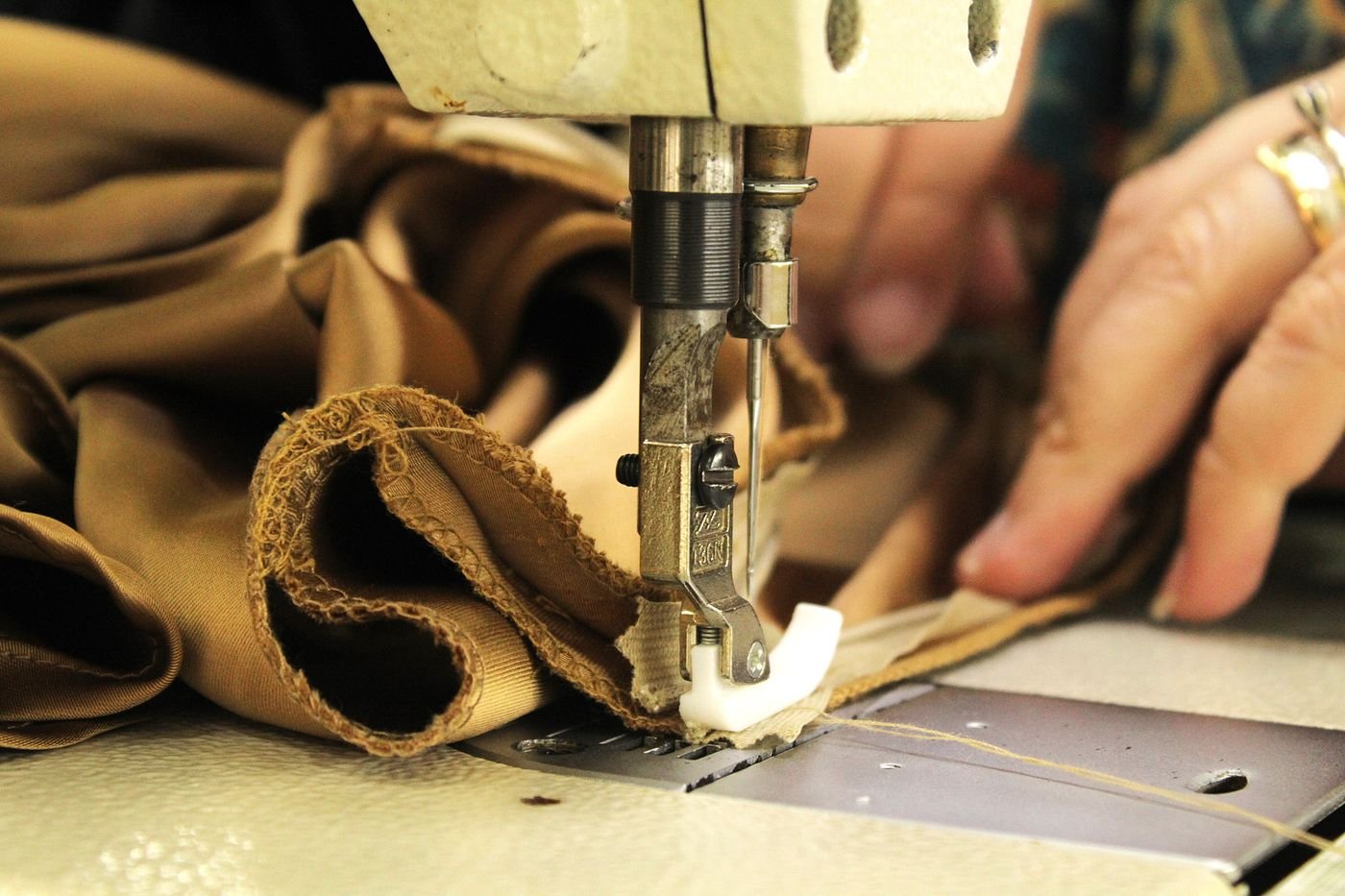
Jogger Manufacturer Development, Made Clear
Fit and Pattern Development
We translate your tech pack, sketch, reference garment, or product idea into a jogger pattern with the intended silhouette documented before bulk production. This keeps tapered, relaxed, oversized, stacked-leg, or cargo-inspired directions distinct from work-pants construction.
- Define rise, seat, thigh, knee, leg opening, and cuff direction for review.
- Confirm waistband construction, elastic, drawcord route, and pocket layout on the development sample.
- Grade the approved fit across your requested size range before production approval.
- Use buyer-provided measurements or a reference sample to reduce interpretation gaps.

Fabric and Trim Selection
A custom jogger program begins with the hand feel, composition, weight direction, and finish your collection needs. We source fabrics and coordinate compatible trims for review, helping buyers align appearance, durability expectations, and manufacturing feasibility without assuming unverified material claims.
- Submit fleece, French terry, jersey, woven, or blended-fabric directions for sourcing review.
- Specify stretch, brushed feel, loopback face, wash direction, or surface finish where relevant.
- Review drawcords, eyelets, elastic, zippers, snaps, and pocket materials as part of the build.
- Request SKU- and market-level documentation when recycled, organic, UV, or test claims are required.

Private-Label Integration
As your jogger manufacturer, we build private-label details into the garment specification instead of treating branding as an afterthought. Main labels, size labels, care labels, patches, decoration, hangtags, and packaging can be planned around the approved fabric, seams, and artwork.
- Map label positions, label content, and attachment methods before the pre-production sample.
- Choose embroidery, screen printing, heat transfer, patches, or woven labels according to artwork and garment construction.
- Approve logo size, placement, color references, and decoration method on a sample or strike-off where needed.
- Coordinate custom packaging requirements with the final folding and packing plan.

Approval-Led Quality Control
We move a custom jogger project through feasibility review, sampling, quotation, order confirmation, production, inspection, and shipment coordination. Each approval records the decisions that matter to repeatable bulk production, from fit and materials through labeling, decoration, and packing.
- Review feasibility before committing to a proposed quantity, starting from 100 pieces per style and color subject to project requirements.
- Lock approved fabric, trims, construction, measurement points, and artwork into the production specification.
- Check samples against the agreed development direction before authorizing bulk production.
- Provide destination and timeline details early so packing and export coordination can be planned.

Jogger Manufacturer: Made-to-Order vs. Decorated Blanks
Compare custom jogger development with an in-stock decorate route before choosing fit, materials, labels, and approval steps.
← Swipe left or right to view →
How Custom Jogger Development Works
From feasibility review to export coordination, we develop custom joggers around approved fit, materials, trims, branding, and SKU-specific documentation requirements.
Feasibility and Specification Review
Share a tech pack, sketch, sample, or concept. We review silhouette, intended use, quantity, size range, branding, destination, and any required market evidence.
Fabric and Trim Selection
Confirm fabric direction, waistband, cuffs, drawcords, pockets, labels, and packaging for sourcing review, keeping jogger construction distinct from work-pant requirements.
Pattern and Sample Development
We develop patterns, grade sizes, and prepare a sample so your team can assess fit, taper, rise, hand feel, construction, and decoration placement before approval.
Quote and Production Approval
After sample and specification approval, we confirm the production scope. Projects can start from 100 pieces per style and color, subject to feasibility requirements.
Production, Inspection, and Shipment
Cutting, sewing, reinforcement, decoration, finishing, quality checks, packing, and export coordination follow the approved specification; performance documentation is handled by SKU and market.
Start Your Jogger Development Project
Move from concept to an approved made-to-order jogger specification with clear commercial and sample decisions.
Send Your Brief
Share a tech pack, sketch, reference sample, or product idea, including intended use, silhouette, size range, color direction, branding, quantity, destination, and timeline.
Review Feasibility
We review the custom jogger pants requirements, discuss fabric, waistband, cuffs, pockets, labels, and decoration, then prepare a project-specific quotation and feasible starting quantity.
Approve Development Details
Confirm material and trim directions, measurements, construction choices, artwork placement, and private-label details before pattern work and sampling proceed for the selected jogger program.
Sign Off on Sample
Review the development sample against the agreed fit, hand feel, construction, and branding. Submit revisions or approve the final specification for bulk order confirmation.
Confirm Your Order
Finalize quantities from 100 pieces per style and color, subject to fabric, construction, and evidence requirements, then proceed with production, inspection, packing, and export coordination.
Standards and Audit References


Jogger Manufacturer Scenarios for Bulk Buyers
Illustrative scenario
Apparel Buyer
A brand sourcing lead submits a tapered custom jogger pants sketch, target fabric direction, size range, and private-label artwork. The development review focuses on waistband, cuff, pocket, and logo-placement details before a fit sample and branding proofs are approved.
Illustrative scenario
Sourcing Manager
A uniform distributor needs a jogger-style option distinguished from traditional work pants for a service program. The brief defines the intended setting, fit, pocket plan, colors, and decoration method; the buyer reviews the sample, measurements, and any required documentation before bulk approval.
Illustrative scenario
Production Planner
A wholesale buyer develops a relaxed-fit jogger for a private-label assortment. They provide quantity, destination, fabric preferences, label and packaging requirements, plus a target timeline. Veelianpro reviews feasibility from 100 pieces per style and color, subject to the selected fabric and construction.
Jogger Manufacturer FAQ for Bulk Buyers
Practical answers on made-to-order jogger development, private labeling, approvals, and commercial terms.
What is the minimum order for custom jogger pants?
How do custom joggers differ from branded in-stock blanks?
What should we include in a tech pack or reference package?
Can wholesale joggers include private-label branding?
What happens during custom jogger sample development?
How are lead time and payment terms handled for a custom jogger order?
How should we choose fabric for a private-label jogger program?
Can a jogger manufacturer also make work pants for the same collection?
The Complete Jogger Manufacturer Buyer’s Guide
A practical framework for comparing made-to-order development, supplier criteria, specifications, samples, and approvals—while avoiding fit, documentation, branding, and ordering mistakes before bulk jogger production.
1. What Is a Jogger Manufacturer?
A jogger manufacturer develops the garment itself for a buyer’s brief: the fit block, fabric direction, waistband and cuff construction, pocket layout, trims, branding, labels, and packing specification. In a private-label cut-and-sew route, these decisions are documented before bulk production rather than added to a finished generic pant.
That differs from buying in-stock blanks and applying a logo afterward. Blanks can suit a simple, fast decoration program, while custom development is warranted when the collection needs a distinctive tapered or relaxed silhouette, a selected fabric hand, specified drawcord or zipper choices, buyer-owned label content, or retail-ready packaging.
Veelianpro can begin feasibility review from a tech pack, sketch, sample, or product idea, then support sourcing, pattern development, sampling, grading, sewing, decoration, packing, and export coordination. The starting MOQ is 100 pieces per style and color, conditional on the requested fabric, construction, and any documentation or evidence requirements; submit the target quantity, destination, size range, branding method, and approval standard with the inquiry.
2. Jogger Manufacturer Routes Compared
A custom jogger development route starts with a buyer-owned specification: silhouette, rise, leg shape, waistband, cuff, pocket plan, fabric direction, and private-label details are developed together. It suits a first collection when the fit itself is the product and a brand refresh when existing measurements or reference samples need correction.
An in-stock-blank-and-decoration route begins with a finished, supplier-selected blank; branding is added through an agreed decoration workflow. That can suit a uniform distributor needing a simple logo application on an already approved blank, but it does not create ownership of the garment block or construction.
Veelianpro can review made-to-order feasibility from 100 pieces per style and color, subject to fabric, construction, and documentation requirements. For either route, approve artwork placement and a representative sample or blank before releasing bulk decoration; retain the approved measurement chart, trim references, and decoration file for repeat orders.
| Decision point | Custom jogger development | In-stock blank with decoration |
|---|---|---|
| Fit ownership | Buyer specifies and approves the fit block. | Blank’s existing fit governs. |
| Garment structure | Pocket, cuff, waistband, and seam choices can be specified for review. | Structure is fixed before decoration. |
| Fabric and trims | Composition, hand, drawcord, labels, and packaging are project inputs. | Blank fabric and core trims are predetermined. |
| Decoration sequence | Artwork and placement are reviewed alongside garment development. | Decoration follows blank selection and artwork approval. |
| Quantity feasibility | Starts from 100 pieces per style and color, conditionally. | Depends on the chosen blank and decoration setup. |
| Sample approval | Development sample can confirm fit, trims, and branding together. | Approved blank and decoration sample confirm the selected route. |
| Reorder consistency | Approved tech pack and sample become the reorder reference. | Consistency depends on the same blank remaining suitable and available. |
3. Jogger Types for Bulk Programs
A jogger program starts with a silhouette brief, not a generic pants label. Rise, leg volume, ankle finish, and pocket layout determine whether the product reads as casual, athleisure, or streetwear before labels and decoration are considered.
| Silhouette | Leg And Rise Direction | Cuff Or Hem | Typical Brief |
|---|---|---|---|
| Tapered | Closer ankle; confirm rise and thigh ease | Rib or elastic cuff | Athleisure or clean casual |
| Regular | Balanced leg shape; confirm rise | Rib cuff or open hem | Everyday casual |
| Relaxed or oversized | More volume; confirm seat and inseam | Cuff or open hem | Streetwear |
| Stacked-leg | Extra length for intended stacking | Open or controlled hem | Streetwear |
| Cargo-inspired | Jogger leg with specified pocket volume | Usually cuffed | Utility-led casual |
Choose The Core Silhouette
Tapered joggers narrow from thigh to cuff and suit a cleaner athletic or everyday brief. Regular and relaxed shapes retain more leg room; specify the intended ease through seat, thigh, knee, and opening with buyer-provided measurements.
Oversized and stacked-leg joggers need a deliberate length and hem behavior in the approved fit sample. A reference image can show direction, but it does not replace a measurement chart or pattern review.
Plan Cuffs And Pockets
Rib cuffs create the familiar gathered ankle, while elastic cuffs, open hems, or adjustable openings change both silhouette and wear experience. State the cuff treatment, drawcord route, waistband height, and whether a visible stack is required.
Pocket plans can use side-seam, rear patch, zip-secured, or cargo-style pockets. Each pocket needs placement, opening direction, closure choice, and intended contents documented before sampling.
Separate Joggers From Work Pants
Joggers are developed around a casual, athleisure, or streetwear brief; an elasticized ankle alone does not make them work pants. Do not assume reinforced knees, bartacks, triple stitching, utility pockets, weather protection, or protective performance unless the project specifies and approves them.
Cargo-inspired joggers borrow pocket utility while keeping a jogger fit. If a program is for jobsite use, define the actual work setting and required construction separately.
4. Jogger Manufacturer Material Choices
Material choice sets the jogger’s hand, drape, recovery, decoration route, and wash-risk profile. Submit a target composition, face and back construction, weight direction, color standard, and requested finish for sourcing review rather than approving from a photo.
| Material Direction | Best-Fit Use | Decoration Consideration | Specification Question |
|---|---|---|---|
| Cotton jersey | Everyday soft-hand jogger | Confirm print surface and wash effect | What shrinkage allowance is required? |
| Cotton-poly French terry | Transitional or training direction | Review smooth face for artwork | Loopback, composition, and weight direction? |
| Brushed fleece | Warmer casual direction | Check embroidery density and backing | How will brushing affect hand and pilling? |
| Polyester or nylon blend | Technical-inspired direction | Validate transfer or patch adhesion | What finish and stretch content are proposed? |
Build the Fabric Brief

Cotton can prioritize a natural hand; polyester can support a smoother, more technical direction; and cotton-poly blends balance those preferences. French terry has a looped back, while fleece has a brushed back; both constructions require review against the intended silhouette and climate.
- Specify fiber composition and weight direction
- Name face texture and back construction
- Request shrinkage and colorfastness review
- Identify enzyme, wash, or peach finish requests
Check Wash And Finish
Shrinkage, torque, pilling, and shade variation can alter a tapered leg or cuff appearance after laundering. Ask for the proposed wash method and sample evaluation conditions, especially where garment dyeing, brushing, or softening is requested.
Review Nylon Blend Uses
Nylon-blend directions may suit a lighter, more durable-looking jogger concept, but composition, stretch content, finish, and decoration compatibility remain review items. Confirm whether the selected face accepts the planned print, transfer, patch, or embroidery method before sample approval.
5. Customization, Branding, and Trims
Private-label joggers become easier to approve when branding and functional trims are treated as controlled specifications, not last-minute add-ons. Veelianpro can review labels, decoration, and packaging alongside the garment sample.
| Branding Method | Approval Focus | Typical Placement Reference |
|---|---|---|
| Screen print | Artwork colors and print scale | Distance from side seam or pocket edge |
| Heat transfer | Artwork detail and adhesion sample | Leg panel or thigh reference point |
| Embroidery | Stitch appearance and backing review | Pocket, thigh, or rear yoke |
| Woven label | Weave legibility and fold type | Waistband, pocket seam, or hem |
Label And Pack Specification

Document main label, size label, care label, hangtag, and packaging separately. Provide label artwork, finished dimensions, fiber-content and care copy, market language requirements, fold method, bagging instructions, and attachment location for review.
- Main label: brand artwork and attachment method
- Care label: buyer-approved legal copy
- Hangtag: stock, string, and placement
- Packaging: folding, bag, and carton requirements
Trim Decisions At The Waist
Drawcord material and tip treatment, eyelets, waistband elastic, cuffs, zipper pulls, and pocket treatments affect both appearance and operation. Specify color references, finish, placement, and whether each component must match the approved sample; availability remains subject to sourcing review.
Decoration Approval Sequence
Screen print, heat transfer, embroidery, appliqué, and woven labels are decoration options to assess against artwork, fabric, and sample review. Submit editable vector artwork where available, identify each placement from fixed garment reference points, and approve color, scale, and strike-off or sample before bulk release.
6. Construction and Fit Approval Points
A jogger can use the same fabric yet wear differently because its waist recovery, rise, taper, and hem control movement and silhouette. Lock these decisions before decoration and bulk cutting.
Waist And Leg Balance
Specify whether the waistband uses elastic, a drawcord, or both; show drawcord exits, end treatment, and any eyelet or buttonhole on the technical sketch. Record relaxed and stretched waist measurements only when the buyer’s approved measurement method defines them.
Balance front and back rise against the intended wear position, then document inseam, thigh, knee, leg opening, and taper points in the measurement chart. A reference garment is useful only when every intended difference is marked.
Pockets Seams And Hem

Pocket choice changes both utility and the side profile: identify side-seam, patch, welt, zip-secured, or back-pocket construction, opening direction, and placement. Specify cuffed, elasticated, or open-hem finishing rather than treating ‘jogger’ as a fixed ankle treatment.
Call out seam type, visible topstitching, gusset requirements, and reinforcement locations such as pocket corners or stress points. Reinforcement is a design decision for review, not an assumed performance claim.
Fit Sample To Production
Submit a technical sketch, graded measurement chart, size range, and annotated reference garment or photos with the fit sample request. State the wearer profile and intended ease so a slim taper is not interpreted as a relaxed silhouette.
At pre-production approval, compare the approved sample against the documented measurements, pocket placement, waistband function, hem, labels, and decoration locations. Confirm any changes in writing before bulk production; feasibility begins from 100 pieces per style and color, subject to the project specification.
7. How to Choose a Jogger Manufacturer
A capable jogger manufacturer turns a reference into controlled specifications, not assumptions. Evaluate how development questions, approval records, and evidence requests move from the tech pack to a repeatable bulk order.
| Evaluation Area | Buyer Question | Approval Record |
|---|---|---|
| Tech Pack | Are fit and construction instructions unambiguous? | Dated measurement and construction revision |
| Material Evidence | Does documentation match this SKU and market? | Applicable evidence and claim wording |
| Reorder Control | What triggers reapproval? | Approved reference set and change log |
Test Development Communication
Ask who converts your sketch, sample, or tech pack into a measurement chart, construction notes, and decoration placements. Veelianpro can begin with those inputs and review fabric and trim sourcing before sampling.
Confirm open points in writing: intended fit, fabric composition and hand, waistband and cuff treatment, pocket plan, label artwork, and destination market.
- Who approves pattern and grading changes?
- Which revision controls the sample?
- How are logo placements recorded?
Set Sample Acceptance Criteria
A development sample should be checked against the approved measurement chart and visual specification, including leg shape, rise, pocket symmetry, cuff recovery, seam appearance, decoration placement, labels, and packing components.
Record pass, fail, and revision notes on one dated approval sheet. Starting feasibility is from 100 pieces per style and color, subject to fabric, construction, and evidence requirements.
Request Claim And Reorder Evidence
A photo, fiber reference, or general certificate does not substantiate a product claim. Request SKU- and market-level chain-of-custody, recycled or organic content, UV, test, or other evidence before approving claim language.
For reorders, retain the approved fabric reference, color standard, measurement chart, label files, artwork version, packing specification, and inspection criteria. Ask whether any source or component change requires renewed approval.
8. Common Jogger Manufacturer Mistakes
Most bulk failures begin when a visual idea is treated as a production specification. Resolve category, measurements, branding, labels, and evidence during development—before the jogger manufacturer receives bulk approval.
Turn Photos Into Specifications
A reference photo rarely reveals fabric composition, rise, inseam, cuff opening, or pocket construction. The resulting sample can look similar yet fit and function differently.
Supply a measurement chart, front and back views, intended fit, size range, and marked detail callouts. Use a buyer-provided reference garment only as a comparison aid, not the complete specification.
Separate Joggers From Work Pants
Cargo pockets, reinforced areas, or reflective details can shift a casual jogger toward a work-pants brief without defining its actual use. That ambiguity changes pattern, trim, fabric, and decoration decisions.
State whether the product is a comfort-led jogger, uniform jogger, or task-specific trouser. If protection is requested, provide the applicable standard and required SKU-level evidence rather than assuming a feature from a photo.
Lock Branding And Labels
Artwork approval without size, placement, color reference, and decoration method leaves room for inconsistent logo execution. Missing main-label, size-label, care-label, and packaging content can also delay packing approval.
Approve an artwork placement sheet and label copy against the sample. Identify which details are options for sourcing review, including patches, drawcords, heat transfers, embroidery, and woven labels.
Confirm Feasibility Before Bulk
Treating a requested fabric, trim, recycled-content claim, or finish as confirmed availability can create a quotation mismatch. Unsupported waterproof, UPF, thermal, or PPE statements create a larger documentation risk.
Ask Veelianpro to review the exact material, construction, quantity, and evidence requirement. Development starts from 100 pieces per style and color, subject to project feasibility; approve only documented claims and the final sample.
9. Launching a Private-Label Jogger Order
A private-label jogger order moves fastest when the collection brief converts design intent into measurable approvals. Veelianpro can begin from a tech pack, sketch, sample, or reference garment, then review feasibility before quotation.
Build the Quote Request
State the silhouette, intended use, size range, colorway, target quantity, destination, and requested branding. Include fabric composition or hand direction, waistband, cuff, pocket plan, and decoration files; 100 pieces per style and color is a conditional starting point, subject to the specification.
- Tech pack, sketch, or reference garment
- Measurement chart and graded size requirements
- Artwork, placement dimensions, and label copy
Approve Development Gates
Material review establishes the proposed fabric and trims for the project; request SKU- and market-level evidence before making recycled, organic, UV, or test claims. Review the fit sample against the approved measurements, then confirm artwork and placement before a pre-production sample authorizes bulk cutting.
Keep the approved tech pack, sample comments, color standard, label files, packing instructions, and final inspection criteria together. That reorder record prevents a later colorway or factory handoff from silently changing the jogger.
Illustrative Procurement Scenarios
Illustrative scenarios show how approval points differ by buyer role; they are not customer results.
- Brand buyer: task—launch tapered joggers; change—revise cuff; approval—fit sample measurement review.
- Sourcing team: task—develop a collection colorway; change—confirm trim substitute; approval—material and artwork sign-off.
- Uniform distributor: task—specify service joggers; change—adjust pocket layout; approval—pre-production sample review.
10. Jogger Manufacturer Cost Drivers
A made-to-order jogger quote changes when the specification moves beyond a basic elastic-waist silhouette: fabric direction, fit development, pocket configuration, trims, labeling, decoration, and packing each create separate material or operation requirements.
Veelianpro starts feasibility review from 100 pieces per style and color, subject to the selected fabric, construction, and documentation requirements. Confirm the quote scope against the final tech pack, approved artwork, size range, destination, and any SKU- or market-level evidence requested; no price or delivery period should be assumed before that review.
| Cost Driver | What Changes Cost | Quote Must Specify |
|---|---|---|
| Fabric direction and finish | Composition, weight, color development, and any requested finish alter sourcing and processing. | Target hand, composition, weight direction, color reference, finish, and documentation needs. |
| Fit and garment structure | A new pattern, grading route, rise, tapered leg, cuff construction, gusset, or reinforcement adds development and sewing decisions. | Measurement chart, fit reference, size range, seam and reinforcement requirements. |
| Pockets, trims, and labels | Zip pockets, cargo pockets, drawcords, elastic, eyelets, patches, woven labels, care labels, and hangtags change components and assembly. | Pocket plan, trim specifications, label artwork, placement, and quantities. |
| Decoration and packaging | Embroidery, screen printing, heat transfer, placement approvals, folding method, polybags, and custom cartons require defined workflows. | Artwork files, placement measurements, decoration sample approval, and packing instructions. |
| Quantity and evidence | Quantity affects material allocation; requested recycled, organic, UV, or test evidence may require SKU- and market-specific review. | Pieces by style and color, destination, applicable standard, and required evidence scope. |
11. Jogger Manufacturer FAQs
These answers address the specification decisions that most often determine whether a jogger program can move into sampling. Each assumes made-to-order development rather than a stock SKU.
Custom Or Decorated Blanks
Choose custom development when fit, fabric, pockets, cuffs, and labels define the product. Decorated blanks suit simpler logo programs; a custom route needs approved measurements and construction details before bulk production.
Selecting The Silhouette
Select the silhouette from the wearer and use case: tapered, relaxed, oversized, stacked-leg, or cargo-inspired. Provide a graded measurement chart, rise, leg shape, and intended footwear rather than relying on a reference photo.
Specifying Fabric Direction
Specify fiber composition, desired hand, weight direction, stretch, and finish for sourcing review. French terry, fleece, interlock, woven stretch fabric, and recycled-content options require project-specific feasibility and evidence review.
Documenting Cuffs And Pockets
Document waistband height, elastic, drawcord route, cuff type, pocket opening, pocket bag, and placement on the tech pack. Approve these features on a development sample with measured tolerances and decoration locations.
Private-Label Components
Include main labels, size labels, care labels, woven patches, hangtags, drawcords, and packaging in the specification. Artwork, placement, material, color, and attachment method should be approved before production.
MOQ Samples And Claims
Veelianpro starts from 100 pieces per style and color, subject to fabric, construction, and evidence requirements. Confirm feasibility after sampling; request SKU- and market-level documentation before claiming organic, recycled, UV, or tested performance.
Request Your Jogger Manufacturer Quote
Share garment type, fit, fabric, sizes, color, branding, quantity, destination, timeline, and any required testing or certificate scope for a practical development review.