
Custom Logo Caps Manufacturer
Discuss a proposed OEM, ODM, or private-label cap project with Veelianpro. Availability, construction, and feasibility require project-specific confirmation.
Garment and Development References


Browse Veelianpro’s Workwear Catalogue
Review current garment references, then send the fit and construction details for your program.





Custom Cap Development Considerations
Buyer-led cap development for sourcing teams that need clear specifications, branding approvals, and export coordination.
Buyer-Led Specifications
Work from your cap brief, reference, sketch, or tech pack to review silhouette, materials, fit, closure, branding, and intended use.
Cap-Specific OEM Quotes
Request a project-specific quotation that defines the proposed cap development scope, approvals, and commercial assumptions.
Private-Label Details
Specify embroidery, screen printing, heat transfer, patches, woven labels, care labels, and custom packaging for a consistent brand presentation.
Sample Approval Path
Review samples and approve construction, color, decoration placement, labels, and packaging details before confirming the bulk production specification.
Production Quality Checks
Build quality checks into cutting, sewing, reinforcement, decoration, finishing, and packing so the order follows the agreed cap specification.
Export-Ready Coordination
Coordinate packing and export after inspection, keeping quantity, destination, timeline, and documentation needs visible in the project brief.
Custom Logo Caps Manufacturer Development Options
Choose what you want to specify before sample approval.

Choose Your Cap Structure
Veelianpro can assess an OEM or ODM cap brief from artwork, references, or a tech pack, helping buyers document the construction choices required for sampling and a conditional bulk quotation.
Get a Quote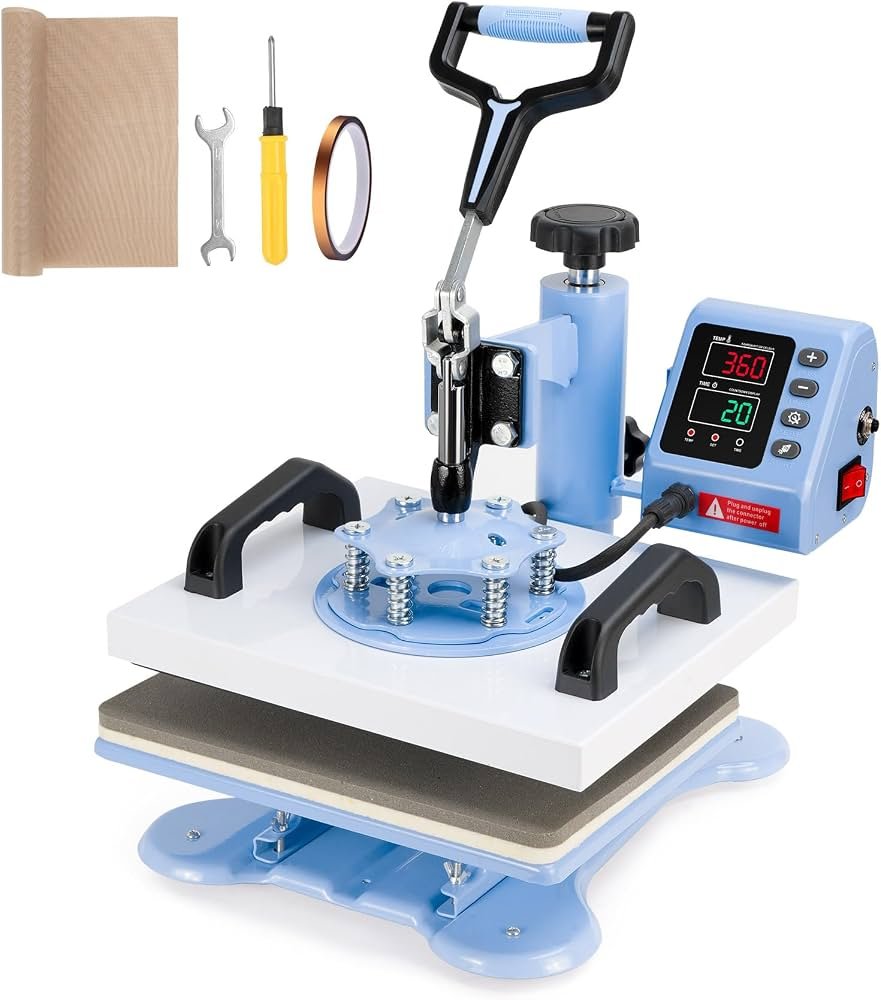
Plan Logo Decoration
Buyers can submit artwork and placement requirements for decoration review, then include the selected logo method in the sample specification before approving custom caps wholesale production.
Get a Quote
Build Private-Label Details
Veelianpro can review specified labeling and packaging components alongside the cap project, so approved artwork, copy, trims, and packing instructions form part of the production specification.
Get a QuoteCap Material Directions for Feasibility Review
Explore materials and fabrics
Cotton Twill

A woven cotton option with a familiar, structured hand that suits classic caps and uniform programs. Specify twill weight, surface finish, color target and whether a softer or firmer crown feel is preferred for review.
Polyester Fabric

A synthetic fabric direction often considered where color consistency, lighter hand feel or active-use styling matters. Share the intended use, desired texture, color requirements and any documentation needs so the construction can be assessed.
Nylon Fabric

Nylon can be specified for caps seeking a smooth, technical-looking surface and a lightweight construction direction. Provide the required finish, panel application, color reference and project-specific evidence requirements during feasibility review.
Polyester Mesh

Open mesh is commonly considered for rear panels or ventilation-focused cap concepts. Define the placement, mesh appearance, desired openness and how the material should coordinate with the crown fabric, closure and logo decoration.
Cotton Canvas

Canvas offers a denser, more textured material direction for utility-inspired, casual or promotional caps. Specify the preferred firmness, washed or unwashed appearance, color target and decoration method to evaluate sampling suitability.
Proposed Cap Construction and Decoration Processes
Explore printing and finishing
Pattern Development
View details
We translate your approved cap brief, reference, or sketch into a development pattern, reviewing silhouette, panel layout, visor profile, fit, and construction details before a sample route is confirmed.
Panel Cutting

Selected materials are prepared and cut to the approved panel shapes, helping align crown components, visor pieces, and reinforcement choices with the intended cap construction and production specification.
Crown Assembly
Cap panels, internal components, sweatband, and visor are assembled according to the reviewed construction plan. Specify seam appearance, panel count, closure type, and comfort priorities for feasibility review.
Logo Embroidery

Embroidery can add a stitched logo treatment to selected cap areas. We review artwork detail, placement, thread colors, panel material, and the desired visual effect before confirming the decoration approach.
Patch Application
Woven, printed, or other specified patch formats can be considered for front-panel or side branding. Share patch artwork, dimensions, attachment preference, and cap material so the application route can be reviewed.
Finishing Inspection

Before packing, the approved cap specification guides checks of construction, decoration placement, labels, and presentation details. Sample approvals should define the reference for bulk-production inspection and repeat-order consistency.
Proposed Cap Trims, Closures, and Branding Details
Explore labels, trims and packaging
Snapback Closures
Adjustable snapback closures fit at the rear opening of a cap. Buyers select them when they need a familiar, size-flexible finish and want the closure color and profile reviewed alongside the cap design.
Metal Buckle Closures
A metal buckle closure adjusts a fabric back strap and creates a more refined rear finish. It is useful for branded caps where strap material, buckle finish, and any logo detail require coordinated approval.
Hook-and-Loop Closures
Hook-and-loop closures provide quick rear adjustment for caps intended for active uniform or promotional use. Specify the strap width, color, closure length, and whether the back area will carry an additional logo treatment.
Interior Sweatbands
An interior sweatband runs around the lower inside of the crown to finish the wearer-contact area. Buyers can review its material, color, branding placement, and compatibility with the selected cap structure during sampling.
Woven Labels
Woven labels can be positioned inside the cap or specified as an exterior branding detail. Provide label artwork, copy, dimensions, fold style, and attachment location so the private-label presentation can be assessed clearly.
Patches and Packaging
View details
Patches, hangtags, polybags, and cartons complete the branded presentation for bulk custom caps. Define the patch method, artwork, tag copy, packing format, and carton marking requirements for quotation and pre-production review.
Discuss a Custom Cap Development Project
Veelianpro is a Wuhan-based custom workwear manufacturer serving industrial, safety, hospitality, and service buyers. For a proposed cap project, share a tech pack, reference sample, artwork, or product concept so materials, construction, branding, quantity, and production feasibility can be confirmed before planning.
For apparel brands, sourcing teams, and uniform distributors, Veelianpro can review whether a proposed cap project fits the required development, sampling, production, inspection, packing, and export scope. Any cap-specific minimum, construction, and commercial terms should be confirmed in the project quotation.

Custom Cap Development Details to Define
Feasibility Starts With Cap Architecture
As a custom logo caps manufacturer, Veelianpro reviews the complete headwear brief before quoting: silhouette, crown profile, panel layout, visor, closure, sweatband, logo position, quantity, and destination. This confirms whether a made-to-order cap route fits the project rather than treating it as a decorated blank.
- Share a tech pack, sketch, reference cap, or product idea for review.
- Specify fitted, adjustable, structured, unstructured, trucker, bucket, or other intended construction.
- Confirm quantity by style and color; projects start from 100 pieces per style and color, subject to feasibility.
- Cap OEM is quoted separately from workwear headscarves or other garment programs.
Materials and Trims Built Into the Brief
Material and trim choices affect hand feel, appearance, decoration compatibility, and repeatability. We can source options for review and align them with the intended cap construction, branding method, and market documentation needs. Availability and any material evidence are confirmed at the project and SKU level.
- Specify cotton, polyester, nylon, canvas, twill, mesh, or other proposed materials for review.
- Define visor form, under-visor treatment, eyelets, seam tape, and sweatband preferences.
- Choose closures such as snap, hook-and-loop, buckle, strap, or another requested option.
- Flag recycled, organic, UV, or test-documentation requirements before material selection.

Approve Branding Before Bulk Production
Private-label cap development brings branding into the cap specification, not only onto its front panel. Veelianpro can coordinate decoration, labels, packaging, and approval checks around buyer-supplied artwork. A pre-production sample gives sourcing teams a practical point to confirm construction, color, placement, and finishing before bulk production.
- Evaluate embroidery, screen printing, heat transfer, patches, woven labels, and care labels for the artwork.
- Review logo scale, placement, thread or color direction, and label copy against the approved brief.
- Include hangtags, individual packing, barcode labels, or custom packaging where required.
- Record approved materials, trims, artwork, and packing details for reorder control.
Made-to-Order Cap Development vs. Blank Decoration
Compare standalone cap OEM development with decorating an in-stock blank cap; cap quotes are reviewed separately from workwear headscarves.
← Swipe left or right to view →
Custom Logo Caps Manufacturer Workflow
Move from cap concept to approved bulk production through defined specifications, sampling, inspections, export coordination, and retained records for future repeat orders.
Inquiry and Feasibility Review
Share cap style, intended use, quantity by style and color, destination, timeline, artwork, and documentation needs. We review project feasibility before preparing the development path.
Specification and Material Planning
Confirm silhouette, panel arrangement, visor, closure, sweatband, fabric, colors, logo method, labels, and packaging. Recycled, organic, UV, protective, or test evidence is specified for project review.
Sample Development and Approval
Develop the agreed cap sample from the approved brief or tech pack. Review fit, construction, color, decoration placement, branding details, and packaging requirements before authorizing bulk production.
Quotation and Order Confirmation
Finalize the proposed production specification, approved sample route, quantity, and commercial terms. Applicable minimums and feasibility are confirmed in the project quotation.
Bulk Production and Inspection
Coordinate cutting, sewing, reinforcement where specified, decoration, labeling, finishing, and packing. Quality checks compare production against the approved cap specification and stated branding requirements.
Shipment and Reorder Support
Complete export coordination and retain the approved specification for reorder discussions. Updates to artwork, materials, labels, packaging, or quantity can be reviewed before a new production run.
Start Your Custom Cap Project
Give Veelianpro the product and sourcing details needed to assess a made-to-order cap program, align approvals, and prepare a project-specific quotation.
Share Your Brief
Send logo artwork, reference caps or a sketch, preferred silhouette, materials, colors, branding details, quantity by style and color, destination, and required delivery window.
Review Project Feasibility
We review custom logo caps manufacturer feasibility, including cap construction, decoration route, trims, private-label details, documentation needs, and whether the project can start from 100 pieces per style and color.
Approve the Sample Plan
Review the quotation and sample plan, then approve the cap shape, fit, materials, color standard, logo placement, labels, packaging, and any requested evidence before bulk production.
Confirm Production Handover
After approved specifications are confirmed, we coordinate production, quality checks, packing, export handover, and repeat-order records. This cap OEM path is separate from workwear headscarf development.
Standards and Audit References


Custom Logo Caps Manufacturer Scenarios for Buyer Review
Illustrative scenario
Apparel Buyer
Uniform distributor: The brief calls for branded caps to complement a service-uniform program. The buyer requests a revised closure and logo treatment. Before production, the team approves the cap specification, artwork placement, color reference, label copy, packaging details, and physical sample.
Illustrative scenario
Sourcing Manager
Apparel brand sourcing team: The team needs a private-label cap rather than an in-stock blank with decoration. It submits a reference cap, intended fabric, panel arrangement, visor preference, and woven patch artwork. Approval covers fit, construction, decoration sample, inside branding, hangtag, and quantity by style and color.
Illustrative scenario
Production Planner
Promotional merchandise buyer: The buyer compares bulk custom caps against a decorated stock-cap route for a campaign. It requests a specified silhouette and branded packaging. Before a made-to-order run, the buyer confirms the approved sample, logo method, colorway, closure, packing configuration, destination, and project feasibility.
Custom Logo Caps Manufacturer FAQ
Practical answers for brands, uniform distributors and sourcing teams planning made-to-order private-label caps.
What is the difference between a custom logo caps manufacturer and decorating blank caps?
What is the MOQ for custom logo cap development?
What should we include when requesting a custom caps wholesale quote?
What does a pre-production cap sample need to confirm?
Can Veelianpro add private-label details and retail packaging?
Which logo decoration method should we choose for a custom cap?
How are payment terms and shipment handled for bulk custom caps?
How should we protect artwork and manage documentation or repeat orders?
Complete Custom Logo Caps Manufacturer Buyer’s Guide
A practical framework for choosing made-to-order cap development, comparing it with in-stock decoration, setting supplier criteria, approving samples, and avoiding specification mistakes before a bulk private-label order.
1. What Is a Custom Logo Caps Manufacturer?
A custom logo caps manufacturer develops a made-to-order cap as a private-label product: the buyer defines the silhouette, fit, panel arrangement, visor, closure, sweatband, materials, decoration, interior labeling, and packaging for feasibility review. This differs from decorating an in-stock blank, where the existing cap body and its preset construction remain unchanged and the logo is the primary variable.
Veelianpro supports this development route from a buyer’s tech pack, sketch, reference cap, or product idea, coordinating sourcing, pattern development, sampling, cutting, sewing, decoration, finishing, quality checks, packing, and export coordination. Its starting minimum is from 100 pieces per style and color, subject to fabric, construction, and evidence requirements.
This route suits apparel brands building a recognizable headwear line, uniform distributors needing a specified program, and sourcing teams that require repeatable approved details rather than a generic blank. Buyers retain ownership decisions over the cap specification, artwork placement, selected trim and branding components, label copy, packaging presentation, sample approval standard, and reorder record; requested material or test documentation should be defined by SKU and destination market before quotation.
2. How Private-Label Cap Development Evolved
A decorated stock blank and a specification-led private-label cap solve different buying problems. The first applies a logo to an existing cap; the second asks the buyer to define the cap itself—silhouette, panel arrangement, visor, closure, sweatband, material direction, and finishing—before the logo treatment is approved.
That distinction has made approvals more deliberate. A front embroidery proof cannot confirm crown shape or fit, while an approved cap sample may still leave inside label copy, hangtag information, barcode placement, polybag, and carton requirements unresolved. Separating these decisions prevents a visually correct logo from being mistaken for approval of the complete retail or uniform item.
For a custom logo caps manufacturer inquiry, organize the brief into four approval tracks: structure, decoration, inside branding, and packaging. Submit reference caps and buyer measurements where fit matters; provide final artwork and placement intent for the selected decoration; then record label copy and pack-out requirements separately. Veelianpro can review this development scope from a tech pack, sketch, sample, or product idea, with a starting MOQ from 100 pieces per style and color subject to project feasibility.
The practical gain is a repeatable specification rather than a one-off decorated item. Keep the approved sample observations, artwork version, trim choices, label files, and packing instructions together so a reorder can be checked against the same agreed baseline.
3. Custom Logo Caps Manufacturer: Cap Types
Cap choice fixes more than the front view: it determines crown feel, seam positions, visor character, closure, and usable logo real estate. Start a custom logo caps manufacturer brief with the silhouette before approving decoration.
Five-Panel Profiles
A five-panel cap has a broad, uninterrupted front panel and a streamlined crown. It suits a centered patch or direct embroidery when the buyer wants a clean face rather than a front center seam.
Specify low, mid, or requested crown feel; curved or flat visor; and the intended closure for feasibility review. A front panel that carries oversized artwork should be checked on the physical sample.
Six-Panel Cap Structure
Six-panel caps divide the crown with a front-center seam, giving the familiar baseball-cap silhouette. A smaller front logo, offset mark, or patch placement may work better than artwork that crosses that seam.
Confirm whether the design needs a structured or softer crown, a curved visor, and an adjustable back. These choices should appear on the approved cap specification, not only in artwork.
Trucker And Dad Caps
Trucker designs combine a front crown with ventilated rear panels, while an unstructured dad cap has a relaxed, lower-profile feel. Both need a stated visor curve and closure choice because these strongly affect wear and back branding.
For a trucker, keep front decoration within the solid panel. For a dad cap, assess whether fine embroidery remains legible on the softer crown.
Snapbacks And Requested Performance Designs
A snapback typically favors a more defined crown and an adjustable snap closure; its visor profile should be named in the brief. Performance-inspired caps are requested designs only, so materials, ventilation layout, sweatband, and claimed attributes require feasibility review.
Illustrative scenario: a uniform distributor selects a six-panel curved-visor cap instead of a trucker for a service-team program. The buyer submits a reference cap, front-logo size, closure preference, and sample approval criteria before confirming a conditional order from 100 pieces per style and color.
4. Materials and Technical Cap Options
Cap material changes hand feel, crown behavior, decoration compatibility, and the evidence a buyer may need downstream. Specify the intended use and approval standard before sampling, rather than selecting fabric by appearance alone.
| Material Option | Typical Selection Role | Approval Focus |
|---|---|---|
| Cotton twill | Classic structured cap shell | Color, surface, hand feel |
| Canvas | Firmer, rugged-looking shell | Weight and crown behavior |
| Polyester or nylon | Technical-look shell option | Finish, color, intended use |
| Mesh | Ventilated panel option | Panel placement and color |
| Blended construction | Balance of hand and structure | Composition and component mapping |
Choose The Shell Material

Cotton twill is a familiar structured option; canvas can create a firmer, more rugged surface. Polyester, nylon, mesh, and cotton-poly blends are options to specify for feasibility review, not preconfirmed material offerings.
Set Interior And Structure
A lining can change interior finish, while a sweatband affects skin-contact feel and moisture handling. Identify whether the crown should use buckram or remain softer, and approve the underbrim color or print separately from the outer shell.
- Lining: unlined or specified interior finish
- Sweatband: material, width, label placement
- Structure: buckram level or soft crown
- Underbrim: matching, contrast, or approved artwork
Request Evidence By SKU
Color should be submitted as a named standard or approved physical reference, with placement by cap component. Recycled, organic, UV, or tested attributes require SKU- and destination-market-specific documentation; they are not implied by a fabric photo or sample.
5. Custom Logo Cap Branding Options
Branding should be specified as an artwork-and-placement system, not merely a front logo. Submit editable artwork, intended colors, placement views, and the cap base for feasibility review before sampling.
| Route | Detail And Texture | Artwork Limits | Sample Approval Focus |
|---|---|---|---|
| Flat embroidery | Stitched, low-profile surface | Fine lines and small text require review | Thread color, stitch clarity, placement |
| Raised embroidery | Dimensional stitched relief | Best reviewed against lettering and shape | Foam effect, edge definition, crown distortion |
| Woven or printed patch | Separate applied graphic | Patch border and attachment need review | Color, edge finish, attachment position |
| Screen print or heat-applied transfer | Smooth graphic surface | Material compatibility and artwork require review | Adhesion, color appearance, placement |
Prepare Artwork Files

Vector artwork preserves clean edges for embroidery, patches, screen printing, and heat-applied transfers. Identify small lettering, gradients, fine lines, and color changes early because each may require a different route.
Mark front, side, back, and underbrim placements on a cap view. Provide finished artwork dimensions only after the cap structure and decoration area are reviewed.
Choose Decoration Route
Flat embroidery suits stitched linework; raised embroidery emphasizes dimensional lettering. Woven patches can hold finer woven detail, while printed patches, screen printing, and heat-applied transfers may suit artwork that stitches cannot reproduce.
Specialty finishes can be specified for review, but their compatibility depends on the chosen cap material and construction. Approve a physical sample for texture, edge treatment, color appearance, and placement.
Complete Private-Label Touchpoints
Inside labels, hangtags, barcode labels, polybags, and cartons should use approved copy, SKU logic, and destination-market requirements. A barcode file alone does not confirm retail compliance.
For a custom logo caps manufacturer inquiry, separate decoration artwork from packaging artwork and record revision dates. This prevents an approved cap sample from being packed with outdated labels or cartons.
6. Construction Details That Affect Quality
A cap’s approved appearance depends on how its components work together, not just the front logo. Record the intended structure and finishing in the sample specification so a repeat order has a usable reference.
Crown And Visor Control
A structured crown holds its profile differently from an unstructured one; panel count, panel joins, seam allowance treatment, and interior tape influence both shape and comfort. Specify the visor as curved or flat, plus its intended profile, rather than approving from a front-view rendering alone.
Check buyer-supplied head-fit measurements and the crown-to-visor transition on the physical sample. Eyelets should be positioned cleanly without puckering or distorted panels.
Interior And Closure Details

The sweatband, closure, interior tapes, and labels are handling points that can change fit and perceived quality. Identify the closure type for review—such as snap, buckle strap, hook-and-loop, or fitted construction—and confirm that its adjustment range and trim attachment work as intended.
Inspect label placement, edge finishing, and any patch or trim attachment from both the exterior and interior. Loose ends, uneven stitches, sharp hardware edges, or labels caught in seam joins should be corrected before approval.
Pre-Production Sample Checks
Before bulk release, compare the sample with the approved artwork and buyer-provided measurements. Verify fit, logo placement, color references, visor shape, trim function, seam finishing, label copy, and packing execution—not merely the front decoration.
Illustrative uniform-distributor scenario: a distributor reviewing a service-team cap finds the back closure interferes with a woven tab. The buyer changes the tab position, approves the revised sample and packing layout, then uses that approved specification for the order.
- Measure against buyer-supplied fit requirements
- Test closure adjustment and attached trims
- Open packed units to confirm presentation
7. Choosing a Custom Logo Caps Manufacturer
A capable custom logo caps manufacturer should turn a buyer’s concept into an approvable specification, not merely add a logo to an existing cap. At Veelianpro, feasibility begins with the cap design, quantity split, materials, branding, and evidence requirements.
| Criterion | Made-To-Order Development | In-Stock Blank Decoration |
|---|---|---|
| Cap body | Specified for feasibility review | Existing cap body |
| Branding | Decoration, labels, and packaging specified | Logo added to selected blank |
| Approval | Sample and specification approval | Blank and decoration proof approval |
| Reorder record | Approved cap specification retained | Blank SKU and artwork retained |
Assess Development Feasibility
Submit a tech pack, sketch, reference cap, or product idea with target silhouette, fit, panel arrangement, visor, closure, sweatband, colors, destination, and quantity by style and color.
Made-to-order projects start from 100 pieces per style and color, subject to fabric, construction, and documentation feasibility. Identify recycled, organic, UV, or test evidence as a procurement requirement for SKU-level review.
Compare Supply Routes
A made-to-order route controls the cap specification; an in-stock blank-decoration route applies branding to a pre-existing cap. Compare approvals on the same basis before selecting either path.
Control Samples And Records
Send vector artwork, intended decoration placement, label copy, packaging requirements, and approval criteria. Request a quote that separates development, sampling, materials, trims, decoration, packing, inspection, and export coordination where applicable.
Approve the physical sample against construction, color, artwork, trim function, labels, and packing. Retain the approved measurements, artwork files, trim references, label copy, and packing specification for reorders.
8. Common Custom Cap Sourcing Mistakes
Most cap failures begin when a visual reference is mistaken for a production specification. A custom logo caps manufacturer needs the missing decisions captured before artwork, sampling, and quantity approvals move forward.
Turn Photos Into Specifications
A photo rarely shows crown profile, panel arrangement, visor shape, closure, sweatband, or fabric. Mark each requirement on a sketch or reference cap; identify every item still subject to feasibility review.
Lock Artwork And Label Copy
Approve artwork with its decoration method, placement reference, orientation, dimensions supplied by the buyer, thread or color callouts, and patch edge treatment where applicable. Finalize woven-label, care-label, hangtag, barcode, and packaging copy before sampling; late copy changes can reopen approvals.
Protect Sample And Quantity Decisions
Splitting a small program across many colors can make each style-color quantity infeasible; Veelianpro’s starting MOQ is from 100 pieces per style and color, subject to project requirements. Inspect a physical sample for fit, crown shape, seam alignment, decoration, closure operation, labels, and packing before bulk approval.
Document Claims And Changes
Environmental, recycled, organic, UV, or performance statements require SKU- and market-specific evidence, not a photo or material assumption. Illustrative scenario: an apparel-brand buyer changed from an unspecified recycled claim to a named fabric request pending documentation, then approved the revised sample, label copy, and signed specification.
9. Launching a Private-Label Cap Order
A private-label cap order moves cleanly when the approved brief becomes the single production reference. Veelianpro can begin from a tech pack, sketch, reference cap, or product idea, then review the development path before sampling.
Build The Development Brief
Identify silhouette, buyer-provided measurements, panel arrangement, visor, closure, sweatband, intended fabric, color reference, logo files, and trim choices.
Add label copy, hangtag, packaging, destination, and any SKU- and market-specific documentation request. Reference photos show intent; they do not replace written construction decisions.
- List quantity by style and color
- Supply editable artwork and placement views
- Mark required barcode and carton information
Confirm Feasibility And Quote
Veelianpro reviews materials, construction, decoration, trims, and documentation needs before defining the quotation scope. The starting MOQ is from 100 pieces per style and color, subject to fabric, construction, and evidence requirements.
Ask the quote to separate development, sample, approved packaging, inspection, and export coordination so exclusions are visible.
Approve Artwork And Sample
Lock logo size and placement, color references, label copy, closure, and packaging artwork before the sample route. A physical sample should be checked against the agreed fit, shape, stitching, decoration, trims, and branding.
Record every accepted change in a dated approval file. Do not release bulk production on an untracked verbal revision.
- Approved measurement sheet
- Artwork revision number
- Sample photos and sign-off
- Packaging and label proof
Release Bulk And Reorder
Before bulk release, reconcile the purchase order with the approved sample, quantity split, packing instructions, destination, and required evidence. Confirm which approval version controls if the order documents conflict.
For reorders, retain the approved specification, artwork files, color references, trim sources, label copy, packing record, and change log. Recheck feasibility when any material, decoration, market, or quantity changes.
10. Custom Logo Cap Cost Drivers
A cap quote changes first with the product build: crown silhouette, panel count, visor shape, closure, sweatband, fabric selection, and color application must be priced as one approved specification. Made-to-order development also separates cap-body work from decoration and retail presentation, so a logo alone is not a complete quoting brief.
At Veelianpro, the conditional starting MOQ is 100 pieces per style and color, subject to fabric, construction, and evidence requirements. State the quantity split, destination, required sample stages, and whether any material, recycled-content, UV, or test documentation must be reviewed for the specific SKU and market.
Ask the quotation to identify what is included in sampling, bulk decoration, labels, packaging, inspection, and export coordination, plus any exclusions requiring separate approval. A reference cap or tech pack should distinguish design intent from a confirmed production requirement before costs are finalized.
| Cost driver | What changes the scope | Define before pricing |
|---|---|---|
| Construction and materials | Panel arrangement, visor profile, closure, sweatband, fabric, lining, color, and reinforcement choices alter components and operations. | Approved silhouette, material target, color references, fit requirements, and construction details. |
| Logo decoration | Embroidery, screen print, heat transfer, patch type, placement, artwork detail, and number of branded locations affect setup and execution. | Vector artwork, placement map, dimensions, colors, and sample approval standard. |
| Private-label trims and packaging | Woven or care labels, hangtags, branded tape, stickers, polybags, barcode labels, and carton presentation add separate specifications. | Label copy, trim artwork, pack-out, barcode data, and destination labeling rules. |
| Quantity, samples, and evidence | Style/color splits, sample iterations, and requested SKU- or market-specific documentation change the review and quotation scope. | Units by style and color, sample route, approval checkpoints, destination, and evidence request. |
11. Custom Logo Caps Manufacturer FAQs
These answers separate made-to-order cap development from simple logo application. Veelianpro reviews the cap specification, branding package, sample scope, and quantity split before confirming feasibility.
Private Label Or Blank Caps?
Private label builds your specified cap and branding system; a blank route decorates an existing cap. That distinction is described at https://clothingbrandowners.com/manufacturing/private-label-hat-manufacturing; provide the intended silhouette, materials, and brand assets for review.
Which Fit And Closure?
Approve crown profile, panel layout, visor shape, head-size range, sweatband, and closure before sampling. Specify snap, strap, buckle, hook-and-loop, or fitted construction as a design requirement, then compare the physical sample to your reference cap.
Which Decoration Route?
Choose decoration from logo detail, placement, material, and hand-feel requirements. Embroidery, screen printing, heat transfer, patches, and woven labels can be considered; submit vector artwork and identify whether fine lines, raised texture, or color matching need sample approval.
Can Labels And Packaging Be Added?
Yes—specify inside label copy, care information, hangtags, barcode placement, polybags, and cartons in the quote request. Private-label sourcing commonly treats these as separate branded touchpoints, as illustrated at https://bloomcaps.com/private-label; final options require feasibility review.
What Must The Sample Verify?
A pre-production sample should verify fit, crown shape, visor, closure, fabric appearance, decoration placement, label copy, and packaging presentation. Record approved measurements, artwork version, trims, and color references so bulk inspection and reorders use the same specification.
What Quantity Is Feasible?
Veelianpro starts from 100 pieces per style and color, subject to fabric, construction, and evidence requirements. State every style-color split, destination, and required documentation early; a lower-volume blank-decoration route is a different sourcing model, not an assumed substitute.
Request a Quote From a Custom Logo Caps Manufacturer
Send your tech pack, artwork, reference cap, construction, branding, quantity, destination, and required evidence for a project-specific review.