
Fitness Apparel Manufacturers
Work with Veelianpro on custom fitness apparel development, with OEM, ODM, and private-label options from 100 pieces per style and color, subject to project feasibility.
Garment and Development References

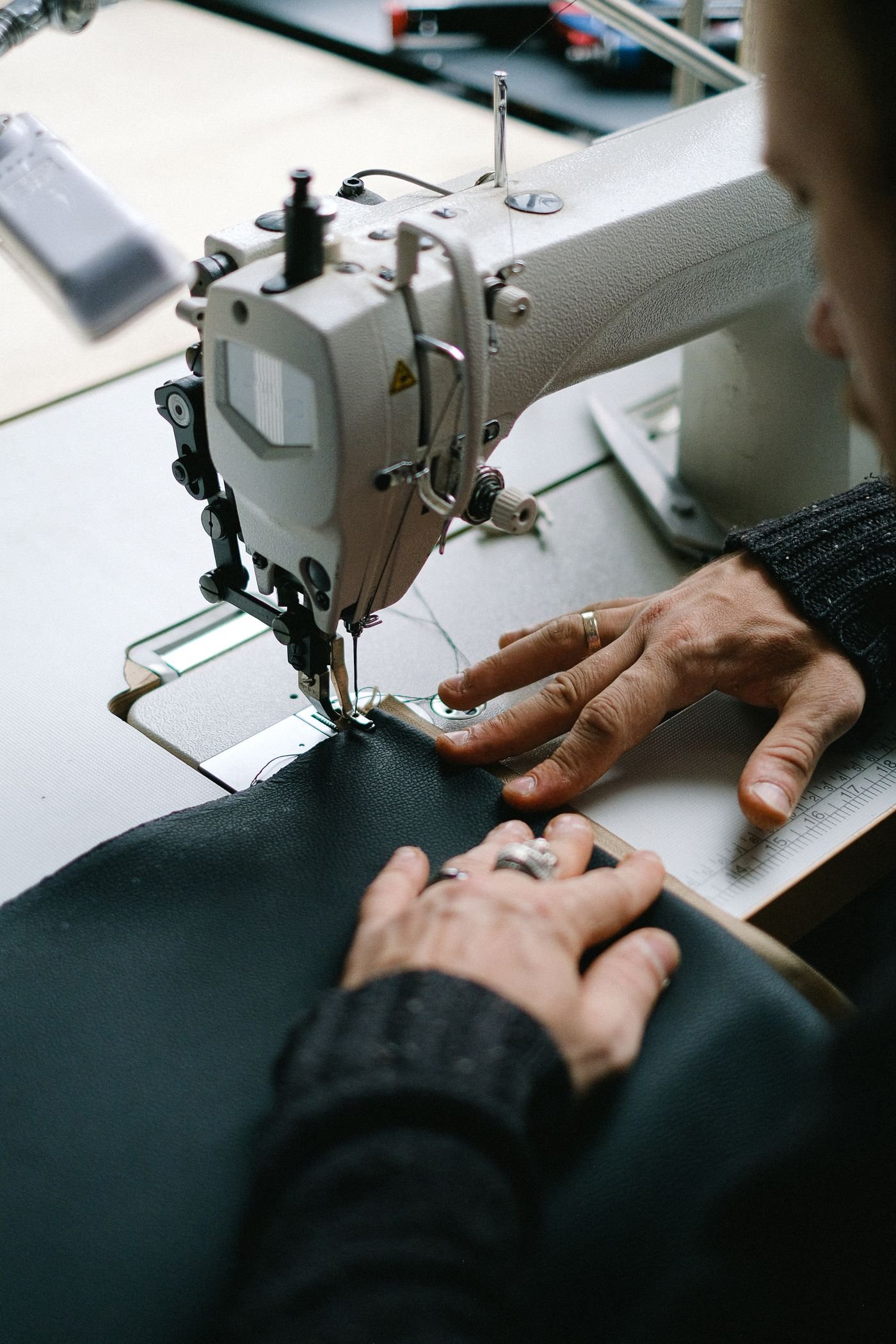

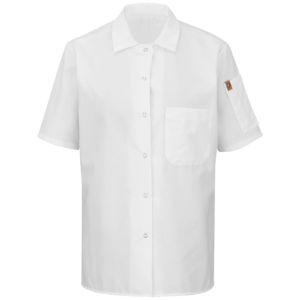
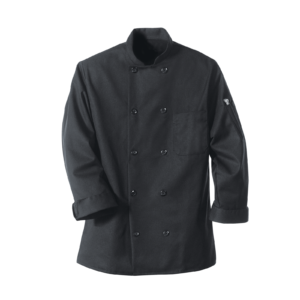
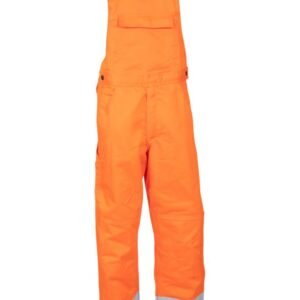
Browse Veelianpro’s Workwear Catalogue
Review current garment references, then send the fit and construction details for your program.
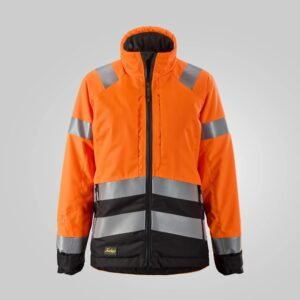





Custom Fitness Apparel, Built to Spec
Practical development support for buyer-led fitness garment programs, from initial concept through production readiness.
Buyer-Led Specifications
Share a tech pack, sketch, sample, or concept; we translate buyer direction into reviewable garment specifications before sampling.
Material and Trim Review
Discuss fabric composition, weight, color, and trims for sourcing review, helping align the proposed build with your intended use.
Fit and Sample Development
Pattern development, size grading, and samples give your team a physical checkpoint for fit, measurements, construction, and branded details.
Private Label Options
Choose embroidery, screen printing, heat transfer, patches, woven labels, care labels, and custom packaging options to carry your brand consistently.
Controlled Production Handoff
Quality checks, packing, and export coordination support a controlled handoff once approved specifications, artwork, and order details are confirmed.
Fitness Apparel Manufacturers Development Options
Choose what you want to specify before sample approval.

Performance Top Programs
Submit a tech pack, sketch, sample, or product idea for review. We can coordinate material and trim sourcing, pattern development, sampling, labels, decoration, packing, and bulk production around approved specifications.
Get a Quote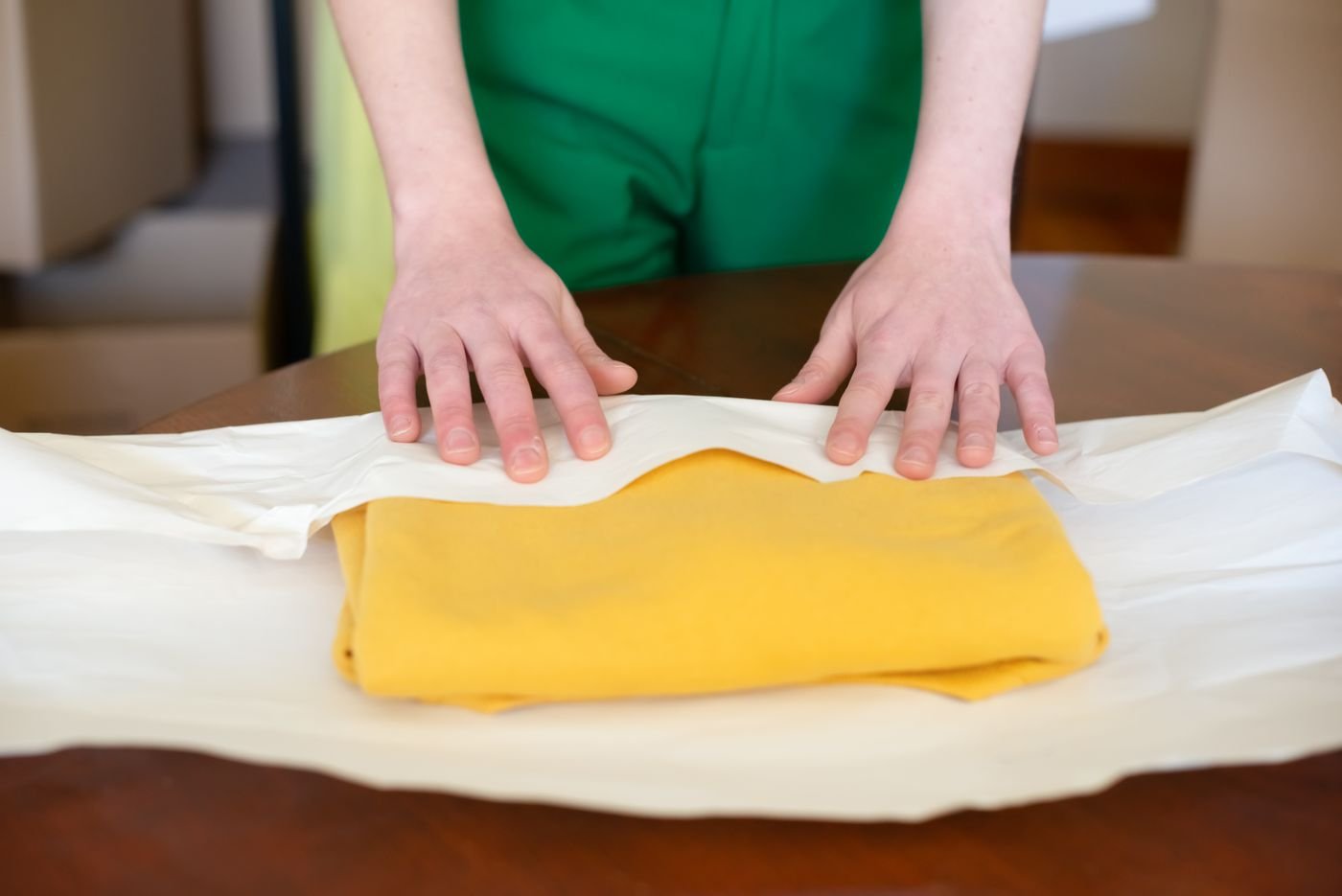
Bottoms and Set Development
Build a made-to-order development brief that records garment construction, measurements, color references, branding, and packaging needs. Feasibility starts from 100 pieces per style and color, subject to fabric, construction, and evidence requirements.
Get a Quote
Layering and Outerwear Concepts
Use the sample route to evaluate the intended garment concept and approved details. Options such as zippers, drawcords, labels, patches, embroidery, screen printing, or heat transfer can be specified for project review.
Get a QuoteMaterials to Specify for Fitness Apparel
Explore materials and fabrics
Polyester Elastane Jersey

A smooth knit option for training tees, fitted tops, and leggings where stretch is part of the brief. Specify composition, weight, hand feel, color target, and any requested moisture-management or test documentation for review.
Nylon Elastane Interlock

A dense, soft knit often considered for close-fitting leggings, bras, and training layers. Review stretch direction, recovery expectations, opacity requirements, surface finish, and the garment’s intended movement before sample development.
Cotton Blend Jersey

A familiar casual knit for gym tees, warm-up pieces, and branded fitness merchandise. Define the cotton blend composition, desired weight, shrinkage expectations, print method, and whether organic-content documentation is needed for the finished SKU.
Performance Mesh Panels

An open or engineered knit option for ventilation zones on training tops, shorts, and linings. Buyers should identify panel placement, coverage needs, color contrast, seam treatment, and any claimed performance evidence required by market.
French Terry Fleece

A loop-back or brushed fabric family for hoodies, joggers, and recovery layers. Select the desired face, interior texture, weight, rib compatibility, and decoration approach, then confirm bulk material against the approved development sample.
Recycled Fiber Blends

Polyester or nylon blend options may be submitted for projects seeking recycled-content inputs. Availability and claims require SKU-level sourcing review and appropriate chain-of-custody documentation; they are not assumed attributes of every production program.
How We Build Custom Fitness Garments
Explore printing and finishing
Pattern Development
View details
We translate your tech pack, sketch, reference sample, or product idea into production patterns, then review key fit points and construction details before sampling. Fitness garment concepts are assessed for project feasibility and intended use.
Size Grading
View details
Approved base patterns can be graded across your requested size range, using your measurement chart and fit direction. This creates a consistent reference for sample review, size-set approval, cutting, and future reorders.
Precision Cutting

After fabric, color, and approved pattern details are confirmed, panels are cut to the production marker. Placement-sensitive components, contrast panels, and decoration locations can be checked against the approved specification before assembly.
Sewing Reinforcement
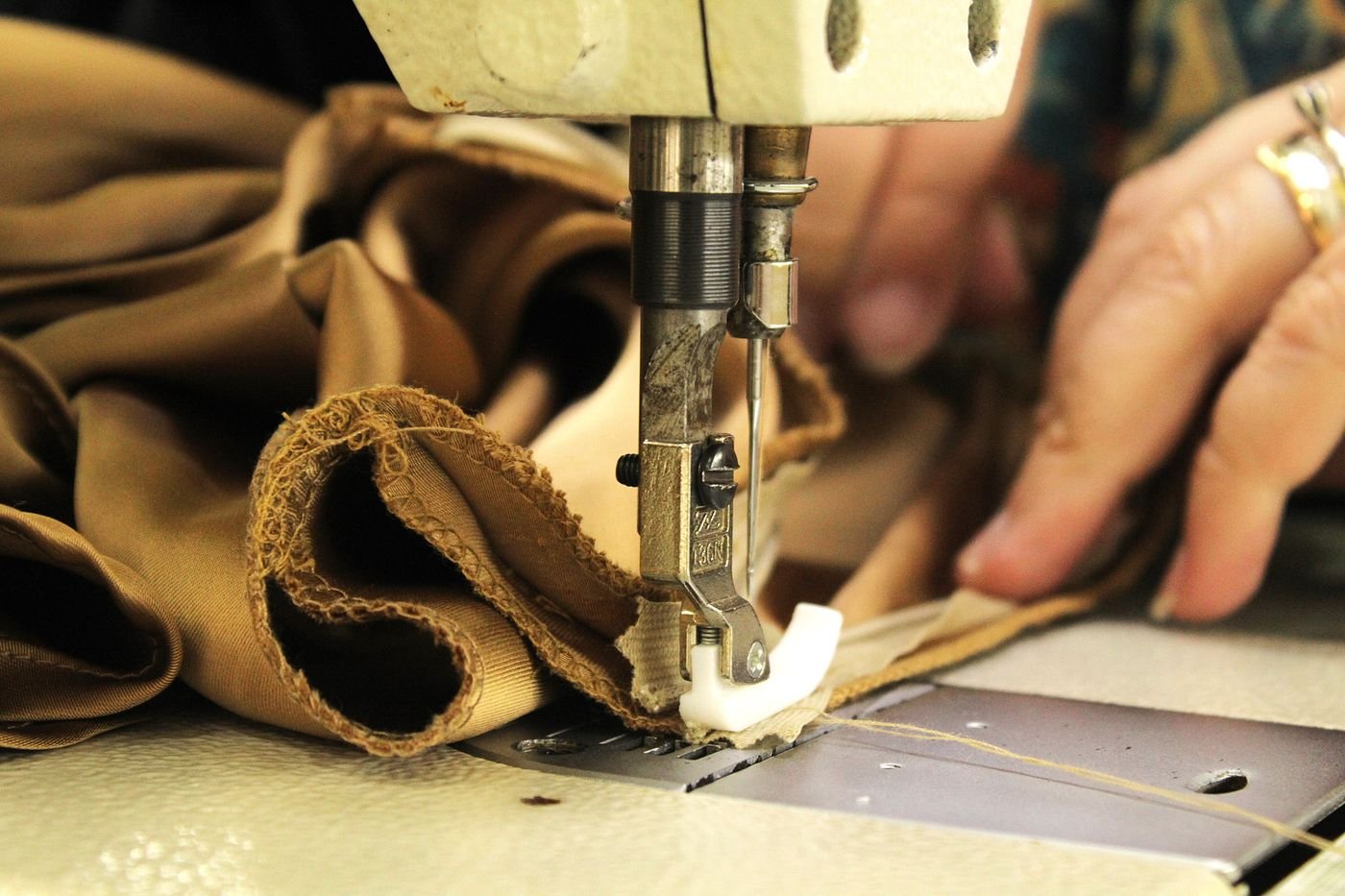
We assemble garments according to the agreed construction, with reinforcement options such as bartacks, gussets, or strengthened stress areas specified for review where relevant. Final construction choices depend on the selected style, fabric, and sample approval.
Branding Finishing
Embroidery, screen printing, heat transfer, patches, woven labels, care labels, and custom packaging can be coordinated from approved artwork and placement instructions. Quality checks, packing, and export coordination follow the confirmed order specification.
Trims, Branding, and Packaging Options
Explore labels, trims and packaging
Woven Brand Labels

Specify woven labels for the neck, side seam, waistband, or other approved placement. They give private label fitness apparel programs a defined brand identity while allowing review of dimensions, fold type, colors, and attachment method.
Care Label Sets
Create care labels with fiber content, care instructions, size information, country-of-origin details, or buyer-supplied compliance copy. Placement, language versions, label material, and final text should be confirmed for each destination market and SKU.
Custom Patches
View detailsAdd patches to sleeves, chest panels, hems, bags, or other approved garment locations. Buyers can submit artwork and select the intended patch format, dimensions, backing, and application placement for project review before sampling.
Logo Decoration
Choose embroidery, screen printing, or heat transfer based on the selected garment, artwork, logo position, and intended finish. Each decoration route is reviewed with the fabric and construction so sample approvals reflect the planned production method.
Custom Retail Packaging
View detailsSpecify custom packaging for folding, protection, and brand presentation after final inspection. Options can include branded packaging, size identification, care inserts, or buyer-provided labels, with pack method and export requirements reviewed for the order.
Fitness Apparel Development With Veelianpro
Veelianpro is a Wuhan-based custom garment manufacturer serving sourcing teams, apparel brands, and uniform distributors. Its documented workwear operation began in 2012; fitness-apparel inquiries are reviewed through the same OEM, ODM, private-label, and wholesale development workflow, subject to project feasibility.
Start with a tech pack, sketch, reference sample, or product idea. We can coordinate fabric and trim sourcing, pattern development, sampling, size grading, cutting, sewing, decoration, quality checks, packing, and export coordination. Projects may begin from 100 pieces per style and color, subject to fabric, construction, and documentation requirements.

Development Built Around Your Specifications
Specification Intake That Starts Clearly
We turn your tech pack, sketch, reference sample, or product idea into a reviewable development brief. Before sampling, we align garment category, intended use, fit direction, size range, colorway, branding, quantity, destination, and any documentation requirements that affect feasibility.
- Review style, fit, measurement points, and movement needs
- Define fabric composition, weight, stretch, and hand-feel targets
- Map pocket, waistband, seam, panel, and reinforcement choices
- Confirm conditional feasibility from 100 pieces per style and color

Material and Trim Sourcing
Fitness apparel manufacturers need material and trim decisions that work together in the finished garment. We can source options for project review and help connect fabric, elastic, labels, closures, decoration, and packaging choices to the intended silhouette, wear setting, and approval process.
- Specify polyester blends, nylon blends, cotton blends, mesh, or fleece options
- Review elastic, drawcord, zipper, label, patch, and hangtag choices
- Plan screen print, heat transfer, embroidery, or woven-label applications
- Request SKU- and market-level material or test documentation where needed

Prototype Development for Fit Review
A physical sample gives your team a practical point for reviewing fit, construction, color, and branding before bulk preparation. We support pattern development, size grading, cutting, sewing, finishing, and sample revisions based on consolidated buyer feedback and approved reference materials.
- Develop patterns from approved measurements and design references
- Review sample fit, proportions, construction, and artwork placement
- Coordinate size grading requirements for the selected size range
- Record approved changes before moving toward production preparation

Approval-Led Production Preparation
Private label fitness apparel moves more smoothly when the approved sample and production details tell one consistent story. We prepare the garment, trim, decoration, packing, and inspection requirements for confirmation so sourcing teams can retain a clear reference for the first order and future reorders.
- Lock approved fabric, color, artwork, labels, and packaging details
- Confirm decoration files and placement against the approved sample
- Set inspection and packing requirements for the order review
- Keep approved specifications organized for reorder discussions

Made-to-Order Development vs. In-Stock Decoration
Choose development control or an existing blank based on your launch requirements.
← Swipe left or right to view →
Custom Fitness Apparel Production Flow
A specification-led route from feasibility review to shipment and reorder support, built for custom bulk programs.
Inquiry and Feasibility Review
Share garment category, intended use, quantity, destination, timeline, materials, branding, and any documentation needs so we can review project feasibility from 100 pieces per style and color.
Specification and Sample Development
We refine your tech pack, sketch, sample, or product idea through pattern development, fabric and trim selection, size grading, and a sample review focused on fit and construction.
Quote and Order Confirmation
After specifications and sample requirements are aligned, we prepare a project quotation and confirm approved materials, color direction, artwork, labeling, packaging, and production details before bulk release.
Bulk Production and Controls
Cutting, sewing, reinforcement, decoration, finishing, and packing follow the confirmed specification, with quality checks at relevant stages to keep workmanship, branding placement, and packing requirements aligned.
Inspection, Shipment, and Reorders
Final inspection and export coordination follow production completion. For reorders, retain approved specifications, artwork, trim references, fit records, and any required SKU-level documentation for clear review.
How to Work With Veelianpro
A clear approval path for made-to-order fitness apparel development.
Share Your Brief
Send garment category, target user, fit direction, fabric preferences, colorways, branding, quantity, destination, timeline, and any market-specific documentation requirements for feasibility review.
Align Specifications
Review construction options, size range, decoration method, labels, packaging, and sample scope with our team; confirm which details require buyer approval before quotation.
Approve the Proposal
Receive a project-specific quotation and order details after feasibility review. Confirm the approved specifications, sample route, commercial terms, and conditional minimum of 100 pieces per style and color.
Release Production
Approve the relevant sample and final order details, then proceed with production coordination, quality checks, packing requirements, and export handover for your fitness apparel program.
Standards and Audit References


Illustrative Fitness Apparel Procurement Scenarios
Illustrative scenario
Apparel Buyer
A sourcing manager submits a training-top tech pack, target size range, colorway, logo artwork, and destination market. The project review focuses on fabric options, fit measurements, label placement, and a sample approval checklist before evaluating production feasibility.
Illustrative scenario
Sourcing Manager
An emerging fitness brand requests private label fitness apparel for a coordinated legging and training-shirt launch. The development discussion covers garment panels, branding method, packaging, and reference samples, with final artwork, grading, colors, and construction details documented for approval.
Illustrative scenario
Production Planner
A uniform distributor compares fitness apparel manufacturers for a bulk program with multiple recipient sizes. The buyer provides intended use, garment categories, decoration files, quantity by style and color, and market requirements so materials, trims, sample evidence, and conditional MOQ feasibility can be reviewed.
Fitness Apparel Sourcing FAQ
Practical answers for brands comparing custom OEM development, private-label options, and bulk fitness garment sourcing with Veelianpro.
Can Veelianpro review a fitness apparel project from 100 pieces per style and color?
Should we choose custom development or in-stock wholesale fitness apparel for our launch?
What materials can fitness apparel manufacturers source for review?
What should we approve on a fitness apparel sample before bulk production?
What branding choices are available for private label fitness apparel?
Which construction details should fitness apparel manufacturers clarify early?
How are payment, shipping, and export details handled?
How can we protect our approved specification for future reorders?
Complete Guide to Fitness Apparel Manufacturers
Use this framework to choose a made-to-order or in-stock route, assess supplier criteria, approve samples and specifications, and avoid costly fit, documentation, decoration, and reorder mistakes.
1. What Fitness Apparel Manufacturers Do
Fitness apparel manufacturers turn a commercial garment brief into an approved bulk-production specification: the pattern, graded size range, fabric and trim choices, construction details, labels, decoration files, packing, and inspection criteria must align before cutting begins. For a brand, sourcing team, or uniform distributor, this OEM or private-label role is development coordination as much as sewing.
The first route is a specified made-to-order garment. It suits buyers who need control over fit, panel layout, pocket placement, reinforcement, fabric composition, color, branding placement, and packaging; it also requires a clearer tech pack or sample reference and formal approvals before bulk production.
The alternative is decorating an in-stock blank through an appropriate decoration workflow. That route can reduce development decisions, but buyers should first confirm that the chosen blank, color, size range, label treatment, artwork method, and reorder status meet the program rather than assuming any stock is available.
Veelianpro can review projects starting from 100 pieces per style and color, subject to the requested fabric, construction, and evidence requirements. Send the intended garment category, target use, size range, colorway, logo artwork, quantity, destination, and any SKU- or market-level documentation request so feasibility can be assessed before quotation.
2. How Fitness Apparel Production Evolved
A fitness tee with a logo can be decorated after purchase; a made-to-order training garment must first translate a brand concept into a repeatable specification. That shift changes the buyer’s job from selecting a blank to approving silhouette, size range, stretch direction, seam placement, waistband or neckline behavior, labeling, and packaging as connected decisions.
Private labeling adds ownership of the customer-facing details, while OEM development adds responsibility for the technical file behind them. For fitness apparel manufacturers, an artwork file alone is insufficient when the logo crosses a high-stretch panel, a heat transfer sits near a seam, or a woven label could irritate the wearer; the decoration method, placement, substrate, and approval sample should be recorded together.
Movement makes fit approval more demanding than a flat measurement check. Buyers should define the intended activity and review the sample through agreed motions such as reaching, squatting, cycling, or floor work, then capture measurement points, tolerances, trim selections, color references, artwork version, and care-label content before bulk authorization.
Market-facing claims need the same discipline. If a project will reference recycled content, organic inputs, UV protection, or a tested performance property, request the SKU- and market-specific evidence during feasibility review; a fabric description, photo, or prior document is not a substitute for applicable documentation. Veelianpro can review a tech pack, sketch, sample, or product idea and develop the needed fabric, trim, pattern, sample, and decoration route, with feasibility beginning from 100 pieces per style and color subject to project requirements.
3. Types of Fitness Apparel Manufacturers
Fitness apparel manufacturers can operate as product developers, blank-garment decorators, category specialists, or intermediaries. The route determines how much control a buyer has over fit and construction, and what must be approved before bulk production.
| Route | Garment Control | Core Approval | Branding Workflow | Primary Risk To Manage |
|---|---|---|---|---|
| Full custom cut-and-sew | High: buyer-defined fit and construction | Pattern, sample, measurements, materials | Integrated into specification | Unclear technical brief |
| Private-label adaptation | Moderate: selected base is retained | Fixed versus changeable features | Labels and approved decoration | Assuming base details can change |
| In-stock/decorate | Limited: blank drives structure | Blank SKU, color, decoration area | Artwork applied to existing garment | Availability or substitution assumptions |
| Specialist or intermediary | Varies by operating role | Responsibility map and sample owner | Confirm who executes each step | Fragmented accountability |
Full Custom Cut-And-Sew

A made-to-order route starts with a tech pack, sketch, reference sample, or product idea. The buyer can submit fit measurements, fabric direction, panels, seams, labels, packaging, and decoration placement for feasibility review.
This route requires clearer approvals because each decision becomes part of the production specification. Veelianpro can support pattern development, sampling, grading, cutting, sewing, decoration, and export coordination; starting feasibility is from 100 pieces per style and color, subject to the project requirements.
Private-Label Adaptation
Private-label adaptation keeps a proven garment base while changing brand-facing elements. A buyer should confirm which features remain fixed and which can be reviewed, including color, woven label, care label, patch, screen print, heat transfer, or embroidery.
It reduces development decisions, but does not remove approval responsibility for artwork, label text, placement, size range, and packaging.
In-Stock Decoration Routes
An in-stock/decorate route uses an already available blank, then adds approved artwork or labels. It is best assessed as a separate supply model: blank availability, color continuity, permitted decoration areas, and substitute rules must be confirmed in writing.
The buyer controls branding more than garment engineering. Do not assume a blank supports a requested performance, recycled-content, UV, or test claim without SKU- and market-level evidence.
Specialist And Intermediary Models
A specialist producer may focus on a narrow garment family or technical construction, while a sourcing intermediary coordinates factories rather than directly controlling every operation. For either model, identify who owns pattern changes, sample approvals, quality checkpoints, and corrective action.
For fitness-adjacent apparel, request review of the exact category rather than treating workwear experience as proof of a tested activewear program.
4. Materials for Fitness Apparel Manufacturers
Fabric selection determines how a fitness garment feels, moves, covers, and survives care. Veelianpro can review the requested composition, knit or woven structure, trims, and evidence needs before sampling; availability remains project-specific.
| Material Option | Typical Decision Use | Sample Review Focus |
|---|---|---|
| Polyester-elastane | Training tops or stretch bottoms | Recovery, opacity, care |
| Nylon-elastane | Soft-hand fitted styles | Hand feel, recovery, pilling review |
| Cotton blend | Tees and lifestyle layers | Shrinkage, hand feel, care |
| Mesh or lining | Ventilation or coverage zones | Skin contact, seam behavior |
| Elastic or support trim | Waists, underbands, straps | Recovery, pressure, wash behavior |
Base Fabric Trade-Offs

Polyester-elastane is commonly specified where a smooth, resilient performance hand is desired; nylon-elastane can be specified for a softer, denser hand. The actual stretch direction and recovery should be checked on the proposed fabric, not assumed from fiber names.
Cotton blends suit training tees or lifestyle layers where a more natural hand matters, but buyers should define shrinkage and care expectations for sample review.
- Specify composition and fabric construction
- Approve hand feel after wash testing
- Review light-color opacity in motion
Ventilation And Support Components
Mesh panels, pocket bags, lining, elastic waistbands, bra underbands, drawcords, and removable-pad systems should be listed separately in the tech pack. Their recovery, skin contact, seam placement, and wash behavior can differ from the shell fabric.
For leggings, shorts, or bras, assess opacity and support with buyer-defined movement checks on the sample, including the intended colorway.
Evidence And Care Requests
Recycled-content, organic, UV, and performance statements require SKU- and market-level documentation requests; a fabric photo or development sample does not establish a claim. Identify the claim wording, destination market, test method if required, and the certificate or transaction evidence needed before approval.
Care labeling should match the confirmed fabric and trim combination. Keep the approved composition, color standard, and evidence file with the reorder specification.
5. Customization and Branding Options
Customization starts with a fit brief and artwork package, not a logo alone. Veelianpro can review a tech pack, sketch, sample, or product idea alongside proposed branding details; final options remain subject to feasibility review.
| Branding Element | Specify For Review | Sample Approval Check |
|---|---|---|
| Embroidery | Artwork, location, backing preference | Detail and placement |
| Screen Print | Color separations and print area | Coverage and hand feel |
| Heat Transfer | File, transfer size, stretch location | Adhesion and distortion |
| Labels And Packaging | Copy, materials, layout, packing method | Legibility and correct assembly |
Fit Direction

Define the intended silhouette, size range, grading reference, rise or length preference, and movement use. A reference garment helps separate a visual preference from a measurement requirement.
Approve fit on a sample using buyer-provided measurements and wear checks before bulk production.
Color And Artwork Control
Submit editable vector artwork, color references, logo dimensions, and placement maps for each SKU. Artwork over a stretch area needs sample review because expansion, seam crossings, and garment curvature can change its appearance.
Mark front, back, sleeve, waistband, and inside-label locations separately.
Decoration Workflow
Embroidery, screen print, heat transfer, and silicone or raised-print effects may be specified for review. The appropriate route depends on artwork detail, fabric surface, placement, and the required hand feel.
A decorated approval sample should confirm color, edge quality, placement, and behavior in the intended stretch zone.
Labels And Packing
Woven labels, heat-transfer neck labels, drawcords, zip pulls, hangtags, and custom packaging are options to define in the specification. Provide label copy, care-content requirements, packaging layout, and destination-market needs before quotation.
Keep approved artwork versions and trim references with the reorder record.
6. Construction and Quality Approval Points
Fitness garments reveal construction decisions during movement, not just on a flat measurement sheet. Align the approved pattern, stretch direction, seams, trims, and decoration method before bulk cutting so the intended fit is reproducible across sizes.
Pattern, Grading, And Movement
A fitted legging, training tee, or short needs a buyer-approved base size and grading direction; a visually correct sample can still change balance in another size. Provide the size chart, target body or garment measurements, and permitted measurement tolerances for review.
Movement checks should match the planned use, such as a squat, reach, lunge, or run-through. Record where the garment pulls, twists, rides up, or exposes a pocket opening, then revise the pattern before approval.
- Base size and complete grading range
- Garment measurements and tolerances
- Movement observations by size
Seams, Waistbands, And Pockets
Seam placement affects comfort, visual paneling, and where a decoration can sit without crossing a high-stretch area. Specify the requested seam treatment, waistband or elastic integration, lining need, and pocket construction for feasibility review rather than assuming one standard build.
For example, a phone-pocket legging and an unlined training short need different pocket access and stabilization decisions. Confirm the intended contents and activity before locking the sample.
- Seam placement and requested seam type
- Waistband height and elastic behavior
- Lining and pocket access requirements
Wash And Pre-Production Approval
Wash review can expose changes in appearance, seam behavior, elastic recovery, label attachment, or decoration adhesion that are not visible at first fitting. Review the agreed care route and inspect the post-wash sample against the approved measurements and appearance.
Stretch decoration needs its own check: inspect artwork placement while the relevant panel is extended. Approve a pre-production sample with the final fabric, trims, labels, packaging, artwork, and measurement record before bulk production.
- Post-wash measurement comparison
- Decoration stretch and placement review
- Signed pre-production sample record
7. Choosing Fitness Apparel Manufacturers
Fitness apparel manufacturers should be compared against the exact garment brief, not a logo sheet. For a made-to-order route, capability means controlling fit, fabric, construction, trims, decoration, packaging, and approval records as one specification.
| Comparison Point | Made-To-Order Development | In-Stock Decorate Route |
|---|---|---|
| Fit and structure | Buyer-approved pattern and specification | Existing blank governs fit and construction |
| Branding workflow | Artwork and labels reviewed with the SKU | Decoration applied to the selected blank |
| Change control | Versioned sample and specification record | Blank availability and decoration approval record |
Match Category And Fabric
Submit the intended garment category, movement use, fit direction, fiber composition, knit or woven construction, and colorway for feasibility review. Veelianpro can review a custom development starting from 100 pieces per style and color, subject to fabric, construction, and evidence requirements.
- Name the garment and intended wearer
- Provide fabric and stretch expectations
- Identify required trims and packaging
Compare Quote Scope
A usable quote separates development items from bulk requirements. Ask who owns the pattern, graded measurement chart, artwork files, decoration placement, labels, hangtags, polybags, carton marks, and inspection reference.
Approve The Sample Route
Approve a sample against buyer-provided measurements, construction details, color reference, artwork, labels, and packaging before bulk confirmation. Record every revision by SKU and version so a corrected waistband, seam, print, or label does not disappear at reorder.
Request Evidence And Reorder Control
Recycled, organic, UV, or test documentation must be requested for the specific SKU and destination market; imagery does not establish a claim. Keep the approved sample, bill of materials, artwork version, trim reference, and change log with the reorder file.
8. Mistakes When Selecting Fitness Apparel Manufacturers
Reference images establish a direction, not a production specification. Fitness apparel manufacturers need a defined route, measurable fit standard, component list, and retained approval record before a bulk order can be evaluated.
Translate Photos Into Specifications
A photo cannot confirm fabric composition, stretch recovery, seam type, opacity, or logo method. Convert it into a tech pack or marked sample with garment measurements, color reference, artwork, placement, and construction questions.
Choose either made-to-order development or an in-stock blank plus decoration. If both routes remain under consideration, approve separate samples and do not transfer assumptions between them.
- Illustrative scenario 1 — Brand sourcing manager; task: leggings launch; change: photo becomes measurement sheet; approval: fit sample and artwork.
Approve Wear, Trims, And Packing
A flattering flat-lay sample can still fail during movement if rise, inseam, waistband tension, armhole, or recovery are not assessed. Use buyer-provided body measurements and a wear test relevant to the intended activity.
Specify care label content, size labels, hangtags, polybags, barcode placement, patches, and packaging quantities before final approval.
- Illustrative scenario 2 — Uniform distributor; task: training tees; change: adds size grading and neck-label details; approval: graded sample.
Control Claims And Reorders
A recycled, organic, UV, or tested-material claim on one SKU does not automatically apply to another colorway, fabric, or garment. Request applicable SKU- and market-level documentation during feasibility review, rather than relying on a photo or prior style.
Retain the approved tech pack, measurement chart, fabric and trim references, artwork version, sample comments, packing file, and order changes as the reorder baseline.
- Illustrative scenario 3 — Apparel buyer; task: reorder shorts; change: new colorway; approval: revised material and color reference.
9. Launching a Custom Fitness Apparel Order
A launch brief turns a fitness concept into a reviewable garment specification. Start by selecting either made-to-order development or an in-stock/decorate route; the former begins from 100 pieces per style and color, subject to fabric, construction, and evidence requirements.
Define The Garment Route
Name the garment, wearer, use setting, size range, colorways, and target quantity. Made-to-order development suits a new fit or construction; an in-stock blank route suits decoration on an already approved base garment.
- Legging, training tee, shorts, or uniform set
- Custom pattern or decorate-ready blank
- Destination market and required documentation
Submit Fit And Material References
Provide a tech pack, sketch, or physical reference alongside buyer measurements and grading direction. Identify proposed options for review, such as polyester-elastane or nylon-elastane knit, mesh panels, elastic, drawcords, care labels, and hangtags.
Prepare Branding And Samples
Supply vector artwork, logo placement, label copy, packaging artwork, and the intended decoration method: screen printing, heat transfer, embroidery, patch, woven label, or care label. Approve the sample against measurements, fit, color, artwork placement, seams, and labeling before bulk release.
Confirm And Archive The Reorder Pack
Example, clearly hypothetical: a distributor briefs a black training tee for gym staff, submits a measurement chart and chest-logo vector, then approves one sample before confirming bulk specifications. Preserve the approved tech pack, material and trim references, artwork files, size grading, packing instructions, and change log for reorders.
10. Fitness Apparel Manufacturing Cost Drivers
A fitness garment quote changes most when the design moves from a simple cut-and-sew silhouette to stretch-dependent panels, shaped seams, pockets, lining, or multiple decoration locations. Veelianpro reviews each project from its tech pack, sketch, sample, or product idea; the starting feasibility point is 100 pieces per style and color, subject to fabric, construction, and evidence requirements.
Request a quote against one frozen specification version, then compare it with any revised version line by line. For a reorder, reference the approved sample, measurement chart, fabric and trim references, artwork files, label copy, packing method, destination, and any required SKU- or market-level documentation.
- Quote check: separate development, sample, production, testing, packaging, and shipment terms.
- Reorder check: confirm whether fabric, trims, artwork, and packing remain unchanged.
- Evidence check: state the claim, market, test method, and document scope required.
| Cost Driver | What Changes Cost | Quote Must Specify |
|---|---|---|
| Garment complexity | Panel count, shaped seams, pockets, lining, reinforcement, and sewing operations. | Tech pack, construction notes, measurement chart, and approved sample route. |
| Fabric and components | Composition, weight, stretch needs, color, elastic, zippers, drawcords, and other trims. | Fabric target, color standard, component list, and substitutions policy. |
| Pattern and decoration | New pattern work, grading, embroidery, screen printing, heat transfer, patches, or label placement. | Artwork files, decoration size and locations, size range, and approval proof. |
| Sampling and evidence | Fit samples, revisions, requested testing, recycled, organic, UV, or other documentation review. | Sample stages, acceptance criteria, claim wording, market, and required records. |
| Quantity and shipment | Style-color split, packing format, export coordination, destination, and shipping terms. | Units by size and color, carton requirements, Incoterm, destination, and delivery address. |
Request a Quote for Custom Fitness Apparel
Send your tech pack or concept, materials, branding, quantity, destination, and timeline for a feasibility review.