
Athletic Sock Manufacturers
Veelianpro helps brands and distributors develop specification-led athletic socks, with feasibility-reviewed orders from 100 pieces per style and color.
Garment and Development References


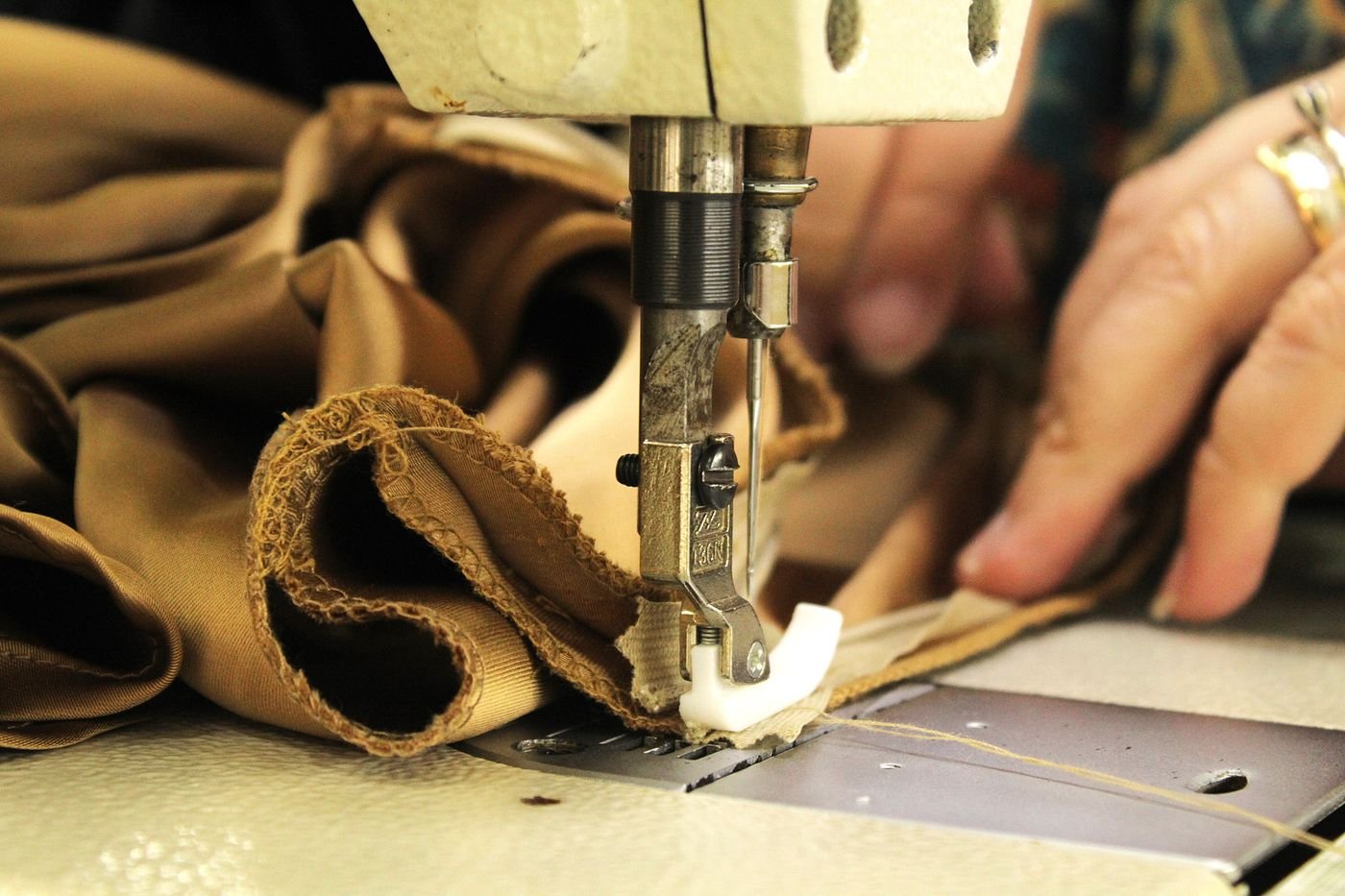
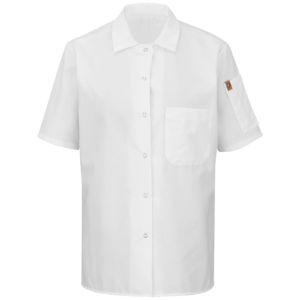
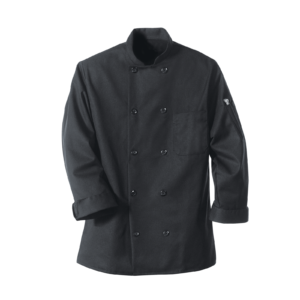
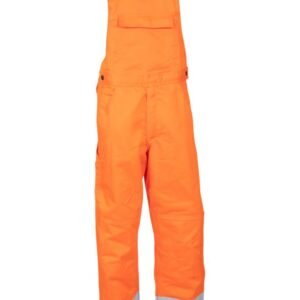
Browse Veelianpro’s Workwear Catalogue
Review current garment references, then send the fit and construction details for your program.
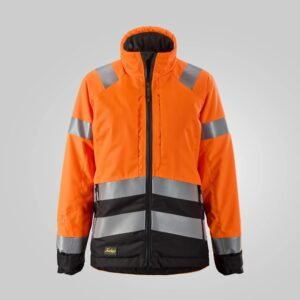


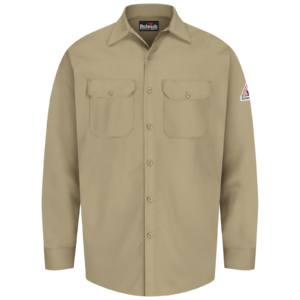

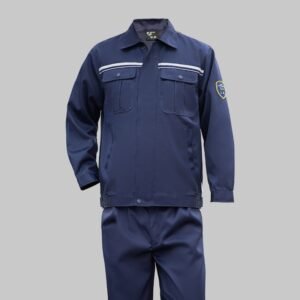


Specification-Led Athletic Sock Sourcing
Build a distinct athletic sock program around a clear brief, sample approvals, branding direction, and packing requirements.
OEM Brief Review
Share artwork, measurements, reference samples, and intended use so we can review the feasibility of a made-to-order sock specification.
ODM and Private Label Paths
Choose an existing-base or private-label route when your project prioritizes approved branding and packaging over a new sock structure.
Material Direction
Specify fiber composition, yarn feel, cushioning, mesh areas, and support zones for review against your athletic use and target market.
Sample Approval Control
Confirm fit, cuff height, heel and toe details, colors, logo placement, and size range in a physical sample before bulk production.
Branding and Packing Coordination
Align logo treatment, labels, retail presentation, carton marks, and export packing with the approved sock specification and purchase order.
Conditional Bulk Planning
Projects can be assessed from 100 pieces per style and color, subject to fabric, construction, and required documentation review.
Athletic Sock Manufacturers Development Options
Choose what you want to specify before sample approval.

Original Brand Sock Brief
We review your custom OEM brief, clarify production-critical details, and organize sampling around the proposed specification. Made-to-order projects can begin from 100 pieces per style and color, subject to fabric, construction, and evidence requirements.
Get a Quote
Running and Training Programs
Provide the wearer, activity, size range, target materials, and design references. We can help turn those inputs into a reviewable sock development brief, with sample approval focused on fit, hand feel, artwork, colors, and packing.
Get a Quote
Private Label Launches
Select the level of customization needed before development begins. For an existing-base or ODM route, we can review branding, color, label, and packaging needs; a new construction is handled as a separate feasibility and sample project.
Get a QuoteMaterials to Specify for Athletic Sock Review
Explore materials and fabrics
Combed Cotton

A natural-fiber option with a familiar, soft hand feel for training, team, or everyday athletic sock concepts. Specify the desired blend direction, color requirements, and any fiber documentation needed for project review.
Polyester Yarn

A synthetic yarn option often evaluated for color consistency and performance-oriented blends. Include the intended sport, target hand feel, and any recycled-content documentation requirement so feasibility and evidence needs can be reviewed.
Nylon Yarn

A durable synthetic fiber option to assess for targeted zones or blended constructions. Identify where it is proposed within the sock, the desired feel, and the wear-use expectations for sample evaluation.
Elastane Yarn

An elastic component considered for stretch and recovery in cuffs, arches, or overall fit. Confirm the intended fit direction, size range, and structure with the sample rather than assuming a fixed level of support.
Wool Blend

A blend direction for buyers seeking a distinct natural-fiber hand feel in a sport or outdoor-inspired program. Specify the fiber composition target, wearer use, care expectations, and any documentation requested for the destination market.
Production Details to Review Before Sampling
Explore printing and finishing
Construction Review

Review cuff height, size range, heel and toe approach, cushioning placement, mesh areas, arch-support direction, and intended athletic use against your artwork, measurements, or reference sample before development is quoted.
Yarn and Knitting

Specify the proposed yarn composition, colorway, knit density direction, and zone changes for feasibility review. This helps translate the intended hand feel, visual pattern, and structure into a sample-ready brief.
Logo Integration
Assess logo artwork, placement, scale, colors, and the proposed application method against the sock structure. A clear review reduces conflicts between branding detail, knit areas, and the intended finished appearance.
Sample Development
View detailsUse a physical sample to review fit, measurements, color balance, logo placement, structure, and hand feel before bulk approval. Record the approved details as the reference for the requested production program.
Finishing and Packing

Confirm pairing, trimming, final appearance checks, labels, bands, hangtags, polybags, boxes, carton marks, and other packing requirements. These choices align wholesale athletic socks with the buyer’s retail, team, or distribution route.
Athletic Sock Branding, Trims & Packaging Options
Explore labels, trims and packaging
Knit Logo Method
Provide logo artwork and placement for review as an integrated knit detail, where appropriate to the proposed sock structure. This option helps brands align color, scale, and visibility before sampling.
Grip Application
Specify a grip application for the sole or targeted contact areas when the intended activity calls for it. We review placement, artwork, and compatibility with the selected athletic sock construction.
Woven Labels
Add woven labels for retail identification, sizing, or brand presentation where the selected construction allows. Share label artwork, dimensions, attachment preference, and placement for feasibility review with the sock specification.
Brand Patches
Request a patch option when your branding requires a separate visual element rather than a knitted logo. Submit patch material, shape, artwork, and proposed location for review against the sock design.
Care Information
Provide required care information, fiber disclosures, market language, and label format for review. Clear care-label requirements help align the approved sample, packaging, and bulk production documentation.
Custom Packaging
View details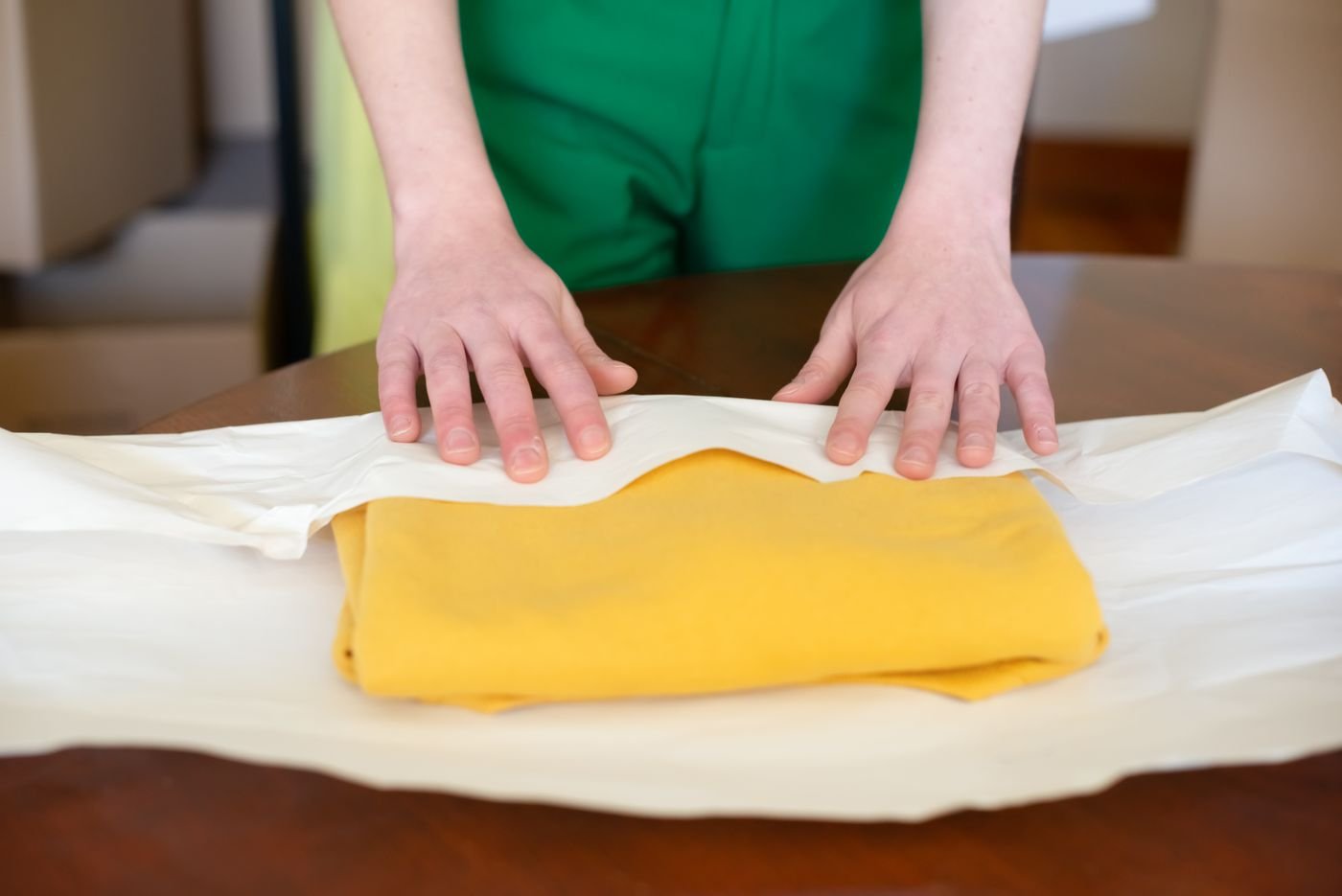
Choose custom bands, hangtags, bags, boxes, barcode labels, or carton marks to suit your sales channel. Share dielines, artwork, packing count, and destination requirements for a coordinated quote review.
Veelianpro’s Approach to Athletic Sock Projects
Veelianpro reviews buyer-led athletic sock projects from a tech pack, artwork, reference sample, measurements, or early product idea. Each project is assessed individually for specification, sampling, and quotation rather than assumed to follow the requirements of a related garment program.
We support OEM, ODM, and private-label conversations with material and trim sourcing, pattern development, sampling, quality checks, packing, and export coordination. Our documented workwear operation serves industrial, safety, hospitality, and service buyers; athletic sock feasibility, construction, and any required documentation are reviewed project by project. Production can begin from 100 pieces per style and color, subject to project requirements.

Athletic Sock Manufacturers: Brief to Sample
Feasibility Starts With the Brief
We review your athletic sock use case, artwork, reference sample or measurements before defining a development path. This keeps custom OEM work separate from a simple branded existing-base route and surfaces decisions that affect knitting, decoration, packing and quotation.
- Identify the intended activity, wearer and preferred sock height
- Submit artwork, colorways, size range and target quantity by style and color
- Choose OEM development for a distinct specification or a private-label route for a simpler brief
Materials and Construction, Reviewed Together
Material direction and sock construction should be considered as one specification. We can review cotton, polyester, nylon, elastane, wool and recycled-content options, alongside requested cushioning, mesh areas, cuff feel, heel shaping, toe finish and arch-support direction for feasibility.
- Match fiber and blend direction to the intended athletic use
- Specify cushioning zones, mesh placement and grip-focused features for review
- Request documentation at SKU and market level when recycled, organic, UV or test attributes matter

Branding and Packing Need a Production Plan
A clear branding workflow helps avoid mismatches between approved artwork and the finished bulk athletic socks. We review logo placement, knit-in design direction, labels and packing requirements with the product brief, so each component can be quoted and approved in context.
- Provide logo files and identify the intended placement before sampling
- Review knit-in graphics, woven labels, care labels, patches and packaging options
- Confirm retail labels, barcode needs, polybags, bands or cartons in the quote brief
Approve the Sample Before Bulk Production
The approved sample becomes the practical reference for production planning. Before bulk athletic socks move forward, confirm fit, cuff height, heel and toe shape, color appearance, logo location, packing and the written reorder reference. Starting quantities are reviewed from 100 pieces per style and color, subject to project feasibility.
- Compare the sample with the agreed measurements and intended wearer
- Record approved colors, branding details and packaging in writing
- Use the confirmed sample and specification as the basis for reorder discussions
Custom Development vs. Existing-Base Sock Routes
Compare a specification-led sock program with an existing-base route before requesting a quote.
← Swipe left or right to view →
Athletic Sock Manufacturers: Process
A controlled path from project brief to shipment handover, with feasibility, sample, quality, and packing decisions documented for the approved sock program.
Brief and Feasibility
Share intended sport, reference sample or artwork, size range, colorways, target quantity, logo direction, packaging needs, destination, and any documentation requirements for project review.
Material and Construction Review
Confirm proposed yarn composition, cuff height, cushioning or mesh zones, heel and toe approach, knit artwork, trims, and construction details before sampling.
Sample Approval
Review the physical sample against the agreed specification, including fit, measurements, colors, logo placement, hand feel, pairing, and packaging direction; record approved changes.
Bulk Production Checks
Proceed after order confirmation, applying agreed workmanship, size, color, logo, pairing, and packing checks against the approved sample and written production reference.
Packing and Handover
Finalize labels, bands, polybags, cartons, carton marks, and export coordination according to the approved packing specification before shipment handover and reorder reference filing.
How an Athletic Sock Project Moves From Brief to Handover
A clear commercial path for buyers evaluating athletic sock manufacturers, from initial brief through approved specifications and production handover.
Send Your Brief
Share artwork, a tech pack, reference sample, intended athletic use, size range, colorways, branding, packaging needs, target quantity, destination, and required documentation.
Review Feasibility
We review the requested sock route, materials, structure, logo approach, and project conditions, then provide a feasibility response and quotation for your consideration.
Approve the Sample
Confirm the sample and written specifications, including fit, cuff direction, cushioning or mesh requests, colors, logo placement, labels, packaging, and reorder reference.
Confirm Production Details
Finalize the order, inspection expectations, packing details, shipment coordination, and approved production record before bulk athletic sock manufacturing begins, subject to project requirements.
Standards and Audit References


Athletic Sock Manufacturers: Illustrative Sourcing Scenarios
Illustrative scenario
Apparel Buyer
Apparel brand sourcing team: The brief calls for a distinct running sock program with supplied artwork and target size range. The team requests review of yarn direction, cuff height, cushioning areas, and logo placement, then approves a physical sample and written specification before bulk quotation.
Illustrative scenario
Sourcing Manager
Uniform distributor: A distributor needs bulk athletic socks for a teamwear program with coordinated colorways and private-label packaging. The requested change is to align branding and packing details with the selected sock brief. Approval records cover color references, logo placement, size assortment, and carton markings.
Illustrative scenario
Production Planner
Sportswear product manager: The buyer brings a reference sample for a training-focused sock and asks to assess fit, heel and toe construction, mesh-area direction, and packaging. The development route proceeds only after the revised sample, measurements, artwork, and market-specific documentation requirements are approved.
Illustrative Athletic Sock Sourcing Scenarios
Practical answers for buyers planning a separate custom athletic sock specification, sample, and quotation.
What is the minimum quantity for a custom athletic sock project?
Should I choose OEM or ODM for bulk athletic socks?
What should I send athletic sock manufacturers for a feasibility review?
What needs approval on an athletic sock sample?
Can we add team colors, logos, and private-label packaging?
How should I compare quotes from athletic sock manufacturers?
What documentation can be requested for recycled, organic, UV, or test-related requirements?
How do payment, shipment, and intellectual-property details work?
Athletic Sock Manufacturers: A Bulk Buyer’s Guide
Compare custom development and existing-base routes, evaluate sock specifications and approvals, and avoid the quote, sampling, and documentation mistakes that derail bulk athletic sock programs.
1. What Athletic Sock Manufacturers Do
Athletic sock manufacturers turn a buyer’s intended use into a repeatable bulk specification: the sock silhouette, size range, yarn direction, knit features, logo treatment, labels, and packing reference. For a running, court-sport, training, or grip-focused program, the brief starts with the wearer and activity because cuff height, cushioning placement, mesh areas, heel and toe construction, and grip treatment may need different review paths.
Made-to-order development is not simply adding a logo to a ready-made sock. An OEM-style brief can begin with artwork, measurements, a tech pack, sketch, or reference sample; the development review determines whether the requested construction and branding can be produced and sampled. A simple decorate route instead retains an existing base style and limits the decision to approved branding, colorway, and packing changes.
At Veelianpro, custom garment development can begin with the buyer’s product idea, reference, or specification and proceed through material and trim sourcing, sampling, quality checks, packing, and export coordination. For an athletic sock inquiry, identify the sport, end wearer, target size range, colorways, branding method, quantity, destination, and whether a distinct knit specification needs approval. Projects may start from 100 pieces per style and color, subject to fabric, construction, and evidence requirements.
The practical first choice is therefore not a logo position; it is whether the program needs a distinct sock specification. If it does, submit the functional brief and approve a physical sample before bulk production; if it does not, compare an existing-base route against the limits it places on fit and feature changes.
2. How Athletic Sock Sourcing Evolved
Athletic sock sourcing becomes more controllable when the purchase moves beyond a generic hosiery description into a written product brief. Athletic sock manufacturers can review artwork, a reference sample, wearer use, size range, colorway, packaging, and buyer-supplied measurements together, so the intended product is not reduced to a logo request.
OEM development starts with the buyer’s owned direction: a tech pack, knit layout, measurement points, artwork, or physical reference to assess for feasibility. An ODM or private-label route starts with an existing base style, then focuses approval on permitted branding, colors, packaging, and selected changes; both routes still need a retained approval record covering the sample, measurements, colors, logo placement, and packing.
Hypothetical example: a running brand supplies a marked-up sample showing its preferred cuff height, heel fit, and logo location, so it requests an OEM feasibility review against its brief. A uniform distributor instead selects an existing crew-sock base and submits team colors plus packaging artwork; this can simplify the starting decision, but the distributor should record exactly which base style and approved changes define the reorder reference.
For Veelianpro projects, the starting MOQ is from 100 pieces per style and color, subject to fabric, construction, and evidence requirements. Send the most complete brief available before quotation, because a clear source file and approved sample reduce ambiguity between development and bulk production.
3. Types of Athletic Sock Manufacturers
Athletic sock manufacturers operate through different development paths, and the right path depends on whether the brief controls the sock itself or only the branding. Compare the starting reference, allowed structural changes, approval record, and future reorder identifier before requesting a quote.
| Route | Design Control | Structure Changes | Approval Focus | Reorder Reference |
|---|---|---|---|---|
| Custom OEM | Buyer-led artwork or sample | Reviewed for feasibility | Sample and written specification | Approved style, colors, and packing |
| ODM/private label | Branding on an existing direction | Selected options only | Base choice and branding proof | Base style plus approved branding |
| Team program | Sport and roster program | Only as agreed for the program | Wearer sizes, colors, and placement | Program specification and colorway |
| In-stock decorate | Existing base and applied branding | Generally not a development route | Decoration proof and stock-base details | Base SKU and approved decoration |
Custom OEM Development
Choose OEM when original artwork, a detailed tech pack, buyer measurements, or a reference sample must drive feasibility. This route is appropriate for a sport-specific brief where cuff, heel, toe, cushioning zones, mesh areas, or arch support need review as part of the proposed specification.
ODM And Existing-Base Private Label

ODM or existing-base private label begins with a developed direction and adapts the colorway, logo, label, packaging, and approved selectable options. It suits a brand that needs a recognizable program without treating an existing base as a fully new sock structure.
Team Programs And Decorate Routes
Team-program suppliers organize repeatable club or uniform requirements around wearer group, sport, colors, and logo placement. An in-stock decorate route is the narrowest option: it fits rapid branding of an existing base, provided the buyer accepts its available structure and size range.
4. Athletic Sock Materials and Options
Athletic sock materials should be specified as a yarn system, not a single headline fiber. Athletic sock manufacturers need the intended sport, wearer climate, fit target, cushioning locations, and documentation needs before judging whether a proposed blend is feasible.
| Input To Specify | Likely Use | Review Question |
|---|---|---|
| Cotton blend | Everyday training feel | What composition and zones are proposed? |
| Polyester blend | Moisture-management intent | How is the intended use defined? |
| Nylon content | High-wear areas | Which zones need reinforcement? |
| Elastane | Cuff and arch recovery | What fit recovery must the sample show? |
| Merino or project fiber | Climate-specific brief | What fiber evidence is required? |
Specify The Yarn System

Cotton can be requested for a familiar hand, while polyester may support a moisture-management design intent. Nylon is commonly considered where abrasion resistance matters; ask for the proposed composition by zone rather than assuming one fiber serves the whole sock.
Elastane should be tied to recovery expectations at the cuff, arch, and ankle. Merino wool or another project-specific fiber can be submitted for review when thermal comfort or next-to-skin feel is part of the brief.
Map Features To Wear
Cushioning is a knit-zone decision: identify whether the buyer wants it under the heel, forefoot, toe, or across the footbed. Mesh areas also need a placement drawing, since an open-knit panel changes both airflow intent and visual density.
For a team program, provide the size range and intended shoe use. A running brief, court-sport brief, and training brief can require different compromises between bulk, recovery, and ventilation.
Request Documentation Early
Recycled or organic yarn language belongs in the purchase specification, with SKU- and market-level chain-of-custody or transaction evidence requested where required. A fiber photo, sample, or prior example does not establish that evidence.
Veelianpro can review fabric and trim sourcing within a development brief; confirm any requested material claim before it appears on packaging or product copy.
5. Customization With Athletic Sock Manufacturers
Customization begins with the sock’s intended activity, because logo placement, color blocking, cushioning, and grip treatment all interact with its chosen structure. Send artwork, a reference, wearer profile, size range, and packaging direction for feasibility review.
| Brief Path | Primary Decisions | Approval Focus |
|---|---|---|
| Running | Cuff height, cushioning zones, arch support | Fit and logo readability |
| Team Sport | Colorway, knit-in logo, size range | Pairing and placement |
| Training | Cushioning, mesh areas, cuff feel | Wearer-use sample |
| Grip-Focused Activity | Grip layout, sole coverage, packaging | Grip placement review |
Translate Artwork Into Knit

A knit-in logo must be assessed for location, scale, color separation, and readability around the cuff, leg, instep, heel, and footbed. Artwork that looks clear on a flat screen can distort across stretch zones or compete with a ribbed cuff.
Provide vector artwork and named color references where available. If a logo requires a different treatment, approve the proposed sample appearance rather than assuming a printed-garment result.
- Logo placement by sock zone
- Colorway and contrast direction
- Cuff height and size range
- Left/right pairing requirement
Specify Functional Zones
Cushioning zones, arch support, mesh areas, and grip layouts should be written as wearer-use decisions, then reviewed against the proposed construction. A grip-focused brief also needs the intended contact surface and whether the layout belongs on the sole, heel, or forefoot.
Treat these as options to specify for review, not pre-approved attributes. Confirm cuff height, toe and heel appearance, and each size range on the physical sample.
Finish The Retail Brief
Packaging is part of the product specification: define pair folding, label content, hangtag or band, polybag needs, carton quantity, and carton marks. Include destination labeling rules and a reorder reference so the approved presentation can be repeated.
Veelianpro can review a custom development brief from 100 pieces per style and color, subject to fabric, construction, and evidence requirements.
6. Construction and Sample Approval Checks
Athletic socks succeed or fail at small knitting decisions that are hard to judge from artwork alone. Lock the wearable construction in a physical sample, then preserve the approved specification as the production and reorder reference.
Cuff, Heel, and Toe
Cuff retention, heel shaping, toe closure, and seam feel should be checked on a worn sample across the intended size range. A drawing cannot show whether the heel sits correctly or whether the toe area feels acceptable to the wearer.
- Approve physically: cuff feel, heel position, toe comfort
- Confirm in writing: size range and approved construction reference
Knit Zones and Cushioning
Knit density, mesh placement, and cushioning placement change the sock’s hand, appearance, and manufacturability. Mark each zone on the artwork or tech pack, then compare the sample against that map before approving bulk production.
- Identify mesh zones by location
- Identify cushioning zones by location
- Keep unapproved performance claims off packaging
Logo, Pairing, and Packout
A knitted logo needs review on the actual leg or foot location because scale and contrast can change after knitting. Pairing direction, left-right handling if applicable, labels, polybags, carton marks, and fold method can be confirmed with written proofs and a packing sample.
- Approve physically: logo legibility and pairing presentation
- Confirm in writing: artwork version, pack count, labels, carton marks
Hypothetical Approval Checklist
Example only: a sourcing manager records one dated approval file before release. That file becomes the locked reorder reference; later changes should receive a new revision code rather than being assumed from a previous shipment.
| Approval Item | Check Method | Locked Reference |
|---|---|---|
| Measurements | Physical sample | Approved size chart revision |
| Colors | Sample and color proof | Named colorway revision |
| Packaging | Packing sample or artwork proof | Packout and label revision |
| Reorder Reference | Written confirmation | Approved sample ID and revision code |
7. Choosing Athletic Sock Manufacturers
A capable feasibility response turns a sock concept into reviewable decisions: intended sport, wearer, size range, artwork, yarn direction, construction targets, quantity, destination, and packaging. Compare athletic sock manufacturers on how clearly they expose trade-offs before sampling.
| Decision Area | Made-To-Order Development | In-Stock/Decorate Route |
|---|---|---|
| Fit | Buyer-approved measurements and sample | Existing base fit accepted |
| Structure | Cuff, zones, heel, toe specified | Base structure remains |
| Decoration | Knitted or applied method reviewed | Branding applied to base |
| Quantity | Feasibility reviewed by style and color | Base availability determines quantity |
| Approvals | Full specification and sample record | Base, decoration, and pack approval |
| Reorders | Reference approved construction version | Reference selected base and artwork |
Choose The Development Route
Made-to-order development suits a buyer controlling fit, cuff height, heel and toe shaping, cushioning zones, mesh placement, and branding. An in-stock/decorate route means selecting a pre-existing base sock and approving the applied decoration and pack; confirm that route is actually available before treating it as an option.
Test Communication And Samples
Send a tech pack, measured reference sample, or marked sketch with color references and intended use. Require the sample approval record to identify the size range, knit artwork, logo location, pairing, labels, and packaging—not merely a photograph.
Check feasibility notes for unresolved yarn, structure, decoration, or evidence requirements. Veelianpro begins review from 100 pieces per style and color, conditional on those project requirements.
Audit Quote And Release Controls
A comparable quote separates development, materials, decoration, labels, individual packaging, export packing, and inspection assumptions. Before bulk release, retain the approved sample, measurement sheet, color reference, artwork version, carton marks, and reorder code.
For recycled, organic, UV, or test-related requirements, request SKU- and destination-market-level documentation. A product image or prior example does not establish the claim for the proposed sock.
- List each style and color quantity separately.
- State logo method and supply production-ready artwork.
- Confirm packaging artwork, barcode, labels, and carton marks.
- Record approved changes before a reorder.
8. Buyer Mistakes That Delay Launches
Delays usually begin when a visual reference is treated as a complete sock specification. Athletic sock manufacturers need the intended activity, construction decisions, artwork, packing, and approval record aligned before bulk production can be reviewed.
Turn References Into Specifications
A photo cannot confirm cuff height, size range, heel and toe construction, cushioning, mesh placement, or yarn composition. State the sport—running, team play, training, or grip-focused use—and identify which features require sample approval.
Freeze Artwork And Packaging
Artwork changed after sampling can affect knit feasibility, color mapping, logo position, and the approval cycle. Approve the final artwork file, label text, polybag or retail pack, carton marks, and packing count together rather than treating packaging as a shipment detail.
Compare Complete Quote Bases
A lower quote is not comparable if its base excludes sample work, yarn direction, logo workflow, packaging, inspection points, or export packing. Ask each source to mark included, optional, and buyer-supplied items; recycled, organic, UV, or test-related claims need SKU- and market-level evidence for review.
Keep A Signed Production Reference
Illustrative scenario — A uniform distributor requests team socks from a photo, then changes the task to training use. The approval should record the revised use, size range, logo placement, and approved sample.
Illustrative scenario — An apparel brand changes its crest after sample review. Approval should attach the final artwork and confirm whether a revised sample is needed.
Illustrative scenario — A sourcing team adds retail packaging after quote comparison. Approval should capture the packaging artwork, packing method, and signed production reference retained for reorders.
9. Launching a Custom Athletic Sock Program
A clean launch record prevents a sock brief from changing between design, sampling, and bulk authorization. Start with the intended sport and wearer, then lock the decisions that affect knitting, branding, packing, and repeat ordering.
Build The Feasibility Brief
Send the use case, sock height, size range, colorways, target quantity, destination, and a tech pack, sketch, or reference sample. Identify requested yarn composition, cushioning, mesh, arch support, grip treatment, or documentation as options for feasibility review.
For a made-to-order project, Veelianpro can review requests from 100 pieces per style and color, subject to fabric, construction, and evidence requirements.
- Sport and wearer profile
- Size range and colorways
- Reference sample or measurement sheet
- Required documentation and destination
Define Quote And Artwork Scope
Ask the quotation to separate development, materials, knitting or construction, logo workflow, labels, individual packaging, export packing, inspection, and shipment coordination. This makes omissions visible before the order is confirmed.
Provide editable logo artwork, color references, placement views, packaging dielines where applicable, and ownership approval for supplied graphics.
- Style and color quantities
- Artwork files and placements
- Packaging and carton marks
- Required quote inclusions
Approve The Production Sample
Review the physical sample against the approved brief: fit, cuff retention, heel and toe shape, knit appearance, cushioning or mesh placement, logo legibility, pairing, labels, and packing. Record corrections in one dated approval sheet rather than approving from isolated messages.
If recycled, organic, UV, or test-related attributes are required, request SKU- and market-level evidence before authorizing any associated claim.
- Wear and size check
- Color and logo check
- Construction and trim check
- Packaging approval record
Authorize Bulk And Preserve Reorders
Release bulk production only against the final sample, revision-controlled specification, approved artwork, packing reference, and inspection criteria. Confirm the contact responsible for change approval so substitutions or artwork edits are not assumed.
Archive the approved sample photos, measurement sheet, yarn and color references, label files, carton marks, and final quote under a reorder code. That record lets a later purchase start from a defined reference instead of a new interpretation.
- Final sample approval
- Controlled specification revision
- Packing and carton reference
- Reorder code and archive
10. Athletic Sock Pricing and Buyer FAQs
Athletic sock pricing changes when a project moves from a simple branded base to a made-to-order knit brief: yarn direction, knit features, color changes, packaging, sampling, and evidence requests each need their own quote line.
Veelianpro reviews custom projects from 100 pieces per style and color, subject to fabric, construction, and evidence requirements. Send the intended sport, artwork, size range, colorways, packing brief, destination, and target quantity to Request a Workwear Quote.
- OEM: Use buyer-owned artwork, measurements, or a reference; feasibility review resolves what can be developed.
- ODM: Start from an existing development direction, then review branding, colors, and approved changes.
- Quote inputs: State use, yarn direction, dimensions, colors, logo placement, quantity, packing, and destination.
- Sample approval: Record fit, cuff, heel, toe, cushioning zones, logo, colors, and packaging before bulk production.
- Documentation: Request SKU- and market-level evidence for recycled, organic, UV, or test-related requirements.
- Team programs: Lock each colorway and logo placement against the approved sample to prevent mixed-team reorders.
- Reorders: Retain the approved sample, specification revision, artwork, color references, packing record, and purchase-order details.
| Cost driver | What changes the quote |
|---|---|
| Quantity | Pieces per style and color, plus the number of colorways. |
| Yarn direction | Requested composition, sourcing route, and any evidence requirement. |
| Knit complexity | Cuff, heel, toe, mesh, cushioning, arch, or grip decisions for review. |
| Color and logo workflow | Knitted artwork, placement, color separations, and approved files. |
| Sample development | New development work, revisions, and approval record. |
| Packaging | Labels, pairs, polybags, cartons, marks, and private-label details. |
| Documentation | SKU-, market-, and claim-specific records requested by the buyer. |
Athletic Sock Manufacturers: Start Your Quote Request
Send your tech pack, reference sample, target use, logo direction, quantities, destination, and documentation requirements for a feasibility review.