
Outdoor Apparel Collection Development
Veelianpro turns your specifications into branded outdoor garments, from samples and approvals to conditional production from 100 pieces per style and color.
Garment and Development References
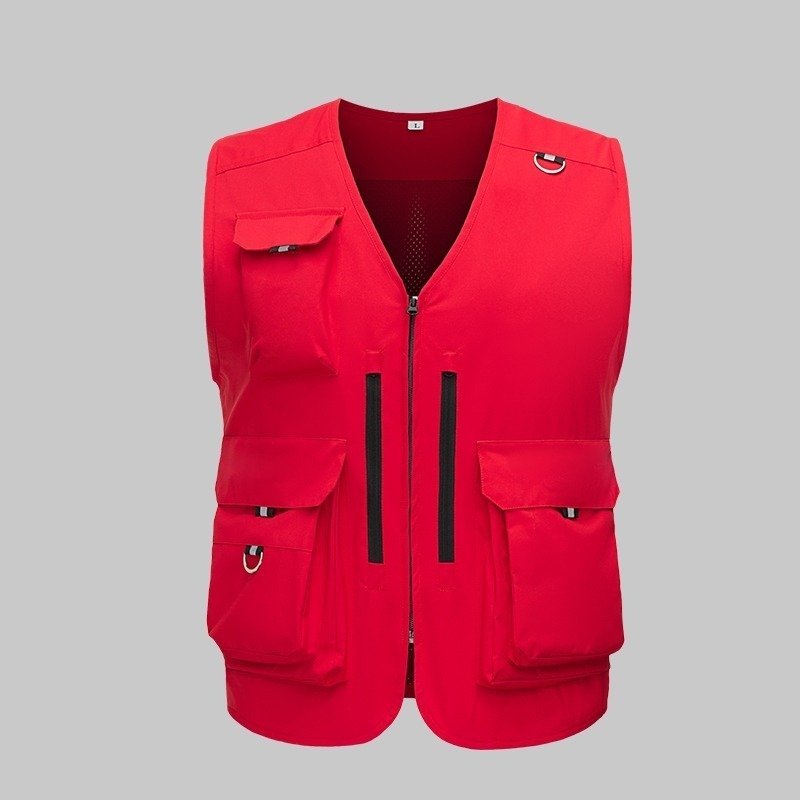


Browse Veelianpro’s Workwear Catalogue
Review current garment references, then send the fit and construction details for your program.



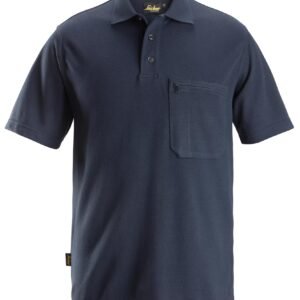
A Clearer Path from Brief to Bulk Production
Build a clearer path from collection brief to approved bulk specification with practical sourcing, sampling, production, and reorder controls.
Brief-to-Spec Review
We review your tech pack, sketch, sample, or concept to identify fit, construction, branding, and sourcing decisions before development begins.
Material and Trim Sourcing
Specify shell fabrics, linings, insulation, mesh, stretch panels, zippers, labels, and packaging options for feasibility review against your collection brief.
Sample Approval Control
Use a development sample to check measurements, fit, appearance, construction, artwork placement, and revisions before authorizing the production-ready specification.
Production-Ready Handoff
Approved specifications guide pattern development, cutting, sewing, reinforcement, decoration, finishing, quality checks, packing, and export coordination for your order.
Reorder Documentation
Keep approved measurements, material references, trims, artwork, color references, and inspection criteria organized to support more consistent future collection reorders.
Outdoor Apparel Collection Development Development Options
Choose what you want to specify before sample approval.

Softshell Layer Programs
We translate the brief into a reviewable softshell development specification, covering fabric and trim options, pattern and sample work, branding details, and the approvals needed before a conditional bulk quotation.
Get a Quote
Fleece and Padded Layers
Veelianpro supports sample-led development for fleece and padded garments, helping the buyer document materials for review, construction priorities, labels, packaging, and an approved specification for future reorders.
Get a Quote
Rainwear Development Briefs
Our outdoor apparel collection development process turns the design into a sourcing and sample checklist, including shell, lining, closures, hood and branding choices, plus requested SKU-level evidence for any claimed performance.
Get a QuoteMaterials to Specify for Outdoor Apparel Development
Explore materials and fabrics
Shell Fabric

Specify the proposed fiber composition, weave or knit construction, hand feel, color direction, and garment use. If weather-related attributes are required, define the applicable test method, market, and evidence needed for the finished SKU.
Garment Lining

Review lining composition, surface feel, placement, and compatibility with the shell and intended layering. Confirm whether the lining is for body, sleeves, pockets, or selected panels, then record the approved option in the production specification.
Insulation Fill

For insulated styles, define the fill type, placement, desired loft, garment zones, and care expectations for review. Any fill origin, recycled content, warmth, or fill-power claim requires project-specific documentation before it appears in product copy.
Fleece Fabric

Compare fleece options by composition, texture, weight direction, stretch, and intended layer position. A prototype should confirm comfort, appearance, seam behavior, and trim compatibility before the material becomes the approved choice for a collection style.
Mesh Panels

Use mesh as a procurement input for pocket bags, body panels, ventilation areas, or linings where the design calls for it. Specify construction, feel, color, placement, and durability expectations for sample review rather than assuming a performance outcome.
Stretch Panels

Identify where stretch panels support the intended fit and movement, such as shoulders, elbows, seat areas, or knees. Review composition, recovery expectations, color matching, seam placement, and interaction with adjacent materials during sampling and approval.
From Approved Brief to Bulk Production
Explore printing and finishing
Pattern Development
View details
We translate a tech pack, sketch, reference sample, or product idea into pattern work, construction notes, and sample requirements so buyers can review the intended garment structure before moving forward.
Size Grading
View details
Approved base measurements can be graded across the requested size range, with buyer-supplied fit priorities documented for review. This creates a clearer measurement record for sampling, bulk production, and later reorders.
Precision Cutting

Fabric and selected components are prepared for cutting after material, color, and construction details are confirmed. Buyers can specify panel layouts, contrast materials, lining placement, and other approved garment-part requirements.
Reinforced Sewing

Sewing operations can incorporate specified reinforcement details such as bartacks, triple stitching, gussets, or reinforced panels where the approved design calls for them. The result is construction aligned with the documented sample specification.
Branding and Finishing
Brand components and decoration can be coordinated through embroidery, screen printing, heat transfer, patches, woven labels, care labels, and custom packaging. Artwork placement and label content should be approved within the production specification.
Quality and Packing
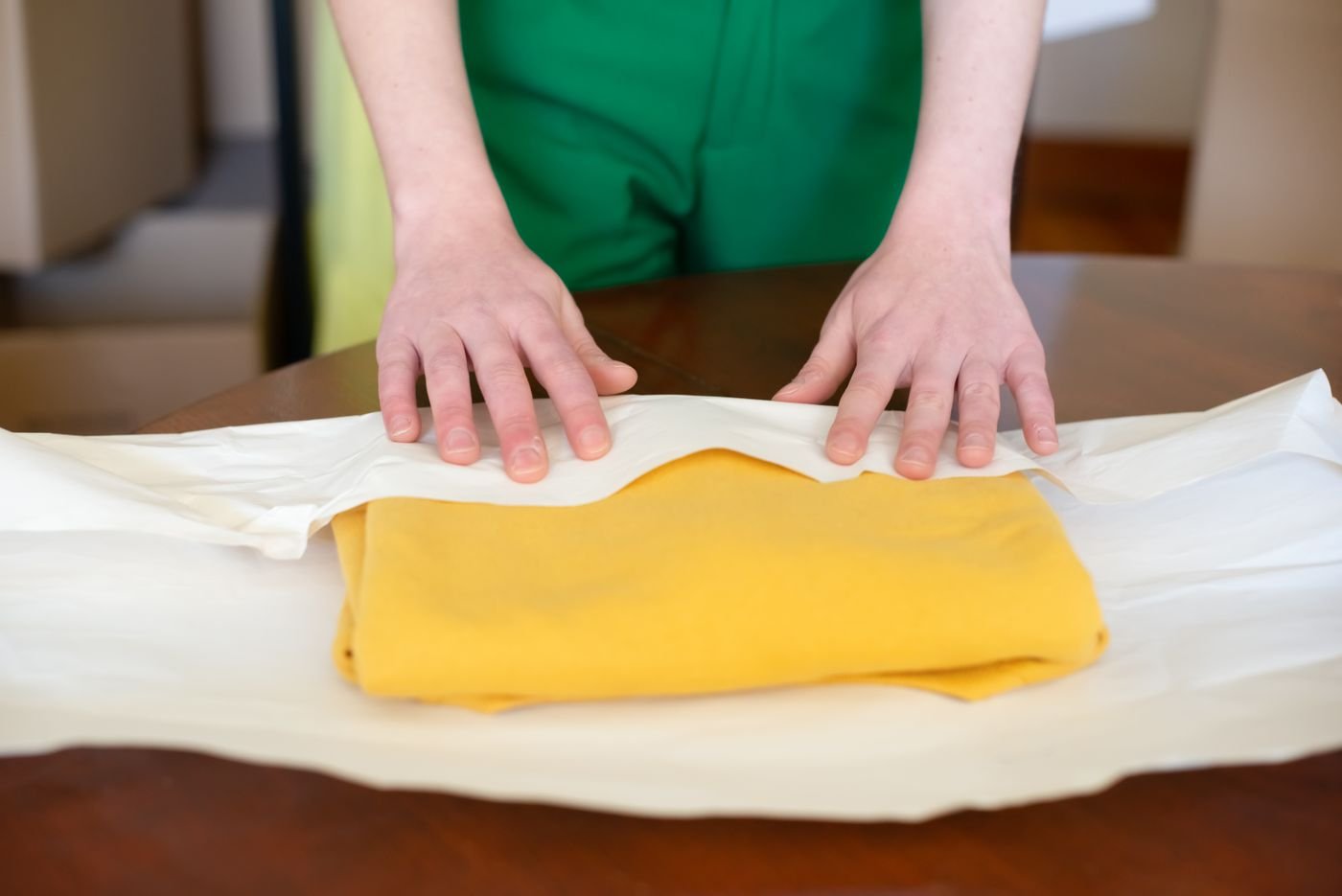
Quality checks, packing, and export coordination are built into the delivery scope. Define inspection criteria, folding or packing requirements, carton markings, destination, and documentation needs in the quote request for a practical production plan.
Outdoor Apparel Collection Development: Trims, Branding, and Functional Choices
Explore labels, trims and packaging
Woven Brand Labels
Main, size, and side-seam labels can be positioned where your garment specification requires. Use them to establish brand identification while confirming dimensions, fold type, artwork, and attachment method during development review.
Care Content Labels
Care labels carry buyer-approved fiber, care, origin, and market content where applicable. Provide required wording and target-market requirements early so label layout, language, and placement can be reviewed with the outdoor apparel collection development brief.
Custom Hangtags
View detailsHangtags can support retail presentation, product storytelling, barcode fields, and buyer-supplied care or material information. Confirm artwork, stock, fastening method, and whether tags are attached before packing or supplied separately for your distribution workflow.
Branded Patches
Woven, embroidered, or other buyer-specified patches can be reviewed for chest, sleeve, or back placement. They help distinguish a collection while requiring approval of artwork, dimensions, attachment method, and compatibility with the selected garment fabric.
Logo Decoration
Embroidery, screen printing, and heat transfer are available decoration routes to evaluate against logo detail, garment material, and placement. Submit production-ready artwork and identify each location so the chosen workflow can be sampled and approved.
Utility Pocket Systems
Specify pocket type, location, closure, reinforcement, and intended contents for jackets, trousers, or vests. Reflective-tape placement and custom packaging can also be reviewed as project options, subject to garment construction and any required evidence.
How Veelianpro Supports Outdoor Apparel Development
Veelianpro is a Wuhan-based custom workwear manufacturer serving industrial, safety, hospitality, and service buyers. We apply our approved garment-development scope to outdoor apparel collection development for sourcing teams, apparel brands, and uniform distributors that need a practical route from brief to production-ready specification.
Bring a tech pack, sketch, reference sample, or early product idea. Our team can support fabric and trim sourcing, pattern development, sampling, size grading, cutting, sewing, reinforcement, decoration, finishing, quality checks, packing, and export coordination. Projects can start from 100 pieces per style and color, subject to fabric, construction, and evidence requirements.

Development Controls That Keep Outdoor Programs on Track
Brief-to-Pattern Planning
We turn a tech pack, sketch, reference sample, or product idea into a reviewable development brief for each outdoor garment. This outdoor apparel collection development step aligns intended use, fit direction, size range, construction priorities, and branding before sampling begins.
- Confirm garment purpose, target wearer, fit profile, and size range
- Review pattern-development needs, pocket layout, paneling, reinforcement, and closure choices
- Flag missing measurements, artwork, color references, and performance-documentation requirements

Materials and Trim Coordination
Coordinate shell fabric, lining, fleece, mesh, insulation, stretch panels, closures, labels, and packaging as one production specification. We help buyers compare options against the garment brief while keeping recycled, organic, UV, waterproof, and similar attributes subject to SKU- and market-level evidence review.
- Specify composition, weight, hand feel, color, and sourcing priorities for review
- Match zippers, drawcords, snaps, reflective details, labels, and patches to the design
- Separate requested performance or sustainability documentation from unverified product claims

Sample Approval Controls
A sample is the working checkpoint between a concept and a production-ready order. For outdoor apparel collection development for brands, we support revisions around fit, measurements, appearance, construction, decoration placement, and finishing so the approved specification is clear before bulk authorization.
- Check fit, grading direction, measurement points, and wearer movement expectations
- Approve artwork position, label content, care information, hangtags, and packaging details
- Record revisions, approved materials, trim references, and inspection criteria for handoff

Bulk Handoff and Reorders
Once the sample and specification are approved, we transfer the agreed details into production planning, quality checks, packing, and export coordination. Our outdoor apparel collection development OEM program can begin from 100 pieces per style and color, subject to fabric, construction, and evidence requirements.
- Confirm style-color quantities, size breakdown, destination, and order timeline
- Use the approved sample and documented specification as the bulk-production reference
- Retain a reorder record for measurements, materials, trims, artwork, colors, and inspection points
Custom Development vs. In-Stock Decoration
Compare conditional made-to-order development with an in-stock garment and decoration route before requesting a quote.
← Swipe left or right to view →
From Brief to Reorder: The Development Process
A specification-led route from feasibility review through shipment coordination, with documented approvals that help keep your collection aligned for future reorders.
Brief and Feasibility Review
Share garment concepts, intended use, quantities, destination, timeline, branding, and any required evidence. We review construction, material, and development feasibility before proceeding.
Materials and Specification
Select shell, lining, insulation, fleece, mesh, stretch panels, trims, and decoration options for review. Confirm fit direction, measurement requirements, color references, and functional details.
Pattern and Sample Approval
Develop patterns and samples from the agreed brief. Review fit, appearance, measurements, construction, artwork placement, labels, and requested documentation before authorizing production specifications.
Quotation and Order Confirmation
Finalize the approved specification, quantity by style and color, packing needs, and commercial terms. Production can begin from 100 pieces per style and color, subject to project feasibility.
Bulk Production and Inspection
Transfer approved materials, trims, patterns, and workmanship requirements into cutting, sewing, finishing, and quality checks. Inspection criteria are aligned with the confirmed collection specification.
Packing, Shipment, and Reorders
Complete packing and export coordination, then retain approved specifications for reorder discussions. Reconfirm material, trim, artwork, color, and inspection details when planning the next production run.
How to Start Your Outdoor Apparel Program
Move from a workable brief to a production-ready specification through focused material review, sample approval, and documented decisions.
Send Your Brief
Share a tech pack, sketch, reference sample, or product idea with intended use, garment types, size range, colors, branding, target quantity, destination, and timeline.
Align Key Specifications
Review fit direction, shell, lining, insulation, fleece, mesh, or stretch options, plus pocket layout, closures, labels, decoration placement, packaging, and any documentation needs.
Approve Sample and Quote
Evaluate the proposed sample for measurements, appearance, construction, artwork, and brand components; then confirm revisions, project feasibility, conditional MOQ, and quotation details before authorizing bulk.
Release Production Specifications
Provide final approval on the production-ready specification, including approved measurements, materials, trims, color references, artwork, care content, packing requirements, and inspection criteria for your order record.
Standards and Audit References


Illustrative Outdoor Apparel Development Scenarios
Illustrative scenario
Apparel Buyer
Illustrative brand buyer scenario: A new outerwear capsule begins with a sketch and target use. The buyer requests an adjusted fit and branded labels. Approval requires a fit sample, measurement set, material and trim list, artwork placement, and documented revisions before bulk authorization.
Illustrative scenario
Sourcing Manager
Illustrative sourcing team scenario: The team is comparing shell, lining, fleece, and stretch-panel options for a coordinated collection. It asks to revise pocket layout and color references. Approval evidence includes the selected material specifications, construction notes, size grading, sample comments, and any required SKU-level documentation.
Illustrative scenario
Production Planner
Illustrative distributor scenario: A uniform distributor needs an outdoor layer aligned with its customer’s branding workflow. It requests embroidery placement, care-label content, and pack-out details. Approval requires final artwork, trim and decoration instructions, approved sample records, inspection criteria, destination details, and conditional quantity feasibility review.
Outdoor Apparel Collection Development FAQ
Practical answers for brands, sourcing teams, and uniform distributors planning a specification-led outdoor garment program.
Should our outdoor apparel collection development start with custom OEM, an adapted base, or an in-stock decorated garment?
What do you need to quote an outdoor apparel collection development program?
What is Veelianpro’s minimum order quantity for custom outdoor garments?
Can we divide one order across colors, sizes, or multiple garment styles?
What should we approve in an outdoor apparel sample before bulk production?
Which materials, construction details, and trims can we specify for review?
How does private labeling work in outdoor apparel collection development for brands?
What payment, shipping, and intellectual-property terms should we confirm before placing an order?
Buyer’s Guide to Outdoor Apparel Collection Development
A practical framework for choosing a development route, defining garments and approvals, evaluating supplier readiness, and avoiding sample, documentation, quantity, and reorder mistakes in bulk outdoor apparel sourcing.
1. What Is Outdoor Apparel Collection Development?
Outdoor apparel collection development turns a branded range brief into approved, production-ready garment specifications; it does not presume an existing outdoor product program. The brief defines intended use, silhouette, size range, materials for review, construction priorities, branded components, and the acceptance record that links a sample to bulk production.
Veelianpro supports outdoor apparel collection development from a tech pack, sketch, reference sample, or product idea, progressing through fabric and trim sourcing, pattern development, sampling, grading, production, and inspection. The conditional starting point is 100 pieces per style and color, subject to fabric, construction, and any requested evidence requirements.
Fully custom development suits a range needing its own fit, panel layout, pocket system, reinforcement, or material direction, but it requires the most specification and sample decisions. Adapting a base garment retains an established starting block while revising selected details; an in-stock/decorate route prioritizes speed by applying approved branding to an already defined garment. These are different purchasing models, so compare them by control of fit and construction, sample scope, decoration constraints, and whether the resulting specification can support a controlled reorder.
2. Outdoor Apparel Collection Development Routes
Outdoor apparel collection development begins by choosing whether the garment itself is being developed or whether branding is applied to an existing in-stock garment. The routes solve different sourcing problems and should not be compared as equivalent quotes.
| Decision Point | Conditional Made-To-Order Development | In-Stock Garment Plus Decoration |
|---|---|---|
| Fit ownership | Buyer-approved measurements and grading record | Existing fit and size offer accepted |
| Garment structure | Panels, pockets, reinforcement, and closures specified for review | Existing structure remains unchanged |
| Materials and trims | Shell, lining, insulation, labels, and trims selected for feasibility review | Base materials and trims are predetermined |
| Decoration workflow | Artwork integrated with sample and production specification | Approve decoration proof on the chosen garment |
| Quantity feasibility | From 100 pieces per style and color, conditionally | Confirm seller stock and decoration minimums |
| Reorder record | Approved specification, sample revisions, and inspection criteria | Base SKU, size selection, artwork, and placement approval |
Choose By Control
Made-to-order development suits brands that need ownership of the approved fit, measurement set, pocket layout, paneling, and garment structure.
An in-stock garment plus decoration route suits a short validation program when the existing garment, available sizes, and construction are accepted as-is.
Build The Approval File

For custom work, approve a fit sample and record fabric, lining, trims, artwork placement, color references, and revision notes before bulk authorization.
For decorated stock, approve the selected base garment, size run, decoration proof, placement, and care-label responsibility. Keep those approvals with the purchase order.
Match Quantity To Feasibility
Veelianpro reviews made-to-order projects from 100 pieces per style and color, subject to fabric, construction, and evidence requirements.
A distributor using an in-stock route should confirm its own stock availability and decoration constraints; that route does not establish a custom-development commitment or performance claim.
3. Outdoor Apparel Collection Development Types
A collection works when each layer has a distinct job, not merely a different silhouette. In outdoor apparel collection development, define the wearer, exposure, layering role, and approval evidence before requesting a quote.
Shell Layers
Shell jackets suit rain or wind exposure where the buyer controls what is worn beneath. Define hood geometry, closure system, pocket access, seam treatment, and any waterproof requirement needing project-specific evidence.
Insulated Outerwear
Insulated jackets address a warmth brief, but insulation type, fill quantity, lining, and intended use must be selected together. Down origin, fill power, temperature, and thermal claims require the applicable documented evidence.
Softshell Styles
Softshells fit mobility-led crews and transitional conditions where stretch, abrasion priorities, and layering matter. Specify panel layout, fit, cuffs, pocket function, and requested water or wind performance for review.
Fleece And Vests

Fleece layers and vests create adaptable midlayer or core-warmth options without duplicating a shell program. Confirm pile or knit direction, collar shape, armhole binding, pocket treatment, and decoration placement before pricing.
Coordinated Uniform Outerwear
A coordinated outerwear set links jackets, vests, and compatible layers across job roles or seasons. Provide color references, size range, branding locations, visibility or protective requirements, and market-specific evidence needs; production starts conditionally from 100 pieces per style and color.
4. Materials and Technical Inputs to Specify
Outdoor fabrics must be specified as a system, not as isolated swatches. For each style, align shell, next-to-skin layer, warmth layer, mobility zones, care method, and documentary requirements before sampling.
| Material Input | Layering Role | Approval Question |
|---|---|---|
| Woven polyester shell | Outer face | Does hand feel and care suit the brief? |
| Nylon shell | Outer face | Which finish and evidence are required? |
| Polyester mesh | Ventilation lining | Where is airflow needed? |
| Fleece | Mid-layer | What softness and laundering are acceptable? |
| Synthetic insulation | Warmth layer | Which zones require fill? |
| Elastane-blend panel | Mobility zone | Does recovery remain acceptable after washing? |
Shell And Lining Pairing
A woven polyester or nylon shell can be reviewed for hand feel, face texture, drape, color, and care behavior; neither material alone confirms weather protection.
Choose polyester mesh for airflow zones or a smooth polyester lining where easier layering is the priority. Record the proposed composition and attachment areas in the tech pack.
- Shell face and backing
- Lining location and hand feel
- Care-label instructions for review
Warmth And Mobility Inputs
Fleece is a soft mid-layer option; synthetic insulation is a separate fill option to specify by placement and care needs. Down, fill power, origin, and temperature claims require project-specific evidence before use.
Stretch panels may use elastane-blend fabric for movement zones. Approve recovery, abrasion expectations, panel boundaries, and wash behavior on the sample rather than assuming performance.
- Fleece for layering
- Insulation placement
- Stretch-panel recovery
Evidence Requests By SKU
Request the exact SKU, color, market, test scope, and chain-of-custody documents when recycled, organic, UV, waterproof, or tested attributes are part of the brief.
For outdoor apparel collection development, send the material matrix with your Request a Workwear Quote so Veelianpro can review feasibility before the conditional starting MOQ of 100 pieces per style and color.
- Supplier material reference
- Applicable market and claim
- Required test or certificate scope
5. Branding, Decoration, and Trim Choices
Branding decisions affect garment comfort, durability, and production routing. For outdoor apparel collection development, submit a complete brand kit before sample approval so each component can be reviewed against the intended garment and care method.
| Component | Garment Decision | Approval Check |
|---|---|---|
| Main and size labels | Wearer identification and placement | Location, material, artwork |
| Care label | Care and market content | Approved fiber and care instructions |
| Embroidery or patch | Logo visibility and panel suitability | Backing, seam clearance, wash appearance |
| Zipper puller or drawcord | Closure or adjustability | Compatibility, color reference, attachment |
| Packaging | Receiving and retail handling | Labeling and pack format |
Build The Label Set

Specify the main label location, size-label format, care-content language, and hangtag attachment point by SKU. Woven or printed labels and hangtags are options for feasibility review; care instructions must match the approved garment materials and destination market.
- Main label: neck, side seam, or waistband
- Care label: fiber, care, and market content
- Size label: standalone or combined format
Match Decoration To Construction
Mark embroidery, screen print, heat transfer, or patch placement on a flat sketch and identify the garment panel, dimensions, color reference, and artwork version. Confirm backing, seam clearance, stretch impact, and wash route on the sample; a chest logo may require a different solution than a sleeve or pocket mark.
- Supply vector artwork and named color references
- Show placement from seams, pockets, and zippers
- Approve decoration appearance after laundering review
Review Functional Brand Trims
Zipper pullers, drawcords, patches, and custom packaging are options to specify for feasibility review, not assumed inclusions. Tie each trim to a garment decision: a puller must operate with the selected zipper, while a drawcord must suit its hood or hem channel.
- Record trim color, finish, attachment, and artwork
- Approve packaging labeling and packing method
- Use the Request a Workwear Quote inquiry to submit artwork files
6. Construction and Sample Approval Controls
A fit sample becomes the production reference only when its measurements, construction decisions, and visible workmanship criteria are recorded. Before bulk authorization, capture every approved change in the tech pack or sample comments.
Lock The Measurement Set
Measure the approved sample against a buyer-provided point-of-measure sheet, covering relevant body, sleeve, inseam, and opening dimensions. Confirm the intended fit and size range, then document grading expectations for review rather than assuming one sample represents every size.
Pattern revisions should carry a revision date and clear change note, such as a revised hood opening or longer back length. This keeps an earlier pattern from being used after the sample is approved.
- Point-of-measure sheet and tolerances
- Fit comments by size range
- Pattern revision identifier
Specify Construction Details
Call out the seam type, pocket shape and reinforcement locations that matter to the garment’s use and appearance. Record closure type, zipper or snap placement, lining attachment method, hem finish, and any gusset, bartack, or reinforcement requested for feasibility review.
Label placement needs an approved location, orientation, content file, and attachment method. A photo alone should not substitute for a placement instruction or confirm a performance, waterproof, UV, or protective property.
Approve Before Bulk Release
Use the approved sample, signed change log, artwork files, and workmanship checklist as one bulk-release package. Inspection checkpoints can compare incoming materials, cutting components, in-process assembly, decoration, and finished garments against that package.
If a discrepancy appears, record the disposition before the next checkpoint. Send the complete brief when you Request a Workwear Quote; Veelianpro can review fabric, trim, pattern, sampling, sewing, finishing, and quality-check requirements for the project.
- Approved sample and dated comments
- Construction and label placement record
- Final artwork and inspection criteria
7. Choosing Outdoor Apparel Collection Development Support
Choose development support by testing how well the team converts a brief into controlled approvals, not by a generic promise of customization. Outdoor apparel collection development needs traceable decisions before bulk authorization.
Review The Brief
Send the intended use, garment type, size range, colorways, target quantity, destination, tech pack, sketch, or reference sample. Ask for feasibility questions on fit, pattern, shell, lining, insulation, fleece, mesh, stretch panels, and construction.
Veelianpro can begin from a buyer’s tech pack, sketch, sample, or product idea and conditionally starts at 100 pieces per style and color, subject to fabric, construction, and evidence requirements.
Control Samples And Artwork
Define the sample route: pattern or fit review first, then a production-ready sample carrying confirmed materials, trims, decoration placement, and care content. Record every revision against a dated specification.
Provide editable artwork, placement dimensions, colors, and approval authority. Confirm whether embroidery, screen printing, heat transfer, patches, woven labels, care labels, or packaging requires separate preproduction approval.
Request A Quote Package
A usable quote request lets the team assess sourcing and construction together. Ask how incoming materials, sewing details, decoration, finishing, packing, and final inspection will be checked against the approved sample.
For recycled, organic, UV, waterproof, or protective requirements, request SKU- and market-level evidence rather than treating a photo or fabric description as proof. Preserve approved measurements, materials, trims, artwork, color references, and inspection criteria for reorders.
- Garment use, quantity, destination, and required delivery window
- Tech pack, measurement chart, size range, and color references
- Material and trim options requiring feasibility review
- Artwork files, decoration method, placement, and approval contact
- Required test, certificate, or documentation scope
8. Common Outdoor Collection Development Mistakes
Most outdoor collection failures begin before cutting: the brief, route, and approval record describe different products. Tightening those inputs prevents a sample from becoming an expensive, ambiguous instruction for bulk production.
Quote the Intended Use
A jacket brief that says ‘outdoor’ leaves exposure, movement, pockets, layering, and decoration unresolved. The resulting quote cannot cleanly distinguish a rain shell, softshell, fleece, or padded layer.
State wearer, setting, target fit, size range, color plan, and required evidence before feasibility review. Attach the tech pack, sketch, or reference and flag any project-specific test requirement.
Compare Like Development Routes
An in-stock garment with decoration is not comparable to a custom pattern, sourced fabric, and new trim package. Treating them as equivalent distorts the commercial decision and approval workload.
Ask each quote to identify the route, buyer-controlled specifications, sample scope, and branding steps. Veelianpro starts feasible projects from 100 pieces per style and color, subject to fabric, construction, and evidence requirements.
Approve Production-Ready Details
A photo can show silhouette and logo position, but it does not verify measurements, shell composition, seam treatment, label copy, or a claimed attribute. An incomplete sample approval leaves bulk teams interpreting intent.
Approve the measurement set, materials for review, trim list, artwork file, decoration placement, care-content text, and revision notes together. Request SKU- and market-level documentation where a tested or chain-of-custody attribute is required.
Protect the Reorder File
Color and size splits are often decided late, after fabric, labels, and packaging were discussed separately. Missing split data can change quantities by style or color and make the approved configuration unclear.
Archive the final tech pack, graded measurements, color references, material and trim approvals, artwork, care content, packing instructions, and inspection criteria. Use that controlled record when requesting a Workwear Quote or a reorder review.
9. Launch, Bulk Order, and Reorder Steps
A bulk order should begin only after the collection brief can be translated into a controlled style record. For outdoor apparel collection development, the handoff must connect the approved sample to the exact colorway, branding, and inspection standard used in production.
| Order Stage | Buyer Release | Record Kept |
|---|---|---|
| Feasibility review | Brief and quantity | Open technical questions |
| Sample approval | Revision-marked sample | Final specification version |
| Bulk release | Inspection criteria | Approved style-colorway file |
| Reorder | Change request or repeat confirmation | Component and artwork history |
Build The Release Package
Send the tech pack, sketch, reference sample, intended use, size range, colorway, quantity, destination, and requested evidence with the inquiry. Veelianpro reviews fabric, construction, trims, decoration, and project feasibility before sampling; production projects start conditionally from 100 pieces per style and color.
- Buyer measurement chart and fit comments
- Artwork files and decoration placements
- Material and trim approval references
- Required market-specific documentation
Close Sample Revisions
Record every sample change against a revision number rather than relying on email memory. The production-ready approval should identify the approved garment, measurement chart, color reference, shell and lining selections, branded labels, packaging, and accepted decoration placement.
Inspect And Control Reorders
Bulk inspection should check the agreed measurement points, workmanship, decoration readability, labels, packing, color consistency, and approved components against the release package. Keep those records linked to each style, colorway, and branded component so a reorder does not silently substitute an earlier version.
Illustrative Buyer Scenario
Hypothetical example: a uniform distributor submits its own chest, sleeve, and body-length measurements for a two-color softshell program, then marks sample adjustments directly on the measurement chart. After the revised sample and logo placement are approved, the buyer releases bulk inspection criteria and retains the approved files for a later colorway reorder.
10. Outdoor Apparel Development Cost Drivers
A development quote changes when the garment moves from an adapted base to a custom pattern, multi-panel shell, or insulated construction. Fabric, lining, insulation, stretch panels, reinforcement, and component sourcing should appear as separate decisions rather than being buried in one garment description.
Compare outdoor apparel collection development quotes line by line before approval: confirm what the sample fee covers, how many revisions are included, and whether artwork setup, labels, packaging, evidence requests, and inspection checkpoints are costed separately. Veelianpro projects start conditionally from 100 pieces per style and color, subject to fabric, construction, and documentation requirements; use Request a Workwear Quote with the style-color quantities and approval scope attached.
| Cost Driver | What Changes Cost | Quote Must Specify |
|---|---|---|
| Development route | Adapted base garment versus new pattern, fit work, and construction development | Route, included pattern work, sample stages, and revision allowance |
| Materials and structure | Shell, lining, insulation, fleece, mesh, stretch or reinforced panels increase sourcing and assembly variables | Approved material descriptions, color references, panel map, and substitutions policy |
| Trims and decoration | Zippers, drawcords, closures, patches, embroidery, printing, labels, and custom packaging require distinct workflows | Trim list, artwork version, placement, decoration method, label content, and packing components |
| Quantity and color split | Lower units per style or color can change material purchasing and setup allocation | Units by style, color, and size; conditional MOQ feasibility |
| Documentation and inspection | SKU- and market-level evidence requests and added inspection criteria expand the project scope | Required documents, test scope if applicable, inspection standard, defect criteria, and report deliverables |
11. Outdoor Apparel Buyer FAQ
These practical answers help sourcing teams turn an outdoor apparel collection development brief into a reviewable production request. Conditions should be confirmed style by style before quotation.
Which Development Route Fits?
Choose fully custom development when fit, materials, and construction are proprietary; use an adapted base when the block needs controlled changes. An in-stock/decorate route suits branding-led needs where garment specifications are already accepted.
Can Styles Or Colors Mix?
Treat every style and colorway as a separate feasibility decision. Share the size breakdown, fabric, decoration, and total units for each so Veelianpro can confirm whether combined sourcing and production are workable.
What Branding Can We Specify?
Specify artwork files, placement, dimensions, and approval method for embroidery, screen printing, heat transfer, patches, woven labels, care labels, and packaging. Decoration must be reviewed against the selected garment material and construction.
What Is The MOQ?
Veelianpro starts conditionally from 100 pieces per style and color. Fabric availability, construction complexity, trim requirements, and requested evidence can change feasibility, so submit the full style-color matrix with the inquiry.
What Must Samples Approve?
Approve the fit sample against agreed measurements, size grading, materials, trims, pocket layout, branding placement, and workmanship notes before bulk authorization. Record every revision in the production-ready specification rather than relying on marked-up photos alone.
How Are Claims And Reorders Controlled?
Request SKU- and market-level test or chain-of-custody evidence for recycled, organic, UV, waterproof, or other claimed attributes. For reorders, retain approved measurements, material and trim references, artwork, color references, and inspection criteria; request a Workwear Quote with that project brief or sample-review file.
Start Your Outdoor Apparel Brief
Send garment type, materials, sizing, branding, quantity, destination, timeline, and any required standards or evidence for a practical feasibility review.