
Pony Club Uniforms Manufacturer
OEM, ODM, and private-label pony club uniforms from 100 pieces per style and color, subject to fabric, construction, and documentation requirements.
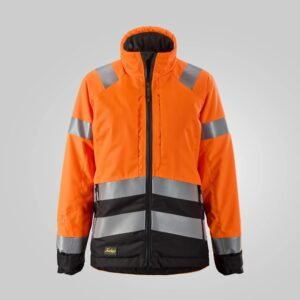
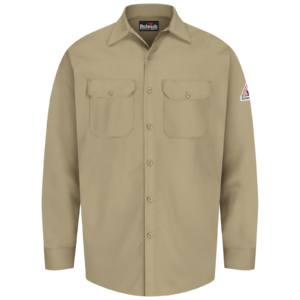
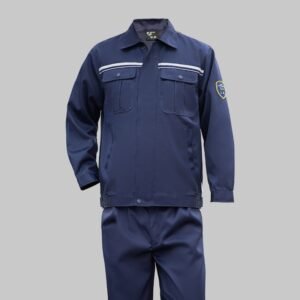
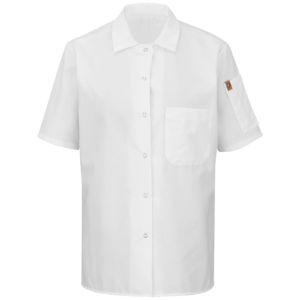
Garment and Development References



Browse Veelianpro’s Workwear Catalogue
Review current garment references, then send the fit and construction details for your program.





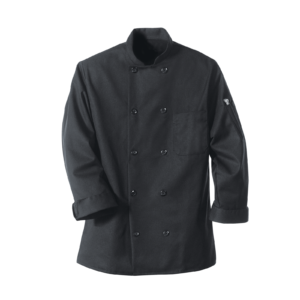
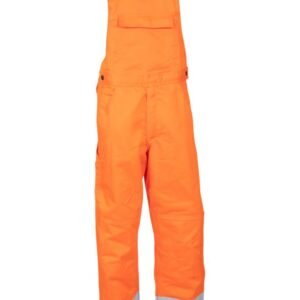
Advantages of Custom Pony Club Uniform Development
Practical controls for made-to-order club apparel, from buyer brief through export-ready packing.
Buyer-Led Specifications
Share a tech pack, sketch, sample, or concept; we develop the garment details around your club’s intended use and approval requirements.
Rider Fit Review
Pattern development, size grading, and sample review help teams document measurements and movement considerations before confirming bulk uniform specifications.
Club Branding Choices
Review embroidery, screen printing, heat transfer, patches, woven labels, care labels, and custom packaging against the selected garment and artwork.
Flexible Garment Development
Develop polos, tees, jackets, vests, trousers, shorts, or other club uniform components as separate specifications when procurement needs differ.
Sample-Led Approval
Approve materials, colors, construction, logo placement, and finishing on a project sample before moving forward with a production quotation.
Export Coordination
We coordinate quality checks, packing, and export preparation after order confirmation, helping distributors manage a clear handover for international delivery.
Pony Club Uniforms Manufacturer Development Options
Choose what you want to specify before sample approval.

Club Polos and Tees
We can develop custom pony club uniforms from your brief, sample, or artwork, reviewing pattern, fabric and trim options, branding placement, labels, packing, and approval points for the selected polo or tee program.
Get a Quote
Training Layers and Jackets
Specify a fleece, softshell, padded, or rain-jacket direction for feasibility review. Veelianpro can coordinate sourcing, pattern development, sampling, construction details, decoration, finishing, and quality checks against the approved project specification.
Get a Quote
Riding Trousers and Breeches
For a dedicated trouser or breech project, provide measurements, reference samples, sketches, and intended use. We can develop a sample and refine the agreed specification before a made-to-order production quotation is confirmed.
Get a QuoteMaterials to Specify With a Pony Club Uniforms Manufacturer
Explore materials and fabrics
Polyester Performance Knit

A lightweight knit option for polos, training tops, and youth rider layers. Specify composition, knit construction, color requirements, logo method, and any moisture-management or test documentation needed for the intended program.
Cotton Blend Jersey

A familiar, softer-feel option for casual club tees and selected polos. Review blend ratio, fabric weight, shrinkage expectations, color, decoration compatibility, and care-label requirements against the approved sample before production.
Nylon Stretch Fabric

A flexible fabric direction for riding-oriented garments where movement and fit are central. Confirm stretch construction, recovery expectations, panel placement, abrasion-test needs, color, and sample fit for the selected uniform category.
Brushed Fleece

A warm mid-layer choice for cool-weather training, travel, or stable-team uniforms. Specify fiber composition, weight, surface finish, collar and pocket construction, branding approach, and care requirements for project review.
Softshell Outerwear

A structured outerwear option for club jackets and changing conditions. Define shell composition, stretch needs, lining, pocket layout, decoration areas, and any weather-performance evidence required for the destination market.
Rainwear Shell Fabric

A shell-fabric route for project-specific rain layers or packable outerwear. Review construction, seam approach, lining needs, logo placement, color, and any waterproof-performance documentation before the specification is approved.
Custom Pony Club Uniform Development Process
Explore printing and finishing
Tech Pack Review

We review your garment brief, sketches, reference sample, measurements, club colors, logo files, size range, and intended use to clarify materials, construction, decoration, and approval points before development begins.
Pattern Development
View details
Our team develops or refines garment patterns around the approved design direction and rider movement needs. A sample provides the practical basis for reviewing silhouette, panel placement, seam positions, and measurement specifications.
Size Grading
View details
Once the base fit is approved, we can prepare grading for the requested size range. Buyer-supplied measurement expectations and fit comments help keep youth and adult uniform requirements documented for production review.
Cutting and Sewing

Approved fabrics and trims move into cutting and sewing according to the confirmed specification. Pocket layouts, reinforcement requests, panel construction, and stitching details are treated as project-specific choices rather than assumed features.
Branding and Finishing
Choose project-appropriate embroidery, screen printing, heat transfer, patches, woven labels, care labels, and custom packaging. We review artwork placement, scale, and compatibility with the selected garment material before bulk production.
Final Quality Checks

Finished garments are checked against the approved sample and order requirements, including visible appearance, measurements, decoration, labels, size counts, and packing details before export coordination and release instructions are completed.
Trims, Labels, and Branding for Club Uniforms
Explore labels, trims and packaging
Front Zippers

Specify zipper type, finish, puller style, and placement for jackets, training layers, or vests. The approved sample confirms operation, seam integration, color coordination, and suitability for the intended club uniform design.
Club Crest Patches
Choose embroidered, printed, or woven patches for polos, outerwear, and presentation garments. Confirm crest artwork, dimensions, edge treatment, placement, and attachment method so the club identity remains consistent across the approved program.
Woven Brand Labels

Add woven main labels where the neck construction permits, alongside buyer-supplied brand details. Review label size, fold, colors, placement, and artwork during sampling to align private-label presentation with comfort and garment construction.
Care Labels
Use care labels to carry buyer-approved fiber, care, size, origin, or market-required information. Placement and content should be reviewed against the destination market and garment design before bulk production is authorized.
Elastic Adjustments

Specify elastic at waistbands, cuffs, or hems when the uniform design calls for adjustable fit. Confirm width, tension, casing construction, and wearer comfort on the sample for the intended youth or adult size range.
Custom Packaging
View details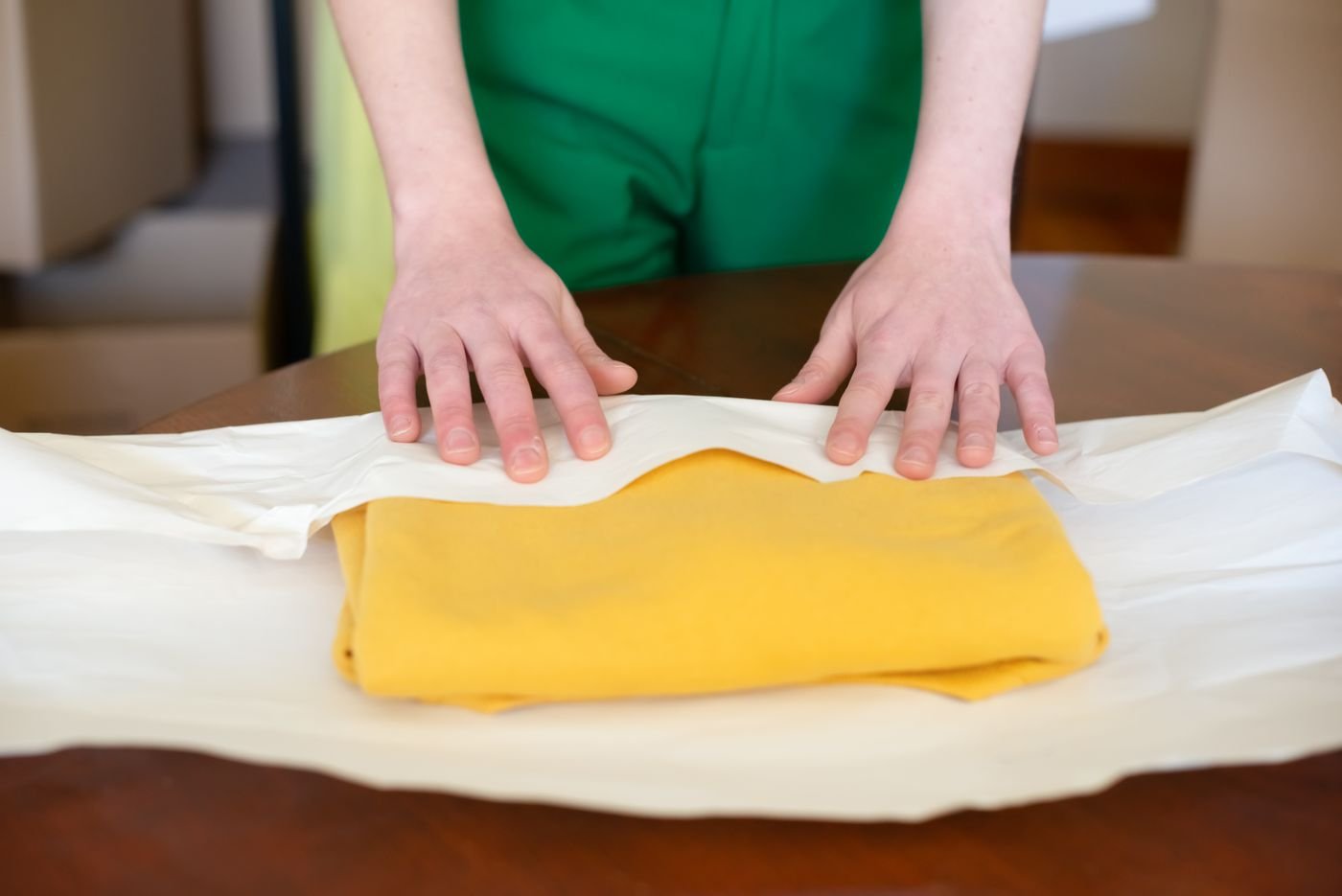
Coordinate individual bags, branded inserts, hang tags, or buyer-specified packing formats with the finished uniform program. Confirm artwork, labeling, folding method, and carton requirements before production so distributor handling stays organized.
Veelianpro’s Scope for Pony Club Uniform Projects
Veelianpro is a Wuhan-based custom workwear manufacturer supporting OEM, ODM, private-label, and wholesale garment development for sourcing teams, apparel brands, and uniform distributors. We turn a tech pack, sketch, reference sample, or product idea into a project-specific development path, from material and trim sourcing through pattern work, sampling, production, inspection, packing, and export coordination.
For custom pony club uniforms, we apply this established development scope to the approved brief rather than claiming a pre-existing club-uniform program. Buyers can define rider size ranges, fit requirements, club colors, logo method, labels, packaging, and garment construction for review. Production may begin from 100 pieces per style and color, subject to fabric, construction, and documentation requirements.
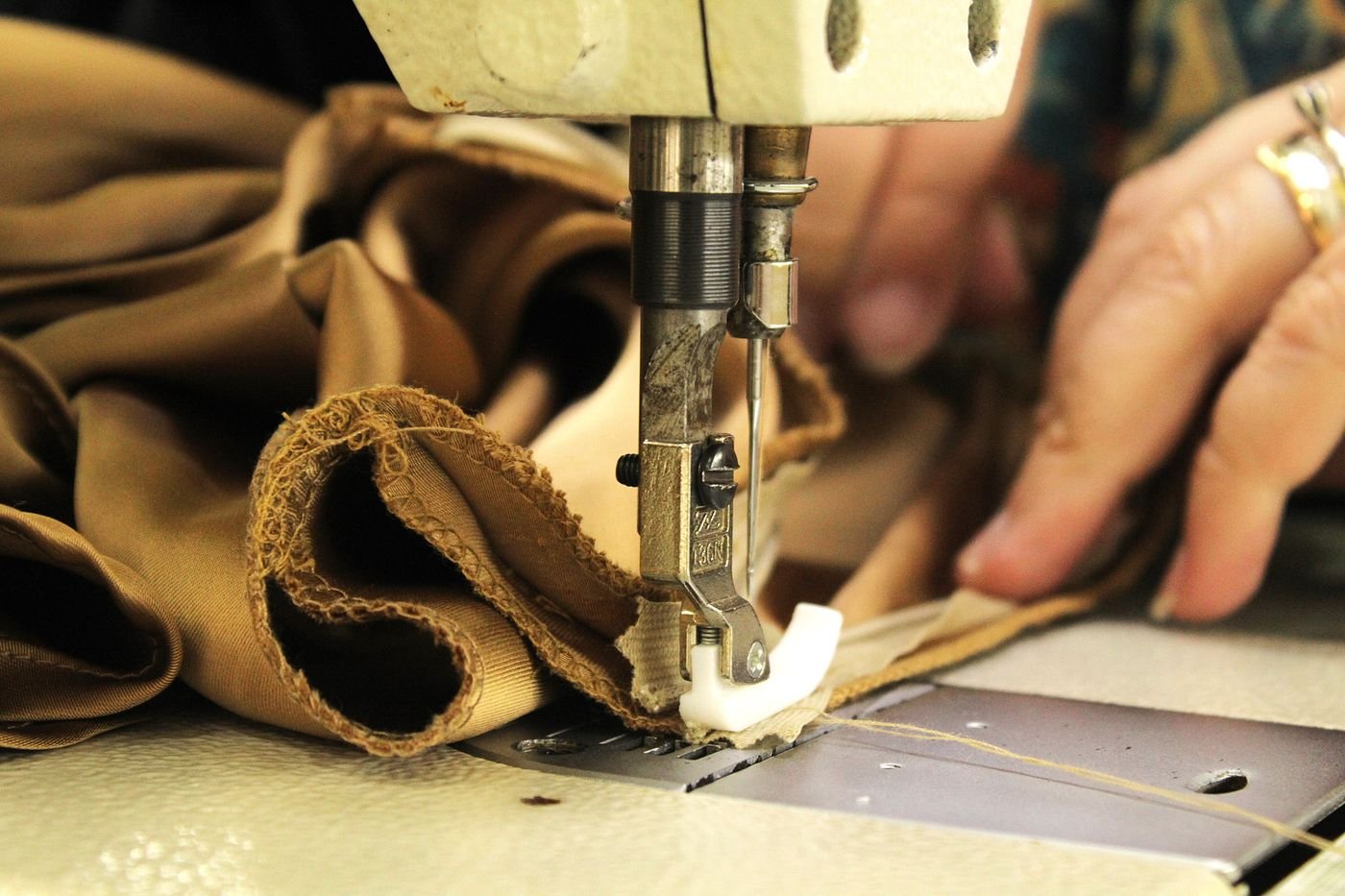
Custom Pony Club Uniform Development Capabilities
Specification Intake That Starts Clearly
As a pony club uniforms manufacturer, Veelianpro reviews your tech pack, sketch, reference sample, or product idea before development. We align garment category, rider setting, size range, club colors, branding, destination, and target quantity so the quotation reflects the actual procurement task.
- Separate specifications for polos, training layers, jackets, breeches, or youth garments
- Document intended fit, movement needs, pocket layouts, panels, and closure choices
- Identify market-specific documentation or testing requirements for project review
- Confirm feasibility from 100 pieces per style and color, subject to fabric, construction, and evidence requirements

Fabric and Trim Choices Reviewed Together
Material and component selection is handled against the uniform’s intended use, decoration plan, and club presentation. We can source fabric and trims for review, helping buyers compare composition, weight, stretch, hand feel, color direction, and construction compatibility before sampling begins.
- Specify knit or woven fabric options, lining needs, and seasonal layering intent
- Review zippers, buttons, elastic, binding, drawcords, and reinforcement choices
- Coordinate club-color direction with fabric availability and decoration placement
- Assess logo methods such as embroidery, screen printing, heat transfer, patches, and woven labels

Pattern, Grading, and Sample Approval
Custom pony club uniforms need an approved reference before bulk production. Veelianpro develops patterns and samples from the confirmed brief, then incorporates buyer feedback on fit, size grading, movement, color, branding placement, and garment construction into the production specification.
- Use buyer-provided measurements, size charts, or reference garments as the fit baseline
- Review seated and active riding movement where relevant to the selected garment
- Confirm artwork scale, placement, seam clearance, labels, and care-label content
- Record approved revisions before moving from sample development to production planning

Inspection, Packing, and Export Coordination
Once the approved specification is released, Veelianpro coordinates cutting, sewing, decoration, finishing, quality checks, packing, and export preparation. Inspection points can be tied to the agreed sample, measurement chart, artwork, labeling, and packing instructions, giving distributors a clearer handover for delivery and reorders.
- Check finished garments against the approved project specification
- Align folding, individual packing, size identification, and carton marking requirements
- Coordinate custom packaging, hang tags, woven labels, and care labels where specified
- Keep reorder references connected to the approved style, color, materials, and branding details
Pony Club Uniforms Manufacturer vs. In-Stock Decoration
Compare project-specific uniform development with decorating a pre-existing garment style.
← Swipe left or right to view →
From Brief to Shipment Coordination
From feasibility review to shipment coordination, Veelianpro keeps each club-uniform project aligned to the approved specification, sample, quotation, and packing requirements.
Brief and Feasibility Review
Share garment categories, rider size range, club colors, branding, quantity, destination, timeline, and any required documentation so we can review development feasibility and production scope.
Specification Development
We refine your tech pack, sketch, or sample into garment details, patterns, fabric and trim selections, decoration placements, grading needs, and construction points for review.
Sample and Approval
Review the developed sample against agreed fit, measurements, color, logo placement, labels, and finishing details; approved specifications become the reference for quotation and bulk production.
Quotation and Production
After approvals, we confirm the project quotation and move through material preparation, cutting, sewing, reinforcement, decoration, and finishing against the approved club-uniform specification.
Inspection and Handover
We check finished garments, size counts, labels, packing, and agreed quality points before export coordination, then retain the approved specification to support future reorder discussions.
Plan Your Pony Club Uniforms
Move from a clear club brief to approved specifications, samples, quotation, and production handover with defined buyer inputs at each decision point.
Submit Club Brief
Send garment categories, intended use, size range, colors, logos, quantity by style and color, destination, market-specific documentation requirements, and target timeline for initial review.
Review Scope Together
Review pony club uniforms manufacturer feasibility with us, including fabric and trim options, fit priorities, decoration method, construction details, and conditional minimum quantity requirements.
Approve Sample and Quote
Receive a project-specific sample route and quotation, then approve measurements, colors, logo placement, labels, packing requirements, and the written production specification before confirmation.
Confirm Order Details
Confirm the approved specification, quantities, size breakdown, destination, and commercial terms so we can coordinate materials, production planning, inspections, and export handover.
Coordinate Final Handover
Review agreed inspection and packing details, provide shipping instructions, and keep the approved specification available for future reorder discussions or program updates.
Standards and Audit References


Pony Club Uniform Sourcing FAQ
Illustrative scenario
Apparel Buyer
Club program coordinator: Provides polos, jackets, club colors, logo files, size range, and target quantity. Requests youth-fit review and logo placement checks. Approval evidence includes the finalized specification, color reference, measurement chart, and reviewed sample before quotation.
Illustrative scenario
Sourcing Manager
Uniform distributor: Brings a wholesale pony club uniforms brief for multiple club accounts and asks for a consistent decoration workflow. The project separates each style and colorway, then records label, packaging, artwork, and sample approvals for a project-specific production review.
Illustrative scenario
Production Planner
Equestrian apparel brand buyer: Shares sketches for custom pony club uniforms, intended riding use, fabric preferences, and branding details. Requests pattern development and fit adjustments around the approved size range. The approval file documents construction choices, trim selections, artwork placement, and the final sample.
Request a Pony Club Uniform Quote
Practical answers for clubs, brands, and distributors planning made-to-order uniform programs with Veelianpro.
Can Veelianpro develop custom pony club uniforms from our own brief?
Should we choose made-to-order uniforms or decorate in-stock garments?
What is the minimum order for a pony club uniforms manufacturer project?
What fit details should we approve before bulk production?
Which logo and club-branding methods can be reviewed?
Can you provide samples before we confirm wholesale pony club uniforms?
How are payment terms and shipping arranged for custom uniform orders?
How does Veelianpro handle artwork, private-label details, and project-specific evidence?
Pony Club Uniforms Manufacturer: A Bulk Buying Guide
A practical framework for comparing development routes, defining rider-ready specifications, reviewing samples, and choosing a pony club uniform supplier while avoiding preventable fit, branding, and approval mistakes.
1. What a pony club uniforms manufacturer does
Veelianpro is a pony club uniforms manufacturer for conditional made-to-order development, starting from 100 pieces per style and color when the fabric, construction, and documentation requirements make the project feasible. The work turns a club or brand brief into an approved garment specification, sample route, production quotation, and bulk order rather than offering a presumed in-stock uniform.
OEM is appropriate when the buyer supplies a tech pack, measurements, artwork, or reference garment and needs production developed against those requirements. ODM support begins with a product idea, intended riders, visual direction, and commercial brief; private-label support applies the approved brand identity through options such as labels, decoration, and packaging, with the exact scope confirmed for the project.
Final uniforms are governed by the approved style, size range and grading requirements, color and logo files, fabric and trim selections, decoration placement, construction details, packing instructions, destination, and target quantity. A sample should resolve rider-fit and visual questions before bulk authorization; any requested performance, recycled-content, UV, or protective claim needs project-level evidence and documentation scope, not an assumption from a design or photo.
2. Pony club uniforms manufacturer development routes
A pony club uniforms manufacturer route should match the buying task, not simply the desired logo. Veelianpro can develop a made-to-order garment from a tech pack, sketch, sample, or product idea; an in-stock garment-plus-decoration route starts with an already selected blank garment.
| Decision Criterion | Made-To-Order Development | In-Stock Garment Plus Decoration |
|---|---|---|
| Design control | Buyer defines garment specification | Existing garment is selected |
| Fit and pattern | Pattern and grading reviewed for project | Existing size offering is accepted |
| Materials and trims | Options specified for feasibility review | Blank garment components remain fixed |
| Logo workflow | Decoration planned with the garment | Artwork approved on selected blank |
| Sample approval | Sample checked against written specification | Decorated blank checked for placement |
| Reorder reference | Approved specification and sample guide repeat orders | Blank identification and decoration record guide repeats |
Compare The Two Routes
Made-to-order development gives the buyer control over the garment specification before bulk production. In-stock decoration limits changes to the existing garment while focusing approval on the selected blank, artwork, and placement.
Specify Custom Development
Use custom development when club colors, rider fit, pattern details, materials, labels, or trims must be defined for the program. Submit the intended use, size range, logo files, color references, quantities, destination, and any required evidence for feasibility review.
Approve the sample against the written specification, including measurements, artwork location, label copy, and packaging. The approved specification and retained sample reference make later reorders more consistent.
- Starting MOQ: from 100 pieces per style and color, conditionally
- Specify fabric and trim options for review
- Confirm grading and rider-fit checkpoints
Choose The Practical Route
Choose made-to-order development for a new club uniform program or a distributor private-label line needing controlled fit and identity. Choose in-stock decoration when an approved blank garment already meets the procurement brief and the task is adding a club mark.
Do not treat a decorated blank as evidence that a future custom pattern will match it. Keep artwork files, placement references, blank garment identification, and approval records with the purchase order.
3. Uniform categories for pony club programs
A club program rarely needs one uniform for every ride. Separate training, presentation, competition, climate, age range, and visual identity before selecting a made-to-order category; every route requires project review.
Club Polos
Polos suit everyday team visibility when a collar and repeatable club colors matter.
Review fabric, fit, placket, logo method, and youth-to-adult size grading against the intended riding and stable routine.
Show Shirts
Show shirts prioritize a controlled presentation beneath the club’s selected outer layer.
Specify collar format, sleeve length, closure, color blocking, and permitted decoration placement for the relevant competition context; approval remains project-specific.
Training Layers
Training layers address changing conditions without making a formal presentation garment do all the work.
Choose the desired coverage, ease through the shoulders, color visibility, and branding location for review with the rider age range.
Club Jackets
Jackets create the strongest shared club identity for travel, sidelines, and cool-weather programs.
Define the climate use, shell and lining direction, pocket needs, closure, and decoration workflow before sampling; weather performance is not assumed.
Riding Breeches
Breeches require a separate seated-fit decision because saddle contact changes how a pattern is assessed.
Provide the target rider group, rise preference, leg finish, grip direction if requested, and measurement set for project review.
Youth Rider Garments
Youth garments need clear size progression and movement review rather than reduced adult styling alone.
Clubs can align colors and branding with senior teams while defining age-appropriate fit, closures, and care-label requirements for the approved specification.
4. Materials and options for club uniforms
Material selection begins with the club’s use case, not a performance label. Specify fiber mix, fabric structure, color, stretch direction, lining, and the evidence required for the intended garment.
| Option To Request | Relevant Use | Trade-Off | Approval Evidence |
|---|---|---|---|
| Polyester knit | Polos and tees | Hand feel varies | Swatch, color approval |
| Cotton-blend knit | Casual club tops | Care behavior differs | Composition record |
| Nylon-elastane stretch | Fitted riding layers | Recovery needs review | Movement sample |
| Polyester-elastane interlock | Training layers | Weight affects drape | Swatch and sample |
| Mesh panels | Ventilation zones | Opacity and seams matter | Placement approval |
| Mesh, tricot, or woven lining | Jackets and vests | Layering changes feel | Lining sample review |
Match Fabric To Garment

Polyester knit can suit polos and training tees; cotton-blend knit changes hand feel and care expectations. Nylon-elastane stretch fabric or polyester-elastane interlock are options to review for close-fitting riding layers, subject to sample movement checks.
Specify Panels And Linings
Mesh ventilation panels should be placed only after reviewing seam location, opacity, and logo workflow. For jackets or vests, request lining options such as lightweight mesh, tricot, or woven lining, then approve feel and layering on the sample.
Document Optional Claims
UV, recycled, organic, waterproof, and test claims require SKU- and market-level documentation; a fabric photo is not evidence. Record the exact material reference, color, supplier documentation, test scope, and approved sample in the specification.
5. Customization for pony club uniforms manufacturer projects
A usable customization brief turns club identity into files, locations, and approval points that can be sampled. For each pony club uniform, define the artwork version, club colors, intended wearer group, and garment use before choosing decoration.
| Decoration Route | Best Brief Inputs | Compatibility Review |
|---|---|---|
| Embroidery | Stitch file, placement, scale | Panel stability, seam clearance |
| Heat transfer | Artwork, size, color | Stretch and curved surfaces |
| Screen or silicone print | Artwork, coverage, finish | Fabric surface and flexibility |
| Woven label or patch | Label artwork, attachment point | Edge comfort and panel access |
Build The Artwork Pack

Supply editable vector artwork where possible, the approved color references, logo dimensions, and front, sleeve, back, or collar placements. Identify youth and adult variants if branding or size labeling differs.
Veelianpro can review embroidery, heat transfer, screen printing, patches, woven labels, care labels, hangtags, and custom packaging against the selected garment specification.
- Master logo and approved variants
- Placement drawing with dimensions
- Color reference and artwork file
- Label, hangtag, and pack copy
Match Decoration To Garment
Decoration must be reviewed with the fabric’s stretch, panel seams, garment curvature, and riding use. A large rigid transfer across a stretch back panel may affect recovery; dense embroidery near a pocket, zipper, or seam can distort the panel.
Specify piping, collar shape, closures, zipper pulls, patches, and packaging as separate line items so the sample reflects the production brief.
Illustrative Placement Review
Hypothetical example: a distributor proposes a left-chest embroidered crest on a training polo, a small sleeve mark, and a heat-transfer name panel on the back. The review checks crest scale, seam clearance, stretch behavior, and whether the back panel remains comfortable during riding.
Approval should record the artwork revision, placement drawing, decoration method, and sample observations before the bulk specification is released.
6. Construction and riding-fit quality checks
A riding sample reveals pressure and restriction that a flat measurement chart cannot. Approve movement and finishing against the intended uniform category before bulk release; a passed sample validates that sample and specification, not a durability or safety claim.
Movement And Seated Fit

For polos, shirts, and jackets, check forward shoulder reach, sleeve rotation, collar comfort, and back length while mounted. For breeches or riding trousers, review seated rise, waistband stability, inner-leg seams, and saddle-contact comfort.
A hypothetical youth sample may pull across the upper back when reins are held. Remedy it through a documented pattern or panel revision, then recheck the revised sample in the same riding posture.
- Forward arm reach
- Seated waistband position
- Inner-leg seam comfort
Construction Details To Lock
Place seams, closures, pockets, and reinforcement according to the riding task rather than a catalog image. Specify zipper or button type, pocket opening direction, reinforcement locations, bartacks where required, and any lining or cuff treatment for review.
Confirm whether a pocket remains usable when seated and whether its contents could interfere with the saddle. These are project choices to sample and inspect, not assumed performance features.
- Closure operation with gloves
- Pocket access while mounted
- Approved reinforcement locations
Measurements, Grading, And Inspection
Lock a measurement chart, permitted tolerances, size range, grade rules, and measurement method before approving production. Inspect finished garments against the approved sample for key dimensions, seam appearance, closure operation, decoration placement, labels, and packing.
A hypothetical graded sleeve can become disproportionately long in larger youth sizes if grade rules are copied without review. Request a size-set check before release and record any approved correction in the production specification.
- Measure after agreed finishing
- Review a size-set sample
- Retain the signed approval record
7. Choosing a pony club uniforms manufacturer
Choose a pony club uniforms manufacturer by testing whether its development scope matches the club’s garments, branding, size range, and market. Veelianpro reviews buyer tech packs, sketches, samples, or product ideas; made-to-order feasibility starts from 100 pieces per style and color, subject to requirements.
Lock The Development Scope
Require a line-by-line tech-pack review covering garment type, rider measurements, color references, fabric composition, trims, decoration locations, labels, and packaging.
Ask for material and trim traceability in the quote or approval file. Request certificates and performance evidence at SKU and destination-market level, not from product photos or general claims.
Approve A Controlled Sample
A sample should be checked against the agreed measurement chart, riding posture, artwork scale and placement, closure function, labels, and packing instructions.
Record approved revisions in a dated specification. Inspection records should refer to that same version, so a reorder does not rely on memory or an unmarked sample.
Illustrative Procurement Scenarios
Illustrative scenarios show the approvals that prevent a club identity or fit requirement from drifting between development and production.
| Buyer Role | Task And Change | Required Approval |
|---|---|---|
| Uniform distributor | Adds a youth polo colorway and woven neck label. | Revised artwork, size chart, label proof, sample. |
| Apparel brand | Moves a training jacket logo from chest to sleeve. | Artwork proof, placement measurement, decorated sample. |
| Club sourcing team | Replaces a trim after original sourcing changes. | Trim swatch, revised specification, production release. |
8. Common uniform sourcing mistakes
A polished reference image can establish a design direction, but it cannot approve fabric, color, fit, or decoration. Most avoidable rework begins when a pony club uniform specification leaves one of those decisions implied.
Do Not Treat Images As Proof
Photography can hide stretch, lining, seam placement, and the actual shade under different light. Record proposed materials and construction as items for sample review; only the approved physical sample establishes the production reference.
Control Color And Decoration
A logo file without a location, dimensions, thread or print method, and garment size reference invites inconsistent execution. Review a project color standard and marked artwork proof, then approve placement on the relevant sample before release.
Complete The Fit Data
A basic age range does not replace a size chart, grade rules, or rider posture review. Provide intended wearer measurements and assess reach, seated position, and shoulder movement on the sample before confirming the size run.
Separate Garment Programs
Training polos, presentation jackets, and riding breeches have different fit, decoration, and material decisions. Put each garment family on its own specification so one generic note does not override a style-specific requirement.
Release Only Written Approvals
Verbal feedback and untracked chat edits create competing versions of the same brief. Consolidate the final tech pack, measurement chart, color reference, artwork proof, sample comments, and packing instructions into one dated production approval.
9. From brief to approved reorder
A workable pony club uniform order moves from a defined riding-use brief to a controlled production record. Each approval should identify the exact garment version, not just a logo proof or reference photo.
Build A Quote-Ready Brief
Send the garment category, size range, rider-use setting, destination, quantity by style and color, target delivery window, and artwork files. Attach a tech pack, sketch, or reference garment where available.
Veelianpro reviews feasibility before development. Starting MOQ is from 100 pieces per style and color, subject to fabric, construction, and evidence requirements.
- Fabric composition or options for review
- Color references and logo placement
- Labels, packaging, and inspection requirements
Approve Materials And Sample
Align the measurement chart, grading, fabric and trim selections, decoration method, and artwork scale before sampling. Review the sample in riding posture, including reach, seated comfort, closures, seams, and logo position.
Record changes in one dated approval file. Written approval should identify the approved sample version, color reference, measurements, artwork, labels, and any agreed tolerance or inspection point.
- Check actual color and decoration placement
- Check size-label and care-label content
- Approve packing presentation before bulk release
Lock Production And Reorders
Confirm the production quotation only after the approved specification and sample are referenced. The order file should state inspection requirements, carton marks, packing count, destination, and export coordination details.
For a reorder, compare the prior approved file against every requested change. Retain the purchase order, sample photos, measurement chart, artwork files, color reference, label copy, packing instructions, and inspection record.
- Quote check: version, quantities, inclusions, destination
- Sample check: fit, artwork, labels, packing
- Reorder check: unchanged versus revised components
10. Pony club uniform pricing and cost drivers
A pony club uniform quote changes when a project moves from one approved polo in one color to several garment types, colorways, or logo treatments. Veelianpro starts feasibility from 100 pieces per style and color, subject to fabric, construction, and evidence requirements.
Request one written specification for every compared quote: garment, size range, fabric route, color, decoration artwork and placements, trims, labels, packing, destination, shipping terms, and sample stage. A revised pattern, additional colorway, changed logo method, or new documentation request is not like-for-like until it is reflected in both quotations.
| Cost driver | What changes cost | Quote must specify |
|---|---|---|
| Quantity, styles, and colors | Production setup is divided across each approved style and colorway. | Pieces by style, color, and size; whether the conditional minimum is feasible. |
| Fabric and pattern route | Sourced fabric, custom color review, new patterns, and riding-fit revisions create different development work. | Composition or fabric reference, approved color route, measurements, grading, and revision status. |
| Decoration and components | Embroidery, screen printing, heat transfer, patches, woven labels, care labels, closures, and packaging have separate workflows. | Artwork files, placement, dimensions, color count, labels, trims, and packing configuration. |
| Samples and evidence | Additional sample rounds, requested tests, or market-specific documentation expand the scope. | Sample quantity and approval stage; required standard, test, certificate, or documentation review. |
| Freight terms | Carton configuration, destination, shipment method, and agreed Incoterms affect the delivered-cost comparison. | Packing method, carton assumptions, destination, shipment method, and named shipping terms. |
11. Pony club uniform buyer FAQs
These answers address the decisions that most often delay a pony club uniform quote: route, specification, fit, materials, quantity, and sample release.
Custom Or Decorated Stock
Choose made-to-order when rider fit, panel layout, colors, labels, or construction must be controlled. Choose an in-stock garment with added decoration when an available base style and its size range meet the brief; confirm its decoration area first.
What Belongs In The Brief
Provide garment category, rider age groups, size range, club colors, logo files, decoration locations, target quantity, destination, and required date. A tech pack should also identify fabric and trim options for review, measurement points, grading, labels, packing, and any project-specific evidence.
How Is Riding Fit Reviewed
Approve fit from buyer-provided body measurements and movement review in the riding position, not a flat garment alone. Record the sample size, measurement points, grading rules, shoulder reach, sleeve movement, waistband behavior, and any changes required before production.
Which Materials And Decoration
Approve actual fabric swatches, color submissions, trims, and artwork placement before bulk release. Embroidery, screen printing, heat transfer, patches, woven labels, care labels, and packaging are options to specify for feasibility; performance, recycled, UV, or test claims need project-level evidence.
Can We Meet The MOQ
Veelianpro starts feasibility review from 100 pieces per style and color. That quantity remains conditional on the selected fabric, construction, decoration, and documentation requirements, so separate youth and adult styles or colorways may need their own quantity check before quotation.
What Must A Sample Approve
Approve the final sample against the agreed specification before authorizing bulk production. Sign off on measurements, fit changes, fabric and color, logo artwork, placement, labels, trims, packing, and inspection criteria; then retain the approved reference for reorder comparison and change control.
Request a Pony Club Uniforms Manufacturer Quote
Send garment types, intended use, sizes, colors, branding, quantities, destination, and timeline for a feasibility review and project-specific quote.