
Equestrian Winter Jackets Manufacturer
Veelianpro develops independently specified equestrian winter jackets with sampling, branding, and conditional quantities from 100 pieces per style and color.
Garment and Development References


Browse Veelianpro’s Workwear Catalogue
Review current garment references, then send the fit and construction details for your program.




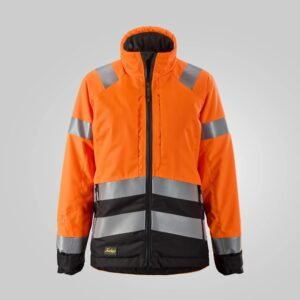

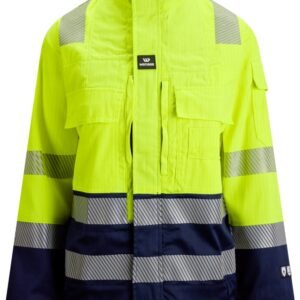
Why Source Custom Equestrian Winter Jackets From Veelianpro
Specification-led jacket development for rider use, private-label presentation, and approval-led production.
Rider-Use Briefing
Share riding discipline, climate, layering needs, and target wearer so development can focus on movement, seat length, and practical winter use.
Custom Development
Develop from a tech pack, sketch, sample, or idea, refining pattern, size grading, pocket layout, and reinforcement details before bulk approval.
Material Sourcing Review
Review shell, lining, insulation, stretch-panel, and weather-protection options with fabric and trim sourcing aligned to your specification and documentation requirements.
Private-Label Presentation
Coordinate embroidery, screen printing, heat transfer, patches, labels, and custom packaging into one private-label presentation planned before production.
Sample-Led Approval
Approve fit, mobility, construction, colors, materials, branding, and packing through samples before repeating the agreed specification in production.
Feasible Starting Quantities
Begin from 100 pieces per style and color when fabric, construction, and evidence requirements support project feasibility.
Equestrian Winter Jackets Manufacturer Development Options
Choose what you want to specify before sample approval.

Padded Riding Jackets
We develop the padded-jacket brief from your tech pack, sketch, or sample, reviewing fabric, fill, lining, closures, labels, decoration, and approval sample requirements before a bulk quotation is prepared.
Get a Quote
Softshell Training Layers
For custom equestrian winter jackets in a softshell direction, we review the intended riding setting, fit range, fabric options, stretch panels, pocket layout, cuffs, branding method, and any documentation needed for requested claims.
Get a Quote
Fleece Layer Programs
We support OEM, ODM, and private-label development with fabric and trim sourcing, pattern work, sampling, decoration, care labels, custom packaging, quality checks, and export coordination aligned to the approved specification.
Get a QuoteMaterials to Specify for Equestrian Winter Jackets
Explore materials and fabrics
Technical Stretch Fabric

Specify a stretch-woven or knit fabric for panels requiring movement through the shoulders, elbows, and riding posture. Confirm composition, recovery, weight, finish, and color requirements against the approved sample.
Softshell Construction

Softshell can combine a woven face with a bonded inner layer for custom equestrian winter jackets. Review hand feel, stretch direction, panel placement, weather-protection target, and any required evidence before material approval.
Quilted Shell Fabric

A quilted shell provides a structured outer-jacket route for styles using insulation. Define the face fabric, quilting layout, stitch line placement, fill system, and rider-facing pocket or seam requirements in the tech pack.
Brushed Inner Lining

A brushed lining is an option to review where a softer, warmer interior is desired. Evaluate its bulk, friction against base layers, care requirements, and compatibility with the chosen shell and jacket construction.
Insulation System

Specify the intended insulation type, placement, and target garment profile for feasibility review. Fill weight, warmth expectations, compressibility, and any performance documentation remain project-specific and require confirmation before production.
Production Techniques for Equestrian Winter Jackets
Explore printing and finishing
Pattern Development
View details
Patterns are developed from your tech pack, sketch, reference sample, and target fit. We review riding posture, arm reach, saddle-area movement, layering allowance, panel placement, and functional details before the first sample is cut.
Prototype Sampling
A sample turns selected fabrics, linings, insulation options, trims, and construction notes into a physical review piece. Buyers can assess fit, mobility, seam placement, fabric behavior, pocket access, and branding before approving revisions.
Size Grading
View details
After base-size fit approval, the pattern can be graded across your requested size range. Measurement specifications, tolerances, and wearer feedback help keep intended jacket balance and movement considerations visible through the grading review.
Reinforced Sewing
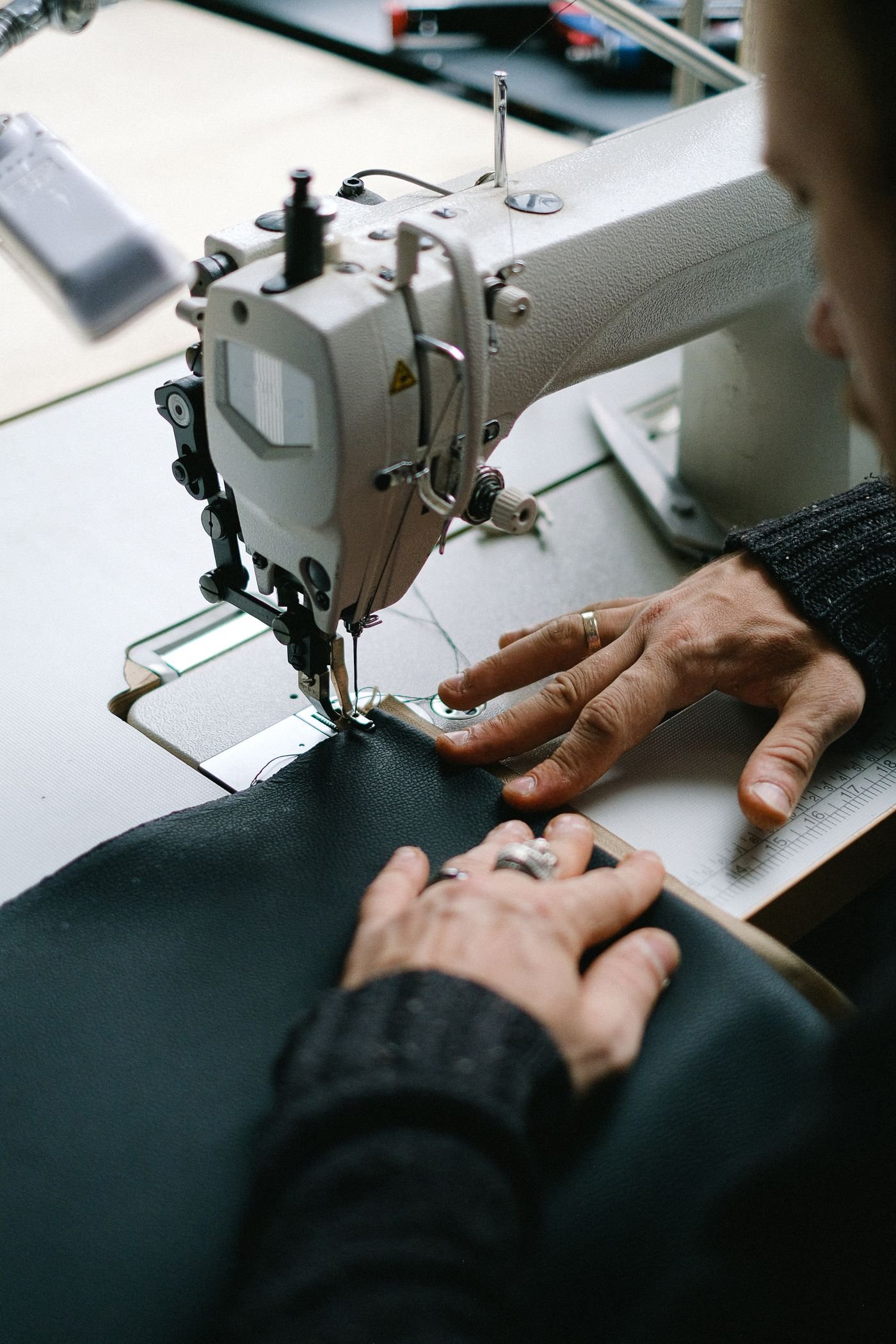
Cut components are sewn according to the approved construction plan, with reinforcement options such as bartacks, extra stitching, gussets, and panel joins specified where appropriate. The result is a jacket built around the approved functional layout.
Branding And Finishing
Embroidery, screen printing, heat transfer, patches, woven labels, care labels, and custom packaging can be coordinated with the approved artwork and placement. Final checks review workmanship, decoration, labeling, packing, and the agreed specification before export coordination.
Trims and Functional Details to Review
Explore labels, trims and packaging
Front Zipper System

Specify a zipper type, puller shape, guard, and placement for the center front. Buyers can review operation with gloves, layering clearance, and compatibility with the approved shell, lining, and jacket opening construction.
Riding Pocket Layout
Define chest, hand, internal, or rear pocket positions around the intended riding posture. Pocket dimensions, closure method, lining, and access direction should be reviewed on the sample so contents remain practical without disrupting movement.
Adjustable Cuff Finish
Choose an adjustable cuff approach such as tabs, elasticated inner cuffs, or another proposed closure. The selected finish should be assessed with the target gloves and sleeve layering to confirm comfort, coverage, and ease of adjustment.
Closure and Storm Details
Review plackets, snaps, hook-and-loop tabs, collar closures, and draft-control details as project-specific options. Their placement and material choice should match the jacket architecture, rider use, and desired visual finish rather than a fixed standard.
Private-Label Identification

Plan woven labels, care labels, size labels, patches, or discreet embroidery in locations that suit the garment and decoration method. Provide artwork, placement, and label content for review so branding is approved alongside the production sample.
Custom Packing Details
View detailsSpecify hangtags, folding method, polybag requirements, carton marking, and other packing details for the destination and retail route. These elements can be aligned with your private-label presentation after the garment specification and order requirements are confirmed.
Custom Equestrian Winter Jacket Development With Veelianpro
Based in Wuhan, Veelianpro develops custom garments for industrial, safety, hospitality, and service buyers through OEM, ODM, private-label, and wholesale programs. Our documented workwear operation began in 2012, and we bring a specification-led approach to custom equestrian winter jacket projects without representing this page as an in-stock apparel program.
For sourcing teams, apparel brands, and uniform distributors, we turn a tech pack, sketch, sample, or product idea into a reviewable development route. Discuss fabric and trim sourcing, pattern development, sampling, size grading, construction, branding, finishing, packing, and export coordination before production. Conditional quantities begin from 100 pieces per style and color, subject to fabric, construction, and evidence requirements.

Equestrian Winter Jacket Development Capabilities
Tech-Pack Review for Riding Use
We turn your tech pack, sketch, reference sample, or product idea into a reviewable development brief for an equestrian winter jacket. Rider position, intended layering, climate, discipline, size range, and branding requirements are aligned before patterns and materials are confirmed.
- Review body, sleeve, collar, hem, and pocket requirements for riding use
- Define measurement points, size grading needs, and approval tolerances
- Identify construction questions before sampling begins
- Separate requested performance claims from evidence required for the target market
Material and Trim Sourcing
Select jacket components as a working system rather than isolated features. We can source shell fabrics, linings, insulation options, stretch panels, closures, and branding components for feasibility review, then match approved materials and trims to the final specification.
- Consider softshell, quilted shell, woven shell, fleece, or brushed lining options
- Review insulation, stretch, weather-protection, and recycled-content documentation needs
- Specify zippers, cuffs, storm flaps, pocket systems, and adjustable closures
- Choose embroidery, heat transfer, patches, woven labels, care labels, and packaging

Samples That Guide Approval
A physical sample gives your team a practical checkpoint before bulk production. We support pattern development, sample construction, fit review, and revision so jacket fit, rider mobility, material handfeel, branding placement, and finishing can be evaluated against your approved brief.
- Assess arm reach, saddle posture, hem behavior, and layering room
- Confirm fabric, lining, trim, and decoration selections on the sample
- Record approved revisions in the production specification
- Submit requested test or certification evidence at SKU and market level when applicable

Controlled Production Handover
Once the specification and sample are approved, we carry the confirmed details into cutting, sewing, decoration, finishing, inspection, packing, and export coordination. Projects can begin from 100 pieces per style and color, subject to fabric, construction, and evidence requirements.
- Use approved specifications to guide bulk material and trim preparation
- Apply agreed decoration and label artwork before packing
- Check construction, finishing, and packing against the confirmed order details
- Plan carton marks, size assortment, destination, and shipment coordination
Custom Development vs. In-Stock Jacket Decoration
Choose specification-led development when rider fit and product architecture matter; use an in-stock route when its available jacket already suits the brief.
← Swipe left or right to view →
Our Custom Equestrian Winter Jacket Process
A controlled route from rider-use inputs to approved bulk production, packing, and export coordination.
Brief and Feasibility
We review rider discipline, climate, layering needs, size range, branding, quantity, destination, and evidence requirements, including feasibility for orders from 100 pieces per style and color.
Materials and Construction
Together we evaluate proposed shell, lining, insulation, stretch-panel, closure, pocket, cuff, and branding choices before confirming the development route for your custom equestrian winter jackets.
Pattern and Sample
Our team develops patterns, grades the requested size range, and prepares a sample for review of fit, saddle posture, arm movement, construction, and overall appearance.
Approved Bulk Production
After written sample and specification approval, we align approved materials and trims, then cut, sew, reinforce, decorate, finish, and monitor consistency against the approved reference.
Inspection and Export
We check finished jackets against approved requirements, verify labeling and packing details, then coordinate export preparation and retain reorder records for the approved style.
How to Brief Your Equestrian Winter Jacket Manufacturer
Move from concept to a production-ready custom jacket brief with clear feasibility, sample, and approval checkpoints.
Send Your Brief
Share a tech pack, sketch, reference sample, or product idea, including riding use, target wearer, climate, size range, branding, quantity, destination, and timeline.
Review Feasibility
We review fabric, lining, insulation, stretch panels, trims, construction, decoration, and documentation needs, then align a project-specific quotation and conditional MOQ from 100 pieces per style and color.
Approve the Sample
Evaluate the developed sample for fit in riding posture, layering room, mobility, fabric hand, color, closures, pocket placement, branding, labels, and agreed construction details.
Confirm Production Requirements
Approve the final specification, size grading, colorways, packaging, inspection points, and shipment details so your order can proceed with a clear production reference.
Standards and Audit References


How Custom Equestrian Winter Jacket Projects Can Be Planned
Illustrative scenario
Apparel Buyer
An apparel brand submits a winter riding jacket sketch, target wearer profile, and logo locations. Veelianpro develops the specification around saddle posture and layering, then routes a sample for fit, construction, branding, and material approval before quotation and bulk planning.
Illustrative scenario
Sourcing Manager
A uniform distributor needs a branded outerwear option for a riding program. The brief identifies climate, size range, pocket needs, and decoration method. The team reviews fabric and trim choices for feasibility, with sample evidence used to approve placement, mobility, and finish.
Illustrative scenario
Production Planner
An equestrian label separates a new jacket project from its parent assortment because the specification, sample route, and quotation differ. It provides a tech pack and reference garment; approvals cover graded sizing, branding components, and final construction details before production is considered.
Equestrian Winter Jackets Manufacturer FAQ
Practical answers for brands and distributors planning a specification-led, made-to-order winter riding jacket program with Veelianpro.
Can Veelianpro develop custom equestrian winter jackets from our tech pack or concept?
What is the minimum order quantity for a custom equestrian winter jacket project?
How should we specify materials and warmth without making unsupported performance claims?
Why does riding fit need its own sample approval process?
What should we review on a pre-production sample?
Which branding and trim options can be included in wholesale equestrian winter jackets?
Can we compare custom development with decorating an in-stock jacket?
What payment, shipping, IP, and documentation details should be settled before order confirmation?
Complete Guide to Custom Equestrian Winter Jackets
A practical framework for choosing made-to-order winter riding jackets, evaluating supplier development controls, comparing custom and in-stock routes, and avoiding specification, sample, documentation, and reorder mistakes.
1. What Is an Equestrian Winter Jackets Manufacturer?
An equestrian winter jackets manufacturer develops a riding-specific outerwear program rather than simply applying a logo to a finished coat. The brief starts with rider posture, arm reach, saddle contact, layering needs, target climate, and intended use; riding garments must account for hip and knee flexion and equipment interaction (https://bushisports.com/equestrian-apparel-manufacturing-design).
For sourcing teams, apparel brands, and uniform distributors, custom development means aligning the pattern, material route, pocket and closure choices, branding, and approved sample to one controlled specification. Veelianpro can develop from a tech pack, sketch, sample, or product idea, then support sourcing, pattern work, sampling, grading, production, finishing, packing, and export coordination.
This differs from an in-stock, logo-decoration route, where the base jacket, fit, and construction are already fixed. Veelianpro’s starting MOQ is from 100 pieces per style and color, subject to fabric, construction, and requested evidence requirements.
| Decision criterion | Custom winter riding-jacket development | In-stock jacket with logo decoration |
|---|---|---|
| Rider fit | Buyer-defined measurements and grading submitted for review | Existing size chart and fit are retained |
| Garment architecture | Specify shell, lining, insulation route, stretch panels, pockets, cuffs, and closures | Base architecture is fixed before decoration |
| Branding workflow | Artwork, labels, patches, embroidery, print, and packaging may be planned with the garment | Logo is applied within the available decoration area |
| Specification control | Approved tech pack and sample become the production reference | Control is limited to available stock options |
| Approvals | Fit, construction, color, trim, and branding require sample approval | Approve the selected stock jacket and logo placement |
| Quantity | From 100 pieces per style and color, subject to feasibility | Depends on the chosen stocked item and decoration route |
| Replenishment | Repeat against retained approved specifications, subject to material availability | Repeat depends on continued stock availability |
| Documentation | Request SKU- and market-level evidence for any performance or material claim | Request documentation for the specific stocked jacket and decoration |
2. Equestrian Winter Jackets Manufacturer: Product Evolution
A winter riding jacket changes shape when the wearer is seated: hips stay flexed, arms reach forward to the reins, and the hem must coexist with the saddle and tall-boot zone. That is why an equestrian winter jackets manufacturer should develop from a rider-use brief, not simply adapt a generic padded outerwear photo; rider movement and equipment interaction are core equestrian design inputs (https://bushisports.com/equestrian-apparel-manufacturing-design).
The useful evolution is from broad cold-weather coverage to controlled garment architecture. A buyer defines whether the jacket is for stable work, recreational hacking, dressage presentation, jumping, or a riding-school uniform, then identifies expected posture changes, underlayers, mounting and dismounting, pocket access, and the desired silhouette on and off the horse.
Those inputs guide the sample conversation: for example, a buyer may request review of back-hem mobility, sleeve reach over base layers, cuff-to-glove overlap, collar behavior, and clearance around boots before approving a pattern. Softshell, quilted shell, brushed lining, insulation, stretch panels, plackets, vents, two-way closures, storm flaps, and pocket placements are options to specify for feasibility review—not performance claims inferred from an image.
At Veelianpro, a sketch or reference image is a starting point alongside intended use, climate, target wearer, size range, branding route, destination, and any evidence requirement. This turns a visual direction into a measurable development brief and keeps waterproof, warmth, recycled-content, UV, or protective statements dependent on the applicable SKU-level documentation and testing.
3. Equestrian Winter Jacket Types
Jacket architecture should start with riding posture, winter layering, and the decoration area—not a catalog image. Veelianpro can review a buyer’s tech pack, sketch, or product idea to determine which proposed route is feasible for custom development.
Softshell Riding Jackets
A softshell concept suits buyers prioritizing lower bulk and movement through mounting, rein work, and stable tasks. Submit the proposed stretch-woven face, backing, hood preference, pocket map, and logo position for feasibility review; weather-performance claims require project-specific evidence.
Quilted Insulated Jackets
Quilted outerwear is a distinct route when warmth and a recognizable team silhouette matter more than close body stretch. Define the intended insulation type, lining, quilting layout, collar, closure, and embroidery location, then approve a sample before bulk authorization.
Shell And Liner Systems
For changing weather or layered uniforms, specify a shell-and-liner concept as separate components with the intended attachment method. This path needs clear wear scenarios, decoration placement on each layer, and approval of bulk, movement, and compatibility at the neckline and cuffs.
Fleece-Lined Stretch Jackets

A fleece-lined stretch jacket can be briefed for active training where riders need warmth without a heavily padded profile. Provide target base-layer use, rider measurements, sleeve reach, hem behavior in saddle posture, and the planned patch, transfer, or embroidery method.
Team And Uniform Outerwear
Club, school, and distributor programs need a repeatable size range and visible identity before extra features. Specify wearer groups, color blocking, logo files, names or numbering if needed, packaging, and the conditional starting quantity of 100 pieces per style and color, subject to requirements.
4. Equestrian Winter Jackets Manufacturer Materials
Material selection starts with the rider’s posture, layering plan, and wet-weather exposure; saddle and boot contact make mobility and low bulk consequential. Rider movement considerations are summarized at https://bushisports.com/equestrian-apparel-manufacturing-design. Submit each route for feasibility review before sampling.
| Material Input | Trade-Off | Typical Zone | Evidence Request | Rider Consideration |
|---|---|---|---|---|
| Woven softshell | Mobility versus bulk | Body and sleeves | Fiber and finish details | Reaching and mounting |
| Quilted shell | Warmth architecture versus volume | Body panels | Shell and batting specification | Layering under a vest |
| Brushed knit lining | Comfort versus drying needs | Collar and body | Composition confirmation | Long training sessions |
| Synthetic insulation | Warmth versus profile | Core panels | Fill specification; test scope if claimed | Cold stationary periods |
| Stretch-woven panels | Range versus panel complexity | Shoulders or sides | Recovery and seam review | Hip and arm flexion |
Face Fabric Routes
Woven softshell can balance movement and wind management, while a quilted shell creates a visibly insulated outer architecture. Specify desired handfeel, abrasion zones, color, and decoration location rather than assuming either route is stocked.
Lining And Insulation
A brushed knit lining adds next-to-skin warmth with less bulk than a separate thick layer. Synthetic insulation is an option to review for body panels; its type, placement, and any thermal claim require approved specification and evidence.
Stretch Panel Placement
Stretch-woven panels can be proposed at shoulders, side body, or other movement zones identified in the fit brief. Confirm recovery, seam joining, and interaction with layered garments on the approved sample.
Weather Evidence Requests
Waterproof, recycled, organic, UV, and test-related language belongs in the SKU and destination-market documentation request. Ask for the relevant mill, test, chain-of-custody, or finished-garment evidence before placing such wording on labels or sales materials.
5. Customization and Branding Options
A custom equestrian winter jacket needs a rider-specific fit brief before logos or trims are chosen. Veelianpro can develop from a tech pack, sketch, sample, or product idea; every decoration and component remains subject to feasibility review and sample approval.
| Customization Area | Buyer Input | Approval Evidence |
|---|---|---|
| Fit and grading | Measurement chart and target wearer | Wear sample and graded specification |
| Artwork | Vector file, colors, and placement | Material-specific strike-off |
| Trims | Closure, pockets, cuffs, labels, piping | Physical trim card and approved sample |
Fit Block And Panel Map

Define the target rider, layering allowance, posture, and measurement chart, then approve the graded size set on a sample. Map color blocking away from high-flex areas before committing contrast panels or piping.
- Fit block: women’s, men’s, unisex, or junior
- Panel layout: body, sleeve, side, and collar
- Review: reach, saddle posture, and cuff coverage
Branding Method And Placement
Embroidery, screen printing, heat transfer, patches, woven labels, care labels, and custom packaging are options to review. Dense embroidery can compress insulation, while transfers may react differently on stretch or textured shells; request production-ready artwork and a decoration strike-off on the intended material.
- Approve artwork scale and thread or ink colors
- Check logo placement against seams and pockets
- Retain the approved strike-off with the sample
Trims That Affect Use
Specify zipper pulls, front closures, pocket configuration, cuff adjustment, collar finish, piping, hangtags, and label positions as functional choices, not styling afterthoughts. Approve physical trim samples for color, hand feel, operation, and attachment before bulk authorization.
- Compare zipper-pull shape and branding method
- Test pocket access while wearing gloves
- Confirm cuff closure over riding layers
6. Construction Quality for Winter Riding
A winter riding jacket succeeds or fails at the points where a seated rider bends, reaches, and layers underneath. For an equestrian winter jackets manufacturer, construction review should follow mounted movement rather than a hanger inspection.
| Construction Point | Mounted-Riding Check | Approval Evidence |
|---|---|---|
| Pattern shaping | Reach forward and sit with layers | Marked fit sample |
| Seam placement | Check saddle-contact comfort | Annotated construction sheet |
| Lining and insulation | Check movement and bulk | Approved sample and trim list |
| Zippers and pockets | Operate wearing gloves | Specified component sample |
Shape Seams Around The Saddle

Test the pattern in a seated, hip-flexed position as well as standing. Shoulder mobility, back length, sleeve rotation, and side-seam placement should be reviewed against the intended saddle posture and mid-layer.
Keep bulky seam intersections away from repeated contact areas where feasible. This responds to the rider movement and equipment interaction identified in equestrian apparel development guidance: https://bushisports.com/equestrian-apparel-manufacturing-design
- Request mounted-reach sample photos
- Mark pressure points during wear review
- Approve graded measurements before bulk cutting
Specify Closures And Adjustments
Select the front zipper, storm closure, pocket opening, cuff adjustment, and hem adjustment as one operating system. A glove-friendly pull may be useful, while pocket placement must remain usable without interfering with reins, saddle position, or a layered silhouette.
Specify the exact zipper, puller, snaps, elastic, hook-and-loop, or drawcord option for feasibility review. Confirm opening direction, pocket depth target, and closure security on the approved sample rather than inferring them from a rendering.
Control Bulk Consistency
Lining attachment and insulation distribution affect both warmth management and how freely the shell moves over base and mid layers. Buyers should define whether quilting, baffles, stretch panels, reinforcement patches, bartacks, or binding are requested options, then approve their placement on the sample.
During pre-production review, compare workmanship, trim shade, stitch appearance, label placement, and packing against the sealed reference. Veelianpro can develop patterns, source trims, sample, sew, finish, inspect, and pack to the confirmed specification.
7. Choosing an Equestrian Winter Jackets Manufacturer
Select an equestrian winter jackets manufacturer by testing whether its development controls match the rider brief, rather than judging a photo or a generic outerwear claim. Veelianpro reviews custom projects from a tech pack, sketch, sample, or product idea; feasibility determines whether the starting quantity from 100 pieces per style and color applies.
Start With A Complete Brief
Specify discipline, climate, layering, target wearer, size range, destination, quantity, and artwork. Riding garments need to accommodate hip and knee flexion, saddle contact, and boot interaction, so describe where mobility, bulk, and seam placement matter. https://bushisports.com/equestrian-apparel-manufacturing-design
- Provide measurements and grading rules.
- Identify pocket, cuff, closure, and hood choices.
- State packaging, labeling, and carton requirements.
Confirm Materials And Claims
Submit proposed shell, lining, insulation, stretch-panel, zipper, label, and decoration choices for sourcing review. A softshell can combine a woven face with a flexible inner layer, but water resistance, warmth, or breathability cannot be assumed from that construction alone. https://kalaapparel.com/equestrian-clothing-fabrics-guide
- Request SKU- and market-specific recycled or organic chain-of-custody evidence.
- Request test scope for waterproof, UV, fill origin or fill-power claims.
- Record approved color, handfeel, trim supplier, and artwork version.
Control Samples Through Reorders
Approve a fit and construction sample against a dated specification: pattern version, graded measurements, materials, decoration placement, labels, packing, and acceptance observations. Then make the approved sample and signed records the bulk reference; check production fabric, trims, labeling, packing, and measurement tolerances against them.
- Keep a sealed approval sample.
- Assign a style code and revision number.
- Retain material and trim references for reorders.
8. Common Winter Jacket Sourcing Mistakes
A jacket photo cannot communicate the pattern, seam placement, trim specification, or evidence needed for a bulk decision. An equestrian winter jackets manufacturer needs a rider-use brief and a controlled approval record before bulk authorization.
Turn Photos Into Briefs
A reference image is a styling input, not a production specification. State discipline, layering use, target wearer, pocket intent, closure route, size range, and required branding; identify every unconfirmed fabric or weather attribute for feasibility review.
Illustrative scenario — A sourcing manager briefs a team jacket from a photo. She changes the request into annotated front, back, and detail views, then approves the tech pack before sampling.
Check Movement And Fit Blocks
Saddle posture changes shoulder, hip, and arm movement, while boots can affect lower-jacket interaction. Test the sample mounted or through agreed movement simulations, and do not combine women’s, men’s, or youth measurements under one fit block without separate grading approval.
Illustrative scenario — A uniform distributor orders a mixed-size riding program. He separates the fit blocks and measurement charts, then approves graded measurements and the relevant sample route.
Approve Construction, Not Color Alone
A color swatch cannot approve lining, insulation option, zipper pull, cuff, pocket construction, seam finish, or label position. Review the complete sample against an approval sheet; request SKU- and market-level evidence for any waterproof, recycled, UV, or other performance claim.
Illustrative scenario — An apparel buyer reviews a navy sample. She changes an unapproved cuff closure and zipper pull, then signs off on the revised trim set and complete construction sample.
Place Branding On Stable Zones
Embroidery, transfers, patches, woven labels, and care labels need placement review on the actual garment structure. Avoid assigning decoration to highly stretched, bulky, or repeatedly flexed zones until artwork size, backing, and attachment method are reviewed.
A sample proves only the approved sample configuration. Keep approved materials, trims, artwork, measurements, and inspection points with the production order rather than treating one sample as complete evidence.
9. Launching With an Equestrian Winter Jackets Manufacturer
Start with the rider’s discipline, climate, layering plan, and sales market; saddle posture changes fit priorities. Veelianpro develops from a tech pack, sketch, sample, or product idea, then reviews fabric, construction, documentation, and a conditional starting quantity from 100 pieces per style and color.
Build A Feasible Brief
Send target wearer, size range, colorways, reference images, measurement chart, logo files, labels, packaging, destination, and requested evidence. Specify softshell, quilted shell, brushed lining, insulation, stretch panels, pocket layout, zipper, cuffs, and decoration as options for review—not assumed performance.
- State discipline and layering use
- Provide vector artwork and placement
- Flag market-specific evidence needs
Approve The Development Sample
Review the sample in riding posture: reach forward, bend, mount, and sit. Check sleeve lift, hem coverage, collar clearance, pocket access, seam contact, trim function, artwork legibility, and color against approved references before authorizing bulk.
- Record approved measurements and tolerances
- Confirm fabric and trim references
- Photograph approved decoration placement
Lock Bulk And Reorder Controls
Freeze a signed bulk specification: pattern revision, graded measurements, material and trim references, artwork files, label copy, packing method, inspection points, and change-control contact. Reorders should reference that approved sample and revision; any fabric, trim, color, or market-evidence change requires review.
- Example: a distributor changes a casual unisex brief to a women’s riding fit; approval follows a revised sample.
- Request a quote with quantity by style and color, destination, and required documentation.
Buyer Questions
Can an equestrian winter jackets manufacturer quote from a sketch? Yes, but include use, measurements, artwork, quantities, destination, and material preferences for feasibility review.
Is 100 pieces guaranteed? No. Veelianpro’s starting MOQ is conditional on fabric, construction, and evidence requirements.
What approves bulk? A documented sample, measurement chart, materials, trims, artwork, labels, and packing specification.
Should waterproof or recycled claims appear? Only after SKU- and market-level supporting evidence is reviewed.
Can embroidery be added? Submit artwork, placement, and garment-panel constraints for review.
How are reorders controlled? Reference the approved sample and revision, then review every requested change.
10. Pricing and Cost Drivers
A winter riding-jacket quote changes most when the fabric system and garment architecture change: a stretch softshell, quilted shell, brushed lining, or specified insulation each creates a different material, cutting, and sewing route. Veelianpro reviews these choices against the rider brief, approved construction, and feasibility requirements before confirming a price.
A complete quotation should separate development charges, unit-production scope, documentation requests, packing, and the agreed shipping basis. The starting MOQ is from 100 pieces per style and color, conditional on fabric, construction, and evidence requirements; requested weather, recycled-content, or test claims remain project-confirmed until the applicable SKU and market evidence is defined.
| Cost Driver | What Changes Cost | Quote Must Specify |
|---|---|---|
| Quantity and size mix | Style-color volume, graded sizes, and production setup allocation | Units by style, color, and size; conditional feasibility review |
| Fabric, lining, and insulation | Selected shell route, lining, insulation option, stretch panels, and sourcing minimums | Composition, supplier route, color, handfeel reference, and any evidence requested |
| Construction and branding | Pocket layout, closures, reinforcement, seam treatment, embroidery, print, patches, labels, and artwork setup | Approved tech pack, decoration placement, artwork files, and trim list |
| Sampling and packaging | Pattern work, number of revisions, fit approvals, custom hangtags, care labels, polybags, or cartons | Sample stages, approval standard, packaging specification, and labeling language |
| Testing, documentation, and shipping | Project-specific test or chain-of-custody requests, inspection scope, destination, and Incoterms | Required standard and SKU scope, inspection plan, destination, freight method, and shipping terms |
Request Your Equestrian Winter Jackets Manufacturer Quote
Send garment type, riding use, climate, quantity, sizes, branding, destination, timeline, and any required standards or evidence for a feasibility-led quote.