
Equestrian Show Jackets Manufacturer
Develop custom equestrian show jackets through private-label, OEM, or ODM review, with quantities from 100 pieces per style and color, subject to project feasibility.
Garment and Development References

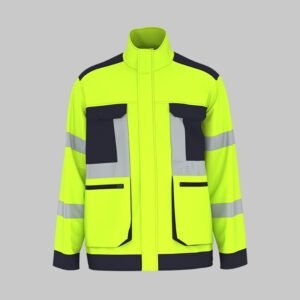
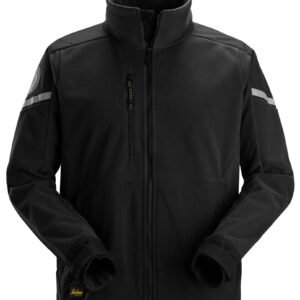
Browse Veelianpro’s Workwear Catalogue
Review current garment references, then send the fit and construction details for your program.







Built Around Your Show-Jacket Specification
Bring a tech pack, sketch, sample, or product brief to align custom equestrian show jacket development with your collection requirements.
Buyer-Led Specifications
Define silhouette, fit measurements, fabric, lining, pockets, vents, closures, and finishing details before development begins.
Pattern and Sample Review
Review pattern development and samples to confirm fit, garment structure, workmanship, and approved changes before bulk production.
Fabric and Trim Sourcing
Discuss suitable fabric, lining, buttons, closures, labels, and trims for project review and a more comparable quotation.
Integrated Branding Workflow
Plan embroidery, patches, woven labels, care labels, and custom packaging around the intended show-jacket presentation.
Inspection Before Packing
Quality checks are built into the production workflow so approved specifications and packing requirements can be reviewed.
Export Coordination Support
Coordinate packing and export details after production, helping sourcing teams prepare custom show jackets for their destination.
Equestrian Show Jackets Manufacturer Development Options
Choose what you want to specify before sample approval.
Buyer-Owned Tech-Pack OEM
We review your custom equestrian show jackets tech pack, source appropriate fabrics and trims for consideration, develop patterns and samples, and use your approvals to guide bulk production planning.
Get a Quote
ODM From a Brief
Veelianpro can support pattern development, fabric and lining discussions, trim selection, sampling, and size grading so the brief becomes a reviewable OEM or private-label development package.
Get a Quote
Private-Label Presentation Programs
Plan woven labels, care labels, embroidery, patches, heat transfer, or custom packaging within the sample review, so branding decisions are approved alongside fit, garment structure, and workmanship.
Get a QuoteMaterials for Custom Equestrian Show Jackets
Explore materials and fabrics
Woven Shell Fabric

A smooth woven outer fabric can support a clean, tailored presentation for custom equestrian show jackets. Specify the desired hand feel, drape, composition, color, and intended riding use so suitable options can be reviewed.
Stretch Woven Blend

Stretch-woven constructions may be considered where the brief calls for greater movement through the body or sleeves. Review stretch direction, recovery expectations, weight, and appearance during fabric selection and sample approval.
Lining Fabric

Lining influences how the jacket layers, slides on, and presents inside. Buyers can specify a preferred hand, color, print, fiber preference, and coverage approach for review alongside the shell and garment structure.
Structural Interfacing

Interfacing is a development input for areas requiring controlled shape, such as collars, fronts, or pocket details. The appropriate type depends on the selected shell, intended silhouette, construction method, and approved sample result.
Breathable Mesh

Mesh may be proposed for selected lining or ventilation applications when it suits the design brief. Confirm placement, visibility, hand feel, color matching, and garment appearance through the sample rather than assuming a standard configuration.
Recycled Content Request

If recycled-content materials are required, include the target composition, market, and documentation expectations in the inquiry. Availability and supporting evidence are reviewed at the fabric and SKU level before they are included in a production specification.
Show-Jacket Production Techniques
Explore printing and finishing
Pattern Development
View details
We translate buyer-provided measurements, fit comments, sketches, or tech-pack details into a reviewable pattern route, aligning silhouette, panel placement, vents, pockets, and closure positions with the intended show-jacket design.
Sample Making
A development sample brings selected fabric, lining, trims, and construction choices together for hands-on review. Buyers can assess fit, balance, visual presentation, branding placement, and workmanship before confirming production specifications.
Precision Cutting

Approved pattern pieces are prepared for cutting with fabric direction, panel matching, and component allocation considered against the specified garment design. This supports consistent assembly across the requested size range and colorway.
Structured Sewing

Sewing operations assemble panels, linings, vents, pockets, closures, and selected reinforcements according to the approved construction plan. Details such as seam treatment and internal finishing remain project-specific for review.
Pressing Finishing

Pressing and finishing shape the jacket’s final presentation after assembly. The process can include agreed labels, patches, embroidery, screen printing, heat transfer, care labels, and custom packaging for private-label programs.
Quality Checks

Quality checks compare finished garments with approved specifications, sample references, size information, material choices, branding placement, and packing instructions. Any requested test or documentation evidence should be defined by SKU and destination market.
Show-Jacket Trims, Closures & Branding Options
Explore labels, trims and packaging
Front Button Sets
Specify covered, metal-look, resin, or logo-ready button options for the front closure. Button diameter, finish, attachment method, and replacement-button needs should be reviewed alongside the jacket fabric and intended presentation.
Concealed Closure Options
A concealed zipper or hook-and-bar arrangement can be considered beneath the visible front finish. This option is reviewed for compatibility with the garment structure, closure ease, and the buyer’s preferred show-jacket silhouette.
Pocket Finish Treatments
Choose the pocket approach, such as flap pockets, welt treatments, or a clean no-pocket appearance. Placement, opening shape, and edge finishing are documented in the sample specification before bulk approval.
Back Vent Configuration
Submit a single vent, double vent, or no-vent preference for review. Vent length, overlap, and reinforcement requirements depend on the approved pattern, lining approach, and desired movement through the riding position.
Private-Label Trims

Woven labels, care labels, size labels, patches, and discreet branding placements can be developed for a private-label program. Provide artwork, placement guidance, color references, and any market-specific labeling requirements with the brief.
Custom Presentation Packaging
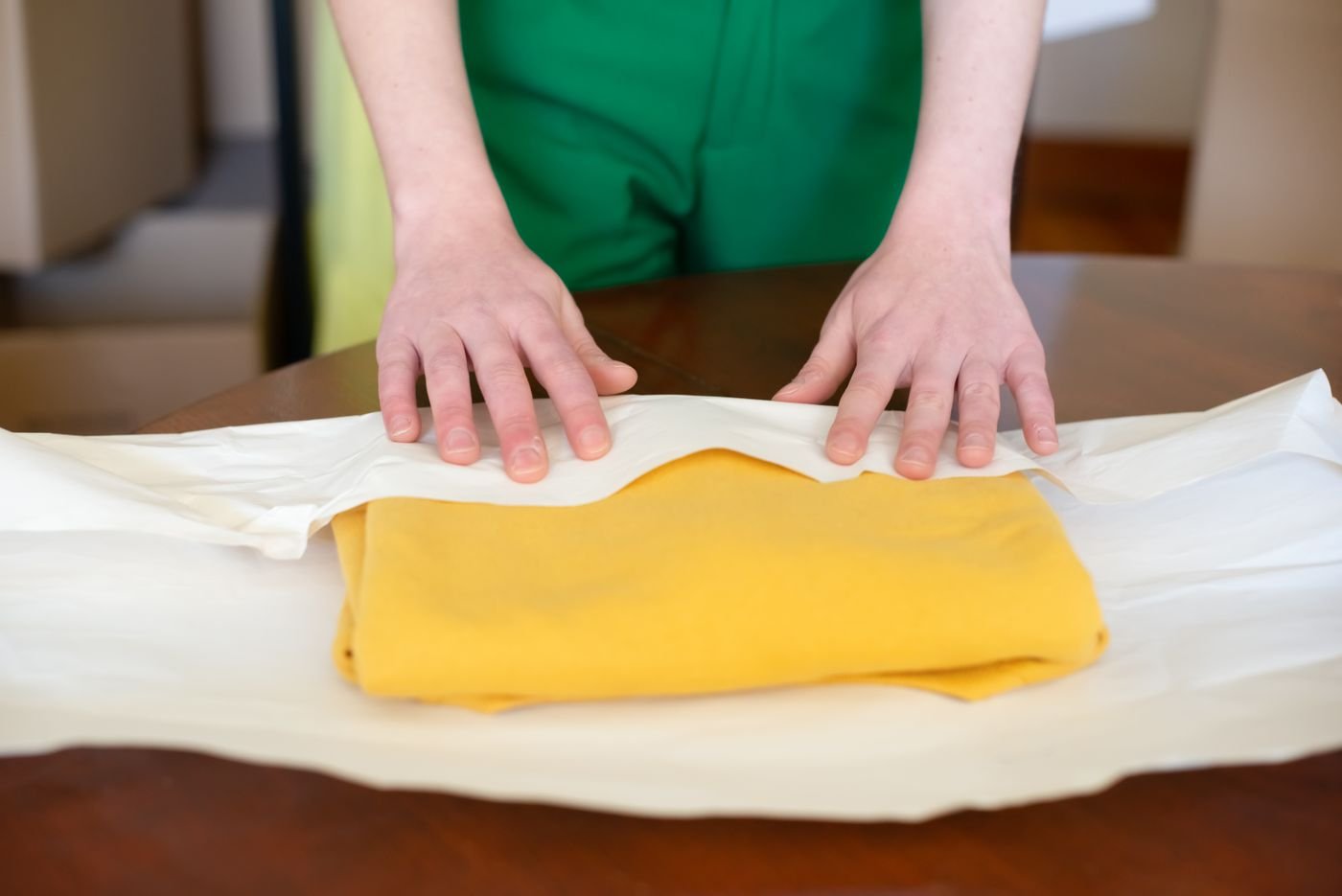
View detailsSpecify folding instructions, polybag requirements, hangtags, inserts, and outer-carton marking for your wholesale equestrian show jackets. Packaging choices are confirmed against the approved garment, destination, and export coordination requirements.
Custom Show-Jacket Development With Veelianpro
Veelianpro helps apparel brands, uniform distributors and sourcing teams develop custom equestrian show jackets from a tech pack, sketch, sample or product brief. As an equestrian show jackets manufacturer, we align the intended fit, silhouette, fabric, lining, closures, vents, pockets, trims and branding before sampling so the project can be reviewed as its own garment program.
Our team supports fabric and trim sourcing, pattern development, size grading, sampling, cutting, sewing, finishing, quality checks, packing and export coordination. We offer OEM, ODM and private-label routes, with made-to-order feasibility reviewed from 100 pieces per style and color, subject to fabric, construction and documentation requirements. Send the intended market, quantity, size range, branding method and approval needs for a comparable quote.

From Fit Brief to Approved Sample
Translate Fit Into a Reviewable Pattern
We turn your measurement chart, silhouette direction, size range, and movement expectations into a pattern-development brief for custom equestrian show jackets. A sample gives your team a practical checkpoint before bulk production, so fit decisions are documented rather than assumed.
- Submit body measurements, grading rules, target size range, and fit comments
- Define silhouette priorities such as waist shaping, sleeve profile, length, and vent approach
- Review the sample against your approved measurement and construction brief
- Record revisions before the production specification is finalized

Select Materials and Structure Together
A show jacket’s appearance depends on how its shell, lining, interfacing, seams, and finishing work together. We can source materials and trims for project review, helping buyers compare options against the desired hand feel, drape, care needs, color direction, and intended market.
- Specify shell composition, stretch preference, weight range, and color requirements
- Review lining, interfacing, shoulder structure, and seam-finishing options
- Assess buttons, closures, pockets, vents, and edge treatments as one garment system
- Request SKU- and market-level documentation where a material claim is required
Plan Branding Without Diluting the Design
Private-label details should support the intended show-jacket presentation rather than compete with it. As an equestrian show jackets manufacturer, we map approved artwork and branding components into the construction plan so placement, attachment method, and packaging can be reviewed before production.
- Share logo files, label copy, artwork dimensions, and placement references
- Consider embroidery, woven labels, patches, care labels, and custom packaging for review
- Confirm branding locations against seams, pockets, lining, and jacket balance
- Approve artwork and decoration samples before bulk application
Use Samples to Confirm Workmanship
Sampling brings fit, materials, trims, and workmanship into one approval stage. Your team can inspect the agreed details, return consolidated comments, and confirm the production-ready specification. Order feasibility starts from 100 pieces per style and color, subject to fabric, construction, and evidence requirements.
- Check stitching appearance, button attachment, lining installation, and finishing details
- Compare the sample with the approved measurement chart and design brief
- Consolidate change requests into one controlled revision round where possible
- Confirm final quantity, destination, timeline, and packing requirements for quotation
Made-to-Order Show Jackets vs. In-Stock Decoration
Choose specification-led development when fit, structure, and branded presentation require approval before bulk production.
← Swipe left or right to view →
Your Show-Jacket Development Process
A specification-led route for custom equestrian show jackets, with feasibility, sample approval, production controls, and shipment coordination aligned to your project requirements.
Brief and Feasibility Review
Share your tech pack, sketch, fit measurements, branding, quantity, destination, and timeline. We review construction, sourcing needs, and project feasibility before development proceeds.
Specification and Sourcing
Confirm the silhouette, fabric, lining, closures, vents, pockets, buttons, labels, and packaging. Material documentation or market-specific evidence requirements are identified for project review.
Pattern and Sample Approval
Develop patterns, size grading, and a sample for buyer review. Approve fit, garment structure, workmanship, trim selection, branding placement, and any agreed revisions before bulk release.
Quotation and Order Confirmation
We issue a project-specific quotation after specifications and sample direction are defined. Final quantity, commercial terms, acceptance conditions, packing, and shipment requirements are confirmed with the order.
Production, Inspection, and Shipment
Approved custom equestrian show jackets move through cutting, sewing, finishing, quality checks, packing, and export coordination. Reorder support can reference the approved specification and change requests.
Start Your Show-Jacket Project
Move from a defined brief to an approved sample, comparable quotation, and confirmed production plan.
Send Your Brief
Share a tech pack, sketch, reference sample, or product idea with intended use, fit direction, size range, colors, branding, destination, quantity, and timeline.
Review Feasibility
We review your custom equestrian show jackets requirements, including fabric and lining preferences, structure, closures, pockets, vents, trims, decoration method, and requested documentation.
Approve Sample and Quote
Review the development sample, fit, silhouette, workmanship, branding placement, and proposed specifications, then confirm revisions and receive a quotation based on the approved project scope.
Confirm Your Order
After the specification, sample, quotation, and order details are approved, we coordinate production, quality checks, packing, and export arrangements for your show-jacket program.
Standards and Audit References


Illustrative Sourcing Scenarios
Illustrative scenario
Apparel Buyer
A private-label brand submits its target silhouette, size chart, color direction, and logo treatment for custom equestrian show jackets. The development review focuses on pattern, lining, closures, vents, and branding placement before the brand approves a sample and bulk specification.
Illustrative scenario
Sourcing Manager
A sourcing team needs a show-jacket program distinct from its existing riding apparel range. It requests fabric and trim options for review, then records approved fit measurements, construction details, decoration method, and any SKU-level documentation requirements in the sample approval record.
Illustrative scenario
Production Planner
A uniform distributor is evaluating a wholesale equestrian show jackets route for a customer program. The brief defines quantity, destination, size range, branding, and target timeline; feasibility is reviewed against the requested construction, materials, and evidence needs before quotation and sample work proceed.
Show-Jacket Sourcing FAQ
Practical answers for brands and distributors planning a specification-led OEM, ODM, or private-label show-jacket program with Veelianpro.
Can Veelianpro develop private-label equestrian show jackets from our measurements and design brief?
Should we choose OEM or ODM for custom equestrian show jackets?
What quantity can an equestrian show jackets manufacturer review for a new program?
Which materials and trims can we specify for a show-jacket project?
How should we approve fit and pattern development before placing a bulk order?
What details do you need for a comparable custom show-jacket quote?
Can branding be added without changing the intended show-jacket presentation?
How are payment, shipping, IP, and material-documentation requests handled?
Complete Equestrian Show Jackets Manufacturer Buyer’s Guide
A sourcing framework for selecting a specification-led development partner, defining fit and branding requirements, approving samples, comparing made-to-order routes, and avoiding preventable quote, evidence, and reorder mistakes.
1. What Is an Equestrian Show Jackets Manufacturer?
An equestrian show jacket is a tailored presentation garment whose fit, silhouette, closure treatment, pocket layout, vents, lining, buttons, and brand details must work together before bulk cutting. An equestrian show jackets manufacturer develops that garment as a repeatable specification for a buyer’s label, rather than selling a finished retail jacket one at a time.
Under OEM, the buyer brings a completed tech pack, measurements, artwork, and approval requirements for production. Private-label development adds the buyer’s labels, packaging, and visual identity; ODM begins earlier, using a sketch, reference, or product idea to develop the pattern and specifications for buyer review.
This differs from purchasing an in-stock jacket and decorating it afterward: that route retains the original garment’s fit, structure, fabric, and trim limits, while made-to-order development allows those decisions to be set for the intended collection. At Veelianpro, custom show-jacket projects begin from 100 pieces per style and color, subject to feasibility of the requested fabric, construction, and any required SKU- or market-level evidence.
2. Equestrian Show Jackets Manufacturer Development Routes
Route selection determines who supplies the specification and what must be approved before bulk production. For an equestrian show jackets manufacturer project, separate made-to-order development from a stock garment receiving decoration.
| Route | Best Decision Fit | Garment Structure | Decoration Workflow | Specification Control | Approval Need |
|---|---|---|---|---|---|
| OEM tech pack | Buyer has complete specifications | Built to approved package | Integrated into specifications | Buyer-led | Tech pack, sample, revisions |
| ODM brief | Buyer needs development support | Defined during development | Placed after artwork review | Shared through approvals | Brief, development sample |
| In-stock/decorate | Existing base garment is acceptable | Fixed base garment | Applied to selected stock item | Limited to decoration choices | Size, color, artwork proof |
OEM From A Tech Pack

Choose OEM when your team owns a finished tech pack: graded measurements, silhouette, pattern intent, material and lining callouts, closure, pocket, vent, button, trim, label, and packaging details.
Veelianpro reviews feasibility, develops against the approved specification, and returns sample checkpoints. The buyer should retain the approved measurement chart, pattern revision record, and branding artwork version.
ODM From A Brief
Choose ODM when the collection direction is clear but the technical package is not. Provide rider segment, intended silhouette, size range, color direction, branding placement, target quantity, destination, and required evidence.
The development work converts that brief into reviewable measurements, materials, garment structure, and sample approvals. Treat each approved revision as the working specification, rather than assuming a concept image defines construction.
In-Stock Decoration Route
An in-stock/decorate route fits a program that accepts an existing garment structure and primarily needs a logo application. Confirm available sizes, colors, decoration position, artwork method, and the acceptable base-garment fit before committing.
It does not substitute for private-label control where the jacket silhouette, pattern, lining, or materials must be unique.
3. Show-Jacket Types and Collection Roles
Show jackets should be planned by ring presentation and fit program, not simply grouped with riding tights or base layers. Each distinct silhouette, age grading, or stable identity can require its own specification, sample approval, and reorder reference.
Independent SKU Decisions
A traditional tailored jacket and a stretch-oriented competition jacket deserve separate SKUs when their pattern blocks, fabric behavior, lining, closure layout, or approval criteria differ. A team presentation jacket is also separate when branding, color blocking, or use outside competition changes the garment brief.
Keep tights and base layers as coordinated collection items rather than variants of the jacket. They may share color direction and labels, but they require different fit measurements, construction controls, and use-case approvals.
Category Card Paths
Use a card for each buying path so merchandising and development teams can assign a clear purpose before requesting a quote.
- Traditional Competition Silhouette: A formal, tailored ring jacket path for buyers defining lapel shape, front closure, vents, lining, pockets, buttons, and restrained private-label details.
- Stretch Competition Jacket: A separate movement-focused path when the buyer needs a different shell, recovery expectation, body mapping, or fit review from a conventional tailored jacket.
- Team Or Stable Presentation: Built for coordinated staff, club, or stable identity, this route prioritizes approved color placement, logo treatment, naming options, and consistent presentation.
- Junior Sizing Program: Develop separately when youth grading, proportion checks, closure reach, and guardian-facing size communication require approval beyond an adult size range.
- Coordinated Collection Development: Link jacket, tights, and base layers through palette and branding, while retaining garment-specific tech packs, samples, and acceptance criteria.
Illustrative Procurement Scenarios
These examples show how different buying tasks can create separate development paths; they are illustrative, not customer results.
- Illustrative scenario: A brand buyer separates a formal jacket from a stretch version, then approves distinct fit samples.
- Illustrative scenario: A uniform distributor requests stable colors and embroidered identity for a presentation-jacket program.
- Illustrative scenario: A junior range manager submits youth measurements and reviews grading before collection approval.
4. Materials and Technical Options for Show Jackets
A show jacket’s polished appearance depends on how shell, stretch, lining, and internal support behave together. For an equestrian show jackets manufacturer brief, list materials as options for feasibility review rather than assumed stock availability.
| Option To Specify | Selection Effect | Sample Check |
|---|---|---|
| Structured woven blend | Sharper drape and opacity | Wrinkle recovery and seam pressability |
| Stretch woven | Mobility with tailored appearance | Recovery after wear and pocket distortion |
| Knit insert | Localized flexibility | Color match and stretch-seam behavior |
| Smooth or stretch lining | Comfort and sleeve movement | Hand feel, static, and care response |
Shell And Stretch Choices
A woven polyester, nylon, or wool-blend shell can be proposed where crisp drape, opacity, and competition presentation matter. Fiber content, weight, color, and surface finish should be submitted for review.
Mechanical-stretch or elastane stretch wovens may improve movement, but recovery and seam appearance must be checked on the sample.
Lining And Internal Support

Lining options may include smooth woven lining, stretch lining, or partial lining; each changes slide over a show shirt, warmth, and care behavior. Specify the desired hand feel and whether sleeve mobility is a priority.
Interfacing, chest support, hem tape, shoulder reinforcement, and seam stabilization are construction choices to approve against the intended silhouette.
Documentation Requests
Recycled, organic, UV, and test-related requirements need SKU- and destination-market-level documentation in the inquiry. A fabric photograph or sample does not verify those properties.
- Name the proposed fiber composition and mill
- State the required market and claim wording
- Request applicable chain-of-custody or test evidence
5. Customization for Equestrian Show Jackets Manufacturer Projects
A polished show presentation depends on controlled choices, not a logo added at the end. For each equestrian show jackets manufacturer project, document the visual brief separately from the garment specification so decisions remain traceable during sampling.
| Approval Item | Construction Approval | Artwork Or Branding Approval |
|---|---|---|
| Contrast piping | Location and seam integration | Color reference only |
| Buttons | Style, placement, attachment | Logo artwork if applicable |
| Embroidery or transfer | Garment placement area | Artwork, scale, and method |
| Labels and hangtags | Attachment location | Copy, artwork, and required text |
| Packaging | Pack format and markings | Printed graphics and labeling |
Build The Visual Brief
Start with approved colorway references for the shell, lining, contrast piping, collar treatment, buttons, pocket style, and vent treatment. State which details are mandatory and which may be reviewed against available materials.
Specify the intended visual hierarchy: for example, whether piping frames the collar, pockets, or both. Trim and material selections remain subject to project feasibility review.
- Shell and lining color references
- Collar, pocket, and vent direction
- Button finish and attachment preference
- Hangtag and packaging concept
Separate Two Approval Paths

Construction approval covers silhouette, fit measurements, collar shape, pocket placement, vents, lining method, and button attachment. It should be signed off on the garment sample before bulk production.
Artwork approval is separate: provide production-ready files plus placement diagrams for embroidery, transfers, labels, and patches. Confirm artwork scale, location, thread or transfer treatment, and visibility on the selected colorway.
Prepare Private-Label Components
Private-label components should identify their use and attachment method: woven main label, size label, care label, hangtag, polybag, carton marking, or custom packaging. Include required market text and buyer-supplied artwork in the review pack.
Decoration, trim, and packaging options need project review; a supplied logo does not establish trademark authorization. Keep color approvals tied to the actual sample materials, not only digital artwork.
6. Construction and Sample Approval Controls
A show jacket succeeds or fails at the intersection of a clean tailored silhouette and the rider’s ability to move. Review those decisions in a controlled pattern-and-sample sequence before authorizing bulk cutting.
Fit And Mobility Balance
Start with the buyer’s measurement chart, grading rules, intended wearing ease, and stated tolerances; do not infer them from a photograph. Check shoulder movement, sleeve pitch, waist shaping, back length, and hem behavior in the fitting sample.
A tailored profile can become restrictive when the armhole, lining, or back construction is unresolved. Have the wearer perform the agreed riding-position movements and record each fit comment against a sample size.
- Base size and size range
- Buyer-supplied measurement tolerances
- Movement observations by sample size
Structure And Detail Review
Examine collar roll and shape, front-edge balance, closure alignment, pocket placement, vent execution, seam finishing, lining integration, and button attachment on the physical sample. Each detail should match the approved specification or be marked as a proposed change.
Specify choices for review, such as a single or double vent, flap or welt pocket treatment, lining coverage, button material, and decorative trim. These are development options, not pre-approved standard features.
Approval Gates Before Bulk
Consolidate comments from merchandising, technical, and brand teams into one dated revision record. Conflicting feedback should be resolved before the next sample, rather than passed separately to the production team.
Use a clear gate: pattern approval, revised sample approval, then bulk specification sign-off. The final record should identify the approved measurements, construction details, colors, trims, labeling, packing instructions, and any SKU-level evidence requested.
7. Choosing an Equestrian Show Jackets Manufacturer
An equestrian show jackets manufacturer should be assessed against the brief’s tailoring, evidence, and repeatability requirements—not a generic outerwear checklist. Veelianpro reviews buyer tech packs, sketches, samples, or product ideas before confirming a development path and project feasibility.
| Route | Best When | Approval Focus |
|---|---|---|
| OEM from completed specifications | Your team controls design and fit requirements | Fit block, bill of materials, workmanship sample |
| ODM from a development brief | The collection needs pattern and material development | Silhouette direction, prototype revisions, branded details |
| In-stock jacket plus decoration | Customization is limited and stock suitability is accepted | Available fit, decoration placement, finished-garment approval |
Match The Development Scope
A finished specification calls for OEM-style execution; an incomplete collection concept needs pattern, material, trim, and sample development. Ask whether the supplier can work from your fit block or must develop and grade one for the requested size range.
- Provide front, back, and inside construction references
- Name the target market and intended show use
- Separate jacket requirements from coordinated apparel
Compare The Working Route
Compare routes against the same jacket brief. An in-stock garment decorated after purchase is a different procurement model from made-to-order development.
Request Evidence With The Sample
A sample review should record silhouette, mobility observations, lining, closures, vents, pockets, buttons, logo placement, workmanship, and revision decisions. Request inspection checkpoints and a retained approved sample or controlled reference for bulk comparison and reorders.
- Revision log with dated sample comments
- Approved color and trim references
- Packing and label specification
- Reorder SKU, pattern, and bill-of-material records
Qualify Material Claims
Recycled or organic inputs, UV, waterproof, temperature, or protective requirements need SKU- and market-specific documentation requests before the claim enters product copy. State the required standard, test method, material composition, certification scope, destination market, and labeling language in the brief.
- Ask whether evidence covers the exact jacket materials
- Confirm chain-of-custody needs for claimed inputs
- Keep unverified performance wording out of approvals
8. Common Show-Jacket Sourcing Mistakes
A polished campaign image can establish a silhouette, but it cannot define the pattern, materials, construction, or acceptance criteria needed for bulk production. Most avoidable rework starts when a sourcing team treats a visual approval as a production specification.
Turn Visuals Into Specifications
Reference photos often hide lining behavior, closure construction, vent treatment, pocket shape, and button attachment. Convert each visible feature into a written requirement or mark it open for development review.
Do not request recycled, organic, UV, or performance claims from a photo. State the intended market and request SKU-level supporting evidence where that claim is required.
Lock The Fit Pack
A size label alone does not establish the intended show silhouette. Supply graded measurements, fit model information, posture notes, ease expectations, and a marked point-of-measure diagram before sample approval.
Example only, not a Veelianpro standard: a buyer pack may identify back length, chest, waist, sleeve length, shoulder width, bicep, cuff opening, and vent position for each approved size.
Keep Routes And Decoration Connected
Made-to-order pattern development and an in-stock garment decorated afterward are different purchasing routes. Mixing them can leave fit, fabric, or construction assumptions outside the quote.
Approve embroidery, patches, heat transfer, labels, and packaging against the actual jacket sample. Decoration location and backing can affect drape, lining finish, and visible presentation.
Compare Complete Quote Scopes
A lower quote is not comparable if fabric, lining, trims, pattern work, sampling, inspection, packing, and export coordination are scoped differently. Use one buyer brief and record every exclusion before selecting a route.
Treat photos as design references, not proof of composition, testing, authorization, or bulk workmanship. Confirm those items through the applicable sample, documents, and agreed acceptance criteria.
9. Launching a Private-Label Show-Jacket Order
A show-jacket order becomes controllable when the approved sample is translated into one production record, rather than left across emails and artwork files. Veelianpro can review OEM specifications or an ODM brief before sampling; feasibility begins from 100 pieces per style and color, subject to fabric, construction, and evidence requirements.
Build the Development Brief
Define the rider, competition setting, target silhouette, size range, destination market, and collection role. Submit a tech pack or sketch, graded measurement references, color references, logo files, and placement artwork.
List proposed shell, lining, closure, pocket, vent, button, and label choices for review. If recycled, organic, UV, or test evidence is required, state the SKU and market requirement so documentation can be assessed.
- Intended rider and use case
- Measurement chart and fit references
- Artwork, label text, and packaging
- Materials, trims, and evidence needs
Make the Quote Comparable
A comparable quotation needs one confirmed specification basis. Ask whether pattern development, fabric and trim sourcing, sample work, decoration, packing, inspection, and export coordination are included or quoted separately.
Record each proposed change against the same jacket version. This prevents a lining, button, or branding revision from being mistaken for the originally priced construction.
- Style and color quantity
- Decoration method and placement
- Sample version covered
- Packing and shipping basis
Approve Sample and Production
Fit comments should identify the sample version, measurement point, requested change, and approval status. Review silhouette, mobility, closures, vents, pockets, labels, decoration placement, stitching appearance, and finishing against the brief.
After approval, retain the signed production specification, approved artwork, measurement chart, material and trim references, and inspection criteria. Use this reorder file to preserve the approved configuration while clearly logging later revisions.
- Mark sample comments by version
- Approve final artwork and labels
- Confirm production specification
- Archive inspection and packing records
10. Equestrian Show Jackets Manufacturer Cost Drivers
A show-jacket quote changes when an apparently similar silhouette uses a different shell, lining, closure system, or pattern route. Veelianpro reviews made-to-order feasibility from 100 pieces per style and color; fabric, construction, and any documentation request can change that starting condition.
For an apples-to-apples quotation, freeze the revision point before comparing offers: identify what is approved, what remains an assumption, and whether a revised sample is included. A quantity alone cannot price tailored fit, branded finishing, and evidence requests comparably.
| Cost Driver | What Changes Cost | Quote Must Specify |
|---|---|---|
| Quantity and color split | Small color runs, size curves, and style variants affect material allocation and production setup. | Total pieces; pieces by color, size, and style; reorder expectation. |
| Shell and lining | Specified fiber composition, weight, stretch, color matching, lining choice, and requested recycled or organic documentation affect sourcing review. | Approved fabric references or target composition; lining; color standard; SKU- and market-level evidence needed. |
| Pattern and sample development | A buyer pattern differs from development from measurements, sketches, or a fit block; each revision changes the scope. | Tech pack or measurements; sample count; fit comments; revision limit; approval owner. |
| Garment structure and trims | Vents, pocket configuration, closures, buttons, binding, labels, and reinforcement details alter operations and component sourcing. | Construction drawings; trim references; button count; label and care-label requirements. |
| Decoration and packing | Embroidery, patches, heat transfer, placement testing, individual bags, hangtags, and carton instructions require separate workflows. | Artwork files; placement dimensions; decoration method for review; pack ratio and carton marks. |
Choose an Equestrian Show Jackets Manufacturer for Your Brief
Send your tech pack or sketch, measurements, materials, trims, branding, quantity, destination, and timeline for a feasibility review and quote.