
Equestrian Breeches Manufacturer
Veelianpro develops made-to-order equestrian breeches from 100 pieces per style and color, subject to fabric, construction, and evidence requirements.
Garment and Development References


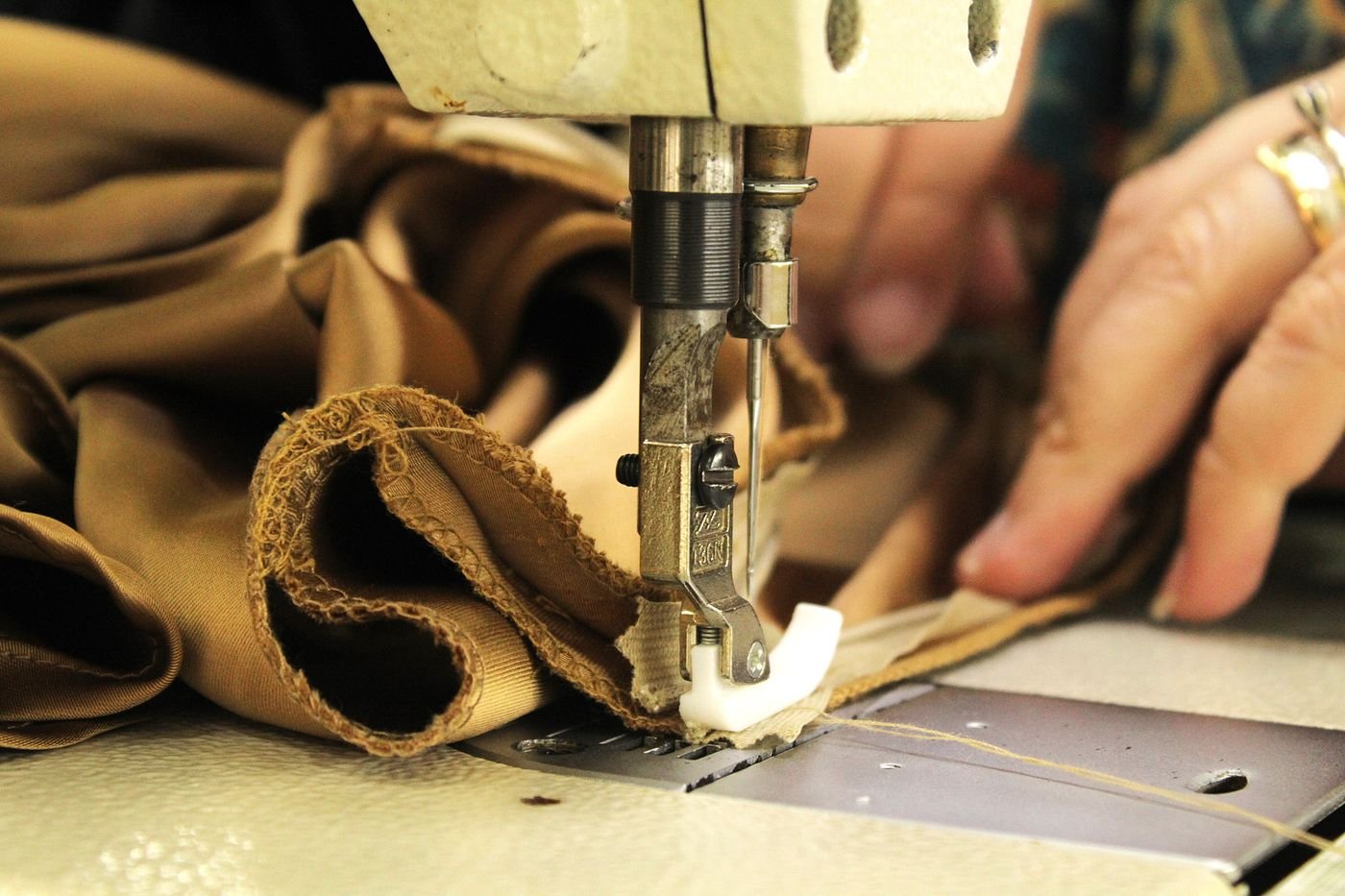
Browse Veelianpro’s Workwear Catalogue
Review current garment references, then send the fit and construction details for your program.

Equestrian Breeches Manufacturer Advantages
Bring a clear riding brief to Veelianpro, then align materials, construction, branding, samples, and approvals before bulk production.
Specification-Led Briefing
We translate your tech pack, sketch, reference garment, or product idea into a reviewable brief for custom equestrian breeches development.
Fit and Grip Direction
Define knee-grip, full-seat, waistband, panel, pocket, and seam-placement choices for pattern development and sample review before production approval.
Material and Trim Sourcing
Discuss stretch woven, knit, nylon-blend, polyester-blend, or cotton-blend options alongside grip applications, closures, labels, and other specified trims.
Sample and Size Review
Pattern development, sampling, size grading, and approval checkpoints help your team assess fit, colors, construction, and branding before confirming bulk production.
Private-Label Coordination
Coordinate woven labels, care labels, embroidery, heat transfer, patches, print artwork, and custom packaging around approved placement and production files.
Production Through Shipment
We coordinate cutting, sewing, finishing, quality checks, packing, and export preparation, with project feasibility starting from 100 pieces per style and color.
Equestrian Breeches Manufacturer Development Options
Choose what you want to specify before sample approval.
Knee-Grip Breeches Development
Veelianpro develops the brief from your tech pack, sketch, sample, or product idea, then coordinates material and trim options for review before fit, grip, and production approvals.
Get a Quote
Full-Seat Breeches Programs
Your project can move through pattern development, sampling, size grading, cutting, sewing, finishing, quality checks, and packing with full-seat grip details specified for review and approval.
Get a Quote
Fit and Pattern Development
Veelianpro supports pattern development and sample work around the supplied fit brief, helping buyers compare revisions and approve the intended size range before bulk production is confirmed.
Get a QuoteMaterials for Equestrian Breeches Manufacturer Review
Explore materials and fabrics
Stretch Woven

A structured woven route with mechanical or added stretch for classic breech silhouettes. Specify stretch direction, recovery, weight, and panel use during sampling to assess seat shaping and rider movement.
Stretch Knit

A softer, more body-following route for tights-inspired breeches or flexible training styles. Review opacity, recovery, waistband compatibility, and seam placement on the sample before approving a graded size range.
Nylon Blend

A synthetic blend route to consider where a smooth hand, stretch, and durable everyday use are priorities. Confirm composition, fabric weight, finish, and any requested test documentation at SKU level.
Polyester Blend

A versatile blend option for custom equestrian breeches with color, stretch, and cost targets defined in the brief. Evaluate hand feel, recovery, pilling expectations, and decoration compatibility through fabric and sample approvals.
Cotton Blend

A familiar, natural-feel blend route for brands seeking a different hand and visual character. Specify the cotton percentage, stretch component, shrinkage review, and intended riding use before finalizing fabric selection.
Equestrian Breeches Manufacturer Process Options
Explore printing and finishing
Technical Specification Review

We review your tech pack, measurements, reference garment, riding-use direction, fabric preferences, grip coverage, trims, branding, and target quantity to identify questions before pattern work and quotation.
Pattern And Fit Development
View details
Patterns are developed or refined around the approved size chart, panel layout, waistband treatment, pocket plan, and seam placement. A sample provides the working basis for fit review and later size grading.
Grip Application Preparation
For knee-grip or full-seat concepts, we align the selected application method, coverage area, artwork, and placement with the approved sample. Grip, wear, and performance expectations remain subject to the final specification and evidence.
Reinforced Garment Assembly

Cut panels move through sewing with the agreed construction details, such as gussets, bartacks, reinforcement zones, and stitching choices. The result is a breech built to the approved garment structure rather than a generic pant pattern.
Branding And Finishing
We prepare approved logos and placements for options such as woven labels, heat transfers, embroidery, patches, care labels, and custom packaging. Finishing, quality checks, packing, and export coordination follow the confirmed production brief.
Equestrian Breeches Manufacturer Options: Grip, Trims, and Branding
Explore labels, trims and packaging
Silicone Grip Panels
Specify knee-grip or full-seat coverage, pattern artwork, placement, and application review points. These panels are developed around the intended riding use and must be approved with the sample rather than assumed from a reference image.
Waistband Treatment
Choose the waistband height, closure approach, elastic treatment, belt-loop configuration, and internal finishing needed for the target fit. A reference garment or measurement specification helps guide pattern development and size grading.
Pocket Configuration
Define front, side, or rear pocket locations, opening style, closure option, and phone-pocket requirement. Pocket layout should be reviewed with the panel map so it supports the intended silhouette and does not conflict with grip areas.
Reinforced Seams
Identify seam placement, panel joins, bartacks, and reinforcement points for review during construction planning. These choices are coordinated with stretch direction, rider movement, and the approved pattern instead of assigned as a universal specification.
Woven Brand Labels

Add custom woven main labels, size labels, and branded patches at agreed locations. Provide logo files, label artwork, fiber-content requirements, and placement instructions early so labeling can be reviewed alongside the sample.
Retail Packaging
View detailsSpecify care labels, hangtags, heat-transfer or embroidery artwork, polybag requirements, and retail packaging details. These private-label components are checked against the approved artwork and destination-market documentation needs before bulk production.
Your Equestrian Breeches Manufacturer
Veelianpro is a Wuhan-based custom garment manufacturer supporting OEM, ODM, private-label, and wholesale programs for apparel brands, sourcing teams, and uniform distributors. For an equestrian breeches project, we work from your tech pack, measurements, reference sample, or product concept to create a separate development brief, sample route, and quotation.
Our team coordinates fabric and trim sourcing, pattern development, size grading, sampling, cutting, sewing, decoration, quality checks, packing, and export coordination. Specify the intended fit, grip coverage, panel layout, waistband, pockets, labels, artwork, and packaging for review. Production feasibility starts from 100 pieces per style and color, subject to fabric, construction, and documentation requirements.

Equestrian Breeches Manufacturer Capabilities
Translate Buyer Inputs Into a Brief
As an equestrian breeches manufacturer, we turn your tech pack, sketch, reference garment, measurements, or product idea into a development brief that defines the intended fit, riding use, grip direction, construction priorities, and approval checkpoints before sampling begins.
- Review knee-grip, full-seat, or project-specific grip coverage
- Capture size range, fit comments, panel layout, and pocket requirements
- Align logo artwork, labels, packaging, target quantity, destination, and timeline
Source Materials and Trims for Review
We coordinate material and trim sourcing around the specification you need to evaluate, from stretch woven, knit, nylon-blend, polyester-blend, or cotton-blend fabric routes to waistband treatments, closures, labels, and grip applications. Project-specific evidence can be requested where needed.
- Compare fabric composition, weight, stretch, recovery, and hand-feel options
- Specify silicone application, seat coverage, waistband treatment, and pocket layout
- Request SKU- and market-level documentation for fiber, test, or performance requirements

Control Pattern and Sample Approvals
A clear sample route gives wholesale equestrian breeches buyers a practical way to assess pattern, size grading, seam placement, trim placement, and branding before bulk production. We record revision feedback so the approved specification can guide the next stage of development.
- Develop patterns from buyer measurements, a size chart, or reference garment
- Review fit samples, color approvals, size sets, and pre-production details
- Confirm artwork placement for embroidery, print, heat transfer, or woven labels

Coordinate Production Through Inspection
Once the specification is approved, we coordinate cutting, sewing, reinforcement, decoration, finishing, quality checks, packing, and export coordination for custom equestrian breeches. Project feasibility starts from 100 pieces per style and color, subject to fabric, construction, and evidence requirements.
- Track approved fabric, trims, colors, branding, and packing instructions
- Check workmanship, measurements, finishing, and packaging against the agreed brief
- Prepare quote inputs around quantity, destination, required documentation, and delivery needs

Equestrian Breeches Manufacturer: Custom Development vs. In-Stock Decorate
Compare a made-to-order breeches brief with an in-stock garment selected for decoration.
← Swipe left or right to view →
Equestrian Breeches Manufacturer Production Flow
From feasibility review through export coordination, Veelianpro manages custom breeches development against buyer-approved specifications, samples, acceptance criteria, and project-specific documentation requirements.
Feasibility and Specification Review
We review the intended riding use, fit route, grip coverage, size range, quantities, destination, and documentation needs. Project feasibility determines whether production can begin from 100 pieces per style and color.
Materials and Construction Planning
Fabric, lining, grip application, waistband, pocket layout, panels, trims, branding, and packaging are selected for review. Required fiber, performance, or market documentation is defined before sampling.
Pattern, Sample, and Fit Approval
We develop patterns and samples from your tech pack, measurements, reference garment, or concept. Fit, grading, grip placement, color, decoration, and construction changes are recorded for approval.
Pre-Production Confirmation
Before bulk cutting, we align the approved sample, production specifications, artwork, labels, packaging, and acceptance criteria. Any required size-set, color, or pre-production approvals are completed against buyer documentation.
Production, Inspection, and Export
Cutting, sewing, reinforcement, decoration, finishing, quality checks, packing, and export coordination follow the approved project file. Inspection focuses on the buyer-defined acceptance criteria before shipment release.
Start With an Equestrian Breeches Manufacturer
Move from a development brief to an approved bulk-order handover with clear feasibility, sample, and specification checkpoints.
Send Your Brief
Share a tech pack, measurements, size chart, reference garment, or concept, plus rider use, target quantity, destination, branding, and any required market documentation.
Review Feasibility and Quote
Our equestrian breeches manufacturer team reviews fabric, grip coverage, construction, trims, and evidence needs, then confirms project feasibility and prepares a project-specific quotation.
Approve Development Details
Review the sample and specification package, including fit direction, size grading, colors, seat or knee grip, branding placement, labels, and packaging before approval.
Confirm Production
Confirm the approved specification and order details. Projects may start from 100 pieces per style and color, subject to fabric, construction, and evidence requirements.
Coordinate Final Handover
Review inspection and packing requirements, then coordinate shipment handover after order confirmation, with the approved specifications serving as the reference for your production order.
Standards and Audit References


Equestrian Breeches Manufacturer Scenarios for OEM Buyers
Illustrative scenario
Apparel Buyer
A private-label sourcing team submits a reference garment and size chart for knee-grip breeches. The brief changes the pocket layout and waistband treatment, then uses a fit sample, artwork placement proof, and revised specification sheet for approval.
Illustrative scenario
Sourcing Manager
An apparel brand develops a full-seat grip breech direction from a tech pack. The team requests a fabric comparison and revised seat coverage, with pattern, color, grip-application, and size-set approvals documented before a bulk quote is reviewed.
Illustrative scenario
Production Planner
A uniform distributor evaluates wholesale equestrian breeches for a riding-program brief. Branding moves from embroidery to a woven-label and heat-transfer workflow; sample review, logo artwork, packaging layout, and applicable market documentation requirements form the approval record.
Equestrian Breeches Manufacturer FAQ for OEM Buyers
Practical answers for private-label breeches development, from fit and grip choices through approvals, documentation, and export coordination.
Can Veelianpro develop custom equestrian breeches from a sketch or reference garment?
Should we choose knee-grip or full-seat breeches for our collection?
What material options can we review for custom equestrian breeches?
What is the minimum order for wholesale equestrian breeches?
How are fit and size approvals managed before bulk production?
Which private-label branding details can an equestrian breeches supplier support?
What documentation should we request for a target market or product claim?
How do payment, shipping, and design confidentiality work for an OEM order?
The Complete Equestrian Breeches Manufacturer Buyer’s Guide
A practical framework for evaluating riding-specific development, supplier criteria, sample approvals, and sourcing mistakes before commissioning private-label breeches in bulk.
1. What Is an Equestrian Breeches Manufacturer?
An equestrian breeches manufacturer develops riding trousers around the rider’s seated position, leg movement, and repeated saddle contact—not simply a stretch-pant silhouette. Private-label, OEM, and made-to-order work translates a tech pack, measurements, reference garment, or product idea into patterns, material and trim choices, samples, size grading, and approved bulk specifications.
The category differs from ordinary activewear because grip coverage must follow the intended knee or seat contact area, while waistband behavior has to remain stable through mounting and riding. Pattern work also controls seam placement and panel transitions so they do not create avoidable saddle-contact bulk; these decisions should be reviewed against the intended use before decorative details are finalized.
For sourcing teams, Veelianpro can develop custom equestrian breeches from a buyer’s brief, covering fabric and trim sourcing, pattern development, sampling, cutting, sewing, decoration, quality checks, packing, and export coordination. The conditional starting MOQ is from 100 pieces per style and color; feasibility depends on the selected fabric, construction, and any market or SKU-level evidence requirements. A useful inquiry identifies the grip direction, size range, pocket and waistband brief, branding method, quantity, destination, and approval route.
2. Equestrian Breeches Development: Context and Evolution
Riding breeches are specified around details such as grip coverage, saddle-contact zones, waistband behavior, pocket layout, and seam placement—not simply as close-fitting trousers. For custom development, knee-grip and full-seat briefs should be treated as separate product directions, with intended use, target customer, climate, size range, reference measurements, and brand requirements documented before pattern work begins.
This changes how the development brief is managed. Silicone artwork, seat coverage, panel geometry, labels, decoration placement, and packaging should be controlled through sample and pre-production approvals rather than treated as late-stage additions.
Material claims also require supporting evidence. Buyers may request review of stretch-woven, knit, nylon-blend, polyester-blend, or cotton-blend routes, but recycled content, organic status, UV protection, waterproofing, or tested performance should be supported by SKU- and market-level documentation.
3. Equestrian Breeches Manufacturer Product Routes
Route selection starts with the rider-use brief, not a stock silhouette. An equestrian breeches manufacturer should turn intended discipline, fit reference, grip coverage, and approval route into a separate specification and sample plan.
Knee-Grip Breeches
Knee-grip breeches suit buyers prioritizing contact at the knee while retaining an unrestricted seat direction. Specify rise, leg shaping, knee-panel position, pocket layout, waistband treatment, and grip artwork for review.
Approve a fit sample seated and moving, then check grip placement against the buyer’s reference measurements.
- Category card: knee-contact route
- Best anchored by a fit reference
Full-Seat Grip Breeches
Full-seat grip projects require a defined coverage map from seat through inner leg, rather than a generic full-grip request. Confirm panel seams, saddle-contact area, silhouette, and artwork repeat before sampling.
Check that the sample’s coverage, seam placement, and seated fit match the signed pattern direction.
- Category card: extended-contact route
Riding Tights Or Leggings
A tights route begins with the intended body-fit direction and whether grip, pockets, waistband structure, and lower-leg finish are included. Identify the fabric route for review instead of assuming a performance claim.
Sample checks should cover recovery after movement, opacity expectations, logo placement, and size-grade approval.
- Category card: close-fit route
Training-Oriented Breeches
Training-oriented breeches can be specified around everyday schooling, layering, or a target climate, with each material and finish subject to feasibility review. Define reinforcement direction, closures, pocket use, and branding workflow.
Review the sample during representative riding movement and approve trims, labeling, and packaging separately.
- Category card: daily-training route
Project-Defined Alternative
An alternative route may use a buyer’s sketch, tech pack, or reference garment for a distinct fit or grip concept. Keep it as an independent development specification when the procurement task differs from the parent breeches program.
Veelianpro can review feasibility from 100 pieces per style and color, subject to fabric, construction, and documentation requirements.
- Category card: custom specification route
4. Materials and Technical Options for Breeches
Fabric choice determines how a breech moves, covers, recovers, and survives saddle contact. An equestrian breeches manufacturer should review the intended riding use alongside a physical swatch, not select by fiber name alone.
| Route To Specify | Stretch And Hand | Review Before Approval |
|---|---|---|
| Stretch woven | Directional stretch; structured hand | Recovery, opacity, abrasion sample, care |
| Knit | Soft, close-contact hand | Recovery, opacity, seam behavior, care |
| Nylon-blend | Project-defined hand and stretch | Composition, abrasion review, care |
| Polyester-blend | Project-defined hand and stretch | Opacity, recovery, color and care |
| Cotton-blend | Natural-feel route for review | Recovery, drying expectations, care |
| Lined or seasonal route | Bulk and warmth are project-defined | Climate brief, layering, claim evidence |
Match Stretch To Movement
Specify two-way or four-way stretch and identify the required direction across the seat, knee, and waistband. Recovery should be evaluated after extension and laundering on the approved sample.
A softer knit can favor close body contact; a stretch woven can offer a more structured hand. Neither route confirms opacity or durability without sample review.
Compare Base Fabric Routes

Nylon-blend and polyester-blend routes can be proposed where abrasion exposure, hand feel, color, and care expectations suit the brief. Cotton-blend routes should be assessed for their intended feel, recovery, drying expectations, and care instructions.
Plan Seasonal Fabric Routes
A lining, brushed-back fabric, or seasonal shell is a project-defined option, not a default breech feature. State the target climate, layering expectation, bulk tolerance, and care method before sampling.
Waterproof, thermal, UV, or moisture claims require the exact SKU, market, test scope, and supporting documentation for review.
Request Evidence With Samples
Request composition, care, color, opacity, stretch-recovery, and abrasion-review requirements in the sampling brief. Recycled or organic content needs chain-of-custody and SKU-level evidence when it will appear in procurement or consumer copy.
Veelianpro can source fabric and trims around the approved brief; final feasibility starts from 100 pieces per style and color, subject to fabric, construction, and evidence requirements.
5. Customization With an Equestrian Breeches Manufacturer
Customization begins with the rider-use brief: grip zone, silhouette, storage, and brand visibility must work together. With Veelianpro, each breeches specification is reviewed for feasibility before sampling rather than assumed available.
| Customization Area | Buyer Handoff | Approval Point |
|---|---|---|
| Silicone grip | Artwork and coverage map | Strike-off or sample |
| Branding | Editable logo and placement map | Placement sample |
| Packaging | Artwork and packing instructions | Pre-production review |
Silicone Grip Direction
Knee-grip and full-seat coverage create different artwork and placement decisions. Submit repeat artwork, coverage map, color, and intended use; silicone application remains subject to feasibility review.
Approve a strike-off or sample before bulk production, especially where fine lines, logos, or contrast colors are critical.
Panels And Pockets
Panel lines can change fit balance, seam routing, and where a grip print can terminate. Specify side-pocket, front-pocket, or no-pocket direction, plus requested color blocking, for pattern review.
A reference garment can clarify the visual target but does not replace buyer measurements or grading instructions.
Waistband And Branding
Waistband treatment, belt-loop direction, woven labels, care labels, heat transfers, embroidery, and printed artwork should be mapped by location. All options require material, placement, and construction feasibility review.
Provide editable logo files and placement artwork. Trademark permission remains the buyer’s responsibility.
Decoration Sequence
Decoration can alter the sewing sequence: an exterior panel may need printing or embroidery before it is joined, while labels and packing follow later stages. Identify which artwork must align with seams, pockets, or grip zones.
Review a placement sample when an approval depends on scale, orientation, or color contrast.
Packaging Approval

Custom bags, hangtags, size stickers, inserts, and carton marks can be specified for review. Confirm final artwork, language, barcode data, and packing count before production approval.
6. Construction Quality That Matters in Riding
Riding exposes pattern lines, stretch panels, waist construction, grip coverage, and closures to repeated seated movement. Treat the first sample as a diagnostic tool: record observations, corrections, and the approved reference for bulk production.
Pattern, Fit, And Seams

A crotch seam or inner-leg join placed where it bears against the saddle can create rubbing or restrict motion. Correct the pattern and panel route before size grading; do not solve a pattern fault by merely enlarging the garment.
Fit approval should identify the reference measurement set, rider-use posture, intended ease, inseam treatment, and all changed pattern points. Approve a size set against the agreed grading rules, not against a single sample size.
- Record fit comments by body area
- Mark revised pattern points
- Approve grading before bulk cutting
Stretch Recovery And Waist Stability
Fabric that remains extended after movement can make the seat or knee area look loose, while an unstable waistband can roll, gap, or twist. Specify the fabric route and waistband construction for review, then compare sample handling after agreed wear and wash review.
The approval file should retain the fabric code, panel direction, waistband components, elastic or facing choice, and wash instructions. Any recovery or durability claim requires project-specific evidence.
Grip Application Consistency
Uneven silicone coverage, blurred edges, or placement drift can alter the intended knee-grip or full-seat layout. Submit approved artwork, coverage boundaries, color, and placement marks with the pre-production sample.
Inspect grip application across sizes and record acceptable visual references, including logo alignment where relevant. Confirm the review method rather than assuming a photo proves wear performance.
Pockets And Closure Execution
A pocket opening that gapes or a closure that presses under riding use can undermine an otherwise sound fit. Review pocket position, opening method, zipper or fastening option, and reinforcement locations on the physical sample.
Pre-production approval should list the selected closure, trim color, puller or button reference, pocket dimensions supplied by the buyer, and attachment placement. Changes after approval require a revised sample record.
- Pocket location and opening
- Closure and trim reference
- Reinforcement placement
Wear And Wash Review
Wash or rider-use review can reveal seam twisting, trim distortion, color-transfer concerns, or grip appearance changes that are not obvious at handover. Define the review conditions and acceptance notes before sending samples.
Keep dated fit, size-set, and pre-production approval records with photos, revision numbers, materials, trims, and signed comments. Those records become the reorder baseline for the approved breeches specification.
7. Choosing an Equestrian Breeches Manufacturer
Choose an equestrian breeches manufacturer by testing its development discipline against the rider-use brief, not by comparing decoration menus. Veelianpro can review custom feasibility from 100 pieces per style and color, subject to fabric, construction, and evidence requirements.
| Criterion | Custom Made-To-Order | In-Stock/Decorate Route |
|---|---|---|
| Fit control | Buyer-approved pattern and grading | Existing fit is the starting point |
| Garment structure | Panels, pockets, grip, and trims specified | Base construction is generally retained |
| Decoration workflow | Artwork and placement approved with development | Decoration applied to existing garment |
| Specification approval | Production follows signed sample and tech pack | Confirm available colors, sizes, and decoration limits |
| Change control | Requote and approve revisions before bulk production | Confirm whether requested changes are possible |
Match The Development Scope
Send the intended use, knee-grip or full-seat direction, target size range, and reference garment or tech pack.
Confirm that pattern work, fabric and trim sourcing, sampling, grading, sewing, decoration, packing, and export coordination are within the quoted scope.
- Define pocket layout and waistband treatment
- Identify silicone artwork and coverage
- Separate required claims from design targets
Compare The Supply Routes
Custom made-to-order development fixes the approved pattern, materials, grip layout, and branding before production.
An in-stock/decorate route starts with an existing garment; confirm which elements can actually change before accepting that route.
Control Samples And Evidence
Approve a prototype for silhouette, then a fit or size-set sample for grading, and a pre-production sample for bulk reference.
Request SKU- and market-level fiber, recycled, organic, UV, waterproof, or test documentation when required; a photo does not establish a claim.
- Record measurement tolerances in the tech pack
- Approve grip placement and decoration artwork
- Keep a signed production reference
Set Reorder Governance
Use one revision-controlled specification: approved materials, trims, color standard, artwork, packaging, measurements, and inspection points.
Set a communication cadence for sample comments, production questions, and change requests. Reorders should reference the approved version and identify every intended change.
8. Common Equestrian Breeches Sourcing Mistakes
Breeches failures often originate before the first pattern is cut: a legging brief leaves saddle-contact, fit, and approval decisions undefined. An equestrian breeches manufacturer needs rider use, a measurable specification, and market documentation requirements—not just inspiration photos.
Do Not Brief Generic Leggings
A stretch silhouette alone does not define a riding breech. State the intended discipline, riding duration, waistband behavior, pocket need, seam-placement constraints, and whether knee or seat contact requires a specified grip route.
Illustrative scenario: a private-label brand tasked with training breeches changed a generic legging sketch into a rider-use brief; approval covered the revised pattern and grip direction.
Define Grip Before Artwork
Knee-grip and full-seat coverage should follow intended rider use, not a logo layout or a competitor photo. Approve the coverage map, silicone artwork, application placement, and hand-feel on a sample before bulk artwork is released.
Illustrative scenario: a uniform distributor changed full-seat artwork to knee-grip after defining its rider group; approval covered the coverage map and sample application.
Approve Fit Beyond Photos
Photos cannot confirm saddle comfort, stretch recovery, or alignment across sizes. Use a fit sample and, where the size range requires it, a graded size-set review tied to buyer-provided measurements.
Illustrative scenario: a sourcing team changed its reference-photo approval into fit and grading checkpoints; approval covered measurement points and branded-trim placement.
Lock Evidence Before Ordering
Do not describe recycled content, organic fiber, UV protection, water resistance, or other performance as approved merely from fabric imagery. Request SKU- and market-level evidence, chain-of-custody records where relevant, and the required test scope before committing.
Confirm feasibility before the conditional starting minimum of 100 pieces per style and color; fabric, construction, and evidence requirements can change the project route.
9. Launching a Private-Label Breeches Program
A private-label breeches launch becomes controllable when each approval locks one variable before the next begins. Veelianpro can start from a tech pack, sketch, reference garment, or product idea, then convert it into a reviewable development path.
Set The Development Brief
Define rider use, knee-grip or full-seat direction, target size range, pocket layout, waistband treatment, panel configuration, and branding placement. Supply body measurements, a size chart, reference garment, or tech pack so pattern work does not begin from assumptions.
Review Materials And Trims
Approve fabric and trim options before sampling: stretch woven, knit, nylon-blend, polyester-blend, or cotton-blend routes can be specified for feasibility review. Confirm silicone artwork, labels, closures, care-label content, and packaging to prevent late component substitutions.
Approve Samples In Sequence
Use a prototype to check interpretation, then a fit sample to correct balance, mobility, seam placement, and grip coverage. Approve a size set, color standard, and logo artwork before the pre-production sample; each sign-off prevents an unapproved change reaching bulk cutting.
Release Bulk And Preserve Records
Projects may begin from 100 pieces per style and color after feasibility review of fabric, construction, and evidence requirements. Release bulk only against the approved pre-production sample, final specification, and packing instructions; retain those records, grading files, artwork, and material decisions for controlled reorders.
10. Equestrian Breeches Manufacturer Cost Drivers
A breech quote changes first with the rider-use brief: knee-grip versus full-seat coverage, the chosen fabric route, and the panel and waistband pattern all alter materials, operations, and approval work. Submit buyer measurements, size range, target colorways, reference garment or tech pack, and intended grip artwork so the equestrian breeches manufacturer can assess feasibility.
At Veelianpro, the starting MOQ is from 100 pieces per style and color, subject to fabric, construction, and evidence requirements. Pattern development, samples, and artwork setup are one-time decisions; repeat orders should control the approved fabric, color, grip file, grading, labels, packing method, and any required documentation.
| Cost Driver | What Changes Cost | Quote Must Specify |
|---|---|---|
| Quantity and color split | Production allocation and whether the conditional MOQ is feasible | Pieces per style and color; reorder forecast |
| Fabric route and grip coverage | Specified stretch fabric, sourcing route, and knee-grip or full-seat silicone application | Composition target, color, coverage map, and evidence needs |
| Pattern and construction | New fit development, panel layout, pockets, waistband, and size grading | Measurements, size chart, reference garment, and tech pack |
| Trims, decoration, and packaging | Labels, patches, embroidery, heat transfer, print, bags, and carton requirements | Artwork files, placement, trim list, packaging specification, and approvals |
| Samples and documentation | Prototype, fit, size-set, or pre-production samples; requested SKU- and market-level records | Sample stages, acceptance criteria, destination, and required evidence |
Request a Quote for Custom Equestrian Breeches
Send your tech pack or reference, fit measurements, grip direction, fabric, trims, branding, quantity, destination, and timeline for feasibility review and quotation.