
Camo Hunting Shirts Manufacturer
Develop custom camo hunting shirts from your tech pack, sketch, sample, or product idea, with sampling and project-specific quotations from 100 pieces per style and color, subject to feasibility review.
Garment and Development References

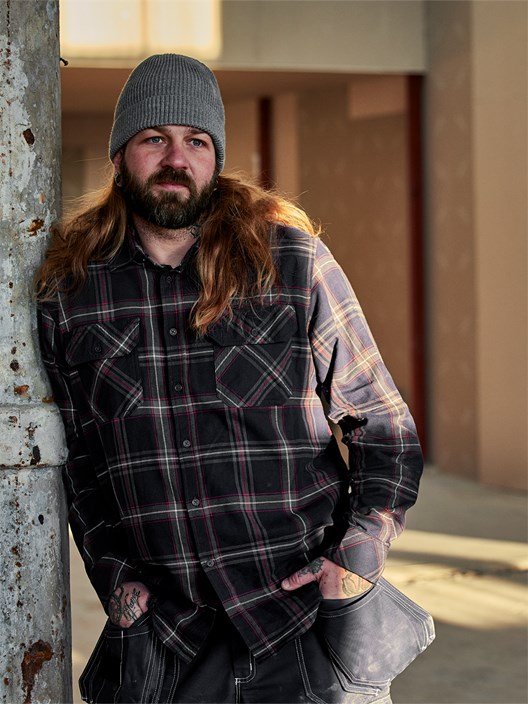

Browse Veelianpro’s Workwear Catalogue
Review current garment references, then send the fit and construction details for your program.


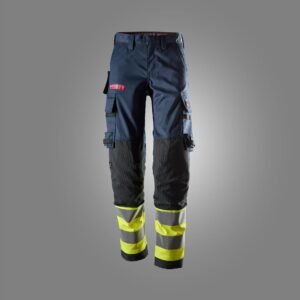



Development Controls for Custom Camo Hunting Shirts
Built around your approved shirt specification, artwork, sample, and reorder controls.
Buyer-Led Specifications
Develop shirt format, fit, sleeve length, closures, pockets, measurements, and size grading around your intended hunting market and product brief.
Camo Artwork Review
Review buyer-supplied camouflage artwork and panel placement before sampling, including cutting-layout considerations and authorization documentation for licensed patterns.
Fabric and Trim Sourcing
Evaluate cotton, polyester, nylon, recycled-content options, buttons, zippers, labels, and hangtags against your construction, sourcing, and documentation requirements.
Sample-First Approval
Confirm the approved sample, measurements, artwork placement, construction details, and packaging before bulk production for custom camo hunting shirts.
Decoration Planning
Match embroidery, screen printing, heat transfer, patches, or woven labels to the artwork, fabric, placement, and approval workflow.
Repeatable Reorder Controls
Keep approved specifications, size sets, artwork files, labels, and packaging details organized for consistent repeat orders and project-specific quotations.
Camo Hunting Shirts Manufacturer Development Options
Choose what you want to specify before sample approval.
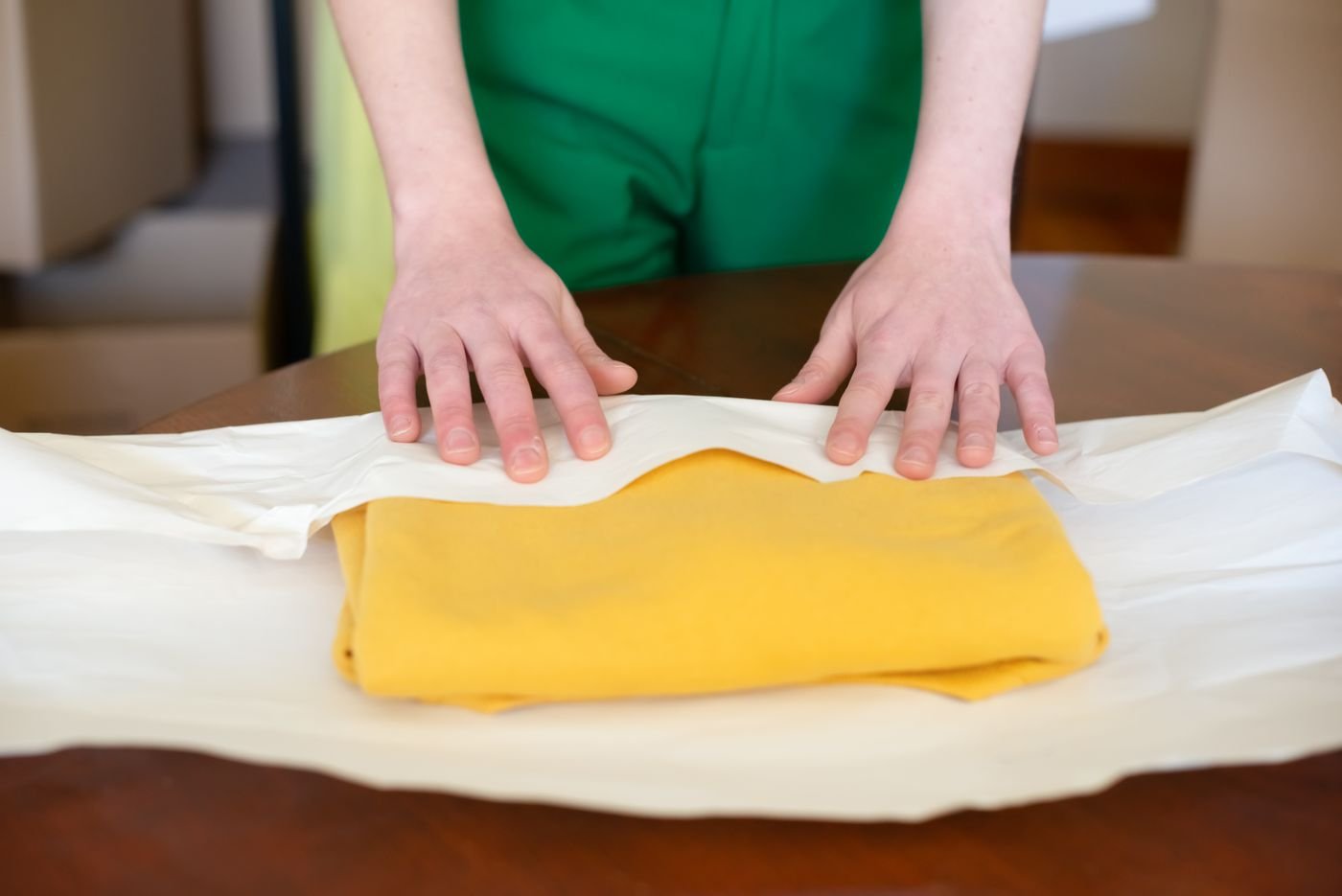
Long-Sleeve Field Shirts
We develop the shirt from the approved specification, reviewing camouflage placement across panels, materials, trims, size grading, sample details, branding, and packing requirements before a project-specific production quotation.
Get a Quote
Short-Sleeve Warm-Season Shirts
Veelianpro can assess this as an independent custom camo hunting shirt development project, with a dedicated sample and quotation route that documents the approved fit, artwork, decoration, labels, and packaging.
Get a Quote
Button-Front Shirt Programs
Our team translates the approved design into a production brief, reviewing fabric and trim options, pattern layout, sample approval, measurement set, care-label content, and repeat-order controls for the specified shirt.
Get a QuoteMaterials to Specify for Camo Hunting Shirt Feasibility Review
Explore materials and fabrics
Cotton Woven

A natural-fiber woven option with a familiar, matte hand for field-shirt concepts and casual hunting apparel. Specify weave, weight, color route, and any requested claim documentation for fabric review.
Polyester Knit

A synthetic knit option for shirt programs seeking a smooth or textured hand and flexible print-development discussion. Confirm construction, camouflage artwork method, fit intent, and any requested moisture-management or UV evidence by SKU.
Nylon Woven

A woven synthetic option to consider where the brief prioritizes a firmer hand or abrasion-focused construction discussion. Submit the intended shirt format, pocket layout, surface finish, and target market requirements for feasibility review.
Cotton-Poly Blend

A blended construction that can balance cotton hand feel with polyester content for made-to-order hunting shirt concepts. Review fiber ratio, weave or knit structure, camouflage application, and care-label requirements before sampling.
Recycled-Content Fabric

A project-specified material route for brands considering recycled-content fibers in custom camo hunting shirts. Fiber source, percentage, chain-of-custody expectations, and market-specific documentation should be defined before material approval.
How Custom Camo Hunting Shirts Are Developed
Explore printing and finishing
Pattern Development
View details
We translate your approved measurements, fit notes, sleeve format, closure, pocket layout, and grading requirements into production patterns. This creates a controlled base for sample review and repeat orders.
Artwork Placement Review
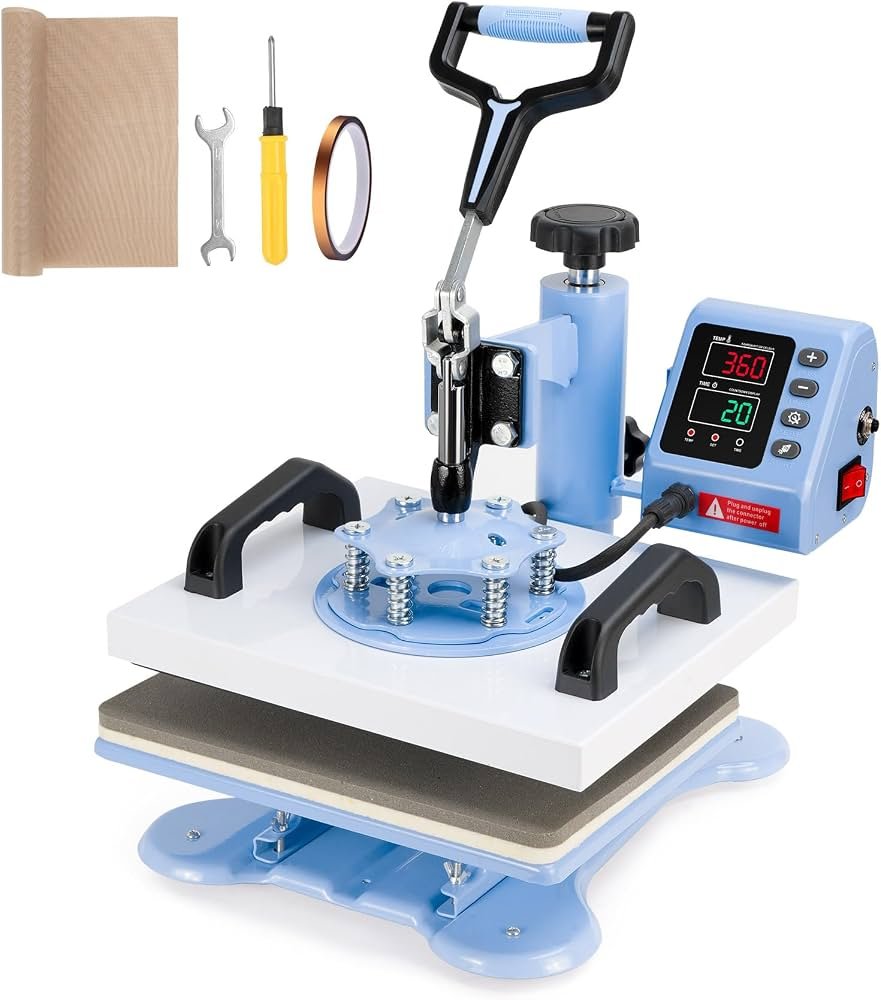
Buyer-supplied camouflage artwork is reviewed against panel shapes, seams, pockets, and closures before sampling. The approved layout guides print positioning and helps your team assess the intended visual continuity across the shirt.
Precision Cutting

Approved fabric is cut to the finalized pattern and artwork layout, with panel identification maintained for assembly. The result is a production-ready set of components aligned with the confirmed shirt specification.
Garment Sewing

Cut panels are assembled according to the approved construction plan, including specified pocket treatments, closures, reinforcement details, and seam choices. Construction details remain subject to the final sample and order specification.
Branding Application
Select embroidery, screen printing, heat transfer, patches, woven labels, care labels, and custom packaging for review. We coordinate the chosen method with your artwork, fabric, placement, and approval requirements before bulk production.
Finishing Inspection

Finished shirts are checked against the approved sample, measurement set, workmanship expectations, decoration placement, labels, and packing instructions. Requested documentation or claim evidence is reviewed at the applicable SKU and market level.
Shirt Trims, Labels, and Branding Options
Explore labels, trims and packaging
Button Selection
Specify button material, finish, color, and placement for the front placket, cuffs, and pocket closures. Buyers use this option to align handling, appearance, and garment construction with the approved shirt design.
Zipper Closures

Choose zipper type, puller style, color, and intended location for chest pockets or front closures. Feasibility review confirms compatibility with the selected fabric, pocket construction, camouflage layout, and sample requirements.
Chest Pocket Layout
Define the number, position, flap treatment, closure method, and logo area for chest pockets. This lets sourcing teams evaluate practical storage needs while approving how pockets affect panel cutting and camouflage placement.
Woven Brand Labels
Add custom woven labels at the neck, side seam, or other approved locations to support private-label presentation. Provide artwork, dimensions, colors, and attachment instructions for review alongside the shirt specification.
Care Label Details
Specify fiber-content information, care instructions, country-of-origin requirements, sizing, and market labeling details for the inside label. We review the label format with your garment brief and any documentation needed for requested claims.
Retail Packaging
View detailsSelect hangtags, patches, polybags, folding instructions, and custom outer packaging to suit your distribution route. Share packaging artwork and packing requirements early so they can be reviewed with the approved camo hunting shirt sample.
Custom Camo Hunting Shirt Development with Veelianpro
Veelianpro is a Wuhan-based custom workwear manufacturer serving industrial, safety, hospitality, and service brands. Built on a workwear operation established in 2012, we bring OEM, ODM, private-label, and wholesale development experience to buyers planning a distinct camo hunting shirt specification, sample, and quotation.
For apparel brands, sourcing teams, and uniform distributors, we develop from a tech pack, sketch, sample, or product idea. Our team can coordinate fabric and trim sourcing, pattern development, size grading, sampling, sewing, decoration, quality checks, packing, and export coordination. Projects may begin from 100 pieces per style and color, subject to fabric, construction, and documentation requirements.

Controls That Keep Your Shirt Program on Spec
Specification Intake That Resolves Decisions
We turn your tech pack, sketch, reference sample, or product idea into a reviewable shirt brief before sampling. This keeps the custom camo hunting shirts program distinct from a parent page by anchoring development to its own fit, components, artwork, and quote requirements.
- Confirm shirt format, sleeve length, fit notes, size range, and grading requirements
- List fabric composition, color direction, pocket layout, closure, and reinforcement preferences
- Identify destination market, target quantity, timeline, and any documentation requirements
- Assess feasibility from 100 pieces per style and color, subject to fabric, construction, and evidence needs

Artwork Reviewed Across Shirt Panels
Camo artwork needs review against the actual cutting layout, not just a screen image. We examine buyer-supplied files, pattern direction, panel joins, logo placement, and decoration method so your camo hunting shirt specification can move into sampling with fewer unresolved visual decisions.
- Review supplied camouflage artwork or a pattern proposed for adaptation
- Define placement across front, back, sleeves, pockets, collars, and plackets
- Specify logo method: screen print, heat transfer, embroidery, patch, or woven label
- Provide authorization documentation when a licensed pattern is required

Sample Approval Before Production Release
A physical sample gives your team a practical approval point for fit, construction, materials, trim selections, and branding. We record approved revisions before bulk production, helping sourcing teams set a clear reference for wholesale camo hunting shirts instead of relying on unconfirmed visual assumptions.
- Check key measurements, fit comments, sleeve shape, and pocket usability
- Review fabric handfeel, color, camouflage alignment, trims, and decoration placement
- Confirm care labels, woven labels, hangtags, packaging, and carton requirements
- Request SKU- and market-level evidence for any proposed recycled, organic, UV, or performance claim

Controlled Handover for Repeatable Orders
After sample signoff, we convert the approved camo hunting shirt into production controls for cutting, sewing, finishing, quality checks, packing, and export coordination. The resulting record helps a camo hunting shirts supplier quote future orders against the same approved specification rather than an incomplete reference.
- Lock the approved measurement set, artwork files, materials, trims, and labeling details
- Document construction and quality checkpoints relevant to the approved brief
- Align packing marks, destination instructions, and shipment coordination needs
- Use the approved sample and specification as the baseline for reorder review
Custom Development vs. In-Stock Decoration
Compare a specification-led shirt program with an in-stock garment decorated after selection.
← Swipe left or right to view →
Specification to Shipment
Veelianpro moves each custom camo hunting shirt project through feasibility review, sample approval, order confirmation, controlled production, packing, and export coordination against the approved brief.
Brief and Feasibility Review
Share a tech pack, sketch, sample, or concept with intended use, quantity, target market, artwork, size range, and requested documentation for initial feasibility review.
Material and Trim Selection
Review fabric composition, camouflage artwork route, buttons or zippers, labels, pockets, closures, and branding methods before construction details are finalized for sampling.
Pattern and Sample Approval
Confirm measurements, fit, sleeve option, panel placement, grading, decoration placement, and sample revisions so the approved specification becomes the production reference.
Quotation and Order Confirmation
Finalize the project-specific quotation, quantity, packaging requirements, approved materials, documentation needs, and order details before production is released against the confirmed sample.
Production and Quality Checks
Cutting, sewing, reinforcement, decoration, finishing, and quality checks follow the approved brief, with inspection controls focused on workmanship, measurements, artwork, and packing requirements.
Packing and Export Coordination
Complete agreed packing, labels, carton details, and shipment documentation, then coordinate export arrangements using the confirmed destination and delivery instructions.
Start Your Camo Hunting Shirt Project
Work with Veelianpro through a dedicated specification, sample, and quotation process for your custom camo hunting shirt program.
Send Your Brief
Share your shirt concept, target quantity, destination, timeline, size range, sleeve and pocket requirements, camouflage artwork route, branding files, and any requested documentation needs.
Review Feasibility
We review fabric, trim, construction, pattern placement, decoration, and evidence requirements, then clarify whether the project can proceed from 100 pieces per style and color.
Approve Sample and Quote
Confirm the developed sample, measurements, fit, artwork placement, packaging details, and project-specific quotation before moving forward with the approved camo hunting shirt specification.
Confirm Production Details
Finalize colorways, size breakdowns, labels, packing, inspection requirements, and shipment coordination details so the approved brief provides clear controls for production and future reorders.
Standards and Audit References


Camo Hunting Shirts Manufacturer Scenarios for Buyer Review
Illustrative scenario
Apparel Buyer
An apparel brand is developing a long-sleeve custom camo hunting shirt. It requests panel-aware artwork review and a revised chest-pocket layout. Approval requires the cutting-layout proof, size measurements, artwork files, and signed sample comments.
Illustrative scenario
Sourcing Manager
A uniform distributor needs wholesale camo hunting shirts for a regional program. The brief changes from standard logo placement to a woven label and custom hangtag. Approval requires decoration placement, label artwork, packaging details, and the final production specification.
Illustrative scenario
Production Planner
An outdoor label is evaluating a private-label shirt from 100 pieces per style and color, subject to feasibility. It requests a fabric option review and graded size range. Approval requires material confirmation, measurement set, sample sign-off, and any requested claim documentation.
Camo Hunting Shirts Manufacturer FAQ
Practical answers for sourcing teams planning a made-to-order shirt program with custom camouflage, branding, and repeatable approval controls.
Can Veelianpro start a camo hunting shirt project from 100 pieces?
What should we send for a custom camo hunting shirt quote?
Can you review our camouflage artwork before we order samples?
How do samples work with Veelianpro?
Which materials and trims can we specify for custom camo hunting shirts?
Which logo decoration method is best for wholesale camo hunting shirts?
Can we make UV, organic, recycled, waterproof, or performance claims on our shirt?
What payment and shipping support is available for a camo hunting shirt order?
How do we protect artwork and keep reorders consistent?
Camo Hunting Shirt Manufacturer Buyer’s Guide
Use this framework to compare made-to-order development, supplier review criteria, samples, and documentation—while avoiding artwork, specification, and reorder mistakes that can compromise a bulk custom-garment program.
1. What Is a Camo Hunting Shirts Manufacturer?
A camo hunting shirts manufacturer develops a repeatable bulk-garment specification rather than simply adding a logo to a purchased shirt. For sourcing teams, apparel brands, and uniform distributors, that means approving the fabric, camouflage artwork route, fit and measurement set, closure and pocket components, labels, packaging, and decoration before production.
Veelianpro can develop a made-to-order camo hunting shirt from a tech pack, sketch, reference sample, or product idea, then coordinate sourcing, pattern development, sampling, size grading, cutting, sewing, finishing, quality checks, packing, and export coordination. A project can start from 100 pieces per style and color, subject to fabric, construction, and any requested evidence requirements.
By contrast, an in-stock-and-decorate route begins with an already defined garment; the buyer mainly selects available sizes, colors, and a decoration placement. It can suit a simple promotional need, but it does not create the same approved specification for proprietary artwork placement, garment structure, branded trims, retail packaging, or controlled reorders.
The practical sourcing answer is to choose custom development when the shirt itself must be your product: submit intended use, fabric direction, artwork files or licensing documentation, size range, pocket and closure requirements, branding method, quantity, destination, and any SKU- or market-level claim documentation needed for review.
2. Why Custom Camo Shirt Development Evolved
A camo hunting shirt is no longer just a blank garment carrying a logo: its camouflage artwork, seams, pockets, closure, labels, and size block have to read as one controlled product. When an all-over pattern crosses front, back, sleeves, and pocket pieces, cutting layout affects the visual result as much as the artwork file itself.
For a branded program, a generic decorated shirt can limit control over fit, placement, and future matching. Made-to-order development lets the buyer define the measurement chart, sleeve and closure choice, pocket layout, logo method, label package, and approved camouflage route in one specification, so a reorder is tied to a reference rather than a memory.
Physical sample approval matters because digital artwork cannot show how a pattern lands at a shoulder seam, whether embroidery interferes with a print area, or how the chosen construction changes the garment’s finished appearance. Veelianpro can begin from a tech pack, sketch, sample, or product idea and take the approved sample, measurement set, artwork files, trim references, and packaging details forward into the production brief. This route is most useful when consistency matters across colors, sizes, or later purchase orders; the starting MOQ is from 100 pieces per style and color, subject to fabric, construction, and evidence requirements.
3. Camo Hunting Shirt Types to Specify
Choose the shirt format before selecting fabric or artwork. A camo hunting shirts manufacturer needs the intended activity, layer position, fit block, and branding route to turn a category idea into a sample-ready brief.
Long-Sleeve Field Shirt
Long sleeves suit buyers needing coverage-oriented field styling. Specify regular or articulated fit, cuff adjustment, collar shape, and whether chest pockets interrupt camo panels.
Confirm button, snap, or zipper closure; map logo decoration away from pocket flaps and seam lines.
Short-Sleeve Shirt
Short sleeves simplify warm-weather assortment planning and leave more forearm movement. Approve body ease, sleeve opening, collar, and whether a chest pocket is functional or decorative.
Use a placket or crew closure deliberately; reserve clear front or back panels for print, patch, or embroidery review.
Button-Front Woven Shirt
A button-front woven route suits a structured, traditional shirt presentation. Define fit, sleeve configuration, collar stand, button type, pocket geometry, and print alignment across the placket.
Decoration needs placement approval because buttons, yokes, and pocket edges divide the garment surface.
Performance-Style Knit Shirt

Performance-style knit shirts prioritize a closer or athletic fit decision. State short or long sleeves, neck or partial-zip closure, panel joins, pocket requirement, and grading measurements.
Choose decoration after reviewing stretch behavior, artwork scale, and the proposed placement on body panels.
Layer-Oriented Overshirt
An overshirt starts with the layer it must fit over. Document relaxed ease, long sleeves, front closure, cuff treatment, pocket access, and where shoulder or back panels may carry camouflage.
Ask for a sample plan that tests logo placement with the selected closure and pocket configuration.
Uniform And Team Shirt
Team shirts require repeatable identification across sizes and wearer roles. Set fit block, sleeve length, closure, pocket policy, name or number zones, and shared camouflage panel rules.
Approve decoration files and placement maps together so reorders reference one controlled specification.
4. Camo Hunting Shirts Manufacturer Material Options
Material choice begins with the intended shirt structure, camouflage print route, and care expectation—not a default performance claim. Veelianpro can review cotton, polyester, nylon, cotton-poly, recycled-content, lining, and stretch-component requests against the project brief.
| Material Route | Hand Feel | Print And Care Considerations | Evidence If Claimed |
|---|---|---|---|
| Cotton | Natural, familiar | Review print route and wash expectations | Organic claim needs SKU-level chain-of-custody evidence |
| Polyester | Variable by construction | Review print compatibility and care label | UV or moisture-management claim needs applicable evidence |
| Nylon | Often firmer or smoother | Review abrasion expectations and print method | Waterproof or protective claim needs finished-SKU evidence |
| Cotton-Poly Blend | Balanced hand | Confirm blend ratio and care route | Fiber-content claim needs material documentation |
| Recycled-Content Option | Depends on base fiber | Approve sample appearance and care | Recycled-content claim needs chain-of-custody evidence |
Compare Base Fabric Routes
Cotton favors a familiar hand; polyester is commonly selected where print consistency and easier-care expectations matter. Nylon and cotton-poly blends offer different durability and hand-feel trade-offs, so submit the intended end use and sample target for feasibility review.
Read Claims As Evidence
Recycled-content, organic, UV, moisture-management, waterproof, and protective language requires SKU- and destination-market-level documentation before it appears in product copy or packaging. A fabric photo, supplier statement, or prior sample does not establish a claim for the finished shirt.
- Request fiber-content and chain-of-custody records for claimed recycled or organic inputs.
- Define the applicable test method and claim wording before approving labels.
- Confirm whether a requested lining, coating, membrane, or stretch yarn changes evidence needs.
Approve The Material Package

Send the preferred composition, target hand feel, camouflage artwork method, care direction, and any requested stretch panel or lining. The development sample should confirm the selected fabric and print appearance before bulk approval.
5. Custom Camo Artwork and Branding Workflow
Camo artwork succeeds or fails at panel level: a convincing repeat can break at a center front, pocket, shoulder yoke, or sleeve seam. Submit production-ready files early so artwork, fabric, print route, and logo placements can be reviewed together.
| Branding Route | Best Approval Focus | Potential Constraint |
|---|---|---|
| Embroidery | Stitch file, panel location, backing | Fine detail or textured fabric |
| Woven label | Label artwork, fold, attachment point | Seam allowance and label size |
| Heat-applied branding | Artwork, placement, fabric trial | Fabric surface and heat response |
| Hangtag and packaging | Copy, barcode data, packing method | Market labeling requirements |
Artwork And Repeat Mapping

Provide the original repeat tile, color references, scale direction, and placement map—not only a garment mockup. Veelianpro can review how the repeat may cross front, back, sleeve, collar, pocket, and placket panels before a sample is approved.
A larger motif may read differently after cutting than on a flat screen. Confirm whether matching across seams is required, acceptable to vary, or excluded from the approval standard.
- Editable artwork file and repeat dimensions
- Color reference and intended fabric ground
- Panel map with logo exclusion zones
Rights And Print Route
Licensed camouflage patterns and trademarks require buyer-supplied authorization covering the intended garment, market, and use. Approval to develop a shirt does not establish rights to reproduce a named pattern or mark.
Specify the intended print route for feasibility review against the chosen fabric and artwork detail. Strike-offs or relevant sample evidence should be approved before bulk production.
Branding And Pack Approval
Embroidery, woven labels, heat-applied branding, patches, care labels, hangtags, and custom packaging are options to specify for review. Small artwork, textured fabric, seam locations, and stretch can change legibility, hand feel, and placement tolerance.
Approve a placement sheet with artwork version, dimensions supplied by the buyer, panel reference, label content, and packaging copy. Keep these files with the approved sample record for repeat orders.
6. Construction Details That Need Approval
A usable shirt specification records where each component sits, how it operates, and which alternative needs feasibility review. Veelianpro can develop from a tech pack, sketch, sample, or product idea; approval should turn those inputs into a controlled production reference.
Measurement Chart And Grading
Approve a point-of-measure chart, tolerance expectations, size range, and grading direction before the sample is released. Record fit intent separately: close-to-body, regular, or layer-compatible.
Hypothetical measurement-approval example: a distributor supplies its approved medium sample and measurement chart, then marks chest, body length, sleeve length, and cuff opening as approval points. The size run proceeds only after the buyer confirms the revised chart and graded measurements.
Collar Sleeves And Closures
Specify collar form, cuff treatment, sleeve length, placket or zipper route, and closure type by component. If buttons, snaps, zippers, or adjustment tabs are still open, list the preferred option and acceptable substitute for feasibility review.
Sleeve construction should state mobility priorities and any elbow or underarm reinforcement request without assuming a stitch count or field-performance result.
Pockets Seams And Reinforcement
Pocket placement must be shown on a front, back, and side view with opening direction, closure, intended contents, and decoration clearance. Mark shoulder, elbow, placket, pocket, and side-seam zones that require reinforcement review.
Construction notes should distinguish required seams from preferred methods. Veelianpro can review bartacks, gussets, and reinforced areas against the selected fabric and shirt design.
Labels Care And Packing
Provide brand labels, size labels, care content, country-of-origin wording where required, hangtags, and barcode data as separate approved files. Care instructions must match the final fabric and finishes rather than copy a generic template.
Define folding method, polybag requirement, size stickers, carton marks, and assortment rules. Keep the approved label artwork, packaging layout, and final sample record with the reorder specification.
7. Choosing a Camo Hunting Shirts Manufacturer
A capable camo hunting shirts manufacturer turns a product idea into a controlled specification, not merely a decorated blank. Evaluate the records that govern pattern placement, material feasibility, sample approval, and repeat production.
| Criterion | Veelianpro Made-To-Order Development | In-Stock Decorate Route |
|---|---|---|
| Fit | Buyer-approved measurements and grading | Existing garment fit governs |
| Garment structure | Pockets, closure, panels, and trims specified for review | Existing structure retained |
| Artwork workflow | Panel placement reviewed before sampling | Decoration applied to available garment areas |
| Approvals | Sample and specification approval | Blank, placement, and decoration approval |
| Quantity | From 100 per style and color, conditionally | Availability and decoration minimums apply |
| Reorder control | Approved technical record retained | Stock continuity and decoration file must be reconfirmed |
Start With A Complete Brief
Send a tech pack, sketch, or reference sample with target quantity, destination, size range, fit notes, sleeve and closure choices, pocket layout, and branding. Veelianpro can begin feasibility review from 100 pieces per style and color, subject to fabric, construction, and evidence requirements.
- State intended market and claim requirements.
- Provide buyer-owned camouflage artwork and authorization.
- Identify approval owner and revision deadline.
Review Panels And Materials
Approve camouflage scale, direction, and placement across the front, back, sleeves, collar, and pockets before cutting. Specify cotton, polyester, nylon, or recycled-content options for review, plus buttons, zippers, woven labels, care labels, hangtags, and packaging.
Control Samples And Evidence
Use the sample to approve measurements, grading, sewing details, decoration placement, color reference, and packing presentation. Request SKU- and market-level evidence before using recycled, organic, UV, or performance claims; a photo or material description is not proof.
Lock Quote And Reorder Records
A usable quote separates fabric and trim choices, development work, decoration, packing, inspection, and export coordination. Retain the approved sample reference, measurement chart, artwork version, bill of materials, packaging file, and acceptance criteria so a reorder follows the same controlled brief.
8. Common Camo Shirt Sourcing Mistakes
A camo shirt can look settled on a screen while its cut, print scale, trim placement, and claim language remain unresolved. Catching those gaps before sampling protects the specification that production and reorders will follow.
Review Artwork By Panel
A seamless camouflage file does not show what happens at the center front, sleeves, collar, pocket, or side seams. Approve a panel-layout proof that identifies repeat direction, scale, logo clear zones, and any print-match expectations.
Illustrative scenario — A brand product manager submits woodland artwork for a long-sleeve shirt. After reviewing the panel layout, the team changes the chest-logo clear zone and approves the revised proof before sampling.
Separate Photos From Evidence
A product photo cannot substantiate fiber content, recycled or organic status, UV protection, water resistance, or protective performance. Specify the requested attribute and market, then review the SKU-level material and test or chain-of-custody evidence needed before claim copy is released.
Illustrative scenario — A uniform distributor requests recycled-content language for a camo program. The task changes to an evidence review, and the claim is approved only if the applicable documentation supports that exact SKU.
Lock Fit And Decoration
A size label alone cannot control fit across a graded run. Approve the measurement chart, tolerance approach, sleeve and body lengths, closure, pockets, and grading before the sample becomes the reference.
Decoration also needs a placement drawing: method, artwork version, location measured from stable garment points, dimensions, thread or ink colors, and backing requirements. This prevents a correct logo from being applied in the wrong position.
Preserve The Reorder Record
A reordered shirt drifts when approved files live only in email threads or when substitutions are not recorded. Keep a controlled pack containing the signed sample reference, tech pack, graded measurements, panel artwork, decoration proof, fabric and trim approvals, labels, packaging, and revision date.
Illustrative scenario — A sourcing coordinator prepares a repeat order after a pocket change. The task is to update the controlled pack, and production approval follows only after the revised pocket specification and retained sample reference agree.
9. Launching Your Custom Shirt Program
A reliable shirt launch turns field-use intent into one controlled specification, rather than a collection of separate emails. Veelianpro reviews made-to-order projects from the buyer’s tech pack, sketch, sample, or product idea before sampling and quotation.
Define Wearer And Artwork Route
Identify the wearer, hunting setting, shirt format, sleeve choice, closure, pocket purpose, and whether the route is custom development rather than decorating an in-stock blank.
Send production-ready camo artwork, logo files, placement notes, and authorization for any licensed pattern. Pattern placement should be reviewed across cut panels before the sample is approved.
Submit The Feasibility Brief
Provide the measurement chart, fit notes, size range, size ratio, destination, target quantity, and color plan. The starting point is 100 pieces per style and color only after fabric, construction, and requested evidence requirements pass feasibility review.
Name options for review: cotton, polyester, nylon, recycled-content requests, buttons, zippers, woven labels, care labels, hangtags, and packaging. Requested UV, organic, recycled, or test claims need SKU- and market-level documentation review.
- Quote check: garment, quantity by color, decoration, destination, and included packing.
- Feasibility check: material, construction, artwork route, and documentation request.
Approve Sample And Quote Scope
Approve the sample against the signed measurement set, fit, artwork scale and placement, color reference, seams, closures, pocket layout, labels, and decoration method. Record every approved change in the production specification rather than relying on verbal approval.
Confirm polybag, hangtag, carton marking, packing ratio, inspection expectations, export coordination, and every quote inclusion or exclusion before order confirmation. Final payment terms belong in the project quotation.
- Sample check: compare measurements and appearance to the approved record.
- Quote check: confirm packaging, decoration, shipping scope, and documentation scope.
Lock The Reorder Record
Preserve the approved tech pack, pattern version, grading, fabric and trim references, artwork files, placement map, approved sample record, labels, packing instructions, and final quotation. This separates a repeatable custom camo hunting shirt program from a one-time decorated garment.
Before a reorder, compare the requested quantity, color split, destination, artwork revision, material availability, and any renewed claim or test requirement against that record. Escalate changes for review before treating them as the prior specification.
- Reorder check: identify every revision before releasing production.
- Keep one controlled approval record for each style and color.
10. Camo Hunting Shirt Cost Drivers
A camo hunting shirt quote changes first with the development route: a made-to-order shirt includes decisions about fabric, panel layout, fit, trims, branding, and approvals that an in-stock shirt decorated afterward may not. Compare scope as well as unit cost, because the two routes create different reorder controls and specification ownership.
Ask for a quotation that identifies what is included, excluded, and awaiting feasibility review, especially sample work, artwork preparation, tests, packing, and export coordination. Veelianpro can begin projects from 100 pieces per style and color, subject to the selected fabric, construction, and evidence requirements.
| Cost Driver | What Changes Cost | Quote Must Specify |
|---|---|---|
| Quantity and colorways | Piece count, size mix, and each separate color or camouflage version affect material and production planning. | Quantity by style, colorway, and size ratio; conditional MOQ feasibility. |
| Fabric and camouflage artwork | Buyer-supplied art, repeat matching, panel placement review, and the chosen fabric route require different development inputs. | Fabric composition or requested option, artwork source, repeat, placement approvals, and licensing authorization when applicable. |
| Garment construction and trims | Sleeves, closures, pockets, reinforcement choices, buttons, zippers, labels, and hangtags change the bill of materials and sewing operations. | Approved construction list, trim selections, logo method, placement, and any substitutions requiring approval. |
| Samples and packaging | Pattern work, sample iterations, size grading, custom polybags, hangtags, cartons, and packing instructions are separate project decisions. | Number and purpose of samples, revision allowance, packaging components, carton marks, and what is excluded. |
| Testing and documentation | Requested UV, recycled, organic, or other claims require SKU- and market-level evidence rather than assumptions from a fabric photo. | Applicable market, requested claim, test or chain-of-custody evidence, responsible party, and documentation scope. |
Camo Hunting Shirts Manufacturer: Send Your Specification
Share your tech pack, sketch, sample reference, camouflage artwork, quantity, destination, and documentation needs for a project-specific quote.