
School Sweaters Manufacturer
Veelianpro develops custom school sweaters through OEM, ODM, and private-label programs, from 100 pieces per style and color, subject to project feasibility.
Garment and Development References



Browse Veelianpro’s Workwear Catalogue
Review current garment references, then send the fit and construction details for your program.






School Sweaters Manufacturer Advantages
Practical specification control for made-to-order school knitwear programs.
Flexible Design Intake
Send a tech pack, sketch, sample, or product idea to begin a school sweater feasibility review around your uniform direction.
Yarn and Trim Review
Discuss fiber composition, colors, knit appearance, rib details, labels, and other trims before sampling to align material choices with requirements.
Sample-Led Approval
Use samples to review fit measurements, size grading, color direction, construction details, and school identity before confirming bulk production.
Branding Compatibility
Review emblem placement and decoration options, including embroidery, patches, woven labels, and custom packaging, against the selected garment construction.
Conditional Bulk Feasibility
Assess quantities from 100 pieces per style and color, subject to fabric, construction, and documentation requirements for the proposed program.
Coordinated Production Support
Coordinate sourcing, pattern development, cutting, sewing, finishing, quality checks, packing, and export planning through one defined development workflow.
School Sweaters Manufacturer Development Options
Choose what you want to specify before sample approval.
OEM Tech-Pack Programs
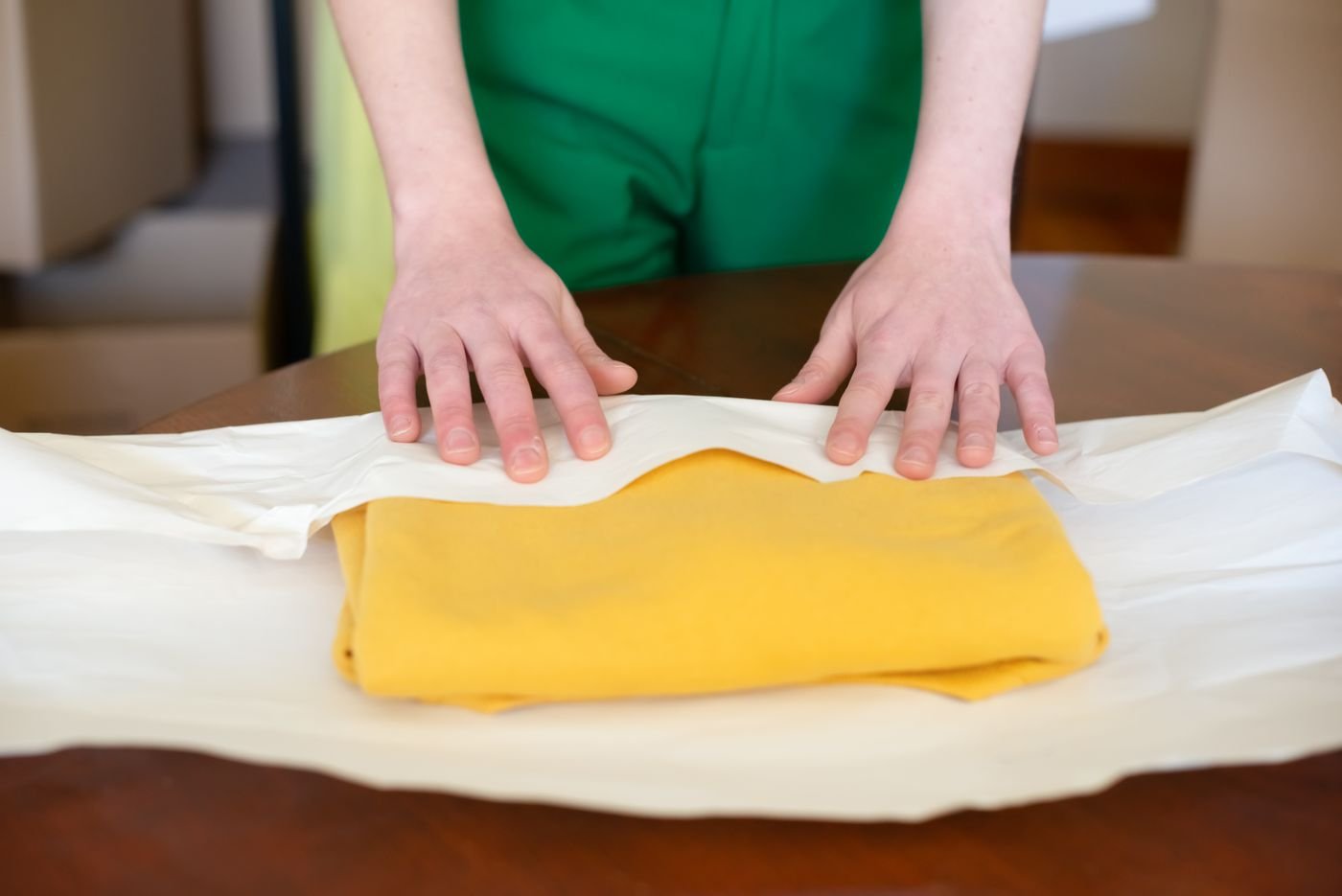
Veelianpro reviews the submitted specification, fabric and trim requirements, size range, branding placement, and quantity. The approved sample becomes the reference for project-specific bulk production and inspection planning.
Get a Quote
ODM Uniform Development
We help develop the concept into a reviewable custom school sweaters brief, covering material options, pattern development, sampling, grading, and branding choices before a final production quotation is confirmed.
Get a Quote
Core School Sweater
Define the silhouette, fit measurements, color direction, emblem position, labels, and approval checkpoints in one garment specification. This creates a clearer sampling route than adapting a broad parent uniform brief.
Get a QuoteSchool Sweaters Manufacturer Material Options
Explore materials and fabrics
Cotton Yarn

A natural-fiber option to evaluate for school sweaters where hand feel and everyday comfort are priorities. Specify the desired composition, color, knit construction, and any documentation requirements for project feasibility review.
Acrylic Yarn

A synthetic yarn option for reviewing color presentation, knit appearance, and care expectations in custom school sweaters. Confirm the proposed composition, yarn quality, pilling expectations, and approved sample requirements before bulk production.
Wool Blend

A blended yarn route to assess when a uniform program calls for a wool-containing appearance or hand feel. Define the fiber mix, color, care requirements, fit, and sample acceptance criteria for review.
Cotton Polyester Blend

A blended construction to consider when balancing cotton content with polyester in a school knitwear specification. Submit the target fiber ratio, intended wear setting, color standard, and garment construction for feasibility assessment.
Polyester Yarn

A man-made yarn option that can be reviewed for school sweater programs needing a specified knit look, color direction, or blend composition. Final material selection depends on the approved specification, sample, and procurement requirements.
Recycled Content Blend

A procurement-led option for buyers seeking recycled-content yarn or fiber blends in custom school sweaters. Provide the requested composition, target market, and SKU-level documentation needs so available evidence can be reviewed.
School Sweater Development Process
Explore printing and finishing
Pattern Development
View details
We translate your tech pack, sketch, or reference into a reviewable sweater specification, covering silhouette, neckline, placket details, measurements, size grading, and construction decisions before sampling begins.
Yarn Color Development

Yarn composition, color direction, stripe placement, and knit appearance are reviewed against your uniform brief. Provide required documentation needs early when recycled, organic, UV, or test-related requirements apply.
Knitting Construction

The approved specification guides development of crewnecks, V-necks, cardigans, vests, or other school layering pieces. Knit construction, panel shaping, rib details, and artwork feasibility remain subject to project review.
Panel Linking
Knit panels are joined and key edges are assembled to the approved garment construction. This stage supports review of shoulder joins, neckline assembly, plackets, sleeve attachment, and the intended finished shape.
Decoration Review
School emblems, name areas, labels, and other identity details are assessed against garment construction and artwork. Embroidery, knit-in artwork, patches, printing, and woven labels can be specified for feasibility review.
Finishing Quality Checks

Finishing and inspection compare the garments with the approved sample and documented requirements, including appearance, measurements, color presentation, branding placement, labels, packing, and any agreed project-specific checks before export coordination.
School Sweaters Manufacturer Branding and Finishing Options
Explore labels, trims and packaging
Knit-In Artwork

Incorporate school colors, stripes, initials, or approved crest elements directly into the knit layout where the yarn, artwork scale, and construction are suitable for development review.
Embroidered Emblems

Add a school emblem to the chest, sleeve, or another agreed placement. Share artwork and placement details so stitch coverage, backing, and the sweater construction can be reviewed before sampling.
Custom Patches
View detailsUse woven, embroidered, or other reviewed patch formats for a crest or house identifier. The patch material, edge finish, attachment method, and location should align with the approved garment design.
Woven Main Labels
Place branded woven main labels at the neck or another specified location for private-label school sweater programs. Confirm artwork, label size, fold style, and attachment position alongside the sample.
Care Labels
Include care labels with buyer-approved fiber, care, size, market, and brand information. Submit the required copy and label layout for review so the finished label matches the production specification.
Hangtags and Packaging
View detailsSpecify hangtags, size stickers, polybag presentation, or custom packaging for wholesale school sweaters. Provide artwork, packing requirements, and destination needs so these details can be included in the quotation.
Your School Sweaters Manufacturer Partner
Veelianpro is a Wuhan-based custom garment manufacturer supporting sourcing teams, apparel brands, and uniform distributors with OEM, ODM, private-label, and wholesale development. Its company-supplied profile says its workwear manufacturing operation began in 2012; school sweater programs require separate, project-specific specification, sample, and quotation review.
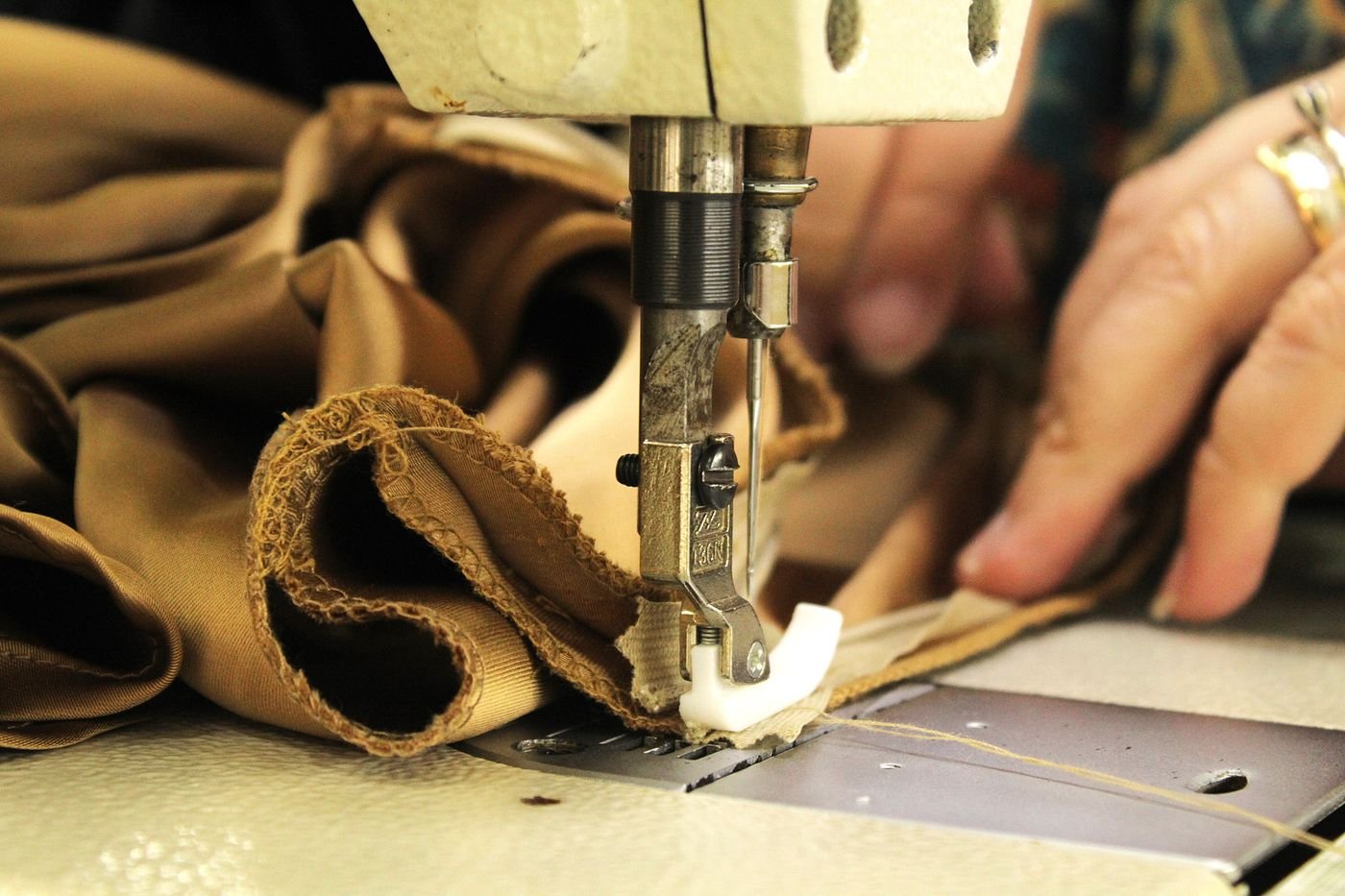
For custom school sweaters, we begin with your tech pack, sketch, sample, or uniform direction and review fabric or yarn requirements, fit, size grading, colors, branding, trims, packing, and destination. From 100 pieces per style and color may be feasible, subject to materials, construction, and documentation requirements. We carry approved details through sampling, production coordination, quality checks, and export preparation.
Custom School Sweater Development in Detail
Specification Intake for Uniform Programs
We turn your tech pack, reference garment, sketch, or school uniform brief into a reviewable development scope. Define the silhouette, intended wear setting, color direction, size range, yarn or fiber preference, and school identity details before sampling begins.
- Choose a crewneck, V-neck, cardigan, vest, or another approved layering silhouette
- Submit measurements, grade rules, fit targets, color references, and tolerance expectations
- Identify required yarn composition, knit appearance, care-label content, and market documentation needs

Sample-Led Fit and Construction Approval
For custom school sweaters, sampling gives sourcing teams a physical reference for fit, knit appearance, neckline, closures, and finishing. We use your approved sample and documented revisions to align the production specification before the bulk order is confirmed.
- Review body and sleeve proportions, neckline shape, rib details, and closure choices
- Record approved colors, artwork placement, labels, and packaging requirements
- Confirm any revised pattern, material, or construction point in the production approval record

School Branding Integrated Into the Build
A school sweater program needs branding decisions that suit the garment construction and the supplied artwork. We review embroidery, knit-in artwork, patches, woven labels, care labels, hangtags, and custom packaging as project-specific options for your uniform brief.
- Provide school emblem files, placement guidance, size limits, and color references
- Review whether embroidery, knit-in artwork, a patch, or another method suits the design
- Specify main labels, care labels, hangtags, polybags, carton marks, and private-label details
Inspection and Export Packing Coordination
Before shipment, we coordinate quality checks and packing against the approved school sweater specification. Share your inspection priorities, assortment plan, destination, and packing instructions early so the quote and production review can reflect the actual purchasing requirement.
- Set size assortments, color breakdowns, carton labeling, and destination requirements
- Identify visual, measurement, decoration, labeling, and packing points for review
- Assess feasibility from 100 pieces per style and color, subject to fabric, construction, and evidence requirements
Custom Development vs. In-Stock Decoration
Compare a custom school sweater program with an in-stock garment-and-decoration route before requesting a quote.
← Swipe left or right to view →
School Sweaters Manufacturer Workflow
A controlled development path for custom school sweaters, from feasibility and material review through approved samples, production checks, packing, export coordination, and repeat-order support.
Feasibility Review
We review garment type, buyer brief, target quantity, destination, branding, and required documentation to confirm a feasible custom school sweater development path.
Specification Development
Select yarn or fiber composition, color direction, knit appearance, fit measurements, size grading, trims, and emblem method for technical and commercial review.
Sample Development
We develop patterns and samples from your tech pack, sketch, reference, or product idea, then record revisions before bulk approval.
Sample Approval
Approve the sample against agreed fit, color, construction, branding placement, labels, and grading requirements; this documented reference guides production checks.
Production and Inspection
After order confirmation, we coordinate material preparation, pattern execution, assembly, approved branding application, finishing, and in-process quality checks against the approved reference.
Packing and Reorders
We complete final quality checks, packing, and export coordination, then retain approved specifications and order details to support repeat purchasing.
Work With a School Sweaters Manufacturer
Move from a defined uniform concept to an approved production order with clear inputs, sample review, and project-specific feasibility confirmation.
Share Your Brief
Send your tech pack, sketch, reference garment, or sample, plus the intended silhouette, size range, colors, school identity details, quantity, destination, and target timeline.
Confirm Project Feasibility
We review yarn, knit construction, branding approach, required documentation, and order requirements, then prepare a project-specific quotation. Projects may be feasible from 100 pieces per style and color, subject to project requirements.
Approve Development Samples
Review the development sample against your agreed fit, measurements, color direction, knit appearance, logo treatment, labels, and packaging requirements. Record revisions before approving the production standard.
Confirm Your Order
Finalize the approved specification, size breakdown, branding files, packing instructions, commercial terms, and shipment details. We then confirm the production order against the approved school sweater sample.
Standards and Audit References


Illustrative School Sweater Procurement Scenarios
Illustrative scenario
Apparel Buyer
A uniform distributor needs a V-neck school sweater range aligned with an existing color program. The brief adds an emblem placement and revised size grading. Approval centers on yarn review, measurement specifications, artwork placement, and a signed pre-production sample.
Illustrative scenario
Sourcing Manager
An apparel brand brings a sketch for custom school sweaters and requests a cardigan alternative for layering. Development review compares silhouette, button choice, labels, and color references. The buyer approves the final tech pack, sample construction, grading rules, and packaging details before quotation.
Illustrative scenario
Production Planner
A school-uniform sourcing team is replacing an in-stock decorated route with a dedicated knitwear specification. The project requires private-label identity details and documented material requirements. Feasibility review covers quantity by style and color, selected trims, sample comments, and market-specific documentation needs.
School Sweaters Manufacturer FAQ
Practical answers for custom uniform programs, from development and sampling through documentation, shipment, and repeat orders.
What is the MOQ for custom school sweaters?
Should we use OEM or ODM for our school sweater program?
What details do you need for an accurate school sweater quote?
How do you approve fit and grading before bulk school sweater production?
Can we add a school crest, private labels, and custom packaging?
How are payment terms and shipping arranged for a custom school sweater order?
How should we handle artwork, specifications, and requested documentation?
Can a school sweaters manufacturer support repeat orders after the first delivery?
School Sweater Manufacturer Buyer’s Guide
Use this framework to choose a custom development route, compare supplier criteria, control samples and specifications, and avoid approval gaps that can disrupt a made-to-order school uniform knitwear program.
1. What a school sweaters manufacturer does
A made-to-order school sweater manufacturer turns a uniform brief into a production-ready knitwear style: the agreed silhouette, yarn or fiber composition, school colors, fit measurements, size grading, emblem treatment, labels, and packing requirements. That work differs from buying a finished in-stock sweater and adding decoration afterward, where the existing garment’s fit, knit structure, colors, and trim choices remain largely fixed.
For an OEM school sweater program, the buyer supplies the production direction—typically a tech pack, measurements, artwork, and material requirements—and development follows that specification. ODM is appropriate when the buyer begins with a sketch, reference garment, or uniform concept and needs support defining the pattern, materials, trims, and sample; a project can combine both routes as missing details are developed and approved.
Private label describes how the finished garment is presented to market, with the buyer’s labels, care labels, hangtags, or packaging where specified. It is not a substitute for defining whether the underlying sweater is buyer-specified OEM work or ODM development.
Veelianpro can review a school sweater project from 100 pieces per style and color, subject to fabric, construction, and evidence requirements. A useful feasibility review starts with the intended sweater type, size range, colors, branding method, quantity, destination, and any documentation required for the target market.
2. School sweaters manufacturer program routes
A school sweaters manufacturer route should match the buyer’s development task, not merely the desired logo. Veelianpro can review a completed specification, develop missing details from a sketch or reference, or apply private-label identity to either route; feasibility begins from 100 pieces per style and color, subject to the project.
| Route | Fit And Garment Structure | Decoration And Specification Approval | Quantity And Repeat-Order Record |
|---|---|---|---|
| OEM from completed tech pack | Buyer-defined, subject to feasibility review | Approve sample against supplied brief and artwork | Confirm style-color feasibility; retain final tech pack and sample record |
| Mixed development from sketch or reference | Develop and approve missing fit and construction decisions | Review selected branding method on the sample | Confirm style-color feasibility; retain approved development revisions |
| In-stock/decorate route | Existing garment fit and structure limit changes | Apply reviewed decoration to the stocked base garment | Verify available colors, sizes, decoration approval, and reorder identification |
OEM From A Tech Pack

Choose OEM when the buying team already controls the sweater’s measurements, yarn or fiber direction, color, knit appearance, trims, artwork placement, labels, and packing requirements.
The sample checks whether the supplied specification can be made as intended; unresolved points should be recorded before bulk approval.
- Submit graded measurements and size range
- Specify logo method for construction review
- Retain the approved sample and revision record
Mixed Development From Reference
A sketch, existing garment, or uniform reference starts a mixed-development route when the buyer has a direction but not a production-ready brief. Veelianpro can support pattern development, material and trim sourcing, sampling, size grading, decoration, and quality checks, subject to project feasibility.
Approve the resulting fit, color, construction choices, and school identity details as defined project specifications rather than assuming a reference garment is reproducible unchanged.
Private Label Is Branding
Private label identifies whose name appears on woven labels, care labels, hangtags, patches, and packaging. It can accompany OEM or mixed development; it does not decide whether the garment is custom-developed or an in-stock item is decorated.
3. School sweater types for uniform programs
Silhouette choice determines how a sweater layers over shirts, meets dress-code expectations, and carries school identity. A school sweaters manufacturer should review the intended age range, fit target, neckline, rib areas, and emblem position before sampling.
Crewneck Sweaters
Crewnecks give a closed neckline for a simple, everyday uniform layer. Specify whether the collar must clear a collared shirt, the intended body ease, and which hem and cuff rib areas need review.
Place an emblem on the chest, sleeve, or another approved location; artwork size can affect the decoration method and sample review.
V-Neck Sweaters
A V-neck is typically selected when a shirt collar and tie must remain visible. Define the V depth, neckline shape, fit over the shirt, and the approved logo zone before pattern development.
Ask for a physical sample with the intended shirt layer, rather than approving neckline appearance on a flat drawing alone.
Cardigans
Cardigans add an opening that helps younger pupils dress independently and supports variable classroom temperatures. Review button or zipper preference, placket finish, closure count, pocket requirement, and neckline before sampling.
Confirm that any crest placement remains clear of the opening and that the fit works both closed and open.
Sweater Vests
Sweater vests retain a shirt-forward dress code while reducing sleeve bulk under blazers or outerwear. Set the armhole coverage, V-neck or crewneck direction, hem rib treatment, and intended shirt visibility.
A chest emblem should be positioned against the vest’s smaller front panel during artwork approval.
Reviewed Special-Use Option
A zip-neck, mock-neck, or other special-use silhouette may suit a sports-travel layer or a distinct senior-uniform brief, subject to feasibility review. Supply the intended use, closure requirement, age group, identity treatment, and reference measurements.
Treat this as custom development, not a preset available style; approve its fit, collar behavior, and logo location on the sample.
4. Materials for school sweaters manufacturer briefs
A yarn brief turns a school sweater concept into a reviewable development request. State the intended hand feel, care routine, color standard, knit appearance, and any documentation requirement before sampling, because fiber choice changes each of them.
| Material Option | Buyer Question | Intended Use | Evidence To Request |
|---|---|---|---|
| Cotton | What hand feel and care method are required? | Soft everyday uniform knitwear | Fiber and test documentation if specified |
| Wool | Is warmth or a natural-fiber character the priority? | Cool-weather layering | Composition and any requested test evidence |
| Acrylic | Is easy-care color development the main goal? | Frequent-wear uniform programs | Composition documentation |
| Polyester | Is durability or color retention being specified? | Active or easy-care layering | Recycled or test evidence if required |
| Blend | Which trade-off must the blend solve? | Balanced hand feel, care, and appearance | Composition plus organic, recycled, UV, or testing evidence when requested |
Specify The Yarn Objective
Cotton, wool, acrylic, polyester, and their blends are material options to specify for review, not pre-approved program attributes. Identify whether softness, warmth, easy-care handling, color consistency, or a particular knit surface takes priority.
Also state the silhouette, intended wear setting, target color references, and whether the garment will be worn next to skin or over a shirt. This gives the development team a usable basis for yarn and sample review.
- Hand feel: soft, dry, lofty, or firm
- Care expectation: home laundering or specialist care
- Appearance: smooth, textured, or heathered knit
Review Color And Knit Appearance

Fiber composition affects how color, sheen, texture, and visual depth read in a knitted school sweater. Submit approved color references and call out contrast rib, stripes, tipping, or melange effects so they can be evaluated in the proposed yarn and knit construction.
Approve the physical swatch or sample under the relevant viewing conditions. A digital rendering is useful for direction, but it cannot settle hand feel or final color appearance.
Request Evidence By Requirement
Recycled, organic, UV, and testing requests need SKU- and market-level documentation in the procurement file. Name the claim, destination market, required evidence, and responsible reviewer; do not treat a photo or generic material statement as proof.
Where a requirement changes yarn selection or construction, resolve it during feasibility review before the sample route is locked.
5. Customization and school identity details
School identity is specified through color, artwork, trims, and presentation, but these are separate approvals. A school sweaters manufacturer should review each proposed decoration and component against the selected knit structure before it enters the sample brief.
Colors And Stripe Placement
Record each body, rib, contrast, and stripe color by an agreed reference, then identify where every stripe begins and ends. A stripe can be knit into the garment, but its feasibility depends on the approved construction and color plan.
Keep placement approval separate from artwork approval. A marked flat sketch should distinguish chest, sleeve, cuff, hem, and neckline details so the sample answers one placement question at a time.
- Body and rib color references
- Sleeve, cuff, and hem stripe locations
- Contrast neckline or placket direction
Emblems And Artwork

An embroidered crest, knit-in motif, patch, or reviewed print can create very different surfaces and production steps. Submit editable artwork, intended dimensions, colors, and location for feasibility review; print is considered only where garment construction permits it.
Approve the emblem’s placement on the physical sample, not only in artwork files. Confirm whether the artwork sits on a finished panel, near a seam, or affects an opening before bulk approval.
- Embroidery placement and scale
- Knit-in motif color plan
- Patch or print review request
Labels, Closures, And Packing
Woven brand labels, care labels, hangtags, buttons, zipper choices, and custom packaging each need a defined material, position, attachment method, and artwork file. They are options to specify for review, not assumed program features.
The sample review should check label comfort and closure operation separately from the school artwork. Include fold method, carton markings, polybag requirement, and SKU sorting instructions in the packing specification.
- Woven label and care-label copy
- Button or zipper selection
- Hangtag and packaging artwork
6. Construction and approval controls
An approved school sweater sample becomes useful only when its visible and measurable decisions are recorded for bulk production. A physical sample and signed pre-production record give the factory, inspector, and buyer one shared reference when interpretation differs.
| Approval Item | Bulk Reference | Review Focus |
|---|---|---|
| Fit | Measurement chart and grading rules | Points of measure and fit comments |
| Knit appearance | Approved physical sample and color reference | Surface, stripes, and rib recovery |
| Finish | Pre-production approval record | Seams, closures, labels, and packing |
Lock Fit And Grading
Record garment measurements by size, point of measure, and buyer-approved grading rule; fit comments should identify the wearer group and intended layering. Do not leave a change as ‘make it larger’.
Hypothetical example: a distributor approves extra body ease over a shirt. The record should show the revised measurement, affected sizes, and whether sleeve length changes with the same grading logic.
- Point-of-measure diagram
- Base-size measurement chart
- Grade rules by size
- Dated fit-comment revision log
Match Knit And Closure Details
Compare the approved knit appearance under consistent lighting with bulk swatches: color reference, stripe alignment, surface texture, and logo position all need a visual standard. Review rib recovery after stretch and release, since cuffs, hems, and neckbands must return acceptably for the agreed yarn and structure.
For cardigans, check button type, attachment, buttonhole finish, placket alignment, and seam appearance against the approved sample.
Approve Labels And Packing
The pre-production record should place woven labels, care labels, size labels, hangtags, and any school identifier on a marked garment diagram. Define folding method, polybag or other packaging choice, size stickers, carton marks, and assortment instructions before packing starts.
Inspection criteria should reference the approved sample, measurement chart, color reference, label artwork, and packaging record—not an inspector’s personal interpretation.
7. Choosing a school sweaters manufacturer
Choose a school sweaters manufacturer by testing whether its development records can carry the same knitwear specification from first sample through replenishment. Veelianpro reviews OEM tech packs or ODM sketches, references, and uniform directions before confirming feasibility.
Match The Development Route
Use OEM when measurements, yarn composition, gauge, color standard, artwork, and packaging are already controlled. Use ODM development when those decisions need joint definition from a sketch or reference garment.
Feasibility begins from 100 pieces per style and color, subject to fabric, construction, and evidence requirements.
Make The Quote Auditable
A usable quote identifies style, colorway, quantity by size, material and trim assumptions, decoration method, sample stage, packing, destination, and exclusions. Request SKU- and market-level traceability or test documentation when recycled, organic, UV, or other claims are procurement requirements.
Control Samples And Artwork
Approve the physical sample before a pre-production reference: compare fit measurements, knit appearance, collar and cuff recovery, label placement, emblem scale, and artwork color. Keep dated approvals, revised files, and change notes together so bulk inspection and reorders use one controlled reference.
- Record yarn and color approvals
- Confirm emblem placement and method
- Archive signed sample changes
Illustrative Procurement Scenarios
Illustrative scenario — A uniform distributor requests a V-neck program, changes the crest position after sample review, and approves the revised artwork file with the physical sample.
Illustrative scenario — An apparel brand brings a cardigan sketch, requests size-grade clarification, and approves the agreed measurement chart before the next sample.
Illustrative scenario — A sourcing team requests fiber traceability for a specified material, changes the evidence requirement by destination, and approves the documentation list for quotation.
8. Mistakes in school sweater sourcing
Most sourcing failures begin before sampling: an assumption is left outside the brief, then becomes a disputed bulk detail. A school sweaters manufacturer can develop missing inputs, but the buyer must identify which decisions remain open.
Close Tech Pack Gaps
A logo file and front photo do not define a sweater. Missing silhouette, yarn or fiber target, knit appearance, measurements, labels, packaging, and color references leave development choices unrecorded.
Mark each field as buyer-specified, proposed for review, or not applicable. Treat a reference garment as a fit and appearance cue, then document every intended difference.
- Include flat views and artwork placement
- State style-color quantities and destination
- List required labels and packing details
Approve Physical Color And Fit
Screen color changes with photography, display settings, and lighting; it cannot establish a production color standard. Confirm color against an agreed physical reference and record any yarn, trim, or logo color relationship.
Unresolved grading is equally costly. Provide the size range, base-size measurements, grading rules, and fit target before the approval sample becomes the bulk reference.
Match Decoration To Construction
Embroidery, knit-in artwork, patches, screen printing, and heat transfer each interact differently with knit structure, placement, and backing. Select the school emblem method only after reviewing artwork scale, location, and the proposed garment construction.
Ask for a decoration sample or reviewed application route where the emblem is central to the uniform identity.
Separate Routes And Evidence
An in-stock garment decorated after purchase is not the same procurement route as made-to-order sweater development. The first centers on available stock options; the second requires approved materials, pattern, fit, branding, and construction decisions.
Where recycled, organic, UV, or test-related requirements affect the purchase, request applicable SKU- and market-level evidence during feasibility review rather than assuming a photo or material description proves it.
| Decision | In-Stock Decorate Route | Custom Development Route |
|---|---|---|
| Starting point | Available garment | Buyer brief or reference |
| Primary approval | Garment option and decoration | Sampled fit, materials, construction, and branding |
| Use when | Existing option meets the task | Uniform requirements need specification control |
9. Launching a custom school sweater order
A school sweater order becomes controllable when the brief turns design intent into an approval trail. Veelianpro reviews feasibility before quoting, then uses approved development and pre-production references to govern bulk release and future repeats.
Submit A Usable Inquiry
Send a tech pack, sketch, or reference garment with the intended crewneck, V-neck, cardigan, or vest route. Include measurement targets, size range, color direction, emblem artwork, label copy, packaging needs, target market, and required evidence.
- Quantity by style and color
- Artwork files and placement notes
- Fiber, yarn, or trim preferences
- Destination and required documentation
Review Feasibility And Quote
The feasibility review identifies missing construction, material, decoration, or evidence details before a quote basis is finalized. Custom development starts from 100 pieces per style and color, subject to fabric, construction, and evidence requirements.
- Confirm style-color quantities
- Identify sample deliverables
- Separate optional development changes
- Record quote assumptions
Approve The Sample Route
A development sample is the working reference for fit, knit appearance, colors, emblem execution, labels, and packaging. Mark revisions directly against the submitted measurements and artwork, then approve the pre-production sample before bulk cutting and decoration.
- Check measurements against targets
- Review color and logo placement
- Verify label wording and care content
- Sign off approved changes
Retain The Reorder File
Keep the final tech pack, approved sample photos, measurement sheet, color references, artwork files, label proofs, packaging approval, and inspection criteria together by style and color. This file lets a reorder begin from the approved specification rather than an informal recollection.
10. School sweaters manufacturer cost drivers and FAQ
A school sweater quote changes most when a program adds colors, development choices, or approval evidence. Veelianpro reviews feasibility from 100 pieces per style and color, subject to fabric, construction, and documentation requirements.
- FAQ — Is OEM or ODM better? OEM suits a completed tech pack with approved measurements, yarn brief, artwork, and packaging. ODM suits a sketch or reference needing pattern, material, or trim development. Confirm who supplies each decision before sampling, and record the approved version for bulk.
- FAQ — What belongs in a material brief? State the intended fiber composition, hand feel, knit appearance, color references, care expectations, size range, and required market documentation. Recycled, organic, UV, or test requests require SKU- and market-level evidence review; they are not implied by a yarn description.
- FAQ — How should samples be controlled? Approve the physical sample against measurements, grading, color, logo placement, labels, and packaging before bulk. List every change between sample rounds in writing. A pre-production sample should reflect the final approved specification, rather than an earlier development version.
- FAQ — Which logo method should we specify? Provide editable emblem artwork, dimensions, placement, colors, and the preferred method for review, such as embroidery, knit-in artwork, patch, screen print, or heat transfer. The selected method must suit the knit structure and preserve legibility at the requested size.
- FAQ — Is the 100-piece MOQ automatic? No. The starting quantity is from 100 pieces per style and color, conditional on fabric, construction, color development, and evidence requirements. Submit quantities by size and color, silhouette, destination, and timeline so feasibility can be reviewed before quotation.
- FAQ — What documentation and reorder record matter? Request quote inclusions, sample approvals, artwork files, label copy, packing instructions, inspection points, shipment terms, and any required SKU-level evidence. For a reorder, resubmit the approved specification and identify changes in color, quantities, grading, packaging, destination, or compliance needs.
| Cost Driver | What Changes Cost | Quote Must Specify |
|---|---|---|
| Quantity and colors | Style-color splits; development | Units by size/color |
| Yarn and silhouette | Composition; cardigan details | Material and measurements |
| Branding and delivery | Artwork, labels, samples, packing, documentation, shipping terms | Method, approvals, Incoterm |
Start Your School Sweater Quote
Send your tech pack or reference, size range, colors, branding, quantity, destination, and timeline for a feasibility review and custom quote.