
Wholesale Running Singlets
Submit a tech pack, sketch, sample, or product idea for a project-feasibility review and quote from 100 pieces per style and color.
Garment and Development References
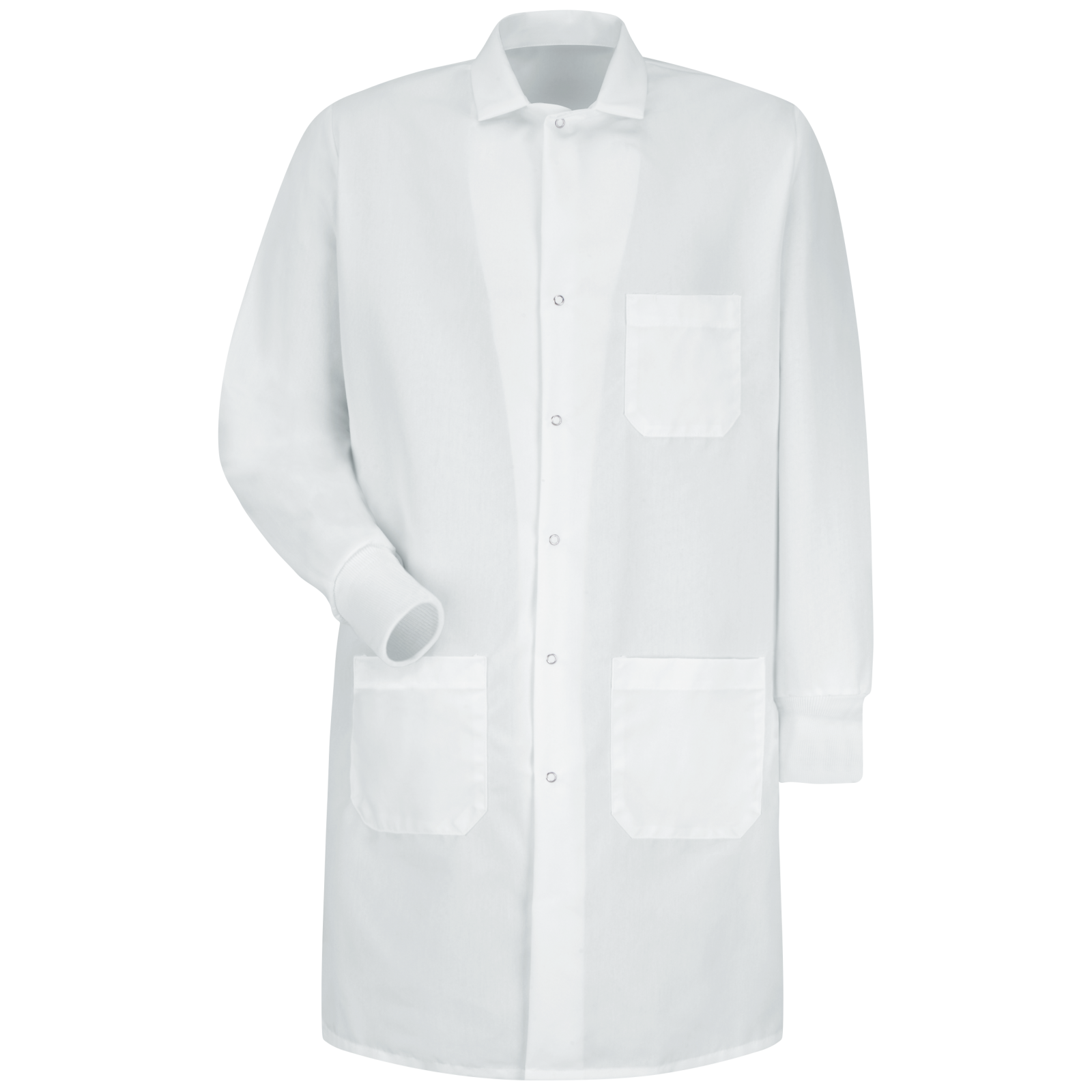
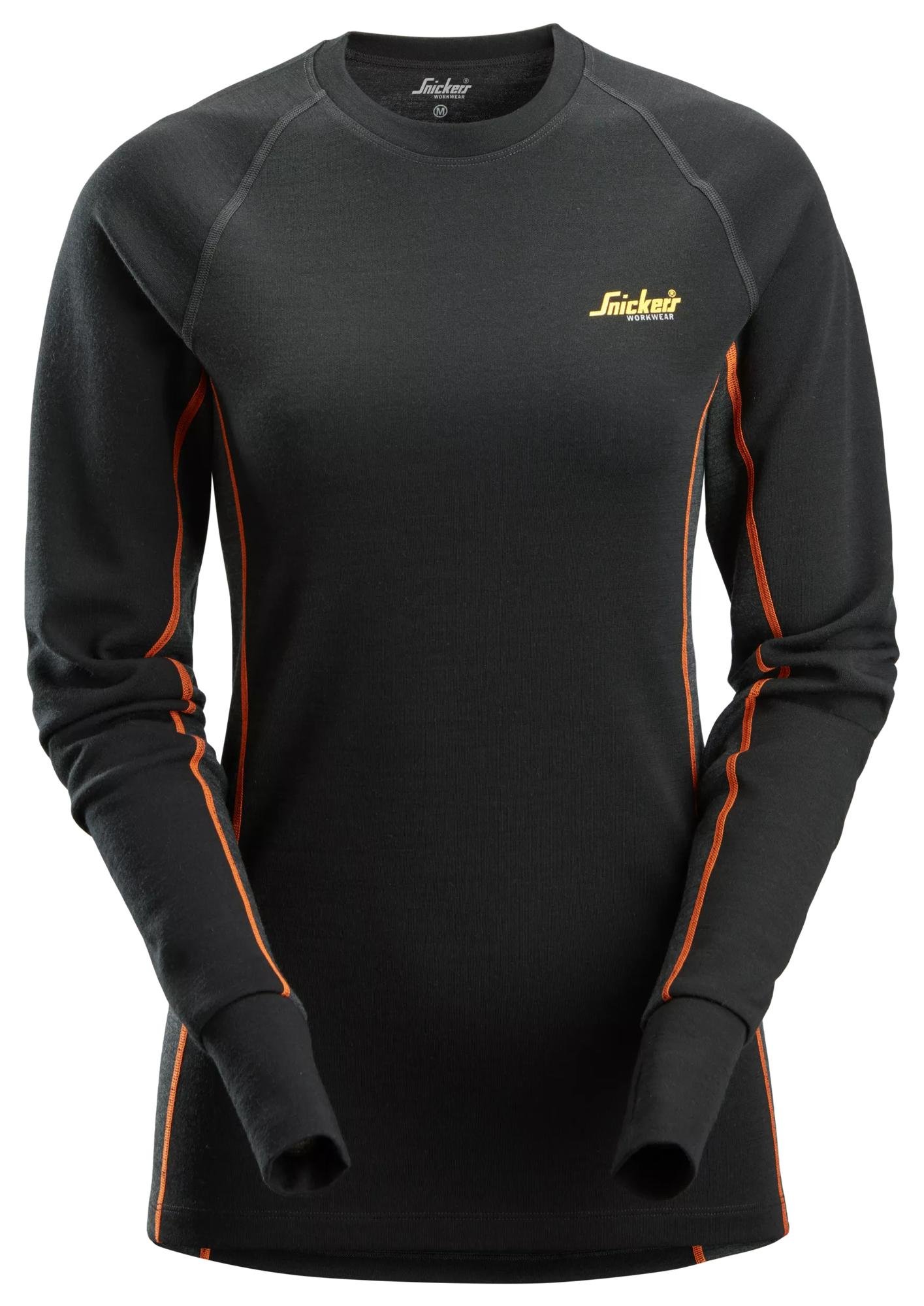

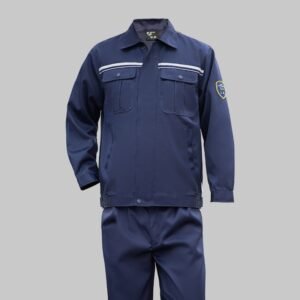
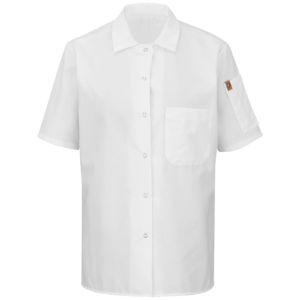
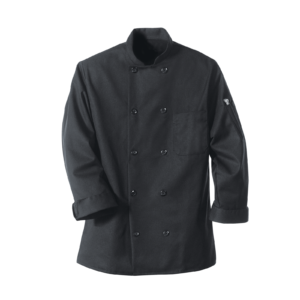
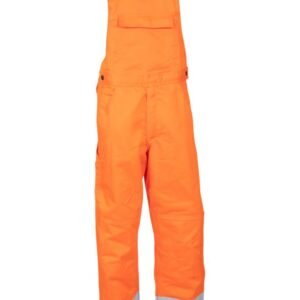
Browse Veelianpro’s Workwear Catalogue
Review current garment references, then send the fit and construction details for your program.





Custom Running Singlet Development
From 100 pieces per style and color, subject to fabric, construction, and documentation requirements.
Tech-Pack Review
We review measurements, fit notes, artwork, and construction priorities early, helping buyers align the brief before pattern development and sampling.
Fabric and Trim Sourcing
We source candidate fabrics, mesh, bindings, labels, and other trims for review, so teams can compare options against their specification.
Pattern and Sample Development
Pattern development, size grading, and sample work give teams a tangible route to check fit, proportion, and construction before bulk approval.
Decoration Planning
We plan embroidery, screen print, heat transfer, patches, or labels around artwork and placement needs, supporting an approvable branding workflow.
Quality and Export Coordination
Cutting, sewing, finishing, quality checks, packing, and export coordination keep the approved brief connected through the production and dispatch stages.
Wholesale Running Singlets Development Options
Choose what you want to specify before sample approval.

OEM Singlet Development
We develop custom running singlets from the buyer’s tech pack, sketch, sample, or concept, reviewing construction and materials for feasibility. Projects can begin from 100 pieces per style and color, subject to requirements.
Get a Quote
Fit and Size Programs
Provide target measurements, size range, fit references, and sample comments for review. We can support pattern development, size grading, and sample refinement so the approved running-singlet specification guides bulk production.
Get a Quote
Private-Label Brand Launches
Build a private-label brief around your brand artwork and required trims. We review decoration and label choices alongside the garment specification, helping create a clear sample and quotation route for bulk orders.
Get a QuoteWholesale Running Singlets: Materials for Feasibility Review
Explore materials and fabrics
Polyester Jersey

A smooth, lightweight knit often considered for team and event singlets. Specify the desired weight, surface finish, color route, and artwork method so we can review it against your pattern, decoration, and sample requirements.
Recycled-Content Polyester

A polyester option to evaluate when your brief requests recycled-content documentation. Identify the required evidence, fiber-content declaration, color approach, and destination market early; documentation and material feasibility are reviewed for the specific project.
Nylon Jersey

Nylon jersey offers a smooth hand and compact appearance for custom running singlets. Include target stretch, recovery expectations, color, and decoration plans in the brief so the material can be assessed alongside garment construction.
Elastane Blend

A blended knit to specify when the fit brief calls for controlled stretch. Share the intended silhouette, measurement tolerances, decoration placement, and sample-use expectations so we can review the blend and construction together.
Polyester Mesh

A knit with an open structure that may be considered for selected panels or full-body designs. Define placement, transparency expectations, binding details, and artwork requirements for feasibility review before sampling.
Double-Knit Interlock

A denser, two-sided knit that can be considered where a more structured garment surface is requested. Specify the intended body shape, print or decoration route, trim pairing, and required sample evaluation points.
Wholesale Running Singlets: Production and Decoration Processes
Explore printing and finishing
Pattern Development
View details
We translate your measurement specification, neckline, armhole, strap, and body-length requirements into a development pattern and size-grade plan for review. This establishes the intended fit route before sampling and production decisions.
Sample Making
A development sample brings together the selected fabric, construction, branding locations, and preliminary measurements. Buyer comments can address fit, appearance, and finishing details before the specification moves toward final bulk approval.
Precision Cutting

Approved pattern pieces are prepared for cutting with fabric direction, panel layout, and color-block requirements considered in the production plan. This supports consistent component preparation for custom running singlets with defined visual placement.
Garment Sewing

Panels, bindings, and selected garment details are assembled according to the approved construction brief. Seam choices, reinforcement needs, and finishing expectations should be specified for feasibility review rather than assumed from a reference image.
Artwork Decoration
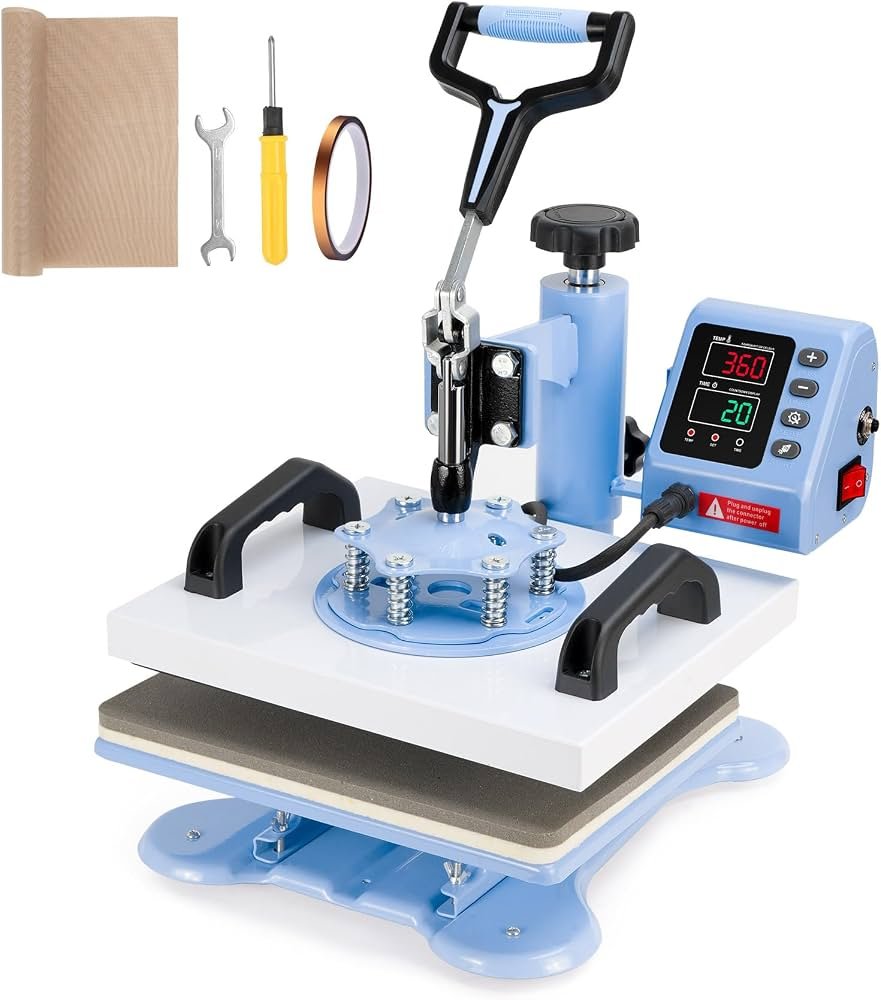
Sublimation, screen printing, heat transfer, DTF transfer, embroidery, or label application can be assessed against your artwork, fabric compatibility, placement, hand-feel, and approval requirements. The selected method is confirmed by the project brief and sample review.
Quality Inspection

Finished garments are checked against the approved specification, measurements, workmanship expectations, decoration placement, and packing instructions. For wholesale running singlets, retain approved artwork and sample references to support clearer repeat-order review.
Wholesale Running Singlets: Branding Trims and Garment Details
Explore labels, trims and packaging
Custom Neck Labels
View details
Specify branded neck labels for the inside back neck, including artwork, material preference, fold style, attachment method, and placement. This detail helps private-label running singlets carry a consistent brand presentation.
Size and Care Labels
View detailsDefine size labels and care-label content for the relevant size range and destination market. Buyers can review label format, placement, fiber information, care instructions, and any required compliance wording with the garment specification.
Woven Brand Labels
Choose woven labels for hems, side seams, or other approved garment locations when a tactile brand marker suits the design. Confirm dimensions, colors, fold treatment, placement, and sewing method during sample review.
Heat-Seal Branding
Heat-seal labels can be specified for interior branding where buyers prefer a low-profile finish. Submit artwork, placement, color reference, and intended fabric construction for feasibility review before approving the sample.
Reflective Detail Placement
Specify reflective-detail placement as a design choice on the front, back, side panels, or other approved areas. Confirm the material, dimensions, artwork, and required evidence separately; placement alone does not establish a performance claim.
Custom Packaging
View details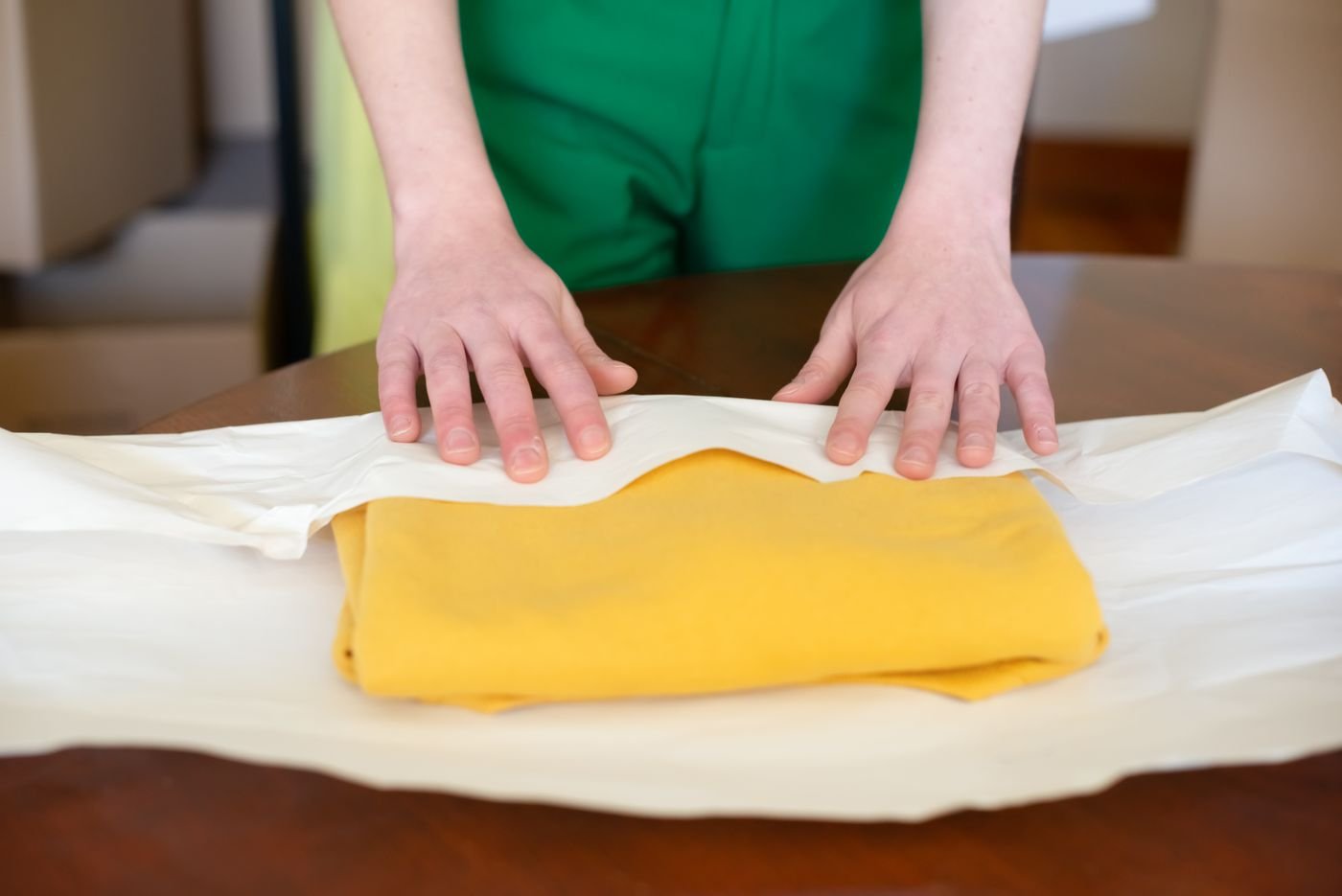
Add custom packaging requirements to the bulk brief, such as polybags, hangtags, barcode labels, folding instructions, and carton marks. Confirm artwork, packing quantities, and destination requirements before the final production approval.
Wholesale Running Singlets, Developed to Brief
Veelianpro is a Wuhan-based custom workwear manufacturer supporting OEM, ODM, private-label, and wholesale garment development. We extend that practical development scope to running-singlet projects when the procurement task requires its own specification, sample review, and quotation rather than a parent-page assumption.
For custom running singlets, we can review your tech pack, sketch, sample, or product idea; coordinate fabric and trim sourcing; develop patterns and size grading; make samples; and manage cutting, sewing, decoration, quality checks, packing, and export coordination. Production may start from 100 pieces per style and color, subject to fabric, construction, documentation, and project feasibility.

From Brief to Bulk Production
Fit and Specification Review
We turn your runner profile, measurements, and design direction into a reviewable singlet specification before sampling. Define the silhouette, neckline, armhole, strap shape, body length, size range, and grading expectations so the development route matches the intended market.
- Provide a measurement specification or reference garment
- Confirm neckline, armhole, strap, and body-length preferences
- Review size range, fit intent, and grading requirements
- Share sketches, tech packs, or product references

Fabric and Trim Sourcing
Select materials and garment details against the look, hand feel, weight, stretch, and documentation needs of the project. Polyester, recycled-content polyester, nylon, elastane blends, mesh, and interlock can be specified for feasibility review, along with binding, labels, and optional details.
- Compare fabric compositions and construction options
- Request relevant material or test documentation by SKU and market
- Specify contrast binding, reflective details, or other finish choices
- Plan neck labels, size labels, care labels, woven labels, and hangtags

Sample and Decoration Approval
A sample gives your team a practical checkpoint for fit, construction, color, and branding before bulk approval. We coordinate artwork and decoration discussions for sublimation, screen printing, heat transfer, DTF transfer, embroidery, patches, or label application according to the approved design.
- Supply production-ready artwork files and placement references
- Confirm color references and decoration method
- Consolidate sample comments into an approval record
- Approve the final pre-production sample before bulk production

Production Through Export
After approval, we coordinate cutting, sewing, finishing, quality checks, packing, and export preparation around the confirmed brief. Wholesale running singlets can begin from 100 pieces per style and color, subject to fabric, construction, documentation, and production feasibility requirements.
- Lock approved specifications, artwork, and color references
- Align packing and destination requirements before production
- Use inspection checkpoints tied to the approved sample
- Retain approved records to support clearer reorder discussions
Wholesale Running Singlets: Custom Development vs. In-Stock Blanks
Compare a specification-led program with an in-stock blank-plus-decoration route before requesting your quote.
← Swipe left or right to view →
Custom Running Singlet Production Workflow
Move from a project-specific brief to approved bulk production with controlled decisions on fit, materials, branding, evidence requirements, packing, and export coordination.
Inquiry and Feasibility Review
Share the intended runner, quantity, destination, timeline, artwork, and target construction. We review whether the requested fabric, trims, documentation, and production route are feasible.
Specification Development
Provide a tech pack, sketch, sample, or product idea. Measurements, neckline, armhole, strap, body length, size range, colors, and branding placements are aligned into a project-specific brief.
Material and Trim Selection
Review polyester, recycled-content polyester, nylon, elastane blends, mesh, or interlock options alongside labels, binding, reflective details, and packaging. Any sustainability or test evidence is requested for the relevant SKU and market.
Sampling and Approval
A sample route confirms fit, construction, artwork execution, color references, and buyer comments before bulk commitment. Changes are incorporated into the approved specification and quotation basis.
Order Confirmation and Production
After quotation and order confirmation, cutting, sewing, reinforcement, decoration, finishing, and packing proceed against the approved materials and specifications. Production requirements remain conditional on the finalized project.
Inspection and Shipment Support
Quality checks review the agreed production requirements before export coordination. Retained approved specifications, color references, and decoration files support clearer reorder discussions for later running singlet programs.
Source Wholesale Running Singlets
Move from a focused brief to approved specifications, order confirmation, and coordinated handover with a clear decision at every stage.
Send Your Brief
Share garment type, target fit, color, size range, branding, quantity, destination, timeline, and any documentation requirements so we can frame a focused running-singlet brief.
Review Feasibility
Review feasibility, material and decoration options, conditional MOQ, and quotation scope with our team; clarify any evidence needed for your intended market before proceeding.
Approve Key Details
Approve the sample route, measurement specification, artwork placement, color references, labels, and comments; consolidate revisions into one clear approval record for the next decision.
Confirm Your Order
Confirm the approved specification, final quantity, and commercial details when ready. Production begins only after order confirmation, keeping the agreed brief as the reference.
Coordinate Handover
Align inspection, packing, export handover, and reorder-file retention with our team. Keep approved specifications and artwork accessible for later program continuity.


Wholesale Running Singlets: Illustrative Buyer Scenarios
Illustrative scenario
Apparel Buyer
An apparel brand develops a custom running singlet with its own fit direction and artwork. The brief includes target measurements, size range, fabric preferences, color references, logo files, and label requirements. Approval relies on the measurement specification, sample comments, and final pre-production sample.
Illustrative scenario
Sourcing Manager
A uniform distributor needs a singlet program for a defined customer order. The requested change covers neckline, armhole shape, branding placement, and packing details. Required inputs include quantity by color and size, destination, artwork, and timeline; approval is based on the agreed sample and decoration review.
Illustrative scenario
Production Planner
A sourcing team compares material and decoration routes for wholesale running singlets. It submits a tech pack, fabric options for review, care-label content, and any required documentation scope. The project moves forward only after feasibility review, approved color references, and a confirmed production specification.
Wholesale Running Singlets FAQ
Practical answers for brands and distributors planning a custom bulk running-singlet specification, sample, and quote with Veelianpro.
What is the minimum order for wholesale running singlets?
Should I choose made-to-order running singlets or decorated in-stock blanks?
What fit information should I provide for custom running singlets?
Which materials can I request for a running-singlet brief?
Which decoration method suits wholesale running singlets?
How do I approve a running-singlet sample before bulk production?
Can Veelianpro handle private-label details for custom running singlets?
What payment and shipping details should I include in my quote request?
How are artwork, logos, and confidential specifications handled?
Complete Guide to wholesale running singlets
Use this sourcing framework to compare development and blank-decoration routes, define fit and branding specifications, evaluate supplier approvals, and avoid costly sampling, documentation, and reorder mistakes.
1. What Are Wholesale Running Singlets?
Wholesale running singlets are sleeveless running tops bought in quantity for a team, event program, retail label, or uniform distribution channel. For sourcing purposes, the term covers two different routes: a singlet developed to an approved specification and a ready-made blank that receives decoration after purchase.
Made-to-order development suits brands and distributors that need control over the silhouette, size grading, neckline, armhole, body length, fabric selection, color, labels, and placement of graphics. An in-stock blank-and-decoration route suits a simpler launch or replenishment need when the buyer can accept the blank’s existing fit, material, color range, and construction; decoration then becomes the principal approval point.
For a custom project, Veelianpro begins feasibility review from 100 pieces per style and color, subject to the chosen fabric, construction, documentation, and production requirements. Send the intended wearer, measurement specification, size range, artwork, color reference, labeling needs, target quantity, destination, and timeline so the quote can distinguish a development request from a blank-decoration request.
The practical sourcing answer is to choose custom development when the garment itself is part of the brand proposition, and choose an in-stock blank route when speed and a pre-existing base garment matter more than proprietary specifications. In either route, approve the relevant sample or decorated proof before confirming bulk production.
2. Wholesale Running Singlets: Development Routes
Wholesale running singlets follow two distinct procurement paths: a project-specific cut-and-sew brief or a separately sourced in-stock blank decorated after selection. The right route answers whether the buyer needs specification control or a pre-existing garment base.
| Cost Driver | Made-To-Order Singlet | In-Stock Blank Plus Decoration | Quote Must Specify |
|---|---|---|---|
| Garment base | Fabric, pattern, and construction selected for review | Existing blank style selected for review | Material, style reference, color, and size range |
| Branding workflow | Artwork and labels incorporated into the development brief | Decoration applied to the chosen blank | Method, placement, colors, and artwork file |
| Approval work | Sample and specification approval | Blank sample or physical blank and decoration approval | Measurement reference and approval point |
| Replenishment exposure | Approved development specification must be retained | Exact blank availability also affects repeat orders | Reference retention and substitution rule |
Made-To-Order Development
This route starts with a tech pack, sketch, sample, or product idea. The buyer can submit target measurements, size grading, fabric candidates, colors, neckline, armhole, labels, and artwork placement for feasibility review.
It resolves: ‘Can this singlet reflect our own fit and private-label specification?’ Veelianpro’s starting MOQ is from 100 pieces per style and color, conditional on fabric, construction, and documentation requirements.
- Approve measurement specification
- Review fabric and trim options
- Confirm sample comments before bulk approval
In-Stock Blank Decoration
This route uses an already selected blank singlet, then applies approved decoration such as screen printing, heat transfer, DTF transfer, embroidery, or label application where the blank and process allow it.
It resolves: ‘Is an existing base garment acceptable if fit, fabric, and available colors are constrained?’ Confirm the actual blank source, measurements, color availability, decoration limitations, and replenishment status in writing; Veelianpro does not represent in-stock singlet inventory on this page.
- Retain the blank style reference
- Approve artwork placement on that blank
- Separate blank availability from decoration approval
Approval And Replenishment Control

Made-to-order replenishment depends on retained approved specifications, color references, artwork files, and any required evidence. Blank-based replenishment depends additionally on the continued availability of the exact blank.
For either route, record the approved size chart, decoration file version, placement reference, label text, packing requirement, and destination-market documentation request.
3. Types of Wholesale Running Singlets
Wholesale running singlets should be grouped by the runner’s use and the pattern decisions that follow, not by a stock-style name. A silhouette change can alter grading, artwork safe areas, and the sample required for approval.
| Singlet decision | Key measurement inputs | Separate specification or sample |
|---|---|---|
| Standard race | Chest, length, neckline, armhole | When pattern or print area changes |
| Racerback | Strap width, back shape, chest, length | When back geometry differs |
| Muscle-cut | Armhole curve, side opening, chest | When fit or decoration changes |
| Team/event | Size run, artwork map, color reference | When personalization or panels change |
| Fit-specific | Fit chart, shaping, length, grading | When target wearer differs |
Standard Race Singlet
A standard race silhouette suits broad club, promotional, and general running programs. Submit body length, chest width, neckline, and armhole measurements; a new pattern or changed print placement warrants its own specification and sample.
Racerback Silhouette
Racerbacks expose more upper back and shift strap placement, making back artwork and label positioning especially important. Provide strap width, back-shape reference, chest and length measurements; approve a separate sample when the back geometry differs.
Muscle-Cut Armholes
A muscle-cut or wider-armhole style targets wearers wanting greater shoulder exposure and a less contained silhouette. Specify armhole curve, side opening, chest width, and artwork clearance; use a distinct sample if the opening changes fit or decoration.
Team And Event Singlets
Team and event singlets prioritize consistent names, numbers, sponsor marks, and color references across a size run. Supply artwork files and placement map; create a separate specification when personalization, contrast panels, or event-specific branding changes the decoration workflow.
Women’s And Fit-Specific Development
Women’s or fit-specific development should begin with the intended wearer and buyer-provided measurement chart, rather than scaling another silhouette. Review chest shaping, body length, armhole, neckline, and size grading in a dedicated sample when fit expectations differ.
4. Materials for Wholesale Running Singlets
Material selection starts with the target hand feel, stretch direction, coverage expectation, artwork method, and destination-market documentation. For wholesale running singlets, each fabric route should be reviewed against an approved swatch and the finished sample—not a product photo or generic performance description.
| Cost Driver | What Changes Cost | Quote Must Specify |
|---|---|---|
| Base fabric route | Polyester, recycled-content polyester, nylon, or elastane blend | Composition target and material reference |
| Knit construction | Mesh panels, interlock body, or combined constructions | Panel map, color, and coverage review |
| Documentation scope | Requested recycled-content, UV, or test evidence | Exact SKU, market, evidence type, and responsible party |
| Decoration compatibility | Print, transfer, embroidery, or label placement | Artwork method, locations, and sample approval requirement |
Base Fabric Routes

Polyester is a practical route to review when a stable print surface is important. Recycled-content polyester is a separate sourcing request: specify the claimed content, source documentation, and SKU scope rather than assuming equivalence.
Nylon can present a different surface and hand, while elastane blends introduce stretch and recovery variables that affect fit and artwork behavior. Confirm the proposed composition and stretch direction on the development sample.
- Polyester: print-surface review
- Recycled-content polyester: documentation review
- Nylon: hand and surface review
- Elastane blend: stretch review
Knit Structure And Coverage
Mesh and interlock are construction choices, not automatic proof of airflow, opacity, or UV protection. Review light-color coverage, body exposure, seam appearance, and artwork show-through on the intended singlet pattern.
Mesh panels may need separate decoration placement from the main body. Interlock can be evaluated where a more uniform face is wanted for a specified print or transfer workflow.
- Review white and pale color coverage
- Separate panel artwork from body artwork
- Approve fabric face after decoration
Evidence In The Quote
Request composition, color, mill or material reference, and any claimed recycled, UV, or test evidence at SKU and destination-market level. The quote should identify which evidence is requested, who supplies it, and whether it is available before bulk approval.
- Match documents to exact SKU
- State destination-market requirements
- Attach swatch and sample references
5. Customization and Branding Options
Branding changes both the visual read and the way a singlet stretches against the runner. Submit vector artwork, color references, intended placements, and print-size limits early so each decoration route can be reviewed against the proposed fabric and construction.
| Decoration Route | Best Brief Input | Approval Focus |
|---|---|---|
| Sublimation | Panel artwork and color references | Artwork alignment and seam boundaries |
| Screen Print | Artwork size and placement | Hand feel and coverage |
| Heat Transfer Or DTF | Logo file and stretch location | Edge appearance and stretch |
| Embroidery | Logo scale and base fabric | Puckering and wearer comfort |
Sublimation Artwork Coverage

Sublimation is a route to specify when artwork must extend across panels, gradients, or repeating graphics. Its feasibility depends on the selected fabric, panel layout, color file, and approved strike-off.
Mark seam-safe areas and placement boundaries on the artwork. A full-body graphic needs panel-aware approval rather than approval from a flat digital mockup.
Print And Transfer Choices
Screen printing, heat transfer, and DTF should be compared by artwork detail, hand feel, coverage, and expected stretch at the proposed placement. A large chest graphic may behave differently from a small back-neck mark.
Provide final artwork dimensions and placement measurements for review. Request an applied sample when stretch interaction or edge appearance is important.
Embroidery Feasibility Review
Embroidery can add texture to a small logo, but stitch density and backing may alter the feel of lightweight singlet areas. Confirm the logo scale, location, and proposed base fabric before choosing it.
Avoid treating a rendered logo as production approval. Review a sewn sample for puckering, visibility, and comfort at the intended location.
Private Labels And Trims
Private-label details should be specified as a coordinated set: neck label, size label, care label, woven or heat-seal brand label, hangtag, contrast binding, and reflective detail. These are options for feasibility review, not confirmed standard features.
Supply label copy, fiber and care requirements, market language needs, trim colors, and attachment locations. Veelianpro can review sourcing, label application, decoration, and packing within the project specification.
6. Construction and Fit Approval
Fit approval turns a wholesale running singlet from a visual concept into a repeatable production standard. Before bulk approval, lock the measurement specification, construction choices, color references, and written sample comments against the exact approved sample.
Define The Measurement Specification
Use a graded measurement chart that identifies the reference size, points of measure, permitted tolerances, and size increments. Chest shape, body length, neckline opening, armhole depth, strap width, and hem position should be defined from buyer-provided requirements rather than assumed from a photo.
Hypothetical example: a buyer submits its approved medium-size measurements and asks for proportionate grading across its requested size range. The sample is measured at the listed points, discrepancies are logged, and the corrected chart becomes the reorder reference.
- Identify the reference size and measuring method
- Mark neckline, armhole, strap, and body-length points
- Confirm grading rules before size-set approval
Approve Construction At Stress Points
Neck and armhole bindings affect recovery, edge appearance, and how the singlet sits during movement. Specify the intended seam and binding approach for feasibility review, including whether contrast binding, flat seams, coverstitching, or another finish is required.
Strap joins, side seams, hems, and decoration zones need clear comments because small construction changes can alter fit or interfere with artwork. Record the approved inside and outside appearance in the pre-production sample comments.
- Neckline and armhole binding finish
- Strap attachment and seam placement
- Side seam, hem, and decoration clearance
Control Color And Sample Comments
Approve color against a buyer-provided physical reference or named color standard under the agreed viewing conditions; a screen image alone is not a production reference. Note any contrast binding, label, or print color separately so each component can be checked.
Pre-production comments should state each change, its location, and whether it is mandatory for bulk production. Retain the signed measurement chart, color reference, artwork version, and sample comments with the order record to make reorders comparable.
- Color reference and component location
- Mandatory sample corrections
- Approved artwork and label versions
7. Choosing a Singlet Manufacturer
A capable singlet partner turns a design brief into controlled records, not an informal logo order. For wholesale running singlets, assess the sample path, artwork handling, specification control, and the supplier’s willingness to identify feasibility limits before confirmation.
Review The Complete Brief
Provide the intended runner, measurement chart, size range, silhouette, neckline, armhole, strap shape, body length, color references, target quantity, destination, and timeline. A useful review distinguishes requested features from items that need fabric, construction, or decoration feasibility confirmation.
Veelianpro can start from a tech pack, sketch, sample, or product idea and support pattern development, fabric and trim sourcing, sampling, grading, sewing, decoration, packing, and export coordination. Its starting MOQ is from 100 pieces per style and color, subject to project requirements.
Control Samples And Brand Assets
Approve the measurement specification and sample comments alongside artwork placement, print scale, color reference, neck label, size label, care label, woven label, heat-seal label, hangtag, and packaging details. Screen printing, heat transfer, embroidery, patches, and labels each need their own approved file or physical reference.
Ask how revision notes are versioned and which sample becomes the production reference. A supplier should flag artwork, trim, fabric, or construction conflicts instead of silently substituting them.
Request Claim-Level Evidence
Treat recycled content, organic fiber, UV performance, and any laboratory-tested property as SKU- and market-specific documentation requests. Ask for the applicable material identity, certificate or test scope, issuing party, date, and whether the evidence covers the proposed singlet rather than a similar fabric.
Do not treat a fabric photograph, a generic certificate reference, or a recycled-content request as proof of a claim. Record the accepted evidence with the approved fabric and color so the reorder brief remains traceable.
Preserve Reorder Records
A reorder is more reliable when the approved tech pack, measurement chart, graded sizes, color references, artwork files, label layout, trim list, sample comments, and claim evidence are retained together. Confirm the revision identifier that governs the next quote.
For a uniform distributor, also separate customer-specific branding from the base singlet specification. That makes a logo or label update easier to review without accidentally changing fit, fabric, or construction.
8. Wholesale Running Singlets: Avoid Mistakes
Small omissions become expensive once a singlet moves from artwork to a repeatable bulk specification. For wholesale running singlets, separate task definition, measurable approval, and retained records before confirming production.
Define The Route And Fit
A blank-plus-decoration task and made-to-order development need different inputs; choosing first can lock in the wrong silhouette or branding method. State the intended wearer, route, quantity, and measurement specification before feasibility review.
Illustrative scenario — A uniform distributor needs event singlets, changes from a stock-style assumption to a custom size range, and approves chest, body length, armhole, and strap measurements on the sample.
Control Artwork And Claims
A visual mockup cannot reveal missing print dimensions, placement references, or production-ready files; revisions then interrupt decoration approval. Submit final artwork, color references, location measurements, and label copy together.
Treat recycled content, UV protection, or performance language as requirements to document, not proven properties. Illustrative scenario — A brand team requests recycled-content polyester and approves the claim only after SKU- and market-level evidence is reviewed.
Consolidate Samples And Reorders
Conflicting comments from several reviewers create uncontrolled changes between sample and bulk. Nominate one approver and issue one dated comment sheet covering fit, fabric, trims, decoration, and packing.
Illustrative scenario — A sourcing team combines logo-size feedback into one revision, then approves a final sample. Archive the approved tech pack, measurements, artwork, color reference, labels, sample comments, and evidence requests so a reorder begins from the same record.
9. Launch and Reorder Steps
A clean launch sequence prevents a fit-approved singlet from becoming a different bulk garment. Veelianpro begins feasibility review at quantities from 100 pieces per style and color, subject to fabric, construction, and documentation requirements.
Build The Quote Brief
Submit the intended runner, route, quantity by style and color, destination, and target launch date. Include a tech pack or sketch; measurements and artwork determine whether the requested development is feasible.
- Size range and measurement specification
- Fabric, mesh, or interlock options for review
- Neckline, armhole, binding, and body-length intent
- Logo files, placements, colors, labels, and packaging
Approve The Development Sample
Feasibility feedback should identify open decisions before sampling, including material sourcing, decoration method, and trim compatibility. Review the sample against the approved measurement sheet and artwork, then consolidate comments into one revision record.
- Measure key points against the buyer specification
- Check neckline, armholes, binding, and seam appearance
- Inspect print or transfer placement and color reference
- Confirm labels, care content, and packaging instructions
Lock Production And Reorder Records
Before bulk cutting, approve the final pre-production reference, quantity breakdown, artwork version, and packing instructions. Retain the signed measurement sheet, color references, decoration files, sample comments, and any SKU- or market-level evidence requested for the project.
- Approved pre-production reference
- Final size and color breakdown
- Artwork and label file versions
- Material and trim references for repeat review
10. Wholesale Running Singlets Cost Drivers
A running-singlet quote changes when the brief changes from a simple body-and-logo request to a development package with specified fabric, fit, artwork, labels, evidence, and packing. Veelianpro reviews made-to-order projects from 100 pieces per style and color, subject to feasibility requirements.
No price or delivery period is meaningful until the approved sample route, decoration file, color references, and pack-out are defined. Keep approved specifications and artwork with the reorder record so a later quote can identify what remains unchanged.
- FAQ—Can lower quantity reduce cost? Usually not per piece: setup, sampling, and decoration preparation are spread across fewer units; submit quantity by color and size.
- FAQ—Does recycled polyester add cost? It can, particularly when chain-of-custody or material documentation is requested; specify evidence and destination market in the inquiry.
- FAQ—Is sublimation cheaper than screen printing? It depends on artwork coverage, fabric route, color count, placement, and approval needs; compare like-for-like decorated samples.
- FAQ—Do labels affect the quote? Yes. Neck, size, care, woven, and heat-seal labels require approved artwork, content, placement, and attachment method.
- FAQ—Why is sampling quoted separately? A sample validates pattern, fabric, trims, decoration, and comments before bulk commitment; changes after approval can create new development work.
- FAQ—What should packaging specify? State folding method, polybag, hangtag, size sticker, carton marking, assortment, and destination requirements so packing is included accurately.
| Cost driver | What changes cost | Quote must specify |
|---|---|---|
| Quantity and color split | Setups and material use are allocated across each style and color | Total units, units per color, size breakdown |
| Fabric and construction | Material selection, panels, binding, seams, and fit-development work | Target composition, hand feel, measurement specification, sample route |
| Artwork and decoration | Coverage, placement, colors, and workflow alter preparation and application | Production-ready files, placements, color references, approval proof |
| Labels, evidence, and packaging | Private-label components, requested documentation, and pack-out add operations | Label copy, evidence scope, hangtags, folding, carton marks |
Start Your Wholesale Running Singlets Quote
Send your tech pack, sketch, sample, artwork, quantity, destination, and documentation for a feasibility review and quote.