
Robes Manufacturer
Share your tech pack, sketch, sample, or brief for a feasibility review of a custom robe program. Starting quantities are from 100 pieces per style and color, subject to requirements.
Garment and Development References


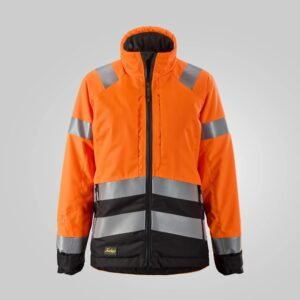
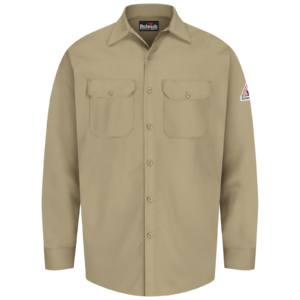
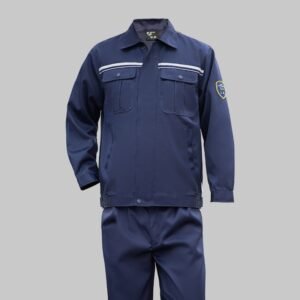
Browse Veelianpro’s Workwear Catalogue
Review current garment references, then send the fit and construction details for your program.





Robes Manufacturer Advantages
Specification-led support for branded robe programs from development through approval-led bulk production.
Brief-to-Pattern Development
Share a tech pack, sketch, sample, or product idea to develop robe measurements, silhouette, pockets, belt details, and construction for review.
Fabric and Trim Sourcing
Specify cotton, terry, waffle, modal, bamboo-derived viscose, or blends alongside piping, binding, belts, and other trims for project review.
Sample-Led Decisions
Review material handfeel, fit, color, trim placement, and decoration before confirming the robe specification for bulk production.
Private-Label Finishing
Coordinate embroidery, screen printing, heat transfer, woven labels, care labels, hangtags, and custom packaging around your approved brand presentation.
Conditional Bulk Starting Point
Custom robes can start from 100 pieces per style and color, subject to fabric, construction, and documentation requirements.
Robes Manufacturer Development Options
Choose what you want to specify before sample approval.

Private-Label Retail Robes
Develop custom robes from a tech pack, sample, or product brief, then approve measurements, handfeel, color, branding, labeling, and packaging before production.
Get a Quote
Spa and Hospitality Programs
Build a specification-led robe program around the intended setting, with materials, construction, decoration, and documentation requirements reviewed for the relevant SKU and market.
Get a Quote
Branded Gifting Collections
Use a pre-production sample to confirm the selected robe design and finishing details, creating a clearer basis for a custom or private-label bulk quotation.
Get a QuoteRobe Materials to Specify With Your Robes Manufacturer
Explore materials and fabrics
Cotton Woven

A familiar natural-fiber direction with a clean, structured hand that can suit retail robes, hospitality programs, or gifting. Specify composition, weave, color, and care expectations for feasibility review and sampling.
Terry Cloth

Looped-pile terry is a robe material direction for projects seeking a fuller, absorbent-feeling surface, often considered for spa or bath-use programs. Submit the desired weight, pile character, care routine, and robe construction for review.
Waffle Weave

Waffle-textured fabric offers a visibly dimensional surface and a lighter-looking robe direction for hospitality, spa, or retail presentation. Confirm fiber content, texture scale, opacity, shrinkage expectations, and finishing through a physical sample.
Modal Blend

Modal-blend fabric can be proposed where a smooth hand and fluid drape are priorities for loungewear or coordinated sleepwear collections. Provide the target composition, color standard, stretch requirement, and care-label instructions for sourcing assessment.
Bamboo-Derived Viscose

Bamboo-derived viscose is a buyer-requested direction for soft, drapey custom robes and gifting programs. Define the exact fiber declaration, blend ratio, required documentation, color, and intended care before material selection and sample approval.
Custom Fabric Blend
View details
A blended construction can balance the handfeel, appearance, and care priorities of a specific robe brief. Share the intended end use, target composition, fabric reference, robe silhouette, and any documentation requirements for feasibility confirmation.
Robes Manufacturer: Development Processes We Support
Explore printing and finishing
Specification Review

We review the intended use, silhouette, measurements, size range, material direction, pockets, belt, collar, branding, quantity, destination, and timeline to identify open decisions before development begins.
Fabric and Trim Sourcing
Our team sources proposed fabrics and components for review, including terry, waffle, cotton, modal, bamboo-derived viscose, blends, piping, binding, belts, labels, and packaging suited to the submitted robe brief.
Pattern and Sample Development
View details
We develop patterns, grade approved sizing, and prepare samples so buyers can assess robe shape, length, fit, material handfeel, color presentation, trim placement, and construction before authorizing bulk production.
Cutting and Sewing

After approval, production includes fabric cutting and garment sewing according to the confirmed specification. Construction details such as collars, sleeves, pockets, belts, and seam treatments are controlled against the approved sample.
Decoration and Finishing
We coordinate embroidery, screen printing, heat transfer, patches, woven labels, care labels, hangtags, finishing, packing, quality checks, and export coordination according to the approved artwork and presentation requirements.
Robes Manufacturer Trims, Labels & Finishing Options
Explore labels, trims and packaging
Self-Fabric Belts
A matching belt can be developed in the chosen robe fabric and finished to suit the intended wrap style. Buyers use it to align closure, drape, and color presentation with the approved garment specification.
Patch Pockets
Patch pockets can be positioned on the front panels for hospitality, spa, gifting, or retail robe programs. Confirm pocket size, placement, edge finish, and any branding requirement through the sample review.
Piping Details
Piping may define collar, cuff, pocket, or front-edge lines with a selected color contrast. It gives a robe a more deliberate visual boundary while requiring approval of material, width, placement, and sewing finish.
Logo Embroidery

Embroidery can place an approved logo or artwork on the chest, pocket, cuff, or back area. Submit production-ready artwork and confirm location, scale, thread colors, and fabric suitability before sampling.
Woven Brand Labels
Woven labels can be specified for the neck, side seam, or other approved location to support private-label presentation. Buyers should provide label artwork, fold style, placement, and required market information for review.
Custom Packaging
View details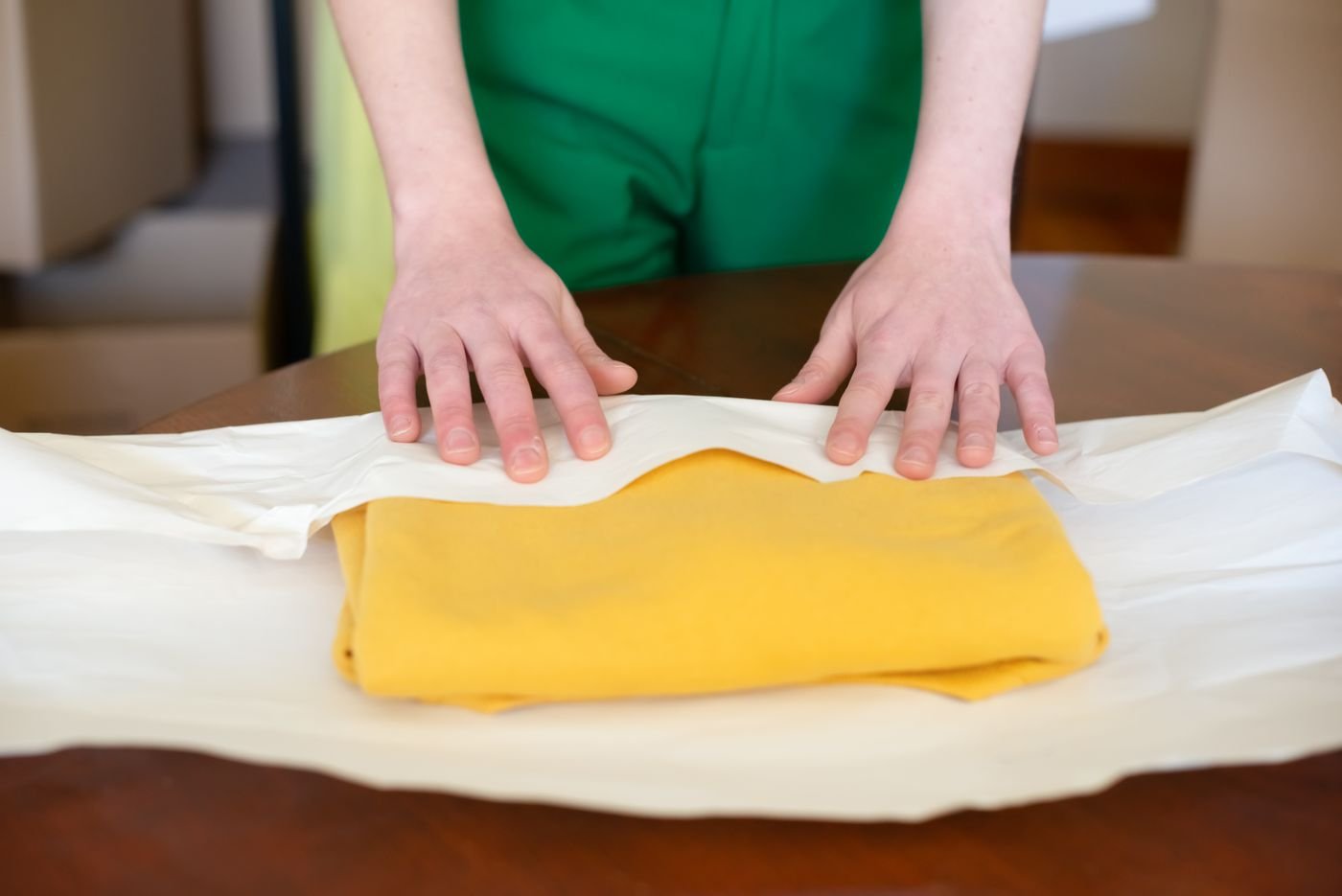
Custom packaging can bring together hangtags, care labels, branded inserts, and selected packing formats for a coordinated wholesale robes program. Confirm artwork, labeling content, barcode needs, and packing method with the quote.
Veelianpro: Your Robes Manufacturer Partner
Veelianpro is a Wuhan-based custom workwear manufacturer supporting OEM, ODM, private-label, and wholesale garment development. For robe programs, we apply these garment-development capabilities to a separate specification, sample, and quotation, helping apparel brands, hospitality buyers, and uniform distributors define a sourcing path that fits their intended use.
Start with a tech pack, sketch, reference sample, or product idea. We can coordinate material and trim sourcing, pattern development, size grading, sampling, cutting and sewing, decoration, labeling, packing, quality checks, and export coordination. Our conditional starting MOQ is from 100 pieces per style and color, subject to fabric, construction, and documentation requirements.
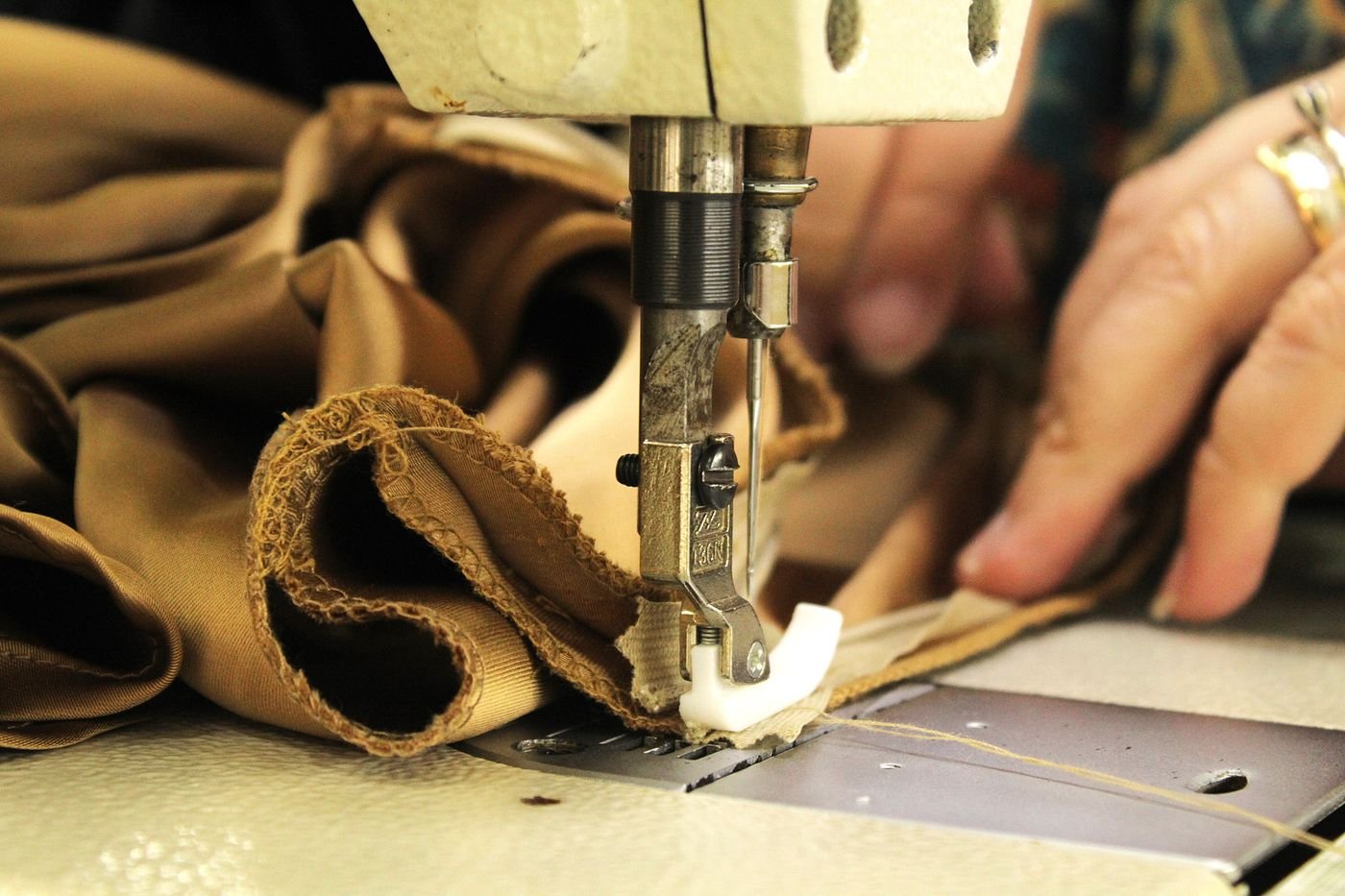
Robes Manufacturer Capabilities That Keep You in Control
Brief-to-Tech-Pack Development
Send a tech pack, sketch, reference sample, or product idea. We turn buyer-approved direction into a robe specification covering silhouette, measurements, size range, pockets, belt treatment, collar shape, colors, and construction details before sampling begins.
- Review kimono, shawl-collar, hooded, wrap, short, or long robe directions
- Set buyer-provided measurement points and size grading requirements
- Confirm intended use, destination, quantity, and approval priorities early
Materials and Trims Coordinated
As your robes manufacturer, we coordinate material and trim options against the approved brief. Specify cotton, terry, waffle, modal, bamboo-derived viscose, or blended fabric directions for review, then align handfeel, color presentation, piping, binding, pockets, and belts.
- Compare material directions through submitted swatches or sample choices
- Specify piping, contrast binding, belt loops, pockets, and hanging loops
- Request any needed material or test documentation for SKU and market review

Sample Approval Before Bulk
A physical sample gives your team a controlled point to review fit, handfeel, color, trim placement, labeling, and decoration before production. We incorporate approved changes into the production specification, helping keep bulk work aligned with the agreed robe program.
- Review measurements, drape, closures, pockets, and overall silhouette
- Approve decoration artwork, location, scale, and color presentation
- Confirm labels, hangtags, care information, and packaging details

Private-Label Finishing Options
Build a distinct wholesale robes program through approved branded finishing. We can discuss embroidery, screen printing, heat transfer, patches, woven labels, care labels, custom packaging, and other presentation details as part of a specification-led order from 100 pieces per style and color, subject to feasibility.
- Match branding method to artwork, material, and intended presentation
- Coordinate woven labels, care labels, hangtags, and packaging components
- Request a quote with style, color, quantity, destination, and timeline

Robes Manufacturer Development vs. In-Stock Decoration
Compare a specification-led custom robe program with an in-stock blank robe plus decoration route before requesting a quote.
← Swipe left or right to view →
Custom Robe Production Flow
A specification-led process that keeps material, fit, branding, and sample approvals aligned before bulk manufacturing begins.
Define the Robe Brief
Share your tech pack, sketch, sample, or concept with intended use, quantity, destination, material direction, size range, silhouette, and branding requirements for initial feasibility review.
Confirm Materials and Construction
We review fabric and trim options, robe measurements, collar, pockets, belt, color, labels, decoration, packaging, and any documentation requirements before preparing a production-ready specification.
Validate the Physical Sample
A sample gives your team a practical approval point for handfeel, fit, color presentation, trim placement, artwork, labeling, and overall finish before bulk work is authorized.
Lock the Approved Order
After specifications and sample feedback are settled, we confirm the quotation, order details, conditional MOQ feasibility, approved materials, packaging, inspection expectations, and shipment coordination requirements.
Cut, Sew, and Finish
Production proceeds through pattern grading, cutting, sewing, reinforcement where specified, decoration, labeling, finishing, and packing according to the approved robe specification and purchase-order details.
Check, Pack, and Coordinate
We complete quality checks against approved requirements, confirm packing details, and coordinate export shipment arrangements so your custom robes move forward with documented order information.
Work With a Robes Manufacturer
Move from a clear robe brief to an approved order with defined decisions at each stage.
Send Your Brief
Share the robe purpose, silhouette, fabric direction, size range, colors, quantity, branding, destination, timeline, and any reference garment, sketch, or tech pack.
Review Feasibility
We review construction, materials, trims, decoration, and conditional quantity requirements, then provide a specification-based quotation for your custom robes project.
Approve the Sample
Review the development sample for measurements, handfeel, color, robe structure, branding placement, labels, and packaging details before authorizing the bulk specification.
Confirm Order Details
Confirm final quantities, size breakdown, approved artwork, packing instructions, delivery destination, and documentation needs so production and export coordination can proceed clearly.
Plan Reorders
Keep approved specifications, material selections, and branding records aligned for future robe reorders, while reviewing any requested changes before a new quotation.


Illustrative Robes Manufacturer Procurement Scenarios
Illustrative scenario
Apparel Buyer
A hospitality sourcing team submits a shawl-collar robe brief for guest use. The team requests revised pocket placement and branded care labels, then approves measurements, material handfeel, color presentation, packaging, and the pre-production sample before bulk release.
Illustrative scenario
Sourcing Manager
A spa brand develops a lightweight wrap robe for its retail program. It asks to compare waffle and terry material directions, adds contrast binding and embroidery artwork, and uses a sample to approve belt length, logo placement, labeling, and final presentation.
Illustrative scenario
Production Planner
A uniform distributor needs custom robes for a client gifting program. The brief changes from a standard length to a shorter silhouette with custom hangtags. Before production, the buyer reviews the size range, color, trim placement, decoration file, and packing specification.
Robes Manufacturer FAQ for Bulk Buyers
Specification-led answers for custom robe development, from material selection and sampling through approvals, payment, and export coordination.
What is Veelianpro’s minimum order for custom robes?
How do I know whether I need a custom robes manufacturer or decorated in-stock robes?
Which materials can I submit for a custom robe program?
Can a robes manufacturer develop our design from a sketch or reference sample?
What branding options can be included on wholesale robes?
What should I approve before bulk robe production starts?
What payment terms are available for a custom robe order?
Can Veelianpro coordinate shipping for robe orders?
How should we handle our designs and IP when working with a robes manufacturer?
Complete Buyer’s Guide to Robes Manufacturer Sourcing
A practical framework for comparing custom robe development, supplier criteria, materials, branding, approvals, and ordering routes—so sourcing teams can avoid specification gaps, unsuitable production paths, and costly bulk-order changes.
1. What a Robes Manufacturer Does
A robes manufacturer develops a robe as a controlled garment specification rather than simply supplying a finished blank. For retail loungewear, hospitality, spa, gifting, or coordinated sleepwear programs, that means aligning silhouette, fabric direction, size range, labels, decoration, packaging, and approval samples to the intended use.
OEM development follows the buyer’s tech pack, sketch, reference sample, or defined measurements; ODM begins with a buyer brief and develops the specification with the buyer. This differs from buying an in-stock robe and adding embroidery or another decoration afterward: the latter can suit a straightforward branded requirement, but usually leaves the existing fit, construction, fabric, and packaging framework unchanged.
For a sourcing team needing a custom robes manufacturer, Veelianpro can review made-to-order OEM or ODM robe development from 100 pieces per style and color, subject to fabric, construction, and evidence requirements. Submit the end use, target quantity, material direction, silhouette, measurements, branding, destination, and any requested documentation so feasibility, sampling, and quotation can be assessed against the actual program.
2. How Robe Buying Has Evolved
A robe is no longer just a blank garment chosen by color and unit cost when it must represent a retail label, spa program, hotel presentation, or gift set. Buyers should distinguish made-to-order development from an in-stock robe plus decoration route because fit, fabric handfeel, label positions, belt treatment, pockets, and packaging may need control before bulk production.
The brief should begin with intended use: repeated wash use in hospitality, presentation-led retail loungewear, event gifting, or a coordinated sleepwear program create different priorities. It should then identify the requested silhouette and measurement basis, material direction for review, color reference, size range, decoration artwork, woven or care-label content, hangtag needs, and unit packaging.
Approval-led procurement turns those choices into a reviewable specification rather than assumptions spread across emails. At Veelianpro, a buyer can begin with a tech pack, sketch, sample, or product idea and develop fabric and trim options, patterns, samples, labeling, decoration, and packing; the conditional starting quantity is 100 pieces per style and color, subject to fabric, construction, and documentation requirements.
Documented requirements matter when a program requests an organic, recycled, UV, or tested attribute. State the target market and the exact evidence needed at SKU level, then approve the sample, materials, color, artwork placement, labels, and packaging before bulk production.
3. Robe Types for Different Programs
A robes manufacturer should begin with the program’s use case, because collar, length, closure, and pockets change both fit approval and finishing decisions. Submit buyer measurements and approve a sample before locking the silhouette.
Retail Loungewear
Kimono robes create a clean front for prints, contrast binding, or a belt; they suit retail programs seeking an easy layered silhouette.
Confirm body length, sleeve opening, belt position, and pocket choice against buyer-provided measurements in the development sample.
Hospitality And Spa
Shawl-collar and wrap robes signal a more enveloping guest-use direction, while patch pockets support practical room or spa programs.
Specify the intended laundering routine, requested material direction, size strategy, and logo placement for review; approve handfeel and coverage on the sample.
Gifting Programs
A short robe can suit presentation-led gifting, whereas a hooded robe adds a distinct visual feature that must be assessed for balance and packaging.
Match the robe, belt, labels, hangtag, and gift packaging to one approved sample rather than relying on artwork alone.
Coordinated Collections
Long robes can anchor a coordinated collection with matching sleepwear or hospitality pieces; consistent color, trim, and label decisions keep the range coherent.
For custom development, Veelianpro reviews the tech pack, sketch, sample, or idea. The conditional starting MOQ is 100 pieces per style and color.
4. Robes Manufacturer Material Options
Material choice changes a robe’s drape, drying behavior, and the approvals needed before bulk cutting. Submit the intended use alongside the fiber and fabric direction so Veelianpro can review feasibility for the specific robe program.
| Material Direction | Handfeel Or Use | Structure Review | Care And Evidence Request |
|---|---|---|---|
| Cotton | Familiar, versatile robe base | Confirm weave or knit and drape | Fiber content and care label review |
| Terry | Looped, absorbent bath or spa direction | Check loop stability and seam behavior | Wash review; test evidence if required |
| Waffle | Textured, lighter robe direction | Check recovery, shrinkage, and belt behavior | Care review and submitted fabric records |
| Modal or bamboo-derived viscose | Soft, fluid lounge direction | Confirm blend, weight, and opacity | Fiber-content and market-label review |
| Blend | Project-specific balance of properties | Confirm composition and construction | Request SKU-level claims documentation |
Select By Use

Cotton suits familiar, versatile programs; terry prioritizes an absorbent loop surface for bath or spa use. Waffle has a lighter, textured structure that should be assessed for shrinkage, recovery, and pocket or belt behavior.
Modal and bamboo-derived viscose can be proposed when a softer, more fluid hand is central to a lounge or gifting brief. These directions should be sampled in the intended color and finish, not selected from a photo.
Review Blends And Evidence
Blends can balance handfeel, dimensional behavior, drying expectations, or durability, but the exact composition and construction belong in the material specification. Request fiber-content support, care guidance, and any market-specific labeling review with the quote.
Organic, recycled, UV, and test statements require SKU- and market-level records, including relevant scope and chain-of-custody documentation where applicable. Do not treat a material name or sample image as evidence of an attribute.
Build A Reviewable Brief
State the wearer setting, target handfeel, preferred fabric direction, color, care expectation, and whether absorbency matters. A robes manufacturer can then compare submitted options against the robe structure and requested finishing before sampling.
- Identify retail, spa, hospitality, gifting, or loungewear use
- Provide a reference swatch when touch is decisive
- List required evidence by destination market
5. Customization and Finishing Choices
A custom robe development program builds branding and finishing into the approved specification. That differs from an in-stock blank route, where decoration is added to an existing fit, color, label, and packaging format.
| Choice | Artwork Or Specification | Placement | Sample And Approval |
|---|---|---|---|
| Embroidery | Vector logo and thread colors | Named panel or pocket | Stitch appearance approved |
| Print-ready art and color references | Measured location | Print sample approved | |
| Woven label | Label artwork and fold type | Neck, side seam, or other point | Label attachment approved |
| Piping or binding | Color and edge route | Collar, cuff, or pocket | Trim sample approved |
| Packaging | Dieline, copy, and packing method | Unit and carton | Pack-out approved |
Decoration Workflow
Embroidery and print require production-ready artwork, a stated placement, and approval on the sample; confirm whether the design sits on the chest, back, cuff, pocket, or belt.
Specify the logo size, color references, and acceptable appearance on the selected fabric before bulk approval.
Private-Label Components

Woven labels, care labels, hangtags, piping, contrast binding, pockets, and belts are options to submit for feasibility review. Each component needs its material, dimensions, color, attachment point, and wording defined in the specification.
Care-label content should match the approved fiber information and destination-market requirements.
Color And Packaging
Approve color from the selected fabric or relevant lab dip, not from a screen rendering alone. Define folding method, individual bag or box, inserts, barcode needs, carton marks, and any hangtag attachment before the pre-production sample.
Veelianpro can review custom packaging alongside the robe specification.
6. Construction and Quality Approval Points
A robe can look correct on a flat sketch yet fail in wear when the wrap, belt, or pockets shift. Approve the construction as a linked system: pattern measurements, material handfeel, trims, decoration, labels, and presentation.
Fit, Collar, And Overlap

Review a graded measurement chart and fit sample for body length, sweep, sleeve length, belt position, collar shape, and front overlap. A wrap that opens too easily or a collar that rolls differently in the chosen fabric needs a pattern correction before bulk approval.
Edges, Pockets, And Belt
Specify the intended sleeve and hem finish, pocket location, and belt-attachment method for review. Uneven hems, pocket drag, or a belt that pulls at its attachment often appear only during try-on, so inspect the sample while sitting, walking, and tying the robe.
Seams And Brand Presentation
Compare seam appearance across matching panels and examine decoration placement against approved artwork. Confirm woven or care-label location, hangtag method, folding, bagging, and any custom packaging on the pre-production sample; otherwise, a correct robe can arrive with inconsistent retail presentation.
Approval Sequence
First approve material handfeel and color against the submitted reference, then fit and construction, then decoration and packaging. The pre-production sample should consolidate every approved change; use it as the bulk inspection reference rather than relying on separate emails or an earlier fit sample.
7. Choosing a Robes Manufacturer
A capable robes manufacturer turns a buyer’s use case into an approved specification, rather than treating a reference photo as production-ready. Evaluate how the team resolves fit, materials, trims, branding, and acceptance criteria before confirming bulk production.
| Decision Point | Made-To-Order Development | In-Stock Robe Plus Decoration |
|---|---|---|
| Fit | Buyer-approved pattern and grading | Existing fit governs |
| Garment structure | Collar, pockets, belt, and binding specified | Existing construction retained |
| Decoration | Planned with garment build | Applied to stocked robe |
| Quantity flexibility | Feasibility reviewed by specification | Limited by available blanks |
| Labels | Private-label components specified | Relabeling options confirmed |
| Packaging | Program-specific packing approved | Available packing confirmed |
| Approvals | Sample and written specification | Blank, artwork, and decoration approval |
Test Brief Interpretation
Submit the intended wearer, use setting, size range, robe silhouette, target material direction, and decoration locations. Ask Veelianpro to identify unresolved pattern, fabric, belt, pocket, binding, or labeling decisions before sampling.
For organic, recycled, UV, or tested attributes, request evidence for the exact SKU and destination market. A photo or material name does not establish a documented product claim.
- Confirm measurement chart and tolerance expectations
- Approve artwork, placement, and color presentation
- Define packaging and carton-mark requirements
Control Samples And Changes
Use a physical sample to approve handfeel, fit, construction, trim placement, decoration, labels, and packaging. Record approved revisions in one dated specification so a later change does not silently replace the approved sample.
The starting quantity is from 100 pieces per style and color, subject to fabric, construction, and evidence requirements. The quotation should state what development, sampling, decoration, inspection, packing, and export coordination includes.
8. Robes Manufacturer Mistakes to Avoid
A robe brief can look complete while still leaving the factory to interpret use, fit, evidence, and placement. These gaps become costly only after materials are committed or bulk work begins, so correct them before release.
Define Use Before Fabric
Terry, waffle, modal, cotton, and blended fabrics answer different wash, handfeel, absorbency, and presentation needs. Choosing from a photo first can misalign the robe with spa, hospitality, gifting, or retail use.
Corrective check: document end use, care expectation, target handfeel, and requested material evidence; then approve the submitted swatch or sample.
Specify Artwork And Fit
A logo file alone does not define embroidery size, pocket relation, or placement from a seam. Missing measurement charts and grading instructions can also turn an approved base size into inconsistent size runs.
Corrective check: approve artwork dimensions, placement references, robe measurement points, size range, and grading before sample release.
Verify Evidence And Preproduction
Imagery does not prove fiber content, organic or recycled status, UV performance, or certification scope. A certificate must be requested for the relevant SKU and market; it does not automatically transfer from another garment.
Corrective check: approve the pre-production sample against material, color, trims, labels, packaging, measurements, and decoration before bulk cutting.
Illustrative Procurement Scenarios
Illustrative scenario — A hospitality buyer changes a visually selected lightweight fabric after wash-use requirements are documented; approval is a reviewed swatch and care specification.
Illustrative scenario — A brand sourcing lead adds logo dimensions and seam-based placement; approval is the marked artwork proof. Illustrative scenario — A uniform distributor adds a graded measurement chart and SKU-specific evidence request; approval is the pre-production sample and document review.
9. Launching With a Robes Manufacturer
A launch brief turns a robe concept into an approval-controlled production file. Veelianpro can begin feasibility review from a tech pack, sketch, reference garment, or product idea before material and construction choices are finalized.
Scope The Development Brief
Specify end use, silhouette, size range, colors, destination, target quantity, and required evidence. Attach reference photos or a garment, but identify which details are appearance-only versus production requirements.
The starting MOQ is 100 pieces per style and color, conditional on fabric, construction, and documentation requirements. Confirm that the planned color and size split is feasible before requesting a final quote.
- Intended use and buyer-provided measurements
- Fabric direction and required documentation
- Pocket, belt, collar, and branding choices
- Destination, requested timeline, and quantity
Review Quote And Materials
Review the quotation against its named inclusions: pattern work, fabric and trims, sampling, decoration, labels, packing, inspection, and export coordination. Flag exclusions and any assumption that could change after material selection.
Approve material handfeel, color presentation, belt, piping or binding, labels, hangtags, and packaging as separate decisions. Request SKU- and market-specific evidence where an organic, recycled, UV, or test claim is needed.
Approve The Production Sample
A sample should be checked against the measurement chart, silhouette, seam appearance, pocket placement, decoration artwork, label content, and package presentation. Record corrections in one dated approval file rather than approving changes across disconnected messages.
Hypothetical example: a spa distributor submits its own chest, length, sleeve, and belt measurements for a waffle robe. The buyer revises pocket position and logo placement on the sample, then approves the corrected pre-production version for bulk release.
Control Bulk And Reorders
Release bulk only after the pre-production sample, artwork, labels, packing method, and approved specification are aligned. Keep the approved measurement chart, bill of materials, color references, and packing record as the reorder baseline.
For a reorder, state the prior order reference and list every intended change, including fabric, trim, artwork, label, carton marking, or size ratio. Treat an unchanged reorder as a confirmation task, not an opportunity for undocumented substitutions.
10. Robe Development Cost Drivers
A robe quote changes when the specification changes: fabric direction, silhouette, grading, decoration, trims, labels, packing, sample route, and quantity all affect the work to be priced. Comparable quotes require the same bill of materials, measurement set, artwork, packing inclusion, and approval stage.
Veelianpro develops made-to-order robes from a tech pack, sketch, sample, or product idea. The conditional starting MOQ is 100 pieces per style and color, subject to fabric, construction, and any documentation requirements; confirm revisions before bulk authorization.
| Cost Driver | What Changes Cost | Confirm Before Approval |
|---|---|---|
| Fabric direction | Composition, weave or knit, handfeel, color route, and requested documentation | Approved material reference, color standard, and required SKU-level evidence |
| Robe structure and grading | Kimono, shawl collar, hood, belt, pockets, length, size range, and pattern changes | Measurement chart, grade rules, construction details, and approved sample |
| Decoration and labels | Embroidery or print artwork, placement, patches, woven labels, care labels, and hangtags | Artwork files, dimensions, placement, label text, and decoration sample |
| Trims and packaging | Piping, contrast binding, belt loops, closures, bags, inserts, or custom cartons | Trim references, packing method, unit assortment, and carton requirements |
| Sampling, quantity, and changes | Sample iterations, quantity by color and size, and post-approval revisions | Sample scope, quote inclusions, order breakdown, and change-control signoff |
11. Robes Manufacturer FAQ
These buying questions separate a specification-led robe program from a simple decorated blank purchase. Veelianpro reviews feasibility from 100 pieces per style and color, subject to fabric, construction, and documentation requirements.
What Makes The MOQ Feasible
A robe order can start from 100 pieces per style and color when the selected fabric, construction, and required evidence are feasible. Submit the silhouette, colorway count, size breakdown, destination, branding, and target quantity together so feasibility is assessed against the actual program.
Custom Or Decorated Stock
Choose custom development when fit, collar, pockets, belt, labels, packaging, or material need control. Choose an in-stock robe plus decoration only when its existing fit and construction are acceptable; confirm decoration area, label replacement, packing, and change limits before comparison.
Which Material Records Matter
Request composition, weight, color, and care documentation for the submitted material, plus SKU- and market-specific evidence for any organic, recycled, UV, or test claim. A photo or fabric name does not establish those properties; include required chain-of-custody or test scope in the brief.
What Must A Sample Approve
Approve the sample against measurements, handfeel, color, collar and belt shape, pocket position, decoration artwork, trim placement, care label, hangtag, and packaging. Record approved revisions in one specification; bulk should not begin from informal comments or an unmeasured reference garment.
Which Private-Label Components Apply
Specify woven labels, care labels, hangtags, embroidery, screen print, patches, custom packaging, and placement artwork only where needed. Provide label copy, fiber and care instructions, barcode requirements, artwork files, and packing rules; each component should be approved against the robe sample.
How Should Briefs And Reorders Differ
Hospitality briefs prioritize intended wash use, sizing, replacement control, and identification; retail briefs prioritize silhouette, handfeel, presentation, and assortment. For either route, quote garment type, materials, measurements, colors, branding, quantity, destination, and timeline; retain the approved sample and specification for reorders.
Request a Custom Robes Manufacturer Quote
Send your tech pack, sample, materials, branding, quantity, destination, and timeline for a feasibility review and specification-led quote.