
Referee Jerseys Manufacturer
Veelianpro develops custom officials’ uniforms from 100 pieces per style and color, subject to feasibility review.
Garment and Development References


Browse Veelianpro’s Workwear Catalogue
Review current garment references, then send the fit and construction details for your program.






Why Source Custom Referee Jerseys With Veelianpro
From your initial brief through shipment coordination, we help turn approved referee jersey specifications into a controlled bulk-production program.
Buyer-Led Specifications
Document fit, collar, sleeve, pocket, color, and branding requirements early so your custom referee jerseys follow an approved development brief.
Fabric and Trim Sourcing
Review suitable fabric compositions, labels, closures, and other trims against your garment concept, target market, and documentation needs.
Sample Before Bulk
Use sampling to assess construction, measurements, decoration placement, and overall presentation before confirming wholesale referee jerseys for production.
Decoration Workflow Review
Evaluate embroidery, screen printing, heat transfer, patches, woven labels, or other branding methods for the artwork and garment construction.
Production Quality Checks
Coordinate cutting, sewing, reinforcement, finishing, and quality checks against the approved sample and order specifications for greater purchasing clarity.
Export-Ready Coordination
Bring packing, destination details, and shipment coordination into the order discussion so your referee jerseys supplier can prepare the handoff.
Referee Jerseys Manufacturer Development Options
Choose what you want to specify before sample approval.

League Officials Programs
Veelianpro develops custom referee jerseys from the approved brief, aligning fabric and trim options, grading, artwork placement, and sample feedback into a production-ready specification for the program.
Get a Quote
Private Label Collections
Our OEM and private-label workflow turns a sketch, tech pack, or product idea into a separate referee jersey development project, with custom labels, care labels, patches, and packaging options reviewed for feasibility.
Get a Quote
Wholesale Resale Assortments
We help distributors define focused referee jersey SKUs by intended use, size range, color, garment structure, and decoration workflow, then confirm sampling and conditional quantity feasibility before bulk production.
Get a QuoteMaterials to Specify for Custom Referee Jerseys
Explore materials and fabrics
Polyester Interlock

A smooth knit with a clean face and balanced stretch, suitable for custom referee jerseys where color, logo placement, and overall jersey structure need to be reviewed in the sample specification.
Polyester Mesh

An open-knit polyester option for panels or full garments when the brief calls for a lighter, more ventilated construction. Confirm knit structure, opacity, weight, color, and decoration compatibility during material review.
Polyester Pique

A textured knit that gives referee shirts a more structured, polo-inspired surface. It can be considered for collar-led designs; confirm hand feel, recovery, print method, and final color appearance before approval.
Recycled Polyester Options

Recycled-content polyester may be proposed when it fits the sourcing brief and intended jersey construction. Required recycled-content, chain-of-custody, and market documentation should be defined at SKU level before production approval.
Cotton Polyester Blends

A blended knit can be reviewed for referee jerseys seeking a different hand feel from all-polyester fabric. Specify the proposed composition, shrinkage expectations, color method, care requirements, and decoration workflow in the sample brief.
Production Steps to Review Before Bulk Approval
Explore printing and finishing
Pattern Development
View details
We translate your tech pack, sketch, or approved reference into a referee jersey pattern, documenting fit, collar shape, sleeve treatment, pocket placement, and panel layout for sample review.
Size Grading
View details
Approved base measurements are graded across your requested size range so the custom referee jerseys follow one documented fit system. Buyer-provided measurements and tolerances guide the review before cutting.
Cutting and Sewing

After materials and patterns are approved, panels are cut and sewn to the agreed construction. Stitching, seam placement, pocket attachment, and reinforcement choices are reviewed against the production specification.
Print Workflow Review
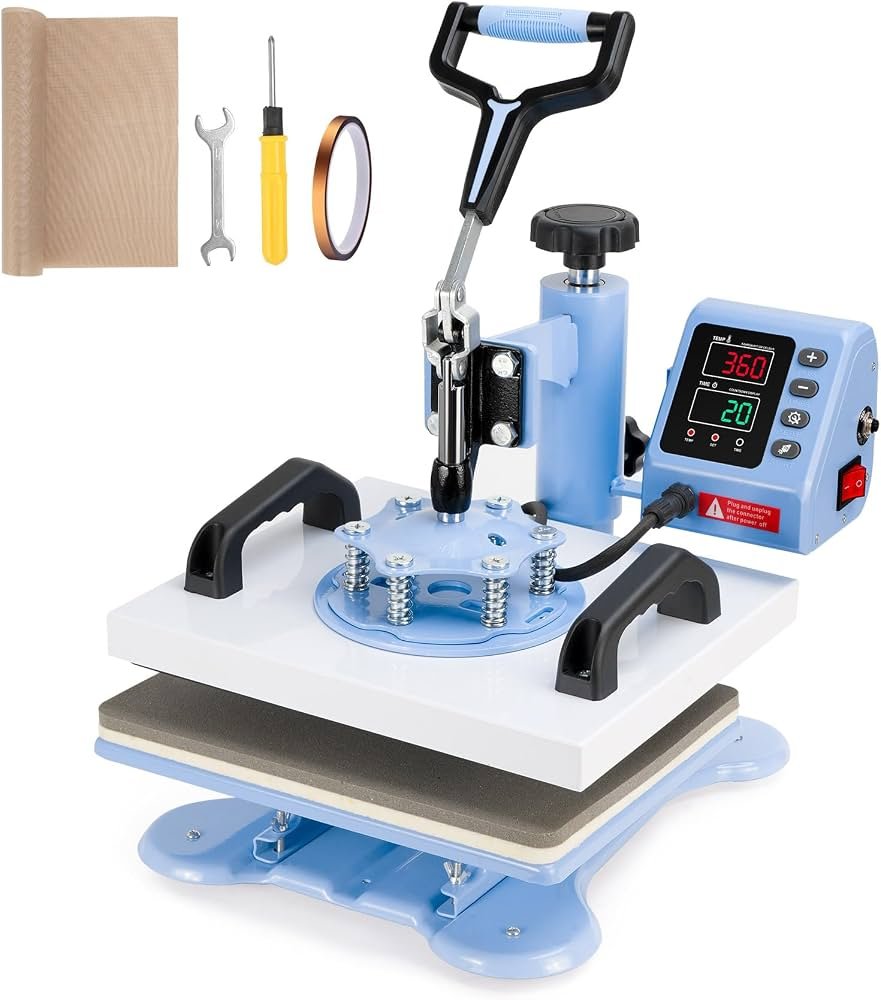
Sublimation, screen printing, heat transfer, or another suitable artwork route can be evaluated for logos, names, numbers, and color layouts. The selected method is confirmed against artwork, fabric, and visual expectations.
Finishing and Packing
Finished wholesale referee jerseys move through quality checks, label application, folding, and agreed packing preparation. Private-label details, care labels, woven labels, patches, and custom packaging can be specified for review.
Referee Jersey Trims and Garment Details to Specify
Explore labels, trims and packaging
Collar Treatments
Specify a crew, V-neck, polo-style, or stand collar treatment, along with contrast facing or piping. The collar choice shapes the officials’ uniform appearance and should be reviewed with the selected fabric and closure construction.
Pocket Configurations
Choose chest, zippered, flap, or no-pocket layouts based on the officiating role and intended match-day use. Confirm placement, opening direction, reinforcement, and whether a pocket must accommodate cards, notes, or other small essentials.
Front Closures
Review button plackets, concealed zippers, short zips, or closure-free constructions for the referee jersey front. Each option affects garment structure, visual identity, and sample approval, so the final selection belongs in the approved specification.
Contrast Piping
Add contrast piping at shoulder seams, sleeves, side panels, collar edges, or pocket openings to create a distinct league or private-label look. Confirm the color, width, placement, and compatibility with the selected garment construction during sampling.
Labels and Patches

Integrate woven labels, care labels, size labels, heat-applied patches, or embroidered patches at agreed locations. These details support brand presentation and buyer instructions; provide final artwork, text, and placement requirements for production review.
Custom Packaging
View detailsSpecify folded presentation, individual bags, size stickers, inserts, barcode labels, or branded outer packaging for wholesale referee jerseys. Packaging requirements should match the destination, distribution workflow, and final private-label presentation agreed for the order.
About Veelianpro
Veelianpro is a Wuhan-based custom workwear manufacturer supporting OEM, ODM, private-label, and wholesale programs for brands, distributors, and sourcing teams. Our mission is to turn a clear garment brief into a controlled development path, from material and trim review through sampling, production, inspection, packing, and export coordination.
For custom referee jerseys, we open a separate specification, sample, and quotation project when the purchasing task calls for it. Buyers can define the intended officiating use, fit measurements, size range, color plan, collar and pocket preferences, branding method, and packaging needs before bulk approval. Production may begin from 100 pieces per style and color, subject to fabric, construction, and documentation requirements.

Development Controls From Brief to Bulk Approval
Specification Capture
We turn your tech pack, sketch, reference sample, or product idea into a referee jersey specification that separates this project from a parent uniform page. The working brief records the officiating use case, identity requirements, fit direction, and components requiring buyer approval.
- Confirm soccer or football officiating use, target market, color plan, and size range.
- Document collar treatment, sleeve length, pocket needs, panel layout, and trim choices.
- Review fabric composition, weight, hand feel, and requested documentation as project requirements.
- Define logo, name, number, label, and packaging requirements before sampling.

Sample and Fit Development
For custom referee jerseys, development begins with the measurements and construction details that matter to your buyers. We support pattern development, size grading, material and trim sourcing, and sample preparation so the approved sample becomes the reference for the production order.
- Provide measurement charts, fit comments, or a reference garment for review.
- Approve silhouette, chest and pocket placement, collar shape, sleeve finish, and garment balance.
- Review size grading and branded label positions before releasing the bulk specification.
- Assess feasibility from 100 pieces per style and color, subject to fabric, construction, and evidence requirements.

Decoration Workflow Review
A referee jerseys supplier should match artwork to the specified garment and approval route, not force a single decoration method. We review screen printing, heat transfer, embroidery, patches, woven labels, and other requested branding treatments against artwork, placement, fabric, and order requirements.
- Supply production-ready artwork and identify each logo, name, number, or badge placement.
- Choose decoration methods for review based on the garment fabric and visual requirement.
- Approve strike-offs or sample decoration placement before bulk production.
- Specify private-label neck labels, care labels, hangtags, and custom packaging where needed.
Production Quality Controls
After the sample and quotation are confirmed, we carry the approved referee jersey specification through cutting, sewing, finishing, quality checks, packing, and export coordination. Checkpoints focus on the agreed garment details, decoration placement, sizing, labeling, and packing instructions for the order.
- Use the approved sample, measurement chart, artwork, and packing brief as production references.
- Check sewing, reinforcement details, component placement, and overall garment presentation against the agreed specification.
- Review label content, size identification, carton marks, and assortment instructions before packing.
- Request SKU- and market-level material, recycled, organic, UV, or test documentation when your program requires it.

Custom Development vs. Existing-Garment Decoration
Compare a specification-led OEM program with an in-stock jersey and decoration route.
← Swipe left or right to view →
Our Custom Referee Jersey Process
We turn your approved referee-jersey specification into a controlled sample-to-bulk workflow, with material, construction, decoration, inspection, packing, and export requirements reviewed at each stage.
Brief and Feasibility Review
Share your tech pack, sketch, intended officiating use, quantity, colors, size range, branding, destination, and timeline. We review development feasibility, including the conditional 100-piece starting point per style and color.
Specification and Material Selection
Confirm fit measurements, size grading, collar and sleeve choices, pocket requirements, fabric and trim options, and artwork placement. Any required material or market documentation is defined before sample release.
Sample Development and Approval
We develop the referee jersey sample from the agreed construction and decoration route. Your team checks measurements, workmanship, color direction, logo execution, labels, and packaging details before bulk approval.
Bulk Production and Quality Checks
Approved specifications guide cutting, sewing, reinforcement, decoration, finishing, and in-process quality checks. Changes are controlled against the approved sample and order requirements.
Packing and Export Coordination
Finished referee jerseys are inspected, packed to the agreed presentation, and prepared for export coordination. We align shipping documents and dispatch details with the confirmed order arrangement.
How to Work With Veelianpro on Custom Referee Jerseys
Bring your custom referee jersey brief to Veelianpro for feasibility review, sample approval, quotation, and coordinated order delivery.
Share Your Brief
Send a tech pack, sketch, reference sample, or product idea, plus intended officiating use, quantity, destination, branding, and any market-specific documentation requirements.
Review Project Feasibility
We review fabric, fit, collar, sleeve, pocket, trim, decoration, and private-label choices with you, then clarify whether the project is feasible from 100 pieces per style and color.
Approve the Sample
Approve the sample against agreed measurements, size grading, artwork placement, garment details, and documentation needs before we finalize the quotation and bulk order specification.
Confirm Order Details
Confirm the quotation, approved sample references, color and size plan, packing requirements, and shipment destination. We then coordinate production inspection and export arrangements for your order.
Standards and Audit References


Illustrative Scenarios for Referee Jersey Specification Approval
Illustrative scenario
Apparel Buyer
A uniform distributor briefs a custom referee jersey range for league officials, supplying target colors, logo artwork, size range, collar preference, and pocket requirements. The sample review checks measurements, artwork placement, fabric selection, and construction details before a bulk quotation is approved.
Illustrative scenario
Sourcing Manager
An apparel brand develops a private-label officiating jersey distinct from its parent uniform range. The brief adds woven labels, care-label content, packaging direction, sleeve options, and grading requirements. Approval evidence includes the finalized tech pack, artwork files, trim selections, and a reviewed pre-production sample.
Illustrative scenario
Production Planner
A sportswear wholesaler compares a dedicated referee jersey development route with decorating an in-stock garment. The sourcing team requests a custom pocket layout, color blocking, and branding workflow. Feasibility, sampling, and quantity are reviewed against the conditional starting point of 100 pieces per style and color.
Custom Referee Jersey FAQ
Practical answers for brands, distributors, and sourcing teams planning made-to-order officials’ uniforms.
Can Veelianpro develop custom referee jerseys with our logo, names, and numbers?
What is the minimum order for custom referee jerseys?
Should we choose custom development or decorate an in-stock referee shirt?
Which fabric and fit details should we approve before sampling?
Which decoration method is best for our referee jersey artwork?
What garment details can a referee jerseys manufacturer customize?
What documentation should we request for our target market?
How do payment, shipping, and intellectual-property handling work?
The Complete Buyer’s Guide to Custom Referee Jerseys
A practical framework for sourcing made-to-order referee jerseys: compare development routes, specify garments and decoration, evaluate suppliers, and prevent approval mistakes before bulk production.
1. What a referee jerseys manufacturer delivers
A referee jersey development project turns an officiating brief into an approved bulk garment specification, rather than selecting a retail shirt and adding a logo. For sourcing teams, brands, and uniform distributors, the brief can define the intended soccer or football officiating use, fit measurements, size range, collar and sleeve direction, pocket requirements, color blocking, labels, and artwork placement.
Veelianpro can develop the project from a tech pack, sketch, sample, or product idea through fabric and trim sourcing, pattern development, sampling, grading, cutting, sewing, decoration, quality checks, packing, and export coordination. The buyer reviews the proposed materials and decoration route as part of the specification; a photo or example does not establish fiber content, comfort, UV performance, recycled content, or test status.
This differs from an in-stock-and-decorate route, where the existing garment’s fit, construction, colors, and available sizes set the limits before identity is applied. The made-to-order path is feasibility review, specification alignment, sample approval, quotation and order confirmation, then bulk production against the approved reference. Veelianpro’s starting point is 100 pieces per style and color, conditional on the fabric, construction, and any documentation requirements of the project.
2. How referee jersey sourcing has evolved
A referee jersey photo can show color blocking and a badge position, but it cannot establish the size chart, collar construction, pocket treatment, fabric composition, or decoration method required for repeatable bulk production. A custom development brief turns those visible ideas into controlled inputs: buyer-supplied measurements, graded sizes, approved artwork files, color references, label content, packing requirements, and a sample approval record.
Private-label sourcing has also moved beyond adding a logo after a garment is chosen. Brands and distributors may need woven labels, care labels, patches, heat transfer, screen printing, embroidery, or custom packaging specified alongside the garment, because each choice affects artwork preparation, placement review, and the production sequence.
Market requirements should be requested at SKU level before approval, especially where fiber content, recycled or organic claims, UV claims, or testing documentation is needed. Veelianpro begins feasibility review from a tech pack, sketch, sample, or product idea, with orders starting from 100 pieces per style and color subject to fabric, construction, and evidence requirements; this gives buyers a firmer basis than approving a photo alone.
3. Referee jerseys manufacturer project types
A referee jerseys manufacturer project begins with the officiating assignment, not a logo file. Separate projects are warranted when fit, sleeve coverage, pocket layout, decoration method, or retail presentation changes the approved garment specification.
Soccer And Football Officials

Match officials need a shirt brief that records collar treatment, pocket requirement, colorway, size range, and identity placement.
Approve the measurement chart and artwork proof together before sampling; a different sport-specific brief should not inherit this specification.
League Official Programs
League programs often require coordinated shirts across officials and replacement ordering. Define the controlled color palette, role markings, and logo-use approval owner.
Create a separate project when the league needs its own labels, pack ratios, or documented reorder reference.
Academy Order Planning
Academies may need youth and adult grading within one officiating program. Provide buyer-approved measurements, age or size distribution, and whether shirts are issued singly or as sets.
A distinct project is appropriate if academy branding or fit approval differs from the league program.
Branded Resale Lines
A resale line needs private-label decisions beyond front artwork: neck label, care label, hangtag, packaging, and SKU naming require approval.
Keep it independent from an institutional uniform order when retail packaging, color assortment, or decoration workflow changes.
Sleeve And Set Variants
Short- and long-sleeve variants can share visual identity, but they need separate pattern, trim, and sample approval where sleeve construction changes. A shirt-and-short set also needs its own size pairing and decoration placement review.
Feasibility starts from 100 pieces per style and color, subject to fabric, construction, and evidence requirements.
4. Materials and specification inputs
A referee jersey brief starts with fabric behavior at each garment zone, not a catalog name. Veelianpro can review proposed inputs against the intended officiating use, artwork route, and sample approval criteria.
| Input To Specify | Intended Feel Or Function | Garment Area | Documentation And Approval Check |
|---|---|---|---|
| Polyester knit option | Body feel and print compatibility | Main panels | Composition; swatch and artwork test |
| Elastane-blend option | Targeted stretch | Movement zones | Composition; recovery review |
| Mesh option | Airflow design review | Underarm, back, or sides | Fiber details; transparency check |
| Collar material | Structure and contrast | Neck opening | Color match; wash-sample review |
| Pocket-supporting construction | Secure official-item carry | Chest or other agreed location | Placement, closure, and function check |
Knit Body And Stretch Zones

Specify a polyester knit option for review, then identify where an elastane-blend panel may be needed for movement. State the preferred hand feel and whether the main body and side zones must match visually.
A recycled-content request needs SKU-level composition and chain-of-custody documentation before approval; it is not established by a photo or sample label.
Ventilation, Collar, And Pockets
Mesh panels can be proposed for underarm, back, or side placement, while collar material should be defined separately from the body knit. Ask whether contrast tipping, a placket, or a collar stand affects the artwork and wear route.
Pocket-supporting construction is a separate decision: identify pocket location, closure preference, intended contents, and reinforcement to review in the sample.
Approve Inputs By Garment Area
Approve swatches, color appearance, recovery, seam behavior, and pocket function on the development sample. Do not convert a material request into a moisture-management, UV, recycled, or durability claim without applicable evidence.
5. Referee jerseys manufacturer customization choices
Customization begins with the officiating brief: color blocking, logo zones, names, numbers, and private-label elements must coexist with pocket access and garment balance. A referee jerseys manufacturer should route each artwork element through the selected garment structure before sample approval.
| Workflow | Best Reviewed For | Approval Focus |
|---|---|---|
| Sublimation | Panel-integrated color blocking | Artwork alignment and seam positions |
| Screen printing | Simple graphic areas | Ink coverage and pocket clearance |
| Heat transfer | Names and numbers | Placement, size, and adhesion review |
| Embroidery | Crests or small logos | Backing, distortion, and garment weight |
| Patches and labels | Private-label presentation | Edge finish and attachment position |
Garment Identity Decisions
Choose collar treatment, short or long sleeves, chest or sleeve pockets, and a zipper, button, or knit placket as one coordinated specification. Specify trim options for review, such as contrast piping, rib collar, cuff finish, zipper pull, side vents, or reflective-detail placement.
Private-label presentation can include a woven brand label, care label, size label, patch, and custom packaging. Confirm exact positions on an artwork map rather than relying on a reference image.
Decoration Workflow Review
Sublimation suits artwork intended to be integrated into the garment panels; screen printing, heat transfer, embroidery, patches, and woven labels require separate placement and approval decisions. Review artwork complexity, logo size, panel seams, pocket interference, and hand feel against the chosen route.
Embroidery or a patch may need stabilization review where a lightweight body fabric is proposed. Final decoration availability depends on the confirmed fabric, construction, and artwork.
Hypothetical Artwork Routing

Hypothetical example: a uniform distributor requests a two-color referee shirt with a chest crest, sponsor mark, official name, and back number. The crest is routed for embroidery review, while names and numbers are reviewed for heat transfer or screen printing after confirming their placement around seams and pocket openings.
Approve a marked digital layout and a physical sample for the selected combination. Changes to logo scale, color blocking, or label presentation should return to artwork approval before bulk release.
6. Construction and quality approval points
A referee jersey must be approved as a repeatable specification, not by a single flattering sample. Record the reference size, tolerance expectations, placement points, and approval owner before bulk release.
Fit And Size Grading
Use a measurement chart tied to a named base size and identify where each point is taken: chest, body length, sleeve, and collar opening. Approve the grading rule across the requested size range rather than assuming a sample’s fit will scale correctly.
- Reference size and measurement method
- Requested size range and grading review
- Fit sample comments consolidated by one approver
Panels And Seam Placement
Panel lines affect mobility, decoration boundaries, and where seams may show beneath a print or patch. Mark seam routes and artwork safe zones on the approved technical drawing; revise conflicting artwork before cutting rather than accepting an improvised factory solution.
Collars Sleeves And Pockets
Specify the collar shape, closure concept, sleeve finish, and whether a pocket is required, then approve their locations against a worn sample. Common sample failures include a pocket that interferes with movement or a collar that distorts after finishing; correct the pattern or attachment method and resample.
- Collar shape and closure treatment
- Sleeve length and finish
- Pocket position, opening, and attachment review
Trim And Sample Inspection
Compare labels, piping, zipper or button options, patches, and decoration alignment against the approved trim list. Inspect the pre-production sample for measurement consistency, seam appearance, color matching, loose threads, and artwork placement; record corrections in a dated approval sheet before authorizing bulk production.
7. Choosing a referee jerseys manufacturer
Choose the route that preserves the approvals your referee program actually needs. A referee jerseys manufacturer should turn the brief into controlled garment, artwork, measurement, and evidence records before bulk release.
| Decision Point | Custom Development With Veelianpro | In-Stock Garment Plus Decoration |
|---|---|---|
| Brief interpretation | Specification, pattern, materials, trims, and identity reviewed together | Select an existing garment, then limit changes to decoration |
| Fit record | Buyer-approved measurements and grading can anchor the sample | Existing size chart governs unless separately altered |
| Artwork workflow | Placement and chosen decoration method approved with the sample | Artwork is applied within the stock garment’s available areas |
| Evidence request | Ask for project-specific documentation before release | Verify documentation for the exact stocked garment and decoration |
| Reorder control | Maintain approved production records and versions | Confirm the same base garment remains available |
Read The Brief Precisely
Give Veelianpro the officiating use case, color plan, size range, collar, sleeve, pocket, branding locations, destination, and target quantity. The conditional starting point is 100 pieces per style and color, subject to fabric, construction, and evidence review.
Control Sample And Artwork
Approve a sample against a dated measurement chart, graded-size plan, approved artwork files, color references, decoration placement, and trim list. Confirm whether screen printing, heat transfer, embroidery, patches, woven labels, or another workflow suits the artwork before production.
Protect Reorder Continuity
Retain the approved tech pack, measurement sheet, artwork version, fabric and trim references, label copy, packing instructions, and inspection notes. Request SKU- and market-level composition, recycled, UV, or test evidence only where the project requires it; a photo does not establish a claim.
8. Referee jerseys manufacturer mistakes to avoid
A product image cannot control a made-to-order referee jersey. Convert visual preferences into approved measurements, component choices, artwork rules, and documentation requests before releasing a sample or quantity plan.
Turn Images Into Specifications
A photo may conceal collar construction, pocket treatment, fabric composition, and decoration boundaries. Attach a marked reference and state which details are targets versus options for feasibility review.
Request SKU- and market-level evidence for recycled, organic, UV, or test claims. A visual sample alone does not establish those properties.
Lock Artwork And Fit
Artwork approval without location, scale, color reference, and method can produce an unusable placement. Check sublimation, screen printing, heat transfer, embroidery, patches, woven labels, and care labels against the garment panel and artwork file.
Approve the measurement chart, grading, sleeve length, collar, and pocket access on the sample. Do not combine decoration methods until adhesion, stitch-through, and panel interactions are reviewed.
Illustrative Procurement Scenarios
Illustrative scenario — A uniform distributor ordering branded officials’ shirts replaced an image-only brief with a marked specification sheet; approval followed a revised sample and placement proof.
Illustrative scenario — An apparel-brand buyer separated embroidered crest work from heat-transfer numbering; approval followed method-specific artwork checks.
Illustrative scenario — A sourcing manager proposed 100 pieces in one style and color; feasibility review confirmed fabric, construction, and requested evidence before quantity approval.
9. Launching custom referee jersey orders
A controlled launch turns a referee jersey concept into an approved production record, rather than a decorated garment with unresolved fit or artwork. Start the RFQ with the intended officiating use, destination, quantity split, and required delivery window.
Build The RFQ
Submit a tech pack, sketch, or marked reference; size range and measurements; color references; logo files; placement map; quantity by style, color, and size; destination; and timeline.
Veelianpro reviews feasibility before quoting. The starting point is from 100 pieces per style and color, subject to fabric, construction, and evidence requirements.
- Intended referee use and garment route
- Fit, collar, sleeve, and pocket decisions
- Private-label and packing requirements
Approve Materials And Artwork
Identify the proposed fabric composition, trim choices, labels, and decoration method for review before sampling. Artwork should be supplied as usable production files with color references and exact placement instructions.
If recycled, UV, or test evidence is required, define the SKU, market, and documentation request in the brief; a photo does not establish that evidence.
Lock Sample And Bulk Records
Review the sample against the agreed measurement chart, construction details, trim placement, artwork, labels, and packaging. Record every approved change in a dated approval sheet before bulk confirmation.
For inspection, retain the approved sample reference, size breakdown, artwork proof, and acceptance points. For reorders, retain the final tech pack, bill of materials, color references, approved files, packing specification, and inspection record.
10. Referee jersey buyer questions answered
These answers separate a made-to-order referee jersey project from simple post-purchase decoration. Bring the intended market, artwork, measurements, quantity, color plan, and required evidence to the feasibility review.
Can Identity Be Customized?
Yes. Logos, official names, numbers, labels, and packaging can be specified as part of the garment brief.
Provide editable artwork, placement dimensions, color references, and approval rights before sampling.
OEM Or ODM Development?
OEM follows your approved tech pack and identity. ODM starts from a product idea, sketch, or development brief.
Either route still needs agreement on fabric, pattern, trims, grading, and final artwork.
Custom Or In-Stock Route?
Choose custom development when fit, pocket layout, collar, color blocking, or private-label presentation must be controlled.
Use an in-stock decoration route only when its existing garment and available sizes already meet the brief.
Which Details Need Approval?
Approve the measurement chart, size grading, sleeve length, collar treatment, pocket configuration, closures, and trim before sample release.
State which features are mandatory and which are options for feasibility review.
How Should Decoration Be Chosen?
Select decoration against the artwork, fabric, placement, and wash or use expectations rather than appearance alone.
Sublimation, screen printing, heat transfer, embroidery, patches, woven labels, and care labels should be reviewed on the approved sample.
What About Samples And Quantity?
Approve the sample against the written specification, artwork, measurements, trim placement, and labeling before bulk authorization.
Veelianpro starts from 100 pieces per style and color, subject to fabric, construction, and evidence requirements; request market- and SKU-level material or test documentation where needed.
11. Quote drivers for referee jersey projects
A referee jersey quote changes most when the garment moves from a standard silhouette to a documented officiating specification with approved pockets, collar, sleeve, grading, and artwork placement. Veelianpro reviews feasibility from 100 pieces per style and color, subject to fabric, construction, and evidence requirements.
Comparable quotations need the same sample route, colorway plan, decoration files, packaging scope, and delivery destination. Request any market- or SKU-level material, recycled-content, UV, or test documentation as a separate evidence requirement rather than assuming it is included.
- Garment sketch or tech pack, measurement chart, size range, and colorways
- Fabric composition request, trims, pocket and collar choices
- Artwork files, decoration method for review, labels, and packaging
- Quantity by style, color, and size; destination and required evidence
| Cost Driver | What Changes Cost | Quote Must Specify |
|---|---|---|
| Garment specification | Pattern development, grading, pockets, collar, sleeve, and reinforcement choices | Approved measurements, construction details, and size breakdown |
| Fabric and trims | Composition, weight request, dyeing, zippers, pockets, labels, and other components | Material targets, trim list, colors, and substitutions allowed |
| Decoration workflow | Sublimation, screen print, heat transfer, embroidery, patches, and placement complexity | Vector artwork, positions, dimensions, and approval route |
| Colorways and order structure | Separate style-color runs and uneven size allocation affect production planning | Quantity by style, color, and size; reorder expectations |
| Sampling and evidence | Development samples, revisions, and requested market-level documentation add work | Sample stages, acceptance criteria, standards, and documents requested |
| Packing and export scope | Individual packing, custom packaging, carton marks, and destination handling vary | Pack method, labels, carton instructions, destination, and Incoterm |
Request a Quote From a Referee Jerseys Manufacturer
Share your garment type, measurements, size range, colors, branding, quantity, destination, timeline, and required testing or documentation for review.