
Soft Cotton Chore Jackets Manufacturer
Veelianpro develops custom soft cotton chore jackets from your brief, with conditional quantities from 100 pieces per style and color.
Garment and Development References
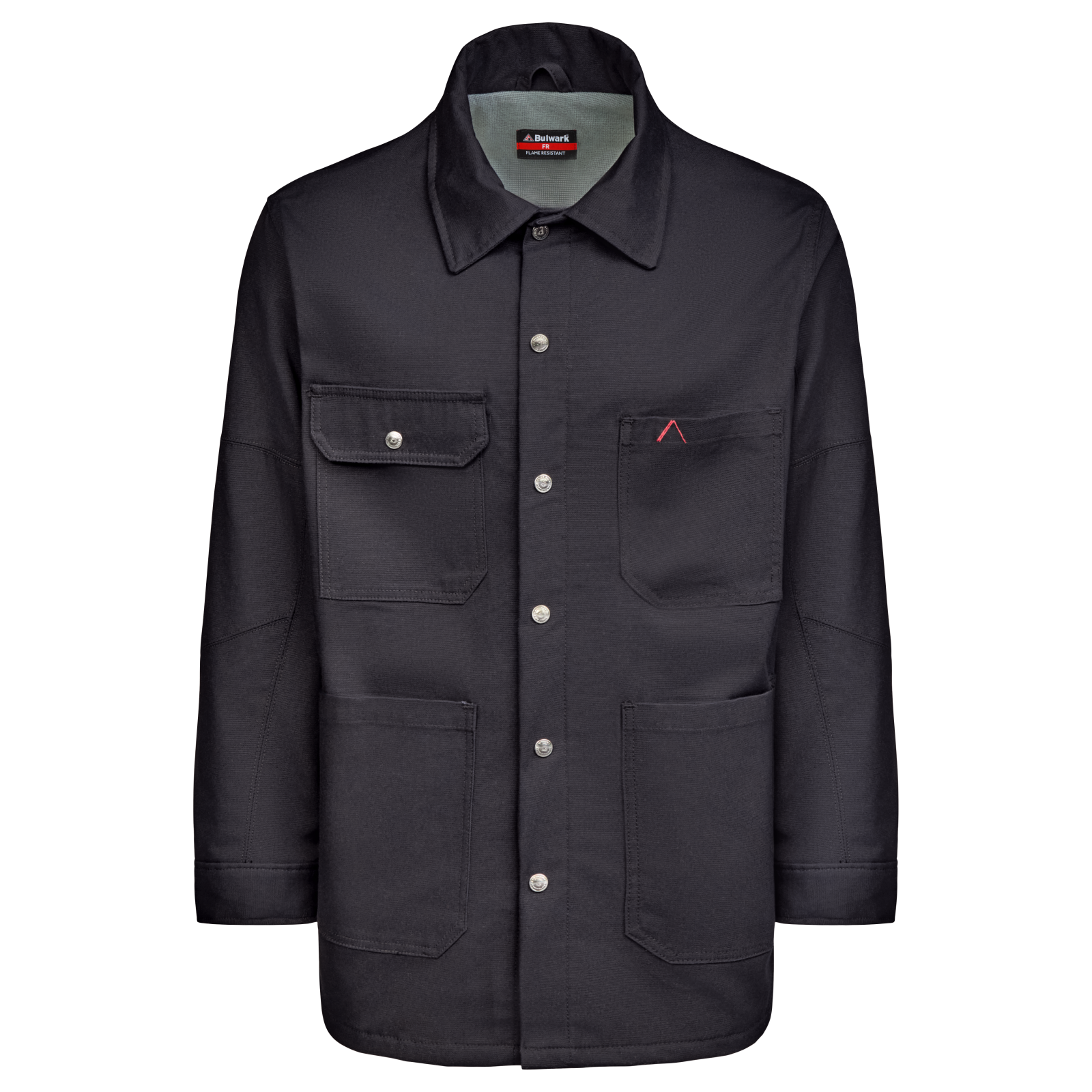
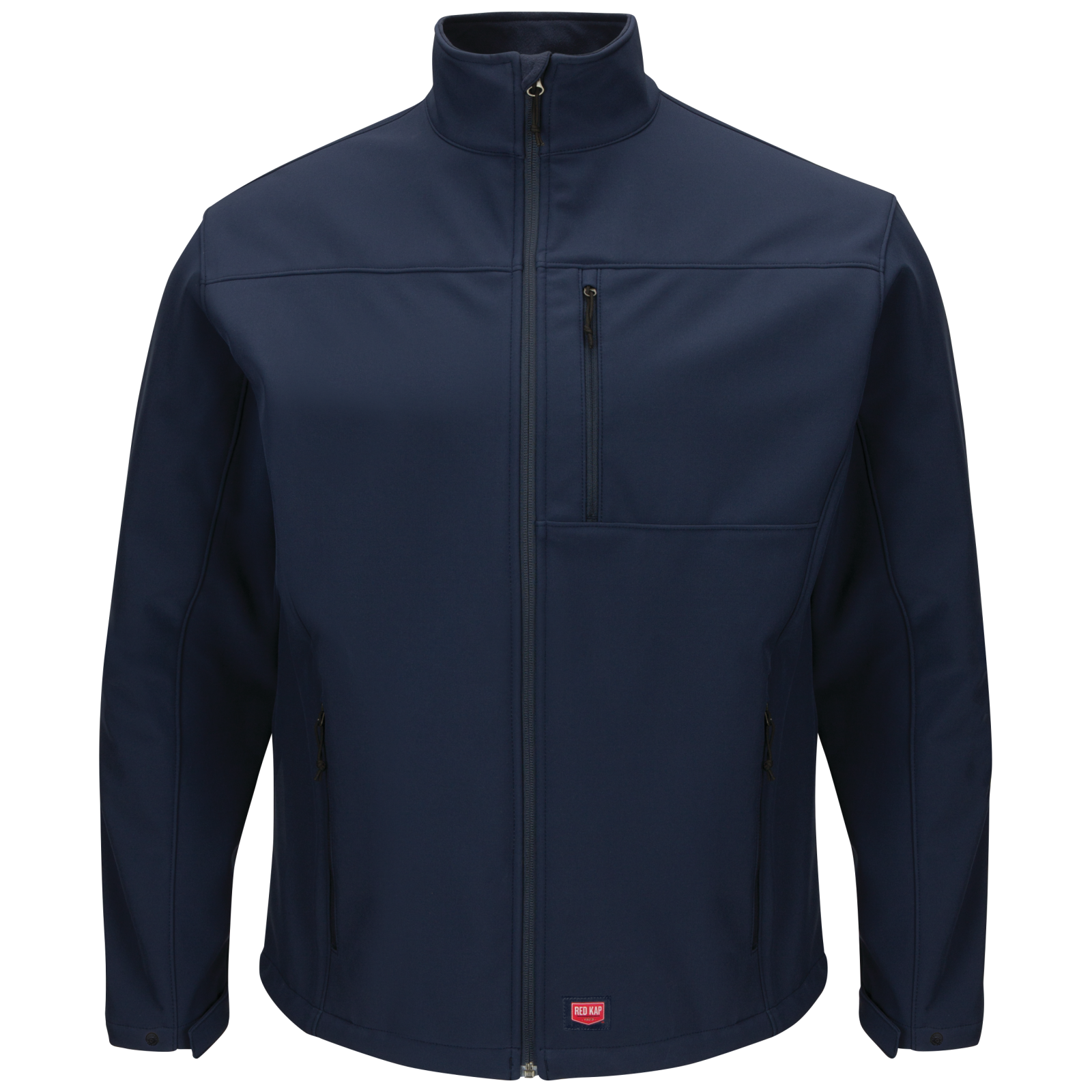
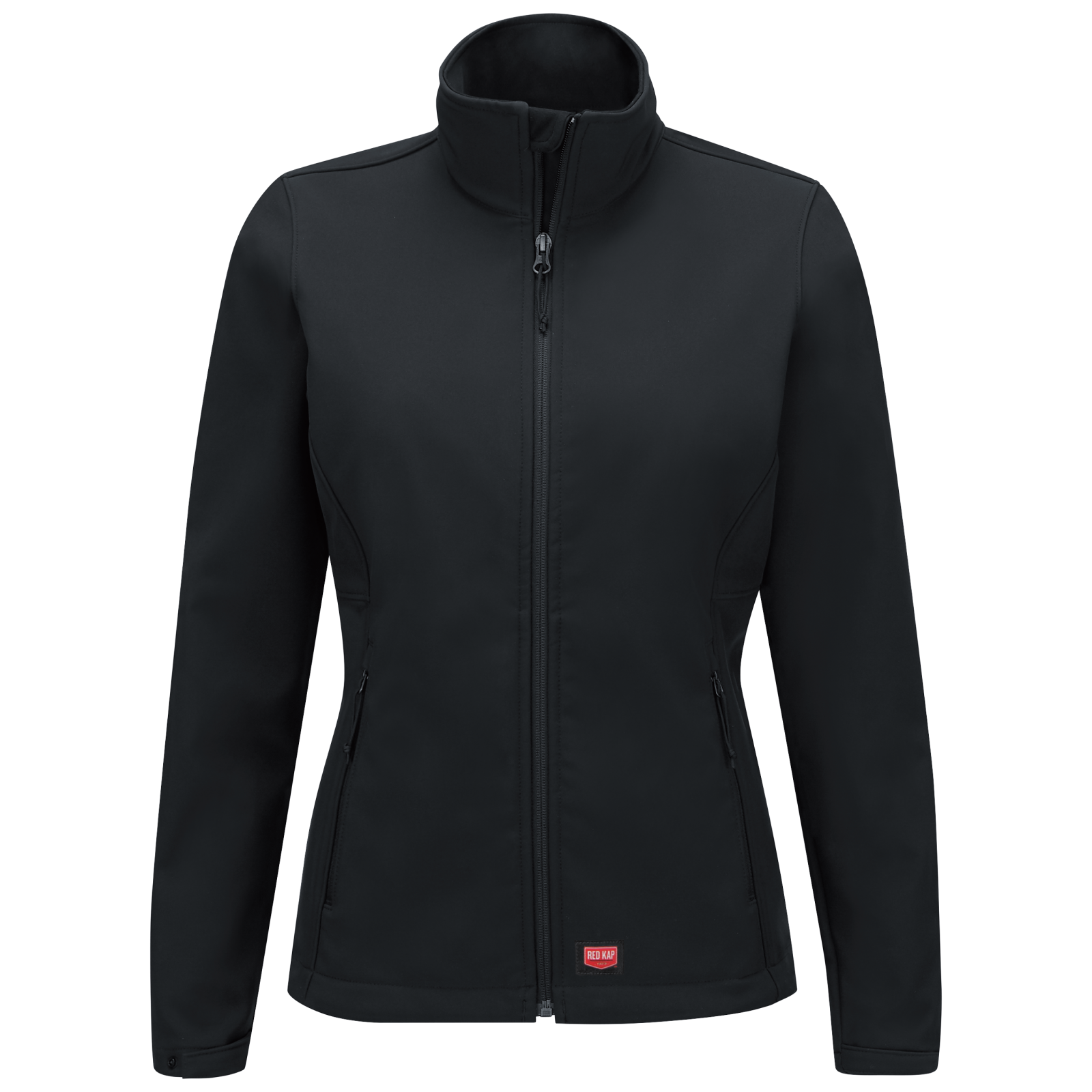
Browse Veelianpro’s Workwear Catalogue
Review current garment references, then send the fit and construction details for your program.



Build Your Custom Chore Jacket Program
Specify the route, materials, construction, branding, approvals, and delivery coordination needed for a made-to-order chore-jacket program.
OEM or ODM Input
Send a finished tech pack, sketch, sample, or product idea; we align pattern development and production support to your starting point.
Fabric and Trim Sourcing
Review cotton composition, weave, hand feel, closures, pocket components, labels, and other trims before committing the jacket specification.
Sample-Led Development
Use physical sampling to review fit, silhouette, pocket layout, construction details, and branding placement before bulk approval.
Private-Label Review
Coordinate embroidery, screen printing, patches, woven labels, care labels, and custom packaging around your artwork and approval requirements.
Production Quality Checks
Build agreed construction and finishing details into the production brief, then carry out quality checks before packing and handover.
Export Coordination
Keep destination, quantity, packing needs, and timeline visible in the quote discussion so shipment coordination follows your confirmed order requirements.
Soft Cotton Chore Jackets Manufacturer Development Options
Choose what you want to specify before sample approval.

Tech-Pack-Led OEM Programs
Veelianpro can develop custom soft cotton chore jackets from buyer-supplied tech packs, confirming fabric, trims, grading, decoration and sample requirements before a made-to-order bulk quotation is prepared.
Get a Quote
ODM-Assisted Style Development
Our team can support pattern development, fabric and trim selection, sampling and size grading, helping buyers turn a chore-jacket concept into an approval-ready specification for private-label production.
Get a Quote
Private-Label Range Launches
Specify embroidery, screen printing, patches, woven labels, care labels and custom packaging for feasibility review, then approve their placement and execution during the sample and pre-production process.
Get a QuoteMaterial Options for Custom Chore Jackets
Explore materials and fabrics
Cotton Canvas

A structured woven cotton option with a substantial hand and visible utility character. Specify the desired weight, finish, color, and intended wear environment so we can assess suitability for your custom chore-jacket brief.
Cotton Twill

Recognizable by its diagonal weave, cotton twill can balance a softer hand with a clean workwear appearance. Review composition, weight, wash effect, color standard, and pocket construction together during material selection.
Cotton Drill

Cotton drill is a firm woven option often considered for chore-jacket bodies requiring a neat, durable-looking surface. Confirm the target hand feel, fabric weight, finishing route, and garment silhouette through the sample process.
Cotton-Blend Twill

A cotton-blend twill may be considered when your brief calls for a particular balance of hand feel, shape retention, and care requirements. Share the proposed fiber composition and any documentation needs for project-specific review.
Lining Materials

Unlined, partially lined, or fully lined construction changes the jacket’s feel, appearance, and assembly requirements. Specify the intended layering use, lining preference, color, and label placement before approving the development sample.
From Brief to Bulk: Supported Development Processes
Explore printing and finishing
Pattern Development
View details
We translate a tech pack, reference sample, sketch, or fit brief into a production-ready pattern approach, reviewing silhouette, collar, pocket layout, closure, and size grading requirements before sampling begins.
Sample Making
A physical development sample lets buyers assess the selected material direction, fit, proportions, pocket placement, and visual details. Revisions can be consolidated into the approved specification before a bulk order is confirmed.
Precision Cutting

After materials and pattern pieces are approved for the project, cutting is organized against the confirmed size range and color plan, helping keep garment components aligned with the intended chore-jacket construction.
Garment Sewing

Our sewing team assembles panels, pockets, collars, sleeves, and closures according to the approved construction brief. Requested details such as bartacks, triple stitching, or gussets are reviewed for project feasibility.
Brand Decoration
Branding can be coordinated through embroidery, screen printing, heat transfer, patches, woven labels, care labels, and custom packaging. We review artwork, placement, material compatibility, and approval requirements before production.
Final Inspection

Finished garments are checked against the approved project requirements before packing. Inspection can cover workmanship, measurements, decoration placement, labels, finishing, and packing details defined in the purchase specification.
Trims, Branding & Functional Options
Explore labels, trims and packaging
Button or Snap Closures

Select buttons or snaps for the front placket and cuffs, subject to the approved construction brief. Closure choice affects the jacket’s appearance, daily use, and trim sourcing review.
Utility Pocket Layouts
Define chest, lower patch, internal, or tool-pocket positions around the intended chore-jacket use. Pocket dimensions, entry shape, reinforcement needs, and artwork clearance can be reviewed during development.
Woven Brand Labels
Add custom woven labels at the neck, side seam, or other approved placement for private-label soft cotton chore jackets. Provide artwork, dimensions, fold style, and color references for feasibility review.
Printed Care Labels

Specify printed care labels with your required fiber, care, size, market, and brand information. Final label content and placement should be confirmed against the exact garment specification and destination requirements.
Embroidered or Printed Patches

Use embroidered, woven, or printed patches to identify teams, collections, or private-label programs. Share artwork, intended placement, attachment method, and patch dimensions so the application can be evaluated with the sample.
Hangtags and Packaging
View details
Coordinate branded hangtags, polybags, care inserts, or custom packaging with the approved jacket and labeling plan. Supply artwork, packing instructions, carton requirements, and destination details for quotation review.
Key Control Points From Brief to Bulk
Based in Wuhan, Veelianpro develops custom workwear for industrial, safety, hospitality, and service programs. We work with sourcing teams, apparel brands, and uniform distributors that need a practical route from a tech pack, sketch, sample, or product idea to a production-ready garment.
As a soft cotton chore jackets manufacturer, we support fabric and trim sourcing, pattern development, sampling, size grading, cutting, sewing, reinforcement, decoration, quality checks, packing, and export coordination. OEM, ODM, private-label, and wholesale projects can start from 100 pieces per style and color, subject to fabric, construction, and documentation requirements.

Custom Development vs. In-Stock Decoration
Specification Intake That Starts Clearly
We review your tech pack, sketch, reference sample, or product brief to define the soft cotton chore jacket before development begins. The intake aligns intended use, fit direction, fabric preferences, colorways, branding, quantities, destination, and any documentation requirements for a more workable quotation.
- Confirm silhouette, collar, closure, pocket layout, and lining preference
- Record size range, grading expectations, color quantities, and target market
- Identify OEM-ready files or the ODM support needed to complete the brief

Fabric and Trim Choices for Review
Our team helps turn a requested soft hand feel into a sourcing brief rather than an unsupported material claim. Buyers can discuss cotton composition, weave, weight, finish, and proposed documentation alongside closures, labels, patches, and packaging that suit the intended garment program.
- Specify fabric composition, weave, weight, color, and desired hand feel
- Review buttons, snaps, zippers, reinforcement details, and pocket components
- Submit recycled, organic, UV, or test-document needs for exact SKU review

Pattern, Fit, and Sample Approval
A soft cotton chore jackets manufacturer should convert the approved brief into a reviewable garment standard. We support pattern development, size grading, and sampling from your supplied specification or development direction, so fit, construction, artwork placement, and branded components can be evaluated before bulk release.
- Develop from a complete tech pack, sketch, reference, or fit brief
- Check sample fit, pocket access, closure function, construction, and decoration placement
- Use the approved pre-production sample as the bulk reference where required

Controlled Bulk Production Handover
Once the specification and approvals are in place, Veelianpro coordinates cutting, sewing, reinforcement, decoration, finishing, quality checks, packing, and export coordination. Made-to-order projects can begin from 100 pieces per style and color, subject to fabric, construction, and documentation feasibility.
- Carry approved fabric, trim, labeling, and packaging instructions into production
- Coordinate embroidery, screen printing, heat transfer, patches, or woven labels
- Prepare packing and shipment details around the confirmed destination and order plan
Built for Sourcing Teams, Brands & Uniform Distributors
Compare Veelianpro’s custom development route with an in-stock garment-plus-decoration route for your bulk program.
← Swipe left or right to view →
From Specification Review to Bulk Handover
A controlled development path for custom soft cotton chore jackets, from feasibility review and sample approval through inspection, export coordination, and reorder support.
Inquiry and Feasibility Review
We review your garment brief, intended setting, quantities, destination, timeline, branding requirements, and any required documentation before confirming a viable development route.
Specification and Material Planning
Share a tech pack, sketch, sample, or product idea. We align fit, pocket layout, closures, cotton composition, hand feel, trims, and construction details for review.
Pattern Development and Sampling
Patterns, size grading, sourced materials, and decoration placements are developed into a physical sample so your team can assess fit, appearance, and construction.
Quotation and Order Confirmation
After specifications are clarified, we prepare a project quotation. Bulk quantities can start from 100 pieces per style and color, subject to material and construction feasibility.
Bulk Production and Quality Checks
Approved requirements guide cutting, sewing, reinforcement, decoration, finishing, and quality checks. Inspection focuses on the agreed sample, measurements, materials, and packing details.
Packing, Export, and Reorder Support
We coordinate agreed packing and export preparation, then retain the approved project details to support consistent review when your next chore-jacket order is planned.
Start Your Chore Jacket Project
Move from a clear brief to sample approval with a practical, made-to-order cooperation path.
Send Your Brief
Share a tech pack, sketch, reference sample, or product idea, plus intended use, target quantity, colorways, size range, destination, and required delivery timeline.
Confirm Key Details
Review fabric composition, hand feel, fit, pocket layout, closure, trims, branding, quantities, destination, and timeline with our soft cotton chore jackets manufacturer team before sampling.
Review Your Sample
Receive a development sample for review, then consolidate comments on fit, materials, construction, decoration placement, labels, and packaging before revising the specification if needed.
Approve for Bulk
Approve the agreed sample and quotation to release production. Orders can begin from 100 pieces per style and color, subject to fabric, construction, and documentation feasibility.
Standards and Audit References


Soft Cotton Chore Jackets Manufacturer Scenarios
Illustrative scenario
Apparel Buyer
Apparel brand buyer: The buyer submits a tech pack for a private-label chore jacket and requests a softer cotton hand feel plus branded labels. Fabric direction, label artwork, pocket layout, and the development sample are reviewed before any bulk quotation is finalized.
Illustrative scenario
Sourcing Manager
Uniform distributor: The distributor needs a chore-jacket program for a service-uniform brief and asks to adjust the closure choice, pocket configuration, and logo placement. The size range, decoration method, color breakdown, and physical sample approval are documented for production planning.
Illustrative scenario
Production Planner
Sourcing team: The team compares an OEM tech-pack route with ODM-assisted pattern development for a new jacket silhouette. They provide target quantities, destination, and timeline, then confirm fabric composition, fit measurements, trim selections, and pre-production approval requirements before release.
Soft Cotton Chore Jackets Manufacturer FAQ
Clear answers for brands and uniform distributors planning a made-to-order chore-jacket program with Veelianpro.
Can Veelianpro develop soft cotton chore jackets from our tech pack?
What is the difference between OEM, ODM, and private label for a chore jacket?
What is the minimum quantity for custom soft cotton chore jackets?
Which fabric details should we provide for a soft cotton chore jacket?
How do you sample and approve a custom chore jacket before bulk production?
What branding and trim options can be included in wholesale soft cotton chore jackets?
What should we send when requesting a quote from a soft cotton chore jackets supplier?
How are payment, shipping, and intellectual-property details handled?
Soft cotton chore jackets manufacturer: a buyer’s guide
A practical framework for comparing OEM and ODM development, specifying fabrics and branding, reviewing samples, evaluating supplier fit, and avoiding the approval gaps that complicate custom bulk chore-jacket programs.
1. What Is a Soft Cotton Chore Jackets Manufacturer?
A soft cotton chore jacket is a made-to-order woven outer layer developed around a buyer’s intended fit, fabric hand feel, pocket layout, closure system, branding, and size range. Unlike a retail purchase or an in-stock garment decorated after purchase, the program begins with a specification and uses approved samples to define the bulk standard.
OEM is the right route when the buyer supplies a production-ready tech pack, including measurements, bill of materials, construction notes, and artwork placement. ODM-assisted development suits a sketch, reference garment, or incomplete brief: Veelianpro can help develop the pattern, source fabric and trims, and resolve missing details before the buyer approves a sample; private label instead describes whose brand appears on labels, hangtags, packaging, and the finished garment.
For sourcing teams, apparel brands, and uniform distributors, Veelianpro develops custom chore jackets through OEM, ODM, and private-label workflows rather than selling a fixed retail SKU. Starting quantities are conditional from 100 pieces per style and color, subject to the selected fabric, construction, and any documentation or evidence requirements; provide the target use, color quantities, branding files, destination, and approval needs for a feasibility-based quote.
2. Define the Chore Jacket Brief Before Development
A visual reference shows an aesthetic, not an approvable soft cotton chore jacket. Convert it into wearer, market, fit, and component decisions before pattern work or quotation begins.
| Brief Item | Buyer Decision | Approval Record |
|---|---|---|
| Fit | Target silhouette and layering intent | Reference size and measurement sheet |
| Pockets | Layout and intended function | Marked flat sketch |
| Colors | Colorways and quantity split | Approved color reference |
| Branding | Label and artwork locations | Production-ready artwork files |
Set Wearer And Fit Target

Identify who wears the jacket, over what layers, and in which sales market. State whether the target is regular, relaxed, or cropped, then note the intended silhouette: straight, boxy, or shaped.
Record the full size range and the grading direction between sizes. A reference photo can guide proportion, but it cannot replace buyer-approved measurements.
- Intended wearer and use context
- Target market and size system
- Fit target and layering allowance
Record Measurable Requirements
Use a measurement sheet with points of measure, tolerance expectations, and the sample size. Hypothetical example only: a buyer may record sample size M chest width, body length, sleeve length, and hem width against its own approved reference values.
Flag whether the reference garment is only visual inspiration or must be matched for fit. Veelianpro can develop from a tech pack, sketch, sample, or product idea, with unresolved requirements confirmed during sampling.
Specify Visible Components
Define the collar shape, front closure, pocket count and placement, lining preference, colorways, and brand locations separately. A button-front utility jacket and a zip-front overshirt can share a moodboard yet require different pattern, trim, and approval paths.
List closure and pocket behavior, not just appearance: access, security, tool capacity, or retail styling. Submit color references and artwork files with the brief so feasibility can be reviewed before sampling.
- Collar and front closure
- Chest, patch, and internal pockets
- Lining preference and colorways
- Size range, labels, and artwork placement
3. Soft Cotton Chore Jacket Types for Bulk Programs
Bulk programs should separate silhouette decisions before fabric and trim development. Each route below changes intended use, fit target, sample focus, and what must be approved before a made-to-order release.
Unlined Overshirt-Weight Route

An unlined overshirt-weight chore jacket suits layering and lighter indoor-to-outdoor use. Specify proposed cotton fabric, ease, pocket layout, and closure for feasibility review; approve drape and sleeve mobility on the physical sample.
Structured Utility Layer
A structured utility layer prioritizes a defined workwear silhouette and practical storage. Proposed canvas or twill, reinforcement, bartacks, and pocket proportions require feasibility review; approve fit over intended base layers and pocket access.
Lined Transitional Layer
A lined transitional layer adds warmth and changes bulk, balance, and sleeve movement. Lining type, fill, closures, and finishing are options for feasibility review; approve the sample worn open and fastened before confirming grading.
Fashion-Led Washed Style
A fashion-led washed style emphasizes surface character and a relaxed fit target. Proposed wash, color variation, fabric, and hardware need feasibility review; approve an agreed visual reference and finished sample because wash can affect hand feel.
Uniform-Oriented Program
A uniform-oriented program favors consistent sizing, recognizable branding, and repeatable role-specific details. Specify proposed color, decoration method, labels, and size range for review; approve artwork placement and a pre-production sample before bulk cutting.
4. Materials and Hand-Feel Options for Chore Jackets
A soft chore jacket begins with the shell’s weave and finish, not a generic softness claim. Confirm hand feel alongside opacity, shape retention, decoration method, wash care, and the approval sample.
| Input To Specify | Likely Trade-Off | Production Review Question |
|---|---|---|
| Cotton twill | Soft hand versus structure | What weave, composition, weight, and wash target? |
| Cotton canvas | More body, potentially less initial softness | Is firmness acceptable after care testing? |
| Cotton poplin | Smoother, lighter surface; opacity may vary | Will pockets and embroidery remain stable? |
| Cotton-blend twill | Care and recovery depend on blend | What fiber percentages and labeling apply? |
| Lined construction | Added bulk and comfort options | Which lining, attachment method, and decoration route? |
Compare Shell Directions
Cotton twill can balance a familiar workwear surface with drape; cotton canvas typically holds a firmer silhouette. Poplin is lighter and smoother but may need review for opacity and pocket structure.
Specify Softness And Color
Brushing and garment washing can change surface softness, color character, and shrinkage behavior. State whether the target is crisp, broken-in, peached, or brushed, then review the finished sample after the intended care method.
Color treatment can affect rub-off, panel matching, and logo contrast. Provide the target color reference and identify whether a washed or piece-dyed appearance is required for feasibility review.
Review Layers And Evidence
A cotton-blend twill may be considered where easier care or added recovery is desired; composition must be specified rather than assumed. A lined construction changes warmth, bulk, sleeve movement, and decoration access, so approve the complete layered sample.
Request organic, recycled, UV, or test documentation for the exact fabric, garment SKU, and destination market. A fabric photo or prior sample does not establish those attributes.
5. Branding, Decoration, and Retail-Ready Finishing
Branding changes both the appearance and the approval path of a soft cotton chore jacket. Submit decoration, labels, retail identifiers, and packaging as one coordinated sample brief so artwork and trim choices can be reviewed together.
| Component | Buyer Must Provide | Sample Check |
|---|---|---|
| Embroidery or print | Artwork, color callouts, placement | Appearance on selected fabric |
| Woven or printed label | Artwork, size and care content | Legibility and seam placement |
| Hangtag and packaging | Barcode data, attachment, packing brief | Scan result and presentation |
Artwork And Placement Files

Artwork should identify the method, placement reference, finished dimensions, and color callouts for each location. Supply editable vector files when available, plus a visual mockup on the jacket front, back, and relevant pocket.
Veelianpro can review embroidery, screen print, woven patches, and printed patches for project feasibility. Confirm whether pocket edges, seams, plackets, or fabric texture affect the proposed placement before sampling.
- Vector artwork or high-resolution source file
- Placement diagram with buyer-provided measurements
- Color reference and approved artwork revision
Labels And Retail Information
A woven neck label, printed care label, hangtag, barcode label, and polybag each carry different information. Provide final brand artwork, size sequence, care content, barcode data, destination-market requirements, and attachment instructions for review.
Optional labels, hangtags, barcode labeling, polybags, and custom packaging remain subject to material and production feasibility. Their dimensions, attachment method, and print treatment should be checked on the physical sample.
Approve The Complete Sample
Decoration can look different after it meets a soft cotton surface, washing route, label seam, or selected closure. Review the sample as a complete retail unit rather than approving artwork separately from the garment.
Release bulk only after the buyer approves the jacket, decoration position, label content, hangtag attachment, barcode readability, polybag, and packing presentation. Record the approved revision with the purchase specification for reorders.
6. Construction Details That Affect Wear and Approval
A chore jacket can look correct on a hanger yet fail approval when its balance, access, or finish changes in wear. Assess the physical development sample before locking the pre-production standard.
Check Pattern And Fit Balance
Button the sample and inspect shoulder position, body length, sleeve pitch, and movement across the back. Compare the garment against buyer-provided measurements and intended layering.
If the collar stands away, the placket pulls, or pockets sit unevenly when worn, record the condition with marked photos. Revise the pattern or placement before the next sample.
Inspect Pockets And Closures
Load representative tools or daily-carry items to check pocket opening, depth, attachment, and access with the jacket fastened. Confirm whether buttons, snaps, or a zipper match the approved closure route.
Watch for pocket-edge distortion, gaping, loose attachment, or closure misalignment. Specify reinforcement locations for review rather than assuming a standard construction.
Approve Seams, Lining, And Finish
Turn the sample inside out to inspect seam neatness, lining integration, raw-edge handling, and consistent finishing across matching panels. Check that collar, cuff, hem, and placket edges retain the intended shape.
For the pre-production sample, compare color, trims, labels, and size grading against the sealed approval reference. List any variance and its remedy in writing before bulk release.
7. Choosing a Soft Cotton Chore Jackets Manufacturer
Choose the route before comparing factories: a soft cotton hand feel alone does not define fit, pocket function, decoration, or approval risk. Veelianpro reviews a tech pack, sketch, reference, or fit brief before confirming feasibility.
| Criterion | Custom Made-to-Order Development | In-Stock Garment Plus Decoration |
|---|---|---|
| Fit control | Buyer measurements or fit target guide development | Existing garment block governs fit |
| Garment structure | Pockets, collar, closure, and reinforcement specified for review | Core structure remains existing |
| Branding depth | Labels, patches, embroidery, printing, and packaging coordinated | Decoration added to available garment |
| Quantity basis | Conditional feasibility review from 100 pieces per style and color | Depends on selected garment availability |
| Approvals | Development and pre-production samples can set the bulk standard | Approve garment, artwork, and decoration placement |
| Reorder consistency | Retain approved specification and sample records | Confirm the same base garment remains available |
Match the Development Route
Custom made-to-order development suits a new silhouette, revised pattern, specified fabric, or coordinated trim package. An in-stock garment-plus-decoration route means applying approved decoration to an existing garment, so structure and fit changes are limited.
Compare Like for Like
Ask each candidate to define what is included in the quoted route, especially sample stages, artwork preparation, and shipment terms. Quantities from 100 pieces per style and color are subject to fabric, construction, and documentation feasibility.
Control Approval Records
Submit measurement points, color references, pocket and closure decisions, artwork files, labels, and packaging together. Request material composition and any organic, recycled, UV, or test documentation for the exact proposed SKU and market—not a photo or generic certificate.
- Approve a physical development sample against the brief
- Set bulk acceptance criteria before pre-production approval
- Keep approved sample, artwork, trim, and packing records for reorders
- Confirm Incoterm, destination, inspection point, and export documents
8. Avoid Common Soft Cotton Chore Jacket Sourcing Mistakes
A reference photo can set a visual direction, but it cannot define the fabric, fit, or approval standard for a made-to-order jacket. Resolve those gaps before materials and production decisions are released.
Turn Photos Into Specifications
A washed-looking image does not identify cotton composition, weave, weight, finish, or actual hand feel. Specify these for feasibility review, and request SKU-level documentation where organic, recycled, UV, or test attributes are required.
Illustrative scenario: A sourcing manager requests a soft overshirt-style chore jacket, changes a photo reference into a fabric brief, and approves the selected material sample.
Control Fit And Artwork
Untoleranced measurements leave grading and acceptance open to interpretation; artwork without placement references can shift across sizes. Provide a measurement chart with tolerances and artwork files tied to named reference points.
Illustrative scenario: A uniform distributor adds chest-placement references and size-specific measurement tolerances, then approves the corrected development sample.
Release Bulk Only After Review
Physical and pre-production approval catches changes that a screen proof cannot, including pocket position, closure handling, label assembly, and decoration execution. Splitting colors or variants before feasibility review can also make the conditional starting quantity from 100 pieces per style and color impractical.
Illustrative scenario: An apparel brand consolidates planned color quantities after review and approves a pre-production sample. All scenarios are illustrative; no outcomes are implied.
9. From Quote Request to Bulk Reorder
A controlled approval trail prevents a soft cotton chore jacket from changing between quotation and repeat purchase. Veelianpro can start from a tech pack, reference garment, sketch, or fit brief, then identify whether OEM execution or ODM-assisted development is needed.
Build A Quote-Ready Brief
Send the intended silhouette, fit target, size range, color breakdown, destination, and required delivery date. Starting quantity is from 100 pieces per style and color, subject to fabric, construction, and documentation feasibility.
For OEM, flag missing measurements, bill-of-material details, or artwork placements early. For ODM-assisted work, identify which pattern, fit, fabric, and trim decisions need development.
- Flat sketches or reference garment
- Measurement and grading requirements
- Fabric hand-feel and composition target
- Pocket, closure, label, and packaging choices
- Quantity by color and destination
Approve Samples In Sequence
Review fabric and trim submissions before a development sample: compare hand feel, color reference, closure operation, pocket placement, and branding method against the brief. Request SKU-level documentation when organic, recycled, UV, or tested attributes are required.
Approve the development sample with written corrections, then use the pre-production sample to lock the bulk standard. Bulk release follows approval of that physical reference.
- Fit and measured points
- Collar, placket, pockets, and closures
- Decoration placement and artwork quality
- Labels, care content, hangtags, and packing
- Color and approved change record
Protect The Reorder Standard
Keep the approved pre-production sample, final tech pack, grading, fabric and trim approvals, artwork files, packing instructions, and inspection criteria under one style record. A reorder should identify the exact approved version and list only intentional changes.
Before releasing repeat bulk, reconfirm color quantities, destination requirements, and any revised evidence needs. This preserves the approved jacket baseline while making changes traceable.
10. Soft Cotton Chore Jackets Manufacturer Cost Drivers
A soft cotton chore jacket quote changes first with the fabric specification: composition, weave, weight, color method, finish, and any SKU-level documentation requested for the target market. Construction then adds cost through lining, pocket count and layout, closure choice, reinforcement, and the labor needed to execute the approved pattern.
Compare quotations on the same brief, not on a headline unit figure. Veelianpro can review projects from 100 pieces per style and color, subject to fabric, construction, and evidence requirements; the quote should separate development, bulk garment, decoration, packaging, inspection, and agreed delivery terms.
| Cost Driver | What Changes Cost | Quote Must Specify |
|---|---|---|
| Fabric and lining | Selected cotton construction, finish, color, lining type, and required material evidence | Approved fabric brief, color references, lining requirement, and document scope |
| Pattern and construction | New pattern work, fit revisions, pocket system, collar, cuffs, closure, and reinforcements | Tech pack or reference, measurement set, construction notes, and sample revision route |
| Branding and trims | Embroidery, screen print, patches, labels, custom hardware, hangtags, and packaging | Artwork files, placement, dimensions, colors, trim materials, and packaging pack-out |
| Quantity mix | Total units split across styles and colors; size breakdown affects cutting and packing planning | Units by style, color, size, and whether components are shared |
| Delivery terms | Sample iterations, inspection scope, carton requirements, destination, and Incoterm alter the commercial comparison | Approval milestones, inspection requirement, shipping term, destination, and quote inclusions |
11. Soft Cotton Chore Jackets Manufacturer FAQ
These answers distinguish development decisions that change the approved garment from decoration choices that simply adapt an existing item. Send project details with your quote request.
OEM, ODM, Or Private Label
OEM follows your approved specification; ODM adds pattern, fit, fabric, or construction development. Private label identifies your branding route and may accompany either model.
Choose after defining ownership, references, labels, artwork, packaging, and unresolved development responsibilities before sampling in writing.
Starting With A Tech Pack
Yes, a complete tech pack can start OEM development; a sketch, reference garment, or fit brief can start an assisted route. Include measurements, colorways, and artwork.
Identify missing pattern, grading, fabric, pocket, closure, and label decisions before sampling begins formally.
Specifying Cotton Hand Feel
Specify composition, weave, weight, finish, color standard, and hand feel; soft alone is insufficient. Request swatches or a development sample for comparison.
Cotton twill, canvas, brushed surfaces, or washed effects require feasibility review; confirm shrinkage, color, and care against material.
Evidence For Material Claims
Request evidence for organic, recycled, UV, or tested claims at exact fabric and market scope. A photo or fiber description does not establish compliance.
Provide required documents, destination, and label wording during review; leave claims off until applicable evidence arrives formally.
Sample And PP Approval
Approve a development sample, then a pre-production sample to lock the bulk standard. Check fit, pockets, closures, decoration, labels, care information, and packing.
Record accepted revisions; do not release bulk from an unapproved photograph, verbal change, or incomplete approval file.
MOQ And Stock Routes
Veelianpro starts at 100 pieces per style and color, subject to fabric, construction, and evidence requirements. Made-to-order supports fit, materials, trims, and branding.
An in-stock garment plus decoration suits needs; compare fit, color, decoration limits, and approval control before choosing.
Chore Jacket Procurement FAQ
Send your brief, work setting, fabric and color direction, sizing, branding, quantity, destination, timeline, and documentation needs for review.