
Shapewear Bodysuits Manufacturer
Specification-led OEM, ODM, and private-label development for custom shapewear bodysuits from 100 pieces per style and color, subject to fabric, construction, and documentation review.
Garment and Development References


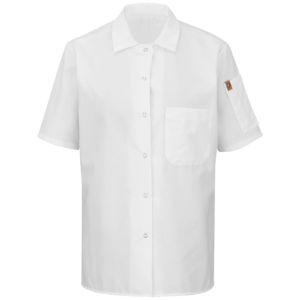
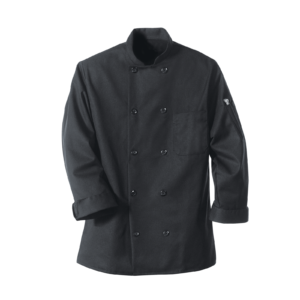
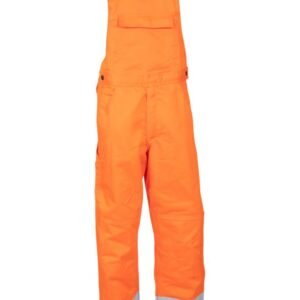
Browse Veelianpro’s Workwear Catalogue
Review current garment references, then send the fit and construction details for your program.





Custom Bodysuit Development Approach
Build a custom program around approved fit, materials, construction, branding, and production documentation.
Buyer-Led Specifications
We translate your tech pack, sketch, sample, or product idea into a reviewable bodysuit brief with fit, silhouette, and construction priorities.
Material and Trim Sourcing
Specify knit composition, lining, elastic, closures, straps, labels, and packaging for sourcing review before the material route is finalized.
Pattern and Fit Development
Develop patterns, size grading, and sample revisions around your intended fit block, coverage, shaping-zone placement, and wearer-use context.
Sample-Based Approvals
Use samples to review neckline, leg openings, closures, recovery, opacity, seams, and finish before bulk production decisions are locked.
Branding Coordination
Coordinate woven labels, care labels, patches, print, heat transfer, and custom packaging with placement and artwork approvals for your program.
Documented Production Checkpoints
Align the approved sample, bill of materials, measurements, branding, packing, and market-specific claim evidence before production and inspection.
Shapewear Bodysuits Manufacturer Development Options
Choose what you want to specify before sample approval.

OEM Specification Builds
We turn the brief into a reviewable OEM development route covering fabric and trim sourcing, pattern work, sampling, fit feedback, branding choices, and a quotation based on the approved specification.
Get a Quote
ODM Line Development
Veelianpro helps organize those decisions into an ODM brief, then develops samples for review before production. Buyers can refine the selected bodysuit structure, grading priorities, trims, labels, and packaging.
Get a Quote
Private-Label Programs
Private-label details can be planned with the product build, including woven labels, care labels, patches, heat transfer, screen printing, embroidery, and custom packaging options for feasibility review.
Get a QuoteMaterials for Custom Bodysuit Development
Explore materials and fabrics
Polyamide-Elastane Blend

A smooth, resilient stretch blend to specify for close-fitting body panels where soft handfeel and recovery matter. Confirm composition, knit construction, opacity, and recovery direction on the approved sample.
Nylon-Spandex Blend

A common performance-oriented blend to review for flexible bodysuit shells and shaping zones. Define the target stretch balance, surface finish, color standard, and wear-test expectations before material approval.
Polyester-Elastane Blend

A synthetic stretch option worth evaluating when the brief prioritizes color, surface appearance, or specified moisture-management requirements. Review knit weight, recovery, print compatibility, and next-to-skin feel through sampling.
Power Mesh Panels

An open-knit or dense mesh option for defined support zones, ventilation areas, or layered construction. Specify panel placement, stretch direction, transparency expectations, edge finish, and compatibility with the main fabric.
Stretch Lining Fabric

A lining option for selected bodysuit areas where interior coverage, comfort, or layered construction is required. Approve handfeel, color show-through, seam bulk, and movement behavior alongside the outer material.
Custom Bodysuit Development and Production Planning
Explore printing and finishing
Tech-Pack Review

We review the silhouette, intended fit block, material direction, size range, shaping zones, closures, branding, and market requirements to identify missing decisions before pattern work, sampling, or quotation begins.
Pattern Development
View details
Our team translates approved design details into a production pattern, aligning panel layout, neckline, leg openings, strap positions, gusset approach, and construction sequence with the requested bodysuit format and fit priorities.
Sample Making
A development sample turns the agreed specification into a physical garment for review. Buyers can assess fit, material hand feel, construction, trim placement, branding locations, and any revisions needed before bulk approval.
Size Grading
View details
After the fit direction is confirmed, we prepare grading for the requested size range. Buyer measurements, selected-size review points, and documented tolerance expectations help keep the approved bodysuit specification consistent across sizes.
Construction and Finishing
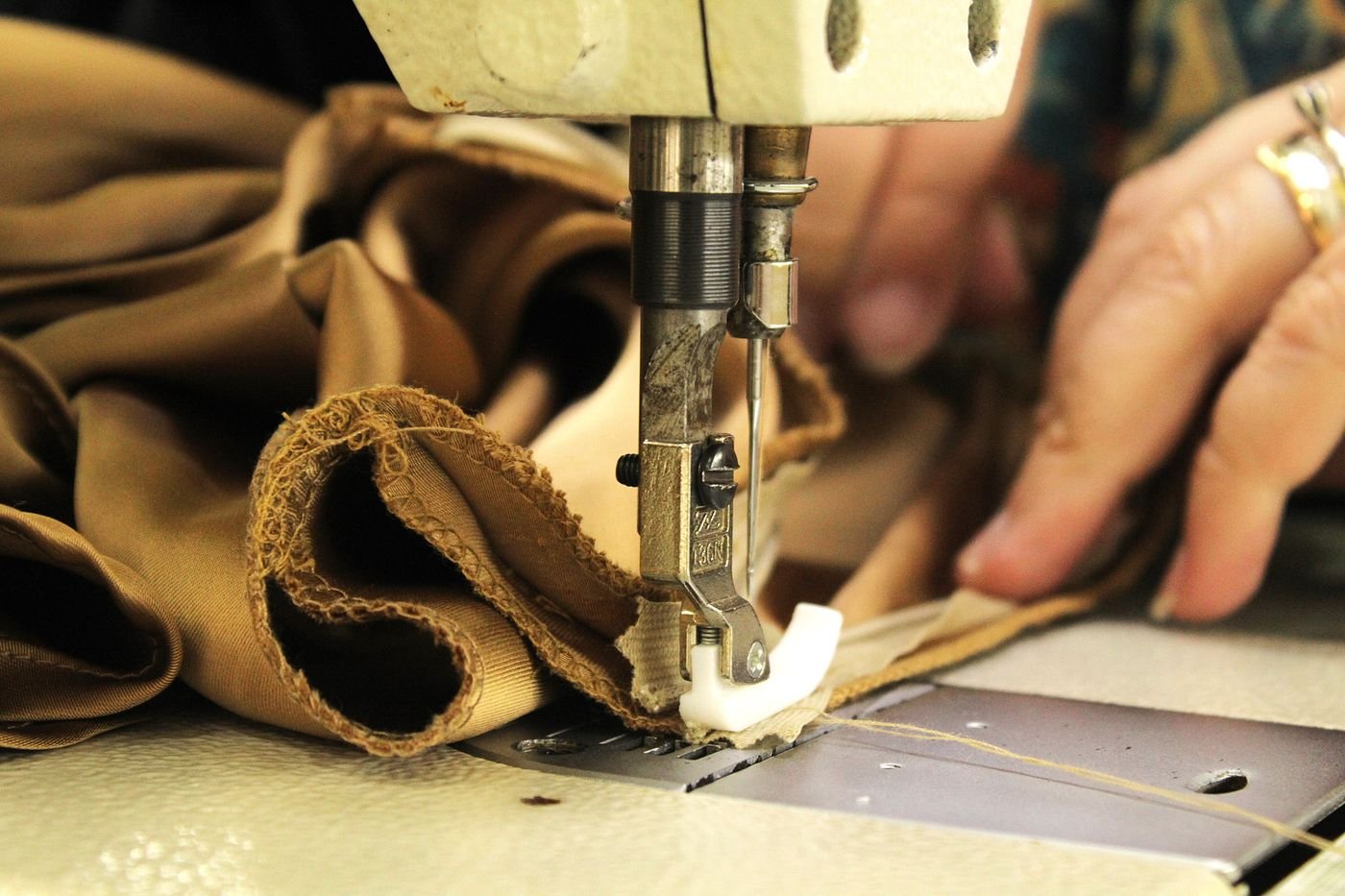
Cutting, sewing, reinforcement, label application, decoration, finishing, packing, and quality checks are planned against the approved sample. Seamless or specialized construction routes require feasibility review for the exact design, materials, and evidence needs.
Bodysuit Trims, Closures, and Branding Options
Explore labels, trims and packaging
Adjustable Straps
Specify adjustable straps for shoulder-fit flexibility on camisole, open-bust, or low-back bodysuit concepts. Review strap width, hardware finish, attachment method, and adjustment range against the approved fit sample before production.
Gusset Construction
Define the gusset shape, lining requirement, seam placement, and closure preference for the intended wear experience. This area is reviewed with the bodysuit pattern and fabric route so comfort, access, and finishing align.
Closure Hardware
Choose a closure approach for applicable styles, such as snaps or hook-and-eye components at the crotch. Hardware type, placement, backing, and pull testing requirements should be included in the technical specification for review.
Elastic Binding

Elastic binding can be specified around necklines, armholes, leg openings, or back edges where the design calls for controlled recovery. Submit the desired width, feel, color, and attachment finish with the sample brief.
Private-Label Finishing
Plan woven labels, care labels, heat transfers, patches, and custom packaging as separate approval points. Provide artwork, placement, material preferences, and market-required care information so each branding element can be reviewed for the quoted SKU.
Veelianpro: Custom Garment Development
Veelianpro is a Wuhan-based custom workwear manufacturer supporting industrial, safety, hospitality, and service buyers with OEM, ODM, private-label, and wholesale garment development. The supplied company profile does not document an established shapewear line, so bodysuit inquiries should be treated as feasibility reviews requiring a separately defined product brief, sample route, and quotation.
We work from your tech pack, sketch, sample, or product idea, coordinating material and trim sourcing, pattern development, size grading, sampling, cutting, sewing, finishing, quality checks, packing, and export coordination. Share the intended silhouette, fit block, size range, construction route, branding, quantity, destination, and timeline so feasibility can be reviewed accurately.
Projects may begin from 100 pieces per style and color, subject to the selected fabric, construction, and documentation requirements. Our differentiation is a practical, approval-led process: clarify the garment specification first, review the sample against the agreed brief, then move toward production with labels, care information, packaging, and claim evidence aligned to the exact SKU and market.

Custom Bodysuit Briefing Capabilities
Build From a Defined Brief
We turn your shapewear bodysuit concept, tech pack, sketch, or reference sample into an independent development brief, sample route, and quotation. This keeps the program distinct from a parent garment page when its silhouette, fit, construction, or buying task differs.
- Select the bodysuit format: open-bust, closed-bust, thong, brief, shorts, long-sleeve, or adjustable-strap
- Provide intended wear context, target silhouette, size range, color direction, and destination market
- Identify requested construction route for feasibility review, including cut-and-sew or seamless-knit preferences
- Share target quantity and timeline so the quotation can assess project feasibility
Specify Materials and Structure
For custom shapewear bodysuits, material selection and garment structure should be reviewed together. We can source fabrics and trims for the proposed build, then develop against your approved composition, surface feel, lining, coverage, stretch, recovery, and opacity requirements.
- Specify candidate fibers, knit or fabric type, lining needs, and desired hand feel
- Define shaping-panel placement, neckline, leg opening, strap, and closure preferences
- Review seams, bonding, reinforcement, or seamless construction as project options
- Request SKU- and market-specific documentation before making recycled, organic, UV, or test claims

Approve Fit Before Bulk
A shapewear bodysuits manufacturer needs an approval record that connects fit intent to bulk production. We support pattern development, size grading, sampling, and revision discussions so the approved sample reflects the requested fit block, balance, openings, and branded details.
- Submit body measurements, size chart, grading priorities, or fit-block direction
- Review selected sizes for torso length, bust area, waist, seat, and leg-opening balance
- Record wear feedback on dressing, sitting, walking, recovery, and visible-edge concerns
- Lock the approved sample revision, bill of materials, artwork, labels, and packaging details

Hand Over a Production-Ready File
After sample approval, we prepare the production handover around the agreed garment, materials, trims, decoration, packing, and inspection points. OEM, ODM, and private-label requirements are aligned to the quoted style rather than assumed from a generic shapewear program.
- Confirm logo method, placement, artwork version, woven labels, care labels, and packaging
- Document approved colors, component references, measurements, and construction notes
- Review quality checkpoints for the exact approved sample and production specification
- Projects may begin from 100 pieces per style and color, subject to fabric, construction, and documentation requirements
Custom Development vs. In-Stock Decoration
Compare a specification-led bodysuit program with an in-stock garment plus decoration route before requesting a quote.
← Swipe left or right to view →
Custom Bodysuit Development Workflow
From the initial brief to reorder support, Veelianpro coordinates each project through documented development, approval, production, inspection, and export handoff steps.
Inquiry and Feasibility Review
Share the bodysuit format, target market, quantity, fit priorities, branding, destination, and timeline. We review feasibility, including conditional minimums from 100 pieces per style and color.
Specification and Sourcing
We develop the tech-pack route from your sketch, sample, or brief, then review fabric, lining, stretch expectations, closures, trims, labels, and packaging requirements.
Sampling and Fit Approval
A sample is prepared for review against the agreed silhouette, size range, grading priorities, construction, and branding placements. Revisions are documented before commercial confirmation.
Quotation and Order Confirmation
The quotation aligns approved specifications, materials, construction, quantity, and applicable documentation needs. Production begins after the project details and order terms are confirmed.
Production, Inspection, and Reorder
We coordinate cutting, sewing, finishing, quality checks, packing, and export handoff. Approved production details provide a practical reference point for future reorder discussions.
Start Your Bodysuit Program
Our shapewear bodysuits manufacturer process moves from a clear development brief to approved samples, quotation, and production handover.
Share Your Brief
Send a tech pack, sketch, reference sample, or product idea with silhouette, intended wearer, size range, materials, branding, quantity, destination, and documentation needs.
Review Feasibility
We review construction, sourcing requirements, proposed claims, and project feasibility. Orders may begin from 100 pieces per style and color, subject to requirements.
Approve Sample and Quote
Receive a development sample and quotation, then approve the fit block, grading, materials, closures, labels, packaging, and any required revisions before confirming production.
Confirm Production Handover
Confirm approved specifications, color and size breakdowns, commercial terms, and inspection reference. We then prepare the production handover and coordinate export requirements.
Standards and Audit References


Custom Bodysuit Development Documentation Checks
Illustrative scenario
Apparel Buyer
A private-label sourcing team submits an open-bust bodysuit brief with its target size range, fabric preferences, and logo plan. The requested adjustment is a revised neckline and closure approach. Approval evidence includes the fit sample, graded measurement chart, BOM, and branding placement record.
Illustrative scenario
Sourcing Manager
An apparel brand develops a custom shapewear bodysuit for layering under occasionwear. The team requests review of control-zone placement, leg opening finish, and color standards. The approval route records the selected material, sample comments, updated pattern decisions, and packaging artwork before quotation and production planning.
Illustrative scenario
Production Planner
A uniform distributor explores a private-label bodysuit program for a defined retail channel. The brief identifies the garment format, size coverage, label requirements, target quantity, and destination. Requested changes focus on care-label content and pack configuration, with approval based on the finished sample and confirmed specification file.
Illustrative Custom Bodysuit Procurement Scenarios
Practical answers for brands planning a specification-led OEM, ODM, or private-label bodysuit program with Veelianpro.
Can Veelianpro develop custom shapewear bodysuits instead of decorating an in-stock style?
What is the MOQ for a shapewear bodysuits manufacturer program?
How do I choose between seamless-knit and cut-and-sew bodysuit construction?
What should we approve during shapewear bodysuit sampling?
Which materials and components should be included in our brief?
Can a shapewear bodysuits supplier help with plus-size fit and grading?
How are private-label logos, labels, and packaging handled?
What do we need to provide for quotation, payment, shipping, and product claims?
Shapewear Bodysuits Manufacturer Buyer’s Guide
A practical framework for selecting a development partner, defining fit and materials, approving samples, comparing production routes, and avoiding costly specification and evidence gaps before bulk ordering.
1. What Is a Shapewear Bodysuits Manufacturer?
A shapewear bodysuits manufacturer develops a one-piece garment around its intended silhouette, fit block, control-zone concept, materials, closures, and brand presentation—not merely a logo. The work can begin with a tech pack, sketch, reference sample, or product idea, then move through fabric and trim sourcing, pattern development, sampling, grading, sewing, finishing, quality checks, packing, and export coordination.
OEM is the route when a buyer supplies an approved specification; ODM supports development when the brief still needs product decisions. Private label adds the buyer’s identity through options such as woven labels, care labels, patches, heat transfer, embroidery, screen printing, and custom packaging, each subject to suitability for the selected construction and surface.
That differs from an in-stock/decorate route, where the underlying garment, fit, material, and structure remain unchanged and decoration is the main variable. At Veelianpro, a custom bodysuit program can start from 100 pieces per style and color, subject to project feasibility, chosen fabric, construction, and any evidence requirements for claims or destination-market documentation.
2. Why Bodysuit Development Needs Its Own Brief
A bodysuit is a connected torso-and-crotch system, so a change at one edge can alter fit elsewhere. Torso length affects neckline position, shaping-zone placement, leg-opening tension, gusset location, and whether a closure remains usable across the intended size range.
A parent shapewear brief may describe a desired silhouette, but it cannot establish the bodysuit’s fit block or construction route. The independent brief should identify the neckline and back coverage, sleeve or strap configuration, bust treatment, target shaping areas, leg cut, gusset construction, closure type, and the wearer movements to review during fitting.
Size grading needs its own approval plan because proportional scaling can shift the relationship between the crotch, waist, bust, and leg opening. Submit buyer measurements or a clearly labeled reference sample, then record fit feedback for selected sizes before requesting a production quotation; Veelianpro can review the tech pack, sketch, sample, or product idea through pattern development and sampling.
The quote should likewise stand alone. It needs the confirmed material direction, construction details, closure and trim choices, branding, packing, quantity by style and color, destination, and any required documentation, because each can change development feasibility and cost. A project may start from 100 pieces per style and color, subject to fabric, construction, and evidence requirements.
3. Shapewear Bodysuits Manufacturer Types
A bodysuit route changes dressing access, under-layer coverage, and the fit checks required before sampling. Select the silhouette around the wearer’s occasion and garment pairing, then document the features for feasibility review.
| Route | Wear Occasion | Coverage Decision | Confirm Before Sampling |
|---|---|---|---|
| Open-bust | Layering with buyer-selected bra | Bust remains separate | Bra interface and underarm coverage |
| Closed-bust | Single-piece foundation | Integrated upper-body coverage | Bust block and neckline |
| Thong | Fitted lower layers | Minimal back coverage | Gusset and leg-opening placement |
| Brief | Everyday foundation | Fuller back coverage | Back rise and closure access |
| Shorts-length | Thigh-covering layers | Extended leg coverage | Inseam position and movement checks |
| Long-sleeve | Layering or standalone styling | Arm coverage | Sleeve mobility and cuff finish |
Bust And Strap Decisions
Open-bust styles suit buyers who want the wearer to pair a separate bra; confirm bust opening geometry, underarm coverage, and bra compatibility. Closed-bust styles consolidate coverage but require a defined bust block, neckline, and support expectation.
Adjustable straps can help refine torso length, yet strap placement and adjustment range must be tested for digging, slipping, and visible hardware.
- Confirm target bra pairing or integrated-bust intent
- Record torso-length fit feedback by test size
- Specify strap material, adjuster type, and placement
Coverage And Leg Routes
Thong and brief bottoms make different coverage choices under fitted apparel; confirm back coverage, gusset shape, leg-opening position, and closure approach. Shorts-length routes add thigh coverage, so movement checks should include sitting, walking, and edge placement under the intended outerwear.
Long-sleeve bodysuits add arm coverage for layering or standalone styling; define sleeve length, cuff finish, shoulder mobility, and intended neckline.
Illustrative Buyer Selection
Hypothetical example: a private-label buyer planning office-to-evening layering selects an open-bust, thong-bottom route to accommodate customers’ own bras and reduce back coverage. The buyer submits the target bra types, size range, torso measurements, neckline sketch, closure preference, and sample approval criteria before quotation.
4. Shapewear Bodysuits Manufacturer Material Options
Material selection starts with the control zones and wearer contact points, not a generic compression label. Veelianpro can review proposed fibers, knits, panels, linings, and gussets against the approved bodysuit brief.
| Input To Specify | Decision Use | Approval Check |
|---|---|---|
| Polyamide, polyester, or nylon blend | Surface, opacity, and hand feel | Composition and swatch review |
| Elastane | Multi-directional stretch and recovery | Stretched sample assessment |
| Mesh or power-mesh panel | Zone differentiation | Placement and show-through |
| Lining and gusset | Skin-contact comfort and coverage | Wearer-contact sample review |
Base Knit And Stretch

Polyamide or nylon-blend body knits are options to specify when a smooth, close-to-skin surface is required; polyester blends may suit a different hand feel or color program.
State lengthwise, crosswise, and bias stretch expectations separately. Recovery must be checked after the intended stretch and laundering protocol on the approved sample.
- Polyamide or nylon blend: proposed body knit
- Polyester blend: proposed alternate surface
- Elastane: stretch and recovery component
Panels, Lining, And Gusset
Mesh or power-mesh panels can be proposed where the brief calls for differentiated support, airflow, or opacity; panel boundaries must be assessed on-body, not only on a flat swatch.
Specify lining coverage, skin-contact finish, gusset composition, and whether the gusset is lined, reinforced, or designed around a closure choice.
- Panel placement by body zone
- Lining coverage and hand feel
- Gusset material and construction
Choose The Construction Route
Seamless knitting can integrate knit changes within one garment, while cut-and-sew construction permits separately selected panels, linings, and seam placements. Neither route confirms a finished feel without a sample.
Recycled or organic inputs are only options for SKU-level review. Request composition documentation and applicable chain-of-custody evidence before using a market-facing claim.
5. Customization and Branding Workflow
A custom bodysuit program becomes traceable when silhouette changes and brand assets travel on separate approval tracks. Veelianpro can review color, neckline, straps, closures, shaping-zone placement, labels, logo application, folding, and packaging against one controlled specification.
| Route | Buyer Provides | Approval Focus |
|---|---|---|
| OEM | Tech pack or approved sample | Specification accuracy and logo placement |
| ODM | Product direction and target market | Proposed silhouette, components, and sample |
| Private label | Brand assets and pack requirements | Labels, care information, hangtags, and packing |
OEM Specification Route

OEM begins with the buyer’s tech pack, approved reference, or sample. Define neckline, strap adjustment, closure position, color standard, zone map, label type, and logo artwork before development; each proposed decoration method requires compatibility review.
ODM Development Route
ODM suits a buyer with a product direction but no finished specification. Veelianpro can develop patterns, source proposed fabrics and trims, and turn the brief into sample-ready choices; the buyer still approves the final silhouette, branding, and market-facing wording.
Private-Label Finishing
Private-label work separates garment identity from retail presentation. Specify woven or printed label options, care-label content, hangtags, folding method, polybag or box requirements, barcode fields, and approved logo placement; buyers remain responsible for trademark permissions and required labeling.
Artwork-To-Sample Approval
Hypothetical path: a brand submits vector artwork and a bodysuit brief; Veelianpro returns a placement proof and proposed trim list. After written approval, the sample checks logo scale, label legibility, closure operation, packaging presentation, and whether decoration affects stretch or seams before bulk confirmation.
6. Construction and Fit Approval Points
A bodysuit sample succeeds or fails at its body-contact junctions, not only at its silhouette. Lock the construction route and fit block together before commenting on appearance; changing either later can alter the other.
Map The Garment Structure
Identify whether the proposed style is cut-and-sew or seamless-knit for feasibility review. Record torso panels, shaping-zone placement, neckline, leg openings, and any lining or reinforcement as separate decisions.
A panel can change stretch direction and seam placement; a seamless route can change which zones and edge treatments are practical. Mark each requested feature against the named sample revision rather than assuming it transfers unchanged.
- Torso and control-zone map
- Neckline and leg-opening shape
- Seam, panel, or knit-zone locations
- Lining and reinforcement locations
Specify Closures And Edges

Confirm strap attachment, adjustment hardware if requested, closure placement, and gusset geometry on the physical sample. Also identify the intended edge finish—such as folded, bonded, elasticated, or clean-cut—for review against the selected material.
These choices affect dressing access, visible placement, and how components are assembled. Treat any comfort or hold language as a proposed product target until the approved SKU supports it.
- Strap attachment and adjustment route
- Closure position and component type
- Gusset shape and access requirement
- Leg and neckline edge finish
Run A Controlled Fit Review
Use buyer-provided measurements and target sizes to assess the correct block and grading priorities. During wear review, log movement observations for sitting, reaching, walking, dressing, and closure access; distinguish a pattern issue from a material or trim issue.
Each decision should cite the sample revision, test size, measurement source, requested change, and approval status. Veelianpro can develop patterns, samples, size grading, cutting, sewing, finishing, and quality checks from the buyer’s tech pack, sketch, sample, or product idea.
- Named sample revision
- Buyer measurement source
- Target sizes and grading notes
- Movement observations
- Approved, revise, or pending status
7. Choosing a Shapewear Bodysuits Manufacturer
A capable shapewear bodysuits manufacturer can turn a defined fit and construction brief into a controlled sample path. Selection should focus on traceable decisions, not broad shaping or comfort language.
| Selection Point | Made-To-Order Development | In-Stock, Unchanged Garment Decoration Route |
|---|---|---|
| Garment specification | Fit, structure, materials, components, and branding are reviewed | Existing garment remains unchanged; approve decoration only |
| Sample control | Approve named revision, measurements, grading, and component substitutions | Approve the chosen stock garment and decoration placement |
| Quote review | Confirm development and production inclusions by specification | Confirm garment, decoration, packing, and available quantities |
| Documentation | Request evidence for the exact SKU and target market | Check whether stock garment documentation matches the intended market |
Compare Supply Routes
Choose made-to-order development when the fit block, shaping zones, fabric, closure, grading, or branding must change. Choose an in-stock route only when the garment remains unchanged and decoration is the sole approved alteration.
Audit Development Control
Ask for the revision record to identify the pattern, fabric, component, size sample, and feedback addressed in each round. Fit review should cover the intended size range and wearer movement, rather than approving one size as a proxy for all grading.
- Which sample revision becomes the production reference?
- How are fabric, lining, labels, and closures identified?
- Who approves grading changes and placement changes?
Confirm Commercial Evidence
Request a quote that separates development, materials, trims, decoration, packing, inspection, and export coordination where applicable. Veelianpro can review a tech pack, sketch, sample, or product idea; production may start from 100 pieces per style and color, subject to fabric, construction, and evidence requirements.
- What quality checkpoints apply before packing?
- Which market-specific documents can be reviewed?
- What SKU-level evidence supports proposed claims?
8. Shapewear Bodysuits Manufacturer Mistakes
Small omissions in a bodysuit brief become expensive once pattern work and size grading begin. A shapewear bodysuits manufacturer needs the wearer context, construction decisions, and approval standard recorded before bulk planning.
Choose the Wear Context First
Selecting a thong, brief, shorts, open-bust, or long-sleeve silhouette from a reference image alone can produce the wrong coverage, dressing route, or layering behavior. State the intended occasion, outerwear pairing, target wearer, and shaping priorities before selecting the format.
Approve More Than One Size
A single approved sample can conceal changes in torso length, leg opening position, strap tension, and closure reach across the range. Name the fit block, approved sizes, grading priorities, and movement checks; review revision notes against each sampled size.
Close Every Skin-Contact Detail
An unspecified crotch closure, gusset, neckline, leg edge, strap adjustment, or label placement leaves the factory to interpret a comfort-critical detail. Mark each component on the tech pack and inspect it during sample review for dressing, sitting, and skin-contact behavior.
Separate Evidence From Inspiration
Photos can communicate silhouette and color direction, but they do not establish fiber composition, recovery, opacity, recycled or organic content, UV protection, or tested performance. Request SKU- and market-specific material and test documentation before approving claim language or packaging.
Define The Development Route
Calling a project OEM while expecting concept development, material recommendations, and new pattern decisions creates avoidable scope gaps. Use OEM when supplying an approved specification; use ODM when Veelianpro is asked to develop from a sketch, sample, or product idea, then document the agreed deliverables and approval gates.
9. Launching a Custom Bodysuit Program
A custom bodysuit program moves cleanly only when the brief, fit decision, and approval record follow the same SKU. Veelianpro reviews feasibility before quotation; the starting MOQ is from 100 pieces per style and color, subject to the proposed fabric, construction, and evidence requirements.
Brief Through Bulk Approval
Submit a tech pack, sketch, reference sample, or product idea with silhouette, target market, size range, control-zone intent, color, branding, quantity, destination, and timeline. Identify the requested route—cut-and-sew or seamless-knit—for feasibility review.
After quotation, approve the prototype against the named fit block, then log fit revisions before pre-production approval. Issue inspection instructions for measurements, appearance, labels, packaging, and approved claim evidence before bulk cutting.
Quote Checklist
A usable quote request separates confirmed specifications from items still under review. Attach visual references rather than assuming a photo confirms fiber content, shaping level, or performance.
- Style and intended size range
- Fabric, lining, closure, straps, and edge finish
- Branding, care label, packaging, and destination
- Target quantity by style and color
- Required SKU- and market-level documentation
Illustrative Procurement Scenarios
Illustrative sourcing-team scenario: the task is an open-bust bodysuit brief; the requested change is a revised closure placement; approval occurs after the fit sample and measurement review.
Illustrative apparel-brand scenario: the task is a private-label launch; the requested change is branded labels and packaging; approval occurs on the pre-production artwork and sample.
Illustrative uniform-distributor scenario: the task is a custom base-layer program; the requested change is a specified size grading plan; approval occurs when the selected-size samples and order specification align.
Reorder Record
A reorder should reference the approved sample revision, final specification, color reference, size breakdown, trim artwork, packing instruction, inspection criteria, and any documentation scope. Record requested changes separately so a repeat order does not silently alter the approved garment.
- Approved sample and revision date
- Final bill of materials and trim references
- Grading and size-ratio record
- Packing, labeling, and inspection instructions
10. Quote Drivers and Order Planning
A custom bodysuit quote changes first with the development route: an approved buyer tech pack differs from pattern, material, and fit development from a sketch or reference. A seamless-knit concept and a cut-and-sew concept also require different feasibility reviews because their structure, paneling, and component needs are not interchangeable.
For Veelianpro, the starting MOQ is from 100 pieces per style and color, subject to fabric, construction, and documentation requirements. Send the destination market, requested quantity by color and size, target launch window, and revision history so the quotation can separate approved requirements from items still under review.
| Quote driver | Buyer input | Confirmation point |
|---|---|---|
| Development route | Tech pack, approved sample, sketch, or product idea | OEM execution versus ODM pattern and specification development |
| Material and construction | Fiber composition, knit or cut-and-sew route, lining, and shaping-zone intent | Available material options, construction feasibility, and sample scope |
| Components and color | Closure, straps, gusset, labels, color references, and trim selections | Component sourcing, color-development needs, and placement approvals |
| Sizing and branding | Fit block, size range, grading plan, logo method, care label, and packaging artwork | Grading deliverables and approved decoration or packaging files |
| Evidence and quantity | Destination, required tests or documents, order split, and sample revisions | SKU- and market-level documentation scope, revision charges, and final quantity basis |
Custom Bodysuit Development FAQ
Send your garment brief, fit block, materials, branding, quantity, destination, timeline, and required standards for feasibility review.