
Blank Hats Wholesale
Submit your fit, material, trim, and decoration requirements for a project-specific feasibility review; quantity and production scope are confirmed before quotation.
Garment and Development References

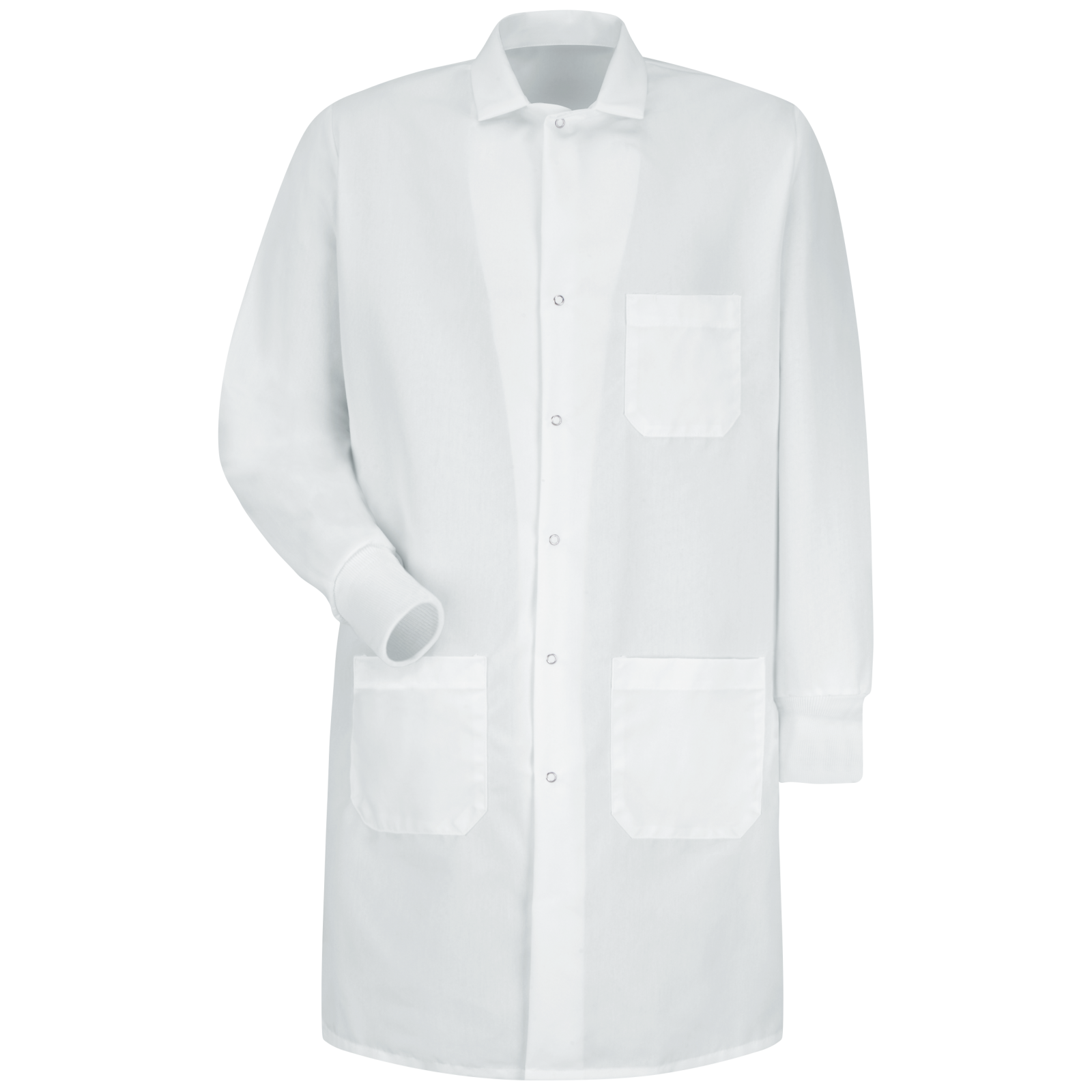
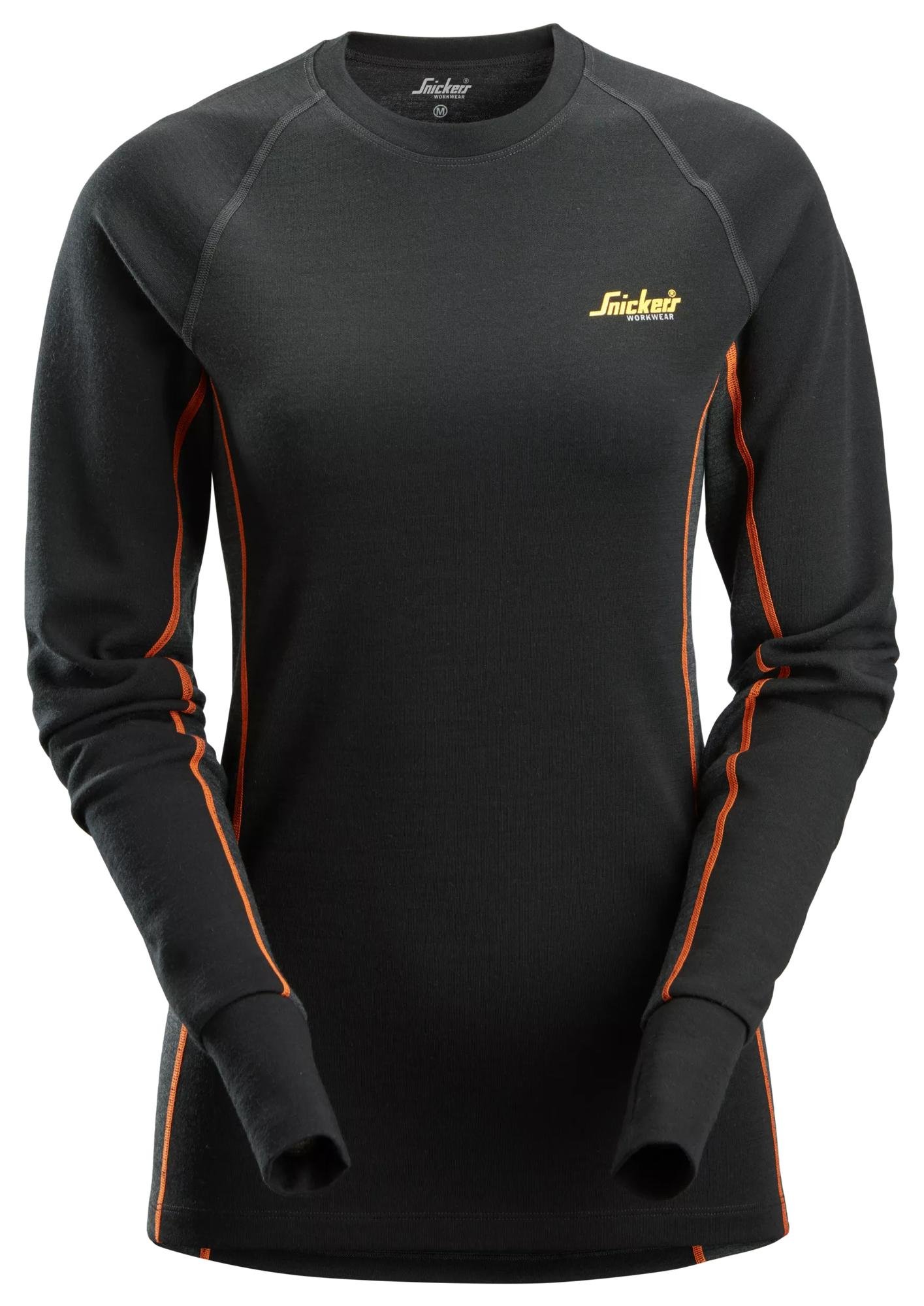
Browse Veelianpro’s Workwear Catalogue
Review current garment references, then send the fit and construction details for your program.





Blank Hats Wholesale Advantages
Specification-led headwear development for brands and distributors with requirements beyond a stocked blank cap.
Specification-Led Development
Turn buyer-provided sketches, samples, measurements, panel layouts, brim shapes, and closure preferences into a reviewable blank-hat specification.
Material and Trim Sourcing
Review cotton, polyester, nylon, mesh, corduroy, wool-blend, and recycled-content options alongside sweatbands, eyelets, closures, and underbrims.
Sample Approval Path
Validate fit, construction, color, and decoration placement through sampling before confirming production details for bulk blank caps.
Private-Label Options
Plan woven labels, care labels, patches, hangtags, and custom packaging around the identity and downstream decoration workflow your program requires.
Conditional Bulk Feasibility
Discuss projects from 100 pieces per style and color, subject to fabric, construction, and documentation requirements before quotation.
Export Coordination
Align approved packing details, destination information, and shipment coordination with your procurement plan after production inspection is completed.
Blank Hats Wholesale Development Options
Choose what you want to specify before sample approval.

Retail Brand Programs
Develop blank hats wholesale around the approved silhouette and buyer-provided measurements, then review material, trim, label, packaging, and sample details before confirming a production quotation.
Get a Quote
Decoration-Ready Sourcing
Provide the decoration method, artwork placement, and intended quantity for review. We can build the blank-hat specification around the chosen workflow and confirm sample requirements before production.
Get a Quote
Private-Label Launches
Move from a sketch, tech pack, or product idea into a project-specific blank-hat development brief. OEM, ODM, and private-label details can be reviewed from 100 pieces per style and color, subject to feasibility.
Get a QuoteBlank Hats Wholesale Materials for Feasibility Review
Explore materials and fabrics
Cotton Twill

A woven cotton option with a familiar, structured hand for classic caps and 5 panel blank hats wholesale programs. Specify the desired composition, finish, weight target, color, and decoration approach for feasibility review.
Polyester Fabric

Polyester can be considered where a smooth hand, color program, or active-use design direction is part of the brief. Define the intended construction, composition target, decoration method, and any documentation requirements before sampling.
Nylon Fabric

Nylon is an option to review for lightweight or technical-looking cap concepts. Provide the intended end use, fabric construction, finish target, color, and any requested water-related or other performance evidence at SKU level.
Mesh Panels

Mesh may suit trucker-inspired or ventilation-focused blank caps when panel layout and visual openness matter. Specify mesh type, placement, backing needs, color, and decoration location so the sample can confirm construction and appearance.
Corduroy Fabric

Corduroy offers a ribbed surface and more tactile, heritage-led direction for selected cap programs. Identify the wale appearance, composition target, color, panel structure, and planned patch or embroidery treatment for a practical review.
Wool Blend

A wool-blend option can be explored for a warmer, textured cap direction where the buyer defines the blend target. Confirm intended season, hand feel, care expectations, color, and any fiber-content documentation required for the project.
Blank Hats Wholesale: Headwear Construction Processes
Explore printing and finishing
Pattern Development
View details
We translate buyer measurements, crown profile, panel layout, brim shape, and closure requirements into a production-ready pattern. This establishes the approved construction route before materials are cut or samples are finalized.
Panel Cutting

Approved fabrics, mesh, linings, and reinforcement components are cut to the confirmed pattern and panel configuration. Controlled cutting supports consistent crown shape, alignment, and material use across the selected blank-hat program.
Crown Sewing

Cut panels are sewn into the specified crown, with seam construction, eyelets, sweatband integration, and reinforcement choices reviewed for the project. The result is a defined silhouette suited to the approved fit and intended decoration workflow.
Brim Assembly
The brim, underbrim, closure, and optional rope or other specified components are assembled to match the approved design. This stage determines the cap’s visual profile, adjustment method, and finished balance before final inspection.
Sampling And Checks

A sample can be used to review construction, color, fit, trim placement, and decoration compatibility before bulk production. Final finishing and quality checks follow the approved specification, with methods subject to the confirmed construction.
Blank Hats Wholesale: Trims and Components to Define
Explore labels, trims and packaging
Closure Systems
Choose a snap, strap, buckle, hook-and-loop, or fitted closure according to the selected silhouette and wearer profile. Closure selection affects adjustment range, back-panel appearance, and the final approval sample for your bulk blank caps.
Ventilation Eyelets
Specify sewn or metal eyelets by panel location, finish, and color direction. These small components can support the intended cap appearance while coordinating with fabric choice, crown construction, and any planned wholesale caps for decoration.
Sweatband Options
Define the sweatband material, width, color, and label placement for review inside the crown. This component helps shape wearer comfort and finishing expectations without making unverified moisture-management or performance claims.
Brim Treatments
Approve the brim shape, stitching direction, underbrim color, and contrast treatment alongside the cap profile. A reviewed brim specification helps distinguish 5 panel blank hats wholesale programs from a generic stocked-style purchase.
Labels and Packaging
View details
Add woven labels, care labels, hangtags, patches, or custom packing requirements where the buying task calls for them. Confirm artwork, placement, attachment method, and carton instructions during sampling before production is quoted.
Blank Hats Wholesale With Veelianpro
Based in Wuhan, Veelianpro develops custom workwear for industrial, safety, hospitality, and service programs. Our workwear operation began in 2012, and we support OEM, ODM, private-label, and wholesale buyers with a practical development process that starts from a tech pack, sketch, sample, or product idea.
For blank hats wholesale projects, we apply this approved development scope without presenting headwear as an established stock program. We can review materials, structure, color, trims, labeling, packaging, and decoration requirements, then coordinate sampling and quotation. Projects may start from 100 pieces per style and color, subject to fabric, construction, and evidence requirements.

Blank Hats Wholesale: Brief to Approval
Fit and Structure Review
Turn your product idea, sketch, sample, or tech pack into a reviewable blank-hat specification. We align the intended silhouette, panel layout, crown profile, brim shape, closure, sizing approach, and color direction before materials or production decisions move forward.
- Review baseball cap, trucker, dad hat, snapback, five-panel, bucket, visor, or beanie directions
- Confirm buyer-provided fit measurements and size expectations
- Define panel count, brim form, closure, eyelets, and sweatband choices
- Separate blank caps into an independent specification, sample, and quote when the procurement task differs

Materials and Trim Sourcing
Specify the material and component package around the intended channel, wearer, decoration route, and approval needs. We can source options for review and help document the details that distinguish a basic blank from a private-label wholesale cap program.
- Discuss cotton, polyester, nylon, mesh, corduroy, wool-blend, or recycled-content options for review
- Select closures, underbrims, rope, eyelets, sweatbands, labels, hangtags, and packaging
- Identify color standards and material documentation needed for the target market
- Request SKU-level evidence where recycled, UV, water resistance, or other claims matter

Prototype and Decoration Planning
A sample makes the blank-hat specification tangible before production. We coordinate pattern development and prototype review while planning how the cap will remain blank for downstream decoration or accommodate a defined branding method in the approved production route.
- Develop samples from an approved brief, sketch, reference, or tech pack
- Review embroidery, screen print, heat transfer, patch, woven-label, and care-label options
- Confirm artwork position and panel constraints before decoration is approved
- Keep blank hats undecorated when your own decorator controls the finishing workflow
Inspection and Packing Coordination
Once the specification is approved, we carry its key details through cutting, sewing, finishing, quality checks, packing, and export coordination. Custom blank hats wholesale projects can be considered from 100 pieces per style and color, subject to fabric, construction, and evidence requirements.
- Carry approved materials, trims, color, and packing instructions into production
- Check workmanship and order requirements before packing
- Specify individual packing, labels, hangtags, carton marks, and destination needs
- Coordinate quote inputs around quantity, destination, timeline, and approval requirements
Blank Hats Wholesale: Custom Development vs. In-Stock Caps
Choose made-to-order development when the specification needs approval; choose stocked blanks when the existing style meets your brief.
← Swipe left or right to view →
Blank Hats Wholesale Workflow
Move from a defined cap brief to inspected, packed production through feasibility review, material sourcing, sample approval, order confirmation, and export coordination.
Brief and Feasibility
Share a tech pack, sketch, sample, or product idea with silhouette, quantity, destination, colors, materials, trims, and decoration requirements. We review whether the requested specification is practical.
Source and Develop
We align fabric, mesh, closures, sweatbands, brim components, labels, and packaging with the approved direction, then develop patterns and construction details for buyer review.
Sample and Quote
Review the sample for profile, panel layout, fit, color, trim placement, and decoration workflow. The quotation follows the confirmed specification, including project feasibility from 100 pieces per style and color.
Confirm Production
After specification, sample, pricing, and order details are approved, we finalize production requirements and coordinate cutting, sewing, reinforcement, finishing, and required branding steps.
Inspect and Dispatch
Quality checks verify the agreed construction, appearance, labels, packing, and carton details before export coordination. Final shipment arrangements follow the confirmed order and destination requirements.
Start Your Blank Hats Wholesale Project
Share the commercial and specification details needed to assess a conditional made-to-order blank-hat program.
Send Your Brief
Provide intended use, silhouette, buyer measurements, material preferences, colors, trims, branding needs, quantity, destination, and required delivery timeline for initial review.
Review Feasibility
We assess the requested cap structure, sourcing requirements, decoration route, and documentation needs, then clarify whether the project is suitable for development.
Approve the Sample
Review the proposed sample against fit, panel layout, brim, closure, material, trim, color, and decoration-placement requirements before confirming final specifications.
Confirm Your Quote
Receive a project-specific quotation covering approved specifications and quantities. Custom blank hats may begin from 100 pieces per style and color, subject to feasibility.
Release Production
Approve the final order details to release production, with inspection, packing, export coordination, and reorder reference managed against the confirmed specification.
Standards and Audit References


Blank Hats Wholesale: Illustrative Buyer Scenarios
Illustrative scenario
Apparel Buyer
An apparel brand needed a five-panel blank cap distinct from its parent hat program. We reviewed the buyer’s panel layout, brim, closure, color, and downstream decoration plan, then prepared a separate specification and sample approval route before quotation.
Illustrative scenario
Sourcing Manager
A uniform distributor required bulk blank caps for later decoration across a client program. The brief clarified intended wear, fit, closure, sweatband, and packaging choices. Material and construction selections were reviewed against the requested sample and approval evidence.
Illustrative scenario
Production Planner
A sourcing team compared stocked blanks with a made-to-order route for a custom color and trim combination. We assessed feasibility from 100 pieces per style and color, subject to fabric, construction, and documentation requirements, then aligned sampling with the quotation.
Blank Hats Wholesale FAQ
Practical answers for sourcing teams comparing stocked blanks with conditional custom headwear development.
Should I buy blank hats wholesale from stock or develop a made-to-order cap?
What is the minimum quantity for a custom blank-hat project?
Which blank hats wholesale silhouette should I specify?
What materials and trims can I request for bulk blank caps?
Can wholesale caps for decoration be left blank for my own decorator?
How do samples work before blank hats wholesale production?
What payment, shipping, and intellectual-property details should I confirm?
When do blank caps need a separate specification, sample, and quote from blank hats?
The Complete Guide to Blank Hats Wholesale
Compare in-stock blanks with conditional made-to-order development, evaluate supplier criteria and approvals, and avoid specification, decoration, documentation, and reorder mistakes before committing to a bulk headwear program.
1. What Is Blank Hats Wholesale?
Blank hats wholesale means buying undecorated headwear in quantities for resale, uniform issue, promotional use, or a later decoration step. The buyer is purchasing a usable base silhouette—such as a cap, trucker, five-panel style, bucket hat, visor, or beanie—while keeping the logo application under a separate workflow.
Ready-to-order blanks and made-to-order development solve different procurement tasks. A stocked route is appropriate when an available silhouette, color, closure, and fabric already meet the brief and a downstream embroiderer, printer, or patch supplier will finish the hats; it should not be confused with custom manufacturing or assumed to be available through Veelianpro.
For programs that need a buyer-approved profile, panel layout, brim, material, trim, label, or packaging, Veelianpro can review a made-to-order development brief. Development may begin from 100 pieces per style and color, subject to fabric, construction, and evidence requirements; feasibility, sampling, quotation, and final terms require project review.
Treat blank caps as a separate specification, sample, and quote when their purchasing task differs from blank hats. This prevents a cap’s measurements, decoration area, closure, or required documentation from being carried into a different headwear program without approval.
2. How Blank Hats Wholesale Buying Evolved
Blank hats wholesale now serves two distinct buying tasks. A stocked-blank route suits teams that have already accepted a catalog silhouette and need hats for resale, an event, uniforms, or downstream decoration; wholesale sellers commonly present blank and customized options side by side (https://dugallhats.com/pages/wholesale-hats).
A made-to-order route begins when the cap itself needs approval, not merely a logo application. The buyer may need to confirm panel layout, crown profile, brim shape, closure, fabric or mesh choice, color matching, sweatband, eyelets, rope, labels, patches, and packaging before decoration artwork can be finalized. This shifts the purchase from selecting inventory to controlling a product specification and sample.
That distinction is why a blank cap should receive its own specification, sample, and quotation whenever its procurement task differs from the parent blank-hat program. For Veelianpro development, projects can be reviewed from 100 pieces per style and color, subject to fabric, construction, and documentation requirements; the inquiry should identify buyer measurements, intended decoration workflow, destination, and approval requirements. A cap page is useful only when those decisions differ materially from the broader hat request, rather than duplicating the same buying path.
3. Blank Hats Wholesale Types by Program
Silhouette determines where a blank hat is worn, how its front can be decorated, and whether one adjustable fit can serve the program. Compare the crown, panel breaks, brim, and closure before treating styles as interchangeable.
| Style | Front-Panel Layout | Profile Or Brim Decision | Typical Program |
|---|---|---|---|
| Baseball cap | Six-panel or approved layout | Curved brim; low, mid, or high profile | Uniform or promotion |
| Trucker hat | Structured front with mesh back | Crown height and adjustable closure | Casual retail or events |
| Five-panel cap | Single uninterrupted front | Brim shape and crown profile | Logo-led retail |
| Bucket hat | No front panel priority | All-around brim | Leisure or event |
| Visor | Open crown | Brim depth and rear closure | Activity program |
| Beanie | Cuff or crown logo area | No brim; cuff height | Cold-weather assortment |
Structured Cap Programs
Baseball caps suit broad uniform, promotional, and retail programs; trucker hats add a mesh-backed, casual route. Choose a structured front only after the proposed decoration area is reviewed.
- Baseball cap: general-purpose channel
- Trucker: casual or outdoor-facing channel
- Snapback: adjustable structured retail route
Low-Profile Retail Choices
Dad hats use a softer, lower-profile appearance and commonly suit lifestyle assortments. Five-panel caps present a cleaner uninterrupted front than a center-seamed cap, but profile, brim curve, and artwork scale still require approval.
- Dad hat: understated lifestyle fit
- Five-panel: clean front-panel layout
- Snapback: flat or shaped brim decision
Seasonal And Activity Formats
Bucket hats prioritize all-around brim coverage for event or leisure programs, while visors leave the crown open for activity-focused use. Beanies remove the brim and closure decision, making yarn, cuff, and logo position the key review points.
- Bucket hat: all-around brim
- Visor: open-crown activity format
- Beanie: cuff and logo placement
Approve Fit By Measurement

Do not assume a standard fit from a silhouette name. Provide wearer group, target channel, crown profile, panel layout, brim shape, closure choice, and buyer-provided measurements for the sample; blank caps need an independent specification, sample, and quote when the purchasing task differs.
- Confirm adjustable or fitted intent
- Approve front-panel artwork area
- Record sample measurements and tolerances
4. Materials for Blank Hats Wholesale
Material choice changes hand feel, crown behavior, and the decoration route long before a blank-hat sample is approved. For blank hats wholesale developed to specification, list the proposed fiber, fabric construction, color, and claim requirements for feasibility review.
| Material Option | Construction Consideration | Suitable Program | Evidence To Request |
|---|---|---|---|
| Cotton | Twill or other specified fabric; panel stability | Casual retail or uniform concept | Fiber content and color approval |
| Polyester or nylon | Surface, backing, and panel construction | Smooth structured or utility-led concept | Fiber content; claim support if requested |
| Mesh | Placement and openness of mesh panels | Trucker or ventilated-design concept | Component specification; any stated claim evidence |
| Corduroy or wool blend | Wale or blend affects texture and decoration | Seasonal or textured retail concept | Fiber-content documentation |
| Recycled-content option | Traceability must match proposed SKU | Programs carrying a recycled claim | SKU- and market-level chain-of-custody evidence |
Cotton And Corduroy

Cotton can suit casual caps where a natural hand is part of the brief; corduroy introduces visible wale texture and a more directional appearance. Specify the desired fabric rather than assuming a standard weight or finish.
Both surfaces should be reviewed with the intended embroidery, patch, or print method. Dense stitching, patch edges, and panel seams can alter the finished appearance.
- Confirm panel-facing fabric and underbrim separately
- Provide artwork size and intended placement
- Request color and wash reference approval
Synthetic And Mesh Choices
Polyester, nylon, and mesh can be specified when a program needs a particular smoothness, structure, ventilation layout, or care approach. A mesh back is a component choice, not evidence of a performance attribute.
For UV, water-resistant, or similar claims, identify the target market and request applicable SKU-level test evidence before copy or packaging carries the claim.
- Name shell, backing, and mesh separately
- Review decoration adhesion on the actual surface
- State any claimed attribute for evidence review
Wool Blends And Recycled Content
Wool-blend options can change texture and perceived warmth, while recycled-content requests require traceability decisions alongside color and construction. Neither request confirms availability, composition, or certification.
Ask for fiber-content documentation and chain-of-custody evidence at the proposed SKU and market scope. A photograph or material swatch does not verify recycled content.
- Specify blend target for review
- Request SKU-specific fiber documentation
- Separate recycled claim from visual preference
5. Customization and Finishing Choices
A blank hats wholesale program can remain undecorated for a downstream shop or move through pre-approved branding before bulk production. The route should be chosen before artwork, panel layout, trims, and the approval sample are locked.
| Workflow | Best When | Sample Approval Focus |
|---|---|---|
| Downstream blank decoration | Local decorator remains undecided | Panel surface and placement field |
| Pre-approved embroidery | Stitch artwork is finalized | Seams, artwork scale, thread appearance |
| Patch or print program | Brand finish is method-specific | Patch edge or print detail |
| Private-label finishing | Retail presentation is required | Labels, hangtags, packaging, carton marks |
Blank-First Decoration Planning
A center-front seam can interrupt small lettering, while a five-panel front may create a more continuous artwork field. Send the downstream decorator the intended cap construction, crown profile, brim shape, and buyer-provided placement measurements.
Keep blanks undecorated when local embroidery or print timing remains flexible. If pre-decoration is requested, submit production-ready art and identify front, side, back, or underbrim placement for feasibility review.
- Embroidery-ready front panel
- Patch-ready placement zone
- Print artwork and color reference
Approved Branding Methods
Embroidery suits stitch-based artwork, while patches can separate fine artwork from the cap surface; screen printing and heat transfer require method-specific review. Small type, gradients, and placement near seams should be judged on a physical sample rather than a digital mockup alone.
Approve artwork scale, thread or patch appearance, and placement together. Woven labels, care labels, and custom packaging are available development options; their final feasibility belongs in the project specification.
Private-Label Finish Requests

Closure type, eyelets, sweatband, rope, and underbrim change both the wearer experience and the component list. Treat snapback, strapback, hook-and-loop closure, contrast underbrim, and decorative rope as options to specify for review, not assumed standard features.
Request woven labels, hangtags, individual packaging, and carton marks in the same approval package. Veelianpro can review fabric and trim sourcing, sampling, decoration, packing, and export coordination; made-to-order projects start from 100 pieces per style and color, subject to feasibility.
- Closure and adjuster reference
- Carton mark and pack ratio
- Hangtag and woven-label artwork
6. Construction Checks Before Sample Approval
A sample reveals interactions that a specification sheet cannot: a crown can look right yet distort under decoration, or an adjustable closure can fit poorly after packing. Approve blank hats wholesale samples in separate visual, fit, decoration, and packaging passes.
Crown And Panel Review
Check crown profile on the intended wearer or buyer-provided head form, then inspect how panel seams define the front area. A hypothetical six-panel sample may place a center seam through small lettering; move the artwork, simplify it, or review a five-panel layout.
For structured fronts, assess whether the selected front-panel support keeps the intended shape without buckling. Record the approved view from front, side, and top so later revisions do not silently alter the silhouette.
Brim, Closure, And Sweatband
Compare brim curvature and edge consistency across the sample rather than approving one flattering angle. If a hypothetical curved brim looks uneven after forming, identify the approved shape in the sample notes and require a revised sample where needed.
Operate the closure repeatedly and check that its adjustment range, attachment, and sweatband contact suit the buyer’s intended wearer. Snap, strapback, buckle, hook-and-loop, or fitted choices should be specified for feasibility review.
Seams, Trims, And Alignment
Inspect panel seam consistency, eyelets, buttons, rope, labels, patches, and other specified trims for secure attachment and clean placement. A hypothetical rope sitting off-center may require a placement reference rather than an assumption that bulk production will self-correct.
Review color against the approved reference under the agreed viewing conditions. Confirm logo placement from seam lines and brim edges, since a centered graphic can still appear visually shifted on an assembled crown.
Four-Pass Approval Sequence
Visual approval covers silhouette, color, panel layout, brim, and trim appearance. Fit approval covers crown feel, closure function, and sweatband contact using buyer-provided fit expectations.
Decoration approval checks the actual intended artwork, method, scale, and placement on the construction being ordered. Packaging approval then checks labels, hangtags, folding or protection method, assortment marking, and carton instructions before the bulk quote and production confirmation.
- Approve visual appearance before fit changes.
- Approve fit before locking decoration placement.
- Approve decorated sample before packaging details.
- Keep annotated photos with each approval.
7. Choosing a Blank Hats Wholesale Supplier
Supplier selection begins with whether the requirement is a stocked blank for downstream decoration or a cap developed to a controlled specification. The route changes the approval file, quotation scope, and reorder record.
| Cost Driver | Conditional Made-To-Order Route | In-Stock Blank-And-Decorate Route | Quote Must Specify |
|---|---|---|---|
| Base cap | Solves approved silhouette or build | Solves immediate standard blank selection | Style, color, quantity |
| Materials and trims | Changes cost when specified for review | Usually limited to stocked choices | Composition, closure, labels |
| Decoration | Can be approved before production | Applied by a downstream decorator | Method, artwork, placement |
| Controls | Sample and specification govern repeat orders | Stock SKU and decorator instructions govern repeats | Approval version and inspection scope |
Specification Review
Send a tech pack or sketch with silhouette, panel layout, profile, brim, closure, color, buyer measurements, size intent, and quantity by color. Veelianpro reviews feasibility for made-to-order development from 100 pieces per style and color, subject to fabric, construction, and evidence requirements.
Materials And Approvals
Name the desired material and build—cotton, polyester, nylon, mesh, corduroy, wool-blend, or recycled-content option—and identify claims requiring SKU- and market-level evidence. Approve artwork, embroidery or patch placement, woven labels, sweatband, eyelets, rope, underbrim, hangtags, and packaging against a sample.
Quote And Reorder Controls
A usable quote separates shell material, components, decoration, sampling, labels, packing, testing or documentation requests, and export coordination. Freeze the approved sample, artwork revision, color reference, trim sources, carton pack, and inspection points under a reorder code; blank caps need an independent specification, sample, and quote when the task differs.
8. Common Blank Hats Wholesale Mistakes
Blank hats wholesale can fail before bulk production when a buyer treats a visual reference as a complete specification. Separate the procurement route, physical approval, evidence request, and reorder record before confirming quantities.
Do Not Equate Stock And Development
An in-stock blank/decorate route uses an existing hat; made-to-order development requires feasibility review of silhouette, material, construction, and trims. Veelianpro considers projects from 100 pieces per style and color, subject to those requirements.
Illustrative scenario 1 — A sourcing manager needs a five-panel cap with a specified closure. The task shifts from stocked blanks to development after the closure is added; approval follows a project-specific quote and sample route.
| Decision | In-Stock Blank Route | Made-To-Order Development |
|---|---|---|
| Core approval | Existing style selection | Buyer specification and feasibility |
| Decoration | Downstream decorator review | Placement reviewed with sample |
| Variant control | Chosen stock color | Approved color and trim combination |
Approve Fit And Decoration Together
A front-panel logo can cross a center seam or distort on a curved crown. Send buyer measurements for profile, panel layout, brim shape, closure, and intended logo placement rather than approving from a front-view image.
Illustrative scenario 2 — A uniform distributor submits embroidery artwork for a six-panel cap. The task changes when small lettering meets the center seam; approval moves to revised placement or decoration method on the sample.
Separate Evidence From Variant Approval
A photo shows appearance, not fiber content, recycled-content chain of custody, UV attributes, or test scope. Request relevant SKU- and market-level documentation when an attribute is part of the procurement requirement.
Illustrative scenario 3 — A brand buyer orders two colors with different rope and underbrim choices. The task becomes two controlled variants; approval identifies each color, trim, artwork, and packaging combination separately.
Lock The Reorder Specification
A reorder should reference the approved sample, measurements, panel configuration, material target, color reference, closure, decoration file, label, packaging, and inspection points. Without that record, a prior photo or purchase description leaves too much open to interpretation.
- Use one revision-controlled specification per approved variant.
- Confirm whether blank hats and blank caps are separate procurement tasks.
- Attach changed artwork or trim approvals to the reorder record.
9. Launching a Controlled Bulk Hat Program
A controlled blank hats wholesale launch turns a visual concept into an approved specification before bulk release. Start with buyer measurements and end with a retained reorder file, so substitutions or decoration conflicts are visible early.
Build The Development Brief
Record the silhouette, profile, panel layout, brim shape, closure, color, intended decoration, size approach, and buyer-provided measurements. List cotton, polyester, nylon, mesh, corduroy, wool-blend, or recycled-content options only as materials for feasibility review.
Use a separate blank caps brief when its crown structure, fit, material, trim, or decoration task differs from the blank hats program. That difference warrants its own sample route and quotation.
- Target quantity and destination
- Artwork, placement, and decoration method
- Sweatband, eyelets, rope, underbrim, labels, and packaging
- Required SKU- or market-level documentation
Request Quote And Sample
Send the completed brief to Veelianpro for feasibility review; conditional development starts from 100 pieces per style and color, subject to fabric, construction, and evidence requirements. The quotation should identify what the sample and bulk specification include.
Approve the physical sample against the brief, not a photo alone. Check profile, panel alignment, brim shape, closure function, color reference, trim placement, decoration area, labels, and packaging.
- Confirm approved measurements and tolerances
- Mark sample changes in one revision file
- Confirm decoration-ready surface and placement
- Release bulk only after written approval
Release And Preserve Reorders
Production release should lock the approved sample revision, quantity by color, inspection criteria, carton marks, and destination instructions. Inspect against the agreed specification before shipment coordination.
Create a reorder file containing the final brief, artwork, color references, trim list, sample approval, quote, and inspection notes. Record any approved change as a new revision rather than relying on memory.
- Approved sample reference
- Final bill of materials
- Decoration and packaging files
- Inspection findings and corrective notes
10. Blank Hats Wholesale Cost Drivers
A blank hat quote changes first with the product architecture: a simple approved silhouette requires fewer decisions than a new panel layout, brim profile, or closure configuration. Materials also change the costing path because fabric composition, mesh, corduroy, wool-blend, recycled-content documentation, and color matching each require feasibility review.
Decoration should be priced as a workflow, not assumed as an add-on. Confirm whether hats remain blank for a downstream decorator or require embroidery, screen printing, heat transfer, patches, labels, or placement approval during sampling.
For conditional made-to-order development, Veelianpro starts from 100 pieces per style and color, subject to fabric, construction, and evidence requirements. Lock the approved sample, artwork files, packaging standard, destination, and quantity split before requesting the final quote; blank caps need their own specification, sample, and quotation when the procurement task differs.
| Cost driver | What changes the quote | Quote must specify |
|---|---|---|
| Silhouette and construction | Panel count, crown structure, brim shape, seam details, and closure assembly affect development and labor. | Approved reference or buyer measurements; profile, panel layout, brim, and closure. |
| Materials and colorways | Fabric type, mesh, sweatband, underbrim, color matching, and documentation requests can change sourcing and review. | Composition target, color references, material options for review, and evidence scope. |
| Decoration and trims | Embroidery, patch, print, labels, eyelets, rope, hangtags, and custom packaging add separate operations. | Artwork, placement, dimensions, trim list, label files, and packing requirements. |
| Sampling and quantity | New samples, revisions, quantity by color, and carton allocation change the production plan. | Sample approval record, revision limit, order split, destination, and inspection requirements. |
Request Your Blank Hats Wholesale Development Quote
Send your style, measurements, materials, trims, branding, quantity, destination, and evidence requirements for a feasibility review and project-specific quote.