
Baseball Jersey Manufacturer
Choose Veelianpro as your baseball jersey manufacturer for made-to-order teamwear, with feasibility reviewed from 100 pieces per style and color.
Garment and Development References


Browse Veelianpro’s Workwear Catalogue
Review current garment references, then send the fit and construction details for your program.


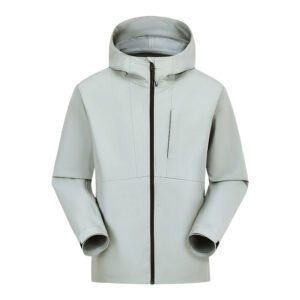


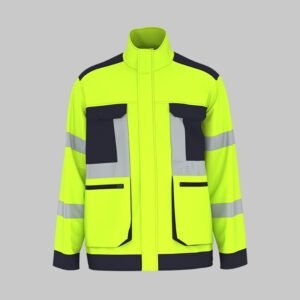


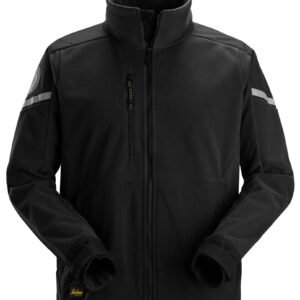

Baseball Jersey Manufacturer Advantages
Practical development support for bulk teamwear programs, from specification through approval.
Buyer-Led Development
Share a tech pack, sketch, sample, or concept; we translate it into patterns, material sourcing, and an approval-ready development path.
OEM, ODM, Private Label
Build to your established specification or develop from a brief, with labels, care labels, patches, and custom packaging specified for review.
Fabric and Trim Sourcing
Discuss fabric composition, hand feel, color, placket details, and decoration-compatible trims before development decisions are locked into your order.
Sample Review Controls
Review construction, fit direction, artwork placement, player names, numbers, and colorway details before authorizing bulk baseball jersey production.
Coordinated Teamwear Planning
Plan jerseys with matching pants, caps, or warm-up pieces under one visual brief, while confirming feasibility from 100 pieces per style and color.
Baseball Jersey Manufacturer Development Options
Choose what you want to specify before sample approval.

Jersey Silhouette Development
Veelianpro can review a full-button, two-button, V-neck pullover, or henley concept against your tech pack or reference, then develop the pattern, sample, and approval points for bulk production.
Get a Quote
Coordinated Team Kit Planning
Plan a coordinated baseball teamwear program with shared color and branding direction. Submit the pieces, size runs, roster details, and decoration placements together so the development scope can be reviewed clearly.
Get a Quote
Artwork and Patch Decisions
We review artwork and garment construction for decoration options such as screen printing, heat transfer, embroidery, patches, or woven labels, with final method suitability confirmed through material and sample review.
Get a QuoteBaseball Jersey Manufacturer Materials to Specify
Explore materials and fabrics
Polyester Performance Knit

A smooth synthetic knit option to review for jersey bodies where color, hand-feel, and decoration compatibility matter. Specify the weight, yarn approach, finish, color standard, and required documentation for your development brief.
Double-Knit Polyester

A more structured knit option for teams seeking a substantial jersey hand and a stable base for construction details. Confirm face texture, stretch direction, opacity expectations, and artwork method during material and sample review.
Polyester Mesh Panels

Mesh can be considered for targeted ventilation zones, contrast panels, or selected garment sections. Define hole size, lining needs, color match, seam treatment, and whether the proposed decoration workflow suits the selected mesh.
Stretch Knit Blend

A stretch-oriented knit may suit briefs that prioritize movement and recovery in the jersey body or side panels. Review fiber composition, stretch direction, rebound, fit block, and compatibility with plackets and applied branding.
Contrast Panel Fabric

Contrast materials help distinguish raglan sections, side inserts, collar details, or coordinated teamwear colorways. Specify texture contrast, shade approvals, seam joins, and the decoration placement plan so panels support the intended visual system.
Baseball Jersey Manufacturer Processes to Review
Explore printing and finishing
Pattern Development
View details
We translate your approved measurements, silhouette direction, and team-set requirements into production patterns, including full-button plackets, two-button or pullover options, and coordinated fit rules for the requested size range.
Precision Cutting

Approved fabric and panel layouts are prepared for cutting after color, grain direction, and placement requirements are reviewed. This establishes consistent components for jersey bodies, sleeves, plackets, and any coordinated garment pieces.
Jersey Sewing

Sewing construction brings cut panels into the specified baseball jersey shape, with requested seam treatments, placket assembly, sleeve configuration, and reinforcement details reviewed against the approved sample and construction brief.
Sublimation Printing

For artwork suited to sublimation, team colors, patterns, names, and numbers can be planned within the panel layout before assembly. Final feasibility depends on artwork, fabric selection, color expectations, and sample review.
Graphic Application
Screen printing, heat transfer, sewn appliqué, or patch application can be assessed for logos, sponsor marks, and player details. We review artwork format, placement, material compatibility, and the intended visual depth before production.
Label and Pack Finishing
Private-label finishing may include woven labels, care labels, patches, and custom packaging for review. Confirm the required label content, destination-market requirements, folding method, and assortment plan with your baseball jersey manufacturer.
Baseball Jersey Manufacturer Options: Plackets, Patches, and Finishing
Explore labels, trims and packaging
Full-Button Placket
A traditional front opening with buttons running from collar to hem. Choose it for classic baseball styling and review button type, spacing, placket construction, and how front artwork will align before sampling.
Two-Button Placket
A shorter button opening placed at the upper chest for a streamlined team jersey. Buyers can define collar shape, button color, contrast details, and logo placement around the opening during technical review.
V-Neck or Henley
Specify a V-neck finish or henley-style neckline when a pullover silhouette better fits the team brief. Neck binding, contrast color, fit intent, and decoration clearance should be confirmed with the selected construction.
Sewn Team Patches
Fabric patches can be positioned on the chest, sleeve, or other approved panel to carry a club mark or sponsor artwork. Submit artwork, intended size, placement, edge treatment, and attachment preference for review.
Roster Names and Numbers
Player names and numbers can be planned as part of the decoration workflow for each jersey. Provide an approved roster, size run, number list, font direction, locations, and final spelling before bulk approval.
Labels and Packaging
View detailsWoven labels, care labels, and custom packaging can support a private-label baseball jersey program. Share label artwork, mandatory market information, fold method, packing requirements, and carton-mark preferences for feasibility review.
Your Baseball Jersey Manufacturer Partner
Veelianpro is a Wuhan-based custom garment development partner for apparel brands, uniform distributors, and sourcing teams. As your baseball jersey manufacturer, we turn a tech pack, sketch, sample, or product idea into a clear development brief for made-to-order teamwear, including jersey-only programs or coordinated team sets.
Our process supports fabric and trim sourcing, pattern development, sampling, size grading, cutting, sewing, decoration, finishing, quality checks, packing, and export coordination. Define the placket, patch application, team-set fit, artwork, names, numbers, labels, and packaging before approval. Projects may be feasible from 100 pieces per style and color, subject to fabric, construction, and documentation requirements.

Baseball Jersey Manufacturer Development Support
Translate Your Brief Into Production Details
We turn a tech pack, sketch, reference sample, or product idea into a workable baseball jersey development brief, aligning silhouette, placket, panel layout, colorways, and team-set requirements before sampling begins.
- Review full-button, two-button, V-neck pullover, henley, or buyer-defined silhouettes
- Confirm artwork placement, player-name and number data, and colorway files
- Coordinate jerseys with pants, caps, or warm-up pieces where required
- Assess feasibility from 100 pieces per style and color, subject to project requirements
Source Materials, Trims, and Brand Details
Specify materials and finishing choices around the intended hand-feel, stretch, ventilation, appearance, and decoration route. We can source fabrics and trims for review while helping private-label buyers coordinate labels, patches, plackets, and packaging with the garment specification.
- Discuss knit construction, composition, weight, stretch, and ventilation preferences
- Review button plackets, neck finishes, piping, cuffs, and hem treatments
- Plan woven labels, care labels, patches, hangtags, and custom packaging
- Treat recycled, UV, or tested material attributes as documentation topics for review

Control Samples, Decoration, and Bulk Readiness
Our baseball jersey manufacturer workflow brings pattern development, size grading, cutting, sewing, decoration coordination, inspection, packing, and export coordination into one approval path. This helps buyers lock down fit, roster information, artwork, and finishing details before bulk production.
- Develop patterns and size grading from approved measurements or size specifications
- Coordinate sublimation, sewn appliqué-style twill, embroidery, screen printing, or heat transfer for review
- Check approved construction, decoration placement, labels, and packing details
- Prepare export packing and shipment coordination after order confirmation
Baseball Jersey Manufacturer: Made-to-Order vs. In-Stock
Compare a specification-led development route with an in-stock jersey decorated after purchase.
← Swipe left or right to view →
Baseball Jersey Manufacturer Production Flow
Move from a defined teamwear brief through approvals, bulk manufacturing, export coordination, and reorder-ready records with controls at every production handoff.
Feasibility and Brief Review
Share your tech pack, sketch, artwork, intended use, size range, quantity, destination, and timeline. We review construction, fabric, decoration, and documentation requirements before quoting feasibility.
Specification and Material Selection
Confirm jersey silhouette, placket, fabric options, colorways, patches, names, numbers, labels, packaging, and coordinated team-kit pieces. Starting quantities from 100 pieces per style and color remain project-dependent.
Pattern Development and Sampling
Develop patterns, size grading, and a sample route for review. Check fit, artwork placement, decoration workflow, placket details, patch application, and roster-data handling before bulk approval.
Order Confirmation and Planning
Lock approved specifications, sample comments, quantities, size breakdowns, branding files, and packing instructions. Production planning begins only after the order details and commercial terms are confirmed.
Bulk Production and Inspection
Cutting, sewing, reinforcement, decoration, finishing, and quality checks follow the approved specification. We verify key workmanship, labeling, roster personalization, and packing details against the production file.
Packing, Export, and Reorders
Complete final packing and export coordination using the agreed shipment details. Retained specifications and approved references support clearer repeat orders, colorway extensions, and coordinated teamwear programs.
Start Your Jersey Project
A practical approval path for custom baseball jersey development, from initial brief to delivery coordination.
Share Your Brief
Send a tech pack, sketch, reference sample, or product idea with silhouette, fabric direction, colors, team-set needs, artwork, quantity, destination, and timeline.
Review Feasibility
We review the project requirements, including placket, patch, decoration, labels, packaging, and conditional MOQ feasibility, then prepare a project-specific quotation.
Approve Development Sample
Review the proposed sample for fit, fabric selection, colorway, decoration placement, player names, numbers, and construction details before authorizing the approved specification.
Confirm Bulk Details
Finalize size runs, roster data, artwork files, labeling, packing instructions, and production approvals so the bulk order follows one controlled, documented specification.
Coordinate Delivery Documents
Confirm shipment destination and required commercial documentation with our team, then align export coordination and reorder records around the approved baseball jersey program.


Baseball Jersey Manufacturer Scenarios for Bulk Buyers
Illustrative scenario
Apparel Buyer
A sourcing team submits a full-button jersey brief and asks to align fabric options, placket construction, player-number artwork, and size grading. Approval requires the final tech pack, artwork files, color references, and a reviewed sample before bulk production.
Illustrative scenario
Sourcing Manager
An apparel brand develops a private-label two-button baseball top with a sewn patch direction and branded labels. The requested change is a revised team-set fit and finishing plan. Approval requires placement artwork, label copy, packaging details, size run, and sample confirmation.
Illustrative scenario
Production Planner
A uniform distributor scopes bulk baseball jerseys with coordinated pants and caps for a customer program. The brief adds roster names, numbers, and colorway controls. Approval requires confirmed quantities by style and color, roster data, decoration review, destination details, and production-ready specifications.
Baseball Jersey Manufacturer FAQ for Bulk Buyers
Practical answers on made-to-order development, decoration, approvals, and private-label coordination with Veelianpro.
What is the MOQ for a custom baseball jersey manufacturer project?
Can you make full-button, two-button, V-neck, or henley baseball jerseys?
Which decoration method is best for logos, names, and numbers?
What do you need to quote bulk baseball jerseys accurately?
Can Veelianpro provide samples before bulk baseball jersey production?
Can a baseball jersey manufacturer create private-label teamwear and matching kits?
How are artwork ownership, roster files, and production approvals handled?
What payment and shipping arrangements are available for wholesale baseball jerseys?
The Baseball Jersey Manufacturer Buyer’s Guide
A practical framework for comparing made-to-order development, supplier criteria, construction and decoration choices, approvals, and the sourcing mistakes that can derail a custom baseball uniform program.
1. What a Baseball Jersey Manufacturer Does
Veelianpro is a baseball jersey manufacturer for made-to-order B2B programs: it turns an approved team or private-label brief into bulk garments, beginning from 100 pieces per style and color when the requested fabric, construction, and documentation scope is feasible. The buyer defines the commercial and visual target; development aligns the pattern, materials for review, decoration route, and production approvals before bulk work.
That differs from buying an in-stock blank and decorating it afterward. An in-stock route starts with an existing silhouette, size range, fabric, and color offering, so decoration is the main variable; development-led production can review a full-button placket, panel layout, sleeve treatment, team-set coordination, labels, and packaging as parts of one specification.
A usable brief assigns inputs clearly: the buyer supplies or approves vector artwork, color references, size measurements or grading expectations, player names and numbers, roster matrix, label text, packaging requirements, destination, and approval authority. Veelianpro can support fabric and trim sourcing, pattern development, sampling, cutting, sewing, decoration, quality checks, packing, and export coordination; final artwork, sample, roster, and bulk specifications should be locked as controlled approval records.
2. How Baseball Jerseys Became Custom Teamwear
A baseball jersey is now commonly specified as one component of a coordinated teamwear program, alongside pants, caps, and other pieces selected to carry the same colors and identity. That changes the buying task from choosing a single top to controlling silhouette, colorway, size run, and decoration placement across a kit.
Roster personalization is a major operational shift: names, numbers, and size assignments become production data that must match approved artwork before bulk work begins. A full-button placket, team patch, or set-specific fit can affect the decoration route, so the buyer should approve the logo scale, name spelling, number list, and placement reference together rather than treating them as separate files.
For distributors and private-label collections, a baseball jersey manufacturer also supports a repeatable development route: a tech pack, sketch, sample, or product idea can be developed with reviewed fabric and trim choices, pattern work, labels, care labels, patches, and packaging. Veelianpro begins feasibility review from 100 pieces per style and color, conditional on the requested fabric, construction, and documentation requirements; the useful decision is whether the program needs made-to-order control or an in-stock jersey decorated after purchase. Custom-kit and roster-decoration workflows are reflected in industry examples at https://linushimanufacturer.com/baseball-uniform-manufacturer and https://ennoblei.com/custom-baseball-jerseys-and-pants-manufacturer.
3. Baseball Jersey Manufacturer Style Routes
Silhouette determines how a baseball jersey opens, layers, carries decoration, and connects to the rest of a uniform program. Veelianpro can review a tech pack, sketch, or approved reference to determine whether the requested route is feasible as made-to-order development.
Full-Button Classic Route
A full-button front gives teams a traditional baseball presentation and a defined center-front construction. Specify button count, placket width, hem shape, sleeve length, and whether front artwork must clear the opening.
Use this route when sewn appliqué-style lettering, a chest patch, or a layered visual hierarchy is central to the brief. Confirm patch position from the finished placket edge, not only an artwork file.
Two-Button And Pullover Routes
Two-button tops reduce the front opening while retaining a collar-area detail; V-neck pullovers remove the placket entirely. Both require a fit brief covering neck opening, chest ease, body length, and sleeve profile.
A pullover front creates uninterrupted space for a wordmark, but the neckline and number placement still need approval on the sample.
Henley And Raglan Choices
A henley combines a short button opening with a more casual teamwear expression. Raglan sleeves shift the armhole seam toward the neckline, so sleeve-panel color blocking and shoulder decoration need separate artwork mapping.
Treat either option as a construction request for review, not an assumed stocked style or universal pattern.
Jersey-Only Or Team Set

A jersey-only order concentrates approvals on silhouette, roster data, decoration, labels, and packing. A coordinated set adds pants, caps, and warm-up pieces, each with its own size run, color reference, decoration method, and component approvals.
For a set, identify which color or logo file governs all pieces before sampling; do not assume fabric dye, print, and embroidered thread will match automatically.
Route Selection Brief
Give the baseball jersey manufacturer intended wearer group, measurement chart, style route, placket preference, logo locations, name-and-number rules, and whether patches are sewn or otherwise specified for review. Add every companion item if the project is a team set.
Veelianpro’s starting MOQ is from 100 pieces per style and color, subject to fabric, construction, and evidence requirements.
4. Materials and Technical Inputs for Review
Material selection begins with the jersey’s visual system and decoration route, not an assumed performance label. Submit composition, knit construction, panel placement, colorway, and any documentation requirement together for feasibility review.
| Option To Review | Intended Hand-Feel Or Use | Decoration Compatibility | Documentation Questions |
|---|---|---|---|
| Polyester knit | Smooth main-body surface | Review for print or sewn graphics | Composition and color approval |
| Double-knit | More substantial structure | Review for appliqué or embroidery | Construction and opacity approval |
| Mesh panel | Ventilated contrast area | Check artwork transitions | Panel placement and composition |
| Stretch component | Flexibility at specified zones | Check distortion around graphics | Fiber content and recovery criteria |
| Dazzle-style contrast | Textured or lustrous accent | Confirm color and stitch appearance | Color-match and sample approval |
Polyester Knit Baseline
Polyester knit can be specified for the main body when buyers need a smooth, printable teamwear surface. State the target hand-feel, opacity expectation, and whether the design includes all-over artwork; moisture-management language requires SKU- and market-level evidence.
Double-Knit Structure
Double-knit is a construction option to review where a more substantial jersey hand is wanted. Confirm drape, stretch recovery, decoration method, and how placket, collar, and sleeve components should match the body fabric before sampling.
Mesh And Stretch Panels
Mesh or ventilated panels can change appearance, air flow, and artwork continuity at side seams, underarms, or back panels. Stretch components should identify fiber content, panel location, and recovery expectations rather than implying unrestricted movement.
Contrast And Dazzle Options
Contrast inserts and dazzle-style fabrics create visual separation but can affect sheen, color matching, and decoration placement. Request strike-offs or a sample when artwork crosses fabric changes, especially around names, numbers, or sewn appliqué.
5. Customization, Decoration, and Team Identity
Decoration determines whether team identity reads as graphic color, raised lettering, or a small textured emblem. At Veelianpro, every route is reviewed against the artwork, base material, placket construction, and project feasibility before sampling.
| Decoration route | Visual effect | Approval focus |
|---|---|---|
| Sublimation | Integrated color and artwork | Panel layout and color references |
| Sewn twill-style appliqué | Raised layered lettering | Letter edges and stitch placement |
| Embroidery | Textured compact emblem | Detail legibility and backing location |
| Screen print or heat-applied detail | Graphic surface detail | Artwork scale and attachment review |
Match Artwork To Method

Supply editable vector artwork, color references, placement dimensions, and a roster file with names and numbers. Raster artwork can obscure edges; approval should cover spelling, number sequence, scale, and placement on the actual jersey panels.
Illustrative example: a club with an all-over gradient and integrated numbers may submit one sublimation layout, while a heritage wordmark can be reviewed for sewn twill-style appliqué. This is a design decision, not a preapproved production method.
- Vector logo files and color references
- Placement dimensions from buyer measurements
- Roster names, numbers, and size mapping
Choose Visual Depth
Sublimation is suited to integrated multicolor artwork; sewn twill-style appliqué creates a raised, layered look. Embroidery suits compact crests or marks, while screen print and heat-applied details need review for artwork scale, surface, and placement.
A full-button placket can interrupt center-front graphics. Approve how lettering crosses, avoids, or is split by the placket before bulk production.
Control Names And Patches
Player names and numbers require a locked roster version tied to each size and jersey. Patch shape, edge finish, and attachment position should be shown on the approved layout; changes after roster lock can affect the decoration workflow.
Heat-applied details and patches merit wash and adhesion requirements in the project brief when required by the buyer. Any requested test evidence remains subject to SKU, market, and feasibility review.
Specify Private-Label Finish
Neck labels, care labels, woven labels, and custom packaging can be specified as part of a private-label brief. Confirm label content, destination-market information, folding method, and carton marks alongside the garment sample.
The conditional starting MOQ is from 100 pieces per style and color, subject to fabric, construction, decoration, and evidence requirements. Keep label and packaging approvals separate from artwork approval so each can be checked against the final order details.
6. Construction Checks Before Bulk Approval
A digital mockup confirms layout, not how a collar sits, a placket closes, or an appliqué behaves on the finished jersey. Approve a representative physical sample and then lock the same materials, construction, artwork, and roster file for bulk.
| Approval Item | Physical Sample Check | Bulk Record |
|---|---|---|
| Jersey structure | Collar, placket, seams, panels | Approved construction notes |
| Decoration | Appliqué attachment or print placement | Final artwork version |
| Size run | Representative sizes and labels | Size allocation sheet |
| Team set | Jersey-to-pant or cap coordination | Set component list |
Check Collar And Placket Behavior

Button spacing, placket overlap, and collar shape should be viewed on a worn or dressed sample, not only laid flat. Confirm the intended full-button or partial-placket route closes cleanly and keeps the front artwork readable.
Record the approved button type, placement approach, collar form, and front-opening direction in the production pack.
Inspect Seams And Panel Alignment
Follow shoulder, side, sleeve, and front-panel seams for consistent assembly and clean alignment of stripes, contrast panels, and printed artwork. A panel transition can shift a logo or number even when the digital file is correct.
Compare the sample against the approved artwork at the actual seam locations; note any acceptable visual decision before pre-production approval.
Review Appliqué And Roster Data
For sewn twill-style appliqué, inspect edge coverage, attachment consistency, and the relationship between lettering and placket buttons. For sublimated or printed names and numbers, verify spelling, number assignment, colorway, and placement against one controlled roster spreadsheet.
Ask for a size-by-size roster proof before bulk release. A mockup cannot reveal attachment quality or show whether every individual garment matches its assigned data.
- Match each player name to its number and size
- Approve artwork after placket and seam placement review
- Version-control the final roster file
Match The Coordinated Set
When jerseys are paired with pants, caps, or warm-up pieces, review the physical color and logo relationship together. Set approval should also confirm label, team name treatment, and decoration method are intentionally consistent across components.
Use a pre-production checklist that identifies the approved jersey sample, size run, roster, companion pieces, packing instructions, and any unresolved exceptions.
7. Choosing a Baseball Jersey Manufacturer
Choose a baseball jersey manufacturer by testing its development controls, not just its decoration menu. The useful comparison is between a conditional custom program and a defined in-stock jersey decorated after purchase.
| Evaluation Point | Conditional Custom Development | In-Stock Decorate Route |
|---|---|---|
| Starting basis | Feasibility review from buyer brief | Existing jersey selected first |
| Fit and structure | Pattern and construction reviewed for project | Limited to stocked garment structure |
| Decoration proof | Artwork reviewed with proposed workflow | Artwork adapted to available decoration area |
| Reorder traceability | Use approved specification and revision record | Use stock style and decoration record |
Confirm Development Scope
Veelianpro can begin from a tech pack, sketch, sample, or product idea, then review fabric and trim sourcing, pattern development, grading, sewing, decoration, packing, and export coordination.
Feasibility starts from 100 pieces per style and color, subject to fabric, construction, and evidence requirements. State whether the brief includes a full-button placket, patch application, or coordinated team-set fit.
Review Material And Decoration
Submit intended composition, hand-feel, stretch, ventilation, and color requirements as specifications for review. Do not treat a product photo as proof of performance or certification.
Match vector artwork to the proposed workflow: screen printing, heat transfer, embroidery, patches, woven labels, or another reviewed route. Confirm placement, scale, and edge treatment before approval.
Demand A Complete Quote
A quote should identify the approved silhouette, fabric and trim assumptions, decoration workflow, size range, colorways, labels, packaging, quantity, destination, and requested documentation.
Ask which inputs remain provisional. That exposes whether a later fabric substitution, roster revision, or evidence request could change the production scope.
Control Samples And Rosters
Approve the sample against artwork, placket behavior, patches, team-set fit, measurements supplied by the buyer, and decoration placement. Freeze an approval record before bulk production.
Provide one controlled roster file with player name, number, size, colorway, and quantity. Retain the approved artwork, sample notes, and revision code for reorders.
8. Baseball Jersey Manufacturer Mistakes to Avoid
Most baseball jersey production errors begin before cutting: an incomplete file, a roster change, or a mockup mistaken for an approval record. Lock the artwork, garment route, and evidence requirements together before bulk release.
Lock Artwork Before Sampling
A logo file needs its color callouts, scale, placement, and decoration route—not only a visual. Confirm whether names and numbers are sublimated, printed, or appliquéd before the sample brief is released.
Illustrative procurement scenario: A uniform distributor submits a team crest but later changes its outline color. The revised artwork is approved on the sample record before production; no bulk outcome is assumed.
- Vector artwork and linked fonts
- Front, back, and sleeve placement
- Color references and approval date
Freeze Roster Data Early
Player names, numbers, size allocations, and spelling must be controlled as one dated roster. Late edits can affect decoration files, packing logic, and replacement planning.
Illustrative procurement scenario: A sourcing team adds two players after sample approval. The revised roster is checked against the order matrix and separately approved before any affected garments proceed.
Review Plackets And Patch Placement
A full-button placket can interrupt a chest graphic or patch edge, while layered decoration changes the usable placement area. Review a placement layout on the selected silhouette rather than approving artwork on a flat, generic jersey image.
Illustrative procurement scenario: An apparel brand moves a chest patch away from the button line after reviewing the layout. The updated placement is approved as part of the final decoration file.
Separate Mockups From Evidence
An illustrative mockup communicates intent; it does not confirm fabric performance, UV protection, recycled content, or certification. Request project- and market-specific documentation when such claims are required, and treat it as part of feasibility review.
A baseball jersey manufacturer should also reconcile mixed decoration methods on one placement sheet before approval. This prevents a sublimated background, appliqué, embroidery, or print from competing for the same area.
9. Launching and Reordering Custom Baseball Jerseys
A controlled launch turns roster data into repeatable production records. Veelianpro reviews the brief, tech pack, measurements, colorways, decoration route, labels, and coordinated team-set pieces before conditional feasibility and quotation.
Style Route FAQ
Choose the silhouette from the fit brief: full-button, two-button, V-neck pullover, or henley. Submit buyer measurements, intended size range, sleeve preference, and placket details; approve the digital proof before sampling so later roster changes do not alter the approved garment route.
Fabric Review FAQ
Specify fabric composition, weight, stretch, ventilation, hand-feel, and any documentation required for the destination market. These are review items, not assumed performance claims; link the selected fabric reference to the sample, colorway, and final quote scope before bulk authorization.
Decoration Workflow FAQ
Match artwork to sublimation, sewn twill-style appliqué, embroidery, screen printing, or heat transfer after file and material review. Provide vector logos, placement dimensions, player names, numbers, and contrast requirements; approve the proof and sample decoration before bulk production begins.
Team Kit FAQ
A coordinated kit can include jerseys with specified pants, caps, or warm-up pieces for feasibility review. Use one colorway and component schedule that identifies each piece, size run, decoration, and packing destination, preventing jersey-only approvals from being mistaken for whole-set approval.
Private Label FAQ
Private labeling can be scoped through woven labels, care labels, patches, and custom packaging. Supply label artwork, required content, placement, carton marks, folding instructions, and destination details in the quote request; retain approved files and packing references for exact repeat orders.
Sample And MOQ FAQ
Samples confirm measurements, colorway, names, numbers, construction, and packing instructions before bulk approval. Veelianpro starts from 100 pieces per style and color when feasible, subject to fabric, construction, and evidence requirements; save the approved tech pack, roster version, labels, and sample reference for reorders.
10. Baseball Jersey Manufacturer Cost Drivers
A baseball jersey manufacturer quote changes first with the garment architecture: a full-button placket, contrast panels, raglan seams, or a team-set fit brief requires different pattern and sewing scope than a simple pullover. Fabric composition, hand-feel, stretch, ventilation treatment, and any requested SKU- or market-level documentation should be listed separately for feasibility review.
Decoration must be priced by workflow, not just logo count. A clearly hypothetical comparison: two otherwise identical jersey briefs can differ when one uses all-over sublimated artwork and roster data while the other adds sewn patch-style appliqué, individualized names and numbers, branded labels, and retail-ready packing; approve the artwork, size run, roster file, sample scope, and final specification before commercial confirmation.
| Cost Driver | What Changes Cost | Quote Must Specify |
|---|---|---|
| Silhouette and pattern | Placket construction, panel layout, sleeve shape, and grading complexity. | Approved style reference, measurements, size range, and fit approval route. |
| Fabric and trims | Selected fabric, buttons, neck treatment, patches, and optional labels affect sourcing and assembly. | Composition target, color standard, trim choices, and documentation needed for the destination. |
| Decoration and roster | Sublimation, screen printing, heat transfer, embroidery, or sewn appliqué use different artwork and labor workflows. | Vector files, placements, colors, name-number matrix, and personalization proofing method. |
| Sampling and coordinated pieces | Development samples and jerseys matched with pants, caps, or warm-up pieces add scope. | Sample quantity and purpose, kit components, and each piece’s approval point. |
| Packaging and export readiness | Individual bags, size stickers, branded packaging, carton marking, and requested records change the packing brief. | Pack ratio, labeling language, destination, carton instructions, and required documents. |
Start Your Baseball Jersey Manufacturer Quote
Send your silhouette, fabric, trim, artwork, size range, quantity, destination, timeline, and documentation needs for a practical feasibility review.