
Custom Workwear Manufacturer in China for Industrial Uniform Programs
Develop industrial, safety and service apparel with a Wuhan-based OEM workwear manufacturer, from 100 pieces per style and color subject to project requirements.
Workwear Styles for Industrial, Safety and Service Teams







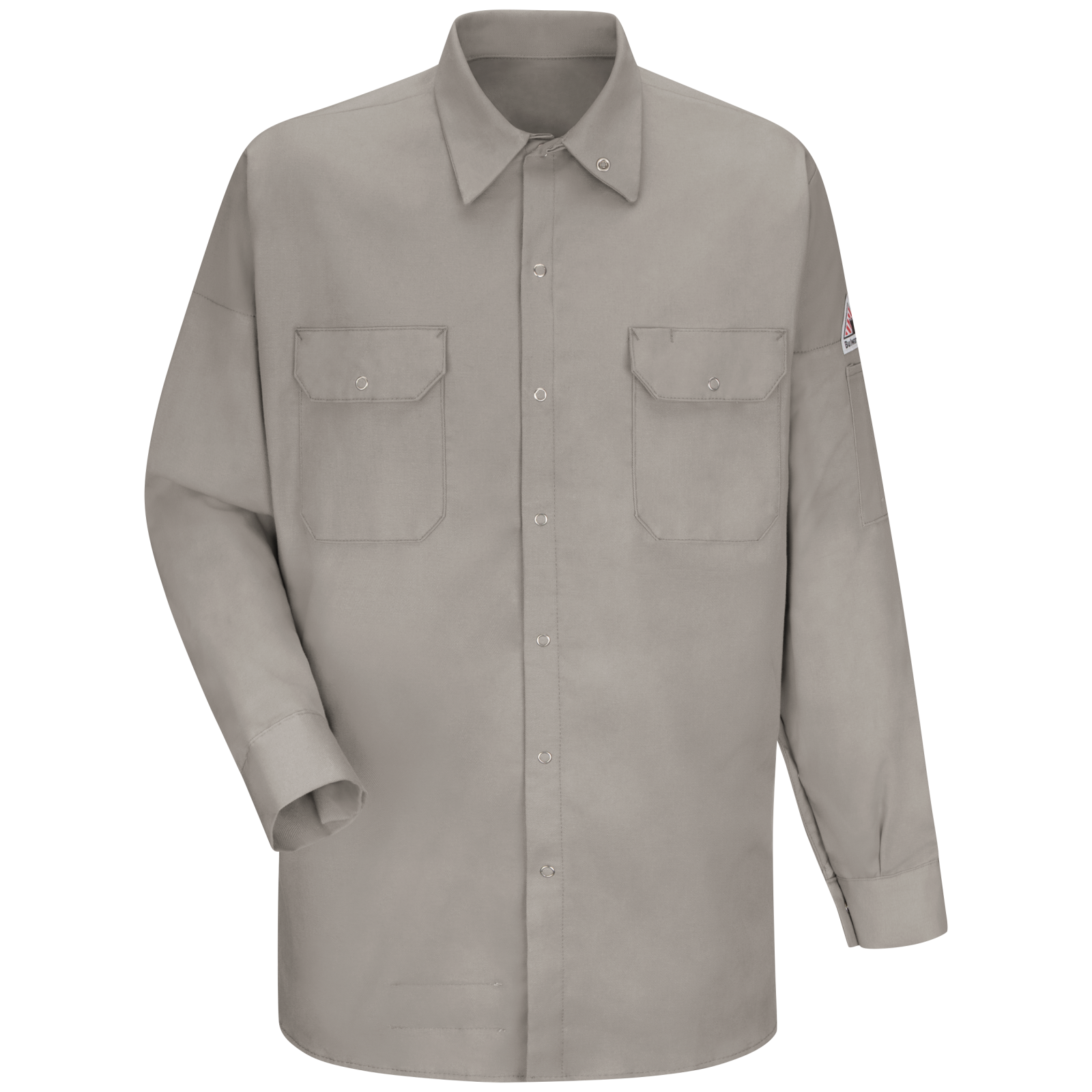


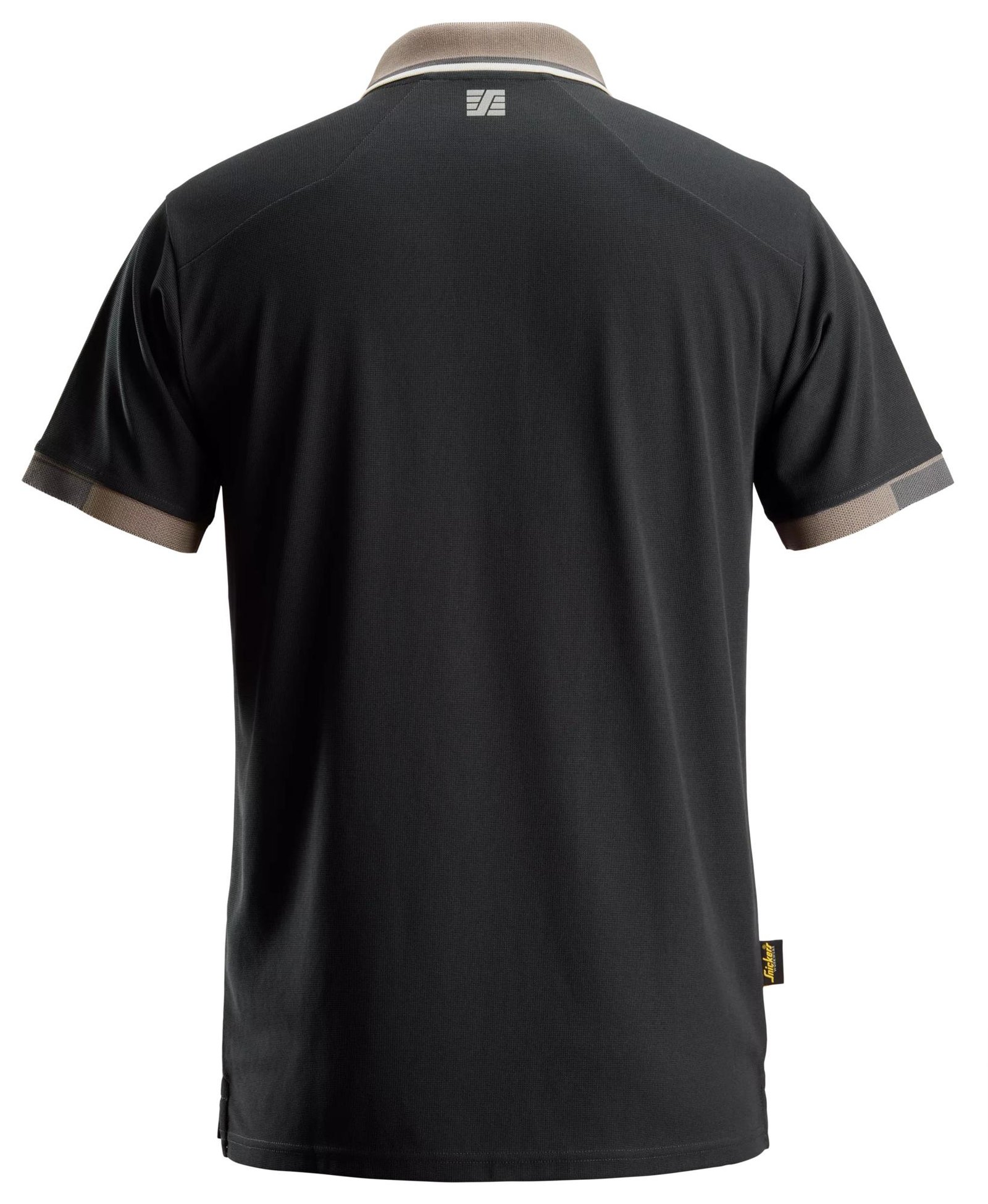
Related Uniform Catalogue and Quotation





Build a Manufacturing Industry Uniform Program Around Buyer Priorities
Develop consistent industrial workwear with flexible customization, controlled construction, practical sampling, and export coordination tailored to your sourcing requirements.
OEM And Private Label
Develop branded workwear from your tech pack, sketch, sample, or product idea with OEM, ODM, and private-label support.
Flexible Starting MOQ
Begin at 100 pieces per style and color, subject to fabric, construction, customization, and project-specific requirements.
Sample Before Production
Review fit, materials, trims, branding, and construction details through sampling before confirming your production program.
Controlled Garment Construction
Specify pockets, reinforced knees, bartacks, stitching, gussets, reflective details, weather protection, and other functional features.
Coordinated Export Support
Move from quotation and order confirmation through production, quality checks, packing, shipment, and reorder coordination with one manufacturing partner.
Workwear for Industrial and Service Teams
Custom-developed garments for demanding worksites, operational teams and customer-facing service environments.
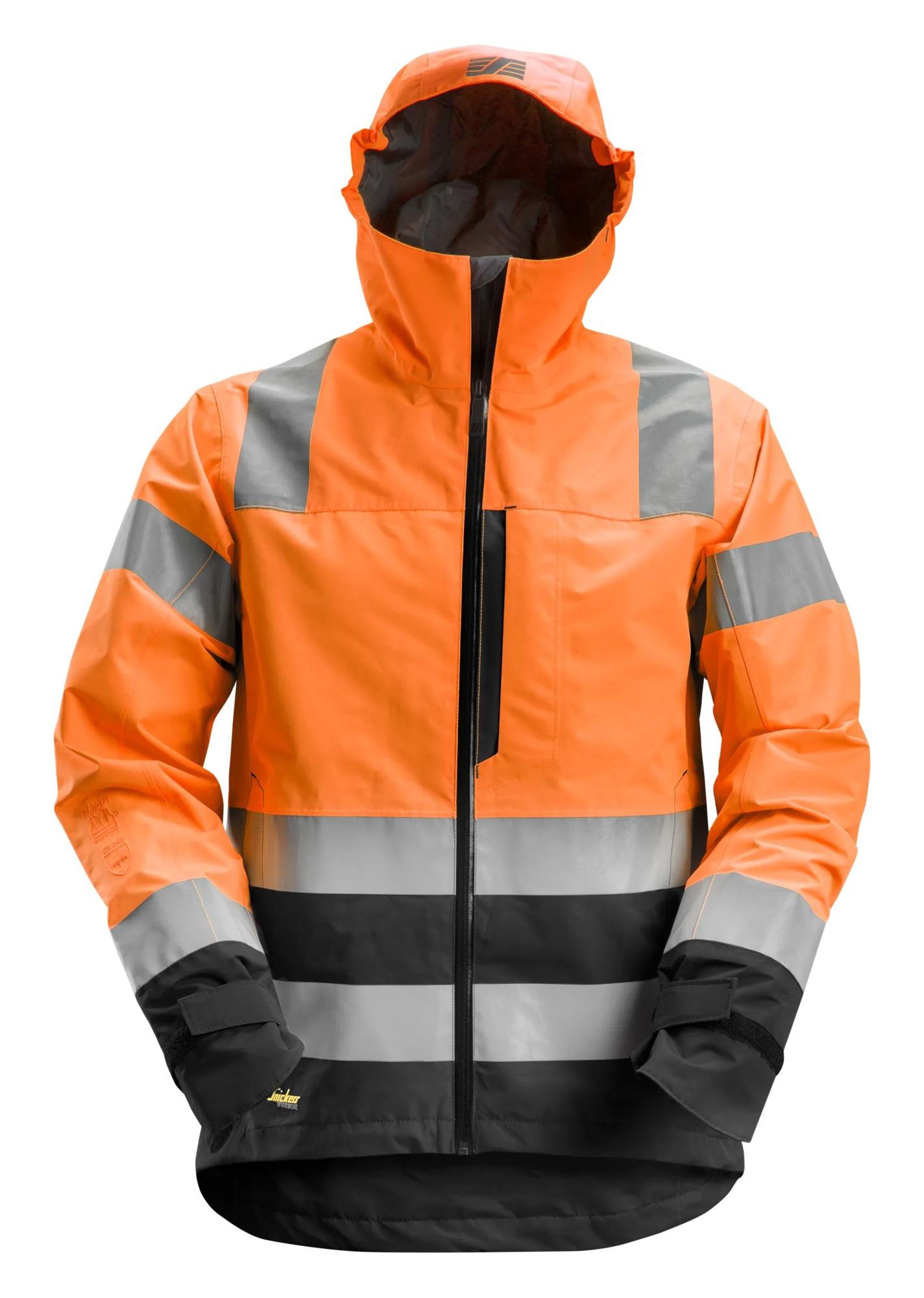
Construction Workwear
Work shirts, cargo pants, coveralls, vests and weather layers developed for site crews. Discuss durable fabric choices, reinforced knees, bartacks, triple stitching, utility pockets, reflective tape placement and logo application around the movement demands of the role.
Get a Quote
Warehouse and Logistics Workwear
Uniform programs for picking, packing, loading and delivery teams, including polos, tees, cargo trousers, vests, jackets and layered outerwear. Pocket layouts, visibility details, fabric weight, color coding and size grading can be specified for active shift work.
Get a Quote
Oil Gas and Chemical Workwear
Product development for workwear used in oil, gas and chemical environments, including coveralls, two-piece suits, jackets and protective layers. Flame-resistant, arc-rated or chemical-protective targets require the applicable standard and SKU-specific test evidence before performance claims are made.
Get a Quote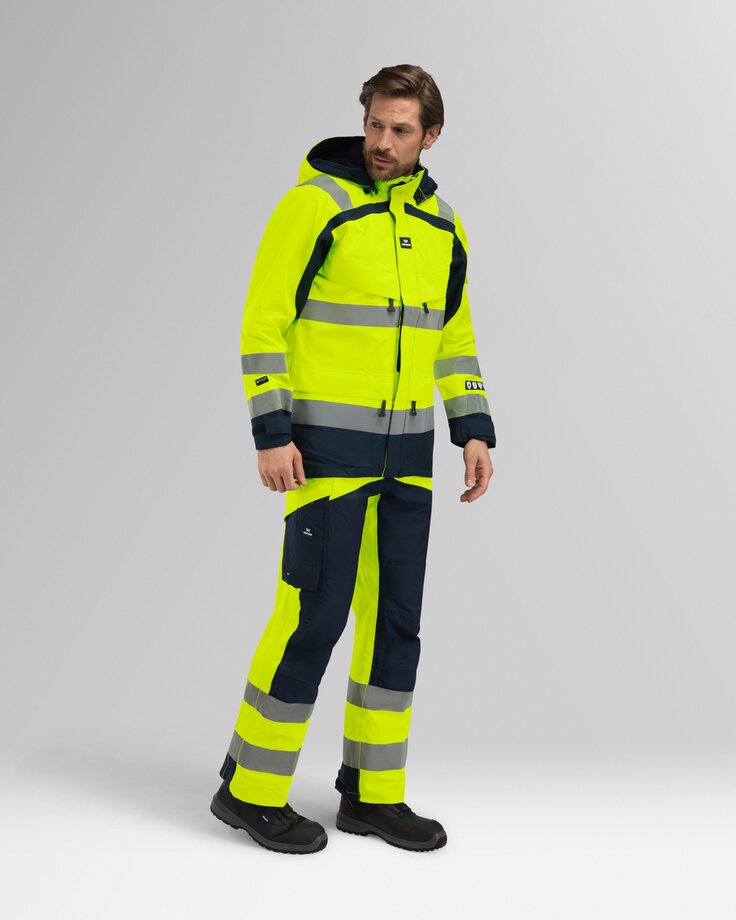
Electrical Utility Workwear
Shirts, trousers, coveralls, insulated layers and high-visibility garments configured for electrical utility crews. Buyers can define weather protection, pocket systems, reinforcement, reflective trim and branding; any arc or flame-resistance requirement must be supported by the required test and certification scope.
Get a Quote
Manufacturing Workwear
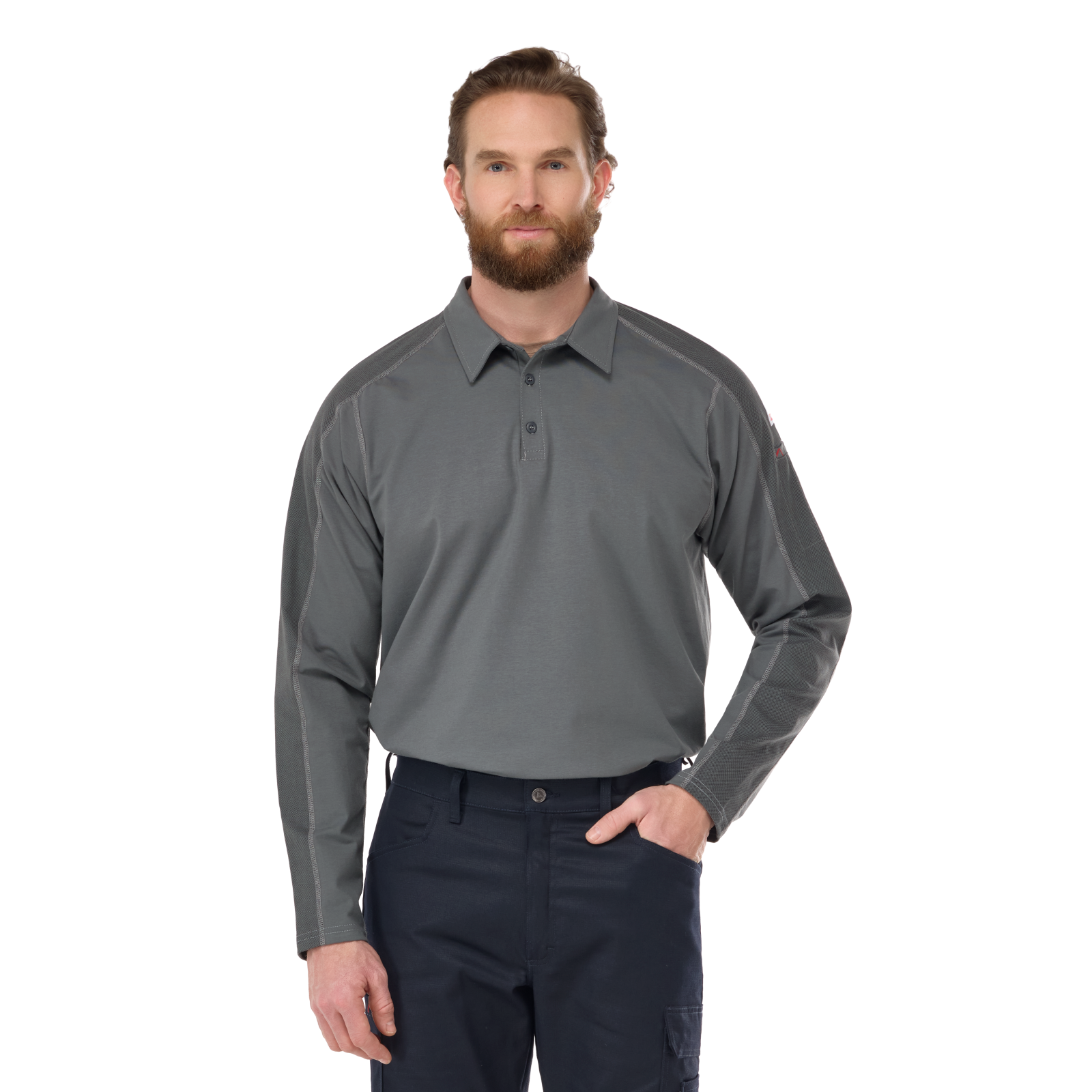
Practical uniforms for production, assembly, maintenance and facility teams, from polos and work shirts to cargo pants, coveralls and jackets. Fabric composition, ease of movement, pocket placement, reinforced stress points, identification details and decoration methods can be developed by role.
Get a Quote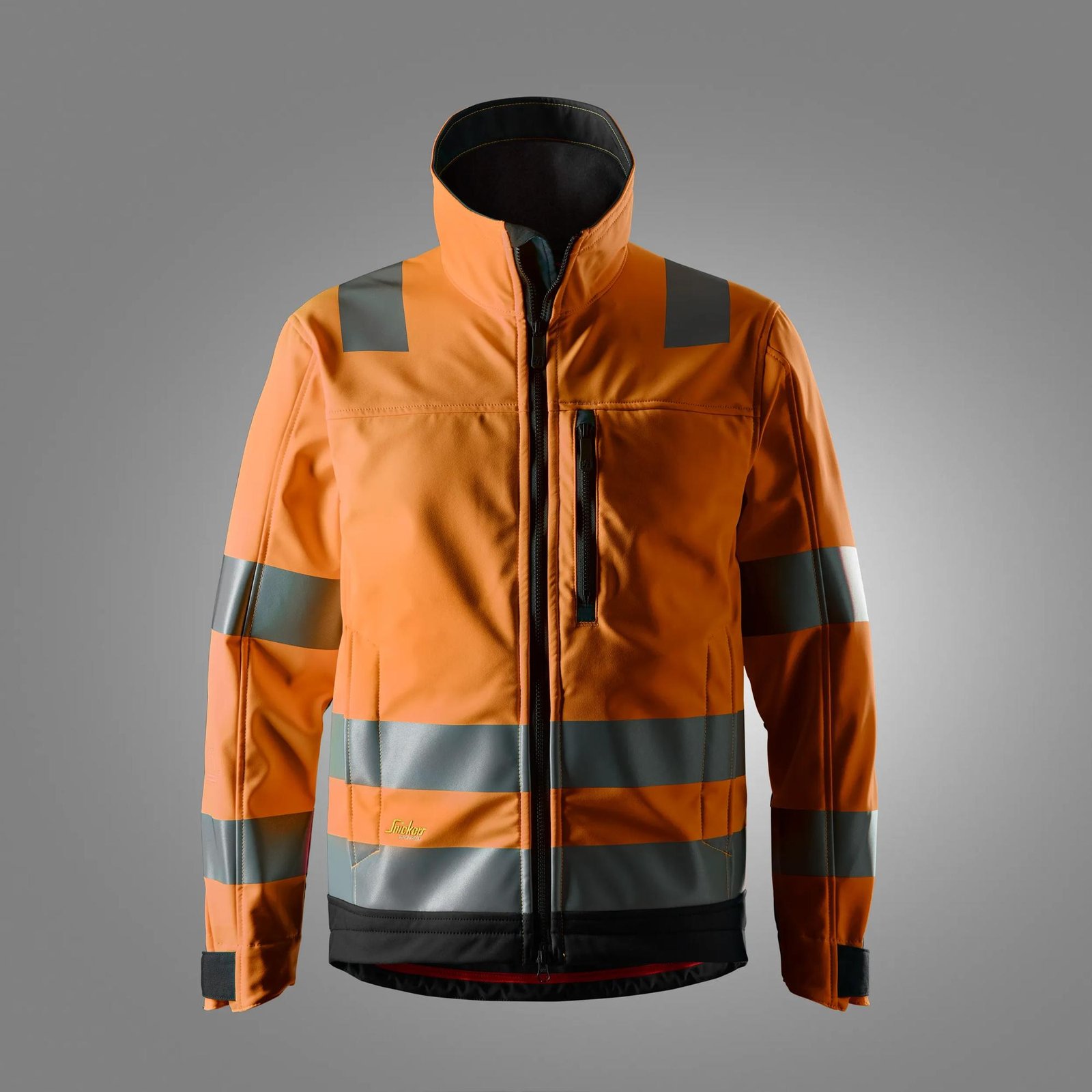
Aviation Ground Crew Uniforms
Uniform components for ramp, baggage, maintenance and ground-support teams, including shirts, polos, cargo trousers, vests, jackets and weather layers. Visibility placement, layered warmth, durable construction, department colors and embroidered or printed identification can be planned for operational use.
Get a Quote
Hospitality and Service Uniforms
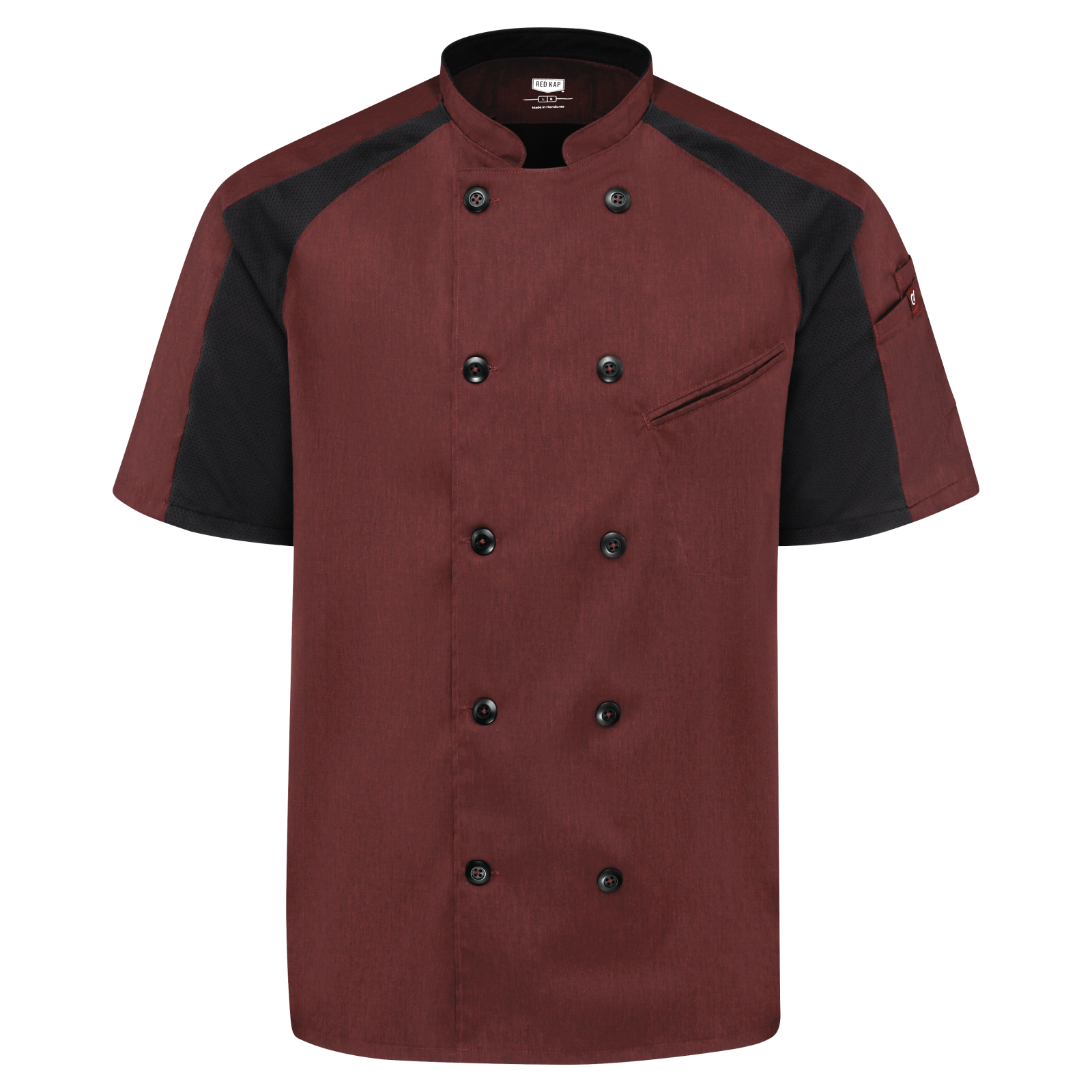
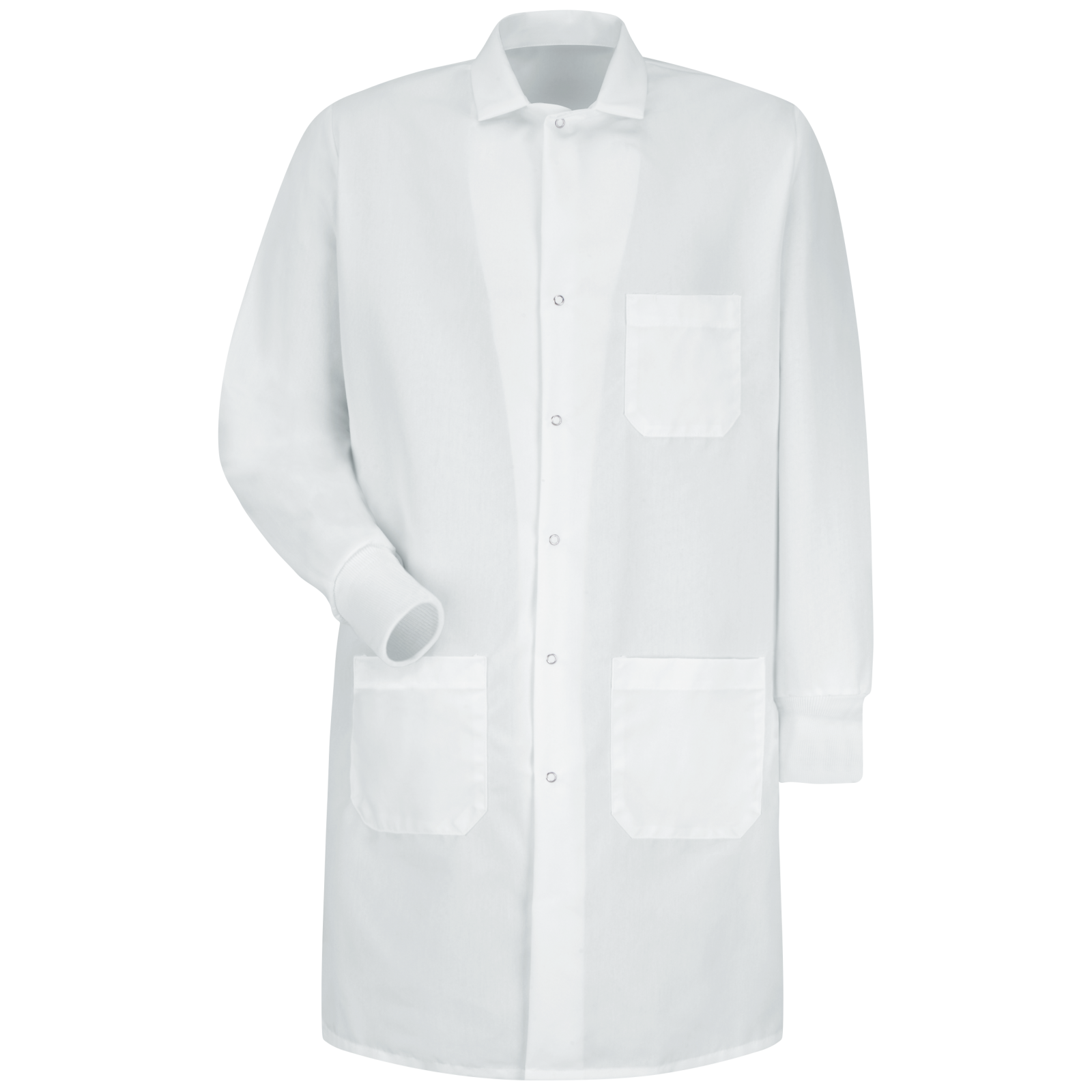
Chef clothing, medical-style service apparel, front-of-house uniforms, polos, shirts, aprons and jackets for hospitality teams. Coordinate color, fabric hand, pocket details, woven labels, embroidery and custom packaging across customer-facing and back-of-house roles.
Get a Quote
Security and Law Enforcement Uniforms
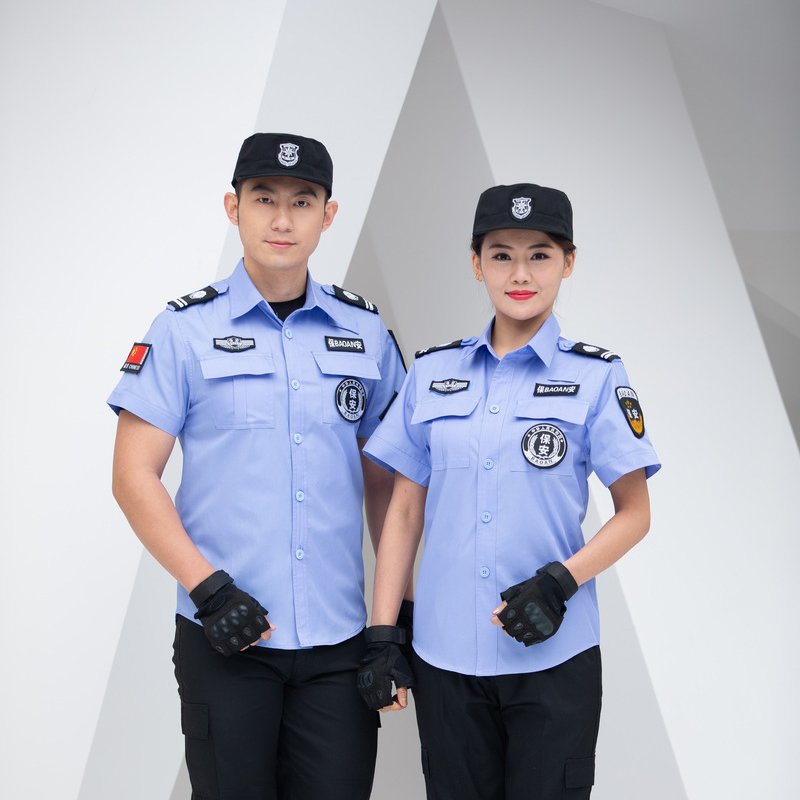
Shirts, polos, trousers, jackets, vests and outer layers developed for security operations and enforcement-adjacent uniform programs. Specify professional colorways, pocket configuration, shoulder details, identification patches, embroidery and seasonal layering; requirements vary by organization and assignment.
Get a Quote
Tactical Uniforms
Field-oriented shirts, trousers, jackets, vests and two-piece sets with utility pockets, reinforced areas, gussets and durable stitching. Camouflage, color, trim, patch placement and labeling can be customized; end-use requirements should define the final construction and materials.
Get a Quote
Agriculture and Forestry Workwear
Rugged shirts, trousers, coveralls, vests and outerwear for farm, forestry and land-management crews. Development can address abrasion-prone areas, utility storage, weather layers, high-visibility details, reinforced knees and branding for seasonal or year-round field work.
Get a Quote
Mining Workwear
Coveralls, work suits, cargo trousers, shirts, vests and weather layers for mining teams and related site operations. Buyers can specify durable fabrics, stress-point reinforcement, pocket systems, visibility placement and decoration; protective performance claims depend on documented, style-specific evidence.
Get a Quote
Marine Workwear
Work shirts, trousers, coveralls, jackets, vests and rain layers developed for port, vessel-support and marine work teams. Consider moisture exposure, wind protection, movement, visibility trim, reinforced construction, pocket access and company identification when defining the program.
Get a QuoteMaterials for a Durable Manufacturing Industry Uniform Program




Manufacturing Industry Uniform Program: Decoration and Production Processes



Accessories for a manufacturing industry uniform program


About Veelianpro’s manufacturing industry uniform program
Hubei Veelianpro Workwear Co., Ltd. began its workwear operation in 2012 in Wuhan, Hubei. The company was built to help workwear brands, safety distributors, wholesalers and enterprise sourcing teams develop dependable industrial, safety and service apparel through OEM, ODM, private-label and wholesale production.
Veelianpro supports the full development path from a tech pack, sketch, sample or product idea through fabric and trim sourcing, pattern development, sampling, grading, cutting, sewing, reinforcement, decoration, quality checks, packing and export coordination. Its range covers shirts, jackets, vests, pants, coveralls and specialized garment families for demanding work environments.
What makes the manufacturing industry uniform program practical is a buyer-led process: specifications, branding, quantity, destination and performance requirements are reviewed before production. MOQ starts at 100 pieces per style and color, subject to project requirements. The company profile also reports more than 300 skilled workers; this operating figure should be verified before prominent public use.

Core Capabilities Behind Every Manufacturing Industry Uniform Program
Review the Product Direction
Veelianpro starts with your tech pack, sketch, sample or product idea. Our team reviews garment purpose, construction, branding and target quantities, then identifies practical requirements for fabric, fit, trims and production before sampling begins.
- Tech-pack and sketch review
- Work setting and role analysis
- Construction and branding clarification
- Feasibility review before sampling

Develop Patterns That Fit
Pattern development translates your approved concept into a production-ready garment. Veelianpro can refine measurements, establish size grading and adjust movement points for shirts, pants, jackets, vests, coveralls and coordinated workwear sets.
- Pattern development from approved references
- Size grading across the required range
- Mobility-focused fit adjustments
- Role-specific pocket and reinforcement planning

Source Fabrics and Trims
Fabric and trim selection is matched to the garment’s intended use, appearance and budget. Discuss weight, composition, color, reflective tape, closures, labels and packaging with our team before materials are confirmed for sampling.
- Fabric weight and composition review
- Color and trim coordination
- Reflective tape and closure planning
- Private-label labels and packaging options

Sample, Control and Inspect
Sampling gives buyers a practical checkpoint for fit, materials, decoration and construction before production. After approval, Veelianpro coordinates cutting, sewing, reinforcement, finishing, quality checks, packing and export preparation for the confirmed order.
- Pre-production sample evaluation
- Decoration and construction approval
- In-process production coordination
- Final quality and packing checks

Manufacturing Industry Uniform Program: Custom Development vs. Distributor-Sourced Stock Garments With Decoration
Compare a specification-led OEM route with purchasing stocked garments and adding decoration. Starting MOQ is subject to fabric, certification and construction requirements.
← Swipe left or right to view →
Our Manufacturing Industry Uniform Program Process
Veelianpro maps each manufacturing industry uniform program from inquiry to shipment, covering feasibility, sourcing, pattern development, sampling, production, decoration and inspection. OEM, ODM, private-label and wholesale projects can start at 100 pieces per style and color, subject to fabric, certification and construction requirements. Share your specifications for a practical quote.
Review Project Feasibility
Share your garment type, work setting, fabric goals, size range, colors, branding, quantity, destination and timeline so Veelianpro can review feasibility.
Develop Patterns and Samples
We source suitable fabrics and trims, develop patterns, confirm construction details and prepare samples for fit, function, branding and buyer approval.
Cut and Sew Production
After approval, graded patterns move to cutting and sewing, with reinforcement, bartacks, stitching, gussets and other agreed construction details built into production.
Apply Branding and Finish
Decoration, labels and packaging are applied according to the approved specification, while in-process checks help verify workmanship, measurements and presentation.
Inspect, Pack and Ship
Veelianpro coordinates final inspection, packing and export documentation before shipment, with reorder support available for approved styles and colors as needed.
How to Start a Manufacturing Industry Uniform Program
A practical path from initial concept to approved production, helping procurement teams develop consistent custom workwear for manufacturing roles and locations.
Share Your Requirements
Share your tech pack, sketch, sample, or product idea, including garment type, work setting, fabric preferences, size range, colors, branding, quantity, destination, and timeline.
Confirm Program Specifications
Confirm materials, construction, trims, decoration, protective targets, and certification requirements; Veelianpro then reviews feasibility, MOQ, and the information needed for an accurate quotation.
Review and Approve Samples
Review samples for fit, fabric, mobility, pocket placement, reinforcement, branding, and finishing before approving the specification and production-ready sample together.
Approve the Order
Approve the order after quotation review, confirming quantities, colors, size breakdown, packaging, payment terms, delivery timing, and any required test documentation.
Manage Production and Reorders
Manage production and reorders through coordinated quality checks, packing, export support, and retained specifications that help repeat approved styles consistently.
Verified Buyer Feedback


Manufacturing Industry Uniform Program Scenarios
Illustrative scenario: A safety distributor needs a role-based coverall and outerwear range for maintenance teams. Veelianpro reviews the task conditions, requested standard, fabric options, reflective layout, reinforced areas and logo placement, then develops samples for approval against documented construction and certificate requirements.
Illustrative scenario: An enterprise uniform buyer is replacing mismatched shirts, trousers and vests across production and warehouse roles. The development process aligns color, size grading, pocket configuration, branding and packing by department, with sample approval based on fit, mobility and defined garment specifications before production.
Illustrative scenario: A workwear brand is launching a private-label manufacturing industry uniform program from a sketch. Veelianpro converts the concept into patterns and samples, sources fabric and trims, and refines reinforcement and labeling details. Acceptance is based on the approved sample, tech pack and agreed production specifications.
Manufacturing Industry Uniform Program FAQ
Clear answers on MOQ, sampling, specifications, certification evidence, payment, shipping and private-label production with Veelianpro.
What MOQ applies to a manufacturing industry uniform program?
How do I start a manufacturing industry uniform program with Veelianpro?
How long does a manufacturing industry uniform program take?
What does sampling cost for a manufacturing industry uniform program?
Can Veelianpro develop private-label specifications for manufacturing uniforms?
What payment terms and shipping support are available for a manufacturing industry uniform program?
How should specifications and certifications be confirmed for manufacturing industry uniforms?
How does Veelianpro protect approved designs in a manufacturing industry uniform program?
Manufacturing Industry Uniform Program: A Buyer’s Guide
Build a role-based uniform program with practical criteria for protection, garment construction, customization, ordering controls, supplier evaluation, and cost scope—while avoiding specification, fit, and replenishment mistakes that disrupt operations.
1. Manufacturing Industry Uniform Program Defined
A manufacturing industry uniform program starts with a role matrix, not a matching shirt-and-pants order. It translates each job’s task exposure, movement needs, work area, visibility needs, weather exposure, and brand presentation into approved garment combinations for production, maintenance, warehouse, loading, and visitor roles.
The program then governs allocation: which employee receives which garments, size and fit records, logo and department identifiers, who approves exceptions, and when an item is issued, replaced, or retired. Ownership models also matter: a buyer-owned program assigns purchasing, storage, issue, and replacement internally, while a managed-service arrangement assigns defined lifecycle responsibilities to the service provider.
For a manufacturing industry uniform program, Veelianpro develops custom workwear from a tech pack, sketch, sample, or product idea, supporting fabric and trim sourcing, sampling, sizing, branding, production, packing, and export coordination. Its stated starting MOQ is 100 pieces per style and color; confirm MOQ against the selected garment, fabric, decoration, certification requirements, and total order scope before quoting.
2. Program Models for Industrial Teams
A manufacturing industry uniform program can be run as a garment-buying project or as an ongoing service model. The practical difference is who carries inventory, maintains garments, controls issues, and holds employee-level records.
| Model | Inventory Owner | Laundering And Repair | Issue Control | Replacement Control |
|---|---|---|---|---|
| Direct purchase | Buyer | Buyer or employee-arranged | Buyer | Buyer-approved reorder |
| Stocked replenishment | Define in agreement | Define in agreement | Buyer rules or shared workflow | Defined stock trigger |
| Rental | Provider terms govern | Often provider-managed | Provider workflow plus buyer approvals | Provider terms govern |
| Managed program | Define in agreement | Define in scope | Program rules and records | Program rules and authorization |
Compare Operating Responsibilities
Use the model to match internal capacity, not just the initial garment selection. If a buyer uses a rental or managed-service provider, laundering, maintenance, repair, replacement, inventory ownership, and service levels must be defined in that provider’s agreement; they are not included in a Veelianpro garment-production quote unless separately stated.
Direct Purchase
With direct purchase, the buyer should define who receives stock, records sizes and issues, arranges garment care or repair, and approves replacements. Ownership, delivery terms, and any post-delivery responsibilities should be confirmed in the purchase agreement.
This model can suit teams able to receive cartons, hold reserve sizes, and coordinate reorders. Veelianpro can develop and produce workwear from a tech pack, sketch, sample, or product idea. Its stated starting MOQ is 100 pieces per style and color, subject to fabric, certification, and construction requirements.
Stocked And Managed Supply
For any replenishment arrangement, document the approved garment specification, inventory owner, storage location, reorder trigger, and responsibility for obsolete stock. If the buyer uses a managed-service provider, define its actual responsibilities rather than assuming that administration, distribution, tracking, or reporting is included.
Before selecting either model, assign one owner for employee records, allowance rules, approvals, returns, and replacement authorization. State the required ordering workflow and reports in the agreement.
3. Manufacturing Industry Uniform Program Garment Types
Garment choice should follow the task, exposure, movement and visibility conditions of each role—not a single plant-wide style. In a manufacturing industry uniform program, separate everyday production wear from weather layers and documented protective requirements before sampling.
| Work Setting | Starting Garment Mix | Key Selection Question |
|---|---|---|
| Production and assembly | Work shirt and trousers | Does the role need separate top and bottom replacement? |
| Maintenance | Cargo pants or coveralls | Are task-specific protective documents required? |
| Warehouse and loading | Trousers, layers, visibility garment | Is vehicle visibility part of the risk assessment? |
| Outdoor or cold areas | Outer layer, bib overall or coverall | What exposure must the garment address? |
Production And Assembly Basics
Work shirts with work trousers suit assembly and production roles that need frequent movement, accessible pockets and a consistent appearance. Define pocket layout, knee reinforcement and branding during development.
A two-piece set can simplify size replacement because tops and bottoms are ordered independently. Choose coveralls instead when full-body coverage and fewer exposed layers better match the task.
Maintenance And Service Tasks
Maintenance teams may need cargo pants, work shirts or coveralls that accommodate tools and repeated bending. Gussets, bartacks and reinforced knees are construction choices to specify later against the actual task.
Where electrical, flame or chemical hazards are present, provide the applicable standard and required test or certificate with the inquiry. A design target is not a verified protective claim.
Warehouse And Loading Areas
Warehouse and loading roles often prioritize mobility, durable trousers and layering for changing dock conditions. Utility vests can add carrying capacity without replacing a required high-visibility garment.
Consider high-visibility garments where the site risk assessment calls for them. Reflective tape placement and any compliance claim require the exact documented product scope.
Outdoor And Cold Exposure
Softshell, fleece, padded and rain jackets let buyers build a layer system for outdoor work, open loading bays or cold conditions. Match the outer layer to weather exposure and the wearer’s movement rather than using insulation as a universal default.
Bib overalls or insulated coveralls may be considered for prolonged cold exposure. Confirm the required performance documentation before describing any temperature or weather-protection rating.
4. Materials and Technical Options
Fabric is selected against the job, not the garment silhouette. In a manufacturing industry uniform program, fiber blend, weave or knit construction, weight, stretch, ventilation, abrasion points, and wash routine should be defined by role before sampling.
| Option | Appropriate Conditions | Trade-Off | Evaluation Question |
|---|---|---|---|
| Cotton-rich woven | General indoor roles where the approved sample meets the wearer’s comfort and care requirements | Drying behavior should be checked against the intended wash and drying routine | How will it perform after the intended wash routine? |
| Polyester-rich blend | Active roles where the approved sample meets movement, comfort, appearance, and care requirements | Hand feel and comfort require wearer testing | Is composition suitable for the work environment? |
| Stretch-panel construction | Bending, climbing, or frequent reaching | Panel placement can affect abrasion exposure | Which motions justify the stretch zones? |
| Task-specific protective fabric | Documented hazard-controlled roles | Requires defined scope and evidence | What exact finished-garment documentation is required? |
Start With Fiber And Construction

Compare cotton-rich and polyester-rich options only through the proposed fabric specification and a representative sample. Fiber content alone does not establish comfort, durability, drying behavior, color retention, or protective performance.
Ask for composition and construction details for the proposed fabric, then evaluate the sample in the actual work setting and intended care routine. Fabric weight alone does not establish durability or protection.
- Record fiber composition and construction
- Match fabric to wash conditions
- Check movement during actual tasks
Match Wear Zones To The Job
A warehouse picker, machine operator, and maintenance technician can create different abrasion and mobility demands even in one facility. Reinforced knees, gussets, and stretch panels belong where motion or contact warrants them; they are not automatic upgrades for every role.
Review pocket loading, kneeling, sharp-edge contact, heat, moisture, and indoor or outdoor exposure. These observations identify where a durable base fabric needs a construction change.
Separate Durability From Protection
Ordinary durable workwear is chosen for wear life, comfort, appearance, and laundering. Flame-resistant, arc-rated, chemical-protective, high-visibility, ESD, or cold-storage garments require task-specific design targets and documented product-specific performance.
Provide the applicable standard, hazard, and required test or certificate during development. A protective product family or fabric description is not evidence that a finished garment meets a stated rating.
5. Manufacturing Industry Uniform Program Customization
Customization should make roles legible without interfering with task-specific pockets, closures, or protective design targets. Lock placement, colors, name treatment, and size rules on the approved sample before production.
| Control | Functional Check | Approval Record |
|---|---|---|
| Logo placement | Avoid closures, pockets, and designated safety areas | Artwork size and location map |
| Color blocking and trim | Distinguish roles without obscuring components | Color references by garment panel |
| Names and departments | Support wearer and role identification | Name format and patch or decoration method |
| Size range | Match fit needs across garment types | Grading and fit-sample signoff |
Branding Zones And Decoration
Chest, sleeve, back-yoke, and pocket areas serve different viewing distances and garment movements. Keep artwork clear of pocket openings, reflective tape, reinforcement panels, and closure paths.
Embroidery, screen printing, heat transfer, patches, woven labels, care labels, and custom packaging can be discussed with Veelianpro. Confirm the selected decoration against the fabric, intended use, and care routine during sampling.
Role Identification Controls
Color blocking, trim, employee names, and department identifiers can separate maintenance, warehouse, production, and visitor roles at a glance. Use a controlled placement map so the same role reads consistently across shirts, jackets, vests, and coveralls.
Illustrative approval example: a buyer approves a left-chest company logo, right-chest employee-name field, and sleeve department patch for maintenance garments. This is an approval format, not a prescribed protective specification.
Fit And Functional Components

Plan the size range by garment type and wearer task, not a single generic run. Record grading, fit sample approval, pocket count and location, closure type, and any knee reinforcement or gusset requirements in the tech pack.
A manufacturing industry uniform program can use these controls to keep reorders consistent while allowing role-specific configurations.
6. Construction Details That Affect Service Life
Construction should be judged on a worn sample, not from a flat garment photo. Inspect each feature in the posture and task that loads it: reaching overhead, kneeling, climbing, carrying tools, and repeated fastening.
Seams And Stress Points

Identify stress zones in the pattern, including pocket corners, fly ends, belt loops, kneeling areas, shoulder reach zones, and the seat. Decide whether reinforcement, such as bartacks, is needed at each approved load point.
During sampling, load representative pockets, squat, and reach forward with both arms. Record loose thread ends, seam opening, fabric puckering, or restricted movement as correction items before bulk approval.
- Check crotch, inseam, seat, pocket corners, and belt loops.
- Match reinforcement locations to actual tool-carrying tasks.
Pockets And Closures
Confirm pocket depth, opening direction, closure type, load expectation, and whether the location conflicts with machinery, harnesses, or seated work.
Operate zippers, snaps, buttons, and hook-and-loop on the sample with gloves if relevant. Record any component, placement, or facing that does not meet the buyer’s intended-use acceptance criteria before approval.
- Load each utility pocket with representative tools.
- Test every closure through repeated open-and-close cycles.
Mobility And Adjustments
A rigid back panel or poorly placed sleeve seam can restrict reach even when the garment measures correctly. Test the sample while lifting, crouching, and extending; movement binding signals that panel shape, gussets, or ease should be reviewed.
Waist tabs, cuff adjustments, and hem controls should secure excess fabric without creating loose ends. Check that adjustment hardware remains comfortable, reachable, and unlikely to catch during the intended task.
- Run reach, squat, kneel, and climb trials.
- Check adjustments with gloves and outer layers.
Labels And Identification
Inconsistent size, care, role, or ownership identification creates issuing and reorder errors even when the garment is well made. Approve a label map that states each label, its content, placement, decoration relationship, and required artwork revision.
For a manufacturing industry uniform program, compare several sample sizes and colorways to confirm identifiers remain legible and consistently placed. Keep protective-performance wording separate from design targets unless the applicable test evidence and certificate scope are supplied.
- Verify size, care, brand, and role identifiers.
- Approve label artwork and placement with the sample.
7. Choosing a Manufacturing Uniform Partner
A capable uniform partner converts role, wear condition, and brand requirements into a controlled garment specification. Evaluate the handoff process as closely as the finished sample: unclear ownership of changes creates repeat-order risk.
Build The Quote Brief
For a useful Veelianpro quotation, provide role counts, garment mix, work conditions, fabric preferences, size data, color requirements, branding, destination, and required timing. Where protection is requested, include the applicable standard and the required test or certificate scope.
The stated starting MOQ is 100 pieces per style and color, subject to fabric, certification, and construction requirements. Confirm MOQ and lead time only against the defined specification, quantity, materials, and destination.
Control Samples And Specifications
A sample should be checked against the approved tech pack: pattern, fabric, pockets, reinforcement, closures, decoration position, and measurements. Record approvals and revisions in one dated specification.
Do not treat a development target as a documented protection claim. Where protection is required, submit the applicable standard and required test or certificate scope.
Lock Size Color And Artwork
Size grading needs an agreed measurement chart, tolerances, size ratio, and wearer-fit review before cutting. Color approvals should identify the fabric, trim, reflective placement, and approved reference.
Supply final logo files and state the decoration method: embroidery, screen printing, heat transfer, patches, woven labels, care labels, or custom packaging.
Set Production Controls
Agree checkpoints for incoming materials, cutting, sewing, finishing, packing, and final inspection. Define carton marks, folding, individual bagging, assortment, and destination documentation before production.
Name one buyer contact authorized to approve changes. Any substitution, measurement revision, artwork update, or packing change should be written, costed, and approved before it reaches production.
8. Manufacturing Industry Uniform Program Mistakes
Most program failures start when a purchasing list replaces a role-and-task specification. Correcting the garment after rollout disrupts issue control, branding consistency, and the evidence trail needed for repeat orders.
One Garment For Every Role
A production operator, maintenance technician, dock worker, and front-of-house service employee may need different pocket access, weather coverage, visibility, or protective design. A single shirt-and-trouser issue often leaves one group overdressed, restricted, or missing a needed feature.
Create role bundles and state the task, work area, exposure, and approved options for each bundle. Keep protective claims conditional on the exact required standard, test evidence, and certificate scope.
Fabric Before Exposure Mapping
Choosing color or fabric composition before identifying heat, sparks, rain, chemicals, cold, abrasion, or static risk can lock a program into an unsuitable construction. Weight alone does not establish protection.
Map exposures by task first, then develop fabric, reinforcement, closure, and outerwear requirements. Submit the applicable standard and required documentation with the inquiry when protection is requested.
Fit And Branding Left Late
A logo can conflict with reflective tape, pockets, seam lines, or a coverall opening; an untested rise, sleeve, or gusset can restrict climbing, crouching, and reaching. These details become expensive after decoration and size grading are approved.
Confirm logo method and placement alongside the pattern. Check representative sizes during the motions and layers used on shift, not only in a showroom fitting.
Missing Controls And Wear Trials
Without a garment record, replacement authority, and field-use sample check, buyers cannot reliably distinguish a sizing exchange from a damaged-garment replacement or a new issue. Reorders then drift from the approved style, trim, and decoration.
Record style, revision, fabric and trim, size range, logo artwork, issue date, and approving role. Assign who may authorize replacements, then test samples in actual work conditions before production confirmation.
9. Launching and Managing the First Order
A first order succeeds when the purchase order mirrors the way people actually work and garments are issued. Lock role rules, samples, sizes, and artwork before bulk cutting; then make allocation and replacement records part of the launch.
| Worked Example Role | Approved Garment Mix | Record Needed |
|---|---|---|
| Assembly operator | Work shirt and work trousers | Role code, size, issue date |
| Maintenance technician | Two-piece work suit or coverall | Task requirement, style code, replacement reason |
| Loading-dock worker | Workwear plus approved outerwear option | Location, size, seasonal issue status |
Build The Role Brief
Map each role, work area, task exposure, required garment family, approved colors, and logo location. If protective performance is required, attach the applicable standard and exact test or certificate requirement; a design intention is not proof of protection.
- Role and department code
- Garment and approved options
- Size range and fit notes
- Branding artwork version
- Protection requirement and evidence needed
Review Samples And Sizes
Review the sample against the approved tech pack: fabric and trim selection, pocket layout, reinforcements, decoration placement, labels, and packaging. Capture wearer size, garment size issued, fit exception, and approver before production.
- Approve final artwork file
- Record sample revision
- Confirm size-grading range
- Assign a single PO contact
Issue And Reorder Controls
The purchase order should identify style codes, color, approved sample version, size breakdown, packing, destination, inspection scope, and shipment contact. Confirm the applicable MOQ in the individual quotation because fabric, certification, and construction requirements can affect it.
- Employee or badge identifier
- Issue date and garment code
- Size and quantity issued
- Replacement reason
- Return or transfer status
10. Pricing and Cost Drivers
A coverall with reinforced knees, bartacks, reflective tape, multiple pockets, and branded labels does not quote like a basic work shirt. Unit pricing depends on the defined garment specification, including fabric composition and weight, construction, decoration, packing configuration, and any requested documented protective requirement.
Production timing and final MOQ require a confirmed specification and individual quotation. A protective specification must identify the applicable standard and the required test evidence or certificate scope; it cannot be inferred from a garment family, fabric description, or development target.
For a comparable quote, separate core garments from outerwear and task-specific styles, then provide quantities by size and destination. Include replenishment or program-management needs only when they are expressly in scope, rather than assuming they are included in a garment unit price.
| Cost driver | What changes cost | Quote must specify |
|---|---|---|
| Garment category and fabric | Shirt, cargo pant, coverall, jacket, vest, or specialist style; composition, weight, weather protection, and protective requirements. | Role, work setting, fabric target, applicable standard, and required test or certificate. |
| Construction and trims | Pocket system, reinforced knees, gussets, bartacks, triple stitching, closures, and reflective tape placement. | Tech pack or sketch, trim requirements, and approved construction details. |
| Branding and packing | Embroidery, screen printing, heat transfer, patches, woven or care labels, custom packaging. | Artwork, placement, colors, label content, folding, and carton requirements. |
| Quantity and size distribution | Pieces per style and color, size curve, and whether production supports an initial issue or replenishment. | Quantity by style, color, and size; reorder or allocation scope. |
| Inspection, export, and destination | Requested quality checks, packing method, shipment coordination, and delivery destination. | Inspection requirements, destination, timeline, and shipping terms for the quotation. |
Start Your Manufacturing Industry Uniform Program
Send your tech pack, sketch, sample, quantity, destination, standards and timeline to begin a quote or sampling review.