
Utility Vest Manufacturer for Custom B2B Workwear
Veelianpro is a utility vest manufacturer supporting OEM, ODM and private-label programs from 100 pieces per style and color, subject to project requirements.
Utility Vest Development: Related Workwear Styles
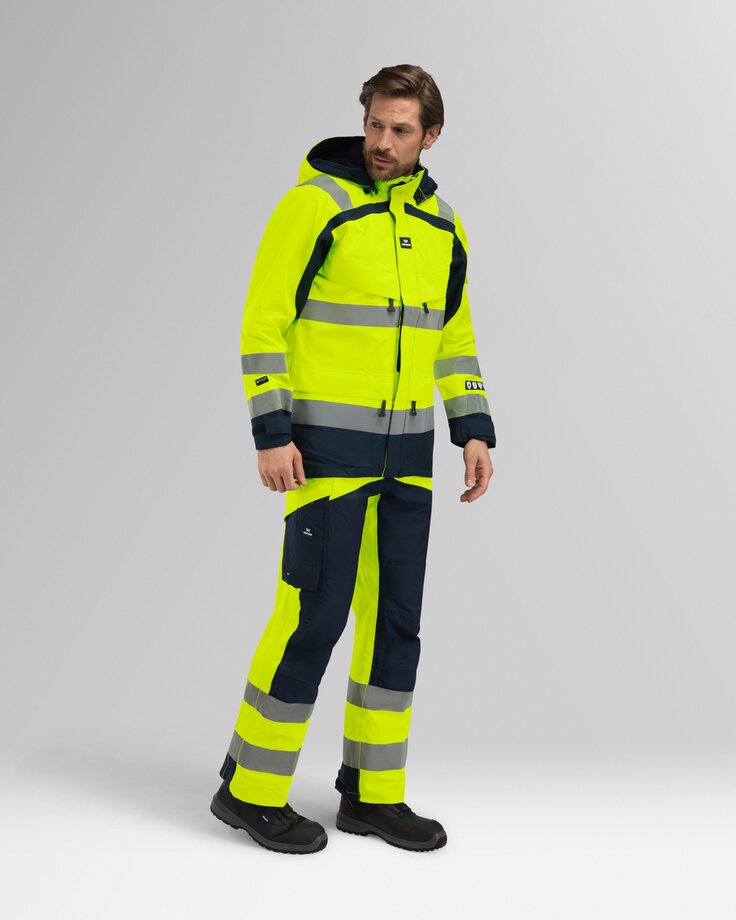


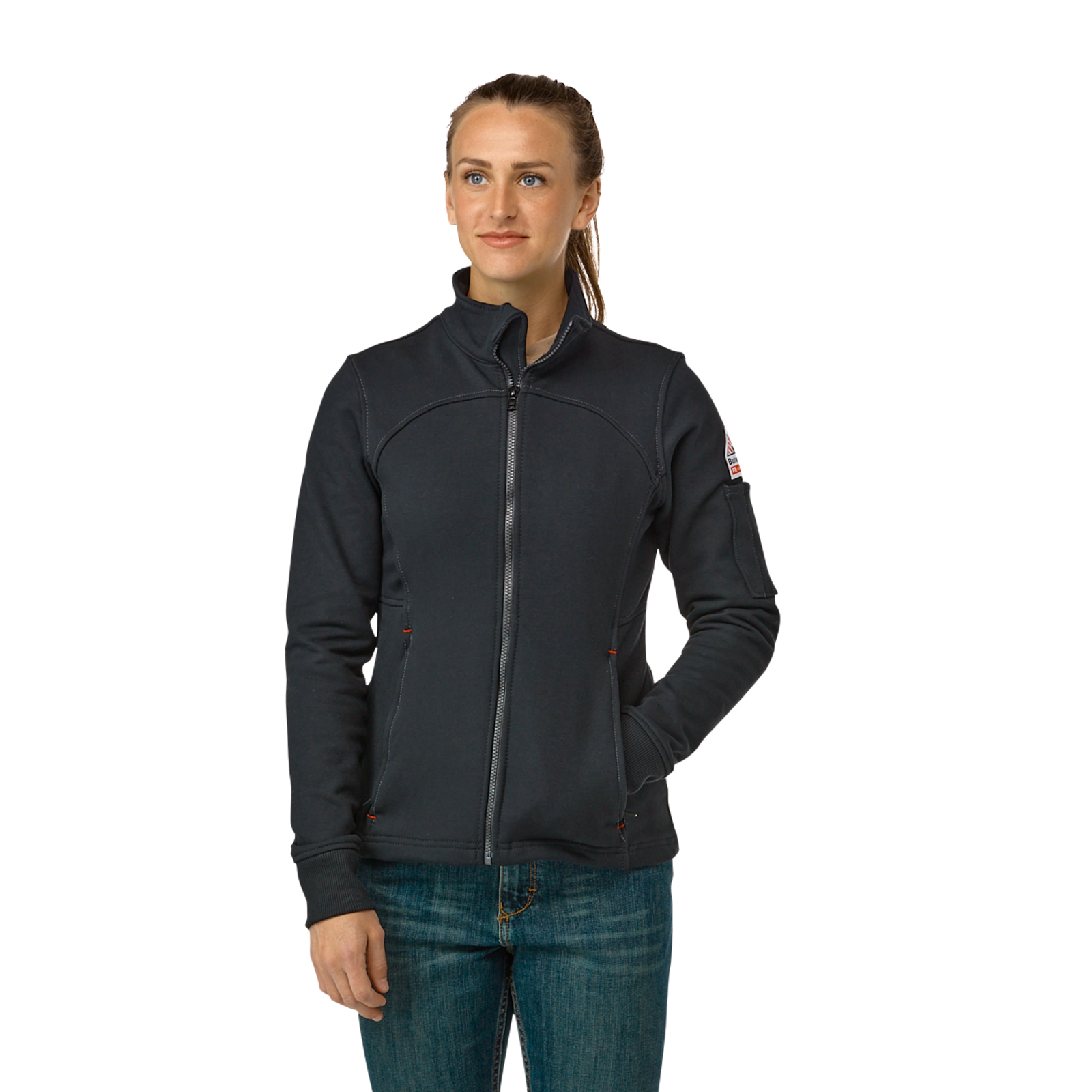
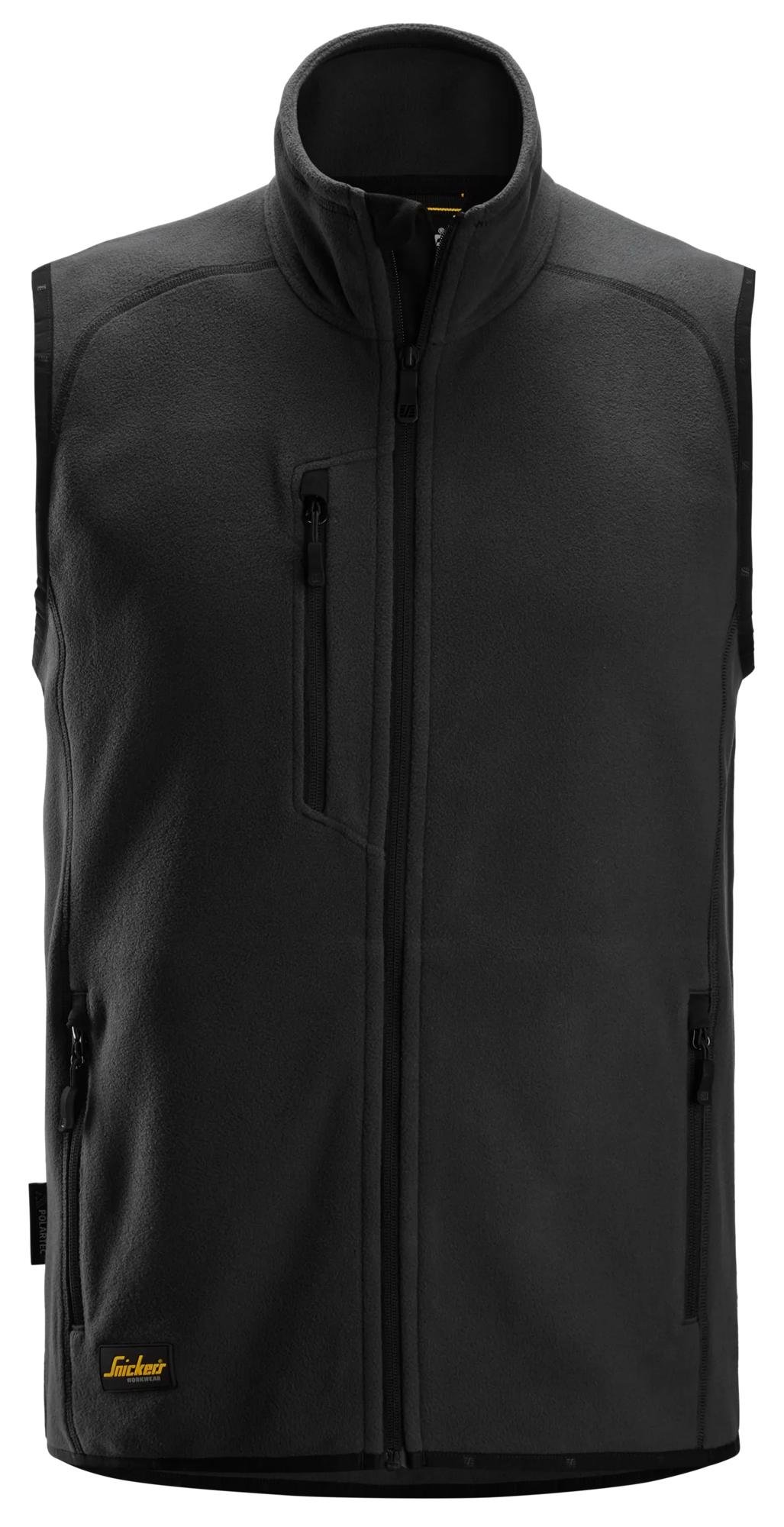


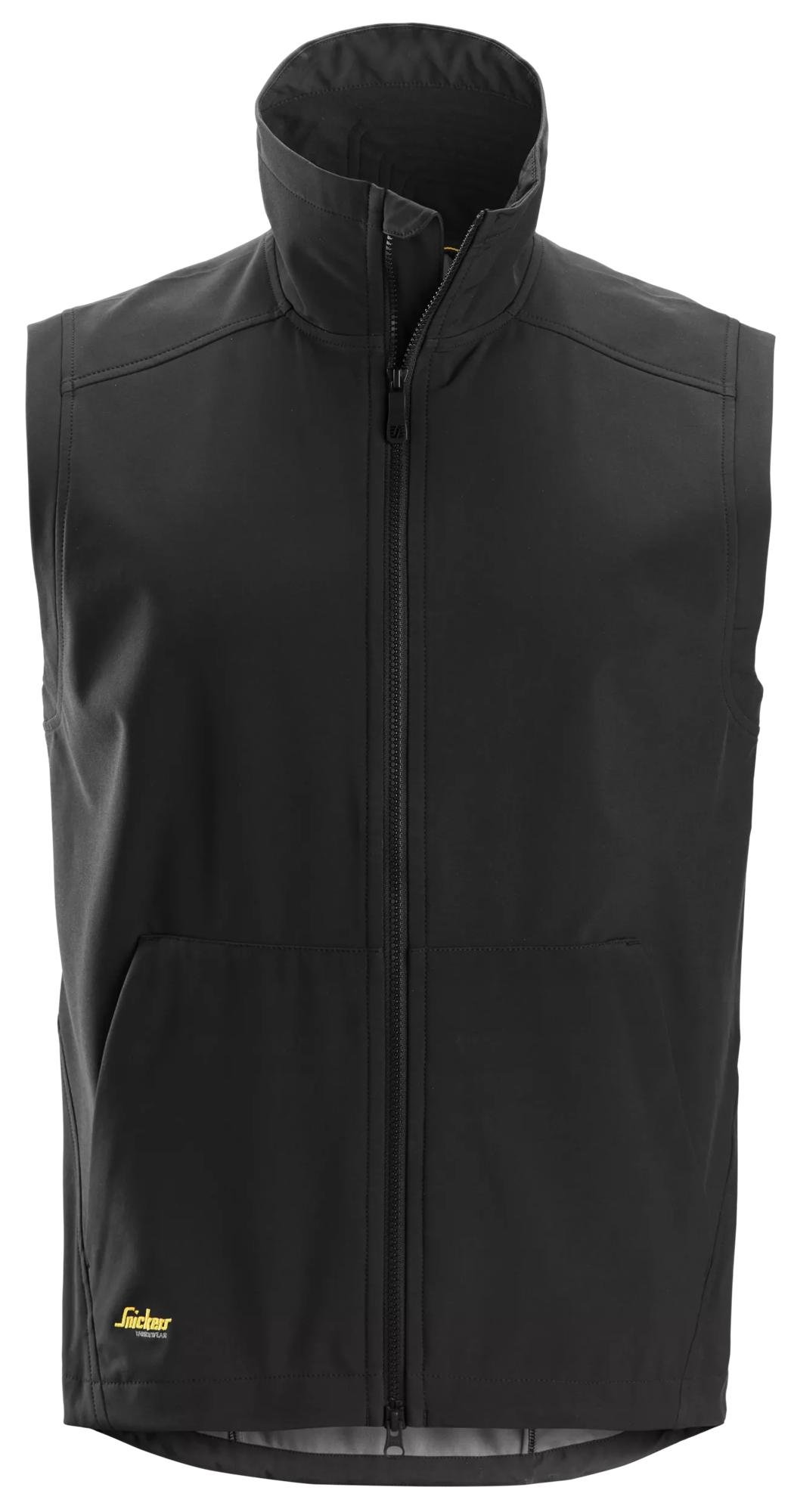
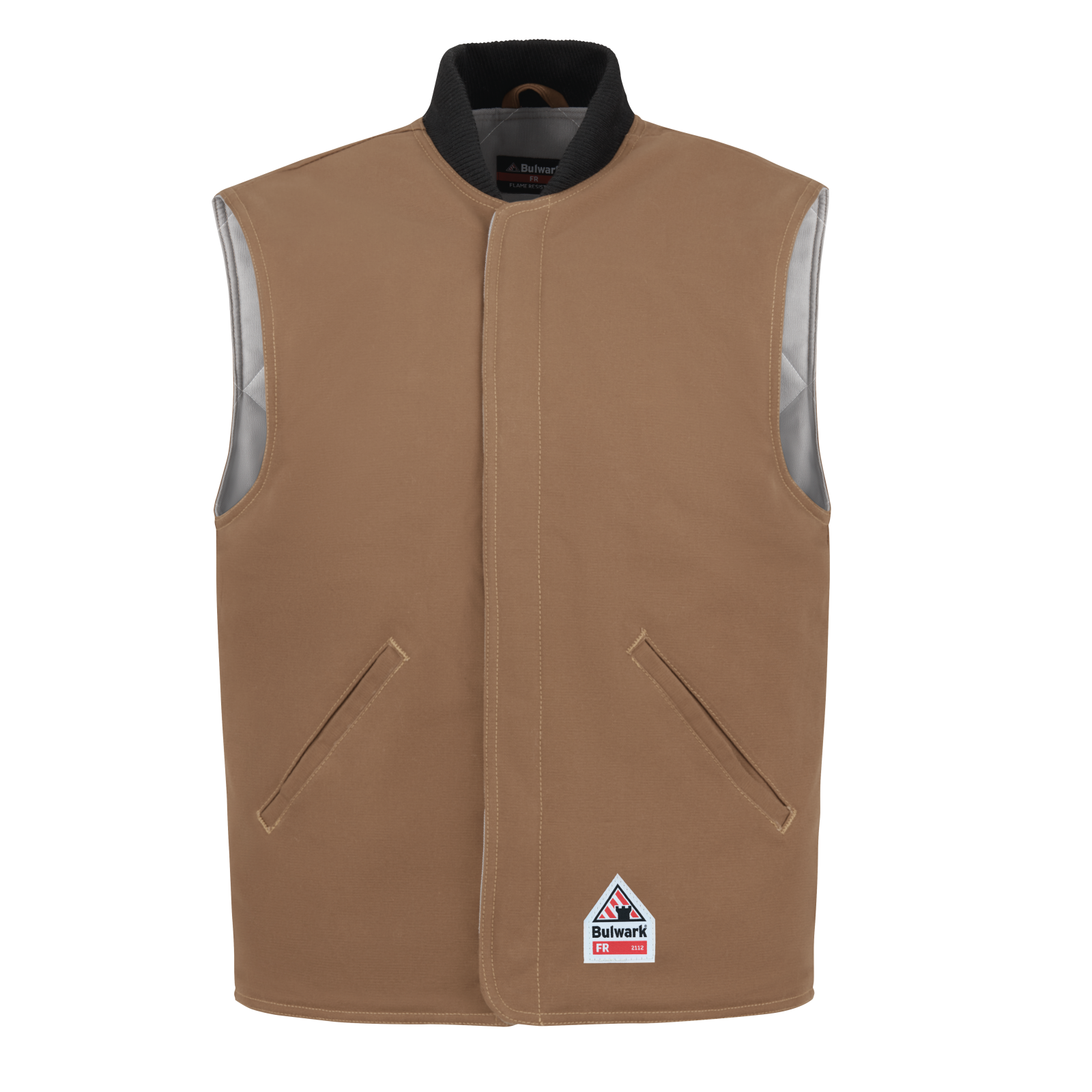


Related Utility Vest Catalogue and Quotation
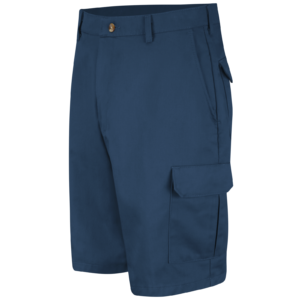



Why Choose Veelianpro as Your Utility Vest Manufacturer
Develop practical, brand-ready utility vests with flexible specifications, integrated production support, and a clear path from concept to repeat orders.
Custom Vest Development
As a utility vest manufacturer, Veelianpro develops pocket layouts, fit, fabric, trims, and reinforcement details from your tech pack or concept.
Flexible Starting MOQ
Start at 100 pieces per style and color, subject to fabric, certification, construction, and project requirements.
Integrated Production Support
Coordinate sourcing, pattern development, sampling, grading, cutting, sewing, quality checks, packing, and export support through one production workflow.
Branding And Private Label
Apply embroidery, screen printing, heat transfer, patches, woven labels, care labels, and custom packaging for brand-ready private-label presentation.
Built For Repeat Programs
Support wholesalers, distributors, uniform buyers, and enterprise teams with sampling, bulk production, reorder coordination, and practical quotation guidance.
Custom Workwear for Industrial and Service Teams
Develop workwear programs across core garments and specialist applications, with material, construction, sizing, decoration, and packaging aligned to your brief.

Work Shirts
Develop button-front, snap-front, and utility work shirts for industrial crews and service uniforms. Specify fabric composition and weight, chest-pocket layouts, sleeve treatment, reinforced stress points, size grading, woven labels, embroidery, or printed branding for the intended work setting.
Request a Workwear Quote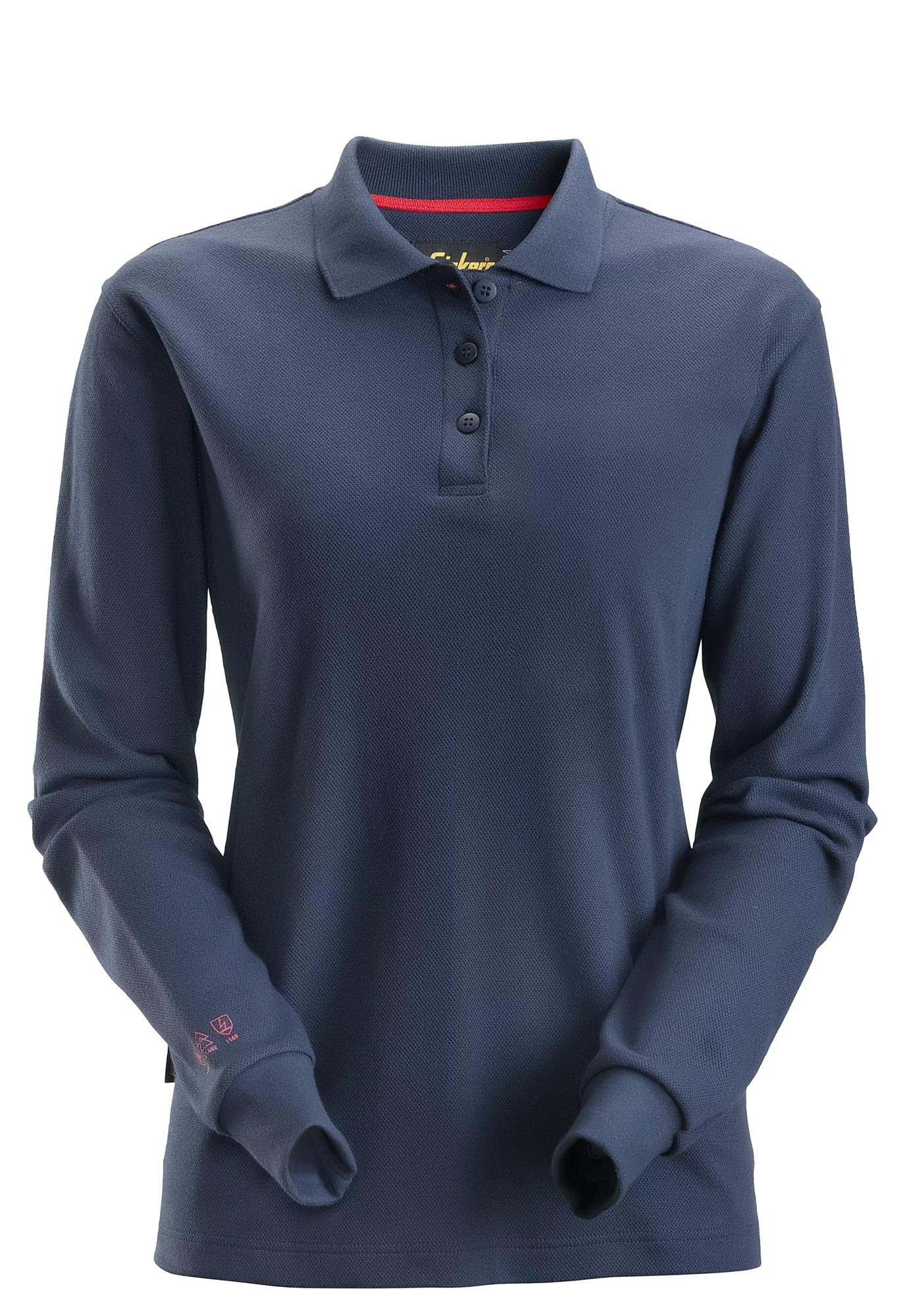
T-Shirts & Polos
Build crew-neck tees, long-sleeve shirts, polos, and collared service styles for branded uniform programs. Fabric sourcing can support the requested hand feel and durability, while color matching, rib details, plackets, labels, screen printing, heat transfer, and embroidery are developed to suit the garment.
Request a Workwear Quote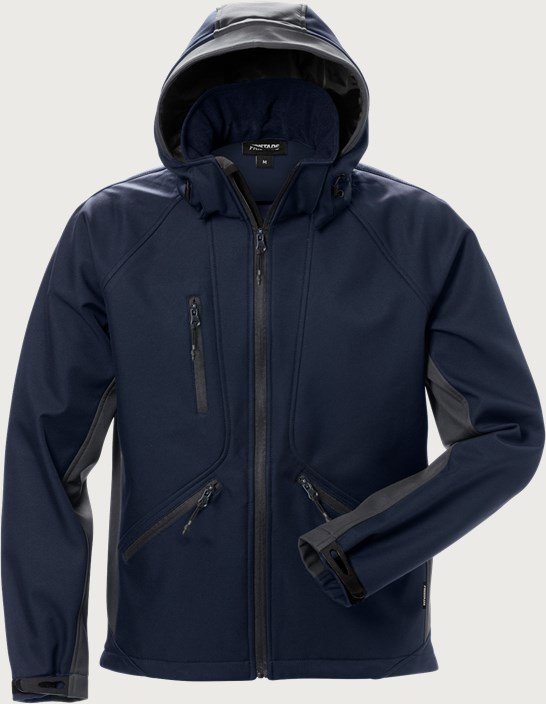
Work Jackets & Outerwear
Create softshell, fleece, padded, and rain-jacket programs for changing outdoor and workplace conditions. Development can cover shell and lining choices, closures, hood and pocket configurations, weather-oriented features, reinforcement, reflective tape placement, branded trims, and custom packing.
Request a Workwear Quote
Work Vests & Bodywarmers
Produce utility vests, multi-pocket work vests, insulated bodywarmers, and service-layer styles. Define pocket functions, fastening type, lining or padding, visibility details, logo placement, label sets, and color blocking around the tools, documents, or personal equipment users carry.
Request a Workwear Quote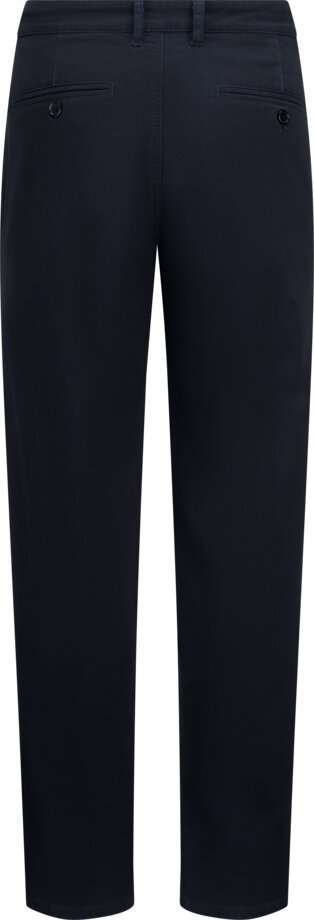
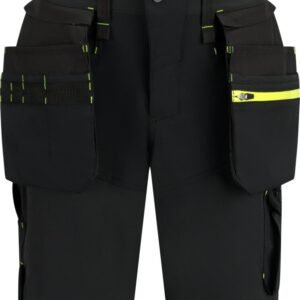
Work Pants & Shorts
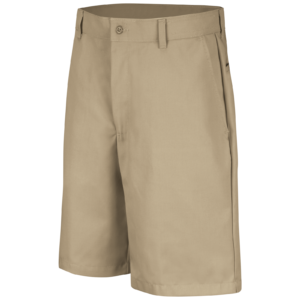
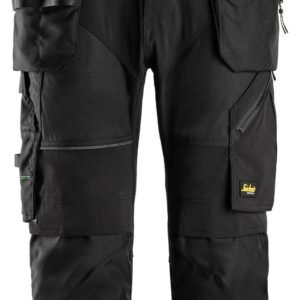
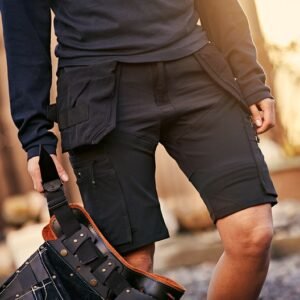
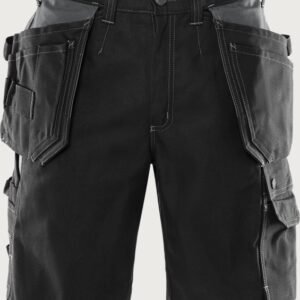
Develop work trousers, cargo pants, and shorts with the mobility and storage needed for the job. Available construction discussions include pocket systems, reinforced knees, gussets, bartacks, triple stitching, waistband details, inseams, size ranges, fabric selection, and brand identification.
Request a Workwear Quote
Coveralls & Bib Overalls
Manufacture one-piece coveralls, bib overalls, and practical workwear silhouettes for industrial tasks. Buyers can define closure systems, pocket layouts, adjustable straps, reinforced areas, knee construction, reflective-trim placement, decoration, labels, and packaging before sampling and production.
Request a Workwear Quote
Workwear Sets
Coordinate matching shirt-and-trouser, jacket-and-pant, or multi-piece uniform sets for consistent team presentation. Each component can be developed with coordinated colors, fabric choices, trim, sizing, branding, and practical pocket or reinforcement details while retaining distinct garment functions.
Request a Workwear Quote
High-Visibility Workwear
Develop high-visibility garment families including vests, shirts, jackets, pants, coveralls, and coordinated sets. Fluorescent fabric, contrast panels, reflective tape layout, pockets, closures, and branding can be specified; any required standard or performance claim needs SKU-specific testing and documentation.
Request a Workwear Quote
Flame-Resistant & Arc-Rated Wear
Develop flame-resistant and arc-rated workwear concepts across shirts, pants, coveralls, jackets, and layering pieces. Fabric, construction, trim, labeling, and branding requirements can be reviewed during development. Ratings, standards, and protective claims require the exact test evidence and certification scope.
Request a Workwear Quote
Chemical-Protective Clothing
Develop chemical-protective clothing concepts for the stated exposure environment, including coveralls, outer layers, and related protective garments. Material selection, seams, closures, hoods, cuffs, and packaging are project-specific. Chemical resistance or protection claims require documented testing for the specified garment and application.
Request a Workwear Quote
Cold-Storage Workwear
Build insulated outerwear, jackets, bibs, coveralls, and layering systems for cold-storage operations. Development may include shell and lining choices, insulation construction, cuffs, closures, pocket access, mobility details, and branding. Temperature performance must not be claimed without applicable tested evidence.
Request a Workwear Quote
Welding Workwear
Develop welding shirts, jackets, trousers, coveralls, aprons, and related protective workwear around the user’s task and material requirements. Discuss coverage, closures, pocket placement, reinforcement, trim, and branding during sampling. Any flame, heat, or spark-protection claim requires supporting test documentation.
Request a Workwear Quote
Medical & Cleanroom Wear
Create medical scrubs, cleanroom garments, ESD-oriented styles, and supporting uniform pieces with project-specific fabric and construction requirements. Buyers can specify garment format, closure and pocket details, size grading, labels, and packaging. Cleanroom or ESD performance claims depend on relevant SKU-specific evidence.
Request a Workwear Quote
Chef & Hospitality Uniforms
Produce chef coats, cook shirts, aprons, service shirts, trousers, polos, and hospitality uniforms for back- and front-of-house teams. Specify fabric preference, collar and closure style, pocket details, color program, fit range, embroidery, labels, and coordinated packaging for your uniform collection.
Request a Workwear Quote
Industry Uniforms
Develop uniform programs for industrial, logistics, service, hospitality, and enterprise teams across shirts, pants, jackets, vests, coveralls, and sets. Pattern development, fabric and trim sourcing, sampling, color coordination, decoration, quality checks, and export packing support private-label and wholesale requirements.
Request a Workwear Quote
Base Layers & Accessories
Coordinate utility vests with approved shirts, trousers, outerwear, coveralls, or hospitality garments in a broader uniform program. Materials, trims, colors, labels, logo application, and packaging can be aligned across the confirmed garment range. Confirm availability separately for accessories or protective items not included in the approved specification.
Request a Workwear QuoteMaterials Supported by a Utility Vest Manufacturer




Utility Vest Manufacturer: Decoration and Production Processes



Utility Vest Accessories from a Utility Vest Manufacturer


About Veelianpro, Your Utility Vest Manufacturer
Veelianpro is a Wuhan-based workwear manufacturer in China serving industrial, safety, hospitality, and service brands. Our company profile states that the operation began in 2012, with a mission to help buyers develop dependable garments for real working environments through practical communication, controlled production, and flexible OEM, ODM, private-label, and wholesale programs.
As a utility vest manufacturer, we support development from a tech pack, sketch, sample, or product idea through fabric and trim sourcing, pattern development, sampling, size grading, cutting, sewing, reinforcement, decoration, quality checks, packing, and export coordination. Starting quantities are from 100 pieces per style and color, subject to fabric, certification, and construction requirements.
Veelianpro’s difference is the ability to connect product development with broader workwear sourcing, from utility and safety vests to shirts, jackets, pants, coveralls, and uniforms. The company profile reports a team of more than 300 skilled workers; this operating figure is company-supplied and should be verified before prominent public use. Performance ratings and certifications are confirmed only through SKU-specific evidence.

Core Capabilities of a Utility Vest Manufacturer
From Concept to Tech Pack
Veelianpro turns a sketch, reference sample, tech pack, or product idea into a workable utility vest specification. Our team reviews fabric direction, pocket functions, trims, branding, measurements, and intended work setting before pattern development and sampling begin.
- Tech-pack and specification review
- Fabric, trim, and closure planning
- Pocket function and branding placement
- OEM, ODM, and private-label development

Pattern and Fit Development
Pattern development helps align the vest with its intended workforce, layering needs, and size range. Veelianpro can refine dimensions, grading, side adjustment, panel construction, and fit details during sampling so buyers can review practical wearability before bulk production.
- Size-range planning and grading
- Men’s, women’s, or unisex fit direction
- Adjustable side and shoulder details
- Sample-based fit revisions

Functional Construction Engineering
Utility vest performance depends on how storage and stress points are constructed. Buyers can define pocket layouts, gussets, reinforced areas, bartacks, stitching methods, reflective tape placement, mesh panels, and closures according to the garment’s job-specific requirements.
- Multi-pocket and tool-access layouts
- Reinforced seams, bartacks, and stress points
- Mesh, webbing, zipper, snap, or hook-and-loop options
- Reflective detail placement when required
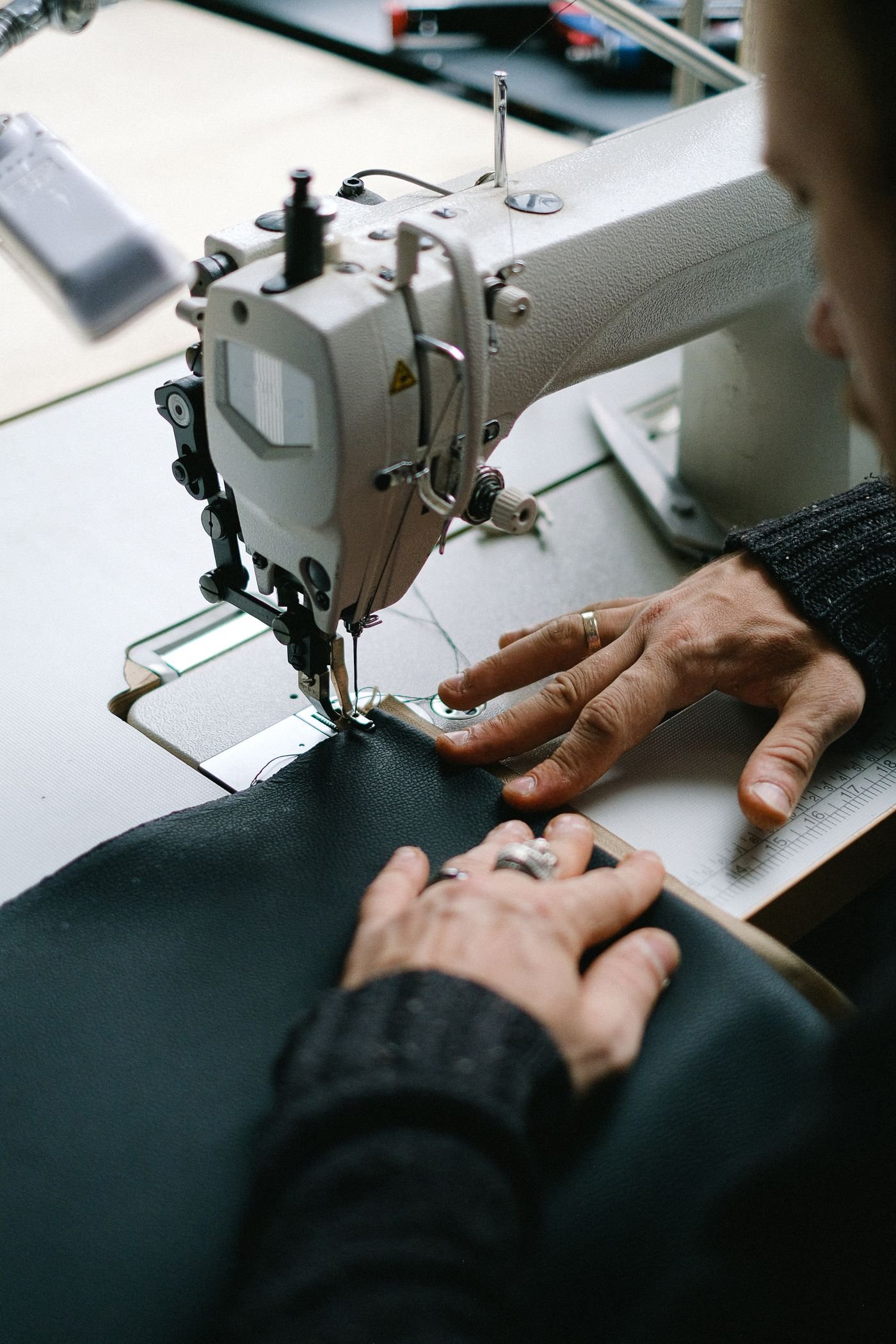
Sampling, Quality, and Fulfillment
After design approval, Veelianpro coordinates sampling, material confirmation, cutting, sewing, decoration, finishing, inspection, packing, and export preparation. MOQ starts at 100 pieces per style and color, subject to fabric, construction, certification, and project requirements.
- Pre-production sample confirmation
- In-process and final quality checks
- Embroidery, patches, labels, and custom packaging
- Export coordination and reorder support

Custom Utility-Vest Development vs. Off-the-Shelf Sourcing
Choose custom development when pocket layout, fit, construction, and branding must match the program. For custom production, the stated starting MOQ is 100 pieces per style and color, subject to fabric, certification, construction, and confirmed order requirements. An off-the-shelf route begins with an existing style and its available options.
← Swipe left or right to view →
Our Utility Vest Manufacturer Process
Veelianpro takes each custom utility vest from buyer brief to export shipment through structured feasibility review, sourcing, pattern development, sampling, production and inspection. OEM, ODM, private-label and wholesale programs can start from 100 pieces per style and color, subject to fabric, certification and construction requirements.
Review Requirements
Share your tech pack, sketch, sample, target quantity, destination, timeline and protection requirements. Veelianpro reviews feasibility, construction, materials and certification evidence before quotation.
Source And Develop
We confirm fabric, trims, colors, pocket layout, fit, branding and packaging, then develop patterns and graded size specifications for your approved utility vest program.
Sample And Approve
A sample allows buyers to evaluate fit, storage, reinforcement, visibility details and decoration placement. Revisions are documented before bulk production approval and final costing.
Cut And Sew
After approval, cutting and sewing follow the confirmed pattern and work instructions, with bartacks, reinforced points, closures, labels and decoration checked during production.
Inspect And Ship
Final inspection covers measurements, workmanship, appearance, branding, packing accuracy and quantity. Veelianpro coordinates export preparation and shipment details for wholesale and private-label orders.
How to Work with a Utility Vest Manufacturer
Veelianpro guides B2B buyers from product idea to repeat orders, with OEM, ODM, private-label and wholesale support and MOQ starting at 100 pieces per style and color, subject to project requirements.
Submit Your Product Brief
Send a tech pack, sketch, sample, or product idea with garment type, work setting, fabric preferences, sizing, branding, quantity, destination, and timeline.
Confirm Design Feasibility
Review feasibility with Veelianpro, then confirm pocket systems, closures, reinforcement, reflective details, weather protection, decoration methods, and any required performance or certification evidence.
Approve Materials and Samples
Approve fabric and trim selections, pattern development, size grading, and a representative sample before production specifications and private-label details are finalized.
Review Your Quotation
Receive a quotation based on confirmed construction, materials, quantity, branding, packaging, destination, and timeline, with MOQ starting at 100 pieces per style and color when applicable.
Authorize Production and Shipment
Approve the order for cutting, sewing, quality checks, packing, export coordination, shipment, and repeat production support as your workwear program grows.
Utility Vest Compliance Documentation and Certificate Review


Utility Vest Manufacturer Scenarios for Specification Review
Illustrative scenario: A safety distributor needs a private-label utility vest for field crews carrying small tools. Development focuses on pocket placement, closure choice, bartacks, logo method, and size range; sample approval checks access, construction, branding, and agreed measurements before bulk production.
Illustrative scenario: A uniform buyer is building a service-team vest program for a warm operating climate. The development review compares fabric options, ventilation approach, equipment pockets, and colorway; acceptance criteria cover fit, pocket usability, decoration placement, and the approved sample specification.
Illustrative scenario: A workwear brand needs a utility vest that coordinates with its trousers and jackets without duplicating their pocket functions. The proposed solution translates the brief into graded sizes, specified stress-area reinforcement, trims, woven labels, and packaging; intended acceptance criteria include approved construction details, label placement, and a dated revision record for future orders.
Utility Vest Manufacturer FAQ
Practical answers for buyers planning custom utility vest development, sampling, branding, and bulk production with Veelianpro.
Which utility vest manufacturer supports OEM, ODM, private-label, and wholesale programs?
What is the MOQ for custom utility vests from Veelianpro?
Can a utility vest manufacturer develop different fits and size ranges?
What materials and construction details can I request from a utility vest manufacturer?
How can I add branding to custom utility vests?
Does Veelianpro provide samples, and who pays sampling costs?
What payment and shipping terms apply to custom utility vest orders?
Can Veelianpro develop protective or high-visibility utility vests with documentation?
Utility Vest Manufacturer Guide for Custom Workwear Buyers
A practical framework for specifying utility vests, evaluating supplier controls, comparing construction options, and avoiding costly errors in private-label, uniform, and bulk sourcing programs.
1. What Is a Utility Vest Manufacturer?
A utility vest is workwear designed to organize tools, documents, devices, and small equipment close to the wearer. Its usefulness depends on the relationship between pocket placement, closures, fabric, reinforcement, fit, and the actual carrying routine—not simply the number of pockets.
A manufacturer can develop and produce an agreed specification, including patterns, material and trim sourcing, sampling, cutting, sewing, finishing, inspection, and packing. A trader may coordinate supply without operating production, while an off-the-shelf sourcing route begins with a pre-made style and may limit changes to layout, labeling, or construction.
For a custom program, document the vest purpose, required pocket and attachment layout, carried items, fabric composition and weight, size range, color, closures, reinforcement points, branding, labels, packing, destination, and any required protective standard or test evidence. Veelianpro supports OEM, ODM, private-label, and wholesale utility-vest development from a tech pack, sketch, sample, or product idea. Its stated starting MOQ is 100 pieces per style and color, subject to confirmed fabric, certification, construction, and order requirements.
2. How Utility Vests Work on the Job
A utility vest works as a close-to-body storage system: frequently used, lighter items belong where either hand can reach them without twisting, while heavier tools need support near the torso rather than at the outer edge of a pocket. A deep pocket can look generous on a spec sheet yet become a snag point or swing load when it is filled, pulling the vest out of position during climbing, bending, or vehicle entry.
Pocket placement, closure, and construction must be specified together. Open-top pockets speed access but need dimensions that prevent contents from escaping; zip, flap, or hook-and-loop closures add retention but can slow gloved access or interfere with adjacent tools. If the base fabric, pocket attachment seams, bartacks, and reinforcement are not selected for the intended load, the failure usually starts at a stressed pocket corner or closure attachment—not at the tool itself.
Climate changes the acceptable storage plan. A dense, heavily pocketed vest can trap heat, while a lighter construction may need fewer or smaller carried items to remain stable; layering over a jacket also changes reach and fit. A utility work vest is not automatically a high-visibility safety garment: reflective tape, fluorescent materials, role, destination, and any required standard or test documentation need a separate compliance review from the functional vest design.
3. Utility Vest Types and Applications
Utility vests should be specified around what workers carry and how they move, not a generic pocket count. A utility vest manufacturer can develop each configuration from a tech pack, sketch, sample, or product idea.
Service And Maintenance
Service teams often carry a phone, keys, small parts, and documents. Use secure chest or lower pockets with a front closure that stays manageable during frequent access.
Specify room over a polo, shirt, or light jacket. This supports a uniform program that needs organized carry without a bulky tool rig.
Warehouse And Logistics
Warehouse roles need fast access to scanners, labels, pens, and gloves while preserving reach. Flat pockets and a dependable front closure reduce snag-prone bulk around racking and cartons.
Confirm the vest’s layering allowance for changing indoor and loading-bay conditions. The buyer decision is whether equipment access outweighs added pocket volume.
Surveying And Field Operations
Field configurations may carry a notebook, handheld device, markers, and small measuring accessories. Separate pocket zones prevent hard items from shifting together during walking or bending.
Plan fit over weather layers, then sample it in the intended setup. Choose closure and pocket placement around the equipment actually used on site.
Tool-Carrying Trades
Trade vests require pockets sized for the named hand tools, fasteners, and accessories rather than decorative compartments. Reinforcement and bartacks should be reviewed where loaded pockets join the garment.
A fuller layout must still permit kneeling, reaching, and layering. This choice suits crews needing accessible carry without a separate belt for every task.
High-Visibility Overlay Programs
An overlay vest adds visibility features over the worker’s base uniform while retaining limited equipment access. Reflective tape placement, fluorescent material, and closure details require an application-specific compliance review.
Provide the destination standard and required test or certificate before quoting protective claims. Veelianpro can discuss high-visibility vest development, but documentation must match the finished specification.
4. Utility Vest Manufacturer Materials and Components
Choose materials and trims against the intended work setting, carried items, decoration method, and care routine. Veelianpro can source shell fabrics and trims for development; the approved sample should confirm the agreed appearance, pocket layout, closure operation, and component compatibility before bulk release.
| Component | Strength Or Function | Trade-Off To Specify | Sample Check |
|---|---|---|---|
| Woven shell | Base panel for the specified pocket and trim layout | Fabric composition, weight, hand feel, and panel location | Seam and pocket shape |
| Mesh panel | Panel option where the approved layout does not require pocket attachment | Confirm whether facings or other supporting panels are needed at attachments | Placement beside pockets |
| Nylon webbing | Webbing option for the specified attachment layout | Specified width, finish, and attachment construction | Anchor construction |
| Polyester webbing | Webbing option selected for the specified trim and attachment layout | Hand feel and stitch match | Color and seam compatibility |
| Zipper, snaps, hook-and-loop | Front closure or adjustment option | Required operation, care routine, and placement | Operation with gloves |
Shells, Mesh, And Edges
Select shell fabric, mesh panels, facings, binding, and lining from the intended layout rather than by generic material labels. Where closures, pockets, or webbing are attached, identify the supporting panel construction in the tech pack and review it on the sample.
Specify binding material and color, lining requirements, and edge treatment when contrast, wash appearance, or logo-adjacent finishing matters. The sample should show the finished armholes, hems, pocket edges, and closure areas exactly as they will appear in production.
Webbing And Load Paths
Webbing can create an attachment path for pockets or accessories, but its material and construction must be selected for the specific design. Specify the webbing type, width, finish, location, and attachment method rather than treating a generic webbing name as a performance specification.
Neither webbing choice fixes a weak attachment zone. Define what is attached, its intended location, and the reinforcement path through the shell before sampling; do not describe a pocket seam as load-bearing unless the required capacity is documented and verified.
Closures And Hardware
Choose zippers, snaps, or hook-and-loop according to the required closure method, access sequence, garment layers, and care routine. Specify puller style, finish, mating tape, hardware placement, and the sample checks needed for operation with the intended gloves or equipment.
Show hardware, webbing, and multilayer seam areas on the construction drawing. Review stitch placement and the finished reverse side of these areas on the sample before approving bulk production.
5. Custom Utility Vest Layout and Branding
A useful vest layout begins with what workers reach for, when they reach for it, and which items must stay separated. Convert those motions into a drawing that a utility vest manufacturer can sample and inspect.
Map Tasks Into Pockets
List each carried item, its approximate pouch dimensions, access hand, and whether it must be secured. Then mark webbing attachment points, tool loops, and adjustable side requirements on front and back views.
Illustrative example—not a Veelianpro specification: a field-service brief assigns a phone pocket to the upper chest, a tape-measure loop at the waist, and two separate front pouches for fasteners and hand tools.
- Item and approximate dimensions
- Reach sequence and access hand
- Closure, retention, and attachment need
Protect Access And Visibility
Logo placement must remain clear of pocket openings, zippers, seams, tool loops, and adjustment hardware. If reflective elements are required, keep decoration outside their specified placement area and confirm the final layout against the applicable standard and test documentation.
Color blocking should distinguish panels without obscuring branding or creating a confusing visual hierarchy.
Specify Labels And Packout
Provide the full size run, colorway, logo artwork, private-label artwork, care-label content, and packaging instructions with the tech pack. Veelianpro can develop woven labels, care labels, patches, decoration, and custom packaging as part of a custom workwear program.
Name the destination and required label language early, so packing and labeling can be reviewed with the sample.
6. Construction Details That Determine Service Life
A utility vest wears out first where tools pull against fabric, seams, and hardware. Construction notes should identify each load path, then make the sample prove that pockets, closures, and attachment points remain functional when worn and loaded.
| Failure Point | Likely Cause | Specification Or Sample Remedy |
|---|---|---|
| Pocket tear-out | Corners carry load alone | Show bartacks and reinforcement in the pocket sample |
| Snag-prone closure | Zipper tape is distorted | Check zipper lies flat through full travel |
| Uneven load | Webbing anchors are misaligned | Mark attachment-point alignment on the tech pack |
Map Stress Zones
Pocket corners, entry openings, zipper ends, webbing ends, and shoulder joins concentrate force. A pocket can tear out when its load transfers only to the shell fabric instead of a reinforced seam or supporting panel.
Mark intended tools and attachment locations on the tech pack. During sample review, load the specified pockets and check whether openings pull out of shape or the vest twists.
Specify Seams And Reinforcement

Bartacks can secure pocket corners, webbing ends, and other localized stress points; triple stitching and gussets can be specified where the design needs broader seam support. The correct construction depends on fabric, pocket volume, and expected carried equipment.
Ask for reinforcement placement to be shown in the sample, not merely listed as a feature. Inspect both faces of the seam for skipped stitches, puckering, loose thread ends, and uneven seam allowance.
Finish Openings And Hardware
Unbound pocket edges can fray or become uncomfortable, while a distorted zipper opening can snag because the zipper tape is stretched or misaligned during installation. Binding, clean edge finishing, and a flat zipper installation are visible construction evidence.
Where webbing carries equipment, specify its anchor path and alignment with the intended load. Offset attachment points create uneven load distribution and can pull the vest off balance.
7. Selecting a Utility Vest Manufacturing Partner
A capable utility vest manufacturer turns an approved design into a repeatable production record, not a one-off sample. Compare how each candidate handles specification decisions, physical approvals, inspection scope, packing, and export paperwork before placing a program order.
| Comparison Point | Evidence To Request | Veelianpro Scope |
|---|---|---|
| Design control | Approved tech pack or sample revision | Pattern development, sampling, size grading |
| Production control | Inspection and acceptance scope | Quality checks and inspection workflow |
| Handover control | Packing and export-document list | Packing and export coordination |
Specification Ownership
Ask who converts a tech pack, sketch, sample, or product idea into patterns, graded sizes, fabric and trim selections, and a production-ready construction brief. Veelianpro supports those development stages, including pattern development and size grading.
For repeat orders, request the approved revision identifier and ask what change triggers a new sample. The method used to retain approved materials, measurement tolerances, and pocket placement is not supplied; flag it for editorial review.
- Who approves the final construction revision?
- How are size grades and measurement tolerances recorded?
- Which fabric and trim details identify the approved version?
Make Sampling Measurable
A sample should verify the operational layout: pocket access, closure choice, branding position, and reinforcement details such as bartacks, triple stitching, or gussets where specified. Veelianpro supports sampling before order confirmation.
Treat a sample approval as a controlled decision, with annotated changes returned before bulk production. Sample retention, pre-production sample policy, and revision-control records are unknown and require editorial review.
Define Inspection And Handover
Veelianpro includes quality checks, packing, export coordination, and inspection in its stated workflow. Confirm the inspection checkpoints, acceptance criteria, packing configuration, destination labels, and export-document scope in the quotation.
In-process check frequency, final-inspection method, traceability records, and exact export documents are not supplied; do not assume them. Protection claims also need the applicable standard and exact test or certificate scope.
8. Common Utility Vest Sourcing Mistakes
Small omissions in a vest brief become costly once patterns, trims, and decoration are approved. Treat each functional feature as part of a documented work task, not as a styling choice.
Copying Pockets Without Task Mapping
A copied pocket layout can put a radio, scanner, fastener pouch, or hand tool on the wrong side, creating reach conflicts and uncomfortable weight concentration. Map each carried item, its access hand, dimensions, and retention need before pattern work.
Ignoring layered wear can make an acceptable sample restrictive over a jacket or too loose over a tee. Define the intended wear layers and test the sample while reaching, bending, and sitting.
Treating Webbing As Decoration
Webbing and attachment loops affect how equipment sits and how force reaches the garment; decorative placement may leave no specified reinforcement at load points. Identify every intended attachment, loading direction, and required stitching or bartack location in the tech pack.
High-visibility colors or reflective tape do not establish compliance by themselves. When protection is required, provide the applicable standard, destination, and required test or certificate scope for review; do not approve an unverified claim.
Approving Branding Before Access Testing
A chest logo can obstruct a pocket opening, cover a functional loop, or interfere with a closure path after decoration. Confirm logo size and placement on a worn, loaded sample and repeat the access test after the chosen decoration method.
Undocumented revisions cause repeat orders to drift between pocket, trim, color, label, and artwork versions. Issue a dated revision-controlled specification and record the approved sample, artwork, and construction changes with the purchase order.
9. From Tech Pack to Bulk Order
A usable tech pack turns a utility vest concept into inspectable decisions before cutting begins. Veelianpro can start from a tech pack, sketch, sample, or product idea, then align fabric, pockets, trims, branding, sizing, packing, and destination requirements.
Define The Job Brief
State who wears the vest, layers underneath, tools carried, work setting, size range, color, destination, and required standard or test evidence. A protection target is not a certified claim until its exact evidence and scope are confirmed.
Set acceptance criteria early: pocket position and opening, garment fit, fabric composition and weight, hardware operation, logo location, and label text. Include reference photos or marked drawings where placement matters.
- List tools and maximum intended pocket contents
- Mark each pocket, webbing loop, closure, and bartack
- Specify logo artwork, decoration method, labels, and packaging
Sample And Load Trial
Review the pattern or sample on the intended wearer and over the expected base layers. Load the designated pockets with the buyer’s actual tools; check reach, swing clearance, pocket sag, closure access, and stress at attachment points.
Approve only the physical details that match the brief, including fabric hand, color submission, hardware, label copy, and logo legibility. Record every approved change in a dated revision file.
Confirm Bulk Release
Before production, consolidate the approved sample, graded size specification, bill of materials, artwork, packing instruction, inspection points, revision number, and the confirmed project MOQ.
At production checkpoints, compare pocket placement, stitch reinforcement, hardware, fabric, logos, and labels against the approved reference. Review packed units for correct assortment, labels, folding, and cartons before shipment.
Control Repeat Orders
A repeat order should reference the approved revision rather than an old email thread or photograph. Log replacements, color changes, label updates, and packaging changes as new controlled revisions, so a minor update does not silently alter the established vest.
10. Cost Drivers for Custom Utility Vests
A utility vest quote changes with the bill of materials and labor map: a mesh-backed layout, additional pockets, webbing, reinforcement patches, and multiple closures can each add components or operations. Logo application, labels, packaging, and sampling should be scoped separately so a lower unit figure does not conceal required setup work.
Worked comparison example, not Veelianpro pricing: Design A uses base fabric, four pockets, one zipper, and one printed logo. Design B adds mesh panels, two tool pockets, webbing loops, bartacks, a second closure, woven labels, and individual packaging. Quote B should identify each added material, operation, and packaging line rather than a single unexplained uplift.
Freight, destination documentation, tests, duties, and any protection-related certificates must be identified as included or excluded in the quotation. Compare like-for-like specifications, approved sample status, quantity by color and size, packing method, and shipping terms before selecting a utility vest manufacturer.
| Cost Driver | What Changes Cost | Quote Must Specify |
|---|---|---|
| Fabric and mesh | Base fabric composition, weight, contrast panels, or mesh placement | Fabric selection, colorway, panel locations, and performance requirements |
| Pocket system and webbing | Pocket count, pocket dimensions, webbing loops, binding, and attachment points | Pocket drawing, carried items, webbing type, and reinforcement zones |
| Construction and closures | Bartacks, triple stitching, gussets, zippers, snaps, hook-and-loop, or adjusters | Stitching points, closure model, and approved construction sample |
| Branding and presentation | Embroidery, screen print, heat transfer, patches, woven or care labels, and custom packaging | Artwork, placement, label content, packing configuration, and setup requirements |
| Order and delivery scope | Sampling, quantity, color-size breakdown, freight, export documents, tests, duties, and certificates | Included and excluded costs, destination, shipping terms, and required documentation |
11. Utility Vest Buyer FAQs
These practical answers help procurement teams turn job requirements into a usable utility-vest specification. Confirm protection requirements separately from functional garment decisions before approving bulk production.
What Does Webbing Do?
Webbing creates attachment paths for pouches, tools, or adjustable fit features. Specify its location, intended attachment, and garment compatibility; it is not automatically a certified load-bearing system.
For carried equipment, define the heaviest intended item and how it is secured before pattern development.
How Should Pockets Be Planned?
Plan pockets around the actual tools used per shift, not an arbitrary pocket count. Put frequently reached items where bending, vehicle seating, and arm movement remain practical.
Request a sample with representative tools loaded; empty-pocket approval misses bulk, bounce, and access conflicts.
Which Fabric Fits The Climate?

Choose breathable constructions or mesh-panel concepts for hot, active work; choose a more substantial workwear fabric where abrasion and exposure matter. Confirm composition, weight, and care requirements in the quotation.
Fabric selection must also accommodate pocket structure, decoration method, and the layers worn beneath the vest.
How Are Loads And Branding Reviewed?
Reinforce specified load points through construction choices such as bartacks, reinforcement layers, or stitching details after the intended load is defined. Do not treat a design detail as a tested capacity claim.
Provide the size range, colorway, logo method, labels, packaging artwork, and confirmed order requirements together when requesting a quotation.
What Must Approval Records Include?
For high-visibility programs, provide the destination, work application, applicable standard, and required test or certificate; no rating should be printed without matching evidence.
Approve fabric, hardware, pocket placement, fit, branding, measurements, labels, packing, and revision number on the sample. Retain the signed specification and approved sample reference for repeat orders.


Work With a Utility Vest Manufacturer on Your Next Program
Send your garment, work setting, fabric, sizing, branding, quantity, destination, timeline, and evidence requirements for a tailored quote. Contact info@veelianpro.com or WhatsApp +86 139 8615 2456.