
Custom Work Vest OEM & Private-Label Manufacturing
Develop a custom work vest with OEM, ODM and private-label support from 100 pieces per style and color.
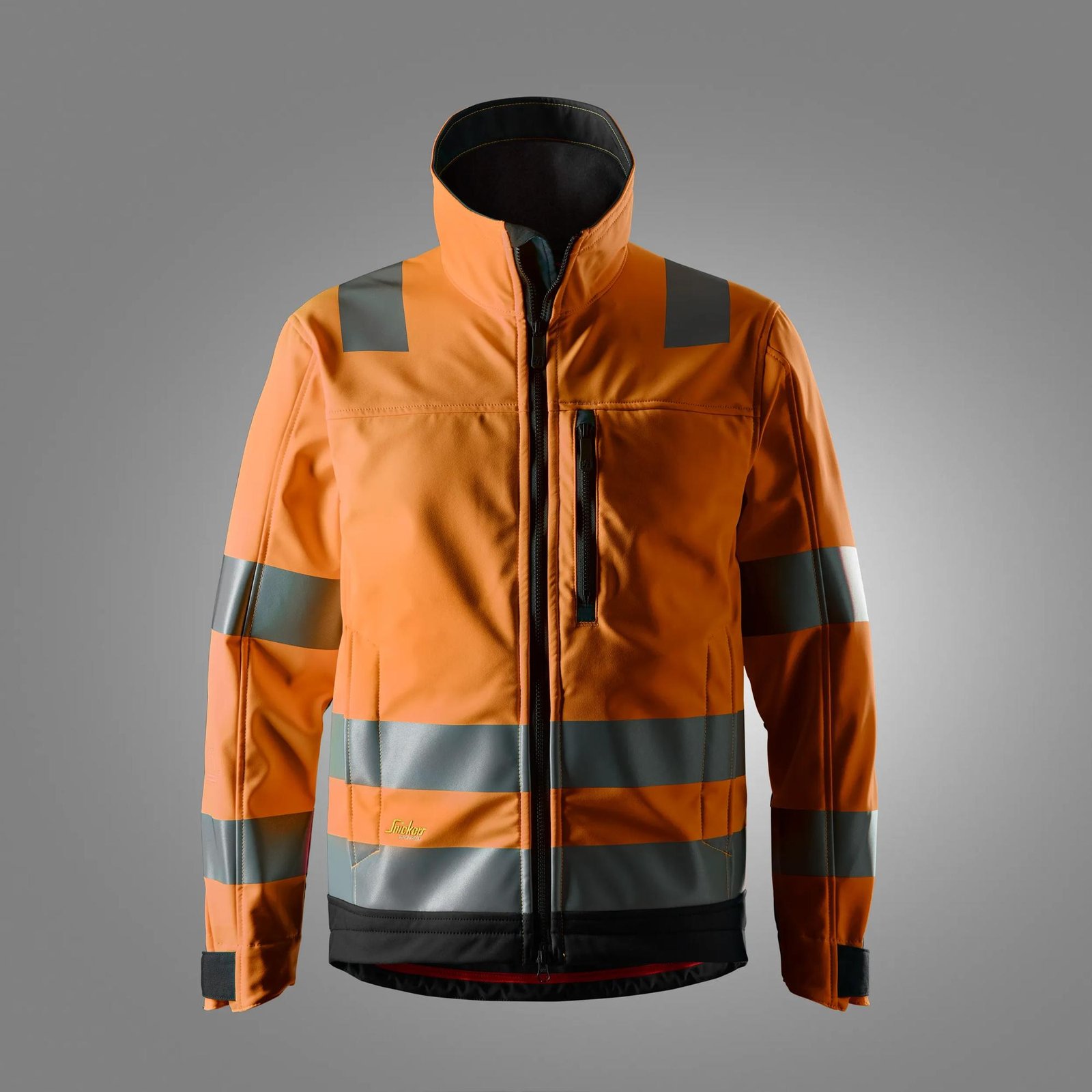
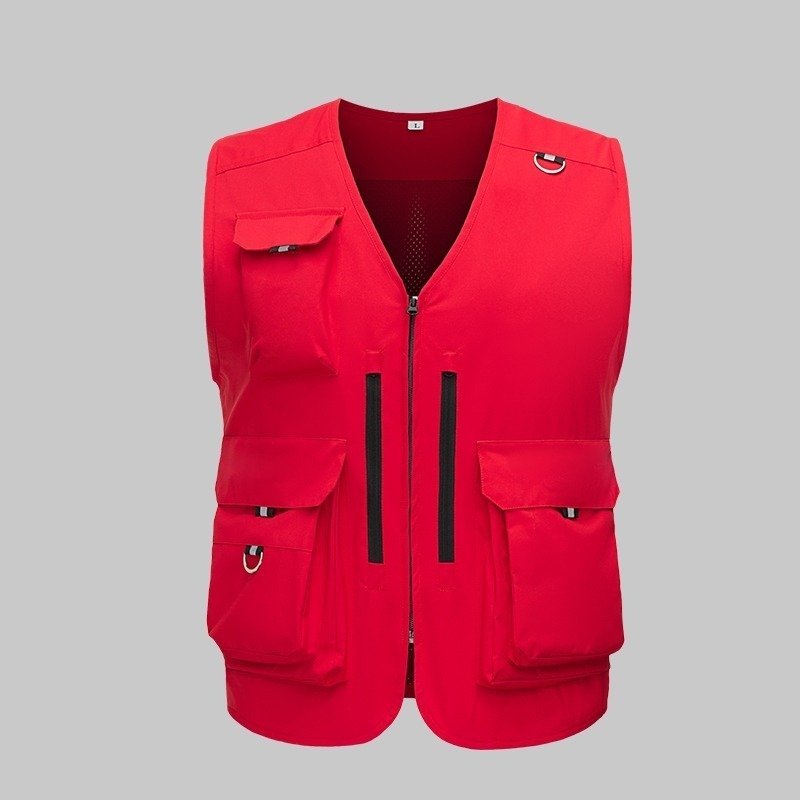
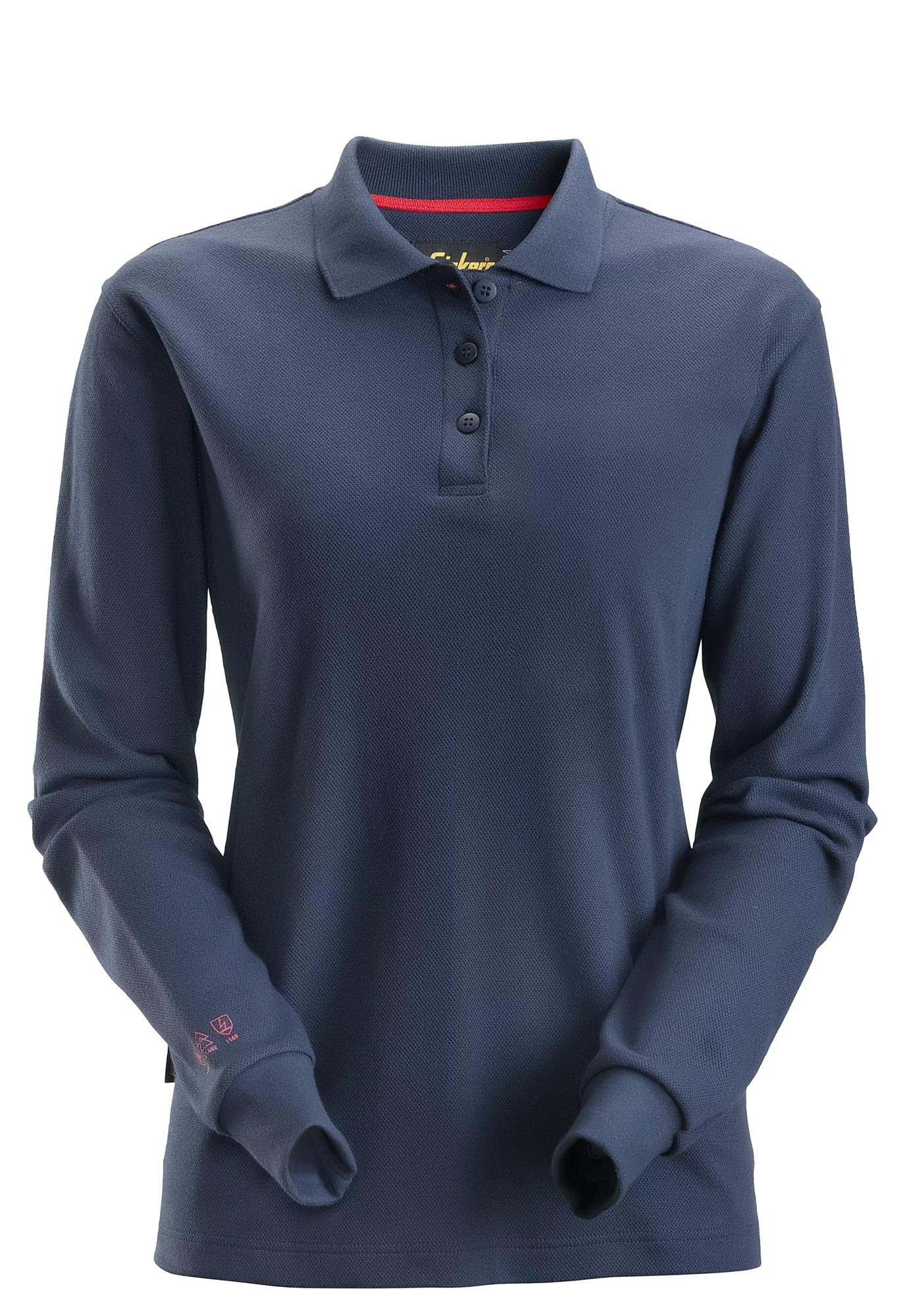
Featured Products for Custom Work Vest Development

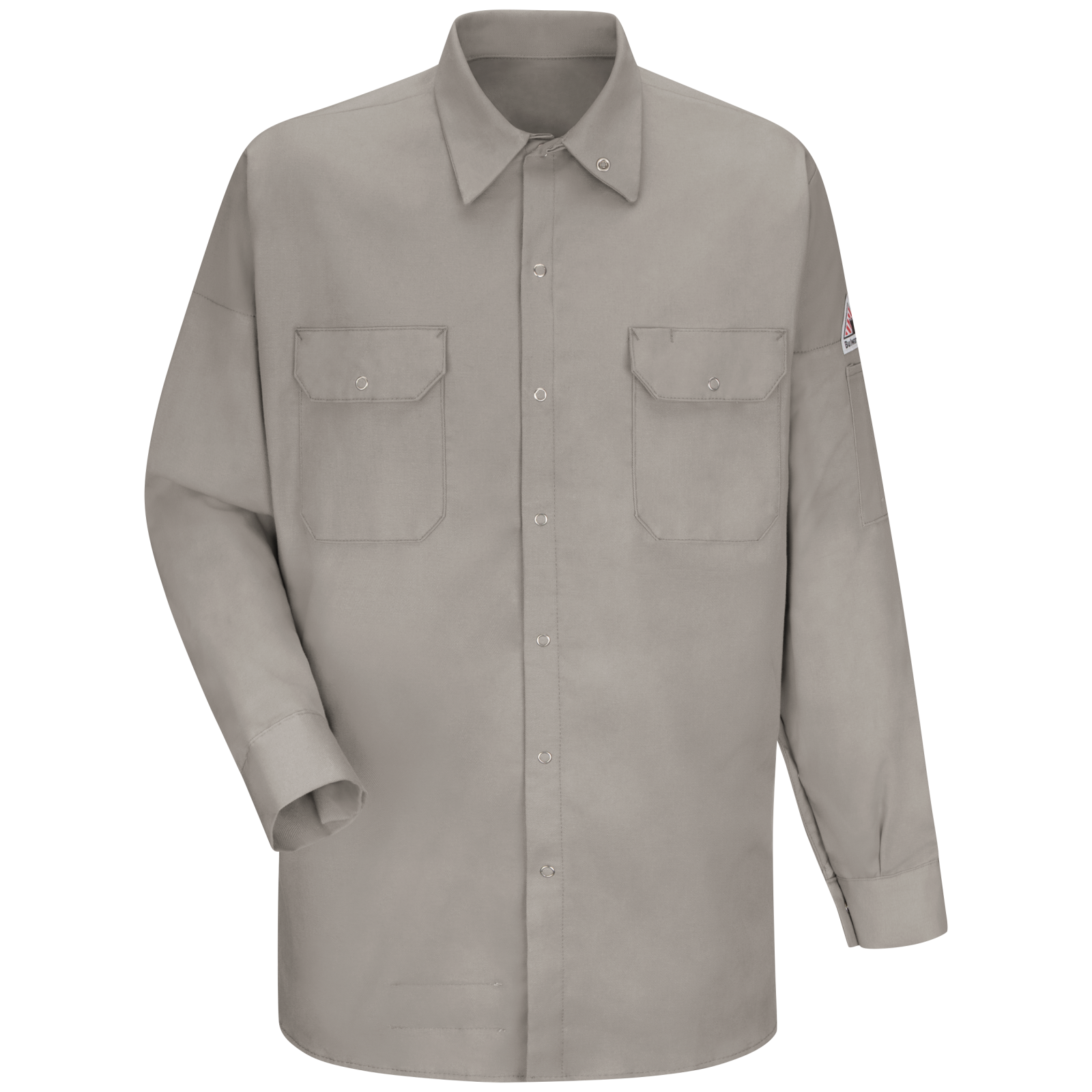

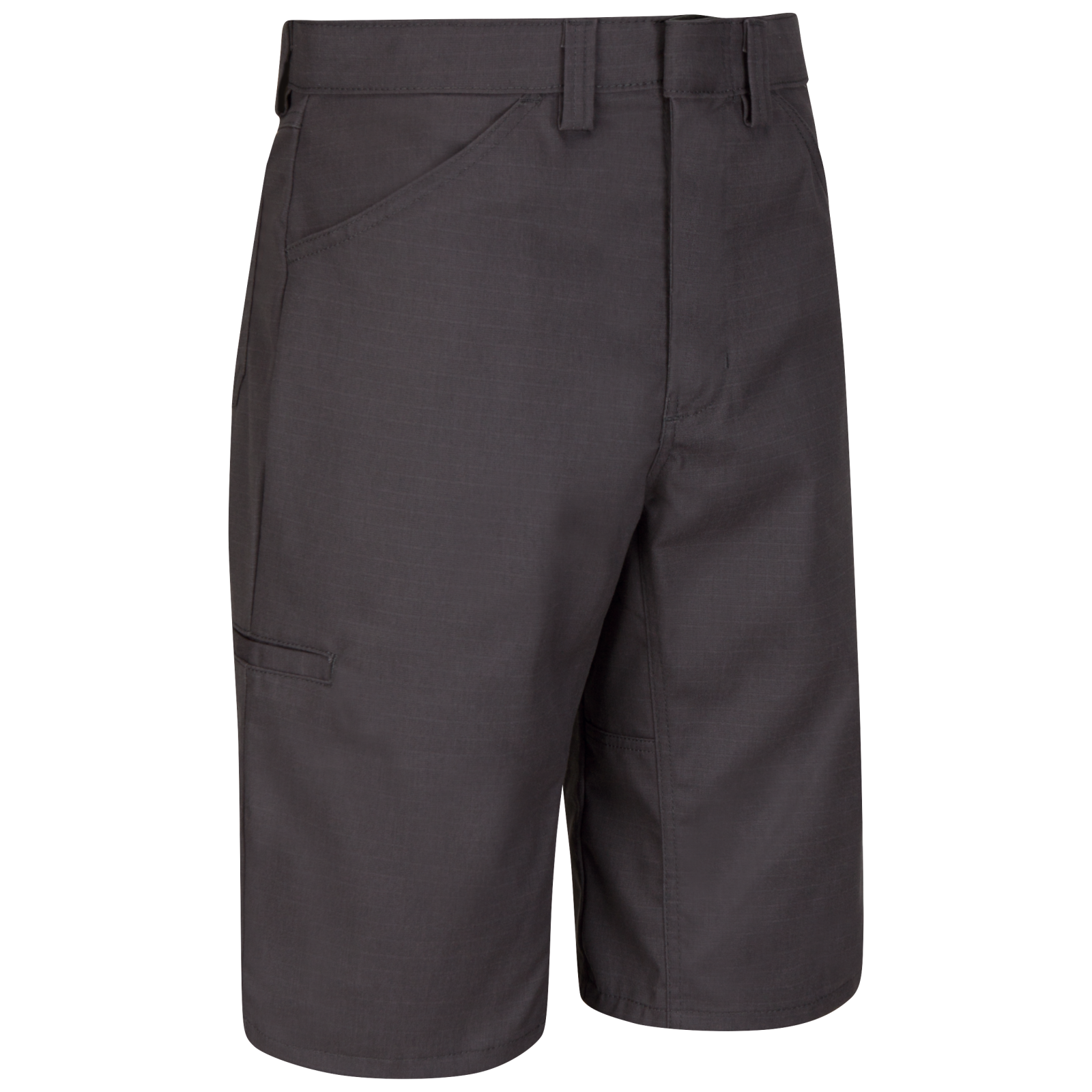
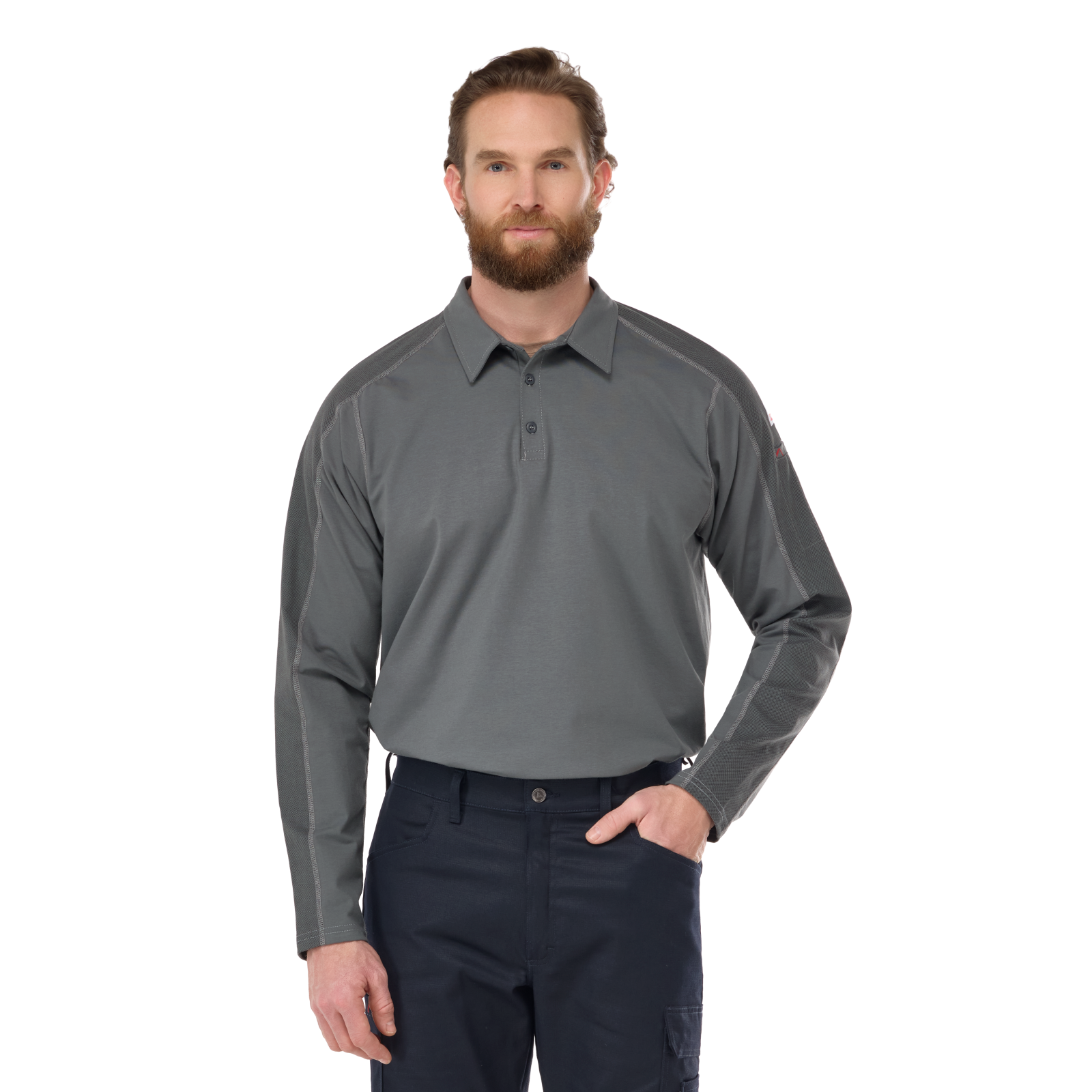






Custom Work Vest Catalogue and Quotation

Why Buyers Choose Veelianpro for Custom Work Vests
From first concept to export coordination, Veelianpro helps B2B buyers develop practical, branded work vests with clear project requirements.
OEM, ODM and Private Label
Develop a custom work vest from your tech pack, sketch, sample, or concept for branded programs and wholesale ranges.
Flexible Starting MOQ
Start at 100 pieces per style and color, subject to fabric, construction, certification, and project requirements.
Integrated Development Support
Coordinate fabric and trim sourcing, pattern development, sampling, grading, cutting, sewing, reinforcement, finishing, inspection, and packing through one team.
Branding and Decoration Options
Apply embroidery, screen printing, heat transfer, patches, woven labels, care labels, or custom packaging to support your brand system.
Export-Ready Production Coordination
Align quotation details, production handoff, quality checks, shipment preparation, and export coordination for smoother international workwear sourcing.
Custom Work Vest Development
Develop purpose-built vests for industrial, safety, field-service and uniform programs, with material, pocket, branding and construction choices aligned to the intended job.
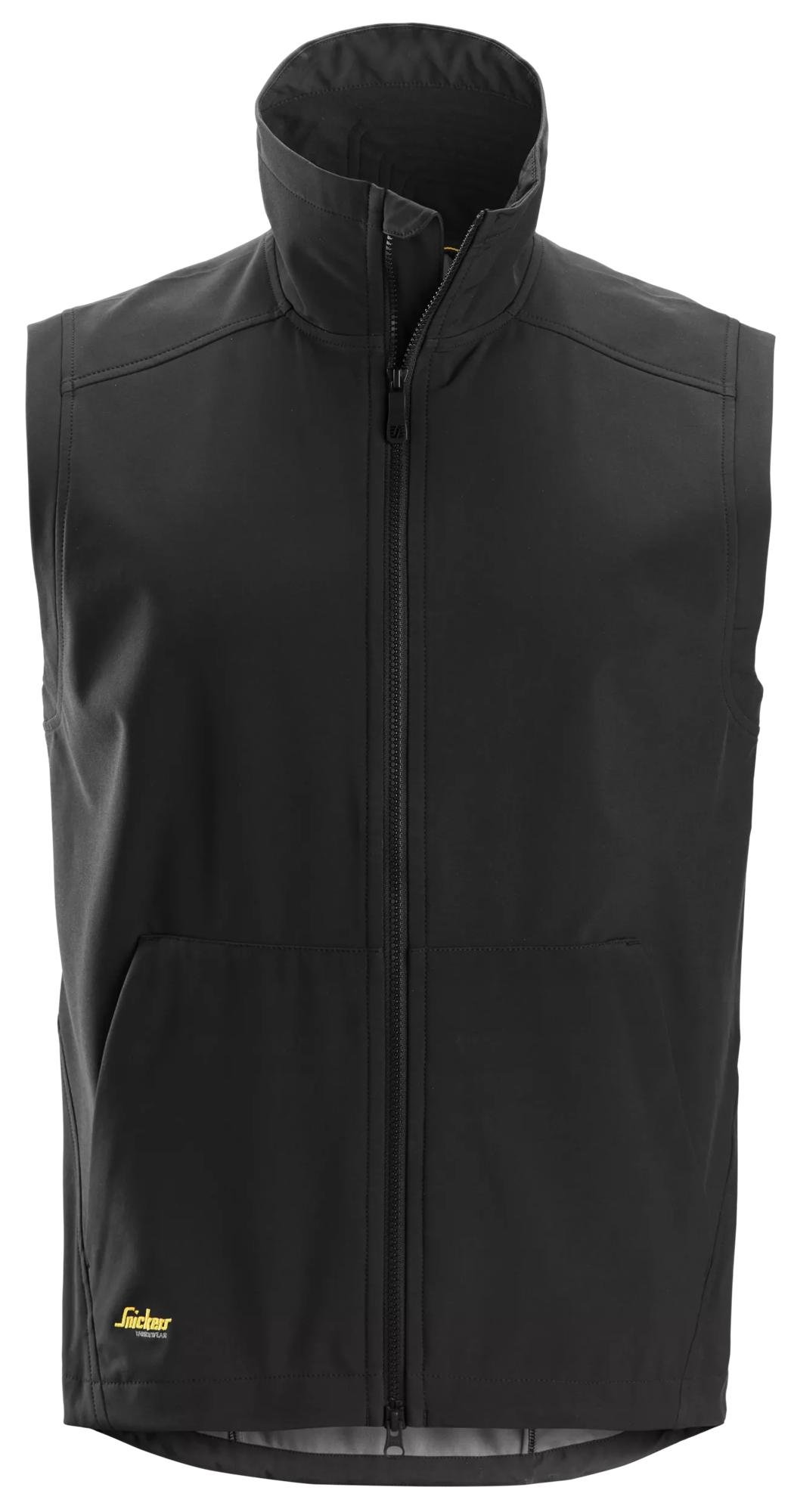
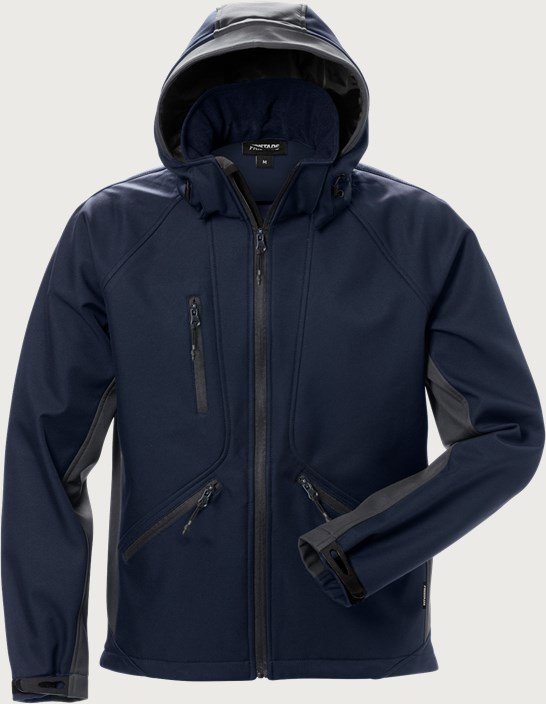
Softshell Vest
Softshell vest projects can be developed for mobile crews and outdoor service uniforms. Define the shell fabric, stretch requirement, pocket layout, collar height, zipper specification, contrast panels, logo decoration, and intended exposure conditions during sampling.
Get a Quote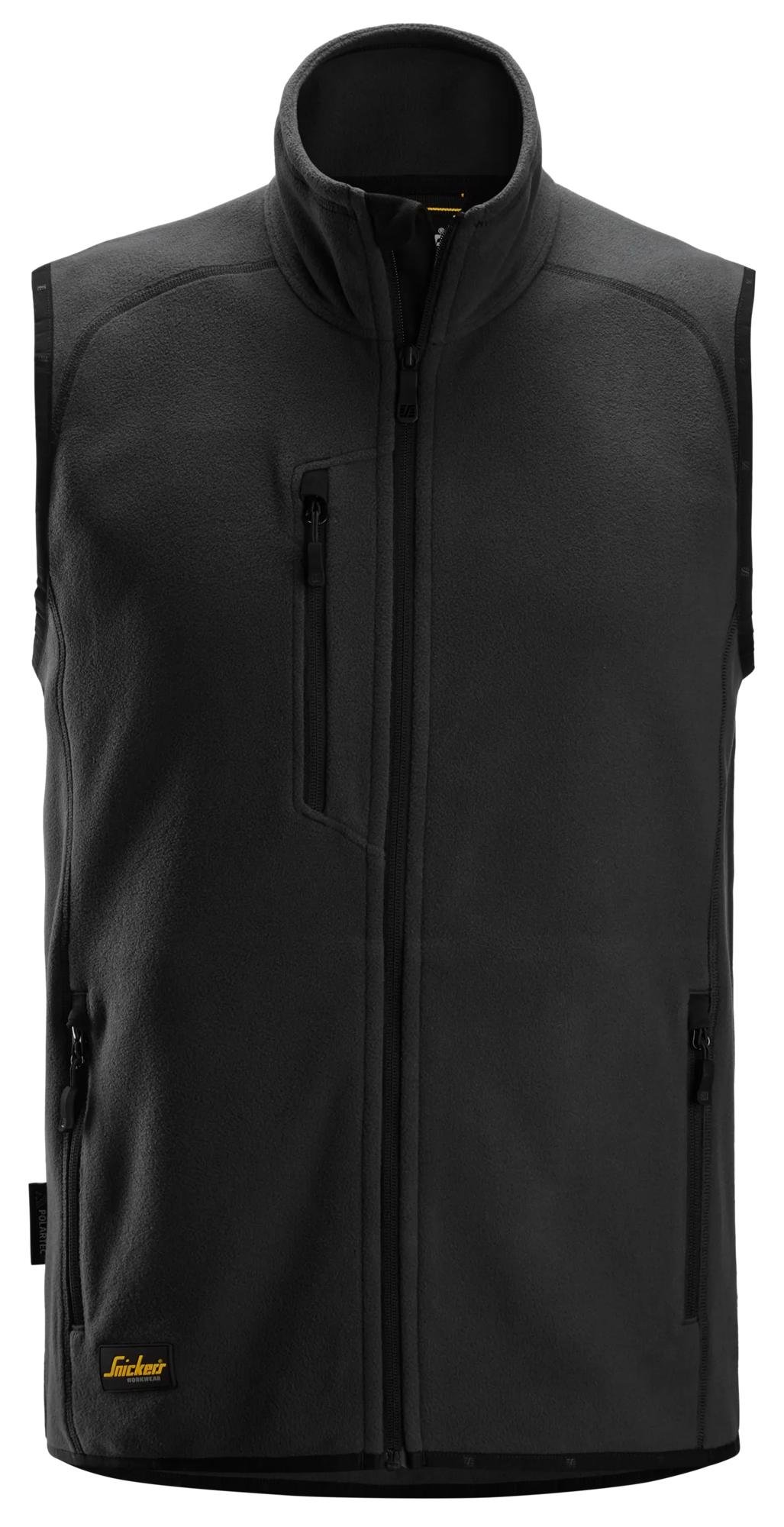
Fleece Vest
Fleece vest projects can be specified for warehouse, delivery, hospitality, and field teams that need a coordinated uniform layer. Select fleece construction, lining approach, zip-front configuration, pocket placement, color blocking, woven labels, and embroidery locations during development.
Get a Quote
Padded Vest
Padded vest projects can be developed for colder-work-environment briefs. Product development can address shell fabric, fill type, quilting pattern, lining, stand collar, front closure, reinforced pocket areas, private-label trims, and sample checks for intended layering and arm movement.
Get a Quote
Hi-Vis Safety Vest
Hi-vis safety vests can be developed for visibility-focused workwear programs, with reflective tape placement, pocket systems, closures and branding considered during sampling. Required standards, test methods and certification scope must be specified before any performance or compliance claim is made.
Get a Quote
Rain Vest
Rain vest projects can be developed for outdoor teams that prefer a sleeveless layer. Specify the intended exposure, shell material, seam construction, hood or collar configuration, pocket protection, closure details, reflective trim placement, custom labels, and any required documented performance before approval.
Get a Quote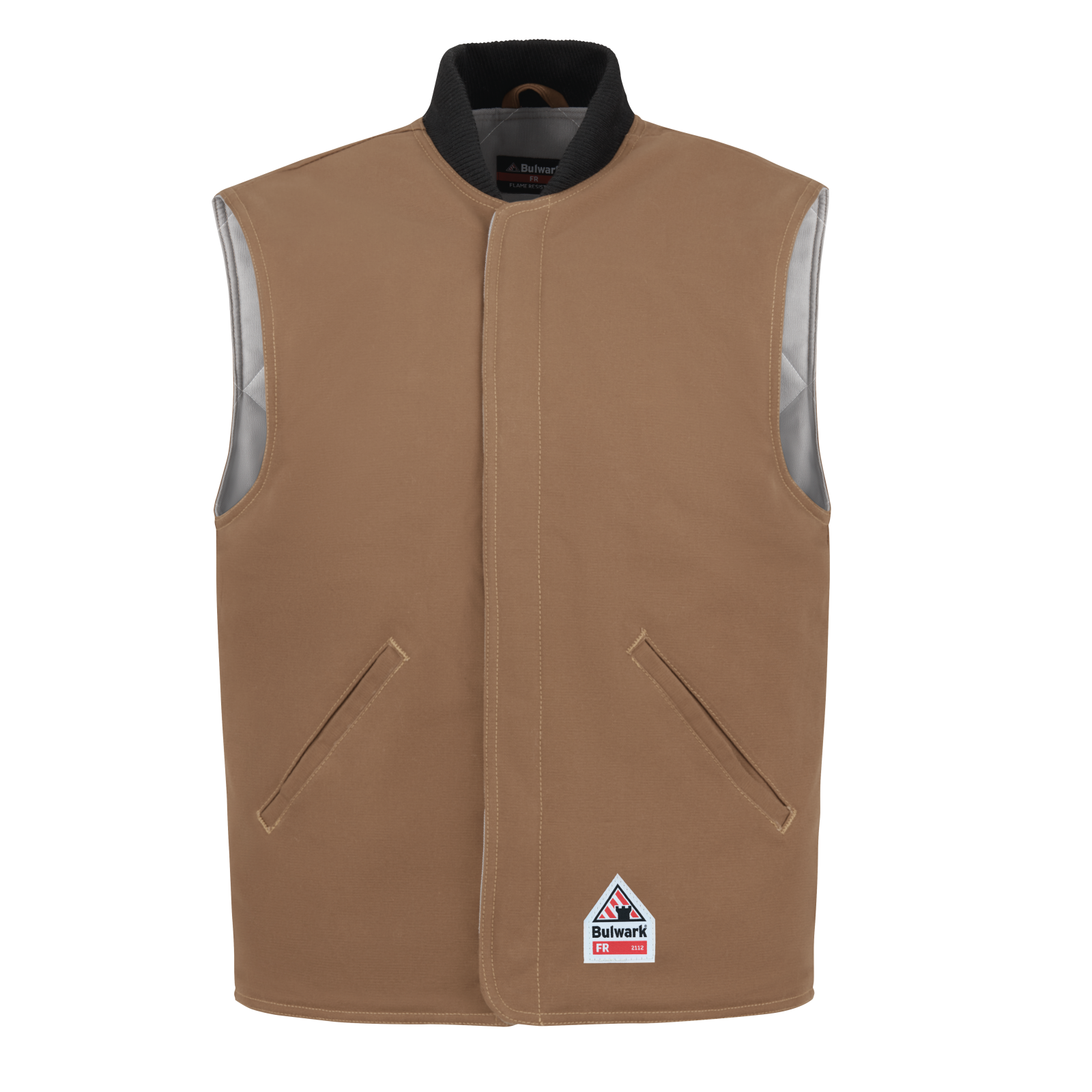
FR Vest
Vests for a buyer-specified flame-resistant program should be developed only against the stated standard and certification requirements. Review fabric selection, closures, pocket construction, reflective details, and branding against that documented scope; any rating requires SKU-specific test evidence.
Get a Quote
Utility Vest
Utility vests organize tools, documents and small equipment for service, logistics, maintenance and event teams. Build the layout around chest, patch, zip or internal pockets, attachment points, durable reinforcement, adjustable fit features, fabric choice and identification decoration.
Get a QuoteMaterials for Custom Work Vest Development




Production Processes for a Custom Work Vest



Custom Work Vest Trims and Accessories


About Veelianpro Custom Work Vest Manufacturing
Hubei Veelianpro Workwear Co., Ltd. is a Wuhan-based manufacturer serving industrial, safety, hospitality and service apparel brands. The company profile states that its workwear operation began in 2012, with a mission to help buyers turn garment concepts, sketches, samples and tech packs into dependable production programs.
Veelianpro supports OEM, ODM, private-label and wholesale development for work shirts, jackets, pants, coveralls, uniforms and custom work vest programs. The team can coordinate fabric and trim sourcing, pattern development, sampling, grading, cutting, sewing, reinforcement, branding, inspection, packing and export coordination.
What sets Veelianpro apart is practical development support across the full product path. Buyers can review fit, fabric, pocket layouts, reflective details, closures, reinforcement and branding before production, with a starting MOQ of 100 pieces per style and color, subject to project requirements, materials, construction and any certification needs.

Core Capabilities Behind Custom Work Vest Production
Review the Vest Specification
Veelianpro begins with your tech pack, sketch, sample or product idea. Our team reviews the intended work setting, fit, materials, branding and order requirements before aligning development details for a practical custom work vest program.
- Tech-pack and sketch review
- Fabric, trim and color planning
- Pocket, closure and fit discussion
- Feasibility review before sampling

Develop Fit and Samples
Pattern development and sampling turn your concept into a reviewable garment. Veelianpro can refine measurements, construction details and size grading while coordinating fabric and trim choices for approval before bulk production begins.
- Pattern development and size grading
- Prototype and pre-production samples
- Fit, measurement and detail revisions
- Material and trim confirmation

Build for Daily Work
Construction planning addresses the demands of the intended job environment. Depending on the design, details may include reinforced stress points, bartacks, durable stitching, practical pocket systems, reflective tape placement and weather-oriented features.
- Reinforced seams and stress points
- Pocket systems for tools and equipment
- Bartacks and triple-stitching options
- Reflective detail placement planning

Finish, Check and Ship
After sewing and decoration, Veelianpro coordinates finishing, quality checks, packing and export preparation. Branding can include embroidery, screen printing, heat transfer, patches, woven labels, care labels and custom packaging, subject to project requirements.
- Decoration and private-label finishing
- Measurement and visual quality checks
- Packing specifications for your program
- Export coordination and reorder support

Custom Work Vest Supply Options Compared
Choose development-led manufacturing or an off-the-shelf vest with added decoration. Starting MOQ is subject to fabric, certification and construction requirements.
← Swipe left or right to view →
Custom Work Vest Development Scope
Move from an initial work vest concept to production with coordinated development, sampling, quotation, manufacturing, inspection, shipment and reorder support.
Review Project Feasibility
Share your garment type, work setting, target quantity, sizes, colors, branding, destination and timeline so Veelianpro can review feasibility and prepare next steps.
Develop Vest Specifications
Confirm fabric, trims, pocket systems, closures, reflective placement and construction details, then develop patterns and grading around your approved tech pack or product idea.
Sample and Quote
Review the sample for fit, materials, decoration and functionality; Veelianpro adjusts the design before issuing a quotation aligned with quantities and project requirements.
Confirm Production Details
Approve the quotation and production details, including applicable protection requirements and evidence, before cutting, sewing, reinforcement, decoration, finishing and quality checks begin.
Inspect, Ship, Reorder
After inspection and packing, Veelianpro coordinates shipment and keeps the approved specifications available for reorder support, helping buyers build consistent branded workwear programs.
How to Order a Custom Work Vest
Veelianpro turns a custom work vest concept into a production-ready program through structured review, sampling, quotation, approval, inspection, and shipment coordination. Share your design inputs and project requirements from anywhere; our Wuhan team helps align materials, fit, construction, branding, quantity, destination, and timing before production begins. MOQ starts at 100 pieces per style and color, subject to project requirements.
Submit Your Project Brief
Send a tech pack, sketch, sample, or product idea with your intended work setting, target quantity, destination, and required delivery timeline.
Confirm Product Requirements
Confirm fabric composition, weight, fit, pockets, closures, reflective details, reinforcement, colors, branding method, labels, packaging, and any applicable performance requirements.
Review Samples and Pricing
Review the development sample and quotation, then request adjustments to sizing, construction, trims, artwork placement, quantity, or commercial details before approval.
Approve Production Details
Approve the final sample, specifications, branding, and order details so Veelianpro can schedule production for your custom work vest program.
Coordinate Inspection and Shipment
Coordinate inspection, packing, export documentation, and shipment, with reorder support available for approved designs and future workwear program requirements.
Custom Work Vest Certifications and Compliance Documentation


Custom Work Vest Procurement Scenarios
Illustrative scenario: A safety distributor needs a high-visibility custom work vest program with logo placement that does not conflict with the required reflective layout. Veelianpro reviews the applicable standard, fabric and trim options, then develops a sample for approval against documented visibility and decoration requirements.
Illustrative scenario: An enterprise uniform buyer needs utility vests for warehouse and field roles, with different pocket configurations and layered fit requirements. Veelianpro converts the brief into patterns, size grading and samples, with acceptance based on approved measurements, pocket placement, closures and branding details.
Illustrative scenario: A workwear-brand buyer is planning a private-label vest capsule and needs to confirm whether a starting quantity of 100 pieces per style and color is feasible under the selected fabric, certification, and construction conditions. The proposed solution includes fabric sourcing, construction development, labels, and packaging. Acceptance criteria are an approved sample, documented specification, confirmed quantity, and approved artwork before bulk production is authorized.
The Complete Buyer’s Guide to Custom Work Vests
Clear answers on development, customization, order requirements, and production planning with Veelianpro.
What is the minimum order for a custom work vest?
Can Veelianpro provide a sample before bulk production?
How long does custom work vest production take?
Can I order mixed sizes and colors for one custom work vest program?
Which artwork formats and branding methods are supported?
Should I choose a standard vest or a high-visibility or protective custom work vest?
What payment terms are available for a custom work vest order?
Does Veelianpro arrange shipping for custom work vest orders?
How are my custom work vest design and intellectual property handled?
Custom Work Vest Buyer’s Guide for Professional Sourcing
Compare work vest types, materials, decoration, construction, and quote scope to build a reliable program, select an appropriate manufacturer, and avoid costly specification, visibility, fit, and artwork mistakes.
1. What Is a Custom Work Vest?
A custom work vest is a role-specific sleeveless layer developed around how a crew works. It can provide a uniform surface, carry selected items, and accommodate company identification while leaving the arms unrestricted. Because it may be worn over a tee, work shirt, sweatshirt, or other specified layer, fit approval should use the intended wearing combination.
A vest is not simply a jacket with the sleeves removed. Pocket layout, closure, reinforcement, trim, labels, and decoration must be specified around the wearer’s job. A utility design may prioritize accessible storage; a service design may prioritize a clean presentation and clear logo area; an insulated or weather-oriented design needs a defined exposure brief and sample review.
A utility or branded vest is not automatically a high-visibility or protective garment. Where roadway, vehicle, low-light, or site rules create a visibility requirement, define the applicable standard, required documentation, background material, reflective treatment, and permitted logo location before approving the design. A visibility-focused design target must not be presented as a tested claim without evidence.
Start the brief with the task, work environment, base and mid-layers, tools carried, brand treatment, size range, destination, and required visibility scope. Veelianpro can develop a program from a tech pack, sketch, sample, or product idea.
2. Planning a Role-Specific Work Vest Program
A useful vest brief begins by separating wearer roles. A warehouse picker, field-service technician, supervisor, and customer-facing representative may share colors and branding while needing different pocket access, layering allowance, closure details, or decoration zones. Treating all wearers as one role can produce an attractive garment that is awkward in daily use.
For each role, document what is carried, what sits beneath the vest, whether the wearer is indoors or exposed to changing conditions, and which identification must remain visible. Then identify the features that are shared across the program and those that require a separate style or colorway. This gives the pattern, grading, and sampling process a usable decision record.
Branding must be coordinated with operational requirements. Embroidery, screen printing, heat transfer, patches, woven labels, and custom packaging are available development options, but a reflective layout or high-visibility design target is not a tested protective claim. Where protection is requested, provide the applicable standard, required test evidence, and certificate scope. Veelianpro can begin development from a tech pack, sketch, sample, or product idea, with fabric, trim, pocket systems, reinforcement, branding, and size grading reviewed before sampling.
3. Types of Custom Work Vest Programs
A custom work vest program should start with the task and outer-layer role, not logo placement. Pocket load, closure choice, weather exposure, and the layers worn beneath determine whether one configuration can serve the whole crew.
| Vest Program | Best Task Fit | Layering And Design Focus |
|---|---|---|
| Utility | Tools and workshop tasks | Pocket layout, durable closure, clear logo zones |
| Insulated | Cold shifts and mobile work | Room for layers, manageable bulk |
| Softshell service | Customer-facing teams | Clean appearance, fabric-matched decoration |
| Mesh identification | Warm or indoor assignments | Airflow, visible role marking |
| High-visibility | Visibility-controlled work | Compliance review before branding |
Utility And Workshop Vests
Utility vests can be developed for technicians, warehouse teams, and workshop crews that need tools or documents close at hand. Specify pocket layout by carried items, then evaluate zipper or snap closure access with the intended gloves.
Check the sample over the intended tee or hoodie and with representative pocket contents. Keep decoration clear of pocket openings, seams, and high-abrasion zones.
Insulated Work Vests
Insulated vest projects should be briefed for the intended cold-shift conditions and arm-movement needs, such as driving, lifting, or machine work. Evaluate the proposed vest over the specified uniform shirt or fleece during sampling.
Thermal bulk affects size grading and logo placement. Use a closure and pocket arrangement that still functions when the vest is worn over the intended layers.
Softshell Service Vests
Softshell-style vests fit customer-facing service, facilities, and sales teams needing a cleaner uniform layer. Their smooth exterior can support embroidery, screen printing, heat transfer, patches, or labels, depending on the selected fabric.
Weather resistance and breathability are fabric-specific design targets, not automatic features. Confirm intended exposure before choosing the shell and lining.
Mesh Identification Vests
Mesh or lightweight identification vest projects can be considered for indoor, event, visitor, or warm-weather assignments where the brief calls for a lighter layer and visible role marking. Confirm layering comfort with the intended uniform during sample review.
Use closure details suited to the expected movement, and reserve clear panel areas for printed role text or a logo. Avoid assigning tool-carry expectations to lightweight construction unless the approved specification supports them.
High-Visibility Vest Programs
High-visibility programs require the work environment, applicable standard, background material, reflective layout, closure, and logo area to be reviewed together. Branding must not undermine the configuration required by the documented specification.
A request for a particular class, rating, or standard is not itself proof of compliance. Provide the applicable standard, the required test evidence, and the certificate scope with the inquiry before any protective claim is used.
4. Custom Work Vest Materials and Options
Materials determine whether a custom work vest functions as a light identification layer, a weather-ready outer layer, or a tool-carrying utility garment. Specify the work setting first, then match the shell, internal layer, visibility components, and hardware to it.
| Material Or Component | Useful Property | Best-Use Condition | Trade-Off | Decoration Implication |
|---|---|---|---|---|
| Lighter woven shell | Development target: lower bulk | Brief for indoor or fair-weather roles | Confirm exposure needs in sampling | Supports planned logo zones |
| Insulated layer | Development target: core coverage | Brief for cooler-shift roles | Confirm bulk and layering in sample | Reserve stable chest or back area |
| Mesh panel | Ventilation target | Active indoor work | Confirm coverage needs in sample | Keep artwork clear of panel seams |
| Reflective tape | Visibility component | Specified visibility program | Placement is constrained | Coordinate logo and tape before sampling |
Shell Fabrics

Shell selection starts with the exposure brief, contact points, required appearance, and intended layers. Confirm the actual composition, fabric weight, finish, and construction during development; these are project specifications, not default claims.
Linings And Insulation
Specify whether the vest needs a lining or insulating component, then evaluate the intended layering, mobility, care expectations, and climate in the sample. Illustrative example: a field-service team moving between vehicles and cold docks may evaluate an insulated vest over its intended base layer before approving the construction.
Mesh Panels
Mesh panels can be proposed where the brief calls for a lighter, ventilated construction. Illustrative example: a warehouse picking role may request a mesh back or side-panel concept, while the sample review checks whether pocket placement and panel construction suit the intended use.
Reflective Components
Reflective tape placement should be engineered with the garment layout, pockets, and proposed logo area—not added as a last-minute graphic element. Where a protective or visibility standard is required, provide the applicable standard and exact test or certificate requirement; a design target is not a documented performance claim.
Closures And Pocket Hardware
Zippers, snaps, hook-and-loop closures, and pocket layouts change access, adjustment, and decoration space. Worked example: an abrasion-conscious maintenance vest can use a reinforced pocket zone and bartack plan, subject to sample review, without treating reinforcement as a substitute for the required shell specification.
5. Custom Work Vest Decoration and Finishing
Decoration must be planned around the vest’s working surfaces, not added after pockets, seams, and reflective trim are fixed. Veelianpro can coordinate embroidery, screen printing, heat transfer, patches, woven labels, and custom packaging from approved artwork.
| Method | Artwork Detail | Hand Feel | Placement Flexibility | Typical Use |
|---|---|---|---|---|
| Embroidery | Best for simplified shapes and text | Raised thread texture | Needs stable, accessible panels | Chest logos and names |
| Screen Printing | Works for bold, separated-color art | Ink layer on fabric | Best on flatter panels | Large graphics |
| Heat Transfer | Can suit detailed color artwork | Applied film or graphic layer | Useful for selected clear zones | Detailed logos |
| Patch | Defined emblem format | Separate applied component | Requires sewable or attachable area | Brand badges |
Prepare Production Artwork
Send a vector logo when available, plus color references and intended dimensions. Small lettering, fine gaps, and low-resolution images may lose clarity when converted for a decoration method.
Identify the vest color and surface in the artwork brief. A textured fleece, mesh panel, or padded shell can change edge definition.
Compare Decoration Methods
Select the method by artwork detail and garment surface, then confirm it on the sample or approval proof. A method suitable for a flat chest panel may not suit a pocket flap or seam-crossing design.
Use Text-Only Identification
Department names, roles, and individual identifiers can be specified without a logo. Provide exact spelling, capitalization, color, and placement for each size or wearer list.
Keep text away from zipper paths and pocket openings. Shorter lines are generally easier to position on narrow panels.
Map Placement Zones
Common zones include the left chest, right chest, upper back, and pocket area. Placement should be checked against closures, pen slots, radio loops, and panel seams before pattern approval.
Back graphics need a clear panel rather than a design that bridges construction lines. Specify whether the logo must remain visible when tools are carried.
Protect Reflective Areas
Reflective tape needs its own planned area; decoration placed over it can obscure the intended layout. For visibility-focused styles, provide the applicable standard and required documentation before design approval.
Do not assume a decorated vest has a protective rating. The final claim must match the tested garment and certificate scope.
6. Custom Work Vest Construction Quality
Construction quality becomes visible when the vest is loaded, layered, opened, and viewed at normal working distance. Review a physical sample against the approved specification before releasing production, especially where function and branding meet.
| Sample Check | Likely Failure | Specification Remedy |
|---|---|---|
| Pocket corners | Seams strain under tools | Define reinforcement and intended load |
| Front closure | Snagging or poor access | State closure and placket construction |
| Logo location | Artwork appears off-center | Approve measured placement references |
Stress Points And Pocket Attachments
Loaded tool pockets should be evaluated at their attachment seams and corners during sample review. Specify the intended contents, pocket dimensions, attachment seams, and any requested bartacks or other reinforcement; the approved sample should show the selected construction rather than imply a universal load rating.
During review, load each pocket with representative tools rather than pressing it flat by hand. Check that the pocket opening remains usable, the front panel remains acceptable, and the result matches the documented intended use.
Closures, Binding, And Layering
A zipper that catches lining or a snap that releases under movement makes an otherwise sound vest frustrating to wear. Open and close the sample repeatedly, then test it over the intended base layer.
Specify closure type, pull orientation, placket construction, armhole binding, and hem finish. Confirm that binding lies flat and that a hoodie or jacket layer does not restrict reach or close the vest too tightly.
Panel And Decoration Alignment
Uneven panel joins, skewed reflective tape, or artwork crossing a pocket can make a program look inconsistent. Use center-front, side-seam, pocket-edge, and yoke references on the approved artwork placement sheet.
Lay the sample flat and then wear it to inspect logo position, scale, and clearance from closures. Record any correction directly on the sample photos and revised specification.
7. Choosing a Custom Work Vest Manufacturer
Sourcing answer: Veelianpro develops custom work vest programs from a tech pack, sketch, sample, or product idea, with fabric, trim, pattern, sampling, decoration, and export coordination available. The starting MOQ is 100 pieces per style and color, subject to fabric, certification, and construction requirements; request a Workwear Quote with the use case, quantity, size run, artwork, destination, and timeline.
Capability Fit
Match the manufacturing workflow to the vest program, not a catalog image. Veelianpro offers fabric and trim sourcing, pattern development, cutting, sewing, reinforcement, finishing, packing, and export coordination.
Confirm required operations—pocket systems, reflective tape placement, bartacks, triple stitching, and branding—before sampling.
Specification Clarity
Provide the work setting, fabric composition and weight, closure, pocket layout, colors, and decoration locations. A sketch is useful, but measurable placement notes prevent interpretation gaps.
For protective requirements, provide the applicable standard and required test or certificate. A design target is not a documented performance claim.
Sample And Artwork Review
Review the sample and artwork proof together: logo scale, placement, thread or print treatment, pocket access, and reflective-tape conflicts. Check that decoration does not block a functional feature.
Approve labels, packaging, and color references as part of the same record.
Size-Run Planning
Build quantities around layering conditions, not shirt sizes alone. Flag roles wearing a tee, hoodie, or outer layer beneath the vest.
Provide the target size range and grading expectations before the sample stage.
Mixed Role Requirements
Separate requirements for drivers, warehouse staff, field crews, and customer-facing teams when pockets, visibility, or weather exposure differ. A shared logo does not require an identical vest specification.
Use one role matrix to identify common colors, individual features, and quantities.
Complete Quote Request
A usable quote request identifies garment type, fabric, size range, color, branding method, quantity, destination, and timeline. Include artwork and any protective documentation requirement.
Ask which items are included in sampling, construction, decoration, packing, inspection, and export coordination before comparing offers.
8. Common Custom Work Vest Buying Mistakes
Most purchasing failures start before a sample is made: the brief describes a look, not the work the vest must support. Define task, layers, tools, branding, and any required visibility documentation together before requesting a quote.
Choosing Looks Over Tasks
A padded silhouette or fashionable color can hide poor pocket access, unsuitable weather protection, or insufficient durability for the actual shift. Specify work setting, carried tools, closure preference, and exposure before selecting the vest style.
Separating Visibility From Branding
A bright logo is not a visibility specification, and decoration can conflict with reflective tape placement or a required protective design. State the applicable standard and documentation requirement first; then place branding only after the safety layout is defined.
Sizing For Real Layers
A size run based on shirt fit can bind over hoodies, fleece, or weather layers, while an oversized vest can interfere with movement and pocket use. Provide intended under-layers and the full size breakdown for sample review and grading.
Protecting Functional Zones
Large chest artwork can cross pocket openings, zippers, seams, or reflective areas, making a good logo placement impractical in use. Supply logo dimensions, colors, decoration method, and front-and-back placement drawings rather than approving a logo file alone.
Avoiding One Vest For All
Warehouse staff, roadside crews, and field technicians may need different pocket layouts, layers, or visibility requirements. Build role groups in the brief; a shared color or brand mark can unify a program without forcing one unsuitable specification.
Closing Approval Gaps
An incomplete approval leaves fabric, trim, sizes, artwork, packing, destination, and inspection scope open to interpretation. Confirm every approved detail against the quotation, sample record, and artwork placement sheet.
9. Launching a Custom Work Vest Order
A controlled launch turns a vest concept into a production-ready scope. Start with each wearer’s tasks and conditions, then lock the base garment, fit data, branding, and approvals before production.
Map Roles And Conditions
Separate warehouse, roadside, service, and supervisory roles when pockets, layers, weather exposure, or visibility needs differ. If protection is required, submit the applicable standard and required test or certificate with the inquiry; a design target is not a documented performance claim.
- Work setting and seasonal layers
- Required pocket and closure functions
- Visibility or protection documentation
Build The Size And Quantity List
Use the intended base layer when collecting sizes, and separate quantities by color, role, and decoration version. Hypothetical example: 54 wearers could include 8 S, 16 M, 14 L, 8 XL, and 2 2XL standard vests (48 total), plus 6 supervisor vests with alternate back text.
Prepare Artwork And Placement
Send a usable logo file or exact text, desired decoration method, colors, and placement notes. A small logo can be workable if its fine details remain legible at the selected decoration size; text-only decoration is also possible when the wording, type style, and location are specified.
- Left chest or back placement
- Logo dimensions or maximum area
- Text spelling and capitalization
Approve The Documented Scope
Review the proof for spelling, placement, color references, vest version, and role variations. Request a sample where construction, decoration, or mixed requirements need physical confirmation, then approve the agreed fabric, trims, size run, packing, destination, and timeline in the order documentation.
A standard single-style configuration can move through a focused inquiry. Mixed garments, special placements, or protective requirements should be quoted against the documented scope.
10. Custom Work Vest Pricing and Cost Drivers
A custom work vest quote changes when the base garment changes: shell fabric, lining or insulation, reflective components, pocket layout, closures, and reinforcement create separate material and sewing decisions. A lightweight identification vest and a multi-pocket insulated utility vest should therefore be quoted as different constructions, even when the logo artwork is the same.
Send the intended work setting, destination, quantity by size, and required delivery scope with the artwork. If protective performance is requested, include the applicable standard and required test or certificate rather than treating a design feature as a documented rating.
Decoration cost depends on the method, number of placements, colors or stitch detail, and whether artwork needs preparation. Packing and export coordination should be defined in the quote so freight terms, carton requirements, labeling, and destination handling are not left as assumptions.
| Cost Driver | What Changes Cost | Quote Must Specify |
|---|---|---|
| Base construction and materials | Fabric composition and weight, lining or insulation, weather features, and reinforcement change inputs and sewing operations. | Vest type, fabric target, work environment, and required construction details. |
| Reflective components and utility features | Reflective tape placement, pocket count, zippers, snaps, tool loops, bartacks, and triple stitching add components and labor. | Placement map, pocket function, closure type, and any performance documentation required. |
| Branding and artwork | Embroidery, screen printing, heat transfer, patches, labels, and packaging vary by placement, colors, detail, and preparation. | Usable artwork, method, locations, dimensions, color references, labels, and packaging design. |
| Order mix and delivery scope | Quantity by style and color, size breakdown, sampling, carton configuration, and export coordination affect the production plan and quote scope. | Total units, size run, sample need, carton or labeling requirements, destination, and requested timeline. |


Start Your Custom Work Vest Project
Send your tech pack, sketch, sample, quantity, destination, and timeline for an OEM, ODM, private-label, or wholesale quote.