
FR Vest Manufacturer for Custom OEM Workwear
Veelianpro is a Wuhan-based custom workwear manufacturer and OEM workwear manufacturer in China, supporting private-label workwear development from 100 pieces per style and color, subject to project requirements.
Featured Products for FR Vest Development

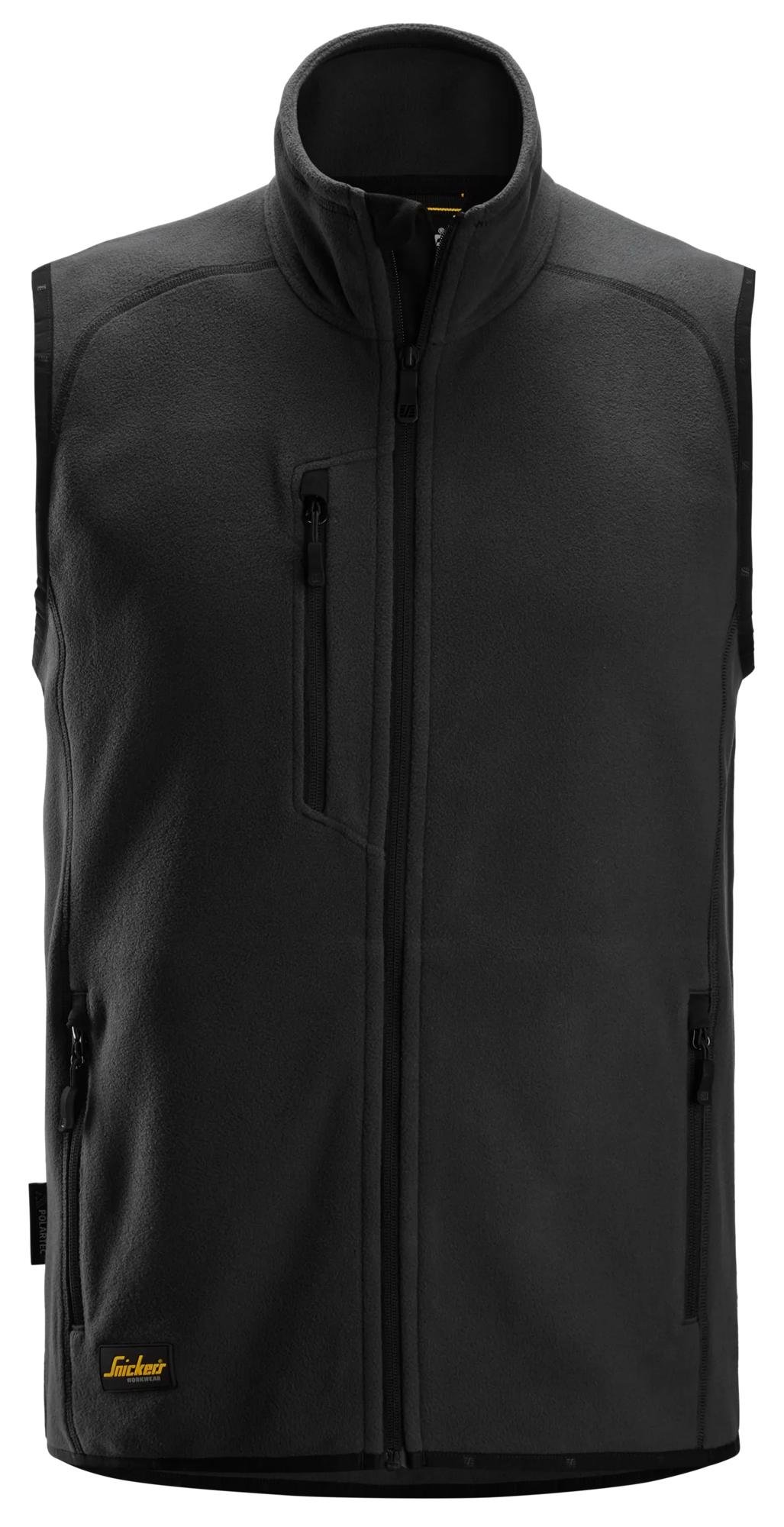


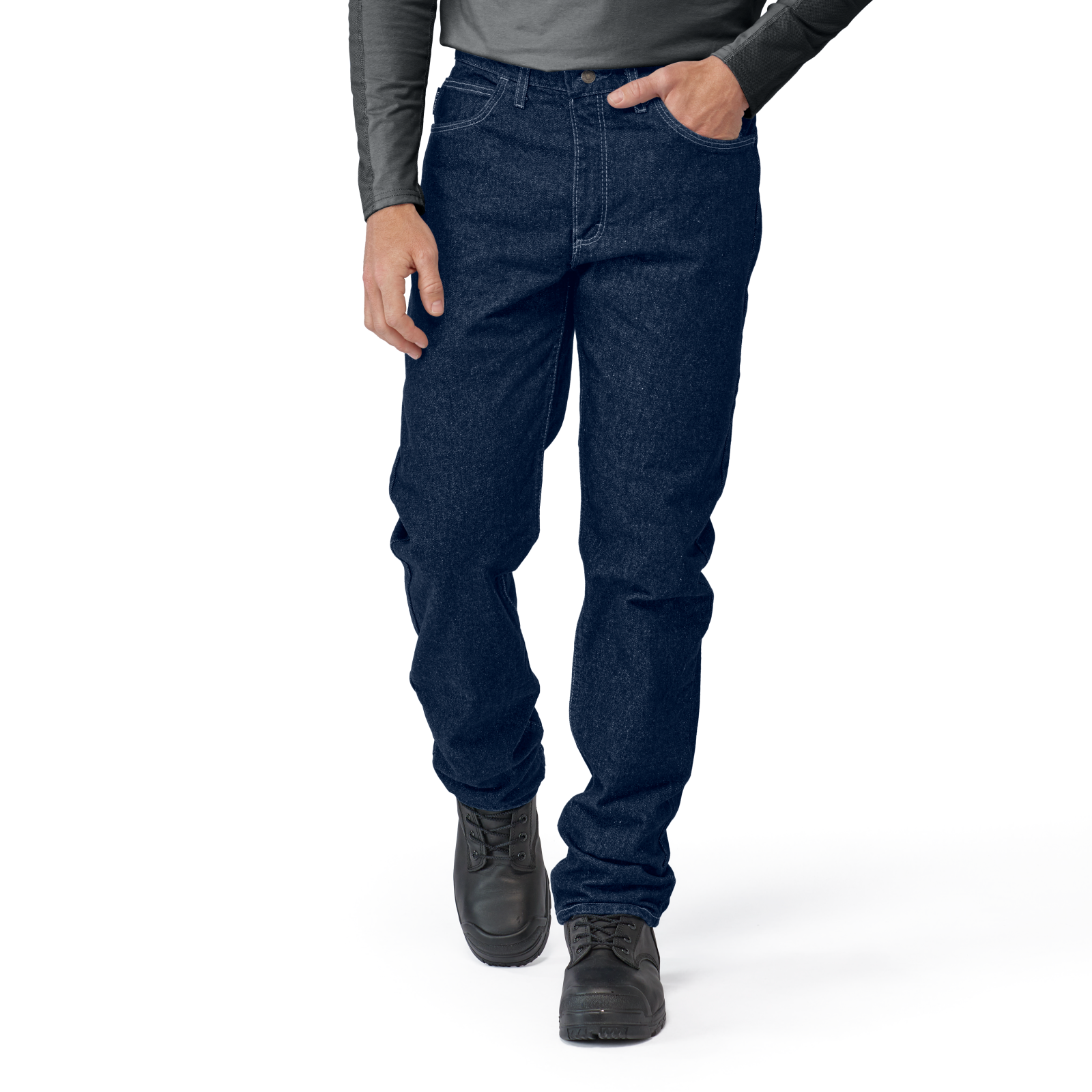


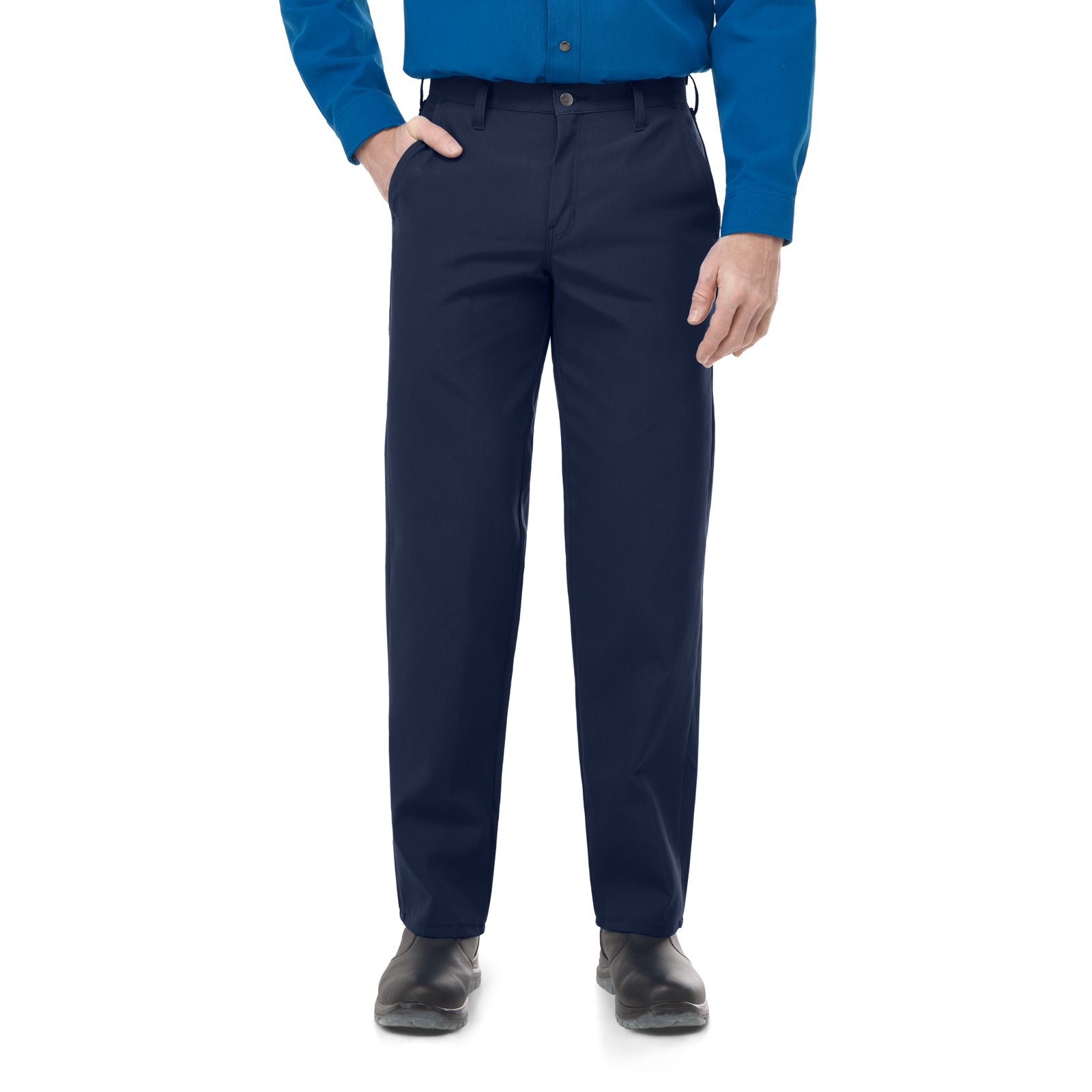


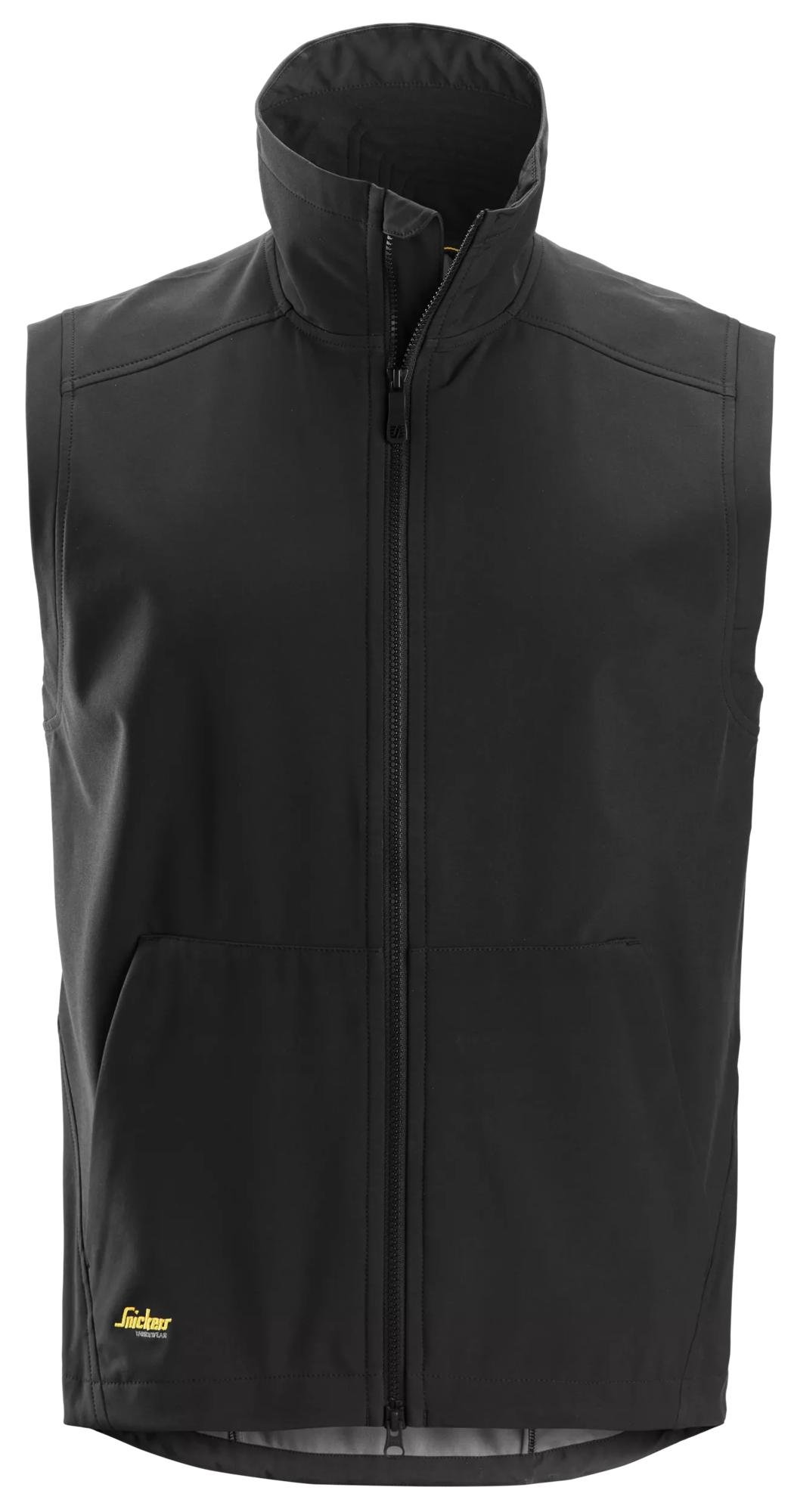
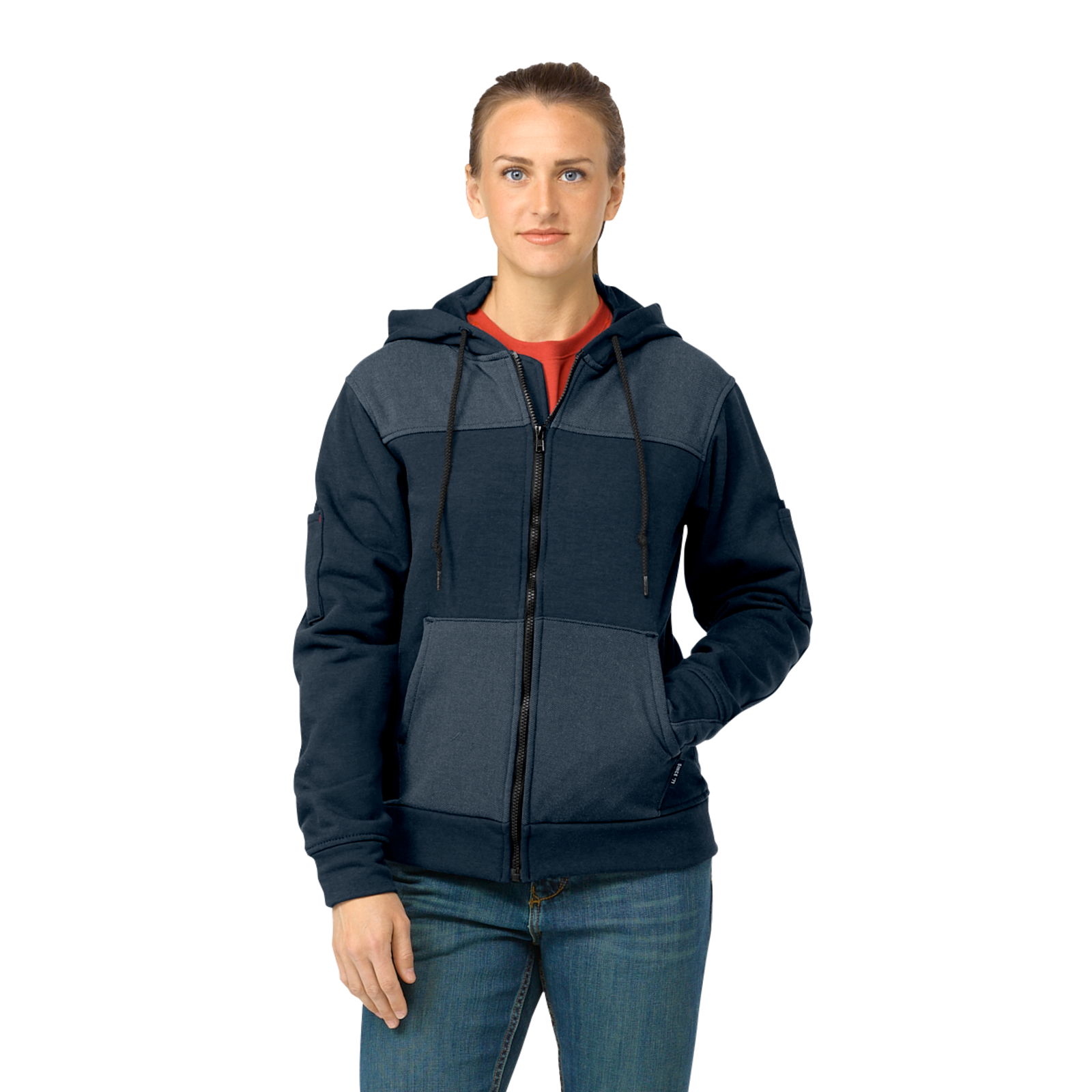
Related FR Vest Product Catalogue and Quotation






Why Choose an FR Vest Manufacturer Built for OEM Programs
Veelianpro supports practical FR vest development from first concept through coordinated production for brands, distributors, wholesalers, and enterprise buyers.
Flexible Starting MOQ
Start at 100 pieces per style and color, subject to fabric, certification, construction, and project requirements.
OEM and ODM Development
Turn a sketch, tech pack, sample, or product idea into an engineered vest through practical OEM and ODM development support.
Application-Focused Materials
Review fabric weight, composition, reflective placement, closures, pockets, and reinforcement details for application-specific FR vest construction.
Sampling Before Production
Validate fit, sizing, branding, and construction through sampling before production, with grading support for consistent multi-size programs.
Private-Label Customization
Add embroidery, screen printing, heat transfer, patches, woven labels, care labels, and custom packaging to support private-label launches.
Coordinated Production Workflow
Coordinate sourcing, cutting, sewing, decoration, quality checks, packing, and export arrangements through one organized production workflow.
FR Vests and Industrial Workwear
Custom-developed garments for industrial, safety, service and uniform programs, from sampling through production and export coordination.
Work Shirts
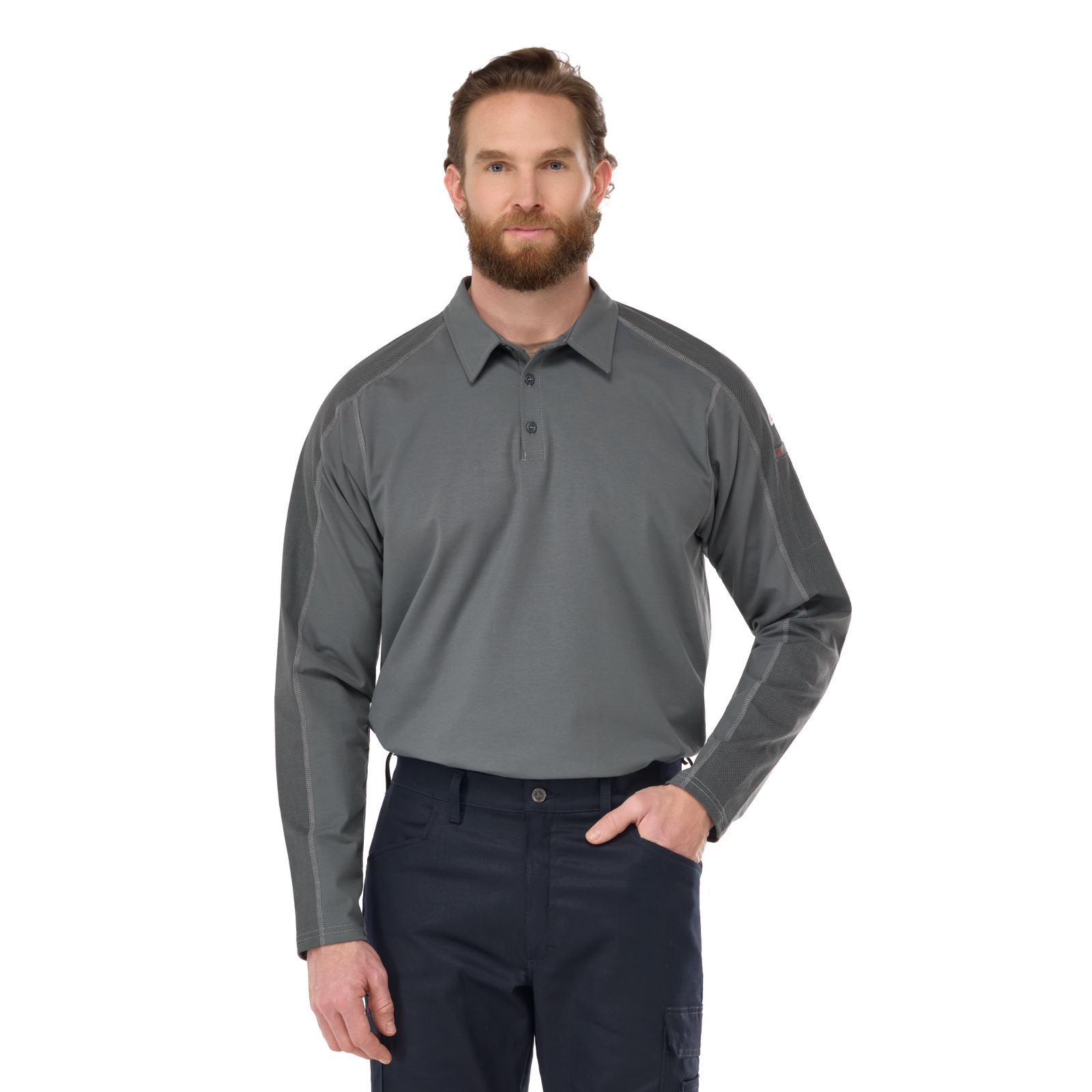
Work shirts developed in long- or short-sleeve formats with buyer-selected fabrics, collar styles, pocket layouts and closure details. Reinforced stress points, bartacks, woven labels and logo decoration can be specified for industrial crews, service teams and branded uniform ranges.
Request a Workwear Quote
T-Shirts & Polos
T-shirts and polos can be developed for everyday work uniforms, promotional programs and service staff. Specify knit fabric composition, collar construction, sleeve finish, color blocking, printed graphics, embroidery, labels and size grading to match the intended wearer group.
Request a Workwear Quote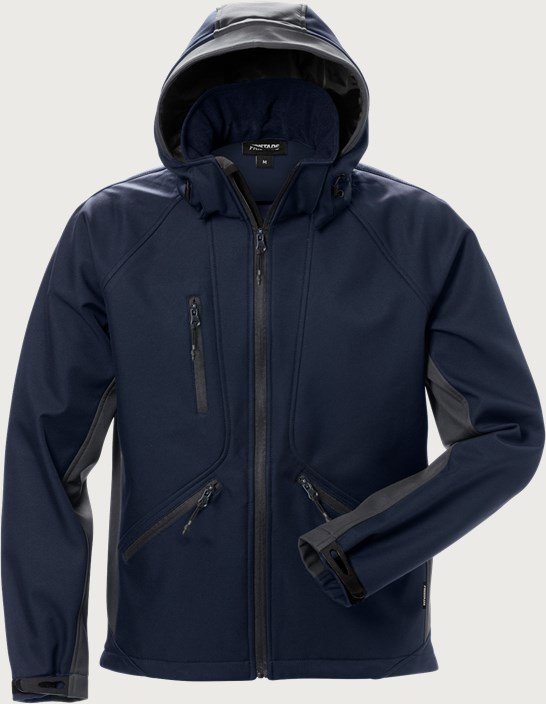
Work Jackets & Outerwear
Outerwear includes softshell, fleece, padded and rain-jacket developments for changing jobsite and service conditions. Discuss shell and lining choices, pocket systems, hood configuration, weather-protection construction, reinforcement, reflective detailing and private-label presentation before sampling.
Request a Workwear Quote
Work Vests & Bodywarmers
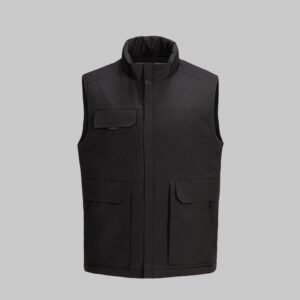
Utility vests, safety vests and insulated bodywarmers can be configured around storage, visibility or added warmth requirements. Buyers may define pocket placement, closures, lining, trim, logo treatment and sizing, with construction selected for the planned work setting.
Request a Workwear Quote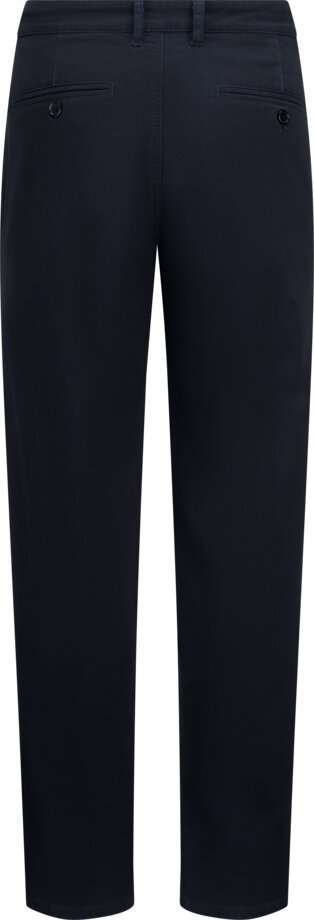
Work Pants & Shorts
Develop work trousers, cargo pants and shorts with the pocket capacity and mobility needed for the role. Available development details include fabric selection, reinforced knees, gussets, bartacks, triple stitching, belt loops, color panels and branded labels.
Request a Workwear Quote
Coveralls & Bib Overalls
Coveralls, bib overalls and two-piece suits are built for full-coverage industrial programs. Define entry style, pocket access, reinforcement areas, adjustment details, fabric construction, decoration and size range so the sample reflects the operational use case.
Request a Workwear Quote
Workwear Sets
Coordinated shirt-and-trouser, jacket-and-pant or multi-piece uniform sets help standardize appearance across teams. Match fabric, color, trims, pocket language and decoration across garments while adapting each piece to its specific work function.
Request a Workwear Quote
High-Visibility Workwear
High-visibility garments can incorporate reflective tape placement, contrast panels and utility-focused construction across vests, jackets, trousers and coveralls. Required visibility standards, test scope and certification needs must be defined for the exact garment before performance claims are used.
Request a Workwear Quote
Flame-Resistant & Arc-Rated Wear
FR and arc-rated garment development may include vests, shirts, trousers, coveralls and outerwear for specified work environments. Fabric, construction and trim selections must align with the buyer’s required standard; any rating requires SKU-specific test evidence and certification scope.
Request a Workwear Quote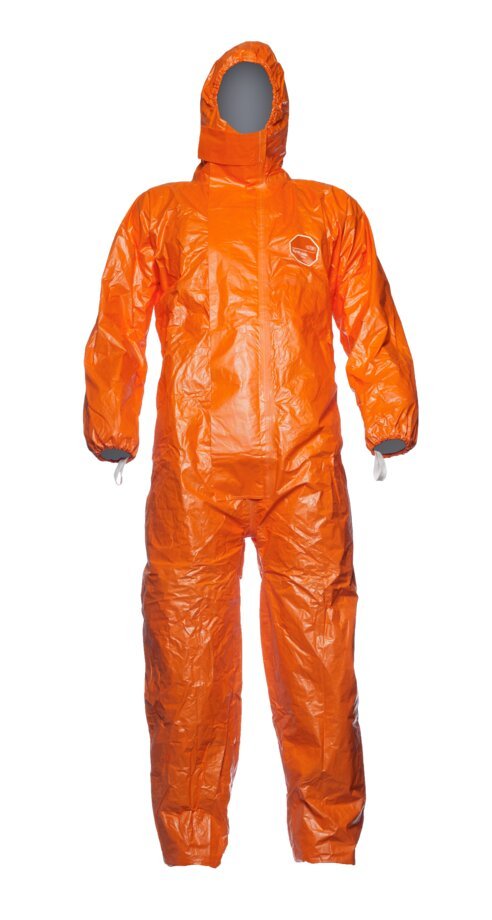
Chemical-Protective Clothing
Chemical-protective clothing is developed around the stated exposure, task and required standard rather than a generic protection claim. Provide the chemical type, duration, garment format, material requirements and documentation needs during feasibility review.
Request a Workwear Quote
Cold-Storage Workwear
Cold-storage garments can be developed as padded jackets, bibs, coveralls and layered systems for refrigerated work areas. Insulation, shell construction, closures, pocket access, mobility and branding should be selected around the intended operating conditions and workflow.
Request a Workwear Quote
Welding Workwear
Welding workwear is developed with the work process, heat exposure and required protection standard in view. Buyers can specify garment format, reinforcement, pocket design, closures and fabric requirements; protective performance must be supported by applicable product documentation.
Request a Workwear Quote
Medical & Cleanroom Wear
Medical and cleanroom programs include scrubs, coats and ESD-oriented garment families for controlled or care-related environments. Specify the use setting, fabric requirements, closure style, color coding, size range, labeling and any required compliance documentation before development.
Request a Workwear Quote
Chef & Hospitality Uniforms
Chef clothing and hospitality uniforms cover kitchen, front-of-house and service teams, including coats, shirts, aprons and coordinated sets. Define comfort, appearance, pocket needs, closure details, color program, logo application and laundering expectations for the role.
Request a Workwear Quote
Industry Uniforms
Industry uniforms are tailored to the demands of construction, logistics, manufacturing, facility service and other workforce programs. Combine shirts, polos, trousers, jackets, vests or coveralls with job-specific pockets, reinforcement, visibility details and consistent private-label branding.
Request a Workwear Quote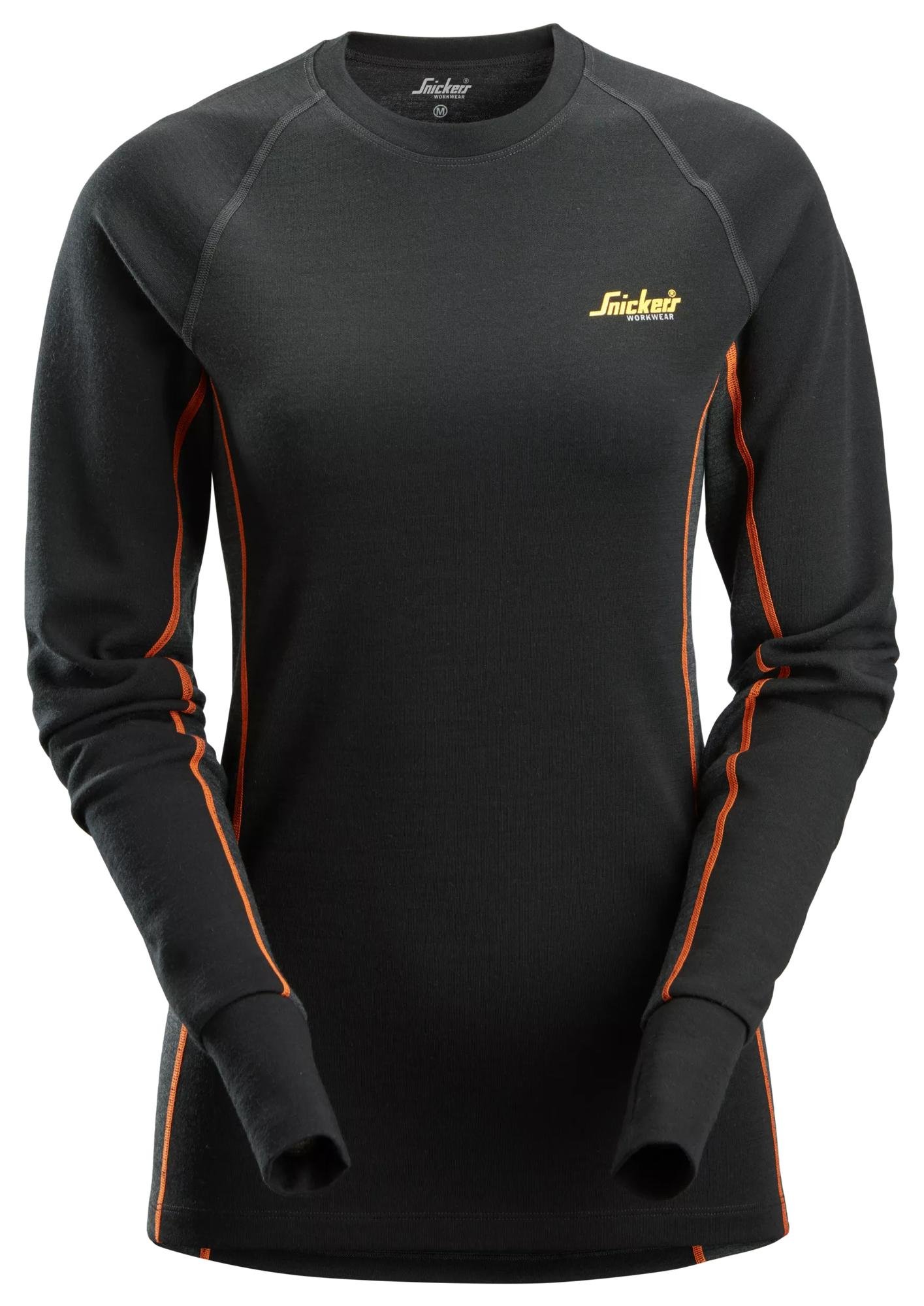
Base Layers & Accessories
Base layers and accessories extend a workwear range with layering pieces and supporting uniform items. Development can address fabric composition, fit, color matching, labels, patches and packaging, coordinated with the main garment collection and intended working conditions.
Request a Workwear QuoteFR Vest Manufacturer Materials and Performance Options




FR Vest Manufacturer Decoration and Production Processes



FR Vest Manufacturer Accessories for Function and Branding


About Veelianpro, Your FR Vest Manufacturer
Veelianpro’s workwear operation began in 2012, according to the company profile, with a mission to help industrial, safety, hospitality and service brands turn practical garment ideas into dependable workwear programs. As an FR vest manufacturer, we support OEM, ODM, private-label and wholesale projects built around each buyer’s application, specifications and brand requirements.
Our team supports the development path from tech pack, sketch, sample or product idea through fabric and trim sourcing, pattern development, sampling, grading, cutting, sewing, reinforcement, decoration, finishing, inspection, packing and export coordination. FR vests can be developed alongside shirts, jackets, pants, coveralls and coordinated workwear sets, with MOQ starting at 100 pieces per style and color, subject to project requirements.
The company profile describes a team of more than 300 skilled workers; this operating figure is company-supplied and should be verified before prominent public use. What distinguishes Veelianpro is a practical, collaborative approach: buyers can review materials, visibility needs, construction, branding and documentation requirements with one manufacturing partner, while protection ratings and certifications remain tied to SKU-specific testing and evidence.

Core FR Vest Manufacturer Capabilities
Review and Develop Your Design
As an experienced fr vest manufacturer, Veelianpro starts with your tech pack, sketch, sample or product idea. Our team reviews construction goals, fit requirements and intended work setting, then translates the concept into a practical development plan for OEM, ODM or private-label production.
- Tech-pack, sketch and sample review
- Pattern development for application-specific fits
- Size grading across your approved range
- Construction recommendations for production feasibility

Source Materials and Functional Trims
We help align fabric, lining, reflective elements, closures and pocket components with your vest brief. Material choices can be evaluated for weight, comfort, weather suitability, visibility and intended protection requirements, while any performance rating remains subject to SKU-specific testing and documentation.
- Fabric and trim sourcing support
- Pocket, closure and reflective-tape planning
- Mesh, insulated and layering constructions
- Specification review against required test evidence

Sample, Refine and Reinforce
Veelianpro develops samples so buyers can assess fit, movement, branding placement and everyday usability before confirming production. We can refine reinforced areas, bartacks, stitching, gussets, pocket layouts and other details based on review feedback and the target operating environment.
- Pre-production sample development
- Fit, measurement and size-set review
- Reinforcement and seam-detail refinement
- Revision support before order confirmation
Decorate, Inspect and Ship
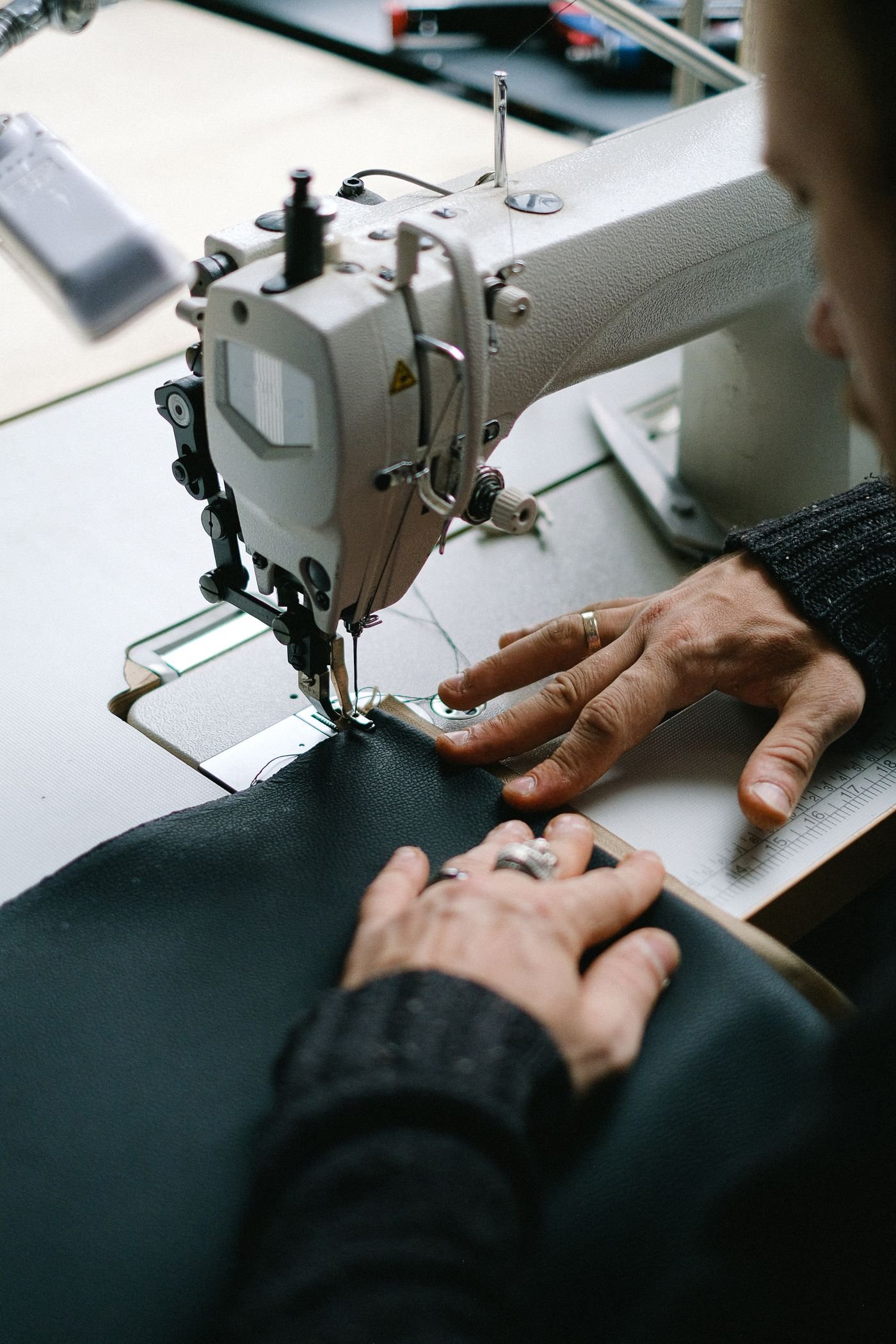
After approval, our production workflow covers cutting, sewing, decoration, finishing, quality checks, packing and export coordination. Choose embroidery, screen printing, heat transfer, patches, woven labels, care labels or custom packaging to support a consistent private-label workwear program.
- Branding and label application options
- In-process and finished-garment quality checks
- Packing plans for wholesale and distribution
- Export coordination for approved orders

Choose the Right FR Vest Manufacturer
Compare custom development with off-the-shelf vest decoration for your program. Starting MOQ is subject to fabric, certification and construction requirements.
← Swipe left or right to view →
FR Vest Manufacturer Production Process
Veelianpro guides OEM, ODM, private-label and wholesale FR vest programs from feasibility review to export coordination. MOQ starts at 100 pieces per style and color, subject to fabric, construction, certification and project requirements. Protection ratings remain design targets until supported by SKU-specific testing and documentation.
Review Requirements
Share your sketch, tech pack or product idea, intended work setting, target hazard, visibility needs, quantities, destination and timeline for feasibility review.
Develop The Sample
Veelianpro confirms fabric direction, fit, sizing, pocket layout, closures, reflective placement, reinforcement details and branding before pattern development and sample approval.
Source And Prepare
The team coordinates fabric and trim sourcing, size grading, cutting markers and production preparation according to the approved construction, materials and private-label requirements.
Sew And Decorate
Skilled production teams assemble the vest, apply reinforcement and approved decoration, and follow the confirmed specifications for stitching, labels, packaging components and finishing.
Inspect And Ship
Quality checks verify workmanship and agreed details before packing and export coordination, with shipment planning aligned to the buyer’s destination, timeline and reorder needs.
How to Work with Our FR Vest Manufacturer
From your initial idea to repeat production, Veelianpro coordinates material selection, sampling, quotation, manufacturing, inspection, and reorder support.
Share Your Product Brief
Share your tech pack, sketch, sample, or product idea, including work setting, target hazard, visibility needs, sizes, colors, quantity, destination, and timeline.
Confirm Materials and Details
Confirm fabric and trim choices, vest construction, pockets, closures, reflective placement, branding method, and any required standard or test documentation for the intended application.
Review the Development Sample
Review a development sample for fit, size grading, comfort, workmanship, and branding placement before approving the specification for quotation and production.
Approve the Production Plan
Approve the quotation and order details, then Veelianpro schedules bulk cutting, sewing, reinforcement, decoration, finishing, packing, and export coordination for your program.
Inspect and Reorder Confidently
Complete inspection and shipment review, then retain approved specifications for reorder support and consistent future production across your private-label workwear program.
FR Vest Manufacturer Certificates and Compliance Documentation


FR Vest Manufacturer Scenarios for Buyers
Illustrative scenario: A safety distributor needs an FR vest range for utility accounts with varied visibility requirements. Veelianpro reviews the requested fabric, tape layout, closure, pockets, size range, and applicable standard before sampling. Acceptance criteria include approved construction and SKU-specific test documentation where required.
Illustrative scenario: A workwear brand is developing a private-label FR vest with a more functional field layout. The development team converts the brief into pattern, trim, branding, and reinforcement decisions, then prepares a sample. Acceptance criteria cover fit, pocket placement, decoration, and approved material specification.
Illustrative scenario: An enterprise sourcing team requires an FR vest program aligned to a defined jobsite specification. Veelianpro assesses whether an arc-rated requirement, visibility configuration, and reflective layout need documented support, then coordinates fabric and trim sourcing. Acceptance criteria include sample approval, size grading, packing details, and confirmed order requirements.
FR Vest Manufacturer FAQ for B2B Buyers
Practical answers on materials, visibility, development, compliance, MOQ and production planning with Veelianpro.
What MOQ does this fr vest manufacturer require?
Can an fr vest manufacturer develop ANSI Class 2 or Class 3 visibility options?
How does an fr vest manufacturer select materials for flame or arc hazards?
What vest construction works best for hot weather, cold storage or layering?
Can Veelianpro sample a custom FR vest, and how much will it cost?
Can an fr vest manufacturer add private-label branding and custom trims?
What payment and shipping arrangements are available for custom FR vests?
What compliance evidence should I request from an fr vest manufacturer?
How to Choose an FR Vest Manufacturer
A practical framework for selecting FR vest configurations, technical materials, custom features, quality controls, and quote scope—while avoiding specification gaps that can delay safety-workwear programs.
1. What Is an FR Vest Manufacturer?
An FR vest manufacturer can develop a vest from a defined workwear brief rather than treating color or decoration as a protective specification. At Veelianpro, development can begin with a tech pack, sketch, sample, or product idea and can include fabric and trim sourcing, pattern work, sampling, grading, sewing, decoration, inspection, packing, and export coordination.
For any garment intended to carry a flame-resistant, arc-related, or visibility claim, the buyer should define the applicable standard and the documentation required for the exact finished style. Do not infer a finished-garment claim from an FR fabric reference, reflective tape, or a visually similar vest.
The brief should state the work setting, hazard, required configuration, fabric and trim requirements, and the documentation needed before approval. It should also define fit and size range, closure type, pocket layout, mic tabs, tape placement, reinforcement, branding, destination, and quantity. Confirm the applicable minimum quantity in the quotation because fabric, certification, and construction requirements can affect it.
| Configuration | What it addresses | What the brief must confirm |
|---|---|---|
| Standard high-visibility vest | Wearer conspicuity | Visibility requirement and tape layout |
| FR vest | Flame-exposure design target | FR material, components, and required evidence |
| Arc-related vest | Arc-exposure requirement | Applicable standard, required rating, test evidence, and certificate scope |
2. How FR Vest Requirements Evolved
An FR vest brief may combine three separate questions: the stated hazard, the visibility requirement, and the wearer’s task. A request for flame resistance, an arc-related requirement, and a visibility configuration should be treated as separate requirements until documentation confirms the scope for the finished garment.
Start with the work setting rather than a generic vest image. The buyer can then identify the required standard, required documentation, garment coverage, closure, pocket arrangement, tape layout, sizing, and layering needs. Radians lists FR vest products in both Class 2 and Class 3 configurations, including mesh, solid, and segmented-tape styles; that product listing is an example of market configurations, not evidence for a proposed custom SKU. [Radians FR vests](https://www.radians.com/industrial-safety/hi-vis-apparel/hi-vis-vests/flame-resistant-fr-vests)
For a custom brief, separate required standards and evidence from usability preferences such as pocket layout, mic tabs, closure type, and branding. Veelianpro can develop the agreed garment details, but protective wording should remain a development target until the exact material, configuration, testing, and certificate scope are confirmed.
3. FR Vest Product Types
An FR vest is not one interchangeable product: shell construction, visibility layout, release features, and carrying capacity change how it works on site. The selected manufacturer should develop the variant from the hazard assessment and wearer task, not from color alone.
| Variant | Best Selection Trigger | Key Trade-Off |
|---|---|---|
| Solid FR fabric | When the brief calls for structured pocket mounting or greater coverage | Compare comfort and layering in the approved sample |
| FR mesh | When the brief requests a mesh construction | Confirm pocket construction and documentation for the finished style |
| Class 2 or Class 3 | Specified site visibility requirement | Trim and coverage must match approved scope |
| Enhanced visibility | Visibility requested without class requirement | Not a substitute for a required class |
Solid Fabric Vests

A solid-fabric vest is one possible construction where the brief calls for a structured outer layer, pocket panels, or greater body coverage. Compare the intended layers, movement, pocket load, and wearer trial feedback on the approved sample.
When tools, radios, or badges are part of the brief, define the pocket panel, attachment points, and load expectations in the tech pack. The final fabric, protective scope, and documentation must be agreed for the exact style.
Breathable FR Mesh Vests
Mesh is a construction option that should be evaluated against the intended work setting, garment coverage, layering, pocket design, and required documentation. If equipment is carried on the vest, define the attachment method and reinforcement locations in the tech pack.
Specify mesh only where the required protective design and visibility configuration can be documented for that finished garment. Review trim placement and pocket construction on the approved sample.
Visibility Configuration Choices
If a project requires a named visibility class, the buyer should provide the applicable site rule or standard and required documentation for the finished garment. If no class is required, describe the desired color and tape layout without implying compliance. Radians lists FR vest products in Class 2 and Class 3 configurations, but that listing does not establish a classification for a custom style. [Radians FR vests](https://www.radians.com/industrial-safety/hi-vis-apparel/hi-vis-vests/flame-resistant-fr-vests)
Breakaway And Utility Layouts
If the buyer requires a breakaway closure, specify the release points and closure type before sampling. Review the selected closure on the physical sample as part of the agreed use-case approval.
Pocket maps should follow the task: radio location, pen slots, document pockets, tool storage, and mic tabs all affect balance and access. Avoid adding pockets that obstruct required trim or interfere with equipment.
4. FR Fabrics, Trim, and Technical Inputs
Fabric, tape, closures, and pocket components must be specified as a system, because an FR shell does not establish the performance of the complete vest. Confirm every material and trim against the required protection scope before approving a sample.
| Technical Input | Functional Effect | Suitable Work Condition | Specification Questions |
|---|---|---|---|
| Solid FR fabric | Continuous coverage and pocket support | Tool-carrying or exposed work | Composition, weight, documented scope? |
| FR mesh panels | Construction choice requiring sample review | Hot work areas where approved | Panel coverage and evidence? |
| Continuous tape | Unbroken reflective band | Visibility layout requiring full bands | Placement, width, garment evidence? |
| Segmented tape | Interrupted tape layout | Movement-intensive tasks | Pattern, placement, documented scope? |
| Closure and pockets | Access and equipment carriage | Role-specific utility use | Closure type, load, breakaway need? |
Solid Fabric Or FR Mesh
Solid fabric and FR mesh are distinct construction options that should be reviewed against the documented fabric, coverage layout, pocket plan, and site requirement.
Specify fiber composition, fabric weight, color, and intended layering. Do not assume either construction is arc-rated: an arc-related claim requires the exact documented garment specification.
Reflective Tape Layout
Continuous tape uses uninterrupted bands; segmented tape uses an interrupted layout. Tape location must preserve the required visibility layout while avoiding pocket openings, closures, and logo zones.
Request the tape type, width, front-and-back placement drawing, and evidence applicable to the completed vest. Visibility classification and FR or arc-related claims need separate confirmation.
Closures And Utility Components
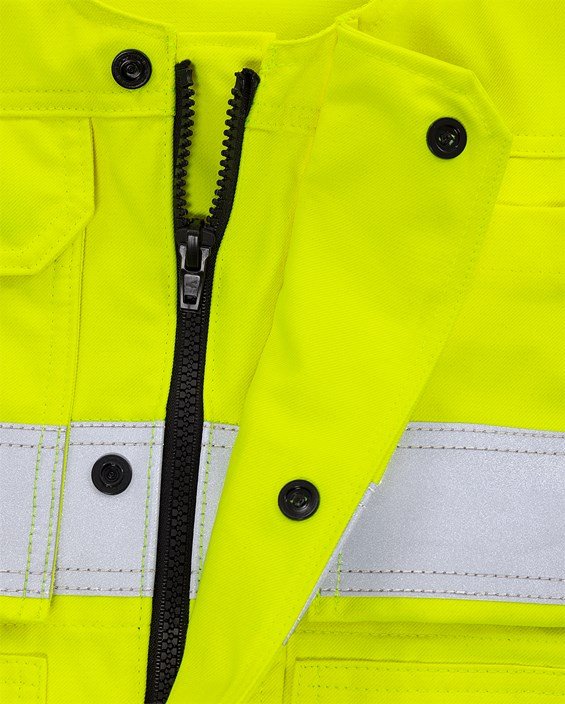
Zippers, hook-and-loop closures, snaps, mic tabs, pockets, and badge loops change daily usability and can affect the final construction. Select components compatible with the requested protective design rather than adding standard hardware by default.
For a custom build, provide tool load, radio position, access direction, and breakaway requirement if applicable. Veelianpro can discuss trim sourcing, pocket systems, branding, and reinforcement during sampling.
5. Custom FR Vest Options
A project-specific FR vest begins with a wearable layout, not a logo placement. Veelianpro can develop color blocking, utility placement, labeling, and packing from a tech pack, sketch, sample, or product idea; protection claims remain subject to the specified material and evidence.
| Custom Element | Brief Must Define | Production Effect |
|---|---|---|
| Contrast panels | Color areas and seam lines | Additional pattern and sewing steps |
| Reflective trim | Front, back, and side layout | Must avoid pockets and branding |
| Branding | Method, artwork, position, size | May require dedicated decoration setup |
| Packaging | Folding, labels, and pack quantity | Changes finishing and export preparation |
Color And Visibility Layout
Contrast panels can keep high-contact zones visually distinct, but every panel seam changes the pattern and sewing sequence. Mark the front, back, and side-view trim layout before sampling so reflective placement, pockets, and closures do not compete for the same space.
If visibility class or FR performance is required, provide the applicable standard and required test or certificate with the brief. A design drawing is not proof of a tested configuration.
Access And Movement Details
Pocket type and position should follow the task: chest storage can suit small tools or identification, while lower pockets can be easier to reach but may affect access around equipment. Specify pocket dimensions, flap or closure preference, and whether a mic tab is needed on the left, right, or both sides.
Closure choice, side adjustment, and armhole shape affect layering and reach. Show the intended wearing system in the sample brief, especially where the vest must work over other protective garments.
- Chest-pocket location and opening
- Mic-tab side and attachment
- Front closure and puller preference
- Side fit adjustment requirement
Branding, Sizing, And Packing

Branding can be specified as embroidery, screen printing, heat transfer, patches, woven labels, care labels, or custom packaging. Confirm artwork position and dimensions early, because decoration fields may conflict with reflective trim or pocket openings.
Provide the target size run, grading reference, label content, destination, and individual-pack requirements. Confirm the applicable order quantity with the quotation and approved construction details.
6. Construction Details to Review Before Approval
A pre-production sample should be inspected closely at points where movement, carried tools, and trim converge. Inspect it inside and out, because stitch layout and component attachment provide concrete approval evidence beyond a generic durability statement.
| Construction Area | Common Failure Mode | Sample Evidence | Practical Remedy |
|---|---|---|---|
| Shoulder and side seams | Skipped stitches or seam opening | Even seam allowance; no loose threads | Define stitch construction and reinforcement points |
| Tape and trim | Lifting, curling, or misalignment | Flat edges and planned joins | Approve placement artwork and attachment detail |
| Pockets and closures | Pulled corners or uneven front closure | Straight attachment lines; smooth operation | Specify load-related reinforcement and closure type |
Seams And Stress Points

Open armholes, shoulder joins, side seams, and pocket corners show whether seam allowances are caught evenly and stitching remains straight. Skipped stitches, loose thread tails, and puckering can become opening seams after repeated motion.
Specify reinforcement where the task creates concentrated pull: pocket corners, mic-tab ends, closure bases, and stress intersections. Bartacks, triple stitching, or reinforcement patches should be defined by location in the tech pack, then checked on the approved sample.
Reflective Tape Attachment
Reflective tape can lift when its edges are uneven, its stitching is too close to an edge, or it crosses seams without a planned join. Check that tape placement follows the approved layout and that joins sit flat without curling.
For an FR configuration, tape and attachment method must match the specified protective construction; visual inspection alone does not establish a rating. Request product-specific test and certificate documentation where a protection claim is required.
Closures, Pockets, And Edges
A zipper, hook-and-loop closure, or breakaway component needs clean installation so the front edges align and the closure operates without catching the shell. Uneven tape binding, raw seam edges, and distorted hems are sample-rejection signals.
Pocket load paths matter: a pocket carrying tools transfers pull into its attachment seams and body panel. Confirm pocket dimensions, stitch lines, flap or closure details, and any reinforcement before bulk cutting.
Sample Inspection Record
Compare several sample areas, not one attractive front view. Record deviations against the approved tech pack so production inspection has a clear reference for seams, trim, closures, pockets, labels, and packing.
- Check left-right symmetry and stitch consistency.
- Photograph approved reinforcement locations.
- Test every closure through normal operation.
- Compare tape alignment across garment sizes.
7. Choosing an FR Vest Manufacturer
A capable fr vest manufacturer turns a worksite requirement into a controlled specification, not a visually similar vest. Compare how the factory reviews protection evidence, fit, components, approvals, and the complete quote before committing bulk funds.
Review The Technical Brief
Start with the use case: visibility configuration, flame-resistant or arc-rated requirement, fabric construction, tape layout, closures, pockets, and branding. A protection target is not a finished performance claim unless its required test evidence and certificate scope are identified.
At Veelianpro, we can develop from a tech pack, sketch, sample, or product idea and discuss fabric, trim, reinforcement, reflective-tape placement, and decoration before production.
- Specify work setting and applicable standard
- Separate design targets from documented protection
- Name color, size range, quantity, destination, and timeline
Approve Samples And Fit
Evaluate a sample on intended wearer layers, not on a hanger. Confirm chest ease, armhole movement, vest length, pocket access, closure operation, and tape placement across the approved size set.
Compare bulk-critical components against the sample: fabric, reflective tape, thread, zipper or closure, labels, patches, and packaging. Record revisions in one dated approval file so changes do not move through informal messages.
- Use a graded measurement chart
- Retain the approved component references
- Document sample comments and final sign-off
Check Documentation And Quote
Request documentation matched to the exact proposed material and finished-garment scope when visibility, flame resistance, or arc-related protection is required. Do not treat a fabric reference or an unverified certificate as evidence for the finished vest.
A comparable quotation identifies fabric and trims, construction, decoration, sizes, packing, testing or documentation scope, and shipment terms. Confirm the applicable minimum quantity in the quotation because it depends on fabric, certification, and construction requirements.
What to Include in an FR Vest Inquiry
For an FR vest inquiry, provide the work setting, required standard and documentation, visibility configuration, fabric preference, fit range, component layout, branding, quantity, destination, and timeline. Veelianpro supports OEM, ODM, private-label, and wholesale development. Confirm the applicable minimum quantity in the quotation, including any fabric, certification, and construction conditions.
8. Mistakes in FR Vest Sourcing
A vest can look correct in a render yet fail the job brief at the point of use. These sourcing errors usually begin when a visual decision is made before the hazard, visibility, component, and delivery requirements are written down.
Confusing FR With Arc-Rated
Flame-resistant and arc-rated are not interchangeable design labels. An FR fabric choice does not establish an arc rating or certificate scope.
Define the exposure, applicable standard, and required documentation before fabric selection. Treat any untested protective target as a development requirement, not finished-product copy.
Choosing Visibility Without Site Context
Tape layout and background color are often copied from an existing vest without considering traffic, equipment movement, lighting, or required garment class.
Provide the site rule and intended wear conditions, then map reflective tape placement around pockets, closures, and branding. This avoids a compliant-looking layout that conflicts with the required configuration.
Ignoring Mesh And Solid Trade-Offs
Mesh and solid construction are different development options; neither is automatically appropriate for an FR vest.
Specify the work environment, pocket load, layering, and protective requirement. Review the selected body fabric and every trim as one construction, rather than approving mesh from appearance alone.
Copying Designs Without Component Review
A reference vest may conceal its zipper, hook-and-loop closure, tape, thread, labels, and pocket reinforcement. Substituting an unreviewed component can change function or undermine the intended protection specification.
Convert the reference into a component schedule covering closures, tape, thread, pockets, mic tabs, and decoration. Identify which items require supporting test evidence.
Approving Only A Photo
A photo cannot show size grading, pocket depth, seam reinforcement, tape placement accuracy, or label content. It also cannot document the fabric or certification scope behind a protective claim.
Approve a physical sample against the tech pack and measurement specification before bulk release. Record deviations and the approved revision so production is tied to an auditable sample.
Leaving Labels And Packing Undefined
Unspecified carton marks, polybag needs, care labels, size stickers, and barcode placement create avoidable receiving and retail-work delays. Protective wording is especially risky when it is copied without supporting documentation.
Include packaging artwork, folding method, assortments, destination marks, and label text in the order file. Keep protection claims separate from generic branding unless the relevant evidence and scope are supplied.
9. From Brief to Bulk FR Vest Order
A bulk FR vest order becomes controllable when the worksite requirement is translated into approved garment data before cutting begins. Separate the protective design target from any tested, documented performance claim required for the destination market.
| Approval Stage | Buyer Confirms | Record To Retain |
|---|---|---|
| Brief | Exposure and visibility needs | Requirement sheet |
| Sample | Fit, construction, artwork | Signed sample comments |
| Bulk release | Sizes and packing | Final approval file |
| Finished order | Quantity and agreed checks | Inspection record |
Define Exposure And Visibility
State the anticipated exposure, required visibility configuration, wearer tasks, and destination standard at the start. Identify whether an arc-rated requirement is also required; do not treat an FR fabric choice as proof of a rating.
- Work setting and exposure scenario
- Visibility configuration and tape layout
- Required standard, test, or certificate scope
Issue A Production Tech Pack
Send a tech pack, sketch, or sample with fabric and trim requirements, measurements, pocket map, closure, branding artwork, and labeling language. Veelianpro can develop patterns, source materials, sample, grade sizes, and coordinate decoration from those inputs.
- Front, back, and detail drawings
- Bill of materials and approved colors
- Artwork, label, and packaging files
Evaluate Samples And Pre-Production
Check the sample against the approved measurements, pocket access, tape placement, seam construction, and decoration before authorizing bulk work. Resolve substitutions in writing, especially where a fabric or trim affects the requested protection documentation.
- Fit on intended wearer layers
- Tape alignment and logo placement
- Fabric, closure, and label confirmation
Lock Packing And Final Inspection
Confirm the size breakdown, carton marks, folding method, individual packaging, destination, and inspection criteria. Confirm the applicable quantity and any order conditions in the quotation.
- Worked example: approve spec sheet
- Approve sample and size breakdown
- Approve packing data before production
- Inspect finished order against approvals
10. FR Vest Cost Drivers and Quote Scope
An FR vest quote changes first with the specified fabric, reflective trim, and utility layout—not with an assumed protection label. If an FR or arc-rated result is required, include the applicable standard, test evidence, and certificate scope in the inquiry; a design request is not proof of documented performance.
Veelianpro starts at 100 pieces per style and color, subject to fabric, certification, and construction requirements. Confirm the complete size breakdown, branding artwork, packing format, destination, and sampling needs before comparing quotations, because each can change material use, handling, or development work.
| Cost Driver | What Changes Cost | Likely Quote Impact | Quote Must Specify |
|---|---|---|---|
| Fabric and reflective trim | FR fabric composition, solid or mesh construction, tape type, placement, and coverage | Material and cutting usage change | Fabric and trim specification; required standard or documentation scope |
| Components and pocket layout | Zippers, closures, mic tabs, pockets, reinforcement, bartacks, and stitching | More components and operations add cost | Approved construction details and pocket map |
| Branding and packaging | Embroidery, screen print, heat transfer, patches, labels, and custom packaging | Setup, decoration, and packing are quote-dependent | Artwork, placement, label content, and pack method |
| Sizing and quantity | Size assortment, color splits, and total units per style and color | Material planning and production efficiency vary | Size ratio, color ratio, total quantity; MOQ starts at 100 pieces per style and color |
| Sampling and verification | Pattern development, pre-production samples, requested testing, and certificate documentation | Development and verification are quote-dependent | Sample approval route, applicable standard, test evidence, and document requirements |
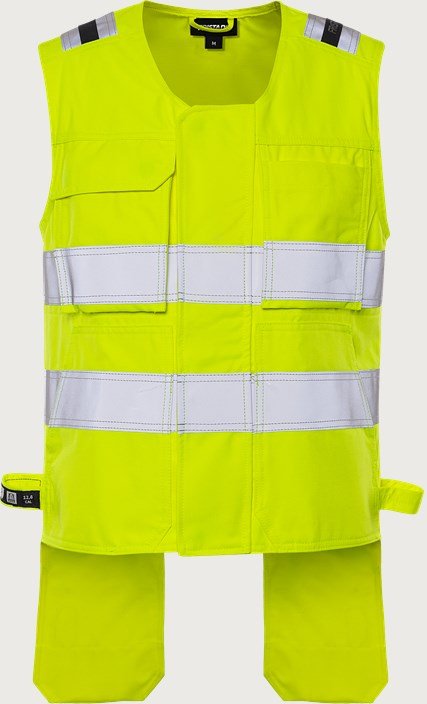

Ready to Work With an FR Vest Manufacturer?
Send your work setting, materials, sizing, branding, quantity, destination, timeline, and standards for a tailored Veelianpro quote.