
Custom Work Pants Fit and Construction for OEM Programs
Define work pants fit and construction for durable, mobile designs with Veelianpro OEM, ODM and private-label production from 100 pieces per style and color, subject to requirements.
Work Pants and Uniform References for Custom Development

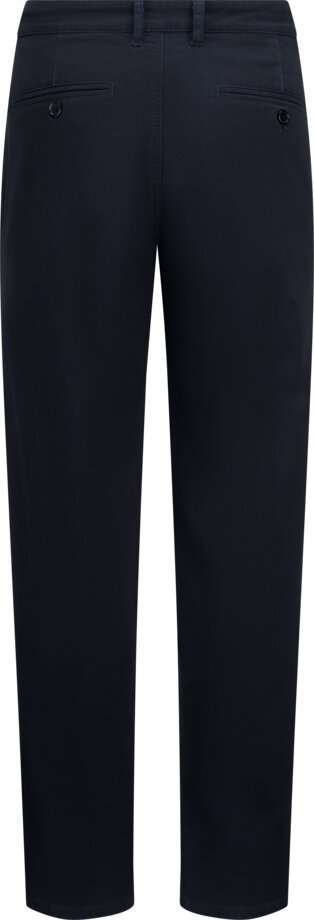
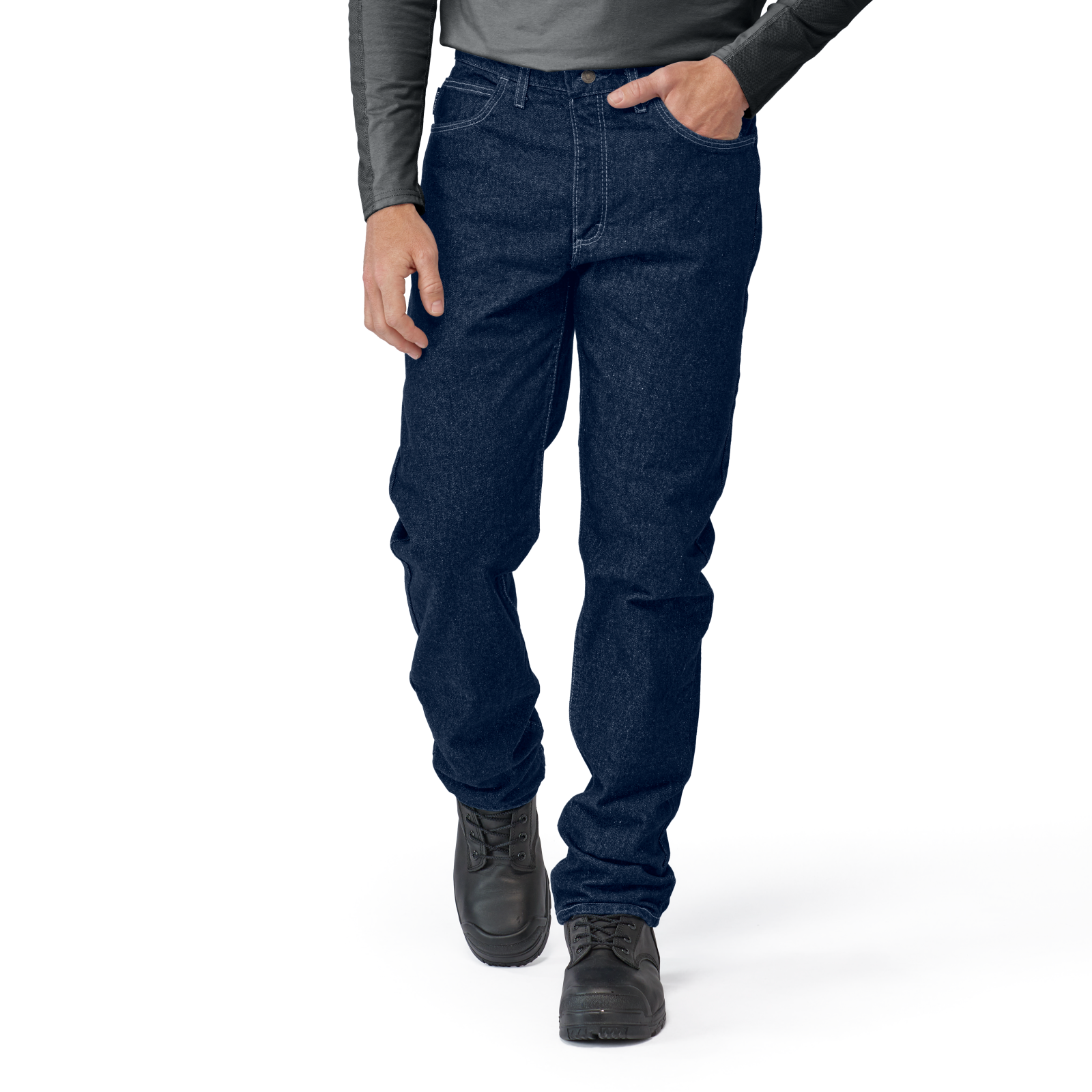


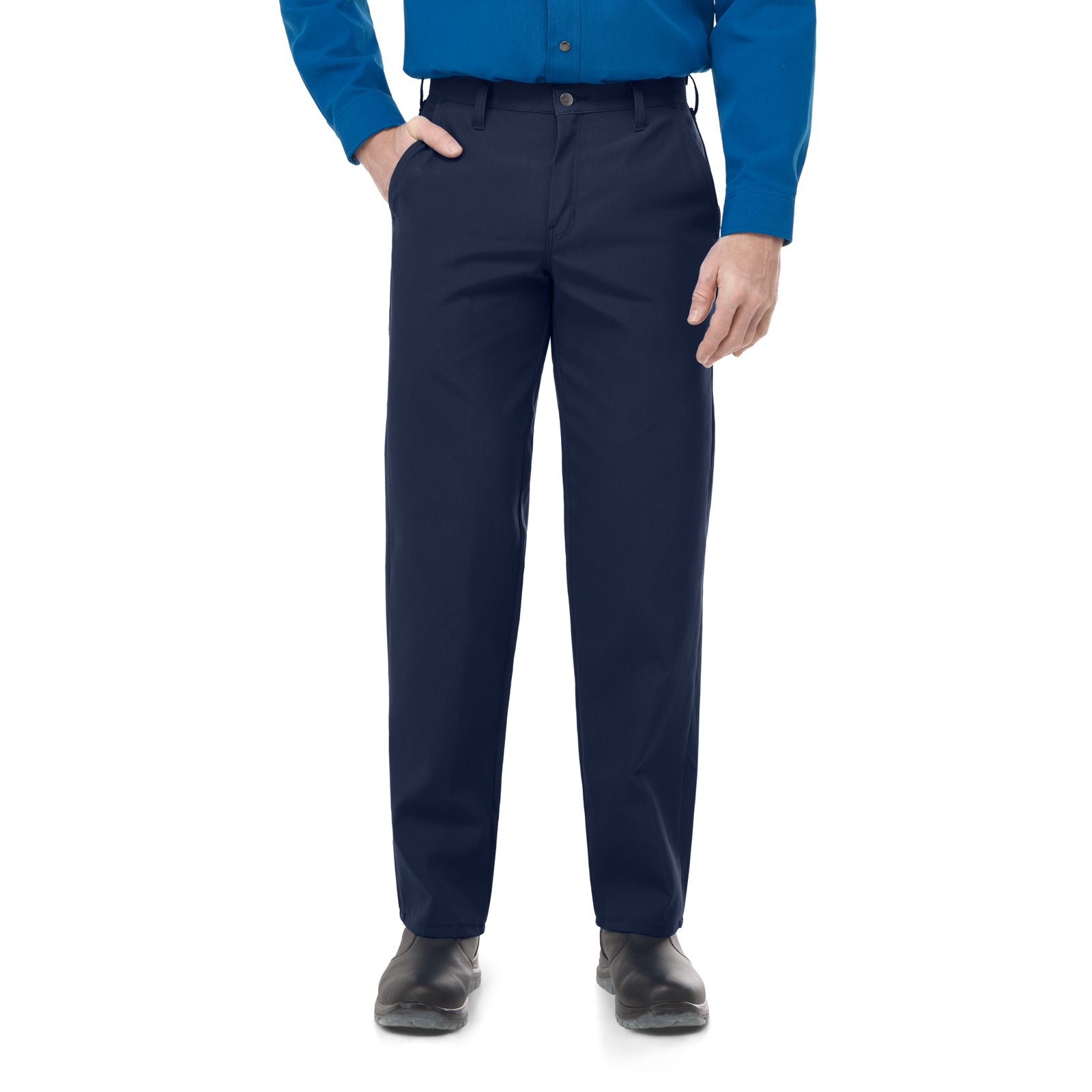
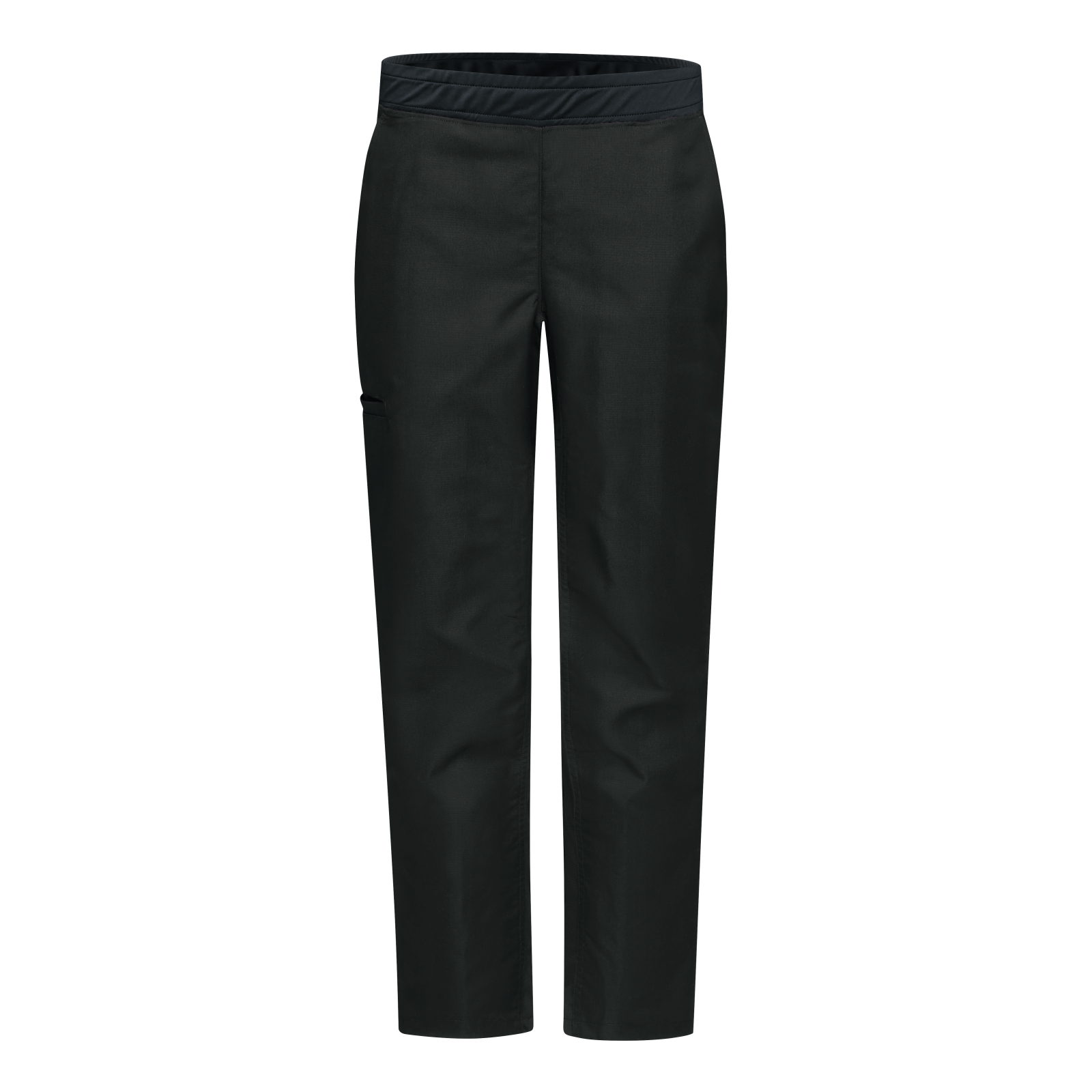
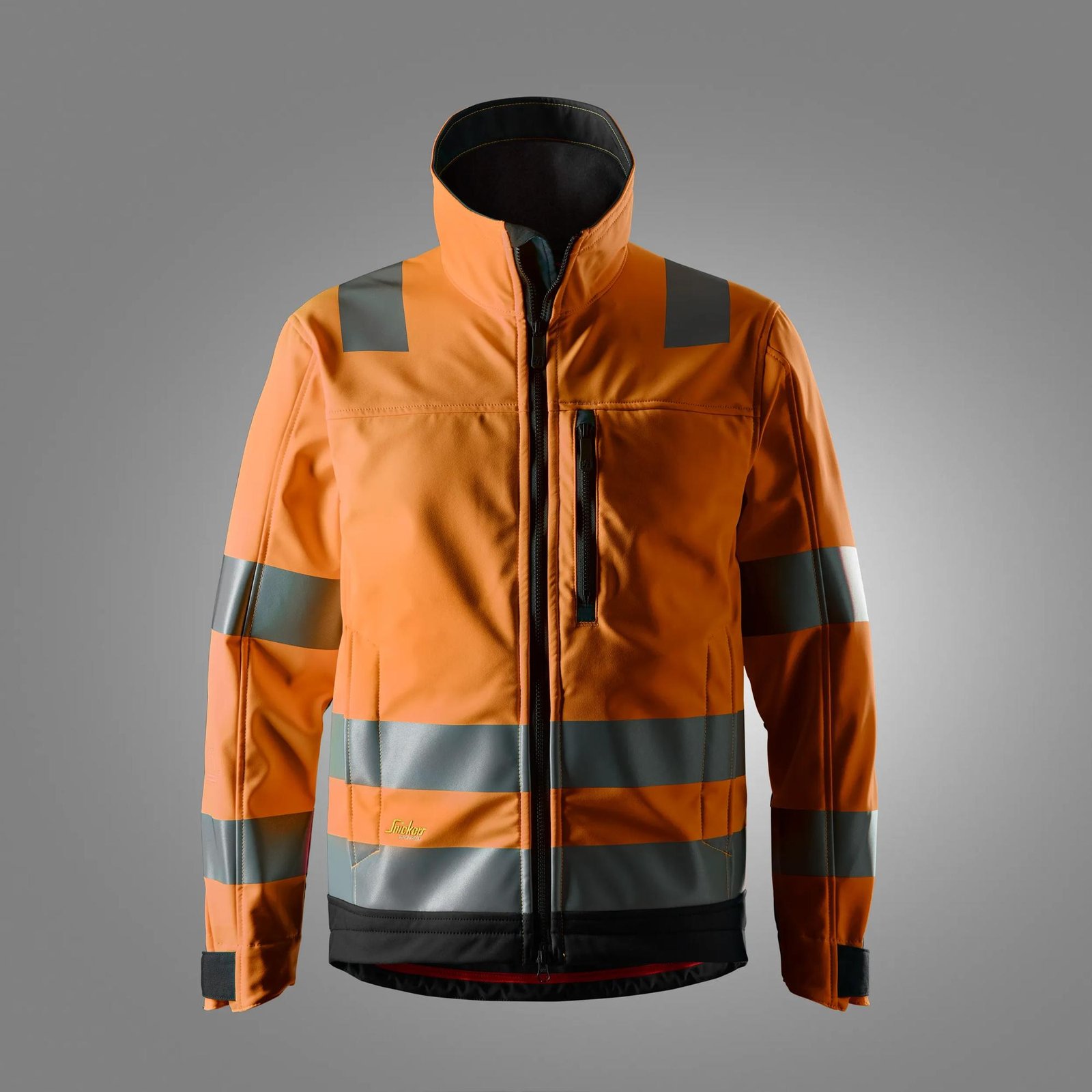
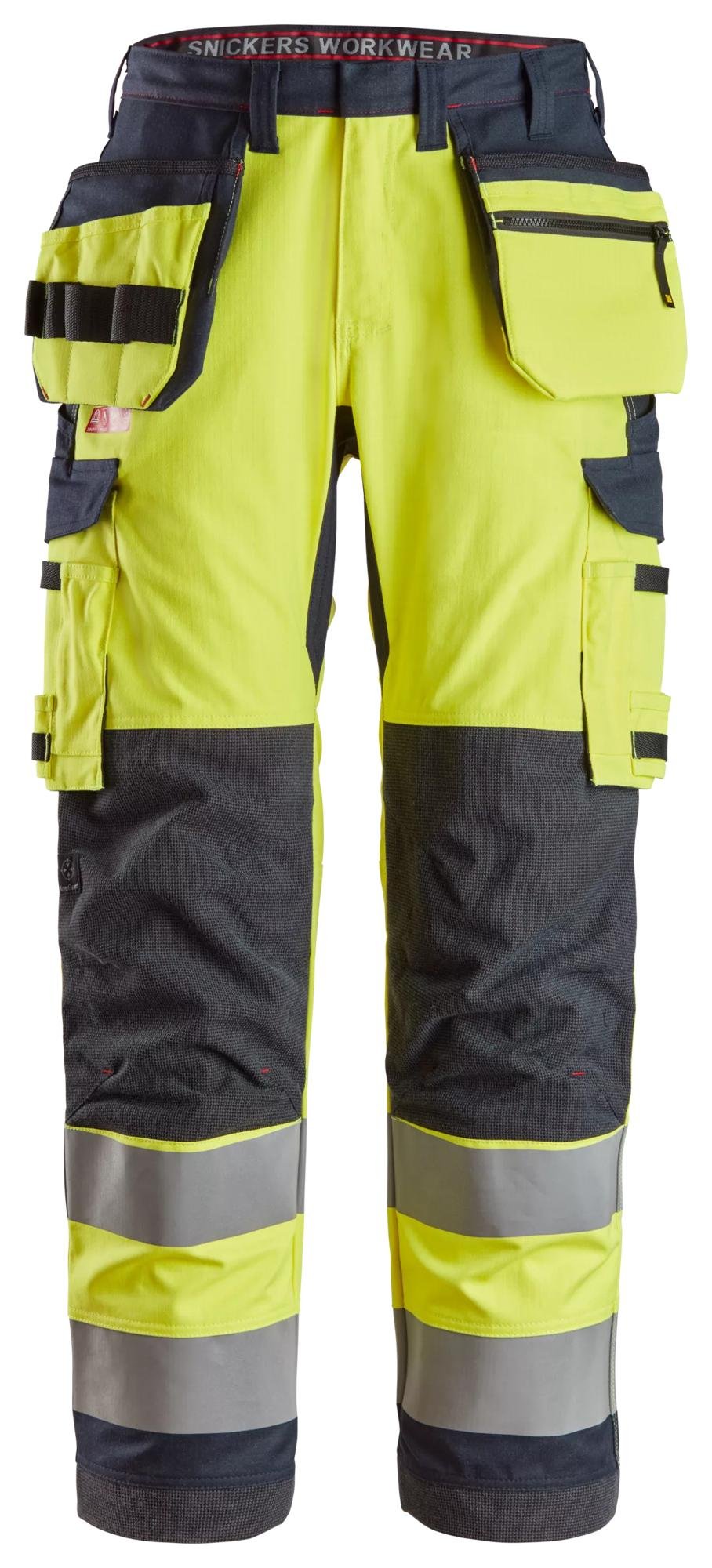


Related Work Pants for Quote Review





Build Better Work Pants for the Job
Specify work pants fit and construction around mobility, reinforcement, storage, materials, and branding for your next OEM or private-label program.
Mobility-Focused Fit
Develop waist, seat, thigh, and knee proportions that support bending, squatting, climbing, and daily movement without compromising secure wear.
Matched Fabric Selection
Select canvas, ripstop, blends, or lighter fabrics according to abrasion exposure, climate, mobility needs, and your target garment hand.
Reinforced Construction
Specify reinforced knees, double-front panels, bartacks, triple stitching, and gussets where your application requires added construction attention.
Practical Utility Storage
Plan cargo pockets, tool loops, hammer loops, and closures around accessible storage, balanced weight, and the tasks your users perform.
Private-Label Flexibility
Build sizes, colorways, labels, packaging, and decoration into an OEM, ODM, private-label, or wholesale work-pants program.
Sample-Ready Development
Review patterns, samples, grading, trims, and quality checks before production, with MOQ from 100 pieces per style and color, subject to project requirements.
Workwear Categories Built for Development
Develop industrial, safety and service garments with the materials, construction details and private-label presentation suited to your program.

Work Shirts
Develop button-front, snap-front or zip-front work shirts with short or long sleeves, chest pockets, pen slots and reinforced stress points. Fabric sourcing, color selection, woven labels and decoration can be specified for industrial crews, service teams or branded uniform programs.
Request a Workwear Quote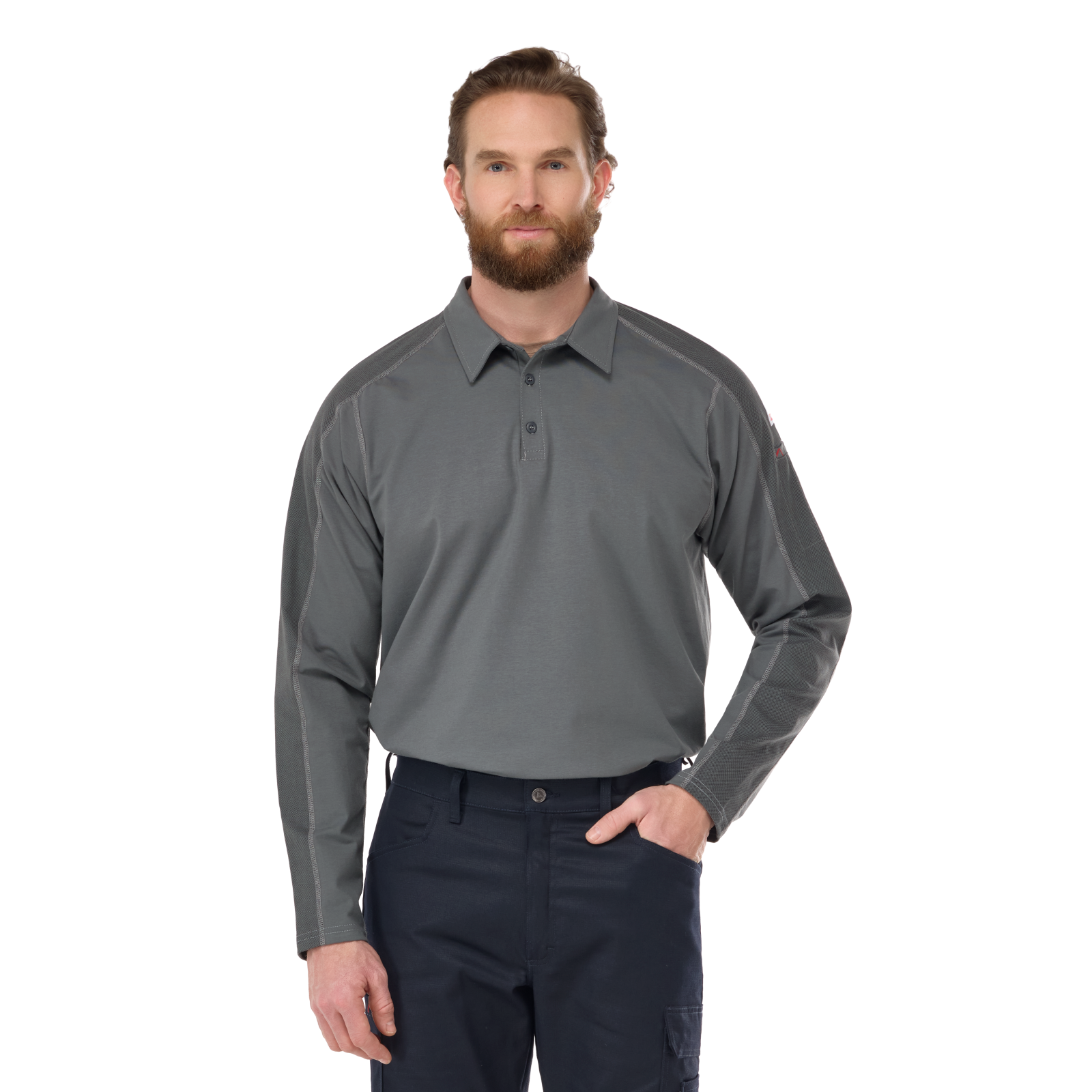
T-Shirts & Polos
Specify crew-neck or V-neck tees and polo styles with collar construction, plackets, sleeve finishes and pocket details matched to daily-duty uniforms. Buyers can develop fabric composition, weight, color, print, embroidery, labels and packaging around their program requirements.
Request a Workwear Quote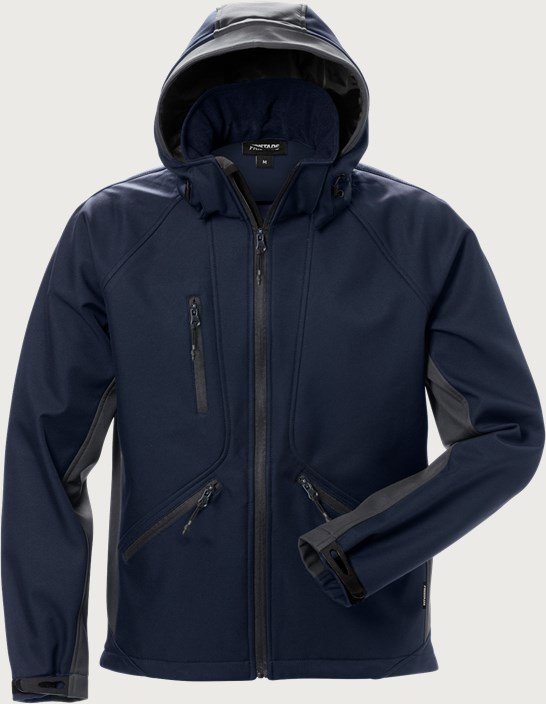
Work Jackets & Outerwear
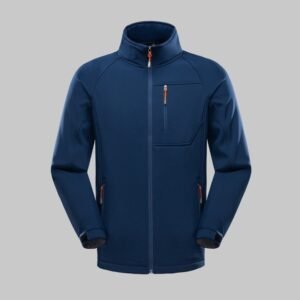
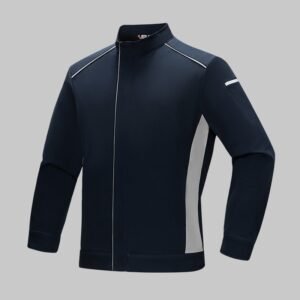
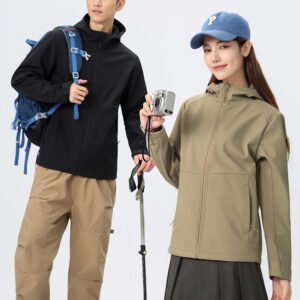
Build softshell, fleece, padded or rain-jacket programs with selected shell fabrics, linings, closures, pocket layouts and weather-oriented design details. Reflective placement, logo decoration and reinforced areas can be developed before sampling for field, transport or service use.
Request a Workwear Quote
Work Vests & Bodywarmers
Create utility vests and insulated bodywarmers with front closures, multi-pocket configurations, lining choices and collar treatments. Suitable for layered uniform systems, these styles can carry embroidery, patches, woven labels and other private-label details.
Request a Workwear Quote
Work Pants & Shorts
Develop work trousers, cargo pants and shorts around the intended fit, rise, pocket system and movement needs. Construction choices can include reinforced knees, bartacks, triple stitching and gussets, with fabric, color, branding and size grading defined during development.
Request a Workwear Quote
Coveralls & Bib Overalls
Produce coveralls, bib overalls and two-piece work suits with closure systems, adjustable features, pocket placement and reinforced working areas tailored to the job setting. Pattern development and sampling support branded industrial, maintenance and utility apparel programs.
Request a Workwear Quote
Workwear Sets
Coordinate matching shirts, jackets, trousers or bib styles into consistent workwear sets. Shared fabric, color, trim and decoration specifications help maintain a unified uniform presentation while allowing each garment to retain task-specific pocket and construction details.
Request a Workwear Quote
High-Visibility Workwear
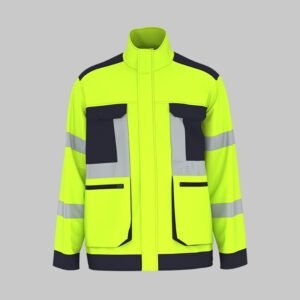
Develop high-visibility garment families with color blocking, vest, shirt, jacket or trouser formats, and planned reflective tape placement. Applicable visibility standards and required test or certificate scope must be supplied for any documented performance or compliance requirement.
Request a Workwear Quote
Flame-Resistant & Arc-Rated Wear
Develop flame-resistant and arc-rated garment concepts including shirts, pants, coveralls and outer layers, subject to the selected materials and project requirements. Any FR or arc performance claim, rating or certification must be supported by SKU-specific test evidence and scope.
Request a Workwear Quote
Chemical-Protective Clothing
Develop chemical-protective clothing concepts for the identified exposure setting, garment format and required construction features. Buyers should provide the applicable chemical type, standard and documentation requirements; protection claims depend on the exact material, testing and certification scope.
Request a Workwear Quote
Cold-Storage Workwear
Build cold-storage apparel programs using layered jacket, trouser, bib or coverall formats, with insulation, lining, closures and coverage details selected for the operating environment. Required temperature range and any documented performance standard must be defined during project review.
Request a Workwear Quote
Welding Workwear
Develop welding garments with coverage, closures, pocket placement and reinforcement designed around the work process. Fabric selection and construction should be reviewed against the requested standard and test requirements before performance or protective claims are included in product documentation.
Request a Workwear Quote
Medical & Cleanroom Wear
Produce medical scrubs, cleanroom garments and ESD-oriented apparel with style, fabric, closure and pocket specifications suited to the intended workplace. Cleanroom or ESD performance claims require the relevant material, test evidence and certification scope for the specific SKU.
Request a Workwear Quote
Chef & Hospitality Uniforms
Develop chef coats, cook shirts, aprons and hospitality uniforms with selected silhouettes, closures, pocket details and color programs. Embroidery, patches, woven labels and coordinated garments support restaurant, hotel and service-brand uniform requirements.
Request a Workwear Quote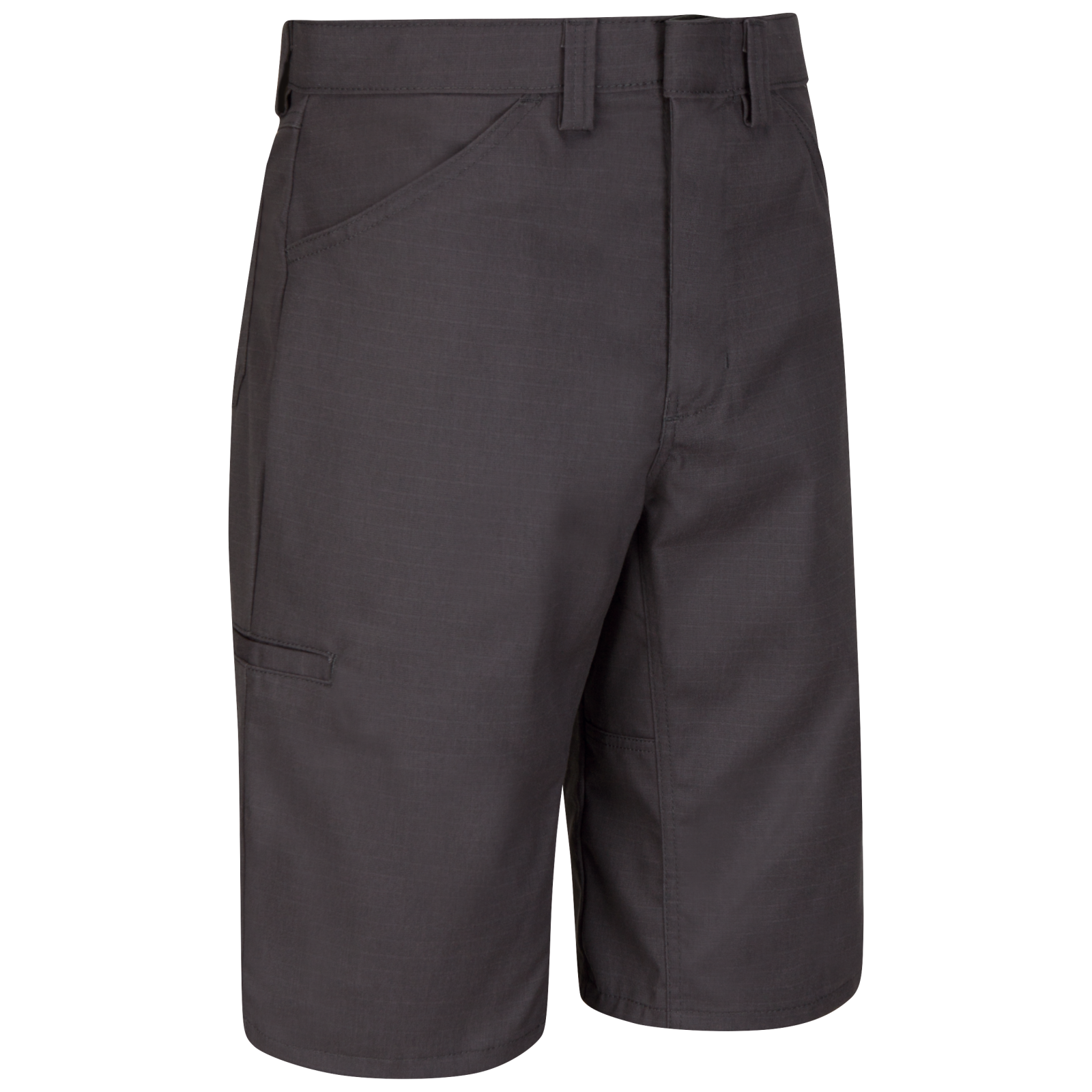
Industry Uniforms
Create industry uniform programs across industrial, service and operational teams, using specified garment combinations, fabrics, colors and branding methods. Shirts, polos, jackets, vests, trousers and coveralls can be developed as a consistent private-label or wholesale collection.
Request a Workwear Quote
Base Layers & Accessories
Complete workwear programs with base layers and practical accessories selected to complement the core garment range. Discuss fabric composition, fit, color, labeling and packaging alongside the intended layering system, work setting and any required performance documentation.
Request a Workwear QuoteWork Pants Fit and Construction Materials




Work Pants Fit and Construction Processes



Workwear Trims and Functional Accessories


Veelianpro on Work Pants Fit and Construction
Hubei Veelianpro Workwear Co., Ltd. is a Wuhan-based custom manufacturer whose workwear operation, according to the company profile, began in 2012. We help brands, distributors, wholesalers and enterprise sourcing teams develop practical garments around real work requirements, from initial tech pack or sketch through sampling and production.
Our capability covers fabric and trim sourcing, pattern development, size grading, cutting, sewing, reinforcement, decoration, finishing, inspection, packing and export coordination. For work pants, buyers can define fit, fabric weight, pocket systems, reinforced knees, bartacks, triple stitching, gussets and branding details before approving samples.
The company profile describes a team of more than 300 skilled workers. Veelianpro supports OEM, ODM, private-label and wholesale programs, with MOQ starting at 100 pieces per style and color, subject to fabric, certification and construction requirements. This development-led approach keeps work pants fit and construction aligned with the buyer’s market, trade and specification goals.

Custom Work Pants Development Capabilities
Fit Development for Jobsite Mobility
Veelianpro develops work pants from your tech pack, sketch, sample, or product idea. We balance secure waist fit, practical ease, leg shape, and movement requirements for kneeling, bending, climbing, and walking while maintaining the intended professional silhouette.
- Define rise, waistband, seat, thigh, knee, hem, and inseam measurements
- Adjust fit for slim, regular, relaxed, or task-specific silhouettes
- Review mobility requirements before sample approval
- Develop size grading for your target size range

Pattern Making and Size Grading
Pattern development converts your approved design direction into production-ready garment components. Our team can coordinate pattern refinement, panel placement, seam allowances, and size grading while considering fabric behavior, construction tolerances, and the intended work setting.
- Develop patterns from measurements, samples, or technical drawings
- Coordinate grading across approved sizes
- Review fabric stretch, shrinkage, and drape during sampling
- Confirm fit through sample comments and revisions

Reinforcement and Utility Construction
Work pants fit and construction should reflect how the garment will be used. Veelianpro can develop reinforced knees, double-front panels, bartacks, triple stitching, gussets, tool pockets, cargo systems, and other utility details according to your durability, mobility, storage, and cost priorities.
- Specify reinforced knees and high-wear panels
- Add bartacks and selected multi-needle stitching details
- Plan pocket depth, closures, loops, and tool-carrying features
- Match construction choices to fabric and work conditions

Private-Label Finishing and Packaging
After fit and construction are confirmed, Veelianpro coordinates branding and finishing for OEM, ODM, private-label, and wholesale programs. Decoration and packaging remain project-specific, so final methods, quantities, artwork, and costs are confirmed during quotation and sampling.
- Apply embroidery, screen printing, heat transfer, or patches
- Coordinate woven labels, care labels, and other brand trims
- Develop custom packaging requirements for approved orders
- MOQ starts at 100 pieces per style and color, subject to project requirements

Work Pants Fit and Construction: Custom vs. Off-the-Shelf Decoration
Compare a specification-led OEM program with purchasing stocked pants and adding decoration. Starting MOQ is subject to fabric, certification and construction requirements.
← Swipe left or right to view →
Work Pants Fit and Construction: Our Production Process
Veelianpro guides workwear buyers from initial specifications to shipment and reorder support. For work pants fit and construction, confirm fabric, mobility, reinforcement, storage, branding and compliance requirements early. OEM, ODM, private-label and wholesale programs start at 100 pieces per style and color, subject to fabric, certification and construction requirements.
Review Your Requirements
Share your garment type, work setting, target fit, fabric direction, size range, color, branding, quantity, destination and timeline. Veelianpro reviews feasibility and requirements.
Build the Tech Pack
We develop the pattern and tech pack, confirm pocket placement, knee reinforcement, seam details, trims, decoration, labeling and packaging before sampling.
Source Materials
Fabric and trim sourcing follows the approved direction, with options reviewed for weight, composition, mobility, abrasion needs, weather conditions and intended trade use.
Sample and Produce
After sample feedback, production moves through size grading, cutting, sewing, bartacks, reinforcement, decoration and finishing, with approved changes documented for repeatability.
Inspect and Ship
Veelianpro coordinates inspection, packing and export shipment, then retains development details to support efficient reorders, color extensions and future private-label workwear updates.
Develop Your Work Pants Fit and Construction Program
Veelianpro turns your work pants fit and construction requirements into a clear OEM, ODM, private-label, or wholesale development path. Starting quantities begin at 100 pieces per style and color, subject to fabric, certification, and construction requirements. From Wuhan, our team coordinates pattern development, sampling, quotation, production, inspection, and shipment for industrial and service apparel buyers.
Send Your Product Brief
Share a tech pack, sketch, sample, or product idea with intended use, fabric preferences, size range, colors, branding, quantity, destination, and timeline.
Confirm Construction Requirements
Veelianpro reviews fit, fabric weight, pocket systems, reinforcements, stitching, trims, and any requested protection standards before recommending a feasible development route.
Approve Sample and Quote
Review the developed pattern, sample, size grading, decoration, and quotation; refine practical details until the work-pants specification matches your target market and application.
Confirm Production and Shipment
After approval, Veelianpro confirms order details, begins bulk cutting and sewing, completes quality checks, packs your goods, and coordinates export shipment and reorder support.
Certificates and Compliance Evidence for Work Pants Fit and Construction


Work Pants Fit and Construction Scenarios
Illustrative scenario: A safety distributor develops a roomier seat and thigh, boot-compatible leg opening, and reinforced knee option for crews that climb and kneel. The pre-production sample is reviewed against approved measurements, movement, pocket access, and construction placement before bulk approval.
Illustrative scenario: A uniform buyer finds that a standard straight-fit pant shifts at the waist during warehouse lifting and leaves delivery tools difficult to reach. The buyer proposes a revised waistband, utility-pocket layout, and fabric direction. Acceptance criteria are consistent grading across the agreed size range, stable fit during lifting and driving, and practical pocket access while moving between tasks.
Illustrative scenario: A workwear brand needs to translate a reference pant into a private-label program without losing its intended fit or placing reinforcement where it restricts movement. The brand supplies a tech pack and proposes a pattern review covering the gusset, bartacks, triple stitching, reinforcement zones, trims, and branding. Acceptance criteria are an approved measurement set, usable mobility during the agreed movements, and placement matching the signed-off sample.
Work Pants Fit and Construction FAQ
Practical answers for buyers planning custom OEM, ODM, private-label or wholesale work pants with Veelianpro.
How should work pants fit and construction be specified for industrial use?
Which work pants fit and construction details improve durability?
How should work pants fit and construction change for hot, cold or high-mobility work?
Are reinforced or double-knee work pants suitable for every trade?
What is the minimum order for custom work pants from Veelianpro?
What should a buyer provide to start sampling and production?
How are sampling, payment, lead time and shipping confirmed?
Can Veelianpro protect our private-label work-pants designs and branding?
What evidence is required before making FR, arc-rated or other protective claims?
Work Pants Fit and Construction: A Sourcing Guide
A practical framework for specifying fit, materials, reinforcement, and customization; evaluating supplier production controls; and avoiding sampling, costing, and wear-performance mistakes before placing a custom workwear order.
1. Work Pants Fit and Construction Defined
Work pants fit and construction is the working relationship between the wearer’s body, the task, and the garment’s load-bearing details. It combines waist and hip allowance, rise, seat and thigh volume, leg shape, knee and crotch mobility zones, fabric choice, pocket layout, and reinforcement at seams or abrasion points.
A waistband can stay secure while the pants still fail in use: a restrictive rise can pull during crouching, a narrow thigh can bind on ladders, and an unsuitable hem can catch on or bunch over work boots. Tool weight also changes the fit in motion, so pocket placement, pocket depth, belt-loop positioning, and closure choices must be considered with the carried equipment rather than on an empty sample.
For sourcing, define the intended movement and exposure before selecting a silhouette. A floor team that kneels, climbs, and carries hand tools may need a different seat shape, knee treatment, and utility-pocket system than a service team walking indoors; hot outdoor work and wet or cold conditions also change the fabric and weather-protection brief. At Veelianpro, these requirements can be developed from a tech pack, sketch, sample, or product idea, then reviewed through pattern development and sampling.
The procurement goal is not simply a familiar waist size. It is a repeatable specification that lets the intended wearer bend, reach, walk, carry tools, and wear the required boots without excess snag-prone fabric or strain at high-wear zones.
2. Translating Work Requirements Into Fit
Specify work pants around the job rather than a familiar trouser label. Decide whether a slim, straight, or roomier block is appropriate after defining the wearer’s movements, equipment-clearance needs, footwear, and required tool carry.
Treat fit as a product specification, not a size-label decision. A sourcing brief should define rise; finished waist, inseam, thigh, knee, and leg-opening measurements; grading rules; boot compatibility; and the movements to assess on the sample. Map each carried item to a pocket, loop, or closure. Unneeded cargo volume can create avoidable bulk, while loaded pockets require their attachment points to be specified and reviewed.
Choose knee treatments, stretch zones, double fronts, bartacks, triple stitching, gussets, and fabric weight after defining the task and exposure. Specify the reinforcement map, pocket configuration, fabric construction, and acceptance measurements rather than relying on feature names alone.
3. Work Pants Fit and Construction Types
Fit is a range decision, not a single default. Build work pants fit and construction around movement, boot clearance, carried tools, and the places where loose fabric can catch.
| Configuration | Seat And Thigh | Leg And Storage | Best-Fit Conditions |
|---|---|---|---|
| Slim | Close allowance | Narrower leg; minimal bulk | Mobile work near equipment |
| Straight | Moderate allowance | Versatile opening; basic pockets | Mixed service and site roles |
| Relaxed | More room | Fuller leg; snag review needed | Climbing and frequent crouching |
| Cargo | Fit varies by base block | Leg pockets add bulk | Field tasks with small-item carry |
| Carpenter/utility | Usually moderate room | Tool pockets and hammer loop | Defined trade-tool carry |
| Double-knee | Fit varies by base block | Added knee layer | Frequent kneeling or abrasion |
| Service-work | Controlled, practical ease | Low-bulk storage | Customer-facing service teams |
Fit Profiles
Slim pants keep seat, thigh, and leg allowance close; they suit mobile roles around equipment where reduced loose fabric matters, but require validated bend and squat room. Straight fit is the adaptable core: moderate seat and thigh ease with a cleaner leg opening for most service and site teams.
Relaxed pants add room through the seat and thigh for climbing, crouching, and varied body shapes. The trade-off is more fabric around machinery or narrow access areas; confirm the hem clears the intended boot without dragging.
Tool-Carrying Configurations
Cargo pants place storage on the leg, keeping small items accessible but adding bulk that can snag or interfere with confined work. Specify pocket dimensions, closure type, and which tools must stay secure rather than adding pockets by default.
Carpenter or utility pants prioritize task-side storage such as tool pockets and a hammer loop. They fit framing, maintenance, and trade work when the carried kit is defined; overloaded pockets pull on the waistband and change fit in use.
Knee And Service Options
Double-knee configurations add a second layer at the kneeling zone, appropriate for repetitive floor-level or abrasive tasks. They add material and stiffness, so sample testing should include kneeling, stair climbing, and vehicle entry.
Service-work pants favor a tidy, low-bulk profile with restrained storage for hospitality, logistics, and customer-facing teams. Keep the silhouette practical: enough thigh ease for bending, with an opening that works with the issued footwear.
4. Fabrics and Technical Options
Fabric selection should be settled before approving grading, pocket load, or reinforcement placement. Define the intended work setting, climate, contact areas, desired hand, care expectations, composition, construction, weight, and any required documented performance separately.
| Fabric Family | Practical Use Condition | Strengths | Limitations | Specification Questions |
|---|---|---|---|---|
| Cotton-rich woven | Programs prioritizing a specified cotton-rich construction | Buyer can define hand, weave, weight, and care expectations | Performance should not be assumed from fiber content alone | Composition, weave, weight? |
| Poly-cotton blend | Programs requiring a specified poly-cotton construction | Composition and construction can be defined for sampling | Fiber ratio, weave, weight, and finish require approval | Exact ratio and finish? |
| Stretch woven | Programs considering specified stretch zones | Movement can be assessed on the approved sample | Fiber content, placement, and sample behavior require review | Stretch fiber and zones? |
| Ripstop | Programs considering a ripstop construction | Grid construction to specify and review | Not a universal abrasion solution | Base cloth and grid? |
| Duck/canvas style | Programs considering a specified dense woven construction | Weave and weight can be selected for sampling | Compare weight, hand, and wearer trial feedback before approval | Weave, weight, reinforcement? |
| Reinforcement fabric | Knees and pocket edges | Can be specified for identified zones | Attachment determines outcome | Panel, seam, attachment? |
Read Weight With Climate
A cotton-rich woven, duck, or canvas-style construction should be selected from approved swatches against the buyer’s intended hand, weight, work setting, and care requirements. Do not present the fabric family as proof of breathability, abrasion resistance, drying behavior, or other performance without applicable evidence.
Fabric weight alone is not a durability claim. Compare the actual weave, fiber composition, finishing, intended climate, and identified contact zones on the approved swatch.
Match Construction To Movement
A poly-cotton blend may be considered when the brief calls for a specified composition, but the exact fiber ratio, weave, weight, and finish must be approved rather than inferred from the blend name. Stretch-woven constructions may be considered where the design calls for stretch zones; assess fit and sample behavior during the agreed movement and wash review before approval.
If ripstop is proposed, specify the grid, base cloth, finish, and intended exposure. Do not treat the construction name as evidence of tear, abrasion, or snag performance.
Specify Reinforcement Separately
Reinforcement fabric belongs where abrasion is concentrated: knees, pocket edges, hems, and tool-carrying zones. Its value depends on the base fabric, panel shape, seam allowance, and how the reinforcement is attached.
For each style, Veelianpro can discuss fabric composition and weight, reinforcement zones, and the construction required by the brief before sampling.
5. Customization for Work Pants Fit and Construction
Customization turns a base trouser into a work-role specification. Veelianpro can develop patterns and grading from a tech pack, sketch, sample, or product idea, then align components and branding before sampling.
Fit, Rise, And Leg Shape
Specify the measurement chart, grading rules, rise, inseam options, and leg opening together. A secure waistband cannot compensate for a tight seat or thigh during climbing, crouching, and kneeling.
Choose straight, tapered, or boot-compatible openings against the footwear worn on site. Confirm finished hem behavior during wear trials rather than approving only flat garment measurements.
- Waistband: fixed, elasticated sections, or adjustment tabs
- Belt loops: placement and loop width for intended belts
- Rise and inseam: define by size and target wearer group
Functional Carry And Protection
Pocket maps are functional engineering: locate cargo pockets, ruler pockets, phone pockets, hammer loops, and knee-pad pockets around movement and tool access. Reinforcement zones should follow actual abrasion, load, and kneeling exposure.
Worked example — a construction crew carrying a tape measure, fasteners, and hand tools may need separated thigh storage, a hammer loop, and reinforced pocket edges; frequent kneeling may also justify specified knee-pocket or double-knee construction. This is an example, not a Veelianpro product specification.
Branding, Color, And Trims
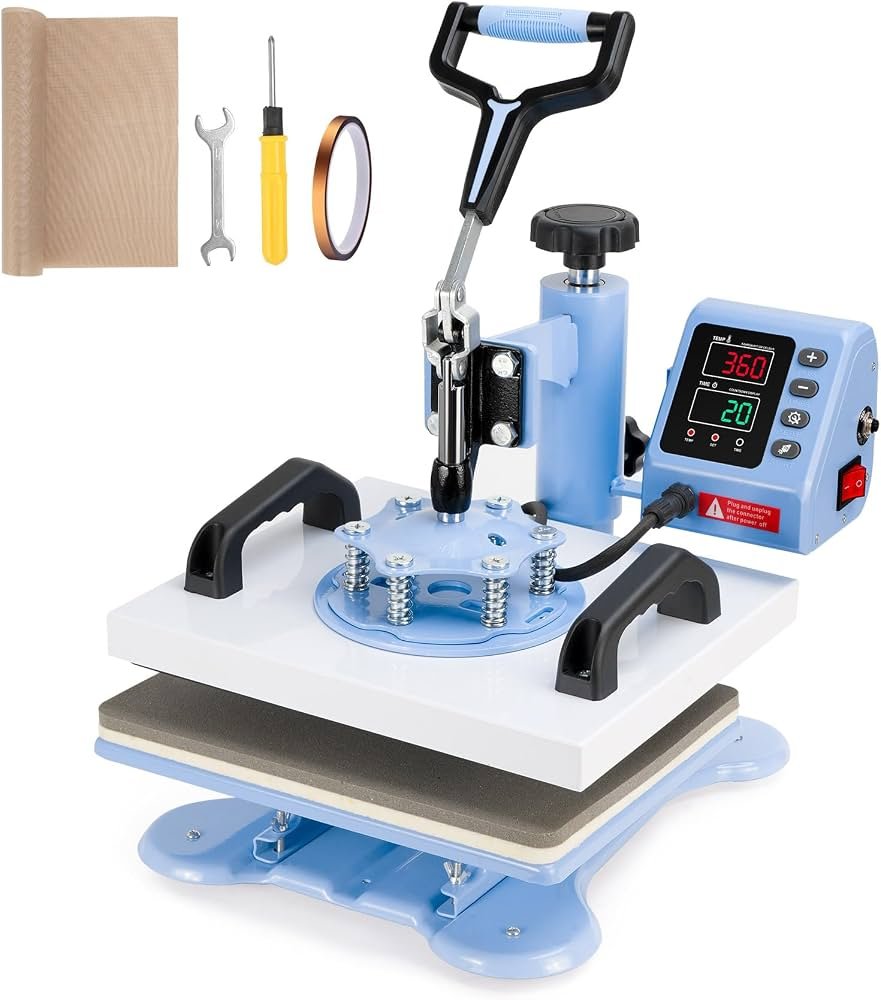
Branding and color are cosmetic finishing until they alter use or compliance requirements. Select embroidery, screen printing, heat transfer, patches, woven labels, care labels, and custom packaging only after confirming their location does not obstruct pockets, reinforcement, or reflective tape placement.
List zipper, button, hook, drawcord, and label choices separately from fit changes. This keeps the sample brief clear when construction details and visual identity are approved by different teams.
6. Construction Details That Determine Service Life
Construction failures usually begin at concentrated load points, not across the whole leg. Specify the seam construction and reinforcement location in the tech pack, then inspect these points on the approved sample before production.
| Inspection Point | Likely Failure | Sample Remedy |
|---|---|---|
| Belt-loop anchor | Loop pulls loose | Add specified bartacks |
| Pocket corner | Attachment tears | Reinforce corner and seam |
| Hem edge | Early abrasion | Specify protective hem finish |
Seams And Stress Points

Match seam type and stitch density to the construction specification; avoid approving a sample only because the outside looks neat.
Inspect crotch joins, pocket corners, belt-loop ends, and tool-loop anchors under hand tension. Add bartacks where repeated pulling concentrates load.
- Check skipped stitches and seam puckering
- Pull-test pocket corners and loop ends
- Record bartack locations on the tech pack
Mobility Zone Construction
A gusset changes how the inseams meet through the crotch, while articulated knees introduce shaping for bent-leg movement. Both must follow the approved pattern and grading.
During wear trials, have users squat, climb, kneel, and step up wearing their normal footwear. Binding, seam strain, or knee-panel drift identifies pattern changes needed before bulk cutting.
Reinforcement Panel Integration
Double fronts and knee panels need clean edge integration so an added layer does not create a hard ridge or restrict kneeling. Reinforcement should cover the specified wear zone rather than simply appear decorative.
Check that panel seams, knee-pad access if specified, and nearby pocket openings remain usable. Abrasion at an exposed panel edge signals a need to revise seam placement or finishing.
Pockets Hems And Closures
Loaded pockets can pull at their attachment points when the construction is not specified for the intended load. Confirm pocket placement and access with the intended tools, not an empty garment.
Inspect hem finishing for the expected contact area and check zipper or closure operation through the agreed sample-use and wash review. Record the approved closure type, puller, and any reinforcement detail.
7. Selecting a Custom Workwear Manufacturer
A capable manufacturer turns a work-pants brief into controlled patterns, repeatable construction, and a quote that can be compared line by line. Evaluate the development system before judging a sample’s appearance alone.
| Selection Area | Evidence To Request | Why It Matters |
|---|---|---|
| Pattern And Grading | Measurement sheet and revision record | Controls fit across sizes |
| Materials And Trims | Approved swatches and trim list | Prevents unapproved substitutions |
| Packing And Quote | Packing specification and scope breakdown | Avoids shipment and cost gaps |
Verify Development Control
Ask how the team reads a tech pack, sketch, or existing sample, then records fit points, pocket placement, reinforcements, and trim choices. A sample that looks right but lacks controlled measurements cannot support consistent reorders.
Confirm who owns the base pattern and size-grade rules. Test the approved sample in the intended motions and footwear before releasing bulk production.
- Measurement specification and tolerances
- Pattern revision record
- Size range and grading rules
- Approved-sample reference
Audit Materials And Workmanship

Fabric and trim traceability should connect the approved swatch, color, zipper, label, tape, and reinforcement material to the production order. Protective performance remains a design target until the requested test evidence and certification scope are confirmed.
Set checkpoints for cutting, sewing, reinforcement, decoration, finishing, and final inspection. Include pocket strength, bartack locations, seam consistency, loose-thread removal, and measurement checks in the inspection plan.
Compare Quote Scope
A low headline figure can omit pattern work, sampling, labels, packing, inspection, or export coordination. Require each quote to identify inclusions, exclusions, revision assumptions, and the specification revision used.
Veelianpro can develop from a tech pack, sketch, sample, or product idea and supports sourcing through packing and export coordination. Its starting MOQ is 100 pieces per style and color; final MOQ and lead-time terms depend on fabric, certification, construction, and the individual quotation.
8. Common Work Pants Sourcing Mistakes
Most work-pants failures are written into the brief before cutting begins. A visually acceptable sample can still restrict movement, misplace tools, or fail early if approval criteria do not reflect actual tasks, boots, laundering, and contact points.
Choosing Fit Without Movement Trials
Selecting slim, straight, or roomier fit from a flat sketch ignores the seat, thigh, rise, and knee behavior during work. The result can be pulling when climbing, kneeling, or entering vehicles.
Require a wearer trial that includes squat, step-up, kneel, reach, and seated driving movements. Record any waistband shift, crotch strain, knee binding, or exposed lower back as sample-review findings.
- State target fit and intended movement tasks.
- Approve fit over issued work boots.
- Include the planned size range and grading.
Copying Pockets And Hem Details
A copied cargo layout may put a phone, tape, tools, or closures where they interfere with a worker’s task or snag on equipment. An untested inseam and leg opening can also bunch over boot shafts or drag at the heel.
Map every pocket to its carried item, access hand, and closure need. Specify the boot type used for fitting, finished hem expectation, and whether the opening must clear the shaft.
Using Universal Fabric Claims
One fabric description cannot establish suitability across hot outdoor, wet, abrasive, or controlled indoor work. A construction chosen only for a fabric claim may trade needed breathability or mobility for unnecessary bulk.
Define the work setting, expected contact hazards, composition and weight target, plus required finish or protection only when documented. Keep protective design targets separate from tested, certified performance claims.
Under-Specifying Reinforcement And Approval
Saying ‘reinforced’ without naming zones leaves placement and method open to interpretation. Knees, pocket edges, belt loops, hems, and stress seams may receive different treatment than the wearer needs.
List each reinforcement zone, added layer or reinforcement method, seam detail, and acceptable sample appearance. Before production, inspect the sample after intended wash care and a task-based wear evaluation; document changes in the approved tech pack.
- Name zones, not just a reinforcement request.
- Check seams, pocket load points, and hems.
- Approve post-wash measurements and appearance.
9. From Brief to Approved Production Sample
A production sample should turn a job-specific brief into an approved, repeatable specification. For work pants fit and construction, the approval record matters as much as the sample: it prevents a comfortable prototype from becoming an ambiguous production handoff.
Build The Wearer Brief
Start with wearer roles, task sequence, climate, boots, carried tools, and required fit profile. Record the intended waist position, seat and thigh ease, inseam, leg opening, and whether the hem must sit over a specified boot.
Convert decisions into a measurement chart and technical package. Include graded sizes, tolerance expectations, pocket dimensions and locations, reinforcement zones, stitch requirements, trims, branding artwork, and color references.
- Capture front, side, and back fit photos.
- List bending, kneeling, climbing, and seated-work tasks.
- Document tools carried in every pocket or loop.
Prototype And Fit Session
Select fabric and trims against the approved task brief, then review the prototype on representative wearers rather than a hanger. A fit session should check waistband stability, seat reach, knee position, crotch mobility, and leg opening with the actual boot type.
Photograph each movement and log the defect, location, wearer size, and correction. Tool loading must show whether pockets sag, pull seams, obstruct movement, or make seated work uncomfortable.
- Bend and squat without waistband rollover.
- Kneel to confirm knee placement and coverage.
- Climb while checking crotch and thigh restriction.
- Sit with loaded pockets and fastened belt.
- Walk in site boots to inspect hem bunching.
Revise, Trial, And Release
Issue a revised sample with a dated change log that connects each alteration to the original finding. Run a controlled wear trial in the intended task environment; separate comfort observations from verified protection or performance claims.
Illustrative procurement scenario: a safety distributor is developing a straight-leg cargo pant for maintenance crews and identifies heel contact at the hem plus pocket interference while seated. The proposed revision changes the hem specification and pocket placement. Intended acceptance criteria are clearance from the specified boots, usable seated access, and measurements matching the approved chart before production release.
- Approve the measurement chart and graded size set.
- Approve fabric, trim, artwork, labels, and packaging.
- Sign off the final sample, change log, and production handoff.
10. Work Pants Cost Drivers and Quote Scope
A custom work-pants quote changes when the specification adds material layers, operations, components, or development work. Fabric composition and weight, reinforcement panels, stretch zones, pocket count, hardware, decoration, colorways, packaging, and inspection scope should be quoted as defined requirements rather than assumed features.
Veelianpro accepts development inquiries based on a tech pack, sketch, sample, or product idea and can coordinate the stated sourcing, development, production, packing, and export stages to the approved scope. Its starting MOQ is 100 pieces per style and color, subject to fabric, certification, and construction requirements.
For a usable sourcing decision, request a Workwear Quote with the intended work setting, fabric construction, size range, fit block, reinforcement map, pocket and hardware layout, branding method, colorways, packaging, quantity, destination, timeline, and any required inspection or protection documentation.
| Cost Driver | What Changes Cost | Quote Must Specify |
|---|---|---|
| Fabric and stretch components | Composition, weight, finish, and placement of stretch panels affect material sourcing and cutting. | Approved fabric construction, color, finish, and stretch-zone map. |
| Reinforcement and pockets | Double layers, knee panels, bartacks, triple stitching, gussets, tool pockets, and loops add materials and sewing operations. | Reinforcement zones, stitch requirements, pocket dimensions, and tool-carry needs. |
| Hardware and decoration | Zippers, buttons, labels, patches, embroidery, screen printing, and heat transfer each require defined components or processes. | Hardware type and placement; artwork, decoration method, label content, and placement. |
| Development and colorways | New patterns, size grading, samples, and multiple colors add development, approvals, and material-management scope. | Tech pack or reference sample, size chart, grading rules, sample requirements, and color count. |
| Packing, quantity, and inspection | Individual packaging, carton requirements, order quantity, and inspection checkpoints change the production and handling scope. | Packing instructions, quantity by size and color, destination, inspection standard, and acceptance criteria. |

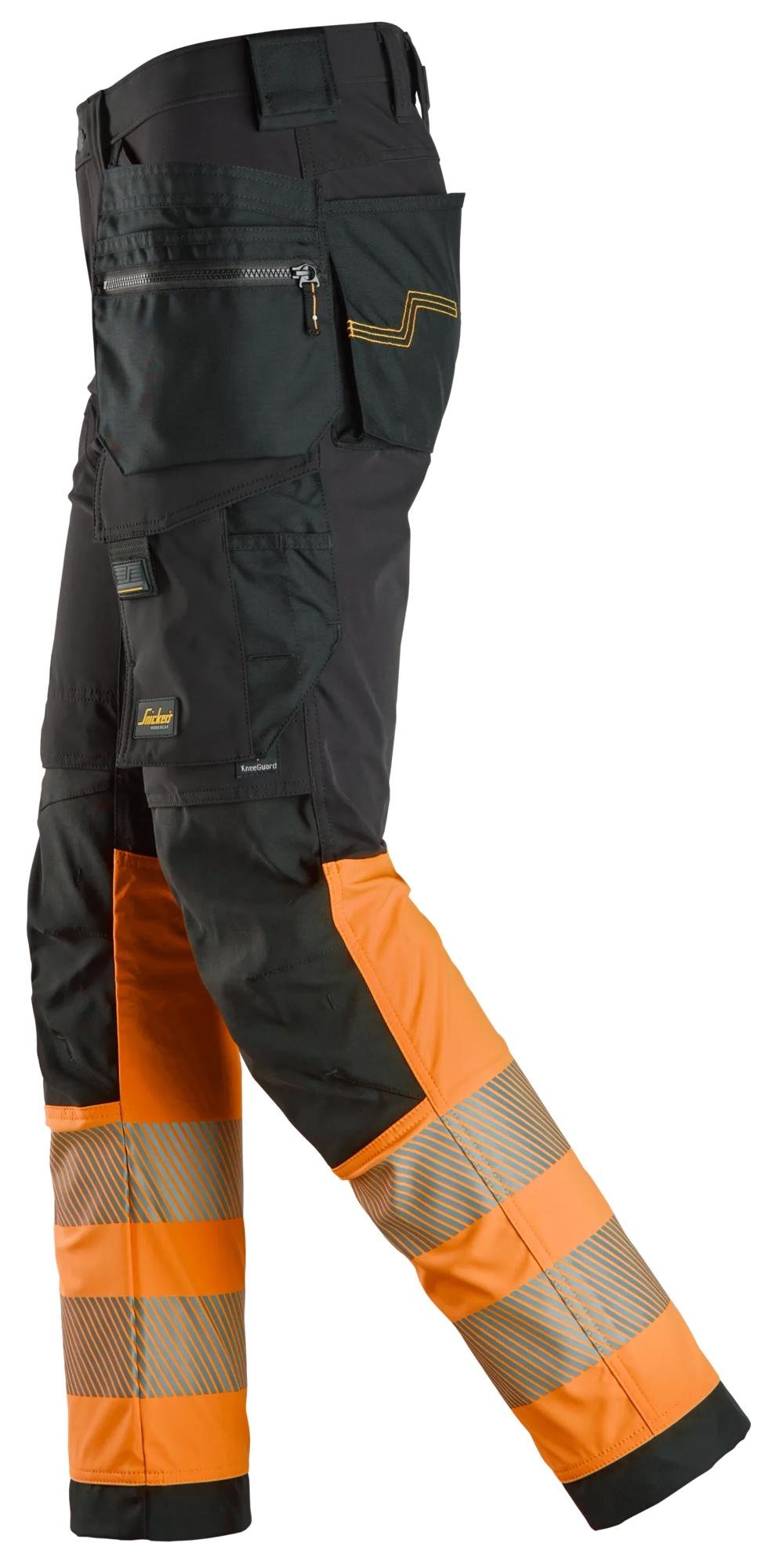

Finalize Your Work Pants Fit and Construction Program
Send your specifications to Veelianpro for a practical OEM workwear review covering fit, materials, branding, quantity, standards, and timing.