
Wholesale Base Layers for Workwear Brands
Custom wholesale base layers with OEM, ODM and private-label support from 100 pieces per style and color, subject to project requirements.
Featured Wholesale Base Layer Development Styles

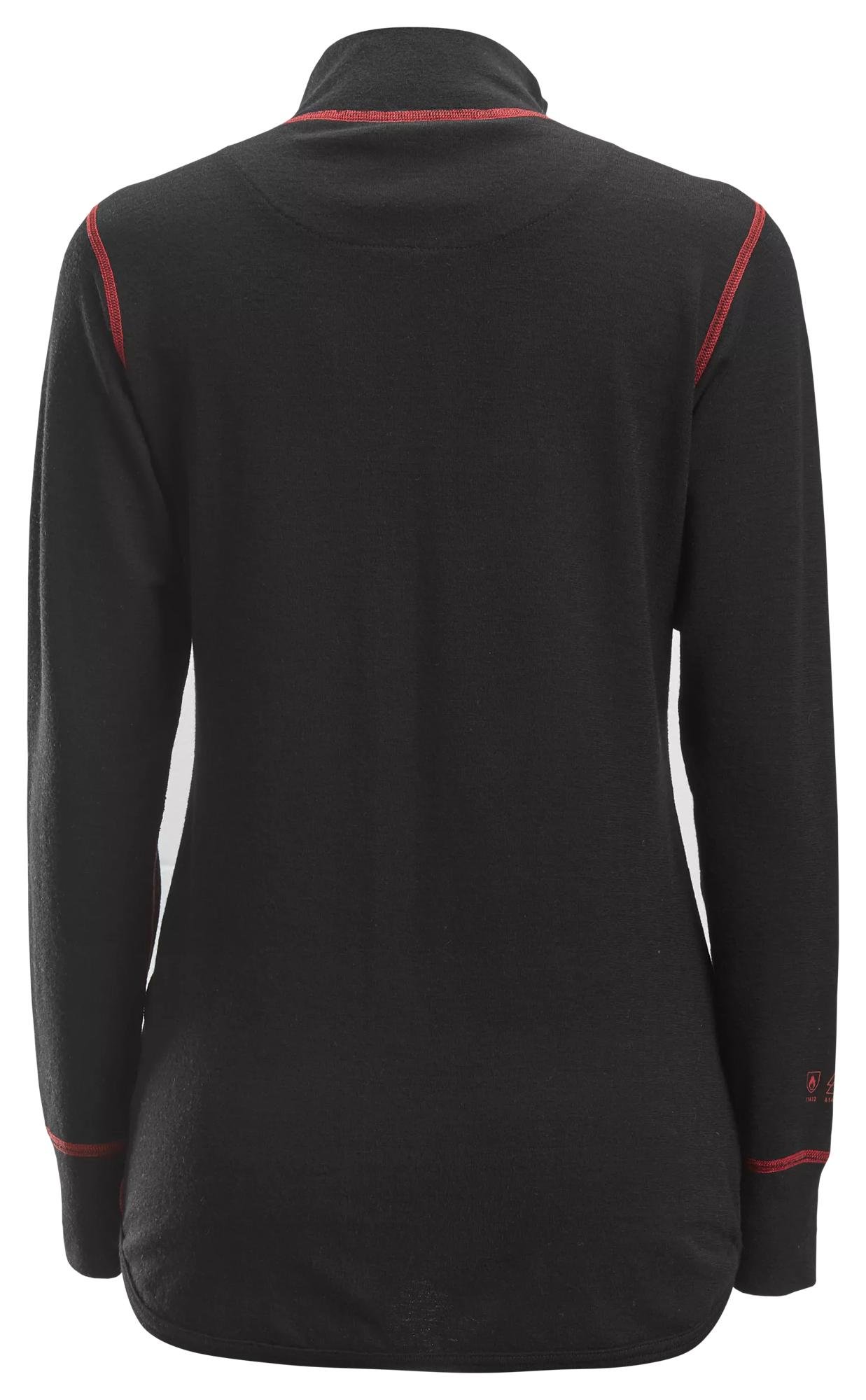
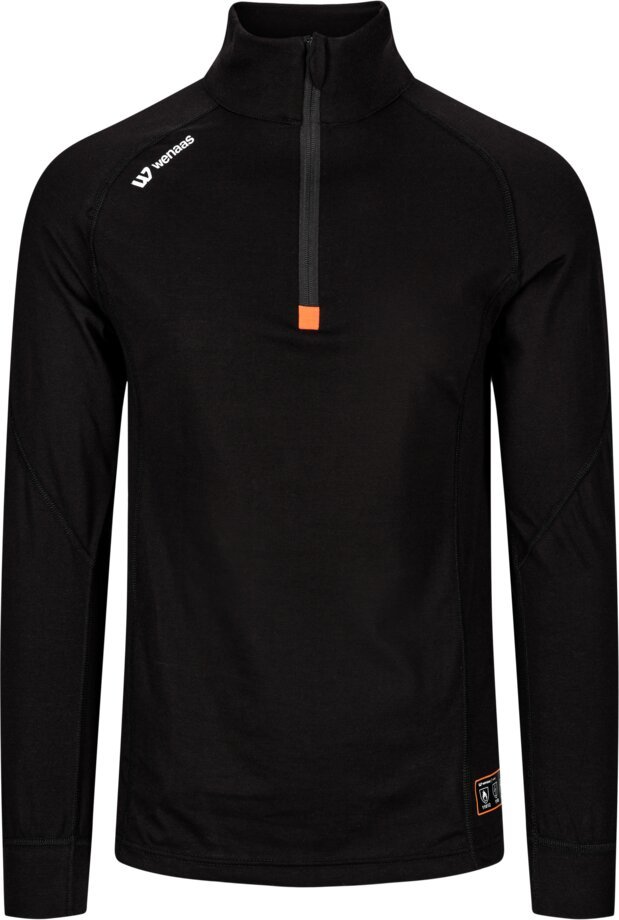
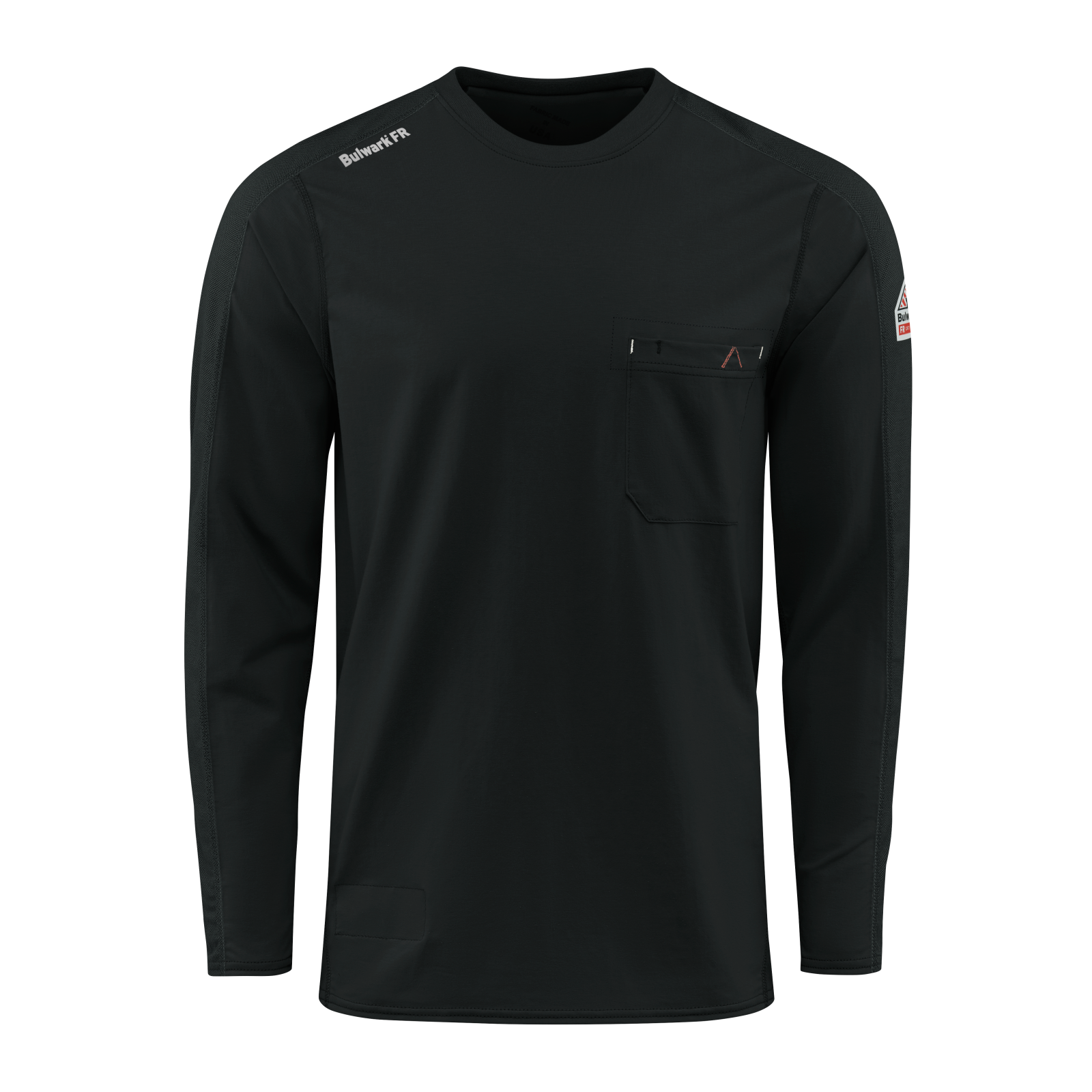


Wholesale Base Layers Catalogue and Quotation






Why Choose Veelianpro for Wholesale Base Layers
Build dependable base-layer programs with practical customization, sampling, workwear expertise, and export support for your next collection.
Conditional 100-Piece MOQ
Start at 100 pieces per style and color, subject to fabric, construction, certification, and project requirements.
Private-Label Development
Develop private-label base layers from your tech pack, sketch, sample, or product idea with OEM and ODM support.
Material and Trim Support
Align fabric weight, composition, fit, pocket details, trims, reinforcement, reflective placement, and branding with your intended work setting.
Sampling Before Production
Review prototypes before bulk production, with pattern development, size grading, sampling, and revisions supporting informed approval.
Workwear Category Expertise
Apply Veelianpro’s workwear expertise across thermal shirts, performance layers, safety apparel, and coordinated uniform programs.
Export Coordination
Coordinate quality checks, packing, and export documentation for smoother delivery to distributors, wholesalers, and enterprise sourcing teams.
Custom Base Layers for Demanding Work
Develop base layers for industrial, safety, and service uniform programs, with material and construction selected for the buyer’s intended use.
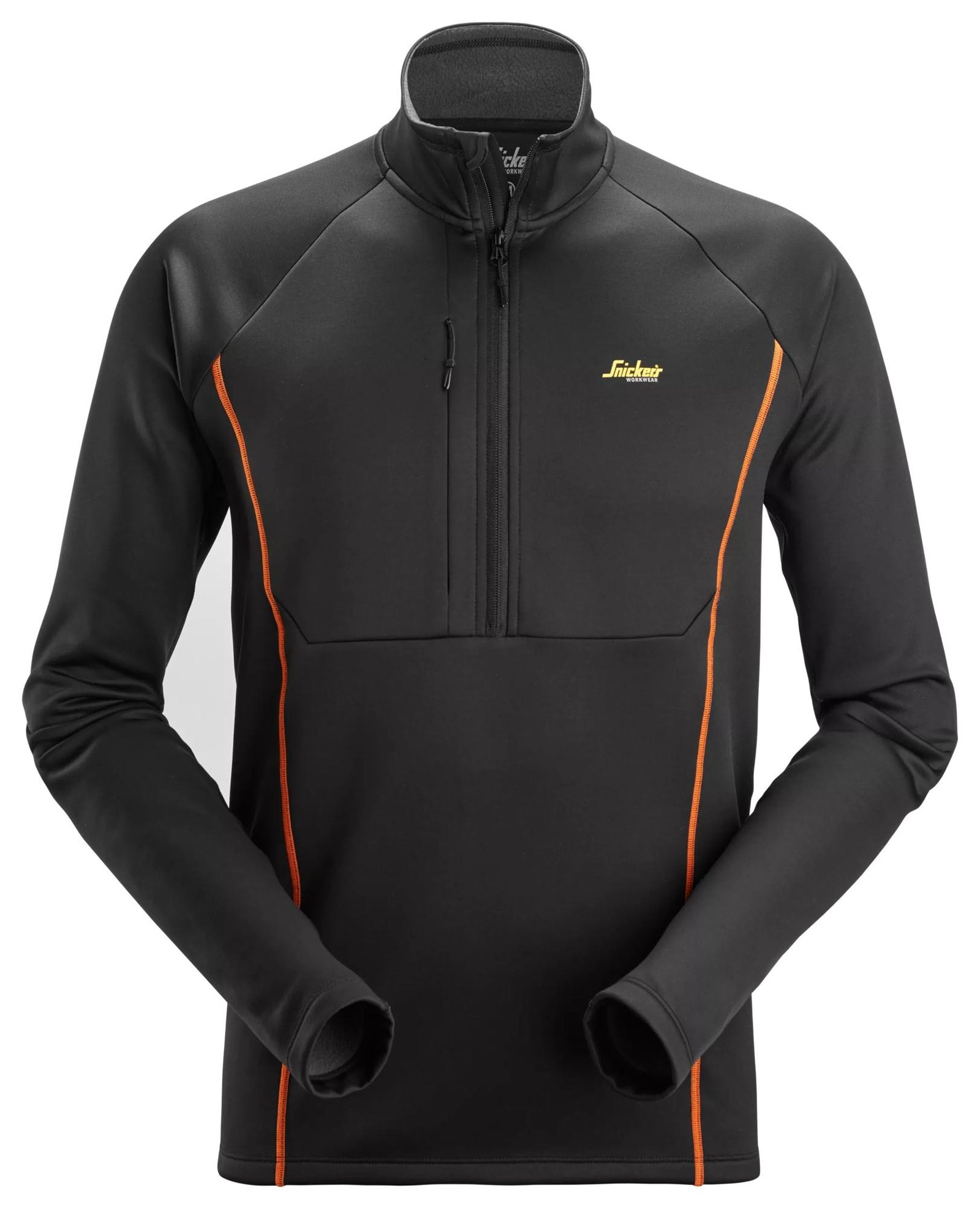
Moisture Wicking Long Sleeve Base Layer
Long-sleeve base layers for cooler shifts, outdoor crews and layered uniform systems. Develop fabric composition, weight, collar shape, flat-seam construction, cuff finish and private-label details around the intended work setting.
Get a Quote
Moisture Wicking Short Sleeve Base Layer
Short-sleeve base layers offer a lower-bulk option for warm settings, active roles, or uniform programs. Specify knit construction, fit, neckline, color, logo application, and labeling during sampling.
Get a Quote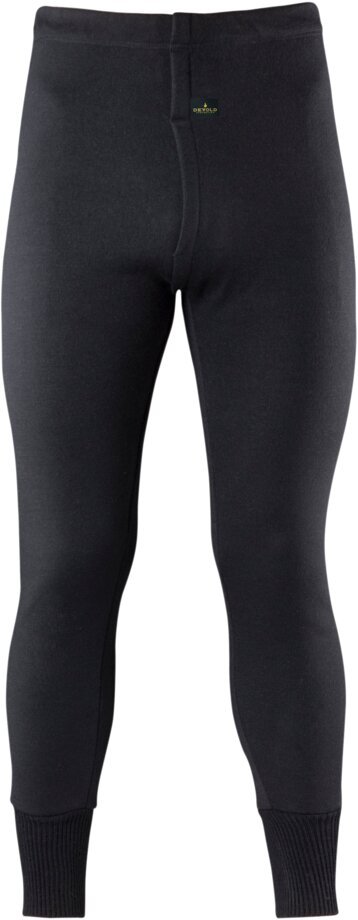
Thermal Leggings
Thermal leggings provide lower-body coverage beneath work trousers or outerwear in cold conditions. Development can include fabric selection, elastic waistband construction, ankle finish, panel placement, size grading and coordinated branding for uniform or retail ranges.
Get a Quote
Thermal Base Layer Top
Build thermal tops as standalone underlayers or matched sets with leggings. Discuss fabric choices for the intended layering conditions, long-sleeve or mock-neck styling, seam placement, cuff construction, colorways, and labeling before sample approval.
Get a Quote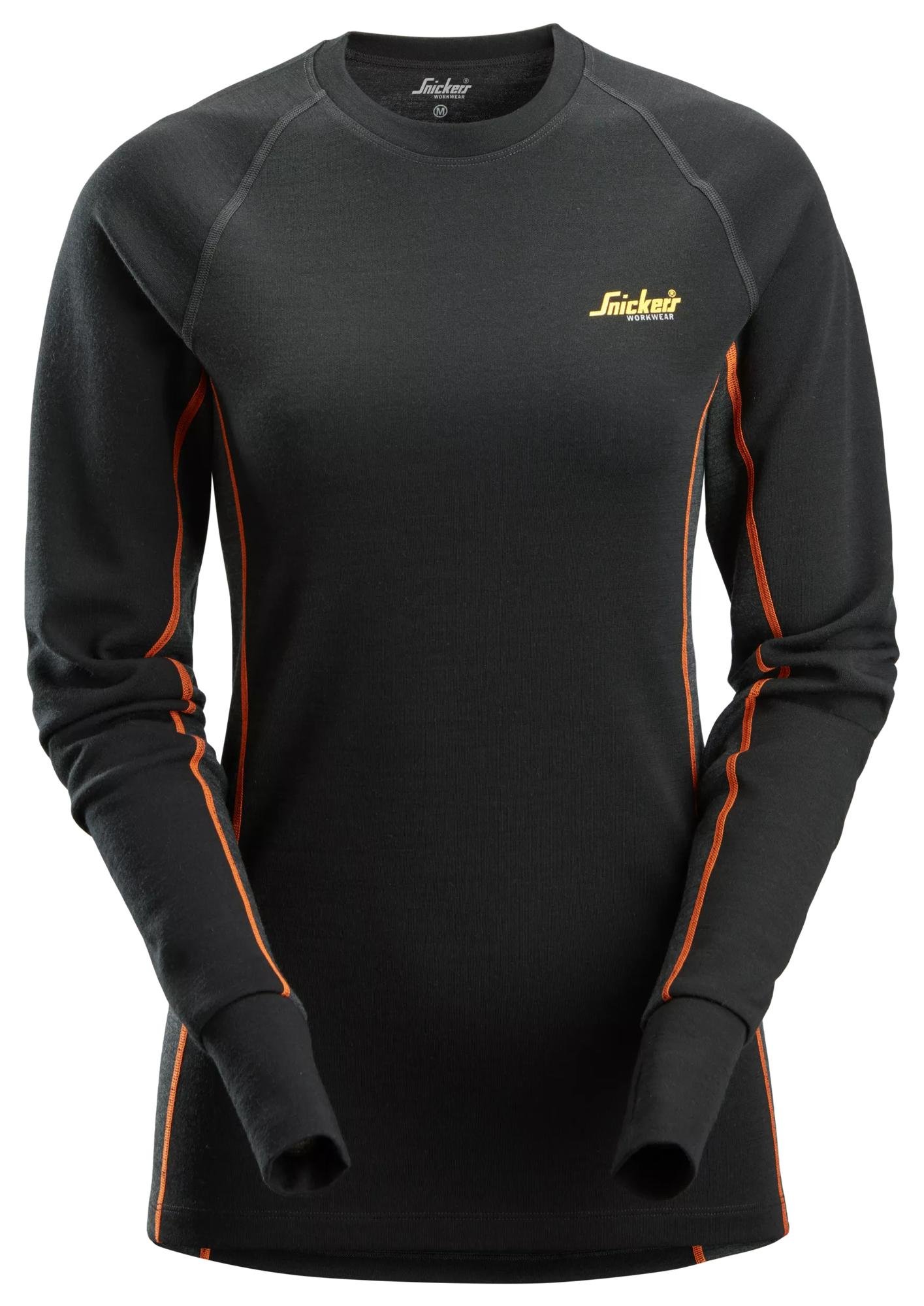
Merino Wool Base Layer
Merino wool base-layer programs can be developed around the required wool blend, knit feel, garment weight and care-label requirements. Suitable for buyers seeking natural-fiber options for layered workwear, outdoor service or premium uniform collections.
Get a Quote
Compression Shirt
Close-fitting shirts use pattern work and stretch-fabric selection for an athletic silhouette under workwear or training apparel. Define sleeve length, neckline, panel construction, seam placement, colors, decoration, and size range for the project.
Get a Quote
Anti-Odor Base Layer
Base layers can be developed with a buyer-specified fabric, treatment, or fiber approach, subject to applicable material documentation. Configure shirt or legging styles, construction details, colors, labels, and packaging for active uniform programs; do not make odor-control claims without documentation for the proposed garment.
Get a QuoteWholesale Base Layers: Material Options for Thermal and Performance Wear




Wholesale Base Layers: Decoration and Production Processes



Wholesale Base Layers: Trims and Supporting Accessories


About Our Wholesale Base Layers Program
Veelianpro is a Wuhan, Hubei workwear manufacturer whose company profile states that its operation began in 2012. We support workwear brands, safety distributors, uniform buyers and wholesalers with OEM, ODM, private-label and wholesale production for industrial, service and thermal apparel programs.
Our wholesale base layers capability begins with your tech pack, sketch, sample or product idea. From there, our team can support fabric and trim sourcing, pattern development, sampling, size grading, cutting, sewing, reinforcement, decoration, quality checks, packing and export coordination. The company profile states a team of more than 300 skilled workers; this operating figure should be verified before prominent public use.
What sets Veelianpro apart is a practical development process that connects product decisions to production requirements. Buyers can review fabric composition, fit, seam construction, branding and packaging before approval, with production starting from 100 pieces per style and color subject to project requirements. Any thermal, protective or performance claim remains subject to SKU-specific testing and documentation.

Core Capabilities Behind Wholesale Base Layers
Review the Product Direction
Veelianpro starts with your tech pack, sketch, sample, or product idea. Our team reviews the intended work setting, layering role, target users, construction details, branding needs, and order goals before recommending a practical development route for your wholesale base layers program.
- Tech-pack and sketch review
- Use-case and construction assessment
- Fabric, trim, and branding discussion
- OEM, ODM, or private-label planning

Build Fit and Materials
We help align material choices and pattern development with the intended application, whether you need thermal comfort, moisture management, easy layering, or a coordinated uniform range. Fabric weight, composition, fit, size grading, trims, and color direction are reviewed before sampling.
- Fabric and trim sourcing support
- Pattern development and size grading
- Men’s, women’s, or coordinated fits
- Top, bottom, and set development

Approve Before Bulk Production
Sampling gives buyers a practical checkpoint for reviewing fit, hand feel, measurements, seam placement, branding, and construction details. Feedback can be incorporated before bulk production, helping workwear brands and distributors confirm the product direction against their wholesale base layers requirements.
- Prototype and fit-sample coordination
- Measurement and construction review
- Revision feedback before approval
- MOQ from 100 pieces per style and color, subject to requirements

Control the Finished Order
After approval, Veelianpro coordinates cutting, sewing, reinforcement, decoration, finishing, quality checks, packing, and export support. Buyers can specify labels, care instructions, packaging, and destination requirements while keeping performance claims tied to the exact materials, tests, and documentation available for the SKU.
- Embroidery, heat transfer, patches, and labels
- Reinforced seams and construction details
- In-process and final quality checks
- Packing and export coordination

Wholesale Base Layers: Custom Production vs. Off-the-Shelf Decoration
Choose a route based on fit, fabric, branding, assortment, and program requirements. Starting MOQ is subject to fabric, certification and construction requirements.
← Swipe left or right to view →
Veelianpro vs. Typical Supplier Considerations for Wholesale Base Layers
A practical path from product idea and feasibility review to approved samples, controlled production, shipment and future reorder support.
Review Brief and Feasibility
Share your garment type, work setting, fabric direction, sizing, colors, branding, quantity and timeline so Veelianpro can assess construction and sourcing requirements.
Source Materials and Develop
Veelianpro aligns fabric weight and composition, trims, fit, pattern details and performance targets, then prepares a development route for your wholesale base layers.
Approve the Sample
Review prototypes for fit, comfort, seam construction, pocket or layering details and branding placement; revisions continue until the approved sample matches your brief.
Produce and Decorate
After order confirmation, Veelianpro manages fabric inspection, cutting, sewing, reinforcement, decoration, finishing and size-based production planning for the agreed quantity.
Inspect, Ship and Reorder
Quality checks, packing and export coordination complete the order, while documented specifications support smoother reorders and future color or size extensions.
How to Order Wholesale Base Layers
Move from a clear garment brief to approved samples and coordinated bulk production with an OEM, ODM, private-label, and wholesale workwear partner.
Submit Your Brief
Share your garment type, work setting, target fabric, size range, colors, branding method, quantity, destination, timeline, and any required protection standard.
Review Feasibility
Veelianpro reviews construction goals, fabric direction, trims, MOQ conditions, and certification needs before confirming a practical development route for your program.
Select Materials and Trims
Align fabric weight and composition, elastic, labels, decoration, packaging, and fit details with the intended layering system and brand requirements.
Approve the Sample
Review the sample, pattern, grading, construction, and branding execution; provide consolidated comments so approved specifications can support accurate quotation and production.
Confirm and Produce
Confirm the quotation, order details, and timeline, then Veelianpro coordinates cutting, sewing, quality checks, packing, export documentation, and shipment release.
Wholesale Base Layers Certifications and Compliance Documentation


Wholesale Base Layers: Illustrative Procurement Scenarios
Illustrative scenario: A safety distributor needs a winter layering option that fits beneath its existing work jackets without creating an unplanned top-and-bottom size mismatch. The proposed solution is a sampled thermal top and bottom with documented measurements, fabric selection, branding, and packing details. Intended acceptance criteria are approved fit under the jacket, an agreed size chart, approved artwork placement, and a signed sample and packing specification before bulk planning.
Illustrative scenario: A workwear brand has a cold-weather range concept but no approved base-layer pattern, measurement chart, or label layout. The proposed solution is to develop patterns and samples from the brief, then document fit, color, labels, and construction revisions. Intended acceptance criteria are an approved measurement chart, approved sample, confirmed label files, and a written record of all production changes.
Illustrative scenario: An enterprise uniform team needs a controlled size and color assortment, but its initial request does not state whether tops and bottoms will be issued as sets or separately. The proposed solution is a style specification covering garment format, material options, decoration, size breakdown, and packing method. Intended acceptance criteria are an approved assortment plan, a quantity by style and color that meets the quoted minimum, and a signed sample and packing record.
Veelianpro Program Evidence for Wholesale Base Layers
Practical answers for workwear brands, safety distributors and sourcing teams evaluating custom base layer production with Veelianpro.
What is the MOQ for wholesale base layers?
Can wholesale base layers be made as private-label products?
Which materials are suitable for wholesale base layers?
Can I customize the fit and seams on wholesale base layers?
How do sampling costs and timing work for wholesale base layers?
What payment terms are available for wholesale base layers?
Can Veelianpro ship wholesale base layers internationally?
Can wholesale base layers be certified for a specific work environment?
Wholesale Base Layers: A Complete Sourcing Guide
Use a practical framework to select base-layer formats, materials, construction, customization, and supplier workflows—while avoiding assortment, fit, quote-scope, and production-planning mistakes in an industrial or service-apparel program.
1. What Are Wholesale Base Layers?
Wholesale base layers are close-fitting tops, bottoms, or coordinated sets worn next to the skin beneath work shirts, coveralls, insulation, rainwear, or other job-specific outer layers. In workwear and uniform programs, their value comes from fit, coverage, comfort, and compatibility with the layers worn over them—not from an assumed protective rating.
Ready-to-order bulk supply means selecting an established garment format, color, size assortment, and packing requirement for volume purchase. Private-label development begins earlier: the buyer defines the work setting, fabric composition and weight, fit, size grading, branding, labels, packaging, and any required performance documentation before sampling and production; a thermal top-and-bottom set is not automatically the right format when crews need only long-sleeve tops or separate bottoms.
For wholesale base layers, a usable quote scope identifies the intended conditions, garment format, size and color split, target quantity, decoration method, destination, and timeline. Veelianpro can develop OEM, ODM, private-label, and wholesale workwear programs from a tech pack, sketch, sample, or product idea; its stated starting MOQ is 100 pieces per style and color, subject to confirmed fabric, certification, and construction specifications. Request a Workwear Quote with the applicable standard where protection is required, since a design target must not be presented as a tested claim.
2. Where Wholesale Base Layers Fit
A base layer is the next-to-skin part of a uniform system, not a standalone promise of warmth or protection. Under a rain jacket, padded jacket, coverall, or high-visibility outer layer, it must fit within the space and movement allowance of the complete outfit.
For physically demanding work, outdoor exposure, and training-inspired uniforms, define the garment around activity level and climate together. A worker alternating between vehicle travel and active handling may need a different fabric weight and fit from a wearer stationed outdoors or moving continuously indoors.
Everyday service wear often prioritizes comfort and repeat laundering. Define the intended outer uniform, shift conditions, wash routine, size range, and preferred close-to-body feel before selecting a top, bottom, or set; this reduces the risk of choosing an item that is too bulky or restrictive for the full shift.
For a development discussion, provide the base layer’s role in the complete uniform, fabric composition and weight target, fit, color, branding, target quantity, destination, and timeline.
3. Types of Wholesale Base Layers
Format determines what employees can layer under uniforms, how distributors build size assortments, and whether stock can be replenished by piece. Select the silhouette before specifying fabric, branding, or protective design targets.
| Format | Layering Compatibility | Assortment Approach |
|---|---|---|
| Long-sleeve top | Under shirts and jackets | Stock by top size |
| Long bottom | Under trousers or bibs | Stock by waist and inseam needs |
| Matched set | Complete cold-weather option | Use aligned top-bottom size curves |
| Separate pieces | Mixed-size flexibility | Replenish each piece independently |
Long-Sleeve Tops
Long-sleeve tops cover the arms beneath work shirts, coveralls, and jackets without adding a separate outer layer.
They suit cold shifts and customers who need a standalone upper-body replacement option.
Short-Sleeve And Sleeveless Layers
Short-sleeve and sleeveless layers reduce bulk at the forearm where cuffs, gloves, or sleeve closures overlap.
Use them for warmer service settings or as a lighter option within the same program.
Tights And Long Bottoms
Tights or long bottoms provide leg coverage under work trousers, bib overalls, and rainwear. Their sizing should be planned independently from tops when waist and inseam demand differs.
Separate bottoms let buyers replenish the faster-moving half of an assortment.
Coordinated Thermal Sets
Matched top-and-bottom sets simplify a cold-weather offer and give end users one complete purchase. They work best when both pieces share the same intended wear setting and size curve.
Separate pieces create more flexible inventory when top and bottom sizes are commonly mixed.
Close-Fit And Relaxed Styles

Close-fit seamless styles prioritize a body-contoured layer under fitted uniforms; confirm fit tolerance and decoration zones during sampling.
Relaxed thermal styles leave more ease for everyday workwear layering and may better accommodate broader size preferences.
4. Wholesale Base Layers: Materials and Options
Fiber choice and knit construction should be specified together; a composition label alone does not define the finished garment. Set sample-review and care-process acceptance criteria for the intended use before approving production.
| Material Or Construction | Practical Use | Strengths | Limitations | Selection Conditions |
|---|---|---|---|---|
| Cotton-polyester thermal knit | Everyday or lower-exertion cold layering | A conventional development route for thermal-layer silhouettes | Confirm suitability through the buyer’s sample review and wash requirements | Confirm blend, knit, and wash expectations |
| Polyester-led performance knit | Active work and frequent laundering | A development option for active-use programs | Hand feel depends on construction | Specify knit structure and required fit |
| Polyamide blend with elastane | Close-fitting, movement-led styles | Close-fitting development option | Care instructions must match the approved fabric specification | Approve stretch recovery after washing |
| Verified merino specification | Programs requiring natural-fiber content | Natural-fiber option | Claims require documented scope | Confirm source, blend, and care label |
Cotton-Blend Thermal Knits

Cotton-blend waffle or brushed thermal knits can be considered for lower-exertion service or everyday cold-weather layering when the buyer approves the proposed fabric and garment sample.
Specify the blend, knit construction, fabric weight, and intended wash routine. Review the sample after the buyer’s required care process before approving production.
Performance Synthetic Knits
Polyester-led knits can be considered for active industrial roles when the pattern, fit, and knit weight are matched to the intended duty. Any moisture-management, drying, durability, or comfort claim requires applicable supporting evidence for the proposed garment.
Polyamide and elastane blends are development options for close-fitting styles. Confirm the exact composition, stretch requirement, care instructions, and sample-approval criteria before production.
Merino Requires Specification
Merino should be requested only when a verified fiber sourcing specification is available for the proposed style. Do not convert a wool content target into claims about odor control, temperature performance, or certification without supporting evidence.
For all fibers, submit the composition, knit type, finishing request, color, size range, and intended work setting with the quote request.
5. Wholesale Base Layers: Customization
Private-label base layers must preserve next-to-skin fit while making the brand recognizable. Lock the specification sheet before sampling so colors, grading, decoration, labels, and packing can be repeated across replenishment orders.
| Cost Driver | What Changes Cost | Quote Must Specify |
|---|---|---|
| Development route | Existing-style adaptation versus new pattern, grading, and sample work | Reference style or tech pack; approval stages |
| Branding method | Decoration type, artwork placement, and number of locations | Artwork, dimensions, colors, and placement diagram |
| Labels and packaging | Woven or care labels, individual packing, and carton marks | Label files, fold method, barcode, and carton requirements |
| Color and size mix | Colors, graded sizes, and per-variant quantities | Color standard, size chart, and quantity by style/color/size |
Stock Adaptation Or Development
A stocked-style adaptation changes approved color, branding, labels, or packaging on an existing silhouette. A fully developed program adds pattern work, fabric or trim selection, grading, and sampling; it needs a more detailed approval record.
Veelianpro can begin from a tech pack, sketch, sample, or product idea. Confirm the applicable order terms in the quotation after fabric, certification, and construction requirements are defined.
Branding That Moves Correctly
Place logos away from high-stretch panels, underarm joins, flat seams, and abrasion zones such as belt contact. Screen printing, heat transfer, embroidery, patches, woven labels, and care labels each require an approved position, size, and artwork file.
Confirm decoration compatibility against the selected fabric and stretch direction during sampling. A logo that looks centered on a relaxed garment can distort when worn.
Labels, Packs, And Approval
Size grading should define the complete size range and measurement tolerances; do not rely on a size name alone. Specify neck label, care label, barcode needs, folding method, polybag, carton marking, and color identification in the specification sheet.
Illustrative procurement scenario: a safety distributor is considering a long-sleeve base layer with its neck label, carton marks, and two colorways. The proposed solution is to approve a sealed sample and packing specification; intended acceptance criteria are correct label content, approved carton marks, and written confirmation of the color and size breakdown.
6. Construction Details That Affect Wear
Construction determines whether a close-fitting base layer stays comfortable during a full shift or becomes a source of distraction. Confirm seam maps, stretch direction, and recovery requirements on the sample before approving bulk production.
Seams Against The Skin

Flat or low-profile seam options can be specified for underarm, shoulder, inner-leg, and side-body zones that sit beneath workwear. Review seam placement during sample wear trials, especially where the garment contacts outer layers or equipment.
Specify seam placement with the pattern, not only a stitch name. Define the buyer’s seam appearance and construction acceptance criteria at sample approval, including treatment of seam ends in high-movement areas.
Mobility Through Panel Shape
A crotch gusset is a construction option for bottoms where the buyer wants an additional panel at the crotch. Confirm whether it is needed from the intended fit and movement review rather than treating it as a universal requirement.
Shaped panels should be reviewed against the intended working posture and the fabric’s stretch direction. Assess the sample through reach, squat, and bend movements rather than only while standing.
Stable Edges And Components
For waistbands, cuffs, and necklines, define the intended appearance, fit, and care-process acceptance criteria on the approved sample. Check these components after the buyer’s required wear and wash evaluation.
Match elastic, binding, thread, labels, and decoration to the selected fabric’s stretch and care requirements. Record component specifications and approval observations so production is evaluated against the same reference.
7. Choosing a Base-Layer Manufacturer
Choosing a manufacturer starts with deciding whether you need a proven style adapted for your label or a new base layer developed from a tech pack, sketch, sample, or product idea. The latter needs clearer approvals because fit, fabric, trims, and construction are still being defined.
| Route | Best When | Evidence To Request |
|---|---|---|
| Proven style | Speed and lower development uncertainty matter | Reference details and change confirmation |
| Custom development | The product needs a distinct specification | Tech pack, sample approvals, size-set review |
Define The Development Route
A proven-style inquiry should identify the reference garment, required colorways, branding, size range, and any changes to fabric or details. Request photographs, available specification details, and confirmation of which elements can be changed.
A custom route needs a measurement chart, intended work setting, fabric composition and weight target, seam requirements, label artwork, and packaging brief. Protective or performance claims require the applicable standard and supporting test or certificate scope.
Approve Samples And Sizes
A sample is the working reference for fabric hand, stretch recovery, neckline, cuffs, seam placement, branding position, and label legibility. Record every revision in writing before production approval.
Review a size set rather than relying on one sample size. Check grading, garment measurements, paired top-and-bottom compatibility where relevant, and wearer movement in the intended layering system.
Make Inspection Quote-Specific
Ask what the quotation includes: development work, fabric and trim sourcing, decoration, labels, packaging, quality checks, and export coordination. Confirm assumptions before comparing quotations, since identical-looking garments can carry different construction and packing scopes.
Set inspection points around approved sample comparison, measurements, stitching, reinforcement, decoration, labeling, carton markings, and pack ratios. Request inspection records or photos appropriate to the agreed order stage.
8. Common Wholesale Base-Layer Mistakes
Most costly base-layer errors start before production: the brief does not connect fabric, fit, decoration, and quote scope to the wearer’s shift. Correcting these items during development is far less disruptive than correcting an unsuitable bulk assortment.
| Quote Element | Confirm Before Comparing | Why It Changes Cost |
|---|---|---|
| Garment scope | Top, bottom, or coordinated set | Material and sewing content differ |
| Development | Pattern, grading, and sample status | Pre-production work may be included or separate |
| Branding and packing | Decoration method, labels, and packaging | Components and operations vary |
| Delivery scope | Inspection and export coordination | Service inclusion affects the total quote |
Choose Fabric By Use
A soft hand feel alone does not document whether a proposed fabric meets the buyer’s requirements for cold outdoor work, heated interiors, or high-exertion tasks. Without defined conditions and sample criteria, the buyer cannot verify suitability before production.
Define the work setting, expected exertion, layering system, desired composition, and review criteria before fabric selection. Compare swatches and samples against those requirements rather than approving by hand feel alone.
Control Fit And Set Logic
Combining incompatible sizing systems can leave a buyer with tops and bottoms that do not fit the same wearer profile. Treating every thermal set as interchangeable also overlooks different intended use, fabric behavior, and cut.
Use one approved measurement chart and grade rule for the coordinated set. Specify whether the program is sold as matched sets, separate tops and bottoms, or a mixed assortment.
Test Stretch And Branding
Decoration across a high-stretch zone should be evaluated on the actual sample rather than approved from a flat artwork layout alone. The buyer should define the appearance and movement checks required for the selected decoration method.
Where possible, place decoration outside the highest-stretch areas, then assess the actual application during shoulder reach, squat, bend, and layered-wear review. Include movement checks for both top and bottom when the program includes a set.
Normalize Quote Scope
A lower quotation may exclude fabric sourcing, pattern development, sampling, labels, packaging, inspection, or export coordination that another quotation includes. Comparing headline totals without a shared scope prevents a valid supplier comparison.
Request the same specification and inclusion list from each manufacturer. For Veelianpro, compare against an individual quotation prepared after fabric, certification, and construction requirements are known.
9. Launching a Wholesale Base-Layer Program
A launch brief converts a general request for wholesale base layers into production decisions that can be sampled, approved, packed, and dispatched without late interpretation. Start with the wearer’s job, expected conditions, layering system, and whether separate tops, tights, or coordinated sets best serve the range.
Build The Wearer Brief
Define the work setting, movement demands, outer layers, expected temperature exposure, and any required protective standard before selecting fabric or features. A design target must remain separate from a tested protection claim until supporting evidence and certification scope are confirmed.
- Garment format and intended wearer
- Fabric composition and weight target
- Fit, size range, and color plan
- Required standard or test documentation
Specify Product And Branding
Document neckline, sleeve and leg length, seam construction, waistband, cuffs, labeling, logo method, and placement in a tech pack or marked sketch. Veelianpro can develop patterns, source fabrics and trims, and apply embroidery, screen printing, heat transfer, patches, woven labels, care labels, and custom packaging.
Review Samples And Assortment
Check the prototype against measurements, movement, artwork position, label content, and wash or wear requirements defined in the brief. Approve the sealed reference sample and final packing instructions before bulk production.
Worked example, not a universal ratio or Veelianpro commitment: a 100-piece top program could allocate 10 S, 25 M, 35 L, 20 XL, and 10 XXL. The total is 100 pieces; the buyer should set the ratio from its own wearer or sales data.
Approve Bulk And Dispatch
Confirm the approved sample, size breakdown, carton marks, polybag or set-packing method, destination, and requested dispatch documents in the order record. Then coordinate production inspection, export packing, and shipment timing through the agreed workflow, rather than treating dispatch as an afterthought.
10. Wholesale Base Layers: Cost Drivers
A base-layer quote changes first with the specified yarn or fabric composition, fabric weight, and construction route. A cut-and-sewn thermal top has different material consumption and sewing operations from a seamless style, while a coordinated top-and-bottom set must define whether both pieces share the same specification.
Cost also moves with the construction detail: panel count, flat or conventional seam requirements, gusseting, cuffs, waistbands, reinforcement, and the number of colors or sizes in the assortment. Branding is not a single line item; embroidery, screen printing, heat transfer, patches, woven labels, care labels, and custom packaging each need their own placement, artwork, quantity, and approval details.
For comparable wholesale base layers quotations, submit one shared specification sheet to every factory. State the style or set configuration, composition, construction, color and size breakdown, decoration files and locations, packaging, sampling requirement, inspection scope, destination, and required protection standard or test evidence where applicable.
| Cost Driver | What Changes Cost | Quote Must Specify |
|---|---|---|
| Material and construction | Composition, fabric weight, knit type, or seamless versus cut-and-sewn development | Fabric specification, target use, and exact garment components |
| Garment complexity | Pattern pieces, seams, gussets, cuffs, waistband, and top-only versus two-piece set | Approved sketch or tech pack, measurements, and construction details |
| Branding and presentation | Decoration method, locations, labels, care content, and custom packaging | Artwork, dimensions, colors, label files, packaging layout, and pack method |
| Assortment and order structure | Colorways, size ratio, style mix, sampling, and production quantity | Units by style, color, and size; sample requirement; confirm the applicable minimum in the quotation |
| Quality and delivery scope | Inspection level, packing, export coordination, and destination needs | Acceptance criteria, inspection scope, carton requirements, destination, and timeline |


The Complete Buyer’s Guide to Wholesale Base Layers
Send your tech pack, quantity, destination and timeline to begin feasibility review, sampling and a tailored production quotation.