
Ranger Uniforms Manufacturer
Veelianpro develops custom ranger uniforms from your specifications through sampling and bulk production, from 100 pieces per style and color, subject to project requirements.
Garment and Development References



Browse Veelianpro’s Workwear Catalogue
Review current garment references, then send the fit and construction details for your program.


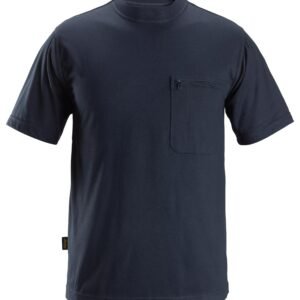

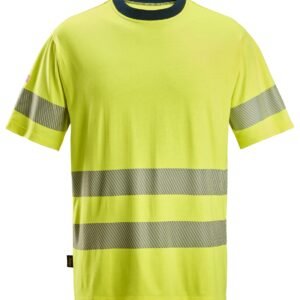
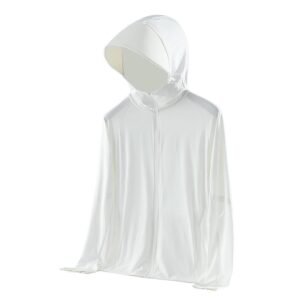

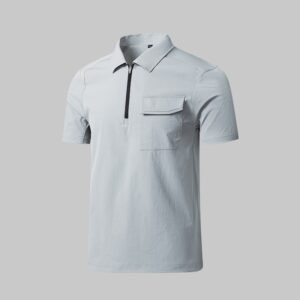

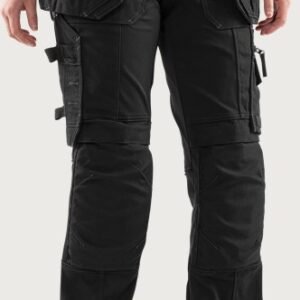

Ranger Uniforms Manufacturer Advantages
Specification-led development for bulk ranger uniform programs, from brief through approved production reference.
Specification-Led Development
We develop custom ranger uniforms from your tech pack, sketch, sample, or brief, aligning materials, fit, components, and duty-setting requirements before production.
Integrated Brand Details
Review embroidery, screen printing, heat transfer, patches, woven labels, care labels, and custom packaging as coordinated parts of your private-label uniform specification.
Physical Sample Approval
Approve fabric direction, fit, construction, branding placement, and finishing on a sample before confirming the bulk ranger uniform production reference.
Conditional Bulk Starting Point
Programs can start from 100 pieces per style and color, subject to fabric, construction, and any required documentation or evidence review.
Reorder-Ready Records
Keep approved measurements, material selections, artwork, labels, packaging, and sample decisions together to support clearer repeat-order discussions for your ranger uniform program.
Ranger Uniforms Manufacturer Development Options
Choose what you want to specify before sample approval.

Work Shirts and Polos
Bring a tech pack, sketch, sample, or product idea for custom ranger uniforms. We can review fabric, trims, pocket systems, labels, and decoration choices before sampling.
Get a Quote
Cargo Pants Programs
Develop a made-to-order cargo pant around approved measurements and construction details. Pattern development, size grading, sampling, cutting, sewing, finishing, and packing can follow the agreed specification.
Get a Quote
Field Jackets and Layers
Specify softshell, fleece, padded, or rain-jacket concepts for feasibility review. Requested weather, UV, recycled, or protective evidence is reviewed at SKU and destination-market level before quotation.
Get a QuoteRanger Uniforms Manufacturer Material Options
Explore materials and fabrics
Cotton Polyester Twill

A balanced woven option for shirts, trousers, and two-piece uniforms, combining cotton comfort with polyester durability. Specify composition, fabric weight, color, and intended duty setting for feasibility review.
Polyester Cotton Twill

A polyester-forward twill can suit ranger uniform programs seeking a practical, structured appearance and routine wear. Review the required blend, weave, colorfastness expectations, and branding method against the finished garment specification.
Ripstop Woven Fabric

Ripstop construction uses a reinforced grid pattern and is often considered for field-oriented shirts, trousers, and outer layers. Confirm the base fiber, weight, reinforcement layout, and project-specific performance documentation needed.
Softshell Laminate Fabric

Softshell fabrics can be evaluated for jackets where stretch, structure, and layered weather coverage are relevant to the brief. Waterproof, breathability, UV, or recycled-content evidence requires SKU-specific material and test documentation review.
Fleece-Backed Knit

Fleece-backed knit is a possible mid-layer input for ranger uniform jackets or cold-weather pieces, selected for its soft inner face and insulating feel. Confirm composition, surface finish, color, and required care expectations before sampling.
Coated Shell Fabric

Coated shell materials may be reviewed for rain layers, over-jackets, or weather-exposure garments. Select the face fabric, coating approach, seam construction requirements, and any waterproof claim or documentation needed for the destination market.
Ranger Uniform Manufacturing Processes We Support
Explore printing and finishing
Tech Pack Review
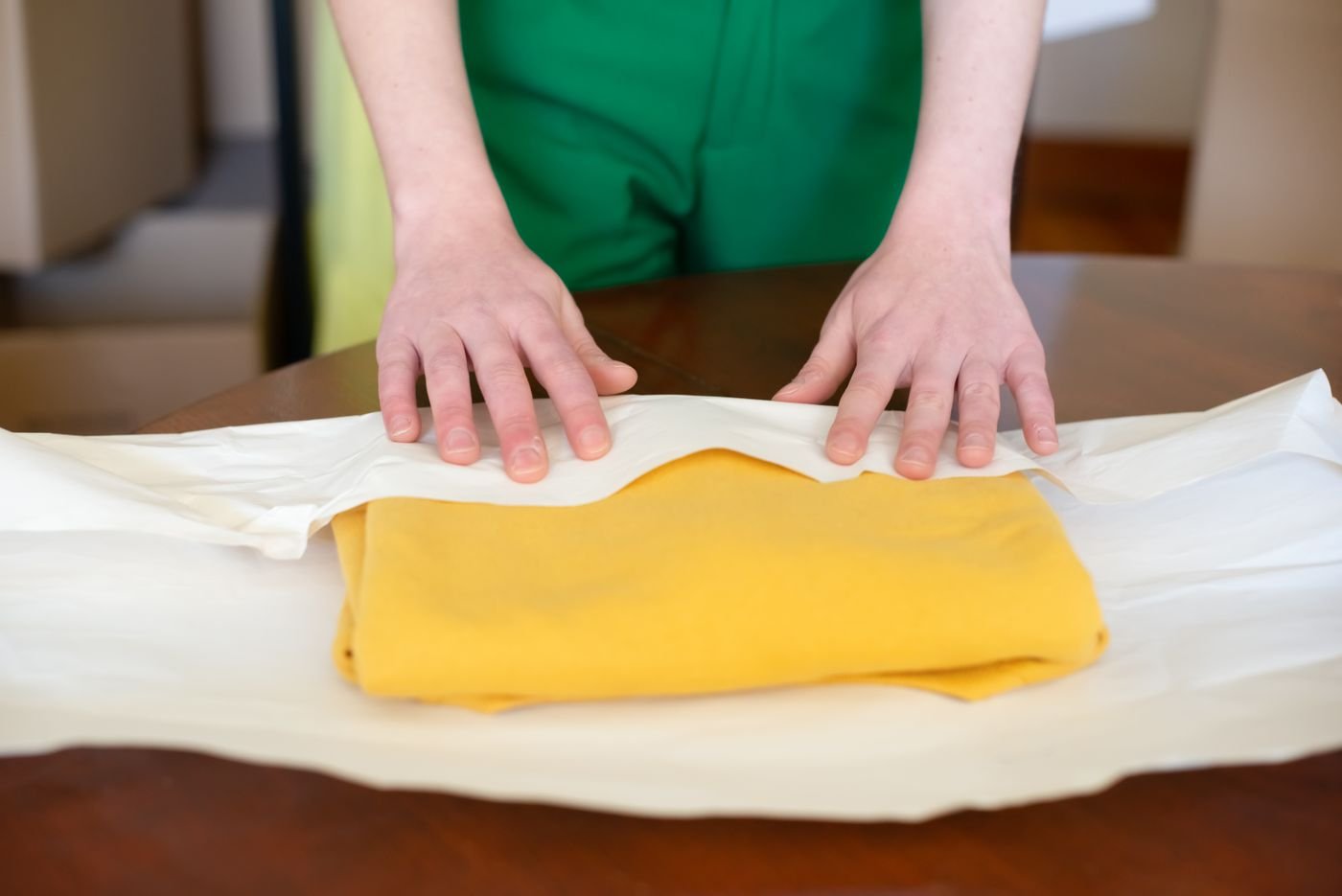
We review your tech pack, sketch, reference sample, wearer requirements, pocket layout, closures, materials, colors, and branding details to identify development questions before pattern work and quotation.
Pattern Development
View details
Patterns are developed or adapted around the approved ranger uniform fit and garment structure, creating a controlled basis for sample evaluation, size grading, and later repeat-order reference.
Size Grading
View details
After measurement specifications are confirmed, the approved pattern can be graded across your requested size range, helping sourcing teams review fit consistency before bulk cutting begins.
Precision Sewing
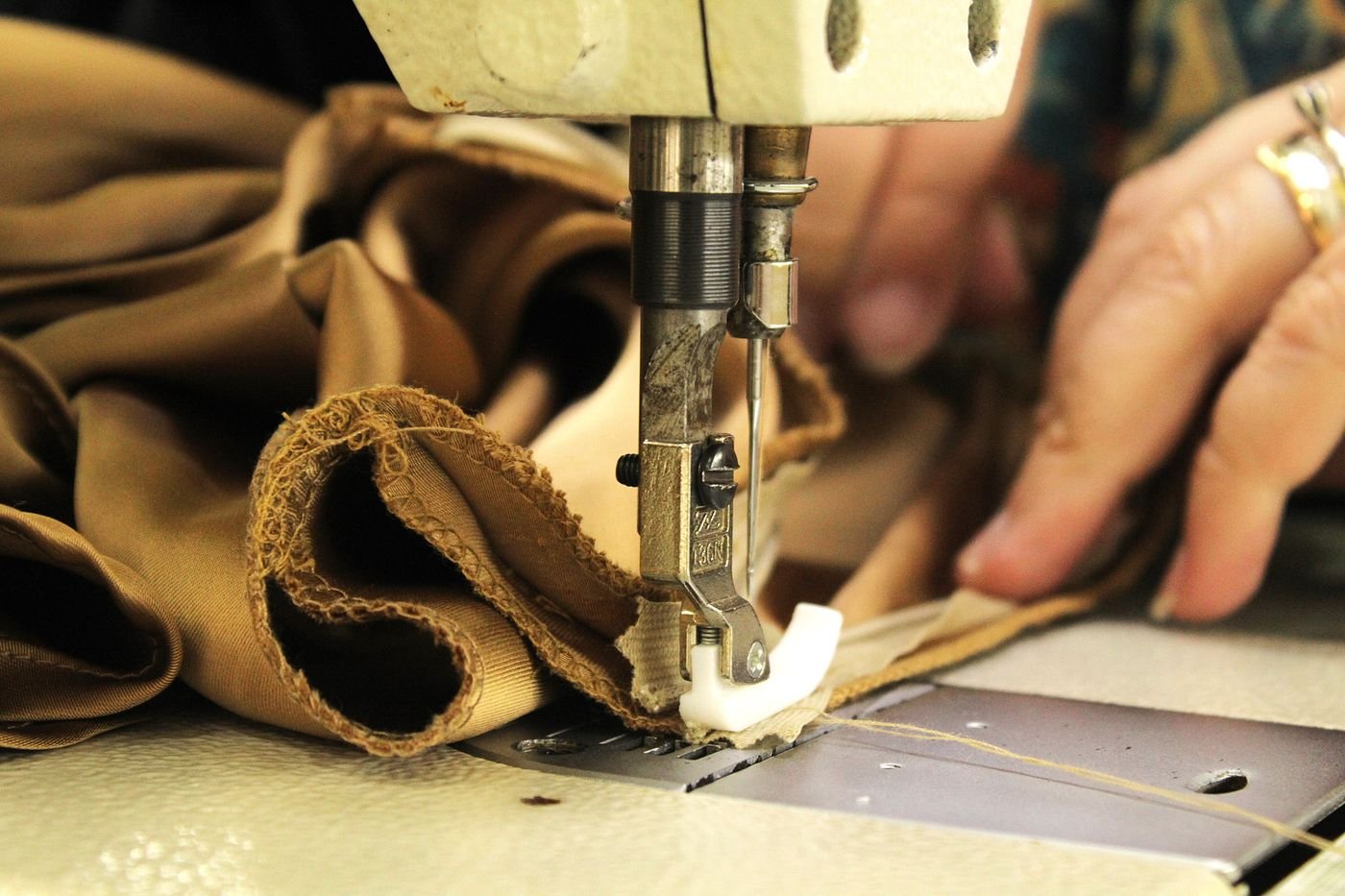
Cut panels move through sewing operations matched to the approved construction. Options such as bartacks, reinforced areas, triple stitching, or gussets are reviewed as project-specific requirements, not default specifications.
Branding Finishing
Embroidery, screen printing, heat transfer, patches, woven labels, care labels, and custom packaging can be coordinated to your approved artwork and finishing plan for custom ranger uniforms.
Quality Inspection

Quality checks compare materials, construction, decoration, labeling, and packing against the approved production reference, while any requested performance or certification evidence remains subject to SKU and market requirements.
Ranger Uniforms Manufacturer: Trims and Branding Options
Explore labels, trims and packaging
Pocket Systems
Specify chest, cargo, sleeve, or internal pocket layouts for the garment panels where tools or documents need access. Pocket dimensions, flap style, closures, and placement are reviewed against the intended ranger uniform design.
Closure Choices
Choose zipper, button, snap, hook-and-loop, or adjustable closure options for fronts, cuffs, collars, and pocket flaps. We review the selected closure with the fabric, garment construction, and wearer-use requirements before sampling.
Reinforcement Zones
Identify high-wear areas such as knees, elbows, pocket openings, seams, and stress points for reinforcement review. Bartacks, extra layers, gussets, and stitching approaches can be considered as part of the approved construction specification.
Reflective Placement
Submit proposed reflective tape locations for sleeves, torso, legs, or outerwear panels when visual identification is required. Placement, width, garment compatibility, and any performance documentation needs are reviewed at SKU and market level.
Branding and Packaging
View detailsAdd patches, embroidery, screen printing, heat transfers, woven labels, care labels, and custom packaging to your private-label brief. Share artwork, label content, packing needs, and carton marks so each option can be quoted accurately.
Veelianpro: Ranger Uniforms Manufacturer
Veelianpro is a Wuhan-based custom workwear manufacturer serving sourcing teams, apparel brands, and uniform distributors. As a ranger uniforms manufacturer, we develop made-to-order garments for industrial, safety, hospitality, and service applications through OEM, ODM, private-label, and wholesale programs.
Bring a tech pack, sketch, sample, or product idea, and we can support fabric and trim sourcing, pattern development, sampling, size grading, cutting, sewing, reinforcement, decoration, finishing, inspection, packing, and export coordination. Each ranger uniform program is reviewed around its intended work setting, materials, construction, branding, and documentation needs.
Our approach is specification-led: confirm pocket systems, fit, color, labels, packaging, and approval requirements before bulk production. Projects can start from 100 pieces per style and color, subject to fabric, construction, and evidence requirements. This helps buyers distinguish a dedicated ranger uniform brief, sample, and quotation from a broader workwear program.

Ranger Uniforms, Ready for Production
Specification Development
We turn your tech pack, sketch, reference sample, or product idea into a production-focused ranger uniform brief. Define wearer duties, fit direction, size range, pocket layout, closures, reinforcement areas, and branding placement before sampling begins.
- Review garment type, work setting, fit measurements, and grading requirements
- Set pocket systems, gussets, bartacks, reinforced areas, and stitching choices for feasibility
- Separate requested protective or performance documentation for SKU and destination-market review

Materials and Trim Review
Select materials and components around the job, appearance, care needs, and procurement requirements. We can source fabric and trims for review, then align approved colors, hand feel, composition, closures, tape, and hardware with the ranger uniform specification.
- Discuss woven or knit fabric options, weight, composition, and color requirements
- Specify zippers, buttons, snaps, elastic, webbing, reflective tape, and pocket components
- Request relevant material, test, or chain-of-custody documentation where your program requires it

Sample-Led Approval
A physical sample gives your team a practical checkpoint before bulk production. Review fit, construction, material selections, component placement, and decoration execution against the approved brief, then record revisions so the final specification is clear for production.
- Confirm measurement points, size grading, and wearer movement requirements
- Review seam construction, pocket placement, closures, and finish details on the sample
- Lock approved changes into the production reference before order confirmation

Private-Label Finishing
Build a finished ranger uniform program under your label with decoration and packing details planned alongside the garment. OEM, ODM, and private-label buyers can review embroidery, printing, patches, labels, care content, and custom packaging for the approved design.
- Choose embroidery, screen printing, heat transfer, patches, or woven branding for review
- Provide logo artwork, label content, care instructions, and packaging requirements
- Start from 100 pieces per style and color, subject to fabric, construction, and evidence requirements

Ranger Uniforms Manufacturer: Made-to-Order vs. In-Stock Decoration
Compare a custom ranger uniform program with an in-stock garment-plus-decoration route before requesting a quote.
← Swipe left or right to view →
Ranger Uniforms Manufacturer Process
A controlled development path for custom ranger uniforms, with approval points that help sourcing teams move from requirements to repeatable bulk production.
Inquiry and Feasibility Review
Share the duty setting, garment type, quantity, destination, branding, materials, and any documentation needs. We review feasibility before defining the development route.
Specification and Tech Pack
We refine your tech pack, sketch, sample, or product idea into approved measurements, pocket layout, construction details, size range, colors, and branding placements.
Material and Trim Selection
Fabric, reinforcement, closures, labels, reflective details, and packaging options are reviewed against the brief. Requested performance or certification evidence is scoped by SKU and market.
Sample Development and Approval
A physical sample is developed for review of fit, construction, materials, color, decoration, and finish. Buyer feedback is incorporated before the production specification is locked.
Quotation and Bulk Production
After specifications are confirmed, we issue a project quotation and proceed with approved order details. Starting quantities are from 100 pieces per style and color, subject to feasibility.
Inspection, Shipment, and Reorders
Completed garments receive quality checks, packing follows approved requirements, and export coordination is arranged. Retained specifications and approval references support future ranger uniform reorders.
Work With Veelianpro
Move from a ranger uniform brief to a documented, made-to-order program with clear feasibility, sample, order, and delivery coordination.
Submit Your Brief
Send garment type, duty setting, fabric preferences, size range, colors, branding method, target quantity, destination, timeline, and any required market-specific documentation for review.
Review Feasibility and Quote
We review your ranger uniform requirements, proposed materials, construction, trims, decoration, and conditional starting quantity of 100 pieces per style and color.
Approve Sample Records
Review the developed sample, measurement specifications, material submissions, artwork, labels, care content, packaging, and any requested evidence before confirming the production reference.
Confirm Your Order
Confirm the approved specification, quantities, color breakdown, commercial terms, inspection expectations, carton markings, and export details so your order can be scheduled accurately.
Coordinate Production and Delivery
We coordinate production checks, packing, export preparation, and shipment planning against the approved records, while retaining the reference details needed for future reorder discussions.
Standards and Audit References


Ranger Uniforms Manufacturer Procurement Scenarios
Illustrative scenario
Apparel Buyer
A uniform distributor needs a private-label field shirt range. The brief changes from a standard pocket layout to buyer-defined utility pockets and reinforcement zones. Approval requires the finalized tech pack, fabric and trim selections, artwork, measurement chart, and physical sample.
Illustrative scenario
Sourcing Manager
An apparel brand is developing custom ranger uniforms for a new program. The proposed change adds its own color blocking, woven labels, and care-content requirements. Approval requires color references, label artwork, packaging instructions, graded size specifications, and a sample signed off against the production brief.
Illustrative scenario
Production Planner
A sourcing team needs a ranger outer layer for a defined duty setting. The brief changes the shell, closure, and weather-protection design target for feasibility review. Approval requires intended-use details, material submissions, trim choices, required market documentation, and a physical sample before production planning.
Ranger Uniforms Manufacturer FAQ
Practical answers for brands, distributors, and sourcing teams planning a custom ranger uniform program with Veelianpro.
What is the minimum order for custom ranger uniforms?
Should we choose made-to-order ranger uniforms or decorate in-stock garments?
What should we send for a ranger uniforms manufacturer quote?
Can Veelianpro develop a ranger uniform sample before bulk production?
Which materials and trims can be considered for custom ranger uniforms?
How do we handle waterproof, UV, recycled, organic, or protective-clothing requirements?
What payment and shipping support is available for a bulk ranger uniform order?
How can we keep ranger uniform reorders consistent?
Ranger Uniforms Manufacturer: A Complete Buyer’s Guide
Compare made-to-order development with in-stock decoration, define supplier review criteria, and avoid specification, sample, documentation, and reorder mistakes before placing a bulk ranger uniform order.
1. What Is a Ranger Uniforms Manufacturer?
A ranger uniforms manufacturer develops a bulk garment program around a buyer’s intended wearer, duty setting, measurements, materials, components, branding, and approval records. For OEM or private-label work, the garment can be built from a tech pack, sketch, reference sample, or product brief rather than selected unchanged from a catalog.
That route differs from buying an in-stock shirt, trouser, jacket, or vest and adding a logo. Decoration can identify an existing garment, while made-to-order development allows the buyer to define the pattern, pocket layout, closures, reinforcements, size grading, labels, packaging, and feasible fabric or trim choices; each requested feature still requires review.
For sourcing teams, Veelianpro is a ranger uniforms manufacturer option for OEM, ODM, private-label, and wholesale development. Submit the intended use, measurements, color, quantity, branding, destination, and any required documentation; production should follow the approved specification and physical sample. Starting quantities are from 100 pieces per style and color, subject to fabric, construction, and evidence requirements.
The approved sample is the practical production reference because it connects the written bill of materials and measurement details with the buyer’s accepted fit, finish, and branding placement. Keep its revision record, artwork files, label copy, and packing instructions with the purchase order so a distributor’s repeat order is matched to the approved program, not to an informal visual reference.
2. Ranger Uniforms Manufacturer Development Scope
A ranger uniforms manufacturer development brief turns field-use requirements into an approved production reference. Veelianpro can begin from a tech pack, sketch, reference sample, or product idea, then review feasibility before sampling.
Start With The Brief
Identify wearer roles, duty environment, size range, color direction, target quantity, destination, and branding method. Include required pockets, closures, reinforced areas, and fit preferences so the team can distinguish a development request from a logo application.
If UV, waterproof, recycled, organic, or PPE evidence is required, name the applicable market and documentation needed for the proposed SKU.
- Tech pack, sketch, or reference garment
- Measurement points and size-grade intent
- Artwork and placement files
- Destination-market evidence requirements
Review Materials And Components

Fabric and trim submissions should be reviewed together because a shell fabric, zipper, pocket construction, label, and decoration method affect the finished specification. Options to specify for review include woven fabric, knit fabric, reflective tape, hook-and-loop closures, zippers, patches, woven labels, and care labels.
Approve color and branding samples against the intended garment, not a screen image alone.
Approve The Physical Sample
A physical sample gives the buyer a single object for checking fit, measurements, pocket access, trim placement, decoration, labels, and overall construction. Record revisions in writing before the next sample or production approval.
The starting MOQ is from 100 pieces per style and color, subject to fabric, construction, and evidence requirements.
Lock The Bulk Reference
After approval, retain the signed sample, measurement specification, bill of materials, artwork files, color references, label and packaging layouts, carton marks, and inspection criteria. These records let a repeat order be quoted against the approved reference rather than an informal recollection.
Any material, construction, artwork, size range, or evidence change should be reviewed as a new revision before bulk ordering.
3. Ranger Uniform Types and Program Paths
A ranger uniform program works best when each garment answers a distinct duty requirement, rather than forcing one layer to cover every climate and carrying task. Separate styles only when their approval criteria or procurement purpose differ.
Ranger Shirt
Field shirts suit warm or variable-duty shifts where reach, ventilation preferences, and visible identification matter.
Specify sleeve route, pocket access, collar preference, size range, and the branding location for feasibility review.
Ranger Trouser
Ranger trousers should follow mobility and carrying needs, including crouching, walking, equipment access, and belt compatibility.
Review rise, leg shape, pocket layout, reinforcement locations, closure choice, and wearer measurements before the sample route.
Jacket Or Overshirt
An overshirt or jacket becomes a separate style when the duty layer needs different coverage, storage, or seasonal use than the base shirt.
Choose the route after defining whether it must fit over another garment and where insignia remains visible.
Outer Layer
Outer layers deserve their own brief when weather exposure, layering space, or removable identification changes the garment task.
Any waterproof, thermal, UV, or protective requirement needs SKU- and market-specific evidence review, not assumption from a photo.
Coordinated Program
A coordinated program links shirt, trouser, and outer-layer colors, fit blocks, labels, and decoration placements without making every piece identical.
For made-to-order development, Veelianpro starts from 100 pieces per style and color, subject to fabric, construction, and evidence requirements.
4. Materials for Ranger Uniform Development
Material selection starts with the duty setting, color standard, target hand feel, and care route—not a presumed performance claim. For each ranger uniform specification, submit the intended fiber family, fabric weight, and abrasion expectation for feasibility review.
| Material family | Briefing focus | Care or evidence check |
|---|---|---|
| Cotton-rich woven | Natural hand, color, weight | State wash route |
| Polyester-cotton blend | Hand and easier-care target | Confirm composition |
| Nylon-cotton blend | Abrasion expectation | Review sample |
| Polyester woven | Color and drying preference | Review construction |
| Stretch woven or lining | Movement or layer role | Request claim evidence if needed |
Specify The Base Fabric
Cotton-rich woven can prioritize a natural hand; polyester-cotton blends can be reviewed where easier-care behavior is desired. Nylon-cotton and polyester wovens are alternatives when the brief calls for a different balance of hand, drying route, and abrasion expectation.
- Name the fiber composition target
- State fabric weight and color standard
- Describe expected abrasion exposure
- Identify home or industrial care route
Compare Material Families
These are specification families for review, not confirmed ranger-uniform SKUs or performance promises. Confirm the selected construction against the approved sample and destination-market requirements.
Document Optional Claims
Stretch-woven construction and lining choices should identify the intended movement, warmth, or layering role. Where recycled, organic, UV, waterproof, or other test claims matter, request the applicable SKU-level, colorway-level, and market-specific evidence before copy or purchase approval.
- Match evidence to the finished SKU
- Confirm the destination market
- Retain submitted test scope
- Do not infer claims from photos
5. Ranger Uniform Customization and Branding
A ranger uniform becomes program-specific through visible identifiers and duty-oriented details, not a logo alone. Submit color blocking, pocket access, closure choice, belt loops, epaulets, and identification placement together so the sample reflects the intended use.
| Choice | What To Approve | Procurement Effect |
|---|---|---|
| Color and contrast panels | Color references and panel map | Keeps team identification consistent |
| Identification placement | Location and decoration artwork | Avoids conflicts with pockets or seams |
| Labels and hangtags | Content, size, and attachment method | Supports retail or distributor handling |
| Carton marks | SKU, size breakdown, and destination text | Improves warehouse receiving accuracy |
Specify Functional Details
Pocket layout affects field access and silhouette: identify pocket type, location, flap preference, and intended contents. Submit zipper, button, or snap closure options; belt-loop width; epaulet requirement; and contrast-panel locations for feasibility review.
- Cargo or utility pocket layout
- Zipper, button, or snap closure
- Belt loops and epaulets
- Contrast panels and identification zones
Separate Artwork Approvals

Artwork approval confirms the supplied logo file, placement, scale, colors, and decoration method. Construction approval separately confirms the garment pattern, pocket layout, closures, trims, and measurement specification; approving one should not be treated as approval of the other.
- Embroidery for defined logo areas
- Screen printing for submitted artwork
- Heat transfer for specified markings
- Patches for removable identification
Plan Packing And Reorders
Branding can extend to woven labels, size labels, care-content labels, hangtags, individual packaging, and carton marks. Provide destination-market care-content requirements, SKU references, folding instructions, barcode needs, and carton-mark text before quotation so the approved records can support later reorders.
6. Construction and Approval Controls
Construction controls turn a ranger-uniform concept into a repeatable cutting and sewing reference. Lock the approved sample and its records before bulk production so later changes do not migrate unnoticed into a reorder.
Lock Fit And Grading

Approve key garment measurements, ease preferences, sleeve and trouser lengths, and the full size-grade rules—not only one sample size.
Hypothetical example: a buyer signs off a medium sample, then records the agreed grade increments and measurement points for every requested size. That record makes a later size-set review comparable rather than subjective.
- Measurement-point diagram
- Approved size chart
- Grade rule by size
- Fit comments with revision date
Specify Functional Construction
Map seam types, bartack or reinforcement locations, pocket capacity and access, closure type, cuff adjustment, and any gusset or knee treatment to the intended ranger task. A pocket that looks correct can still fail the brief if its opening, closure, or placement interferes with equipment.
- Pocket location and intended contents
- Closure and puller selection
- Reinforcement locations
- Label and care-label placement
Control Bulk Against References
The physical approved sample, bill of materials, final artwork file, and dated revision log should form one production pack. Include decoration position, scale, colors, label placement, and inspection checkpoints for cutting, sewing, decoration, finishing, and packing.
During inspection, compare workmanship and components with the signed reference rather than a verbal recollection. Retaining that pack with the purchase order helps prevent artwork, trim, fit, or placement drift on reorders.
- Signed sample reference
- Approved bill of materials
- Production-ready artwork file
- Dated revision record
- Inspection checkpoint list
7. Choosing a Ranger Uniforms Manufacturer
Choose a ranger uniforms manufacturer by tracing who controls development from brief through reorder. The useful comparison is not factory versus trader alone, but whether the chosen route can preserve the approved specification.
| Criterion | Made-To-Order Development | In-Stock Decorate Route |
|---|---|---|
| Fit and structure | Buyer-approved pattern and garment specification | Existing garment fit and construction |
| Materials and trims | Specified for feasibility and approval | Limited to the selected stocked garment |
| Branding workflow | Integrated before bulk production | Applied to the chosen finished garment |
| Sample route | Development sample validates the specification | Decoration or placement approval validates the application |
| Labels and packing | Can be specified for review | Confirm available labeling and packing options |
| Evidence handling | Request SKU- and market-specific documentation | Verify whether evidence applies to the selected garment |
| Reorder reference | Retain approved sample and controlled records | Retain garment identifier and approved decoration files |
Confirm Development Ownership
Ask who will review the tech pack, source fabric and trims, develop the pattern, and hold the approved production reference. Veelianpro can begin from a tech pack, sketch, sample, or product idea.
Submit duty setting, size range, colors, pocket layout, closures, branding, destination, and target quantity for feasibility review. Starting MOQ is from 100 pieces per style and color, subject to fabric, construction, and evidence requirements.
Control Samples And Records
Use a physical sample to approve fit, materials, decoration placement, labels, care content, packing method, and carton marks before bulk authorization. Record revision dates and approved artwork with the sample.
For UV, recycled, organic, waterproof, PPE, or other claims, request evidence for the exact SKU and destination market. Define inspection points and acceptance criteria in the purchase order rather than assuming a universal standard.
Protect The Reorder Reference
Retain the approved measurement sheet, bill of materials, color references, trim list, decoration files, label artwork, packing instructions, and inspection record. These files let a distributor identify what must remain unchanged and what requires a new approval.
8. Ranger Uniform Procurement Mistakes
A ranger uniform reference photo can set direction, but it cannot lock a production specification. Before quotation, separate buyer approvals from items that still require feasibility review.
Reference Photos Need Specs
A photo rarely shows fabric composition, pocket dimensions, closure type, reinforcement, or color standard. Translate it into a measurement sheet, bill of materials, artwork file, and placement notes.
Include wearer roles, body measurements, fit preference, size range, and duty environment; otherwise a sample may resolve the wrong problem.
Control Changes And Evidence
Do not switch fabric, trim, and decoration together after approval; the resulting variance cannot be traced. Submit one controlled change request identifying the affected sample, artwork version, and approval owner.
Requested recycled, UV, waterproof, or PPE evidence must be reviewed for the exact SKU and destination market. A material claim or photo does not automatically cover the finished ranger uniform.
Packaging And Reorder Records
Approved garments can still arrive unusable if folding, polybag, label, care-content, barcode, carton marks, or assortments are unspecified. Approve a packing instruction alongside the garment sample.
Archive the signed sample reference, measurement chart, bill of materials, artwork, label files, packaging layout, and revision log for reorders.
Illustrative Procurement Scenarios
These examples show approval decisions, not customer outcomes.
- Illustrative: A distributor sourcing cargo trousers replaces a photo-only brief with wearer data and approves a measured sample.
- Illustrative: A brand team developing overshirts changes fabric and sleeve patch separately, then approves each revision.
- Illustrative: A sourcing manager specifies carton marks and retains sample records before approving a repeat order.
9. Launching a Bulk Ranger Uniform Program
A bulk ranger uniform program moves cleanly when each approval answers a different production question. Start with the wearer’s duty setting and quantity, then convert the approved sample into a controlled bulk reference.
Build The Development Brief
State the intended use, destination, quantity by style and color, target delivery window, and whether the route is made-to-order or in-stock decoration. Veelianpro can begin feasibility review from a tech pack, sketch, reference garment, or product idea.
Submit wearer measurements, size range, fit preference, pocket layout, closures, colors, and branding files. Identify fabric, trim, care-label, packaging, carton-marking, and any requested SKU- and market-level documentation for review.
- Wearer role and duty environment
- Quantity by style, color, and size
- Reference garment or construction drawing
- Required evidence and destination market
Quote And Approve Records
Request a feasibility review and quote after the brief is complete. The conditional starting MOQ is 100 pieces per style and color, subject to fabric, construction, and evidence requirements.
Approve material submissions, artwork placement, measurement specifications, and the physical sample as separate records. Sample approval confirms the submitted development reference; bulk authorization occurs only when the purchase order and final production records are confirmed.
Release And Protect Reorders
Issue the purchase order with the approved style code, quantity breakdown, shipping details, and agreed records attached. Keep changes after authorization in writing so revised artwork, labels, or components do not silently replace the approved version.
Preserve the approved sample, measurement chart, bill of materials, decoration file, label copy, packaging instructions, and inspection points. These records give a reorder a defined reference instead of relying on memory or photographs.
10. Ranger Uniform Costs and Quote Inclusions
A ranger uniform quote changes when a brief moves from a standard shirt-and-trouser concept to a developed program with custom patterns, pocket layout, reinforcements, size grading, and controlled branding. Ask for each development and production element to be named separately so comparable quotations use the same approved brief.
Veelianpro starts feasibility review from 100 pieces per style and color, subject to the selected fabric, construction, and any evidence requirements. The quote should identify what is included, what remains pending sample approval, and which buyer-supplied files or market requirements can change the scope.
For protection, recycled content, UV, waterproofing, or other claimed attributes, request the applicable SKU-, material-, and destination-market evidence as a separately identified requirement. A photo, fabric description, or sample alone is not documentation for a performance claim.
| Cost driver | What changes cost | Quote must specify |
|---|---|---|
| Development scope | New pattern work, measurement chart, grading, and revisions | Included development tasks, revision assumptions, and approval reference |
| Materials and components | Fabric composition, color route, closures, pocket system, reinforcement, and reflective trim options | Material and trim descriptions, substitutions process, and required evidence |
| Decoration and branding | Embroidery, screen print, heat transfer, patches, woven labels, care labels, and packaging | Artwork version, placement, method, colors, label content, and packing format |
| Quantity and size mix | Pieces per style and color, size distribution, and variant count | Quantity by variant and whether the conditional MOQ is feasible |
| Inspection and shipping scope | Quality checks, third-party inspection requests, carton marks, export documents, and freight coordination | Inspection standard or buyer checklist, documents, Incoterm, destination, and freight inclusion |
11. Ranger Uniforms Manufacturer FAQs
These answers separate a custom ranger-uniform development brief from a decorate-ready route. Veelianpro reviews each program against its approved specifications, evidence needs, and production feasibility.
Custom Or Decorate-Ready?
Choose made-to-order when fit, pocket layout, closures, materials, or private-label finishing must differ from an existing garment. Choose an in-stock decoration route only when its available style and sizing already meet the program; confirm logo placement and artwork before release.
What Is The MOQ?
The starting MOQ is from 100 pieces per style and color, conditional on fabric, construction, and required evidence. A feasibility review should identify size breakdown, colorways, decoration method, destination, and whether custom trims change the workable quantity.
What Must Fit Approval Include?
Approve the measurement chart, graded size range, intended fit, pocket positions, closure type, and wearer-use requirements before sampling. A reference garment can help communicate intent, but the approved measurement and construction records control the bulk build.
Which Options Can Be Reviewed?
Submit proposed fabric composition and weight, colors, zippers, buttons, hook-and-loop closures, labels, patches, embroidery, screen print, or heat transfer for review. Availability and suitability depend on the complete brief, rather than a photo or an assumed standard option.
How Are Claims Documented?
Request evidence at the exact SKU and destination-market level for recycled, organic, UV, waterproof, PPE, or other performance claims. Specify the applicable standard, test scope, and certificate requirement during quotation; a proposed material or sample does not establish a claim.
What Supports A Reorder?
Approve material and trim submissions, artwork, labels, packing details, measurement specifications, and the physical sample before bulk production. Retain the approved sample reference, bill of materials, pattern or revision identifier, color standard, size grading, purchase order, and inspection criteria for future reorders.
Start Your Ranger Uniforms Manufacturer Quote
Send your tech pack, sketch, reference sample, garment requirements, branding plan, quantity, destination, and required documentation for a practical feasibility review.