
Packable Windbreakers Manufacturer
As your packable windbreakers manufacturer, Veelianpro develops custom styles from 100 pieces per style and color, subject to fabric, construction, and evidence requirements.
Garment and Development References
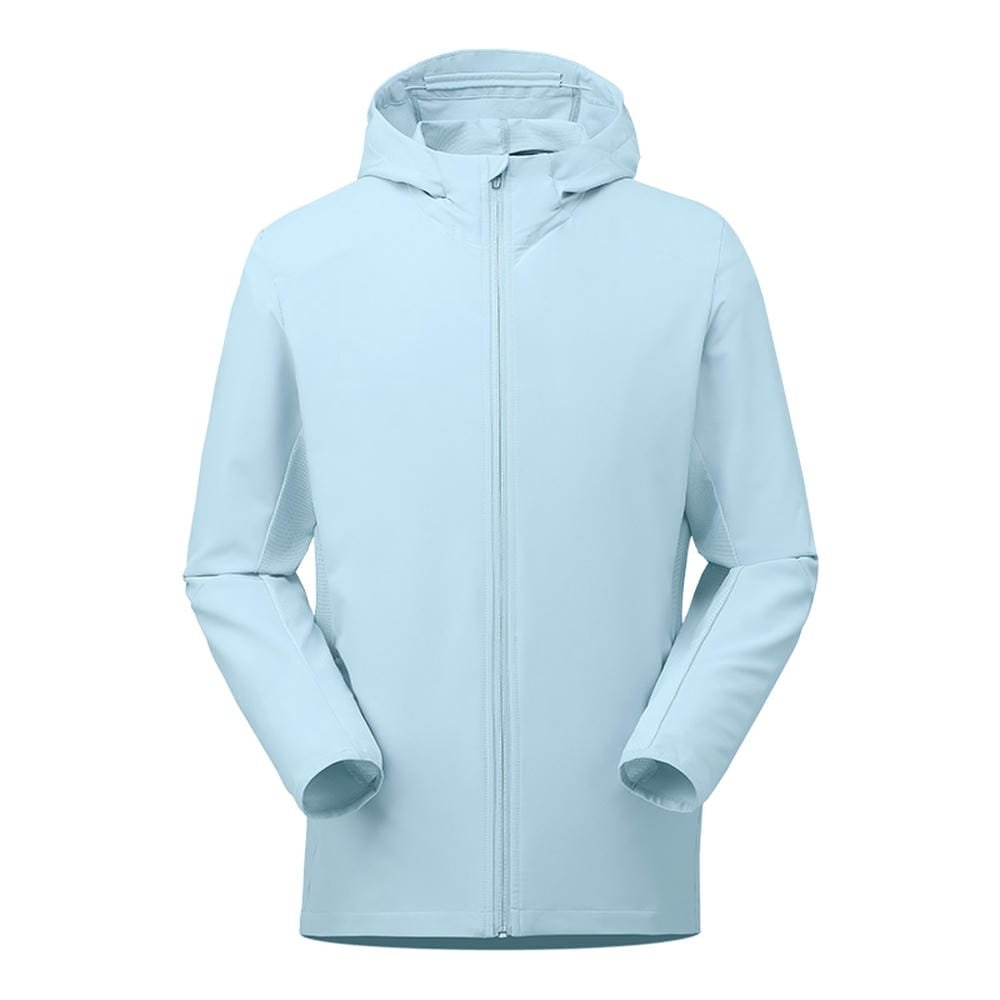


Browse Veelianpro’s Workwear Catalogue
Review current garment references, then send the fit and construction details for your program.


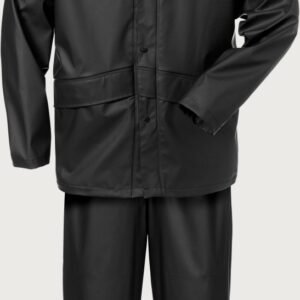


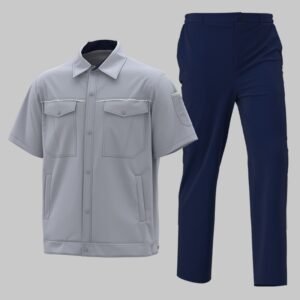

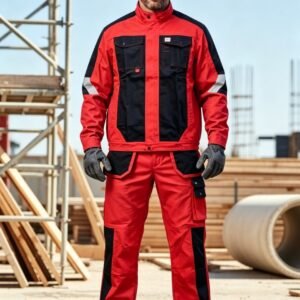
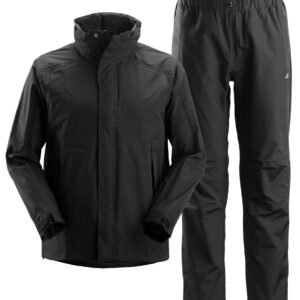
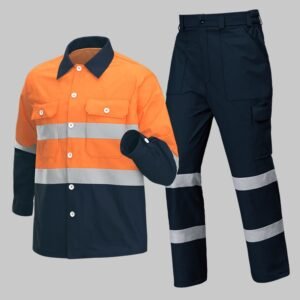

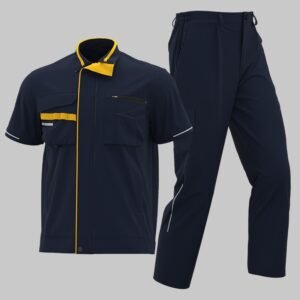
Packable Windbreakers Manufacturer Advantages
Buyer-controlled development from specification review through bulk-production coordination.
Specification Review
We review your pack-away format, fit, hood, pockets, colorways, branding, and destination requirements before development decisions move forward.
Fabric and Trim Sourcing
Specify shell, lining, zipper, cord, elastic, labels, and packaging options for project-specific sourcing and a more complete quotation.
Pattern Development
Our team develops patterns and size grading around your approved measurements, garment structure, and intended packable windbreaker silhouette.
Sample Approval Control
Approve fit, construction, color references, pack-away method, and decoration placement on a sample before confirming bulk production specifications.
Branding Planning
Coordinate embroidery, screen printing, heat transfer, patches, woven labels, care labels, and custom packaging with the garment construction.
Bulk Production Coordination
Starting quantities from 100 pieces per style and color may be feasible after fabric, construction, and documentation requirements are reviewed for your project.
Packable Windbreakers Manufacturer Development Options
Choose what you want to specify before sample approval.
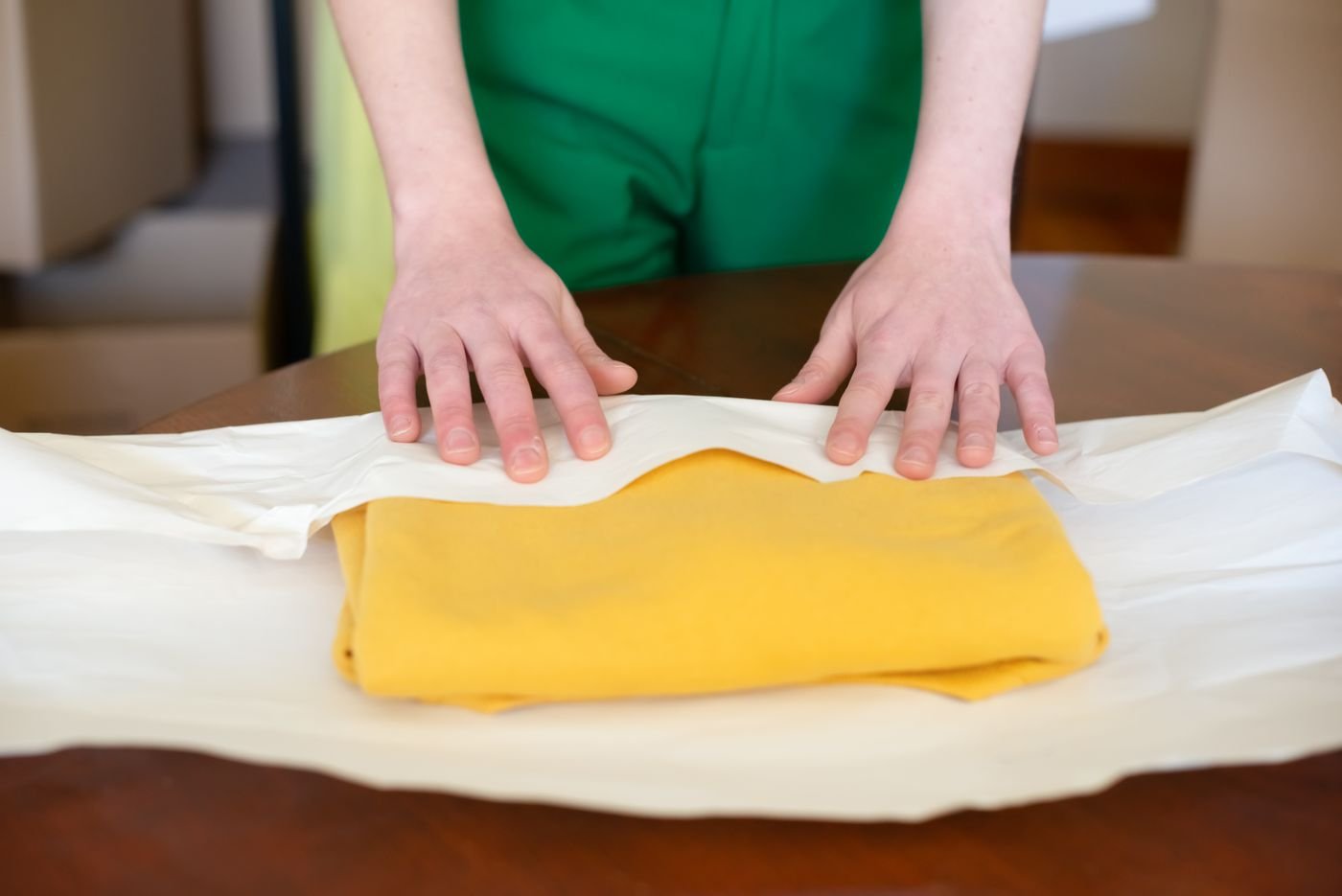
Custom Pack-Away Shells
We develop the specification from your tech pack, sketch or concept, then coordinate fabric and trim sourcing, pattern work, sampling, approval and a project-specific bulk quotation.
Get a Quote
Lightweight Jacket Programs
Specify a made-to-order lightweight jacket route with the garment structure, fabric options, lining approach, labels and artwork approvals needed for a consistent private-label or wholesale program.
Get a Quote
Private-Label Launches
Veelianpro supports OEM, ODM and private-label development with decoration, woven labels, care labels and custom packaging options reviewed against your chosen material, construction and market requirements.
Get a QuoteMaterials for Custom Packable Windbreaker Projects
Explore materials and fabrics
Nylon Shell

A lightweight woven shell option for custom packable windbreakers when a smooth handfeel and compact storage are priorities. Confirm composition, fabric weight, finish, color approval, and any required performance evidence for the specific SKU.
Polyester Shell

A practical woven shell option for color-led uniform, promotional, or everyday outerwear programs. Specify the composition, weave, surface character, recycled-content documentation if requested, and decoration compatibility for feasibility review before sampling.
Ripstop Woven

A grid-structured woven material to consider where the design calls for a technical visual and reinforcement-focused construction. Confirm fiber content, grid scale, coating or finish requirements, packability target, and documentation needs at SKU level.
Mesh Lining

A lining option for projects requiring an added internal layer and a specified wearing feel. Review mesh composition, placement, seam treatment, ventilation layout, and whether the pack-away pocket or pouch must accommodate the finished garment volume.
Taffeta Lining

A smooth woven lining option for buyer review when the garment requires a distinct interior finish. Define fiber composition, lining coverage, color, interaction with shell fabric, and packing method during sample development and specification approval.
Custom Packable Windbreaker Development Processes
Explore printing and finishing
Pattern Development
View details
We translate your tech pack, sketch, sample, or product idea into a production pattern, reviewing silhouette, hood shape, pocket layout, pack-away construction, and specified functional details before sampling.
Size Grading
View details
Approved base measurements can be graded across your requested size range, with fit points and tolerances documented for review. This gives buying teams a clear reference before bulk cutting begins.
Precision Cutting

After fabric and component approvals, cutting follows the confirmed pattern and colorway plan. Panel matching, pocket placement, and identified reinforcement areas are prepared for the selected garment construction.
Sewing and Reinforcement

Our sewing team assembles shells, linings, hoods, pockets, and closures to the approved specification. Buyers may request construction details such as bartacks, reinforced stress areas, gussets, or stitch requirements for review.
Branding Application
Branding can be planned through embroidery, screen printing, heat transfer, patches, woven labels, care labels, and custom packaging. Artwork position and application method should be approved on the sample before production.
Finishing And Inspection

Finished garments are checked against the approved sample and production requirements, then packed to the agreed presentation. We can coordinate export preparation after inspection and packing details are confirmed.
Trims and Pack-Away Choices to Review
Explore labels, trims and packaging
Self-Pocket Packaway
Develop a fold-into-pocket storage route when the garment needs an integrated carry solution. Confirm the pocket location, fold sequence, closure, finished packed shape, and branding position during sample review.
Separate Storage Pouch
Specify a separate pouch when you want the windbreaker packed independently from its pockets. Review pouch dimensions, attachment method, closure type, matching fabric, and whether labels or printed branding belong on the pouch.
Main Zip Closure
Choose the main zipper construction for full-zip styles, including zipper type, puller shape, color, and placement. This choice affects front appearance, daily operation, and the trim approvals needed before bulk production.
Hood Drawcord System

Add a drawcord and cord-lock arrangement where adjustable hood shaping is part of the design brief. Define cord material, exit points, end treatment, and whether the hood packs away or remains exposed.
Elastic Cuff Finish

Select elasticized cuffs for a compact sleeve opening and a streamlined packable profile. Buyers can review elastic width, cuff construction, contrast color, and the relationship between sleeve fit and intended uniform use.
Labels and Patches

Plan woven labels, care labels, patches, or other approved branding components around the shell construction and pack-away route. Confirm artwork, placement, attachment method, and packaging requirements before requesting the final quote.
Veelianpro: Custom Packable Windbreaker Development
Veelianpro is a Wuhan-based custom workwear manufacturer serving industrial, safety, hospitality, and service brands. We bring that development discipline to packable windbreaker projects for apparel brands, sourcing teams, and uniform distributors that need a distinct specification, approved sample, and project-specific quotation rather than a generic parent-page option.
From a tech pack, sketch, sample, or product idea, we coordinate fabric and trim sourcing, pattern development, size grading, sampling, cutting, sewing, decoration, finishing, quality checks, packing, and export coordination. OEM, ODM, and private-label programs can start from 100 pieces per style and color, subject to the selected fabric, construction, and documentation requirements.
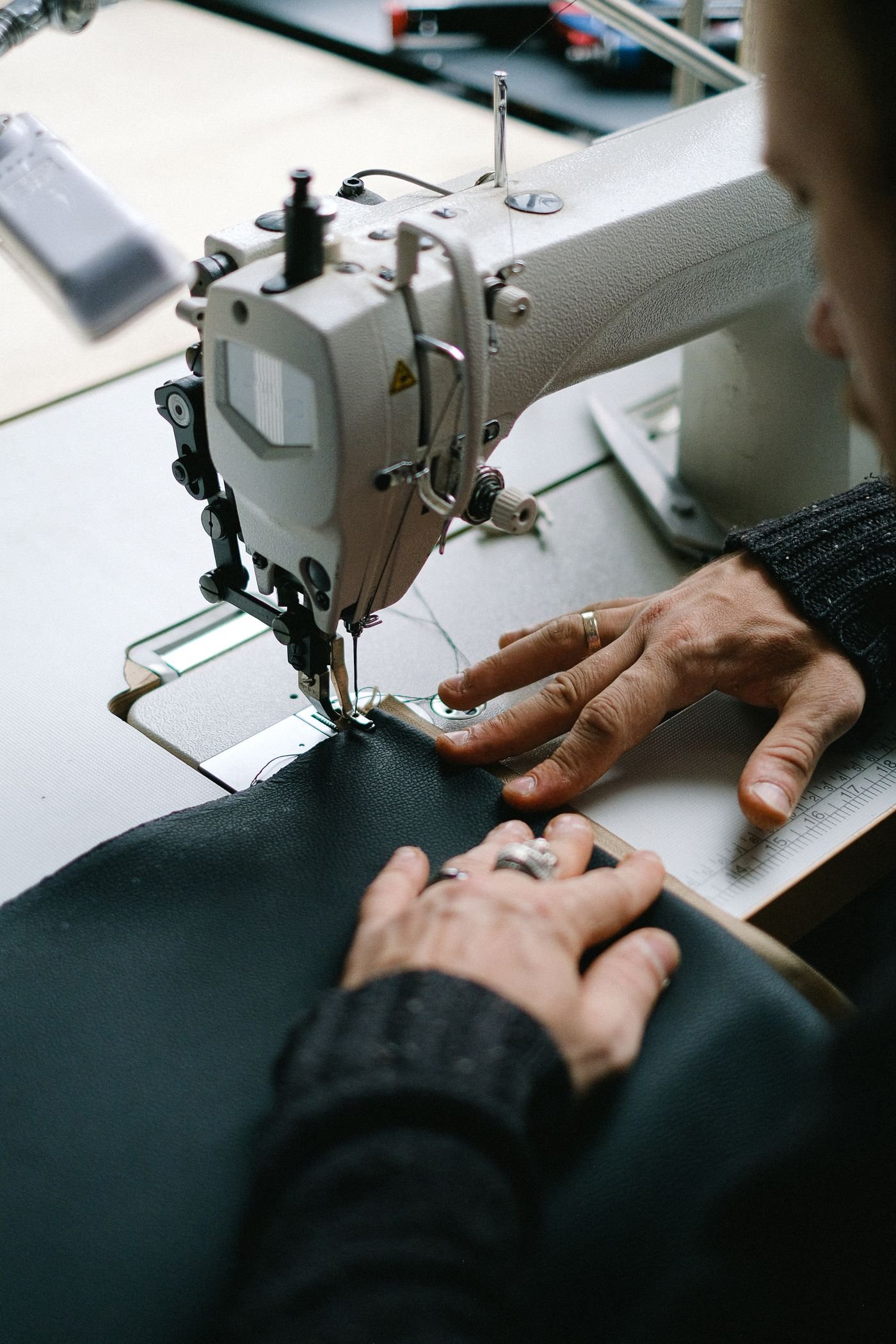
Custom Packable Windbreaker Development Capabilities
Specification Intake That Defines the Pack-Away Format
We turn your tech pack, sketch, reference sample, or product idea into a reviewable brief for custom packable windbreakers. The goal is to align storage method, intended use, fit direction, branding, and approval requirements before development begins.
- Define self-pocket storage, a separate pouch, or another buyer-specified pack-away solution
- Document shell, lining approach, hood, pocket layout, cuffs, hem, and colorway requirements
- Confirm size range, destination market, artwork locations, packaging, and target quantity
- Flag requested performance or documentation needs for SKU-level feasibility review
Fabric and Trim Sourcing for Your Brief
Our team sources materials and components against the approved development direction rather than forcing a standard jacket formula. We can review shell fabrics, lining options, closures, labels, and packaging choices together so the sample reflects the intended commercial specification.
- Review nylon, polyester, ripstop, taffeta, mesh, or other buyer-requested material options
- Coordinate zipper, puller, elastic, cord, toggle, snap, and binding selections
- Plan woven labels, care labels, patches, embroidery, screen printing, or heat transfer workflows
- Request applicable fiber, finish, or test documentation when claims are needed for a defined SKU

Pattern, Fit, and Sample Development
A packable windbreaker depends on more than a folded silhouette. We develop patterns, size grading, and samples around the agreed garment structure, then use the sample review to resolve fit, storage behavior, trim placement, and decoration execution before bulk authorization.
- Develop patterns from approved measurements, sketches, reference garments, or tech packs
- Review body and sleeve proportions, hood shape, pocket access, and pack-away operation
- Check decoration placement against seams, folds, pocket construction, and artwork scale
- Record sample comments and revisions in the approved production specification

Controlled Handover Into Bulk Production
Once the sample and specification are approved, we coordinate cutting, sewing, reinforcement where specified, decoration, finishing, quality checks, packing, and export preparation. Feasibility begins from 100 pieces per style and color, subject to fabric, construction, and evidence requirements.
- Retain approved measurements, color references, artwork files, and trim decisions for order control
- Align bulk packing, labels, carton marks, and destination requirements before production
- Use the approved sample and order specification as the basis for quality checks
- Support reorder planning with the documented specification and approved component references
Packable Windbreakers Manufacturer: Custom Development vs. In-Stock Decoration
Choose the route that matches your fit, pack-away, branding, and approval requirements.
← Swipe left or right to view →
How Custom Packable Windbreaker Development Works
A project-specific route from feasibility review to export coordination, built around the approved pack-away format, materials, branding, and documentation needs.
Feasibility and Specification Review
We review your tech pack, sketch, or product idea, including intended use, pack-away method, quantity split, destination, branding, and any required market documentation.
Materials and Trim Selection
Shell, lining, zipper, hood, pocket, label, and packaging choices are aligned for review. From 100 pieces per style and color is assessed against project requirements.
Pattern Development and Sampling
We develop patterns, size grading, construction details, and a sample route. Fit, packability, colorway, decoration placement, and trim function are checked before approval.
Quotation and Order Confirmation
After the specification is clear, we prepare a project-specific quotation covering approved materials, construction, quantities, packaging, evidence needs, and production requirements for confirmation.
Bulk Production and Inspection
Approved specifications guide cutting, sewing, reinforcement, decoration, finishing, and quality checks. Measurements, workmanship, labels, and packing details are reviewed against the confirmed order requirements.
Packing and Export Coordination
We complete agreed packing, carton marks, and export coordination. Retained approvals, artwork, measurement references, and trim records support clearer repeat-order discussions.
How We Work on Custom Packable Windbreaker Projects
Move from an initial product brief to an approved sample, project-specific quotation, and confirmed production requirements with Veelianpro.
Share Your Brief
Send a tech pack, sketch, reference sample, or product idea with intended use, quantity, destination, target timeline, and preferred pack-away format for our initial review.
Review Feasibility
We review the proposed shell, lining, trims, branding, construction, and requested evidence, then clarify development options and whether the conditional starting MOQ may suit your project.
Approve Your Sample
Review the developed sample against fit, pack-away method, colorway, artwork placement, labels, packaging, and specification details; consolidate changes before requesting a final bulk quotation.
Confirm the Order
Confirm the approved specification, quantity by style and color, destination, documentation needs, and quote terms with your packable windbreakers manufacturer before bulk manufacturing begins.
Standards and Audit References


Packable Windbreakers Manufacturer Project Scenarios
Illustrative scenario
Apparel Buyer
An apparel brand sourcing team submitted a self-pocket windbreaker brief for private-label development. The team requested a revised hood and logo placement. Approval evidence included the finalized tech pack, artwork files, fabric reference, and signed sample comments before quotation.
Illustrative scenario
Sourcing Manager
A uniform distributor needed custom packable windbreakers for a seasonal program with a separate storage pouch. The requested change clarified pouch attachment and label placement. Approval evidence included size grading, color references, trim selections, and an approved pre-production sample.
Illustrative scenario
Production Planner
A private-label buyer compared made-to-order development with decorating an in-stock jacket. The buyer chose a custom shell, pocket layout, and packing method for review. Approval evidence included the quantity split, decoration artwork, packaging requirements, and documented sample approval.
Buyer’s Guide to Custom Packable Windbreakers
Practical answers for brands, uniform distributors, and sourcing teams planning a made-to-order packable outerwear program.
Can Veelianpro develop custom packable windbreakers from our own specification?
Is the 100-piece starting quantity available for every packable windbreaker project?
Should we choose made-to-order development or decorate an in-stock jacket?
Which pack-away construction should we approve before sampling?
What details affect a wholesale packable windbreakers quote?
How do we approve logos, labels, and decoration for a private-label order?
How are our artwork and product details handled during development?
Can a packable windbreakers supplier support recycled, UV, water-resistance, or other performance claims?
What payment and shipping information should we plan for?
Packable Windbreakers Manufacturer Buyer’s Guide
A practical framework for comparing custom development with in-stock decoration, defining specifications, vetting suppliers, approving samples, and avoiding costly packability, branding, documentation, and reorder mistakes.
1. What Is a Packable Windbreakers Manufacturer?
A packable windbreakers manufacturer develops a made-to-order lightweight outerwear style around the buyer’s specification rather than simply adding a logo to a finished jacket. Veelianpro works with apparel brands, sourcing teams, and uniform distributors from a tech pack, sketch, sample, or product idea through fabric and trim review, pattern development, sampling, and bulk-production planning.
The defining decision is the pack-away system and the garment built around it: for example, storage into a self-pocket, a separate pouch, or another specified method. That decision affects the pattern, pocket construction, zipper or closure selection, label placement, packing, and decoration workflow, so it belongs in the development brief before a sample is approved.
This differs from an in-stock-and-decorate route, where the base jacket’s fit, fabric, colors, and construction are already fixed and branding is applied afterward. Made-to-order development allows the buyer to submit the desired fit, colorway, shell or lining direction, hood, pocket layout, trims, labels, and artwork for feasibility review; it does not establish a performance claim without project-specific evidence.
Veelianpro’s starting quantity is from 100 pieces per style and color, subject to the selected fabric, construction, and evidence requirements. A useful quote request identifies the pack-away method, size range, quantity split, destination, branding method, packaging, and any market-specific testing or documentation needed for the proposed SKU.
2. Why Packable Windbreakers Remain Relevant
A packable windbreaker is specified as both an outer layer and a stored object. Travel kits, event handouts, commuter uniforms, and seasonal brand collections can each use that format, but the buyer must define where the garment goes after packing: into its own pocket, a separate pouch, or another approved solution.
That storage choice affects more than appearance. It changes the usable pocket layout, zipper and puller placement, hood volume, internal seam arrangement, folded bulk, and the location that remains available for a logo; a chest print that reads well when worn may be interrupted by a self-pocket construction. A separate pouch can preserve a cleaner jacket body, while adding another component, attachment decision, and branding surface to approve.
For a uniform distributor, the brief may prioritize a recognizable outer layer that stows neatly between shifts; for an apparel brand, it may prioritize silhouette and a controlled pack-away experience; for an event team, compact distribution packaging may lead the decision. These are buyer-selected directions, not inherent performance claims. Send Veelianpro the intended storage method, packed-garment expectation, hood and pocket sketch, artwork placements, size range, quantity split, and destination so feasibility can be reviewed before sampling; projects start from 100 pieces per style and color, subject to fabric, construction, and documentation requirements.
3. Packable Windbreakers Manufacturer: Choose Your Format
Format changes the pattern, closure, storage method, and artwork real estate before it changes the quote. Send Veelianpro a tech pack, reference, or sketch so the route can be reviewed for project feasibility from 100 pieces per style and color.
| Route | Procurement Path | Key Sample Definition |
|---|---|---|
| Full-zip hooded | Custom shell development | Hood, closure, logo zones |
| Half-zip anorak | Custom pullover development | Ease, opening, pocket layout |
| Self-pocket pack-away | Integrated storage development | Fold sequence, packed shape |
| Separate pouch | Two-component development | Pouch attachment and artwork |
Full-Zip Hooded Shells
A full zip supports easy on-off and a front opening that can interrupt center-chest artwork.
Define hood shape, zipper type, pocket layout, hem and cuff adjustment, fit allowance, and decoration zones before sampling.
Half-Zip Anoraks
A half-zip anorak keeps the front visually cleaner but must be pulled over the head, so body ease and neck opening matter.
Specify zipper length, kangaroo or side pockets, hood, ventilation, artwork placement, and pack-away location for review.
Coach-Inspired Jackets
Coach-jacket-inspired formats prioritize a cleaner collar-and-front presentation over hood coverage. Snap or zip closure, lining approach, fit profile, and back-logo scale should be approved together.
Define the intended use and trim package before sampling; this is a custom development route, not an in-stock claim.
Self-Pocket Pack-Away

A self-pocket design stores the garment within its own pocket, reducing loose components but making pocket size, zipper direction, and bulk more consequential.
Approve the folding sequence, packed shape, pocket reinforcement, label visibility, and any decoration affected by the storage pocket.
Separate Pouch And Alternatives
A separate pouch can preserve jacket pocket layout but adds a component to match, label, and inspect. Buyer-specified alternatives may include a detachable pouch or another defined storage solution.
Provide pouch attachment, dimensions, closure, artwork, packing relationship, and colorway rules before the sample is quoted.
4. Packable Windbreakers Manufacturer Material Options
Shell selection sets the folded bulk, surface character, and decoration route before a packable windbreaker reaches sampling. Veelianpro can review buyer-specified woven shells and lining concepts against the intended pack-away construction, artwork, quantity split, and market documentation needs.
| Material Route | Packability And Hand | Print Compatibility | Structure Review | Sourcing Review |
|---|---|---|---|---|
| Nylon woven shell | Potentially compact; often crisp | Approve ink or transfer route on sample | Confirm weave and finish | Composition and finish documentation |
| Polyester woven shell | Review folded bulk and hand | Approve artwork against actual face | Confirm construction and color standard | Fiber and color documentation |
| Ripstop nylon or polyester | Grid texture affects appearance | Test artwork over grid | Confirm grid scale and seam behavior | Construction and claim evidence |
| Taffeta lining | Adds a smooth inner layer | Usually not the exterior decoration face | Check drape and pack-away bulk | Composition and color approval |
| Mesh lining | Adds texture and internal volume | Not normally the exterior print face | Check attachment and snag risk | Fiber and market requirement review |
Choose The Shell Structure
Nylon is a candidate when a smooth, crisp hand is the design target; polyester is another route where the buyer prioritizes its own color and decoration brief. Ripstop describes a grid construction to review, not a performance guarantee.
- Specify fiber composition and fabric construction.
- Approve face appearance with intended artwork.
- Confirm whether pack-away bulk is acceptable.
Compare Lining Approaches

An unlined build minimizes layers. Lightweight taffeta can create a smoother inside surface, while mesh may suit a buyer-requested airier interior; each changes drape, seam handling, and the packed result.
Document Optional Claims
Recycled-content, UV-related, water-repellent, or other claim language belongs in the specification only with the required SKU-, material-, and destination-market evidence. Request fiber documentation, applicable test reports, and chain-of-custody records where the claim requires them; a fabric photo is not proof.
5. Customization, Branding, and Pack-Away Details
Customization begins with the wearer’s movement, the folded form, and the brand mark—not a logo added after construction. Submit a fit block, grading rules, colorway map, panel seams, and intended pack-away method together for feasibility review.
| Technique Option | Best Review Area | Pack-Away Consideration |
|---|---|---|
| Screen print | Broad, flatter panel | Check folding pressure and finish compatibility |
| Heat transfer | Small or detailed mark | Test adhesion on selected shell |
| Embroidery or patch | Chest or sleeve zone | Assess bulk and pocket interference |
| Woven label | Hem or inside neck | Approve fold, stitch, and care-label sequence |
Fit, Panels, And Storage

State the base fit, size range, layering allowance, sleeve and body-length intent, then provide grading rules or buyer measurements. A self-pocket can place a seam or zipper near a proposed logo; a separate pouch keeps the shell cleaner but creates another branded component.
Color blocking, hood adjustments, elastic cuffs, drawcords, zipper pulls, and ventilation are options to specify in the sample brief. Confirm how the garment folds before finalizing pocket placement, panel edges, and hangtag position.
Decoration Placement Review
Lightweight shell faces can react differently to heat, needle penetration, adhesive patches, and print curing. Review artwork at actual placement size on the selected shell and on a folded sample, especially for chest, back, sleeve, hood, and pocket areas.
Embroidery, screen printing, heat transfer, patches, woven labels, care labels, and custom packaging are available routes for feasibility review. Avoid placing bulky decoration where it prevents smooth packing or creates pressure marks.
Approval Package For Branding
Send editable artwork, color references, placement diagrams, label copy, packaging requirements, and a trim list with the tech pack. Veelianpro can review fabric and trim sourcing, pattern development, sampling, decoration, packing, and export coordination against the approved brief.
For made-to-order development, the starting quantity is from 100 pieces per style and color, subject to fabric, construction, and evidence requirements. Retain the approved sample, artwork version, label files, and trim approvals for repeat-order control.
6. Construction Checks Before Bulk Approval
A bulk windbreaker can match the tech pack yet fail in use when pattern balance, closures, or its pack-away route were not proven on the approved sample. Catch the mechanism behind each defect before production, then record the accepted condition clearly.
| Control Point | Failure Cause | Approval Record |
|---|---|---|
| Mobility | Unresolved pattern balance | Movement review and measurement chart |
| Pack-away | Pocket or label interference | Packed and unpacked sample |
| Decoration | Method unsuitable for placement | Finished branded sample |
| Final inspection | Comparison made without reference | Retained approved sample and signed specification |
Fit, Mobility, And Shape
A sleeve that lifts the hem during reach, a hood that falls into the wearer’s sightline, or mismatched panel seams usually signals an unresolved pattern or sewing sequence. Review the sample in intended movement and request pattern or assembly correction before approval.
Confirm the buyer’s measurement chart, grading rules, and permitted tolerances. Check shoulder balance, sleeve rotation, hood opening and adjusters, plus cuff and hem elastic recovery after repeated handling.
- Compare key points to the approved measurement chart
- Wear-test reach, bend, and zipper access
- Inspect seam direction and panel alignment
Closures, Pockets, And Pack-Away
A zipper can look acceptable flat but snag at a curved pocket edge; a self-pocket can become difficult to invert when its opening or label catches. Test opening, closing, pocket access, and the full stow-and-release sequence on the actual sample.
Specify the intended route—self-pocket, separate pouch, or another reviewed solution—and approve how the packed garment closes, carries, and reopens. Confirm that pocket bags and zipper pulls do not distort the shell when packed.
- Run zipper pulls through their full travel
- Pack and unpack without forcing seams
- Verify pocket opening and pouch attachment
Branding And Final Sample Control
Decoration can pucker lightweight shell material, bridge seams, or disappear when a garment is folded; labels can rub the neck or obstruct the pack-away pocket. Approve the decoration method, placement artwork, label position, and a finished sample together.
At final inspection, compare garments against the retained approved sample and signed specification, not memory. Separate defects requiring correction from acceptable variation, including measurement tolerance and color-reference decisions.
- Check artwork across seams and curved areas
- Confirm care, size, and brand label placement
- Retain an approved sample for reorders
7. Selecting a Packable Windbreakers Manufacturer
A capable packable windbreakers manufacturer converts the brief into controlled approvals, rather than treating a lightweight shell as a simple logo garment. Veelianpro reviews feasibility from the tech pack, sketch, sample, or product idea before confirming a project-specific route.
| Criterion | Custom Development | In-Stock/Decorate Route |
|---|---|---|
| Fit control | Buyer-approved pattern and grading | Existing fit is selected |
| Pack-away design | Self-pocket, pouch, or specified method | Existing construction governs |
| Decoration | Artwork planned with garment materials | Decoration added to available garment |
| Approvals | Specification and sample required | Garment and decoration approval |
| Quantity feasibility | Reviewed by fabric and construction | Dependent on available garment |
| Repeatability | Retained approved sample and records | Dependent on ongoing stock continuity |
Compare The Supply Routes
Custom development is appropriate when fit, pack-away construction, shell, labels, and trim package must be controlled. An in-stock/decorate route means selecting an existing garment and adding approved decoration; it is a different purchasing task.
Review Feasibility First
Provide intended use, size range, colorway, packing method, target quantity, destination, and timeline. Specify shell and lining candidates for review, plus zipper, hood, pocket, cuff, hem, and ventilation choices.
Veelianpro can source fabric and trims, develop patterns, sample, grade, cut, sew, decorate, finish, inspect, pack, and coordinate export. The starting quantity is from 100 pieces per style and color, subject to fabric, construction, and evidence requirements.
Control Samples And Artwork
Approve a sample against the measurement chart, pack-away method, color reference, trim approvals, artwork file, placement, labels, and packaging. Keep the signed specification and approved sample as the reorder baseline.
For recycled fiber, organic content, a finish, UV claim, or any test attribute, request SKU- and market-specific chain-of-custody documents, composition records, test reports, and certificate scope. A photo or sample does not verify a claim.
8. Mistakes That Derail Windbreaker Orders
A windbreaker can look correct in a reference image yet fail at storage, decoration, fit, or claim substantiation. Treat each approval as a controlled record tied to the proposed shell, trims, pack-away construction, and bulk specification.
Approve The Physical Pack-Away
A photo cannot confirm pocket volume, zipper path, pouch attachment, or how the folded garment presents. Specify self-pocket, separate pouch, or another defined method, then approve a folded sample and packing instruction.
Illustrative scenario — A uniform distributor tasks a buyer with a travel shell. The buyer changes an image-only approval to a self-pocket sample review; approval covers fold sequence, pouch placement, and finished appearance.
Match Decoration To Shell
Artwork chosen before shell review can create unsuitable adhesion, show-through, or distortion at the intended placement. Submit shell and decoration choices together for sample review, including embroidery, screen print, heat transfer, patch, woven label, care label, and packaging artwork.
Illustrative scenario — A brand product manager changes a back-logo brief after reviewing the selected shell swatch and decoration trial. Approval records the placement, artwork file, method, and visible result.
Control Evidence And Quantity
A finish named in a reference, or a certificate from another material, is not evidence for this SKU. Request applicable SKU- and market-level test or chain-of-custody documentation when recycled, UV, water-resistance, or other claims are required.
Splitting colors before fabric, construction, and evidence review can make the project infeasible. Veelianpro starts from 100 pieces per style and color, subject to those requirements; submit the quantity split for feasibility before quotation.
Protect Fit And Reorders
Missing garment measurements and tolerances leave bulk fit open to interpretation. Approve a measurement chart, graded size range, construction notes, color reference, and sealed sample before release.
Illustrative scenario — A sourcing team preparing a reorder finds only an approved photo. It creates a retained control pack with sample, measurements, trim approvals, artwork, labels, and packaging files; approval is the documented reorder baseline.
9. Launch, Sample, and Reorder Workflow
A packable windbreaker moves to bulk only when the approved sample, commercial file, and evidence requirements describe the same garment. Veelianpro reviews feasibility before quoting; the conditional starting point is 100 pieces per style and color.
Brief And Feasibility Review
Send a tech pack, sketch, or reference with intended use, destination, size range, colorways, target quantity, and pack-away method. Identify shell, lining, zipper, hood, ventilation, and decoration as options for review rather than assumed stock features.
- State self-pocket, pouch, or specified pack-away construction.
- Flag recycled, UV, water-resistance, or test-document needs.
- Separate quantities by style, color, and size.
Sample And Quote Controls
Approve a prototype against measurements, fit, artwork position, color reference, label copy, trim selection, and packaging. Sample comments should mark the location, requested change, and approval status; ambiguous comments create version conflicts.
A quote needs the approved specification, quantity split, branding files, packing method, destination, and requested documentation. Confirm any test or certificate need at SKU and market level before bulk planning.
- Provide editable artwork and placement dimensions.
- Approve zipper, cord, puller, label, and pouch samples.
- Retain one signed reference sample.
Bulk Release And Reorders
Before cutting, compare the preproduction file with the approved sample: measurements, color reference, artwork, labels, packing, and inspection points. Keep the final tech pack, grading file, approved trims, color references, and retained sample under one revision-controlled reorder record.
Workflow FAQs
Can we begin with a reference photo? Yes, but convert it into a reviewable specification before sampling.
Should artwork be approved separately? Yes; approve file version, placement, method, and scale.
Can colors be mixed? Request the exact style-color-size split for feasibility review.
Which pack-away detail needs approval? Confirm self-pocket, pouch, closure, and branding treatment.
When are claims documented? Request SKU- and market-specific evidence before bulk release.
What preserves a reorder? Retain the signed sample and locked production file.
10. Packable Windbreakers Manufacturer Cost Drivers
A packable windbreakers manufacturer prices the approved build, not a generic jacket category. The same silhouette can change materially when the shell, lining, pack-away solution, zipper and decoration workflow change.
Veelianpro reviews feasibility from 100 pieces per style and color, conditional on the selected fabric, construction and requested evidence. A quote should separate development items from bulk-garment requirements so sourcing teams can compare revisions without treating an early estimate as a final price.
| Cost driver | What changes cost | Quote must specify |
|---|---|---|
| Quantity and color split | Units per style and color, color matching, and material allocation affect purchasing and cutting. | Total units; units by style, color, and size range. |
| Shell, lining, and build | Buyer-selected shell composition, lining approach, seam complexity, hood, pockets, and pack-into-pocket or separate-pouch method alter materials and operations. | Approved material options, garment structure, pack-away method, and reference sample. |
| Trims and branding | Zippers, cords, toggles, elastic, labels, patches, embroidery, screen printing, or heat transfer each need a defined workflow. | Trim list, artwork files, placement, decoration method, labels, and packaging. |
| Development and verification | Pattern work, samples, inspection scope, and any requested SKU- or market-specific testing or documentation are project requirements. | Sample quantity and approval points; inspection plan; required tests, reports, and evidence scope. |
Start Your Custom Packable Windbreaker Project
Send your specification, quantity split, destination, branding, packaging, and documentation requirements for a project-specific feasibility review and quotation.