
Custom Fishing Hoodies
Develop custom fishing hoodies around fit, hood, cuff and branding requirements, from 100 pieces per style and color, subject to project feasibility.
Garment and Development References


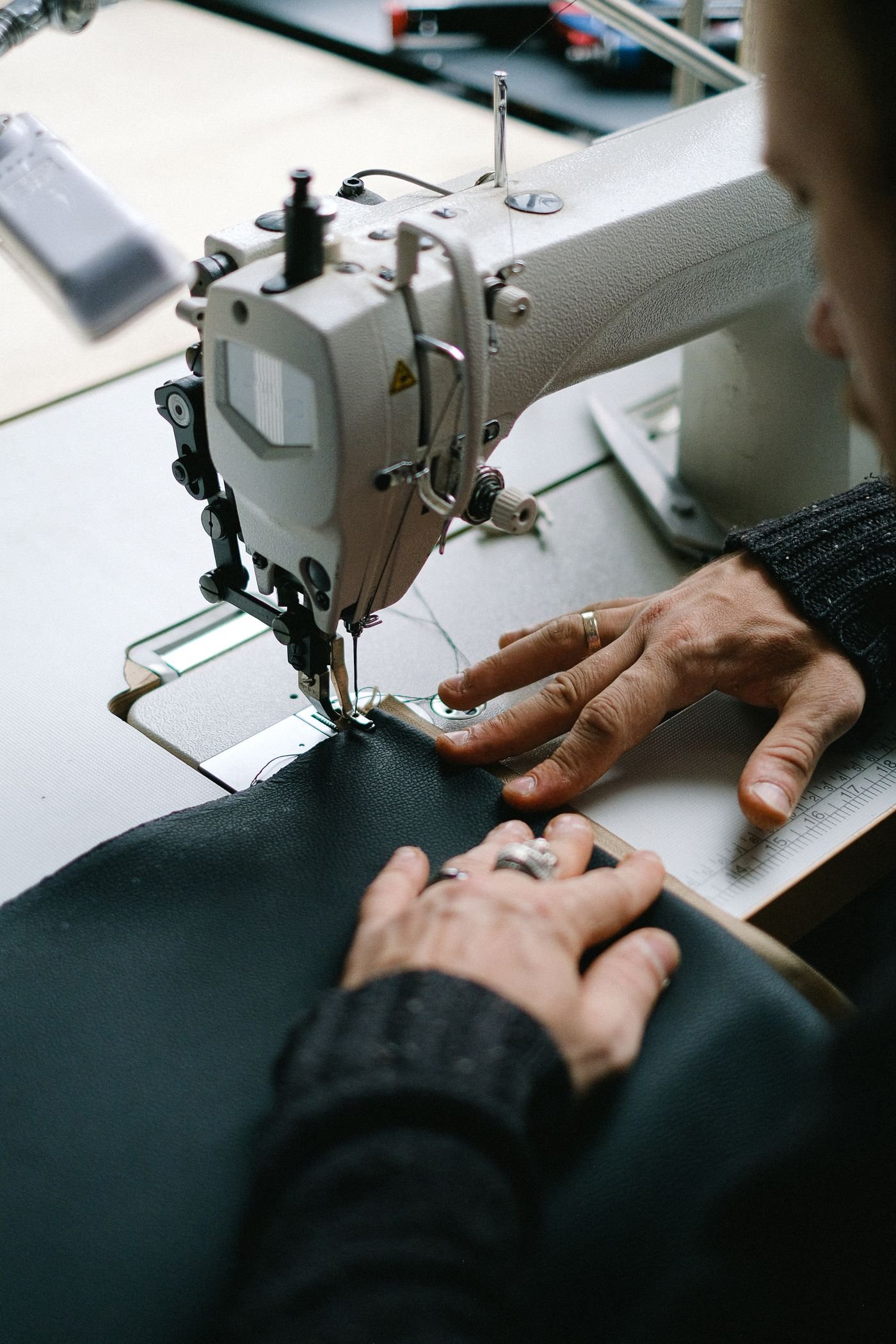
Browse Veelianpro’s Workwear Catalogue
Review current garment references, then send the fit and construction details for your program.


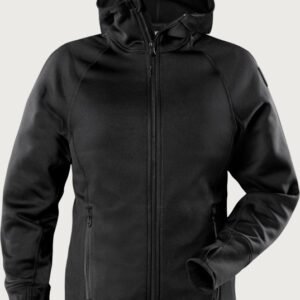
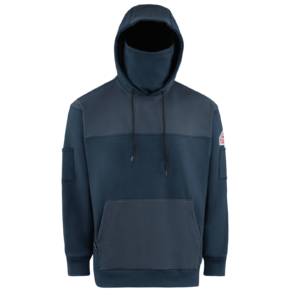
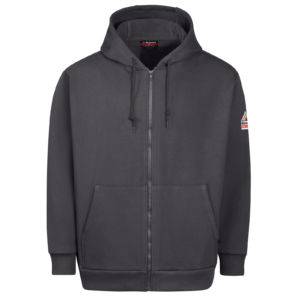

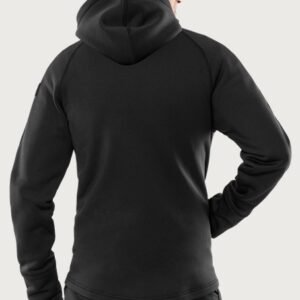
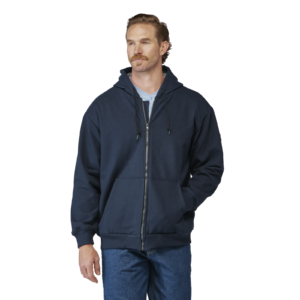
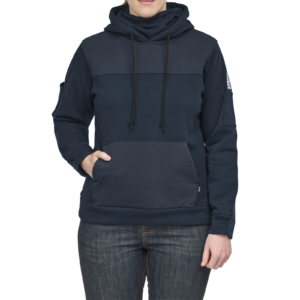

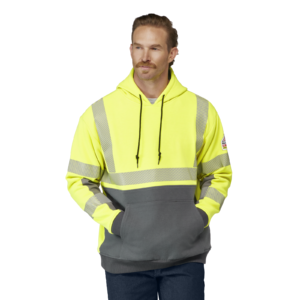
Custom Fishing Hoodies, Specified for Action
Build a reviewable bulk program around movement, branding, fit, and approval details.
Movement-Focused Design
Review hood shape, cuff treatment, collar options, and range-of-motion details against the casting and fishing activities your buyers expect.
Fit and Size Control
Develop men’s, women’s, unisex, or buyer-supplied size specifications with measurement review before bulk production begins.
Decoration Planning
Assess embroidery, screen printing, heat transfer, patches, or other decoration routes against the selected material, artwork, and garment construction.
Private-Label Components
Specify woven labels, care labels, hangtags, barcode bags, and custom packaging to align each fishing hoodie with your retail presentation.
Approval Checkpoints
Use sampling and pre-production review to confirm fit, artwork placement, color, hood shape, cuffs, and label details before production.
Conditional Bulk Development
Custom fishing hoodies can begin from 100 pieces per style and color, subject to fabric, construction, and documentation requirements.
Custom Fishing Hoodies Development Options
Choose what you want to specify before sample approval.

OEM Specification Programs
Veelianpro can review buyer-supplied specifications, source suitable materials and trims for evaluation, develop patterns and samples, then align bulk production to approved measurements, construction details, decoration, and packing requirements.
Get a Quote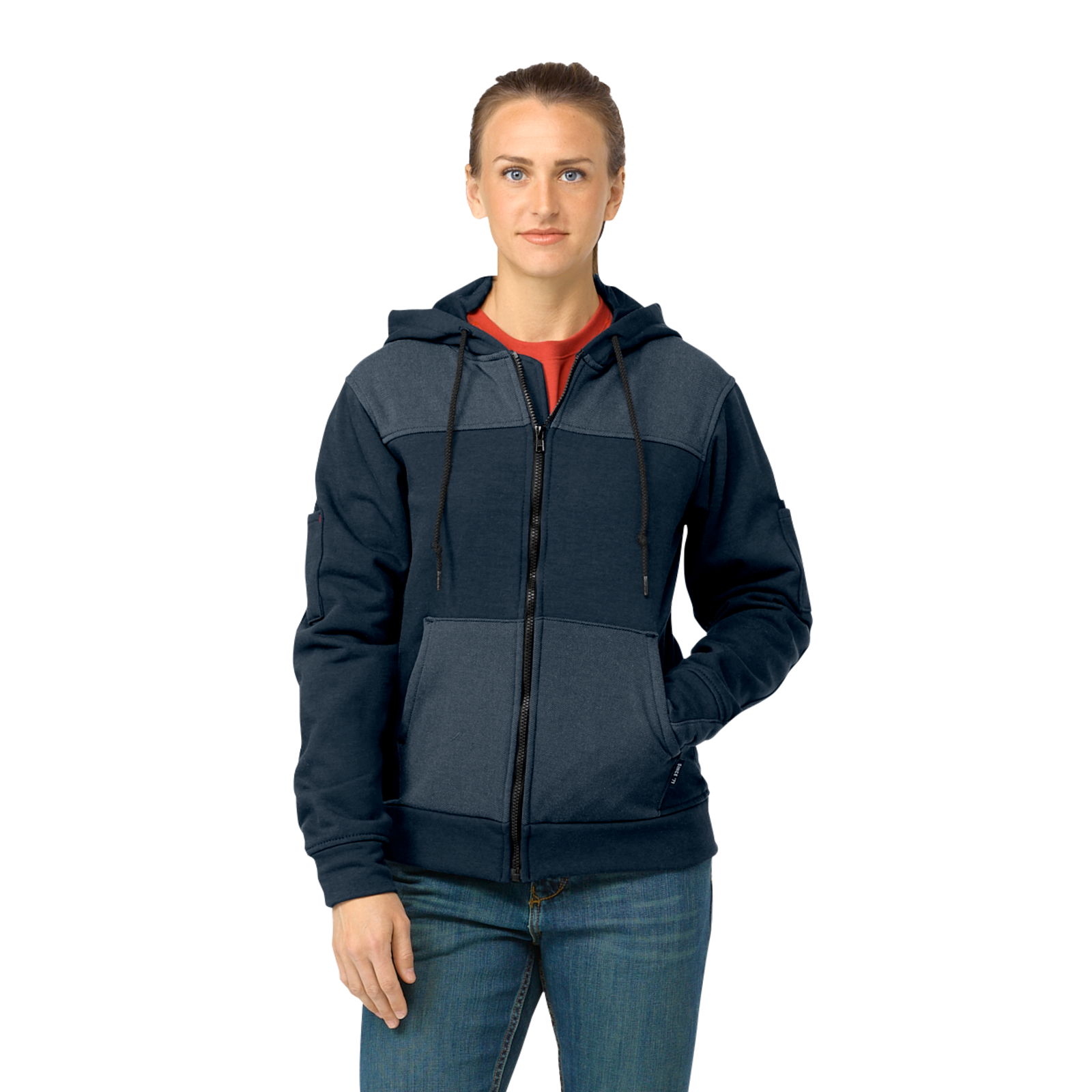
ODM Concept Adaptation
Start from an adaptable hoodie concept and refine the details through development review. Approve the selected fit, fishing-motion considerations, decoration workflow, labels, and sample before confirming a made-to-order production plan.
Get a Quote
Private Label Launches
Build private label fishing hoodies around your approved branding assets. Woven or printed labels, care labels, patches, decoration, hangtags, and custom packaging can be specified for feasibility and sample review.
Get a QuoteCustom Fishing Hoodies: Materials for Feasibility Review
Explore materials and fabrics
Polyester Performance Knit

A lightweight knit direction to review for sun-oriented fishing hoodie programs. Specify the desired hand feel, stretch, color approach, decoration workflow, and any moisture-management or UV documentation required for the intended market.
Polyester Spandex Knit

A stretch-knit option for buyers prioritizing casting movement and closer cuff recovery. Review fiber ratio, weight, recovery expectations, hood construction, artwork method, and whether the selected fabric supports the requested label or test documentation.
Documented Recycled Polyester

A polyester direction for programs considering recycled-content claims. Define the requested content, chain-of-custody documentation, color and print requirements, then confirm material feasibility and market-specific claim support before artwork or packaging is approved.
Cotton Blend Fleece

A warmer, casual hoodie direction for shore, travel, or promotional layers. Buyers can specify blend preference, brushed interior, rib cuff treatment, hood profile, and branding method for review against the intended use and decoration requirements.
Woven Shell Fabric

A structured outer-layer direction to assess where buyers want a fishing hoodie with shell-like construction. Review fiber composition, lining approach, mobility panels, cuff closure, pocket design, and any weather-related evidence required before making performance claims.
Production Processes for Custom Fishing Hoodies
Explore printing and finishing
Tech Pack Review
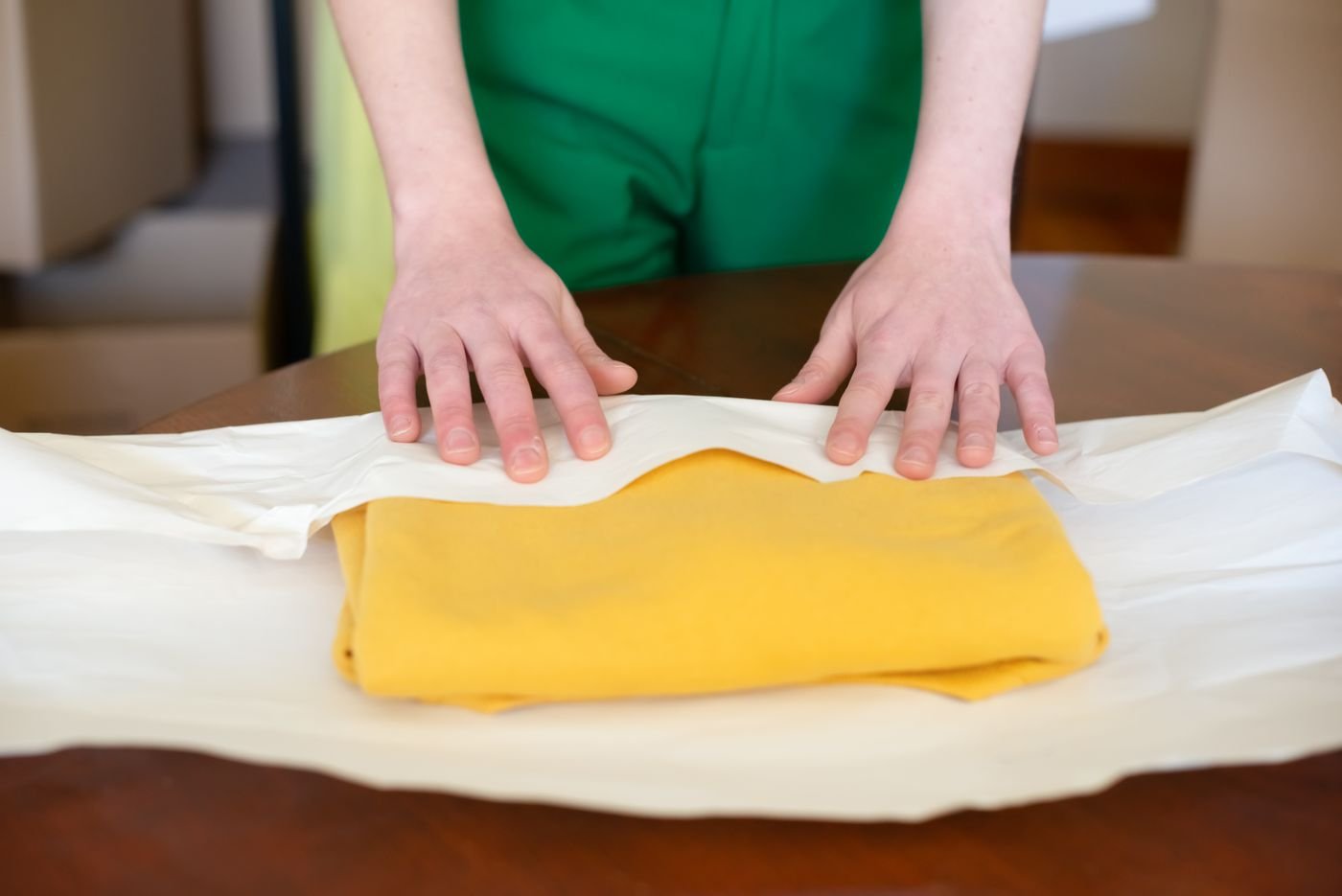
We review your tech pack, sketch, or product brief to define the silhouette, hood shape, cuff treatment, artwork locations, labels, size range, and intended casting or all-day fishing movement before development begins.
Pattern Development
View details
Patterns are developed or adjusted around the approved fit direction and construction plan. Buyers can review how the hood opening, sleeve shape, body length, and cuff design support the intended garment profile and motion needs.
Sample Making
A physical sample brings together the selected candidate fabric, pattern, trims, and decoration approach for review. It gives your team a practical reference for checking fit, hood shape, color, artwork placement, and label details.
Cutting and Sewing

After sample approval, cutting and sewing follow the confirmed pattern and construction requirements. Seam placement, pocket options, reinforcement choices, and stretch-sensitive areas are handled according to the approved specification rather than assumed standard features.
Decoration Application
Screen printing, embroidery, heat transfer, patches, or other selected decoration methods are evaluated against the fabric and artwork. This helps align logo visibility, color treatment, hand feel, and placement with the approved custom fishing hoodie design.
Finishing and Checks

Finishing can include private-label components, care labels, hangtags, folding, and packing requirements. Quality checks compare bulk garments with approved specifications, including measurements, construction, artwork, labels, and packaging before export coordination.
Custom Fishing Hoodies: Trims, Labels & Optional Components
Explore labels, trims and packaging
Three-Panel Hood
Review hood shape, panel construction and opening depth against casting, boating and layered-wear movement. A buyer-supplied fit direction or approved sample helps confirm coverage without restricting head turns.
Cuff Treatment
Choose standard cuffs, extended cuffs or thumb-hole directions for review based on sleeve stability during active fishing. Confirm the preferred finish, recovery and hand coverage in the sample rather than assuming a performance outcome.
Gaiter-Compatible Collar
Specify a collar direction that can be reviewed with a separate gaiter or integrated neck coverage concept. This decision should align with hood opening, zipper or pullover structure, and the intended fishing movement.
Drawcord Options

Select drawcord placement, cord-end style and adjustment direction for the hood where appropriate to the design. Review the component against the garment’s intended use, decoration layout and applicable market requirements.
Private-Label Set

Add woven neck labels, care labels, hangtags and patches to present custom fishing hoodies under your brand. Supply artwork, content requirements and placement preferences for development and pre-production approval.
Barcode Bagging
Define individual bagging, barcode labels, carton marks and packing instructions for retail, distributor or fulfillment workflows. We review these packaging details alongside garment labels so the production pack supports your receiving process.
Custom Fishing Hoodies, Developed With Control
Veelianpro is a Wuhan-based custom workwear manufacturer supporting apparel brands, sourcing teams and uniform distributors with practical OEM, ODM and private-label development. For custom fishing hoodies, we begin with your tech pack, sketch, reference sample or product brief and turn the agreed direction into a reviewable production specification.
Our scope covers fabric and trim sourcing, pattern development, sampling, size grading, cutting, sewing, decoration, finishing, quality checks, packing and export coordination. Discuss hood shape, cuff treatment, casting movement, branding and label needs before sampling. Production can start from 100 pieces per style and color, subject to fabric, construction and evidence requirements.

Custom Fishing Hoodies, Made Reviewable
Turn buyer inputs into a buildable brief
We translate your tech pack, sketch, reference sample, or product idea into a reviewable custom fishing hoodie specification. The brief connects fit, fishing movement, hood profile, cuff treatment, color, branding, and intended market before materials and construction are finalized.
- Provide target fit direction, size range, measurement chart, and intended wearer.
- Identify casting, boating, shore, or team-use movement priorities for hood and sleeve review.
- Share color references, artwork files, placement guidance, and destination market.
- Flag any UPF or other performance claim for SKU- and market-level evidence review.
Source fabrics and trims around the brief
Material and component selection starts with the use case and approved visual direction. We can review polyester knit, polyester-spandex knit, recycled-content polyester with documentation, cotton-blend fleece, or woven shell options alongside hood, cuff, collar, and finishing choices.
- Specify candidate fiber content, fabric feel, weight range, stretch, and desired surface.
- Review hood shape, drawcord approach, gaiter-compatible collar, and thumb-hole cuff options.
- Choose trims such as zipper styles, cord ends, labels, patches, and packaging components.
- Request supporting documentation where recycled-content, UV, or test-related claims are planned.

Approve the sample before bulk handoff
A prototype gives your team a practical checkpoint for custom fishing hoodies before bulk production. We use the approved sample and documented comments to align pattern, grading, artwork placement, color, labels, and construction details for the production handoff.
- Check chest, body length, sleeve length, hood opening, and cuff measurements.
- Assess shoulder reach, sleeve recovery, and hood behavior during casting movements.
- Confirm logo scale, print or embroidery placement, color references, and label artwork.
- Record revisions in one approval file so the bulk specification remains controlled.
Carry approved details into production
After approval, we coordinate pattern development, grading, cutting, sewing, decoration, finishing, quality checks, packing, and export preparation around the confirmed specification. Programs can begin from 100 pieces per style and color, subject to fabric, construction, and evidence requirements.
- Set decoration workflow: screen printing, heat transfer, embroidery, patches, or other reviewed methods.
- Confirm neck labels, care labels, hangtags, barcode bags, carton marks, and packing instructions.
- Align inspection points with the approved sample and buyer-supplied specification.
- Share quantity, destination, and timeline early for feasibility and quotation review.
Custom Fishing Hoodies: Made-to-Order vs. In-Stock Decoration
Compare a reviewable custom-development program with an in-stock hoodie plus decoration route.
← Swipe left or right to view →
Custom Fishing Hoodies Workflow
Move from a reviewable fishing hoodie brief to approved bulk production through controlled specification, sampling, inspection, packing, and export coordination.
Feasibility Review
Share your tech pack, sketch, reference sample, intended fishing use, quantity, destination, and timeline. We review construction, materials, branding, and feasibility from 100 pieces per style and color.
Specification Development
Confirm fit direction, hood shape, cuff treatment, range-of-motion needs, artwork placement, materials, trims, labels, and packing requirements. Any UPF or recycled-content claim requires project-specific documentation review.
Sampling and Approval
Develop patterns and a sample for buyer review. Approve measurements, hood and cuff function, color, decoration placement, label artwork, and workmanship before the bulk specification is released.
Quotation Confirmation
Align the approved specification with fabric and trim sourcing, order quantity, packaging, payment terms, and shipment requirements. Production begins only after the order details are confirmed.
Bulk Production and Inspection
We coordinate cutting, sewing, reinforcement, decoration, finishing, and quality checks against the approved sample and order requirements, resolving any production-stage questions through the agreed specification.
Packing and Shipment
Apply approved labels and packaging, complete final order checks, and coordinate export packing and shipment arrangements according to the destination and buyer’s logistics instructions.
Plan Custom Fishing Hoodies
Move from a clear brief to approved specifications, sample, quote, and delivery coordination with fewer preventable approval delays.
Send Your Brief
Share your tech pack, sketch, reference garment, or concept with intended fishing use, quantity, destination, size range, color direction, and target timeline.
Review Feasibility
Discuss candidate materials, hood shape, cuff treatment, casting movement, collar preferences, artwork, branding, and any documentation needed for market-specific performance claims.
Approve Sample and Quote
Review the proposed specifications, sample route, decoration placement, label artwork, packing requirements, and quotation before confirming the custom fishing hoodies program.
Confirm Order Details
Lock approved measurements, color references, size breakdown, branding files, packaging instructions, and inspection expectations. Feasible orders can begin from 100 pieces per style and color.
Coordinate Delivery
Provide final shipping destination and contact details so we can align export coordination, packing information, and handoff requirements with your purchasing plan.


Illustrative Custom Fishing Hoodies Procurement Scenarios
Illustrative scenario
Apparel Buyer
An apparel brand planning a private-label sun layer provides a target fit, artwork, and packaging needs. The development review considers hood shape, cuff treatment, neck and care labels, then requires approval of measurements, artwork placement, and label files before bulk production.
Illustrative scenario
Sourcing Manager
A uniform distributor needs a fishing-event hoodie program for a buyer-supplied size range and destination market. The brief requests a movement-focused hood and sleeve finish. Fabric, decoration method, color, sizing, and any market-specific documentation requirements are reviewed through the sample approval process.
Illustrative scenario
Production Planner
A sourcing team compares made-to-order custom fishing hoodies with an in-stock decorate route. For a custom program, it submits material options, branding files, quantity, and timeline. Feasibility from 100 pieces per style and color remains subject to fabric, construction, and evidence requirements.
Custom Fishing Hoodies FAQ
Practical answers for apparel brands, distributors, and sourcing teams planning a made-to-order hoodie program with Veelianpro.
Can custom fishing hoodies start from 100 pieces?
Should we choose OEM, ODM, or private label fishing hoodies?
What should we approve on a custom fishing hoodie sample?
How do we choose a hood and cuff design for fishing movement?
Which decoration method works best for custom fishing hoodies?
Can Veelianpro provide private-label packaging and brand components?
Can we claim UPF or recycled content on our fishing hoodie?
How are payment, shipping, and intellectual-property details handled?
The Complete Buyer’s Guide to Custom Fishing Hoodies
A practical framework for comparing custom development with in-stock decoration, defining fishing-specific garment requirements, evaluating suppliers, approving samples, and avoiding documentation, fit, artwork, and reorder mistakes.
1. What Are Custom Fishing Hoodies?
Custom fishing hoodies are made-to-order garments developed around an angler-facing brief rather than a stocked style with a logo added afterward. The brief can define the intended use, fit direction, hood profile, cuff treatment, artwork zones, labels, packing, and the approvals needed before bulk cutting.
In an OEM route, the buyer owns the technical specification, measurements, artwork, and approval standard; Veelianpro develops and produces to that package. ODM starts from a proposed garment direction or development input and requires the buyer to approve the resulting specification; private label adds the buyer’s neck label, care label, hangtag, barcode-bag, and packaging requirements to either route.
An in-stock garment-plus-decoration route is different: the base garment, available colors, and core construction are already fixed, while the buyer typically controls the applied logo and placement. It can suit a simpler program, but it offers less control over fishing-specific fit and component choices. With Veelianpro, a custom-development project can begin from 100 pieces per style and color only when the requested fabric, construction, and any required claim or test evidence are feasible; approve the sample, measurement set, artwork, label files, and packing standard before production.
2. How Fishing Hoodie Requirements Evolved
A generic logo hoodie brief starts with color and artwork; a fishing-use brief starts with the motions and exposure the wearer must manage. Repeated casting, reaching into storage, handling a rod, and sitting or standing on a boat can change the requested sleeve shape, body ease, hem behavior, and hood retention.
Coverage is also a design decision, not a picture-driven feature. Buyers can specify a hood profile to review with headwear, a collar that may need to work with a gaiter, cuff treatment such as thumb openings or conventional cuffs, and a layering role over or under other garments; each choice should be checked on the development sample during fishing-like movement.
Team identification adds another layer: a charter crew, event team, retailer, or uniform distributor may need name placement, large back artwork, roster variation, labels, barcode bags, or channel-specific packing. For custom fishing hoodies, a brief should separate those presentation requirements from performance language: UPF, cooling, quick-dry, waterproof, temperature, and PPE claims require SKU- and market-level material, test, and certification evidence before use in product copy or sales materials.
3. Types of Custom Fishing Hoodies
Fishing settings change the hoodie’s opening, layer role, and fit priority. These custom fishing hoodies are development directions: nominate candidate fabrics, trims, and any performance evidence for feasibility review before sampling.
Pullover Deck Hoodies
A pullover suits cool morning runs and simple crew layers. Specify hood volume, kangaroo or utility-pocket concept, and cuff finish.
Choose a unisex block or buyer-supplied men’s and women’s measurements. Fewer openings simplify artwork continuity but reduce venting access.
Full-Zip Layering Hoodies
A full zip helps anglers add or remove a mid-layer between runs. Review zipper type, chin protection, pocket placement, and hood overlap.
Fit must allow casting reach without excess bulk under outerwear. The front opening interrupts large chest graphics and adds component approvals.
Lightweight Sun Hoodies
A lightweight sun-hoodie concept suits exposed warm-weather fishing. Specify knit composition candidates, hood coverage, collar height, and thumb-hole cuff option.
Approve fit from measured samples for casting and reel work. Any UPF, cooling, or recycled-content statement needs SKU- and market-level evidence.
Fleece Or Insulated Layers

Fleece or insulated concepts target cold starts and shore sessions. Identify the layer position, lining option, hood bulk, and sleeve mobility required.
Select fit against the intended base and outer layers. Thermal performance, fill, and temperature claims remain project-specific evidence topics.
Shell-Oriented Hoodie Concepts
A shell-oriented concept favors changing spray and wind conditions. Specify woven shell candidates, seam approach, adjustable hood, and cuff closure for review.
Use an active fit with reach tested in a casting pose. Do not describe waterproof or breathable performance without applicable documentation.
Team And Tournament Uniforms
Team programs prioritize recognizable color blocking and repeatable names or numbers. Confirm the decoration workflow, placement map, roster data, and label package.
Choose one approved size chart across the roster or separate fit paths. Sublimation, transfers, screen printing, and patches need fabric and artwork review.
4. Materials and Technical Options
Material choice changes the hoodie’s drape, stretch, layering role, decoration sequence, and care instructions. For custom fishing hoodies, treat every fabric as a candidate for review; performance or sustainability claims require SKU- and market-level evidence.
| Material Candidate | Intended Use | Construction Considerations | Decoration Workflow | Evidence To Request |
|---|---|---|---|---|
| Polyester knit | Lightweight hooded layer | Confirm knit structure and layering | Review print or transfer sample | Composition and care details |
| Polyester-spandex knit | Movement-focused fit | Confirm stretch direction and recovery | Approve artwork on stretched fabric | Composition and sample approval |
| Recycled-content polyester | Documented sourcing program | Lock material identity before production | Test chosen decoration on swatch | Chain-of-custody and transaction records |
| Cotton-blend fleece | Warmer layering concept | Review bulk and shrinkage allowance | Check print hand or embroidery support | Fiber content and care guidance |
| Woven shell fabric | Outer-layer concept | Specify lining and seam access | Plan decoration before assembly | Composition and applicable test scope |
Knit Options For Movement
Polyester knit is a practical base for lightweight, print-led development. Polyester-spandex knit adds mechanical recovery through elastane; confirm the composition, stretch direction, weight, and whether artwork is approved before cutting.
For either knit, review how a hood, cuffs, seams, and collar layers affect print registration. Ask for care guidance tied to the proposed fabric and decoration method.
- Specify fiber composition and knit construction
- Approve stretch and recovery on the sample
- Confirm decoration placement near seams
Documented And Layered Choices
Recycled-content polyester is a sourcing option, not a claim by default. Request chain-of-custody documentation that matches the proposed SKU, material, transaction, and selling market before using recycled-content language.
Cotton-blend fleece suits a warmer, heavier layering concept but changes bulk, drying expectations, and print-hand review. Woven shell fabric can be considered as an outer-layer construction; verify lining, seam treatment, and decoration access in the tech pack.
- Request transaction-linked recycled-content evidence
- Review fleece shrinkage and care instructions
- Define shell layering and lining requirements
Sample Evidence Before Approval

Approve swatches before relying on a material name alone. The sample should show hand feel, stretch, color, artwork, labels, and laundering instructions for the chosen build.
If UV, water resistance, or other performance language is planned, request applicable test evidence for the exact material and claim scope rather than transferring results from another fabric.
- Match sample fabric to bulk specification
- Check artwork after sample construction
- Keep evidence with the SKU file
5. Custom Fishing Hoodies: Branding Options
Artwork should be reviewed against the proposed fabric, garment panels, and branding location before a decoration method is selected. A chest mark that clears a zipper or seam may need a different treatment from a full-body graphic or a sleeve application.
Match Artwork To Method

Sublimation, screen printing, embroidery, heat-applied transfers, and patches each need a feasibility review. Color count, fine detail, fabric surface, stretch, seam crossings, and zipper proximity can change the usable artwork area.
Send editable artwork, intended placement, logo dimensions, and color references. Approve a color and placement sample before bulk production; a digital mockup does not confirm appearance on the finished hoodie.
Decoration Review Matrix
The comparison below identifies questions for development review, not automatic availability or performance claims.
| Method | Best Review Focus | Common Constraint |
|---|---|---|
| Sublimation | Panel artwork and color approval | Seams can interrupt continuous graphics |
| Screen printing | Ink coverage and fabric compatibility | Fine detail and stretch require review |
| Embroidery | Stitch density and backing placement | Heavy designs can affect drape |
| Heat-applied transfer | Edge detail and heat response | Fabric surface and stretch require testing |
| Patch or label | Attachment location and finish | Curves, seams, and zipper clearance matter |
Private-Label Components
Private-label custom fishing hoodies can be specified with a neck label, care and content label, hangtag, barcode bag, and carton marking. Each item needs buyer-supplied artwork, SKU identifiers, market requirements, and placement approval.
Care and fiber-content language should be reviewed for the destination market and final material composition. Carton marks should match the buyer’s receiving, retail, or distributor process rather than rely on a generic template.
- Neck label: brand, size, and attachment method
- Care label: approved market-specific content
- Hangtag: SKU, presentation, and attachment point
- Barcode bag: code format and scan placement
- Carton marking: style, color, size, quantity, destination
6. Construction Details for Fishing Movement
A fishing hoodie can look conventional yet interfere with a cast when the hood, cuff, or shoulder shape pulls at full reach. Treat these features as linked fit decisions, then verify them on a development sample in the intended layering combination.
Hood Profile And Collar
A deep hood can shade the face but may move across the eyes during a cast; a closer profile can layer more cleanly under outerwear. Specify the intended head coverage, drawcord or adjuster preference, and whether the collar must accommodate a gaiter.
Review the hood and collar with the zipper or neckline closed, because that position affects neck rotation and chest-logo clearance. A gaiter-compatible collar is a review point, not a performance claim.
- Hood depth and face opening
- Adjustment hardware or cord path
- Gaiter overlap and neckline height
Cuffs And Sleeve Reach
Thumb-hole cuffs can keep sleeves positioned during repetitive casting, while standard cuffs simplify wearing with gloves or watches. Ask the wearer group to test both options during a reach, reel motion, and layered use.
Sleeve length, shoulder mobility, and body ease should follow buyer-supplied measurements or an approved measurement specification. Check that sleeve graphics, patches, and transfers remain readable when the arm bends.
Seams, Zippers, And Pockets
Seams placed where straps, rod-hand movement, or arm swing repeatedly load the garment deserve a wear-test review. The sample should expose rubbing, restricted reach, or decoration distortion before production approval.
A pullover, half-zip, or full-zip opening changes layering access and divides potential chest artwork. Pocket type and position should be approved against the buyer’s carry items and logo layout, rather than assumed from a reference photo.
- Map chest artwork around zipper lines
- Test pocket access while wearing a pack
- Inspect seam contact during arm swing
Measurement Approval
Fit approval is the control point for men’s, women’s, unisex, or buyer-defined blocks. Include the graded size range, points of measure, tolerances if required, and the intended base or mid-layer use in the approval file.
For custom fishing hoodies, photograph or record the approved sample during casting, reaching, and seated movement. Preserve the approved pattern, measurement specification, artwork locations, and trim choices for a clearer reorder reference.
7. Choosing a Custom Hoodie Manufacturer
The route you choose fixes more than artwork: it determines fit control, garment architecture, labeling, and what can be repeated. Compare a made-to-order development program with a defined in-stock hoodie decorated after purchase before requesting quotes.
| Decision Area | Conditional Custom Development | In-Stock Garment Plus Decoration |
|---|---|---|
| Fit control | Buyer specification or approved sample | Existing size offering |
| Garment structure | Hood, cuffs, collar, seams reviewed | Existing construction retained |
| Decoration | Method reviewed with material and build | Artwork applied to existing garment |
| Private label | Labels and packaging specified for review | Scope limited by route capability |
| Quantity feasibility | From 100 pieces per style and color, subject to feasibility | Confirm available garment and decoration feasibility |
| Reorders | Approved pattern, artwork, trims, and packing recorded | Confirm garment continuity and decoration file |
Compare The Two Routes
Custom development starts from a tech pack, sketch, sample, or product idea, then reviews materials, hood shape, cuffs, movement, and decoration together. An in-stock route starts with an existing garment; decoration is the controlled variable.
Ask For Approval Evidence
Approve buyer-supplied measurements or a graded size specification, plus a sample showing fit, hood opening, cuff treatment, artwork placement, labels, and packing. Request SKU- and market-level evidence before publishing UV, recycled-content, or test-related claims.
- Which fit block and measurement tolerance govern bulk production?
- Can the decoration method suit the selected fabric and seam layout?
- Which labels, hangtags, barcode bags, and carton marks are included?
- What pattern, artwork, color, and trim records support reorders?
Build A Usable Quote Brief
A complete inquiry identifies the fishing use, style, size range, colorways, candidate material, hood and cuff choices, branding files, target quantity, destination, and required date. For protective or material claims, include the applicable standard and required documentation.
8. Common Custom Fishing Hoodie Mistakes
A screen image cannot confirm where artwork lands on a worn garment, how a hood turns during casting, or whether a claimed attribute applies to the proposed SKU. Treat these as separate approval gates before bulk release.
Prove Artwork Placement
A centered chest file can shift visually when the hood, pocket, seam, or size grading changes. Approve a placement proof on the intended garment view, including decoration method and artwork scale.
Request front, back, and side placement references. Confirm whether the design crosses seams, pockets, or stretch areas before approving production.
Check Movement And Order Path
A hood that looks correct standing still may restrict head rotation, while cuff treatments can interfere with casting or sleeve recovery. Review hood shape, collar clearance, sleeve length, and cuff behavior in buyer-defined fishing movements.
Do not equate an add-logo order with custom development. OEM or ODM review can cover patterns, materials, trims, and labels; an in-stock garment-plus-decoration route generally changes the logo only.
Document Claims And Presentation
A product photo does not establish UPF, recycled content, organic status, or any other performance claim. Request SKU- and market-level material, test, and chain-of-custody evidence before using those statements.
Specify neck, care, and size labels; hangtags; barcode bags; carton marks; and pack ratios in the purchase specification. Packaging omissions often surface only at retail or 3PL intake.
Illustrative Procurement Scenarios
These examples show approvals, not customer outcomes.
Each change should be reflected in the revised sample or approval record before bulk release.
- Illustrative scenario — A uniform distributor tasks a team with chest artwork; it changes to a placement proof, then approves size-specific positioning.
- Illustrative scenario — An apparel brand tasks development with a sun claim; it changes to evidence review, then approves only documented copy.
- Illustrative scenario — A sourcing team tasks a hoodie sample with casting use; it changes hood and cuff details, then approves movement checks.
9. Launching Custom Fishing Hoodies
A controlled launch turns a fishing-hoodie concept into an approved production record. Veelianpro begins feasibility from 100 pieces per style and color, conditional on fabric, construction, and documentation requirements.
Brief Through Bulk Authorization
Send use case, destination, quantity, size direction, candidate material, hood and cuff choices, artwork, labels, packing, and timeline. Confirm buyer measurements; review polyester knit, polyester-spandex knit, recycled-content polyester documentation, cotton-blend fleece, or woven shell options before selection.
Approve a sample for fit, hood movement, cuff behavior, color, artwork placement, labels, and packing. Authorize bulk only against the signed sample, measurement chart, artwork revision, and inspection points.
- Quote checklist: use, sizes, colors, quantity, destination
- Sample checklist: fit, hood, cuffs, artwork, labels
- Inbound check: carton marks, counts, barcode, packing condition
- Reorder record: approved files, measurements, material, trim, packing
Launch FAQs
Use the approved record for every repeat order; changes to color, fabric, artwork, labels, or packing require review before release.
- Can 100 pieces work? Yes, as a starting feasibility point per style and color; fabric, construction, decoration, and evidence requirements can change whether that quantity is practical.
- OEM or ODM? OEM follows your tech pack or approved specification. ODM begins with a development direction and requires documented approval of the resulting fit, materials, trims, and branding.
- Which decoration fits? Screen printing, heat transfer, embroidery, patches, and woven labels are available development options. Choose only after artwork, fabric behavior, placement, and construction are reviewed.
- How is fit controlled? Provide men’s, women’s, unisex, or buyer-supplied measurements. Approve the sample’s garment measurements and movement before bulk authorization; do not rely on a photo alone.
- Which labels matter? Specify neck, care, size, fiber-content, hangtag, barcode-bag, and carton-mark requirements for the destination market. Final label text and packaging artwork need approval before production.
- What evidence is needed? Request SKU- and market-level material and test documentation before using UV, recycled-content, organic, or performance claims. A sample, image, or generic certificate reference is not proof.
- How are reorders protected? Retain the approved tech pack, pattern reference, size chart, material and trim approvals, artwork files, label copy, packing instructions, and inspection record. Reconfirm any substitution before a repeat.
10. Custom Fishing Hoodies Cost Drivers
A fishing hoodie quote changes when a design moves from a simple blank-based silhouette to a developed garment with approved fabric, movement features, decoration, and retail presentation. The same artwork can require a different workflow when placed across seams, on a hood, or over stretch fabric.
Veelianpro reviews projects from 100 pieces per style and color, subject to fabric, construction, and evidence requirements. Lock the production-ready specification before bulk approval so sample revisions, documentation requests, and freight preparation are quoted as defined work rather than open assumptions.
| Cost Driver | What Changes Cost | Lock Before Approval |
|---|---|---|
| Quantity and colorways | Units per style, color splits, and size breakdown complexity | Approved style-color matrix and size run |
| Fabric and composition | Candidate knit, fleece, woven shell, stretch content, and sourced material documentation | Composition, hand feel, color target, and any evidence request |
| Garment structure | Hood shape, collar, cuffs, pocket system, seam construction, and movement features | Measurement specification and construction sample comments |
| Decoration workflow | Artwork colors, print area, placement across panels, embroidery, transfer, patch, or sublimation review | Production artwork, placement map, and approved strike-off or sample |
| Labels, packing, and samples | Neck and care labels, hangtags, barcode bags, carton marks, sample iterations, and freight-ready configuration | Label files, market requirements, packing instructions, carton labeling, and sample approval |
| Testing or documentation | SKU- and market-specific test, fiber-content, recycled-content, or UV claim documentation requests | Applicable standard, claim language, destination, and required evidence scope |
Start Your Custom Fishing Hoodies Quote
Send your garment brief, intended use, fit, materials, trims, artwork, labels, quantity, destination, and timeline for a feasibility review.