How To Order Private Label Activewear
Send your brief for feasibility review, sampling, and a comparable quote from 100 pieces per style and color, subject to project requirements.
Garment and Development References
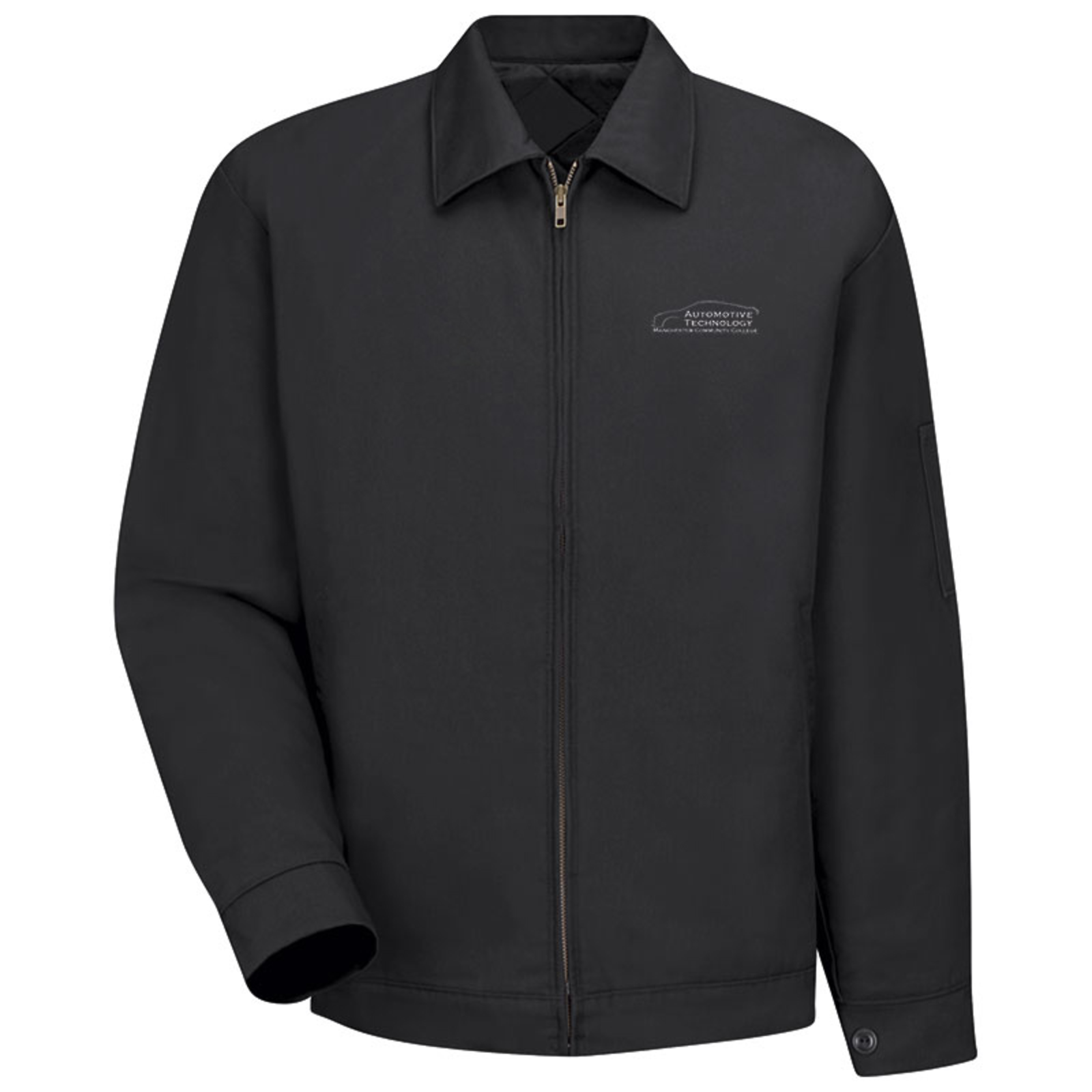
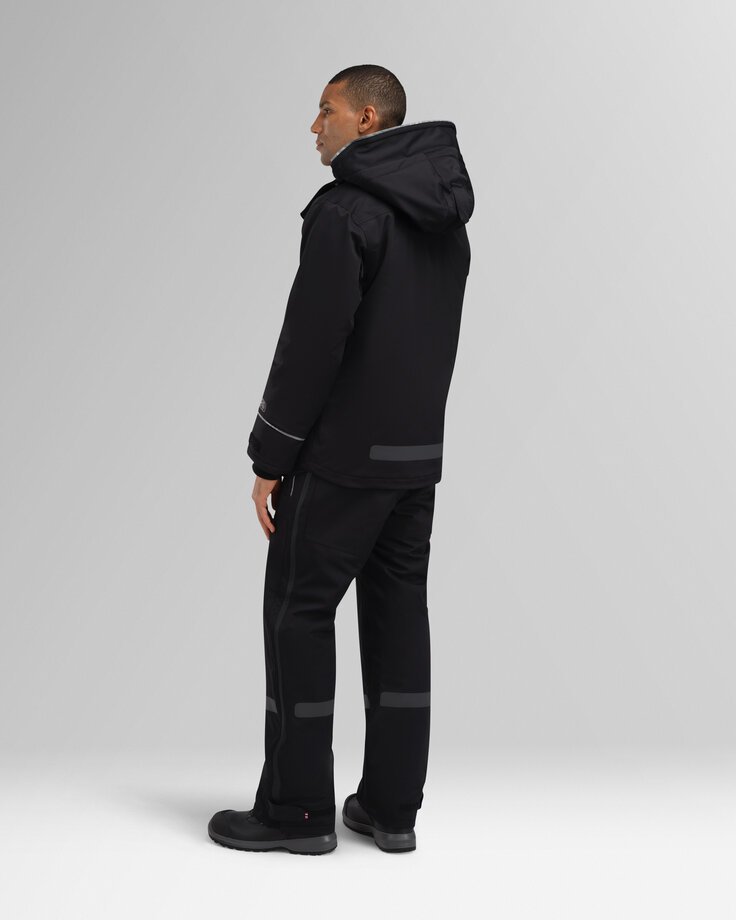
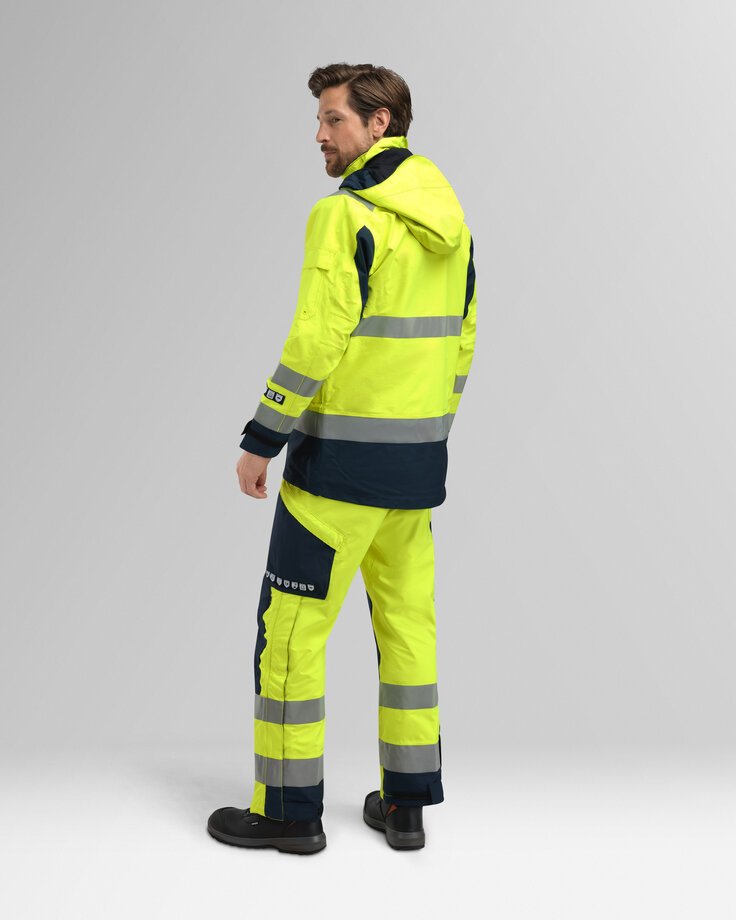
Browse Veelianpro’s Workwear Catalogue
Review current garment references, then send the fit and construction details for your program.


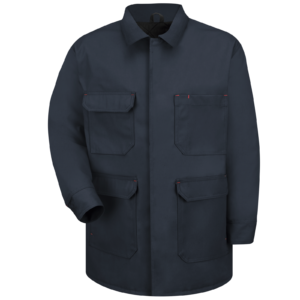




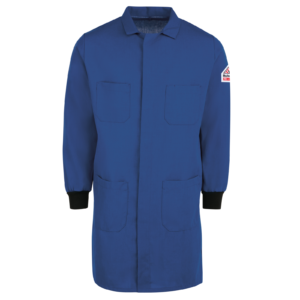
How to Order Private Label Activewear
Prepare a controlled RFQ that gives sourcing teams comparable inputs, documented approvals, and a clear reference for bulk production or reorders.
Comparable RFQ Inputs
Define style, colorways, size range, quantities, fabric proposal, construction, packing, destination, and timeline so quotations can be compared on matching assumptions.
Buyer-Led Fit Brief
Provide measurements, grading rules, target user, and fit comments early, allowing the development review to address the intended garment before sampling.
Controlled Brand Details
Specify artwork, placement, decoration method, labels, hangtags, packaging, drawcords, and zipper pulls for review alongside the activewear production order requirements.
Sample Approval Record
Approve the sample against written fit, color, logo, labeling, and packing requirements before authorizing bulk production, reducing interpretation between development and production.
Evidence and Reorder Files
Request SKU- and market-specific documentation where needed, then retain approved specifications, artwork, color references, and change logs for repeatable reorder discussions.
How To Order Private Label Activewear Development Options
Choose what you want to specify before sample approval.
New Collection Development
Use a made-to-order private-label brief to review pattern development, material and trim options, sampling, labels, decoration, packing, and feasibility. Start from 100 pieces per style and color, subject to fabric, construction, and documentation requirements.
Get a Quote
Comparable Sourcing RFQ
Prepare a private label activewear order checklist covering garment structure, buyer measurements, fabric proposal, logo files, labels, packaging, quantities, destination, and timeline. This gives Veelianpro a controlled basis for feasibility review and a comparable quotation.
Get a Quote
Branding-First Product Launch
Create a private label sportswear order brief that separates artwork, decoration method, woven or printed labels, hangtags, packaging, and carton marks. Approve these details alongside the sample before bulk authorization.
Get a QuoteHow to Order Private Label Activewear: Materials for Review
Explore materials and fabrics
Polyester Knit
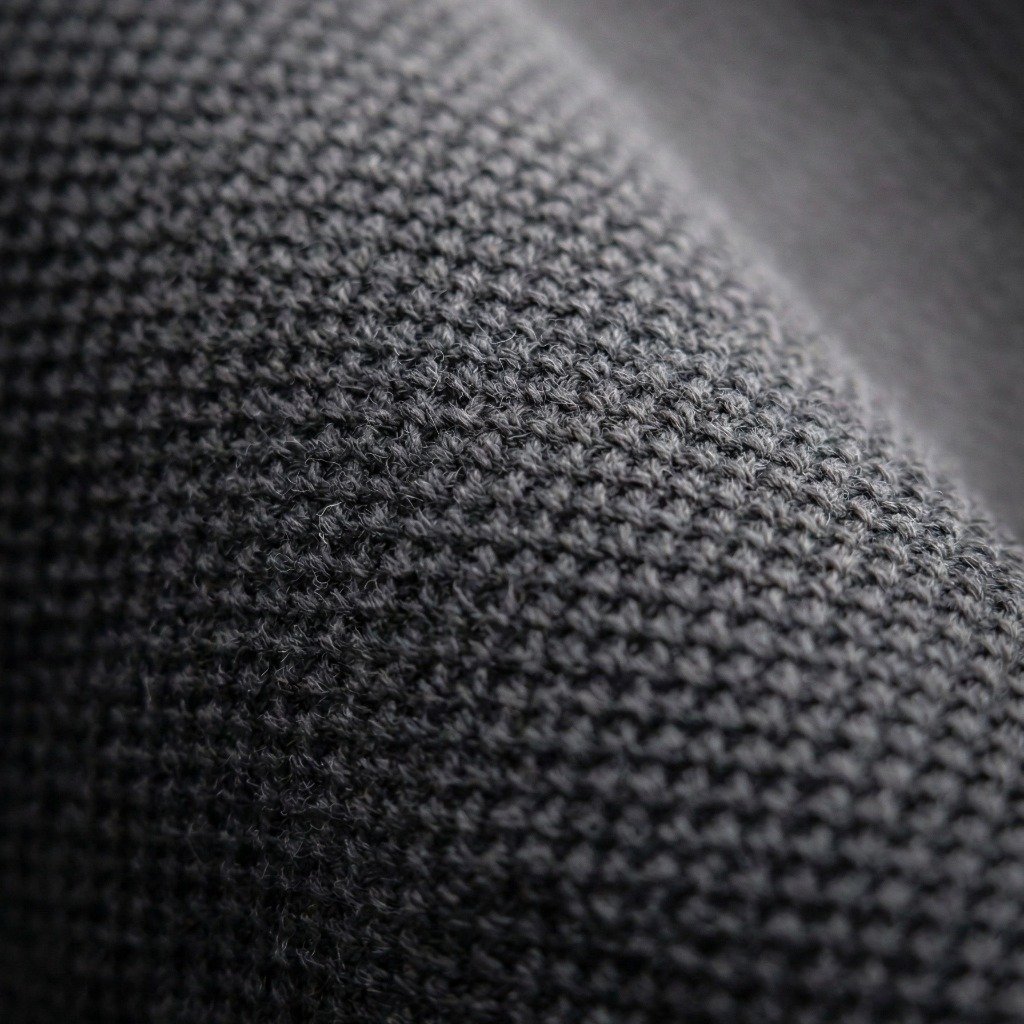
A synthetic knit option to specify when reviewing lightweight training tops, jerseys, or layered pieces. Define the requested composition, surface feel, color direction, stretch requirement, and any moisture-management or test evidence needed for the target market.
Nylon Blend

Nylon can be considered for activewear requiring a smooth, firmer hand feel or abrasion-conscious construction. State the garment type, intended movement, blend components, color, and required stretch or recovery evidence for feasibility review.
Elastane Component

Elastane is a blend component buyers can specify when stretch and recovery are important to the intended fit. Identify stretch direction, target garment areas, fit expectations, and how seam appearance and movement should be checked during sampling.
Cotton Blend

Cotton or cotton-blend constructions can suit activewear styles where a familiar, softer hand feel is the priority. Include the proposed fiber composition, garment use, desired weight, color, shrinkage expectations, and any documentation required before approval.
Recycled-Content Option

Recycled-content materials may be proposed for review when supported by the project’s sourcing and documentation requirements. Specify the requested fiber route, composition, evidence scope, market destination, and whether chain-of-custody documentation is needed for the SKU.
Performance Blend
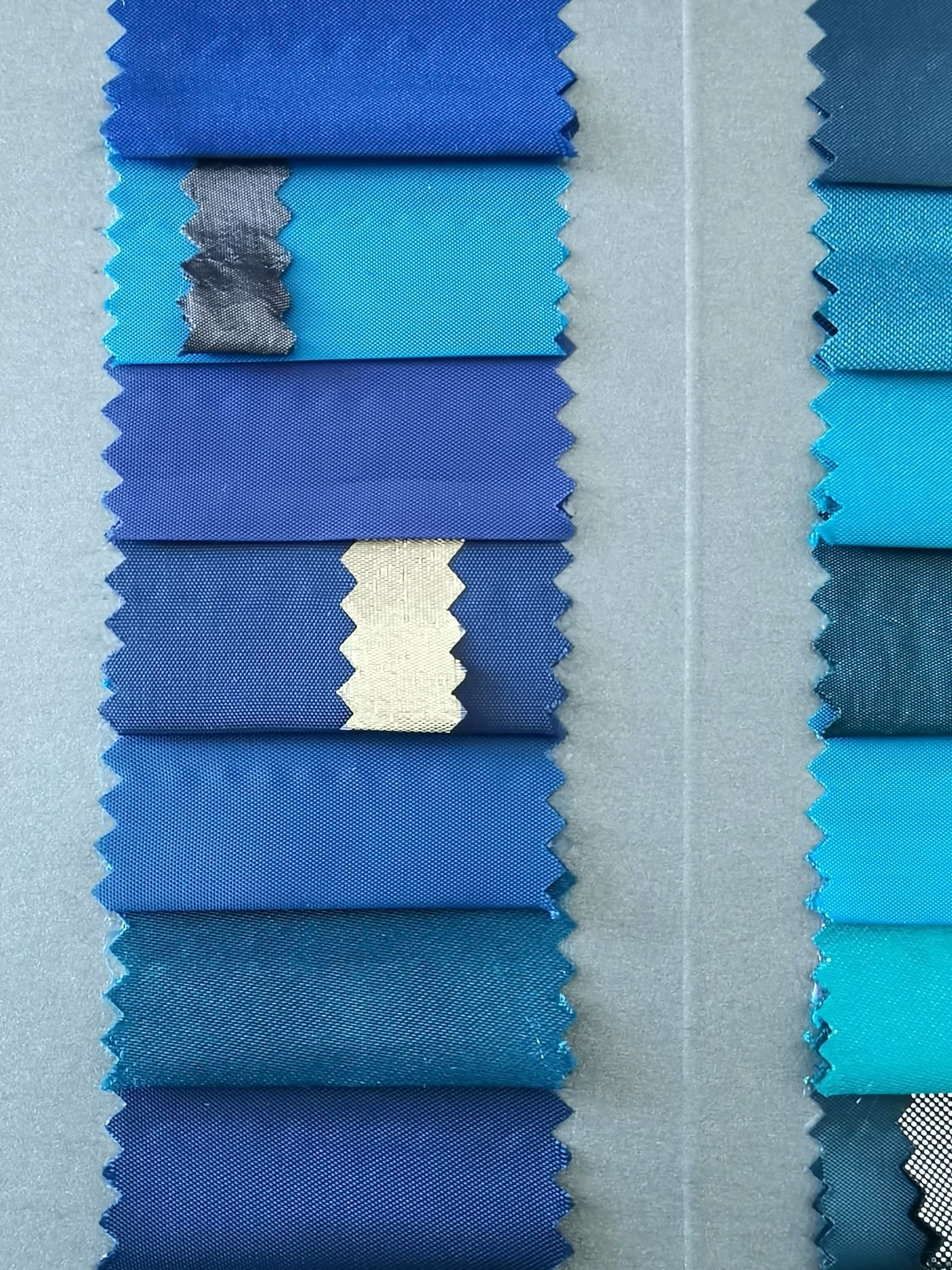
A blended construction can combine fibers to target a chosen hand feel, fit behavior, and garment use. Provide the intended product, composition preference, movement needs, wash-check method, and written sample approval criteria before bulk production.
How to Order Private Label Activewear: Production Processes
Explore printing and finishing
Tech-Pack Review
We review your sketch, reference garment, measurements, size range, fabric direction, artwork, colorways, trims, packing needs, quantity, and destination. Gaps are identified early so the activewear production order requirements can be clarified before sampling.
Pattern Development
View details
Patterns are developed or adjusted from the approved product direction, with construction details such as panel layout, pocket placement, seams, waist treatments, and reinforcement points documented for review before a sample is used as the bulk reference.
Size Grading
View details
Buyer-approved base measurements and grading rules guide the size range. Reviewing the complete size chart helps sourcing teams control fit expectations across the order rather than treating a single sample size as the only production reference.
Cutting and Sewing

Approved fabric and construction instructions move into cutting and sewing, including the specified seams, panel joins, bartacks, gussets, or other project-defined details. This keeps the factory work aligned with the private label activewear order brief.
Branding and Packing
Decoration preparation can include embroidery, screen printing, heat transfer, patches, woven labels, care labels, and custom packaging. Artwork, placement, label content, folding, polybag, and carton instructions should be approved as part of the production specification.
How to Order Private Label Activewear: Branding, Labels, and Trim Options
Explore labels, trims and packaging
Screen Print Placement
Specify logo artwork, print location, dimensions, colors, and the garment panel receiving the decoration. Screen printing can be reviewed alongside fabric and construction choices to confirm the intended appearance before sample approval.
Heat Transfer Graphics
Use heat transfer for detailed logos, names, or placement-sensitive graphics on activewear. Include vector artwork, location references, color requirements, and expected wash or wear evidence requirements in the activewear production order requirements.
Embroidery and Patches
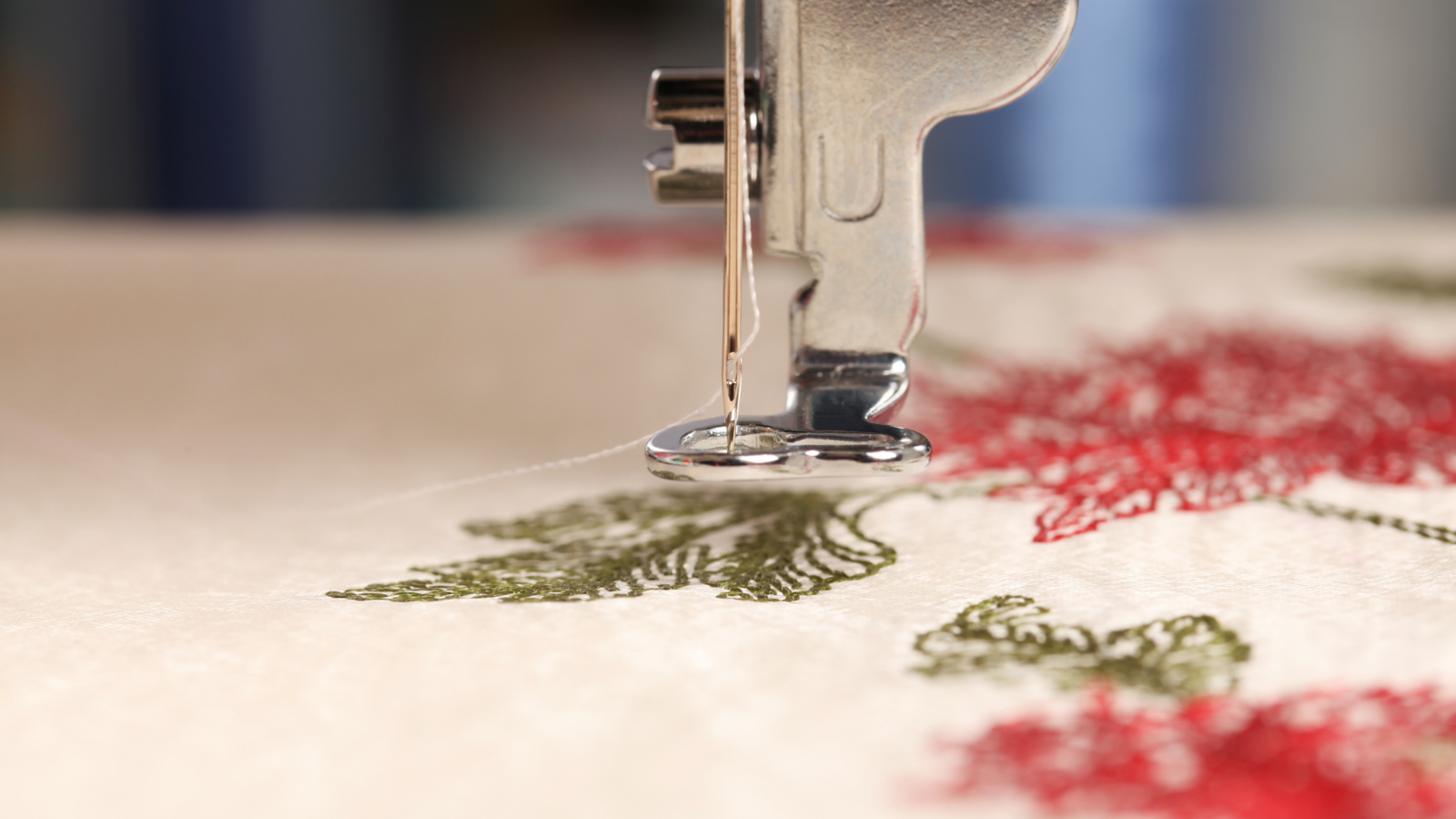
Request embroidery or patches where the garment structure supports the chosen placement. Define artwork, patch type, backing, dimensions, and location, then review the sample for appearance, attachment method, and impact on the fabric.
Woven Brand Labels
Woven main labels can carry brand identity at the neck, side seam, or another approved position. Provide finished artwork, label dimensions, fold type, color references, and attachment location for quotation and sample review.
Care and Size Labels
Prepare care-label content, fiber information, country-of-origin requirements, size identifiers, and placement for the intended market. Any recycled-content, organic, UV, or performance statement should be supported by SKU- and market-specific documentation.
Hangtags and Packaging
View detailsComplete the private label activewear order checklist with hangtags, polybag labels, barcode stickers, carton marks, and custom packaging requirements. Share artwork, packing method, quantity breakdown, and destination details to align production and export coordination.
How to Order Private Label Activewear
Veelianpro is a Wuhan-based custom workwear manufacturer supporting OEM, ODM, private-label, and wholesale programs for industrial, safety, hospitality, and service brands. We begin with your tech pack, sketch, sample, or product concept, then review whether the proposed fabric, construction, branding, and documentation needs are feasible.
For teams learning how to order private label activewear, we apply the same controlled development approach: clarify the intended user, fit, materials, colors, size range, decoration, labeling, packing, quantity, destination, and approval requirements before quotation. Activewear is assessed as its own project; a photo or reference does not confirm a fabric property, performance claim, or certification.
Our scope covers sourcing review, pattern development, sampling, size grading, cutting, sewing, reinforcement, decoration, finishing, quality checks, packing, and export coordination. Projects can start from 100 pieces per style and color, subject to fabric, construction, and evidence requirements. Send a private label sportswear order brief to begin a practical feasibility review.

How to Order Private Label Activewear
Start With a Comparable Brief
Send one clear brief for each proposed style so we can review feasibility, development scope, and quote assumptions consistently. This private label activewear order checklist keeps fit, color, branding, quantity, and destination aligned before material or sample decisions begin.
- Identify the garment type, intended activity, target user, and buyer-provided fit measurements.
- State quantity by style and color; projects can start from 100 pieces per style and color, subject to feasibility.
- Attach sketches, a tech pack, reference sample images, size range, and target delivery destination.
- Separate required features from options that need sourcing or cost review.
Specify Materials and Trims
Turn a concept into activewear production order requirements by recording the proposed fabric, components, and branding workflow. We can review polyester, nylon, elastane, cotton, recycled-content options, and blends alongside the construction and documentation your intended market requires.
- Describe composition, weight, hand feel, stretch direction, color standard, and any performance targets for review.
- List trims such as elastic, drawcords, zipper pulls, labels, hangtags, patches, and custom packaging.
- Choose decoration for review: heat transfer, screen print, embroidery, woven labels, or printed neck labels.
- Request fiber, recycled-content, organic, UV, or test evidence by proposed SKU and market where needed.

Approve the Production Sample
Use the sample as the written control point before bulk authorization. Review the garment against the approved private label sportswear order brief, then consolidate comments into one revision record so fit, artwork, labels, and packing instructions are not interpreted differently in production.
- Check measurements, grading direction, fit, construction details, and color against the approved reference.
- Confirm logo artwork, placement, decoration method, label wording, and care-label content.
- Review packing format, size stickers, hangtags, carton marks, and destination-specific requirements.
- Authorize bulk only after sample comments and any revisions are documented and approved.
Protect the Reorder Reference
Keep the approved specification together after production planning begins. A controlled reference lets sourcing teams compare future quotations against the same activewear design, material proposal, colorway, size breakdown, branding files, and packing rules instead of rebuilding the order from memory.
- Retain the approved tech pack, size chart, artwork files, color references, and sample approval record.
- Log every approved change to fabric, trim, decoration, construction, packaging, or quantity.
- Ask for quotations using the same style, color count, size breakdown, and shipment assumptions.
- Flag any new market, evidence request, or performance target for feasibility review before reordering.
How to Order Private Label Activewear: Two Routes
Compare conditional made-to-order development with an in-stock garment decorated after purchase using the same RFQ requirements.
← Swipe left or right to view →
Private-Label Activewear Production Workflow
Follow a controlled route from RFQ through reorder records, aligning specifications, approvals, production checks, packing, and export coordination before bulk commitment.
Define the Project
Send garment type, intended use, target quantity, colorways, size range, destination, timeline, artwork, and available tech pack or reference. We review feasibility and conditional minimums.
Confirm Materials and Branding
Align fabric and trim options, pattern requirements, grading, decoration method, labels, care content, packaging, and any market-specific documentation request before sampling.
Approve the Reference
Review the sample against written measurements, fit comments, color reference, logo placement, labeling, and packing requirements. Quote assumptions should match the approved private label sportswear order brief.
Control Production Consistency
After order confirmation, cutting, sewing, reinforcement where specified, decoration, finishing, and quality checks follow the approved sample and documented specification.
Preserve the Production Record
Confirm packing details and export coordination, then retain the approved specification, artwork, size chart, color references, and change log for comparable reorder requests.
How to Work With Veelianpro on an Activewear Order
Bring a clear brief, review feasibility, and approve the right references before authorizing a made-to-order private-label activewear program.
Send Your Product Brief
Share your tech pack, sketch, reference sample, or product idea with garment type, target user, colors, size range, quantities, destination, and required branding.
Review Project Feasibility
We review fabric, construction, decoration, trims, documentation needs, and conditional MOQ from 100 pieces per style and color, then clarify gaps before sampling.
Approve Sample and Quote
Review the proposed sample against written fit, measurements, color, artwork placement, labels, packing, and activewear production order requirements; confirm the quotation assumptions and revisions.
Authorize Bulk Production
Issue approval against the agreed specification and change record. We coordinate cutting, sewing, decoration, quality checks, packing, and export planning for the confirmed private-label sportswear order.
Standards and Audit References


How to Order Private Label Activewear: Illustrative Procurement Scenarios
Illustrative scenario
Apparel Buyer
Apparel brand sourcing team: The buyer submits a leggings brief with target user, colorways, size range, logo files, and quantities. After reviewing the sample, it revises fit comments and heat-transfer placement, then approves the written measurement and artwork record for bulk quotation.
Illustrative scenario
Sourcing Manager
Uniform distributor: The buyer requests training tops for a service-program tender and provides the destination, color standard, size breakdown, decoration method, and packing requirements. The project brief is adjusted to separate garment specifications from branding details before sample and documentation requirements are reviewed.
Illustrative scenario
Production Planner
Emerging activewear label: The buyer starts with one style and a private label sportswear order brief covering fabric options for review, fit references, care-label content, hangtags, and packaging. The sample approval file preserves the final artwork, size chart, color reference, and change log for a controlled reorder discussion.
Private Label Activewear Ordering FAQ
Use these answers to prepare a clearer RFQ, compare like-for-like proposals, and control approvals before bulk production.
How do I order private label activewear from Veelianpro?
What is the minimum order for a private label activewear project?
Should I choose made-to-order development or an in-stock garment for later decoration?
What should be included in a private label sportswear order brief?
How should I compare activewear production quotations?
Which sample approvals are essential before bulk production?
Can Veelianpro handle logos, labels, and custom packaging for activewear?
What documentation should I request for fiber, recycled-content, UV, or performance claims?
How do payment, shipping, and reorders work for a private label activewear order?
Private Label Activewear Buyer’s Guide
Use a practical decision framework to select a development route, compare supplier quotations, control sample approvals, request appropriate documentation, and avoid specification gaps before bulk production.
1. How to Order Private Label Activewear
Private-label activewear ordering starts with choosing whether the garment itself must be developed or whether a ready-made blank can be decorated. With Veelianpro, a made-to-order project can begin from 100 pieces per style and color, subject to fabric, construction, and evidence requirements; submit the intended user, measurements, colorways, quantity, branding, and destination for feasibility review.
Made-to-order development gives the buyer control over fit, panel layout, seam and pocket choices, fabric proposal, colors, trims, labels, and packing. It also creates more approval work: the tech pack or sketch, size chart, artwork, fabric and trim selections, and sample comments need to resolve into one controlled production specification before bulk authorization.
An in-stock, decorate-ready route begins with an existing garment whose fit, structure, available colors, and core trims are already fixed; the buyer principally approves the decoration method, placement, artwork, and quantity. This can reduce development decisions, but it is not a substitute when the activewear silhouette or construction is part of the brand offer.
| Decision point | Made-to-order project | In-stock, decorate-ready route |
|---|---|---|
| Fit and structure | Buyer specifies for review and sample approval | Existing garment is the starting point |
| Colors and trims | Specify color direction, labels, pulls, packaging, and other choices for review | Choose from confirmed stock options; add agreed decoration |
| Approval focus | Garment specification plus branding sample | Artwork, placement, and decorated-garment approval |
2. Choose Your Activewear Ordering Route
Route choice determines which details can be controlled before bulk approval. Made-to-order development starts from a buyer brief; an in-stock blank-plus-decoration route starts from a confirmed available garment, then adds branding.
| Decision Point | Made-To-Order Development | In-Stock Blank Plus Decoration |
|---|---|---|
| Best for | Distinctive private-label specification | A confirmed existing garment with branding |
| Fit and structure | Buyer-defined for feasibility review | Limited to the confirmed blank |
| Buyer inputs | Brief, measurements, colors, quantities, artwork | Blank reference, quantities, artwork, placement |
| Decoration workflow | Built into sample and approval scope | Applied after blank selection |
| Speed trade-off | Development and sampling add approval steps | May avoid development steps; confirm stock and timing |
| Reorder reference | Approved specification and sample record | Confirmed blank SKU or reference plus decoration record |
Made-To-Order Development
Choose this route when fit, panel layout, fabric proposal, colors, pockets, labels, or packaging must follow your specification.
Send a tech pack, sketch, reference sample, measurements, size range, quantities, destination, and artwork. Veelianpro reviews feasibility; the starting minimum is from 100 pieces per style and color, subject to project requirements.
In-Stock Blank Decoration
Use this route only when a confirmed blank garment already suits the required silhouette, color, and size range. It reduces design decisions but limits control over garment structure.
Approve the blank reference, decoration artwork, placement, color, and packing before release. Stock availability, decoration suitability, timing, and route feasibility require confirmation.
Keep Reorders Controlled
For either route, retain the approved sample or blank reference, size chart, artwork file, placement record, color reference, trim list, packing instructions, and change log.
A reorder request should identify the approved reference and every proposed change. This prevents a logo-only discussion from replacing the garment specification.
3. How to Order Private Label Activewear Categories
Start with the garment’s use case, because fit, movement, coverage, and decoration surfaces change by category. For how to order private label activewear, send one style brief per category rather than treating a coordinated range as one unspecified item.
Leggings

Leggings need a stated rise, inseam reference, intended activity, size range, and buyer-provided measurement chart.
Specify fabric composition for review, opacity expectations, seam locations, waistband construction, and logo placement; do not assume compression or squat-proof performance.
- Target activity and wearer profile
- Rise and inseam reference
- Waistband and seam preferences
Sports Bras
A sports bra brief should distinguish light studio use from higher-support design targets without turning either into a verified performance claim.
Provide cup approach, strap layout, neckline, underband preference, size grading, closure choice, and removable-pad requirement for feasibility review.
- Support target by activity
- Strap and neckline layout
- Cup, pad, and closure choices
Training Tops
Tanks, tees, and long-sleeve tops require a silhouette decision first: fitted, relaxed, cropped, or layerable.
Submit body-length reference, sleeve shape, neckline, hem treatment, color plan, and intended decoration area so the pattern and branding can be evaluated together.
- Fit silhouette
- Length and neckline
- Decoration-safe areas
Shorts And Outer Layers
Shorts introduce inseam, liner, pocket, waistband, and leg-opening decisions; outer layers add closure, collar, hood, and layering allowance.
Describe the intended environment and movement, then identify proposed fabric, ventilation, reflective detail, or weather feature as specifications for review.
- Inseam or layer length
- Pocket and closure choices
- Environment and movement
Coordinated Sets
Sets should share color references and branding logic, but each piece still needs its own measurements, construction notes, and approval record.
Identify which pieces must match, whether they can be bought separately, and the quantity by style and color before requesting a comparable quote.
- Matching color reference
- Separate size breakdowns
- Style-and-color quantities
4. Specify Materials and Technical Inputs
A fabric name is not a usable activewear specification. For each proposed SKU, define the composition, knit or weave direction, hand feel, stretch and recovery expectation, opacity check, color reference, and care target before sampling.
| Input To Specify | Question For Review | Risk If Open | Approval Record |
|---|---|---|---|
| Polyester or nylon proposal | What hand feel, color, and care target apply? | Wrong surface or color response | Swatch and color reference |
| Elastane blend | Which stretch directions and recovery expectation matter? | Fit growth or restricted movement | Movement-test comment |
| Cotton or blend | What softness, structure, and care behavior are intended? | Unexpected shrinkage or shape change | Wash-test approval |
| Recycled-content option | What evidence and claim scope are required? | Unsupported sustainability wording | SKU-level document review |
| Opaque coverage need | Which color and use position require review? | Sheerness in wear | Approved sample observation |
Brief The Fiber Mix

Polyester, nylon, elastane, cotton, recycled-content options, and blends can all be proposed for review; identify the intended role of each fiber rather than assuming a performance result. State whether the priority is a smooth hand, soft touch, structure, stretch, or easier care.
- List fiber percentages for the proposed SKU
- Describe hand feel against an approved swatch
- Name the intended color and wash-care method
Set Stretch And Opacity Checks
Stretch without recovery can change fit after wear, while a light-colored or high-stretch garment may reveal opacity issues. Provide buyer measurements and an agreed movement test, then record the sample result and any revision needed before bulk approval.
- Direction of stretch: lengthwise, crosswise, or both
- Recovery expectation after the agreed test
- Opacity review in the intended color and use position
Request Evidence By SKU
Recycled, organic, UV, fiber-content, or test statements require SKU- and destination-market-level evidence. Ask which document applies to the exact material, color, and production scope; a photo or a generic certificate reference does not approve a claim.
- Match evidence to SKU and destination market
- Confirm claim wording before label artwork
- Keep documents with the approved material record
5. How to Order Private Label Activewear Branding
Branding should travel with the garment specification, not arrive as a last-minute logo request. For how to order private label activewear, freeze the artwork version, decoration method, placement reference, label copy, and packing instruction in one approval record.
| Branding Element | Specify For Review | Approval Evidence |
|---|---|---|
| Heat transfer or screen print | Artwork version, colors, panel, scale | Sample photo and placement sheet |
| Embroidery | Logo file, stitch-area location, backing needs | Sew-out or sample approval |
| Woven or printed label | Copy, size, fold, attachment point | Label proof and garment placement |
| Hangtag and packaging | Artwork, material, attachment, packing layout | Print proof and packing record |
| Drawcord or zipper pull | Material, color, finish, attachment | Trim reference and sample check |
Build A Branding Pack

Submit vector logo artwork where available, approved color references, and a placement drawing for every logo or label. Identify the garment style, panel, orientation, and buyer-provided placement measurement or reference point.
List heat transfer, screen print, embroidery, woven labels, printed neck labels, hangtags, care-label content, and custom packaging as options for feasibility review. Drawcords and zipper pulls should include material, color, finish, and attachment reference.
- Artwork filename and revision date
- Placement reference and orientation
- Brand colors and acceptable variation
- Label copy, fiber content, and market requirements
Match Decoration To The Garment
Decoration changes the garment surface and production workflow. Confirm the proposed method on the actual sample fabric and location, especially on stretch panels, textured knits, seams, pockets, or lightweight areas.
A large chest graphic, for example, needs a supplied artwork scale and location reference; it is not approval to change fabric, fit, or garment structure. Record any decoration limits or revisions before bulk authorization.
Control The Approval Record
Approve a dated branding sheet alongside the sample: artwork revision, placement reference, label proofs, hangtag copy, packaging layout, and carton marks. Keep the approved files with the style code and change log for a comparable reorder.
Request a Workwear Quote with the garment brief and branding pack together. Veelianpro can review decoration, labels, trims, packing, and construction as one made-to-order project; starting MOQ is from 100 pieces per style and color, subject to feasibility.
6. Approve Construction, Fit, and Quality
A production sample is useful only when it is tied to a controlled specification. Before bulk authorization, turn fit, construction, color, labeling, and packing decisions into dated approval records that both teams can reference.
Lock the Fit Specification
Provide a measurement chart with points of measure, tolerances, size range, and grading direction. Fit comments should identify the size reviewed and the exact correction, such as raising a waistband or reducing inseam ease.
Mark seam type and placement, elastic width and attachment method, pocket position, and any reinforcement locations on the tech pack. These details prevent a visually similar sample from becoming a structurally different bulk garment.
- Base size and buyer-approved measurements
- Grade rules for every offered size
- Seam, elastic, and reinforcement callouts
Approve the Bulk Reference
The signed sample becomes the comparison reference for bulk work: it connects the approved fit, hand feel, color reference, logo placement, label content, and packing presentation. Keep the physical sample identified by style, revision, and approval date.
Issue revisions through a change log rather than scattered messages. Each entry should state the affected component, previous instruction, replacement instruction, artwork or sample reference, and written approver.
Request Market Evidence Early
If the destination market requires fiber-content, recycled-content, organic, UV, or performance-test evidence, request the applicable SKU- and market-specific documents during feasibility review. A photo, fabric description, or sample does not establish those claims.
Confirm care-label fiber wording, country-of-origin requirements, hangtag language, polybag warnings, carton marks, and packing count before production. Send the controlled file set with your Request a Workwear Quote inquiry.
7. Evaluate a Private Label Activewear Manufacturer
A lower unit price is not comparable if fabric, trims, sample revisions, inspection scope, packing, and shipment terms differ. Evaluate how a manufacturer controls the specification from feasibility review through the next replenishment.
Normalize the RFQ
Send every candidate the same tech pack or sketch, measurements, colorways, size breakdown, quantity, decoration files, trim list, packing request, destination, and required delivery basis. Ask each quotation to identify exclusions and assumptions.
Veelianpro can review fabric and trim sourcing, pattern development, sampling, cutting, sewing, decoration, finishing, packing, and export coordination. Its conditional starting minimum is from 100 pieces per style and color, subject to project feasibility.
- Separate sample charges from bulk scope
- Name the proposed fabric composition
- List labels, packaging, and carton marks
- State shipment terms and destination
Test The Development Route
A useful sample route records the pattern version, buyer measurements, fit comments, color reference, logo placement, label copy, and packing standard. Bulk authorization should follow written disposition of each open point, not an approval based only on photographs.
For fiber content, recycled-content, organic, UV, or performance requests, define the SKU, market, test or chain-of-custody evidence required, and acceptance party. A photo or material description does not establish the claim.
Compare Procurement Scenarios
These illustrative scenarios show what changes when the same supplier-selection framework is applied to different buying roles. Preserve the approved specification, artwork, size chart, color reference, packing instruction, and change log for a controlled reorder.
| Illustrative buyer | Task | Change | Approval |
|---|---|---|---|
| Brand launch | Develop one training set | Revise logo placement after sample | Signed sample comments and artwork |
| Uniform distributor | Quote branded team tops | Add buyer-specified care-label content | Label proof and packing list |
| Sourcing team replenishment | Repeat an approved style | Update size breakdown | Matched revision record and order confirmation |
8. Avoid Private Label Activewear Ordering Mistakes
Small specification gaps become bulk-production disputes when the quote, sample, and purchase order describe different garments. Control them with one versioned approval record before production is authorized.
Compare Like-For-Like Quotes
A lower quote may exclude labels, decoration setup, sample revisions, individual polybags, carton marks, or shipment terms. It cannot support a buying decision unless every supplier prices the same style, fabric proposal, color count, size breakdown, trims, and approval scope.
- Use one RFQ revision number
- Separate sample and bulk scope
- List packing and delivery terms
Fix Color And Measurements
A screen image or an unmarked sample photo leaves room for different interpretations of shade and fit. Attach the buyer-approved color reference, measurement chart with tolerance policy, grade rules, and named points of measure to the production file.
Approve Branding In Position
Artwork approval alone does not confirm logo size, placement, orientation, or decoration method on a moving, stretching garment. Mark each location from a stable garment reference point and approve a decorated sample or placement proof alongside the final artwork.
Treat Samples As Records
Photos can show appearance, but they do not prove fiber content, recycled-content status, UV protection, or tested performance. Record sample comments by revision, require written disposition for each point, and request SKU- and market-specific evidence when a claim is needed.
Protect The Reorder File
Unlogged changes to fabric, trim, artwork, or packing can cause a reorder to drift from the approved run. Keep a dated change log, approved sample reference, files, size chart, packing instructions, and final quotation; send that controlled package when requesting a Workwear Quote.
9. How to Order Private Label Activewear Step by Step
A controlled order begins with one brief that lets every quotation address the same garment and approval assumptions. Use the sequence below to move from development feasibility to a shipment-ready bulk order without losing the approved reference.
| RFQ Element | What To Provide | Why It Matters |
|---|---|---|
| Garment scope | Style, target user, colorways, sizes, quantities | Sets a comparable development basis |
| Technical direction | Measurements, fabric direction, branding, trims | Defines sample and construction review |
| Commercial terms | Packaging, evidence needs, destination, delivery terms | Clarifies quote and shipment assumptions |
Build The RFQ
Send the first brief to Veelianpro with the target user and buyer-provided measurements, not just a reference image. Our starting minimum is from 100 pieces per style and color, subject to fabric, construction, and evidence requirements.
- Style, colorways, size range, and quantity by color
- Fabric direction and requested composition for review
- Branding, trims, labels, packaging, and carton marks
- Evidence needs, destination, delivery terms, and target date
Compare Like For Like
Ask each quote to separate sample scope, garment development, decoration, trims, packing, and shipment terms. A lower unit figure is not comparable if it assumes different fabric, logo method, color count, or approval responsibilities.
Approve Before Bulk
Review the sample against the written measurement chart, fit comments, color reference, artwork placement, label copy, and packing instruction. Return one consolidated change log, then issue written bulk approval only after every revision is closed.
- Confirm final size grading and measurement tolerances
- Approve logo artwork and decoration placement
- Check care-label content and required evidence requests
- Record approved sample date and revision number
Control Production And Reorders
Set checkpoints for material and trim confirmation, in-process review, final inspection, packing, and shipment documents. Retain the approved tech pack, artwork, color references, size chart, bill of materials, quotation, and change log so a reorder is quoted against the same controlled file.
10. Private Label Activewear Cost Drivers
An activewear quote changes when the product moves beyond a simple, single-color garment: each added panel, fabric option, colorway, size allocation, decoration step, label, trim, and packing requirement adds a separate production decision. Veelianpro reviews made-to-order projects from 100 pieces per style and color, subject to fabric, construction, and documentation feasibility.
Hypothetical comparison: two buyers request the same training top quantity, but Buyer A approves one fabric proposal, one color, a heat-transfer logo, and standard packing; Buyer B requests contrast panels, multiple colors, embroidered branding, woven labels, hangtags, and individual retail packing. Buyer B’s quote should show each added workflow separately rather than hiding differences in one unit-price comparison.
Before confirming, match the quote to the approved sample, tech pack, artwork, size breakdown, carton marks, shipment term, and change log. For a reorder, reference the approved fabric, trim, color, decoration, and packing records; request a Workwear Quote with these files attached.
| Cost Driver | What Changes Cost | Quote Must Specify |
|---|---|---|
| Style and fabric | Panel count, seam operations, fabric composition, weight, color, and buyer-requested performance evidence. | Style revision, fabric proposal, color count, and evidence requested for the SKU and market. |
| Sizes and quantity | Quantity by style, color, and size affects cutting, grading, and production planning. | Full size breakdown; the conditional minimum is assessed per style and color. |
| Decoration and labeling | Heat transfer, screen print, embroidery, patches, woven or care labels require distinct artwork and application workflows. | Method, placement, artwork version, colors, label content, and approval standard. |
| Trims and packing | Drawcords, zipper pulls, hangtags, polybags, inserts, carton marks, and individual packing add materials and handling. | Trim specification, packing sequence, carton requirements, and destination labels. |
| Samples, shipment, and changes | Sample scope, shipment term, documentation, and revisions after approval can change the commercial scope. | Sample rounds, inspection or documentation needs, Incoterm, destination, and dated change log. |
How to Order Private Label Activewear: Send Your RFQ
Share your garment type, use, fabric, sizing, colors, branding, quantity, destination, timeline, and required documentation for a practical feasibility review.