
The best chef coat manufacturers for a kitchen uniform program depend on how the team orders. Start with Clement Design USA for catalogue chef jackets, TILIT for wholesale restaurant uniforms, Veelianpro for OEM or private-label projects, Custom Uniform Factory for role-specific coats, or UniformMfg for a quote that specifies closures, pockets and personalization.
Chef coat selection criteria
| Buyer situation | Start with | Why it fits the published route | Practical trade-off to manage |
|---|---|---|---|
| Catalogue specification matching | Clement Design USA or TILIT | Clement Design USA presents culinary apparel and TILIT has a wholesale chef-apparel catalog. | Define the exact coat and care requirement before comparing selections. |
| New custom project | Veelianpro, Custom Uniform Factory, or UniformMfg | Their chef-wear pages describe project quotation routes, branded details, or OEM, ODM, and private-label paths. | Turn design language into a controlled brief that every supplier can answer. |
| Repeat procurement across roles | TILIT or UniformMfg | TILIT groups chef coats with restaurant pieces, while UniformMfg describes individual name and logo placement in its quotation brief. | Keep role, closure, pocket, sleeve, and decoration choices consistent between orders. |
The central decision is not whether a site uses the phrase wholesale chef coats. It is whether the team needs a chosen catalog garment, a coat developed around a brief, or a repeatable uniform specification. For a new program, separate the functional garment decision from the identification decision. Front construction, sleeve length, closure, and pockets affect daily wear. Names and logos affect how a program is issued and replenished. Ask suppliers to respond to the same written specification so their answers can be compared without forcing unlike commercial models into a ranking.
Chef coat supplier profiles
Clement Design USA
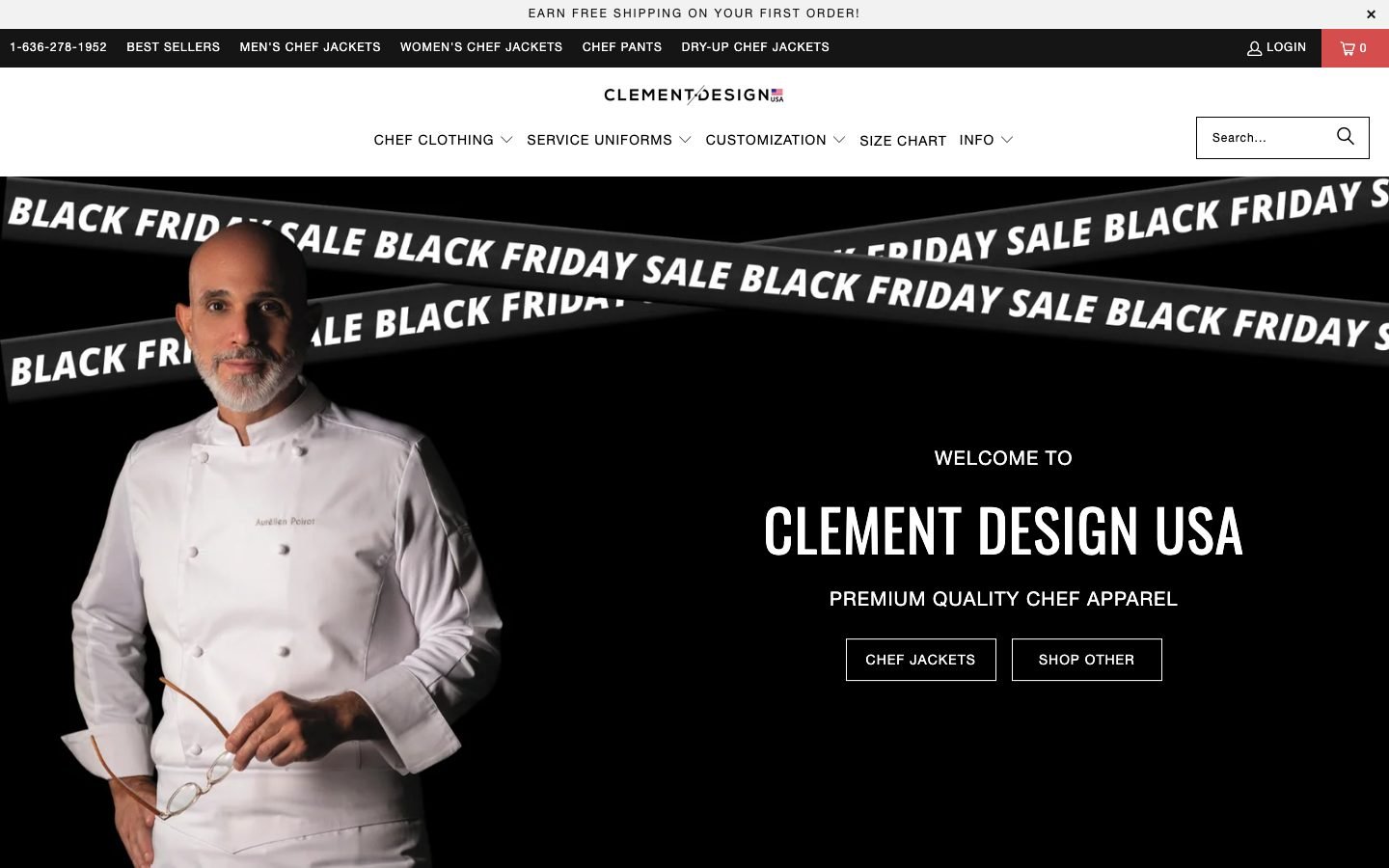
Clement Design USA offers chef jackets within its culinary apparel range, giving a specification-led buyer a focused starting point for chef attire. Its site says its jackets are designed and made in France, which is a meaningful product-origin detail when that characteristic belongs in the uniform brief. The same source directs buyers to the garment label for model-specific laundering instructions, so care should be treated as a selected-garment question rather than a program-wide assumption. Official homepage
This is a natural fit for a buyer who has already narrowed the program to culinary apparel and wants to assess individual jacket choices. Put the intended job roles, coat models, size allocation, and laundering environment into the inquiry. Ask the supplier to identify the garment-label instructions that apply to the proposed models, then retain those instructions with the purchasing specification. That approach keeps a catalogue comparison anchored to the actual coat rather than general marketing language.
Veelianpro
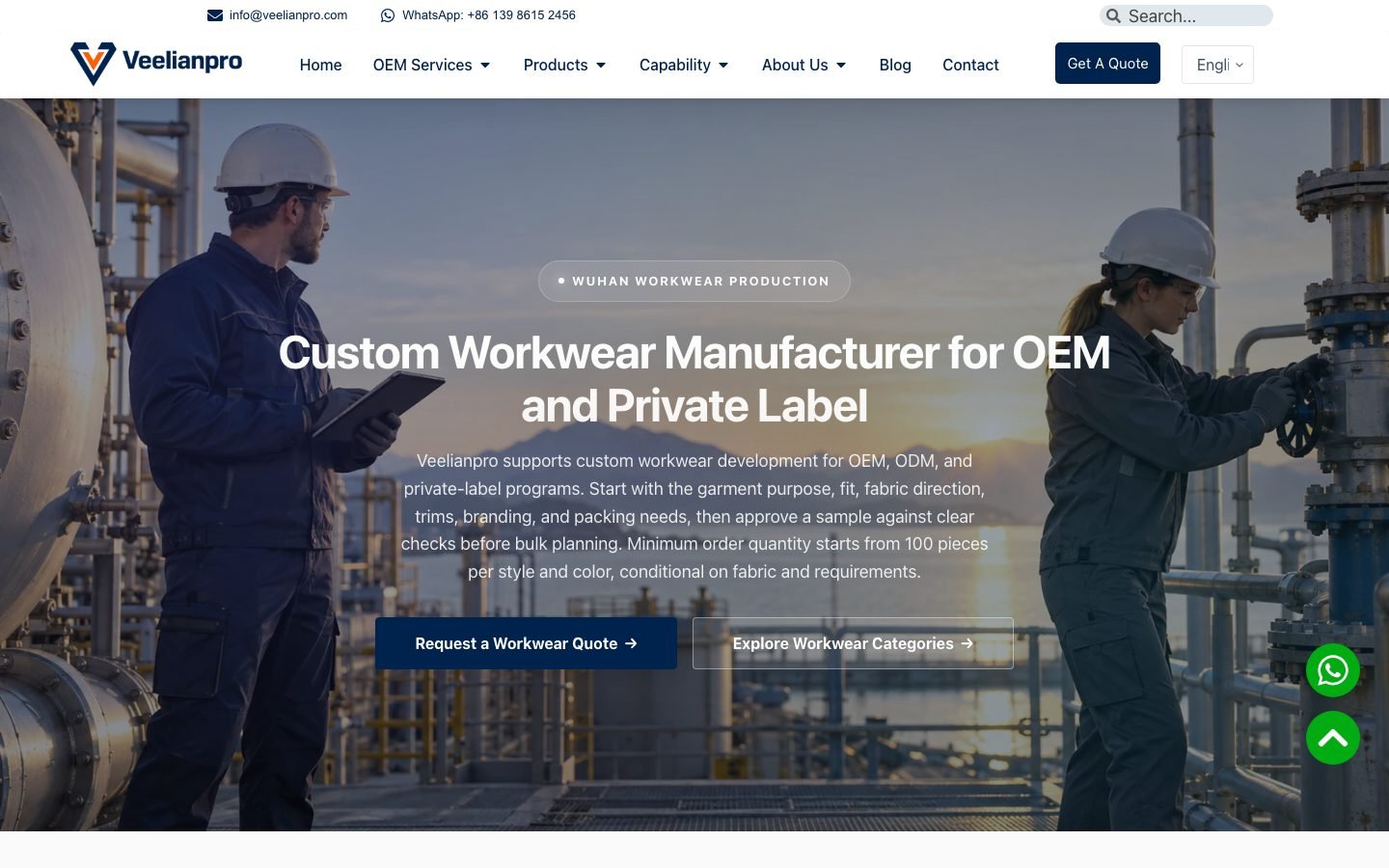
Veelianpro frames its chef-coat offering around OEM, ODM, and private-label routes. Its published category focuses on chef coats and hospitality workwear, and it separates catalogue review from requesting a project quotation. That split makes it relevant when a buyer needs to decide whether an existing direction is sufficient or whether the uniform program needs a project conversation. Chef coat page · Official homepage
For a development-oriented brief, send a concise product description first: culinary role, desired visual direction, required coat features, branding treatment, and whether the team is evaluating catalogue options or a private-label route. Keep the request organized around decisions rather than adjectives. A request that says “premium chef coat” leaves too much room for inconsistent interpretation. A request that states the intended role, front treatment, sleeve approach, logo location, and approval steps produces a more useful project response.
Custom Uniform Factory
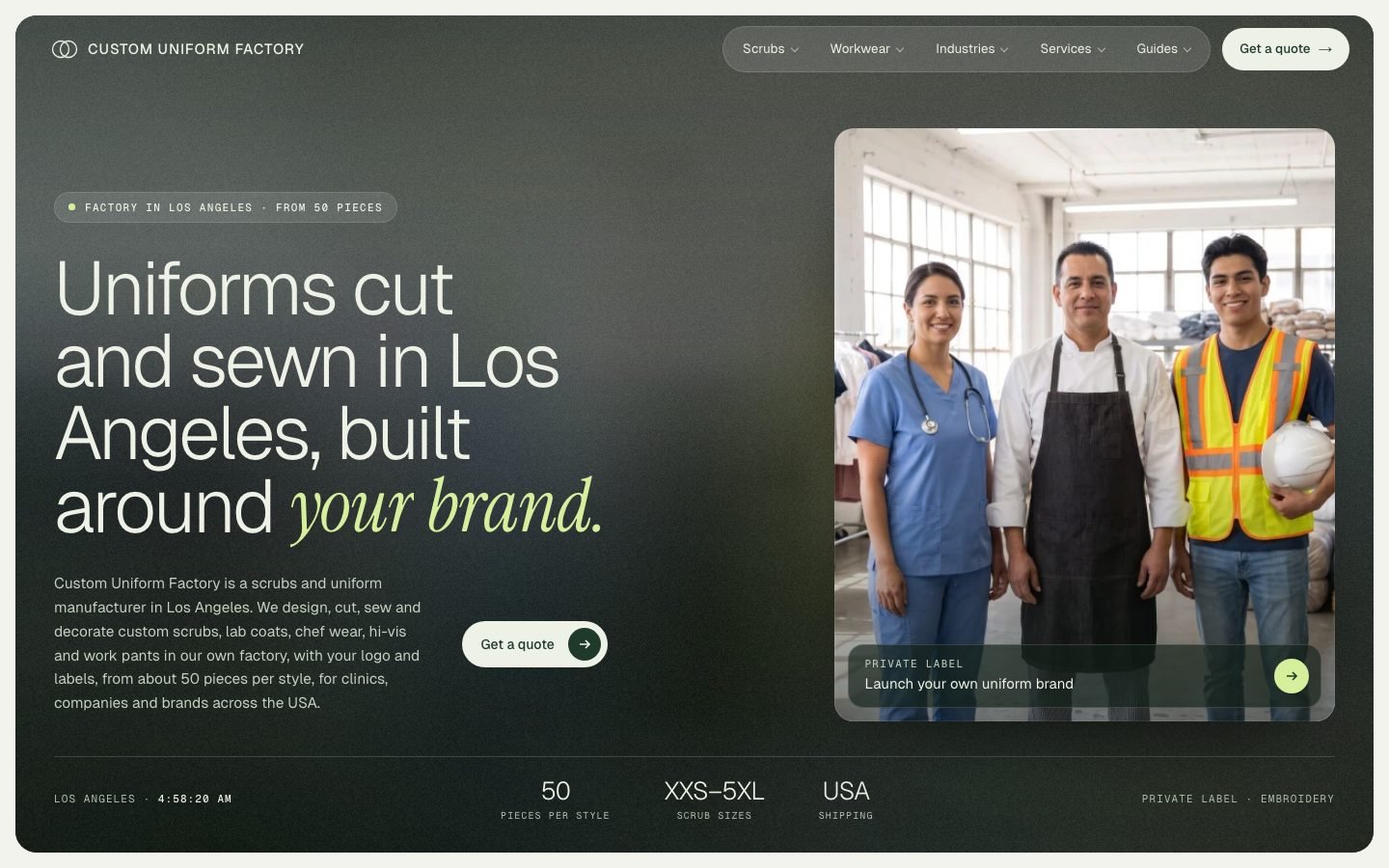
Custom Uniform Factory describes chef wear for executive and line-kitchen coat styles. Its published options include double-breasted fronts plus short or three-quarter sleeves, while piping and name embroidery are presented as customization options alongside a quote route. The page therefore gives a buyer several concrete design controls to place in a chef-wear brief. Chef-wear page · Official homepage
This route works when operational roles need visibly different coat treatments. An executive coat and a line-kitchen coat should not be treated as merely two quantities on a single line item. List each role separately, state the intended front style and sleeve choice, then identify piping and name-embroidery requirements by role. Before advancing, ask for the proposed configuration written back in the same structure. It becomes an approval record and reduces the risk that decorative choices are detached from the coat they belong to.
TILIT
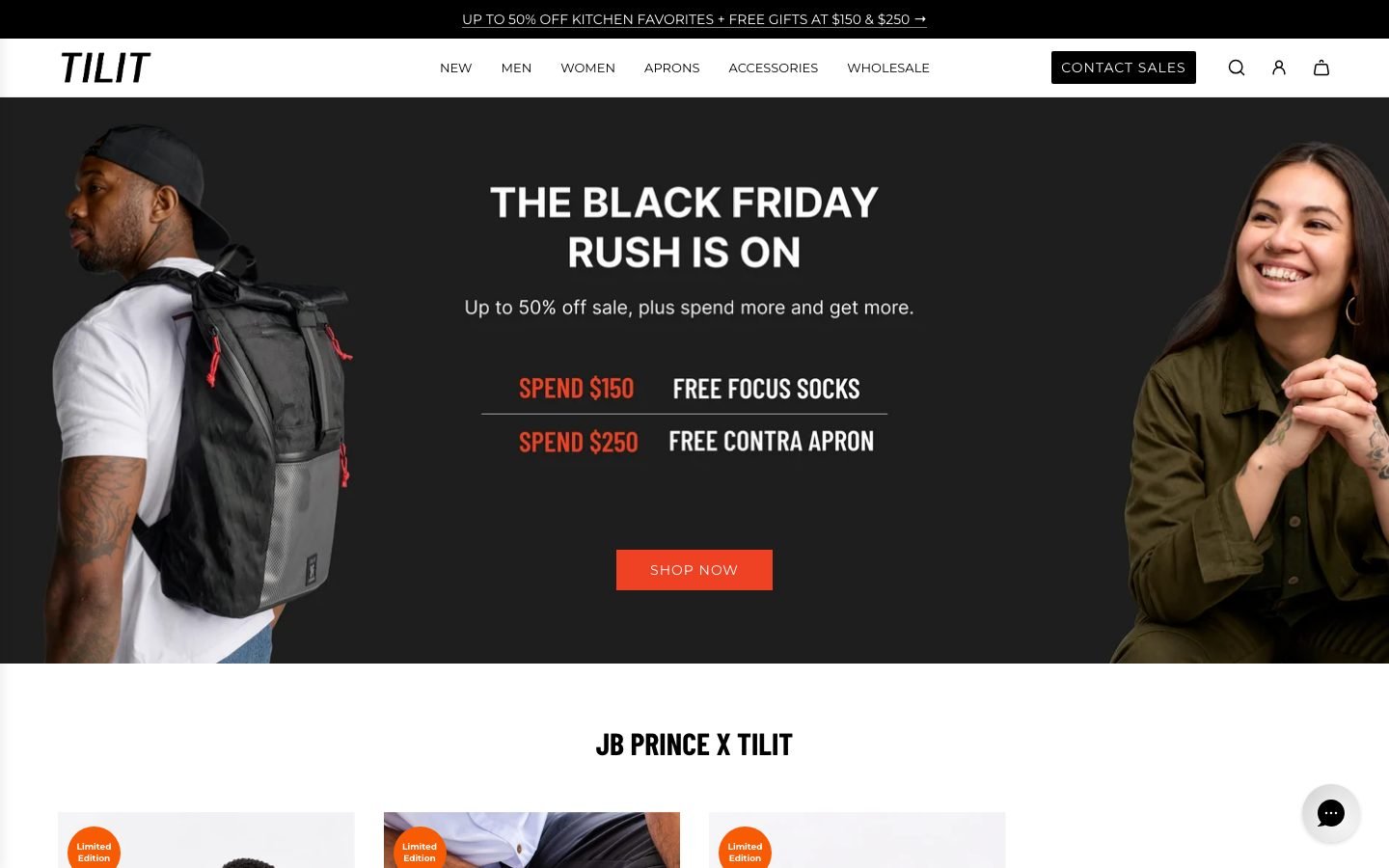
TILIT maintains a wholesale chef-apparel catalog with separate men’s and women’s chef-coat sections. Its team ordering area places chef coats alongside other restaurant uniform pieces. That organization is useful for a buyer building a coordinated restaurant program rather than sourcing a chef coat in isolation. Wholesale collection · Official homepage
The upside is a buying conversation that can cover kitchen and restaurant uniform pieces together. The operational checkpoint is a clean role matrix. Identify who requires a chef coat, which section is being reviewed, and which additional pieces belong to each team. For repeat procurement, retain the selected category and garment references in the internal purchasing record. It helps the next order begin with the prior specification instead of recreating decisions from memory.
UniformMfg
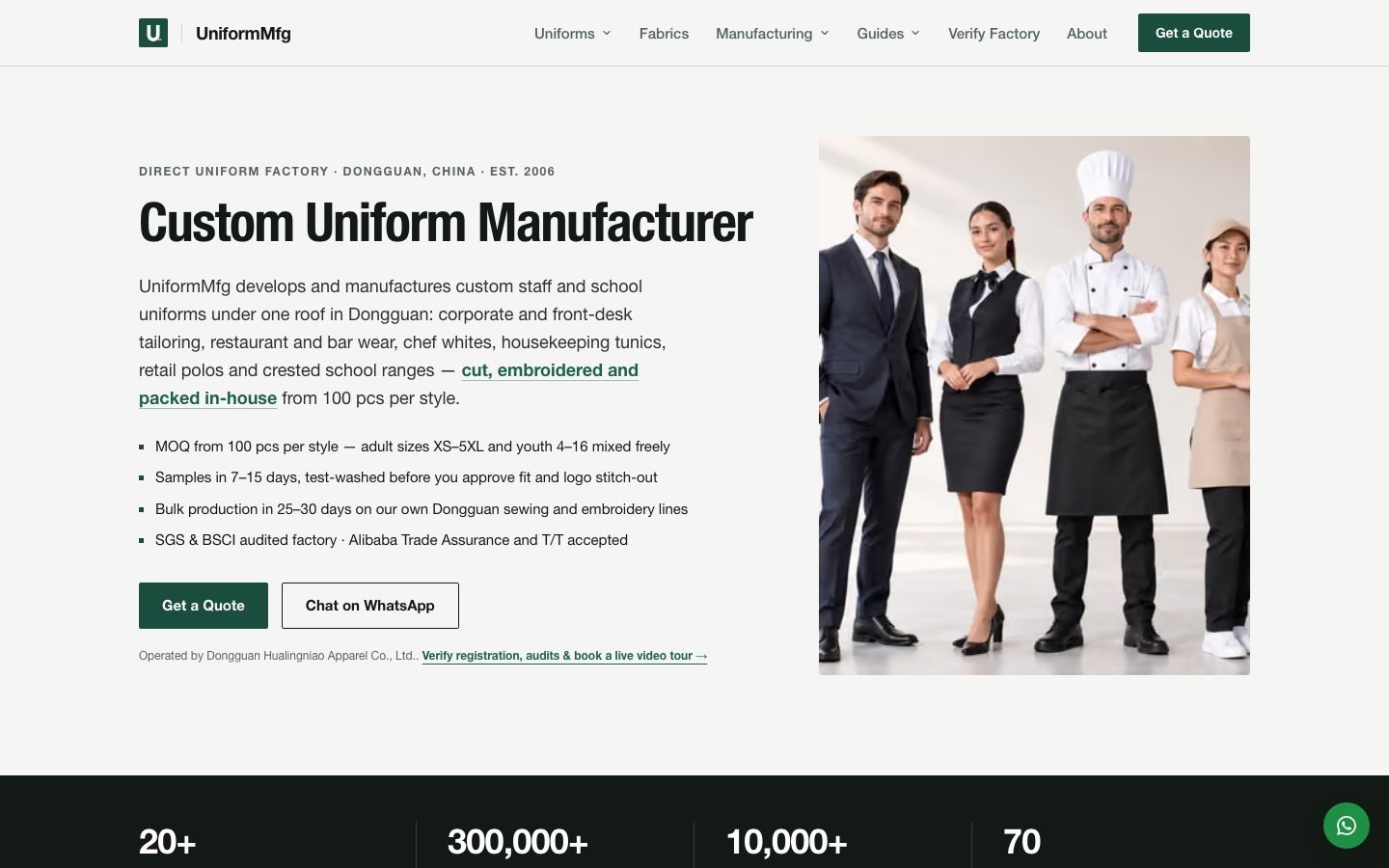
UniformMfg lists double-breasted jackets and lightweight short-sleeve coats with underarm mesh on its wholesale chef-coat page. Published option details include cloth, removable, or press-stud closures and a sleeve thermometer pocket. It also describes individualized name and logo placement as part of the quotation brief, connecting garment selection with identification requirements. Wholesale chef-coat page · Official homepage
This supplier is particularly straightforward to assess when the brief needs explicit feature choices. Build an itemized request around the jacket construction, sleeve format, closure, thermometer-pocket need, and placement of each name or logo. The purpose is not to demand every feature. It is to make each accepted feature deliberate. Buyers can then compare the returned proposal to their role matrix and remove options that do not serve the kitchen’s day-to-day workflow.
Compare catalogue and development routes
| Supplier | Published scope | Published options or route | Ordering conversation to begin |
|---|---|---|---|
| Clement Design USA | Chef jackets in a culinary apparel range | Jackets described as designed and made in France | Match selected garments to their label-specific laundering instructions. |
| Veelianpro | Chef coats and hospitality workwear | OEM, ODM, private-label, catalogue review, and project quotation routes | State whether the request is catalogue-led or project-led. |
| Custom Uniform Factory | Executive and line-kitchen coat styles | Double-breasted fronts, short or three-quarter sleeves, piping, and name embroidery | Submit the role-by-role configuration for quotation. |
| TILIT | Wholesale chef apparel within restaurant uniforms | Separate men’s and women’s chef-coat sections | Map coat choices to a wider team-uniform requirement. |
| UniformMfg | Wholesale chef coats | Double-breasted and lightweight short-sleeve coats, underarm mesh, closure choices, and thermometer pocket | Specify garment features and individual name or logo placement. |
Selection criteria
Use scope first. A buyer choosing between chef coat manufacturers should decide whether the assignment is a catalog match, a role-based uniform build, or a branded development project. Next, test options against the actual kitchen. Confirm which roles need double-breasted styling, which roles need shorter sleeves, and whether a thermometer pocket or underarm mesh belongs in the requested configuration. Finally, test ordering discipline. A quotation request should state exactly what must be quoted, which choices are alternatives, and who approves garment, decoration, and care details.
Before comparing quotes, mark each requirement as mandatory or optional. Keep garment, decoration and care approvals on separate lines. That gives the buyer a way to accept a proposed change to one detail without reopening the rest of the specification.
RFQ checklist
- Identify each wearer group, such as executive chef, line kitchen, pastry, or front-of-house support.
- State the requested chef-coat style for every group, including front construction and sleeve preference where applicable.
- List required functional details, including closure type, thermometer pocket, or underarm mesh only when they are part of the brief.
- State name, logo, and piping requirements separately from garment requirements.
- Specify whether the request is for catalogue matching, OEM, ODM, private label, or a custom configuration.
- Ask the supplier to restate the proposed garment configuration and any applicable care direction in its response.
- Keep one internal approval version that connects wearer role, garment, features, decoration, and reorder reference.
Choose a route by kitchen role
A kitchen-uniform decision is strongest when it creates an approval trail. Start with the role matrix, choose the appropriate sourcing route, and request a reply that mirrors the brief. Catalogue buyers can compare selected garments and garment-specific care directions. Custom buyers can compare how well the response handles their defined configuration. Restaurant operators can use the same matrix to coordinate chef coats with other uniform pieces.
For each accepted style, save the garment reference, the approved decoration artwork and placement, and the supplier’s care instructions. If a reorder uses a substitute garment or trim, send that detail back through the original approver before issuing the order.
FAQ
How should we compare catalogue and project-based routes?
Use a catalogue route when the team can identify the garment it wants to specify. Use a project route when the team needs to define the coat, branding, or product direction through an OEM, ODM, or private-label conversation. Veelianpro’s chef-coat page presents both catalogue review and project quotation stages.
What details belong in the first chef-coat inquiry?
Give the supplier a role list, desired coat construction, sleeve preference, required functional features, and decoration placement. Custom Uniform Factory publishes double-breasted, short-sleeve, three-quarter-sleeve, piping, and name-embroidery options, while UniformMfg publishes closure, thermometer-pocket, and name or logo placement considerations. Custom Uniform Factory UniformMfg
How do we plan for a wider restaurant uniform program?
Create a role matrix before selecting pieces. TILIT’s wholesale area groups chef coats with restaurant uniform pieces, which supports a single conversation covering more than the kitchen team. TILIT wholesale collection
How should garment care be captured?
Record care with the exact garment selection. Clement Design USA directs buyers to the garment label for model-specific laundering instructions. Clement Design USA
Sources
- Clement Design USA official homepage
- Veelianpro chef coat page
- Custom Uniform Factory chef-wear page
- TILIT wholesale collection
- UniformMfg wholesale chef-coat page
Inquiry template
Subject: Chef Coat Uniform Program Inquiry

Company:
Contact name:
Email and phone:

Program type: Catalogue specification / Custom configuration / OEM / ODM / Private label

Wearer groups and quantities:
- Executive chef:
- Line kitchen:
- Other roles:

For each role, please quote the proposed chef-coat configuration:
- Front style:
- Sleeve preference:
- Required functional details:
- Name placement:
- Logo placement:
- Piping or other visual details:

Please confirm the proposed garment configuration, the applicable care direction for the selected garment, and the next approval steps.

Additional project notes:
