
Custom Security Uniforms for Professional, Tactical, and Branded Teams
Veelianpro develops custom security uniforms for OEM, ODM, private-label, and wholesale programs from 100 pieces per style and color, subject to project requirements.
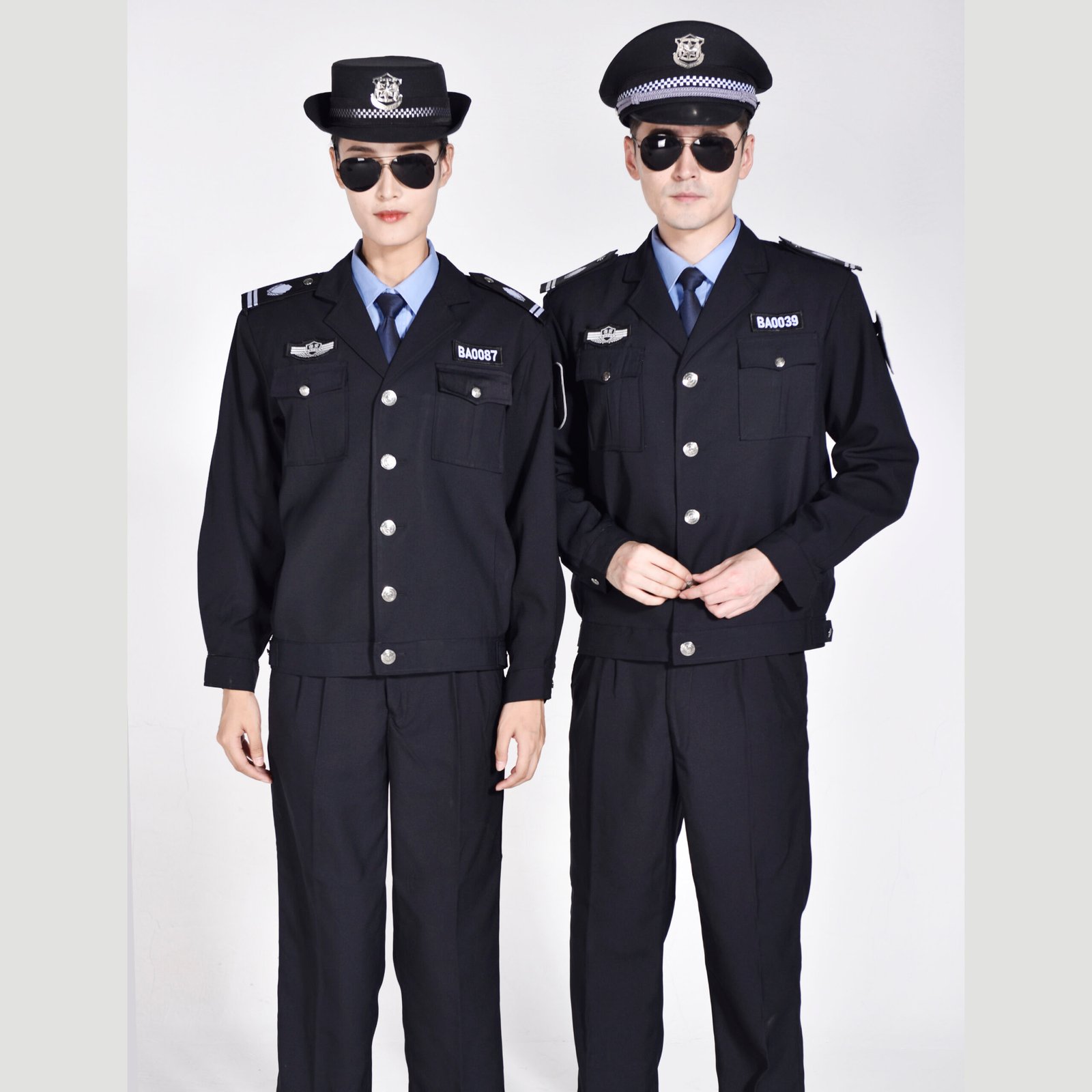
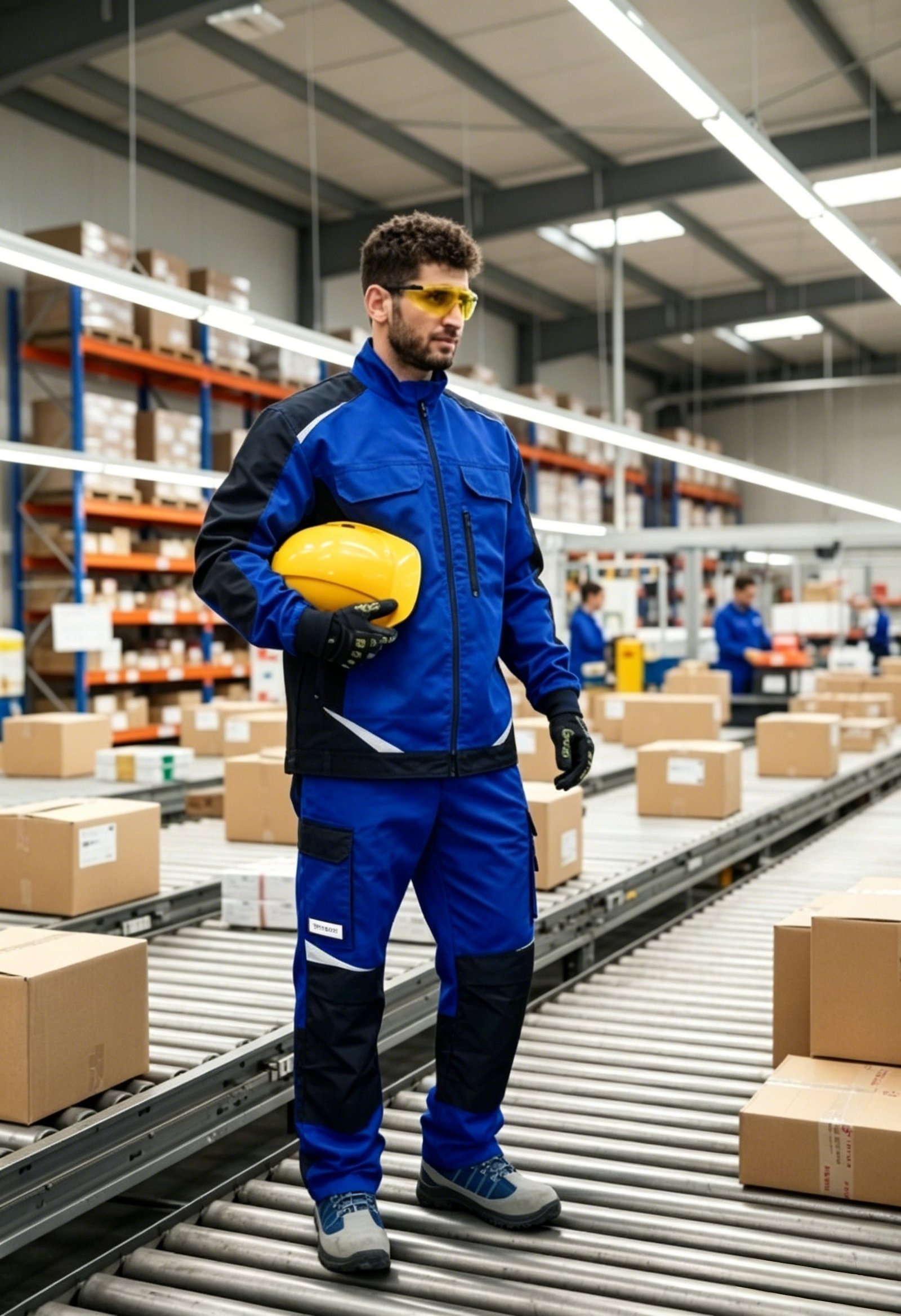
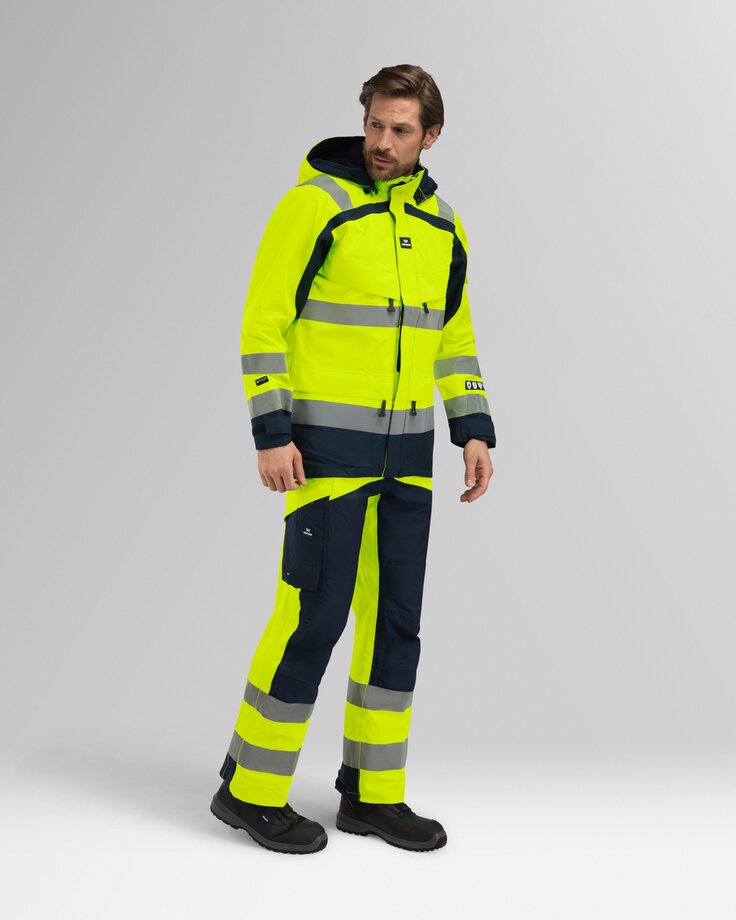
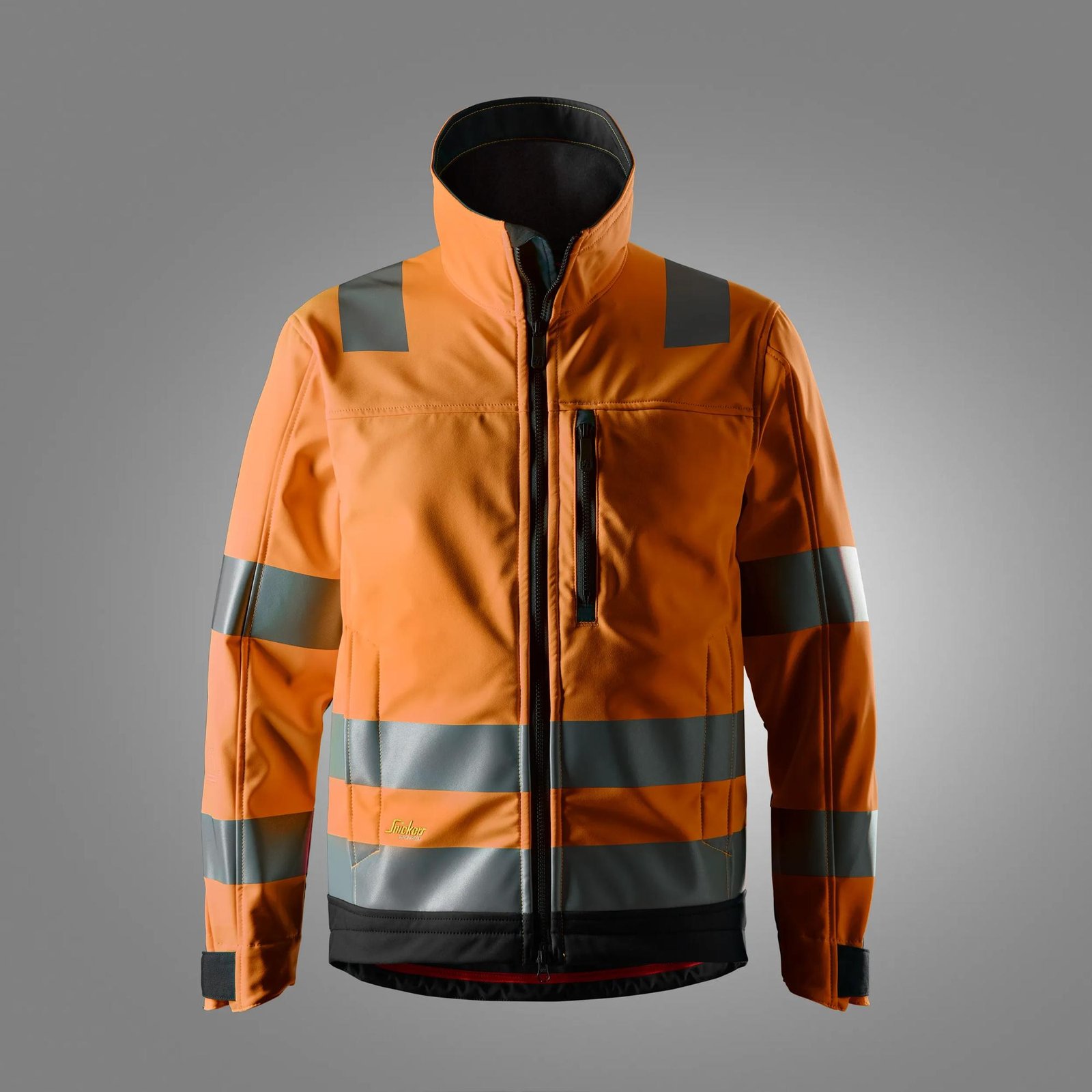
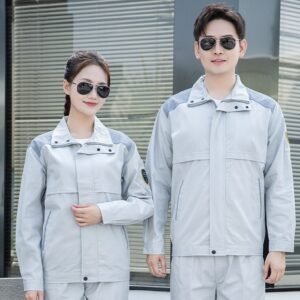
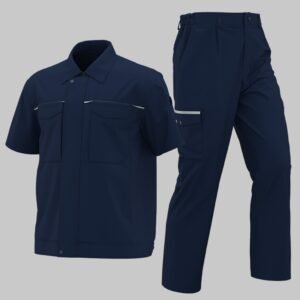
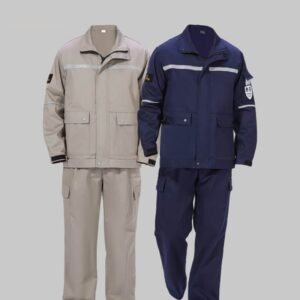
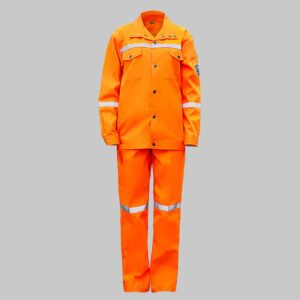
Featured Products for Custom Security Uniform Development








Related Product Catalogue and Quotation




Why Choose Veelianpro for Custom Security Uniforms
Build practical, branded security apparel with flexible development, clear MOQ planning, detailed construction options, and coordinated production support.
Flexible OEM Development
Start with a tech pack, sketch, sample, or product idea, then refine patterns, fits, fabrics, trims, and branding for your program.
Sourcing and Sampling
Coordinate fabric and trim sourcing, pattern development, size grading, and samples before confirming construction details and production quantities.
Functional Construction
Specify pocket layouts, epaulets, closures, reinforcements, bartacks, reflective placement, and stitching details for professional or mobile security teams.
Branding and Private Label
Apply embroidery, screen printing, heat transfer, patches, woven labels, care labels, and custom packaging to build consistent branded uniforms.
Clear MOQ Planning
As a low MOQ workwear manufacturer, Veelianpro supports OEM, ODM, private-label, and wholesale programs starting at 100 pieces per style and color, subject to materials, certification, and construction requirements.
Export Coordination
From quality checks and packing to shipment coordination, Veelianpro supports organized handoff for distributors, wholesalers, traders, and enterprise sourcing teams.
Security Uniform Components for Defined Roles
Custom security uniform components developed around post type, identification hierarchy, equipment access, branding, and practical duty conditions.
Work Shirts
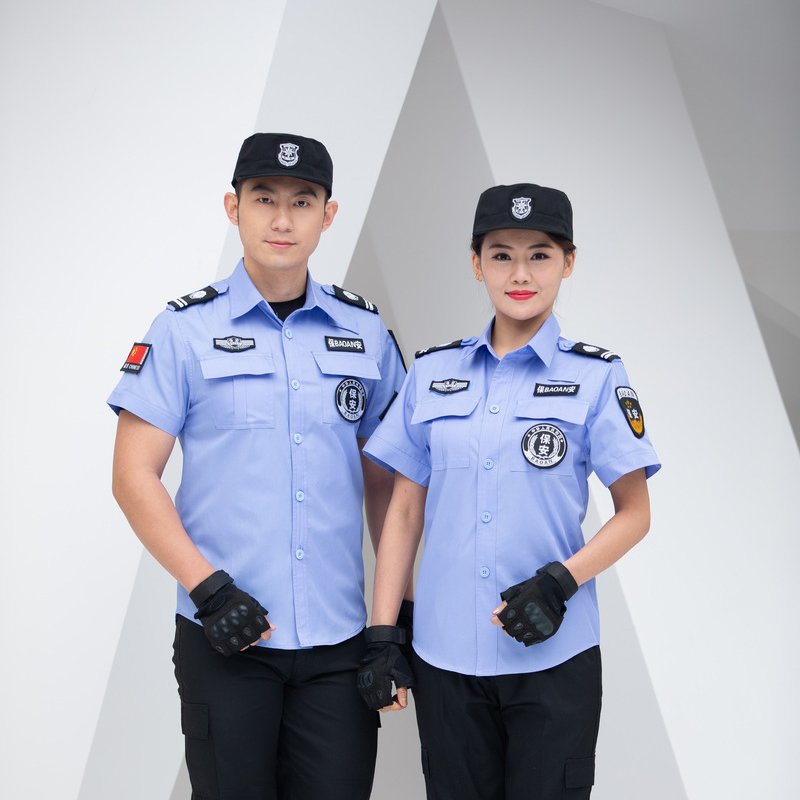
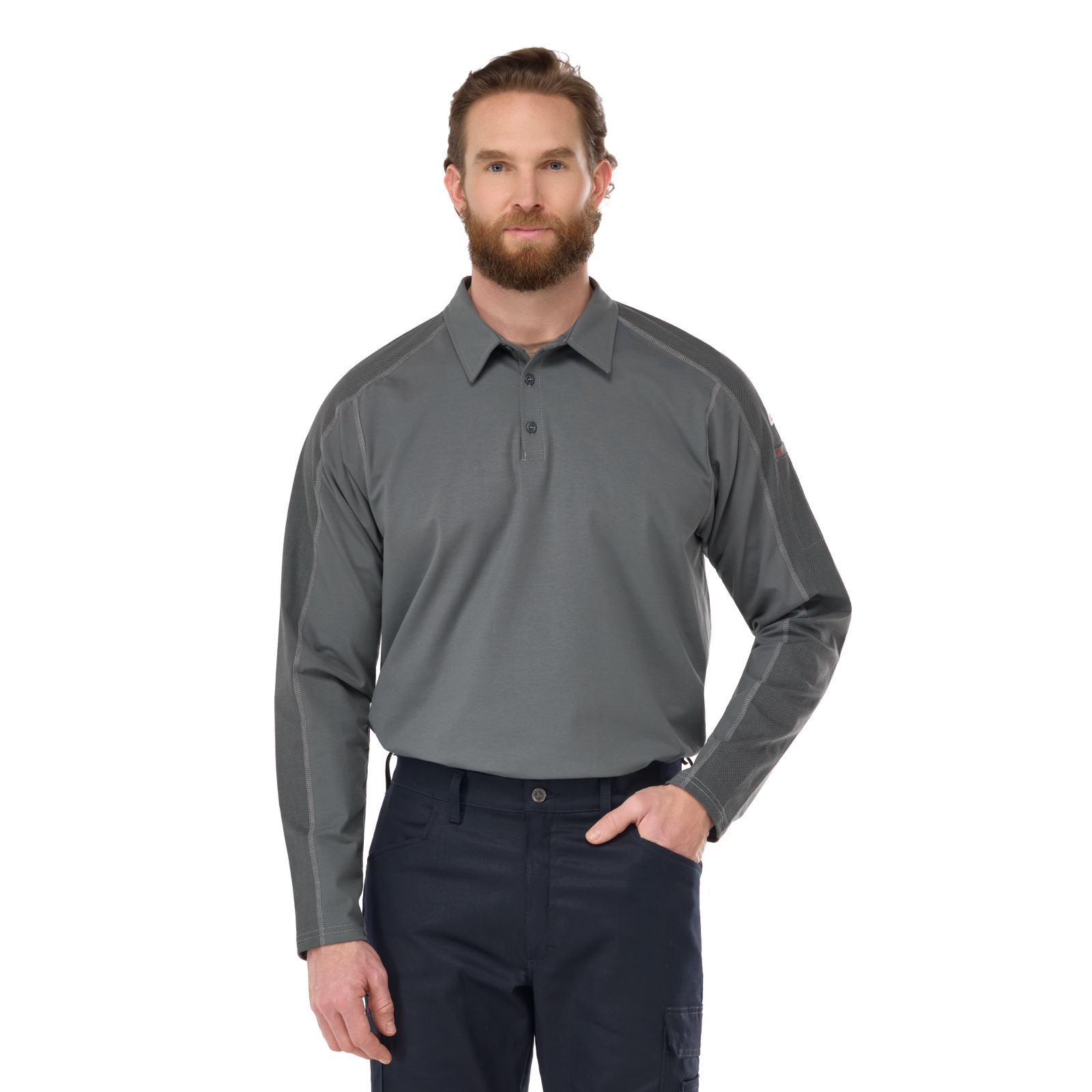
Custom work shirts for security teams, site staff and service crews, with long- or short-sleeve development, pocket layouts, epaulets, closures and logo applications specified to the brief. Fabric composition, weight, color and sizing are selected during development.
Request a Workwear Quote
T-Shirts & Polos
T-shirts and polos for front-of-house, patrol and everyday service uniforms. Develop crew-neck or collared styles with required fabric composition, contrast details, chest or sleeve branding, woven labels and care labels for coordinated team presentation.
Request a Workwear Quote
Work Jackets & Outerwear
Work jackets and outerwear can include softshell, fleece, padded and rain-jacket product families for changing conditions. Specify pocket systems, closures, lining approach, weather-protection design targets, reflective placement and branding before sampling and production.
Request a Workwear Quote
Work Vests & Bodywarmers
Utility vests and bodywarmers provide a flexible layer for security, logistics and service roles. Develop pocket configurations, zip or snap closures, insulation approach, color blocking, identification patches and decoration placements to match the intended work setting.
Request a Workwear Quote
Work Pants & Shorts
Work pants, cargo pants and shorts are developed around movement, storage and daily wear. Available design choices include pocket systems, reinforced knees, bartacks, triple stitching, gussets, size grading, colors and logo labels suited to the uniform program.
Request a Workwear Quote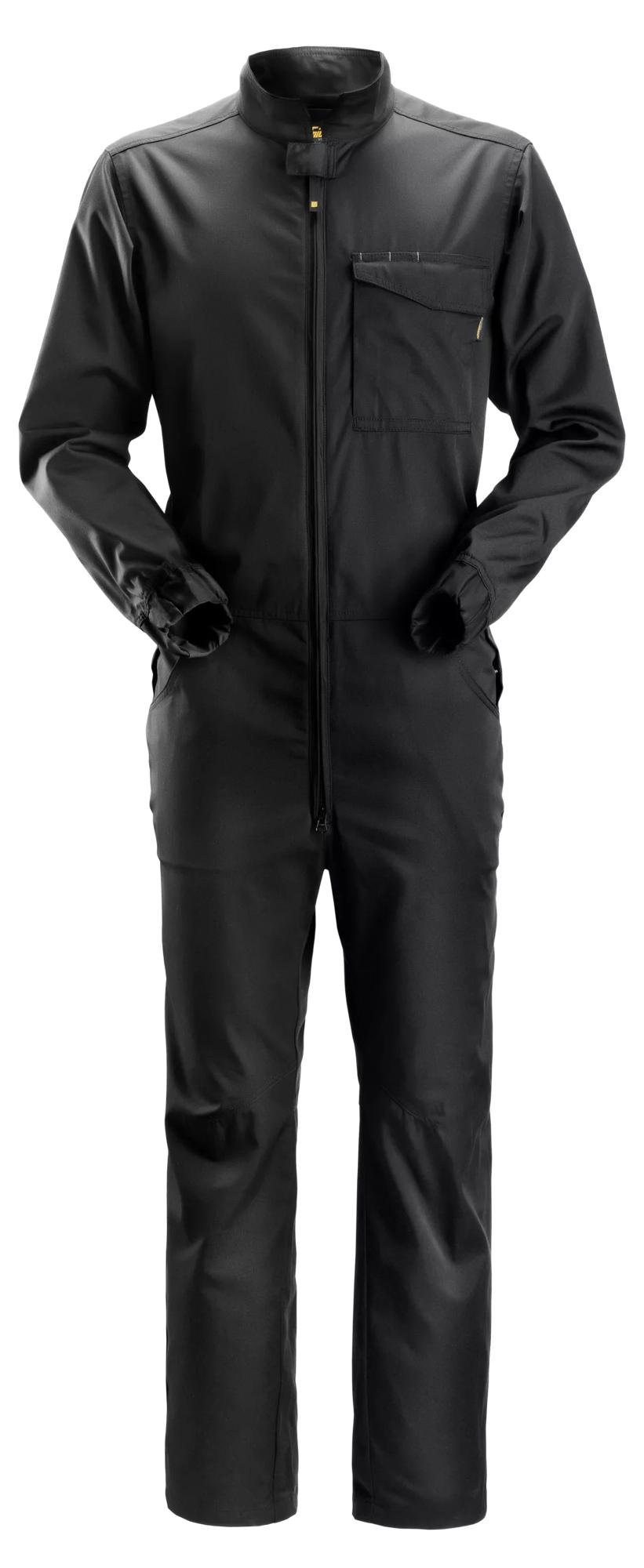
Coveralls & Bib Overalls
Coveralls and bib overalls suit maintenance, workshop, industrial and field teams needing full-body coverage or layered protection. Configure closures, utility pockets, reinforcement points, reflective details, sizing and decoration while aligning the garment design with the intended job.
Request a Workwear Quote
Workwear Sets
Coordinate shirts, pants, jackets, vests or coveralls into consistent workwear sets for security and operational teams. Match colors, trims, branding and fit across garments, with sampling used to review the complete uniform system before production.
Request a Workwear Quote
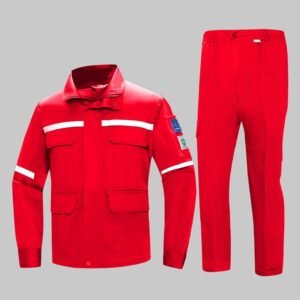
High-Visibility Workwear
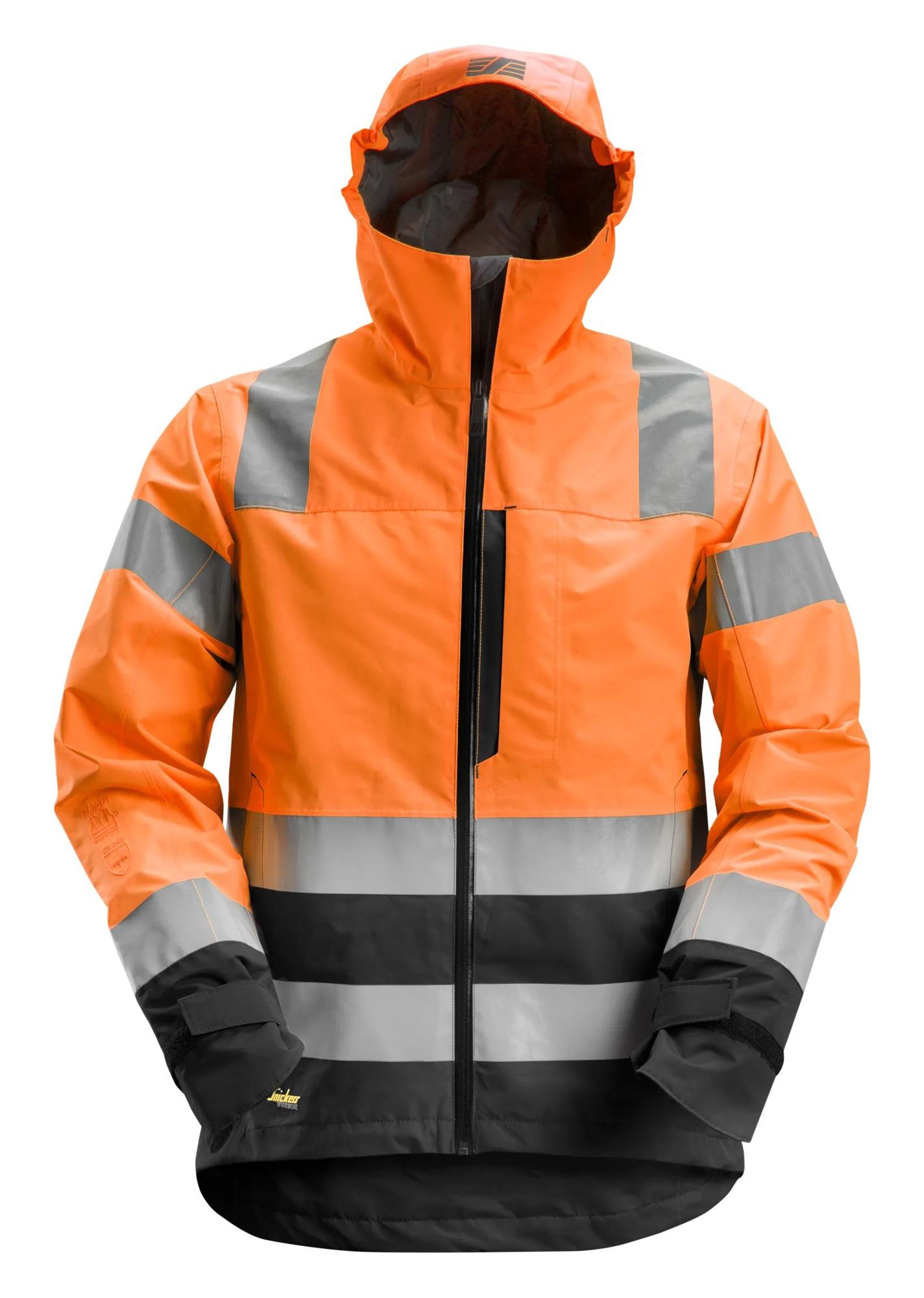
High-visibility workwear families can be developed as vests, jackets, shirts, pants or coveralls with planned reflective tape placement and color blocking. Applicable standards, required tests and certification scope must be defined for any compliant product claim.
Request a Workwear Quote
Flame-Resistant & Arc-Rated Wear
Flame-resistant and arc-rated garment families are available for product development where the buyer provides the applicable standard, fabric requirements and documentation needs. Construction, closures, pockets and branding should be specified without treating a design target as a certified rating.
Request a Workwear Quote
Chemical-Protective Clothing
Chemical-protective clothing development begins with the work environment, exposure type and required standard. Veelianpro can discuss garment configuration, seams, closures, fabric sourcing and sampling; protection claims require SKU-specific test evidence and certification scope.
Request a Workwear Quote
Cold-Storage Workwear
Cold-storage workwear development can include jackets, pants, bib overalls, and layered systems for warehouse or refrigerated operations. Define the intended layering approach, outer fabric, closures, pocket needs, mobility requirements, and target conditions before material selection and sampling.
Request a Workwear Quote
Welding Workwear
Welding workwear is developed for workshop and industrial use with attention to garment coverage, reinforced construction, pocket placement, closures and fabric requirements. Any flame, heat or protective-performance claim requires the exact applicable test evidence and certification documentation.
Request a Workwear Quote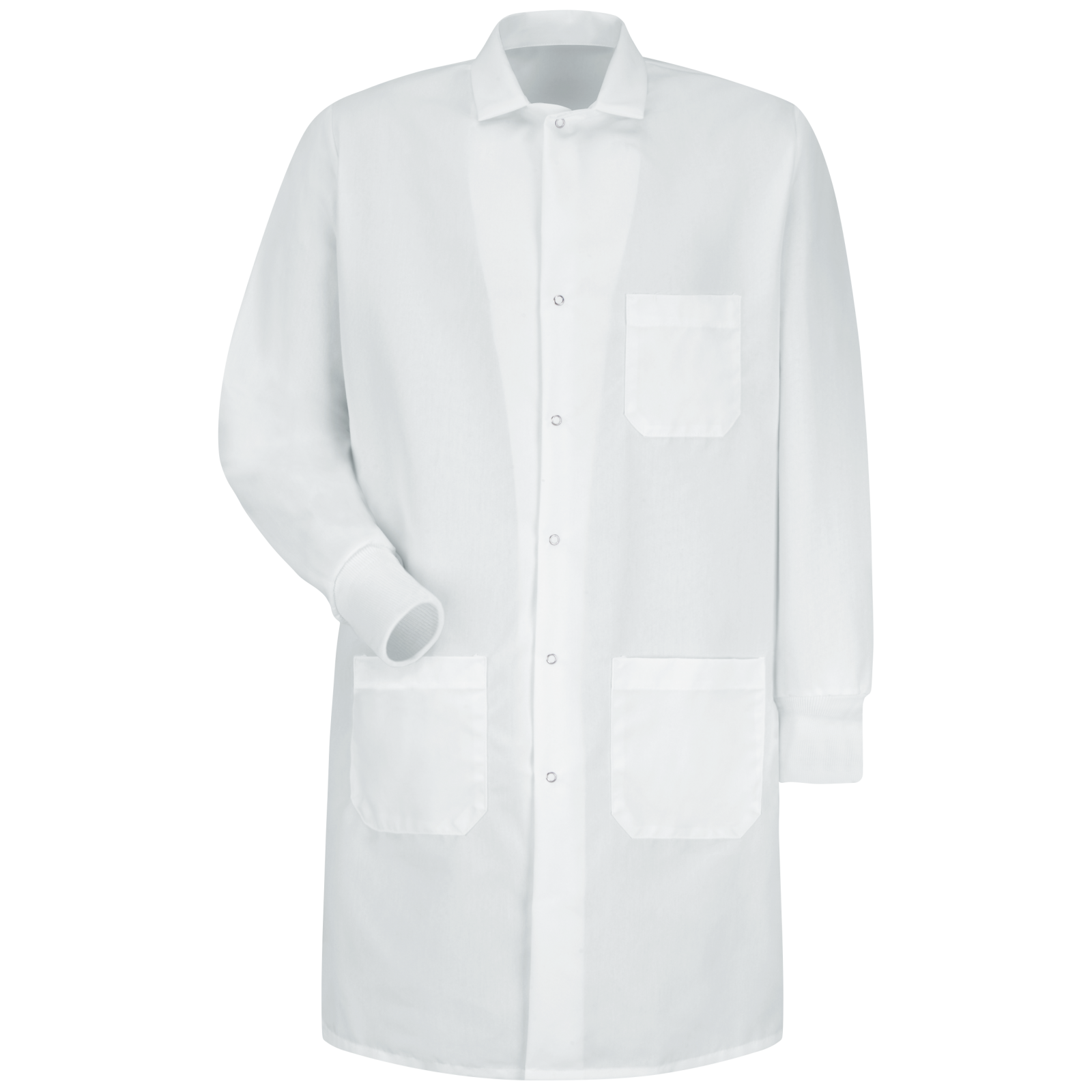
Medical & Cleanroom Wear
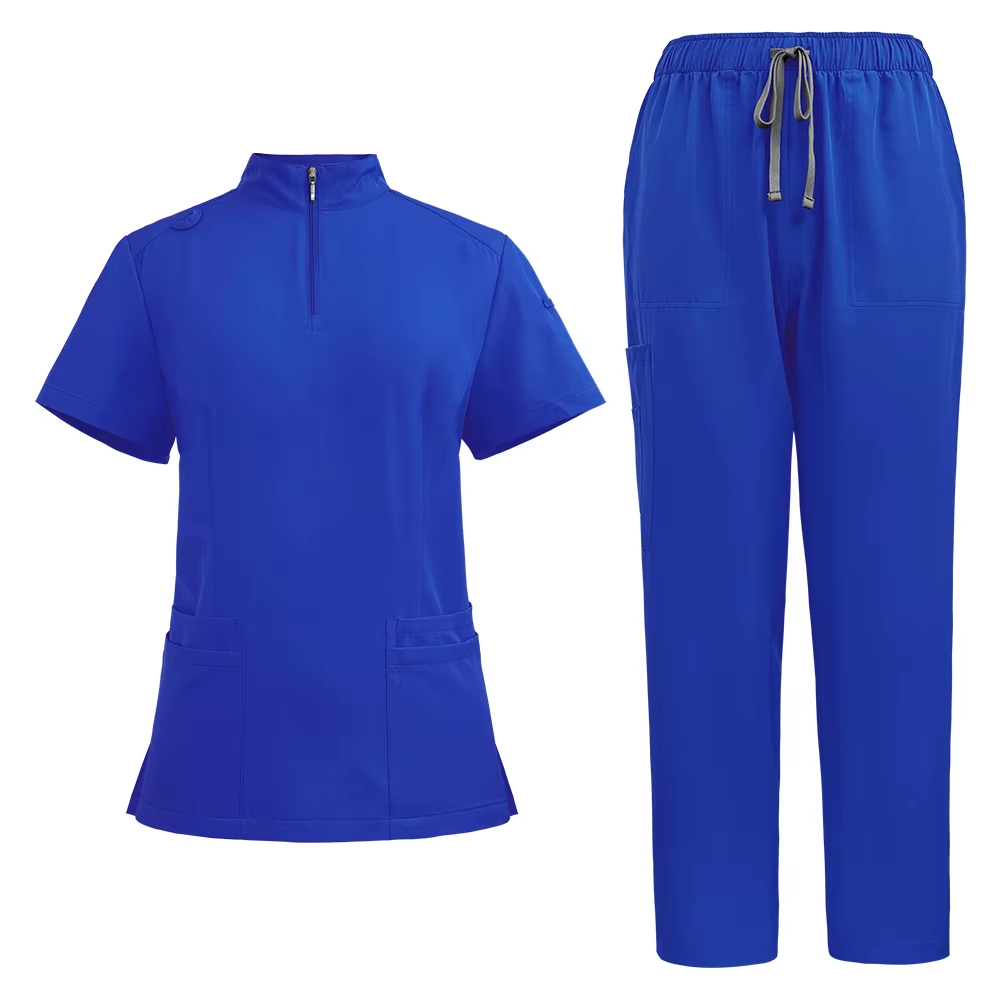
Medical and cleanroom wear includes scrubs, coats and ESD or controlled-environment garment families. Specify intended environment, fabric requirements, closure style, pocket layout, size range, color coding and branding; cleanroom or ESD performance must be supported by relevant evidence.
Request a Workwear Quote
Chef & Hospitality Uniforms
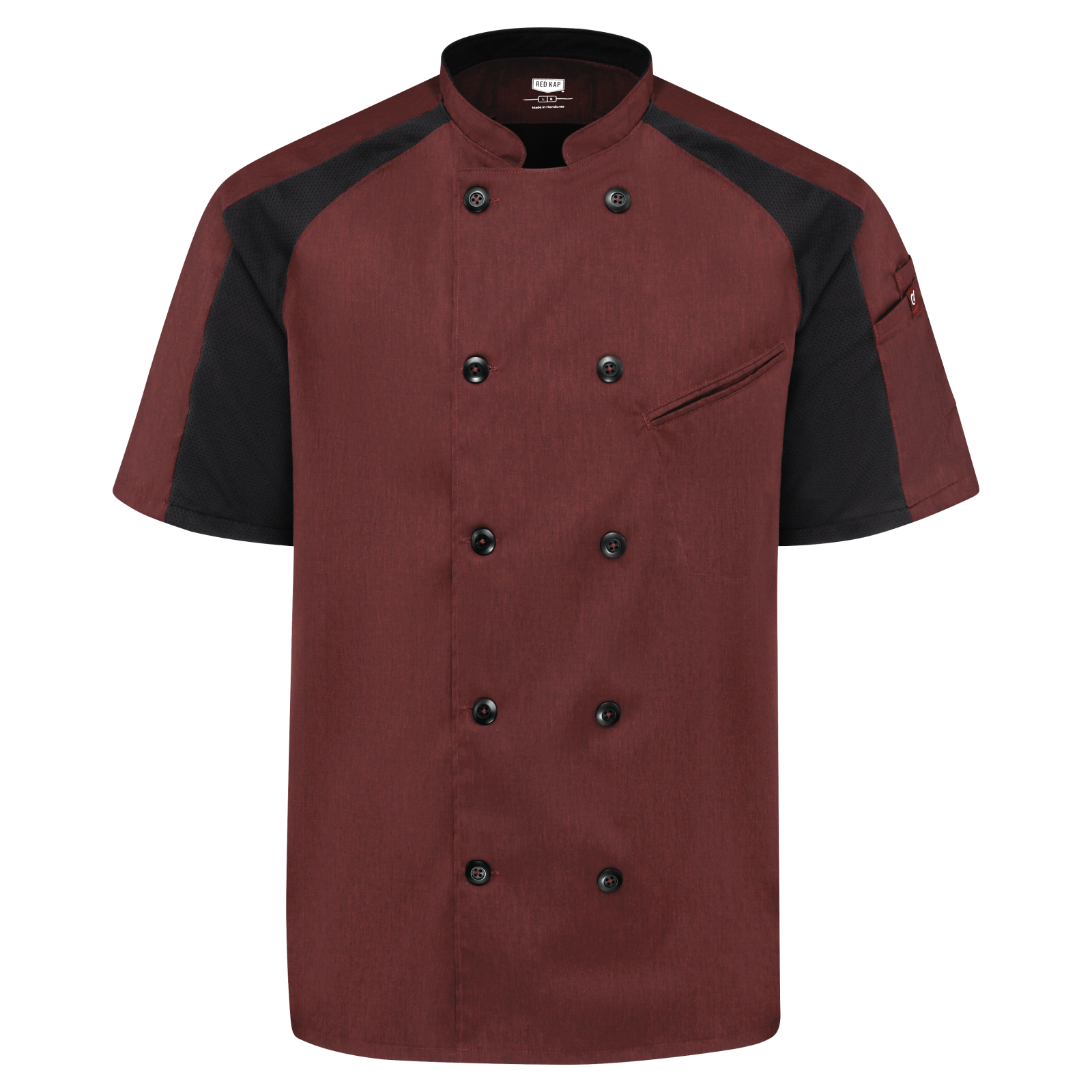
Chef and hospitality uniforms cover chef coats, service shirts, polos, aprons and coordinated front- or back-of-house apparel. Develop practical closures, pocket details, color programs, fabric choices, embroidered logos, labels and packaging for the service setting.
Request a Workwear Quote
Industry Uniforms
Industry uniforms are tailored around the role, environment and company identity, from security patrol teams to logistics, maintenance and customer-facing staff. Combine core garments with job-specific pockets, reinforcements, identification details, decoration methods and standardized sizing.
Request a Workwear Quote
Base Layers & Accessories
Base layers and accessories complete a uniform program with items such as undershirts, headwear, patches, labels and custom packaging. Specify fabric needs, color, branding method and how each component integrates with the primary garment range.
Request a Workwear QuoteMaterials for Custom Security Uniforms




Custom Security Uniforms: Decoration and Construction



Custom Security Uniform Accessories and Trims


About Veelianpro: Custom Security Uniforms
Hubei Veelianpro Workwear Co., Ltd. is a Wuhan-based workwear manufacturer in China and industrial uniform manufacturer serving industrial, safety, hospitality, and service brands. The company profile states that its workwear operation began in 2012, with a mission to turn buyer concepts, sketches, and tech packs into dependable garments for professional teams and growing uniform programs.
As an OEM workwear manufacturer, Veelianpro supports OEM, ODM, private-label, and wholesale production across shirts, polos, trousers, jackets, vests, coveralls, and coordinated sets. Its process covers fabric and trim sourcing, pattern development, sampling, grading, cutting, sewing, reinforcement, decoration, quality checks, packing, and export coordination, with MOQ starting at 100 pieces per style and color subject to project requirements.
What sets the team apart is practical collaboration before production begins. Buyers can define fit, fabric, pocket systems, branding, reflective placement, and construction details for custom security uniforms, while protection claims remain tied to SKU-specific testing and documentation. For inquiries, contact info@veelianpro.com or WhatsApp +86 139 8615 2456; the company profile’s stated team size should be confirmed for current projects.

Core Capabilities Behind Custom Security Uniforms
Interpretation From Idea to Tech Pack
Veelianpro can start with a sketch, sample, tech pack, or product idea and turn the brief into a workable development plan. Buyers can define garment type, work setting, fit, color, branding, target quantity, destination, and timeline before sampling begins.
- Review construction, sizing, and intended use
- Clarify fabric, trims, closures, and branding requirements
- Translate design intent into production-ready specifications
- Identify project details affecting feasibility and quotation

Pattern, Fit, and Garment Development
Our development support covers pattern creation, sample making, size grading, and revision. This helps buyers refine security shirts, polos, trousers, jackets, vests, coveralls, or coordinated sets for professional appearance, mobility, comfort, and consistent sizing across different staff groups.
- Develop patterns from approved references or new concepts
- Adjust fit, proportions, and size-range requirements
- Review samples and coordinate revision rounds
- Prepare graded specifications for production planning

Functional Construction for Active Duty
Custom security uniforms can be developed around the demands of each operating environment. Pocket systems, badge placement, epaulets, reinforced areas, bartacks, triple stitching, gussets, reflective tape placement, and weather-protection details can be discussed before production.
- Plan practical storage for radios and essential tools
- Specify reinforcement at high-wear stress points
- Coordinate closures, badge areas, and identification details
- Separate design targets from verified performance claims

Materials, Branding, and Production Control
Veelianpro supports fabric and trim sourcing, decoration, cutting, sewing, finishing, inspection, packing, and export coordination. OEM, ODM, private-label, and wholesale programs can begin from 100 pieces per style and color, subject to fabric, certification, and construction requirements.
- Source fabrics and trims to suit the approved brief
- Apply embroidery, patches, heat transfer, labels, or packaging
- Inspect workmanship and agreed specifications before packing
- Coordinate export-ready preparation and reorder support

Custom Security Uniforms vs. Off-the-Shelf Decoration
Compare a custom-development route with buying stocked garments and adding decoration, based on your role requirements, branding, and order plan. Starting MOQ is subject to fabric, certification and construction requirements.
← Swipe left or right to view →
Our Custom Security Uniform Production Process
Veelianpro supports custom security uniforms from feasibility review through material selection, sampling, production, inspection, shipment, and reorder support. OEM, ODM, private-label, and wholesale projects can start from 100 pieces per style and color, subject to fabric, certification, construction, and project requirements.
Review Your Requirements
Share garment type, work setting, fabric, sizes, colors, branding, quantity, destination, timeline, and protection standards for a practical feasibility review.
Select Materials and Trims
Veelianpro helps evaluate fabric weight, composition, closures, pocket systems, reflective placement, reinforcements, labels, packaging, and other construction details.
Develop Patterns and Samples
Convert your tech pack, sketch, sample, or product idea into patterns, graded sizes, decorated samples, and revisions for approval before production.
Cut, Sew, and Decorate
Approved custom security uniforms move through fabric cutting, sewing, bartacks, reinforcement, embroidery, printing, patches, labels, finishing, and packing preparation.
Inspect, Ship, and Reorder
Quality checks confirm the approved details before export coordination, shipment, and documented reorder support for consistent future uniform programs.
How to Order Custom Security Uniforms
Move from an initial concept to production-ready uniforms through structured specification review, sampling, quotation, approval, and delivery coordination.
Share Your Uniform Brief
Send your tech pack, sketch, sample, or concept with garment type, work setting, size range, colors, branding, quantity, destination, and timeline.
Confirm Project Specifications
Review fabrics, trims, fit, pocket systems, closures, reinforcements, branding methods, protection requirements, and applicable test evidence with our development team.
Review Samples and Quotation
Evaluate sample construction, sizing, decoration, and finishing, then confirm the quotation, MOQ, production details, packaging requirements, and delivery expectations.
Approve Production and Delivery
Approve the final sample and order details so Veelianpro can coordinate production, quality checks, packing, export documentation, shipment, and reorder support.
Custom Security Uniforms: Certifications and Standards


Illustrative Custom Security Uniforms Procurement Scenarios
Illustrative scenario: A security-uniform buyer needs one patrol shirt and trouser program that remains consistent across indoor and outdoor posts. The proposed solution is to review the duty setting, fabric options, radio-pocket layout, size range, and logo application before sampling. Intended acceptance criteria cover fit, identification placement, construction details, and care-label requirements.
Illustrative scenario: A safety distributor needs distinct uniforms for front-desk and mobile-patrol roles without losing a consistent team identity. The proposed solution is to separate collared-shirt and outer-layer needs, then define color, badge or patch method, pocket configuration, and grading. Intended acceptance criteria define appearance consistency and role-specific function.
Illustrative scenario: An enterprise sourcing team has a sketch and artwork files but needs them converted into a controlled private-label security-uniform specification. The proposed solution is to develop patterns, fabric and trim choices, sample garments, labels, and export-packing requirements. Intended acceptance criteria address approved measurements, decoration artwork, color references, and bulk-order specifications.
Custom Security Uniforms: Buyer FAQ
Clear answers on MOQ, sampling, branding, production, compliance and ordering with Veelianpro.
What is the MOQ for custom security uniforms?
Can Veelianpro develop samples before production?
How long does custom security uniform production take?
How can we add branding to custom security uniforms?
Can Veelianpro protect our uniform design and brand IP?
Can you make protective or certified custom security uniforms?
What payment and shipping terms apply to custom security uniforms?
What information should we provide to quote custom security uniforms?
Custom Security Uniforms: A Buyer’s Guide
Use this sourcing framework to select role-appropriate custom security uniforms, compare garment and decoration options, evaluate manufacturing quality, define quote scope, and avoid approval mistakes that create inconsistent identification or unsuitable duty wear.
1. What Are Custom Security Uniforms?
Custom security uniforms are coordinated, role-specific workwear that makes authorized personnel recognizable while supporting the conditions of patrol, access control, events, facilities, or industrial sites. A program may combine shirts or polos, trousers, outerwear, vests, and identification elements, but the pieces should read as one team rather than unrelated garments.
The core specification balance is authority, legibility, comfort, and practicality. Strong visual identification can be undermined by poorly placed logos or markings; a formal appearance can also fail if the garment restricts movement, lacks duty-appropriate storage, or is unsuitable for the work environment. The right mix depends on who wears it, what they do, where they work, and how the public must identify them.
For uniform brands, distributors, and enterprise sourcing teams, customization means defining the full program: role distinctions, colors, size range, branding method, garment construction, and packing requirements. Protective or high-visibility claims require the applicable standard plus exact test and certification evidence; a design request alone is not a documented performance claim.
Veelianpro can develop custom security-uniform programs from a tech pack, sketch, sample, or product idea, with a starting MOQ of 100 pieces per style and color, subject to fabric, certification, and construction requirements. For a useful quote, specify the duty setting, garment mix, fabric preference, branding locations, size breakdown, quantity, destination, and timeline.
2. Why Custom Security Uniforms Vary by Duty
A front-desk security polo and an outdoor patrol jacket solve different duty problems, even when both carry the same company identification. Public-facing corporate, hospitality, campus, and healthcare posts may prioritize a neat, approachable appearance and quick staff recognition, while patrol and industrial-security teams may need garments that accommodate walking, changing conditions, and carried equipment.
Indoor assignments may call for lighter shirts or polos with controlled branding. Gate, perimeter, and event assignments may call for long sleeves, outer layers, or planned reflective-detail placement. Choose the garment mix from the actual assignment rather than applying one style to every role.
Illustrative procurement scenario: A venue operator specifies branded polos for lobby personnel, plus a coordinated outer layer and practical pocket system for staff moving between entrances and parking areas. Before combining styles under one color and decoration standard, the buyer maps each role’s public contact, shift movement, carried radio or documents, exposure conditions, and required identification visibility.
3. Types of Custom Security Uniforms
A security program works best as a garment system, not a single shirt. Assignments change between reception, patrol, outdoor posts, and event control, so each piece should share approved colors, markings, and decoration locations.
Polos And Knit Tops
Polos and knit tees suit reception, retail, campus, and event teams where a less formal appearance supports approachable identification.
Use a consistent chest logo and back security marking. They are less suitable as the only layer for cold or wet patrol work.
Woven Duty Shirts
Woven short- or long-sleeve shirts give supervisors and regular patrol personnel a more structured, uniform appearance.
Specify pocket, badge-area, epaulet, and patch requirements in the tech pack. A shared color family keeps them aligned with polos used by event staff.
Outerwear And Layers
Softshell, fleece, padded, and rain jackets extend a program into changing outdoor conditions. Match shell color and logo position to the base shirt so layers do not obscure identification.
Choose the needed weather protection during development; do not describe an untested jacket as protective beyond its documented scope.
Trousers And Cargo Pants
Work trousers and cargo pants support patrol teams that need practical pocket systems and movement during rounds. Their restrained color should anchor the program while tops carry primary identification.
Discuss reinforcement, gussets, and pocket layout against actual carried items rather than copying a generic tactical specification.
Caps And Headwear
Caps provide a visible, low-complexity identifier for outdoor patrol and event crews. Use the approved logo or wordmark, but do not rely on headwear alone where staff must be recognized from multiple angles.
Keep headwear color coordinated with outerwear and shirts for quick team recognition.
Coordinated Role Tiers
Differentiate guards, supervisors, patrol staff, and event personnel through garment category, sleeve length, or approved secondary trim—not unrelated colors and logos.
For example, guards can wear polos, patrol staff woven shirts and trousers, supervisors the same base palette with a defined insignia, and event crews knit tops. Confirm each role matrix before sampling.
4. Materials for Custom Security Uniforms
Material selection affects the garment construction, appearance, and layering plan. Match the fabric family to the assignment, then approve the selected material before finalizing color, identification, or outerwear.
| Material Family | Practical Properties | Suitable Duty Setting | Trade-Off |
|---|---|---|---|
| Polyester knit | Knit construction and selected finish must be specified | Active patrol and events | Usually presents less formally than a woven shirt |
| Cotton-polyester blend | Blend ratio, fabric weight, and construction can be specified | Routine indoor or mixed duty | Final hand, recovery, and care instructions need sample approval |
| Woven uniform fabric | Crisp, structured presentation | Corporate and formal posts | May feel less flexible |
| Layered outerwear | Layering option for changing conditions | Outdoor or changing conditions | Requires coordinated identification |
Polyester Knits

Polyester knits can be considered for polos and tees where the brief calls for a flexible knit garment.
Their more casual appearance is generally less formal than a woven shirt, so confirm that the role and presentation standard suit a knit top. Specify the fabric construction, weight, finish, and care requirements during approval.
Cotton-Polyester Blends
Consider a cotton-polyester blend when the buyer wants that fiber mix for a routine uniform program.
Approve the blend ratio, fabric construction, weight, finish, color, and care-label instructions from the selected material. Fiber names alone do not establish performance.
Woven Uniform Fabrics
Use a woven uniform fabric when the approved shirt or trouser design calls for that construction.
Review the selected fabric with the intended role, pattern, fit, and care-label requirements in mind; approve the sample before bulk production.
Outerwear Layers
Plan outerwear as a layer over the base uniform while preserving clear identification.
Define the intended conditions, layering order, closure type, lining approach, identification placement, and any required documented performance before fabric selection. Do not make a weather, insulation, or protective-performance claim unless the selected garment has supporting evidence and the applicable scope is clear.
Visibility And Reflective Additions
Reflective tape or high-visibility panels can be planned for night or roadside-facing duties where the buyer identifies a visibility need.
Specify placement and any applicable standard separately; added trim is not evidence of a certified visibility garment.
5. Identification, Decoration, and Finishing
Identification has to be readable at normal approach distance without competing with badge access, pockets, or outerwear layers. Plan each marking as part of the garment pattern, then approve the artwork and placement before cutting and decoration.
| Element | Best Planning Question | Approval Detail |
|---|---|---|
| Logo | Who must recognize the employer? | Location, artwork, colors, method |
| SECURITY marking | Which viewing direction matters? | Wording, scale, contrast, placement |
| Reflective or contrast detail | Is visibility required in low light? | Location, width, color, applicable requirement |
Logo And Security Markings
A chest logo establishes employer identity; a larger SECURITY marking on the back or sleeve can clarify the wearer’s role. Contrast between artwork, thread or ink, and the garment color matters more than adding extra elements.
Avoid placing broad back graphics across seams, ventilation panels, or areas likely to be covered by a jacket or vest.
Patches, Names, And Badge Zones
Department patches, rank insignia, and name identification need fixed zones so every size and role presents consistently. A dedicated badge zone should remain clear of pocket openings, pen slots, radio attachments, and seam reinforcement.
Decide whether patches are sewn permanently or use hook-and-loop attachment; the choice affects replacement procedures and the garment specification.
- Left-chest logo or badge location
- Right-chest name identification
- Shoulder department patch position
- Back SECURITY wording and scale
Embroidery Or Print
Embroidery gives compact logos and names a textured presentation on polos, shirts, and outerwear. Screen printing or heat transfer may suit larger SECURITY lettering, detailed graphics, or artwork with multiple colors; select the method after reviewing the artwork at its actual placement size and on the selected garment material.
Approve The Decoration Proof
A proof should show garment color, decoration method, artwork colors, exact placement, dimensions, spelling, name list, patch design, and reflective or contrast details.
For custom security uniforms, confirm the proof against the approved tech pack and role matrix, not only a logo file. Where the artwork crosses a pocket, seam, placket, or attachment point, verify the placement on the garment pattern or sample as well.
6. Construction Details That Affect Daily Use
Construction choices decide whether a security uniform remains usable through repeated patrol, access-control, and visitor-facing tasks. Specify the stress points and equipment interactions for the actual role rather than adding tactical details by default.
Reinforce Working Stress Points
Pocket corners, side seams, crotch seams, and knee areas should be reviewed where the role involves repeated pulling, bending, or kneeling.
For active patrol trousers or coveralls, specify any requested bartacks, triple stitching, reinforced knees, or gusset in the tech pack, then verify those details on the sample. Veelianpro can review these development details during pattern development and sampling.
Match Closures To Duty
A button-front shirt, snap closure, or polo placket changes both appearance and how quickly staff can dress, ventilate, or use a chest-mounted item. The closure should also suit the required decoration and care routine.
A stiff collar may support a formal lobby presentation, while a polo collar can suit less formal indoor coverage. Confirm the collar shape, placket length, and closure type on the sample; do not assume one security role needs epaulets.
Plan Pockets And Identification Together
A pocket positioned beneath a badge, patch, or large print can become difficult to open or can distort the decoration. Likewise, a document or phone pocket that is inaccessible while seated undermines routine gatehouse or vehicle work.
Map carried items to each wearer position before final artwork approval. Use chest, sleeve, or shoulder attachment areas only where they do not block pocket access, movement, or required identification.
7. Choosing a Custom Security Uniform Manufacturer
A capable manufacturer turns a duty brief into controlled specifications, rather than treating a logo as the entire uniform program. Compare how each candidate records decisions, proves them before production, and carries them into inspection and quotation.
Test Development Communication
Ask who converts your tech pack, sketch, sample, or product idea into patterns, graded sizes, trims, and construction notes. At Veelianpro, buyers can discuss pocket systems, reinforcements, reflective tape placement, weather protection, and branding before production.
Compare the returned specification for unanswered assumptions. A useful reply separates requested protective performance from a design target until the applicable standard, test evidence, and certificate scope are supplied.
Compare Materials And Decoration
Request fabric composition and weight, color references, trim options, and the decoration method for each logo location. Confirm whether embroidery, screen printing, heat transfer, patches, woven labels, care labels, and custom packaging suit the artwork and garment area.
Ask for placement dimensions, artwork files, thread or print colors, and a written record of what will be applied to each style.
Control Samples And Consistency
Review a sample or decoration proof against the approved artwork, pocket layout, size chart, and color reference before confirming bulk production. Ask how size grading, cutting, sewing, reinforcement, finishing, packing, and quality checks are documented across colors and sizes.
Illustrative procurement scenario: A safety distributor submits separate supervisor and patrol artwork, then compares proof placement and size-grade notes before releasing the two-style order.
Read The Quote Completely
A comparable quote identifies garment style, fabric, construction, decoration, size range, colorway, quantity, packing, destination, and timeline assumptions.
Ask which items remain provisional, including fabric or trim sourcing, samples, tests, export coordination, final payment terms, and any condition that changes the minimum quantity. This exposes differences that a unit-price line cannot show.
8. Common Custom Security Uniforms Mistakes
Most security-uniform failures begin when a generic garment is treated as a complete duty system. Resolve the duty environment, identification order, decoration, fit matrix, care method, and quote scope before approving a sample.
Match Garments To Conditions
An indoor polo may be unsuitable as the only garment for an outdoor patrol when conditions change. Build a layered option: shirt or polo, then an outer layer specified for the assignment.
Specify the actual duty setting and any required documented protection. Do not infer a protective rating from garment appearance, fabric type, or added reflective detail.
Set Identification Hierarchy
Competing chest logos, large back text, patches, and names weaken instant recognition. Define what must be read first at working distance.
Approve a role map: organization mark, SECURITY marking, role identifier, then individual name or insignia. Keep locations consistent across shirts and outerwear.
Test Decoration Placement
Decoration placed across a pocket, seam, reflective area, or flex point can distort or obstruct function. Artwork alone does not reveal these conflicts.
Provide placement dimensions and approve a decorated sample or proof against the final garment pattern. Include embroidery, screen printing, heat transfer, patches, labels, and packaging in the specification.
Complete Role And Size Matrices

One unisex size list and one garment style rarely cover supervisors, patrol staff, event teams, and seasonal assignments. The result is substitutions after approval.
Submit quantities by role, garment, color, size, and gendered fit where needed. Identify reserve sizes and separate outerwear quantities before quotation.
Plan Care Requirements
Repeated laundering can expose unsuitable decoration, color, or trim choices. Care directions must match the selected fabric and decoration method.
Request the final care-label content before production, then confirm that it matches the approved fabric, decoration method, trim, and any supplier instructions for the selected components.
Compare Complete Quotes
A lower garment line price may exclude development, decoration, labels, packaging, inspection, or export coordination. Comparing totals without scope creates false savings.
Compare matched specifications, every included production step, and the quantity basis for each style and color.
| Quote Element | Confirm Before Comparison | Why It Matters |
|---|---|---|
| Garment construction | Fabric, pockets, reinforcements | Changes use and cost |
| Decoration | Method, locations, artwork setup | Changes appearance and scope |
| Order service | Sampling, packing, inspection | Prevents omitted work |
9. Launching a Security Uniform Program
A controlled launch converts duty needs into one repeatable specification rather than a collection of loosely matched garments. Start with roles and deployment conditions, then approve the physical and graphic details before committing the full program.
Define Roles And Environments
Separate lobby, patrol, event, and industrial-security assignments. Record shift length, indoor or outdoor exposure, movement demands, required identification, and any protection standard that must be documented.
Build The Garment Matrix
Assign each role its shirt or polo, trouser, outer layer, and optional vest or cap; keep shared colors and markings deliberate.
Hypothetical worked example, not a Veelianpro requirement: 12 patrol staff need 2 polos and 1 trouser each, for 36 garments. Three supervisors need 2 shirts and 1 jacket each, for 9 garments. The combined order is 45 garments before spare stock. This total does not establish MOQ eligibility, which must be checked by style and color against the quoted fabric, certification, and construction requirements.
Prepare Artwork And Marking Rules
Supply vector artwork where available and define logo, SECURITY marking, name, patch, and reflective-tape locations. Specify decoration method, dimensions, thread or print colors, and whether names change by wearer.
Review Samples Or Proofs
Check a digital proof for placement, scale, spelling, and color separation. Review a physical sample when fit, pocket access, fabric hand, construction, or decoration interaction needs confirmation.
Run A Controlled Pilot
Issue the approved set to a small cross-section of roles and collect structured feedback after normal shifts. Correct recurring fit, pocket, marking-visibility, or wash-care issues before the full release.
Lock The Reorder Specification
Freeze the approved tech pack, size chart, color references, fabric and trim choices, decoration files, packing rules, and inspection points. Keep the approved sample, artwork proof, and final quote with the reorder record so later orders use the same controlled specification.
10. Custom Security Uniforms Cost Drivers
A security-uniform quote changes most when a basic polo becomes a coordinated duty system with outerwear, trousers, identification, and role-specific hardware. Fabric composition and weight, required documented performance, reinforced areas, pocket layouts, epaulets, attachment points, and trim all need to be scoped as construction choices rather than assumed inclusions.
Send the destination, SKU and color breakdown, size range, approved artwork, packaging request, and sample requirement together so the quotation separates development, production, decoration, packing, export coordination, and any testing or documentation needs clearly.
| Cost Driver | What Changes Cost | Quote Must Specify |
|---|---|---|
| Garment and material | Polo, woven shirt, trousers, vest, jacket, or coverall; composition, weight, lining, and weather-protection construction | Style, duty setting, fabric target, color, and required standard or test documentation |
| SKU, color, and quantity | More styles or colorways split production quantities; size grading also affects the order plan | Pieces per style and color, complete size breakdown, and reorder expectation |
| Decoration and components | Embroidery, screen printing, heat transfer, patches, labels, badge areas, pockets, epaulets, reinforcements, and reflective tape add operations | Artwork, method, dimensions, locations, colors, and component list |
| Sampling, packing, and destination | Pattern development, pre-production samples, custom packaging, carton requirements, and export destination alter quote scope | Sample approval needs, packing specification, destination, and requested shipping terms |


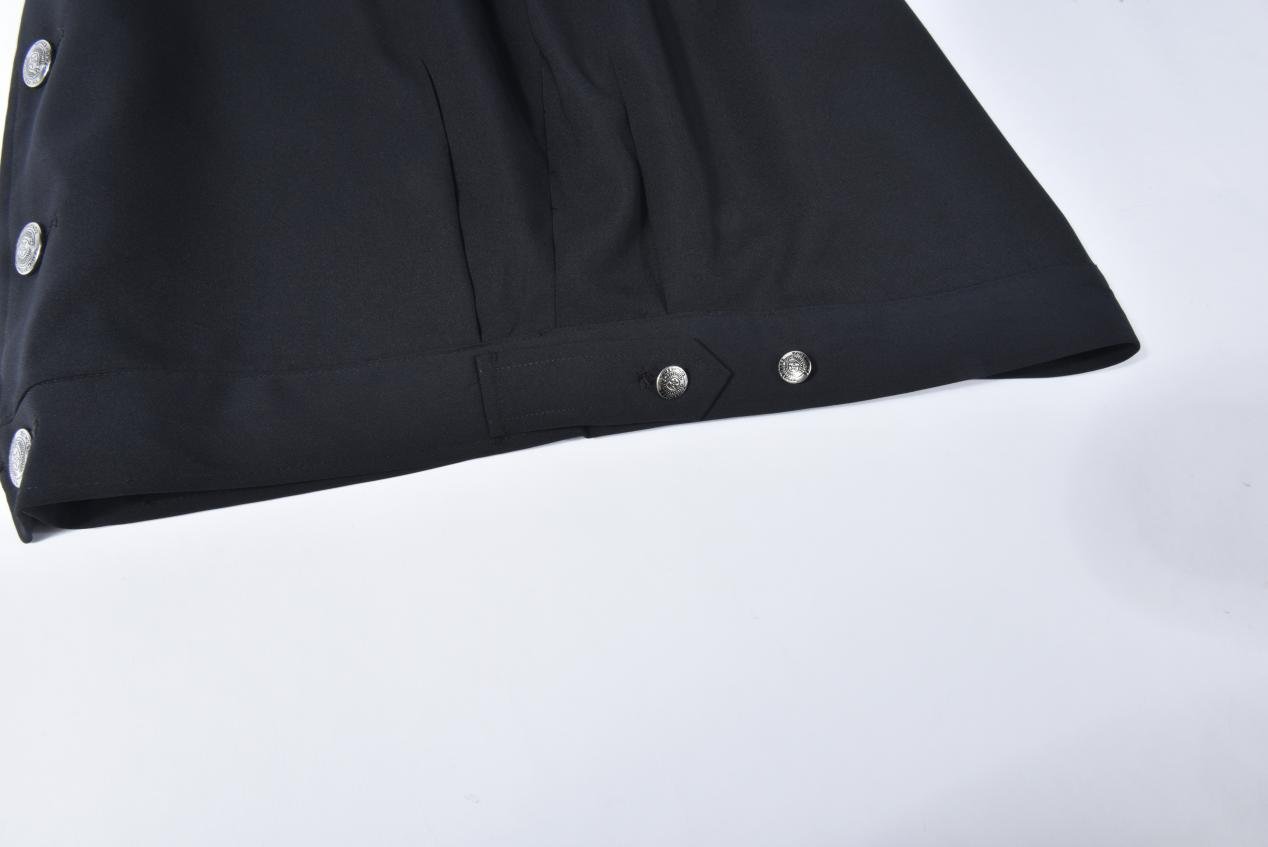
Request Your Custom Security Uniform Quote Today
Send your tech pack, sketch, sample, or product brief to Veelianpro for practical sourcing guidance and an OEM-ready workwear quote.