
Tunneling Workwear Manufacturer for Custom OEM Programs
Partner with a tunneling workwear manufacturer for custom OEM, ODM and private-label garments, with a conditional MOQ starting at 100 pieces per style and color.
Tunneling Workwear Product References









Related Tunneling Workwear Catalogue and Quotation






Why Choose Veelianpro as a Tunneling Workwear Manufacturer
Practical OEM support for underground workwear buyers developing branded garments, repeatable specifications, and scalable production programs.
OEM and Private Label
Build branded tunnel and underground workwear through OEM, ODM, private-label, or wholesale programs tailored to your range.
Conditional 100-Piece MOQ
Start from 100 pieces per style and color, subject to fabric, certification, construction, and project requirements.
From Concept to Sample
Move from a tech pack, sketch, sample, or idea to patterns, graded sizing, samples, and production-ready specifications.
Purposeful Garment Customization
Specify fabrics, pocket systems, reinforced knees, bartacks, stitching, reflective placement, weather protection, and branding details for each garment.
Coordinated Production Support
Coordinate sourcing, cutting, sewing, decoration, inspection, packing, export, and reorder support through one experienced manufacturing partner.
Fit and Range Flexibility
Develop practical size ranges and fit requirements after reviewing movement, layering, garment roles, and intended worksite conditions.
Tunneling and Underground Workwear Categories
Custom industrial apparel developed for tunnel crews, support teams, distributors, and uniform programs operating in demanding underground and service environments.

Work Shirts
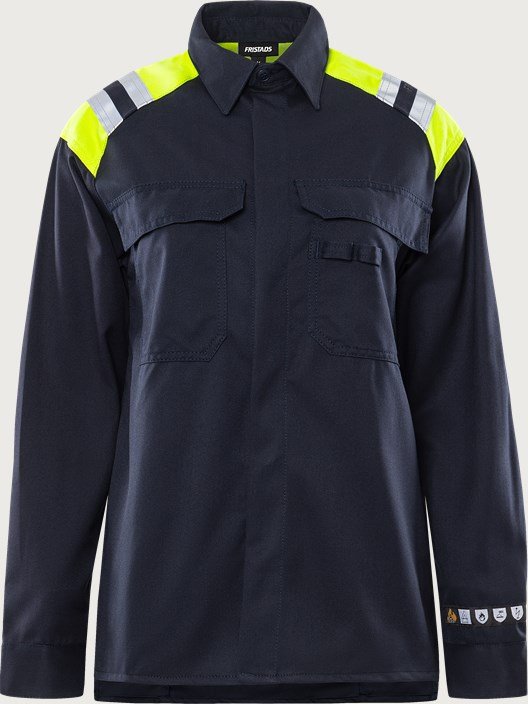
Work shirts for tunneling crews can be developed in durable woven constructions with long or short sleeves, chest pockets, reinforced stress points, and company labeling. Specify fabric composition, visibility details, pocket layout, and the working conditions the garment must support.
Request a Workwear Quote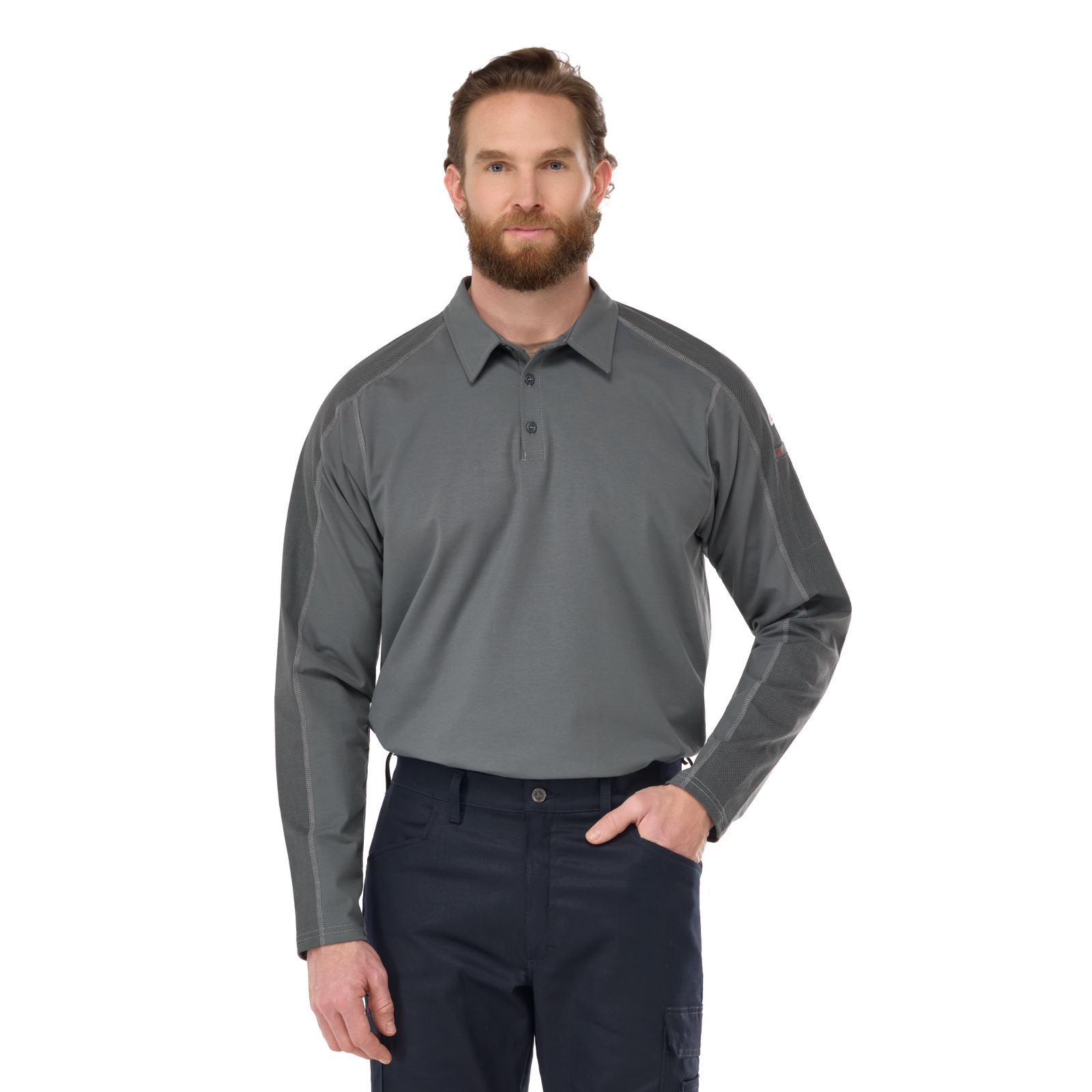
T-Shirts & Polos
T-shirts and polos provide lighter uniform layers for site access, transport, supervision, and warmer work zones. Develop crew-neck tees or collared polos with selected fabric weight, color blocking, reflective detailing, embroidery, screen printing, patches, and branded labels.
Request a Workwear Quote
Custom Work Jackets & Outerwear
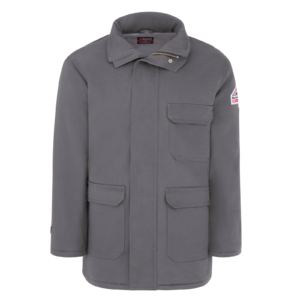
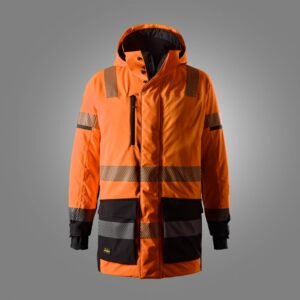
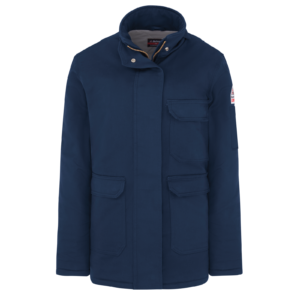
Custom jackets and outerwear include softshell, fleece, padded, rain, and weather-focused styles for surface work, portals, shifts, and changing conditions. Discuss insulation, shell fabric, lining, hood configuration, pocket access, reflective tape placement, and branding before sampling.
Request a Workwear Quote
Work Vests & Bodywarmers
Work vests and bodywarmers add adaptable core coverage without restricting arm movement. Utility, padded, softshell, and safety-oriented vest concepts can incorporate tool pockets, zip closures, contrast panels, reflective trims, woven labels, and logo decoration for tunnel support and site teams.
Request a Workwear Quote
Custom Work Pants & Shorts
Custom work pants and shorts can be developed with cargo pockets, reinforced knees, bartacks, triple stitching, gussets, and adjustable waist details. Select the fabric, fit, pocket system, color, branding method, and whether the program requires trousers, shorts, or both.
Request a Workwear Quote
Custom Coveralls & Bib Overalls
Coveralls, bib overalls, and two-piece alternatives suit crews needing practical coverage over base garments. Development can address front closures, pocket placement, reinforced areas, elastic sections, reflective details, size grading, labels, and the mobility requirements of underground or maintenance tasks.
Request a Workwear Quote
Workwear Sets
Coordinated workwear sets pair shirts, polos, jackets, trousers, vests, or coveralls into a consistent uniform program. Colors, trims, logo locations, labels, and packaging can be aligned across garments while each piece is developed for its own construction and working role.
Request a Workwear Quote
Custom Safety & High-Visibility Workwear
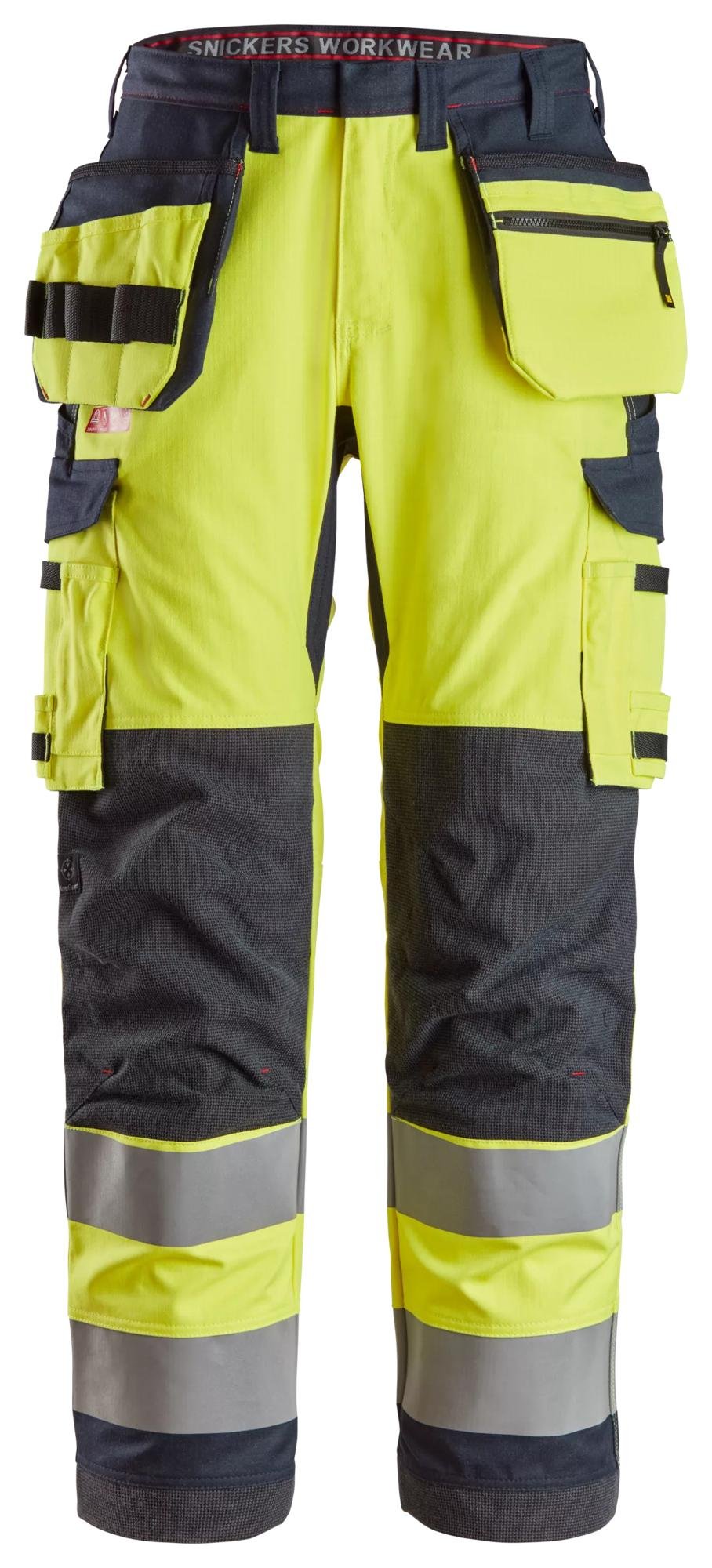
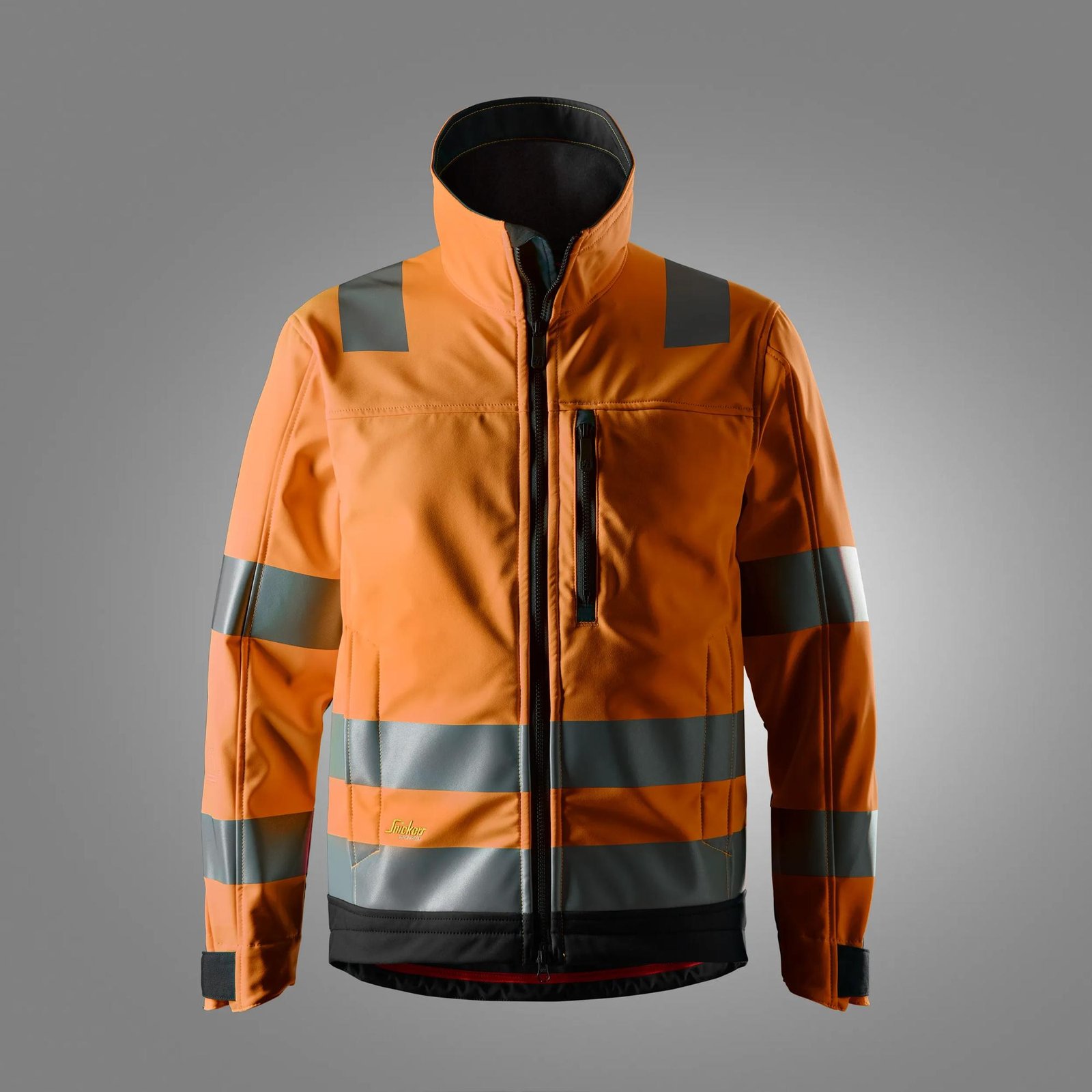
Safety and high-visibility workwear can be developed for visibility-focused programs, including shirts, vests, jackets, pants, and coveralls with planned contrast and reflective tape placement. Required standards, test evidence, fabric choices, and certification scope must be defined for the exact SKU.
Request a Workwear Quote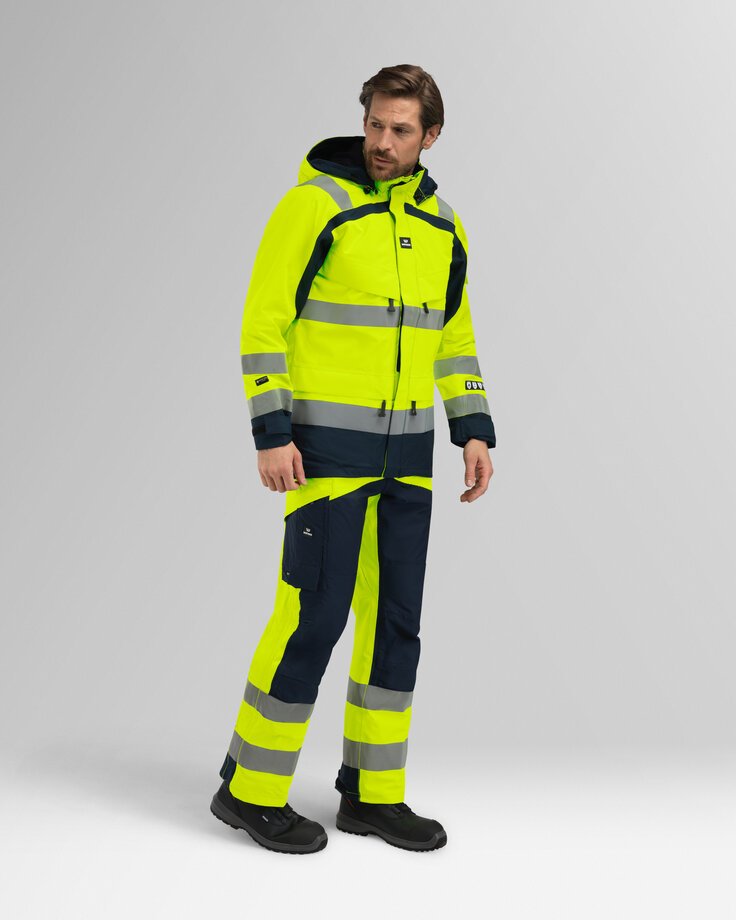
FR Workwear Development
FR and arc workwear development supports projects that require flame-resistant or arc-rated garment concepts. Available product families may include shirts, pants, coveralls, and outer layers; any stated protective rating must be supported by SKU-specific testing and documented certification scope.
Request a Workwear Quote
Chemical-Protective Clothing
Chemical-protective clothing is developed around the stated workplace exposure, garment design, closure requirements, and requested material system. Coveralls, jackets, pants, or related protective concepts should not be presented with chemical-resistance claims unless the exact product has relevant test evidence.
Request a Workwear Quote
Cold-Storage Workwear
Cold-storage workwear can include insulated jackets, padded pants, bib overalls, and layered outerwear concepts for low-temperature operations. Specify the intended environment, movement needs, insulation construction, closure details, pocket access, size range, and any required verified performance documentation.
Request a Workwear Quote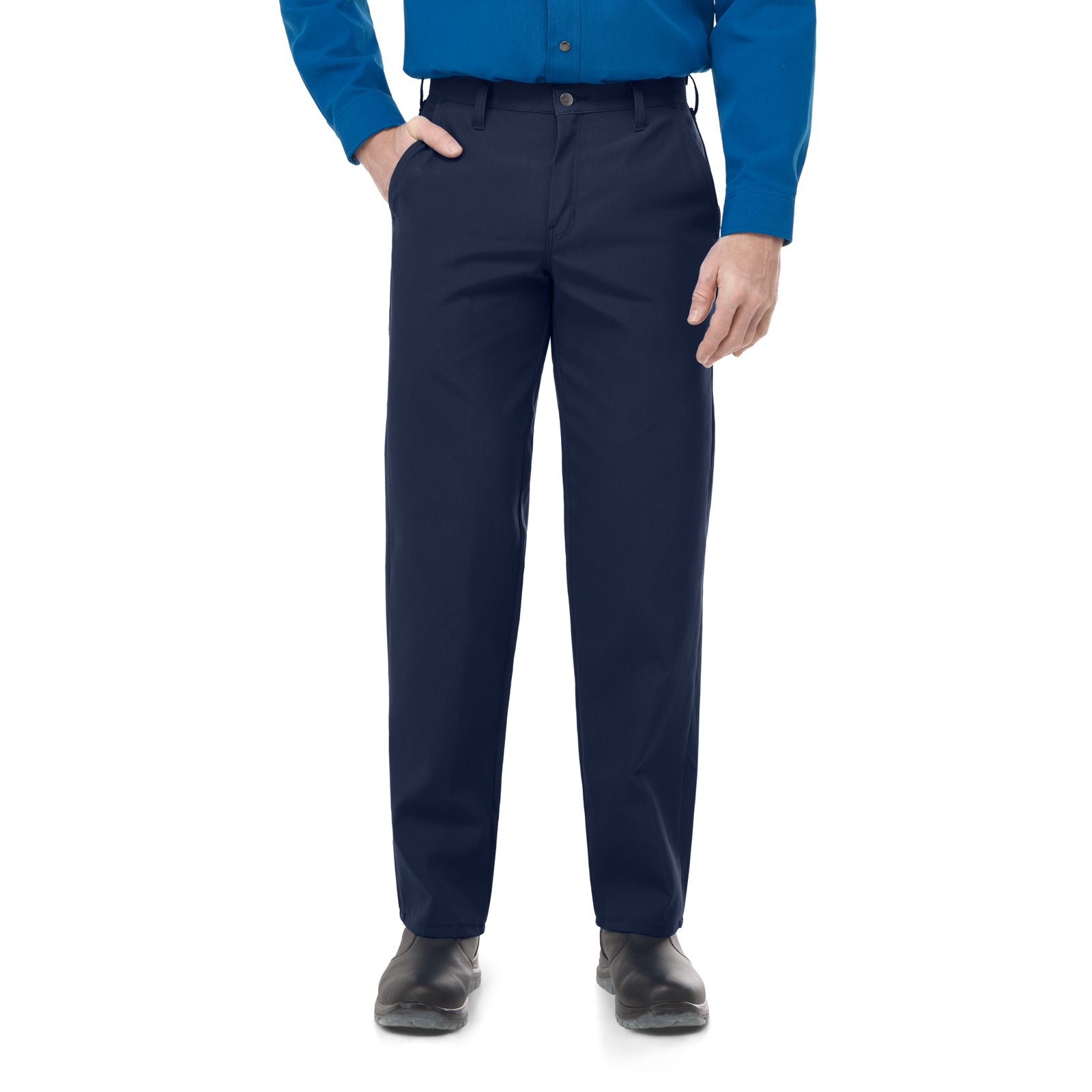
Welding Workwear
Welding workwear development can cover jackets, shirts, pants, coveralls, and protective outer layers with construction details suited to the intended task. Discuss fabric selection, reinforced areas, closures, pocket positioning, and required standards; protection claims require documented evidence for the finished SKU.
Request a Workwear Quote
Medical & Cleanroom Wear
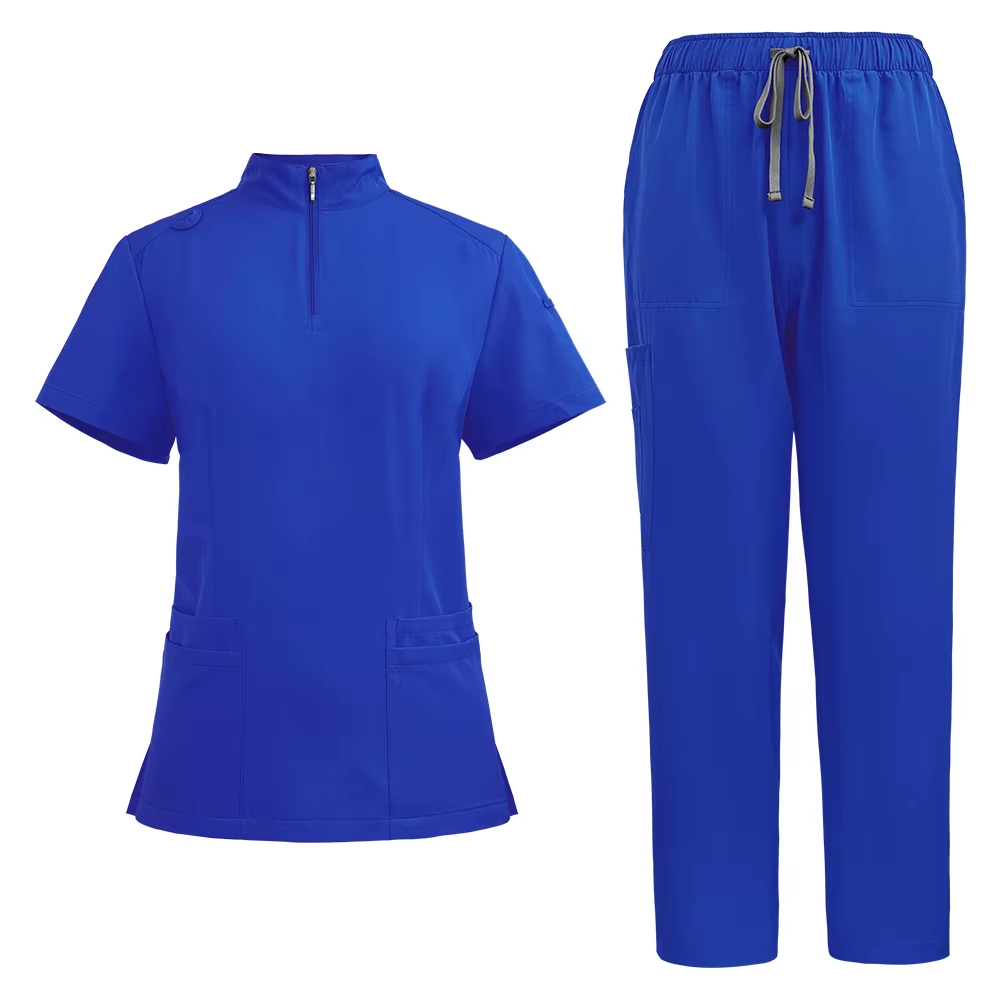
Medical and cleanroom wear includes scrubs, lab-style garments, cleanroom clothing, and ESD-related product families for controlled or care environments. Development may cover fabric selection, closures, pocket layout, color coding, labeling, and sizing, with compliance claims limited to verified documentation.
Request a Workwear Quote
Chef & Hospitality Uniforms
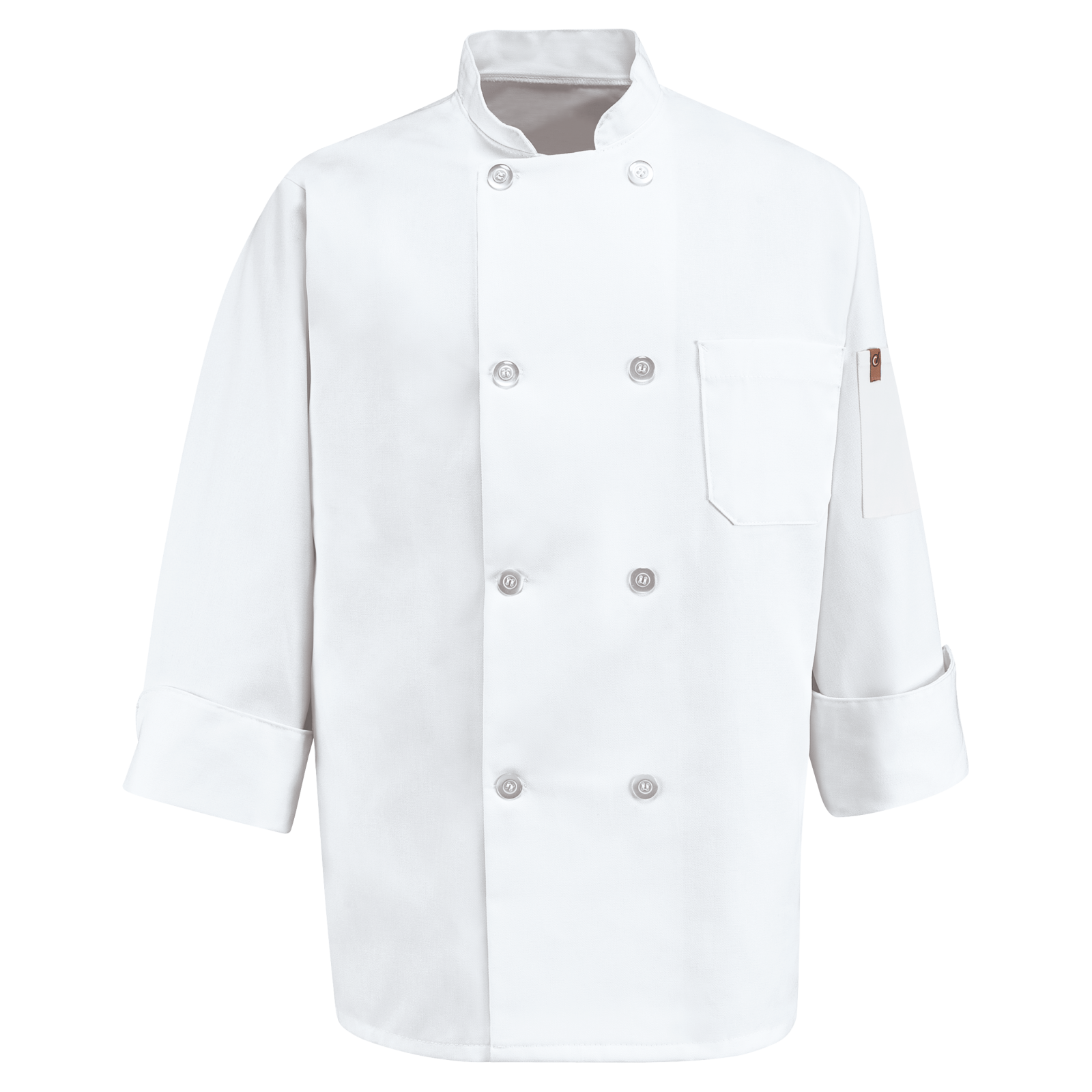
Chef and hospitality uniforms include chef coats, kitchen trousers, aprons, polos, shirts, and front-of-house uniforms. Programs can coordinate colors, fabric preferences, functional pockets, logo decoration, woven labels, and custom packaging across kitchen, service, and management roles.
Request a Workwear Quote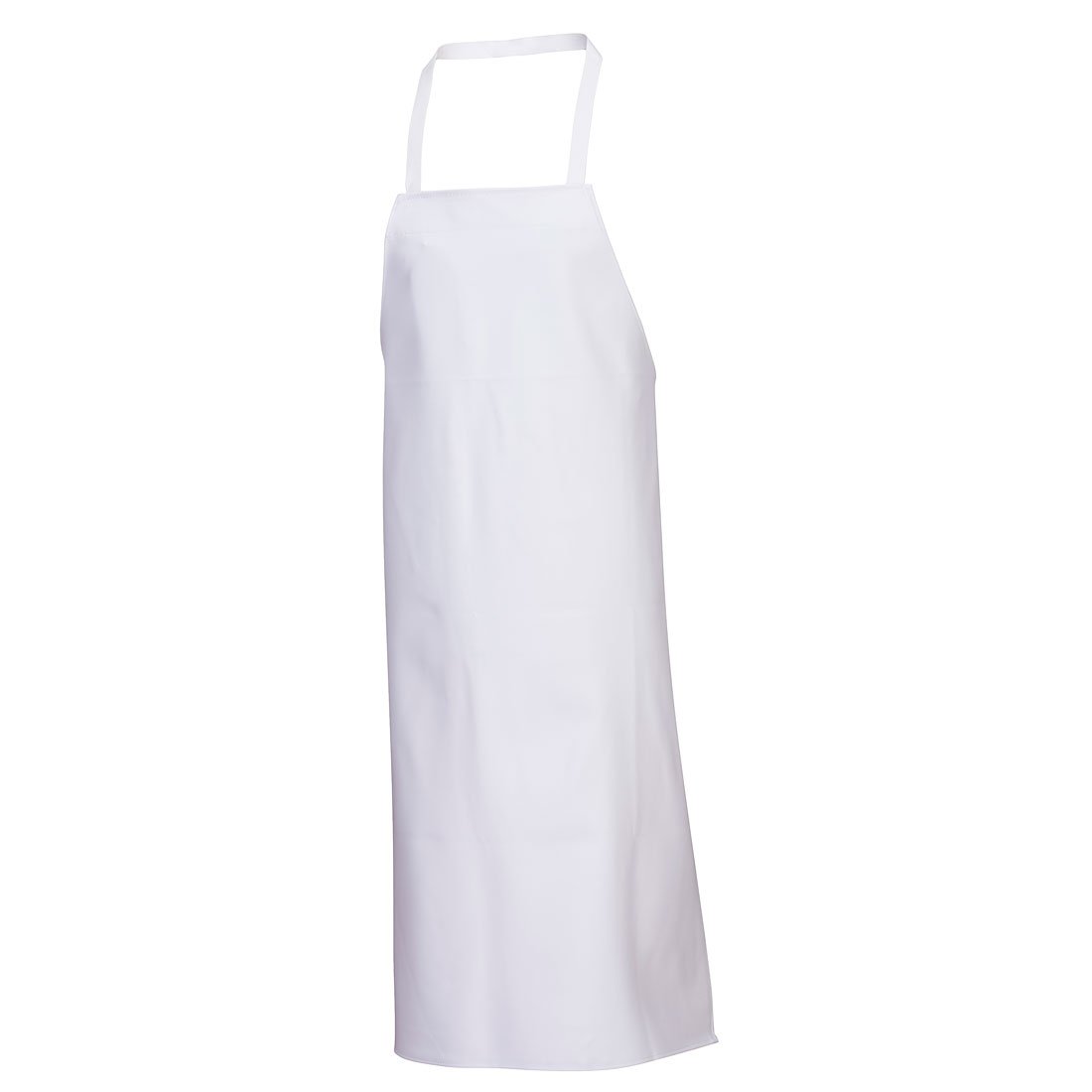
Industry Uniforms
Industry uniforms support consistent apparel programs across construction, logistics, maintenance, manufacturing, utilities, hospitality, and service teams. Build shirts, pants, jackets, vests, coveralls, or coordinated sets from a tech pack, sketch, sample, or product idea with selected trims and branding.
Request a Workwear Quote
Base Layers & Accessories
Base layers and accessories complete workwear programs with underlayers and supporting items matched to the intended uniform range. Discuss fabric composition, warmth or moisture-management targets, color, labels, logo application, and compatible accessories without assigning unverified thermal or protective performance claims.
Request a Workwear QuoteMaterials a Tunneling Workwear Manufacturer Can Evaluate




OEM, ODM and Private-Label Workwear Development



Functional Accessories from a Tunneling Workwear Manufacturer


Your Tunneling Workwear Manufacturer in Wuhan
Hubei Veelianpro Workwear Co., Ltd. began its workwear operation in 2012 and serves buyers from Wuhan, Hubei, China. As a custom workwear manufacturer in China, we help brands, distributors, wholesalers and enterprise sourcing teams develop practical garments for demanding work environments, starting with a buyer’s tech pack, sketch, sample or product idea.
Our capability covers fabric and trim sourcing, pattern development, sampling, size grading, cutting, sewing, reinforcement, decoration, finishing, quality checks, packing and export coordination. OEM, ODM, private-label and wholesale programs start from 100 pieces per style and color, subject to fabric, construction, certification and project requirements.
Veelianpro combines development support with flexible branding across work shirts, trousers, jackets, vests, coveralls and coordinated sets. The company profile reports a team of more than 300 skilled workers; this is company-supplied information and should be verified before prominent public use. Protection ratings and certifications remain subject to SKU-specific testing and documentation.

Core Capabilities of This Tunneling Workwear Manufacturer
Review Tech Packs and Requirements
Veelianpro starts with your tech pack, sketch, sample or product idea. Our team reviews garment purpose, work conditions, target cost, sizing, branding and protection requirements to identify practical construction and sourcing decisions before development begins.
- Tech-pack and sketch review
- Garment-use and specification assessment
- Fabric, trim and branding discussion
- Feasibility review before sampling

Develop Fit and Construction
Pattern development translates your concept into a workable garment for underground teams. Veelianpro can refine pocket placement, mobility, reinforced areas, closure details and role-specific sizing, including fit considerations for women’s and other diverse workforce requirements.
- Pattern development and size grading
- Mobility-focused fit adjustments
- Reinforced knees, bartacks and stitching
- Role-specific and women’s fit options

Source Materials and Build Samples
We help compare fabric weight, composition, trims and visibility details against the intended work setting. Sampling gives buyers an opportunity to assess fit, comfort, branding placement and construction before approving a production-ready specification.
- Fabric and trim sourcing support
- Reflective tape placement review
- Embroidery, patches and label options
- Sample revisions before approval

Control Production and Export
After approval, Veelianpro coordinates cutting, sewing, decoration, finishing, quality checks, packing and shipment preparation. Production planning supports OEM, ODM, private-label and wholesale programs, with MOQ starting at 100 pieces per style and color subject to project requirements.
- Cutting, sewing and finishing coordination
- In-process construction and quality checks
- Custom packing and export coordination
- Repeat-order and reorder support

Tunneling Workwear Manufacturer vs. Off-the-Shelf Decoration
Choose development-led tunneling garments when site roles, construction, fit, and branding need to be specified together. Starting MOQ is subject to fabric, certification and construction requirements.
← Swipe left or right to view →
How a Tunneling Workwear Manufacturer Takes Your Program to Production
A practical, buyer-visible workflow for developing, approving, producing, and replenishing custom underground workwear.
Review Your Requirements
Share your tech pack, sketch, sample, or product idea with Veelianpro. We review construction, intended work setting, quantities, standards, timeline, and feasibility.
Select Materials and Details
Confirm fabric weight and composition, trims, colors, reflective details, pocket systems, fit requirements, branding methods, and packaging for your private-label range.
Develop and Approve Samples
We develop patterns, grade sizes, produce samples, and refine mobility, closure placement, reinforcement, visibility details, and role-specific fits before quotation and approval.
Produce and Inspect
After approval, production moves through cutting, sewing, bartacks, triple stitching, decoration, finishing, and documented quality checks aligned with the confirmed specification.
Ship and Support Reorders
We pack and coordinate export shipment, then support reorder planning with retained specifications, approved references, and feedback for future production cycles.
How to Work With a Tunneling Workwear Manufacturer
From first concept to repeat orders, Veelianpro supports custom tunneling workwear development through feasibility review, sampling, production, inspection, shipment, and documented specification control.
Share Your Requirements
Send a tech pack, sketch, sample, or product idea with garment type, work setting, fabric preferences, sizes, colors, branding, quantity, destination, and timeline.
Review Feasibility Together
Veelianpro reviews construction, fit, materials, trims, protection targets, MOQ conditions, and development requirements before confirming a practical production route.
Approve the Quote and Sample
Receive a project quotation, then refine patterns, grading, branding, and functional details through sampling before approving the production version together.
Place the Production Order
Confirm quantities, colors, specifications, payment terms, and delivery requirements so bulk manufacturing can begin against the approved sample and documentation.
Inspect and Reorder
Veelianpro coordinates quality checks, packing, export shipment, and reorder support, while any protection claim remains subject to SKU-specific testing and certification evidence.
Tunneling Workwear Manufacturer Certificates and Compliance Documentation


Tunneling Workwear Manufacturer Scenarios
Illustrative scenario: A safety distributor needs separate configurations for TBM operators and muck-handling crews because one stock layout does not define pocket access or reinforcement zones for both roles. The proposed solution is to document each role’s task conditions, pocket access, reinforcement zones, and any buyer-required visibility documentation before sampling. Acceptance criteria are approved role-specific samples, agreed construction details, and any required evidence for the exact SKU.
Illustrative scenario: A uniform buyer needs a layered tunneling jacket and trouser program for shifting underground conditions. The development process compares fabric options, mobility features, size grading and branding placement, with acceptance based on approved samples and the project’s documented protective requirements.
Illustrative scenario: A workwear brand needs a private-label tunnel collection but has only a concept and incomplete production details. The proposed solution is to convert the approved concept into patterns, samples, construction details, labeling, and packing specifications, then confirm whether the requested configuration meets the applicable MOQ. Acceptance criteria are an approved sample and written bulk-production specifications for construction, labels, and packing.
FAQ for Tunneling Workwear Manufacturer Buyers
Practical answers on MOQ, sampling, customization, production planning, shipping and compliance documentation.
What MOQ does a tunneling workwear manufacturer require?
Can a tunneling workwear manufacturer provide samples before bulk production?
What is the bulk production lead time for a tunneling workwear manufacturer?
Can Veelianpro customize fit and branding for underground workwear?
How does Veelianpro handle tunneling workwear certification requirements?
What payment terms are available for a tunneling workwear manufacturer order?
Can a tunneling workwear manufacturer coordinate shipping and export documents?
How can buyers protect their designs when working with Veelianpro?
How to Choose a Tunneling Workwear Manufacturer
A procurement framework for specifying role-ready tunnel garments, assessing supplier development and quality controls, comparing quote scope, and avoiding fit, protection, customization, and replenishment mistakes before launch.
1. What a Tunneling Workwear Manufacturer Does
A tunneling workwear manufacturer converts underground job conditions into garments that crews can wear, move in, identify by role, and replenish across a project. The brief starts with the work: operator access, maintenance movement, muck-handling abrasion, changing temperature or moisture, machine traffic visibility, and the pocket, closure, reinforcement, and layering decisions those conditions require.
A standard uniform supplier may offer logo-ready shirts, trousers, or jackets in preset configurations. A program-capable manufacturer works from a tech pack, sketch, sample, or product idea to develop patterns, source fabric and trims, grade sizes, build samples, sew and reinforce garments, apply branding, inspect, pack, and coordinate export; protective claims remain design targets until supported by the required test evidence and certificate scope.
Veelianpro develops custom tunneling workwear from buyer requirements for role, work setting, fabric, size range, colors, branding, quantity, destination, and timeline. We support OEM, ODM, private-label, and wholesale production; our stated starting MOQ is 100 pieces per style and color, subject to fabric, certification, and construction requirements. Request a Workwear Quote with the applicable protection standard and documentation requirement when protection is needed.
2. Why Tunneling Workwear Needs Role-Specific Design
A tunnel crew does not need one generic uniform. Start by separating the work zones, movement demands, equipment interfaces, cleaning routine, and items carried by each role. Those inputs make pocket access, closure security, reinforcement placement, layering, and replacement planning useful specification questions; they are not proof of garment performance.
An operator working around controls may prioritize seated reach and low-bulk storage. Maintenance personnel may need room for climbing, kneeling, and tool access. Muck-handling roles may need a configuration that accounts for soil contact and cleaning. In confined work areas, test the sample through reaching, crouching, turning, and required layering rather than judging fit from a standing size check.
Temperature, airflow, lighting, and moving-equipment conditions can differ by zone and shift. Define the intended layer system, shell requirement, changeover conditions, color layout, and reflective-trim requirement in the brief. Where visibility is regulated, identify the applicable standard before selecting tape or color blocking.
For protective garments, provide the project’s required standard, hazard scope, and documentary evidence needed at approval. Veelianpro can develop fabric, trims, reinforcement, pocket systems, and samples around that brief, but a design target must remain distinct from a tested, certified claim until the exact evidence and certification scope are confirmed.
3. Configurations for Tunnel Roles
A tunneling workwear manufacturer should build configurations around movement, exposure, and task access—not simply apply one uniform across every underground role. Veelianpro can develop coveralls, separates, outer layers, and role-specific styles from the approved specification.
| Configuration | Best Working Use | Key Design Logic | Not Interchangeable With |
|---|---|---|---|
| Coveralls | Dirty, continuous coverage | Chest and thigh access; knee reinforcement | Adjustable separates |
| Jacket and trousers | Mixed temperatures and replacement needs | Independent sizing; reinforced lower garment | Continuous coveralls |
| Layered outerwear | Cold or wet changing conditions | Removable insulation and rain shell | Single padded jacket |
| Role-specific trousers | Maintenance or material handling | Task-led pockets and mobility | Generic cargo layout |
One-Piece Coveralls
Coveralls suit crews needing continuous torso-to-leg coverage around dirty, abrasive work. Chest and thigh pockets keep small tools accessible without a separate belt, while knee reinforcement targets frequent kneeling.
They are not interchangeable with separates where workers need rapid jacket removal, different top and trouser sizes, or lighter task-specific layering.
Jacket And Trouser Sets
A jacket-and-trouser set lets operators adjust insulation and replace the more heavily worn lower garment separately. Cargo-pocket placement should clear seated positions, harnesses, and machine controls; reinforced knees and seat areas address contact wear.
The two-piece format introduces an overlap at the waist, so it is a different choice from continuous-coverage coveralls for wet or heavily soiled work.
High-Visibility Outer Layers
High-visibility vests or outer jackets add conspicuous color blocking and reflective-tape placement over the base garment. Keep access pockets reachable and avoid placing tape where harnesses, straps, or frequent abrasion may obscure or damage it.
Visibility styling is not proof of a particular standard. If a project requires a standard, provide its applicable requirement and documentation scope during development.
Cold And Wet Weather Layers
A layered system can combine a work shirt or base layer, insulating fleece or padded jacket, and rain jacket. This preserves task mobility because workers can remove an outer layer as conditions change.
A padded jacket should not replace rain protection, and a rain shell should not be assumed to provide insulation. Specify the site exposure and intended layer order.
Maintenance And Handling Styles
Maintenance teams may need tool-ready pockets, articulated movement, and durable knee zones; material-handling crews may prioritize clear hand access and less snag-prone storage. Pocket quantity is secondary to placement, closure choice, and whether contents interfere with equipment operation.
Treat these as separate user cases in the tech pack rather than using one cargo layout for every role.
4. Choosing Materials for Tunnel Programs
Tunnel garments encounter moisture, grime, contact abrasion, and changing temperatures, so material selection is a system decision rather than a fabric-only choice. Veelianpro can develop fabric, trim, reinforcement, lining, and branding specifications from the buyer’s approved brief.
| Choice | Functional Trade-Off | Likely Use Condition | Evidence To Request |
|---|---|---|---|
| Cotton-rich or blended shell | Hand feel and wearer preference versus construction choice | General underground duties | Composition, weight, finish, swatch |
| Reinforcement panel | Added coverage at contact zones versus stiffness and bulk | Kneeling or abrasive contact | Panel specification and placement drawing |
| Stretch insert | Mobility versus added material complexity | Climbing and reaching | Fiber content and placement sample |
| Lining or weather layer | Thermal or weather coverage versus heat buildup | Cold or wet access areas | Layer stack and care instructions |
| Reflective trim and closures | Visibility or secure access depends on approved specification | Project-required visibility or pocket security | Component data and required compliance evidence |
Base Fabric And Weight
Specify fiber composition and fabric weight in the tech pack; weight is a purchasing variable, not a performance claim. A heavier construction may suit abrasive contact, while a lighter construction can better support movement and heat management.
Request the mill specification, composition, finish details, and a physical swatch before sample approval.
Reinforcement And Stretch

Knee, seat, pocket-edge, and cuff panels should follow the crew’s actual contact points. Place stretch where kneeling, climbing, or reaching needs mobility; broad stretch use can complicate material matching and replacement consistency.
Ask for panel material, placement drawing, seam construction, and sample wear-area review.
Trims And Layering
Reflective material, thread, closures, pocket fabric, and lining must be specified alongside the shell. For a protective design target, provide the applicable standard and required test or certificate; no rating should be printed without documented scope.
Confirm zipper, fastener, thread, tape, lining, and pocket-material samples during development.
5. Customization That Preserves Tunnel Function
Customization should make crews easier to identify and garments easier to use around equipment, without placing bulk or snag points where movement is frequent. Veelianpro can develop branding, pockets, reinforcements, labels, and graded sizing from the approved specification.
| Customization | Functional Benefit | Sample-Review Trade-Off |
|---|---|---|
| Chest or back logo | Brand identification | Check strap abrasion and visibility conflict |
| Color-blocked panels | Role recognition | Check contrast at key visible areas |
| Cargo pocket layout | Tool access | Check bulk, swing, and snag exposure |
| Knee and elbow reinforcement | Coverage of wear zones | Check mobility and pressure points |
| Size grading | Fit across workforce | Check feature placement by size |
Branding And Role Identification
Place an embroidered logo, screen print, heat transfer, patch, or woven label where it remains legible without crossing high-wear contact areas. Chest and upper-back placements are common specification points; confirm the exact artwork size, color, and placement on the sample.
Color blocking or role identifiers can separate teams, but dark panels at exposed visibility zones may undermine the intended visual contrast. Keep protective or visibility requirements separate from a branding preference until the required documentation is defined.
- Approve logo position on worn garment
- Check decoration against backpack straps
- Specify role marks by garment area
Access Pockets And Reinforcements
Cargo pockets, tool pockets, and pen compartments can improve task access, yet oversized external pockets may catch on tight work areas or add bulk when kneeling. Specify which tools must be carried, which side is preferred, and whether closures are needed.
Reinforced knees, elbows, gussets, bartacks, and triple stitching should follow observed wear and movement zones. Review the sample while crouching, reaching, climbing, and sitting so reinforcement edges do not restrict flexion or create pressure points.
Trim, Labels, And Grading

Zippers, closures, reflective tape placement, care labels, and private labels should be listed as separate approved components. Trim choices affect abrasion, snagging, comfort, and the garment’s intended protective specification; do not treat a design target as a tested claim.
Pattern grading should be reviewed across the requested size range, not only on one sample size. Check sleeve and trouser length, reach, knee position, pocket height, label readability, and closure operation on representative wearers before production.
6. Construction Details That Affect Service Life
Construction review should focus on moving seams, loaded pocket corners, closure ends, and other areas exposed to repeated movement or load. The specification should define how those areas are built and inspected before a tunneling workwear program enters bulk production.
| Construction Area | Typical Failure Mechanism | Specification Remedy |
|---|---|---|
| Pocket corners | Seam pull-out under tools | Anchor corners and define reinforcement |
| Crotch and knees | Repeated flex opens seams | Select seam construction and mobility allowance |
| Closures | Attachment loosens or catches | Match attachment to load and access direction |
| Reflective trim | Lifting or restricted movement | Define placement, joining, and bend clearance |
Seams And Stress Points
Crotch, inseam, knee, shoulder, and pocket corners flex or carry tools repeatedly. Seam opening often follows inadequate allowance, unsuitable stitch selection, or missing reinforcement at a directional pull point.
Specify the seam type by location and identify every stress point on the technical drawing. Bar tacks, triple stitching, and gussets are options to review where their bulk and stiffness suit the intended movement.
- Map high-load points on front and back views
- State reinforcement location and length
- Check seam allowance after laundering trials
Pockets And Closures
A pocket can look correct on a hanger yet pull away when loaded or catch on equipment because its corners and opening lack anchoring. Zipper, snap, and hook-and-loop attachment also need to match the pocket load and access direction.
Approve a loaded-use check, not appearance alone. Define closure placement, attachment method, pocket opening, and any drainage or flap requirement in the construction sheet.
Reflective Trim Application
Reflective tape can wrinkle, lift, or restrict articulation when it crosses a bend zone without allowance for garment shape. Placement must preserve role visibility requirements while avoiding pockets, closures, and high-abrasion edges.
Record tape width, location, joining method, and permitted placement tolerance. Any visibility or protective claim still requires the applicable documented test and certification scope.
Production-Ready Sample Approval
A visual sample confirms color, silhouette, and branding; it does not by itself prove repeatable construction. Production approval should verify graded pattern mobility, reinforcement placement, seam consistency, closure security, and inspection criteria.
Use a marked approval sample and construction checklist as the factory reference. Veelianpro can discuss reinforcement, bartacks, triple stitching, gussets, pockets, and trims during product development; final details belong in the agreed specification.
7. Evaluating a Tunneling Workwear Manufacturer
A capable tunneling workwear manufacturer turns site conditions into a controlled specification, rather than simply adding a logo to a stock garment. Evaluate how the team resolves trade-offs between mobility, reinforcement, layering, protection documentation, and distribution.
| Sourcing Route | Best Fit | Evaluation Focus |
|---|---|---|
| Standardized volume | Settled uniform specification | Size matrix, repeat packing, quote inclusions |
| Custom development | Role-specific tunnel program | Brief interpretation, samples, grading, component traceability |
| Protective requirement | Buyer mandates documented performance | Exact standard, test evidence, approved configuration |
Read The Technical Brief
Start with roles, hazards, climate, shift pattern, size range, branding, destination, and packing destination. A usable brief also identifies required standards and the exact test or certificate scope the buyer requires.
Veelianpro can develop from a tech pack, sketch, sample, or product idea, then discuss fabrics, trims, pockets, reinforced knees, reflective-tape placement, and weather protection.
- Identify each wearer role and task
- Specify required evidence for protective claims
- Separate design targets from documented performance
Validate Samples And Traceability
Ask how the approved sample controls bulk production: pattern version, graded size set, fabric and trim selection, decoration position, reinforcement, and packing reference. Review checkpoints before cutting, during sewing, and before packing.
Traceability matters when protection is requested. Confirm that buyer-required documentation covers the relevant garment configuration; a product family is not proof that every variation is certified.
Match Fulfillment To Program
Standardized-volume sourcing suits a settled specification with repeatable sizes and packing. Custom workwear development suits changing role configurations, buyer-required documentation, or site-specific components.
Request a quote that separates development, materials, decoration, packing, export coordination, and any replenishment arrangement. Confirm the applicable minimum order for the exact fabric, certification, and construction requirements.
- Illustrative scenario: A distributor finds that one configuration does not cover both operator access and maintenance tool-carrying needs. The proposed solution is to create separate specification sheets before sampling. Acceptance criteria are approved samples for each role and a confirmed size and packing matrix.
- Illustrative scenario: A multi-site buyer needs receiving teams to issue the correct garments without reopening mixed cartons. The proposed solution is to define carton marks by site, size, and role in the packing instructions. Acceptance criteria are approved carton-mark artwork and a packing list that matches the agreed site allocation.
8. Common Tunnel Workwear Mistakes
Tunnel workwear fails when a generic uniform brief is treated as a finished specification. Correct the brief before sampling: define each role, hazard, movement, component, identification, and distribution requirement so the factory can build a controlled program.
Copying Generic Construction Uniforms
A standard site jacket and cargo trouser can put pockets, reinforcement, and layering in the wrong places for operators, maintenance crews, or muck-handling teams.
Map garments by task and work zone, then specify the required pocket system, knee reinforcement, weather layer, and role identification for each configuration.
Specifying Fabric Alone
Naming a fabric composition or weight without defining thread, zipper, reflective tape, labels, and reinforcement leaves critical components open to substitution.
List every component requirement in the tech pack. If protection is required, identify the applicable standard and demand test or certificate scope for the complete claim.
Approving One Sample
One fit sample cannot validate different bodies, layers, and tasks. A coverall that works at a standing review may bind when climbing, kneeling, reaching, or operating equipment.
Run role-based wear trials in the intended layers and confirm graded sizing before bulk approval. Record movement failures as pattern or component changes, not informal comments.
Ignoring Brand And Fulfillment Details
Large logos, heat transfers, or patches can cover reflective placement, interfere with pockets, or stiffen a movement zone. Approve decoration locations on the marked garment drawing, not only on artwork.
Also define carton labels, size assortments, site allocation, and replenishment identifiers. These instructions prevent receiving teams from reopening mixed packs or issuing the wrong role configuration.
9. Launching a Tunneling Workwear Program
A tunnel program starts with the work, not a stock garment. Map each role, underground conditions, site rules, distribution route, and required evidence before locking fabric, components, or decoration.
| Illustrative Role | Primary Workwear Focus | Approval Check |
|---|---|---|
| Operator | Mobility and seated access | Reach and seated fit |
| Maintenance | Tool access and wear zones | Kneeling and pocket clearance |
| Handling | Pocket durability and identification | Load handling and label visibility |
Map Roles And Site Conditions
Record movement, contact points, weather exposure, tools carried, visibility needs, and laundering route by role. Separate requirements that change the garment from those solved by layering or site-issued equipment.
Illustrative role example — not a Veelianpro promise: an operator may prioritize seated mobility, a maintenance role access to tools and reinforced wear areas, and a handling role pocket construction and clear identification.
Build The Development Pack
Turn findings into a tech pack with garment views, measurements, graded size range, fabric composition and weight discussion, trim list, reinforcement zones, pocket dimensions, branding artwork, and label text. State the applicable protective standard and the exact test or certificate evidence required; a design target is not a documented performance claim.
Veelianpro can develop from a tech pack, sketch, sample, or product idea, then support fabric and trim sourcing, pattern development, sampling, size grading, and decoration.
Validate Before Production
Review the prototype on representative wearers during bending, climbing, reaching, kneeling, and tool access. Log fit corrections, seam or pocket interference, trim placement, and wash or site-use observations before preproduction approval.
Approve the production sample, evidence package required by the buyer, carton marks, folding, size assortment, labels, and destination packing instructions. Plan replenishment by approved style, color, size curve, site allocation, reorder trigger, and the confirmed minimum order for that exact configuration.
10. What Drives Tunnel Workwear Cost
A tunneling coverall with reinforced knees, extra pockets, reflective tape, or weather layers costs differently from a basic two-piece set because each choice changes materials, cutting, sewing, and inspection scope. Protective performance must be quoted against the buyer’s specified standard and documented evidence; a design request alone is not a tested claim.
Submit the destination, packing format, size breakdown, branding artwork, approved sample requirements, and exact configuration with the tech pack so the quote separates development work from repeat production and confirms the applicable minimum order.
| Cost Driver | What Changes Cost | How to Control Quote Scope |
|---|---|---|
| Garment configuration | Coverall versus shirt-and-trouser set, pocket layout, gussets, and weather layers change pattern pieces and sewing operations. | Freeze role-specific features before sampling; avoid combining every role into one overloaded style. |
| Fabric and reinforcement | Fabric composition, weight, reinforcement panels, bartacks, triple stitching, and trim selection affect material use and labor. | Name the work zones needing reinforcement and provide the intended wash and wear conditions. |
| Protective components | Reflective tape and any protection-related fabric or components require the applicable standard and evidence scope. | State the project requirement early; do not treat an unverified component as a protective claim. |
| Development and sizing | New patterns, grading, sample rounds, and a broad size range add setup and approval work. | Supply measurement charts, fit priorities, and consolidated comments for each sample round. |
| Branding, packing, and delivery | Embroidery, printing, patches, labels, custom packaging, carton marks, and destination affect decoration, packing, and export coordination. | Provide artwork files, pack ratios, labeling rules, destination, and required delivery terms in the inquiry. |
Start Your Tunneling Workwear Manufacturer Project
Send your garment type, work setting, fabric, sizes, colors, branding, quantity, destination, timeline and applicable standard to info@veelianpro.com or WhatsApp +86 139 8615 2456 for review.