
Custom Uniforms for Logistics Teams Built for Daily Operations
Veelianpro is a Wuhan-based custom workwear manufacturer offering OEM, ODM, private-label and wholesale production from 100 pieces per style and color, subject to project requirements.
Workwear Categories for Logistics Uniform Development

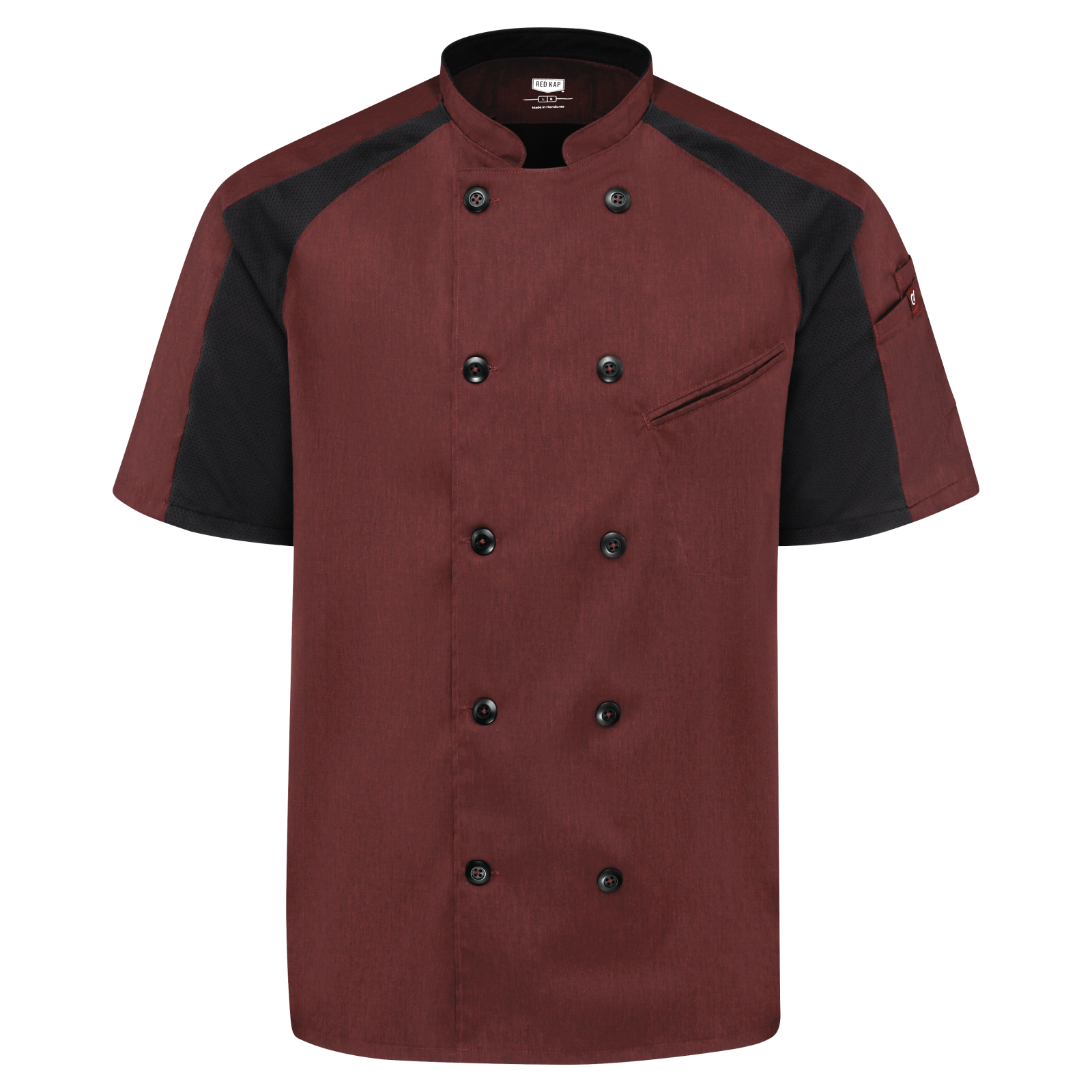


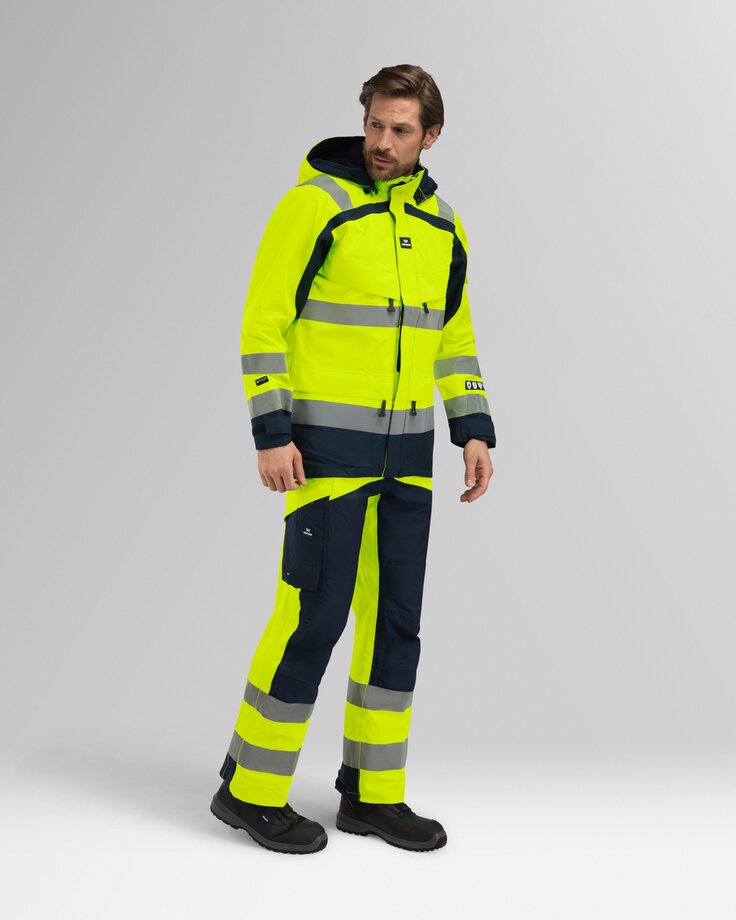



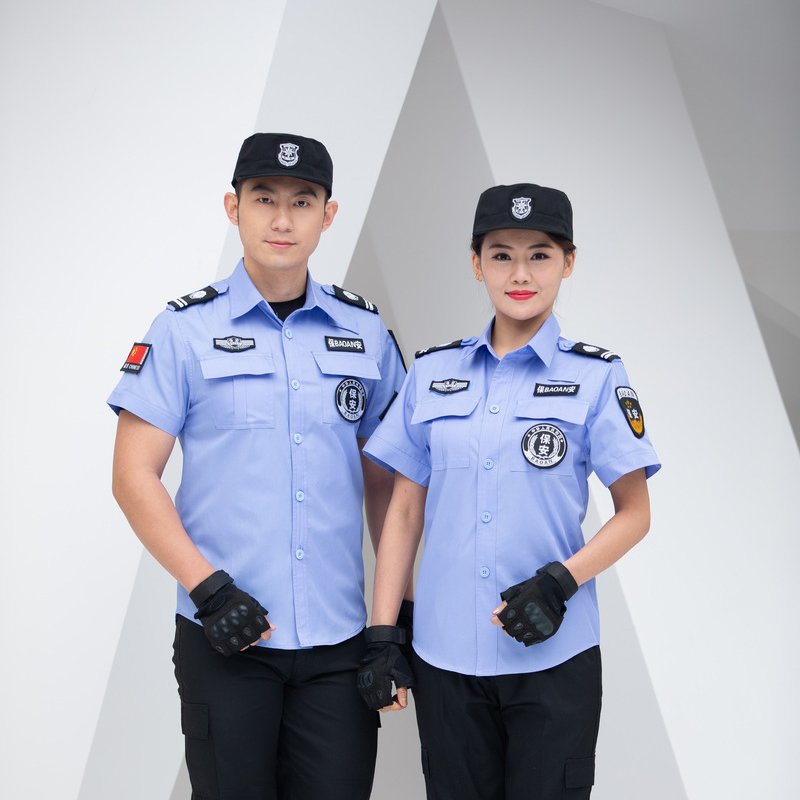
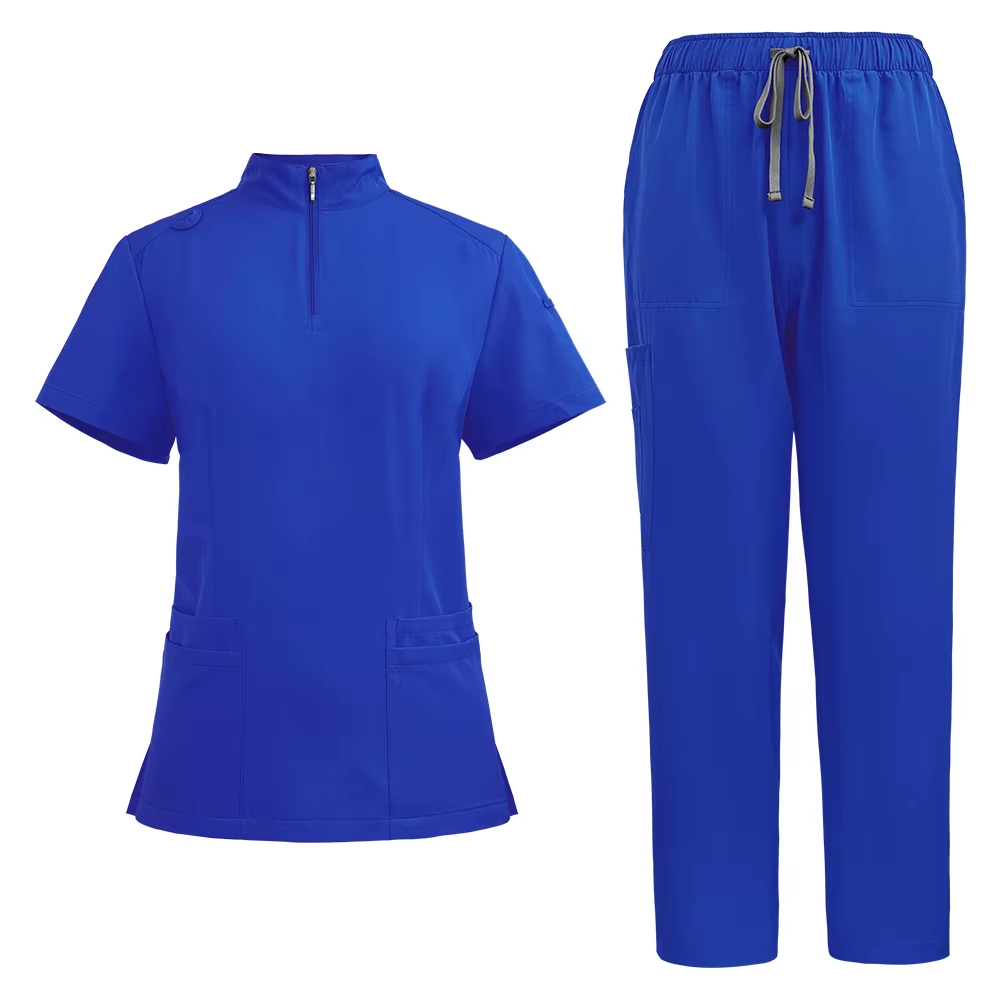


Related Product Catalogue and Quotation
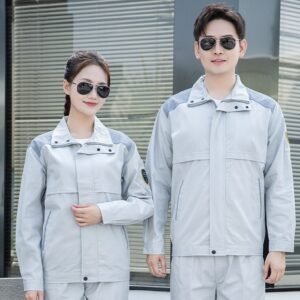

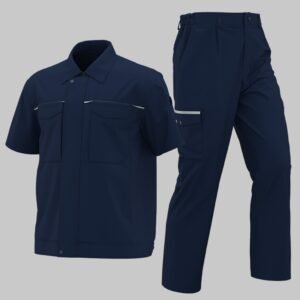
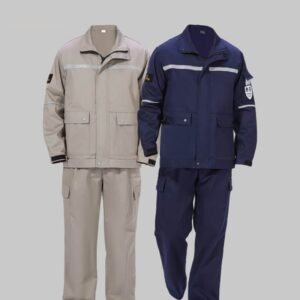


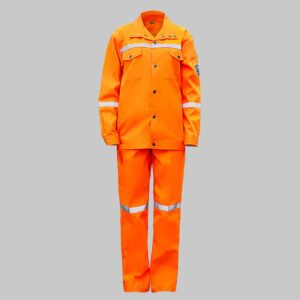

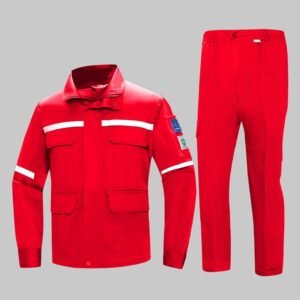
Why Logistics Teams Choose Veelianpro for Custom Workwear
Practical customization, construction control and scalable production for drivers, warehouse crews, supervisors and enterprise sourcing teams.
Tech-Pack-to-Sample Development
Turn a sketch, tech pack or product idea into graded samples with fabric, trim and construction details reviewed before production.
Role-Based Garment Planning
Coordinate shirts, polos, pants, vests, jackets and coveralls for drivers, warehouse crews, supervisors and service teams.
Built-In Construction Detail
Specify reinforced knees, bartacks, triple stitching, gussets, pocket systems and reflective tape placement for demanding logistics work.
Flexible Branding Programs
Choose embroidery, screen printing, heat transfer, patches, woven labels, care labels and custom packaging for private-label presentation.
Scalable OEM Production
Start at 100 pieces per style and color, subject to fabric, certification and construction requirements, with quote support for reorders.
Uniforms for Drivers, Warehouses and Transport Crews
Custom workwear programs for warehouse, delivery and freight teams, developed around daily tasks, climate exposure, branding and practical garment construction.

Warehouse Picking Workwear
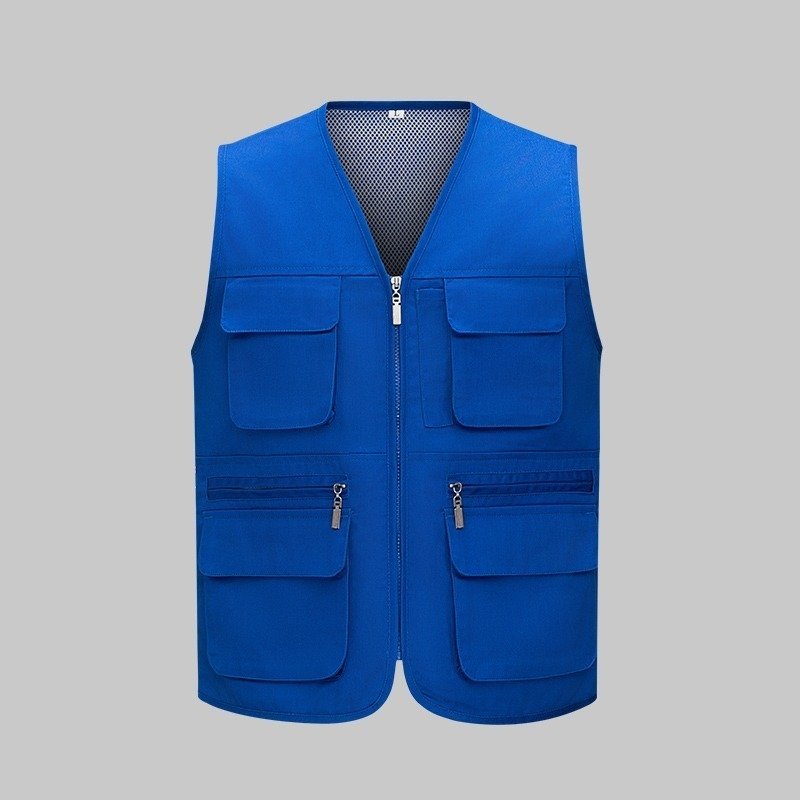
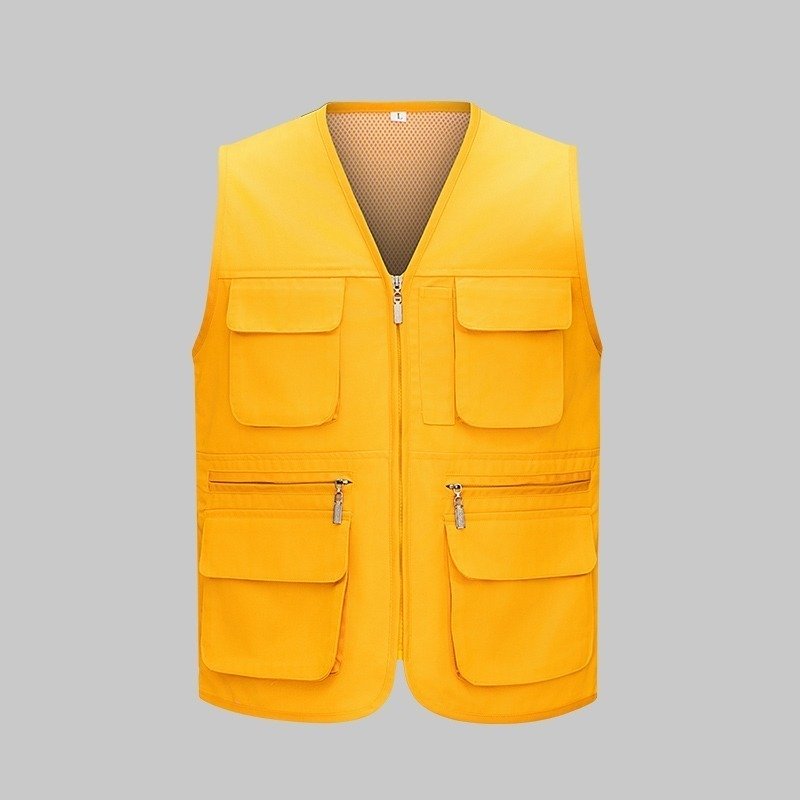
Picking teams may need shirts, polos, or tees paired with cargo trousers, utility vests, and lightweight layers. Define scanner and tool pocket locations, size grading, identification labels, decoration, and the wear points to review on the sample before approving a warehouse issue.
Get a Quote
Loading Dock Workwear
Loading dock garments are developed for repeated lifting, vehicle traffic and changing indoor-outdoor conditions. Build coordinated trousers, jackets, vests or coveralls with reinforced stress areas, bartacks, reflective tape placement, weather-protection details and company branding suited to dock operations.
Get a Quote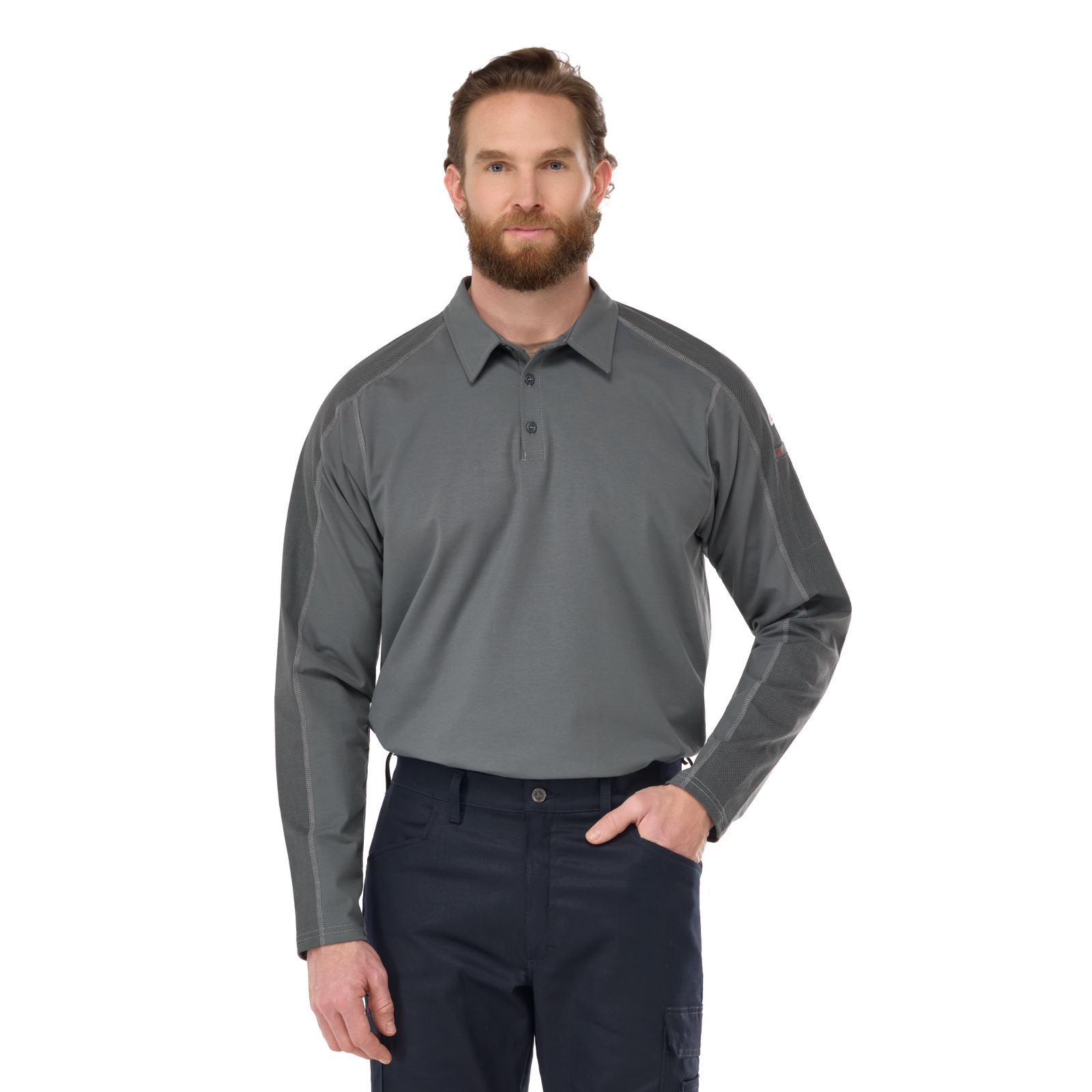
Delivery Driver Workwear
Delivery driver uniforms can include branded polos, work shirts, cargo pants, softshell jackets and rain layers for customer-facing routes. Fabric weight, stretch requirements, pocket configuration, seasonal layering and logo application can be planned around driving comfort and frequent stops.
Get a Quote
Courier Workwear
Courier programs can use tees or polos with lightweight outerwear, trousers, or shorts for frequent local stops. Define color blocking, logo and patch locations, woven labels, packaging, and any reflective-detail design target; required performance or compliance must be documented separately.
Get a Quote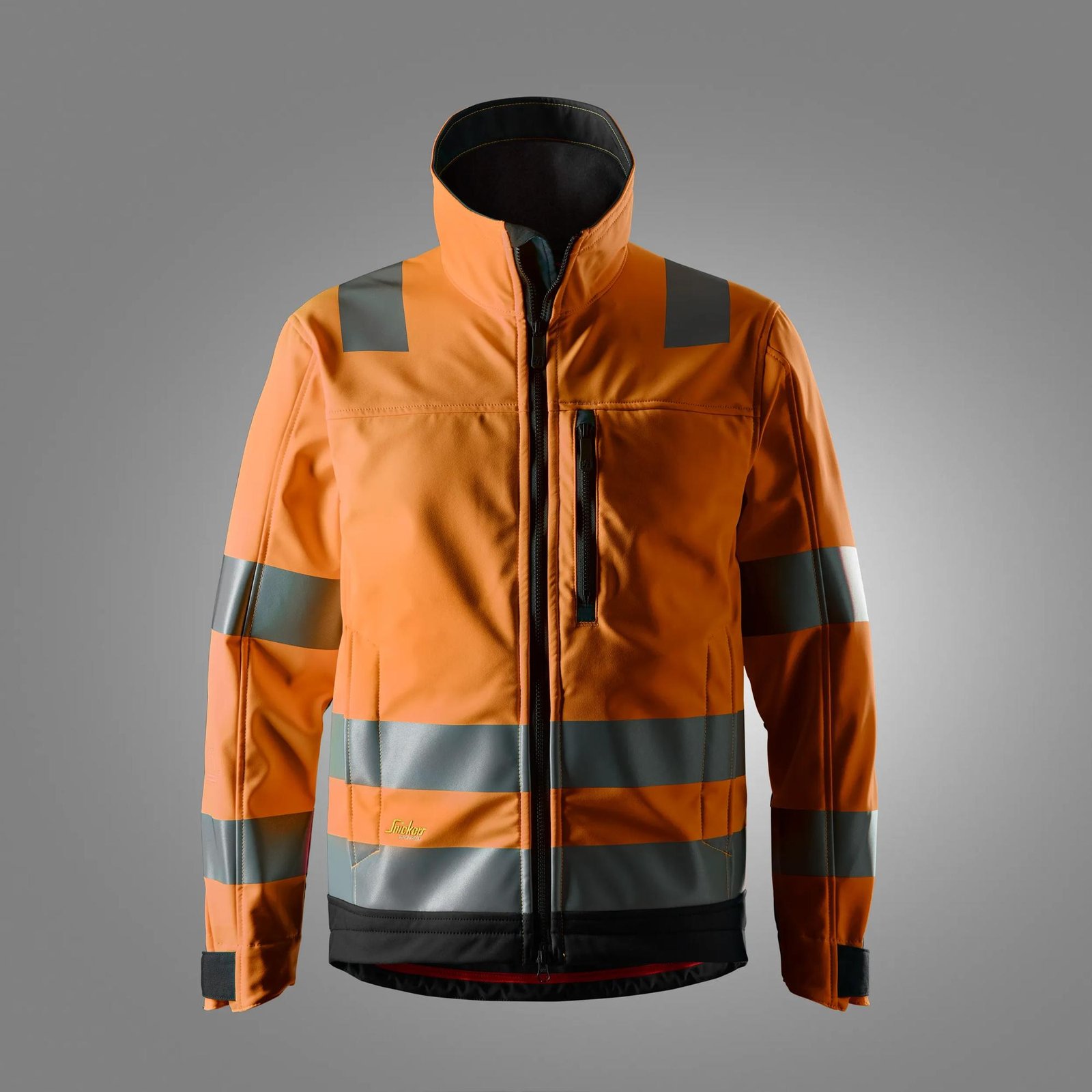
Freight Handling Workwear
Freight handling apparel includes hard-wearing shirts, cargo pants, utility vests, coveralls and two-piece work suits. Development can address reinforced knees, triple stitching, gussets, bartacks and tool-pocket layouts, with fabric and trim selections matched to the intended handling environment.
Get a Quote
Parcel Sorting Workwear
Parcel sorting uniforms support fast movement across sorting lines, hubs and dispatch areas. Configure polos, tees, work trousers, vests and layering pieces with clear branding, practical pockets and durable sewing; high-visibility or protective design targets require applicable standard and test requirements during development.
Get a QuoteMaterials for Custom Uniforms for Logistics Teams




Decoration Processes for Custom Uniforms for Logistics Teams



Accessories for Custom Uniforms for Logistics Teams


About Veelianpro: Custom Uniforms for Logistics Teams
Veelianpro is a Wuhan-based workwear manufacturer whose company profile states that its operation began in 2012. We develop custom uniforms for logistics teams, industrial workforces and service organizations through OEM, ODM, private-label and wholesale programs tailored to each buyer’s product and sourcing requirements.
From tech pack, sketch, sample or product idea, our team supports fabric and trim sourcing, pattern development, sampling, size grading, cutting, sewing, reinforcement, decoration, quality checks, packing and export coordination. Core options include shirts, polos, jackets, vests, pants, coveralls and coordinated workwear sets.
Our difference is practical development support from one production partner, with customization considered alongside fit, storage, branding, weather protection and intended work conditions. The company profile also describes a team of more than 300 skilled workers; this company-supplied figure should be verified for your project before prominent use.

Core Capabilities Behind Custom Uniforms for Logistics Teams
Tech Pack to Production Plan
Veelianpro reviews your tech pack, sketch, sample or product idea and translates it into a practical production plan. Our team aligns garment details, intended work setting, branding requirements and project quantities before sampling begins.
- Review sketches, samples and tech packs
- Confirm fabric, trims, colors and size range
- Plan role-specific shirts, pants, vests or coveralls
- Prepare details for sampling and quotation

Patterns, Grading and Fit
Pattern development and size grading help custom uniforms for logistics teams support movement across driving, warehouse and supervisory roles. Veelianpro can refine proportions, pocket placement and fit details through sampling before larger production.
- Develop or adapt production-ready patterns
- Grade approved designs across required sizes
- Refine mobility, fit and functional access
- Review samples before order confirmation

Fabric, Trim and Reinforced Construction
Material and construction choices are matched to the work environment, shift conditions and garment purpose. Buyers can discuss fabric weight, composition, weather protection, reflective tape placement and reinforcement details for durable daily-use workwear.
- Source fabrics and trims for the project
- Plan pockets, gussets and utility access
- Add bartacks, triple stitching or reinforced knees
- Separate design targets from certified performance claims

Branding, Inspection and Export Support
Veelianpro coordinates decoration, quality checks, packing and export preparation for OEM, ODM, private-label and wholesale programs. Embroidery, printing, patches, woven labels, care labels and custom packaging can be reviewed as part of the uniform specification.
- Select decoration methods and logo placements
- Apply labels and private-label details
- Inspect construction, branding and packing requirements
- Coordinate shipment details for approved orders

Custom Uniforms for Logistics Teams: Compare Supply Routes
Compare built-to-spec workwear manufacturing with an off-the-shelf garment plus decoration route. Starting MOQ is subject to fabric, certification and construction requirements.
← Swipe left or right to view →
Custom Uniforms for Logistics Teams: From Tech Pack to Shipment
A structured buyer-facing process covering feasibility, development, production, branding, inspection, and export coordination.
Review Project Feasibility
Share your tech pack, sketch, sample, or product idea. We review garment types, work settings, fabrics, branding, quantities, timelines, and documentation needs.
Develop Patterns And Samples
We develop patterns, confirm construction details, source suitable fabrics and trims, and prepare samples for fit, sizing, role coverage, and approval.
Cut And Sew Garments
Approved specifications move into cutting and sewing, with reinforcement details such as bartacks, triple stitching, gussets, and pocket systems applied as required.
Apply Brand Details
We add embroidery, heat transfer, screen printing, patches, woven labels, care labels, or custom packaging according to your approved branding plan.
Inspect Finished Orders
Each order receives quality checks for measurements, workmanship, decoration, materials, color consistency, and agreed specifications before packing and release for shipment.
Pack And Coordinate Export
We coordinate packing, export documentation, shipment details, and reorder notes so your logistics uniform program can move smoothly from production to delivery.
How to Start Custom Uniforms for Logistics Teams
Move from an initial concept to production-ready workwear through a clear development, sampling, approval and reorder process.
Share Your Brief
Send a tech pack, sketch, sample, or product idea with roles, quantities, colors, sizes, destination, timeline, and branding expectations for review.
Confirm Requirements
Define garment types, fabrics, trims, construction, decoration, and any visibility or protection targets; required standards and certificates must match the intended SKU and evidence.
Review Sample and Quote
Veelianpro develops patterns, samples and grading, then confirms pricing, MOQ, specifications and production details for your approval before order confirmation.
Approve Production
Approve the final sample and quotation, then coordinate production, inspection, packing, shipment and reorder details for consistent future uniform programs.
Certifications for Custom Uniforms for Logistics Teams


Custom Uniforms for Logistics Teams: Scenario Planning
Illustrative scenario: A warehouse uniform buyer finds that one issued shirt leaves pickers without practical scanner storage and makes dock and dispatch roles hard to distinguish. The buyer proposes a shared-color program with role-specific polos, vests, and work trousers, defined pocket layouts, and fixed branding locations. Intended acceptance criteria: samples match the approved measurements and artwork, scanner pockets are usable during the role trial, and each role can be identified from the agreed color and logo system.
Illustrative scenario: A safety distributor needs a private-label driver and yard collection but has not separated routine branding choices from a requested protective requirement. The proposed solution is to develop the fabric, outerwear layers, reflective-detail placement, labels, and packaging by SKU while supplying the exact applicable standard and documentation requirement for any protective garment. Intended acceptance criteria: every SKU has an approved specification, decoration proof, and—where protection is requested—the required evidence within the defined certification scope.
Illustrative scenario: An enterprise sourcing team planning a multi-site rollout lacks a single record for size grading, decoration files, packing instructions, and destination allocations. The proposed solution is one controlled program brief covering garment specifications, artwork revisions, size breakdowns, carton labels, and delivery data. Intended acceptance criteria: sample approvals, pack lists, and shipment instructions match the signed brief, and future replacement requests reference the same approved specification.
FAQ: Custom Uniforms for Logistics Teams
Practical answers for buyers planning branded logistics, warehouse, driver, and transport workwear with Veelianpro.
What is the MOQ for custom uniforms for logistics teams?
How do I choose custom uniforms for logistics teams across different roles?
How long does it take to develop and produce custom logistics uniforms?
What does sampling cost for custom uniforms for logistics teams?
Which logo methods work best on logistics workwear?
Can Veelianpro develop high-visibility, FR, or other protective logistics garments?
What payment and shipping arrangements are available for custom logistics uniforms?
Can you protect our design files and support repeat orders across locations?
Custom Uniforms for Logistics Teams: Buyer’s Guide
A practical framework for specifying role-based logistics workwear, comparing materials and finishing options, evaluating manufacturers, and avoiding scope, sampling, replenishment, and multi-site ordering mistakes.
1. Custom Uniforms for Logistics Teams Defined
Custom uniforms for logistics teams are a role-based apparel system, not one shirt issued to every employee. Warehouse pickers and loaders may need freedom of movement and scanner storage; drivers may need customer-facing apparel and route layers; yard staff may need a visibility plan and exposure-specific outerwear. Dispatch, office, and supervisory roles can retain a more polished presentation while remaining visually connected to the operation.
The central specification should control the elements that make the program recognizable and repeatable: approved brand colors, logo artwork and placement, garment colorways, size range, care-label requirements, and decoration and packing instructions. This lets polos, work shirts, cargo trousers, vests, jackets, coveralls, or two-piece suits look like one program without forcing identical construction on incompatible duties.
Keep function role-specific in the product matrix. Define pocket layout for scanners or paperwork, reinforcement locations to evaluate during sampling, layer options for exposed roles, and any reflective-tape placement from the job risk assessment. A design target is not a documented protective claim. Veelianpro can develop role differences from a tech pack, sketch, sample, or product idea; confirm the applicable MOQ in the quotation after fabric, certification, and construction requirements are known.
2. Why Logistics Uniform Programs Changed
A logistics uniform program starts with a role matrix: warehouse, driver, yard, dispatch, office, and supervisor roles can share approved colors and identity while using different garment types and features. This prevents a single generic purchase from forcing a driver, picker, and customer-facing coordinator into the same specification.
Ad hoc purchasing can leave sizes, decoration files, replacement rules, and approved garment details in separate emails or with individual buyers. A controlled program brief keeps the approved artwork version, logo placement, garment construction, size range, and packing instructions together, so a replacement or new-hire kit can be ordered against a defined reference.
Multi-location orders need a handoff from purchasing to packing that names each facility, department or shift, quantities, delivery addresses, and required dates. Put this structure in the inquiry and quotation request, including any kit or shipment split that needs different labels or destinations.
3. Types of Custom Uniforms for Logistics Teams
Logistics programs work best as a role matrix, not one garment issued to everyone. Keep approved colors, logo placement, and identifiers consistent while changing layers, pocket layouts, visibility details, and weather protection by task.
| Role | Core Garments | Primary Selection Focus |
|---|---|---|
| Warehouse | Shirt, cargo pant, vest | Movement and storage |
| Driver | Polo, trouser, jacket | Cab-to-door comfort |
| Yard or dock | Vest, coverall, work suit | Visibility and abrasion |
| Dispatch | Polo, lightweight jacket | Professional identification |
Warehouse And Fulfillment Staff
Work shirts, polos, tees, cargo pants, and utility vests suit picking, packing, and replenishment. Specify pocket access and mobility for lifting; retain the same chest logo and color blocks.
Drivers And Last-Mile Crews
Polos or tees with work trousers and a weather layer fit cab time, repeated exits, and customer handoffs. Use the approved logo system, with role identifiers only where the program requires them.
Yard And Dock Roles
Utility vests, work shirts, cargo pants, coveralls, or two-piece suits suit abrasion-prone loading areas. Reflective tape placement and any protective requirement must follow the buyer’s specified standard and evidence.
Dispatch And Customer-Facing Staff
Branded polos, work shirts, and lightweight jackets create a recognizable desk-to-floor option. Match logo placement and core colors to operational garments without forcing dispatch staff into the same construction.
Supervisors And Seasonal Outerwear
Supervisor polos and jackets can distinguish leadership while remaining inside the shared palette. Softshell, fleece, padded, and rain jackets should be selected for the actual exposure and layering plan.
Role Matrix Before Sampling
List each role’s garment, environment, identifiers, and expected season before pattern development. Veelianpro can develop coordinated styles from a tech pack, sketch, sample, or product idea. Request MOQ confirmation by style and color only after the fabric, construction, and any certification requirements are defined.
4. Materials for Custom Uniforms for Logistics Teams
Material selection starts with the task, not a universal fabric label. For each role, define the intended fiber content, fabric construction, weight, color, decoration method, care process, and contact points with cartons or equipment. Review those choices on the submitted sample before approving a role-specific specification.
| Material Option | Specification to Define | Sample Review Focus | Construction Decision | Role Question | Possible Role Allocation |
|---|---|---|---|---|---|
| Polyester-cotton blend | Fiber ratio, weave or knit, weight, and color | Hand, decoration sample, and care requirements | Confirm construction and reinforcement locations | Which movements and carried items must be accommodated? | Warehouse, dispatch, or driver styles, subject to sample approval |
| Performance synthetic | Fiber content, knit or weave, weight, and color | Hand, logo method, and care requirements | Confirm panel layout and decoration location | Does the approved pattern allow the required task movements? | Driver or picking styles, subject to sample approval |
| Stretch blend or panels | Base fabric, stretch-content location, and panel dimensions | Fit trial during reaching, squatting, and vehicle entry | Decide between localized panels and whole-garment construction | Which task movements must the sample accommodate? | Picking, loading, or delivery styles, subject to fit approval |
| Ripstop construction | Fiber content, grid construction, weight, and color | Hand, contact points, and decoration compatibility | Identify the panels exposed to contact or snagging | Where should the selected construction be used? | Yard or cargo styles, subject to sample review |
| Layer system | Layer type, fabric, lining, closures, and intended exposure | Layering comfort, closures, and logo location | Define the layer sequence and required construction details | What base garments and task movements must the layer accommodate? | Outdoor or cold-shift programs, subject to sample review |
Polyester-Cotton Blends

A polyester-cotton blend is a development option for shirts, polos, and trousers. Specify the fiber ratio, fabric construction, weight, color, care process, and decoration method during development, then approve the actual fabric and decoration on the sample.
Performance Synthetics
Synthetic fabric options can be considered for driver and warehouse layers where the buyer has a defined fabric brief. Confirm the fiber content, knit or weave, weight, color, care process, and logo method on the sample before approval.
Stretch Where Movement Demands It
Stretch blends or localized stretch panels are development options where the brief identifies repeated reaching, squatting, climbing, or vehicle entry. Decide whether the option belongs in defined panels or the whole garment, and evaluate the approved sample during those movements.
Ripstop And Abrasion Focus
Ripstop and abrasion-focused constructions are fabric-development options that should be identified by the supplier’s actual fabric specification. Map the proposed construction to the actual contact point—such as knees, cargo pockets, or dock-facing trouser panels—and review it on the sample before approval.
Weather Layer Systems
Softshell, fleece, padded and rain-jacket options serve different exposure conditions; they are not interchangeable claims of weather protection. Define the shift environment and layering plan, then request the relevant fabric and construction details for sampling.
5. Customization and Identification Options
Customization should make roles recognizable without obstructing pockets, closures, or visibility components. Lock artwork, placement, color references, and identifier rules before sampling so reorders remain consistent.
| Approach | Suitable Garments | Design Complexity | Planning Point |
|---|---|---|---|
| Embroidery | Polos, shirts, jackets | Simple to detailed | Confirm placement on seams and pockets |
| Screen Printing | Tees, polos, flat panels | Bold artwork | Match ink approach to fabric and laundering |
| Heat Transfer | Tees, jackets, selected panels | Detailed multicolor artwork | Approve on the production fabric |
| Patches | Shirts, jackets, vests | Simple emblems | Set patch size and attachment location |
Logo Placement
Chest logos suit quick front recognition on polos, shirts, and jackets.
Back placement gives larger recognition but must avoid yokes, seams, and required markings.
Decoration Method Selection
Fine artwork, fabric texture, and garment stretch affect whether embroidery, screen printing, heat transfer, or patches are practical.
Review the intended laundering process and an artwork proof on the actual garment material before approval.
Visibility Detailing
Reflective tape placement must be planned with logo zones, pocket access, and garment panels.
Reflective detailing is not a safety certification; specify any required standard and evidence separately.
Names And Facility Identifiers
Names, departments, route teams, or facility codes can shorten role recognition across multi-site operations.
Define the identifier format, location, and replacement process; variable data changes artwork preparation and packing requirements.
Color Blocking By Role
A shared base color can keep the program recognizable while contrasting panels distinguish drivers, warehouse crews, and supervisors.
Check color blocking against logo contrast, reflective zones, and the available garment pattern pieces.
6. Construction Details That Affect Service Life
Service life is often decided at the pocket edge, seam junction, or closure rather than by the garment silhouette. For logistics roles, specify construction around lifting, scanning, cab entry, dock work, and repeated laundering before sampling.
| Feature | Typical Failure | Tech-Pack Remedy |
|---|---|---|
| Pocket attachment | Seam pulls under scanner load | Define load use and reinforced corners |
| Closure | Snags or opens during movement | Specify hardware, position, and operation |
| Identifier trim | Logo or tape lifts after laundering | Approve placement and attachment sample |
Reinforce Working Seams

Crotch, inseam, shoulder, and pocket corners take repeated tension when workers squat, climb steps, or reach across pallets. Ask for bartacks at defined stress points and specify triple stitching only where the construction and fabric suit it.
A generic request for durable stitching leaves the factory without a map. Mark reinforcement locations on the tech pack and approve them on the sample.
- Mark crotch and pocket-corner bartacks
- Identify seams needing triple stitching
- Approve stitch placement on samples
Pockets Need A Load Plan
A chest pocket can snag while leaning into racking, while an unsecured cargo pocket can spill a scanner or delivery paperwork. Define what each pocket carries, its opening direction, closure type, and whether it must remain accessible while seated in a vehicle.
Overloaded pockets pull at their attachment seams. Specify reinforcement and avoid adding utility pockets solely for appearance.
Build Reach Into The Pattern

Restrictive shoulders and a tight rise become obvious during overhead picking, steering, and stepping onto a dock. State the required movements in the brief and review them during fitting; a gusset or adjusted ease may be appropriate when the sample restricts motion.
Fit approval should cover layered use where jackets or vests will be worn over base garments. Do not approve from a static standing pose alone.
Choose Secure Closures And Trim
Zippers, snaps, hook-and-loop, and buttons each change how a garment behaves around conveyors, vehicle doors, and gloves. Specify the closure location, pull style, and use case; unsuitable hardware can snag, open under movement, or be difficult to operate.
Logo patches, reflective tape, and labels need an attachment method and placement drawing. Include wash testing and visual approval for identifiers so fading or lifting is caught before bulk production.
7. Choosing a Logistics Uniform Manufacturer
A capable manufacturer turns one identity system into role-specific garments without losing control of specifications. Evaluate the program record, not a generic product list, before approving custom uniforms for logistics teams.
| Role | Program Specification | Approval Evidence |
|---|---|---|
| Warehouse | Work shirts, trousers, vests, or coveralls; required utility and visibility details | Role matrix and approved sample |
| Driver | Polo, tee, trousers, and weather layer; branding and identifier placement | Artwork proof and size breakdown |
| Dispatch Or Office | Role-appropriate polo, shirt, or layer within approved color system | Style, color, and packing record |
Role Matrix Capability
Map warehouse, driver, yard, dispatch, and office roles to garment types, pockets, visibility needs, weather layers, and decoration locations.
Request the same matrix in the quotation so each style, color, and identifier is traceable.
Sample And Approval Workflow
Start from a tech pack, sketch, sample, or product idea; then review fabric and trim choices, pattern, size grading, construction, and decoration.
Keep a signed approval record covering the approved sample, measurements, colors, artwork, and packaging.
Artwork Control
Supply editable logo files and define placement, dimensions, thread or print colors, patches, woven labels, care labels, and personalization fields.
Approve a decoration proof for every garment and placement; a logo approval alone does not control the full program.
Size-Range Planning
Provide the required size range and quantities by role, style, color, and facility before sampling or quotation.
A size breakdown should remain in the approval record, including any separate new-hire or replacement allocation.
Repeat-Order Consistency
Archive the approved tech pack, fabric and trim references, grading, artwork files, and packing instructions as the reorder baseline.
Confirm any proposed substitution before production, especially where protection or specified construction is involved.
Packing And Shipment Scope
State whether garments need to be packed by facility, department, shift, kit, or individual recipient, with labels and address data supplied early.
Ask for MOQ, production timing, and the quoted packing and shipment scope against the confirmed program. For Veelianpro, the stated starting MOQ is 100 pieces per style and color, subject to fabric, certification, and construction requirements.
8. Common Logistics Uniform Buying Mistakes
Most uniform-program failures begin in the brief, where operational distinctions are compressed into a single apparel choice or an incomplete packing plan. Correcting them before sampling prevents visible inconsistency, unusable stock, and avoidable reorder friction.
Using One Garment For Every Role
A dock loader, driver, and dispatcher do not use pockets, layers, or mobility in the same way. One universal garment can leave active roles restricted and customer-facing roles poorly presented.
Build a role matrix while retaining approved colors and logo rules. Specify garment type, task, required features, and any protection requirement by role.
Approving Decoration Too Early
A digital artwork proof confirms artwork and proposed placement; it does not replace review on the actual garment. A sample makes it possible to inspect the logo position, interaction with seams and pockets, and compatibility with planned reflective-detail zones.
Approve a decorated pre-production sample against a written review plan. Check legibility, attachment method, placement, and the agreed care-review criteria before bulk approval.
Omitting Packing And Location Instructions
A bulk carton plan becomes an operational problem when facilities, shifts, or new-hire kits need different contents. Unlabeled mixed cartons transfer sorting work to receiving teams.
Provide facility addresses, kit contents, size breakdowns, carton labels, and allocation quantities in the order brief. Confirm whether packing is by location, department, shift, or individual kit.
Treating Sizing As An Afterthought
Ordering only broad size totals ignores garment cut, layering allowance, and the workforce size curve. The visible consequence is excess of unpopular sizes and immediate replacement requests.
Use the approved size chart with a wearer trial before bulk confirmation. Record role-specific fit notes, including whether jackets will be worn over other layers.
Leaving Replenishment Rules Undocumented
Reorders drift when style codes, fabric, color, decoration files, and approval references are scattered across emails. A later order may look similar but no longer match the issued uniform.
Create a controlled replenishment record listing approved specifications, artwork version, packing rules, and reorder authorization. Illustrative procurement scenario: a distributor keeps one role matrix per customer account for replacements and onboarding kits.
9. Launching Custom Uniforms for Logistics Teams
A launch brief turns role needs into controlled production information. Map the work first, then freeze the garments, decoration, sizes, packing logic, and records that make the next order comparable.
| Worked Example: Role | Garment | Shared Approved Identity |
|---|---|---|
| Warehouse picker | Cargo trousers and work shirt | Navy base, chest logo, white name field |
| Driver | Polo and weather layer | Navy base, chest logo, white name field |
| Dispatch | Polo | Navy base, chest logo, white name field |
Map Roles And Work
Separate warehouse picking, yard, driving, dispatch, and customer-facing duties before choosing garments. Record movement, weather exposure, visibility needs, carried tools, and any required protection.
List each facility, destination, and issuing method. This prevents one generic style from being forced across incompatible tasks.
Specify Garments And Artwork
Create one line item per role with garment type, fabric target, color, pocket layout, reinforcement, size range, and decoration position. Supply vector artwork, label copy, and packaging marks with revision dates.
Protection requests need the applicable standard and required test or certificate; a design request is not a documented performance claim.
Review Samples And Approve
Review the prototype against the tech pack: measurements, construction, fabric hand, color, logo placement, labels, and packaging. Test fit and task movement with the intended role before confirming bulk production.
Issue one written approval that identifies the approved sample, artwork revision, deviations, and signatory. Verbal changes after approval create avoidable version conflicts.
Consolidate Orders And Reorders
Consolidate quantities by style, color, size, role, and facility, then provide carton labels and kit instructions. Veelianpro starts at 100 pieces per style and color, subject to fabric, certification, and construction requirements.
Keep the approved tech pack, artwork files, size breakdown, trim list, packing instructions, and inspection record together. These records make replacement and repeat-order discussions specific.
10. Pricing and Cost Drivers
A driver polo, warehouse cargo trouser, insulated layer, or high-visibility vest does not carry the same material, pattern, construction, or decoration scope. A workable quotation separates each role-based garment and records the approved fabric, trim, reinforcement, branding, and packing requirements rather than blending them into one line.
Cost changes when specifications add operations or handling: multiple logo positions, individualized names, size sorting, and destination-specific packs all need clear instructions. Veelianpro provides applicable commercial terms in its quotation after reviewing the product brief, quantity, destination, and any requested protection standard or supporting test requirement.
| Cost Driver | What Changes Cost | Quote Must Specify |
|---|---|---|
| Garment category and construction | Coveralls, outerwear, trousers, and layered kits use different pattern pieces, components, and sewing operations. | Garment by role; pocket layout; reinforced knees, bartacks, triple stitching, gussets, and weather features. |
| Fabric, trims, and protection target | Composition, weight, reflective tape, closures, lining, and any required protective specification affect sourcing and construction. | Approved fabric and trim details; applicable standard; required test or certificate scope, if protection is requested. |
| Decoration and personalization | Embroidery, screen printing, heat transfer, patches, labels, and each additional placement add setup or application work. | Method, artwork, logo locations and sizes; names, departments, or facility identifiers; variable-data list. |
| Quantity and sampling | Style-color quantities affect production planning; samples add development and approval work before bulk production. | Quantity by style, color, and size; sample requirement; approval point; repeat-order reference. |
| Packing and shipment scope | Custom packaging, size assortments, facility packs, export preparation, and shipment destination change handling and logistics scope. | Pack breakdown, labels, carton instructions, destination, shipping method, and required delivery documentation. |

Request a Quote for Custom Uniforms for Logistics Teams
Send your garment, work setting, fabric, sizes, colors, branding, quantity, destination, and timeline for a tailored quotation.