
School Ties Manufacturer
Work with Veelianpro, a school ties manufacturer, on made-to-order uniform programs from 100 pieces per style and color, subject to project feasibility.
Garment and Development References


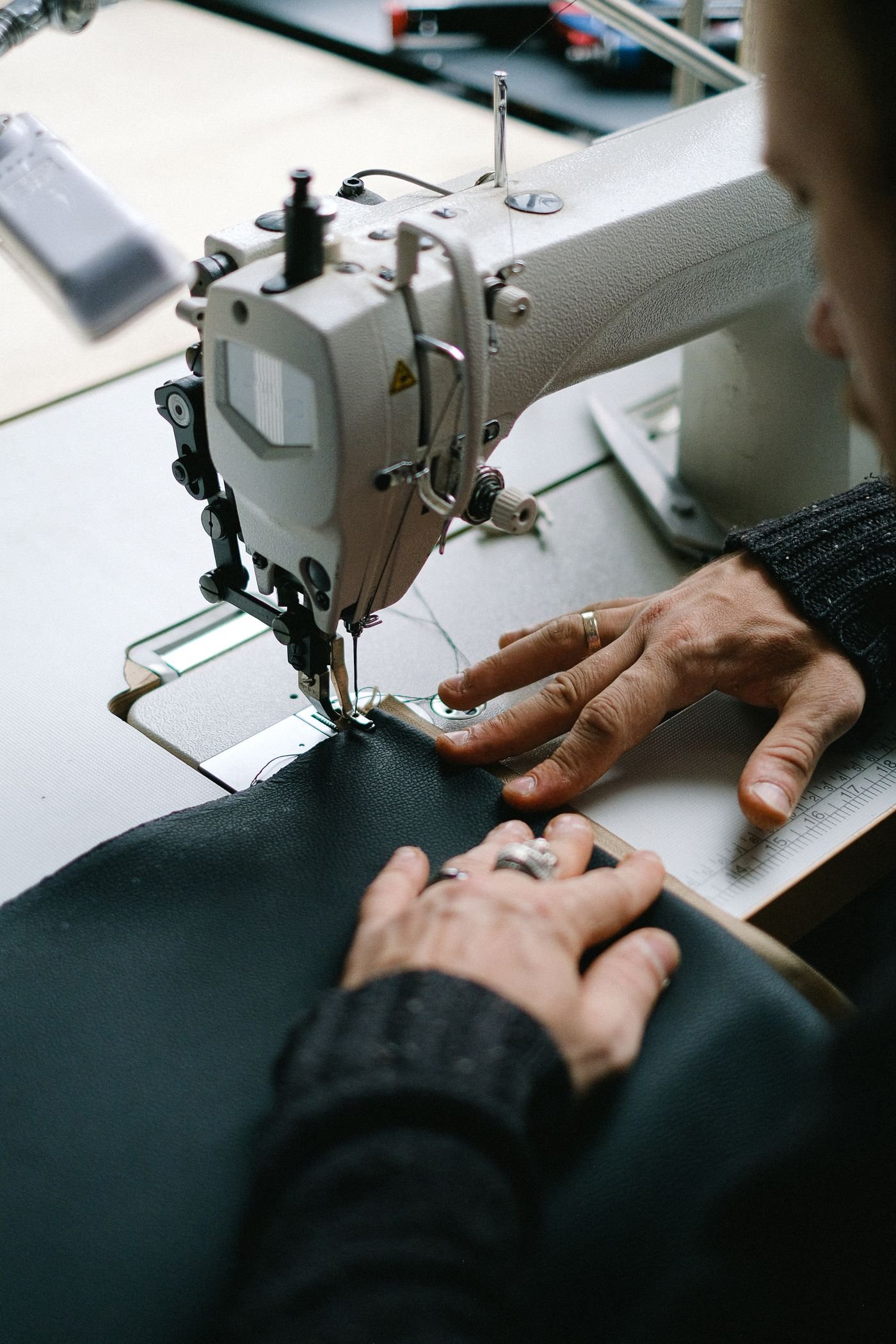
Browse Veelianpro’s Workwear Catalogue
Review current garment references, then send the fit and construction details for your program.






Advantages of Custom School Tie Development
Develop custom school ties around an independent specification, sample approval, and project-specific quotation for each distinct procurement need.
Independent Specifications
Define tie shape, stripe layout, crest placement, colors, and wearer requirements separately from broader uniform programs for clearer sourcing decisions.
Sample Review Control
Review a physical sample for pattern scale, color direction, hand feel, and finished appearance before confirming bulk production details.
Branding Detail Options
Specify labels, keeper-loop details, tipping, packaging, and approved logo applications to align custom school ties with your uniform identity.
Coordinated Accessory Planning
Discuss matching bow ties or pocket squares within the same development brief when your program requires a consistent presentation.
Feasibility-Led Quotation
Receive project review based on fabric, construction, documentation needs, and quantity; orders may start from 100 pieces per style and color.
School Ties Manufacturer Development Options
Choose what you want to specify before sample approval.

Custom School Tie Programs
Develop custom school ties from a tech pack, sketch, sample, or product idea, with fabric, pattern layout, tie shape, and approval requirements reviewed before quotation and sampling.
Get a Quote
Coordinated Bow Tie Sets
Specify bow ties as a related development path with the intended school tie design, then review the material direction, pattern scale, branding details, and sample requirements for the combined order.
Get a Quote
Matching Pocket Squares
Add matching pocket squares where they serve a distinct procurement purpose, with the design relationship, material option, finished appearance, labels, and packaging documented for review and quotation.
Get a QuoteMaterials and Pattern Options to Specify
Explore materials and fabrics
Silk Twill

A diagonally ribbed silk option with a structured hand and understated luster. Consider it for traditional school ties where stripe definition and a classic uniform appearance matter; confirm fiber content, origin, and care requirements for the selected SKU.
Silk Satin

A smooth silk surface with noticeable sheen and fluid drape. It can suit formal presentation ties or designs where color reflection is part of the brief; approve the proposed finish, color standard, and final appearance through a physical sample.
Woven Jacquard

A fabric construction in which a repeat pattern is developed through the weave rather than applied to the surface. Specify it for crests, stripes, or geometric motifs requiring texture; review motif scale, yarn colors, and sample definition before production.
Printed Silk

A silk option for artwork applied to the fabric surface, suitable for detailed crests, multi-color layouts, or complex school graphics. Submit approved artwork and color references for review, then check registration, pattern placement, and hand feel on the sample.
Polyester Fabric

A synthetic fabric option commonly considered for uniform programs seeking a consistent, practical tie specification. Its suitable weave, finish, and pattern route should be reviewed per project; request fiber-content and any required market documentation for the chosen material.
Blended Construction

A proposed combination of fibers selected to balance hand feel, surface character, and program requirements. Define the intended composition rather than assuming performance from a blend name; evaluate the sample and request relevant fiber, origin, recycled-content, or test documentation.
Custom Tie Development and Production Process
Explore printing and finishing
Artwork Review

We review crest files, stripe layouts, repeat motifs, house colors, and placement notes against the intended tie shape. The result is a production-ready artwork direction with details identified for buyer approval.
Pattern Development
View details
Tie dimensions, blade shape, stripe scale, and construction preferences are translated into a project pattern. This helps sourcing teams assess proportion, wearer group compatibility, and how the design will present when finished.
Jacquard Weaving
For designs suited to woven structure, yarn selection and repeat artwork can be developed for jacquard review. This route creates pattern definition within the fabric rather than applying artwork only to its surface.
Print Application
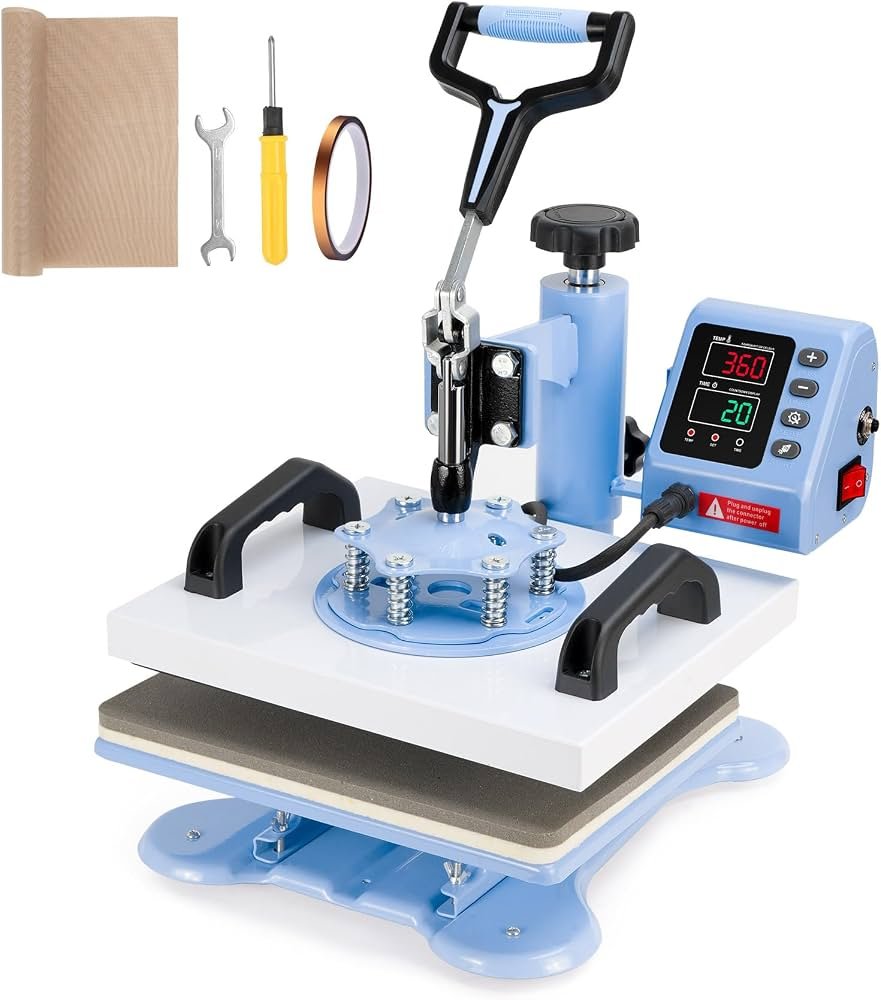
Digital or screen printing may be considered when artwork requires detailed crests, complex color effects, or non-repeating graphics. The appropriate route depends on the approved material, artwork, color standard, and project requirements.
Cutting and Sewing

Approved fabric is cut and sewn into the specified tie form, with construction choices such as tipping, keeper-loop details, and labels reviewed as part of the project. Finished appearance follows the approved sample direction.
Finishing Inspection

Before packing, finished school ties are checked against the agreed specification for visual consistency, branding details, and workmanship. Buyers can define the sample, documentation, and approval requirements needed for their uniform program.
Tie Trims, Branding, and Presentation Details
Explore labels, trims and packaging
Woven Brand Labels

A woven label can be placed on the back or inside construction area to identify your uniform program or private label. Specify label artwork, colors, placement, and required fiber-content information for review.
Care Label Inserts
Care labels provide the buyer-approved care, fiber-content, origin, and market information required for the finished tie program. Submit final label copy and any documentation requirements with the school tie specification.
Keeper-Loop Details
The keeper loop sits on the reverse of the tie and secures the narrow end during wear. It can use a coordinating fabric, a woven identity detail, or a buyer-approved branded treatment.
Tipping Fabric
Tipping fabric finishes the reverse point of the tie blade and can coordinate with the main design or introduce a contrast detail. Review its color, hand feel, pattern treatment, and construction in sampling.
Crest Logo Placement
A school crest or program logo may be integrated into the approved woven or printed artwork, depending on the selected development route. Define scale, location, repeat pattern, and artwork approval requirements before sampling.
Custom Packaging Sets
View detailsCustom packaging can support uniform distribution, private-label presentation, or retail-ready handling. Specify packaging format, label requirements, and whether matching bow ties or pocket squares should be reviewed within the same project.
Your School Ties Manufacturer Partner
Veelianpro supports sourcing teams, apparel brands, and uniform distributors developing custom school ties for specification-led programs. We begin with your tech pack, sketch, approved sample, or product concept, then align the design route, material direction, tie shape, pattern layout, branding details, and documentation needs before sampling.
Our development workflow can include fabric and trim sourcing, pattern development, sampling, production coordination, quality checks, packing, and export support. Made-to-order projects start from 100 pieces per style and color, subject to fabric, construction, and evidence requirements. Use a dedicated school-tie specification, sample, and quotation when the procurement task differs from the parent uniform program.

School Tie Development Capabilities
Detailed Specification Intake
We turn a tech pack, artwork, reference sample, or product idea into a school-tie development brief that aligns design intent with uniform use. Buyers can define shape, dimensions, stripe layout, crest position, wearer group, color references, and required documentation before sampling.
- Record repeating motifs, crest placement, stripe direction, and pattern scale
- Document tie shape, target measurements, size range, and uniform coordination needs
- Identify fiber-content, origin, recycled-content, organic-content, or testing documentation for project review
- Assess feasibility from 100 pieces per style and color, subject to fabric, construction, and evidence requirements

Fabric and Trim Review
A custom school ties program begins with the visual and handling choices that support its intended uniform presentation. We review proposed fabric and surface approaches alongside construction and finishing details, so the sample reflects the approved design direction rather than an assumed stock specification.
- Review woven jacquard, printed fabric, satin-like finishes, or other materials proposed for approval
- Align colors and pattern repeat with buyer-provided artwork or color references
- Specify lining, tipping, keeper-loop details, labels, and packaging requirements
- Plan matching accessories only when they belong to the same procurement brief

Sample-to-Bulk Approval Control
Before bulk production, our school ties manufacturer workflow gives buyers a defined point to review the developed sample against the approved brief. Color appearance, motif clarity, hand feel, shape, branding details, and finished presentation can be checked and recorded for production reference.
- Approve the physical sample against artwork, measurements, and material selections
- Review labels, patches, woven branding, care labels, and custom packaging where specified
- Use production checks to compare finished ties with the approved sample and order requirements
- Flag changes before order confirmation so the production specification stays controlled

Made-to-Order Development vs. In-Stock Decoration
Choose custom development when tie design, construction, and approval details need control before bulk production.
← Swipe left or right to view →
Custom School Tie Workflow
From feasibility review to export handover, we align the school tie specification, sample approvals, production controls, packing requirements, and shipment details around your uniform program.
Feasibility and Specification
Share tie shape, intended wearer group, color references, artwork, quantity, destination, and timeline. We review the project scope, including the conditional starting MOQ from 100 pieces per style and color.
Materials and Branding Review
Confirm proposed fabric or surface approach, stripe layout, crest placement, labels, keeper-loop details, tipping, packaging, and any documentation requirements before sampling begins.
Sample Development
We develop a sample from the approved specification so your team can assess color, pattern scale, hand feel, shape, and finished branding details before bulk authorization.
Production and In-Process Control
After sample approval and order confirmation, production follows the agreed construction and artwork requirements, with checks focused on consistency across the approved school tie specification.
Inspection, Packing, and Handover
Finished ties are checked against approved requirements, packed to the agreed presentation plan, and prepared for export coordination with your destination and shipping instructions.
Work With Our School Ties Manufacturer
Move from an initial tie concept to an approved bulk-order specification through a clear buyer-led review process.
Send Your Brief
Share a tech pack, sketch, reference sample, or product idea with intended wearer group, colors, pattern direction, branding details, quantity, destination, and timeline.
Review Feasibility
We review your school tie specification, proposed materials, shape, surface approach, trims, documentation needs, and conditional quantity requirements, then prepare a project-specific quotation.
Approve the Sample
Assess the sample for color, pattern scale, hand feel, crest or stripe placement, finished appearance, labels, tipping, and packaging before authorizing bulk production.
Confirm Order Details
Confirm the approved specification, size or shape requirements, artwork, branding method, packing instructions, destination, and any SKU- or market-level evidence requested for the project.
Coordinate Delivery
We complete quality checks, prepare agreed packing, and coordinate export shipment details so your team can plan receiving, uniform distribution, and future reorder requirements.
Standards and Audit References


Illustrative School Tie Procurement Scenarios
Illustrative scenario
Apparel Buyer
Uniform distributor: The buyer submits crest artwork, house colors, wearer measurements, and a preferred tie shape. The project requests a physical sample to review motif scale, color, hand feel, finished appearance, and any required material documentation before bulk approval.
Illustrative scenario
Sourcing Manager
Apparel brand sourcing team: The team develops a striped custom school ties program and asks to adjust stripe spacing, label details, tipping, and packaging. Approval is based on the finalized specification, sample review, color standard, size range, and quantity feasibility for each style and color.
Illustrative scenario
Production Planner
School-uniform buyer: The buyer explores a coordinated tie and accessory set, supplying intended wearer groups, crest placement, matching color references, destination, and timeline. The request separates each item’s specification and sample route so fabric, branding details, and documentation needs can be reviewed independently.
School Ties Manufacturer FAQ
Practical guidance for sourcing custom school ties, from specification and sampling through production approval.
What is the minimum order for a custom school tie project?
Should we choose a woven repeat pattern or printed artwork for custom school ties?
Can Veelianpro provide a sample before bulk production?
Which branding details should be included in our school tie specification?
Can Veelianpro develop matching bow ties or pocket squares with school ties?
What payment terms apply to wholesale school ties orders?
How are shipping and delivery arranged for custom school ties?
What documentation should we request for a school-uniform tender?
The Complete School Ties Manufacturer Buyer’s Guide
A practical framework for sourcing custom school ties, evaluating development partners, controlling samples and specifications, and avoiding approval, documentation, and reorder mistakes in made-to-order uniform programs.
1. What Is a School Ties Manufacturer?
A school ties manufacturer develops the tie itself as a controlled uniform component: the buyer defines the intended style, color layout, motif or crest treatment, fabric direction, shape, branding details, and packing requirements. For sourcing teams, apparel brands, and uniform distributors, the deliverable is a production specification and approved sample—not merely a decorated accessory.
This differs from an in-stock/decorate route, where an existing tie is selected first and a logo or label is added within its fixed material, dimensions, construction, and color options. In custom development, the buyer retains specification ownership: stripe spacing, repeating artwork, crest scale, keeper-loop detail, tipping, labels, and any required fiber, origin, recycled-content, organic-content, or test documentation can be defined for review before bulk approval.
Veelianpro begins each feasible project from a tech pack, sketch, sample, or product idea, then supports material and trim sourcing, pattern development, sampling, quality checks, packing, and export coordination. The conditional starting point is from 100 pieces per style and color, subject to the selected fabric, construction, and evidence requirements; a physical sample should confirm color, pattern scale, hand feel, and finished appearance before production is released.
2. Why Custom School Tie Development Matters
A school tie is a uniform component whose stripes, house colors, repeat motifs, and crest position must remain recognizable beside the blazer, shirt, and other approved pieces. Treating it as a generic accessory leaves too much room for inconsistent pattern scale, altered color interpretation, or a shape that does not suit the intended wearer group.
Development converts those visual decisions into a reusable specification: tie shape and buyer-provided measurements, artwork file, stripe order, repeat direction, crest location, ground and accent colors, label or keeper-loop detail, tipping, and approved packaging. This record is especially important for replenishment orders, where a later production run should match the approved uniform rather than a loosely described previous sample.
Hypothetical tender example: a uniform distributor submits an approved artwork layout stating a navy ground, two specified house-color stripes, a repeating crest motif, buyer-provided finished measurements, and a reference sample for color and appearance. The school ties manufacturer can then review feasibility, make a sample, and quote the defined project; without those approvals, the same request could produce different motif spacing, crest placement, or proportions across suppliers or reorders.
3. School Ties Manufacturer: Product Types
A school ties manufacturer should treat each closure and silhouette as a wear-specific specification, not merely a color variation. Veelianpro reviews made-to-order projects from 100 pieces per style and color, subject to feasibility requirements.
| Format | Typical Uniform Use | Approval Details | SKU Decision |
|---|---|---|---|
| Conventional necktie | Formal daily uniform | Length, blade shape, knot appearance | Separate by proportion or pattern |
| Clip-on or adjustable tie | Younger wearers or simplified dressing | Closure, neck fit, release requirement | Separate closure SKU |
| Bow tie and pocket square | Ceremonial or coordinated roles | Collar pairing, dimensions, edge finish | Bow tie separate; square coordinated |
Conventional Neckties
Conventional neckties suit older students, staff, and formal uniform programs where a tied knot is part of the intended appearance. Document finished length, blade shape, wearer size range, stripe direction, and the approved knot presentation.
Use a separate SKU when length, shape, or pattern differs by wearer group. A shared colorway alone does not make two differently proportioned ties interchangeable.
Clip-On And Adjustable Ties
Clip-on ties simplify daily wear where the program requires a preformed knot or faster dressing. Specify the attachment type, neck-size adjustment range, breakaway or release requirement if applicable, and whether the tie must be removed without disturbing a collar.
Clip-on, elasticated, and adjustable versions should be separate SKUs because their closure hardware and fit path differ. Coordinate their artwork with the conventional tie only after the finished visual balance is approved.
Bow Ties And Pocket Squares
Bow ties fit ceremonial uniforms, hospitality-style student roles, ensembles, or events; record pre-tied versus self-tie construction, adjustment method, and intended collar pairing. A pocket square is a coordinated accessory, so specify its finished dimensions, edge finish, fold presentation, and whether it is supplied separately.
Develop bow ties as separate SKUs. Add pocket squares to the same development decision when they share an approved pattern and color reference, while retaining their own packing and quantity line.
4. Materials and Surface Options for School Ties
A school tie’s face fabric and surface route determine how stripes read, how a knot forms, and what a wearer feels at the collar. Specify these as development options for review, not assumed available constructions.
| Route To Specify | Design Complexity | Appearance | Approval Check |
|---|---|---|---|
| Polyester fabric | Stripes and repeat artwork | Defined color and practical hand | Confirm composition and care label |
| Silk fabric | Solid, stripe, or refined motif | Fluid drape and softer hand | Review knot shape and care route |
| Woven jacquard | Repeating crest or geometric motif | Textured, integrated pattern | Approve motif scale and reverse face |
| Printed fabric | Detailed crest or multicolor artwork | Surface-led artwork | Approve artwork proof and color sample |
| Twill-like or satin-like finish | Texture or sheen priority | Diagonal grain or smooth luster | Compare under intended lighting |
Material Routes

Polyester is commonly considered where practical care and crisp pattern reproduction matter; silk is considered for a softer, more fluid hand. Blended constructions can be proposed when the brief seeks a balance, subject to material review.
- Polyester: practical-care route to review
- Silk: fluid drape route to review
- Blends: composition and hand-feel review
Surface And Pattern
Woven jacquard suits repeating stripes or simplified motifs because the pattern is built into the fabric structure. Printed fabric can accommodate more detailed artwork, while twill-like texture adds diagonal visual grain and satin-like finishes create a smoother, more reflective face.
Approval Evidence
Request a physical sample to assess drape, knot bulk, stripe alignment, color, and hand feel under normal handling. For tender requirements, request SKU- and market-level fiber-content, origin, recycled or organic-content, and applicable test documentation before approving production claims.
5. Custom School Tie Design and Branding
A school tie brief must turn school identity into repeatable production instructions, not just a crest file. Veelianpro can review the artwork, color references, placement rules, and proposed branding options before sampling.
| Design route | How Identity Appears | Approval Focus |
|---|---|---|
| Integrated woven design | Motif, stripe, or logo within the fabric | Repeat scale and color separation |
| Printed artwork | Artwork applied on the fabric surface | Crest edges, color, and placement |
| Added branding options | Labels, tipping, keeper loop, packaging | Location, copy, and component review |
Build The Artwork Map

Supply editable crest artwork, stripe direction, repeat spacing, approved color references, and a marked tie view for each blade. State whether a crest is a one-position feature or part of an all-over repeat.
Use a scale check on the intended tie shape before sampling. A small repeat can read as texture, while an oversized crest may disappear beneath a knot or look crowded on the blade.
- Front and reverse artwork files
- Color reference and allowed substitutions
- Blade, tipping, and keeper placement views
Choose The Branding Route
A woven logo or motif is integrated during fabric development; its repeat, color separation, and position must be approved as part of the fabric design. Printed artwork is applied to the selected fabric surface and needs equivalent scale and color review.
Woven labels, care labels, custom tipping, keeper-loop details, patches, and presentation packaging are options to specify for feasibility review. Do not treat a digital rendering as approval of finished color or texture.
Coordinate Matching Pieces
Bow ties or pocket squares can share the approved color layout and motif, but each accessory needs its own artwork placement and finished-size review. Identify whether the set is sold together, issued by house, or reordered as separate SKUs.
For made-to-order development, the conditional starting quantity is from 100 pieces per style and color, subject to fabric, construction, and evidence requirements.
6. Construction and Approval Quality Checks
A school tie can carry the correct artwork yet look inconsistent when its blade, internal structure, and back finishing are not approved together. Evaluate the finished knot, drape, reverse side, and presentation as one uniform component.
| Approval Point | Check On Sample | Production Risk If Missed |
|---|---|---|
| Blade and knot | Shape, balance, collar compatibility | Inconsistent wearer appearance |
| Pattern alignment | Repeat and crest placement | Visibly mismatched ties |
| Back finishing | Tipping, keeper loop, label | Uneven or obstructed presentation |
| Final presentation | Pressed appearance and packaging | Mixed uniform standard |
Set The Tie Profile
Approve the blade outline and finished balance on the intended wearer group. A narrow or broad-looking blade can become unsuitable once paired with the selected collar and knot method.
Specify the proposed lining or interlining for review because it influences body, drape, and knot profile. Confirm that the tie returns to a neat shape after handling rather than twisting or showing an uneven center line.
- Blade shape and point symmetry
- Knot profile with uniform collar
- Balance between front and tail
Inspect Pattern And Back Details

Repeating stripes, crests, and woven motifs need alignment at the blade and visually controlled placement across the set. A distorted repeat or off-center crest is more obvious once ties are worn side by side.
Review stitching, tipping, keeper loop, and label attachment on the physical sample. Uneven edge finishing, loose back details, or a label that interferes with the keeper loop should be corrected before bulk approval.
- Front pattern placement
- Tipping color and finish
- Keeper loop position
- Label attachment method
Approve Samples And Production
Use a signed sample or clearly dated approval record to lock the visible standard: color under the buyer’s intended viewing conditions, blade shape, pattern placement, reverse finishing, label, and packaging presentation.
During production review, compare selected finished ties against that approved reference rather than an artwork file alone. Request photos or inspection evidence that shows both front and reverse details before final packing approval.
- Approved physical sample reference
- Artwork and color reference
- Front and reverse inspection
- Final packed presentation
7. Choosing a School Ties Manufacturer
A capable school ties manufacturer translates artwork into an approval-controlled accessory specification, rather than treating a crest file as sufficient production instruction. Compare the development path, evidence response, and repeatability before awarding a school-uniform program.
| Comparison Question | Custom Development | In-Stock Decorate Route |
|---|---|---|
| Design control | Can pattern, crest, tie shape, and finishing be specified for review? | Which existing tie colors, sizes, and decoration areas are available? |
| Sample approval | What material and finished sample approvals are included? | Can the decorated stock sample show final placement? |
| Repeatability | Which approved references identify the reorder version? | Will the same stock base remain available at reorder time? |
| Documentation | Can SKU and market evidence be supplied when required? | Which base-product records apply to the decorated item? |
Test Design Interpretation
Send stripe layout, crest artwork, color references, tie shape, wearer group, and placement rules. Ask the factory to return an annotated specification identifying unresolved scale, repeat, and edge-treatment decisions.
For a custom-developed tie, request a pre-production sample route and written approval points. For an in-stock polyester tie decorated after purchase, ask what artwork locations and decoration methods the existing construction can accept.
- How is crest scale approved on the finished blade?
- Which colors require physical approval?
- What changes trigger a revised sample?
Review Materials And Evidence
Specify the proposed material route for review—such as woven jacquard, printed fabric, or a satin-like surface—along with hand feel and appearance expectations. Confirm whether the factory can source the intended fabric and trims before sample release.
If a tender requires fiber content, origin, recycled or organic content, or testing evidence, request it for the exact SKU and destination market. Those records are procurement requirements, not implied product certifications.
- Fiber composition and origin records
- Recycled or organic chain-of-custody scope
- Market-specific test documentation
Control Reorders And Packing
Approve an inspection checklist covering pattern direction, crest position, color reference, stitching appearance, labels, keeper loop, tipping, and individual packaging. Define carton marks, assortment ratios, and damage-prevention requirements before the purchase order.
For reorders, retain the approved sample, artwork version, material reference, trim list, packing specification, and inspection record. Veelianpro starts feasibility review from 100 pieces per style and color, subject to fabric, construction, and evidence requirements.
- Approved sample identification
- Artwork and color revision control
- Carton and assortment records
8. Common School Tie Sourcing Mistakes
Small artwork errors become conspicuous once a tie is worn and knotted. A school ties manufacturer needs an approval file that tests scale, color, shape, reverse details, and documentation together—not as separate assumptions.
Test Artwork At Wear Scale
A crest that reads clearly on screen can become oversized, clipped by the knot, or lost in a repeat. Approve a full-size layout and the intended motif position before sampling.
Illustrative scenario — A uniform distributor revises a stripe-and-crest task after checking scale on a physical sample. Approval outcome: the buyer signs off only after the revised repeat is visible on the finished tie.
Match Surface To Motif
Choosing jacquard, print, or a satin-like surface before reviewing motif detail can compromise fine lines, color transitions, or texture. Share the original artwork and ask which route can reproduce it for review.
Illustrative scenario — An apparel brand changes a detailed house-color illustration to a printed route after development review. Approval outcome: artwork, surface route, and sample appearance are approved together.
Specify Wearer And Reverse Details
Missing wearer measurements, blade shape, keeper-loop details, tipping, labels, or packaging creates late changes. Screen color is a reference, not final color; approve the physical sample under the buyer’s agreed viewing conditions.
Illustrative scenario — A sourcing team adds student measurements, reverse-side requirements, and fiber-content evidence to its brief. Approval outcome: incompatible recycled, performance, or origin claims are removed unless SKU- and market-level documentation is supplied.
9. From Brief to Reorder: Launch Steps
A controlled launch turns a school-tie concept into a repeatable approved specification. Keep each decision tied to one master reference so artwork, materials, construction, packing, and reorder records do not drift.
Build The Feasibility Brief
Start with the intended wearer group, target quantity by style and color, destination, and required launch window. Veelianpro reviews made-to-order feasibility from 100 pieces per style and color, subject to material, construction, and evidence requirements.
- Tie measurements and shape reference
- Vector artwork and repeat-layout file
- Color reference and approved construction choices
- SKU- and market-level evidence request
Approve Material And Sample
Select the proposed route—such as woven jacquard, printed fabric, or a satin-like surface—for review against the crest detail, stripe alignment, hand feel, and uniform compatibility. Approve a prototype or sample against dated artwork, color reference, measurements, tipping, keeper loop, label, and packaging choices.
Release Bulk And Control Reorders
Release bulk production only after the buyer signs the final specification, approved sample, inspection references, carton marks, and pack count. Retain the sealed approved sample and its revision record; a reorder should confirm the same SKU, artwork version, material route, construction, packaging, and any newly required documentation.
10. School Ties Manufacturer Cost Drivers
A made-to-order school tie quote changes when the design moves from a simple repeat to a crest-led layout, a different surface route, or a more detailed finishing package. Treat quantity as a project input rather than a price shortcut: Veelianpro’s starting quantity is 100 pieces per style and color, subject to fabric, construction, and evidence requirements.
Ask for samples, documentation, and freight as separate quote lines. That separation lets a sourcing team compare development costs with the approved bulk specification instead of approving a low initial figure that excludes a required sample route, tender evidence, or destination handling.
| Cost driver | What changes the quote | Quote must specify |
|---|---|---|
| Quantity and colorways | Each style-color split affects material allocation, setup, and packing assumptions. | Pieces by finished design, color, and size or wearer-group requirement. |
| Fabric and surface route | Woven jacquard, printed fabric, satin-like finishes, composition, and pattern repeat can require different sourcing and development work. | Preferred route, approved color references, fiber-content needs, and any origin or content documentation. |
| Artwork and construction | Crest detail, stripe registration, tie shape, tipping, keeper loop, interlining, and labels alter development and finishing steps. | Production artwork, measurements, placement map, and approved construction choices. |
| Trims and packaging | Woven labels, care labels, custom packaging, matching accessories, and pack configuration add components and handling. | Trim artwork, packaging format, accessory quantities, and carton or individual-pack requirements. |
| Samples, evidence, and logistics | Physical samples, requested SKU- or market-level evidence, inspections, and freight scope should not be folded into an unspecified total. | Sample quantity and approval route, required documents or tests, destination, Incoterm, and shipping responsibility. |
11. School Tie Manufacturer FAQ
These answers focus on decisions that change a custom school-tie brief, sample route, and quotation. Submit the intended wearer group, artwork, destination, and documentation needs with the inquiry.
Woven Or Printed Motifs
Choose woven jacquard when the motif is integral to the fabric and visual texture matters. Choose printed artwork when crest detail, color transitions, or complex artwork need review; confirm the selected surface during feasibility.
Crests And Stripes
Approve crest position and stripe direction on an artwork proof before sampling. Include repeat scale, house-color references, blade layout, and whether a crest belongs on the body, keeper loop, label, or tipping.
Physical Sample Approval
Request a physical sample when color, motif scale, hand feel, and finished shape affect approval. Compare it with the signed artwork and uniform components, then record any correction before bulk confirmation.
Conditional Project Minimum
Plan from 100 pieces per style and color, subject to fabric, construction, and evidence requirements. Share quantity by colorway and format early, because a clip-on or adjustable version may require separate feasibility review.
Clip-On And Adjustable Formats
Specify clip-on, adjustable, or conventional neckwear at briefing rather than after artwork approval. Provide wearer age group, required adjustment range, fastening preference, and safeguarding requirements so the construction can be reviewed.
Matching Accessories And Evidence
Develop matching bow ties, pocket squares, or other accessories only when their fabric, motif alignment, and packaging are approved as project requirements. Request fiber content, origin, recycled or organic chain-of-custody, and test evidence at SKU and destination-market level.
Start Your Custom School Tie Specification
Send artwork, measurements, quantity, destination, and required documentation for a feasibility review and project-specific quote.