
Custom Sock Manufacturers
Veelianpro develops custom socks in bulk from 100 pieces per style and color, subject to project feasibility.
Garment and Development References



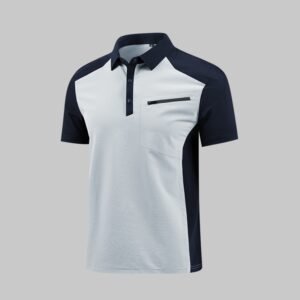
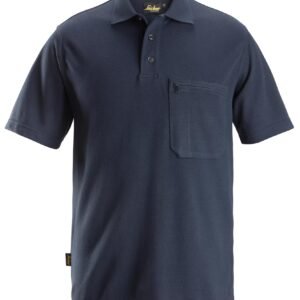
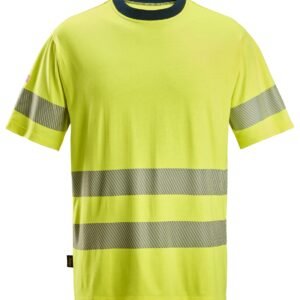
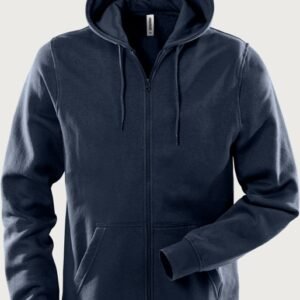
Browse Veelianpro’s Workwear Catalogue
Review current garment references, then send the fit and construction details for your program.





Why Source Custom Socks From Veelianpro?
Specification-led development for branded bulk sock programs, from concept review through export coordination.
Specification-Led Development
Bring a tech pack, sketch, sample, or product idea; we help define yarns, fit, knit details, branding, and packing requirements.
Flexible Program Routes
Choose OEM, ODM, or private-label development based on the control you need over the sock design, materials, presentation, and quotation.
Sampling Before Approval
Review samples for fit, hand feel, color, logo legibility, sizing, and packaging details before authorizing bulk production.
Sourcing and Trim Review
Coordinate yarn, label, hangtag, belly band, and packaging options around your product brief, brand requirements, and destination-market needs.
Production Quality Checks
We coordinate project-specific knitting, finishing, packing, and quality checks for the approved sock development scope.
Export-Ready Coordination
Keep production, packing, inspection, and shipment coordination aligned so sourcing teams have a practical path from approved sample to delivery.
Custom Sock Manufacturers Development Options
Choose what you want to specify before sample approval.

Fully Custom OEM Development
We can review a tech pack, sketch, sample, or product idea and develop a project-specific route covering materials, construction choices, branding, sampling, and quotation for custom socks in bulk.
Get a Quote
Private-Label Sock Programs
We can discuss private-label requirements, including brand artwork, woven labels, care labels, hangtags, and packaging, then confirm the feasible base, customization scope, sample path, and order conditions.
Get a Quote
ODM Design Adaptation
Our team can review the intended customer, design references, material preferences, branding, and destination requirements to shape an ODM proposal for sampling and project-specific approval.
Get a QuoteMaterials to Specify for Custom Sock Development
Explore materials and fabrics
Cotton Yarns

A familiar natural-fiber option for everyday, uniform, and lifestyle sock concepts. Specify the desired hand feel, yarn type, blend ratio, and any documentation requirements for procurement review before sampling.
Merino Wool

A wool option often considered for temperature-variable and premium sock concepts. Define the intended end use, yarn blend, care expectations, fit target, and any market-specific evidence needed for the proposed program.
Bamboo-Derived Viscose

A regenerated cellulosic fiber option that can be reviewed for soft-hand sock programs. Confirm composition, blend partners, construction needs, labeling language, and supporting documentation at the SKU and market level.
Recycled Fibers

Recycled yarn inputs may be specified for programs with defined sourcing requirements. Identify the fiber type, target composition, traceability expectations, and chain-of-custody documentation needed before material selection and quote approval.
Nylon Polyester Blends

Synthetic blend options can be evaluated where abrasion resistance, shape retention, or moisture-management design goals are part of the brief. State the sock category, knit construction, yarn ratio, and required testing evidence for review.
Elastane Blends

Elastane is typically specified with other yarns to support stretch and recovery in selected zones. Define fit expectations, size range, cuff behavior, and construction requirements so the proposed blend can be sampled and assessed.
Sock Development Processes to Review
Explore printing and finishing
Yarn Selection
Review cotton, merino wool, bamboo-derived viscose, recycled fiber, nylon, polyester, elastane, or blended yarn options against intended use, hand feel, color, durability expectations, and any market-specific documentation requirements before material approval.
Knit Construction

Specify the sock silhouette, knit structure, cushioning zones, rib treatment, heel and toe approach, and stretch requirements for technical review. Construction choices are assessed against the design brief, yarn selection, and production feasibility.
Artwork Development
View details
Translate supplied logos, color references, placement notes, and repeat artwork into a production-ready knit or branding brief. We review legibility, placement, color transitions, and whether the requested visual result suits the selected construction.
Sample Evaluation
Use a sample to check fit, size range, hand feel, knit appearance, color, logo clarity, label details, and packaging presentation before bulk authorization. Required revisions and approval criteria are documented for the specific program.
Finishing And Packing
Confirm washing or finishing requirements where applicable, pair presentation, labels, hangtags, belly bands, cartons, and custom packaging. Final packing specifications should align with the destination, retail handling needs, and approved artwork files.
Quality Review

Set project-specific checks for appearance, pair matching, sizing, knit defects, branding placement, labels, and packing accuracy. Where a market requires test, recycled, organic, UV, or performance evidence, request it at SKU level.
Trims, Labels, and Packaging for Custom Socks
Explore labels, trims and packaging
Knit-In Logos
Integrate logo artwork, initials, stripes, or repeat motifs into the sock’s knit design. Buyers use this option when brand visibility must be part of the product rather than added as a separate trim.
Sewn Labels
Add a fabric label at the cuff, inside opening, or another approved placement. This option supports brand identification while allowing the label format, material, fold, and attachment method to be reviewed with the sample.
Woven Labels
Use woven brand labels for a detailed logo or wordmark on the sock, paired item, or packaging presentation. Provide artwork and intended placement so legibility, size, edge finish, and sewing approach can be assessed.
Care Labels
Include care, fiber-content, size, origin, or market-required information in an approved label format. Buyers should provide required wording and destination-market requirements so the label content can be reviewed for the specific program.
Hangtags and Bands
Finish individual pairs or packs with hangtags, belly bands, sleeve cards, or barcode-ready inserts. These options help uniform distributors and retail brands organize product information, merchandising details, and branded presentation at handoff.
Custom Packaging
View detailsSpecify retail boxes, bags, multi-pack formats, inserts, or wholesale shipping presentation to suit your sales channel. Share pack quantity, artwork, barcode needs, and destination so packaging can be quoted with the custom socks in bulk program.
About Veelianpro
Veelianpro is a Wuhan-based custom workwear manufacturer serving industrial, safety, hospitality, and service buyers through OEM, ODM, private-label, and wholesale development. Its documented workwear operation began in 2012. Sock projects should be reviewed as feasibility-led inquiries, with the product brief and production route confirmed before any production commitment is made.
For apparel brands, sourcing teams, and uniform distributors, we review your artwork, measurements, intended use, yarn and knit requirements, branding, packaging, sample needs, and destination before quotation. Our scope can include material and trim sourcing, development coordination, quality checks, packing, and export coordination. Custom socks in bulk start from 100 pieces per style and color, subject to fabric, construction, and documentation requirements.
Custom Sock Development, Detail by Detail
Specification Intake That Resolves Decisions
Bring a tech pack, sketch, reference sample, or product idea to Veelianpro. We turn the brief into a reviewable custom sock specification, separating required design details from project-dependent options before sampling and quotation.
- Confirm intended use, target buyer, size range, colors, and quantity by style
- Map sock height, fit preferences, cushioning zones, and knit artwork for review
- Define logo placement, labels, packaging, and destination-market requirements
- Start from 100 pieces per style and color, subject to fabric, construction, and documentation feasibility

Yarn, Trim, and Branding Review
Custom sock manufacturers need more than a logo file to quote accurately. We review proposed yarns, blends, trims, and presentation details against the intended product, then identify choices that need sourcing or documentation confirmation.
- Specify cotton, merino wool, bamboo-derived viscose, recycled fibers, nylon, polyester, elastane, or blends for review
- Discuss knit-in artwork, sewn labels, woven labels, hangtags, belly bands, and custom packaging
- Provide color references and branding artwork early to support a clearer sample route
- Request SKU- and market-specific evidence where recycled, organic, UV, or test attributes matter

Samples Built for Useful Approval
Before custom socks in bulk move forward, Veelianpro uses the sample stage to make key decisions visible. Buyers can assess the approved development direction against their own brief, rather than relying on a general product description.
- Review fit, hand feel, size presentation, color direction, and logo legibility
- Check knit pattern placement, cuff treatment, toe and heel areas, and branding details
- Compare proposed labels, packing format, and SKU presentation with the approved brief
- Record revisions and approval points before bulk-production authorization

Production Checks From Brief to Packout
Our team carries approved specifications through material preparation, knitting, finishing, quality checks, packing, and export coordination. This disciplined handoff helps apparel brands and uniform distributors keep custom sock requirements aligned through the production process.
- Use the approved specification, artwork, size range, and packing instructions as production references
- Review construction and branding details at relevant production checkpoints
- Coordinate packing requirements for retail, uniform, wholesale, or distributor programs
- Keep reorders tied to the confirmed specification and any approved changes
Made-to-Order Sock Development vs. In-Stock Decoration
Compare specification-led sock development with an established-base branding route before requesting a quote.
← Swipe left or right to view →
Custom Sock Development Workflow
A practical development path for bulk sock programs, from specification review through sample approval, controlled production, packing, and export handover.
Brief and Feasibility
Send your concept, intended use, size range, colors, artwork, quantity, destination, and documentation needs. We review the specification and project feasibility before quoting.
Yarn and Trim Review
Confirm proposed yarn composition, knit design, cushioning, logo placement, labels, hangtags, and packaging. Any recycled, organic, UV, or test documentation requirements are defined for review.
Sample Development
Develop a sample route around the approved specification. Review fit, hand feel, color, knit artwork, logo legibility, sizing, and packaging details before authorizing bulk production.
Bulk Production Control
After sample and order approval, production moves forward against the confirmed sock specification. Quality checks focus on workmanship, branding details, size assortment, and approved packing requirements.
Inspection and Handover
Finished goods are inspected, packed to the agreed format, and prepared for export coordination. Confirm final shipping marks, destination documents, and delivery handover requirements with your order team.
Start Your Custom Sock Project
A clear approval path for OEM, private-label, and custom socks in bulk.
Send Your Brief
Share your concept, intended use, size range, artwork, color references, yarn preferences, branding method, quantity, destination, and target timeline for an initial feasibility review.
Review Feasibility and Quote
We discuss the suitable development route and specifications, then prepare a project quotation. Orders start from 100 pieces per style and color, subject to requirements.
Approve the Sample
Review the proposed sample for fit, hand feel, knit artwork, color, logo legibility, labels, packaging, and any SKU- or market-specific documentation requirements before bulk authorization.
Confirm Order Details
Confirm the approved specification, order quantity, size breakdown, packaging format, destination, and commercial terms so production and export coordination can proceed against the agreed order.
Coordinate Delivery Requirements
Stay aligned with our team on inspection expectations, packing details, shipping documents, and delivery coordination, then retain approved specifications for more consistent future reorders.
Standards and Audit References


How Buyers Develop Custom Sock Programs
Illustrative scenario
Apparel Buyer
An apparel brand submits a crew-sock concept, target size range, color references, knit artwork, and packaging needs. The development brief is adjusted to clarify yarn options and logo placement, then the sample is reviewed for fit, hand feel, color, and artwork legibility before bulk approval.
Illustrative scenario
Sourcing Manager
A uniform distributor needs branded socks for a servicewear program. The buyer provides the intended work setting, quantity by color, size breakdown, logo files, and destination. The specification is refined around branding and labeling choices, with sample approval covering sizing, logo placement, labels, and packing format.
Illustrative scenario
Production Planner
A private-label buyer compares an established-base branding route with custom sock development. The buyer shares product positioning, required materials for review, color direction, and retail packaging requirements. After confirming the preferred route, the sample review checks the approved specification, appearance, size range, branding details, and packaging presentation.
Custom Sock Sourcing FAQ
Practical answers for OEM, private-label and bulk sock sourcing with Veelianpro.
What is the MOQ for custom socks with Veelianpro?
Should we choose OEM custom socks or an established-base private-label route?
Can custom sock manufacturers work from our artwork, tech pack or sample?
Which materials and sock details should we specify for a quote?
What should we approve in a custom sock sample before bulk production?
How should we plan production timing for custom socks in bulk?
What payment and shipping details should be discussed before ordering?
How do we protect artwork and request documentation for a sock program?
Guide to Custom Sock Development
A sourcing framework for comparing development routes, specifications, samples, and supplier fit—while avoiding approval gaps, undocumented claims, and costly changes after production begins.
1. What Custom Sock Manufacturers Do
A custom sock manufacturer turns a buying brief into a production-ready sock program: it translates intended wear, size range, yarn and blend preferences, knit artwork, branding, labeling, and pack-out into specifications that can be sampled and approved. For apparel brands, sourcing teams, and uniform distributors, the work is not simply putting a logo on hosiery; it is aligning the product definition with bulk manufacturing and the evidence required for the destination market.
A fully custom OEM route starts with a new specification or buyer-supplied design. The buyer can define the silhouette, fit target, yarn composition, knit pattern, cushioning or support zones for review, color references, logo placement, labels, and packaging; each requested feature must be feasible in the selected construction. This is distinct from an established-base branding route, where the underlying sock design is already defined and the project concentrates on approved decoration, labeling, and presentation. The distinction between buyer-driven OEM specifications and branded existing designs is also described at https://www.customsockmanufacturers.com/2026/08/oem-vs-private-label-custom-socks-which.html.
At Veelianpro, a custom sock inquiry can begin with a tech pack, sketch, sample, or product idea, then move through feasibility review, sourcing, sampling, quotation, and approval before bulk production. Projects can start from 100 pieces per style and color, subject to fabric, construction, and documentation feasibility. State the end use, size range, color references, branding method, quantity, destination, and any SKU- or market-specific evidence needed so the quote reflects the actual program.
2. How Custom Sock Sourcing Evolved
Custom sock sourcing now begins by choosing the development route, not simply adding a logo. OEM development starts from the buyer’s brief and can put yarn composition, knit artwork, fit, cushioning zones, cuff treatment, labels, and retail packaging under review; every added variable needs a documented approval point.
A private-label base route narrows those decisions by starting with an established silhouette or construction, then focusing the brief on approved branding, color direction, labeling, and packing. An in-stock decoration route is narrower again: it suits a buyer whose priority is applying a brand treatment to a confirmed available base, rather than changing the knitted product itself; availability and decoration feasibility must be confirmed for the specific program.
That separation makes the buyer brief more useful for custom sock manufacturers. Provide the intended wearer and use, size range, artwork and color references, preferred yarn options, logo location, packaging format, target quantity by style and color, destination market, and any required SKU-level evidence. If recycled, organic, UV, or tested attributes matter, identify the applicable claim and documentation request before sampling; a photo or yarn description alone does not establish the claim.
Veelianpro can review a tech pack, sketch, sample, or product idea as the starting point for feasibility. The conditional starting MOQ is 100 pieces per style and color, subject to fabric, construction, and evidence requirements.
3. Types of Custom Sock Manufacturers
Custom sock manufacturers are differentiated less by their label than by where product decisions begin: a buyer’s specification, an established base, or available inventory. Match the route to the intended use, approval depth, and replenishment plan before requesting a quote.
| Route | Design Control | Fit And Artwork Approval | Quantity And Reorder Implication |
|---|---|---|---|
| Custom made-to-order development | Buyer specifies yarns, structure, colors, trims, and packaging | Approve sample fit, knit artwork, labels, and pack details | Opening quantity is feasibility-based; preserve the approved specification for repeats |
| Established-base private label | Control concentrates on approved changes to a base concept | Confirm fixed fit elements and branding changes | Reorder depends on the approved base and any sourced components |
| In-stock/decorate | Control is limited to the defined available base and decoration choices | Approve decoration placement, packaging, and the selected base | Availability and repeat terms must be confirmed in the quotation |
Fully Custom OEM Development
OEM begins with the buyer’s tech pack, sketch, measurements, or product idea. Yarn blend, knit structure, sizing, artwork, trims, and packaging are specified for feasibility review and sample approval.
Established-Base Private Label

Private-label development starts from an agreed base concept, then focuses change control on branding, colors, labels, and packaging. Confirm which elements remain fixed before treating the result as a distinct SKU.
In-Stock Decoration Route
White-label or in-stock decoration uses a defined available sock base with applied brand elements. It reduces development decisions, but buyers should verify fit, artwork method, packaging, and inventory status in the individual quotation.
Uniform Program Development
Uniform buyers should specify wearer role, footwear, laundering expectations, size allocation, and color control. A workwear-oriented program may need coordinated branding and packing by wearer group; any protective or performance requirement needs SKU-level evidence.
Distributor Replenishment Workflow
Distributors need an approved specification record, artwork files, labeling rules, carton marks, and change-control process. Reorders should reference the approved sample and SKU details rather than relying on an earlier visual mockup.
4. Materials for Custom Sock Manufacturers
A sock’s fiber mix changes hand feel, recovery, durability, and how knit zones behave. For custom sock manufacturers, treat every yarn and claimed attribute as a specification to review for the proposed SKU, end use, and destination market.
| Material Option | Primary Role | Construction Interaction | Documentation Check |
|---|---|---|---|
| Cotton | Soft natural hand | Blend affects cuff recovery and wear areas | Composition confirmation |
| Merino Wool | Wool-rich hand option | Assess knit weight and recovery in sample | Fiber-content scope |
| Bamboo-Derived Viscose | Smooth hand option | Confirm blend stability and color result | Composition and claim wording |
| Recycled Fibers | Specified-content option | Confirm yarn suitability for construction | SKU chain of custody |
| Nylon, Polyester, Elastane | Durability, synthetic content, stretch recovery | Review reinforcement and fit retention together | Composition and any test scope |
Fiber Roles in the Blend

Cotton can supply a familiar, soft hand; merino wool is an option to assess where a wool-rich feel is desired. Bamboo-derived viscose may be specified for its smooth feel, while recycled fibers require defined input and traceability review.
Nylon can support abrasion-prone areas, polyester is a synthetic option for blends, and elastane provides stretch recovery. Availability, percentages, yarn type, and knit feasibility must be confirmed for each development.
- Cotton: natural-hand base option
- Merino wool: wool-content option
- Bamboo-derived viscose: smooth-hand option
- Nylon, polyester, elastane: functional blend components
Match Yarn to Construction
A fiber choice cannot be approved apart from construction. Specify the intended silhouette, cuff retention, heel and toe reinforcement, cushioning zones, and whether the artwork is knit-in before selecting a blend.
Example only: a uniform distributor may ask to compare a cotton-led crew sock and a polyester-led crew sock using the same size range and logo layout. The sample should show hand feel, fit recovery, color appearance, and seam finish side by side.
Evidence Belongs to the SKU
Organic, recycled, UV, test, and similar statements are not material shorthand. Request the applicable market and SKU documentation, scope, test method where relevant, and chain-of-custody evidence for recycled or organic claims before copy or packaging is approved.
Veelianpro can begin feasibility review from 100 pieces per style and color, subject to fabric, construction, and evidence requirements. Include the destination, intended claim, fiber composition target, and approval standard in the quote request.
5. Customization and Branding Decisions
Branding decisions should be separated from the sock’s knit specification, because each changes artwork preparation, sampling, and quote scope. For custom sock manufacturers, a clear brand brief prevents a logo or packaging detail from being treated as an assumption.
| Specification Choice | Artwork Input | Approval Focus |
|---|---|---|
| Knit-in artwork | Vector artwork and color references | Placement and legibility on sample |
| Sewn or woven label | Label layout and attachment request | Position and finish |
| Hangtag or belly band | Print-ready dieline if applicable | Retail presentation |
| Carton marking | SKU, quantity, and destination text | Shipping identification |
Knit Artwork Versus Add-Ons

A knit-in logo, stripe, or repeat pattern is built into the sock artwork and should be reviewed on a color mockup and physical sample for legibility. Provide editable vector artwork, intended placement, color references, and the size range.
Add-on branding—such as sewn or woven labels, hangtags, belly bands, or retail packaging—uses separate components. Request each option for feasibility review, with its own artwork, attachment method, and approval point.
Specify Functional Visual Zones
Cushioning-zone requests belong on the development brief beside the intended wearer and use case; they are not implied by a logo design. Identify requested heel, sole, toe, arch, or ventilation zones for review, without turning the request into an unverified performance claim.
Logo placement should name the visible side, orientation, and whether it must remain readable when worn. A marked visual and size-specific mockup reduce interpretation errors.
Approve Packaging Separately
Retail presentation and export handling answer different questions. Define hangtags, belly bands, polybag or retail-packaging requests separately from carton marking, SKU identification, quantities per carton, and destination labeling requirements.
Include packaging artwork and carton-marking text in the sample or pre-production approval set. Confirm which packaging components are available for the project before they enter the final quote.
6. Sock Construction and Sample Approval
A sock sample exposes construction decisions that flat artwork cannot: how the leg sits, how the knit recovers, and whether paired units remain consistent. Approve the physical specification before bulk authorization, with any special yarn or performance request submitted for feasibility and evidence review.
| Construction Point | Define Before Bulk | Inspect On Sample |
|---|---|---|
| Welt | Retention feel and height | Even tension and edge recovery |
| Toe | Closure location and comfort expectation | Raised seam or visual irregularity |
| Cushioning | Zones and intended placement | Symmetry and transition consistency |
| Logo | Artwork location and scale by size | Legibility without knit distortion |
Silhouette And Leg Fit
Define the intended silhouette—no-show, ankle, crew, or knee-high—and provide the target finished length from the welt to the heel. Record whether the opening should feel firm, easy-on, or deliberately relaxed; retention must be judged on the intended wearer, not a flat sample.
A hypothetical fit sheet might state a crew length measured after relaxed lay-flat conditioning, but buyer-approved measurements and tolerances should control the order.
- Target sock height and wearer profile
- Welt feel and stay-up expectation
- Foot length range by size
Knit Zones And Durability
Specify the toe closure type, heel and toe reinforcement areas, cushioning placement, and any arch, mesh, or grip zones proposed for review. Knit density affects artwork definition, hand feel, bulk, and stretch, so it should be evaluated alongside the selected yarn composition.
Inspect transition points between zones for uneven tension, visible yarn carry, or distortion after handling. These are construction observations, not proof of a performance claim.
Sizing And Pair Matching
Size grading should define which dimensions change between sizes and which logo placement remains visually centered. Compare left and right socks as a pair: length, cuff alignment, color, artwork registration, and heel position should correspond.
Ask the sample set to include each requested size where the size range or artwork scale makes one master sample insufficient.
Pre-Bulk Approval Checklist
Approve a retained, dated sample against the purchase specification rather than approving only a digital mockup. Veelianpro can review the buyer’s sample comments, packaging requirements, and requested SKU- or market-specific evidence before quotation confirmation or production release.
- Fit and hand feel on intended wearer
- Color reference and knit-logo legibility
- Size marking, pair matching, and packaging
- Fiber, recycled, organic, UV, or test evidence requested
- Approved changes recorded by revision
7. Choosing Custom Sock Manufacturers
Choose a development route before comparing custom sock manufacturers: it determines what must be engineered, sampled, documented, and controlled on reorder. Veelianpro reviews feasibility from 100 pieces per style and color, subject to material, construction, and evidence requirements.
| Route | Best-Fit Buying Need | Approval Focus |
|---|---|---|
| Custom development | New sock structure or knit artwork | Measurements, yarn review, sample revisions |
| Established-base branding | Faster route with accepted base | Base confirmation, decoration, packaging |
| Reorder program | Repeat an approved SKU | Version code, color reference, packing controls |
Match The Development Route
Fully custom development suits a new fit, yarn blend, cushioning plan, or knit-in artwork. An established-base branding route suits a design that can accept the confirmed base construction.
Ask who owns each approval: buyer measurements, color reference, artwork file, label copy, and packaging dieline.
Review The Production Brief
Send intended end use, size range, color references, logo placement, material options for sourcing review, and destination market. Specify cotton, merino wool, bamboo-derived viscose, recycled fibers, nylon, polyester, elastane, or blends only as options requiring confirmation.
Require artwork translation, sample revision records, quality checkpoints, SKU-level documentation needs, packing configuration, response contacts, and a reorder version code.
Illustrative Procurement Scenarios
Illustrative apparel-brand buyer: task—launch a distinct crew sock; change—revises knit logo after a sample; approval—signs off on fit, hand feel, artwork, and retail pack.
Illustrative uniform distributor: task—add branded socks to a client program; change—updates size breakdown and label copy; approval—confirms bulk specification and market documentation request.
Illustrative retail sourcing team: task—evaluate a branded-base route; change—selects a different belly band; approval—checks base availability, barcode placement, pack count, and reorder code.
8. Mistakes When Buying Custom Socks
Most avoidable sock-development losses begin before knitting: the brief leaves a decision unmade, then a visual approval is treated as production evidence. Resolve the product definition and acceptance record before authorizing bulk.
Choose The Route After Definition
An established-base branding route and custom OEM development answer different tasks. Selecting either before defining end use, yarn blend, silhouette, knit artwork, cushioning, and branding can force redesign after quotation.
Write a one-page product brief, then confirm whether an existing base is acceptable or a new specification is required.
Do Not Treat Photos As Evidence
A product photo cannot confirm hand feel, stretch recovery, knit density, color consistency, or a claimed recycled, organic, UV, or performance attribute. Using it as proof creates a gap between a mood board and a purchasable SKU.
Request SKU- and destination-specific documentation where a claim is required, and keep unsupported attributes out of approved copy.
Review Physical Artwork And Fit
Flat artwork may hide distorted knit-in logos, unreadable small details, or a placement change when the sock is worn. A physical sample is the practical checkpoint for logo legibility, color, fit, hand feel, and finishing.
Approve the sample against dated artwork and written tolerances; record any revision before bulk authorization.
Close Size And Packaging Assumptions
Size ranges, pair labeling, folding method, hangtags, belly bands, polybags, and carton marks can be treated as incidental until fulfillment exposes omissions. That creates relabeling work and SKU confusion for distributors.
Specify wearer size mapping, pack count, barcode responsibility, packaging artwork, and ship-to labeling in the approval file.
Separate Styles And Quantities
A total program quantity does not automatically apply to every style, color, or construction. Splitting an illustrative 600-pair plan across three designs changes the quantity considered for each development path.
List quantities by style and color during feasibility review. Veelianpro starts from 100 pieces per style and color, subject to fabric, construction, and documentation requirements.
9. Launching a Custom Sock Program
A sock program becomes manufacturable when the commercial brief is translated into knit, branding, packing, and acceptance decisions before bulk release. Veelianpro reviews feasibility from the buyer’s tech pack, sketch, sample, or product idea.
Build The Quote Brief
State intended end use, style, colors, buyer-provided measurements, size range, artwork, branding, packaging, target quantity, destination, and any SKU- or market-specific evidence needs.
Identify whether the task is full OEM development or an established-base branding route. The opening MOQ starts from 100 pieces per style and color, subject to fabric, construction, and documentation requirements.
- Attach logo files and color references
- Describe knit artwork and logo placement
- Name labels, hangtags, belly bands, or cartons
- Flag recycled, organic, UV, or test evidence needs
Approve Before Bulk Release
Review yarn and construction proposals against the intended use, then approve a sample for fit, hand feel, color, knit-artwork legibility, sizing, branding, and packing presentation.
Release bulk only after the approved sample, final artwork, packing instructions, and quotation scope align. Retain the approved files, color references, measurements, packing count, and evidence record for reorders.
Buyer FAQ
MOQ: Veelianpro starts from 100 pieces per style and color when project feasibility permits; construction and evidence needs can change feasibility.
OEM designs: Yes—send a tech pack, sketch, sample, or product idea; artwork and construction require review before quotation.
Route choice: Use OEM for distinct yarn, fit, knit artwork, and packaging control; choose an established-base route when those controls are narrower.
Samples: Approve fit, color, artwork, sizing, branding, and packing before bulk release.
Documentation: Request SKU- and market-specific evidence for recycled, organic, UV, or testing claims.
Timing and shipping: Confirm production timing, destination, shipping method, and packing requirements in the individual quotation.
10. Custom Sock Costs and Quote Scope
A sock quote changes when one brief becomes several production variables: each style-color combination, yarn blend, knit artwork, construction choice, and pack format may require its own review. Veelianpro starts from 100 pieces per style and color, subject to fabric, construction, and required documentation feasibility.
Ask for a line-item scope rather than a single unit figure. That makes it clear whether sample work, labels, packaging, inspection requirements, evidence requests, export packing, and destination logistics are included, pending review, or excluded.
| Cost Driver | What Changes Quote Scope | Buyer Should Confirm |
|---|---|---|
| Quantity by style and color | Smaller splits can create separate setup and packing requirements. | Pieces for every style, color, size run, and SKU. |
| Yarn and knit design | Composition, color count, knit-in artwork, cushioning zones, and texture affect development review. | Target yarn blend, color references, artwork repeat, and hand-feel standard. |
| Construction and finishing | Toe closure, cuff treatment, reinforcement, shaping, washing, and pairing requirements alter operations. | Approved construction details and the sample standard governing bulk production. |
| Branding and packaging | Woven or sewn labels, hangtags, belly bands, barcodes, polybags, and retail boxes have separate specifications. | Artwork files, label placement, pack count, barcode data, and packing configuration. |
| Sampling, evidence, and logistics | Sample rounds, requested testing or chain-of-custody documentation, export packing, and freight depend on project scope. | Which approvals and SKU-market documents are required, plus destination and chosen shipping terms. |
Plan Your Next Custom Sock Program
Send your sock type, use, yarn preferences, sizing, artwork, branding, quantity, destination, and evidence needs for feasibility review.