
Plus Size Uniform Programs Manufacturer
Veelianpro develops plus size uniform programs with dedicated specifications, fit samples, branded finishing, and feasibility-led quotes from 100 pieces per style and color.
Garment and Development References



Browse Veelianpro’s Workwear Catalogue
Review current garment references, then send the fit and construction details for your program.





Custom Plus Size Uniform Development
Develop a separate fit specification, approved sample, branded finish, and controlled handover for made-to-order uniform reorders.
Buyer-Led Measurements
Build the brief around buyer-provided measurements, wearer feedback, role requirements, and target size range instead of relying on a standard unisex chart.
Separate Fit Development
Develop a dedicated plus-size fit and grading approach for review, helping sourcing teams distinguish this program from a standard-size uniform order.
Physical Sample Review
Review fit, fabric, construction, branding placement, and labeling on a sample before confirming bulk specifications for the custom plus size uniform programs.
OEM and ODM Paths
Start from a complete tech pack, sketch, sample, or product idea, with support for pattern development, sourcing, and production planning.
Private-Label Finishing
Specify woven labels, care labels, patches, embroidery, printing, hangtags, and custom packaging to align wholesale plus size uniform programs with your brand.
Controlled Reorder Handover
Keep approved fit, artwork, labeling, and specification versions organized for repeat-order discussions, with feasibility quoted from 100 pieces per style and color.
Plus Size Uniform Programs Manufacturer Development Options
Choose what you want to specify before sample approval.

Service Shirts and Polos
Develop custom plus size uniform programs with buyer-approved measurements, grading direction, decoration placement, labels, and packing requirements documented for shirts and polos before bulk production is considered.
Get a Quote
Work Trousers and Cargo Pants
Review pattern development, fabric and trim sourcing, pocket systems, gussets, reinforcement options, and size-range samples as a separate trouser specification and quotation path.
Get a Quote
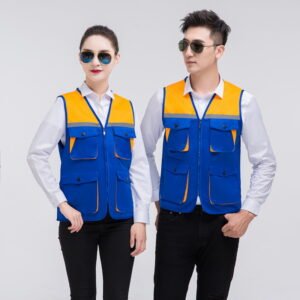
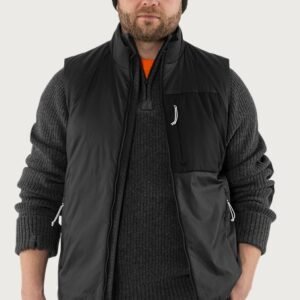
Vests and Work Layers
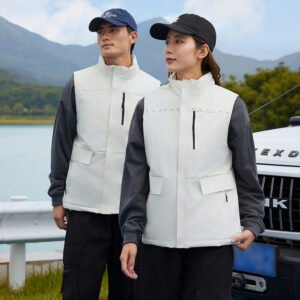
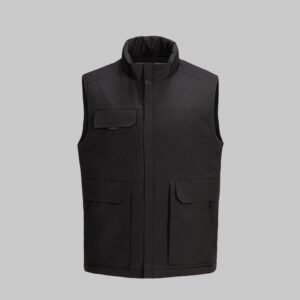
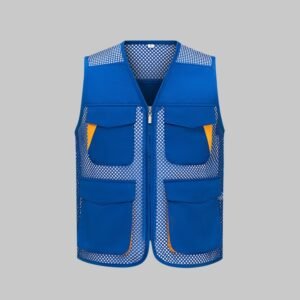
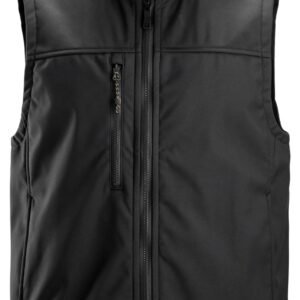
Use a distinct vest development brief to review closure, pocket, tape placement, branding, and compatible layering allowances; request applicable evidence at SKU and market level when required.
Get a QuoteMaterials for Custom Plus Size Uniform Programs
Explore materials and fabrics
Cotton-Rich Woven

A structured woven option for shirts, trousers, aprons, and service uniforms where a natural hand feel is preferred. Specify the target blend, weight, color, shrinkage expectations, and care requirements for fit review.
Polyester-Cotton Blend

A practical uniform fabric option for work shirts, polos, trousers, and coordinated programs. Buyers can define the blend direction, fabric weight, finish, color, and laundering expectations before sampling and bulk quotation.
Stretch Woven Fabric

Suitable for garments requiring movement through the body, such as trousers, overshirts, and active service uniforms. Review stretch direction, recovery expectations, fit ease, pocket construction, and intended wear conditions with the sample.
Fleece Fabric

A layering material for fleece jackets and cold-weather uniform pieces. Specify the desired weight, surface finish, color, trim pairing, and intended layering profile so the approved fit works across the requested size range.
Softshell Fabric

A versatile outer-layer choice for team jackets and workwear programs that need structure and flexibility. Confirm the face fabric, backing, stretch needs, pocket layout, weather-use target, and any required documentation during development.
Rainwear Shell

An outer-shell option for rain jackets and weather-exposure uniforms. Define the intended garment construction, seam approach, lining needs, closures, reflective placement, and any market-specific performance evidence required for the finished SKU.
Supported Development and Production Processes
Explore printing and finishing
Pattern Development
View details
We build or adapt patterns from your tech pack, sketch, sample, or product concept, defining garment shape, pocket placement, closures, and construction details for the intended work setting.
Plus-Size Grading
View details
Buyer-provided measurements and fit feedback guide the size range and grading review, helping teams assess proportion, ease, movement, and layering needs before the specification is approved.
Prototype Sampling
A development sample brings selected fabric, trims, fit, branding placement, and construction together for review, so procurement teams can record changes before confirming bulk specifications.
Reinforced Sewing

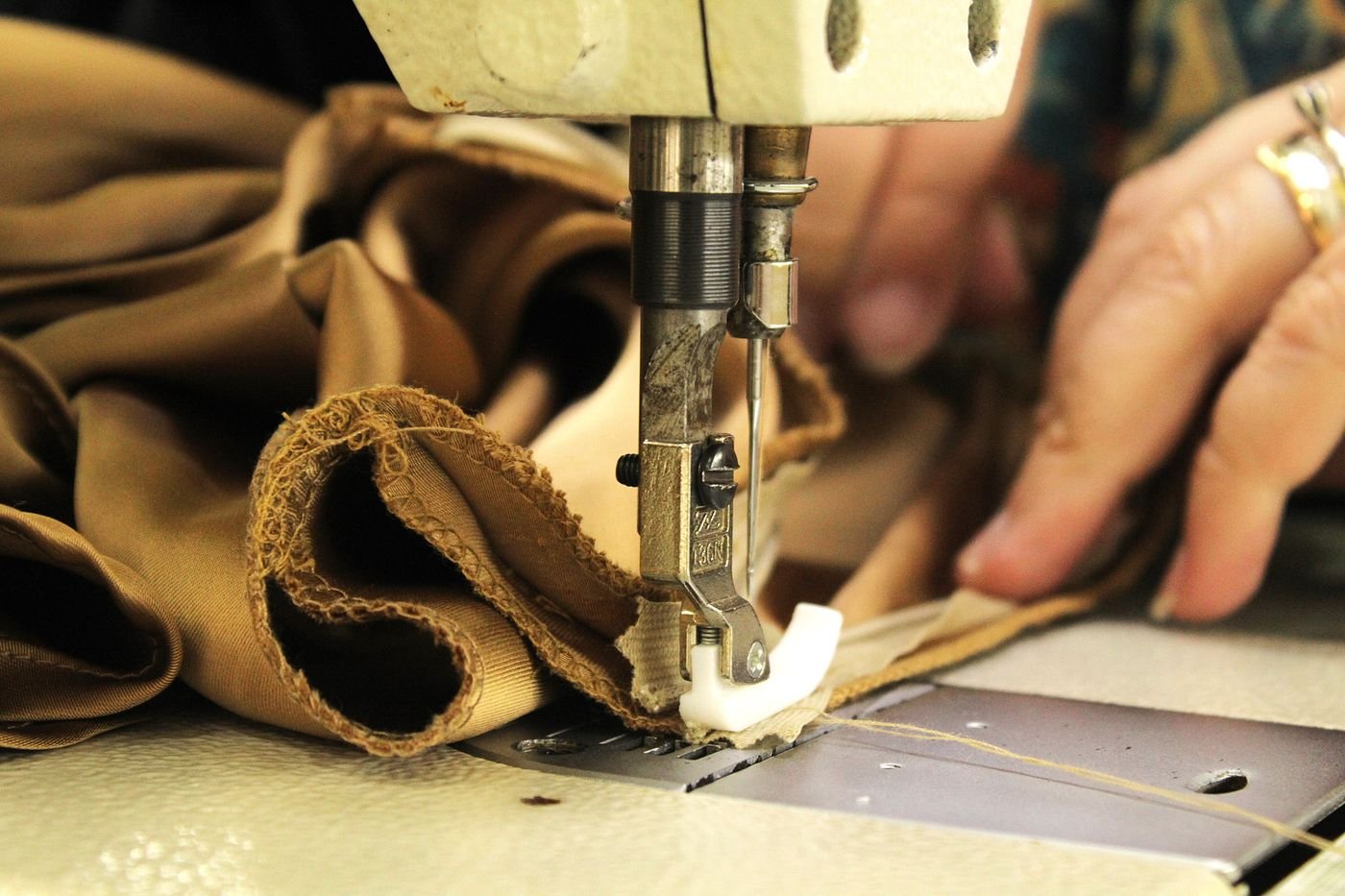
Cutting and sewing can incorporate options such as bartacks, triple stitching, gussets, reinforced knees, and specified pocket systems where the garment brief calls for added construction detail.
Branded Finishing
Embroidery, screen printing, heat transfer, patches, woven labels, care labels, and custom packaging can be specified for review, then checked alongside finishing, packing, and export coordination requirements.
Trims, Labels, and Branding Options
Explore labels, trims and packaging
Utility Pocket Systems
Specify chest, cargo, hip, or tool-pocket placement around the garment’s intended role. Pocket dimensions, closures, reinforcement, and placement can be reviewed with the fit specification so access and comfort work across the approved size range.
Reinforced Wear Zones
Knee panels, bartacks, gussets, and reinforced seams can be considered for work trousers, coveralls, and active service uniforms. Identify the wearer’s task and movement areas early so construction choices can be evaluated during sampling.
Reflective Tape Placement
For projects requiring visibility details, define tape location, width, garment zones, and the applicable market or documentation requirement. Placement is reviewed with the garment design and must not be treated as a verified protective claim without supporting evidence.
Branded Patches
Add embroidered, woven, or printed patches to sleeves, chest areas, or other approved garment locations. Share artwork, dimensions, attachment method, and wash expectations so the patch option can be quoted and sampled with the uniform.
Private-Label Finishes
Woven neck labels, care labels, hangtags, and custom packaging can prepare a wholesale plus size uniform programs order for your brand or distribution channel. Provide label copy, artwork, packing requirements, and destination details for feasibility review.
About Veelianpro
From Wuhan, Veelianpro develops custom workwear for industrial, safety, hospitality, and service brands. As a plus size uniform programs manufacturer, we support OEM, ODM, private-label, and wholesale projects that need a dedicated specification, sample route, and quote rather than a generic extension of an existing uniform range.
We work from a tech pack, sketch, sample, or product idea through fabric and trim sourcing, pattern development, size grading, sampling, cutting, sewing, decoration, quality checks, packing, and export coordination. For sourcing teams and uniform distributors, the differentiator is practical control over approved fit, branding, construction details, and specification versions for future reorders.
Inclusive Fit Development Capabilities
Dedicated Fit-Block Development
We develop custom plus size uniform programs from your tech pack, measurement brief, sample, or product idea. The development route focuses on the intended wearer, garment category, work setting, and fit expectations instead of relying solely on a standard unisex size chart.
- Review buyer-provided measurements, size range, and fit priorities
- Develop patterns for shirts, trousers, jackets, coveralls, or coordinated uniforms
- Discuss mobility, layering, pocket placement, and garment proportions
- Confirm fabric and construction feasibility before sampling

Size Grading for Your Range
A separate grading plan helps apparel brands and uniform distributors define how an approved base fit progresses through the requested plus-size range. We can review fit points, garment lengths, ease expectations, and category-specific details with your team before moving forward.
- Set the requested size range and grading reference points
- Review body coverage and proportion requirements by garment type
- Align grading with the approved pattern and specification version
- Flag changes that require a revised sample or quotation

Sample Approval That Travels
Before bulk production, use a physical sample to check fit, materials, color, construction, and branding together. Your approved sample and written specification create a practical reference for the plus size uniform program, including future reorders or controlled style updates.
- Approve fit on representative wearers where possible
- Check fabric hand, trim placement, seams, and decoration appearance
- Record approved artwork, labels, color references, and measurements
- Treat meaningful design or material changes as a new approval point

Private-Label Program Finishing
Veelianpro supports OEM, ODM, private-label, and wholesale plus size uniform programs with branding details specified for your order. From 100 pieces per style and color may be feasible, subject to fabric, construction, and documentation requirements for the project.
- Specify embroidery, screen printing, heat transfer, patches, or woven labels
- Review care labels, neck labels, hangtags, and custom packaging
- Coordinate color, logo files, placement, and packing requirements
- Request a quote with quantities, destination, and required timeline

Why Choose Made-to-Order Plus Size Uniform Development?
Compare a dedicated fit-development route with decorating an existing garment.
← Swipe left or right to view →
From Fit Brief to Reorder Support
From fit inputs and feasibility review to documented approvals, controlled production, inspection, export coordination, and specification-based reorder support for custom bulk uniform programs.
Brief and Feasibility Review
Share garment category, work setting, size range, measurements, quantity, colors, branding, destination, and timeline. We review whether separate plus-size specifications are feasible for the requested program.
Fit Specification Development
We translate your tech pack, sketch, sample, or product idea into a development brief covering fit priorities, grading inputs, fabric direction, construction details, trims, and decoration placement.
Material and Sample Approval
Select fabrics, trims, labels, and packaging for review, then assess a sample against the agreed fit and specification. Required performance or certification evidence is confirmed at SKU and market level.
Quotation and Order Confirmation
After approved specifications are defined, we prepare a project quotation and confirm production details. Orders can start from 100 pieces per style and color, subject to feasibility requirements.
Production, Inspection, and Reorder Support
Cutting, sewing, finishing, quality checks, packing, and export coordination follow the confirmed specification. Approved fit, artwork, labeling, and version details support more consistent future reorder discussions.
A Clear Process for Custom Plus Size Uniforms
Move from a defined inclusive-fit brief to approved specifications, a feasibility-based quotation, and documented reorder records.
Share Your Program Brief
Send the garment category, work setting, intended size range, buyer-provided measurements, quantity, colors, branding needs, destination, and required timeline for review.
Review Fit Feasibility
We assess the dedicated plus-size fit block, grading approach, fabric and trim options, construction needs, documentation requirements, and a suitable sample route.
Approve Specifications and Quote
Confirm the fit details, sample feedback, artwork, labels, packaging, color assortment, and quotation before bulk production, subject to project feasibility from 100 pieces per style and color.
Build Reorder Records
After approval, retain the confirmed fit, grading, artwork, labeling, and specification version so future orders can be reviewed against the established program requirements.
Standards and Audit References


Illustrative Procurement Scenarios
Illustrative scenario
Apparel Buyer
A uniform distributor needs a separate extended-size specification for service polos. The team submits wearer measurements, movement feedback, logo artwork, and color requirements. Pattern, grading, decoration placement, and a pre-production sample are reviewed before the bulk specification is approved.
Illustrative scenario
Sourcing Manager
An apparel brand is developing private-label utility trousers for an inclusive size range. It provides a tech pack and pocket priorities, then reviews fit changes through the sample process. The approved size chart, construction details, labels, and packing instructions become the reorder reference.
Illustrative scenario
Production Planner
A workwear buyer requires a plus-size outerwear program for a layered uniform system. The buyer identifies the work setting, intended garment layers, fabric preferences, branding method, and destination. Feasibility, sample fit feedback, and any required documentation are confirmed before quotation and production approval.
Frequently Asked Questions About Plus Size Uniform Programs
Practical answers for sourcing teams developing inclusive, made-to-order uniform ranges with controlled specifications, approvals, and repeat-order references.
What is the minimum order for a custom plus size uniform program?
Can Veelianpro develop a dedicated plus size fit block instead of using a standard unisex chart?
Which approvals should we document before bulk production?
What materials and construction choices can be reviewed for wholesale plus size uniform programs?
Can you add private-label branding to custom plus size uniform programs?
When should we choose made-to-order development instead of decorating in-stock blanks?
How are payment terms and international shipping handled?
How do repeat orders stay aligned with the approved plus size specification?
Plus Size Uniform Programs Manufacturer Buyer’s Guide
A practical framework for comparing made-to-order inclusive-fit development with decorated blanks, evaluating supplier criteria, documenting approvals, and avoiding specification errors before bulk ordering and reorders.
1. What Is a Plus Size Uniform Programs Manufacturer?
A plus size uniform programs manufacturer develops a garment system for a defined wearer population rather than applying a logo to a standard in-stock blank. The work begins with a fit block, a graded size range, buyer-approved measurement specifications, and a sample that becomes the reference for bulk production and future reorders.
For sourcing teams, Veelianpro can develop made-to-order uniform programs from a tech pack, sketch, sample, or product idea, including pattern development, size grading, fabric and trim sourcing, sampling, construction review, decoration, labels, packing, and export coordination. Feasibility starts from 100 pieces per style and color, subject to the selected fabric, construction, and any requested documentation requirements.
This route is appropriate when fit through the body, sleeve, rise, seat, thigh, or layering allowance must be deliberately specified for the intended size range. Branded finishing may include embroidery, screen printing, heat transfer, patches, woven labels, care labels, and custom packaging; each should be approved against the same specification rather than added after an untested blank is selected.
By contrast, an in-stock/decorate route generally starts with a supplier’s existing size chart and garment construction, then adds a logo. It can suit a simple, time-sensitive requirement, but it does not replace approval of a dedicated plus size fit block, grading rules, or a controlled private-label uniform specification.
2. Why Inclusive Uniform Development Matters
A plus-size uniform program needs its own specification when the standard unisex chart no longer preserves intended reach, seated comfort, layering space, pocket access, or the visual balance of the garment. Simply extending measurements can shift sleeve, torso, rise, shoulder, and placement relationships, leaving wearers with a garment that technically fits but performs poorly in their role.
A dedicated development route lets the buyer define the wearer group, working movements, base layers, role-specific components, and approved size range before pattern development and grading. Buyer-provided body measurements and structured fit feedback are more useful than assumptions: for example, a warehouse team may test reaching, bending, lifting, and sitting while a hospitality team may prioritize drape, closure placement, and a consistent front-of-house appearance.
Treat this as an independent plus size uniform program only when its fit block, grading rules, garment construction, decoration placement, labeling, or approval record differs from the parent uniform page. If the same approved garment specification and branding apply, the parent program can remain the ordering route; where the procurement task is different, Veelianpro can review a separate made-to-order brief from 100 pieces per style and color, subject to fabric, construction, and documentation requirements.
Repeatability comes from retaining the approved sample, measurement specification, grading version, artwork files, label details, and change log with the reorder reference. That record prevents a later top-up from becoming a new fit-development project.
3. Plus size uniform programs manufacturer: program types
A plus size uniform program should begin with the job, not a generic extended-size chart. Select the garment category around reach, sitting, heat, equipment access, and the layers employees must wear together before requesting fit development.
Corporate And Hospitality
Front-of-house shirts, polos, aprons, and jackets need comfortable shoulder reach while retaining a clean presentation. Confirm whether shirts are tucked, aprons tie at the waist, and outer layers must close over the base uniform.
- Card: Apron—tie placement and torso coverage require wearer review.
Retail And Service Teams
Retail associates bend, restock, and alternate between customer-facing and stockroom tasks. A polo, tee, overshirt, or lightweight jacket should be assessed as a working system, including hem coverage during reaching and room for a name badge or logo treatment.
- Card: Overshirt—test reach, pocket access, and layered silhouette.
Healthcare And Care Apparel
Scrubs and care-adjacent uniforms need movement through bending, transfers, and repeated laundering decisions specified for review. Define tunic length, pocket access, waistband preference, and any undershirt or warm-up layer before grading the size range.
- Card: Scrub top—evaluate bend coverage and accessible pocket placement.
Industrial And Facilities Layers
Facilities teams may work across temperature changes, climb, crouch, and wear garments over base layers. Specify the intended layering stack, pocket system, reinforcement locations, and any protection requirement separately; performance claims require project-specific evidence.
- Card: Work jacket—approve closure and reach over the intended base layer.
Distributor Private-Label Programs

A distributor program needs a controlled specification for fit block, grading, artwork, labels, care labels, and packaging. Veelianpro can review OEM, ODM, and private-label requirements from a tech pack, sketch, sample, or product idea; feasibility starts from 100 pieces per style and color.
- Card: Neck label—align size marking, brand identity, and approved label artwork.
4. Materials and fit inputs for inclusive uniforms
Material selection begins with the wearer’s movement, coverage, layering, and wash routine—not a generic size chart. For a plus size uniform programs manufacturer, the brief should pair a target fabric specification with fit inputs that can be sampled and approved.
| Input To Specify | Program Use | Approval Or Documentation Needed |
|---|---|---|
| Cotton or poly-cotton candidate | Hospitality or service uniform | Composition and care-label review |
| Polyester or elastane-blend candidate | Active roles needing movement | Stretch, recovery, opacity wear test |
| Rayon-blend candidate | Draped front-of-house styles | Hand-feel, layering, and laundering review |
| Recycled-content candidate | Programs with material claims | SKU-level content and chain-of-custody evidence if required |
Fiber And Fabric Direction

Specify cotton, polyester, poly-cotton, rayon blends, elastane blends, or recycled-content options as candidate compositions for feasibility review. Name knit or woven construction, desired hand feel, target weight, and whether stretch must recover after wear; none should be treated as confirmed availability until reviewed.
- Fiber composition target
- Knit or woven construction
- Hand-feel and weight target
- Stretch and recovery requirement
Coverage And Layering
Opacity is a wear-test requirement, especially across intended sizes, colors, and movement positions. State the base layer, outer layer, climate, pocket load, and laundering conditions so the sample can reveal cling, show-through, seam stress, or restricted reach before bulk approval.
Evidence By Market And SKU
Request composition, recycled-content, care, test, or certification evidence for the exact SKU and destination market when it is required. A fabric photograph, development sample, or recycled-content claim does not establish documented performance or chain-of-custody status.
5. Plus size uniform programs manufacturer customization
Customization starts with the approved fit reference, then carries through artwork and packing. For a made-to-order plus size uniform program, Veelianpro reviews these inputs together so branding does not compromise fit, comfort, or production feasibility.
| Customization Item | Buyer Approval | Why It Matters |
|---|---|---|
| Fit block and grading | Measurement set and size range | Controls inclusive fit consistency |
| Decoration | Artwork, placement, and proof | Matches branding to fabric and construction |
| Labels and packaging | Content, barcode, bag, carton marks | Supports receiving and private-label presentation |
Fit Blocks And Grading

Provide a measurement chart, wearer feedback, base-size preference, ease expectations, and the intended size range. A dedicated fit block and grading rules should be reviewed against a sample rather than assumed from a standard unisex chart.
Lock the approved measurement points, label-size mapping, and fit comments before bulk. Any later block, grading, pocket, or neckline change can require a new sample review.
- Chest, waist, hip, inseam, and sleeve measurements
- Movement and layering requirements
- Target size labels and grade rules
Artwork And Decoration
Artwork approval should specify logo files, placement, scale, colors, and garment locations. Embroidery, screen printing, heat transfer, and sublimation are options to assess against fabric, design coverage, detail, and order requirements; no method should be presumed feasible before review.
Approve a placement proof and sample appearance before production. Sublimation feasibility particularly depends on the selected garment construction and artwork plan.
Labels And Packing
Private-label choices can include neck labels, care labels, size labels, hangtags, barcode labels, polybags, and carton markings. Content, placement, barcode data, and destination-market requirements need buyer approval.
Lock label artwork, care instructions, hangtag attachment, bag format, and carton marks before sampling when they affect the sample route. This keeps the approved sample aligned with the finished presentation.
6. Construction and approval controls
Construction controls turn an inclusive fit block into a repeatable production reference. A plus size uniform programs manufacturer should review where stress, reach, closure access, and branding intersect before bulk approval.
| Approval Item | What It Controls | Record To Retain |
|---|---|---|
| Measurement chart | Base fit and key dimensions | Approved revision |
| Graded size range | Consistency across sizes | Grading approval |
| Pre-production sample | Combined construction and finishing | Signed final specification |
Specify Construction Priorities
Map seams away from recurring pressure points where the garment’s role allows, then identify reinforcement needs for pockets, knees, seat areas, or plackets. Choose closure type, pocket entry, collar and placket structure, and waistband or cuff construction against the intended work task rather than a generic style description.
Veelianpro can review bartacks, reinforced panels, gussets, stitching approaches, pocket systems, and trim sourcing as project options. Confirm the selected construction on the approved sample; it is not implied by a sketch.
- Closure and pocket access
- Collar, placket, waistband, and cuff structure
- Labels, care information, and packing presentation
Lock The Approval Trail
Approve the measurement chart and graded size range before judging appearance alone. A fit sample should be assessed by representative wearers, with movement and wear feedback recorded against the same revision.
Next, approve an artwork strike-off or placement proof, trim sample, and pre-production sample. Signed revision control should identify the pattern, grading, artwork, labels, packaging, and any accepted changes for future reorders.
Illustrative Fit Revision
Illustrative scenario: a uniform distributor finds that seated wearers need easier reach at the back and that a chest pocket conflicts with a logo placement. The buyer records the requested pattern and pocket changes, then rechecks them on the next sample.
Bulk approval follows only after the revised sample, placement proof, and final specification carry the same revision identifier.
7. Choosing a plus size uniform programs manufacturer
A capable plus size uniform programs manufacturer manages a controlled specification, not merely a logo application. Evaluate whether the development record can preserve the approved fit, grading, branding, and evidence requirements through future purchase orders.
| Criterion | Conditional Made-To-Order Development | Defined In-Stock/Decorate Route |
|---|---|---|
| Fit basis | Buyer-approved block and grading | Existing blank size chart |
| Garment structure | Pattern, pockets, trims specified for review | Existing garment construction |
| Decoration | Placed within approved production specification | Applied to stocked blank |
| Quantity decision | Feasibility reviewed from 100 pieces per style and color | Dependent on blank availability and decorator requirements |
| Approvals | Fit sample, specification, artwork, and version record | Blank selection and decoration proof |
| Reorders | Approved revision controls repeat production | Availability and current blank specification must be reconfirmed |
Compare The Supply Routes
Use the same garment category and branding brief when comparing routes. Made-to-order development is appropriate when the program needs a dedicated fit block, changed pocket layout, or controlled private-label finishing; an in-stock/decorate route begins with an existing blank garment.
Own The Approved File
Name one buyer-side specification owner and require a dated revision number on the measurement chart, graded size range, artwork, label files, fabric and trim selections, and sample comments. A reorder should reference that approved version, with every requested change listed separately.
- Measurement and grading approval
- Artwork and decoration placement
- Labels, care content, and packaging
- Required SKU- and market-level evidence
Test Communication And Sampling
Submit the intended work setting, wearer measurement inputs, size range, colors, quantity, destination, and timeline before requesting a quote. Veelianpro can review a tech pack, sketch, sample, or product idea and discuss sampling, pattern development, sourcing, decoration, finishing, and export coordination.
- Ask what is feasible from 100 pieces per style and color
- Approve fit and construction before production authorization
- Record deviations, open questions, and decision deadlines
Check Quote And Reorder Governance
A useful quote separates garment development, materials, decoration, labels, packing, testing or documentation requests, and export coordination where applicable. Confirm which approved sample and specification revision govern replenishment, rather than assuming a prior purchase order captures later fit or artwork changes.
8. Common procurement mistakes to avoid
A standard chart can organize ordering, but it does not prove an inclusive fit. A plus size uniform programs manufacturer needs a controlled brief that connects wearer evidence, garment decisions, and the approved production reference.
Validate Fit Beyond Charts
Do not approve a size range from a standard chart alone. Collect wear feedback from a deliberately varied group, then record the specific mobility, length, ease, and layering changes requested.
Do not substitute fabric after fit approval without a new fit review. Fabric composition, weight, stretch, and finish can change drape and recovery; reopen the sample decision when those inputs change.
Approve The Complete Finish
Artwork approval is incomplete until the logo is shown on the actual garment location, scale, and decoration method. Include neck labels, care labels, size labels, hangtags, polybags, barcodes, and carton markings where the program requires them.
Request performance, recycled-content, UV, or protective documentation only for the exact SKU and market scope. A design concept or photograph is not evidence of a tested claim.
Illustrative Procurement Scenarios
Illustrative scenario — A sourcing manager develops polos from a unisex chart. Task: validate inclusive fit; change: adds wearer feedback across the proposed range; approval: signs a revised measurement and grading record.
Illustrative scenario — A uniform distributor approves a screen-print proof separately. Task: protect brand placement; change: reviews the logo on the sample garment; approval: records placement, scale, color reference, and method.
Illustrative scenario — An apparel-brand buyer plans seasonal top-ups. Task: preserve repeatability; change: freezes fabric, fit, artwork, labels, packaging, and revision date; approval: attaches the signed reorder specification to future quotes.
9. Launch, sample, and reorder workflow
A controlled launch prevents a plus-size uniform program from becoming a collection of loosely related garments. Start by converting wear needs, size demand, branding, and receiving requirements into one reviewable production file.
Build The Brief
List each style, color, size curve, destination, work setting, and planned top-up demand. Include buyer-provided body measurements and wearer feedback; a standard unisex chart is not a substitute for an approved fit block.
- Garment and color assortment
- Forecast by size and location
- Movement and layering context
- Artwork and label requirements
Confirm Feasibility And Quote
Veelianpro reviews the tech pack, sketch, sample, or product idea alongside fabric, trims, construction, decoration, and any requested documentation. Projects may begin from 100 pieces per style and color, subject to fabric, construction, and evidence requirements.
The quote should identify what is included: pattern work, sampling route, fabric and trim selections for review, decoration method, labels, packing, inspection scope, and export coordination.
Run The Sample Route
Evaluate the sample in the intended wear context, not only on a hanger. Record fit comments by size, grading decisions, pocket placement, closure operation, branding position, care-label content, and packaging requirements.
Consolidate comments into one marked approval file. Conflicting feedback from separate reviewers is a common cause of an avoidable second sample.
Freeze And Control Reorders
Before bulk release, assign a version identifier to the approved fit, grading, artwork, label files, fabric and trim references, and packing instructions. Receiving teams can then check delivered cartons, size assortment, visible decoration, labels, and quantity against that approved version.
A controlled reorder references the same version and identifies any requested change separately. This preserves the approved baseline while allowing a new color, label, or construction request to be reviewed on its own merits.
10. Pricing drivers and quote checklist
A plus size uniform program quote changes when a buyer moves from an existing block to dedicated pattern development, grading, and branded finishing. Veelianpro reviews feasibility from 100 pieces per style and color, subject to fabric, construction, and evidence requirements.
Submit a single specification version: size range, measurement source, fabric composition, colorways, artwork, trims, packing, destination, and any required documentation. That prevents sample assumptions from becoming unpriced production changes.
- MOQ: The starting point is 100 pieces per style and color, conditional on the approved fabric, construction, and documentation scope; size allocation should be listed before quotation.
- Labels: Specify woven or printed neck labels, size labels, care labels, hangtags, barcode needs, and placement; each requires approved artwork and material choices.
- Fabrics: Name the composition, weight target, color, and any requested SKU-level evidence. Recycled, organic, UV, waterproof, or protective claims require project-specific review.
- Measurements: Buyer-provided body measurements and fit feedback can inform a dedicated block, but measurement points, ease expectations, and grading approval must be documented.
- Samples: Approve fit, artwork, decoration placement, labels, trims, packing, and revision status before bulk authorization; sampling changes can alter the quote.
- Routes: Use custom cut-and-sew when inclusive fit, grading, construction, or private-label finishing matters; an in-stock decorated route suits unchanged garments and simpler branding.
- Reorders: Retain the signed sample, measurement chart, grade rule, fabric and trim references, artwork files, label copy, packing instruction, and specification revision.
| Cost Driver | What Changes Cost | Quote Must Specify |
|---|---|---|
| Quantity and colorways | Production allocation and color-specific materials | Units by style, color, and size |
| Fit development | New block, grading, and sample revisions | Measurement source and approved size range |
| Fabric and construction | Composition, weight target, pockets, reinforcement, and sewing operations | Material target and construction details |
| Decoration and finishing | Embroidery, screen printing, heat transfer, patches, labels, packaging | Artwork, placement, label, and packing files |
| Documentation and destination | Requested testing evidence and agreed shipping terms | Market, standard, evidence scope, and destination terms |
Request a Quote for Your Plus Size Uniform Program
Send garment type, work setting, size range, branding, quantity, destination, and documentation requirements for a feasibility-based workwear quote.