
Branded Headbands Manufacturer
Veelianpro reviews qualified branded-headband projects from your specifications and samples, with private-label options and feasibility from 100 pieces per style and color.
Garment and Development References



Browse Veelianpro’s Workwear Catalogue
Review current garment references, then send the fit and construction details for your program.
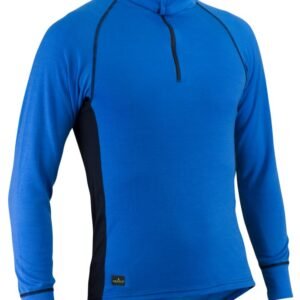




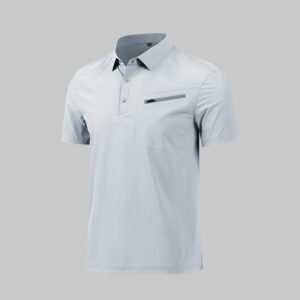
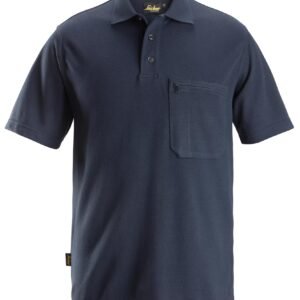
Branded Headbands Manufacturer Advantages
A practical development path for buyers who need controlled specifications, approved samples, coordinated branding, and dependable reorder references.
Specification Review
We review intended use, buyer-provided measurements, fit expectations, color references, and construction details before confirming a custom branded-headband development route.
Material and Trim Sourcing
Discuss fabric, stretch, hand feel, core materials, labels, elastics, and packaging choices together so the proposed components support your approved brief.
Sample Approval Control
Use a sample to review measurements, material selection, color, branding placement, finishing, and packaging direction before authorizing the bulk specification.
Decoration Coordination
We coordinate embroidery, screen printing, heat transfer, patches, woven labels, and care labels around the selected material and headband construction.
Reorder Reference Files
Keep approved artwork, measurements, materials, packaging details, and inspection criteria aligned as references for repeat branded headband production discussions.
Conditional MOQ Planning
Project feasibility can begin from 100 pieces per style and color, subject to fabric, construction, decoration, and documentation requirements.
Branded Headbands Manufacturer Development Options
Choose what you want to specify before sample approval.

Sports Team Programs
Use an OEM development route when the brief requires a defined construction, material direction, artwork, and packaging. Veelianpro can review the specification, sample route, and project feasibility from 100 pieces per style and color.
Get a Quote
Fitness Brand Launches
Begin with an ODM-style starting point when the brand needs a practical base for review, then refine colors, labels, packaging, or approved design details through sampling before bulk production.
Get a Quote
Promotional Event Orders
Define the event use, quantity, artwork, branding method, and delivery destination early. Veelianpro can assess an appropriate custom branded headbands route and prepare a quote around the agreed specification.
Get a QuoteMaterials Your Branded Headbands Manufacturer Can Review
Explore materials and fabrics
Cotton Jersey

A soft knit option for casual, promotional, or lifestyle headbands. Specify the desired hand feel, weight, color reference, and logo method so we can review stretch recovery, edge construction, and sample suitability.
Polyester Knit

A practical option to review for sports programs, promotions, and color-led branding. Confirm the required surface appearance, stretch direction, print artwork, and intended wear setting before selecting a construction for sampling.
Polyester Spandex Blend

A stretch-fabric direction for fitted sports or fitness headbands where recovery is important. Provide buyer measurements, fit expectations, logo placement, and decoration requirements so the blend and construction can be evaluated together.
Bamboo Fiber Blend

A soft-hand material direction for lifestyle or wellness concepts. Share the target composition, sourcing requirements, color standard, and any sustainability documentation needed for the specific SKU and destination market review.
Recycled Polyester

A recycled-content option for projects with defined procurement documentation needs. Specify the requested content claim, evidence scope, end market, fabric construction, and branding method before we assess material availability and sample feasibility.
Cellulose Acetate

A rigid fashion-accessory direction for structured headband concepts rather than stretch fabric styles. Submit the desired profile, finish, color or pattern reference, logo treatment, and packaging requirements for separate feasibility and quotation review.
Branded Headbands Manufacturer: Production and Decoration Processes
Explore printing and finishing
Pattern Development
View details
We translate your sketch, sample or technical brief into a reviewable headband pattern, including buyer-provided measurements, fit intent, seam placement and stretch considerations for the proposed construction.
Precision Cutting

After material approval, cutting is planned around the selected fabric, grain direction and pattern pieces. This creates consistent components for the agreed headband shape while keeping the chosen material under project review.
Sewing and Assembly
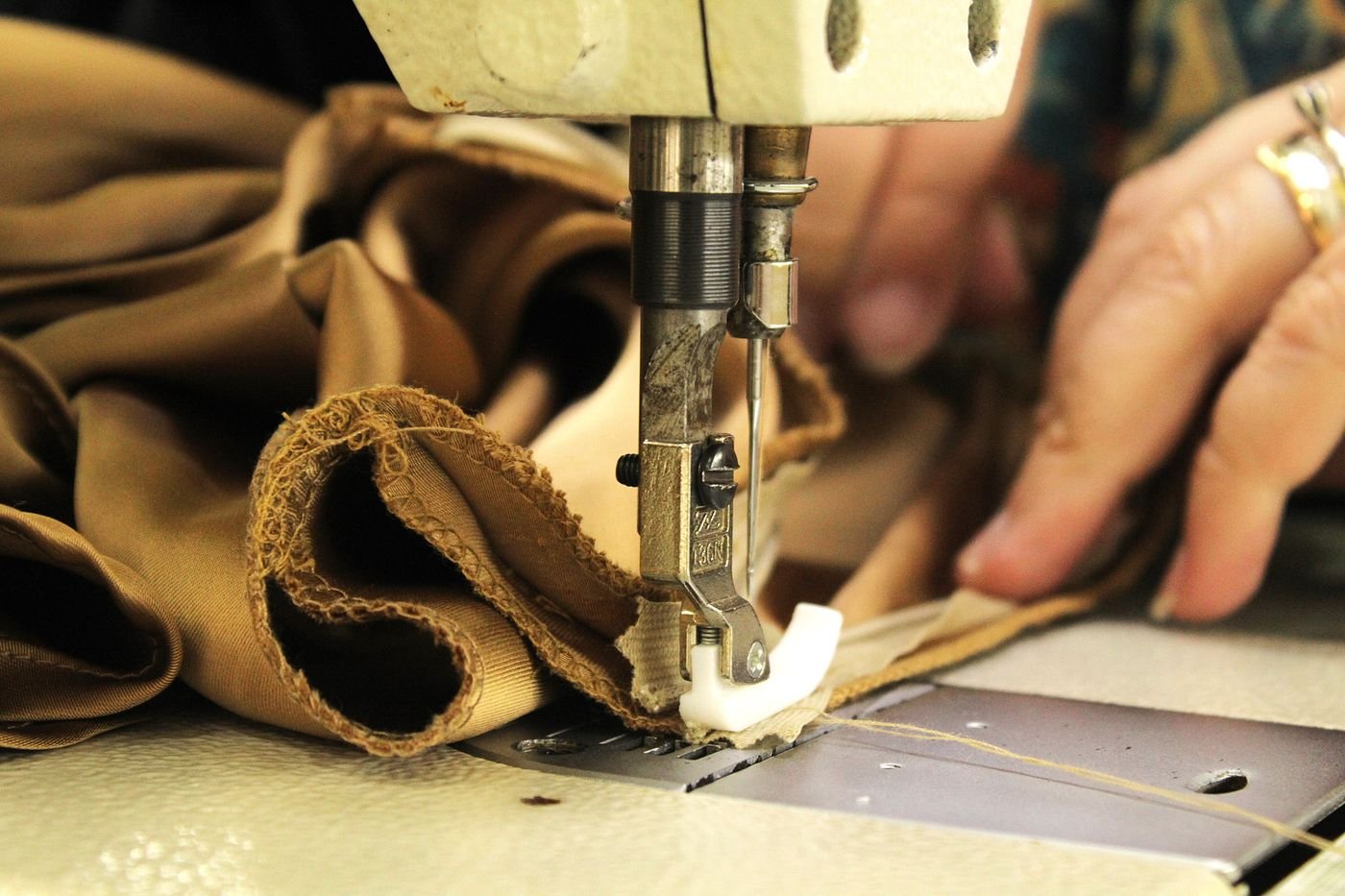
Sewing joins the approved components and can incorporate the specified seam treatment, elastic element, lining or label placement. Construction details are reviewed in the sample to confirm the intended fit and finish.
Screen Print Application
Screen printing may suit simplified logo artwork and defined color areas on compatible materials. We review artwork separation, placement and sample results with your chosen headband construction before this decoration route is confirmed.
Artwork Print Review
Digital printing can be assessed for detailed graphics, color transitions or repeat artwork, subject to fabric compatibility and artwork requirements. A sample helps confirm appearance, placement and the approved production reference.
Heat Transfer Finishing
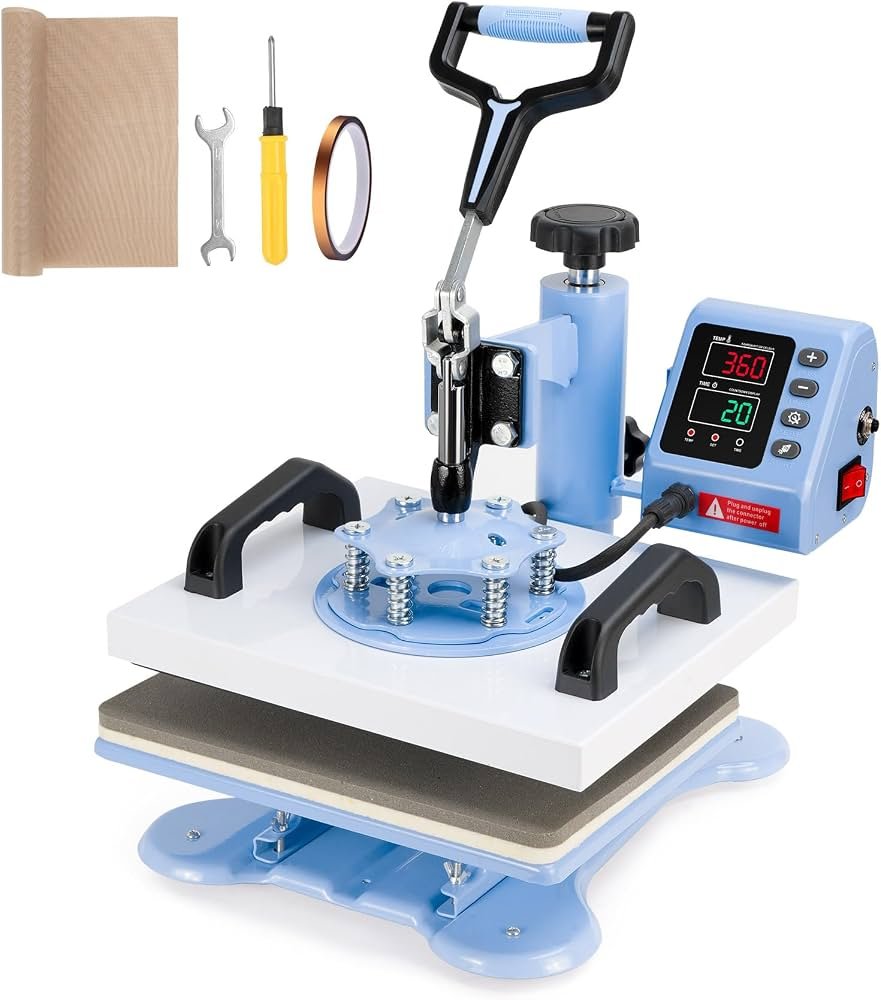
Heat transfer is evaluated for logo or graphic applications where the selected material and construction support it. We review artwork, placement, finishing expectations and sample approval before including this option in your quote.
Branded Headbands Manufacturer: Labels, Branding and Packaging Options
Explore labels, trims and packaging
Woven Labels

Add a woven brand label at a seam, folded edge, or selected placement to support private-label identification. Label size, fold style, colors, and attachment method should be reviewed with the approved headband construction.
Care Labels
Include care and fiber-content labels where your sales channel or market requires them. Provide the required wording, market details, and placement direction so the label format can be assessed during specification and sample review.
Custom Patches
View detailsUse patches to create a distinct logo application on compatible headband materials. Buyers can submit artwork and preferred patch direction for review, including placement, edge treatment, and the attachment method suited to the design.
Logo Decoration
Select embroidery, screen printing, or heat transfer according to the artwork, material, and headband structure. We review logo scale, color detail, placement, and construction compatibility before confirming the decoration route for sampling.
Branded Hangtags
Pair wholesale branded headbands with custom hangtags for retail presentation, product identification, or distributor requirements. Supply approved artwork, barcode information if applicable, tag material preference, and attachment direction for quotation review.
Custom Packaging
View details
Choose bulk packing or branded packaging that matches your intended handoff and sales channel. Packaging format, labeling, insert cards, and carton marking can be specified alongside the headband sample for a coordinated private-label presentation.
About Veelianpro, a Branded Headbands Manufacturer
Veelianpro is a Wuhan-based custom workwear manufacturer supporting industrial, safety, hospitality, and service buyers with OEM, ODM, private-label, and wholesale development. For qualified branded-headband projects, we apply the same development discipline after reviewing construction, materials, intended use, and documentation requirements.
For sourcing teams, apparel brands, and uniform distributors, our role begins with a tech pack, sketch, sample, or product idea. We coordinate material and trim sourcing, pattern development, sampling, size grading, cutting, sewing, decoration, quality checks, packing, and export coordination so the approved specification can guide bulk production.
Each custom branded headband program is evaluated separately for feasibility. Projects may start from 100 pieces per style and color, subject to fabric, construction, and documentation requirements. We help buyers align artwork, labeling, packaging, buyer-provided measurements, and inspection criteria before quotation and sample approval.

Branded Headbands Manufacturer Capabilities
Feasibility Before Development
We review the intended use, headband format, buyer-provided measurements, material direction, artwork, packaging, quantity, destination, and timeline before defining a development route. This helps distinguish a dedicated custom headband specification from an in-stock decoration request and identifies feasibility conditions early.
- Review sports, promotional, fashion, wellness, or cold-weather use requirements
- Confirm OEM, ODM-style starting point, or decoration-only route
- Assess projects from 100 pieces per style and color, subject to fabric, construction, and evidence requirements
Material and Trim Matching
A custom branded headband needs materials, stretch behavior, construction, and branding choices that work together. We can source and review cotton, polyester, stretch blends, bamboo fiber, recycled-content options, or other requested materials, then align labels, patches, printing, embroidery, and packaging with the proposed build.
- Compare hand feel, stretch, color reference, and intended wear setting
- Review screen printing, heat transfer, embroidery, patches, woven labels, and care labels
- Treat recycled, organic, UV, and performance documentation as SKU- and market-specific review items

Sample Approval Checkpoints
Before bulk production, we translate the approved direction into a sample review that focuses on what can affect repeatability: measurements, fit expectations, artwork placement, color references, construction details, trim choices, and packaging. Buyer feedback can then be incorporated into the confirmed production specification.
- Use a tech pack, sketch, reference sample, or product idea to begin
- Check logo scale, placement, label content, and packaging presentation
- Record revisions against the approved sample and specification

Bulk and Reorder Control
Once the branded headband specification is confirmed, we coordinate cutting, sewing, decoration, finishing, quality checks, packing, and export preparation around the approved references. For reorders, retaining the confirmed material, artwork, measurement, trim, packaging, and inspection details provides a clearer basis for quotation and production review.
- Align bulk checks with the approved sample and agreed inspection criteria
- Keep color, artwork, packaging, and labeling references organized for repeat orders
- Request a quote with quantity, destination, target timeline, and required documentation
Branded Headbands Manufacturer: Custom Development vs. In-Stock Decoration
Compare a made-to-order specification route with an existing headband decorated for your brand.
← Swipe left or right to view →
Branded Headbands Manufacturer Process
Feasibility and Specification Review
Share intended use, buyer-provided measurements, material direction, branding, packaging, quantity, destination, and timeline so we can review project feasibility and development requirements.
Material and Trim Selection
We review proposed fabrics, stretch direction, color references, labels, and logo-compatible trims, identifying choices that require confirmation before sampling or quotation.
Sample and Artwork Approval
Develop and review the sample against agreed measurements, construction, artwork placement, hand feel, and packaging direction; revisions are resolved before the bulk specification is released.
Quotation and Order Confirmation
From 100 pieces per style and color, subject to fabric, construction, and evidence requirements, we align the confirmed specification, commercial terms, inspection criteria, packing, and shipment details before order confirmation.
Production and Quality Checks
After order confirmation, materials are prepared and headbands are cut, sewn, decorated, finished, and checked against the approved sample and agreed inspection points.
Packing and Shipment Coordination
Approved goods are packed to the confirmed requirements, with labels and export coordination reviewed before shipment arrangements are finalized for the destination.
Start Your Branded Headbands Project
Move from a clear brief to approved production references for a made-to-order headband program.
Send Your Brief
Share a tech pack, sketch, physical sample, or product idea with intended use, measurements, color direction, branding, packaging, quantity, destination, and timeline.
Align the Specification
Review headband format, material options, fit expectations, decoration method, labels, packaging, and inspection needs. Feasibility begins from 100 pieces per style and color, subject to requirements.
Approve Sample and Quote
Evaluate the proposed sample route and quotation against your approved measurements, artwork, color reference, construction, packaging, and project-specific documentation requirements before confirming the order.
Confirm Production References
Lock approved sample details, artwork files, materials, packaging, and inspection criteria for bulk production, then retain the agreed references to support consistent repeat-order discussions.
Standards and Audit References


Branded Headbands Manufacturer Scenarios for Buyer Review
Illustrative scenario
Apparel Buyer
An apparel brand sourcing team submits a stretch headband concept, logo artwork, color reference, and buyer-provided measurements. The project requests a revised label and retail card. Approval is based on the reviewed sample, artwork placement, packaging proof, and written specifications.
Illustrative scenario
Sourcing Manager
A uniform distributor needs custom branded headbands aligned with an existing program. The buyer provides intended use, color targets, quantity, decoration direction, and destination. The review focuses on material and construction feasibility, sample confirmation, branding method, packing details, and inspection criteria before quotation.
Illustrative scenario
Production Planner
A promotional-products buyer compares a made-to-order route with decorating an in-stock option. For the custom route, the buyer requests packaging and logo adjustments. Approval evidence includes the agreed specification, artwork file, color reference, sample notes, and reorder record for future consistency.
Branded Headbands Manufacturer FAQ
Plan a made-to-order headband program around an approved specification, sample, decoration route, and repeatable reorder record.
What is the MOQ for custom branded headbands?
Should our branded headband project use OEM, ODM, or an in-stock decorated style?
Which materials should we specify for custom branded headbands?
Can you apply our logo to a custom branded headband?
What should be approved in a branded headbands sample?
How are sample costs and production lead times quoted?
Can you support private-label packaging and export coordination?
How do you protect reorder consistency for wholesale branded headbands?
Branded Headbands Manufacturer Buyer’s Guide
Evaluate custom-development routes, supplier criteria, material and branding choices, sample controls, and the costly mistakes to avoid before sourcing branded headbands in bulk.
1. What Is a Branded Headbands Manufacturer?
A branded headbands manufacturer turns a buyer’s product brief into a defined accessory specification: intended use, headband format, buyer-provided measurements, material direction, construction, branding placement, labeling, and pack-out. For sourcing teams, apparel brands, and uniform distributors, the job is development control before bulk purchasing—not simply adding a logo to a generic accessory.
Made-to-order development can begin with a tech pack, sketch, approved reference, or product idea. It may require review of fabric or rigid-material suitability, stretch and recovery expectations where relevant, edge finishing, internal structure, decoration compatibility, and the documentation needed for any requested market or performance statement; approval depends on the actual project brief.
An in-stock/decorate route uses an existing headband base and available logo method, so its design freedom is limited by that base product’s material, shape, colors, and decoration area. A custom route is appropriate when the buying task requires a distinct format, coordinated brand presentation, or controlled specification that can be referenced for later orders.
Veelianpro can review branded headband feasibility from 100 pieces per style and color, subject to fabric, construction, and evidence requirements. Send the intended use, quantity, destination, measurements, color reference, artwork, packaging direction, and any required test or certificate scope so the quotation and sample plan reflect the brief.
2. How Branded Headband Sourcing Evolved
A branded headband can enter procurement through three materially different paths: a buyer-led specification, an ODM-style starting point, or an existing in-stock item decorated after selection. The path determines who controls the pattern, material, fit, artwork placement, packaging, and approval record—and where specification risk sits.
Buyer-led OEM development starts with a tech pack, sketch, approved reference, or defined product idea. It provides the most control when a team needs a particular headband structure, buyer-provided measurements, color standard, label plan, or packaging format, but it also requires fuller decisions and sample review before bulk release. Veelianpro can review those inputs through its development workflow, with feasibility from 100 pieces per style and color subject to the requested fabric, construction, and evidence requirements.
An ODM-style route begins with an established product direction and limits changes to items that can be reviewed for the project, such as color, logo treatment, label, or pack-out. Industry guidance distinguishes OEM as production to buyer specifications and ODM as customization of a manufacturer-led base; that distinction is useful, but every proposed headband still needs documented materials, measurements, decoration compatibility, and sample approval. Source: https://www.kingspeedsports.com/blogs/odm-vs-oem-understanding
In-stock decoration is a separate route: the base item is selected first, then the logo workflow is applied within its existing material and construction limits. It can reduce development decisions, but it offers less control and creates risk if the chosen blank, decoration method, or packaging does not match the brand brief; request the exact base specification and an approval sample before committing.
3. Branded Headband Types by Buying Task
A headband brief starts with the job it must perform, not a generic style name. Give Veelianpro the wearer group, intended setting, preferred format, fit expectation, and buyer-provided measurements so feasibility can be reviewed before sampling.
Sports And Fitness

A stretch performance-style headband suits training or team kits when movement and logo placement drive the brief. Specify activity, hair coverage, seam preference, artwork area, and a measured reference sample; moisture-management claims require separate material and test review.
Yoga And Wellness
A soft, low-bulk wrap direction prioritizes hand feel and calm retail presentation over a competitive uniform look. Provide the intended wear duration, fold or twist preference, adult or youth fit reference, color target, and whether a removable retail card is needed.
Promotional Events
An event headband is usually a focused logo-and-distribution decision: choose a simple approved base direction or request made-to-order development. Confirm giveaway audience, artwork colors, packing count, campaign date, and the measurement reference before committing to a decoration route.
Fashion Retail
A fashion retail brief begins with silhouette: narrow band, wide wrap, structured band, or another buyer-supplied reference. Submit target profile, color standard, logo restraint, label placement, and packaging concept together, since these choices affect the sample rather than merely its decoration.
Cold-Weather Briefs
A cold-weather headband should be scoped around coverage, layering, and the actual outerwear or uniform it accompanies. Identify the climate use case, helmet or hood interaction, desired interior hand, and measurement reference; warmth or weather protection needs project-specific evidence.
Uniform Programs
Uniform programs need repeatable identification across wearer groups, so align color, branding location, size plan, and replacement-order reference early. Veelianpro can review a custom development brief from 100 pieces per style and color, subject to fabric, construction, and evidence requirements.
4. Materials and Inputs for Branded Headbands
Material choice changes how a branded headband feels, holds its shape, and accepts artwork. Submit the intended use, buyer measurements, color reference, logo method, and any required evidence with the development brief.
| Material To Specify | Hand Feel And Structure | Stretch Or Print Review | Documentation Focus |
|---|---|---|---|
| Cotton | Soft textile option; confirm knit or woven construction | Confirm recovery; review decoration against actual fabric | Composition and color records |
| Polyester | Textile option with construction-dependent hand | Review artwork and recovery on sample | Composition and requested performance evidence |
| Stretch blend | Body-hugging feel depends on blend and construction | Approve extension and recovery after wear trial | Full fiber composition |
| Cellulose acetate | Rigid formed accessory with profile and curvature | Review logo method; not a stretch route | Material and finish specification |
| Bamboo fiber or recycled content | Specify exact composition, not a broad label | Sample print and structure for review | SKU- and market-level claim evidence |
Specify The Base Material

Cotton can suit a soft, familiar hand; polyester can support color-led print workflows; and stretch blends should be assessed for recovery after wear. Cellulose acetate is a rigid fashion-accessory route, not a substitute for a sewn elastic band.
Bamboo fiber should be named by its actual fiber composition and construction for review. Recycled-content options likewise require the claimed content, source documents, and proposed SKU to be identified.
Match Material To Construction
A sewn textile headband needs the fabric, elastic or binding approach, seam placement, and return-to-shape expectation approved together. A molded or formed acetate design instead needs its profile, curvature, edge finish, and logo location reviewed as one component specification.
Provide artwork before selecting decoration. Print, embroidery, patch, woven label, foil, laser marking, or metal badge compatibility depends on the proposed base and construction.
Request Evidence By SKU
Organic, recycled, UV, or performance language belongs in the evidence request, not on an unverified sample description. Ask for SKU- and destination-market-level documentation, test scope, and chain-of-custody details where applicable; visual appearance does not establish a material claim.
5. Branding, Trims, and Packaging Options
Logo execution starts with the headband’s substrate, stretch path, seam location, and visible face. Submit vector artwork, intended placement, Pantone reference, and the exact construction sample reference together so the decoration review is tied to a real product.
| Application | Best Review Focus | Approval File |
|---|---|---|
| Screen or digital print | Panel stability and artwork edges | Vector art and placement drawing |
| Embroidery | Stitch area and headband drape | Artwork, thread direction, sample |
| Foil, laser, or metal badge | Material surface and attachment location | Finish reference and placement drawing |
| Woven label or silicone grip | Join, binding, and stretch path | Trim artwork and construction drawing |
| Hangtag, card, pouch, barcode | Pack-out and retail data | Print file, barcode data, packing reference |
Match Method To Construction

Screen printing and digital printing require a stable printable panel; a seam, heavy stretch zone, or textured surface can change edge definition. Embroidery adds stitch density and may affect drape, while laser marking, foil application, and metal badges are options to assess against the selected material and structure.
Specify Functional Trims
A woven label can sit at an edge or join, while silicone grips need a defined skin-side placement that does not interfere with stretch. Specify elastic joins, binding, label fold, color, and attachment location in the tech pack; each remains subject to feasibility review.
Approve Retail Presentation
Hangtags, header cards, pouches, and barcode labels should be treated as separate approved components, not afterthoughts. Provide print-ready artwork, barcode data, pack-out direction, and a placement drawing; approval confirms execution details, not trademark authorization.
6. Construction and Sample Approval Controls
A headband sample exposes problems that a flat artwork file cannot: pressure distribution, join bulk, edge behavior, and how the logo sits when worn. Approve the wearable assembly and its packing presentation together before bulk release.
Evaluate Fit And Tension
Use buyer-provided head circumference, finished width, coverage area, and intended wearer as the evaluation reference. Assess recovery after repeated stretch, localized pressure, twisting, and whether the join lands comfortably in the chosen wearing position.
- Record the measurement source and tolerance
- State the intended wear position
- Note pass or revision observations
Review Edges And Joins
Edge finishing affects bulk, curl, abrasion against skin, and decoration clearance. Identify the seam or join placement, finish direction, visible versus concealed construction, and any requested reinforcement on the approved sample rather than assuming a generic assembly.
Lock Artwork And Color
Check the approved artwork version against the actual logo position, scale, orientation, and distortion when the headband is stretched. Match color to the buyer’s named reference or physical standard; a screen image alone should not be the production color authority.
- Artwork filename and revision
- Logo placement reference
- Color standard supplied
- Decoration and trim notes
Document The Approval Sample
The approval record should tie the buyer’s measurements to the material reference, artwork revision, trims, labels, packaging, and inspection notes. Include the sample date or identifier so a reorder team can retrieve the same approved basis.
- Material swatch or reference
- Label and packaging mockup
- Acceptance notes and revisions
Hypothetical Approval Example
Hypothetical example: a uniform distributor approves a stretch headband sample after moving the join away from its preferred logo position and revising the packing card. Its approval sheet records the buyer-supplied measurements, artwork revision, color reference, label text, packaging layout, and acceptance notes for the production review.
7. Choosing a Branded Headbands Manufacturer
Choose the route before comparing quotations. A branded headbands manufacturer should be evaluated on whether it can control the approved specification—not merely apply a logo to a generic band.
| Criterion | Conditional Made-To-Order Development | In-Stock Headband With Decoration |
|---|---|---|
| Fit | Buyer measurements reviewed for the project | Existing base fit is retained |
| Structure | Material and construction specified for review | Existing base structure is retained |
| Decoration | Method assessed against selected material and build | Artwork must suit the available base and method |
| Approvals | Sample can represent the defined bulk specification | Approve base, artwork application, and pack-out |
| Quantity planning | Feasibility reviewed from 100 pieces per style and color | Availability and decoration constraints require confirmation |
| Reorder traceability | Specification and approval references can be retained | Identify the exact base and artwork revision |
Compare Development Routes
Made-to-order development starts with your tech pack, sketch, sample, or product idea; fit, material, construction, artwork, labels, and packaging are reviewed as one specification. Veelianpro assesses feasibility from 100 pieces per style and color, subject to the selected fabric, construction, and evidence requirements.
An in-stock/decorate route means applying approved artwork to an existing headband base. It can suit a simpler buying task, but confirm which base, fit, and decoration limits are fixed before comparing it with a custom-development quote.
Lock The Quoted Scope
Ask for the quote to identify the headband format, buyer-provided measurements, material composition, color reference, decoration method, trims, packaging, sample stage, inspection criteria, destination, and artwork version. A logo file alone does not define a production-ready brief.
For recycled, organic, UV, or other test-related requests, ask what SKU- and market-level documentation can be reviewed; do not treat a material description or photo as proof.
- Approved artwork version and placement
- Material and color reference
- Sample and bulk acceptance points
- Packaging and carton-mark requirements
Sample And Reorder Controls
Review a sample against the same measurements, hand feel, stretch expectation, logo execution, trim placement, and pack-out that the bulk order will use. Record accepted changes in a dated specification, rather than relying on email memory.
For reorders, send the prior approved sample reference, artwork revision, color reference, packaging file, and inspection checklist. Confirm any proposed substitution before production begins.
8. Common Branded Headband Buying Mistakes
Most avoidable defects begin before sampling: the brief describes a look but not the wearing task, fit reference, or approval boundary. Treat a branded headband as a small wearable product with its own specification record.
Start With The Wearing Task
Selecting cotton, polyester, stretch blends, cellulose acetate, bamboo fiber, or recycled-content options before defining use can misalign hand feel, recovery, print route, and care expectations. Rank the intended activity, contact area, color method, and any documentation requirement first.
Give Veelianpro the target use and a physical reference or buyer-provided measurements; material and construction options can then be reviewed for feasibility. Recycled or other attribute claims require SKU- and market-level evidence review.
Approve Placement And Fit
A logo file alone does not define its position on a curved, stretchable headband. Mark the logo location from a named edge, orientation, maximum artwork area, color reference, and the preferred decoration workflow for sample review.
Photos are visual references, not technical proof of fiber content, stretch, dimensions, seam method, or print durability. Freeze buyer-provided circumference, width, overlap or closure direction, and fit intent against the approved sample.
Protect Packaging And Reorders
Packaging is often omitted until bulk production, leaving hangtags, labels, barcode placement, polybag direction, and carton markings unresolved. Include them in the sample or a separately approved packaging proof.
Illustrative procurement scenarios:
A uniform distributor requests event headbands, changes from photo-only approval to an annotated placement sheet, and approves a labeled sample.
An apparel buyer specifies a fitness use, replaces a material-first brief with wear priorities, and approves a fit reference.
A sourcing team preparing a repeat order compiles artwork, color reference, packaging proof, sample identifier, and inspection criteria into one reorder record.
9. Launch and Reorder a Headband Program
A launch file turns a headband concept into a repeatable bulk reference. Veelianpro reviews the brief, artwork, intended use, measurements, materials, branding, packaging, quantity, destination, and timeline before confirming feasibility.
Brief To Bulk Approval
Submit a tech pack, sketch, or approved reference with usable logo files. MOQ starts from 100 pieces per style and color, subject to fabric, construction, and evidence requirements.
- Approve the sample against the bulk specification.
- Confirm artwork, color reference, labels, packaging, and inspection criteria.
- Check receipt against the approved sample before releasing a reorder.
Reorder Control
Keep a dated master record for the approved sample, artwork version, material and trim references, measurements, packaging layout, carton marks, and inspection notes. Reorders should identify every intended change before quotation.
Program FAQ
Practical answers for sourcing teams.
- What material should we choose? Choose by use, hand feel, stretch, print compatibility, and approved sample. Cotton, polyester, stretch blends, bamboo fiber, recycled-content options, and cellulose acetate require feasibility review; recycled or other claims need SKU- and market-level documentation.
- Which logo method fits? Screen printing, heat transfer, embroidery, patches, woven labels, foil application, laser marking, or metal badges must suit the selected material and construction. Supply vector artwork, placement, color reference, and desired finish for review before sampling.
- Can packaging be branded? Yes, specify the retail or distribution task: custom packaging, hangtags, care labels, woven labels, barcode requirements, and carton marks. Approve artwork and packing configuration with the sample so receiving teams can check the same version.
- OEM or ODM-style route? OEM suits a buyer-provided construction, measurements, materials, and packaging direction. An ODM-style starting point may simplify early development when only logo, color, or packaging changes are needed; confirm which details remain adjustable.
- What must the sample prove? The sample should verify buyer-provided measurements, fit, material hand, stretch, seam and logo execution, trims, labels, packaging, and approval comments. It is the reference for the bulk specification, not evidence of untested performance claims.
- Which records protect repeat orders? Retain the approved sample reference, artwork revision, material and trim references, measurement sheet, packaging file, inspection criteria, purchase order, and change log. State changes explicitly; do not assume a prior order defines a revised program.
10. Branded Headbands Manufacturer Cost Drivers
Headband cost changes when a buyer moves from a simple repeatable format to a material-specific, fully branded development brief. Fabric composition, stretch and recovery target, construction, color treatment, logo workflow, trims, and retail packaging should be quoted as separate, traceable decisions rather than assumed inclusions.
Sampling, inspection scope, and order quantity also affect the commercial structure because they determine what must be developed, checked, and allocated before bulk production. For an actionable quote, send the intended use, buyer-provided measurements, material direction, colors, artwork, decoration, trims, packaging, quantity, destination, sample requirements, and inspection criteria; Veelianpro’s starting MOQ is from 100 pieces per style and color, subject to fabric, construction, and evidence requirements.
| Cost driver | What changes cost | Quote must specify |
|---|---|---|
| Material and construction | Fiber or material direction, stretch requirement, layers, seams, and finish alter sourcing and assembly needs. | Approved material direction, hand feel, construction drawing, and buyer-provided measurements. |
| Decoration and colors | Screen printing, heat transfer, embroidery, patches, woven labels, and color matching require different artwork and production steps. | Artwork files, placement, size, color references, and approval standard. |
| Trims and packaging | Labels, patches, hangtags, care labels, bags, cards, and cartons add components and packing work. | Each trim, packaging dieline or reference, barcode needs, and packing configuration. |
| Sampling and inspection | Development samples and defined quality checks add review and control work before release. | Sample purpose, approval comments, inspection method, defect criteria, and release authority. |
| Quantity and delivery scope | Quantity affects material allocation and setup distribution; export coordination depends on destination and packing details. | Units by style and color, destination, requested timeline, and shipping terms. |
Start Your Custom Branded Headband Quote
Send your use case, format, measurements, materials, artwork, packaging, quantity, destination, and timeline for feasibility review and a tailored quotation.