
Custom Workwear Manufacturer in China for OEM Programs
Veelianpro is a specialist workwear manufacturer supporting OEM, ODM and private-label programs from 100 pieces per style and color, subject to project requirements.
Featured Workwear for Custom Development









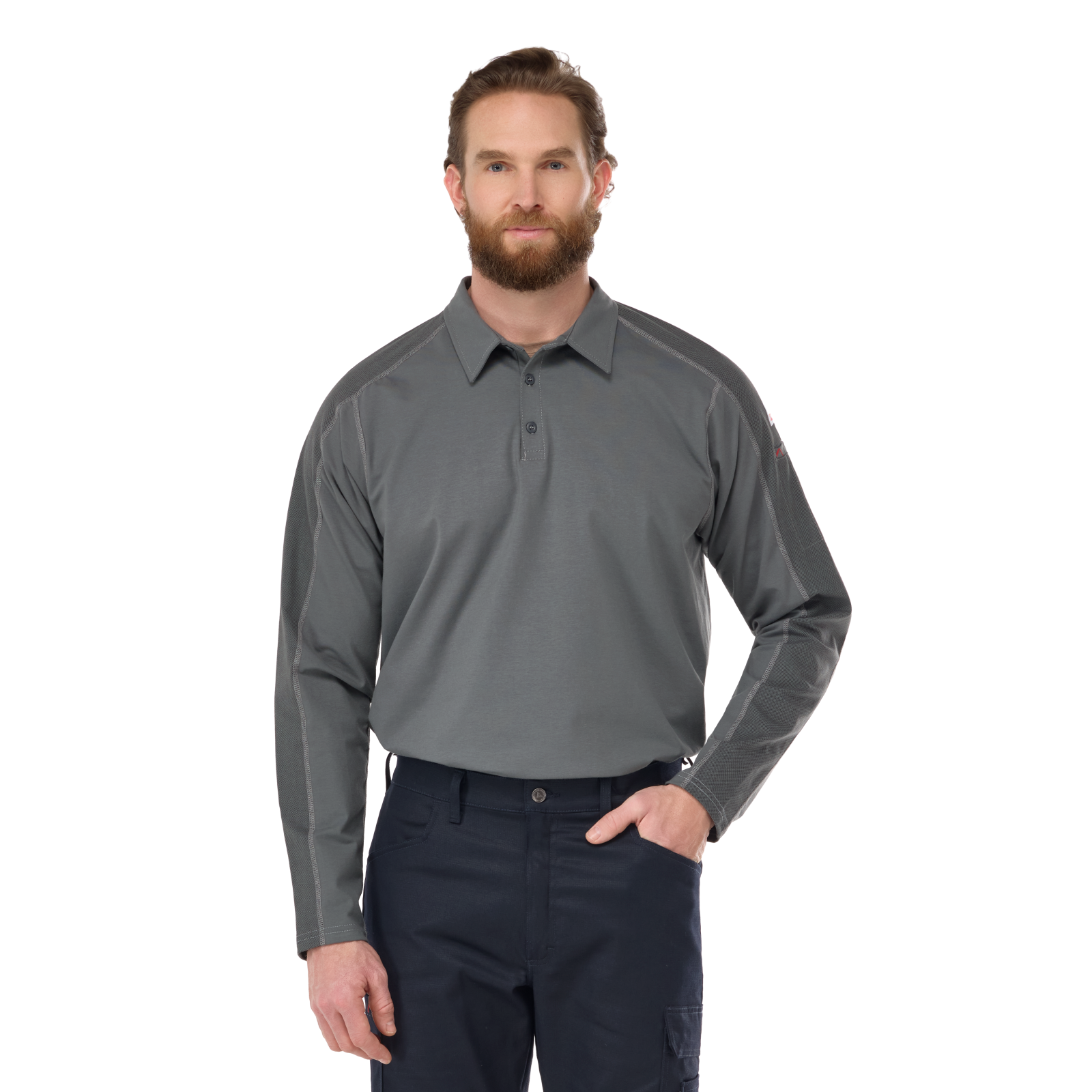
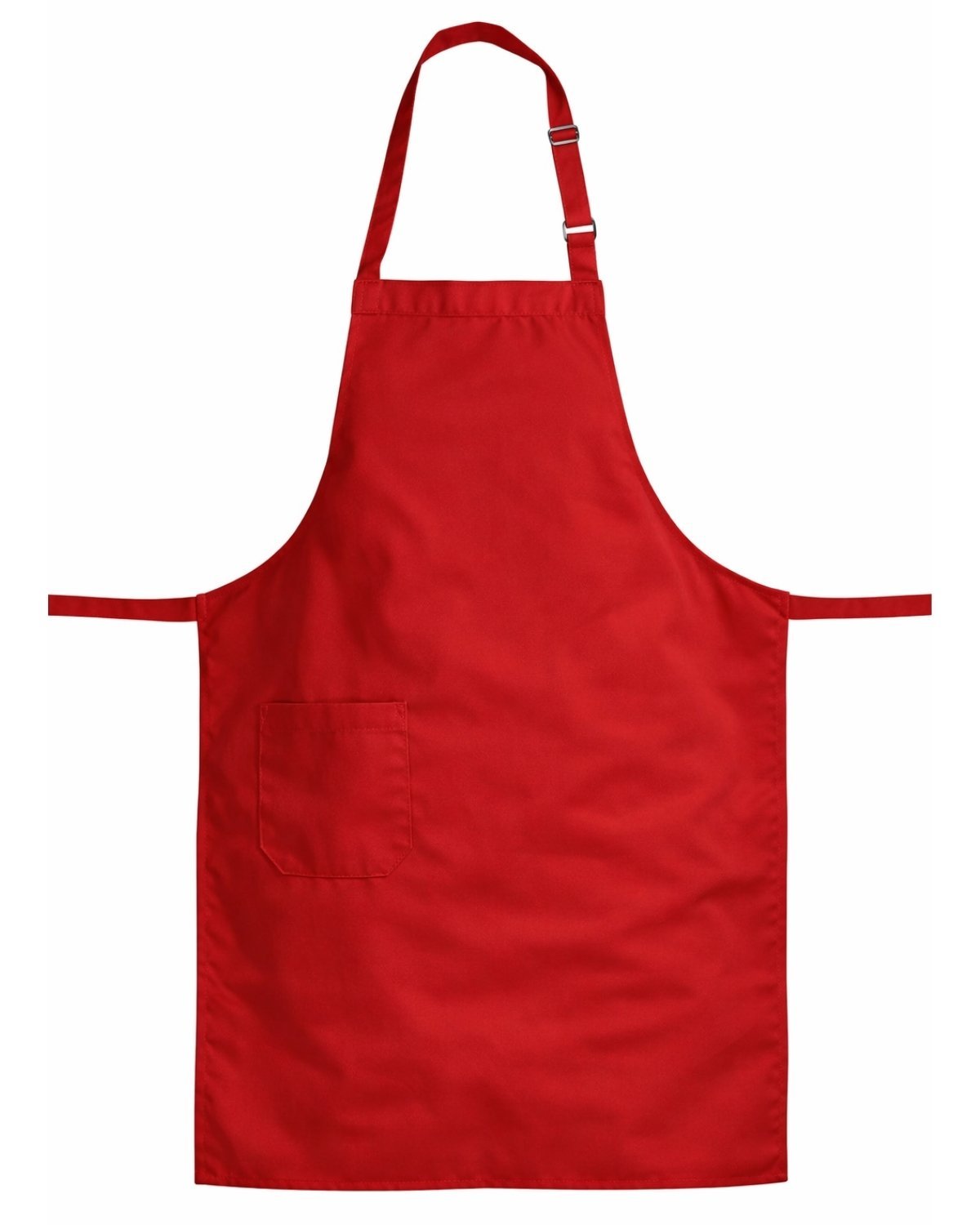
Related Workwear Catalogue and Quotation





Why Partner with Veelianpro for Custom Workwear?
Veelianpro is a specialist workwear manufacturer supporting tailored OEM, ODM, private-label, and wholesale programs from development through delivery.
From Idea to Sample
Turn a tech pack, sketch, sample, or product idea into practical garments with pattern development, sampling, grading, and construction review.
Project-Specific Specifications
Specify fabrics, colors, sizes, pockets, reinforcements, reflective details, weather protection, and trims around your intended work environment.
Private-Label Branding
Add embroidery, screen printing, heat transfers, patches, woven labels, care labels, and custom packaging for consistent private-label presentation.
Coordinated Production Support
Coordinate sourcing, cutting, sewing, finishing, quality checks, packing, export support, and reorders through one experienced Wuhan-based workwear team.
Flexible Starting MOQ
Start at 100 pieces per style and color, subject to fabric, certification, construction, and project-specific production requirements.
Specialist Workwear Categories
Custom-developed apparel for controlled environments, service teams, and demanding industrial applications.
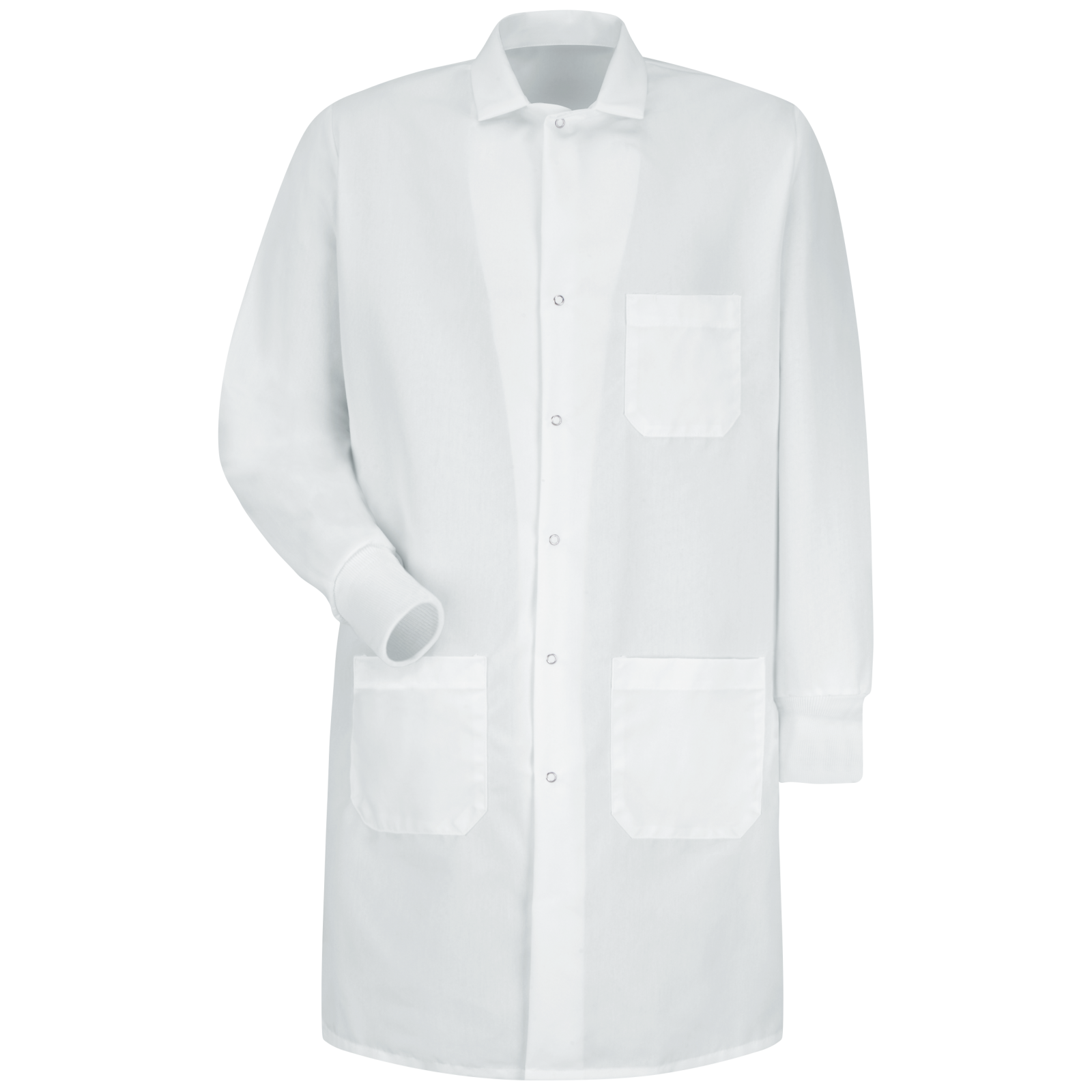
Medical and Cleanroom Clothing
Medical scrubs, clinic uniforms, patient-facing coats, and controlled-environment garments can be developed around required fabric choices, color systems, pocket layouts, labeling, and sizing. Suitable for healthcare suppliers and uniform programs needing private-label presentation and practical daily-wear construction.
Get a Quote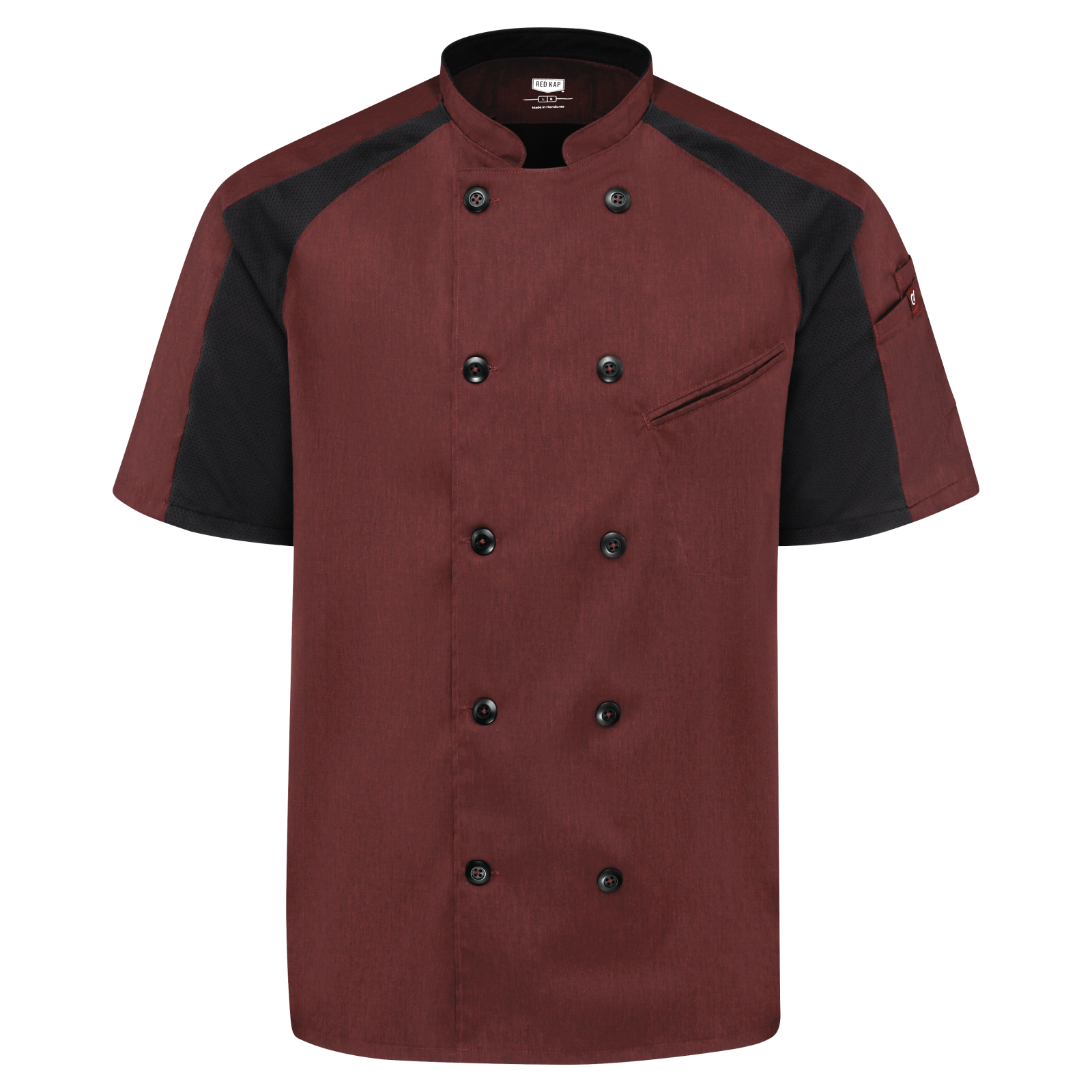
Food Service Clothing
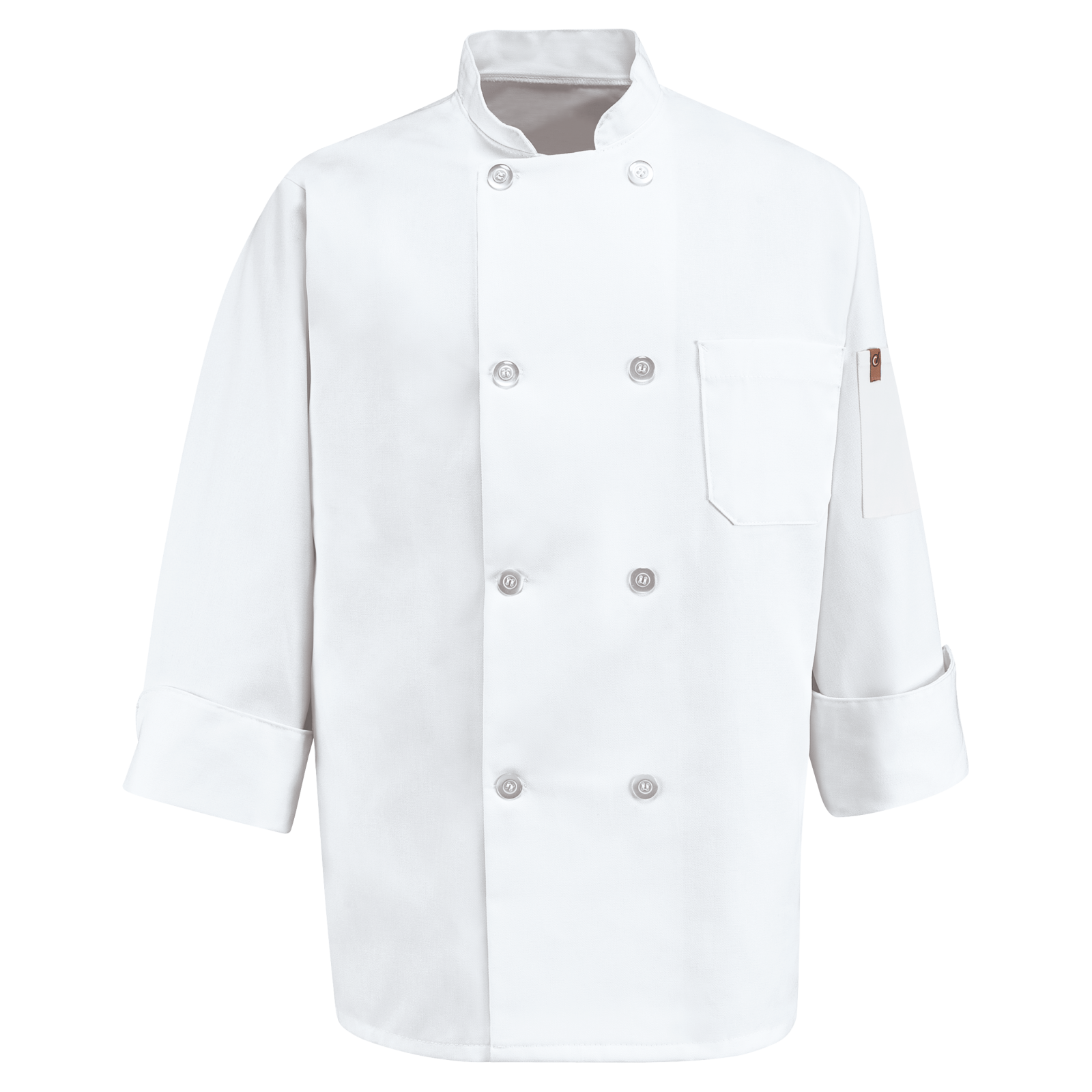
Chef coats, kitchen shirts, aprons, service polos, and front-of-house uniforms can be coordinated as a single program. Specify fabric preference, closure style, pockets, color blocking, logo decoration, woven labels, and packaging for restaurant groups, caterers, and hospitality distributors.
Get a Quote
Cold Weather Workwear
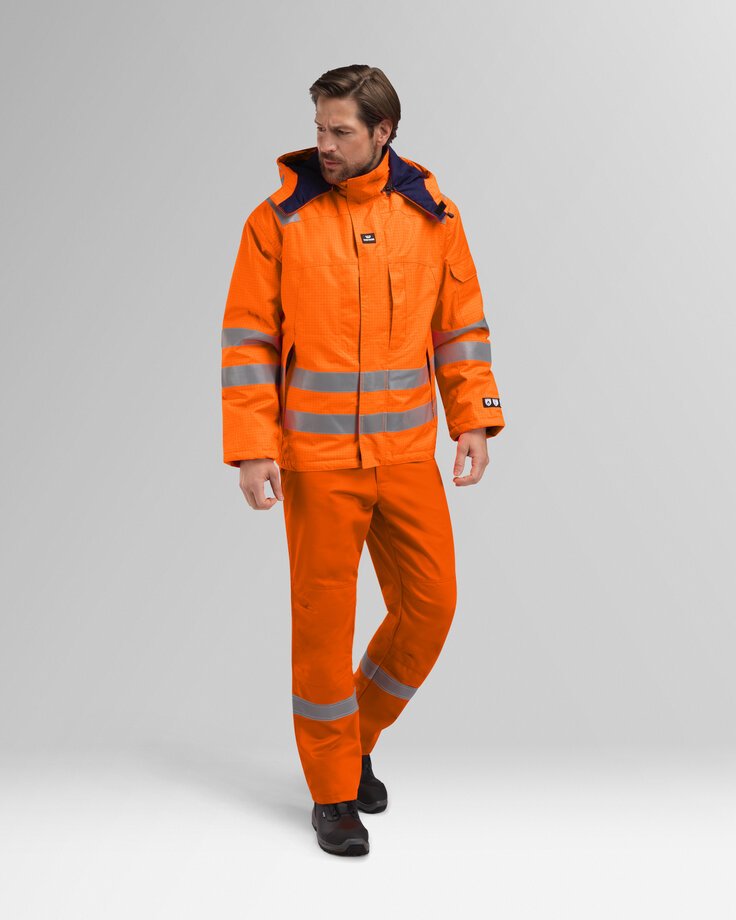
Build insulated jackets, padded trousers, coveralls, softshell layers, and weather-facing outerwear for cold-working environments. Development can address fabric composition, lining and insulation choices, hood and cuff details, reinforced wear areas, reflective trim placement, and layered uniform compatibility.
Get a Quote
Welding and Heat Workwear
Welding garments and protective workwear families can be developed with task-specific garment formats, including jackets, trousers, coveralls, aprons, and work sets. Discuss fabric selection, closure protection, reinforced panels, pocket placement, seam construction, and requested standards before sampling; protective claims require applicable test evidence.
Get a Quote
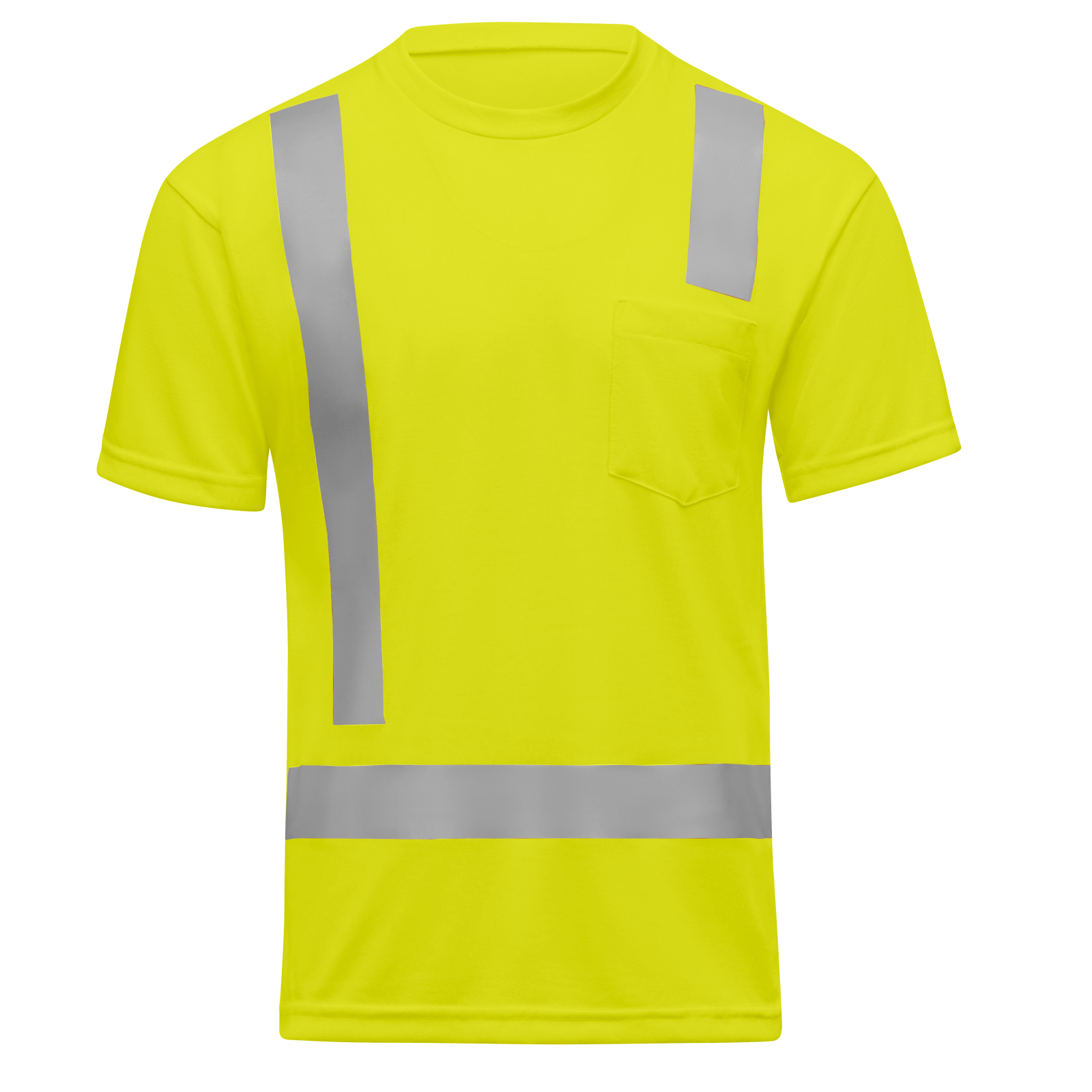
High Visibility Workwear
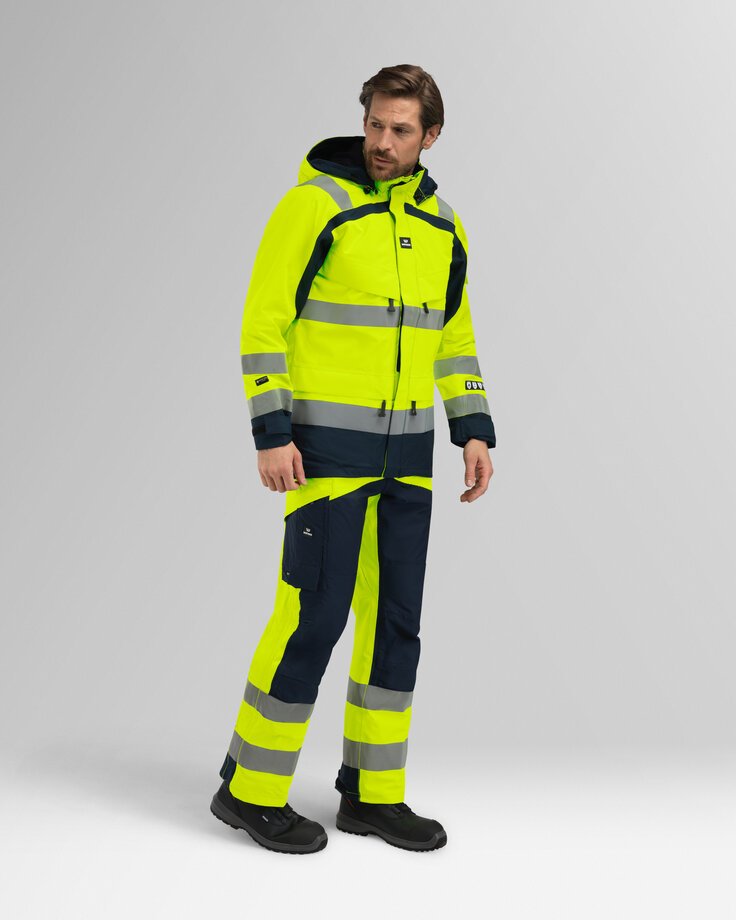
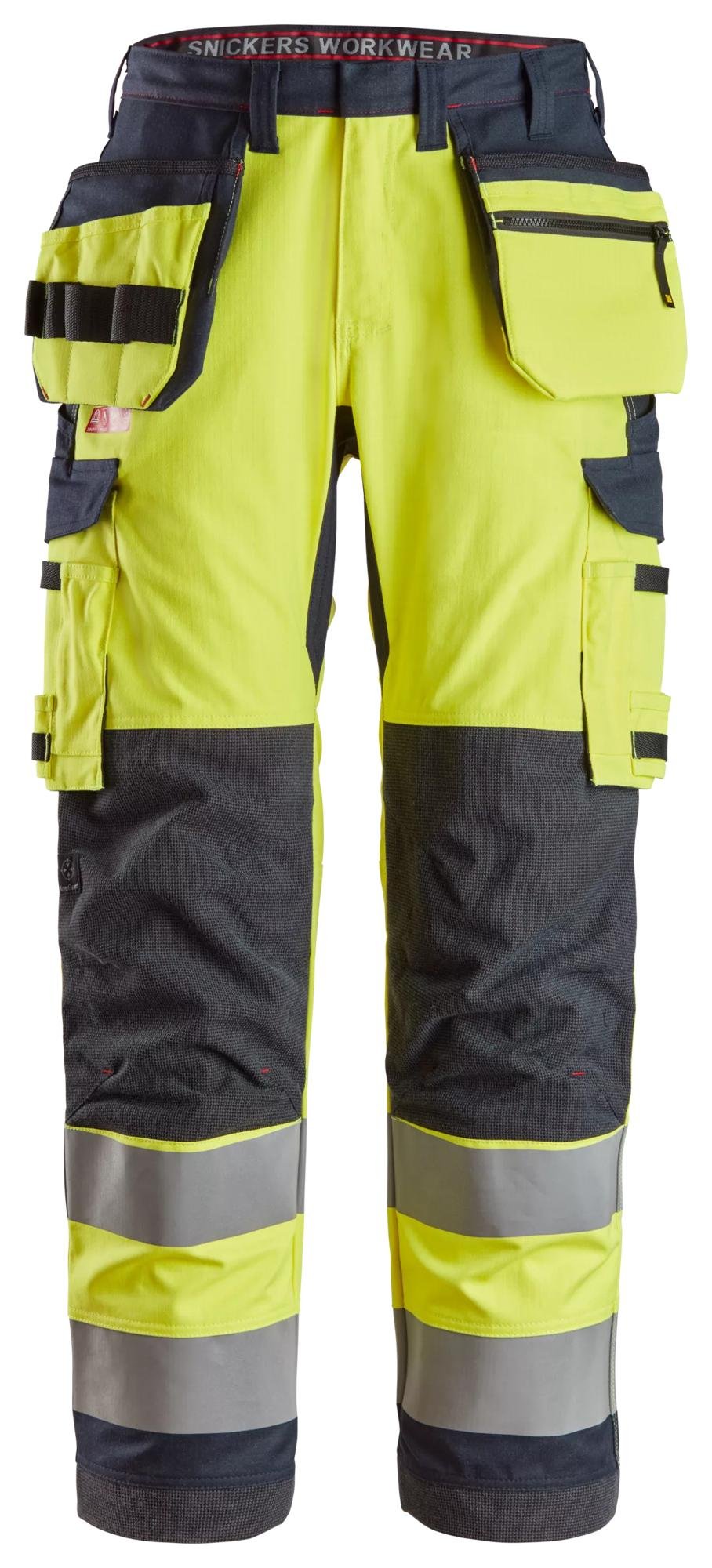
High-visibility vests, shirts, jackets, trousers, coveralls, and rainwear can be customized for site roles and branding programs. Define base color, garment format, reflective tape placement, pockets, closures, size range, and decoration method during development. Any visibility classification must match SKU-specific documented testing.
Get a Quote
Flame Resistant and Arc Workwear
For electrical and heat-exposure programs, develop shirts, pants, coveralls, jackets, and layered workwear around the intended application and required construction details. Fabric sourcing, patterns, reinforcements, closures, labels, and branding are handled before production. Flame-resistant or arc-rated performance is only stated when supported by applicable test documentation.
Get a Quote
Chemical Resistant Clothing
Chemical-protective clothing families may include coveralls, jackets, trousers, aprons, and coordinated protective sets developed for the buyer’s specified work setting. Share the chemical exposure requirement, standard, fabric requirement, closure configuration, and certificate needs early; resistance claims depend on the exact tested garment system.
Get a Quote
Anti-Static and Cleanroom Workwear
Anti-static and cleanroom programs can include ESD garments, lab coats, coveralls, jackets, trousers, caps, and coordinated sets. Development covers approved fabric requirements, garment closures, cuff and pocket design, labeling, sizing, and packing. Cleanroom or electrostatic-control performance requires SKU-specific evidence and defined use conditions.
Get a QuoteFabric Options for Custom Workwear




Production and Branding Processes



Workwear Trims and Functional Accessories


About Veelianpro: Wuhan Workwear Manufacturer
Hubei Veelianpro Workwear Co., Ltd. is a Wuhan-based specialist workwear manufacturer whose operation began in 2012, according to the company profile. Founded by Peter Zhang, Veelianpro was built to help workwear brands, distributors and enterprise buyers turn practical garment requirements into dependable OEM, ODM, private-label and wholesale programs.
The team supports the full development path, from a tech pack, sketch, sample or product idea through fabric and trim sourcing, pattern development, sampling, grading, cutting, sewing, reinforcement, decoration, finishing, quality checks, packing and export coordination. Its range covers shirts, polos, jackets, vests, pants, coveralls and workwear sets, with specialist development for demanding industry and service applications.
What makes Veelianpro different is the combination of hands-on customization and a clear, buyer-led process. The company profile reports a team of more than 300 skilled workers. Production can start from 100 pieces per style and color, subject to fabric, construction, certification and project requirements.

Core Capabilities of a Specialist Workwear Manufacturer
From Idea to Tech Pack
Veelianpro translates a sketch, sample, tech pack or product idea into practical production details. Buyers can define garment purpose, fit, pocket layout, reinforcement, branding and target quantity before feasibility review, helping align design intent with fabric, construction and project requirements.
- Tech-pack interpretation and feasibility review
- Pattern development and size grading
- Fit, pocket and reinforcement planning
- OEM, ODM and private-label support

Materials and Trim Sourcing
Material selection is matched to the intended work setting, appearance and construction plan. Veelianpro can help source fabrics, reflective elements, closures, labels and other trims while buyers specify composition, weight, color, weather needs and applicable performance documentation.
- Fabric weight, composition and color review
- Reflective tape and functional trim selection
- Custom labels, care labels and packaging
- Performance requirements tied to project evidence

Controlled Garment Construction
Production details are developed around durability, mobility and repeatable workmanship. Cutting, sewing and reinforcement can be coordinated for shirts, pants, jackets, vests, coveralls and workwear sets, with construction choices confirmed before bulk production begins.
- Reinforced knees, bartacks and gussets
- Triple stitching and pocket-system planning
- Cutting, sewing and finishing coordination
- Consistent specifications for repeat orders

Decoration, Inspection and Export
Veelianpro supports the final steps needed to prepare branded workwear for distribution or enterprise use. Decoration, quality checks, packing and export coordination are managed against the confirmed order details, with safety claims kept subject to SKU-specific testing and certification scope.
- Embroidery, screen printing and heat transfer
- Patches, woven labels and custom packaging
- In-process and final quality checks
- Packing and export coordination

Specialist Workwear Manufacturer vs. Off-the-Shelf Decoration
Compare a custom workwear program with sourcing stock garments and adding decoration. Starting MOQ is subject to fabric, certification and construction requirements.
← Swipe left or right to view →
Our Custom Workwear Production Process
Veelianpro guides each custom workwear program from inquiry and feasibility review through sourcing, sampling, production, inspection, shipment, and reorder support. Starting MOQ is 100 pieces per style and color, subject to fabric, certification, construction, and project requirements. Share your garment type, work setting, materials, branding, quantity, destination, and timeline for a practical review.
Review Your Requirements
Share your tech pack, sketch, sample, or product idea. We review garment type, work setting, materials, branding, quantity, destination, timeline, and protection requirements.
Develop and Sample
Our team supports fabric and trim sourcing, pattern development, size grading, construction planning, and sampling to refine fit, function, branding, and production feasibility.
Cut and Assemble
After approval, production moves through fabric inspection, cutting, sewing, reinforcement, bartacks, stitching, decoration, and finishing according to the confirmed specifications.
Inspect and Pack
Quality checks review workmanship, measurements, construction details, decoration, labeling, and packing requirements before finished garments are prepared for shipment.
Ship and Reorder
Veelianpro coordinates export shipment and retains the approved production direction to support clearer communication, consistent replenishment, and future reorder planning.
How to Work with a Specialist Workwear Manufacturer
Submit Your Concept
Send a tech pack, sketch, sample or product idea with garment type, work setting, target quantity, branding needs and delivery timeline.
Confirm Specifications
Review fit, fabric composition, garment features, size range, colors, trims and branding methods, including any required protection standards or test evidence.
Select Materials
Compare fabric and trim options for durability, comfort, mobility and intended use, while confirming construction details such as pockets, reinforcements and reflective placement.
Approve Sample and Quote
Evaluate the developed sample, request adjustments where needed, and confirm the quotation, MOQ, specifications, packaging, timeline and project-specific commercial terms.
Start Production
After approval, Veelianpro coordinates cutting, sewing, decoration, finishing, inspection, packing and shipment, with reorder support for established workwear programs.
Workwear Compliance and Documentation


How a Specialist Workwear Manufacturer Supports Different Briefs
Illustrative scenario: A safety distributor needs one outerwear program for varied job sites but lacks a brief that defines visibility requirements and branding without compromising the garment design. The proposed solution is to document the target standard, fabric, tape layout, weather-exposure needs, branding locations, size range, and required evidence before sampling. The intended acceptance criteria are an approved sample and SKU-specific documentation that match the agreed brief.
Illustrative scenario: A growing workwear brand has a cargo-pant sketch but no production-ready measurements, pocket specification, or fit standard for a private-label collection. The proposed solution is pattern development that converts the concept into measurements, pocket placement, reinforcement details, fabric options, size grading, labels, and sample-review notes. The intended acceptance criteria are an approved sample, controlled measurements, and documented construction details before bulk production.
Illustrative scenario: An enterprise uniform buyer needs shirts, trousers, jackets, and service garments with consistent branding, but the garment and packing details vary across roles. The proposed solution is to align fabric and trim choices, logo decoration, fit requirements, packing, destination, and reorder records under one controlled brief. The intended acceptance criteria are approved samples and documented specifications for each garment and packing configuration.
Specialist Workwear Manufacturer FAQ
What MOQ does a specialist workwear manufacturer require?
Can a specialist workwear manufacturer develop OEM and private-label garments?
How does sampling work with a specialist workwear manufacturer?
What customization can Veelianpro provide for branded workwear?
How long does custom workwear production take?
Can a specialist workwear manufacturer arrange shipping and export coordination?
Can Veelianpro provide safety certifications for specialist workwear?
What payment methods and information are needed to start an order?
How to Choose a Specialist Workwear Manufacturer
A practical framework for assessing job-specific apparel, technical specifications, customization, sampling, supplier fit, quote scope, and the avoidable mistakes that weaken an industrial or service-uniform program.
1. What a specialist workwear manufacturer does
A specialist workwear manufacturer turns an operational brief into a repeatable garment program: patterns, fabrics and trims, size grading, samples, cutting, sewing, reinforcement, decoration, inspection and packing must work together. This differs from a ready-stock reseller, which supplies predetermined styles and inventories; a development partner can build the pocket layout, reinforcement zones, reflective-tape placement and branding around a defined job.
The brief starts with the wearer’s real conditions. Abrasion, heat, rain, contamination, movement, laundering frequency and visibility needs affect fabric and construction choices, while department colors, logo method, size range and replacement demand affect identity and continuity. A protective design target is not a documented protective claim: where a standard applies, the required test evidence and certification scope belong in the brief.
Sourcing answer: Veelianpro develops and produces custom workwear for industrial, safety, hospitality and service programs, from a tech pack, sketch, sample or product idea. It can coordinate fabric and trim sourcing, sampling, grading, construction, decoration and export packing. Discuss MOQ only after the style, fabric, certification requirements, construction and color plan are confirmed; order minimums may vary with those specifications.
For distributors, wholesalers and enterprise teams, repeatability is as important as the first sample. Record approved fabric and trim references, measurement rules, logo artwork, color standards, packing requirements and any controlled performance documentation so a replenishment order can be matched to the approved specification rather than rebuilt from memory.
2. How specialist workwear requirements evolved
A work shirt, coverall, or vest is no longer specified only by color and logo. Buyers increasingly define it around the role: where tools are carried, how the wearer bends or reaches, whether the garment is worn indoors or outdoors, and how it must look after repeated laundering. That shift turns a generic uniform into a coordinated product specification for industrial and service teams.
Protection, mobility, comfort, and visual identity must work together rather than compete by accident. Reinforced knees, gussets, bartacks, pocket layouts, weather protection, reflective tape placement, and decoration methods all affect use, appearance, and manufacturing choices; a durable feature in the wrong location can restrict movement or interfere with branding. Consistent colors, labels, sizing, and trim selections also help distributors and employers maintain a recognizable program across roles.
A high-visibility, flame-resistant, arc-rated, chemical-protective, cleanroom, or ESD garment category does not itself establish compliance. Required protection depends on the job hazard, target market, applicable standard, fabric system, garment construction, and the exact test or certification scope. Buyers should therefore provide the intended work setting and required standard during development, then distinguish a design target from documented performance before placing a protection claim on the finished product.
3. Types from a specialist workwear manufacturer
A useful range plan starts with job roles and exposure, then assigns garments by task. A specialist workwear manufacturer can develop coordinated families without forcing every employee into one bulky or under-equipped specification.
| Garment Family | Typical Setting | Selection Focus |
|---|---|---|
| Industrial separates | Maintenance and production | Modularity and tool access |
| Coveralls | Dirty continuous tasks | Coverage versus changing convenience |
| High-visibility layers | Traffic-exposed roles | Documented requirement and tape placement |
| Logistics garments | Warehousing and delivery | Mobility and accessible storage |
| Weather outerwear | Outdoor or variable shifts | Layering matched to conditions |
| Service uniforms | Hospitality and customer-facing teams | Role distinction and presentation |
Industrial Separates And Coveralls
Work shirts, polos, cargo trousers, bib overalls, and two-piece suits suit teams that need modular layers or frequent replacement of one garment. Pocket systems, reinforced knees, gussets, bartacks, and triple stitching should follow actual tool use and movement.
Coveralls reduce gaps between top and trouser for dirty or continuous-task environments, but can be less convenient during breaks. Specify closure access, pocket layout, size grading, and any required protective standard before sampling.
Visibility, Logistics And Weather Layers
High-visibility vests and outer layers serve roles where conspicuous placement matters; reflective tape layout must be designed against the applicable requirement, not assumed from appearance. Protective claims need the exact requested test or certificate scope.
Logistics teams may prioritize mobility, accessible cargo pockets, and adjustable layers, while rain, softshell, fleece, and padded jackets address changing weather. Choose the layer system by shift conditions rather than issuing the same jacket year-round.
Service And Hospitality Uniforms
Chef clothing, hospitality uniforms, medical scrubs, and service polos place greater emphasis on presentation, role recognition, and all-shift comfort. A front-of-house shirt and back-of-house utility trouser can share color and branding while using different pocket and movement requirements.
Build a focused range around roles, not departments alone. Veelianpro can develop workwear from a tech pack, sketch, sample, or product idea, with decoration and packaging planned alongside the garment.
4. Materials and technical options for workwear
Fabric choice sets the garment’s comfort, maintenance profile, appearance, and suitability for the job—not a universal quality grade. Specify the work setting and wear pattern before selecting composition, construction, weight, stretch, or weather features.
| Option | Appropriate Conditions | Advantages | Limitations | Brief Question |
|---|---|---|---|---|
| Cotton-rich woven | General industrial or service wear | Familiar hand feel; structured appearance | Care and color-retention expectations vary | What laundering and color standard apply? |
| Polyester-rich blend | Uniform programs needing appearance retention | Practical easy-care option | Breathability and hand feel need sampling | What climate and shift activity apply? |
| Stretch woven panels | Mobility-focused trouser or jacket zones | Can improve movement | Placement and recovery require review | Which movements create restriction? |
| Lined weather shell | Outdoor rain, wind, or cold exposure | Allows layered weather specification | Protection scope must be defined | Which exposure and acceptance criteria apply? |
Composition And Construction

Cotton-rich woven fabric can suit tasks needing a familiar hand feel, while polyester-rich blends can be specified where appearance retention and easier-care priorities matter. The brief should name the composition target rather than assuming either is stronger.
Twill, plain weave, and knit constructions behave differently in drape, airflow, and abrasion exposure. Match construction to the garment: a polo may need knit comfort, while cargo trousers need a woven structure.
Weight, Stretch, And Care
Fabric weight influences coverage, drape, and heat burden, but it does not alone predict durability. State the expected climate, physical activity, laundering method, and high-contact areas such as knees, pockets, and seat panels.
Stretch can improve movement when placed in the right garment zones; it also changes recovery, fit control, and care expectations. Request a sample in the intended size range before approving production.
Weather And Protective Briefs
Weather protection must be described by the exposure: rain, wind, cold storage, or intermittent outdoor work. A coating, membrane, lining, seam treatment, or insulation target needs its own acceptance criteria.
For high-visibility, flame-resistant, arc-rated, chemical-protective, cleanroom, or ESD designs, provide the applicable standard and required test or certificate. A design request is not a documented performance claim.
5. Customization for specialist workwear programs
Customization starts with the wearer’s task: a cargo trouser needs different reach, storage and closure choices than a hospitality polo. Veelianpro develops from a tech pack, sketch, sample or product idea, aligning the silhouette and branding plan before sampling.
| Method | Best Planning Use | Key Check |
|---|---|---|
| Embroidery | Defined logos on stable areas | Stitch density and garment stiffness |
| Screen Printing | Broad graphic areas | Fabric surface and wash validation |
| Heat Transfer | Detailed artwork or small runs | Flex points and laundering |
| Appliqué | Bold layered identity panels | Layer bulk and seam placement |
Build The Working Silhouette
Color blocking can separate departments or place contrast fabric where grime is most visible, but it must not interfere with required protective design. Define sleeve reach, jacket length, gusset needs and access to tools before approving a pattern.
Map pockets to actual carried items: phone, ID, notebook or hand tools. Specify flap, zipper, hook-and-loop or button closures by access speed, snag exposure and the intended wash routine.
- State intended work setting and movement
- List every item each pocket must hold
- Approve placement on a worn sample
Choose Branding For Garment Behavior
Embroidery suits many logos but adds stitch density and can stiffen lightweight or stretch areas. Screen printing and heat transfer need evaluation against fabric surface, flex points and laundering; appliqué can suit bold identity panels where added layers are appropriate.
Avoid placing a logo across knee articulation, elbow bends, a chest pocket opening or a closure path. Confirm the decoration method, position and artwork size on the sample, alongside woven labels, care labels and custom packaging.
Grade Sizes And Account Variants

Size grading should begin with the agreed base pattern and target size range, not a generic size chart. Record finished-garment measurements, tolerances, and fit comments so repeat orders use the same approval point.
Illustrative procurement scenario: a safety distributor needs several account variants without reopening the base suit specification for each one. The proposed solution is to retain one approved two-piece work-suit pattern, fabric, and pocket layout while varying only color blocking, chest logo, labels, and packaging. The intended acceptance criteria are that each variant matches the approved base measurements and construction while using its assigned branding and packing details.
6. Construction details that affect service life
A sample can look correct on a hanger yet fail where the wearer bends, carries tools, or repeatedly opens a closure. Review construction as a system: seam route, panel shape, reinforcement, component choice, and decoration placement must suit the job sequence.
| Sample Observation | Likely Specification Review | Potential Remedy |
|---|---|---|
| Split seam at a flex point | Seam route and allowance | Move seam; add gusset or panel |
| Distorted tool pocket | Load path and attachment | Reinforce joins; revise pocket construction |
| Restricted reach or kneeling | Panel shape and fit | Test movement; add articulation |
| Unstable logo appearance | Decoration placement | Use a stable, flatter panel |
Seams And Movement Panels

Crotch, underarm, shoulder, and knee seams deserve a movement test, not only a visual check. A seam placed directly across a flex point can feel restrictive or split when the panel is under strain.
Specify gussets, articulated panels, or revised seam placement where the wearer squats, reaches, climbs, or kneels. Ask to assess the sample while performing those motions in the intended base layers.
Reinforcement And Pockets
Pocket corners, tool-pocket joins, belt loops, and crotch intersections concentrate load. Bartacks and appropriate reinforcement can help secure these points; define their locations in the tech pack rather than relying on a general durability request.
A pocket that pulls out of shape may need a different attachment line, panel support, or a lighter intended load. Confirm pocket opening, depth, and attachment against the tools actually carried.
Closures, Hems, And Branding
Zippers, snaps, buttons, cuffs, and hems must match how garments are opened, adjusted, and laundered. A fastener that is awkward with gloves, or a cuff that catches on equipment, creates an everyday usability problem before fabric wear becomes relevant.
Place embroidery, screen printing, transfers, patches, and labels on stable panels. Branding across a pocket edge, elastic area, or heavily curved seam can distort as the garment moves.
7. Choosing a specialist workwear manufacturer
A capable specialist workwear manufacturer can make the same garment category in very different ways. Compare the development record and production controls behind the quotation, rather than treating a broad website range as proof of readiness for your program.
| Comparison Area | Evidence To Request | Do Not Assume |
|---|---|---|
| Product scope | Relevant garment development examples and feasibility notes | Every listed protective family is a certified SKU |
| Sample control | Approved measurements, materials, trims, and comments | A website image matches bulk construction |
| Repeat support | Order reference, packing specification, and change record | The first order automatically fixes later details |
Match Scope To The Brief
Start with the intended job setting, garment family, fabric, functional details, size range, branding, destination, and any required protective standard. A manufacturer should explain what needs development, sourcing, testing, or certificate review.
Veelianpro can begin from a tech pack, sketch, sample, or product idea and supports development through export coordination. Its 100-piece starting MOQ applies per style and color, subject to fabric, certification, and construction requirements.
Request Traceable Development Evidence
Ask to see how the tech pack is interpreted: measurement points, graded sizes, fabric and trim specifications, reinforcement locations, decoration artwork, and sample comments. Review the sample against these controlled details before approving bulk production.
Request material and trim identifiers, inspection checkpoints, packing specification, and a reorder reference for the approved version. Another company’s website can suggest questions, but it is not evidence that Veelianpro or any other factory has the same capability.
- Tech-pack clarification and revision record
- Sample approval comments and measurements
- Fabric, trim, and packaging specifications
- Inspection and approved-order references
Plan The Ongoing Program
Packaging affects distributor handling and uniform issue: confirm folding method, individual bags, labels, carton marks, assortment, and destination requirements before production. Repeat orders need an approved specification and clear change control, not a memory of the first sample.
Illustrative procurement scenario: a safety distributor must compare two coverall proposals that use different descriptions and may not include the same deliverables. The proposed solution is to compare matched pocket layouts, reinforced areas, tape placement, labels, packing, and requested documentation. The intended acceptance criteria are a written comparison that identifies the agreed specification and any unresolved differences before a purchase decision. This is a planning example, not customer feedback or an outcome claim.
8. Common workwear sourcing mistakes
A reference image can establish silhouette, but it cannot specify the work being done. Most expensive revisions begin when functional assumptions remain unrecorded until sampling or bulk production.
Define The Job Conditions
Copying a visual reference without task, climate, hazard, and laundering conditions can produce a convincing garment that fails in service. State the wearer’s movements, exposure, tools, and any required protection in the brief.
A high-visibility, flame-resistant, arc-rated, chemical-protective, or weather-protective target must include the applicable standard and required evidence; a design concept is not a documented performance claim.
Specify More Than Composition
A fabric described only as cotton or polyester leaves weight, construction, finish, color, and intended use unresolved. The resulting sample may have the right fiber content but the wrong hand, durability, or weather behavior.
Record the proposed composition and fabric weight, then define the application and any finish or performance requirement for confirmation during sourcing.
Test Movement And Access
Static fitting approval misses failures that appear when a wearer bends, reaches, kneels, climbs, or uses pockets with gloves. Pocket placement can also conflict with harnesses, tools, or seated work.
During sample review, perform representative task checks and record revisions to gussets, reinforced knees, pocket systems, closures, bartacks, or seam placement before approving production.
Lock Branding And Inclusions
Choosing embroidery, printing, patches, labels, or packaging after construction can force placement changes or unsuitable decoration methods. Provide artwork, location, size, color, and garment panel details during development.
The purchase order should distinguish included fabric, trims, decoration, labels, packing, inspection, export coordination, samples, and any testing or certification work. This avoids a quote that appears comparable while covering different deliverables.
9. Launching with a specialist workwear manufacturer
A launch succeeds when the garment brief follows real job conditions rather than a catalog name. At Veelianpro, development can begin from a tech pack, sketch, sample, or product idea, then move through defined handoffs.
Build The Garment Brief
Name each wearer role and work environment: indoor service, outdoor logistics, welding area, cold storage, or another setting. Identify garment type, fabric target, pocket layout, reinforcements, weather needs, and any protection standard required.
Attach color references, approved logo files, placement and decoration method, size range, grading needs, packaging format, destination, and target launch date. A clear brief prevents artwork approval from masking unresolved construction decisions.
- Roles and daily tasks
- Environment and exposure conditions
- Brand colors and logo artwork
- Sizing, packing, destination, timing
Review Samples Against Use
Sample review should test the specified garment in the intended workflow: reach, bend, carry tools, access pockets, and verify logo position. Record changes against the sample version rather than relying on informal comments.
For protective designs, separate a design target from a documented claim. Provide the applicable standard and required test or certificate scope before approval.
Confirm Bulk And Reorders
Bulk confirmation should lock the approved sample, artwork, bill of materials, size breakdown, packing instructions, shipping destination, and inspection expectations. Starting MOQ is 100 pieces per style and color, subject to fabric, certification, and construction requirements.
Keep an approved-production record for repeat orders, including pattern revision, color reference, trim source, label artwork, and carton marks. Final pricing, payment terms, and production timing require project-specific confirmation in the quotation.
10. Specialist workwear manufacturer cost drivers
A workwear quotation changes first with the garment specification: fabric composition and weight, lining or weather protection, zippers, reflective tape, reinforcements, and pocket architecture all add material or sewing operations. A coverall with multiple closures and reinforced stress points therefore needs a different cost build than a basic polo.
Development is a separate scope from bulk production. Tech-pack completeness, pattern work, size grading, samples, color approvals, and requested test or certificate documentation should be identified before comparison; a protection target is not a documented performance claim until its required evidence and scope are agreed.
Veelianpro starts at 100 pieces per style and color, subject to fabric, certification, and construction requirements. Request a Workwear Quote with the garment type, work setting, fabric, size range, colors, branding, quantity, destination, timeline, packaging, inspection, shipping scope, and any required standard or documentation.
| Cost driver | What changes the quote | How to simplify scope |
|---|---|---|
| Fabric and trims | Composition, weight, weather-protection layers, closures, reflective tape, and reinforcement components. | Approve one suitable fabric and trim set before sampling; reserve alternatives for later variants. |
| Construction and fit | Coveralls, complex pocket systems, gussets, bartacks, triple stitching, grading, and more operations increase labor and development. | Prioritize job-critical details and use a shared base pattern across related styles. |
| Branding and colorways | Embroidery, screen printing, heat transfer, patches, labels, placement count, and each colorway require defined artwork and production handling. | Standardize logo locations and limit initial colorways where the program allows. |
| Order and delivery scope | Quantity by style and color, custom packaging, inspections, export coordination, and shipping responsibility affect the final quote. | Provide a complete quantity matrix, destination, packaging standard, inspection plan, and agreed shipping scope. |
| Documentation and sampling | Sample iterations plus requested test or certificate evidence require defined requirements and review time. | State the applicable standard and exact evidence needed at inquiry; do not request unspecified protection claims. |

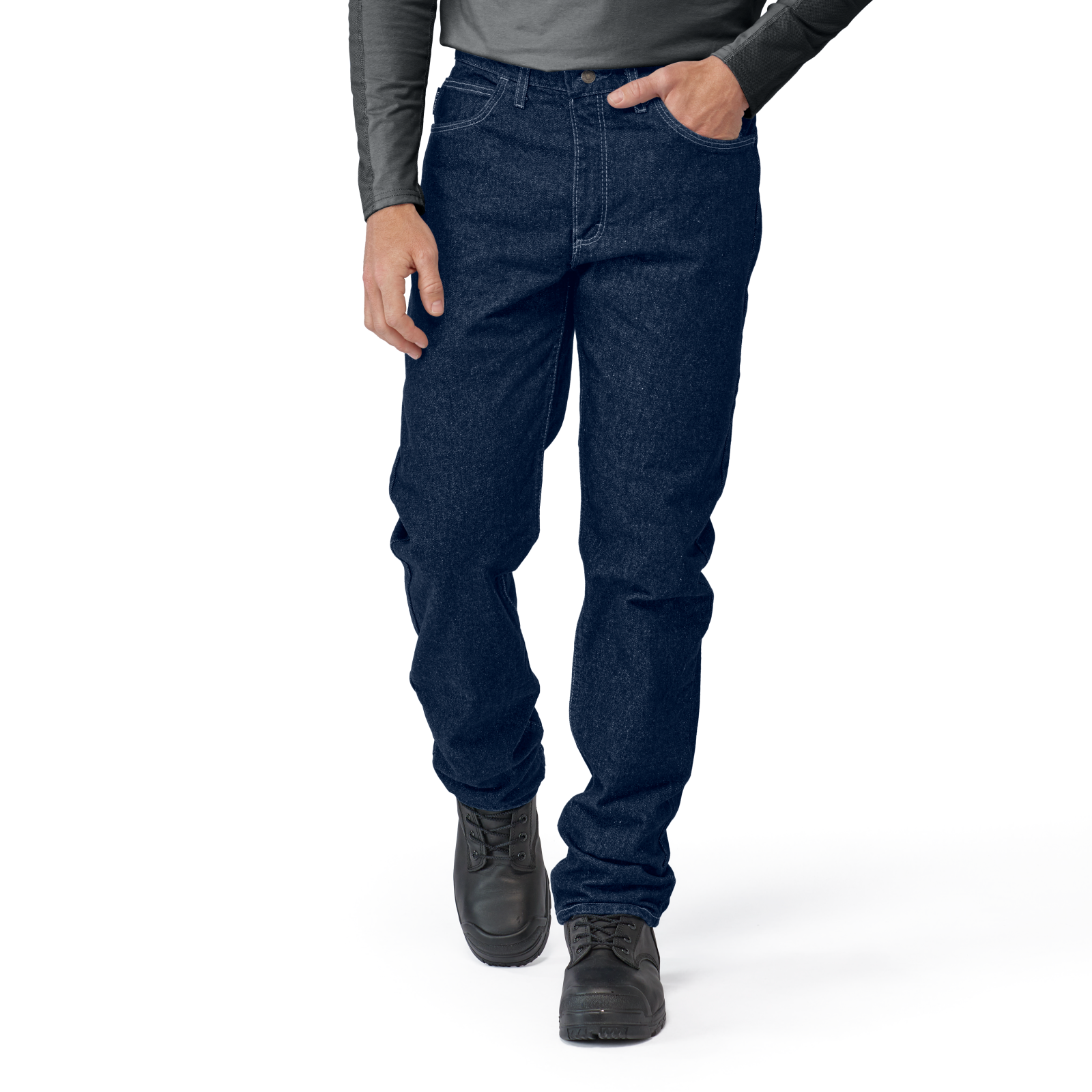
The Complete Guide to Specialist Workwear Manufacturing
Send your garment, work setting, materials, sizes, branding, quantity, destination, timeline, and required standards for a practical quote.