Custom Chef Pants for OEM and Private-Label Uniform Programs
Develop custom chef pants with Veelianpro through OEM, ODM, and private-label production from a stated 100-piece MOQ per style and color.
Related Workwear References for Custom Chef Pants Development
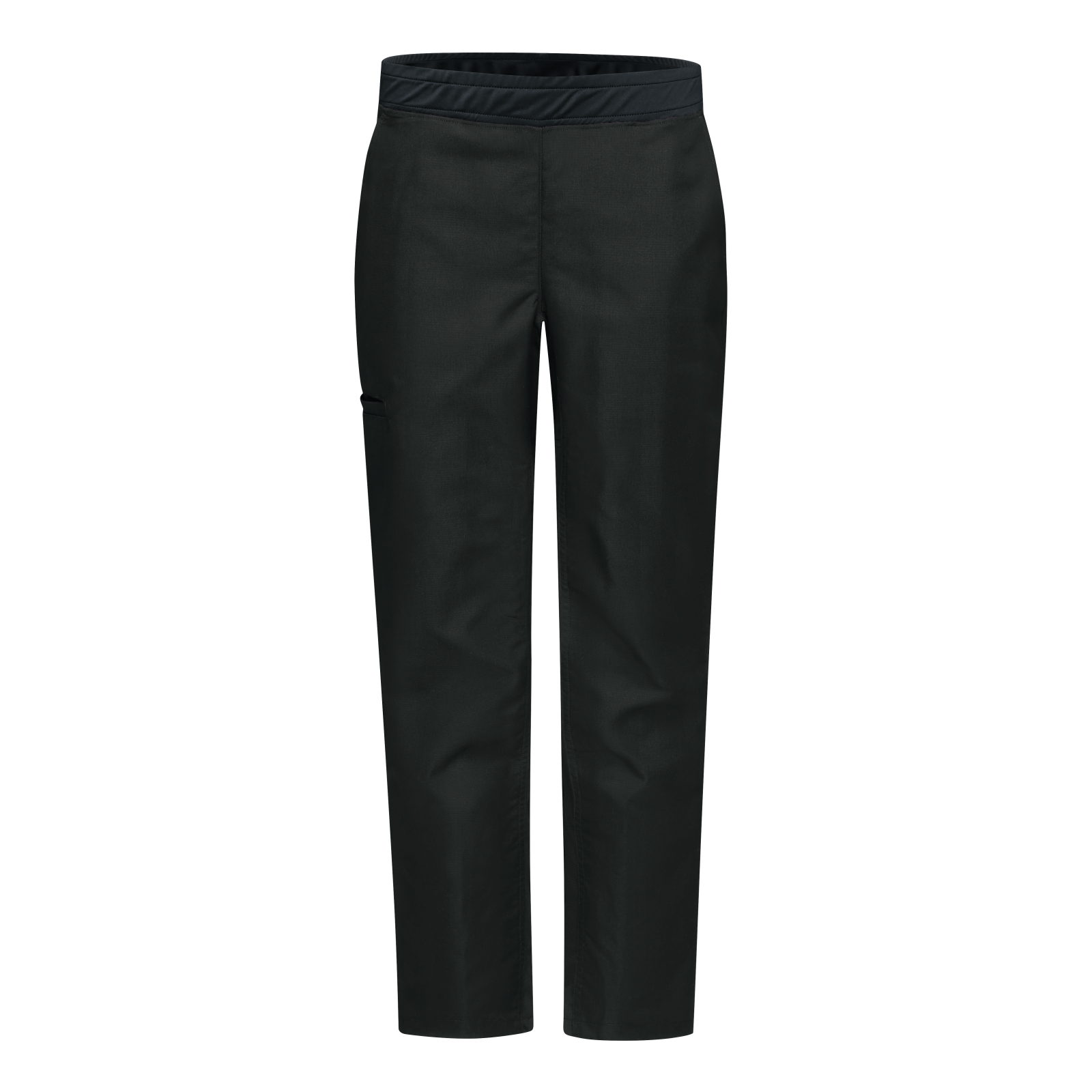

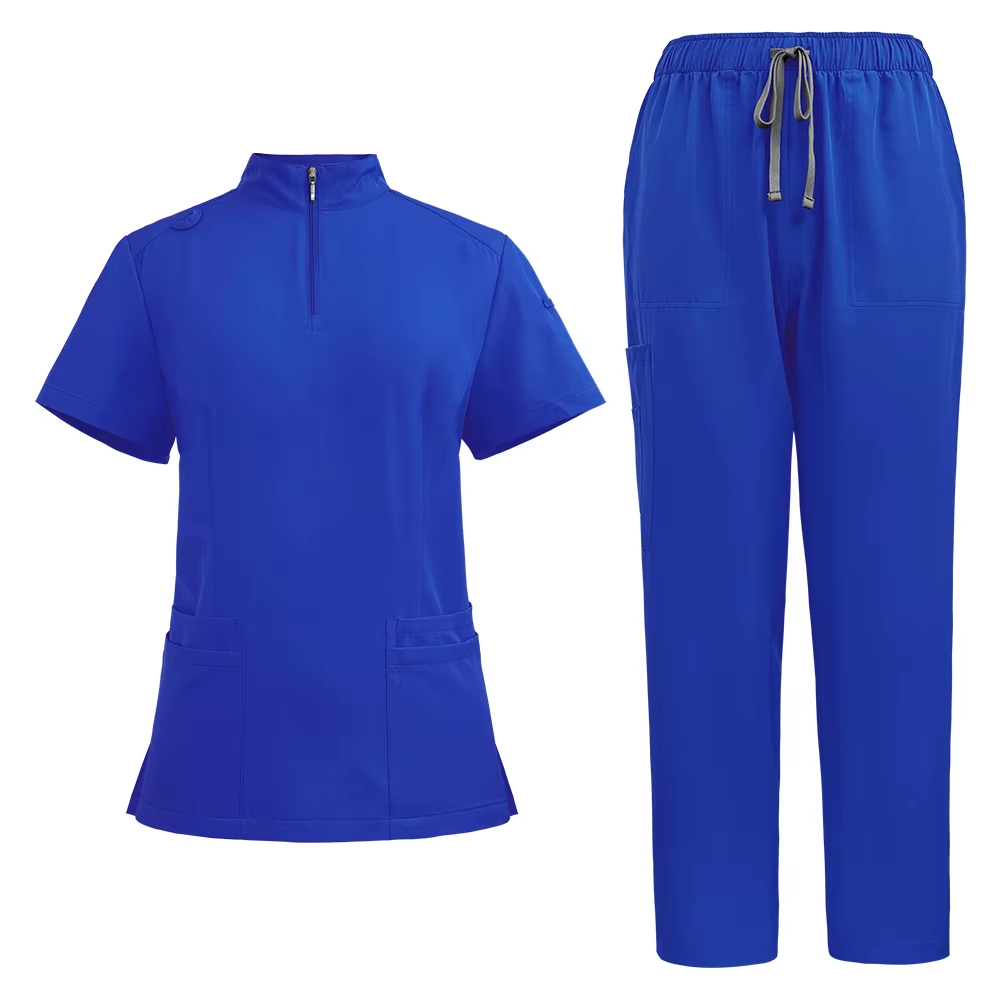

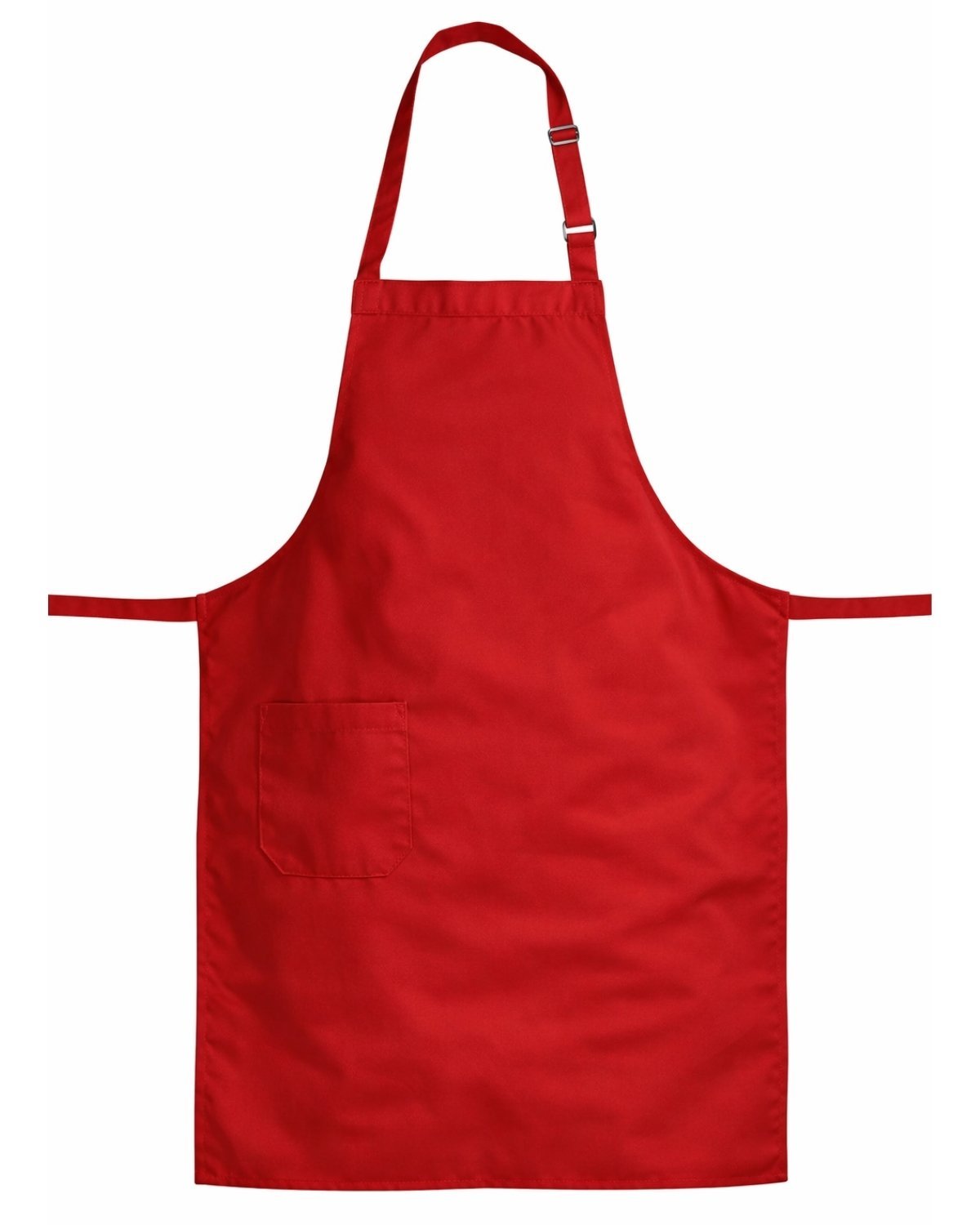


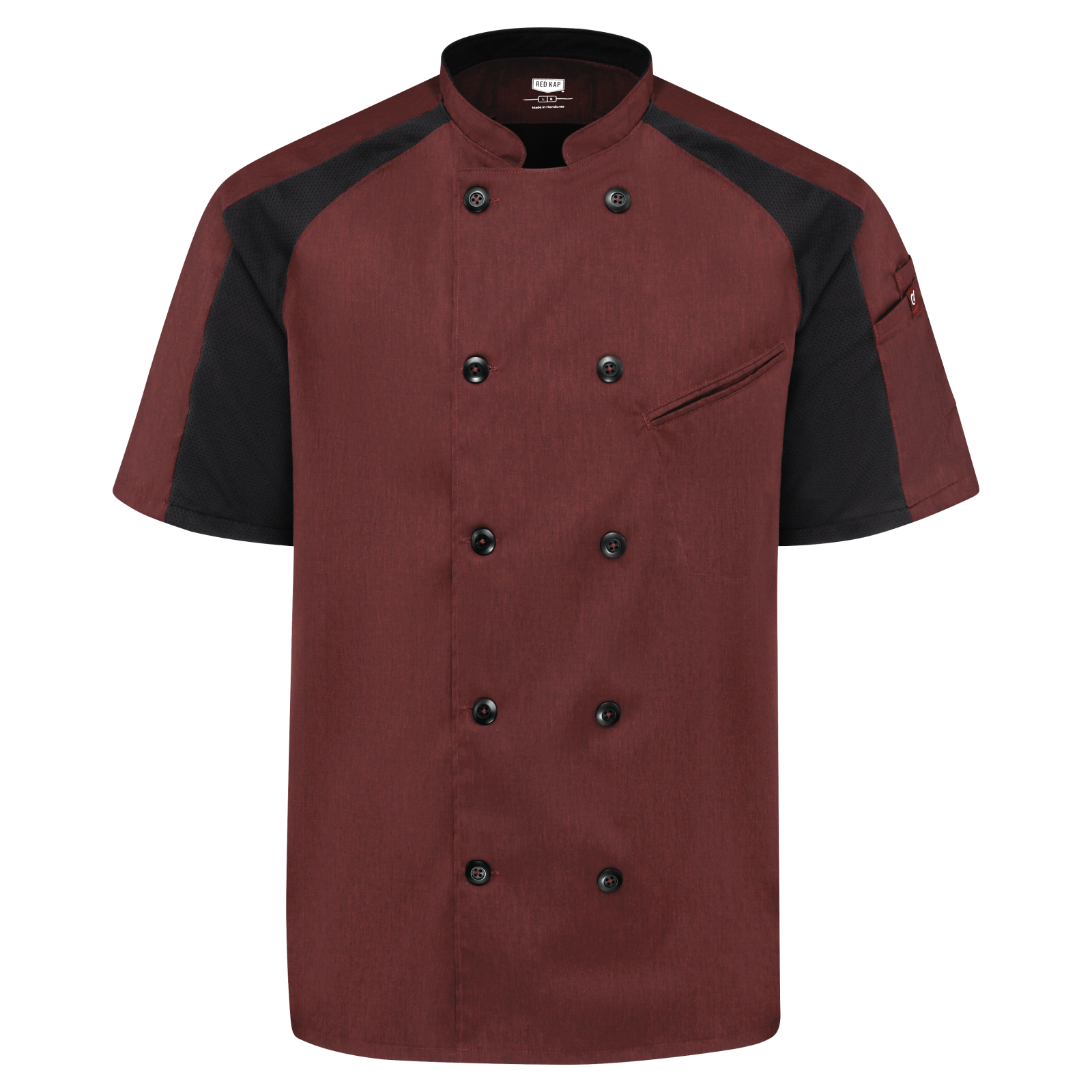


Related Product Catalogue and Quotation


Custom Chef Pants Advantages for Professional Kitchens
Build a consistent chef uniform program with configurable design, practical construction, branding control, sample review, and scalable B2B production support.
Configurable Kitchen Fit
Define waistband, leg shape, pockets, sizing, and gender-specific patterns around your kitchen uniform program needs.
Construction for Daily Wear
Select fabric weight, blends, and reinforcement details for demanding kitchen work and repeated commercial laundering.
Flexible Branding Options
Apply embroidery, heat transfer, screen printing, labels, or custom packaging to keep hospitality branding consistent.
Sampling Before Production
Review development samples before production, helping confirm fit, construction, decoration placement, and finish before final approval.
Scalable OEM Production
Scale from 100 pieces per style and color, subject to fabric, certification, construction, and project requirements.
Custom Chef Pants and Culinary Uniforms
Develop chef-pants and culinary-uniform programs from initial development through production, with coordinated options for kitchen and hospitality roles.

Work Shirts
Develop button-front or snap-front work shirts with long or short sleeves, chest pockets, reinforced stress points and branded labels. Fabric composition, weight, collar shape and closure details can be specified for hospitality teams, maintenance crews or service uniforms.
Request a Workwear Quote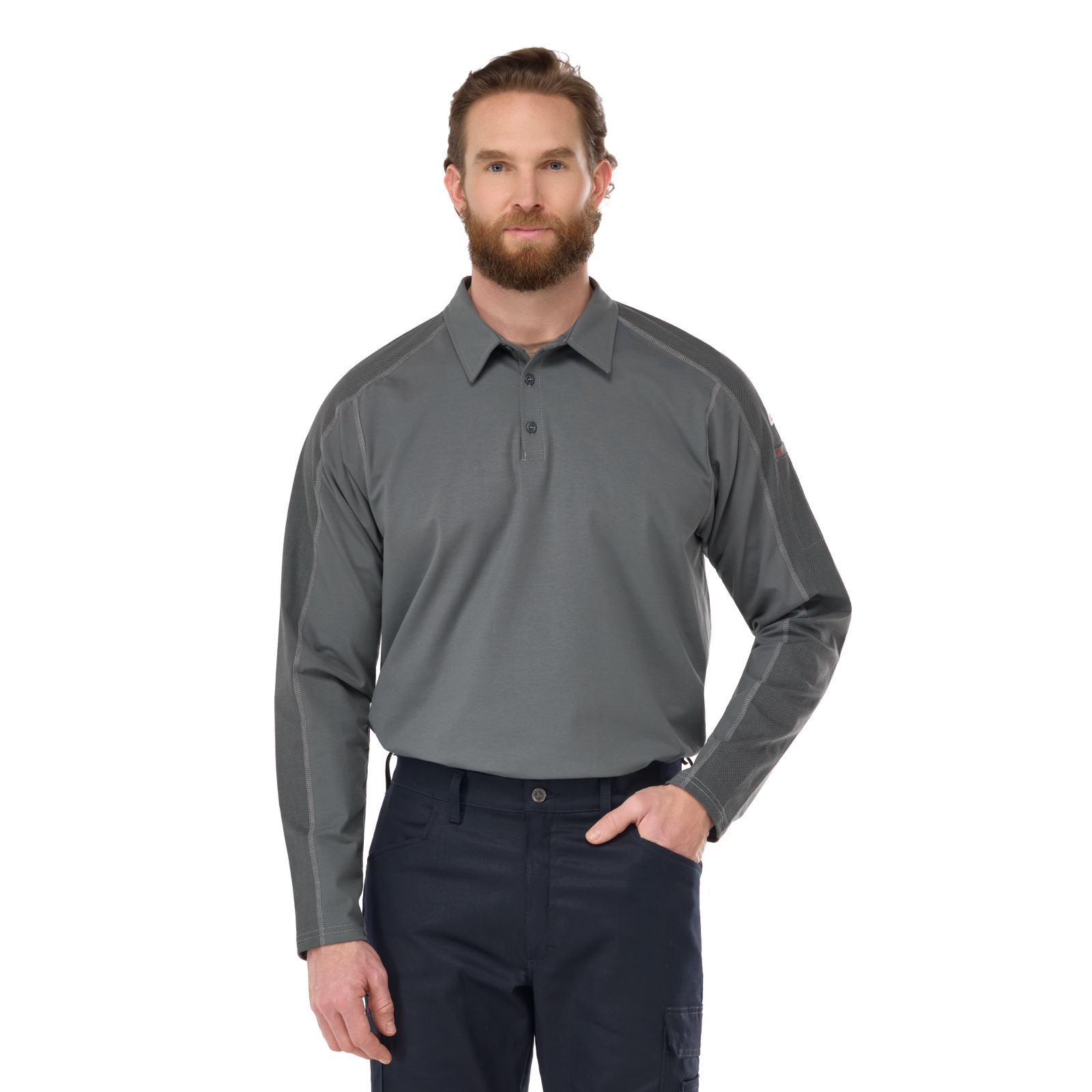
T-Shirts & Polos
Produce crew-neck tees, pocket tees and polo shirts for staff uniforms and promotional workwear programs. Buyers can define knit fabric, sleeve finish, collar construction, color blocking, embroidery, screen printing, transfers, woven labels and individual packing.
Request a Workwear Quote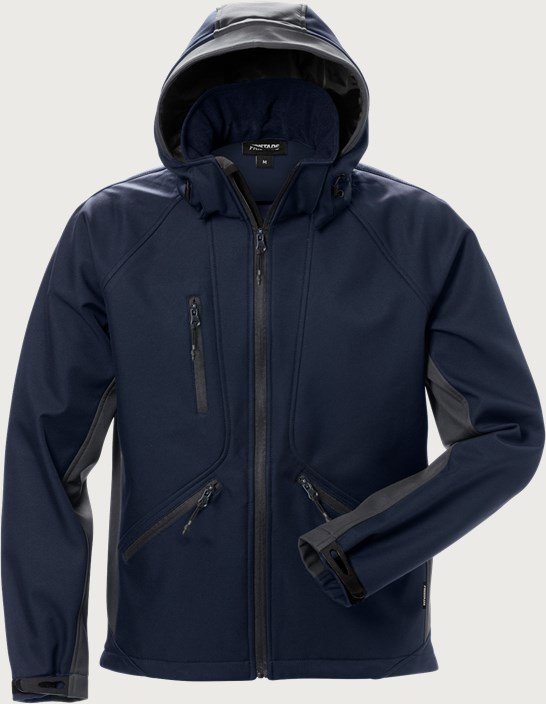
Work Jackets & Outerwear
Build outerwear programs including softshell, fleece, padded and rain jackets. Development can cover lining, weather-protection construction, pocket layouts, adjustable cuffs, reflective details and logo placement for outdoor service, transport, facilities and industrial teams.
Request a Workwear Quote
Work Vests & Bodywarmers
Specify utility vests, insulated bodywarmers and layered uniform pieces with practical pocket systems, front closures and decoration areas. Suitable for warehouse, service, event and field teams where an extra layer or accessible storage is needed.
Request a Workwear Quote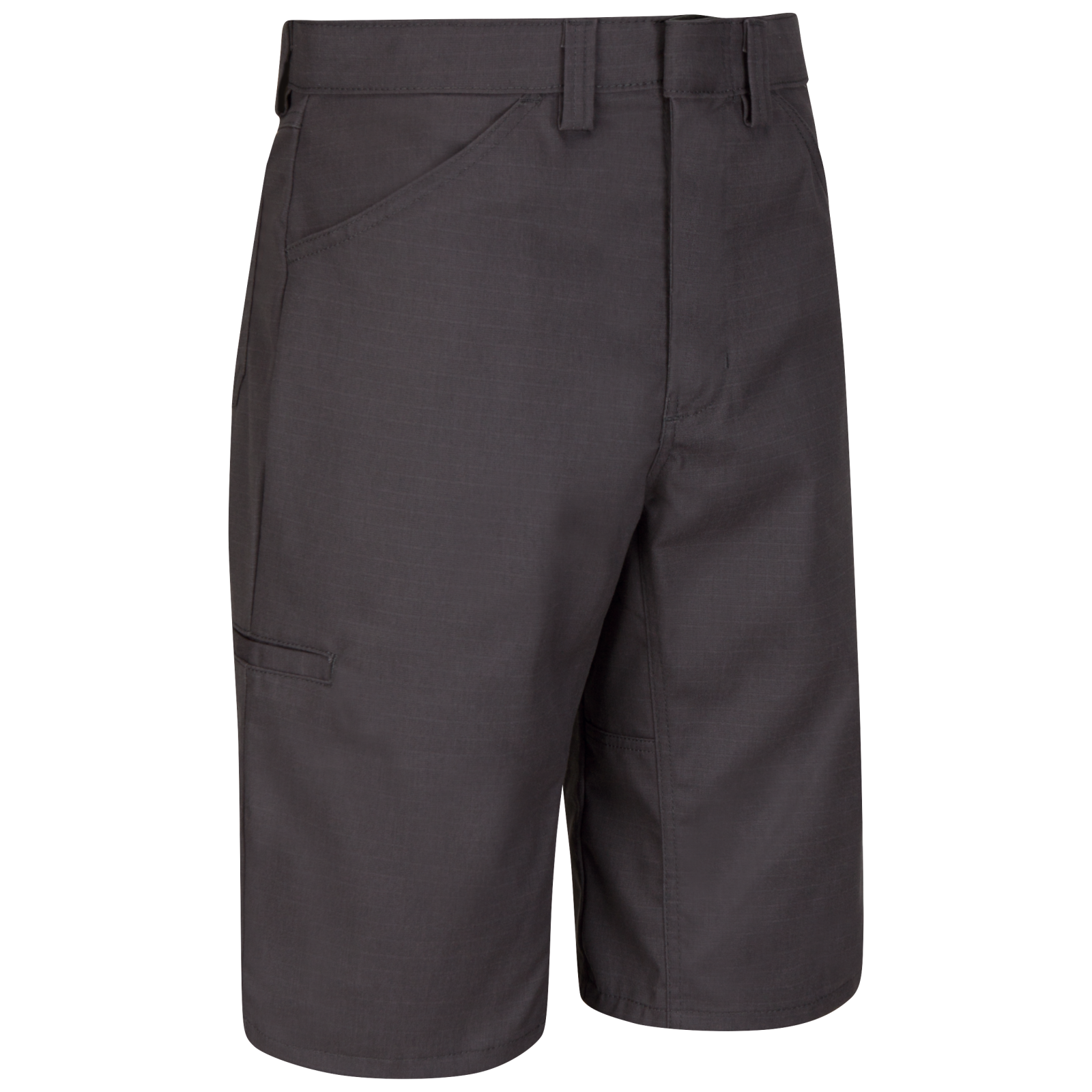
Work Pants & Shorts
Create work trousers, cargo pants and shorts with waistband choices, pocket configurations, reinforced knees, gussets, bartacks and triple-stitched seams. Fabric, fit range, length and branding can be developed around kitchen, hospitality, trade or maintenance use.
Request a Workwear Quote
Coveralls & Bib Overalls
Produce one-piece coveralls, bib overalls and coordinated protective work garments with selected closures, adjustable straps, pocket layouts and reinforcement. These styles support industrial, workshop and maintenance uniform programs, with construction defined to match the intended work setting.
Request a Workwear Quote
Workwear Sets
Coordinate shirts, pants, jackets, vests or coveralls into consistent two-piece and multi-piece workwear sets. Match fabrics, trims, colors and branding across roles while allowing different pocket systems or outer layers for supervisors, technicians and customer-facing teams.
Request a Workwear Quote
High-Visibility Workwear
Develop high-visibility garments with custom garment formats, contrast panels and reflective tape placement for the intended job environment. Any requested visibility classification or compliance claim requires the applicable standard and SKU-specific test evidence before it is presented as certified.
Request a Workwear Quote
Flame-Resistant & Arc-Rated Wear
Source and develop flame-resistant or arc-rated garment families, including shirts, pants, coveralls and outer layers, around the buyer’s specified protection requirements. Final performance claims, ratings and certification references must be supported by exact fabric, construction and tested SKU documentation.
Request a Workwear Quote
Chemical-Protective Clothing
Develop chemical-protective clothing concepts for buyer-defined exposure conditions, garment coverage and closure needs. Material selection, seams and component choices require review against the stated chemical and required standard; protective performance is not assumed without documented test evidence.
Request a Workwear Quote
Cold-Storage Workwear
Create insulated cold-storage apparel such as padded jackets, trousers, bib overalls and layered outerwear. Programs can address insulation construction, lining, closures, cuffs and pocket requirements; any temperature-performance statement requires documented evidence for the finished product.
Request a Workwear Quote
Welding Workwear
Develop welding garments with durable workwear construction, reinforcement and coverage suited to the specified task. Buyers can define garment type, fabric, closures, pocket placement and branding, while any flame, heat or welding-protection claim must be verified for the exact SKU.
Request a Workwear Quote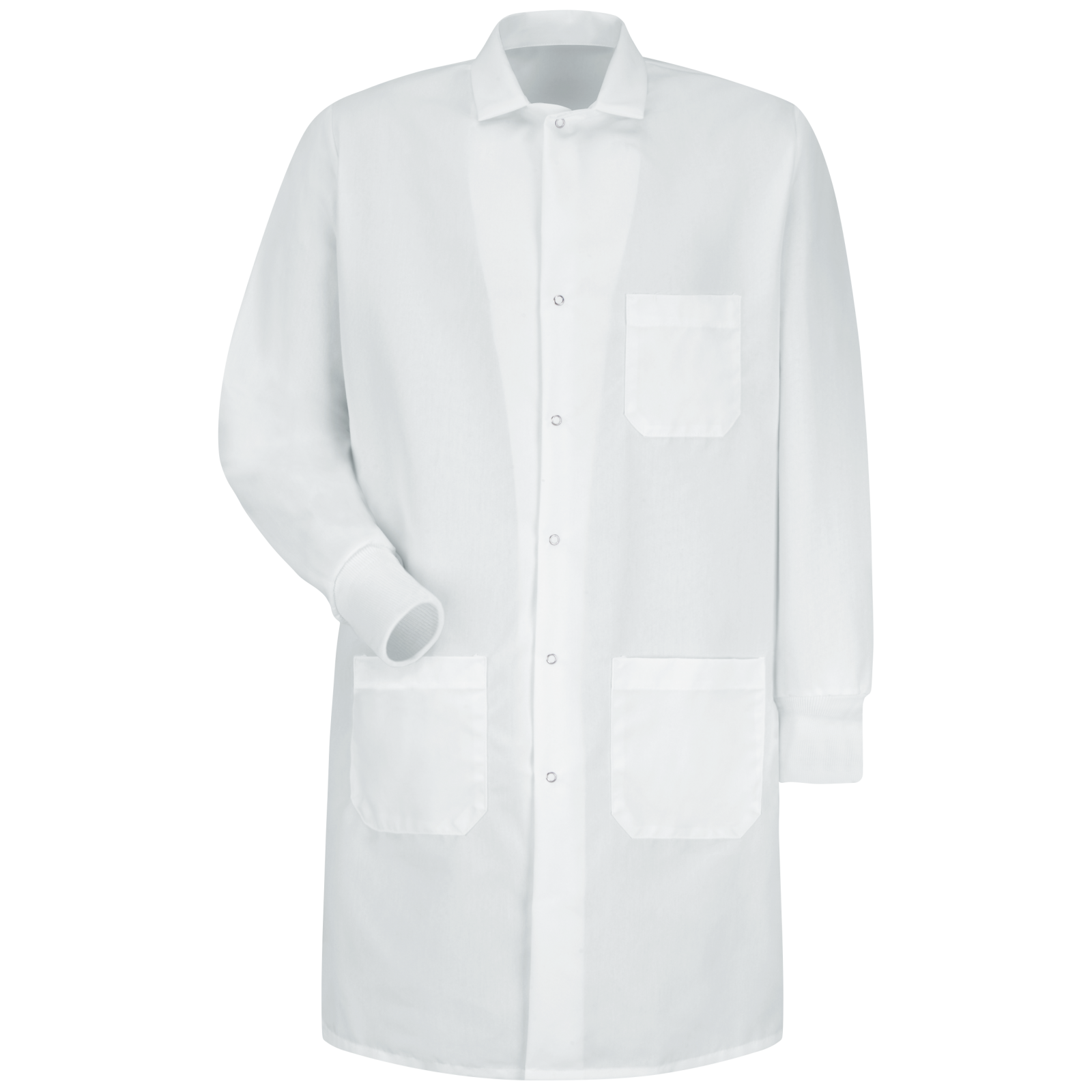
Medical & Cleanroom Wear
Produce medical scrubs, cleanroom garments and ESD-oriented uniform families with buyer-selected silhouettes, fabric and closure requirements. For cleanroom or electrostatic-control programs, required protocols, standards and test documentation should be defined before performance claims are made.
Request a Workwear Quote
Chef & Hospitality Uniforms
Develop chef pants, coats, aprons, and hospitality uniforms for kitchen, restaurant, hotel, and front-of-house teams. Define the chef-pant fit, waistband, pocket layout, check or solid-color direction, fabric requirements, decoration, labels, and coordinated role presentation before sampling.
Request a Workwear Quote
Industry Uniforms
Create industry-specific uniform programs for logistics, facilities, retail, transport, maintenance and service operations. Garment combinations can be tailored through fabric sourcing, pattern development, pockets, reinforcements, color systems and private-label presentation for each buyer’s market.
Request a Workwear Quote
Base Layers & Accessories
Add base layers and workwear accessories that complete a uniform range, including thermal layers, caps, aprons, belts, gloves or branded packaging where applicable. Details can align with the main garment collection through color, labels, decoration and packing requirements.
Request a Workwear QuoteCustom Chef Pants: Supported Fabrics and Materials



Custom Chef Pants Branding and Decoration Processes


Custom Chef Pants Trims and Accessories


About Veelianpro Custom Chef Pants
Hubei Veelianpro Workwear Co., Ltd. is a Wuhan-based manufacturer serving workwear brands, safety distributors, hospitality groups, service uniform buyers and enterprise sourcing teams. The company profile states that its workwear operation began in 2012, with a mission to turn buyer concepts, sketches, samples and tech packs into practical, brand-ready garments.
For custom chef pants, Veelianpro supports OEM, ODM, private-label and wholesale development from fabric and trim sourcing through pattern development, sampling, grading, cutting, sewing, decoration, quality checks, packing and export coordination. Buyers can define waistband construction, pocket layouts, fit, branding and size requirements, with a starting MOQ of 100 pieces per style and color subject to project conditions.
What distinguishes the team is a development-led process that connects kitchen uniform needs with broader industrial, safety and service apparel capability. Veelianpro can discuss embroidery, heat transfer, screen printing, patches, woven labels and custom packaging, while keeping protection ratings and certifications tied to SKU-specific test evidence rather than unsupported assumptions.
Core Custom Chef Pants Manufacturing Capabilities
Tech Pack to Production Plan
Veelianpro reviews your tech pack, sketch, sample, or product idea and converts it into a practical development plan. Buyers can define fabric composition, garment weight, waistband construction, pocket layout, fit targets, branding requirements, quantity, destination, and timeline before sampling begins.
- Tech-pack and specification review
- Fabric and trim feasibility checks
- Fit, construction, and branding clarification
- Quotation inputs aligned to project requirements

Pattern Development and Grading
Our development team supports pattern creation, revisions, and size grading for custom chef pants programs. Define relaxed, straight, or tailored proportions, gender-specific sizing, waistband details, pocket placement, and movement requirements for a consistent uniform range across your target size set.
- Custom pattern development from approved references
- Size grading across the required range
- Waistband, pocket, and fit adjustments
- Sample review before production confirmation

Fabric, Trims, and Reinforced Construction
Veelianpro helps source fabrics and trims suited to your intended kitchen uniform program, then coordinates cutting, sewing, reinforcement, and finishing. Construction discussions can cover seam strength, bartacks, pocket reinforcement, waistband details, color matching, and laundering expectations without assigning unsupported performance claims.
- Fabric weight, blend, and color selection
- Waistbands, pocket systems, labels, and trims
- Bartacks and targeted reinforcement options
- Construction decisions matched to use conditions

Branding, Inspection, and Export Support
Custom chef pants can be developed with embroidery, screen printing, heat transfer, patches, woven labels, care labels, and custom packaging. After production, Veelianpro coordinates quality checks, packing, and export support, while final approvals remain tied to the agreed specification, sample, and purchase order.
- Logo and private-label decoration planning
- Artwork and sample approval coordination
- Quality checks against approved requirements
- Packing and export coordination for B2B orders

Custom Chef Pants vs. Off-the-Shelf Decorated Pants
Compare a development-led chef uniform program with a stocked-garment decoration route. Starting MOQ is subject to fabric, certification and construction requirements.
← Swipe left or right to view →
Our Custom Chef Pants Production Process
A structured OEM, ODM and private-label workflow for developing chef pants from buyer brief through approved sample, production, quality control and export coordination.
Review Requirements
Share your chef pant concept, work setting, fabric, sizes, branding, quantity, destination and timeline. Veelianpro reviews feasibility against the project’s 100-piece starting MOQ.
Develop the Pattern
We confirm construction details, source suitable fabrics and trims, then develop the pattern, grading plan and sample specifications for your approval.
Approve the Sample
A prototype lets your team assess fit, waistband, pocket layout, comfort and branding placement before adjustments are finalized for production.
Produce and Inspect
After approval, Veelianpro cuts and sews the order with specified reinforcements, decoration and construction controls, followed by documented quality checks.
Pack and Ship
Approved chef pants are packed for export, with shipment coordination based on the confirmed destination, order requirements and quotation terms.
How to Develop Custom Chef Pants
From your first product idea to approved production, Veelianpro coordinates the specifications, sampling, quotation, manufacturing, shipment, and reorder process.
Submit Your Product Brief
Share a tech pack, sketch, sample, or product idea with garment type, intended kitchen use, fabric preferences, sizing, branding, quantity, destination, and timeline.
Confirm Specifications and Feasibility
Veelianpro reviews construction, fit, waistband, pockets, trims, decoration, fabric requirements, and any requested performance documentation before confirming a workable development direction.
Review Samples and Quotation
Assess sample garments, artwork placement, size grading, materials, and revisions, then review the quotation, MOQ, production timing, and shipment requirements.
Approve Production and Reorders
Approve the final specifications and order, then Veelianpro coordinates cutting, sewing, quality checks, packing, export shipment, and future reorder support.
Custom Chef Pants Certifications and Compliance Documentation


Custom Chef Pants Development Scenarios
Illustrative scenario: A restaurant-uniform buyer needs one kitchen-pant program for cooks and pastry staff but has no agreed fit or branding specification. Proposed solution: document the fit direction, size range, color, fabric requirements, pocket layout, and logo placement, then develop a sample. Intended acceptance criteria: approved measurements, usable pocket access, approved artwork placement, and a documented size and packing plan before production.
Illustrative scenario: A workwear-brand product manager has a chef-pants sketch but must choose between a traditional and relaxed silhouette before a private-label launch. Proposed solution: translate the selected direction into a pattern, construction notes, care-label content, and packaging specification for sample review. Intended acceptance criteria: the sample matches the approved measurement chart, construction notes, label content, and packaging proof.
Illustrative scenario: A hospitality distributor needs chef pants for several sites with different size breakdowns and packing destinations. Proposed solution: prepare one specification covering fabric and trim choices, waistband and pockets, decoration, size allocation, and packing instructions. Intended acceptance criteria: approval of the size breakdown, garment sample, decoration proof, and site-specific packing record before bulk release.
Custom Chef Pants FAQ for B2B Buyers
Practical answers on specifications, sampling, branding, MOQ, compliance and production planning.
What is the MOQ for custom chef pants?
Can Veelianpro develop custom chef pants for OEM, ODM or private-label programs?
How much does a custom chef pants sample cost?
How long does custom chef pants production take?
How are shipping costs calculated for custom chef pants?
How are logos and artwork approved for custom chef pants?
Can I protect my brand files and custom chef pants design?
Do custom chef pants need specific protection standards or certificates?
Custom Chef Pants: A Buyer’s Sourcing Guide
A practical framework for selecting fit, fabrics, functional details, customization, and supplier controls—plus the sampling, quote-review, and ordering mistakes procurement teams should avoid.
1. What Are Custom Chef Pants?
Custom chef pants are kitchen work trousers specified around how a culinary team moves, carries small tools, is fitted, laundered, and identified on shift. The useful definition is broader than a logo: it includes silhouette, rise and leg ease, waistband adjustment, pocket layout, fabric composition and care target, color, and brand presentation.
A stocked-style program starts with an existing pant silhouette and applies approved decoration, labels, or packaging where feasible. A private-label program begins with a specification—such as a straight or relaxed fit, elastic waistband with drawstring, selected pocket system, grading, fabric and trim choices, construction details, and branding—then moves through pattern development and sampling before production.
The buyer’s first question is not simply which chef pant looks right; it is which requirements must remain consistent across every size, color, and reorder. Put the intended kitchen setting, wearer roles, size range, fit reference, wash routine, required pockets, artwork method and placement, quantity, destination, and timeline in the brief; include any sample or approval criteria that affect acceptance. Veelianpro can develop from a tech pack, sketch, sample, or product idea, with MOQ starting at 100 pieces per style and color, subject to fabric, certification, and construction requirements.
2. Planning a Chef-Pants Specification
Start with the wearer and shift rather than a generic “chef pant” label. A prep team, an open-kitchen team, and a culinary-school program can require different fit direction, pocket access, presentation, and size allocation. Name the role for each proposed style so the sample can be judged against a defined use case.
Make pocket layout a line item in the brief. State what the wearer is expected to carry, where it must be accessible, and whether an apron will cover the area. Each additional pocket, closure, or reinforcement changes the pattern, component list, sewing steps, and appearance, so it should be shown on the approved garment drawing rather than left to interpretation.
For a uniform program, control the shared elements—color direction, labels, artwork, care-label content, and packing—while recording any role-specific fit or storage differences. Veelianpro can begin from a tech pack, sketch, sample, or product idea. Consolidate variants only when the same approved pattern and specification genuinely serve the intended roles.
3. Types of Custom Chef Pants
Fit changes how a kitchen uniform works: unrestricted bending and airflow may matter more on prep, while a cleaner silhouette can suit visible service. Build the pattern around tasks rather than assuming one custom chef pants block fits every role.
| Type | Movement And Heat | Storage | Best-Fit Role |
|---|---|---|---|
| Baggy | High ease; airy silhouette | Basic pockets | Prep, bakery, students |
| Straight-fit | Balanced mobility and appearance | Basic pockets | Line and all-purpose teams |
| Tapered or slim-fit | Closer silhouette; validate mobility | Minimal to basic | Open kitchen or service crossover |
| Cargo or utility | Depends on pocket bulk | Expanded utility storage | Prep or mobile support |
| Scrub-style or shorts | Simple or cooler-leg option | Usually basic | Training or approved warm areas |
Core Fit Profiles

Baggy pants leave the most visual and physical ease for prep, bakery, and culinary-school movement. Straight-fit pants create a neater line with less excess fabric around equipment and stools.
Tapered or slim-fit pants favor front-of-house crossover and open-kitchen presentation, but require pattern review for crouching, lifting, and long shifts.
Utility And Warm-Weather Options
Cargo or utility pants add storage for small work items, but pocket placement should be reviewed with the apron, workstation, and task in mind. Scrub-style pants can be specified as a simpler option for training kitchens or back-of-house teams.
Before selecting shorts for any role, confirm the workplace dress and safety requirements and define the intended hem length in the brief.
Choose A Coordinated Range
One straight-fit pattern can simplify grading, sampling, and replenishment for a small team. It becomes a compromise when prep, line, bakery, and guest-facing roles have different movement, storage, or appearance requirements.
A coordinated range can share color, branding, and waistband direction while using role-specific silhouettes. Record each silhouette as a separate style before requesting a quotation.
4. Custom Chef Pants Materials and Care
Fabric selection is a specification and approval decision, not just a fiber name. State the requested composition, weight, construction, color standard, finish if any, planned care process, and intended kitchen setting together. Then approve the actual fabric swatch and sewn sample; a generic material label does not define the supplied fabric or finished garment.
| Material | Briefing Focus | Approval Evidence | Care Review |
|---|---|---|---|
| Cotton | Requested hand feel, weight, and fabric construction | Approved swatch, composition, and color reference | Confirm the selected fabric’s care instructions and sample evaluation plan |
| Polyester | Requested hand feel, weight, and fabric construction | Approved swatch, composition, and color reference | Confirm the selected fabric’s care instructions and sample evaluation plan |
| Cotton-Polyester Blend | Requested hand feel, weight, and fabric construction | Approved swatch, composition, and color reference | Confirm the selected fabric’s care instructions and sample evaluation plan |
Compare Core Fiber Choices
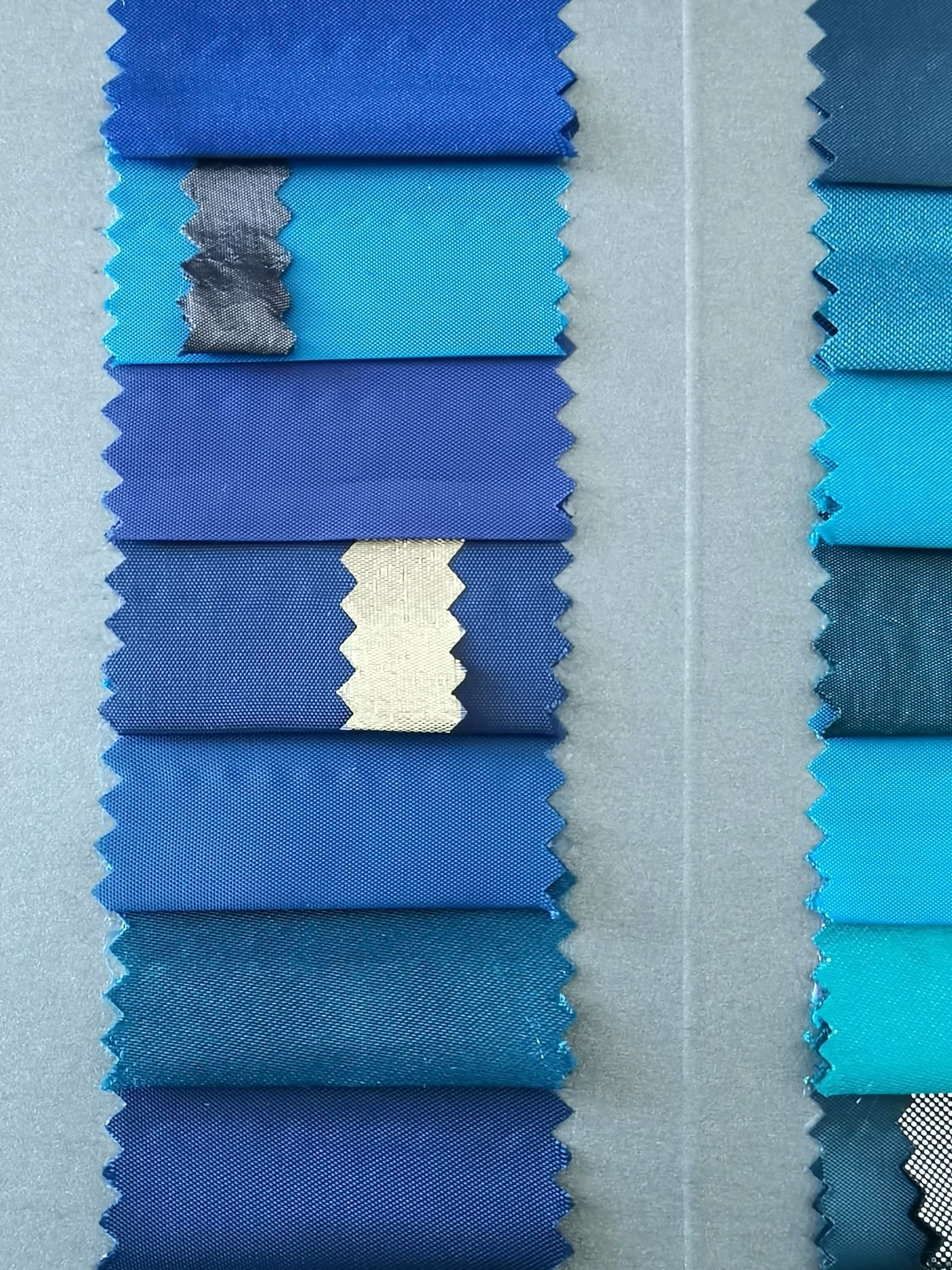
Do not approve cotton, polyester, or a blend from the fiber name alone. Ask for the proposed composition, weight, construction, color reference, finish if applicable, and care instructions for the actual fabric offered. Compare those records with the approved swatch and sewn sample before locking the bill of materials.
Match Fabric To Kitchen Conditions
For each kitchen role, state the shift conditions, expected garment changes, likely food exposure, and laundering process in the brief. Use that information to set the sample evaluation: appearance after the buyer’s planned care routine, shade consistency against the approved reference, and continued acceptability of the selected construction and decoration.
Define Laundry Requirements Early
Include the planned commercial-laundry method in the development brief and request care guidance for the proposed fabric. Before bulk approval, evaluate a sample through the buyer’s intended laundry routine against documented appearance, measurement, color, trim, and decoration acceptance criteria.
5. Custom Chef Pants Customization Options
Customization works best when the visual brief is tied to the pant fabric, wear location, and laundry routine. Veelianpro can develop color, trim, decoration, labels, and packaging from a tech pack, sketch, sample, or product idea.
| Option | Best Use | Proof Detail To Approve |
|---|---|---|
| Embroidery | Bold, simplified logo | Stitch area and thread colors |
| Screen Printing | Larger graphic on suitable fabric | Artwork colors and print position |
| Heat Transfer | Fine or multi-color artwork | Transfer size and wash requirement |
Colorways And Pattern Direction
Solid colorways keep a uniform program simple to replenish, while checks or stripes make culinary roles immediately recognizable. Specify the intended base color, pattern scale, and whether every size and production lot must match an approved swatch.
Patterned fabric can compete with small artwork. Reserve a clear solid panel, pocket area, or waistband detail when the logo must remain legible.
Decoration And Placement
Choose embroidery, screen printing, heat transfer, patches, labels, or another offered method only after reviewing the artwork, placement, fabric, and intended care process together. Ask for a method-specific proof and approve a decorated sample where the visual result or care outcome is important.
Review a thigh, back-pocket, or waistband placement on the garment view and sample, not only on a flat logo file. Record the location from fixed garment reference points so the approval can be reproduced.
Labels Packaging And Proofs
Private-label programs can combine woven labels, care labels, patches, and custom packaging. Confirm which label carries size, care information, origin details, and buyer branding before artwork is released.
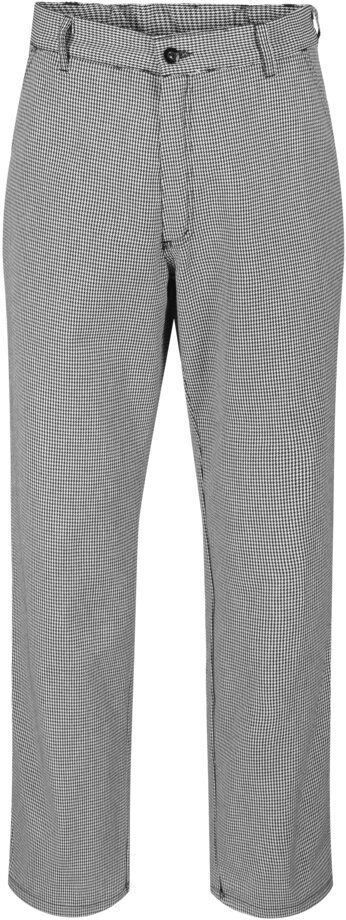
Illustrative specification example: black-and-white check pant; 60 mm wide embroidered logo centered 80 mm below the left front pocket opening; woven main label at back waist; individual polybag with size sticker. This is a documentation example, not a production promise.
6. Construction Details That Matter
Construction details should be defined for the intended movement, fit review, and care routine. Specify the waistband, pockets, seams, hem, and grading rules in the tech pack so the approved sample provides a controlled production reference.
Waistband And Fly Systems
Elastic-back, full-elastic, and elastic-and-drawstring waistbands are distinct construction choices. Define the selected system, whether a fly is required, and the intended fit adjustment before pattern approval.
Specify drawcord channel width, exit points, cord ends, and anchoring in the tech pack. Check the approved sample against those details after the buyer’s planned care evaluation, and record any revision before bulk approval.
Rise And Leg Shape
Review rise, thigh ease, crotch shape, knee ease, leg opening, and finished inseam against the movements expected for the role. Baggy, straight, and tapered directions should be documented as distinct fit specifications rather than assumed to be interchangeable.
Use wearer trials to record any requested changes before size grading. Check left-to-right symmetry and the agreed measurements on the sample, then incorporate approved revisions into the production specification.
Pockets And Reinforcement

Set pocket placement according to what the role is expected to carry, such as a pen, order pad, thermometer, phone, or small tools. Review access, pocket depth, and bulk during wearer trials with the intended apron and work tasks.
Define pocket dimensions, opening angle, closure if needed, and reinforcement points. Where bartacks or reinforced seams are requested, show their locations and construction requirements in the tech pack and approve them on the sample.
Hems And Size Grading
Specify hem depth, stitch construction, finished inseam, and whether the program needs multiple inseams. Evaluate the hem on the sample through the buyer’s intended wear and care review.
Grade each size from an approved base pattern and review the full measurement chart, not only one sample size. Record acceptance tolerances and verify rise, pocket position, and leg measurements across the agreed size set before bulk approval.
7. Choosing a Custom Chef Pants Manufacturer
A capable manufacturer turns a kitchen brief into controlled specifications, rather than treating chef pants as a stock garment with a logo added later. Evaluate the handoffs that protect fit, fabric identity, decoration, packing, and quoted scope.
| Control Point | Evidence To Approve | Why It Matters |
|---|---|---|
| Fabric and trims | Composition, weight, color, and component list | Prevents substitutions |
| Sample and size set | Approved sample and measurement chart | Controls fit across sizes |
| Artwork and packing | Placement proof and packing specification | Protects brand presentation |
Test The Development Conversation
Give the factory a tech pack, sketch, sample, or product idea, then assess whether the feasibility review addresses fabric composition and weight, waistband, pockets, size range, branding, destination, timeline, and any required certification scope.
Veelianpro supports fabric and trim sourcing, pattern development, size grading, cutting, sewing, finishing, and export coordination. Confirm the applicable MOQ in the individual quotation once the style, color, fabric, construction, and any certification requirements are defined.
- Confirm named fabric and trim specifications
- Define pocket and waistband construction
- State the intended laundering routine
Control Samples And Artwork
A sample should be an approval gate, not a visual formality. Check the garment against the approved pattern, fabric and trim list, then approve artwork size, placement, colors, and method before production.
Request a size-set review using the agreed measurement chart; record any grading changes in writing. Veelianpro can develop samples and offers embroidery, screen printing, heat transfer, patches, woven labels, care labels, and custom packaging.
Inspect The Quote And Pack Plan
Ask for quality checkpoints and packing requirements in the quotation: measurement tolerance review, workmanship inspection, label content, folding method, polybag or carton needs, carton marks, and export documents. Unlisted requirements can become change requests.
Illustrative procurement scenario: a uniform buyer submits a black chef-pant brief with a woven label and embroidered logo, approves a size set, then uses the approved sample and packing sheet as the production inspection reference.
8. Common Custom Chef Pants Buying Mistakes
Most avoidable failures surface after wear trials or during the first reorder, when an assumption becomes a production constraint. Put the operating requirement into the tech pack and approve it on the sample before bulk release.
Choosing Fabric By Appearance
A swatch should not be the only approval record for a proposed fabric. Specify composition, weight, color standard, construction, planned care routine, and the approved fabric swatch.
Review the sewn sample under expected kitchen movement and lighting, then assess it against the buyer’s documented fit, appearance, and care acceptance criteria.
Skipping Movement Tests
A standing fit check alone does not document whether the sample meets the movement requirements defined for the role.
Have wearers squat, step, bend, reach, and carry typical tools in the sample. Record the buyer’s acceptance decisions for fit ease, rise, inseam, and any requested gusset or reinforcement.
Approving Unproven Logo Methods
Artwork approval alone does not document the approved garment placement, decoration method, or buyer acceptance criteria for the intended care routine.
State artwork size, location, colors, decoration method, and laundry routine. Where the visual result or care outcome matters, approve a decorated sample in addition to the digital artwork proof.
Leaving Waist And Pockets Vague
An unspecified waistband can fit differently across a mixed team, while generic pockets may not hold the items a role actually carries. The consequence is avoidable dissatisfaction and unplanned style changes.
Define elastic, drawstring, fly, belt-loop, pocket count, pocket positions, and closure requirements. Confirm these details on the production sample.
Using Incomplete Size Data
A size range without a measurement chart, grading rules, or role-specific fit requirement creates inconsistent ordering. Exchanges and reorder mismatches then consume program time.
Provide the approved size chart, garment measurements, size breakdown, inseam needs, and fit reference. Include separate fit blocks when the program requires them.
Comparing Unlike Quotes
A lower unit figure is not comparable when fabric, trims, decoration, sampling, packing, inspection, or export coordination differ. Missing inclusions can return later as revisions or separate charges.
Compare a line-by-line specification, not a headline price. Confirm MOQ, sample scope, production timing, delivery term, and every inclusion in the individual quotation.
9. Launching a Custom Chef Pants Program
A reliable chef-pants launch converts kitchen needs into a controlled specification before bulk production. Keep decisions traceable from the role brief through sample approval, packing, and reorders.
Build The Role Brief
Define the wearer group, fit direction, waistband, pocket layout, color, fabric target, care routine, and destination. Attach a tech pack, sketch, or marked reference sample so pattern and trim decisions have one source of truth.
List logo location, artwork file, decoration method, size range, and any separate fit blocks. Confirm the conditional MOQ with Veelianpro after fabric, certification requirements, construction, style, and color are fixed.
- Kitchen role and movement needs
- Approved artwork and placement
- Fabric and care requirement
- Size range and destination
Approve Samples Methodically
Review the sample on intended wearers rather than approving from flat photographs alone. Check waist adjustment, rise, leg shape, pocket access, logo position, seam appearance, and shade against the approved brief.
Wash evaluation should follow the program’s intended care process and record changes observed; it is an approval check, not a performance claim. Send one consolidated revision list, then approve the revised sample or production specification in writing.
Lock Production And Reorders
Issue a production approval that identifies the approved sample, final artwork, graded measurement specification, size breakdown, labels, folding method, polybag or carton instructions, and shipping marks. Preserve these records with dated photos and revision numbers for repeatability.
Hypothetical size-run worksheet: the 120 planned pieces below total 120 (20 + 40 + 35 + 25) and should be allocated only after the final size chart and buyer demand are confirmed.
| Size | Planned Pieces | Approval Record |
|---|---|---|
| S | 20 | Final size chart |
| M | 40 | Final size chart |
| L | 35 | Final size chart |
| XL | 25 | Final size chart |
10. Custom Chef Pants Cost Drivers
Fabric construction, waistband design, pocket layout, and decoration change the materials and operations included in a custom chef-pants quotation. A direct price comparison is meaningful only when every factory is quoting the same approved specification, including fabric composition and weight, size range, color, fit, pocket count, waistband, artwork method, labels, packaging, inspection scope, and delivery term.
MOQ, sampling charges, production timing, freight, duties, and payment terms are quotation-specific. Confirm them after the style, fabric, construction, sample scope, and delivery requirements are defined; do not treat them as universal product-page promises.
| Cost Driver | What Changes Cost | Quote Must Specify |
|---|---|---|
| Fabric and pattern | Fabric choice, print or color, grading, and a simple versus multi-panel pattern affect sourcing, cutting, and sewing. | Composition, weight, color or print, size range, fit, and approved pattern. |
| Pockets and waistband | Extra pockets, cargo details, elastic sections, drawstrings, closures, and reinforcement add components and operations. | Pocket count and placement; waistband construction; closure, drawstring, and reinforcement details. |
| Branding and presentation | Embroidery, screen printing, heat transfer, patches, woven labels, care labels, and custom packaging require different inputs. | Artwork, placement, dimensions, colors, label content, packaging method, and proof approval. |
| Quantity, sample, and logistics | Order quantity affects production planning; samples and freight require their own defined scope. | Pieces per style and color, sample requirements, inspection, destination, Incoterm, freight mode, and inclusions. |


Request Your Custom Chef Pants Quote Today
Send your tech pack or product idea with quantity, fabric, sizing, branding, destination, and timeline for a practical production review.