
Chef Coat Manufacturer for OEM Hospitality Workwear
As a chef coat manufacturer, Veelianpro supports OEM, ODM and private-label programs from 100 pieces per style and color.
Featured Chef Coat and Hospitality Workwear Development

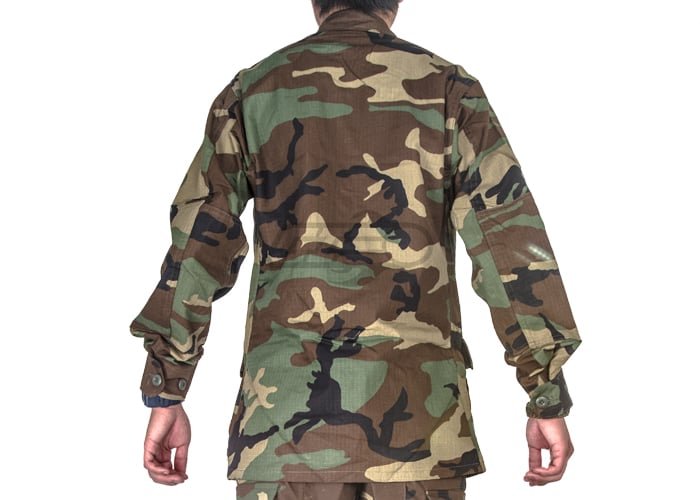
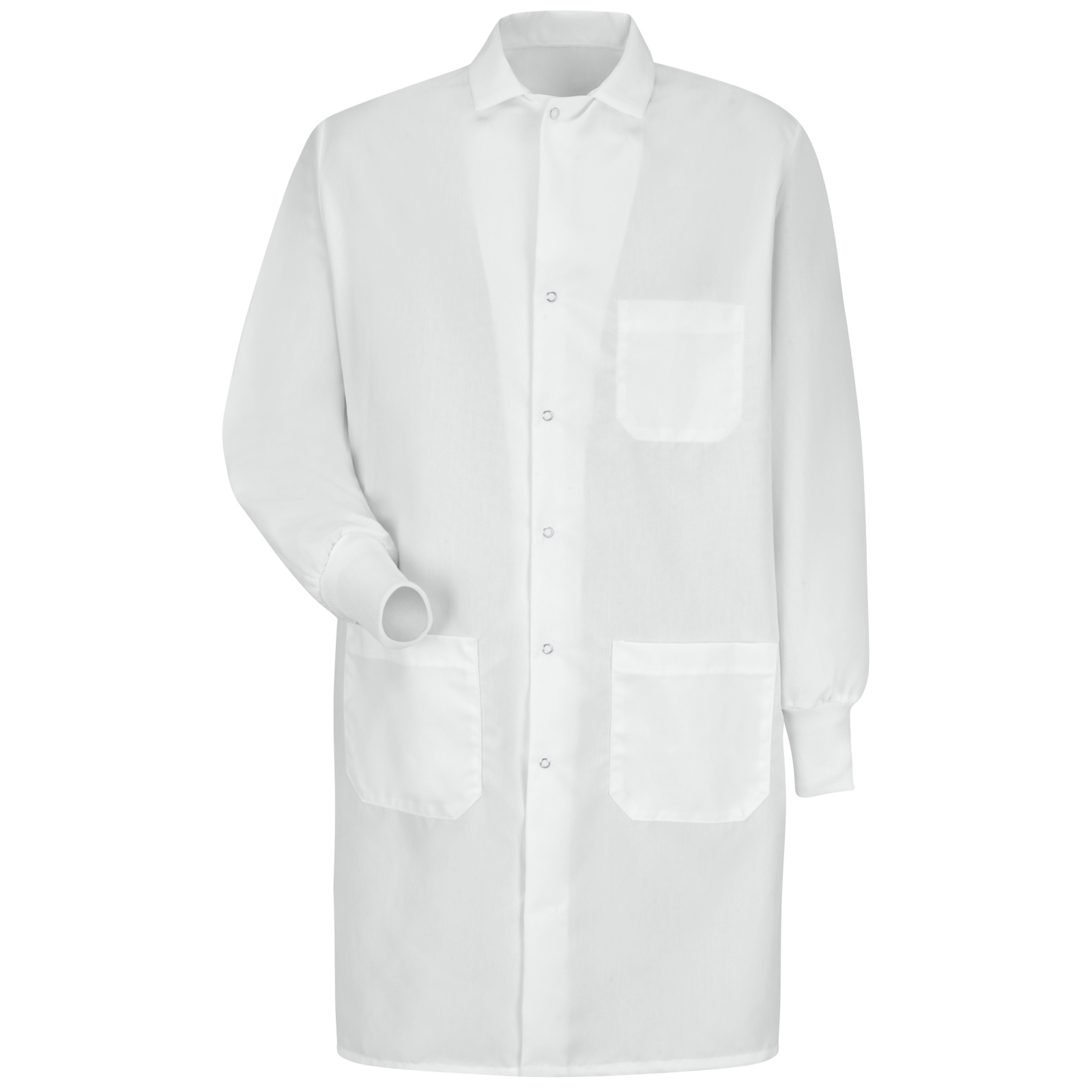
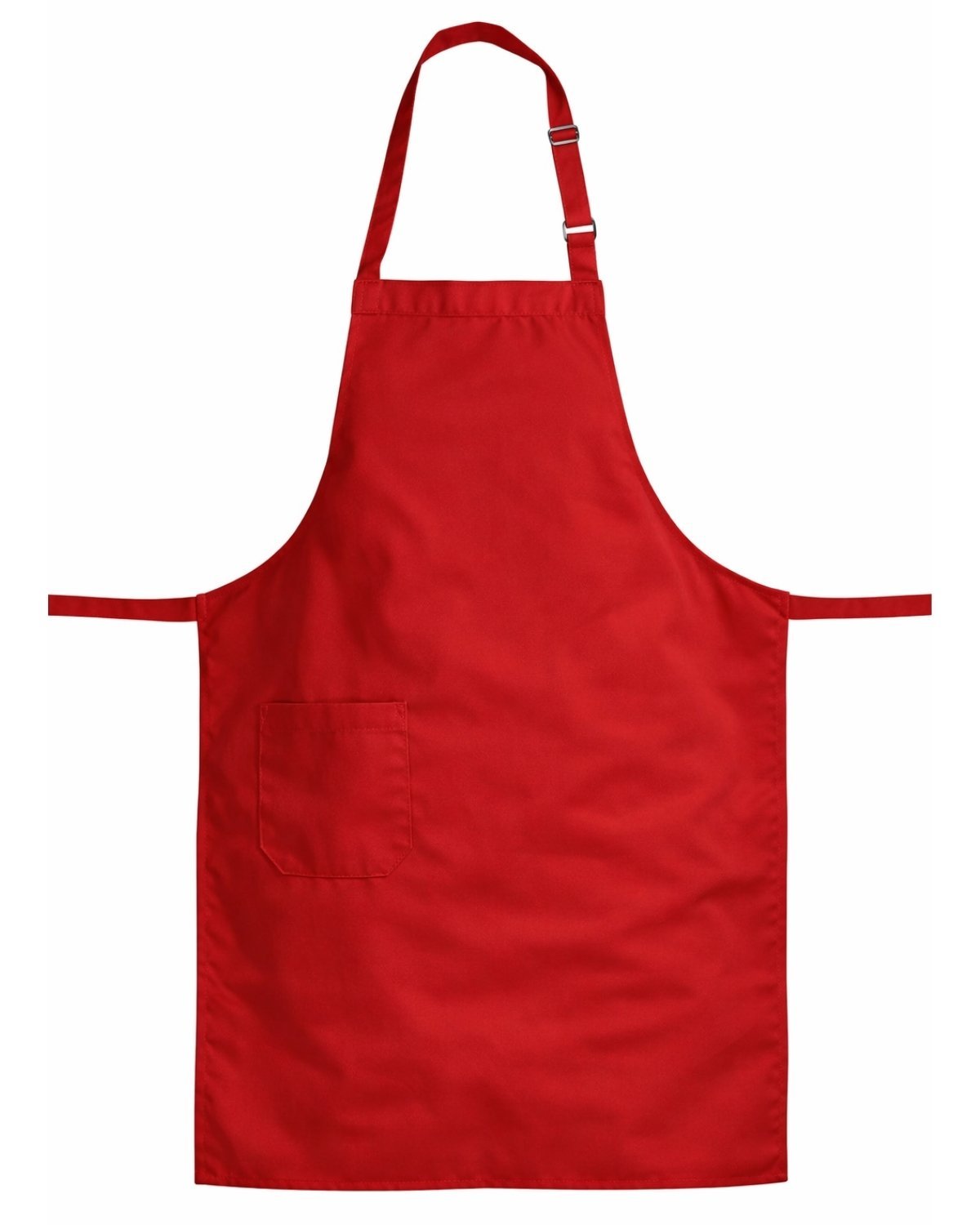
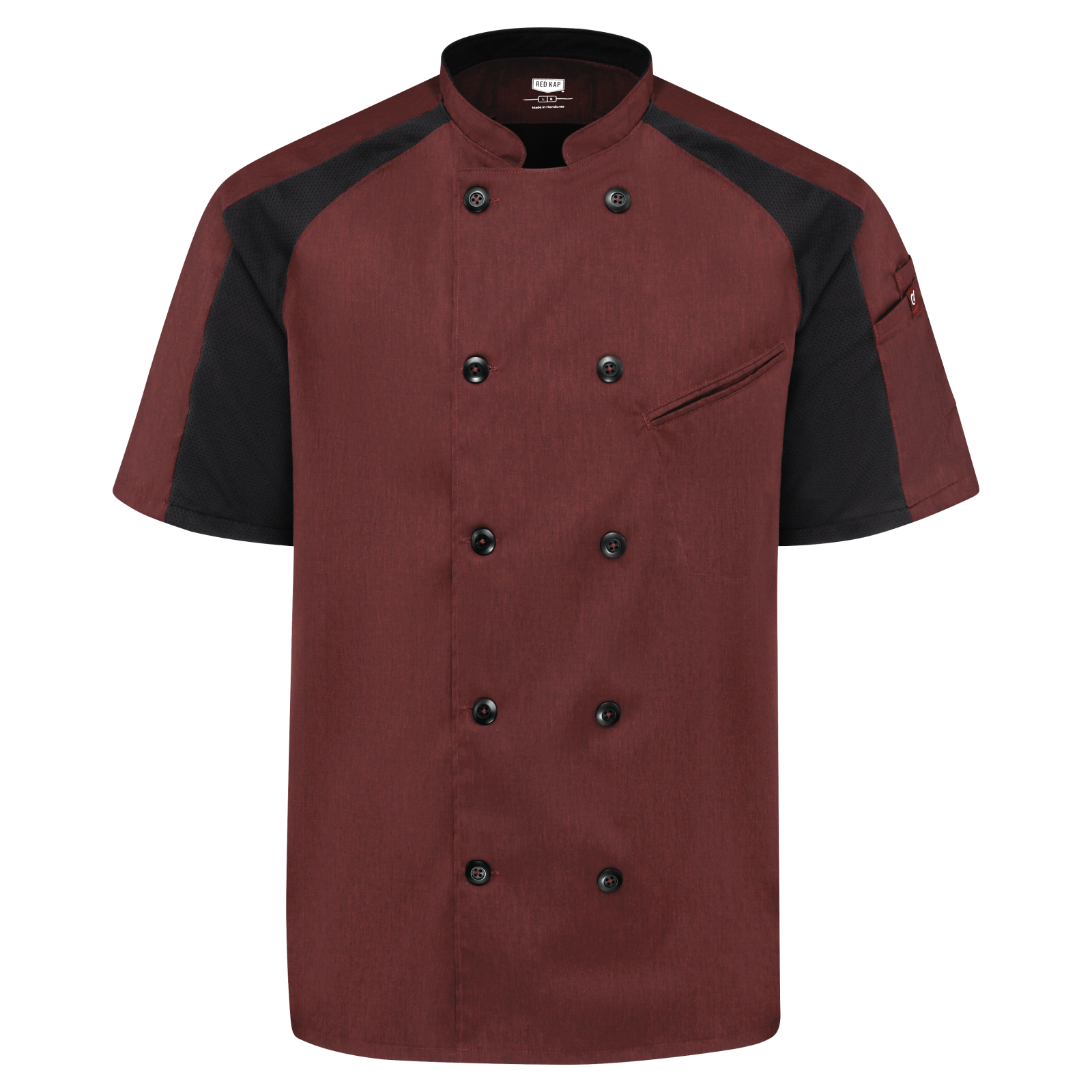


Related Chef Coat Catalogue and Quotation


Why Choose Veelianpro as Your Chef Coat Manufacturer
Practical development and production support for hospitality brands, uniform buyers, wholesalers, and private-label programs.
Custom Development Support
Start with your sketch, tech pack, sample, or concept; Veelianpro develops chef coat patterns, sizing, and construction for your program.
Fabric and Trim Sourcing
Source fabrics, trims, closures, pockets, labels, and packaging around your target hand feel, appearance, function, and budget.
Sampling Before Production
Review a development sample before production, then refine fit, details, branding placement, and approved specifications with your team.
Flexible Program MOQ
Launch OEM, ODM, private-label, or wholesale chef coat programs from 100 pieces per style and color, subject to project requirements.
Repeat-Order Coordination
Coordinate production, inspection, packing, export support, and reorder details to help maintain consistent chef coat specifications across future orders.
Custom Chef Coats and Hospitality Uniforms
Develop chef coats and coordinated hospitality uniforms with role-specific closures, fit, branding, labels, and presentation details.

Work Shirts
Work shirts can be developed for kitchen support, maintenance, and front-of-house teams in selected fabric weights and colors. Specify collar style, pocket layout, closures, sleeve length, woven labels, embroidery, or printed branding for the intended daily workload.
Request a Workwear Quote
T-Shirts & Polos
T-shirts and polos provide practical uniform layers for casual service, catering, warehouse, and event crews. Development can include chosen fabric composition, color matching, size grading, neck or placket construction, logo decoration, care labels, and coordinated packaging.
Request a Workwear Quote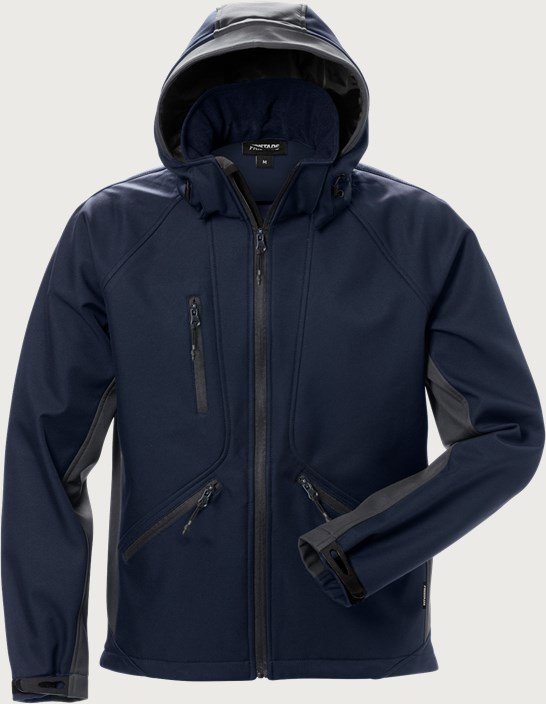
Work Jackets & Outerwear
Work jackets and outerwear cover softshell, fleece, padded, and rain-jacket development for changing conditions. Define weather-protection needs, lining, pocket systems, reinforced areas, reflective trim placement, logo treatment, and the working environment before sampling.
Request a Workwear Quote
Work Vests & Bodywarmers
Work vests and bodywarmers offer flexible layering for service, logistics, and outdoor teams. Projects may incorporate insulated or lightweight constructions, front closures, utility pockets, contrast panels, reflective tape placement, patches, embroidery, and private-label finishing.
Request a Workwear Quote
Work Pants & Shorts
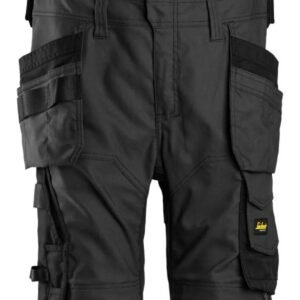
Work pants and shorts can be configured for active kitchen, service, trade, and warehouse roles. Discuss fabric selection, waistband construction, cargo or utility pockets, reinforced knees, gussets, bartacks, triple stitching, inseam range, colors, and branding details.
Request a Workwear Quote
Coveralls & Bib Overalls
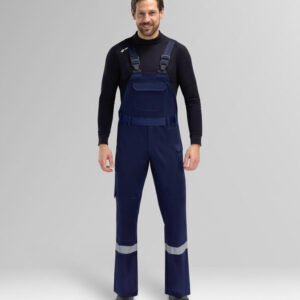
Coveralls and bib overalls are developed for full-coverage industrial and maintenance applications. Construction choices include front closures, bib pockets, tool storage, reinforced stress points, adjustable straps, reflective detailing, and decoration methods suited to the garment design.
Request a Workwear Quote
Workwear Sets
Workwear sets coordinate tops and bottoms into consistent uniforms for operational teams. Combine shirts, polos, jackets, trousers, or bib styles with matched colors, size ranges, trim selections, logos, labels, and packaging under OEM, ODM, or private-label programs.
Request a Workwear Quote
High-Visibility Workwear
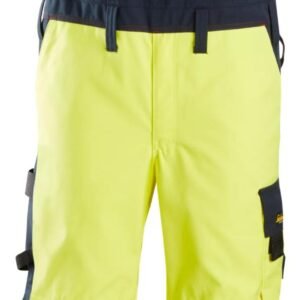
High-visibility workwear includes vests, shirts, jackets, trousers, and coverall concepts with designated reflective tape placement and color blocking. Required visibility standard, fabric, trim, and test documentation should be defined during development; performance claims require SKU-specific evidence.
Request a Workwear Quote
Flame-Resistant & Arc-Rated Wear
Flame-resistant and arc-rated garment families can be developed for buyers with defined protective requirements, including shirts, trousers, coveralls, and outer layers. Provide the applicable standard, fabric specification, required rating, and certification scope; no rating is assigned without documented testing.
Request a Workwear Quote
Chemical-Protective Clothing
Chemical-protective clothing development begins with the actual exposure scenario, required standard, and documented protection target. Garment concepts may address coverage, closures, seams, hoods, cuffs, and compatible material selection, subject to feasibility and SKU-specific test evidence.
Request a Workwear Quote
Cold-Storage Workwear
Cold-storage workwear includes insulated jackets, trousers, coveralls, and layered pieces for refrigerated or low-temperature operations. Specify the work setting, duration, mobility needs, insulation approach, closure details, cuffs, hoods, pocket requirements, and any verified performance documentation needed.
Request a Workwear Quote
Welding Workwear
Welding workwear can be developed as jackets, trousers, coveralls, aprons, or coordinated sets with construction suited to the task. Discuss fabric requirements, reinforced wear areas, closures, pocket placement, branding, and applicable protective standards before sampling or quotation.
Request a Workwear Quote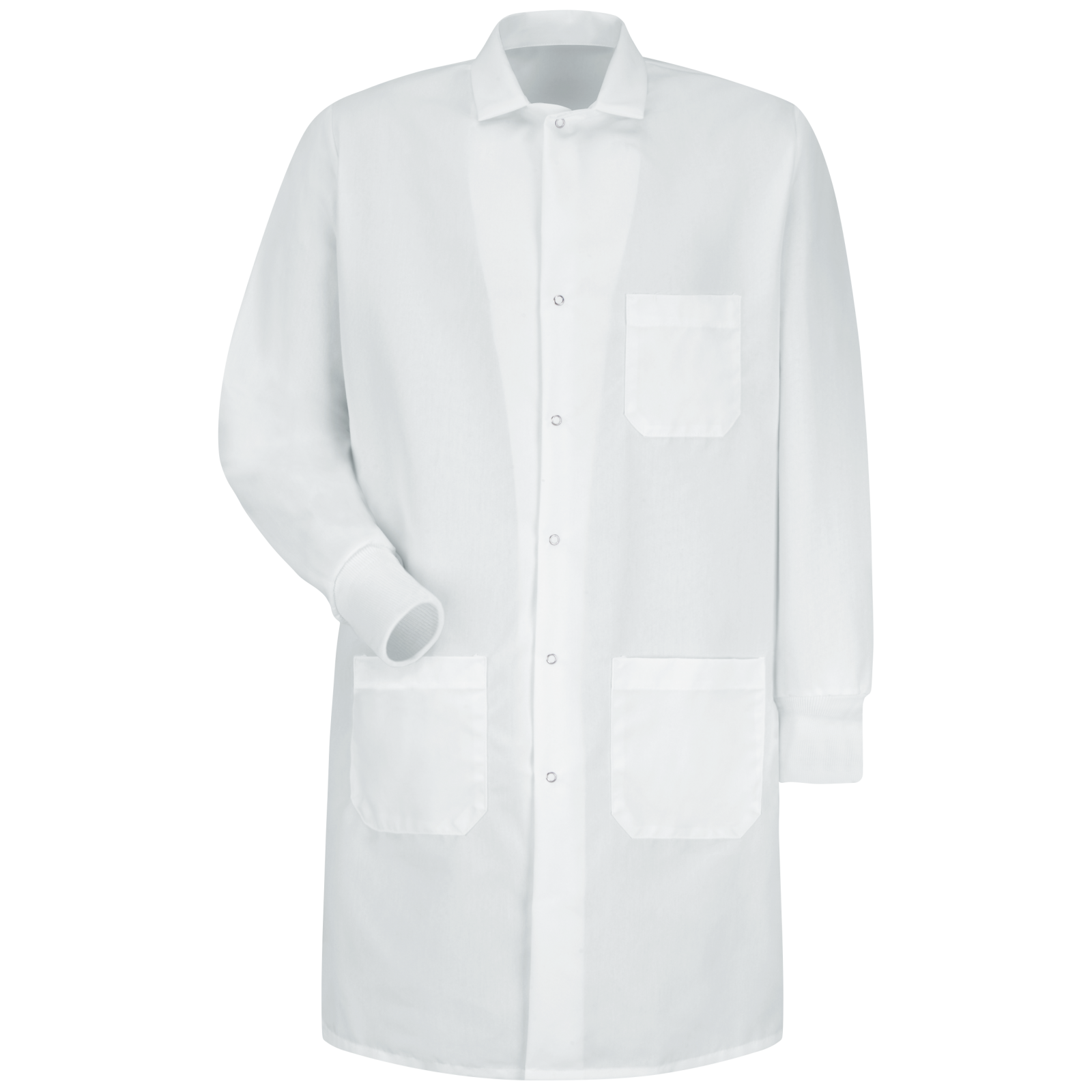
Medical & Cleanroom Wear
Medical and cleanroom wear covers scrubs, coats, tunics, trousers, and controlled-environment garment concepts. Buyers can define fabric, color coding, pocket configuration, closure type, size grading, labeling, and cleanliness or ESD requirements, with any performance claim supported by applicable evidence.
Request a Workwear Quote
Chef & Hospitality Uniforms
Chef and hospitality uniform development can combine chef coats, aprons, trousers, service shirts, polos, and front-of-house styles. Define coat closure, sleeve treatment, pockets, role colors, embroidery, labels, and pack-out so kitchen and guest-facing teams present as one program.
Request a Workwear Quote
Industry Uniforms
Industry uniforms serve operational teams across industrial, safety, logistics, hospitality, and service settings. Build role-specific programs from shirts, trousers, jackets, vests, coveralls, and sets, with fabric sourcing, pattern development, reinforcement details, decoration, quality checks, and export-ready packing.
Request a Workwear Quote
Base Layers & Accessories
Base layers and accessories complete uniform programs with undershirts, thermal layers, caps, aprons, belts, and other supporting items where applicable. Align material choices, colors, labels, decoration, and packaging with the main garment range and the requirements of the end user.
Request a Workwear QuoteChef Coat Fabrics and Performance Materials




From Chef Coat Concept to Production



Chef Coat Trims, Closures, and Branding Details


About Veelianpro’s Chef Coat Programs
Hubei Veelianpro Workwear Co., Ltd. is a Wuhan-based workwear manufacturer whose company profile states that its operation began in 2012. Our mission is to help workwear brands, hospitality teams, distributors and private-label buyers turn chef coat concepts into dependable uniform programs through OEM, ODM and wholesale production.
As a chef coat manufacturer, Veelianpro supports the full development path: reviewing a sketch, tech pack, sample or product idea; sourcing fabrics and trims; developing patterns; grading sizes; sampling; cutting; sewing; adding branding; completing quality checks; packing; and coordinating export. Chef coats can be developed alongside broader hospitality and service apparel programs.
What sets Veelianpro apart is a practical, specification-led approach. Buyers can discuss fabric composition and weight, fit, closures, pockets, reinforcement, ventilation, decoration and packaging before production. The company profile describes a team of more than 300 skilled workers; this operating figure should be verified for current public use. MOQ starts at 100 pieces per style and color, subject to project requirements.

Core Chef Coat Development Capabilities
Review Tech Packs Early
Veelianpro starts with your sketch, tech pack, sample, or product idea. Our team reviews construction intent, fabric direction, branding requirements, and production feasibility before sampling, helping buyers identify open specifications and reduce avoidable changes during development.
- Review sketches, samples, and technical packs
- Confirm fabric, color, size, and branding requirements
- Plan pockets, closures, ventilation, and reinforcement
- Clarify target quantity, destination, and timeline

Develop Fit Across Sizes
Chef coats must support movement while presenting a consistent team appearance. We can develop patterns, review sleeve and body proportions, and prepare size grading for the intended fit direction, including men’s, women’s, or unisex programs when defined by the buyer.
- Develop patterns from approved measurements
- Plan short, long, or three-quarter sleeve styles
- Review movement, coverage, and wearing comfort
- Prepare size grading for the agreed range

Control Fabric And Construction
Fabric weight, composition, trims, and stitching details shape how a chef coat performs in daily service. Veelianpro coordinates sourcing and production decisions around the approved specification, including closures, pockets, labels, bartacks, seam construction, and other functional details.
- Source fabrics and trims against project requirements
- Specify buttons, closures, pockets, and ventilation
- Apply reinforcement and stitching details as approved
- Separate design targets from unverified performance claims

Brand, Check, And Reorder
From embroidery and woven labels to care labels and custom packaging, your chef coat can carry a consistent private-label identity. Sampling and quality checks help confirm the approved result, while documented specifications support repeat production for growing teams and reorder programs.
- Add embroidery, patches, transfers, or woven labels
- Review samples before production confirmation
- Check workmanship, measurements, decoration, and packing
- Support reorders against the approved specification

Custom Chef-Coat Manufacturing vs. an Off-the-Shelf Garment Decoration Route
Compare a custom chef-coat program with a catalog-garment decoration route. Starting MOQ is subject to fabric, certification and construction requirements.
← Swipe left or right to view →
Our Chef Coat Manufacturer Production Process
Veelianpro is a Wuhan-based chef coat manufacturer supporting OEM, ODM, private-label, and wholesale programs. We move from buyer requirements through fabric selection, pattern development, sampling, production, inspection, and shipment, with MOQ starting at 100 pieces per style and color, subject to fabric, certification, construction, and project requirements.
Review Your Requirements
Share your chef coat concept, sketch, tech pack, target use, size range, colors, quantities, destination, timeline, and any required performance evidence for review.
Confirm Project Feasibility
Veelianpro confirms construction feasibility, fabric and trim options, branding methods, development requirements, conditional MOQ, and the information needed for an accurate project quotation.
Develop Your Sample
Our team develops patterns, grades sizes, selects materials, and produces a sample chef coat for fit, movement, pocket placement, closures, decoration, and construction review.
Finalize and Confirm
After sample feedback, Veelianpro finalizes specifications and pricing, then confirms the order, production schedule, payment terms, packaging requirements, and approved reference sample.
Produce and Support Reorders
Production includes cutting, sewing, reinforcement, decoration, finishing, inspection, packing, export coordination, shipment, and documented specifications that support consistent future reorders.
Our Chef Coat Development and Production Process
Move from an initial chef coat concept to a production-ready uniform program through structured development, sampling, approval, manufacturing, inspection, and shipment coordination.
Submit Your Brief
Send a tech pack, sketch, reference sample, or product idea with target fabric, fit, sizes, colors, branding, quantity, destination, and timeline.
Review Specifications
We review construction, sleeve options, fit, closures, pockets, ventilation, trims, and fabric requirements, then confirm feasibility, sample direction, and project details.
Approve Sample and Quote
Evaluate the developed chef coat sample, requested revisions, and itemized quotation before approving specifications, decoration, MOQ, and production terms.
Confirm Production Details
Confirm the approved sample and order details; Veelianpro schedules cutting, sewing, branding, quality checks, packing, inspection, and shipment coordination.
Chef Coat Manufacturer Certifications and Test Evidence


Chef Coat Manufacturer Scenarios for Uniform Buyers
Illustrative scenario: A hospitality-uniform buyer needs a coordinated chef-coat program for an open kitchen but lacks an approved specification for the visible team. The proposed solution is a brief covering fabric options, sleeve length, collar, closure, labels, and packaging, followed by an approval sample. Intended acceptance criteria are documented approval of the selected fabric, measurements, closure operation, logo placement, labels, and pack-out before bulk production.
Illustrative scenario: A workwear brand product manager is extending into chef apparel but has only a sketch and no approved measurement chart, pocket placement, or decoration layout. The proposed solution is to convert the brief into a pattern, graded measurement chart, and sample with specified pocket and logo positions. Intended acceptance criteria are written approval of the sample measurements, fit across the selected size range, pocket placement, decoration method, labels, and pack-out before bulk production.
Illustrative scenario: A uniform distributor needs chef coats, pants, and aprons for one kitchen-team offer but lacks a shared color, sizing, logo, and packing specification across the items. The proposed solution is a coordinated item matrix and approval sample set that records those requirements for each garment. Intended acceptance criteria are approved colors, size charts, logo locations, garment-specific construction details, and export pack-out instructions before order release.
The Complete Buyer’s Guide to Choosing a Chef Coat Manufacturer
Clear answers for restaurant groups, hospitality buyers, uniform distributors, wholesalers, and private-label workwear programs.
What can a chef coat manufacturer develop for our brand?
What is the MOQ for a chef coat manufacturer order?
How does a chef coat manufacturer help select fabric and fit?
Can a chef coat manufacturer make different sleeves, closures, and pocket layouts?
Can we add branding when working with a chef coat manufacturer?
Can we approve a sample before placing a chef coat manufacturer order?
What lead time, payment terms, and shipping support should we expect?
How does a chef coat manufacturer protect our design and handle protective claims?
Chef Coat Manufacturer Guide for Custom Kitchen Uniform Sourcing
A practical framework for comparing chef-coat styles, fabric options, construction, customization, sampling, supplier fit, and quote scope—so procurement teams can avoid specification gaps, inconsistent sizing, and avoidable production revisions.
1. What a Chef Coat Manufacturer Provides
A chef coat manufacturer turns a kitchen uniform brief into garments that can be specified, sampled, approved, and reproduced across an order. For a B2B program, that means translating the intended work setting, coat style, fabric direction, fit range, color, logo treatment, quantities, and destination into production-ready decisions rather than simply supplying a jacket.
Stock-style sourcing is useful when an existing garment already suits the program and only standard size, color, or decoration choices are needed. A modified existing style retains a base pattern while changing selected elements such as sleeve length, pocket arrangement, trim, closure, labels, or packaging; this can balance brand distinction with a controlled development scope.
Fully custom development begins with a tech pack, sketch, sample, or product idea and can include pattern development, size grading, fabric and trim sourcing, sampling, cutting, sewing, finishing, quality checks, packing, and export coordination. A custom chef-coat program can also be planned alongside hospitality pieces such as trousers, aprons, polos, or service uniforms when the brief requires a coordinated team presentation. Veelianpro’s stated starting MOQ is 100 pieces per style and color, subject to fabric, certification, and construction requirements.
2. Matching Chef-Coat Design to Kitchen Work
Chef-coat design should match the wearer’s station, movement needs, heat exposure, and customer visibility. Short sleeves leave the forearm uncovered and may suit roles that prioritize freedom of movement; long sleeves provide fuller coverage and a more formal appearance. A double-breasted front, single-breasted front, or alternative closure should be selected and evaluated on the approved sample.
Fabric weight, construction, and any ventilation panels should be reviewed together against the buyer’s intended laundry process and workplace conditions. A panel can change coverage, appearance, seam layout, and decoration placement, so its location and construction belong in the technical brief rather than in a generic style description.
Fit and visual identity are also part of the uniform brief. Trim, piping, concealed closures, and logo placement can distinguish roles, but the sample should confirm closure access, logo placement, and appearance after the buyer’s selected care evaluation.
For a custom program, Veelianpro can develop chef clothing from a tech pack, sketch, sample, or product idea, then coordinate fabric and trim sourcing, pattern development, sampling, decoration, and packing. Define the role, sleeve preference, closure format, ventilation location, color treatment, and branding method before sampling.
3. Chef Coat Manufacturer Styles by Kitchen Role
Chef-coat format should follow the job, not a single catalog look. A chef coat manufacturer can develop a coordinated range when the brief separates heat exposure, guest-facing presentation, movement demands, and the level of visual authority each kitchen role needs.
| Format | Best Role Or Setting | Selection Trade-Off |
|---|---|---|
| Classic double-breasted | Executive chefs; formal or guest-visible kitchens | Traditional authority; fuller front construction |
| Single-breasted or concealed placket | Modern restaurant teams; open kitchens | Cleaner profile; closure choice needs review |
| Short-sleeve | Hot line and prep stations | Less forearm coverage; assess movement needs on the sample |
| Long-sleeve | Pastry, banquet, leadership | Formal coverage; potentially warmer at hot stations |
| Ventilated or hybrid-panel | High-heat roles | Panel location and construction require sample review |
Core Coat Formats
Double-breasted coats create a traditional, formal front and may suit executive chefs or open kitchens where a classic appearance matters. Confirm the exact overlap, closure, and pattern on the sample.
Single-breasted and concealed-placket formats create a cleaner front line. Select the closure according to the intended appearance, ease of use, and the buyer’s care requirements, then check it on the sample.
Sleeves And Heat Zones
Short sleeves may be selected where a less-covered forearm and unrestricted arm movement are priorities. Long sleeves may be specified where the role requires greater arm coverage or a more formal silhouette.
Ventilated or hybrid panels should be assigned to identified kitchen conditions in the brief, not added as a generic feature. Request panel location, base fabric, seam treatment, and sleeve length together so the sample can be reviewed against the intended service setting.
Fit Across The Team

A tailored fit and a roomier fit should be evaluated against the wearer’s movement needs and the intended presentation. Specify a size range and grading requirements early, then review representative sizes rather than approving only one base size.
For a custom program, send the role matrix, color plan, logo placement, and target quantities with the tech pack or sketch.
4. Chef Coat Manufacturer Fabric and Technical Choices
A fiber name alone does not establish a finished chef coat’s comfort, appearance, or laundry behavior. Specify the intended kitchen setting, care process, desired hand feel, and front-of-house appearance before sampling.
| Material Or Detail | Comfort And Breathability | Wash-And-Wear Behavior | Appearance Retention | Typical Selection Context |
|---|---|---|---|---|
| Cotton | Hand feel to confirm on the specified sample | Evaluate with the buyer’s intended care process | Appearance after the buyer’s sample evaluation | Kitchen teams prioritizing classic feel |
| Polyester-cotton blend | Hand and feel depend on the specified blend and construction | Evaluate against the buyer’s intended care process | Confirm appearance after the buyer’s sample evaluation | High-turnover service teams |
| Cotton twill | Hand and structure to confirm on the specified sample | Confirm care method with the chosen construction | Record weave and finished appearance on the approved sample | Executive and open-kitchen coats |
| Mesh or knit panels | Panel effect depends on the specified material and location | Panel construction needs sample review | Contrast and placement affect the visual finish | Hot stations or modern ventilated styles |
Cotton And Cotton Twill

Cotton and cotton twill are fabric options to specify by composition, weight, color, weave, and intended care process. Record the selected construction and finished appearance on the approved sample rather than relying on a fiber or fabric name alone.
Polyester-Cotton Blends
Polyester-cotton blends should be specified by blend ratio, weave, color, weight, and intended care process. Approve those details together, because a generic fiber blend does not define a finished coat’s service behavior.
Ventilation Panel Placement
Mesh or knit panels can be specified at locations such as underarms or the back yoke when the design calls for them. Define their placement, coverage, seam construction, compatibility with the main fabric, and any decoration restrictions in the sample brief.
Sample Against Actual Laundry
Approve fabric swatches and a finished sample against the buyer’s intended kitchen use and care process rather than selecting from a fiber name alone. Illustrative procurement example: a buyer compares one cotton option and one blend option using its own documented evaluation process, then records the acceptance criteria before releasing bulk production.
5. Customization and Finishing for Chef Coats
Customization turns a standard chef coat into a controlled uniform system. Lock visible details before sampling, because decoration, closures, trims, labels, and packing choices all affect the approved garment.
| Specification | Decision To Lock | Sample Check |
|---|---|---|
| Embroidery | Artwork, thread colors, size, placement | Logo scale and overlap clearance |
| Piping or color blocking | Trim color and panel boundaries | Alignment across graded sizes |
| Labels and packaging | Brand label, care label, folding, markings | Correct item identification |
Branding And Placement
Veelianpro supports embroidery, screen printing, heat transfer, patches, woven labels, care labels, and custom packaging. Select the method against the logo artwork, garment fabric, placement, and required wash routine.
Provide editable artwork, thread or print colors, finished logo dimensions, and a placement diagram. Approve the decoration on the sample; a chest logo can behave differently on a double-breasted overlap than on a plain front.
- Logo or name embroidery
- Screen print or heat transfer
- Patch, woven label, and care label
Visual Details And Closures
Piping, contrast trim, and color blocking can distinguish culinary roles without changing the base coat. Define the exact panel boundaries and trim color in the tech pack so grading does not shift the intended look.
Specify the button or closure type with the front construction. The sample should confirm that the closure remains accessible and that decoration does not conflict with its opening path.
Coordinate The Uniform Set
A chef-coat program may need matching aprons, pants, hats, or hospitality service apparel. Keep shared colors, labels, and logo rules consistent while specifying each item separately for its own fit and function.
For a private-label launch, include folding method, polybag or other packaging requirement, size sticker, barcode need, and carton marking in the pack-out brief. These details should be approved alongside the garment sample.
6. Construction Details That Determine Service Life
A chef-coat sample reveals more than fabric and logo placement. Inspect how its parts meet, open, carry tools, and retain shape after handling; these visible details expose likely service failures before a program is released.
| Sample Point | Observable Acceptance Check | Likely Failure If Missed |
|---|---|---|
| Stress points | Reinforcement is present where specified | Pocket or placket tearing |
| Front closure | Fastenings align without pulling | Gapping or distorted front |
| Size set | Key features remain proportionate | Inconsistent team fit |
Seams And Stress Points

Inspect shoulder, side, sleeve, and armhole seams for skipped stitches, waviness, loose thread ends, or uneven seam allowances. Record any condition that does not match the approved sample or specification.
Check pocket corners, sleeve joins, and placket ends for any bartacks or other reinforcement specified in the technical pack. If a required reinforcement is absent, add its location and construction requirement to the correction record, approved sample, and technical pack.
Collar, Placket, And Closures
Lay the collar flat and fasten the coat fully. A twisting collar, rippling placket, or uneven front overlap can make a clean uniform look unstable and may worsen after laundering.
Open and close every button, snap, or concealed fastening. Specify secure attachment, consistent spacing, and an aligned closure line; request a corrected sample where closures pull the front out of shape.
Pockets And Panel Joining
Put a representative pen or thermometer in each pocket and assess reach, opening direction, and interference with the front closure. Poor placement can snag, droop, or make the tool impractical during service.
Compare left and right panels, sleeve setting, and pocket height for symmetry. Mark approved placement from fixed garment reference points so the pattern remains repeatable.
Finishing And Size Grading
Inspect hems, cuffs, inside labels, loose threads, and clean finishing around embroidery or patches. Inconsistent finishing can leave scratchy edges, exposed threads, or a visibly uneven presentation across a team.
Review at least the sample sizes most likely to be ordered, not only one base size. Confirm that collar, pocket position, sleeve proportion, and closure alignment remain functional as the pattern is graded.
7. Selecting a Chef Coat Manufacturer
A chef coat manufacturer should convert kitchen use, brand presentation, and replenishment needs into an approved production specification. Compare the supplier’s development controls before comparing a headline unit price.
| Evaluation Area | Approval Evidence | Decision Risk |
|---|---|---|
| Specification | Tech pack and measurement chart | Uncontrolled construction changes |
| Fit | Size-set review | Inconsistent team fit |
| Production | Approved pre-production sample | Mismatch to development sample |
| Quote | Included services and shipment basis | Unplanned program costs |
Translate Operating Requirements
Separate executive, line, pastry, and front-of-house requirements before requesting a quote. Record sleeve length, closure, pocket layout, heat-management needs, laundering expectations, size range, color, and decoration placement.
A coordinated program may include chef coats alongside aprons, trousers, or hats. Confirm which pieces share fabric, color, labels, and packing rules.
- Kitchen role and work setting
- Garment and companion-uniform scope
- Destination, quantity, and timeline
Approve The Technical Pack
A sketch alone leaves decisions open at sampling. The tech pack should identify fabric composition and weight, trim type and color, measurements, grading rules, artwork files, label copy, and packing requirements.
Approve fabric and trim swatches before the production sample. A size set then tests fit consistency across the selected range rather than approving one reference size.
Check Production Controls
Ask how the pre-production sample becomes the production reference, and which checkpoints cover cutting, sewing, decoration, finishing, and packing. Document acceptable variations and the inspection method before order confirmation.
Veelianpro states that it supports pattern development, sampling, size grading, cutting, sewing, decoration, quality checks, packing, and export coordination. Any protective-performance claim requires the exact applicable test evidence and certification scope.
Read The Quote Completely
A usable quote identifies the approved style, fabric, trims, decoration, sizes, quantities, packaging, and shipping basis. Confirm whether sampling, artwork setup, labels, export coordination, and inspection are included or separately stated.
Lead time and final commercial terms require quotation review.
8. Common Chef Coat Sourcing Mistakes
Chef-coat failures usually begin when one visual sample is asked to represent every station, wearer, laundry process, and branding use. Convert the intended kitchen conditions into an approved specification before comparing a chef coat manufacturer’s quotation.
| Check | Why It Matters | Approval Record |
|---|---|---|
| Laundry conditions | Affects fabric and trim choice | Care method and wash conditions |
| Quote inclusions | Prevents unequal comparisons | Sample, branding, packing, inspection |
Fabric Beyond First Impression
A bright, smooth fabric may still fail to match the buyer’s approved material and care specification. Specify composition, weight, color, and care conditions; approve the fabric against the intended use and documented evaluation criteria, not appearance alone.
Ventilation And Fit By Role
Vent panels or short sleeves are not universal solutions: pastry, prep, line, and open-kitchen roles can need different coverage and presentation. Define role-based sleeve, fit, size range, and movement requirements before grading the pattern.
Complete Branding And Trim Approval
A logo file without location, dimensions, thread or print method, and garment placement leaves room for mismatched production. Approve a layout showing every logo, name field, patch, button, piping, label, and packaging detail.
Unapproved trims can make bulk garments differ from the approved sample. Lock the approved trim list to the sample and specify that substitutions require written approval.
Equal Quote Scope
Low quotes often omit different items: sampling, pattern work, decoration, labels, packing, inspection, or export coordination. Compare like-for-like scopes and record each inclusion beside the garment specification.
Illustrative procurement scenario: a uniform buyer compares two coat quotes after one assumes embroidery and custom labels while the other excludes both. A line-by-line scope check identifies the mismatch before order confirmation.
9. Launching a Custom Chef-Coat Program
A chef-coat program moves cleanly when each decision becomes a controlled specification before the next begins. Start with actual kitchen roles and conditions, then convert approved choices into a sample, production file, and replenishment plan.
| Stage | Freeze Before Next Stage | Rework Prevented |
|---|---|---|
| Role brief | Wear conditions and quantities | Wrong style allocation |
| Sample approval | Pattern, materials, branding, fit | Uncontrolled changes |
| Order release | Packing, destination, reorder code | Dispatch and replenishment errors |
Define Roles And Conditions
Map executive, line, pastry, and open-kitchen roles to heat exposure, movement, laundering, and presentation needs.
Freeze the wearer groups, garment quantities, sleeve direction, and required uniform companions before pattern work begins.
Build The Technical Brief
Choose the coat style, fabric composition and weight, closure, collar, pockets, and ventilation or reinforcement details from the intended use.
Submit a tech pack, sketch, or marked reference; unresolved construction choices become revision points rather than production assumptions.
Lock Branding And Sizing
Provide final logo artwork and identify embroidery, screen print, heat transfer, patches, woven labels, care labels, and packaging requirements.
Confirm the size chart, grading approach, fit samples, color references, logo placement, and decoration dimensions before approving the sample.
Approve Sample And Production
Review the sample against the approved specification, recording corrections as dated revision notes rather than informal messages.
Freeze the corrected pattern, bill of materials, trims, labels, packing method, inspection points, destination, and replenishment identifiers at production approval.
Align Order Release
Confirm production timing, shipment arrangement, carton marks, delivery destination, and reorder reference in the quotation. Lead time requires quote confirmation.
10. Chef Coat Manufacturer Pricing and Quote Scope
A chef-coat quote changes with the specification package, not just the garment count. Request pricing for the exact configuration rather than a generic unit price.
Hypothetical worked example: compare two quotations for the same 200 long-sleeve coats. Each quote should list the same fabric composition and weight, size breakdown, ventilation-panel placement, logo artwork and decoration method, labels, folding, carton marks, inspection scope, Incoterm, and sample charge. A lower figure is not comparable if it excludes development, decoration setup, packaging, or delivery responsibilities.
| Cost Driver | What Changes Cost | Quote Must Specify |
|---|---|---|
| Quantity and size mix | Lower-volume runs and complex grading affect allocation | Pieces by style, color, size, and approved size chart |
| Fabric and construction | Composition, weight, double-breasted fronts, vents, and reinforced seams change inputs and labor | Fabric specification, sleeve/fit variant, ventilation placement, and construction details |
| Trims and decoration | Buttons, piping, embroidery, patches, labels, and packaging add materials or operations | Trim list, artwork, decoration location, label content, and packaging method |
| Sampling and approvals | Pattern work, prototype samples, and revision rounds require defined scope | Sample quantity, revision allowance, approval point, and sample-charge treatment |
| Delivery terms | Packing, export coordination, freight responsibility, and destination change quote scope | Incoterm, destination, carton requirements, and included versus excluded charges |


Request a Chef Coat Manufacturer Development Quote
Send your tech pack, garment details, fabric, branding, quantity, destination, and timeline to begin sampling or request a quotation.