
Custom FR Shirts from a China Workwear Manufacturer
Develop custom FR shirts with Veelianpro for OEM, ODM and private-label programs, with a stated starting MOQ of 100 pieces per style and color, subject to fabric, testing and construction requirements.
FR and Workwear Reference Styles for Development
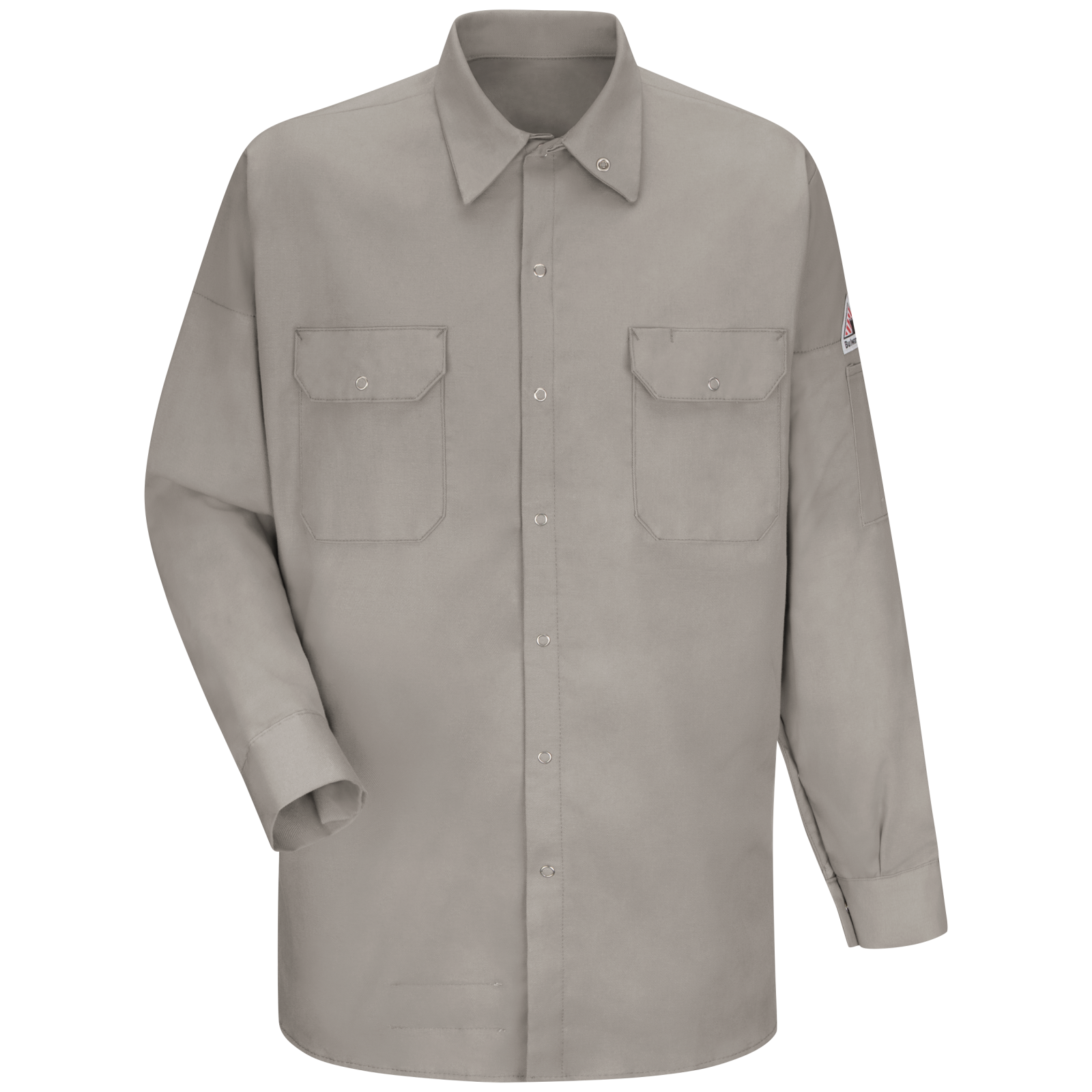

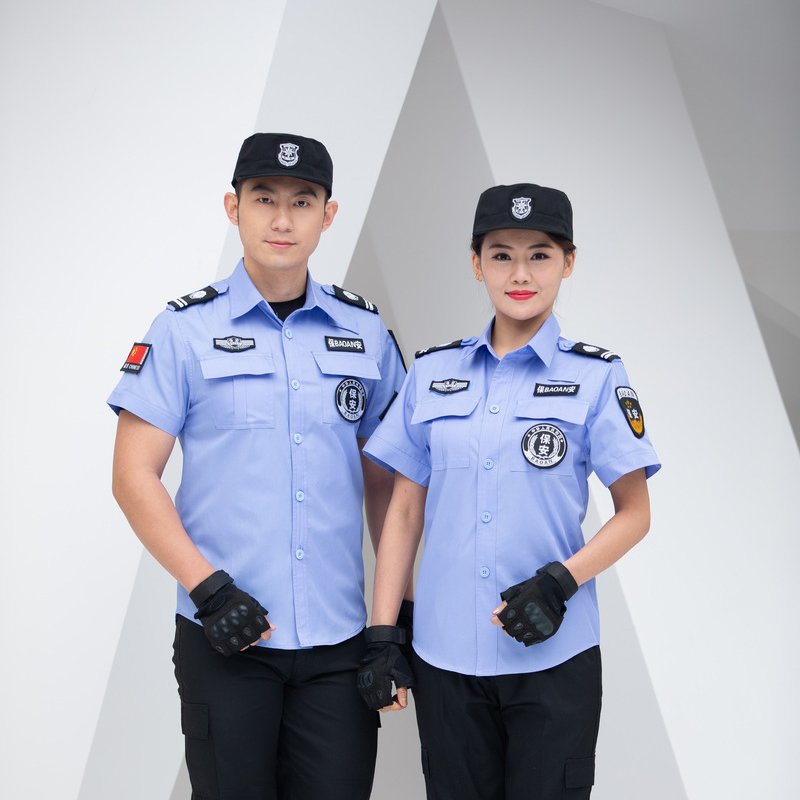


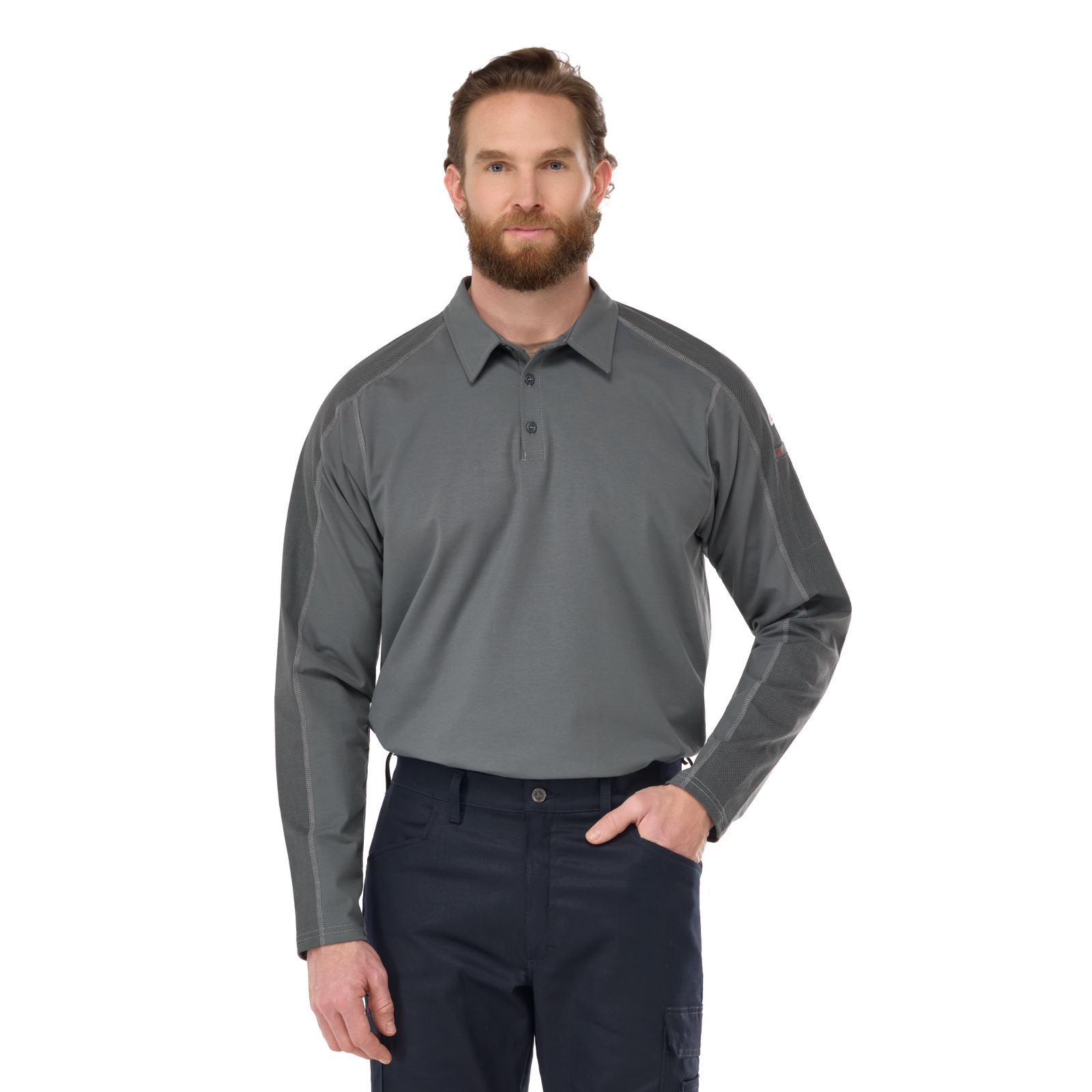

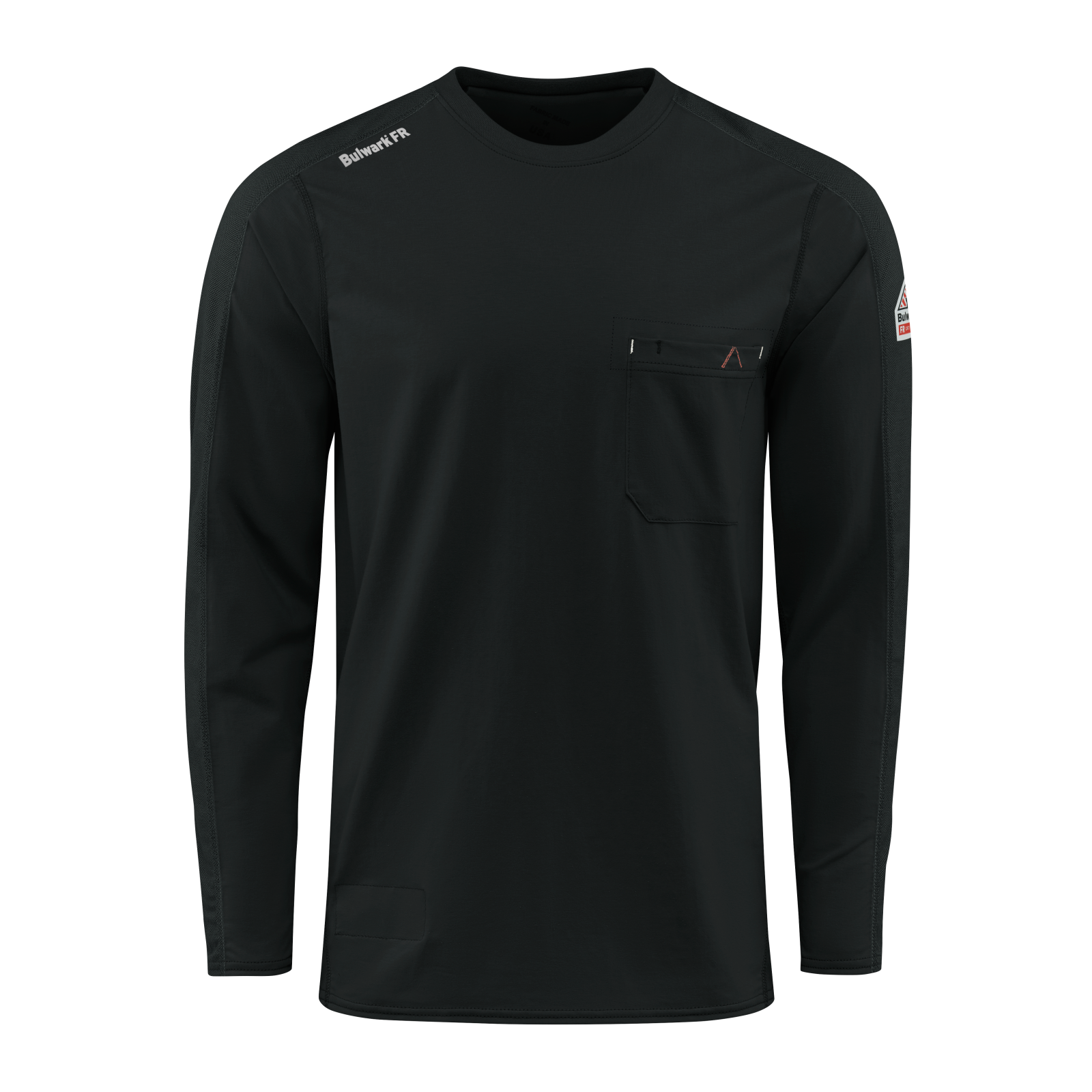





Related FR Workwear Catalogue and Quotation


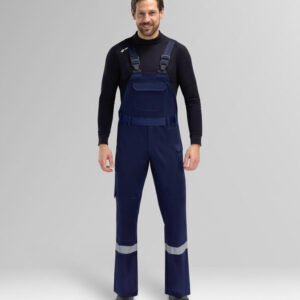
Custom FR Shirts Built Around Your Program
Veelianpro develops custom FR shirts for OEM, ODM, private-label and wholesale programs, from tech pack or concept through sampling and production. MOQ starts at 100 pieces per style and color, subject to fabric, construction, testing and project requirements. Confirm performance claims with SKU-specific evidence.
OEM & Private Label
Develop branded FR shirt programs from your tech pack, sketch, sample or product idea with OEM, ODM and private-label support.
Sampling Before Production
Review fit, construction, fabric and branding through sampling before approving bulk production for your workwear range.
Flexible Shirt Construction
Discuss fabric weight, composition, pocket layouts, reinforcement, stitching, closures, fit and sizing for the intended work environment.
Branding & Labels
Apply embroidery, screen printing, heat transfer, patches, woven labels, care labels and custom packaging according to your brand requirements.
MOQ Clarity for Buyers
Plan quantities from 100 pieces per style and color, then confirm fabric, certification and construction conditions in your quotation.
Flame-Resistant Shirt Development Briefs
Custom garment development for workwear programs where protective construction, layering needs and documentation requirements must be specified from the start.

FR Base Layer
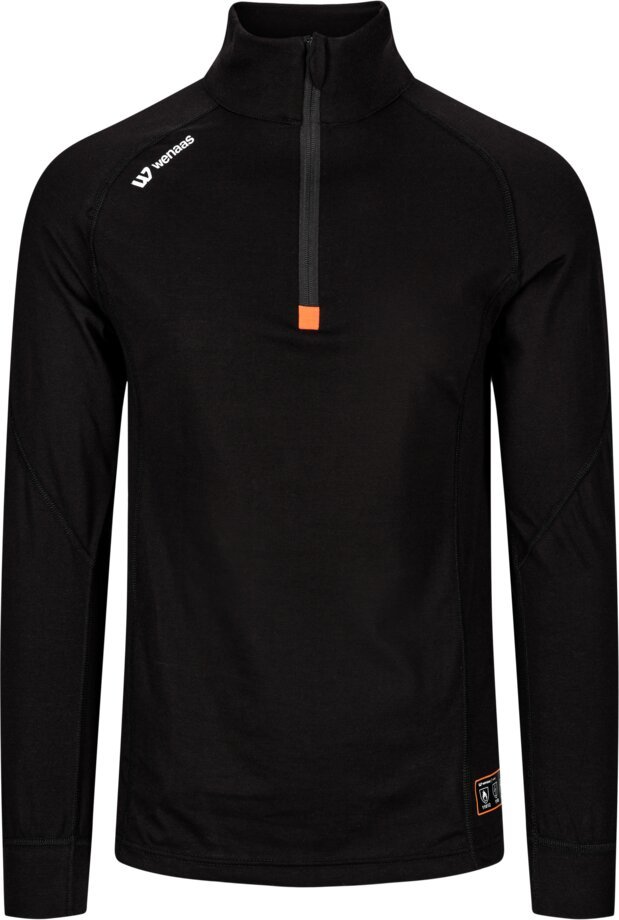
A development brief may cover long-sleeve shirts, lightweight tops, or layering pieces for an industrial workwear program. Define fabric composition and weight, fit, seam construction, size range, labels, and branding before sampling. Any flame-resistant or arc-performance claim requires SKU-specific test evidence and certification scope.
Get a Quote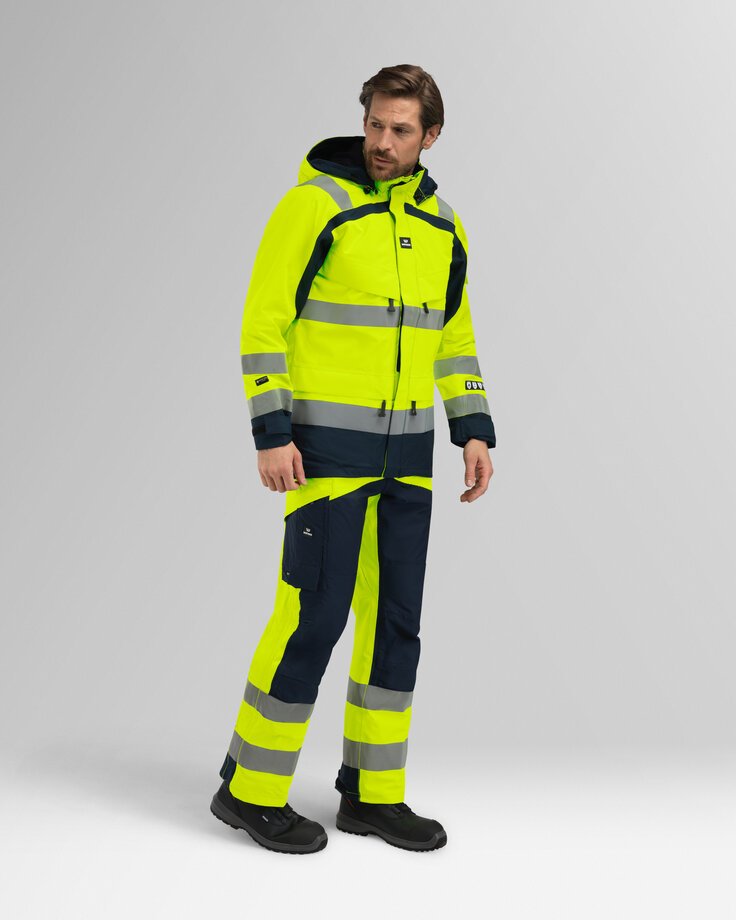
Arc Flash Jacket
For an outerwear brief intended for an arc-workwear program, define the fabric, closures, pocket layout, reinforcement, weather-protection target, and reflective-tape placement before sampling. Veelianpro supports pattern development, trim sourcing, sewing, decoration, and private-label finishing; any arc rating requires documented, style-specific evidence.
Get a QuoteMaterials for Custom FR Shirts




Custom FR Shirts: Branding and Decoration Processes



Functional Trims for Custom FR Shirts


About Veelianpro Custom FR Shirts
Hubei Veelianpro Workwear Co., Ltd. is a Wuhan-based custom workwear manufacturer in China serving industrial, safety, hospitality and service brands. The company states that its workwear operation began in 2012 and supports OEM, ODM, private-label and wholesale production, helping buyers turn a tech pack, sketch, sample or product idea into a production-ready garment.
Veelianpro supports fabric and trim sourcing, pattern development, sampling, grading, cutting, sewing, reinforcement, decoration, finishing, quality checks, packing and export coordination. Company-supplied information describes a team of more than 300 skilled workers; this operating figure should be verified before prominent public use. MOQ starts at 100 pieces per style and color, subject to fabric, certification and construction requirements.
What sets Veelianpro apart is practical development support for buyers building a consistent branded range. Teams can discuss fit, size grading, colors, pocket systems, reinforced construction, reflective placement, labels, packaging and branding methods before production. For FR garments, required standards and performance claims remain subject to SKU-specific testing and documented certification scope.

Core Capabilities for Custom FR Shirts
Review Your Shirt Concept
Start with a tech pack, sketch, reference sample or product idea. Veelianpro reviews the intended work setting, shirt construction, fabric direction, branding needs and order requirements to identify practical development details before pattern work and sampling begin.
- Tech-pack and sketch review
- Work-setting and use-case discussion
- Fabric, trim and construction planning
- OEM, ODM and private-label alignment

Develop Fit and Construction
Build the shirt around your target wearer and program requirements. Our team can develop patterns, grade sizes and refine details such as pocket systems, reinforced areas, bartacks, stitching, gussets, closures and reflective tape placement where appropriate.
- Pattern development and size grading
- Fit review across requested sizes
- Pocket, closure and reinforcement planning
- Gender, color and style coordination

Source, Sample and Approve
Veelianpro supports fabric and trim sourcing before production approval. Sampling gives buyers an opportunity to review materials, fit, branding placement and construction, then confirm revisions against the agreed specification and intended workwear application.
- Fabric composition and weight discussion
- Trim and accessory sourcing
- Pre-production sample development
- Revision feedback before order confirmation

Control Production and Delivery
After approval, production moves through cutting, sewing, decoration, finishing, quality checks, packing and export coordination. The process is organized around the confirmed specification, quantity, destination and timeline for dependable B2B workwear supply.
- Cutting, sewing and reinforcement
- Embroidery, printing, patches and labels
- Inspection and packing coordination
- Export and reorder support

Custom FR Shirts: Development vs. Off-the-Shelf Decoration
Compare a specification-led manufacturing program with sourcing a stocked garment for logo decoration and confirming its documentation before use. Starting MOQ is subject to fabric, certification and construction requirements.
← Swipe left or right to view →
Custom FR Shirts: Our Production Process
A structured workflow for developing custom FR shirts from feasibility review and sourcing through production, shipment and reorder support.
Review Your Requirements
Share your garment type, work setting, fabric goals, sizing, colors, branding, quantity, destination and timeline so Veelianpro can review feasibility and protection requirements.
Develop and Sample
We confirm construction direction, source suitable fabrics and trims, develop patterns, and prepare a sample for fit, branding placement, and buyer review.
Finalize Specifications
After sample feedback, we finalize size grading, colors, labels, decoration details and production specifications, then issue a quotation for the approved custom FR shirts program.
Cut and Sew
Approved orders move through fabric inspection, cutting, sewing, reinforcement and in-line checks, with construction controlled against the agreed tech pack and sample.
Finish and Ship
We complete decoration, finishing and final quality checks, verify packing requirements, and prepare export documents before coordinating shipment to your destination.
Support Reorders
After delivery, Veelianpro supports reorder planning, specification continuity and future adjustments as your branded workwear program expands across customers, teams or markets.
How to Start a Custom FR Shirt Program
Move from product idea to production-ready custom FR shirts through a clear development, sampling, approval, and shipment process.
Share Your Product Brief
Share your tech pack, sketch, sample, or product idea, including work setting, target users, shirt style, branding goals, quantity, destination, and timeline.
Confirm Materials and Requirements
Confirm fabric composition, weight, trims, fit, sizing, colors, construction, and required protection standards before Veelianpro prepares a feasible development and sourcing plan.
Review Samples and Quotation
Review the sample, decoration, labels, packaging, and quotation; request adjustments so the approved specification matches your workwear program before production.
Approve Production and Shipment
Approve production after final checks, then coordinate inspection, packing, export documentation, shipment, and reorder planning with Veelianpro for consistent custom FR shirts.
Certifications and Compliance Evidence for Custom FR Shirts


Custom FR Shirts: Procurement Scenarios
Illustrative scenario: A safety distributor needs a branded FR shirt program for utility crews. Veelianpro reviews the shirt construction, logo placement, size breakdown, required standard, and SKU-specific documentation needs before sampling. Acceptance criteria include approved measurements, decoration location, care labeling, and applicable test evidence.
Illustrative scenario: A workwear brand is developing custom FR shirts from a sketch for an industrial range. The team converts the concept into patterns, fabric and trim selections, reinforcement details, grading, and a sample. Acceptance criteria focus on fit approval, pocket configuration, branded labels, and documented protection requirements.
Illustrative scenario: An enterprise uniform buyer is replacing inconsistent shirts across multiple job roles. Veelianpro organizes colors, sizes, logo applications, and role-specific construction details into a production brief. Acceptance criteria include approved samples, clear quantity allocation by style and color, and verification of the required performance documentation.
The Complete Buyer’s Guide to Custom FR Shirts
Practical answers on development, sampling, customization, MOQ, certification evidence and production planning with Veelianpro.
Can Veelianpro develop custom FR shirts for a B2B workwear program?
What is the MOQ for custom FR shirts?
What materials are available for custom FR shirts?
Can I customize the fit, sizing, colors and construction of custom FR shirts?
What branding and private-label options are available for custom FR shirts?
Can I request a sample before approving custom FR shirts?
How do payment, lead time and shipping work for custom FR shirts?
How does Veelianpro handle certification evidence and intellectual property for custom FR shirts?
Custom Flame-Resistant Shirt Procurement Guide
Build a safer, brand-ready uniform program with a framework for garment selection, decoration compatibility, documentation, quote scope, supplier evaluation, and the preventable specification mistakes that delay approval or create rework.
1. Defining the Development Brief
In this guide, a custom FR shirt is a work-shirt development brief for a buyer seeking a flame-resistant requirement, together with identification such as a company logo, department marking, labels, or approved packaging. “Custom” describes the product-development and branding brief; it does not establish the protective scope of a finished garment.
Start with the exposure context and the documentation the site requires for the exact garment, fabric, components, and intended use. Also define each wearer role, required size range, logo artwork and placement, plus restrictions on decoration, pockets, labels, colors, or other details that could affect site acceptance.
Veelianpro can develop a custom work-shirt brief from a tech pack, sketch, sample, or product idea, with fabric and trim sourcing, pattern work, sampling, branding, packing, and export coordination. Its starting MOQ is 100 pieces per style and color, subject to confirmed fabric, certification, and construction requirements. Submit the applicable standard and required test or certificate with the inquiry before requesting a Workwear Quote.
A sound brief separates two approvals: approval of the shirt’s documented protection for the stated hazard, and approval of the chosen customization for that garment and site. This distinction keeps product claims, artwork decisions, and procurement records aligned.
2. Program Planning and Wearer Roles
A shirt proposed for an FR program is a controlled layer within the uniform plan, not simply a logo carrier. Its role depends on the worker’s task, expected exposure, required coverage, garment labeling, and the exact test or certificate documentation the purchaser must review; a visual match alone cannot establish protection.
A pilot issue tests the approved style, size coverage, pocket layout, branding position, and internal approval path before broader commitment. A replenishment order should use the previously approved specification so mixed deliveries do not create uncertainty around fabric, labels, trims, decoration, or care information.
A multi-role rollout needs a garment matrix: for example, separate shirt requirements for field crews, maintenance personnel, supervisors, and service teams where duties or site rules differ. Controlled branding means approving artwork, placement, and method against the selected garment and required documentation before production; embroidery, screen printing, heat transfer, patches, labels, and packaging are customization choices, not evidence of flame-resistant or arc performance.
Veelianpro can develop custom shirt programs from a tech pack, sample, sketch, or product idea, with fabric and trim sourcing, pattern development, sampling, grading, production, inspection, packing, and export coordination. For a feasibility review, submit the intended work setting, applicable standard, sizes, colors, quantity, destination, and required documents.
3. Shirt Formats and Coverage
Shirt format changes coverage, mobility, visibility, and the information required in an FR specification brief. Select the form around the documented hazard assessment and site rules; a protective design target is not a verified rating.
| Format | Primary Trade-Off | Brief Detail |
|---|---|---|
| Long-sleeve woven | Coverage versus warmth | Pockets and cuffs |
| Knit polo or tee | Mobility versus structure | Collar and logo location |
| Short sleeve | Comfort versus arm coverage | Permitted work setting |
Long-Sleeve Woven Work Shirts
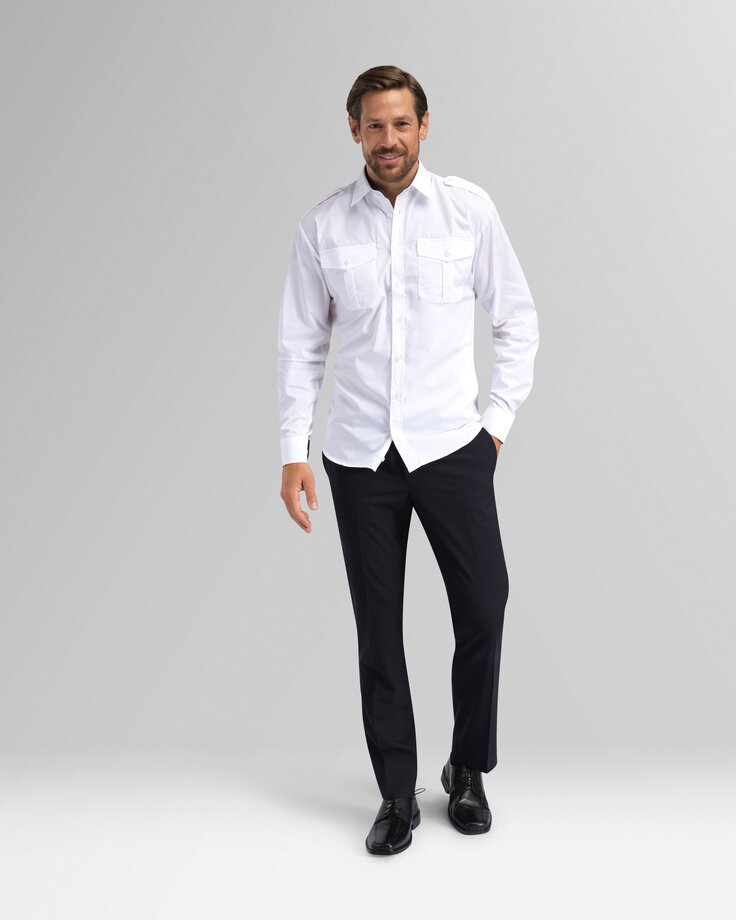
Woven button-front shirts suit uniform programs needing a structured appearance, chest-pocket layouts, and durable branding positions. Specify sleeve closure, pocket count, reinforcement points, size grading, and the required fabric and certification documentation.
FR Knit Shirts
Knit polos and tees prioritize stretch and a lighter uniform profile, but offer fewer structured pocket and placket options. Confirm the required coverage, collar treatment, logo location, fabric construction, and whether the exact finished garment needs documented FR or arc performance.
Short-Sleeve Options
Short sleeves can improve comfort where the employer’s hazard assessment and dress rules permit them; they reduce arm coverage versus long sleeves. Put the permitted use case, sleeve length, layering expectation, and required garment documentation in the brief.
Fit And Role Variants

Women’s or role-specific fits can improve range of motion and uniform consistency when pattern, sizing, and pocket needs differ across teams. Submit a size chart target, wearer roles, movement requirements, and allocation by size before sampling.
High-Visibility And Layering
High-visibility elements and outer layers must be specified as a complete system, including placement, color, closures, and the applicable standard if required. Do not assume reflective tape, a vest, or a jacket preserves a shirt’s claimed protective status without evidence for the exact configuration.
4. Material and Care Brief
Material selection starts with the hazard brief, then balances protection scope, movement, heat comfort, appearance, and laundering. For custom FR shirts, final protective performance and compliance depend on the exact garment documentation and intended hazard scope.
| Proposed Material Route | Construction | Procurement Consideration | Documentation To Request | Appropriate Program Use |
|---|---|---|---|---|
| Proposed inherent-FR fabric system | Woven or knit | Confirm composition and exact garment scope | Fabric identification, care label, applicable records | Programs requiring a defined documented specification |
| Proposed treated-FR fabric | Usually woven or knit | Confirm treatment system and care limitations | Fabric identification, care instructions, applicable records | Programs with an approved laundering and replacement plan |
| Proposed FR blend | Woven or knit | Review feel, durability, and component compatibility | Blend composition, garment records, care label | Programs balancing uniform appearance and task requirements |
Inherent And Treated Approaches
Suppliers may describe proposed materials as inherent FR, treated FR, or another defined fabric system. Those descriptions are development inputs, not evidence that a finished shirt meets a particular job requirement or standard.
Request the exact fabric identification, finished-garment scope, care instructions, and applicable test or certificate records before approving a program.
Woven, Knit, And Blend Choices
Woven shirts typically suit structured work-shirt styling, pockets, and crisp logo areas; knits generally prioritize stretch and a softer hand. Fiber blends can change feel, durability, moisture handling, and care behavior, so composition must be specified rather than assumed.
Ask for a submitted sample when fit, hand feel, or decoration placement is critical.
Weight And Care Planning
Fabric weight affects the proposed garment build, feel, and layering plan. Evaluate it against the work setting with a submitted sample rather than selecting it from a generic preference.
Care labels are operational documents. They should match the approved fabric system and state the laundering instructions supplied for the finished garment. Do not represent those instructions as proof of protective performance without supporting evidence.
5. Branding and Decoration Review
Branding on custom FR shirts is a compatibility decision, not a final artwork step. Confirm the decoration method, location, and colors against the exact garment’s FR documentation and the job-site rules before approving production.
| Proposed Application | Artwork Location | Approval Check |
|---|---|---|
| Embroidery | Left chest above pocket | Confirm pocket clearance and garment documentation |
| Screen print | Upper back | Confirm site rules and reserved label areas |
| Heat transfer | Sleeve identifier | Confirm method compatibility and seam clearance |
Map Artwork Around Garment Features
A left-chest mark can compete with a chest pocket, flap, pen division, or garment label. Back artwork can also interfere with required identification, reflective placement, or a site-specified visibility zone.
Provide a front-and-back placement drawing with dimensions measured from stable reference points such as the center front or shoulder seam. Include logo scale, thread or ink colors, and whether artwork may cross seams.
- Left chest: check pocket and flap clearance
- Back: reserve required safety information zones
- Sleeve: confirm seam and cuff clearance
Assess Decoration With FR Documentation
Embroidery, screen printing, heat transfer, patches, woven labels, and care labels are available customization categories, but suitability is garment-specific. Decoration must be evaluated with the selected fabric, components, documented protective scope, and site rules; it must never be assumed safe because the base shirt is FR.
Ask for the proposed method and placement to be reviewed during sampling. Where a protective claim is required, retain the exact test or certificate evidence that applies to the finished configuration.
Assign Names And Department Identifiers
Names and department identifiers can support issue control, but they should remain legible without crowding the primary logo or mandatory labels. Decide whether the identifier is individualized, role-based, or color-coded by department before artwork setup.
Approve garment and decoration colors together against the uniform brief and any site restrictions. Do not present a color choice as proof of FR, visibility, or other compliance.
Worked Approval Matrix
Worked example only: use an approval matrix to prevent a logo file from moving forward without a garment-specific decision. This example is a review tool, not a performance approval or a promise that any method is acceptable.
The buyer should sign off on the selected row only after confirming the exact shirt documentation and site requirements.
6. Construction and Labeling Quality
A shirt can look correct on a line sheet yet fail the wearer or replacement program through poorly resolved seams, components, fit, or identification. Review these details on the approved sample before production, and record every accepted choice in the tech pack.
| Review Point | What To Approve | Replacement Value |
|---|---|---|
| Size label | Readable size and style identification | Matches replacement requests |
| Care label | Approved care information | Supports consistent user instructions |
| Lot or garment identifier | Buyer-required format where offered | Improves issue tracking |
Seams And Stress Points

Inspect seam allowance appearance, stitch consistency, loose thread ends, and alignment at shoulder joins, side seams, and sleeve attachment. Bartacks, triple stitching, and reinforcement can be specified where the use case justifies them, but the final construction must match the approved sample.
Ask to see the shirt worn with arms raised and bent. This exposes seam tension and whether reinforcement placement interferes with movement.
Closures, Pockets, And Edges
Confirm that buttons, snaps, zippers, pocket closures, and any decoration are appropriate for the required garment specification; do not assume a component preserves a protective claim without supporting documentation. Check closure operation after laundering instructions and intended use are defined.
Mark pocket dimensions, flap direction, pen divisions, cuff finish, and collar shape on the sample. These choices affect tool access, logo clearance, and daily comfort.
Fit And Size Control
A consistent size set begins with an approved measurement chart, grading rules, and a named base size. Compare the sample against those dimensions, then retain the approved reference for reorders and replacement control.
Practical sample checklist: verify chest and sleeve fit, shirt length when tucked or untucked, collar comfort, cuff adjustment, pocket reach, and left/right symmetry. Record accepted tolerances with the tech pack rather than relying on photos.
Permanent Identification
Specify woven labels, care labels, size labels, and custom packaging early, since each supports issue, care, and replacement workflows. Include the style identifier, color, size, and any buyer-required lot or garment identifier where offered.
For protective programs, submit the applicable standard and required test or certificate with the brief. A design target or label request is not evidence of tested performance.
7. Evaluating a Manufacturing Partner
The right manufacturer can translate a work setting and a protection requirement into a controlled shirt specification. Evaluate the production handoff, not just the garment image, before approving custom FR shirts.
Define The Product Scope
Specify sleeve length, collar, pocket layout, base fabric, color, size range, and each decoration location. For protective use, provide the applicable standard and the test or certificate required; a design target is not a documented performance claim.
Veelianpro can develop from a tech pack, sketch, sample, or product idea and supports fabric and trim sourcing, pattern development, sampling, size grading, and decoration.
- Work setting and required protection scope
- Fabric and trim specification
- Size breakdown by color and style
- Logo artwork and placement dimensions
Review Documentation And Samples
Request a packet that ties the approved sample to its fabric, components, labels, care information, and requested protection documentation. Confirm which records are available for the exact proposed garment rather than assuming a product family carries a rating.
Use a sample to check fit, pocket access, decoration placement, and label readability before production approval.
Control Artwork And Assortment
Artwork approval should show placement relative to pockets, seams, and labels, plus the approved method: embroidery, screen printing, heat transfer, patches, woven labels, or other confirmed option. Confirm whether the proposed application is compatible with the required garment specification.
Plan cartons and assortments by style, color, size, and logo version. Veelianpro offers custom packaging; packing format and carton markings should be confirmed in the quotation.
Compare Quote Completeness
A complete quote makes exclusions visible. It should identify the proposed garment version, decoration scope, quantity breakdown, packaging, delivery assumptions, and any requested documentation.
| Quote Area | Confirm Before Order | Why It Matters |
|---|---|---|
| Garment | Fabric, construction, labels | Locks the approved build |
| Decoration | Method, artwork, locations | Prevents placement changes |
| Assortment | Sizes, colors, packing | Supports issue and replenishment |
8. Approval Risks to Avoid
A polished shirt can still be an unusable program item when its version, decoration, and records do not match the safety review. Catch these conflicts in the specification before sampling or production approval.
Specify The Exact Garment Version
Do not select by color or collar appearance alone. Identify the style, fabric composition and weight, closure, pocket layout, seam and reinforcement requirements, size range, color, and intended work setting.
For internal safety review, submit the construction sheet, proposed label content, care-label plan, required standard or test documentation, and the exact garment version under review. A design target is not a documented protective claim.
- Style and fabric identification
- Pocket, closure, and reinforcement details
- Proposed main, care, and private-label information
Reconcile Counts Before Quoting
A total quantity without a size, color, and delivery-location split hides production decisions. Build one line per garment version, color, size, decoration position, and destination; separate pilot quantities from the replenishment plan.
Confirm feasibility for each style-and-color combination rather than treating the total order as one pool.
Validate Decoration And Placement
Do not assume embroidery, screen printing, heat transfer, patches, or labels will suit every selected FR shirt and requirement. Send the artwork file with method, dimensions, thread or ink colors, and the intended garment location for feasibility review.
Keep decoration clear of pocket openings, closures, reflective tape, and required labels. Approve a placement record showing front or back view, measured reference points, artwork revision, scale, method, and garment version.
- Artwork revision identifier
- Placement reference and dimensions
- Decoration method and color callouts
Prevent Mixed-Version Shipments
A changed fabric, pocket arrangement, trim, or label can create a second garment version even when the exterior looks similar. Assign an internal style code to each approved combination and require it on the sample, quote, production order, packing list, and inspection record.
This control prevents a replacement order from inheriting artwork but not the reviewed construction. Reopen safety review whenever the specified version changes.
9. Launching the Program
A reliable launch turns a hazard-specific uniform brief into a controlled approval record. For custom FR shirts, separate the design target from any tested, documented protection requirement before sampling or quoting.
Define Roles And Evidence
List each wearer role, work setting, hazard, required standard, and the documents your safety team must review. Identify whether the shirt is a pilot issue, a standard uniform, or a replenishment item.
Send the garment shortlist with exact fabric, trim, label, care, and protection-documentation requirements. Veelianpro can develop from a tech pack, sketch, sample, or product idea; protective claims require applicable evidence.
- Wearer role and work environment
- Applicable standard and documentation request
- Shirt style, color, and construction target
Fit And Artwork Approval
Collect wearer sizes against the approved size chart, including any fit notes before quantities are locked. Evaluate the physical sample for movement, pocket access, closures, label readability, and decoration placement.
Approve an artwork placement proof showing logo dimensions, thread or print colors, and exact locations. Confirm that branding does not obstruct required labels, pockets, reflective elements, or site-required markings.
Build The Order Record
Record quantities by style, color, size, and each decoration location rather than submitting one total. Example only: 120 navy long-sleeve shirts—S 15, M 35, L 40, XL 20, 2XL 10—with a left-chest logo and back safety text.
Keep the approved sample, artwork proof, size breakdown, documentation review, packing instructions, and revision date together. Plan replenishment against the same approved specification and reconfirm feasibility if the garment version, quantity split, or documentation request changes.
10. Quote Inputs and Cost Drivers
For custom FR shirts, the quote changes with the exact build, documentation scope, and the number of separately managed variants—not a generic per-shirt price.
A quote can be issued accurately only after the garment specification, final artwork, quantities by color and size, decoration locations, and destination are confirmed. When protective performance is required, provide the applicable standard plus the required test or certificate scope; a design target must not be treated as a documented rating.
| Cost Driver | What Changes Cost | Quote Must Specify |
|---|---|---|
| Quantity structure | Splitting volume across styles, colors, fits, or size runs creates more production variants. | Pieces by style, color, size, and planned reorder quantity. |
| Construction and fabric scope | Pocket configuration, reinforcements, closures, fabric composition or weight, and requested documentation change inputs and operations. | Tech pack, work setting, fabric target, construction details, and required standard or evidence. |
| Decoration | Method, artwork colors, stitch count or print complexity, and each placement add setup and application work. | Artwork files, method preference, dimensions, colors, and front, sleeve, or back locations. |
| Sampling and packaging | Pattern development, sample rounds, labels, care labels, patches, folding, and custom packaging add separate work. | Sample requirements, label text, packaging format, and approval process. |
| Freight and market factors | Carton volume, destination, shipping method, and import-market requirements affect the delivered-cost calculation. | Destination, Incoterm if used, shipping preference, and required delivery documentation. |
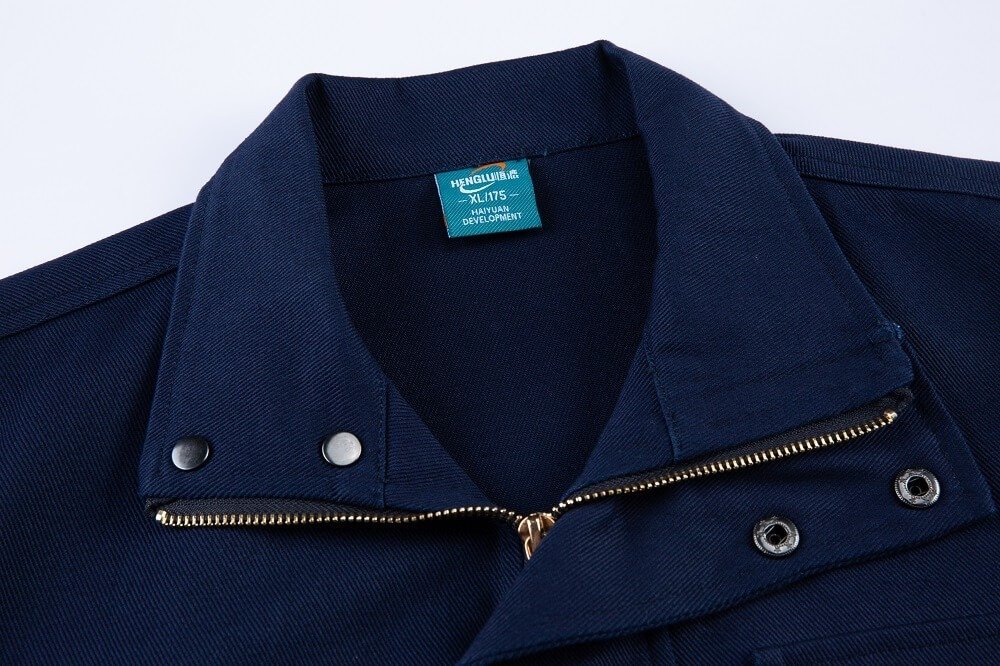


Request Your Custom FR Shirts Quote Today
Send your garment details, work setting, fabric, sizes, branding, quantity, destination, timeline, and required standards for a tailored quotation.