
Work Skirts and Skorts Manufacturer for Custom Workwear
Veelianpro is a Wuhan-based custom workwear manufacturer supporting OEM, ODM, private-label and wholesale development from 100 pieces per style and color, subject to project requirements.
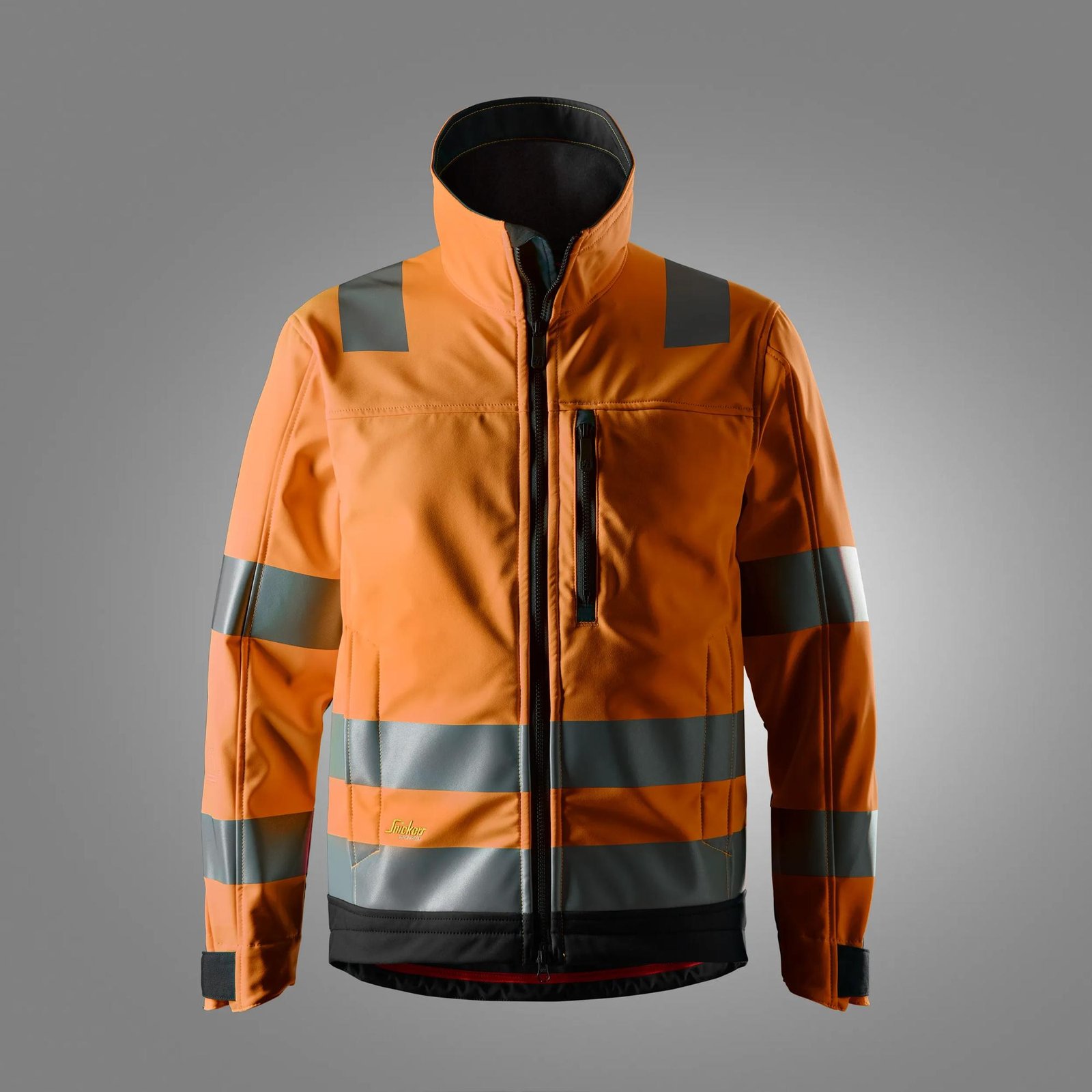
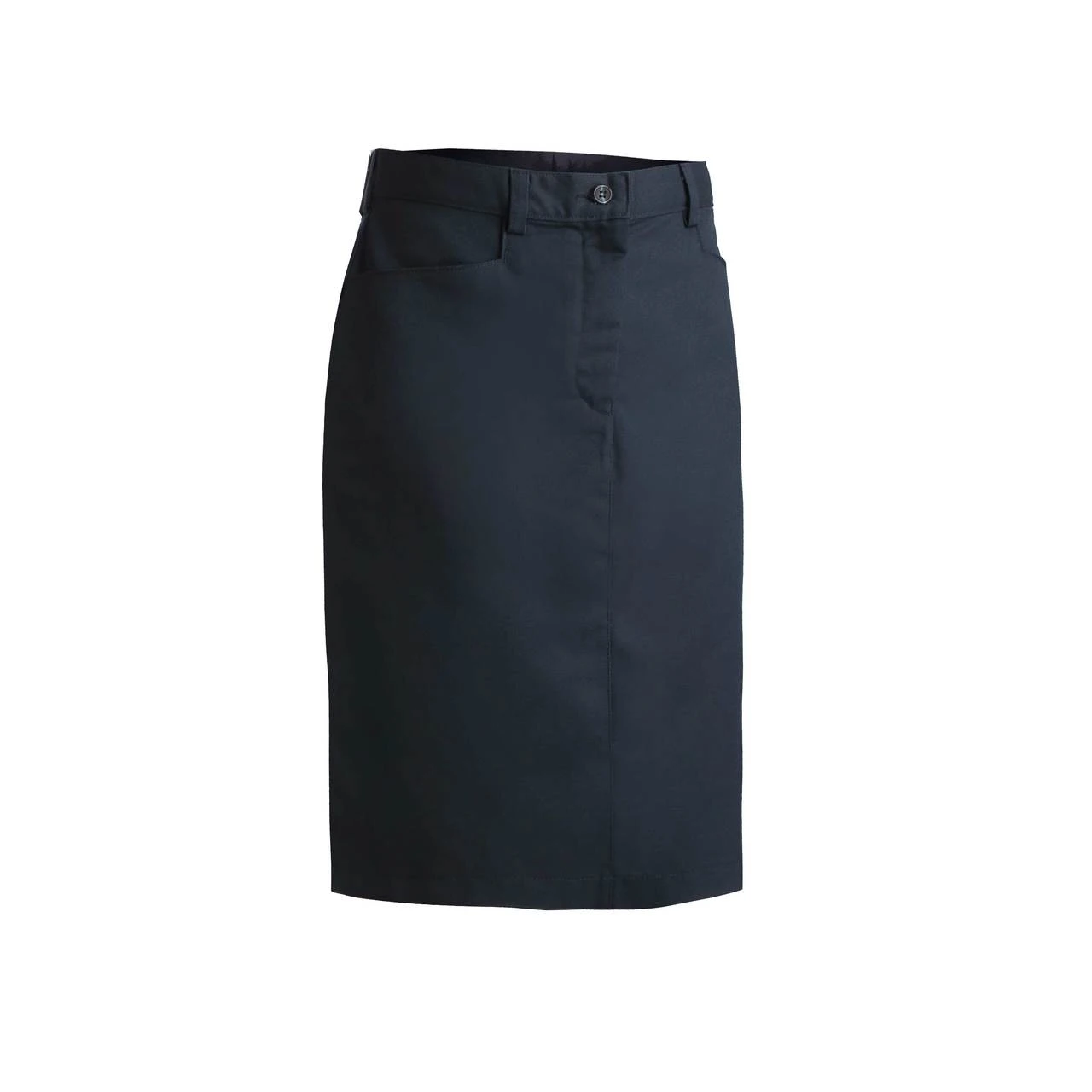
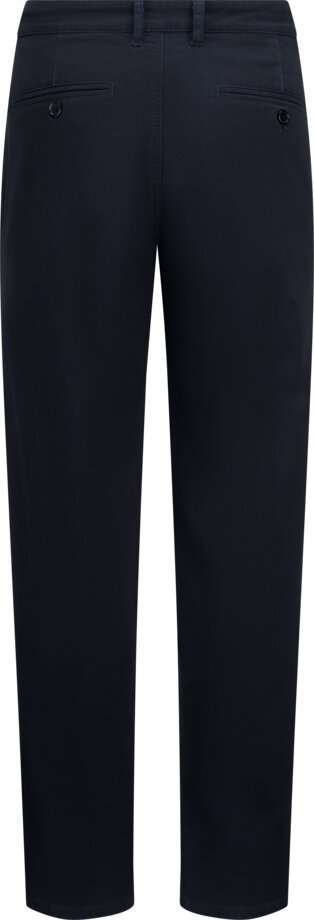
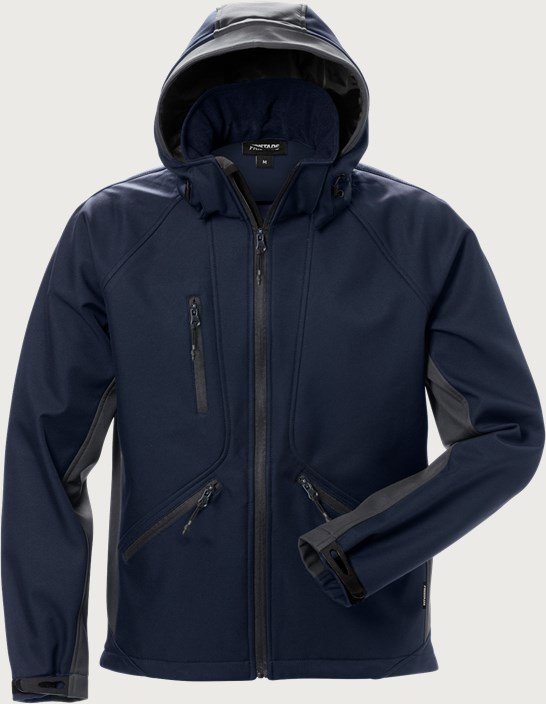
Representative Workwear for Custom Skirt and Skort Development








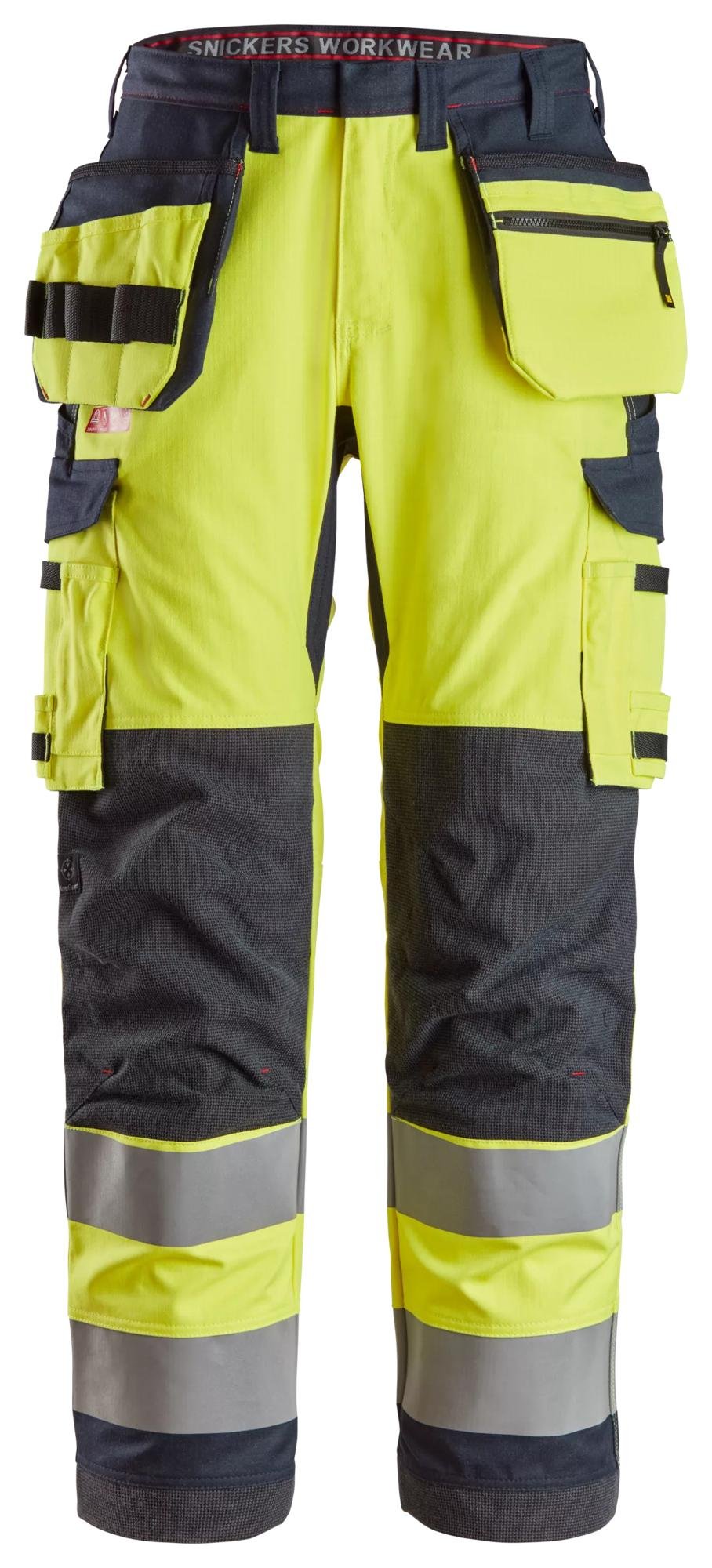

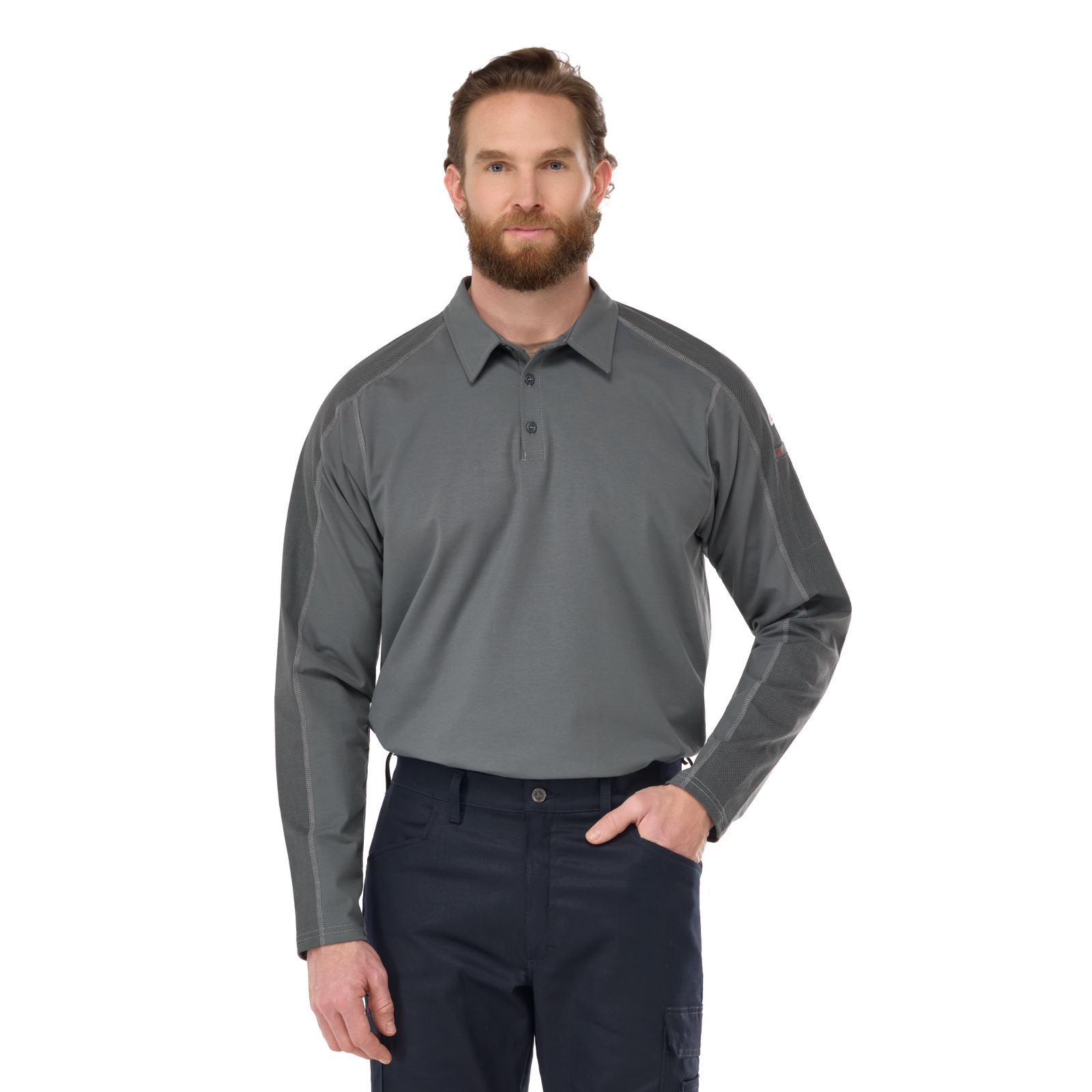

Related Product Catalogue and Quotation






Why Choose Veelianpro for Custom Work Skirt and Skort Programs
Develop practical workwear bottoms with custom fit, materials, construction, branding, sampling, and quality coordination from one experienced Wuhan production partner.
Custom Development Support
Turn a sketch, tech pack, sample, or product idea into a workwear skirt or skort through pattern development and fit refinement.
Private-Label Flexibility
Use MOQ starting at 100 pieces per style and color, with custom labels, decoration, packaging, and private-label production subject to project requirements.
Fabric and Trim Sourcing
Review fabric composition, weight, color, trims, and sourcing requirements to match your intended workplace, wear conditions, and target cost.
Practical Construction Options
Specify secure waistbands, useful pockets, movement ease, reinforced areas, reflective placement, and other construction details for your approved design.
Sampling Before Production
Move from approved specifications to samples, revisions, size grading, and production readiness before confirming your bulk order.
Coordinated Quality Checks
Coordinate cutting, sewing, finishing, inspection, packing, and export support with project-specific quality checks and documented requirements.
Custom Work Skirts and Skorts
Develop uniform-ready skirts, skorts and safety-focused styles for service teams, branded programs and practical workplace wear.

Work Skirt
Custom work skirts developed for hospitality, reception, retail and service uniforms. Select suitable fabric composition, color, waistband construction, length, pocket configuration and closure details, then add woven labels, care labels, embroidery or other approved branding for your program.
Get a Quote
Skort
Skorts combine a professional skirt appearance with integrated shorts for teams needing greater coverage and movement. Development can cover fabric selection, waistband and closure design, pocket placement, fit grading, color matching and private-label finishing for active service or promotional uniforms.
Get a Quote
Safety Skirt
Visibility-detail skirts can be developed around the work setting, requested trim placement, pocket needs, coverage, and branding. Discuss the base fabric and construction before sampling. Do not describe a style as high-visibility or protective unless SKU-specific test evidence and certification scope support that claim.
Get a QuoteMaterials from a Work Skirts and Skorts Manufacturer




Decoration and Construction by a Work Skirts and Skorts Manufacturer



Work Skirts and Skorts Manufacturer: Functional Trims


Veelianpro, Work Skirts and Skorts Manufacturer
Hubei Veelianpro Workwear Co., Ltd. began its workwear operation in Wuhan in 2012, with a mission to help brands turn practical apparel concepts into dependable production programs. Today, the company supports custom workwear development across industrial, safety, hospitality and service categories, including OEM, ODM, private-label and wholesale orders.
Veelianpro starts with your tech pack, sketch, sample or product idea. Its manufacturing support can include fabric and trim sourcing, pattern development, sampling, size grading, cutting, sewing, reinforcement, decoration, finishing, quality checks, packing and export coordination. For work skirts and skorts, buyers can discuss fit, fabric, pockets, branding and movement requirements before production.
What distinguishes Veelianpro is a development-led approach built around the buyer’s specification rather than a fixed catalog. The MOQ starts at 100 pieces per style and color, subject to fabric, certification and construction requirements. As a custom workwear manufacturer, Veelianpro helps private-label and established workwear teams move from approved sample to organized bulk production. Contact info@veelianpro.com or WhatsApp +86 139 8615 2456 to discuss your project.

Work Skirts and Skorts Manufacturer Capabilities
Tech-Pack Review and Feasibility
Veelianpro reviews your sketch, tech pack, sample or product idea before development. Our team clarifies the intended work setting, fabric targets, sizing, branding, quantity and timeline so each work skirt or skort program begins with practical, production-ready requirements.
- Review sketches, tech packs and reference samples
- Confirm fabric, trim and construction requirements
- Assess MOQ from 100 pieces per style and color
- Align development scope with the intended work environment

Pattern Development and Grading
Pattern development translates your design into a dependable fit for professional use. Veelianpro can refine skirt length, silhouette, waistband construction, movement ease and pocket placement, then develop size grading around your approved measurements and size range.
- Develop patterns from measurements or approved samples
- Refine fit, silhouette and movement allowance
- Create size grading for your target range
- Review revisions through sample approval

Fabric, Trims and Functional Details
Material and trim choices shape comfort, durability and daily usability. We help source suitable fabrics and coordinate practical details such as secure waistbands, pockets, reinforced areas, reflective elements or other requirements defined by your workwear specification.
- Source fabrics according to weight and composition targets
- Coordinate buttons, zippers, labels and other trims
- Add pockets and movement-friendly skort construction
- Separate design targets from verified performance claims

Sampling, Branding and Quality Control
After specifications are confirmed, Veelianpro coordinates sampling, decoration and production checks through shipment preparation. OEM, ODM and private-label buyers can develop branding details and packaging while maintaining approved construction, sizing and finishing standards across bulk orders.
- Produce samples for review and approval
- Support embroidery, printing, patches and woven labels
- Coordinate cutting, sewing, finishing and inspection
- Prepare packing and export coordination for approved orders

Custom Work Skirt and Skort Manufacturing vs. Off-the-Shelf Garment Sourcing
Compare custom workwear development with buying an existing garment and adding decoration. Starting MOQ is subject to fabric, certification and construction requirements.
← Swipe left or right to view →
Compare Veelianpro’s Custom Workwear Program
Veelianpro guides each custom workwear project from feasibility review to export, with practical controls for fit, construction, branding, quality and documented protection requirements.
Review Requirements
Share your sketch, tech pack, sample or product idea. We review garment use, quantities, sizing, branding, timeline and any required performance evidence.
Select Materials
We assess fabric, trims and construction details for workplace use, including durability, breathability, movement, pockets, waist systems and weather protection needs.
Develop and Sample
Our team develops patterns, grades sizes and prepares samples for review. Fit, silhouette, skirt length, skort coverage and functional details are refined together.
Produce and Decorate
After approval, production moves through cutting, sewing, reinforcement and finishing, with embroidery, labels, patches, transfers or custom packaging added to specification.
Inspect and Ship
We conduct quality checks before packing and export coordination. High-visibility, FR, arc-rated or other protection claims remain subject to SKU-specific testing and certification evidence.
How to Start with a Work Skirts and Skorts Manufacturer
Move from an initial workwear concept to approved samples, production, and reorder support through a clear, buyer-focused development process.
Share Your Requirements
Send a tech pack, sketch, sample, or product idea with workplace use, fabric preferences, sizing, colors, branding, quantity, destination, and timeline.
Confirm Feasibility and Fit
Veelianpro reviews construction, materials, trims, protection requirements, and production conditions, then develops patterns, size grading, and samples for your approval.
Approve the Quotation
After sample feedback, we finalize specifications, decoration, packaging, MOQ, lead-time expectations, and quotation details before confirming the production order with you.
Move into Bulk Production
We coordinate cutting, sewing, reinforcement, quality checks, packing, export shipment, and reorder support against the approved specifications and agreed project requirements.
How to Start a Custom Work Skirt and Skort Program


Illustrative Work Skirt and Skort Procurement Scenarios
Illustrative scenario: A uniform buyer needs a coordinated office skirt and skort program with consistent sizing. Veelianpro develops patterns, reviews skirt lengths and pocket placement, then prepares samples for fit, coverage, construction, and approved brand-label acceptance criteria.
Illustrative scenario: A workwear brand is adding mobility-focused skorts to an existing professional range. The development brief refines the outer-skirt silhouette, inner-short construction, fabric choice, and size grading before sample approval against the brand’s movement, appearance, and fit requirements.
Illustrative scenario: A distributor requires private-label work skirts for several service accounts. Veelianpro aligns colors, trims, woven labels, care labels, and packing details during sampling, with bulk production released only after the buyer confirms the specification and quality-check criteria.
Customer Evidence Pending for Custom Workwear Programs
Practical answers for buyers planning custom workwear bottoms, private-label collections, and repeat production with Veelianpro.
Can Veelianpro manufacture custom work skirts and skorts for private-label workwear brands?
What MOQ does a work skirts and skorts manufacturer require?
How does a work skirts and skorts manufacturer develop sizing and fit?
Can you add functional details to custom work skirts and skorts?
What are the sampling costs and lead times for custom work skirts and skorts?
What payment terms and shipping support does Veelianpro provide?
Can a work skirts and skorts manufacturer protect our designs and private-label information?
What evidence is required for protective-performance claims on work skirts and skorts?
Work Skirts and Skorts Manufacturer: Complete Buyer’s Guide
A practical framework for selecting silhouettes, materials, fit controls, private-label details, and a production partner—while avoiding specification gaps, sampling mistakes, and misleading quote comparisons.
1. What a Work Skirt and Skort Manufacturer Does
A work skirt is a professional lower-body garment built around a skirt silhouette; a skort retains that outward appearance while incorporating shorts underneath. That difference affects the product brief: a skirt program must balance presentation and coverage, while a skort also needs the inner-short construction to support movement during standing, walking, bending, or service tasks.
A work skirts and skorts manufacturer turns a buyer’s tech pack, sketch, approved sample, or product idea into repeatable production. The role covers pattern development, sampling, size grading, fabric and trim sourcing, cutting, sewing, finishing, quality checks, labeling, packing, and export coordination, with the workplace context defining the appropriate silhouette, length, pocket approach, closure, and branding.
For office, hospitality, reception, and service uniform programs, fit consistency matters as much as appearance: an inconsistent waist, hip, or rise can change coverage and mobility between sizes. Veelianpro develops custom workwear from buyer inputs and supports OEM, ODM, private-label, and wholesale production; its starting MOQ is 100 pieces per style and color, subject to fabric, certification, and construction requirements. A useful quote request identifies the intended work setting, design type, fabric direction, size range, branding method, quantity, destination, and timeline.
2. Choosing Skirts and Skorts for the Job
A pencil skirt can create a clean, formal line, but a close silhouette may limit stride. A skort addresses a different need by pairing a skirt-facing outer layer with an internal short. The key question is practical: how should the garment maintain a polished uniform appearance while accommodating standing, walking, bending, and service tasks?
Use silhouette to assign a clear job to each style. A column or pencil skirt can suit tailored front-of-house presentation. An A-line, wrap, or pleated construction can provide more walking ease. A skort can be considered where the role calls for additional coverage during active movement. These are development directions, not universal suitability claims; the approved sample must show that the selected construction works for the intended role.
For a coordinated range, define each style’s job before sampling: a formal skirt for reception or office teams, a movement-oriented skort for service staff, or both under one color and trim program. Veelianpro can develop patterns, grade sizes, source fabric and trims, and apply brand details from an approved brief, allowing the assortment to share a recognizable uniform presentation without requiring one construction for every wearer.
Neither option is inherently better. Match silhouette, coverage expectations, movement needs, intended footwear, size range, and laundering plan to the role, then evaluate the finished sample against the agreed appearance and wearability criteria before bulk production.
3. Work Skirt and Skort Product Types
A workable range starts with the job context, not a fashion list. Brief the silhouette, intended setting, coverage expectation, and movement requirement together so the pattern can be developed as a repeatable workwear style.
| Type | Visual Effect | Movement And Coverage | Pattern Focus |
|---|---|---|---|
| Pencil or column | Tailored, formal | Confirm stride and seated coverage in the sample; specify any vent | Narrow hem and vent specification |
| A-line or pleated | Softer, more fluid | Review walking ease and coverage with the selected pleat construction | Sweep, pleat placement, pressing |
| Wrap or midi | Adaptable, polished | Overlap and finished length require testing | Overlap depth and graded length |
| Knit or skort | Relaxed or mobility-led | Review movement, coverage, and inner-short interaction in the sample | Recovery allowance or attached short |
Tailored Core Silhouettes
Pencil and column skirts create the cleanest uniform profile for reception, office, and customer-facing teams. Their narrow hem sweep can limit stride, so the brief must define the desired walking ease and any back, front, or side vent.
A-line shapes broaden gradually from the waist, giving more natural movement and a less formal visual line. Use a shared waistband and sizing block when coordinating these silhouettes in one range.
Pleats, Wraps, And Midi Lengths
Pleated skirts add visual movement and can suit hospitality or service uniforms where a softer appearance is wanted. Pleat depth, placement, and pressing method must be fixed in the approved pattern because they affect both appearance and fabric consumption.
Wrap-style designs give adjustable visual overlap but require clear coverage at the opening during walking and sitting. Midi is a length direction, not a construction: specify finished length from the waistband and test it across graded sizes.
Knit And Skort Options
Knit skirts and skorts are distinct development options: a skort combines a skirt-facing outer layer with an internal short, while a knit skirt uses a different fabric and construction approach. For either option, review the intended tasks, coverage expectations, fabric behavior, and construction in the sample.
For a focused launch, select one core style that matches the documented job brief. A coordinated assortment can share colors and branding while using separate patterns, measurement charts, and approval criteria for each construction.
4. Materials and Technical Options for Work Skirts
Specify fabric composition and construction together, then assess the selected fabric in the intended color and garment construction. The brief should identify the buyer’s requirements for appearance, coverage, movement, care, and any lining or inner-short components rather than assuming those requirements from a fiber name alone.
| Material Family | Useful For | Key Selection Checks | Lining Consideration |
|---|---|---|---|
| Stretch woven | Structured skirts and tailored skorts | Drape, opacity, stretch, recovery | Review for lighter colors or a smoother finish |
| Polyester-cotton woven | Service uniforms and everyday styles | Hand feel, crease appearance, care expectations | Assess coverage by color and silhouette |
| Ponte or stable knit | Comfort-led professional skirts | Recovery, cling, hem behavior, opacity | Often review for cling control and coverage |
| Lightweight woven | Warm-setting skirts or layered designs | Drape, transparency, care, movement | Commonly requires deliberate lining review |
Read The Fabric Brief

Review the intended-color fabric in the proposed silhouette rather than approving from a small swatch alone. Record the buyer’s acceptance criteria for appearance, coverage, hand feel, and behavior during the movements expected in the job.
If stretch, lining, or an inner short is proposed, identify each component in the brief and assess the assembled sample after the agreed wear and care review. Define laundering expectations and the reason for any lining before bulk approval.
Compare Material Families
Use the material table as a development checklist, then confirm the selected fabric, color, construction, and any lining through the approved sample.
Worked Brief Example
Worked example: a structured pencil skirt brief can call for a stable woven with controlled stretch, sufficient opacity, and lining review so the silhouette remains polished. Its sampling review should focus on waist stability, seat coverage, and wrinkle appearance after sitting.
A mobility-focused skort brief can prioritize stretch and recovery in both shell and inner short, plus coverage through bending and walking. The brief should separately identify the inner-short fabric, inseam target, pocket needs, and care method; these are design requirements, not tested performance claims.
5. Customization Options for Work Skirts and Skorts
Customization begins by locking the role of each style in the range: a tailored work skirt, a mobility-oriented skort, or both. At Veelianpro, the early brief separates decisions that require a new pattern from details applied during production finishing.
| Decision Group | Typical Decisions | Development Effect |
|---|---|---|
| Pattern | Silhouette, length, waistband, pockets, internal short | Changes pattern and fit sample |
| Finishing | Color, branding, labels, packaging | Applied to approved construction |
| Sizing | Base size and grading range | Controls cross-size consistency |
Pattern Decisions Come First

Silhouette, finished length, waistband shape, closure position, pocket layout, pleat placement, and a skort’s internal short change the pattern and sample construction. Define these before approving decorative details.
State intended work setting and coverage expectations alongside the size range. Size grading should follow the approved base fit, so a revised waistband or internal short should be resolved before grading begins.
Finishing Builds Brand Recognition
Color, selected fabric, trims, embroidery, screen printing, heat transfer, patches, woven labels, care labels, and custom packaging can carry a consistent range identity. These choices still need placement, color, and attachment specifications.
Private-label briefs should identify every label type, artwork version, packaging format, and where each component appears. Protect performance claims by treating them as design targets until applicable test evidence and certification scope are confirmed.
Turn Direction Into A Sample Brief
A usable tech pack gives the sample room fewer assumptions: front and back flats, measurements, construction notes, pocket and closure details, material and trim references, artwork files, and labeling instructions. Attach a size chart and identify the sample size.
Include quantity, destination, and timeline with the brief so the manufacturer can review feasibility and quote against the actual fabric, certification, construction, and customization scope.
6. Construction Details That Determine Wearability
Wearability is often decided at the sewing table, not by silhouette alone. Review the approved sample while sitting, walking, bending, and using pockets; the construction must preserve coverage and return to the intended shape after normal movement.
| Construction Point | Sample Check | Likely Failure | Practical Remedy |
|---|---|---|---|
| Waistband | Flat and stable when seated | Rolling or gaping | Revise structure and seam matching |
| Internal short | Aligned during stride | Riding or twisting | Adjust pattern and attachment points |
| Pocket opening | Accessible without pulling | Distorted side seam | Relocate opening or reinforce edge |
Waistband, Darts, And Seams

A stable waistband distributes tension around the waist, while darts shape the garment without forcing side seams forward. Check that dart ends lie smooth and that side seams hang vertically on the fit model.
Waistband rolling, gaping, or a twisted facing usually points to an unsuitable internal structure, mismatched seam lengths, or insufficient stabilization. Correct the pattern and waistband build before grading, rather than relying on a tighter closure.
Closures And Hem Finish
A zipper, hook, button, or concealed fastening should lie flat and remain accessible without distorting the waistband. At the hem, an even turn-up and secure finish protect the silhouette and make length alterations more predictable.
A wavy hem can result from uneven feeding or an incompatible hem treatment for the fabric. Request a corrected sewing method on the next sample and inspect the finish from both inside and outside.
Pleats, Lining, And Skort Layers
Pleats need consistent depth and attachment at the waist so they open for movement without shifting their visual rhythm. For a skort, the internal short must stay aligned with the outer layer through stride and seated positions.
A lining that pulls, twists, or rides above the shell reduces coverage and signals a pattern or attachment issue. Confirm independent movement where intended, then document the attachment points in the approved construction sheet.
Pockets And Repeatable Sewing
Pocket openings should be reachable but placed away from stress points and garment distortion. Evaluate pocket bag depth, reinforcement at the opening, and whether the contents alter the skirt’s line.
Consistent seam allowances give cutters and sewing teams a repeatable reference and leave enough material for controlled repair. Record seam type, allowance, stitch placement, and reinforcement locations in the tech pack; verbal approval is too easily lost between sampling and bulk production.
7. Choosing a Workwear Manufacturer
A capable work skirts and skorts manufacturer turns an approved design into repeatable bulk specifications, rather than treating a sample as the entire standard. Compare written evidence at each handoff so responses can be assessed on the same brief.
| Stage | Evidence To Request | Fair Comparison Point |
|---|---|---|
| Development | Assumptions and revision path | Specific questions versus generic assurances |
| Fit control | Pattern, grade rules, measurement chart | Named controls for skirt and skort fit |
| Sampling | Revision record and approval reference | Clear sign-off before bulk |
| Bulk readiness | Itemized quote and labeling specification | Traceable materials, trims, and packing |
Test Development Communication
Send the same tech pack, target use, size range, branding plan, destination, and timeline to each candidate. A useful reply identifies missing decisions, proposes a development path, and separates design targets from any tested performance claim.
With Veelianpro, start from a tech pack, sketch, sample, or product idea and confirm fabric and trim sourcing, pattern development, sampling, and export coordination in the quotation.
- Ask for an assumption list
- Confirm one responsible contact
- Compare revision handling
- Request the current MOQ by style, fabric, color, and customization scope
Verify Fit And Samples
For a skirt, check waist position, hip ease, hem sweep, closure behavior, and walking comfort; for a skort, also check the inner-short attachment and coverage during movement. Request the base-size pattern, grade rules, measurement chart, and a dated sample revision record.
Approval should identify the approved sample, fabric, color standard, construction details, and tolerances to be used for bulk production. Photographs alone cannot establish grading or repeatability.
Check Bulk Continuity
A quote should name fabric composition or supplied material reference, color, trims, decoration method, labels, packaging, and inspection scope. This traceability makes later substitutions visible before cutting.
Ask how the approved sample, measurement specification, labels, and packing instructions move into production. Confirm available quality checkpoints and retain the final approved documents for reorders.
8. Common Work Skirt and Skort Buying Mistakes
A polished sample can still fail in service when its brief ignores the movements, components, and approval references that govern daily wear. Build these checks into development before bulk quotations are compared.
Start With The Job
Choosing a pencil, wrap, or pleated silhouette before defining standing, walking, driving, and seated tasks can produce restricted movement or unsuitable coverage. State the work setting and required movements in the brief, then review the sample in those positions.
Flat waist and hip measurements do not show how a garment behaves when seated. Add a seated coverage and mobility review to the fit approval, alongside the graded measurement chart.
Engineer The Skort
A skort is not a skirt with shorts added after the pattern is approved; the inner short affects rise, attachment, bulk, and access. Request the skirt-and-inner-short construction for review as one sample.
An unspecified zipper, waistband closure, or pocket location can obstruct dressing or make a pocket unusable in motion. Mark closure type, opening direction, pocket dimensions, and placement on the tech pack.
Control References And Quotes
Mixed fabric swatches, digital color files, and unlabeled physical color references invite visible shade disputes. Identify one approved color standard and record which components must match it.
Incomplete quotations hide differences in fabric, lining, trims, decoration, packing, sampling, and export coordination. Compare like-for-like specification sheets, and list every included component before selecting a work skirts and skorts manufacturer.
9. From Brief to Bulk Order: Launch Steps
A bulk handoff should reproduce one approved work skirt or skort specification, not interpret a mood board. Veelianpro can begin from a tech pack, sketch, sample, or product idea, then carry approved details through pattern development, sampling, production, inspection, packing, and export coordination.
Set The Range Objective
Define the target wearer, work setting, silhouette, coverage, movement requirement, size range, colorway, and quantity by style and color. This prevents a fitted office skirt and a mobility-led skort from sharing an unsuitable specification.
Issue a range brief and style list with an internal style code for every variant. Include the final fabric, construction, certification, and customization requirements so feasibility can be reviewed against the actual specification.
Build The Controlled Specification
Turn the selected concept into a tech pack: front and back flats, measurement chart, construction callouts, pocket placement, closure, lining or inner-short requirements, branding, and packaging instructions. Attach a bill of materials naming each fabric, trim, label, and color.
Use dated revision numbers and a change log. One approved PDF and one bill of materials prevent production from following an earlier email attachment.
- Tech pack and measurement chart
- Bill of materials and color references
- Revision log and approval record
Approve Samples And Presentation
Fabric and trim selection establishes the hand, appearance, and component availability before the fit sample is judged. The fit sample confirms pattern, grading direction, skirt coverage, and skort inner-short interaction; record corrections directly against the revision number.
Approve a pre-production sample only after construction, decoration, woven or care labels, hangtags, polybags, cartons, and packing marks match the final documents. This approval is the production handoff baseline.
Illustrative Procurement Scenario
Illustrative scenario: a uniform buyer develops a pencil skirt and a skort under separate style codes, using one shared color reference but distinct measurement charts and bills of materials. After fit comments revise the skort’s inner-short specification, only the updated revision is released for pre-production approval.
The order handoff packet contains the signed approval record, final tech pack, bill of materials, label artwork, packaging specification, purchase order, and inspection points. That packet gives the production team a single controlled source.
10. Work Skirt and Skort Manufacturing Cost Drivers
A pencil skirt and a skort can share an outer silhouette while requiring different operations. An internal short, extra joining seams, a separate waistband finish, or a movement gusset can change material consumption and sewing time. Pleats, pocket bags, lining, closures, reinforcement, and decoration likewise need to be defined as construction details rather than assumed from a reference image.
A scoped quote should separate development costs from bulk production and identify what is included in fabric and trim sourcing, sampling, labeling, packing, inspection, and shipment terms. Send the finished brief, target quantity, destination, and timeline to Request a Workwear Quote so the quote can be prepared against the final specification.
| Cost driver | What changes cost | Quote must specify |
|---|---|---|
| Silhouette and construction | Wrap panels, pleats, shaped seams, lining, internal shorts, pocket systems, closures, and reinforcement add components and operations. | Technical drawing or reference, length, pocket layout, closure type, and whether the style is a skirt or skort. |
| Fabric and color | Composition, weight, finish, color matching, and sourcing availability affect material selection and consumption. | Preferred fabric, color standard, lining requirement, intended work setting, and any required documented performance. |
| Branding and packing | Embroidery, screen printing, heat transfer, patches, woven labels, care labels, and custom packaging require defined placements and specifications. | Artwork, dimensions, placement, label copy, packaging format, and packing quantity. |
| Development and quantity | Pattern development, grading, and sample iterations are distinct from a confirmed bulk order; order quantity affects material purchasing and production planning. | Size range and grading, sample revision count, quantity by style/color/size, and approval standard. |
| Freight terms | Carton configuration, destination, transport method, and agreed shipping terms determine export coordination and freight scope. | Destination, preferred transport, requested shipping terms, and required delivery window. |

Ready to Start Your Custom Workwear Program?
Send your tech pack, target quantity, destination, timeline, and required specifications for a tailored Veelianpro workwear quote.