
Cargo Shorts Manufacturer for Custom Workwear
Veelianpro is a Wuhan-based custom workwear manufacturer and workwear manufacturer China partner offering OEM, ODM, private-label and wholesale cargo shorts programs from 100 pieces per style and color, subject to project requirements.
Featured Products for cargo shorts manufacturer Development
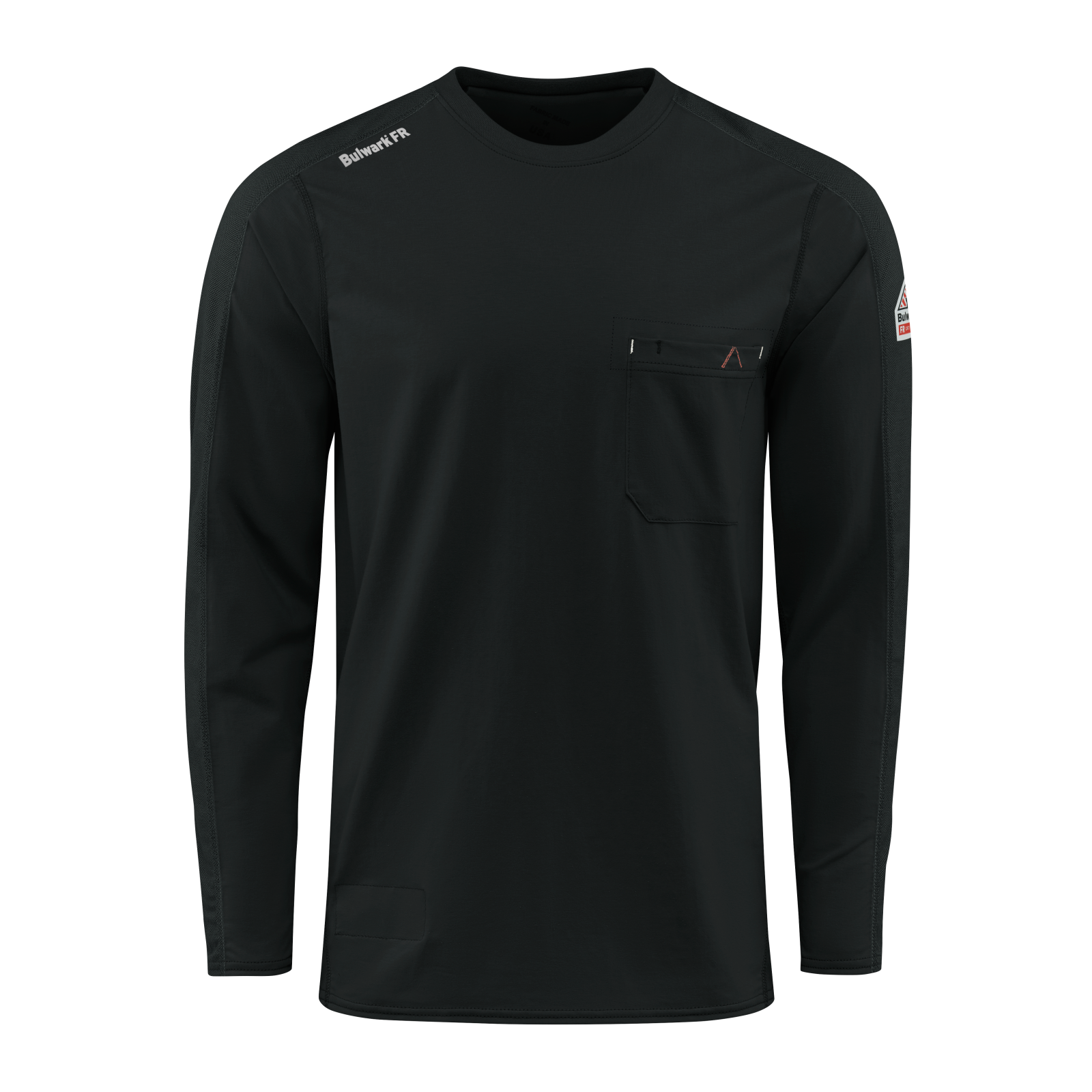


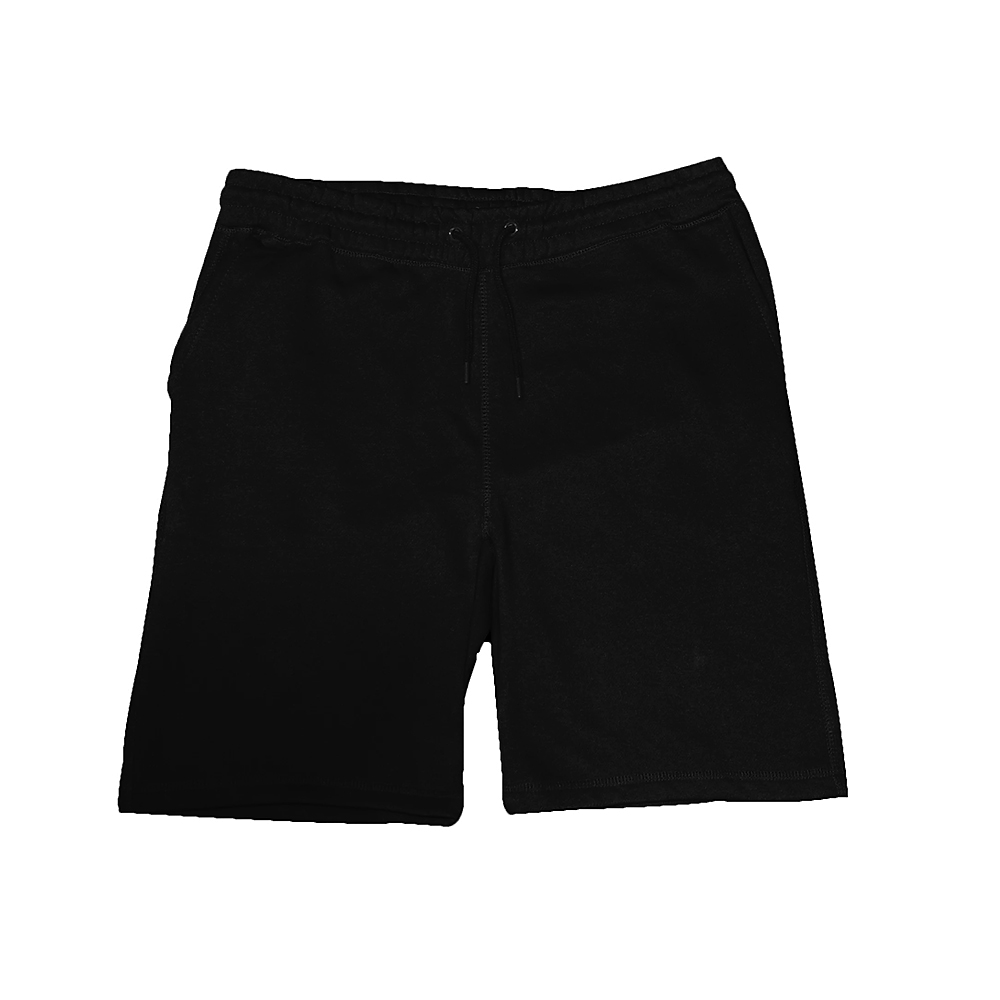


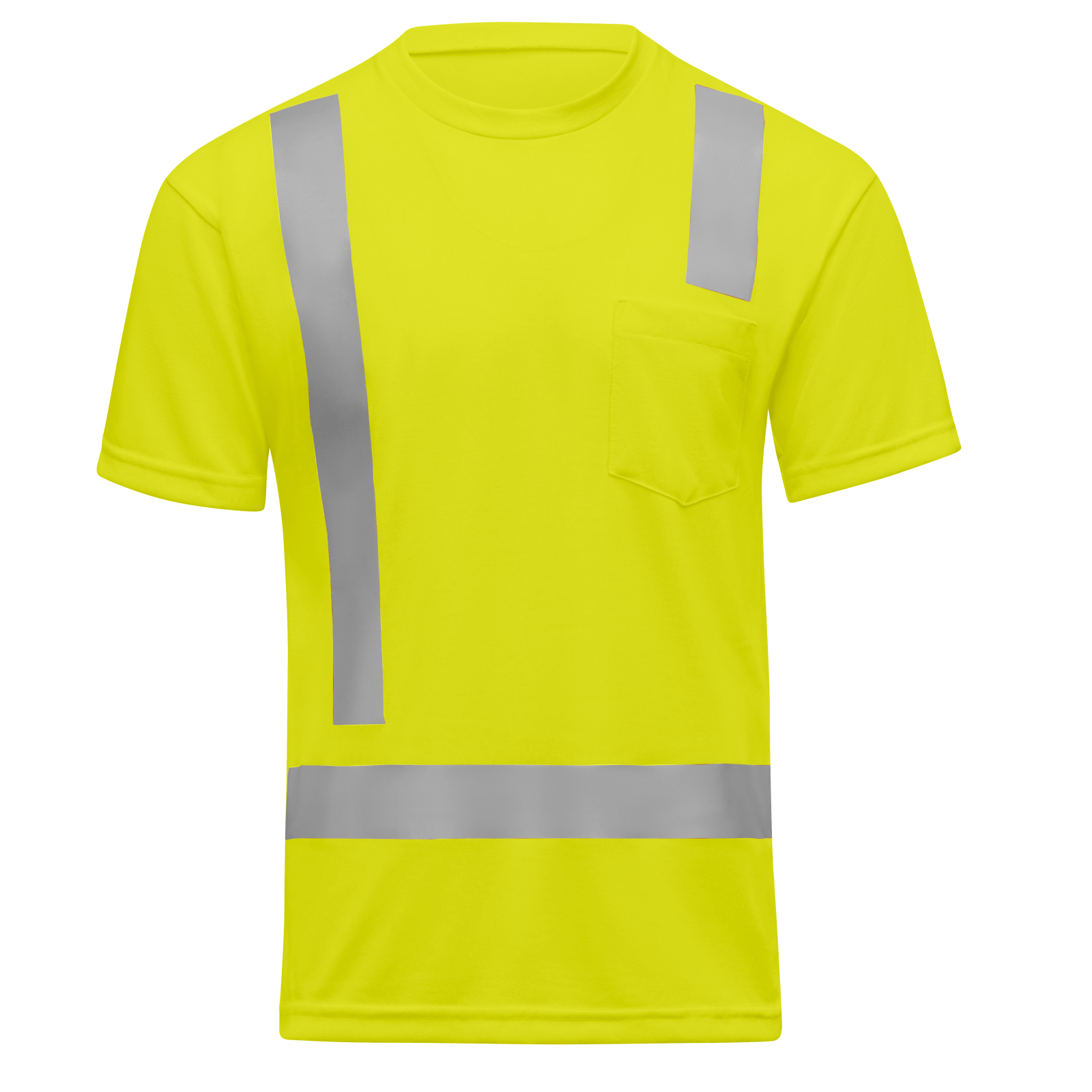
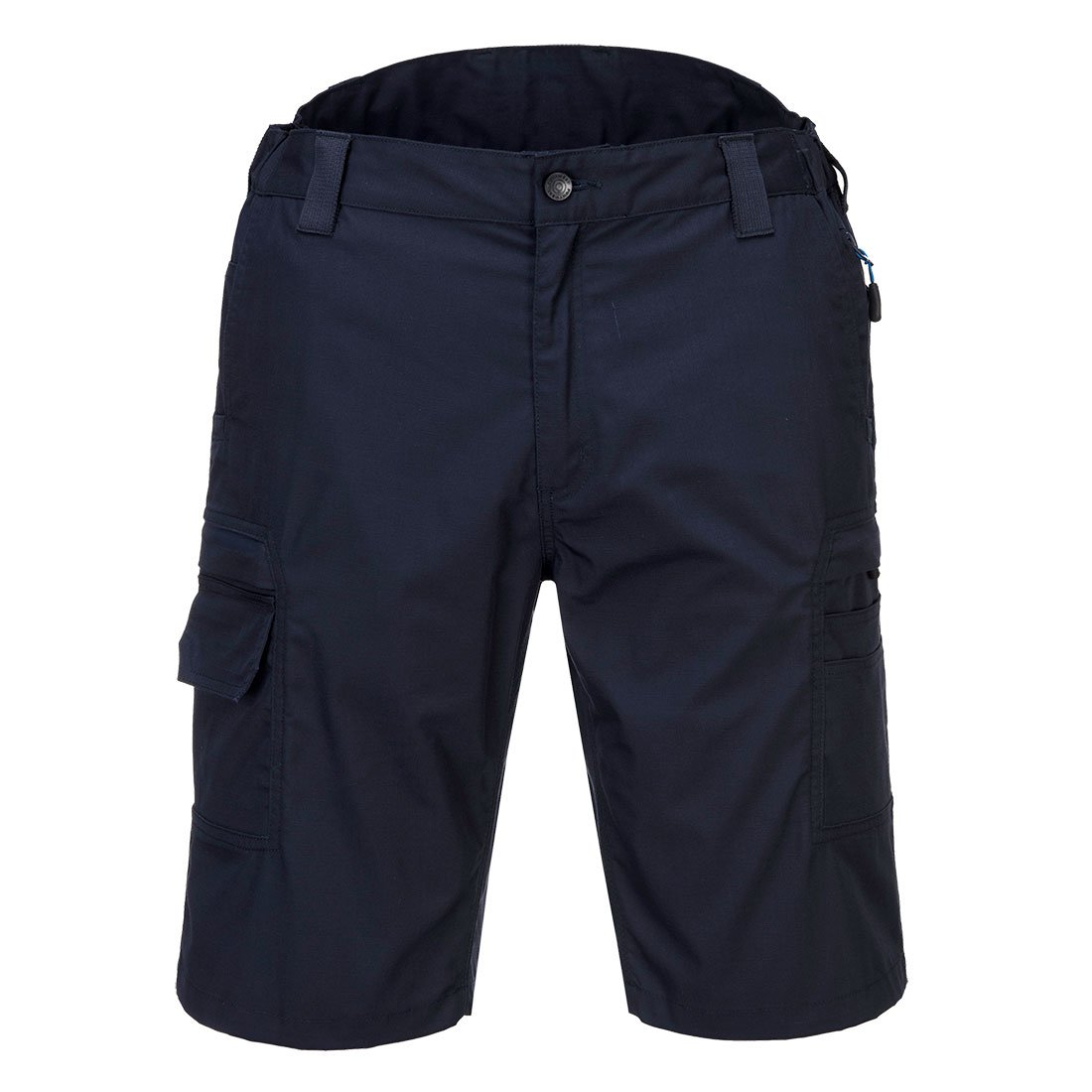


Related Cargo Shorts Catalogue and Quotation
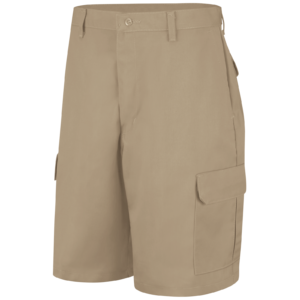
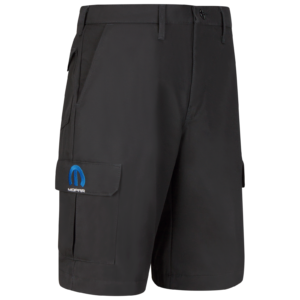
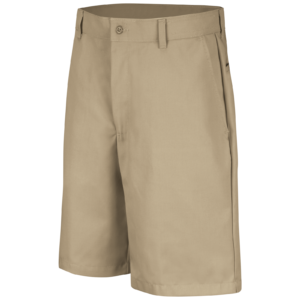




Why Brands Choose Our Cargo Shorts Manufacturing
Veelianpro supports cargo shorts manufacturer programs with practical development, flexible order planning, and production coordination for workwear brands and sourcing teams.
Custom Pocket And Fit Development
Define pocket layouts, proportions, reinforcement points, and fit details around your workwear application, tech pack, or product concept.
Conditional 100-Piece MOQ
Start from 100 pieces per style and color, subject to fabric, construction, certification, and project-specific production requirements.
Sampling Before Production
Review patterns, fabric choices, trims, and fit through sampling before approving the final cargo shorts manufacturing specification.
Material And Trim Sourcing
Coordinate fabric weight, composition, closures, labels, reflective details, and other trims for functional cargo shorts development.
Private-Label Branding Options
Add embroidery, screen printing, heat transfer, patches, woven labels, care labels, and custom packaging to your program.
Export Coordination And QC
Support cutting, sewing, quality checks, packing, shipment preparation, and export coordination for repeatable B2B fulfillment.
Cargo Shorts and Related Workwear Development
Custom industrial and service apparel programs, developed from your brief through sampling, production, quality checks, packing, and export coordination.
Work Shirts
Work shirts can be developed in long- or short-sleeve formats for industrial and service teams. Specify fabric composition, pocket layout, closure type, reinforced stress points, size grading, colors, labels, embroidery, printing, or patches.
Request a Workwear Quote
T-Shirts & Polos
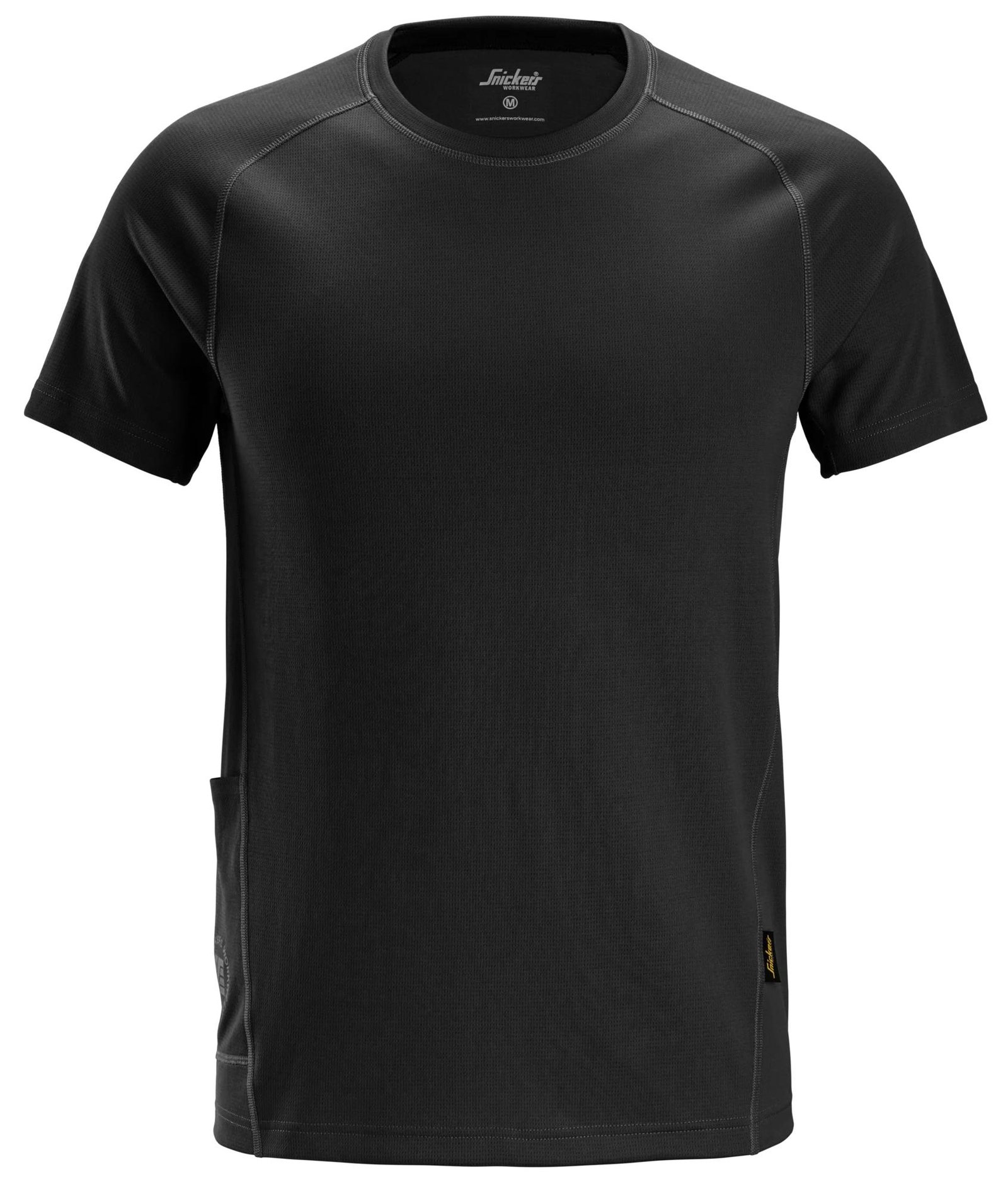
T-shirts and polos support uniform programs requiring practical branded layers. Development can cover knit fabric selection, collar and placket construction, sleeve treatment, color matching, size ranges, woven labels, care labels, screen printing, heat transfer, or embroidery.
Request a Workwear Quote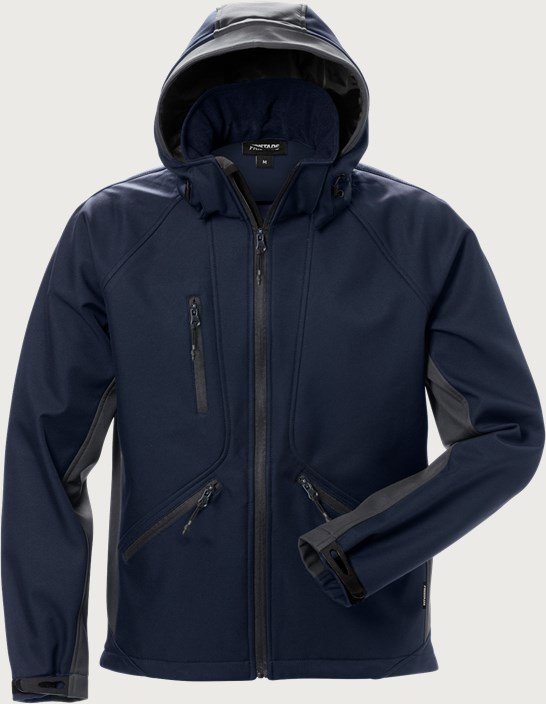
Work Jackets & Outerwear
Work jackets and outerwear include softshell, fleece, padded, and rain-jacket families. Buyers can define weather-protection design targets, lining or insulation choices, pocket systems, hood details, reinforcements, reflective tape placement, branding, and packaging before sampling.
Request a Workwear Quote
Work Vests & Bodywarmers
Work vests and bodywarmers can be developed for utility, service, and layered cold-weather use. Define pocket configuration, closure, lining, padding, trim, reflective details where required, branding method, and garment colors to suit the intended uniform program.
Request a Workwear Quote
Work Pants & Shorts
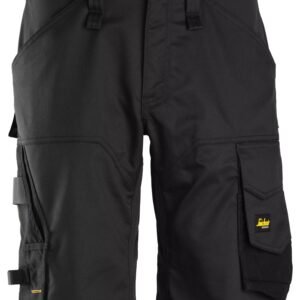
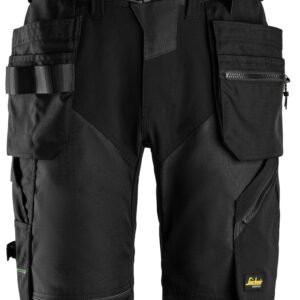
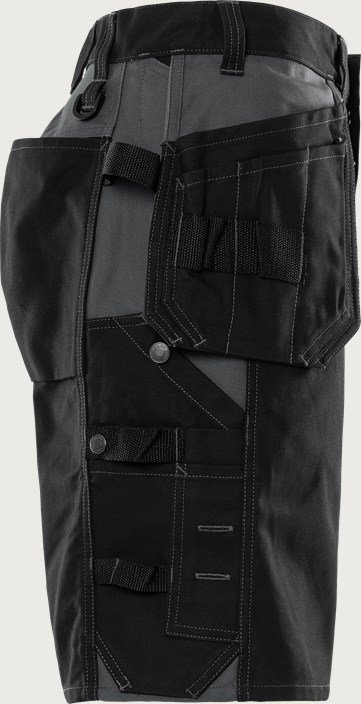
Work pants and cargo shorts are developed around task-specific storage and movement needs. Specify fabric, waistband construction, cargo or tool-pocket layout, knee reinforcement, bartacks, triple stitching, gussets, inseam range, colors, labels, and decoration for your program.
Request a Workwear Quote
Coveralls & Bib Overalls
Coveralls and bib overalls can be configured as one-piece or bib-style work garments with buyer-defined closures, pocket systems, reinforcement zones, adjustable components, fabric, size grading, branding, and packing. Intended work conditions guide the construction brief and material selection.
Request a Workwear Quote
Workwear Sets
Workwear sets coordinate shirts, jackets, vests, pants, or cargo shorts into a consistent uniform program. Development aligns fabric choices, color blocking, pocket functions, size grading, decoration, labels, and packaging across the selected garments.
Request a Workwear Quote
High-Visibility Workwear
High-visibility workwear is developed around the buyer’s intended work setting and applicable standard. Options may include shirts, vests, jackets, pants, or coveralls with specified fluorescent materials and reflective tape placement; performance claims require SKU-specific test evidence.
Request a Workwear Quote
Flame-Resistant & Arc-Rated Wear
Flame-resistant and arc-rated garment families may include shirts, pants, coveralls, jackets, and layered workwear. Fabric, construction, closures, and branding are developed to the brief, while any FR or arc rating must match the exact tested garment and certification scope.
Request a Workwear Quote
Chemical-Protective Clothing
Chemical-protective clothing is developed for the stated exposure scenario, garment type, and required standard. Buyers can define coverage, closures, seams, fabric or barrier-material targets, size range, labeling, and packaging; chemical-protection claims require documented evidence for the finished SKU.
Request a Workwear Quote
Cold-Storage Workwear
Cold-storage workwear can include padded jackets, insulated trousers, coveralls, vests, and layering pieces. Development addresses insulation and lining choices, closures, pocket access, movement requirements, branding, and the working environment; temperature performance is not claimed without supporting evidence.
Request a Workwear Quote
Welding Workwear
Welding workwear includes development of jackets, trousers, coveralls, aprons, and related protective garments for welding environments. Specify fabric and reinforcement requirements, closures, pockets, fit, labels, and branding. Any protective performance statement depends on the applicable tested construction.
Request a Workwear Quote
Medical & Cleanroom Wear
Medical and cleanroom wear covers scrubs, coats, uniforms, and ESD or cleanroom garment families. Programs can define fabric, closure, pocket, color, size, labeling, and packaging requirements. Cleanliness, ESD, or other controlled-environment claims require product-specific validation.
Request a Workwear Quote
Chef & Hospitality Uniforms
Chef and hospitality uniforms include chef coats, kitchen apparel, service shirts, polos, aprons, trousers, and coordinated front-of-house pieces. Buyers can tailor fabric, color, closures, pocket details, sizing, embroidery, labels, and packaging for restaurant, hotel, catering, or service teams.
Request a Workwear Quote
Industry Uniforms
Industry uniforms are built around the operating environment, job roles, and visual identity of a customer’s workforce. Combine core garments with practical pocket systems, reinforcement, color coding, reflective details where needed, size grading, branded labels, decoration, and custom packaging.
Request a Workwear Quote
Base Layers & Accessories
Base layers and accessories extend a workwear range with functional underlayers and supporting items. Development may cover fabric composition, warmth or moisture-management design targets, fit, colors, labels, patches, and packaging. Performance properties are only presented when supported by applicable evidence.
Request a Workwear QuoteCargo Shorts Manufacturer Materials for Utility Workwear




Production Processes from a Cargo Shorts Manufacturer



Cargo Shorts Manufacturer Trims and Private-Label Accessories


Veelianpro: Cargo Shorts Manufacturer
Hubei Veelianpro Workwear Co., Ltd. is a Wuhan-based custom workwear manufacturer and OEM workwear manufacturer serving workwear brands, safety distributors, uniform buyers and wholesalers. The company profile states that operations began in 2012. Veelianpro supports private label workwear, industrial uniform manufacturer programs and broader cargo shorts and service-apparel development through OEM, ODM and wholesale production.
Our team supports the full development path, from sketches, tech packs or product ideas through fabric and trim sourcing, pattern development, sampling, grading, cutting, sewing, reinforcement, branding, quality checks and export coordination. The company profile also describes more than 300 skilled workers; this company-supplied figure should be verified before prominent publication. Custom construction and manufacturing scope do not replace SKU-specific testing or certification evidence.

Core Capabilities of a Cargo Shorts Manufacturer
Tech-Pack and Pattern Development
Veelianpro reviews your sketch, tech pack, sample or product idea before translating requirements into a production-ready cargo shorts pattern. Our team can refine fit, size grading, pocket placement and construction details for workwear, utility or private-label programs.
- Tech-pack feasibility review
- Custom fit and size grading
- Pocket layout and gusset planning
- Sampling before bulk approval

Fabric, Trims and Reinforcement
Select materials and construction details around the intended work setting, wear conditions and target cost. As your cargo shorts manufacturer, Veelianpro can coordinate fabric and trim sourcing while developing practical reinforcement for demanding industrial and service apparel.
- Fabric weight and composition review
- Waistbands, closures and trim selection
- Reinforced knees, bartacks and triple stitching
- Reflective tape and branding placement

Decoration, Inspection and Export
After production, Veelianpro supports decoration, quality checks, packing and export coordination for repeatable B2B fulfillment. Confirm your branding method, packaging format, destination and timeline early so the final cargo shorts program aligns with commercial launch requirements.
- Embroidery, patches and heat transfer
- Woven labels and care labels
- In-process and final quality checks
- Packing and shipment coordination

Custom Cargo Shorts Manufacturing vs. Stock-Garment Sourcing and Decoration
Compare a custom workwear development route with sourcing stocked shorts and adding decoration. Starting MOQ is subject to fabric, certification and construction requirements.
← Swipe left or right to view →
Cargo Shorts Manufacturer: From Inquiry to Shipment
Veelianpro supports OEM, ODM, private-label and wholesale cargo shorts programs from feasibility review through sampling, production, inspection and export coordination.
Review Your Requirements
Share your sketch, tech pack, target use, quantity and destination. We review feasibility, construction priorities, protection requirements and information needed for an accurate quote.
Select Materials and Trims
Select fabric weight and composition, pocket systems, trims, reflective placement and branding options. MOQ starts at 100 pieces per style and color, subject to requirements.
Develop and Approve Samples
Develop patterns, size grading and samples for fit, pocket access and construction review. Revise the approved sample before confirming specifications for bulk production.
Cut, Sew and Decorate
Cut approved materials and sew cargo shorts with bartacks, reinforced areas, gussets and specified stitching. Apply decoration and labels according to the approved build.
Inspect Against Specifications
Inspect measurements, workmanship, branding and order details against agreed specifications. Performance claims and certifications remain tied to SKU-specific test evidence and documented scope.
Pack and Coordinate Shipment
Complete folding, labeling and custom packaging, then coordinate export documentation and shipment timing. Reorder support follows the approved construction and buyer’s production requirements.
How to Start a Cargo Shorts Manufacturer Program
Move from concept to production with a clear four-step path for custom cargo shorts, from initial specifications through sampling, approval, bulk manufacturing, and shipping.
Submit Your Product Brief
Share your tech pack, sketch, sample, or concept with target quantity, destination, timeline, intended use, branding, and applicable performance standard.
Confirm Specifications and Feasibility
Veelianpro reviews fabric, fit, pocket layout, trims, reinforcement, decoration, size range, and construction requirements before confirming a practical production route.
Review Samples and Quotation
Evaluate development samples for fit and construction, then review the quotation, MOQ, materials, branding details, lead time, and approved specifications.
Approve Production and Shipping
After approval, Veelianpro coordinates cutting, sewing, quality checks, packing, and export shipment, supporting repeat orders against the confirmed cargo shorts specification.
Cargo Shorts Manufacturer Certifications and Compliance Evidence


Cargo Shorts Manufacturer Scenarios for Workwear Buyers
Illustrative scenario: A workwear brand buyer needs a summer cargo short line from an existing trouser program. Veelianpro reviews the reference, adapts the pattern, fabric, pocket layout, reinforcements and branding for a prototype, with fit and construction approval defined before bulk production.
Illustrative scenario: A safety distributor requires cargo shorts for warehouse and field teams, with a practical phone pocket and durable closures. The development brief specifies the work setting, fabric choice, pocket placement, hardware and size range; the sample is assessed against the documented utility and measurement requirements.
Illustrative scenario: A uniform sourcing team has only a concept and private-label requirements for multi-pocket shorts. Veelianpro translates the concept into pattern, trim, decoration and packaging specifications, then prepares a sample route. The team evaluates branding placement, pocket function and consistent sizing before order confirmation.
Cargo Shorts Manufacturer FAQ
Practical answers for buyers evaluating custom workwear cargo shorts, private-label programs, sampling, production requirements, and supplier fit.
What does a cargo shorts manufacturer need to quote my project?
How do OEM, ODM, and private-label cargo shorts programs differ?
Can a cargo shorts manufacturer customize pockets, fit, and fabric?
What MOQ does a cargo shorts manufacturer require?
Can I approve samples before cargo shorts production begins?
How can a cargo shorts manufacturer add private-label branding?
What payment and shipping terms apply to a cargo shorts order?
Can a cargo shorts manufacturer provide certification or compliance evidence?
Cargo Shorts Manufacturer Guide for Custom Workwear Programs
Use this framework to specify cargo shorts, compare manufacturer evidence, control sampling decisions, and avoid costly errors in fabric, pocket construction, branding, quote scope, and production readiness.
1. What a Cargo Shorts Manufacturer Does
A cargo shorts manufacturer turns a functional brief into repeatable workwear: the short must combine the intended fit, pocket system, fabric, trims, construction, and brand identification in a form that can be inspected and reproduced. In an OEM or private-label program, that role begins well before cutting fabric and continues through sampling, bulk production, quality checks, packing, and export coordination.
Specification development defines what is to be made. A buyer may start with a tech pack, sketch, reference sample, or product idea, then settle the size range, fabric composition and weight, cargo-pocket layout, closures, reinforcement, branding, and destination requirements. A prototype is the physical check of those agreed choices before the order is released.
Approved bulk production is different from development: it follows the signed-off sample and confirmed order requirements at scale rather than reopening core design decisions on the production line. For workwear brands, safety distributors, uniform buyers, wholesalers, traders, and enterprise sourcing teams, Veelianpro can review feasibility from that brief. Use the quote stage to align the complete specification, target quantity, timeline, and any required protective standard or test documentation.
2. Cargo Shorts Manufacturer Product Types
Cargo shorts are not one universal specification. Select the wearer’s task, required coverage, carrying needs, and closure security first; fabric and trim choices should then support that product direction rather than dictate it.
| Direction | Silhouette And Coverage | Pocket Priority | Closure Focus |
|---|---|---|---|
| Service uniform | Clean; above-knee or knee-area | Daily small items | Access and neat appearance |
| Industrial workwear | Mobile task coverage | Tools, gloves, documents | Security during movement |
| Outdoor utility | Active field coverage | Controlled carried items | Terrain and activity needs |
| Casual promotional | Relaxed visual fit | Simplified utility | Branding and appearance |
Service-Uniform Shorts
Service-uniform shorts favor a clean, regular silhouette and practical above-knee or knee-area coverage for hospitality, facilities, and mobile teams. Pockets should carry small daily items without creating a bulky profile.
A flap, button, snap, or secure pocket closure should reflect what staff carry and how often access is needed. Define whether a branded belt, tucked shirt, or apron will cover the waistband and pocket area.
Industrial Workwear Shorts
Industrial workwear cargo shorts prioritize movement, accessible storage, and coverage appropriate to the work setting. Side cargo pockets can be assigned to tools, gloves, or documents; pocket purpose should be defined before placement.
Specify closure security where workers bend, climb, or move around equipment. Reinforcement requirements belong in the construction specification, while any protective performance claim requires its own documented evidence.
Outdoor Utility Shorts
Outdoor utility styles usually balance a mobile silhouette with pockets that keep carried items controlled during walking or field activity. Buyers should map each pocket to an item—such as a phone, map, or small tool—rather than add pockets only for appearance.
Choose coverage and closures around the expected terrain, weather exposure, and activity level. Outdoor details are not automatically appropriate for uniform or industrial programs.
Casual And Promotional Shorts
Casual or promotional cargo shorts can use a relaxed silhouette, visible branding, and simplified utility pockets when the garment is intended for campaigns, merchandise, or informal teams. A less technical layout may reduce unnecessary complexity.
Confirm whether visual impact or repeated work use is the priority. Promotional styling should not be presented as a substitute for task-specific workwear construction.
3. Materials for Cargo Shorts Manufacturing
Fabric, pocketing, and construction should be specified together so the development sample can be reviewed against the intended work setting. Define the required composition, weight, appearance, pocket use, and laundering expectations instead of selecting fabric by appearance alone.
| Material Or Construction | Practical Trade-Off | Suitable Use | Specification Questions |
|---|---|---|---|
| Cotton twill | Traditional utility appearance; confirm the selected fabric’s composition, weight, finish, and laundering expectations | Service or utility briefs, subject to swatch and sample approval | Composition, weight, finish, color standard? |
| Ripstop construction | Named fabric construction; approve its appearance in the selected swatch | Projects that specify ripstop fabric | Fiber content, grid, finish, full garment or panels? |
| Stretch blend | Buyer-selected stretch fabric; document fiber content, stretch direction, recovery expectations, and laundering requirements | Briefs that require a specified stretch fabric | Stretch direction, recovery, laundering expectations? |
| Separate pocketing | Separate component that requires its own material and construction specification | Tool, phone, or key pockets | Composition, color, load, seam construction? |
Cotton Twill Utility Base

Cotton twill may be specified when a brief calls for a traditional utility appearance. Approve the selected swatch and sample rather than assuming that a fabric name defines the finished garment’s comfort, durability, or wash result.
Confirm fiber composition, fabric weight, color standard, shrinkage expectation, and required finishing with the production sample. The buyer should document heat, movement, and laundering expectations separately; a heavier-looking twill does not establish those outcomes.
Ripstop For Targeted Durability
If the brief calls for ripstop fabric, approve a physical swatch rather than relying only on a color card. The selected material’s surface appearance, fiber content, construction, and finish should be recorded in the development specification.
Define whether the fabric is required across the whole short or only in selected panels. The term “ripstop” alone does not establish durability, protective performance, or certification; any such claim requires applicable evidence for the finished SKU.
Stretch And Pocketing Choices
Where a buyer requests a stretch blend, document the blend, stretch direction, recovery expectations, and laundering requirements in the specification. Treat those as development requirements, not as proof of mobility or wash performance without supporting evidence.
Pocket bags may use a separate pocketing fabric. Specify pocketing composition, color, seam construction, and the intended contents so the sample can be reviewed against actual use.
4. Custom Cargo Shorts Manufacturer Options
Customization starts with the fit block and ends with how a finished pair is identified and packed. Define each functional choice before sampling so a cargo shorts manufacturer can translate use requirements into one comparable specification.
| Specification Area | Define Before Sampling | Why It Matters |
|---|---|---|
| Fit | Inseam, rise, leg opening, grading | Sets coverage and movement |
| Cargo storage | Purpose, placement, closure | Aligns access with the job |
| Brand presentation | Labels, logo method, packaging | Keeps production and packing comparable |
Fit Block And Inseam

State the intended fit block, rise, leg opening, size range, and finished inseam. A short inseam changes coverage and pocket position, while a wider leg opening can affect how tools or phones move during work.
Attach a graded measurement chart when available. A physical sample or clear marked-up concept gives pattern development a tangible reference, but it should identify what must match and what may change.
Pocket Function And Closures
Assign a purpose to every pocket: hand access, phone storage, tools, or secured small items. Pocket purpose determines placement, opening size, depth, closure choice, and whether a flap, zip, button, or snap is appropriate.
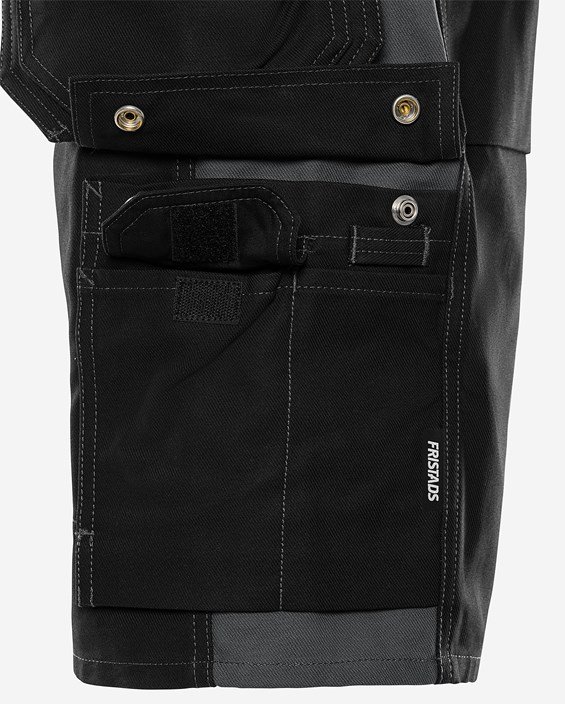
Specify the cargo-pocket profile and any webbing or attachment point rather than calling for ‘utility pockets.’ This prevents a visual detail from being mistaken for load-bearing storage.
Waistband And Hardware
Document waistband construction, belt-loop layout, closure type, and adjustment details. Name the required button, snap, drawcord, or webbing component and its intended position; a reference photo alone may not show the operational requirement.
Include logo placement separately from hardware selection. A logo can be applied through embroidery, screen printing, heat transfer, patches, woven labels, or care labels, depending on the approved artwork and garment area.
Labels And Packing
Private-label instructions should cover the main label, size label, care label, hangtag, carton marking, and individual packaging. Supply approved artwork, text, colors, placement, and packing count so the sample represents the retail-ready program.
Veelianpro accepts a tech pack, sketch, sample, or product idea as a starting point. Include quantities by style and color in the quote brief, since fabric, certification, and construction requirements can affect production feasibility.
5. Construction Details to Review Before Bulk Approval
Review the locations expected to receive repeated handling, carried items, or movement before approving bulk production. A prototype should be checked for pocket access, seams, closures, and waistband components during the tasks described in the buyer’s brief.
| Construction Area | Typical Failure | Prototype Check | Specification Remedy |
|---|---|---|---|
| Cargo pocket | Pull-out or blocked access | Load and operate in work positions | Define attachment seams and closure placement |
| Stress intersection | Seam opening | Flex crotch and pull corners | Map reinforcement and seam requirements |
| Waistband and fly | Closure loss or twisting | Close, bend, and belt-test | Approve compatible trim and anchoring |
Pocket Attachment And Access
A cargo pocket can pull away when its attachment seam carries a loaded phone, tools, or repeated opening force. Flap position can also block access once the wearer is seated or bending.
On the prototype, load each intended pocket with representative items and operate it while standing, crouching, and seated. Specify the pocket edge construction, attachment seams, and closure location in the tech pack.
Stress Points And Seams

Pocket corners, fly bases, crotch joins, and side-seam intersections concentrate strain; seam opening often starts at these transitions. Reinforcement must follow the actual load path rather than appear as a decorative detail.
Inspect for bartacks or other specified reinforcement at each mapped stress point, plus consistent seam allowance and stitch formation. Flex the crotch and pull pocket corners by hand to identify skipped stitches, puckering, or unequal seam tension.
Waistband, Fly, And Closures
A twisting waistband, weak fly finish, or loosely anchored button makes otherwise durable shorts unusable. Closures and trims must suit the garment thickness and the forces created during wear and laundering.
Check that the waistband lies flat, the fly closes smoothly, and buttons, snaps, hook-and-loop, or zippers do not catch fabric or interfere with belts. Record the approved trim type and placement so substitutions cannot alter function.
6. How to Choose a Cargo Shorts Manufacturer
A capable cargo shorts manufacturer turns a use case into controlled specifications, rather than treating a pocket sketch as a finished brief. Compare evidence from the same style, materials, and construction level you plan to buy.
| Evaluation Area | Evidence To Request | Marketplace Claim Is Insufficient |
|---|---|---|
| Materials and trims | Composition, weight target, component samples | Photos or broad fabric names |
| Construction | Sample review and reinforcement details | A generic durable claim |
| Quote scope | Style, color, quantity, decoration, packing, shipment terms | A headline unit price |
Assess Specification Understanding
Send the intended work setting, fabric composition and weight target, size range, pocket map, closure type, reinforcement locations, branding, quantity, destination, and required protection documentation.
A useful response identifies unresolved decisions and translates them into pattern, trim, and sewing requirements. A generic assurance of customization does not show that the factory has understood the garment.
- Ask for a line-by-line specification recap
- Confirm pattern and grading responsibility
- Separate design targets from tested claims
Review The Development Sample
Approve a sample against a written checklist: fit, pocket access, flap alignment, closure operation, seam appearance, bartacks, labels, and packaging. Record revisions on the marked sample or specification sheet so production is not released from verbal feedback alone.
Veelianpro can begin from a tech pack, sketch, sample, or product idea and supports pattern development, sampling, grading, sewing, finishing, inspection, and export coordination.
Request Traceable Evidence
Request fabric and trim specifications, color references, component samples, construction photos, inspection checkpoints, and the quotation’s inclusions and exclusions. For protective requirements, provide the applicable standard and request the exact test or certificate scope; a product-family label is not performance proof.
Illustrative procurement scenario: a safety distributor compares two prototype packages. One includes a fabric specification, pocket and reinforcement evidence, revision record, and scoped quote; the other relies on listing images. The first package makes specification gaps visible before order confirmation.
7. Cargo Shorts Manufacturer Mistakes to Avoid
Most cargo-shorts rework begins when a visually plausible brief leaves operating details open to interpretation. Lock the cargo pocket, fabric, closures, measurements, labels, and quote scope before bulk approval.
Define Pocket Function First
Six pockets do not describe a usable layout. State each pocket’s intended contents, finished dimensions, entry direction, flap shape, placement from seams, and whether it must clear a seated wearer.
A phone pocket and a tool pocket carry loads differently. Mark these details on the tech pack or approved sample so pattern changes do not appear after sampling.
Specify Fabric Beyond Appearance
A fabric swatch can look right yet behave differently in wear, washing, and pocket loading. Specify composition, weight, weave or ripstop construction, color requirement, and the work setting the shorts must suit.
Approve the selected fabric against the intended construction, especially where cargo pockets, seat seams, and waistband components add bulk.
Close Construction Gaps
An unspecified flap closure can become a different button, snap, hook-and-loop, or zipper solution. Identify closure type, hardware finish, bartack locations, reinforcement layers, and stitch requirements on the approved construction sheet.
Also record measurement points and tolerances for waist, rise, inseam, leg opening, and pocket placement. A sample is a visual reference; tolerances make it a repeatable production standard.
Compare Complete Quote Scopes
A lower quotation is not comparable if it excludes labels, packaging, development work, or export coordination. Send every manufacturer the same revision-controlled specification and ask what each line includes.
Veelianpro can develop from a tech pack, sample, sketch, or concept. Ask every factory to confirm the minimum, sample scope, and commercial terms against the same approved specification.
| Quote Item | Define Before Comparison | Why It Changes Scope |
|---|---|---|
| Garment | Fabric, pocket layout, reinforcements | Construction and material use |
| Branding | Labels, decoration, packaging | Components and application work |
| Development | Pattern and sample revision scope | Pre-production work |
| Logistics | Destination and export coordination | Shipment responsibilities |
8. Steps to Launch a Cargo Shorts Program
A usable launch brief prevents a workwear short from becoming a fashion reference with untested jobsite details. Move from the end-user task to controlled sample approval, then lock the bulk specification before cutting.
Define The End-User Brief
State the work setting, wearer tasks, required tools, climate exposure, fit intent, size range, destination, and target quantity. Identify which pockets must carry tools, phones, or documents and which closures must remain accessible with gloves.
- End-user task and wear conditions
- Required pocket contents and access
- Branding locations and artwork files
Review The Tech Pack
Send a tech pack, reference sample, sketch, or product idea for feasibility review. The development file should identify front and back views, measurements, inseam, pocket construction, seam details, labels, and packing requirements.
- Measurement specification and grading
- Pocket and reinforcement callouts
- Reference photos with revision dates
Select Materials And Trims
Confirm fabric composition and weight, color, pocket lining, thread, closures, labels, and decoration before sampling. For protective requirements, provide the applicable standard and required test or certificate; a design request is not a documented performance claim.
- Fabric and color approvals
- Closure and hardware selections
- Decoration and packaging artwork
Evaluate And Control Samples
Inspect the prototype worn and loaded, not only laid flat. Record every change in a dated revision log tied to the sample version.
Worked example only: specify a cargo-pocket flap center 180 mm below the waistband seam, measured vertically, with a ±5 mm tolerance. This is documentation format, not a Veelianpro production standard.
- Fit and movement observations
- Pocket placement measurements
- Approved and rejected sample photos
Authorize Bulk And Receive Goods
Issue a final signed specification, approved sample reference, quantity by size and color, artwork approval, inspection criteria, and packing marks before bulk cutting.
At receipt, check cartons against the packing list, sample size and color distribution, and inspect workmanship against the signed reference. Photograph discrepancies by carton and production lot for a traceable claim.
- Final specification and approval record
- Size-color breakdown and packing marks
- Incoming inspection record
9. Pricing and Cargo Shorts Cost Drivers
A cargo-shorts quote changes first with the specification itself: fabric construction, pocket architecture, closures, reinforcement, decoration, and the packing and delivery scope all add distinct material or labor inputs. Comparing only a unit figure can hide exclusions that later change the order total.
Sampling should be quoted separately from bulk production so that pattern development, revisions, and approved-sample requirements remain visible. Confirm minimum-order conditions against the final fabric, certification, construction, and quantity requirements.
| Cost Driver | What Changes Cost | Quote Must Specify |
|---|---|---|
| Order quantity and assortment | Setup and material allocation are spread across more pieces; multiple colors or styles create separate requirements. | Pieces per style and color, size ratio, and whether MOQ conditions apply. |
| Fabric construction | Composition, weight, finish, color, and any requested protective or weather-related target affect sourcing. | Approved fabric details, color reference, and required test or certificate scope. |
| Pockets, closures, and hardware | Extra compartments, flap construction, zippers, snaps, webbing, or tool-pocket details add cutting and sewing operations. | Pocket drawing, closure type, hardware finish, placement, and quantity per garment. |
| Reinforcement and branding | Bartacks, triple stitching, gussets, patches, embroidery, printing, labels, and custom packaging each have separate inputs. | Reinforcement map, artwork, decoration method, label files, packaging specification, and placement. |
| Sampling and shipping scope | Development work and export coordination are not the same as garment production; freight depends on destination and shipment plan. | Sample quantity and revisions, inspection scope, Incoterm, destination, and whether freight is included. |
10. Requesting a Comparable Quote
A comparable quote begins with a cargo-shorts specification that lets fabric, construction, branding, and logistics be reviewed together. Send the same brief to each maker so differences in scope are visible before sample approval.
Build The Quote Brief
State the intended work setting and target market, then define the size range, fit, finished inseam, color, and quantity. Attach a tech pack, sketch, or reference sample when available.
Specify fabric composition and weight request, a pocket map, closures, trims, reinforcement details, branding method, packaging, sample needs, delivery destination, and required arrival date.
- Intended use and protection requirements
- Pocket locations, dimensions, and closure type
- Labels, decoration artwork, and pack-out
- Destination, quantity, and requested timeline
Confirm Commercial Scope
Veelianpro can develop cargo shorts from a tech pack, sample, sketch, or product idea, then support sourcing, pattern development, sampling, production, packing, and export coordination.
Its starting MOQ is 100 pieces per style and color, subject to fabric, certification, and construction requirements. Confirm MOQ and timing only against the approved specification and quotation.
Quote Request FAQs
The answers below keep first inquiries comparable and focused on the approved product definition.
Request manufacturer evidence relevant to the proposed style, including sample workmanship, material and trim details, and any required protection documentation.
- Styles: Define the work setting, silhouette, fit, and inseam.
- Fabric: Name composition, weight request, and required function.
- Pockets: Provide a map, closures, and reinforcement points.
- Tech packs: Send one; sketches or samples can start development.
- Branding: Specify artwork, labels, patches, and packaging.
- Samples: Check fit, pocket access, construction, and approved details.

Request a Cargo Shorts Manufacturer Quote
Send your tech pack, sketch, sample, or product idea for feasibility review, with fabric, quantity, branding, destination, and timeline details.