
Custom Workwear Bottoms Manufacturer for B2B Programs
Veelianpro develops industrial, safety and service bottoms with OEM, ODM and private-label support from 100 pieces per style and color.
Featured Workwear Styles for Bottoms Program Development



Related Bottoms Catalogue and Quotation





Why Choose Veelianpro as Your Bottoms Manufacturer
Veelianpro supports private-label workwear and low-MOQ bottoms programs with clear specifications, flexible branding and a production-ready path.
OEM/ODM Development
Turn a sketch, tech pack, sample or product idea into workwear bottoms through OEM, ODM and private-label development support.
100-Piece Starting MOQ
Start from 100 pieces per style and color, subject to fabric, certification, construction and other project requirements.
Fabric & Trim Sourcing
Coordinate fabric, waistband, zipper, pocket, label and trim selection around your intended work setting and target specification.
Fit and Construction Support
Develop patterns, samples, grading and practical details such as cargo pockets, reinforced knees, bartacks, gussets and triple stitching.
Coordinated Quality Checks
Align cutting, sewing, decoration, finishing, inspection, packing and export coordination across your approved production requirements.
Custom Workwear Bottoms
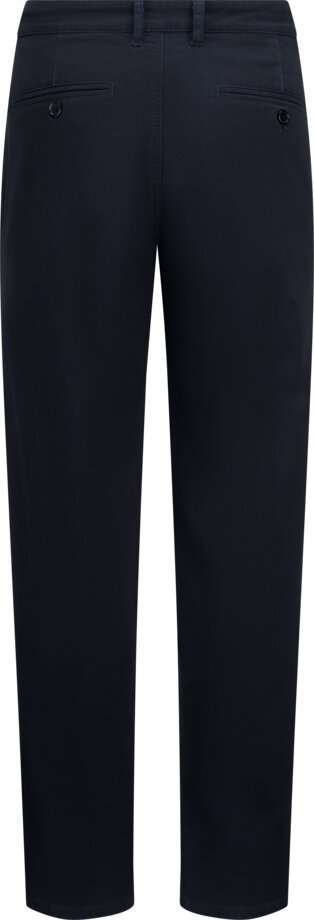
Develop branded work trousers and shorts for industrial, service, and uniform programs; confirm feasibility separately for skirt or skort briefs.

Work Pants and Trousers
Build work pants and trousers around the job: straight-leg, cargo and utility styles with pocket layouts, reinforced knees, bartacks, triple stitching or gussets as required. Fabric weight, composition, color, size grading, labels and decoration can be specified during development.
Get a Quote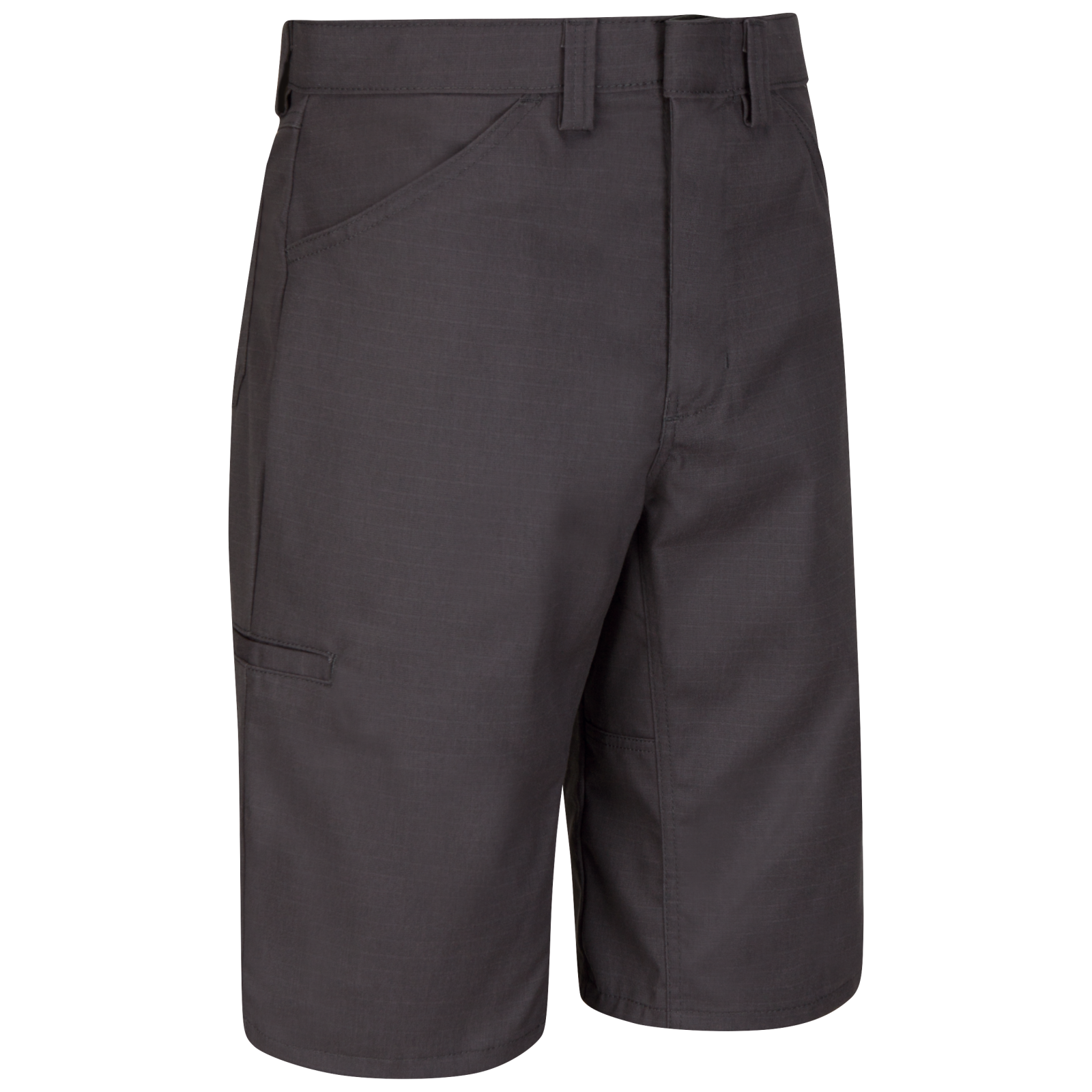
Work Shorts
Work shorts can be developed for service, trade, and warm-weather uniform programs, with utility or cargo pockets and seam construction specified for the intended use. Select fabric, finished inseam, colors, branding, and care-label details during development.
Get a Quote
Work Skirts and Skorts
For a hospitality, service, or front-of-house skirt or skort brief, provide the intended silhouette, movement needs, waistband construction, integrated-short requirement, fabric, color, size range, labels, and packaging details for feasibility review. Availability and construction should be confirmed before sampling.
Get a QuoteMaterials for Your Bottoms Manufacturer Program




Bottoms Manufacturer: Production and Decoration Processes



Bottoms Manufacturer Trims and Functional Accessories


About Veelianpro, a Workwear Bottoms Manufacturer
Veelianpro is a Wuhan, Hubei-based workwear manufacturer whose operation began in 2012. The company was established to help workwear brands, safety distributors, uniform buyers and sourcing teams develop dependable garments through OEM, ODM, private-label and wholesale programs.
As a bottoms manufacturer, Veelianpro supports work pants, cargo styles, shorts, trousers, coveralls and coordinated workwear sets from an initial idea, sketch, sample or tech pack. Its capabilities include fabric and trim sourcing, pattern development, sampling, grading, cutting, sewing, reinforcement, decoration, quality checks, packing and export coordination.
The company profile reports a team of more than 300 skilled workers; this company-supplied figure should be verified before prominent public use. What distinguishes Veelianpro is its practical, specification-led process: buyers can define fit, construction, branding, quantity and intended work setting before moving from sample approval to production, with MOQ starting at 100 pieces per style and color subject to project requirements.

Core Capabilities of a Workwear Bottoms Manufacturer
Tech-Pack Review and Planning
Veelianpro begins with your tech pack, sketch, sample or product idea. The team reviews construction, intended work setting, sizing and production requirements, then identifies practical decisions before sampling. This creates a clearer path from concept approval to repeatable workwear bottoms production.
- Review garment type, measurements and size range
- Confirm pocket systems, closures and functional details
- Assess fabric, trim, branding and packaging requirements
- Flag certification or test documentation needs early

Fabric, Trim and Fit Development
Develop bottoms around the required balance of durability, comfort, movement and appearance. Veelianpro can support fabric and trim sourcing, pattern development, fit sampling and size grading for work pants, cargo pants, shorts, coveralls and coordinated uniform sets.
- Compare fabric weight, composition and intended use
- Develop waistbands, pockets, zippers, buttons and trims
- Create fit samples for review and revisions
- Grade approved patterns across the required size range

Reinforced Construction for Work
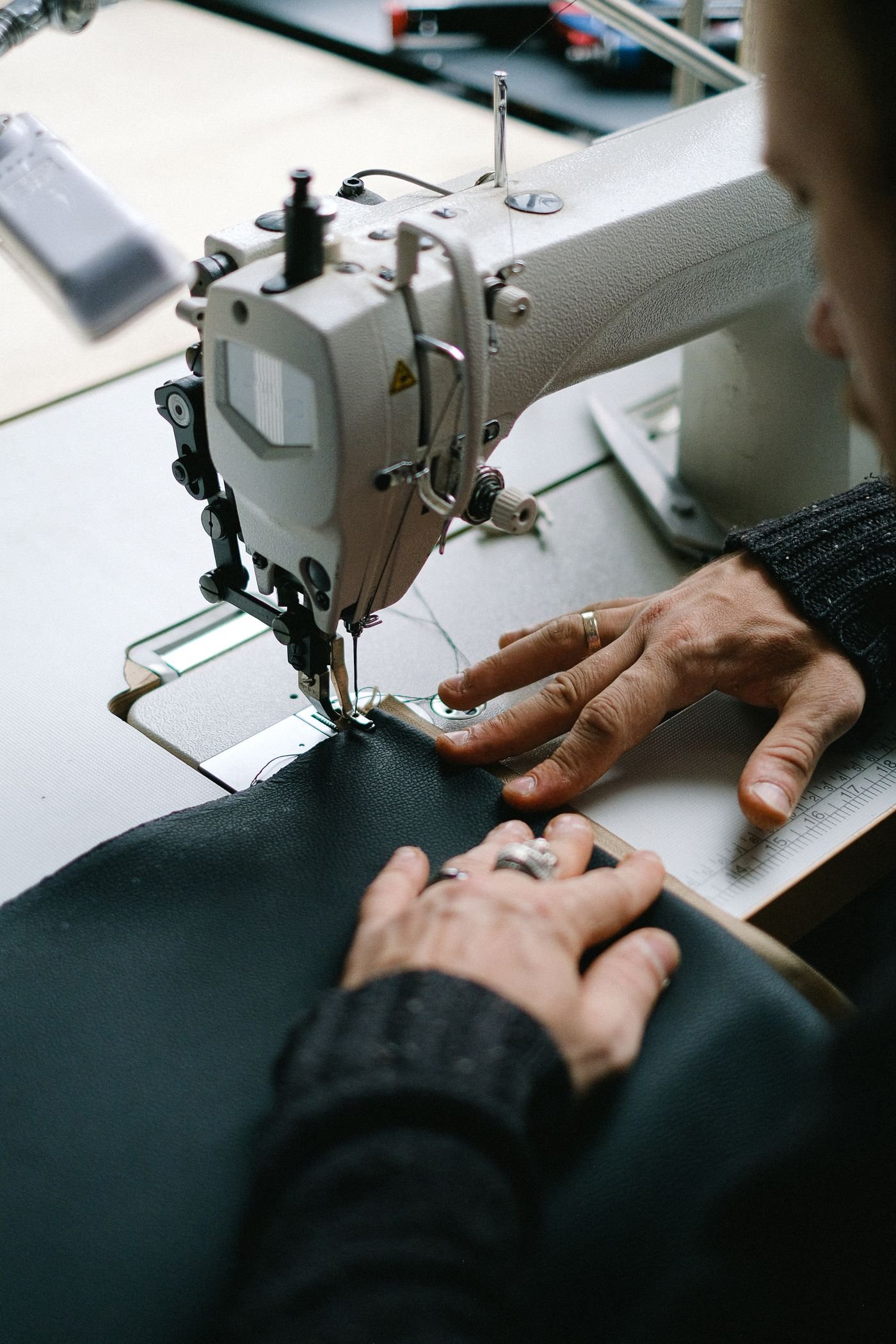
Workwear bottoms can be developed around the stresses of the job, with construction details selected for the application rather than added generically. Discuss reinforced knees, gussets, bartacks, triple stitching and pocket placement during development so the final design supports daily use.
- Plan reinforced knees and high-stress panels
- Specify bartacks and seam reinforcement locations
- Review gussets, pocket access and tool storage
- Align construction with the intended work environment
Decoration, Inspection and Shipment
After construction is confirmed, Veelianpro coordinates decoration, finishing, quality checks, packing and export preparation. Branding may include embroidery, screen printing, heat transfer, patches, woven labels and care labels. Inspection expectations and packing details should be agreed before bulk production begins.
- Choose branding methods for logos and identification
- Confirm label, care-label and packaging requirements
- Define quality checkpoints for workmanship and finishing
- Provide destination and timeline for export coordination

Custom Bottoms Development vs. an Off-the-Shelf Decoration Route
Compare custom industrial bottoms development with decorating pre-made garments. Starting MOQ is subject to fabric, certification and construction requirements.
← Swipe left or right to view →
How to Work With the Veelianpro Bottoms Manufacturing Team
Veelianpro takes custom workwear bottoms from inquiry to export coordination, with OEM, ODM, private-label and wholesale support. Programs can start at 100 pieces per style and color, subject to fabric, certification and construction requirements. Approvals cover materials, fit, trims, decoration, workmanship and documentation for pants, cargo styles, shorts and workwear sets.
Review Your Requirements
Share your garment type, work setting, fabric, size range, colors, branding, quantity, destination and timeline. Veelianpro reviews feasibility and clarifies performance documentation needs.
Develop Patterns and Materials
We develop or refine patterns, source suitable fabrics and trims, confirm pockets, reinforcements, closures, reflective placement and branding details against your approved tech pack.
Approve the Sample
A fit or pre-production sample tests proportions, construction and decoration placement. You review revisions before grading sizes and approving the final production specification.
Cut, Sew and Decorate
After approval, Veelianpro cuts and sews the order, adding bartacks, reinforced seams, labels and agreed decoration while monitoring workmanship through production.
Inspect, Pack and Ship
Final quality checks cover measurements, construction, branding and packing requirements. Veelianpro coordinates packing and export documents, then supports shipment follow-up and reorder planning.
How to Work With Our Bottoms Manufacturer Team
Move from your initial concept to approved workwear bottoms through a clear development, quotation, production, inspection, and shipment process.
Submit Your Bottoms Brief
Share a tech pack, sketch, sample, or idea with garment type, fabric target, sizes, colors, branding, quantity, destination, and timeline.
Confirm Feasibility and Materials
We review construction, work setting, fabric and trim options, protection requirements, and production conditions before recommending a practical development route.
Approve Samples and Quotation
Develop patterns, samples, grading, and branding details; then align revisions, conditional MOQ, pricing, lead time, and documentation in your quotation.
Confirm Production and Shipment
After order confirmation, we cut, sew, reinforce, inspect, pack, and coordinate export shipment, with approved specifications guiding quality checks and reorders.
Documented Buyer Feedback Coming Soon


Bottoms Manufacturer Procurement Scenarios
Illustrative scenario: a safety distributor needs cargo work pants for warehouse crews but has not defined how scanners and gloves affect pocket access. The proposed development brief covers pocket placement, reinforcement, and size grading. The buyer would accept the sample only when fit, movement, construction, glove-accessible pockets, and approved branding placement meet the written criteria before bulk confirmation.
Illustrative scenario: a uniform buyer needs work trousers and jackets to read as one service program, but separate sourcing risks mismatched color and trim. The proposed development aligns fabric, color, trims, and decoration across both pieces. The buyer would accept the sewn sample only when approved measurements, pocket function, and the agreed visual consistency are met.
Illustrative scenario: a workwear brand is planning an initial cargo-pant launch and needs to resolve fit and construction before committing to bulk quantities. Starting from a sketch, the proposed process covers fabric sourcing, pattern development, and sampling. The buyer would accept the revised sample only when rise, leg shape, specified reinforcement areas, labels, and packaging match the approved brief; production feasibility, including MOQ, is then confirmed against the final requirements.
Bottoms Manufacturer FAQ for B2B Buyers
Clear answers on custom workwear bottoms, sampling, MOQ, branding, documentation and order planning.
What types of workwear bottoms can Veelianpro manufacture?
Do you offer OEM and ODM as a bottoms manufacturer?
Can a bottoms manufacturer develop custom fit, fabric and trims?
What branding options are available from a bottoms manufacturer?
What is the MOQ for custom bottoms production?
How long do sampling and production take for custom bottoms?
How are sampling costs, payment methods and quotation terms handled?
What information is needed to request a bottoms manufacturer quote?
Bottoms Manufacturer Guide for Workwear Buyers
Build a practical framework for specifying industrial and service bottoms, evaluating fit and construction, comparing supplier capabilities, managing samples, and avoiding costly sourcing mistakes before production.
1. What Is a Bottoms Manufacturer?
A bottoms manufacturer turns a work-trouser, cargo-pant, short, or uniform-bottom concept into a controlled production specification. For industrial and service programs, this means defining fit and movement alongside pocket layout, reinforcement locations, gussets, bartacks, reflective-tape placement, and branding.
A stock garment has a fixed pattern, fabric, trim package, size range, and label treatment. A specification-led garment starts with a tech pack, sketch, sample, or product idea, then resolves the pattern, fabric composition and weight, trims, grading, construction details, and finish before bulk production.
Veelianpro’s development route can include fabric and trim sourcing, pattern development, sampling, cutting, sewing, decoration, quality checks, packing, and export coordination. Buyers should define the workplace, target fabric, size range, color, pocket and reinforcement requirements, branding, quantity, destination, and timeline. A protection request also needs the applicable standard and the required test evidence or certificate scope.
2. Bottoms Manufacturer Use Conditions
A bottoms brief should start with the shift, surface, climate, and uniform rules—not with a cargo or trouser silhouette. Map the wearer’s movements, carried tools, wash cycle, and any required visibility treatment before pattern development begins.
Movement And Access
Drivers and warehouse teams repeatedly climb, bend, enter vehicles, and reach for scanners. That calls for mobility through the seat, crotch, knees, and waistband, plus pockets reachable while wearing gloves.
Service staff often need a cleaner profile and fewer snag points. Specify what must be carried, which hand accesses it, and whether contents must stay secure when seated or moving.
Exposure Shapes Construction
Light-industrial roles can abrade knees, hems, and pocket edges against equipment, pallets, or floors. Identify the contact zones so reinforcement, bartacks, or a reinforced-knee configuration is evaluated where it has a purpose.
Field work adds rain, wind, mud, and temperature changes to the brief. Weather protection, leg opening, and layering allowance should follow the actual work setting rather than a generic all-season claim.
Uniform Program Fit

Frequent laundering makes color continuity, trim durability, care labeling, and replacement consistency operational concerns. Define the wash method and expected replacement process before approving fabric, decoration, and contrast details.
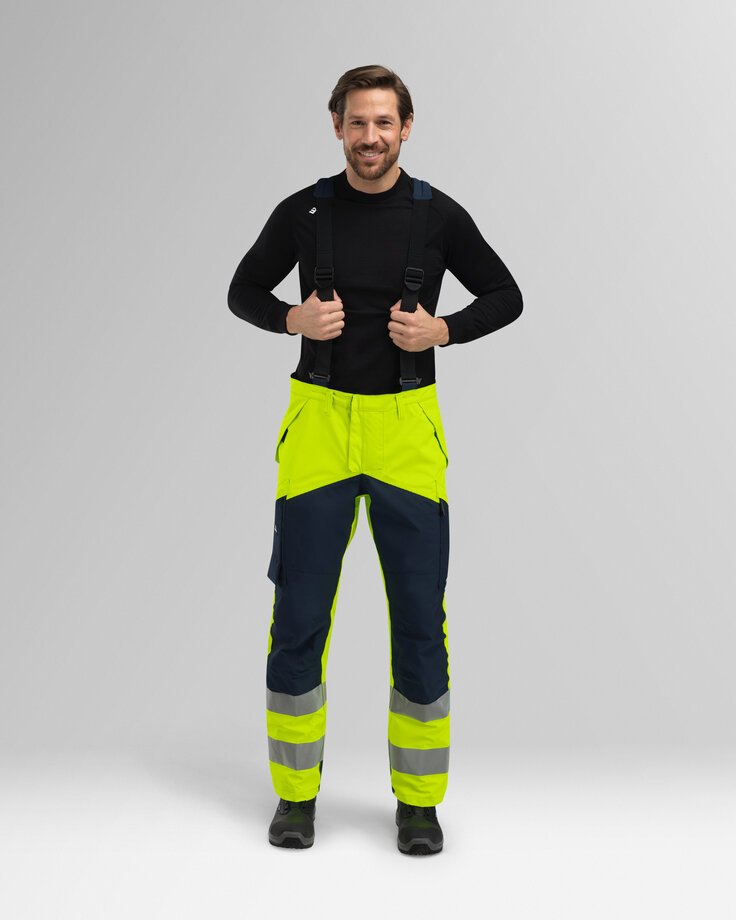
Visibility details belong only where the program requires them; placement must remain compatible with pockets, seams, and branding. If protection is requested, provide the applicable standard and required test or certificate rather than treating a design feature as documented performance.
3. Bottoms Manufacturer Product Types
A bottoms brief should begin with the job, movement pattern, and items workers must carry—not a fashion silhouette. Veelianpro can develop work trousers, cargo pants, and shorts from a tech pack, sketch, sample, or product idea; other bottom silhouettes should be reviewed for feasibility before sampling.
| Category | Best Fit | Key Variables | Practical Limit |
|---|---|---|---|
| Work trousers | Industrial and maintenance teams | Rise, leg opening, knee reinforcement | Less storage than cargos |
| Cargo pants | Mobile field roles | Pocket layout, closures, tool access | Bulk and snag exposure |
| Service chinos | Hospitality and retail | Clean pocketing, waistband, leg shape | Limited tool capacity |
| Joggers or shorts | Relaxed service or warm settings | Elastic cuff or inseam, pocket depth | Use must suit workplace conditions |
Work Trousers And Cargos
Work trousers suit maintenance, industrial, and field teams that need a straight or relaxed leg over boots. Define rise, inseam, hem opening, waistband closure, and whether knee reinforcement or a gusset is required.
Cargo pants add accessible storage through thigh, rear, and tool pockets. More pockets can improve task access but add bulk, snag points, and construction complexity; specify pocket contents and closure type before sampling.
Service Chinos, Joggers, And Shorts
Service chinos give hospitality, retail, and customer-facing teams a cleaner profile with restrained pocketing. Limit bulky external pockets where a polished appearance, seated comfort, or frequent laundering matters.
Joggers suit relaxed service or distribution uniforms when elastic waist and cuff requirements are defined. Shorts work for warm settings, but buyers should set finished inseam, pocket depth, and the operating conditions where exposed lower legs are appropriate.
Women’s Fits And Coordinated Sets
Women’s fits require their own approved measurement and grading approach rather than merely reducing a men’s pattern. Confirm waist position, hip and thigh ease, rise, leg volume, and movement during the sewn fit sample.
Coordinated sets should align trousers or shorts with the matching shirt, jacket, or vest in color, trim, and branding placement. Match visual details without forcing identical pocket systems where roles differ.
4. Materials for Bottoms Manufacturer Programs
Fabric specifications should be defined before pockets or branding are added. List fiber composition, fabric weight, weave, stretch direction, finishing, intended care method, and the use conditions the buyer wants the sample to address as separate line items in the development brief.
| Material Input | Suitable Use Condition | Key Specification Question |
|---|---|---|
| Cotton-rich woven | Comfort-led service or light industrial wear | What composition, weight, weave, and wash behavior are required? |
| Polyester-cotton blend | Uniform programs with a defined laundering protocol | What blend ratio, color method, and drying expectations apply? |
| Stretch woven | Roles requiring repeated bending or climbing | Is stretch mechanical or fiber-based, and which direction is needed? |
| Specified ripstop | Programs needing a visible grid weave | Is the ripstop construction compatible with the required hand feel? |
| Reinforcement or lining | Specified coverage zones or lining requirements | Which zones, materials, attachment method, and care instructions apply? |
Woven Fabric Starting Points

A cotton-rich woven option can be assessed when the brief calls for a particular hand feel or fiber preference. Agree the care instructions and any dimensional-change acceptance criteria during sampling rather than assuming them from the fiber name.
A polyester-cotton blend is a separate development option. Confirm the blend ratio, weave, color method, fabric weight, care method, and sample acceptance criteria rather than approving a generic fabric name.
Stretch And Ripstop Choices
For a stretch-woven option, identify whether the requested stretch is mechanical or fiber-based, where it is required, and in which direction it should operate. Review the intended range of movement, recovery expectations, and care criteria on the sewn sample.
Ripstop describes a weave construction, not a verified durability rating. Use it only when the specified fabric, grid appearance, hand feel, and intended work condition support the design.
Reinforcements And Linings
Knee, pocket-edge, and hem reinforcement can use a separately specified material when the brief identifies those zones for added coverage. Extra panels also change stiffness, sewing complexity, and bulk, especially around articulated knees.
A lining may be included in a weather-oriented or comfort-sensitive design, but its fiber content, coverage, attachment points, and care requirements must be defined. Do not treat a lining as proof of weather or thermal performance.
5. Customization for Bottoms Manufacturer Orders
Customization should start with job tasks, not logo placement. A bottoms manufacturer can translate the approved brief into waistband, pocket, reinforcement, visibility, labeling, and packing details that remain workable in daily wear.
| Customization | Primary Benefit | Placement Check |
|---|---|---|
| Reflective tape | Specified visibility detail | Avoid pocket openings and high-flex seams |
| Color blocking | Team or range identification | Align panels with matching tops |
| Size marks and labels | Sorting and brand information | Keep legible without irritating wearers |
| Custom packaging | Distribution presentation | Match folding method and label requirements |
Waistband And Closure Decisions
Elastic, drawcord, button, zipper-fly, and adjustable-tab choices change fit, bulk, and access. Specify whether belts, gloves, or layered garments will affect operation.
Place closures where they do not create pressure when sitting or conflict with an over-garment. Confirm waistband height, belt loops, and closure hardware on the sample.
Pockets And Reinforcement Zones
Pocket layouts must serve the carried tool or device without blocking movement. Define opening direction, depth, closure, and the side that needs access.
Knee or seat reinforcements should follow the wear zone and intended posture. Added layers can improve abrasion resistance but may increase stiffness, heat, or seam bulk.
Branding And Set Consistency
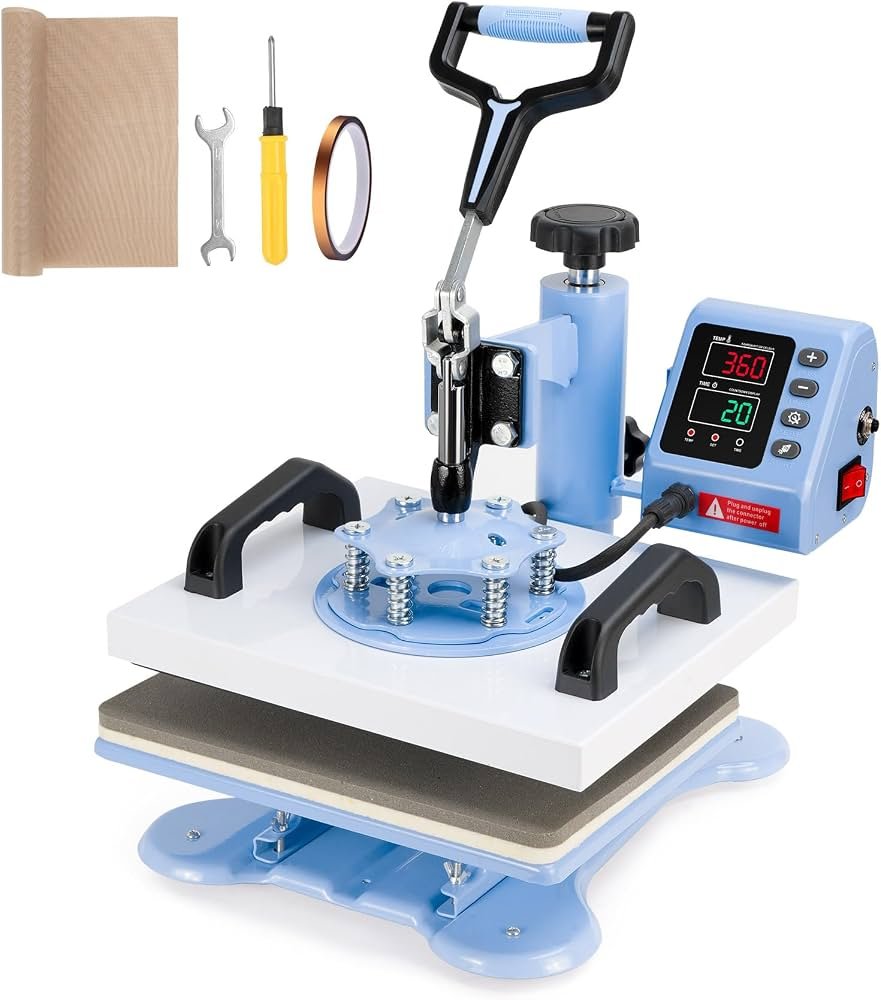
Embroidery, screen printing, heat transfer, patches, woven labels, care labels, size marks, and custom packaging can be developed with the garment. Decoration across a flexing knee, pocket opening, or heavy seam may distort, abrade, or obstruct access.
For matching sets, lock color references, trim finish, logo scale, and label hierarchy across tops and bottoms. Review the complete set together before bulk approval.
6. Construction Quality That Prevents Failures
Construction decisions determine whether work trousers stay comfortable through kneeling, climbing, and repeated laundering. Review the sewn sample inside out as well as worn: failure usually begins at a load path, an unstable edge, or an unrepeatable measurement.
| Failure Seen In Sampling | Likely Construction Cause | Sample-Stage Remedy |
|---|---|---|
| Split seat or inseam | Stress point lacks suitable reinforcement | Flex test and specify bartacks or seam construction |
| Distorted waistband | Unstable internal build or closure layout | Wear test, then revise construction details |
| Inaccessible pocket | Opening or placement conflicts with movement | Test with intended gloves or belt layer |
| Uneven sizes | Grade rules not checked beyond base size | Compare graded measurements before approval |
Seams And Stress Points

Seat, inseam, pocket corners, belt loops, and fly ends carry concentrated load. Choose seam construction appropriate to the fabric and movement; bartacks or triple stitching can reinforce specified stress points without making every seam bulky.
A split seam commonly traces to inadequate seam allowance, unsuitable stitch selection, or missed reinforcement. During sampling, pull and flex these zones, then record the exact reinforcement location in the approved construction sheet.
Crotch And Waistband Stability
Crotch shape and inseam joining affect stride comfort before fabric choice becomes the issue. A gusset may be specified where the job calls for greater mobility; fit it in standing, squatting, and seated positions.
A waistband that rolls, twists, or gaps may need a different internal construction, closure placement, or belt-loop layout. Approve waist stretch, rise, and closure operation on the fit sample rather than relying on a flat measurement alone.
Pockets Closures And Hems
Pocket openings must remain reachable with gloves or a tool belt, while pocket bags and attachment seams must support their expected contents. Test access while wearing the intended layer and sitting; revise opening angle, depth, or attachment points before bulk cutting.
Check zippers, buttons, snaps, hook-and-loop, and hems for secure operation and a clean finish. A hem that twists or finishes unevenly is usually easier to correct through pattern and sewing instructions at sample stage than after grading.
Grade From The Approved Fit
Size consistency depends on a locked base pattern and a documented grade rule for waist, hip, rise, thigh, inseam, and hem opening. Do not approve one size and assume adjacent sizes will preserve pocket position or leg balance.
Request graded sample measurements against the approved spec. Uneven grading can make larger sizes tight through the seat or make smaller sizes disproportionately short, even when the base sample fits.
7. Choosing a Bottoms Manufacturer
A capable bottoms manufacturer turns one approved brief into repeatable trousers, cargo pants, or shorts across the ordered size range. Assess the control points that connect pattern, material, sample approval, inspection, and the final quotation.
Review The Technical Brief
Start with the wearing environment and the construction drawing. The brief should identify silhouette, waist and rise, inseam, pocket system, reinforcement locations, branding, size range, destination, and any protection standard requiring documented evidence.
Veelianpro can begin from a tech pack, sketch, sample, or product idea, then support pattern development, fabric and trim sourcing, and size grading. Ask which details remain open before sampling.
- Fabric composition and weight
- Pocket and closure specification
- Knee reinforcement and bartack locations
- Branding, labels, packing, and destination
Lock Pattern And Sample Controls
A sewn sample is the point to check fit, movement, pocket access, seam placement, and trim function before bulk cutting. Require written comments and a clear record of approved measurements, construction, and artwork revisions.
Ask how the approved pattern is controlled through grading and how production changes are escalated. Confirm production feasibility after fabric, certification, construction, and quantity requirements are finalized.
Trace Materials And Inspect Outputs
Keep project records linking the selected fabric, reflective tape, zippers, labels, and packaging to the approved sample. Inspection checkpoints should cover incoming materials, cutting, sewing, finishing, and packed goods against the agreed specification.
For coordinated uniform programs, confirm shared colors, branding placement, and sizing logic across bottoms and tops. Veelianpro’s workflow includes quotation, production, quality checks, packing, and export coordination.
Compare Quote Scope
A usable quote separates the variables that change the program rather than hiding them in one garment description. Confirm what is included in development, materials, decoration, packing, inspection, and export coordination before order confirmation.
| Quote Element | Confirm Before Approval | Why It Matters |
|---|---|---|
| Fabric and trims | Composition, weight, color, components | Prevents material substitutions |
| Pattern and grading | Approved measurements and size range | Keeps fit repeatable |
| Decoration and packing | Method, placement, labels, packaging | Avoids finishing omissions |
| Protection request | Standard, test evidence, certificate scope | Separates design intent from verified claims |
8. Common Bottoms Sourcing Mistakes
Most bulk failures begin when an attractive reference is treated as a production brief. Convert each visual choice into a use condition, measurement, construction, or test requirement before approving the pre-production sample.
Start With The Job
Choosing fabric before defining kneeling, climbing, weather exposure, wash frequency, and required protection can produce trousers that look correct but fail in service. State the work setting first, then select composition, weight, stretch, weather protection, and any documented protection requirement.
Lock Critical Fit Tolerances
A size chart without rise, inseam, thigh, hem-opening, and waist tolerances leaves grading open to interpretation. Record finished-garment points of measure, grade rules, and allowed variation; review the full size range, not only one fit sample.
Engineer Pockets And Movement
Pocket placement is functional engineering, not decoration: a tool pocket can obstruct kneeling, spill when seated, or conflict with a harness. Define contents, access hand, closure, reinforcement, and clearance from knee panels before sampling.
A standing fit approval misses seat strain, crotch pull, waistband roll, and restricted reach. Test the sewn sample while walking, squatting, climbing, sitting, and kneeling, then record corrective pattern comments.
Approve A Measurable Brief
Mixed photos can imply incompatible silhouettes, fabrics, and details, causing costly assumptions. Identify one controlling reference and translate every difference into a tech-pack callout, including fabric, color, pocket layout, branding, and construction.
One cut rarely serves every wearer group equally. Separate fit blocks, size ranges, or gender-specific requirements where the intended workforce needs them; launder and movement-test each relevant sample before bulk approval.
9. Launching a Custom Bottoms Program
A reliable launch turns field use into controlled specifications before fabric is cut. Veelianpro can begin from a tech pack, sketch, sample, or product idea, then move the approved bottoms specification through sampling, production, inspection, and packing.
Write The Wearer Brief
Define the job setting and movement: kneeling, climbing, driving, heat, rain, or service work. Record wearer group, target size range, required pockets, protection target, destination, quantity, and launch date.
List any applicable standard and required test or certificate when protective performance is requested. A design target must remain separate from a tested, documented claim.
- Work task and hazard exposure
- Fit block and measurement reference
- Color, branding, and destination requirements
Lock Materials And Trims
Choose fabric composition and weight alongside pocket system, closure, reinforcement, reflective-tape placement, and weather-oriented design details. Document approved swatches, trim references, color codes, placement artwork, and care-label content.
Confirm feasibility before committing to custom materials or trims, including whether the final fabric, certification, construction, and quantity requirements meet the quoted production conditions.
Sample, Comment, And Grade
Review the sewn pattern or fit sample on the intended wearer posture, not only a flat table. Return one consolidated comment sheet with dated photos, point-of-measure changes, construction corrections, and approval status.
Illustrative worked example: a buyer notes restricted kneeling and excessive hem length on a cargo-trouser sample. The next revision records added knee ease and a revised inseam; only after the revised sample is accepted is the size grade released.
Approve Production Handoff
The pre-production approval should match the locked fabric, trims, artwork, labels, measurements, construction, and packing instructions. Preserve the signed sample and final specification as the inspection reference.
During production, inspection checks conformity to that reference before packing handoff. Provide carton markings, folding method, polybag instructions, barcode needs, shipping marks, and export destination details.
10. Bottoms Manufacturer Cost Drivers
A custom work trouser quote changes first with the material and the work built into each pair. Fabric composition and weight, colorways, size grading, panel count, pocket layout, reinforced knees, gussets, bartacks, triple stitching, closures, reflective tape, labels, and packing all need to be fixed before cost can be compared.
Veelianpro starts at 100 pieces per style and color, subject to fabric, certification, and construction requirements. Sampling, requested testing or certification evidence, and shipping scope should be quoted separately or explicitly included, so a landed-cost comparison does not confuse garment cost with development and logistics.
| Cost driver | What changes cost | Quote must specify |
|---|---|---|
| Fabric and color | Composition, weight, finish, sourced color, and number of colorways affect material sourcing and cutting. | Fabric requirement, color reference, intended work setting, and whether a protection standard applies. |
| Pattern and construction | Complex pattern pieces, cargo pockets, knee reinforcements, gussets, bartacks, triple stitching, and fly or waistband construction add operations. | Tech pack or sketch, measurements, pocket map, reinforcement locations, and closure details. |
| Branding and packing | Embroidery, screen printing, heat transfer, patches, woven and care labels, hangtags, and custom packaging require defined artwork and placement. | Artwork files, decoration method, placement, label copy, packing configuration, and destination-market requirements. |
| Quantity and development | Order quantity, size range, sample iterations, and any buyer-requested testing change the production plan and purchased inputs. | Pieces per style and color, size breakdown, sample requirements, test or certificate scope, and approval process. |
| Freight scope | Export coordination and freight depend on shipment method, packing volume, destination, and agreed delivery terms. | Destination, preferred shipping method, delivery terms, and whether the comparison needs ex-works, freight-inclusive, or landed scope. |

Ready to Work With a Bottoms Manufacturer?
Send your specifications to Veelianpro for a tailored workwear bottoms quote, sampling discussion, and production plan from 100 pieces per style and color.