
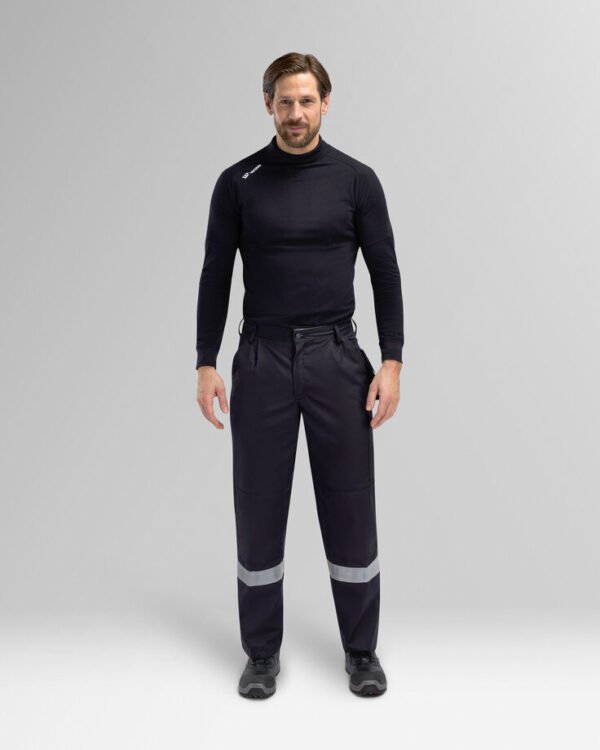
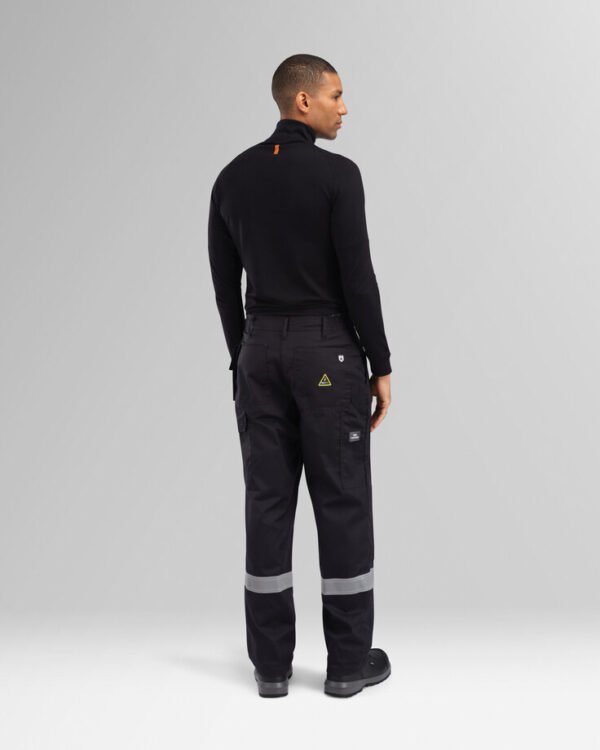
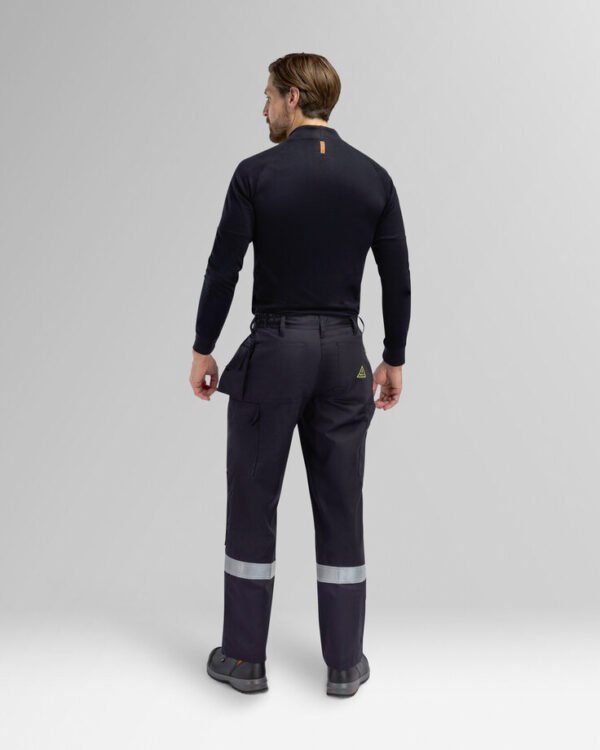
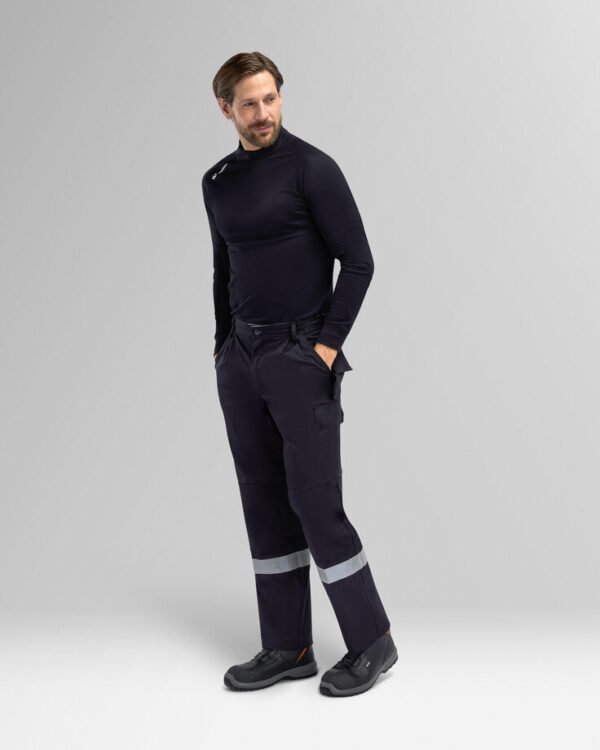
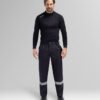

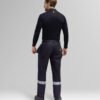
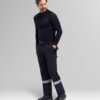
Develop branded work trousers with adjustable-waist, utility-pocket, knee-pad and reflective-detail options.
Develop Private-Label Work Trousers with Veelianpro
Custom Utility Work Trousers with Knee-Pad Pockets can be developed through OEM/private-label pattern, fit, sampling, sourcing, decoration, labels and packing, with exterior knee-pad pockets specified; MOQ starts from 100 pieces per style and color, conditional on requirements.
Define the Workwear Brief
Choose side-waist elastic, belt loops, external knee-pad pockets, tool pockets and leg reflective details. Set protective performance as a tested target for the approved style.
Define front, rear, phone, tool and secure-pocket capacity around the equipment workers actually carry. Identify whether tools must remain accessible while climbing, bending, driving or kneeling, then specify closure preference and handedness. Reinforcement panels, bartacks and pocket-edge construction can be developed around high-stress areas. A sample review helps verify that storage remains practical without adding unnecessary bulk or restricting movement.
Choose whether the design requires external knee-pad pockets and establish the intended insert dimensions before pattern approval. Lower-edge access is one practical development option, alongside alternative access directions and pocket shapes. Confirm knee position across the target size range, panel reinforcement and leg ease through wear sampling. Knee-pad compatibility should be reviewed with the intended insert rather than assumed from a reference design.
Confirm the fit block, size range, rise, thigh ease, leg shape and inseam approach for the wearer group. Side elastic panels, belt loops and fastening details can be selected individually or combined where appropriate. Consider bending, crouching and tool-carrying when reviewing waistband support. Fit samples should be assessed on representative wearers before grading and finalizing the production measurement specification.
Specify where reflective trim should sit, such as around the lower leg or along selected seam lines, based on intended use and branding. Record trim width, colour contrast and placement in the technical pack. Where visibility, flame, electrostatic or other protective performance is required, define it as a target early. Relevant testing must apply to the exact approved fabric, trim, construction and finished style.
Fabric, Fit and Construction Options
Select fabric, linings, elastic, closures and reflective trims for climate, use, laundering and colour needs.
Confirm fit, rise, leg shape, knee-pad access, pocket map and stress-point reinforcement through fitting.
From Brief to Approved Sample
Review fit, movement, knee position, pocket use and finish before bulk approval.
- Brief Review Confirm wearer tasks, fit priorities, pocket map, branding and any testable performance targets.
- Material Direction Align fabric hand feel, colours, trims and construction options with the approved brief.
- Sample Development Create the pattern and prototype, then review fit, movement, storage access and finish.
- Approval Handover Lock approved specifications, labels, packing, testing scope and order requirements before production.
What to Send for a Useful Quote
Wearer Profile Share intended tasks, wearer group, size range, fit preference and movement needs.
Feature Priorities Identify pockets, reinforcement areas, knee-pad options, waistband details and reflective-trim placement.
Compliance Targets State any protective or visibility targets requiring testing for the approved final style.
Private-Label Work Trousers Procurement FAQs
Which work tasks should pockets and reinforcements support?
Define the tools and movements first, then map pocket volume, openings, loops and reinforcement panels around them. Confirm whether items are carried while climbing, kneeling or driving, and review access with a sample. Specify stress points, closure preference and left- or right-handed placement before production.
Do you need external knee-pad pockets?
They can be developed as an option when kneeling is frequent. Provide the chosen pad dimensions and preferred lower or upper access, then approve the pocket position on a wear sample. Check that opening security, panel shape, stitching and leg ease suit the intended task and wearer movement.
Which fit block and size range should your wearer group use?
Start with wearer measurements and movement requirements, then select a regular, relaxed or shaped block. Agree rise, thigh allowance, knee position, inseam options and hem width before grading. Fit samples across representative sizes, including seated and kneeling checks, before confirming the production size chart and measurement tolerances.
Should the waistband include elastic panels or belt loops?
Choose elastic side panels for limited waist flexibility, belt loops for belt-based adjustment, or combine both when suitable for the wearer group. Confirm waistband height, loop spacing, closure type and back-rise comfort on samples. Review whether carried tools or frequent bending changes the support requirement during wear testing.
Where should reflective trims be placed?
Place reflective trims where they remain visible without restricting movement, commonly around lower legs or at selected seam lines. Define the required visibility approach and placement dimensions in the technical pack. If protective visibility performance is required, set it as a target and test the approved final style.
What private-label details do you need?
Specify the logo method, brand labels, size labels, care information and packing format at the start. Share artwork, placement dimensions, colour references and label content for review. Confirm whether units need individual bags, barcode labels, hangtags or carton marks, then approve pre-production samples before bulk manufacture begins.
Discuss Your Private-Label Work Trousers Program
Quote requirements: quantity, colours, sizing, fabric, branding, packing and performance targets.


Reviews
There are no reviews yet.