
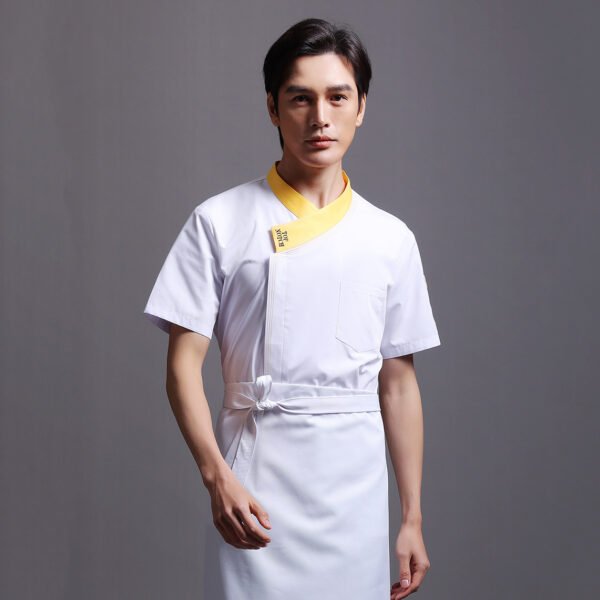

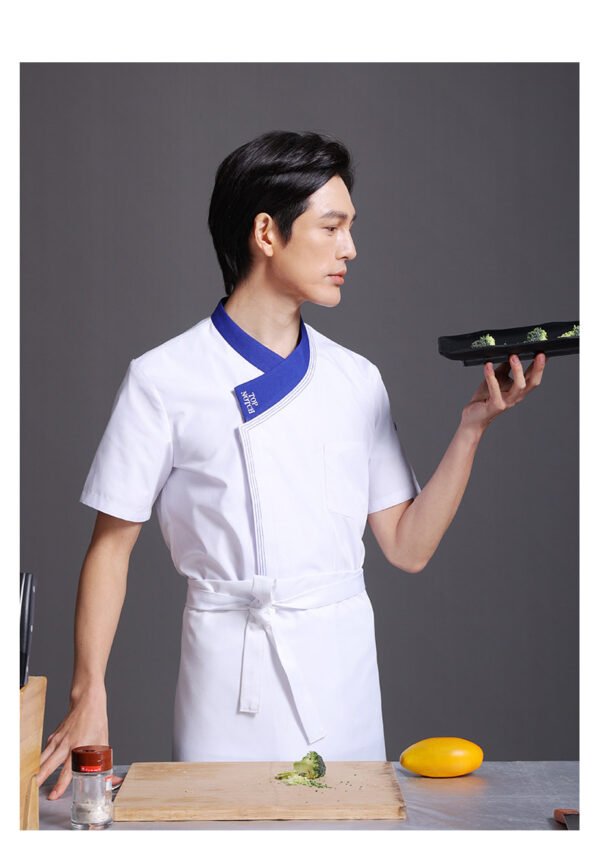





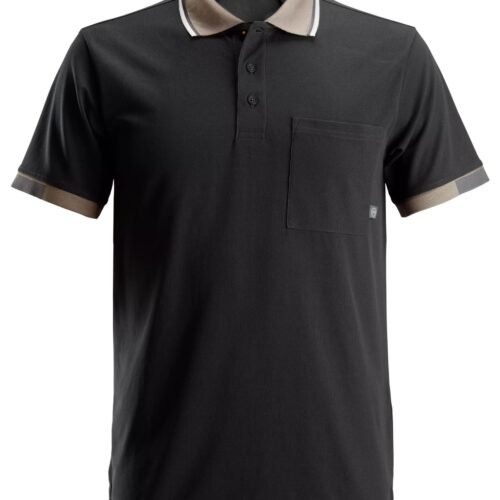
Develop a lightweight short-sleeve chef jacket with a ventilated full back mesh panel, contrast collar, and brand-ready finishing for busy kitchens, bakeries, catering teams, hotels, and grill operations.
Develop Custom Food Service Uniforms with Veelianpro
This custom short-sleeve chef jacket is developed around warm-kitchen comfort, with a large back mesh panel as a practical ventilation option and a contrast collar for team identity. Choose fabric, fit, closure, pockets, logo decoration, labels, and coordinated trousers. MOQ starts from 100 pieces per style and color, subject to requirements.
Define the Workwear Brief
Built from a visual reference for a light chef uniform, this program can combine a clean front appearance with a breathable rear panel. Specify the mesh coverage, collar contrast, sleeve length, fit block, and laundering expectations. It suits food-service teams needing recognizable, coordinated daily uniforms without treating reference details as fixed specifications.
Define full-back mesh coverage, airflow preference, mesh look, and comfort requirements for active warm-kitchen teams.
Select lightweight fabric, hand feel, short-sleeve silhouette, grading, and size range around laundering expectations.
Approve the base color, yellow or alternative contrast collar, closure style, and practical pocket layout.
Confirm logo decoration locations, private labels, packaging, sample specifications, and matching trouser development requirements.
Fabric, Fit and Construction Options
Select a lightweight woven shell according to hand feel, kitchen conditions, wash routine, color requirements, and target durability. A breathable mesh can be developed for the back panel, with softness, opacity, stretch, and recovery confirmed during sampling. Fabric composition, weight, shrinkage allowance, colorfastness targets, and care instructions are agreed for the approved style before production.
Develop the jacket with short sleeves, a full or partial back mesh layout, contrast collar, and the preferred front closure. Pocket placement can be omitted for a streamlined look or added for tools and notes. Confirm seam finish, collar shape, mesh joining, garment length, ease, size grading, and reinforcement points through the approved sample.
From Brief to Approved Sample
Start with artwork, size breakdown, color direction, logo locations, and intended laundry conditions. A development sample lets your team review fit, collar contrast, mesh coverage, fabric hand, closure, pockets, decoration, labels, and packing. Revisions can be consolidated before a pre-production sample confirms the approved construction, measurements, and production-ready specification.
- Design Brief Share kitchen conditions, wearer roles, branding, and desired uniform coordination.
- Fabric Review Evaluate candidate fabrics, mesh placement, trim colors, and care needs.
- Sample Build Develop pattern, fit, closures, pockets, decoration, labels, and packing.
- Approval Handoff Review sample and measurements before confirming production-ready specifications together.
What to Send for a Useful Quote
Kitchen Use State heat, movement, laundering routine, and daily wear conditions.
Brand Details Provide artwork, placement preferences, color references, labels, and packaging.
Program Scope Confirm size breakdown, fit approach, trouser needs, quantities, and destination.
Custom Food Service Uniforms Procurement FAQs
What kitchen conditions and laundering routine guide development?
Develop it around your actual kitchen heat, shift intensity, and wash process. Confirm the preferred fabric hand, weight range, moisture-management target, shrinkage allowance, colorfastness expectations, and wash-cycle conditions during sampling. Evaluate comfort and shape retention after representative laundering before approving bulk production.
Which back-ventilation layout suits your chef jacket program?
Select the layout that balances airflow, coverage, and the desired visual identity. A full back panel, yoke panel, or segmented inserts can be developed. Define mesh softness, stretch, opacity, seam finishing, and the area needing ventilation, then validate comfort and appearance on a fitted sample.
Which collar colors and contrast details suit your brand?
Specify a main body shade and contrast collar color that align with your visual identity. Confirm color standards, piping or trim placement, edge finish, and whether contrast appears elsewhere. Review lab dips and finished samples under expected lighting before locking color approvals for production.
Do you need unisex, separate, or custom team fits?
Choose the fit strategy from wearer measurements, movement needs, and team presentation. A unisex block can simplify allocation; separate blocks may improve proportion and comfort. Confirm chest, waist, hip, shoulder, sleeve, and body-length tolerances, grading rules, and size-set samples before finalizing the range.
Which logo locations and decoration method should be sampled?
Sample logo placement where it remains visible without restricting comfort or ventilation. Common development options include chest, sleeve, upper back, and apron-compatible positions. Select embroidery or print after reviewing artwork detail, scale, thread or ink colors, backing, wash exposure, and the approved fabric and mesh construction.
Should matching trousers join the same uniform program?
Yes, develop matching trousers when a coordinated team appearance and shared color standard matter. Define waistband type, pocket configuration, fit block, rise, leg shape, fabric compatibility, and laundering expectations alongside the jacket. Approve both garments together to check color consistency, mobility, sizing, and decoration placement.
Discuss Your Custom Food Service Uniforms Program
Send target quantity, colorways, size range, logo artwork, fabric preference, mesh layout, closure choice, label requirements, packaging needs, and matching-trouser request for a tailored quotation.


Reviews
There are no reviews yet.