

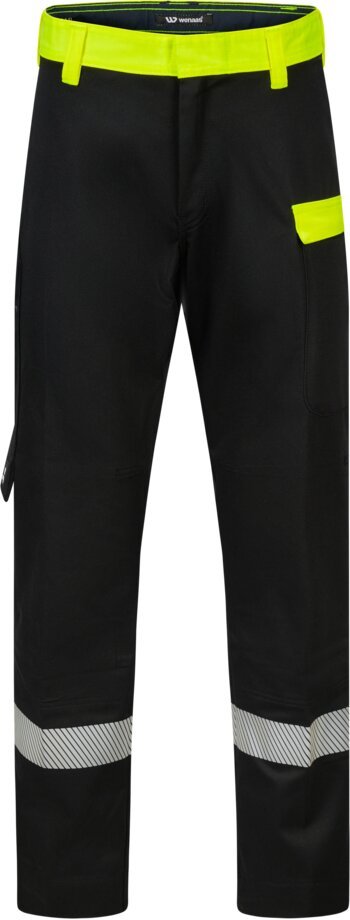

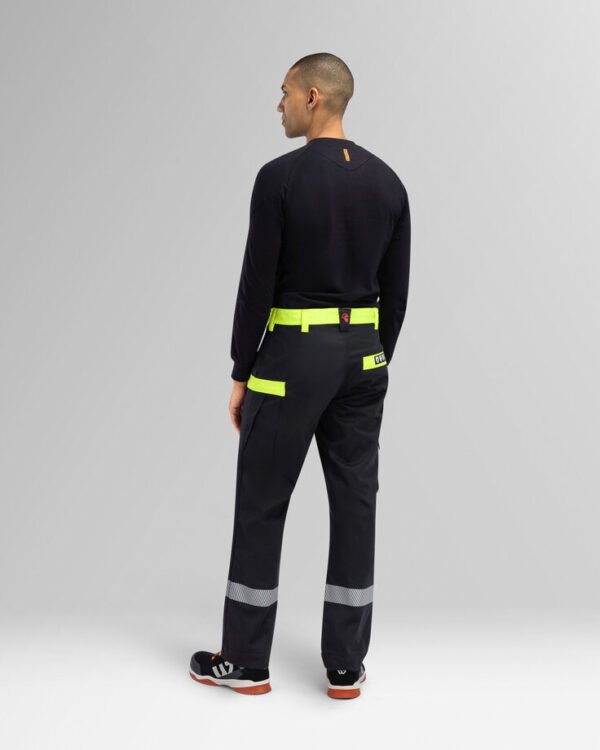

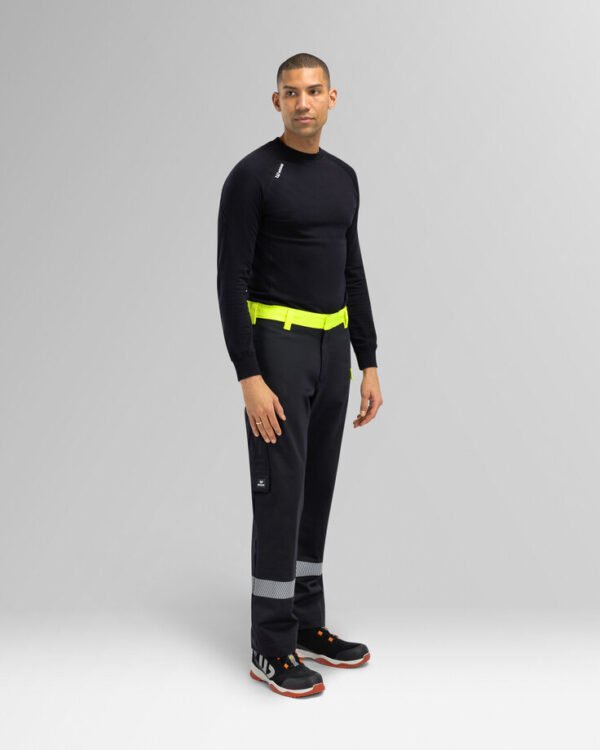



Develop hard-working trousers for trade, maintenance, utility, and site teams with an adaptable pocket plan, adjustable internal knee-pad compartments, segmented leg trim, and private-label details tailored to your operating environment.
Develop Custom Work Trousers with Veelianpro
Veelianpro develops this work-trouser concept from your brief, including pattern and fit development, fabric and trim sourcing, functional pocket placement, decoration, labels, and packing. MOQ starts from 100 pieces per style and color, subject to approved materials, construction, color options, and order requirements.
Define the Workwear Brief
This design direction combines a belt-loop waistband, concealed front closure, practical back, tool, and thigh storage, plus internal knee-pad pockets with two placement levels. It suits buyers building coordinated uniforms for hands-on roles. Choose the fit, rise, leg shape, color blocking, reinforcement areas, and visibility detailing around actual wearer tasks.
Specify tools, devices, and access sequence to position thigh, tool, and back pockets effectively.
Choose internal knee-pad pocket dimensions and two-position adjustment based on workforce movement and preferred pads.
Confirm fit profile, rise, leg shape, belt-loop layout, and concealed closure preferences before pattern sampling.
Define segmented leg trim placement, logo application, labels, care instructions, hangtags, and packing requirements.
Fabric, Fit and Construction Options
Select a durable woven workwear fabric based on the required hand feel, stretch, climate, color, abrasion expectations, and care route. We can source shell fabrics, pocketing, reinforcement panels, reflective-look segmented trim, thread, closures, and other trims for sample review. Final fiber content, fabric weight, colorfastness, and performance targets should be confirmed against the approved development specification.
Build the trousers with a waistband and belt loops, concealed button and zip fly, back pocket, tool pocket, thigh pocket, and internal knee-pad compartments. Two knee-pad height positions can be developed to support wearer preference and selected pad dimensions. Specify seam reinforcement, bar tacks, pocket openings, panel shaping, leg trim placement, and access orientation during pattern review.
From Brief to Approved Sample
Start with a technical brief covering wearer roles, measurement chart, size range, target fit, fabric direction, pocket contents, branding, and packing. A development sample lets your team assess mobility, tool access, knee-pad position, trim appearance, and workmanship before bulk approval. Protective, visibility, or industrial-care requirements must be tested for the exact final approved style.
- Brief and Review Confirm use case, measurements, materials, pockets and branding priorities.
- Pattern Development Create fit blocks and construction details for review.
- Sample Approval Review prototype, revise approved details, then confirm production specification.
- Bulk Preparation Finalize labels, decoration, packing and order-ready color-size breakdown.
What to Send for a Useful Quote
Job Requirements Share work environment, target functions and any testing objectives.
Size and Quantity Provide size range, quantities, colorways and preferred fit direction.
Branding Assets Send logo artwork, label content, decoration and packing requirements.
Custom Work Trousers Procurement FAQs
Which tasks determine pockets, tool access, and reinforcement?
Specify the daily tasks first, then map pockets and reinforcement to them. Confirm which tools must be reached while standing, climbing, or kneeling; define pocket opening security, load points, and high-abrasion zones. Review placement on a sample with representative users before approving bulk production.
Which fit profile and size range suit sampling?
Develop the first pattern around your workforce measurements and movement needs. Define the intended fit, rise, thigh ease, leg shape, inseam options, and grading rules. Check sitting, squatting, climbing, and tool-carrying mobility during fit samples, then approve the size specification before production.
Do you need adjustable internal knee-pad pockets?
Yes, internal knee-pad pockets can be developed when kneeling is routine. Choose pad access, pocket lining, opening closure, and one or more height positions during sampling. Verify pad compatibility, position stability, and wearer comfort with the selected pad; final protection performance requires testing of the approved style.
Which material specifications suit the intended work environment?
Select materials from the job environment, desired hand feel, mobility needs, and target wear life. Specify stretch direction, weight range, colorway, reinforcement fabric, and trim compatibility. Assess shrinkage, color consistency, seam performance, and comfort through wash and wear trials on approved sample materials before bulk commitment.
Should segmented leg trim be included for visibility?
Yes, segmented leg trim can be specified as a visibility design feature. Confirm its placement, width, color contrast, attachment method, and compatibility with seams and pockets. Review the appearance after flexing and laundering samples; do not treat decorative visibility detailing as certified protective performance without final-style testing.
Which private-label details need approval before production?
Approve brand details before bulk production: decoration artwork, label content, label positions, hangtags, polybag or carton requirements, and assortment rules. Confirm material choices, attachment methods, barcode data, and packing counts on the pre-production sample. MOQ starts from 100 pieces per style and color, subject to requirements.
Discuss Your Custom Work Trousers Program
Send your tech pack or reference images, target quantity, colorways, size breakdown, branding method, fabric direction, and required delivery destination for a focused quotation.



Reviews
There are no reviews yet.