


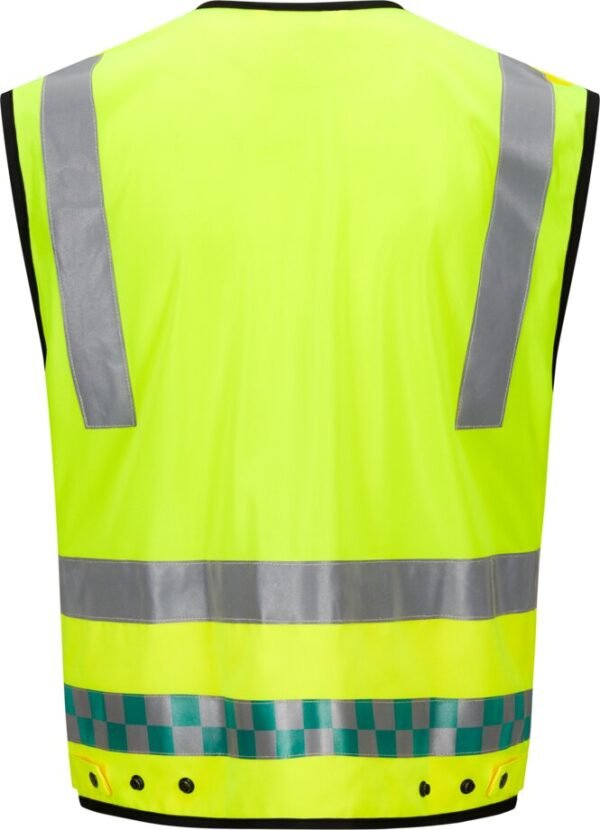
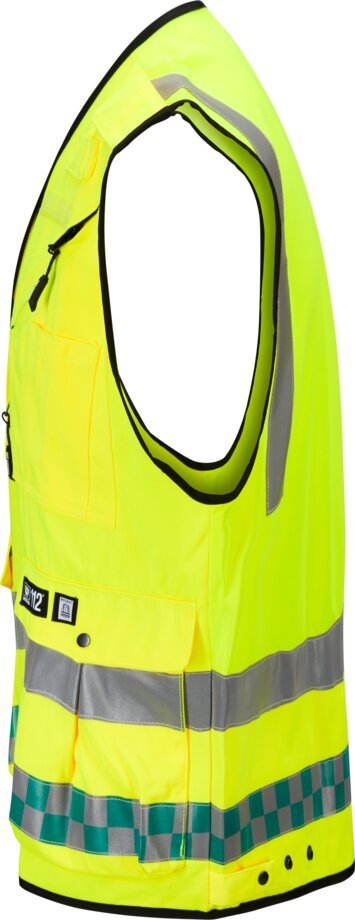


Develop a duty-focused response vest with balanced shoulder carry, breathable back zoning, communications attachments and clearly planned identification for ambulance, healthcare, security or event teams working active shifts.
Develop Healthcare and Emergency Response Work Vests with Veelianpro
Veelianpro can develop this custom work vest around your equipment list, uniform layers and brand markings. Choose radio and microphone points, ID display, pen storage, closure arrangement, back ventilation and reflective-trim layout. MOQ starts from 100 pieces per style and color, subject to approved materials, decoration and compliance requirements.
Define the Workwear Brief
This sleeveless equipment vest is designed as a practical outer uniform layer for response teams. The development brief can combine a high-visibility color direction with organized chest storage, dual communications attachment points and a comfortable back panel. Final fit, pocket capacity and visibility requirements are confirmed during sampling.
List radios, microphones, ID cards, pens, gloves and response tools to define accessible pocket placement.
Confirm whether the approved style needs high-visibility testing, certification targets, or only a visibility-led design.
Choose breathable back-panel options and shoulder load distribution for comfort during active, extended response shifts.
Approve logo, name, role marking, reflective trim layout and decoration locations before sampling the final vest.
Fabric, Fit and Construction Options
Select a durable shell fabric suited to the required hand feel, color and duty environment, with a softer inner-facing option where desired. A breathable mesh or performance-knit back panel can be developed for airflow during mobile work. Fluorescent-color and reflective-trim choices can support a high-visibility design target; final protective performance requires testing of the approved style.
Build the vest with a front opening, reinforced shoulder areas and carefully positioned storage to spread carried equipment comfortably. Options include left and right chest radio or microphone loops, an ID-card holder, pen divisions, secure utility pockets and equipment loops. Specify zipper, hook-and-loop or combined closures, plus adjustable fit details where uniform layering requires extra range.
From Brief to Approved Sample
Start with a technical brief covering user role, equipment dimensions, size range, colorway, logo artwork and required visibility target. Veelianpro can support pattern and fit development, fabric and trim sourcing, decoration, labels and packing. Review a sample for carry balance, access, comfort and branding placement before approving production specifications and any required testing plan.
- Requirement Review Confirm role, equipment, visibility target, branding, fit and colorway.
- Material Planning Select fabrics, trims, reflective layout, closures and breathable panel options.
- Sample Development Create pattern, sample, pocket layout and decoration placement for approval.
- Approval Preparation Finalize specifications, labels, packing, size range and testing requirements.
What to Send for a Useful Quote
Use Environment Share wearer duties, climate, layering needs and equipment list.
Compliance Target State required standard or class target for approved style.
Artwork Details Provide logo files, marking positions, colors, and decoration preferences.
Healthcare and Emergency Response Work Vests Procurement FAQs
Which equipment should the vest carry?
Specify each carried item before sampling: radio, microphone, ID card, pens, gloves and response tools. We can develop dedicated pockets, loops or attachment points around your workflow. Check access while seated, bending and wearing outer layers, then approve pocket dimensions, closures and reinforcement during fitting.
Should both chest sides support communications devices?
Yes, bilateral chest attachment points can be developed when teams switch radio or microphone placement. Confirm device dimensions, cable routing, preferred handedness and whether a loop, tab or secured pocket is best. Validate reach, stability and interference with front closure, ID display and any outer garment.
Should the vest have a breathable back panel?
Choose a breathable back panel for active, long-shift use where ventilation matters. Material selection can balance airflow, durability and compatibility with the main vest body. Review panel coverage, seam placement and layering behavior in a wear trial, especially beneath jackets or medical-response equipment.
What branding and role markings should be added?
Provide approved artwork, placement priorities and the intended viewing distance for names, roles, logos or emergency-service markings. We can evaluate suitable decoration and label options during development. Confirm contrast with the chosen colorway, clearance from pockets and reflective trim, wash-care expectations, and approval artwork before production.
Do you need a sleeved or sleeveless vest?
Choose sleeveless construction when the vest will layer over uniforms and unrestricted arm movement is essential; select short sleeves when added coverage is required. Confirm the garments worn underneath, armhole comfort, shoulder mobility, seasonal conditions and logo area. Approve the layering fit on representative wearers during sampling.
Should the final style meet a high-visibility target?
State the required market and performance target at briefing, then develop the final style around that requirement. High-visibility colors and reflective-trim layouts can be specified as design options, but compliance must be assessed by testing the approved garment. Confirm use conditions, size range, decoration and any certification pathway.
Discuss Your Healthcare and Emergency Response Work Vests Program
Send your quantity, target delivery market, size breakdown, equipment list, branding artwork and required high-visibility target for a tailored development quotation.


Reviews
There are no reviews yet.