
Custom Workwear Manufacturer for Plasma-Cutting OEM Programs
Veelianpro develops custom plasma cutting workwear for brands, distributors, and wholesalers with OEM, ODM, private-label, and quotation support.
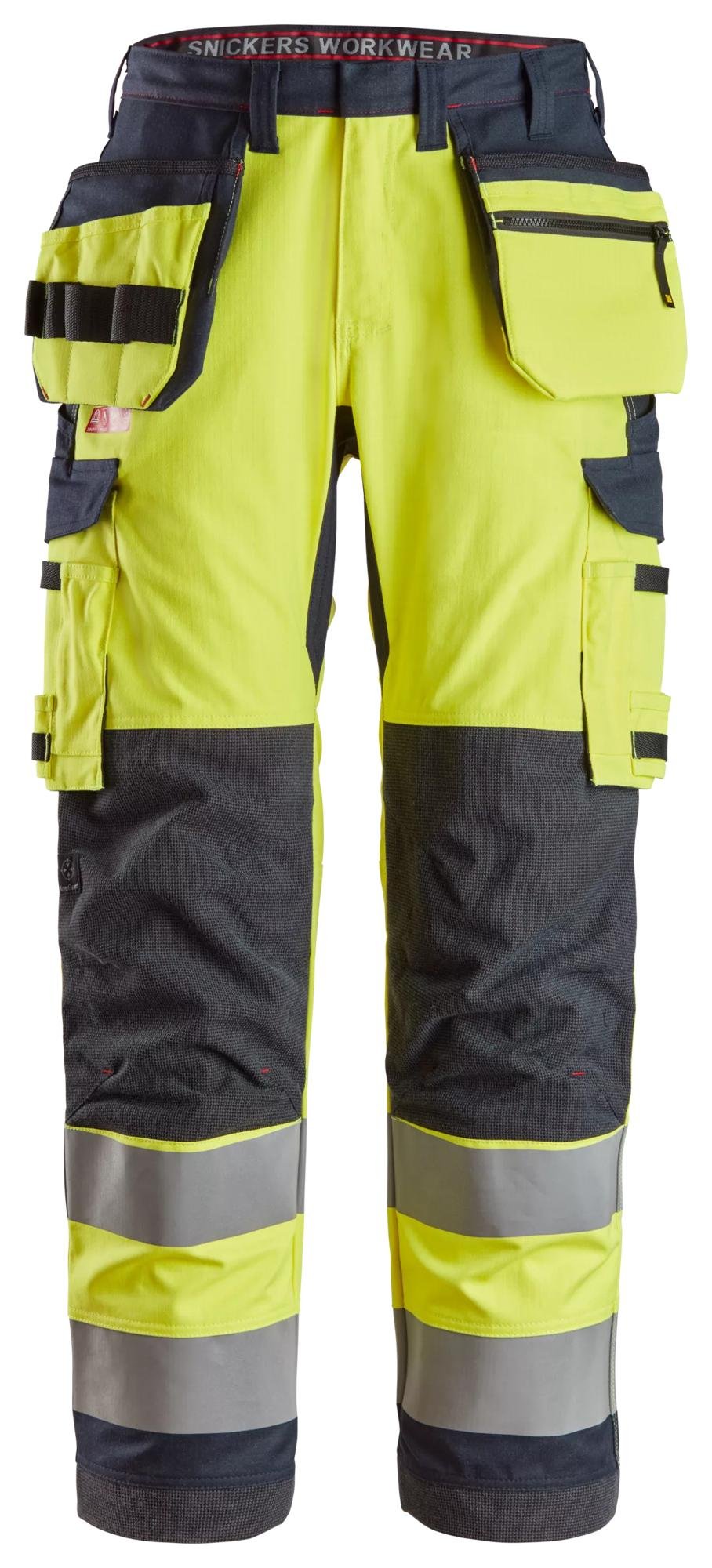
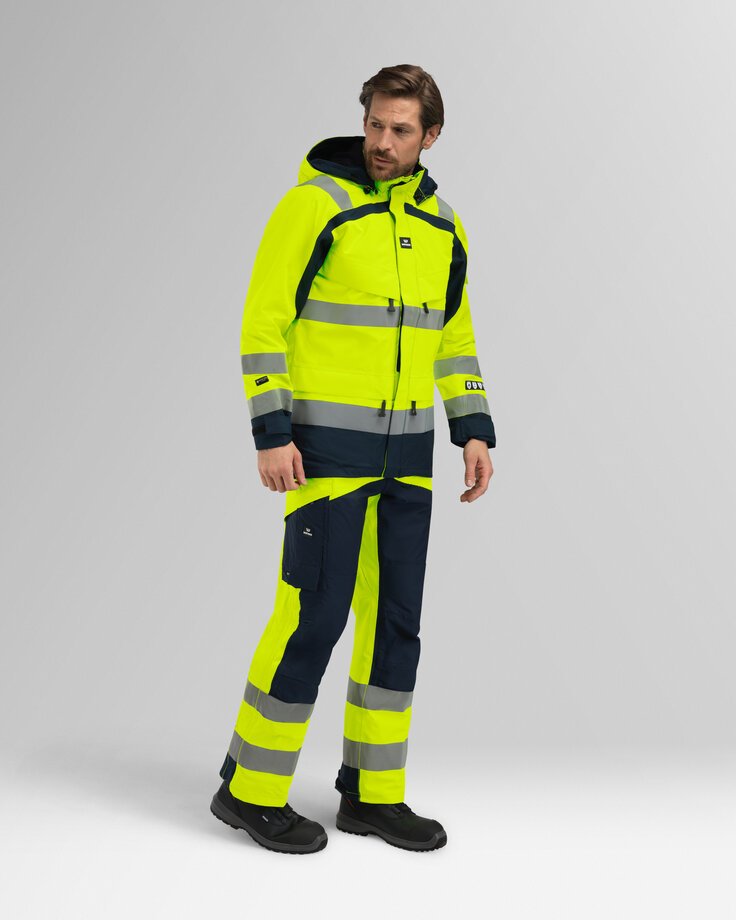
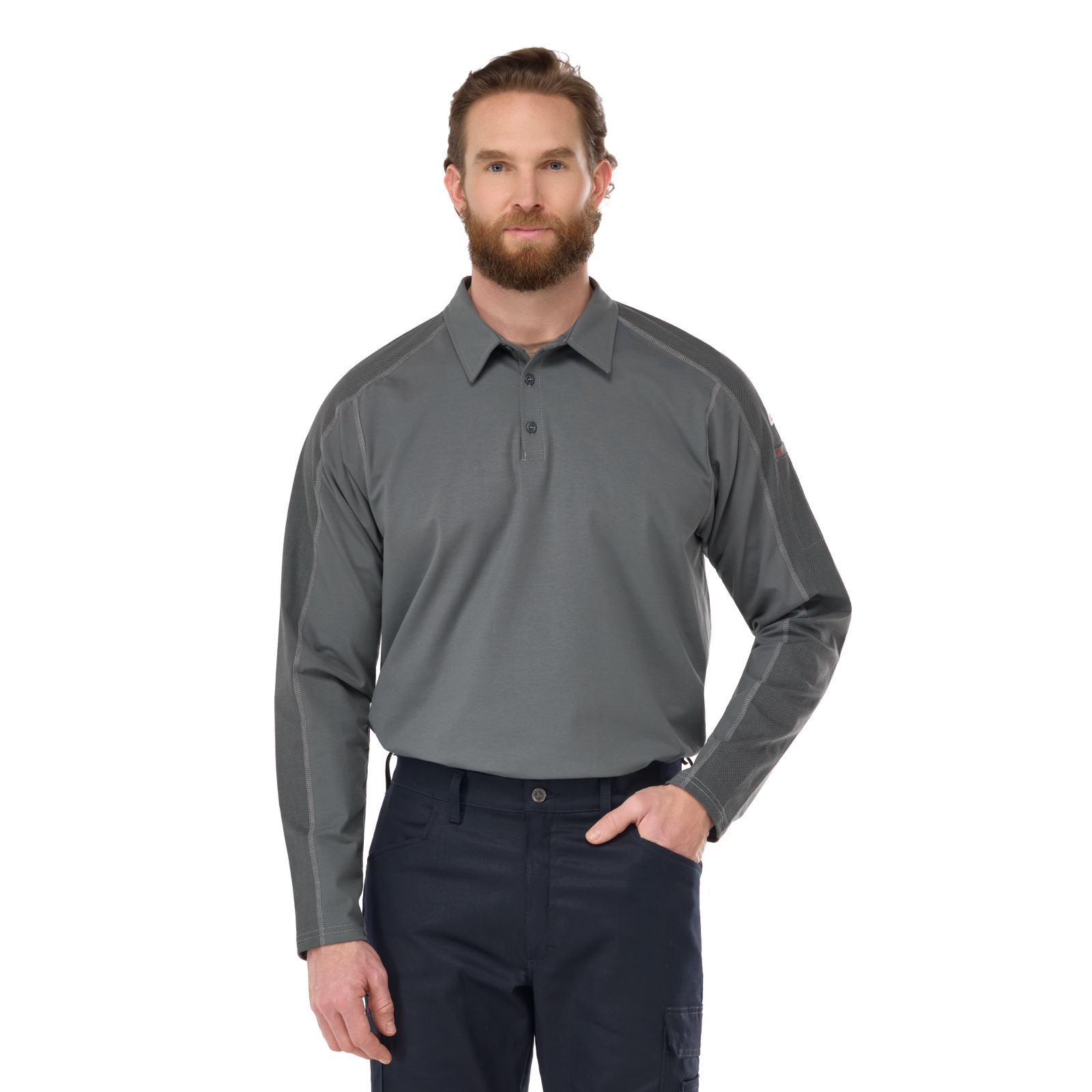
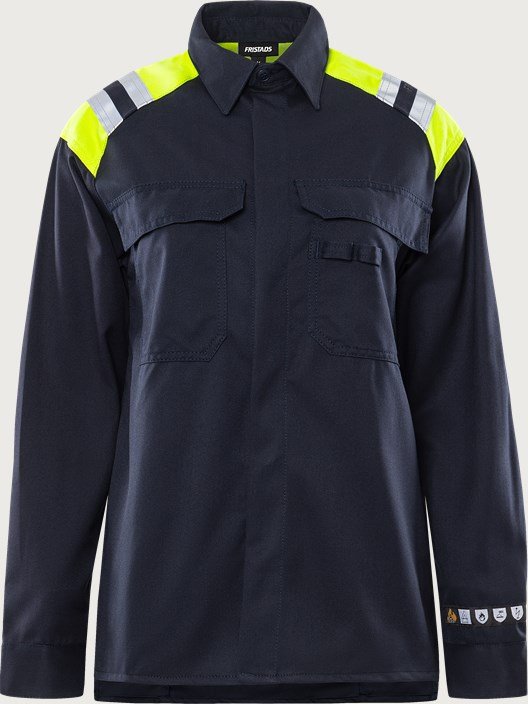
Featured Products for Plasma-Cutting Workwear Development








Related Product Catalogue and Quotation
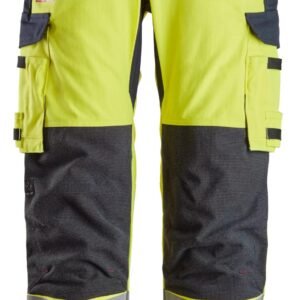
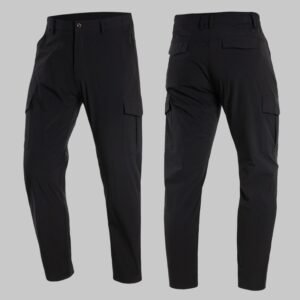
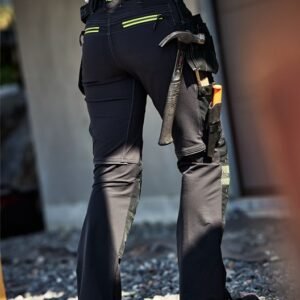


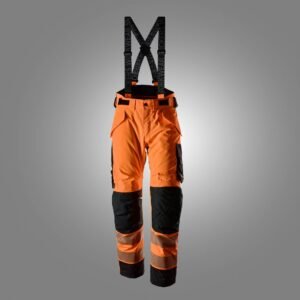
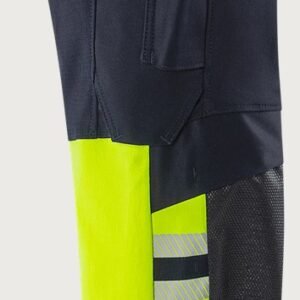
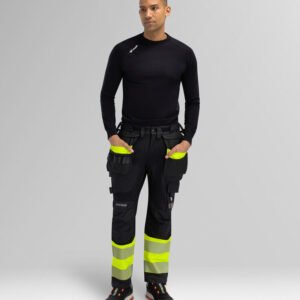

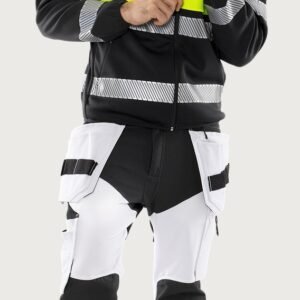
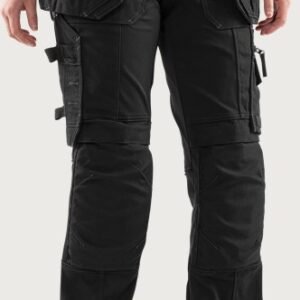

Why Choose Veelianpro as Your Plasma Cutting Workwear Manufacturer
Veelianpro develops custom plasma-cutting workwear from your sketch, sample, or tech pack, supporting materials, fit, trims, branding, sampling, and production. OEM, ODM, private-label, and wholesale programs start at 100 pieces per style and color, subject to fabric, certification, construction, and other project requirements confirmed for your order.
Custom OEM Development
Turn a sketch, sample, or tech pack into plasma-cutting garments with pattern development, grading, and production planning aligned to your brief.
Fabric And Trim Sourcing
Discuss fabric weight, composition, reflective placement, closures, pockets, labels, packaging, and other trims with one coordinated sourcing team.
Sampling Before Production
Review fit, materials, and construction through samples before bulk production, helping your team refine comfort, coverage, branding, and intended-use details.
Construction Control
Specify reinforcement points such as bartacks, triple stitching, gussets, knee features, and pocket systems according to the garment’s working environment.
Private Label Ready
Build a recognizable uniform range with embroidery, heat transfer, patches, woven labels, care labels, custom packaging, and private-label production support.
MOQ From 100 Pieces
Start at 100 pieces per style and color, subject to fabric, certification, construction, and other project requirements confirmed in your quotation.
Industrial Uniforms Built for Your Program
OEM, ODM and private-label workwear development for industrial, safety, service and hospitality buyers, from initial specification through export-ready packing.
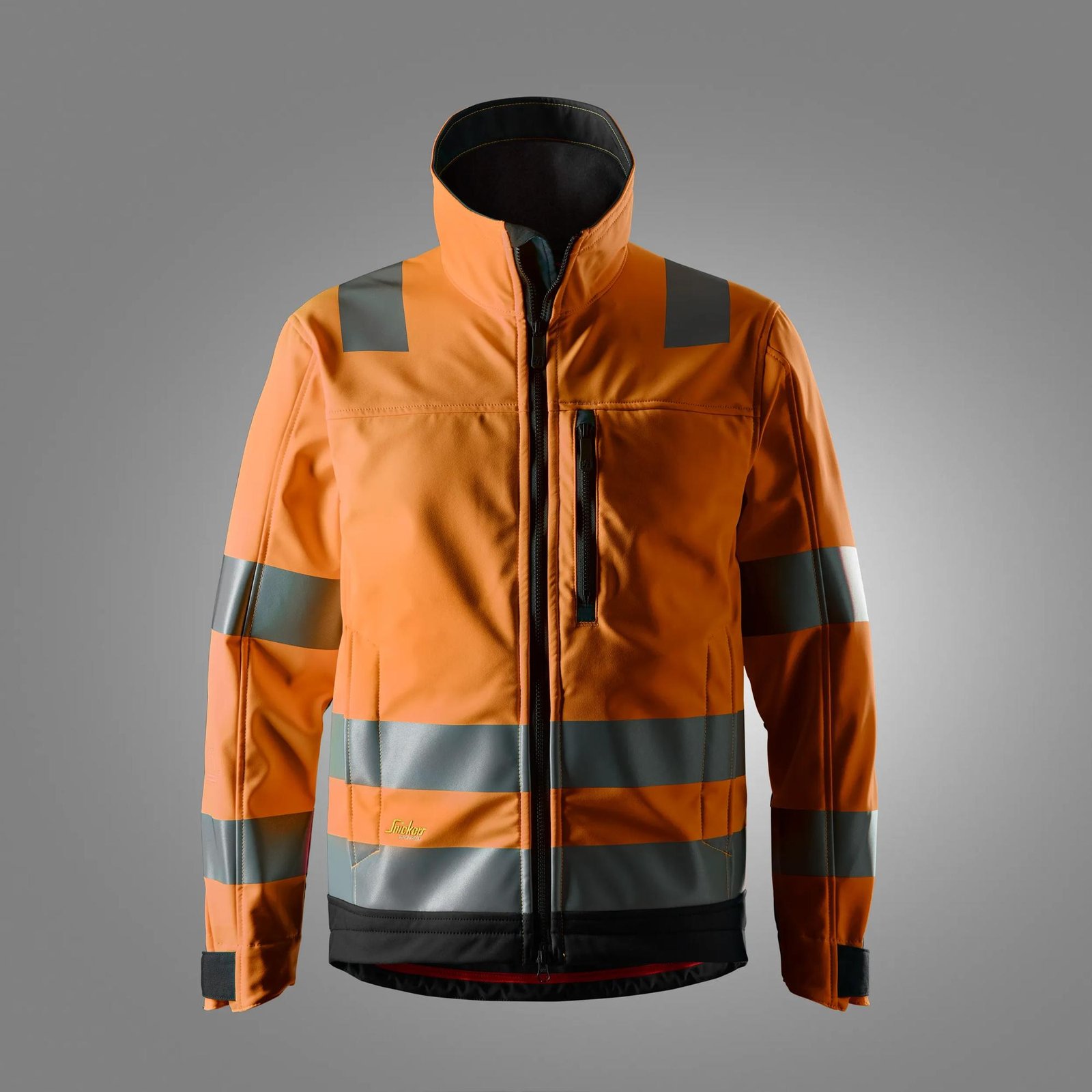
Work Shirts
Develop button-front, long-sleeve, short-sleeve and utility work shirts with selected fabrics, pocket layouts, reinforced stress points and branded labels. Suitable for industrial crews, field service teams and uniform programs requiring coordinated colorways and sizing.
Request a Workwear Quote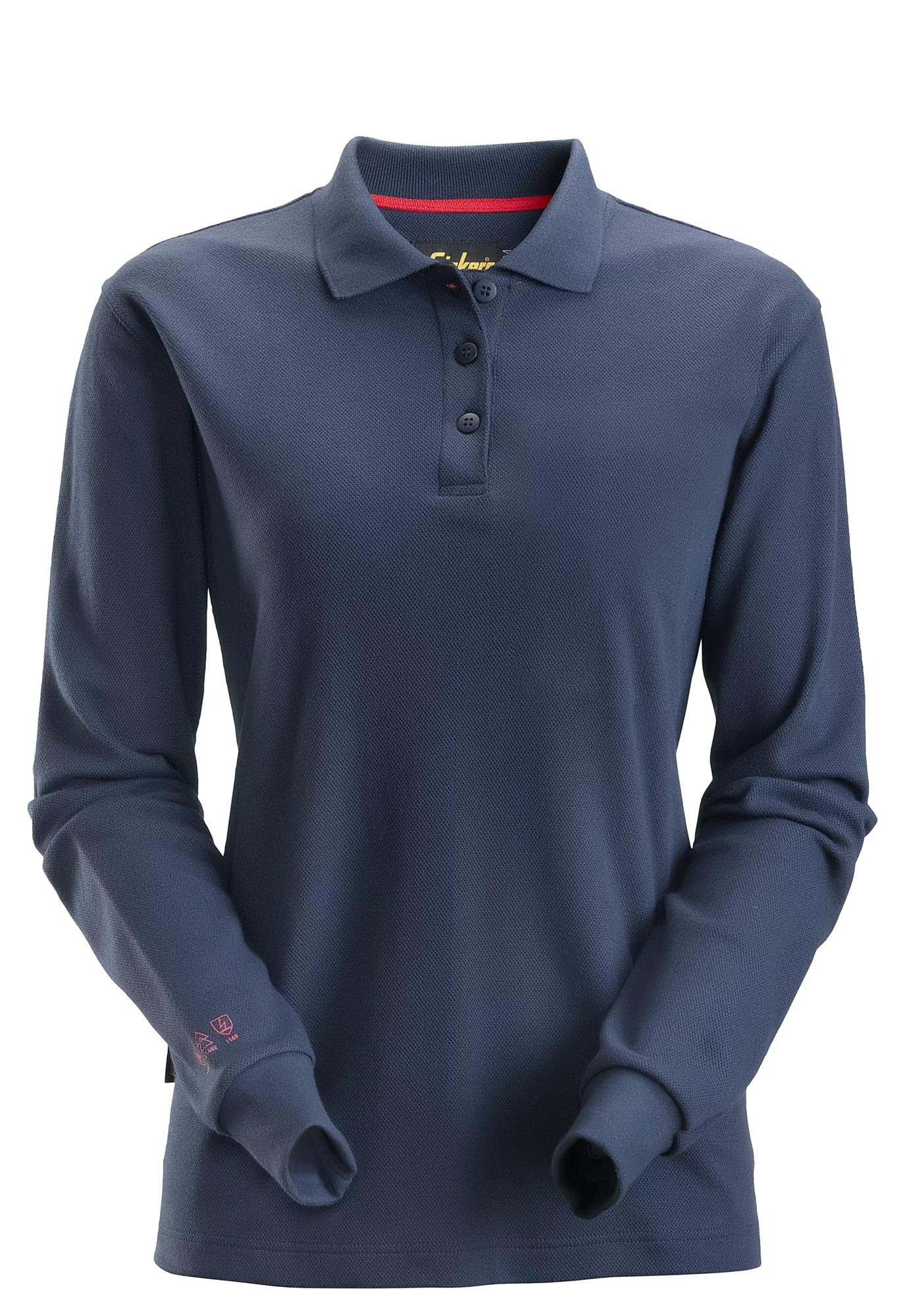
T-Shirts & Polos
Produce crew-neck tees and collared polos for staff uniforms, promotional workwear or layered industrial attire. Buyers can specify fabric composition, weight, color, size grading, logo application and neck or placket details to suit the intended working environment.
Request a Workwear Quote
Work Jackets & Outerwear
Build softshell, fleece, padded and rain-jacket programs around weather exposure and layering needs. Development can include hood configurations, pocket systems, closures, reinforcement, reflective detailing and private-label trims for outdoor, transport or site teams.
Request a Workwear Quote
Work Vests & Bodywarmers
Create utility vests, insulated bodywarmers and layered workwear pieces with functional pocket placement, closure choices and optional decoration. These styles support warehouse, logistics, service and outdoor crews where mobility and accessible storage matter.
Request a Workwear Quote
Work Pants & Shorts
Develop work trousers, cargo pants and shorts with task-specific pockets, reinforced knees, bartacks, triple stitching, gussets and selected fabrics. Color, fit, inseam range, waistband construction and branding can be aligned with a broader uniform collection.
Request a Workwear Quote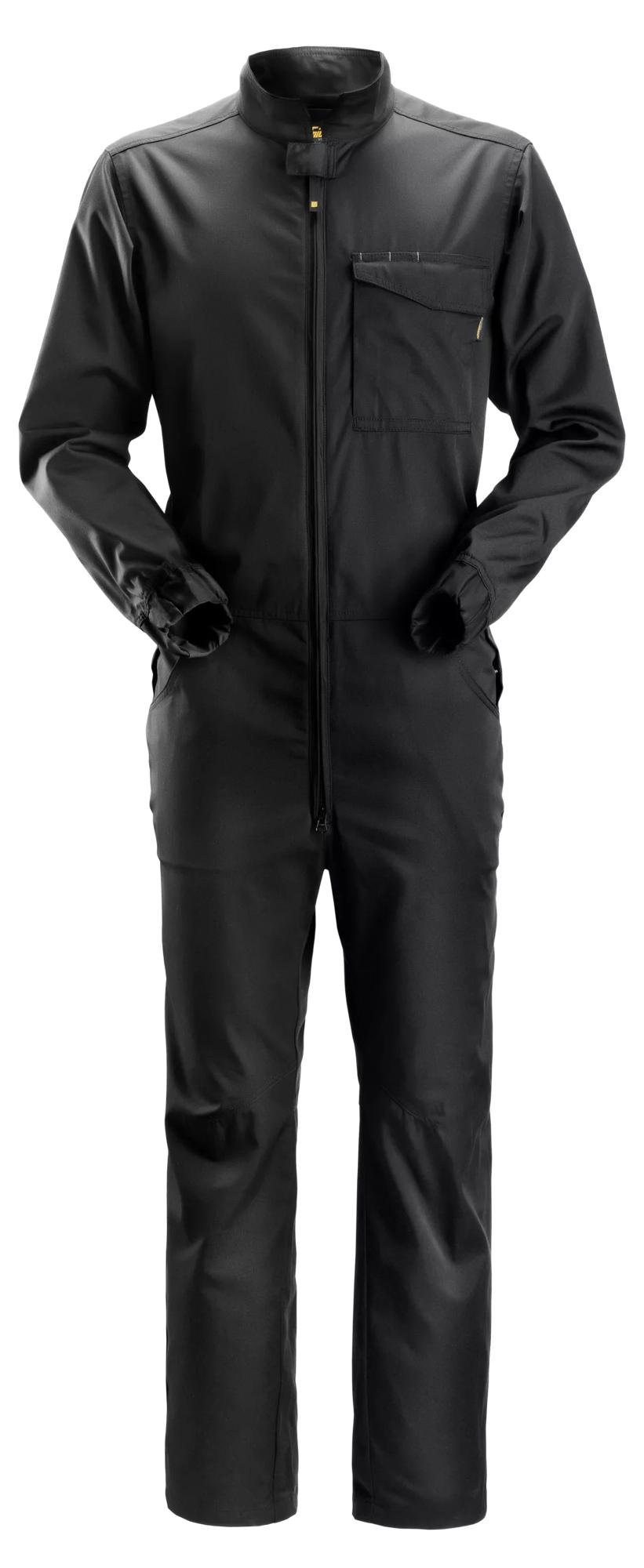
Coveralls & Bib Overalls
Manufacture coveralls, bib overalls and two-piece utility garments for industrial, maintenance and workshop applications. Specify closures, pocket systems, reinforcement zones, size grading, fabric choices and decoration requirements during development and sampling.
Request a Workwear Quote
Workwear Sets
Coordinate matching shirt-and-trouser, jacket-and-pant or multi-piece uniform sets for a consistent team appearance. Fabric, color, trims, branding and construction details can be standardized across the program while allowing role-specific garment configurations.
Request a Workwear Quote
High-Visibility Workwear
Develop high-visibility garment families with reflective tape placement, base-color requirements and practical workwear construction. Applicable visibility standards and required test documentation must be defined by the buyer; final claims depend on SKU-specific evidence.
Request a Workwear Quote
Flame-Resistant & Arc-Rated Wear
Support development of flame-resistant and arc-rated workwear families, including shirts, pants, coveralls and outer layers. Buyers should provide the required standard, protection scope and testing requirements; ratings are not assigned without documented SKU-specific evidence.
Request a Workwear Quote
Chemical-Protective Clothing
Develop chemical-protective clothing concepts based on the intended workplace, material requirements and construction needs. Chemical type, exposure conditions and any protective performance claim require buyer-defined specifications plus appropriate testing and certification evidence.
Request a Workwear Quote
Cold-Storage Workwear
Create insulated outerwear and layered garments for cold-storage operations, with padding, closures, pocket configurations and mobility considerations specified during product development. Temperature ratings or protection claims require documented testing for the finished SKU.
Request a Workwear Quote
Welding Workwear
Produce welding-workwear families with durable construction, reinforcement and buyer-specified fabric selections for workshop and fabrication environments. Required flame, heat or protective standards must be supplied at project start and substantiated through the applicable test evidence.
Request a Workwear Quote
Medical & Cleanroom Wear
Develop medical scrubs, cleanroom garments and ESD-related apparel with role-appropriate silhouettes, size grading, colors, closures and labeling. Cleanliness, electrostatic-control or other performance requirements must be defined against the relevant standard and verification scope.
Request a Workwear Quote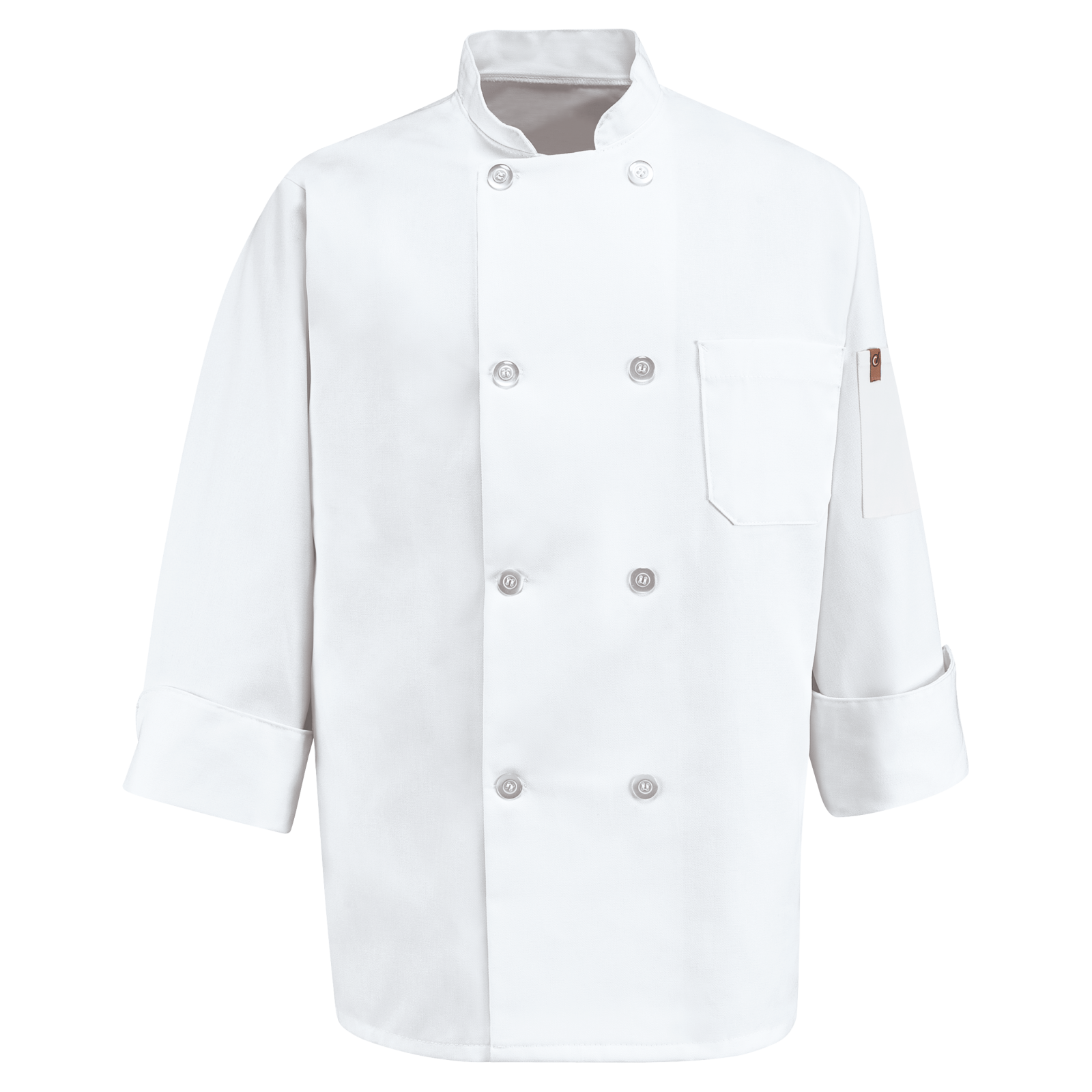
Chef & Hospitality Uniforms
Manufacture chef clothing and hospitality uniforms including jackets, shirts, polos, trousers and coordinated front-of-house pieces. Buyers can set fabric preferences, colorways, closures, pockets, logo decoration, woven labels and packaging for their service concept.
Request a Workwear Quote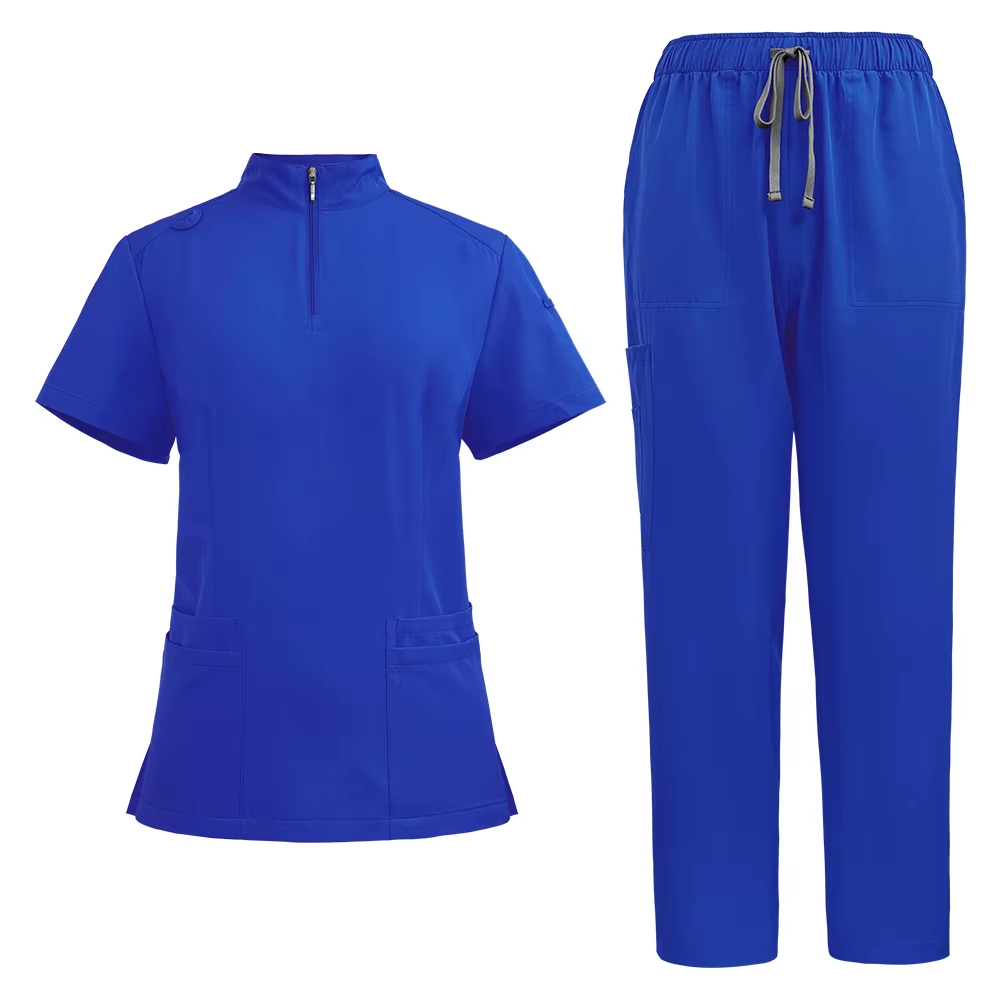
Industry Uniforms
Build industry-specific uniform programs for construction, logistics, maintenance, facilities, retail and service teams. Combine core garments with chosen fabrics, functional details, branding and size ranges to create a consistent private-label or wholesale collection.
Request a Workwear Quote
Base Layers & Accessories
Complete a workwear range with base layers, caps, belts, gloves-compatible accessories, patches, labels and custom packaging. Component selection, logo methods and material choices can be coordinated with the main garment program for unified presentation and ordering.
Request a Workwear QuoteMaterials for Plasma Cutting Workwear




Garment Construction and Decoration by a Plasma Cutting Workwear Manufacturer



Functional Accessories for a Plasma Cutting Workwear Manufacturer


About Veelianpro: Plasma Cutting Workwear Manufacturer
Veelianpro is a Wuhan, Hubei-based workwear manufacturer whose company profile states that its operation began in 2012. As a plasma cutting workwear manufacturer, we help brands and sourcing teams develop practical garments for demanding workshop and industrial environments, beginning with a tech pack, sketch, sample or product idea.
Our support covers fabric and trim sourcing, pattern development, sampling, size grading, cutting, sewing, reinforcement, decoration, finishing, inspection, packing and export coordination. Buyers can specify coverage, mobility, pocket systems, reinforced construction, branding and packaging for OEM, ODM, private-label or wholesale programs, with MOQ starting at 100 pieces per style and color, subject to project requirements.
The company profile describes a team of more than 300 skilled workers; this operating figure is company-supplied and should be verified before prominent publication. Veelianpro’s difference is practical development support: we align garment construction and material choices with the intended work setting, while keeping protection ratings and certifications tied to SKU-specific test evidence.

Core Capabilities of a Plasma Cutting Workwear Manufacturer
From Concept to Tech Pack
Veelianpro reviews your sketch, sample, tech pack or product idea and translates requirements into a practical development plan. Buyers can define work setting, coverage needs, materials, fit, branding, target quantity and timeline before fabric sourcing, pattern work and sampling begin.
- Review sketches, samples and technical specifications
- Discuss heat, spark, mobility and coverage requirements
- Source fabrics, trims and branding components
- Plan OEM, ODM or private-label production

Fit, Patterns and Sampling
Our development team supports pattern construction, sample making and size grading for plasma-cutting jackets, trousers, coveralls, vests and coordinated workwear sets. Fit, movement, pocket placement and closure details can be adjusted through sample review before production approval.
- Develop patterns for requested silhouettes and size ranges
- Refine mobility, coverage and functional pocket placement
- Produce samples for fit and construction review
- Apply grading requirements across approved sizes

Reinforced Construction and Branding
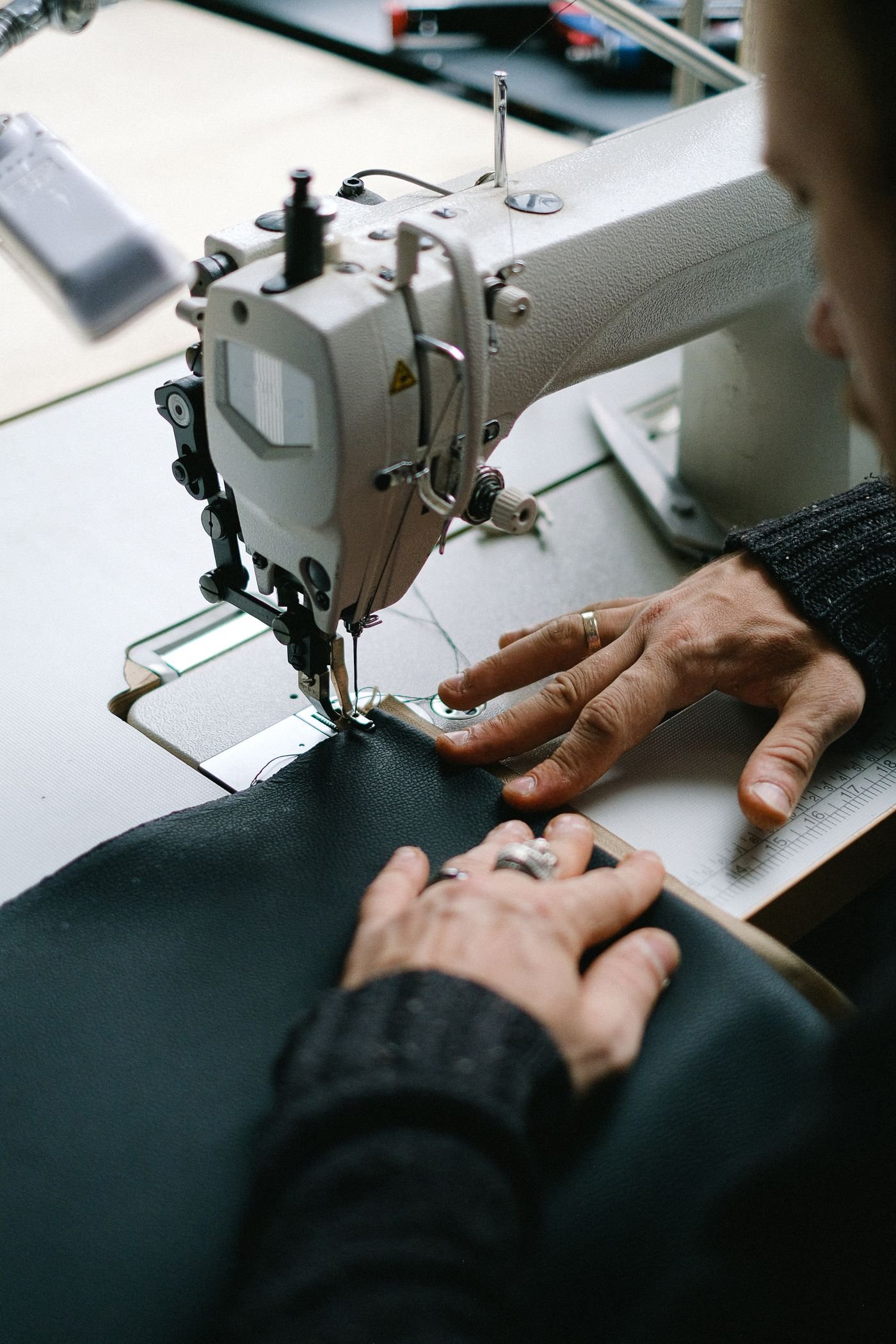
Veelianpro can build durability into the garment through selected seam treatments, bartacks, reinforcement zones, gussets and practical pocket systems. Decoration and private-label details are coordinated alongside construction, helping buyers prepare a consistent branded workwear range.
- Plan reinforced knees, stress points and pocket openings
- Review bartacks, triple stitching and gusset options
- Add embroidery, patches, labels or heat transfer
- Coordinate care labels and custom packaging
Quality Checks and Export Coordination
Before shipment, production is reviewed against the approved specifications, materials, workmanship and branding details. Veelianpro also supports packing and export coordination, giving wholesalers, distributors and enterprise sourcing teams a clearer path from approved sample to repeatable order fulfillment.
- Check materials, dimensions, workmanship and decoration
- Compare production against approved samples and specifications
- Coordinate packing requirements for private-label orders
- Support shipment planning and future reorders

Plasma Cutting Workwear Manufacturer vs. Off-the-Shelf Decoration
Compare custom development with buying ready-made garments and adding decoration afterward. Starting MOQ is subject to fabric, certification and construction requirements.
← Swipe left or right to view →
How a Plasma Cutting Workwear Manufacturer Builds Your Program
A clear production path connects your specifications, material choices, garment construction, branding, inspection, and shipment coordination for reliable OEM and private-label development.
Share Your Requirements
Share your tech pack, sketch, sample, or product idea with garment type, work setting, target fabric, size range, colors, branding, quantity, destination, and timeline.
Confirm Materials
We review construction and protection targets, source fabrics and trims, confirm branding methods, and clarify required standards or test documentation before sampling begins.
Develop the Pattern
Pattern development, size grading, and sample making turn approved specifications into a fit-ready garment for review, revisions, and production confirmation.
Cut, Sew, Decorate
After approval, fabric is cut and panels move through sewing, reinforcement, bartacks, decoration, labels, and finishing, with construction details checked against the approved sample.
Inspect and Ship
Final inspection covers workmanship, measurements, branding, packing details, and agreed documentation before shipment coordination and reorder support for your wholesale, private-label, or OEM program.
How a Plasma Cutting Workwear Manufacturer Develops Your Program
Veelianpro supports plasma cutting workwear development from brief review through shipment, including fabric and trim sourcing, pattern work, sampling, branding, and quality control. OEM, ODM, private-label, and wholesale programs start at 100 pieces per style and color, subject to fabric, certification, construction, and project requirements.
Send Your Garment Brief
Send your garment brief or tech pack with intended work setting, fabric goals, size range, branding, quantity, destination, timeline, and required standards.
Review Feasibility Together
Review feasibility and select fabrics, trims, construction details, and decoration options suited to coverage, mobility, comfort, durability, and your private-label requirements.
Approve Samples and Pricing
Approve samples and quotation after pattern development, grading, fit review, revisions, and confirmation of MOQ, pricing, lead time, and documentation needs.
Confirm Production and Shipment
Confirm the order, then monitor cutting, sewing, reinforcement, quality inspection, packing, and shipment coordination against the approved specifications and export requirements.
Plasma Cutting Workwear Manufacturer Certifications and Documentation


Plasma Cutting Workwear Manufacturer Scenarios
Illustrative scenario: A safety distributor needs one clearly controlled coverall specification for teams that alternate between plasma cutting and fabrication, but the initial brief does not distinguish role-specific coverage or approval evidence. The proposed solution is a coverall development brief covering closures, pocket placement, size grading, branding, the applicable standard, and required documentation. Acceptance criteria are an approved sample, a signed specification, and the exact required evidence for the finished configuration.
Illustrative scenario: A uniform buyer has a jacket-and-trouser sketch, but the proposed layers bind during reaching and the reinforcement locations are not defined. The proposed solution is pattern and sample development that records layering allowance, measurements, trim choices, and specified reinforcement areas. Acceptance criteria are that the sample matches the approved measurement chart, supports the buyer’s stated movement checks, and carries all agreed construction callouts.
Illustrative scenario: A workwear brand wants a private-label fabrication capsule but lacks a single record for fabric choices, decoration, labels, packaging, and production constraints. The proposed solution is a feasibility review followed by a consolidated RFQ covering the intended work setting, quantity, destination, timeline, and any required standard. Acceptance criteria are that the approved quote identifies the selected configuration, artwork locations, packing instructions, and any documentation required before production.
The Complete Plasma-Cutting Workwear Manufacturer Buyer’s Guide
Practical answers for developing protective garments through OEM, ODM, private-label and wholesale programs.
What does a plasma cutting workwear manufacturer need to know about the job?
Which protective features should I request from a plasma cutting workwear manufacturer?
What materials are suitable for plasma cutting workwear from a plasma cutting workwear manufacturer?
Can a plasma cutting workwear manufacturer customize fit, coverage and mobility?
What is the MOQ for custom plasma cutting workwear?
What sampling information and costs should buyers prepare?
How long do sampling, production and shipping take?
How are payment, shipping, intellectual property and certification handled?
Plasma Cutting Workwear Manufacturer: A Buyer’s Guide
A practical framework for specifying plasma-cutting garments, comparing supplier capabilities, coordinating wider PPE, avoiding costly RFQ gaps, and selecting a manufacturing partner for custom industrial workwear programs.
1. What Is a Plasma Cutting Workwear Manufacturer?
A plasma cutting workwear manufacturer helps turn a fabrication team’s requirements into a repeatable garment specification: coverage, garment type, closure and pocket layout, size run, identification, and decoration. The brief should distinguish operators, helpers, material handlers, maintenance staff, and visitors because their tasks and garment requirements may differ.
Workwear should be specified as one part of the buyer’s wider workplace safety program. The employer or qualified safety lead should determine the task controls and any companion PPE required for the actual operation. Do not treat a garment design, a fabric description, or a product family name as proof of protective performance.
For Veelianpro, the manufacturing role begins with the buyer’s tech pack, sketch, sample, or product idea and can include fabric and trim sourcing, pattern work, sampling, grading, sewing, reinforcement, branding, inspection, packing, and export coordination. The decisive buyer question is whether the supplier can record the exact garment configuration, intended work setting, team sizing, branding method, applicable protection standard, and required test or certificate before quotation approval. Protective families are development options; any rating requires exact test evidence and certification scope for the finished SKU.
2. Plasma-Cutting Workwear Context and Scope
Plasma-cutting workwear starts with the operator’s position, not a generic job title. A bench operator, a worker reaching into a fixture, and a material handler may need different coverage, pocket access, sizing, and identification. The material being cut and the site’s operating conditions should be documented by the buyer or its qualified safety lead before garment requirements are finalized.
A plasma-cutting-only brief can define coverage, closure security, pocket layout, visibility needs, and compatibility with the other equipment the wearer uses. A mixed-fabrication brief should separately identify cutting, welding, grinding, assembly, material handling, and outdoor work. This avoids applying one configuration to every role simply because the team shares a uniform program.
Replacement triggers belong in the program specification. Define who inspects garments, which conditions make a garment unsuitable for the buyer’s assigned use, whether repair is permitted, and how replacement sizes and branding are controlled. This keeps replacement purchasing tied to the approved configuration instead of treating worn garments as ordinary reorder items.
3. Plasma Cutting Workwear Manufacturer Product Types
Select garments by the operator’s exposure zone and movement, not by a single plasma-cutting label. A practical program separates direct cutting roles, material handling, intermittent shop work, and traffic-facing duties.
| Garment Type | Primary Coverage | Best Fit | Key Limitation |
|---|---|---|---|
| Jacket | Torso and arms | Variable cutting tasks | Review closure overlap, hem position, and movement in the approved sample |
| Coverall | Torso and legs | Mixed fabrication movement | Define repair and replacement rules for the approved program |
| Bib and trousers | Legs, waist, chest | Loading and crouching | Review strap adjustment and layer compatibility in the approved sample |
| Apron and sleeves | Front torso or forearms | Fixed, targeted tasks | Partial coverage only |
Cutting Jackets
For a jacket configuration, define the intended coverage, base-layer allowance, closure treatment, pocket layout, and hem length in the tech pack. Evaluate those details in the approved sample while the wearer performs the buyer-defined work positions.
Use the garment only within the buyer’s documented task and PPE program. Any protective requirement or performance statement requires evidence for the finished configuration.
Coveralls And Two-Piece Suits
For coveralls and two-piece suits, document the intended coverage, front closure, access pockets, measurement method, and movement checks. A two-piece configuration may also be quoted with separate replacement components if the buyer requests that option.
The buyer or qualified safety lead should define any companion PPE and the conditions under which each garment configuration may be used.
Work Trousers And Bibs
For trousers and bibs, specify the wearer’s movement checks, requested front and waist coverage, reinforcement locations, pocket layout, and layering allowance. Include these features on the pattern, annotated sample, or tech pack rather than requesting a generic utility style.
Review shoulder-strap adjustment, size grading, and compatibility with the buyer-selected layers during sample approval.
Aprons And Protective Sleeves
Aprons and sleeves can be developed as supplemental items with buyer-defined coverage areas, attachment method, size range, and compatibility requirements. Their intended use and any relationship to the main uniform should be established by the buyer’s safety program.
Do not describe a supplemental item as a complete protective solution unless finished-configuration evidence and scope have been supplied.
High-Visibility Outer Layers
For high-visibility development, the buyer should provide the required standard, placement drawing, color requirement, and finished-garment evidence scope. Tape placement, closures, pockets, and branding can then be reviewed for construction feasibility.
Treat visibility requirements and other requested protective requirements as separate documented specifications; do not assume one feature establishes another claim.
4. Materials and Technical Options
Material selection should begin with the buyer’s documented task conditions, movement needs, ambient conditions, required visibility, and any applicable standard. The manufacturer can translate those inputs into a fabric, layer, trim, and verification request; appearance alone does not establish a protective claim.
| Option | Best Selection Basis | Mobility Consideration | Verification Needed |
|---|---|---|---|
| Single-shell workwear | General fabrication exposure and coverage map | Lowest bulk; confirm reach and fit | Fabric sample, construction sheet, intended use |
| Layered configuration | Variable weather or task conditions | Check sleeve, torso, and glove compatibility | Layer order, size allowance, care route |
| Reinforced areas | Repeated abrasion or kneeling points | Locate panels away from binding zones | Panel material, placement, attachment method |
| Visibility elements | Site visibility requirement | Confirm tape does not obstruct pockets or flex | Required standard, placement drawing, finished-garment evidence |
Base Fabric Selection

Choose the shell construction around the actual shift: a lighter work shirt or trouser for general fabrication, or a more protective specified garment where the task assessment requires it. Fabric weight and composition can be discussed during development, but neither proves flame resistance or heat performance.
Ask for the intended task, coverage areas, laundering method, color, and any required standard or test documentation. Keep the approved fabric sample and specification tied to the production order.
Layering And Reinforcement

A shell, compatible mid-layer, and weather layer solve different problems; stacking unverified layers does not create a documented protective system. Confirm whether the garment must fit over base layers and gloves without restricting reach or crouching.
Specify reinforcement zones such as knees, seat, elbows, pocket openings, and tool-contact areas according to the job. Request the reinforcement material and attachment method in the tech pack.
Visibility And Care
Reflective tape placement should follow the wearer’s role, site rules, and required coverage rather than a catalog default. It must also coexist with closures, pockets, branding, and garment movement.
Define the care route before approval: industrial laundering, home laundering, contamination handling, and replacement criteria. Visibility or protective claims require the applicable evidence for the finished configuration.
5. Customization and Program Configuration
A plasma-cutting program is more than a logo on a standard garment. Before sampling, document role, movement, requested coverage, layering, identification, and packing requirements in one comparable specification.
| Configuration Item | Usability Effect | RFQ Detail |
|---|---|---|
| Pattern and sizing | Controls reach and layering | Measurement method; graded size set |
| Pockets and closures | Changes access and movement | Exact location; closure type |
| Branding and labels | Supports identification | Artwork; placement; label copy |
| Packing | Affects receiving workflow | Assortment; stickers; carton marks |
Pattern And Team Sizing

Start with the intended base layers, outer layers, reach positions, and size range; these inputs determine ease allowances and where seams or pockets sit during work.
For a team order, collect each wearer’s agreed measurements using one method, then approve a graded size set before bulk cutting. This control prevents a sample fitted to one person from becoming the reference for the whole team.
- Garment type and role
- Measurement chart and size range
- Layering assumptions
- Approved graded size set
Role-Based Coverage Details
Operators, helpers, and supervisors may need different pocket access, coverage panels, closures, or identification while retaining a common visual program. Document each configuration as a separate style or clearly marked variant.
Front closures must work with the specified layers and gloves; pocket location should avoid obstructing movement or interfering with equipment. Describe coverage as a design requirement, not a performance claim unless supporting test evidence is supplied.
Identity, Labels, And Packing
Specify color blocking, logo location, name or department identification, care labels, woven labels, and carton assortment at the same time as the garment. Decoration method remains subject to artwork, fabric, placement, and feasibility review.
Packing instructions should identify folded or hung presentation, individual bagging, size stickers, SKU labels, and carton marks. These details make distributor receiving and replenishment easier and keep quotations comparable.
6. Construction Details That Affect Service Life
Construction details should be defined in the tech pack by task and body position, then reviewed in the approved sample with the buyer’s intended layers and movement checks. Record the accepted construction rather than relying on generic durability language.
Seams And Stress Points
Place major seams away from frequent abrasion and direct contact points where the job allows. At crotches, pocket corners, knee panels, and load-bearing joins, specify reinforcement details such as bartacks, triple stitching, gussets, or reinforced panels.
A seam can fail before the main fabric when movement repeatedly loads a narrow join. Record reinforcement locations on the pattern or annotated sample rather than requesting ‘extra strong’ construction.
- Crotch and inseam joins
- Pocket openings and corners
- Knee-panel transitions
- Tool-loop attachment points
Closures And Pocket Layout
Specify closure direction, pocket depth, flap or zipper treatment, and whether pockets must remain usable with the buyer-selected gloves. If covered closures are requested, record the coverage treatment and approval criteria in the tech pack.
Review pocket placement with the buyer’s stated harness, belt, kneeling, and seated-operation requirements. The sample check can include opening each pocket and closure while wearing the intended gloves.
Cuffs Collars And Movement
Document cuff method, collar height, sleeve length, overlap requirements, and compatibility checks with the buyer-selected gloves, face and neck equipment, and outer layers as configuration choices.
Assess movement allowance through the buyer’s stated reaching, crouching, climbing, and bending checks during sample approval. Record any required pattern or measurement revision before bulk production.
Inspection-Ready Construction
Choose details that let supervisors see damage, contamination, missing closures, and worn reflective tape without dismantling the garment. Contrast trims, accessible inside labels, and clearly separated reinforcement panels can make inspection points easier to identify.
Set acceptance checkpoints for stitching consistency, closure operation, pocket attachment, size labeling, and decoration placement before bulk production. Protective performance claims still require the applicable test evidence and certification scope.
7. Choosing a Plasma Cutting Workwear Manufacturer
Select a plasma cutting workwear manufacturer on how clearly it records the buyer’s operating requirements, handles changes, and supplies the agreed inspection evidence. Do not select on a generic protective-clothing claim; any requested protective claim needs finished-configuration evidence and scope.
| Selection Check | Evidence To Request | Acceptance Basis |
|---|---|---|
| Brief accuracy | Reviewed specification | All operating and branding requirements recorded |
| Sample control | Approved revision record | Production matches approved configuration |
| Size run | Size matrix and measurements | Quantities and measurements match order |
| Packing | Carton and labeling instructions | Receiving identifiers match shipment documents |
Test Brief Interpretation
Provide the cutting tasks, exposure zones, required coverage, companion PPE, applicable standard, garment family, colors, branding, destination, and target quantity. Separate a requested protective outcome from a tested claim; a design cannot be presented as rated without the applicable evidence.
At Veelianpro, we can begin from a tech pack, sketch, sample, or product idea and discuss fabric, trims, pockets, reinforcements, reflective-tape placement, weather protection, and branding before production.
- State mixed plasma-cutting and welding use
- Identify closure and pocket restrictions
- Name required test or certificate scope
Control Samples And Changes
Approve a sample against a dated specification sheet, not memory. Record fabric and trim selections, pattern revision, logo artwork, measurement tolerances, placement dimensions, labeling, and packing instructions in the approval record.
A later change to one of these items should trigger a documented revision and confirmation of its effect on the sample and production specification.
Manage Sizes And Inspection
Request the full size run and a measurement method before production. A size breakdown should identify quantities by style, color, and size, while any fit sample must be evaluated on the intended wearer group.
Define acceptance evidence in advance: measurement records, visual checks for sewing and decoration, packing verification, and photos or reports agreed in the order. Inspect marked reinforcement points, closures, labels, and logo placement against the approved sample.
Plan Packing And Communication
Specify whether units are individually bagged, how size and color are marked, carton assortment, buyer labels, care labels, and export documents. Packaging errors create receiving delays even when the garments are correct.
Illustrative procurement scenario: a safety distributor sends one size matrix and a marked-up sample, then requires approval of the final packing list and inspection evidence before shipment. This keeps style, size, and carton references aligned across the order.
8. Plasma Cutting Workwear Manufacturer Mistakes
A plasma-cutting workwear brief fails when it describes a garment but not the operator’s task, equipment interface, and approval conditions. Turn operating details into a repeatable specification before sampling, so every quote covers the same build.
| Quote Check | Why It Matters | Required Entry |
|---|---|---|
| Garment configuration | Prevents mismatched builds | Fabric, closures, pockets, reinforcement |
| Size approval | Reduces fit uncertainty | Size range and graded sample plan |
| Included services | Makes totals comparable | Sampling, decoration, packing, inspection |
Skip Task Mapping
A generic coverall request does not identify the buyer’s required coverage, movement, kneeling, tool access, or adjacent-task conditions. The result is a quote based on assumptions rather than an agreed configuration.
Map cutting position, requested coverage, movement, and adjacent tasks by role. Convert each finding into documented pocket, reinforcement, layering, or construction requirements.
Reuse A Welding Brief
Plasma cutting and welding may occur in one shop, but a welding brief copied unchanged may not capture the buyer’s plasma-cutting workflow, movement checks, or cutting-table requirements.
Mark which requirements apply to plasma cutting, mixed fabrication, or welding only. Keep any protection target separate from a tested performance claim until evidence and scope are confirmed.
Ignore Fit And PPE Interfaces
Poor sleeve, collar, cuff, and trouser fit can interfere with gloves, face protection, respirators, footwear, or layers. A technically suitable garment then becomes difficult to wear consistently.
Define the PPE worn with the garment and trial representative sizes in the intended motions. Approve a size-grade set, not only one sample size.
Leave Construction Unspecified
Unspecified closures and pockets invite substitutions that change access, snag exposure, and storage. A pocket location that works for a standing technician may be unsuitable at a cutting table.
Document closure type, pocket count and placement, flap requirements, reinforcement zones, and branding locations in the tech pack. Include clear construction callouts on the approved sample.
Compare Incomplete Quotes
A low line price is not comparable when fabric, trims, grading, decoration, packing, sampling, or inspection are omitted. Differences surface after approval as scope changes rather than an informed sourcing decision.
Use one quote sheet for every plasma cutting workwear manufacturer. Record the style, color, quantity, required evidence, and every included development or delivery service so each quotation covers the same scope.
9. Launching a Plasma-Cutting Workwear Program
A launch succeeds when the order record follows actual cutting roles rather than a single generic uniform. Start with job observations, then turn coverage, compatibility, sizing, and inspection decisions into controlled references.
| Worked Example Only | Operators | Material Handlers | Maintenance |
|---|---|---|---|
| Role count | 12 | 6 | 4 |
| Size breakdown | S 2; M 5; L 4; XL 1 | M 2; L 3; XL 1 | M 1; L 2; XL 1 |
| Configuration record | Two-piece suit; role-specific coverage | Work trousers and shirt | Coverall; repair-task notes |
Map Roles And Hazards
Separate plasma operators, material handlers, maintenance personnel, and visitors. Record exposure direction, hot debris, task duration, and required coordination with gloves, face protection, respiratory protection, and hearing protection.
For mixed welding and cutting teams, document each task separately. Any requested protective standard, test, or certificate must be named in the RFQ rather than inferred from the garment design.
Build The Configuration Matrix
Assign each role a garment type, coverage areas, closure preference, pocket layout, reinforcement, branding, and visibility requirements. This prevents a cargo-pocket or jacket detail intended for one role from being copied into every size run.
Use a color-and-trim key that identifies approved components and placement. Include fabric composition or target weight only where the buyer has specified it.
Collect Sizes And Prepare RFQ
Use a consistent measurement form and capture the chosen fit method, size range, quantities, destination, and timeline. Include tech packs, sketches, logo files, decoration method, and the applicable protection documentation requirement.
Veelianpro can begin development from a tech pack, sketch, sample, or product idea. Confirm order feasibility, including quantity, fabric, certification, and construction conditions, in the project quotation.
Approve References And Controls
Review the prototype or sample against the matrix, then approve one pre-production reference with labeled materials, measurements, construction, decoration, and packing details. Receiving inspection should compare delivered goods to that approved reference, quantity breakdown, and labeling plan.
Set replacement triggers before issue: holes, damaged closures, contamination, failed visibility requirements, or changes that make the garment unsuitable for its assigned task. Keep issue and replacement records by role and size.
10. Plasma Cutting Workwear Manufacturer Cost Drivers
A plasma-cutting garment quote changes most when the requested configuration changes the fabric, closure layout, coverage, and reinforcement—not simply when the base style changes. Compare like-for-like specifications so a lightweight service uniform is not evaluated beside a garment developed for a different use.
A tailored quotation should separate sampling, inspection, packing, export coordination, and freight scope from the garment configuration. It should also state any quantity, fabric, certification, or construction conditions that affect feasibility, so the buying team can identify what is included and what remains conditional.
| Cost Driver | What Changes Cost | Quote Must Specify |
|---|---|---|
| Garment platform and material | Coverall, two-piece suit, jacket, or trousers; composition, weight, and any requested documented protection target. | Style, work setting, fabric specification, applicable standard, and required test or certificate. |
| Construction and components | Reinforced knees, gussets, bartacks, triple stitching, pocket layout, closures, and reflective-tape placement. | Exact reinforcement zones, component choices, pocket count, and placement drawings. |
| Branding and presentation | Embroidery, screen printing, heat transfer, patches, woven and care labels, plus custom packaging. | Artwork, application locations, label content, packaging method, and carton marking. |
| Sizing and development | Size range, grading, fit approval, pattern work, and pre-production samples. | Size chart, wearer mix, measurement method, sample requirements, and approval point. |
| Quality and delivery scope | Inspection level, packing, export coordination, destination, and freight arrangement. | Inspection requirements, packing standard, Incoterm or logistics scope, destination, and timeline. |
Request Your Plasma Cutting Workwear Manufacturer Quote
Send your tech pack, sketch, sample, quantity, destination, timeline, and required standard for feasibility review, sampling guidance, and a tailored quote.