
Custom Uniforms for Welding Teams — OEM & Private Label
Develop coordinated welding workwear with Veelianpro, from fabric and fit through branding, sampling and production for your team or private-label program.
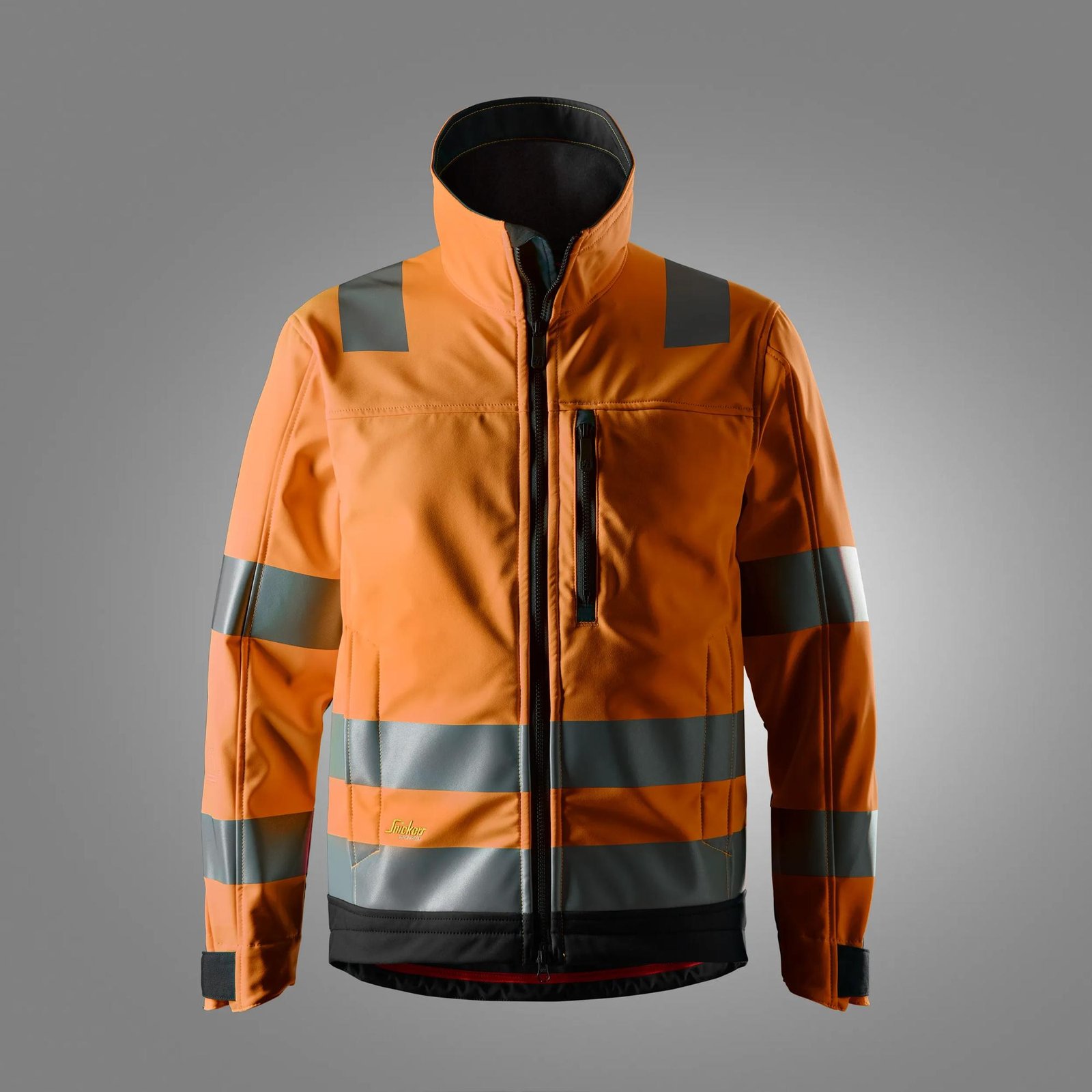
Featured Welding Workwear Development Products


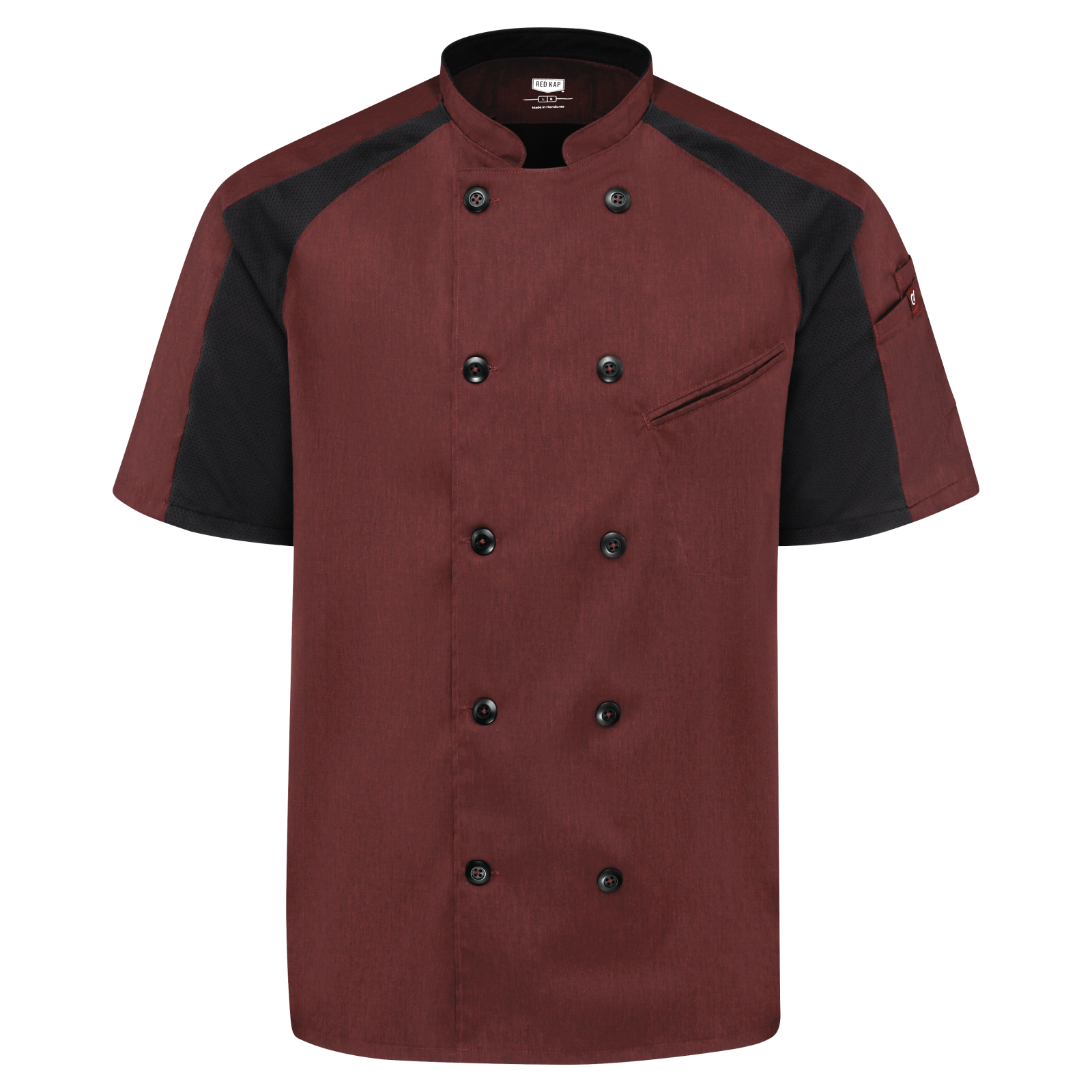

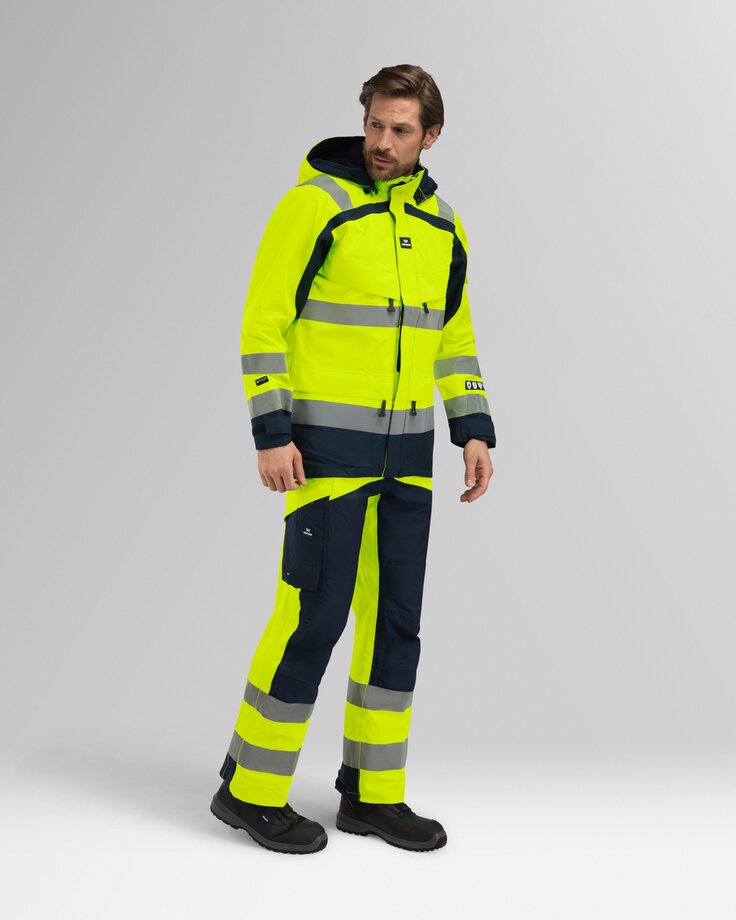


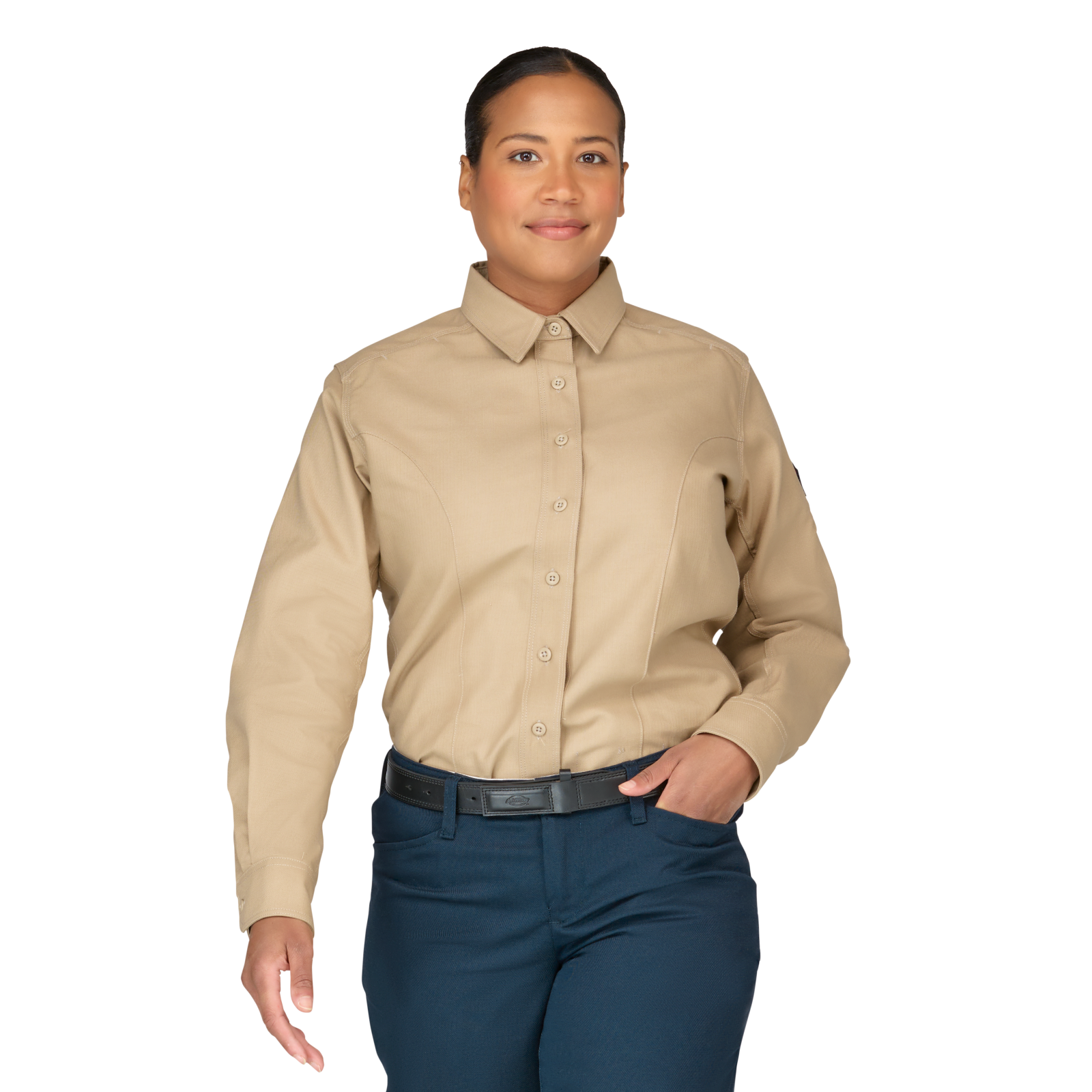

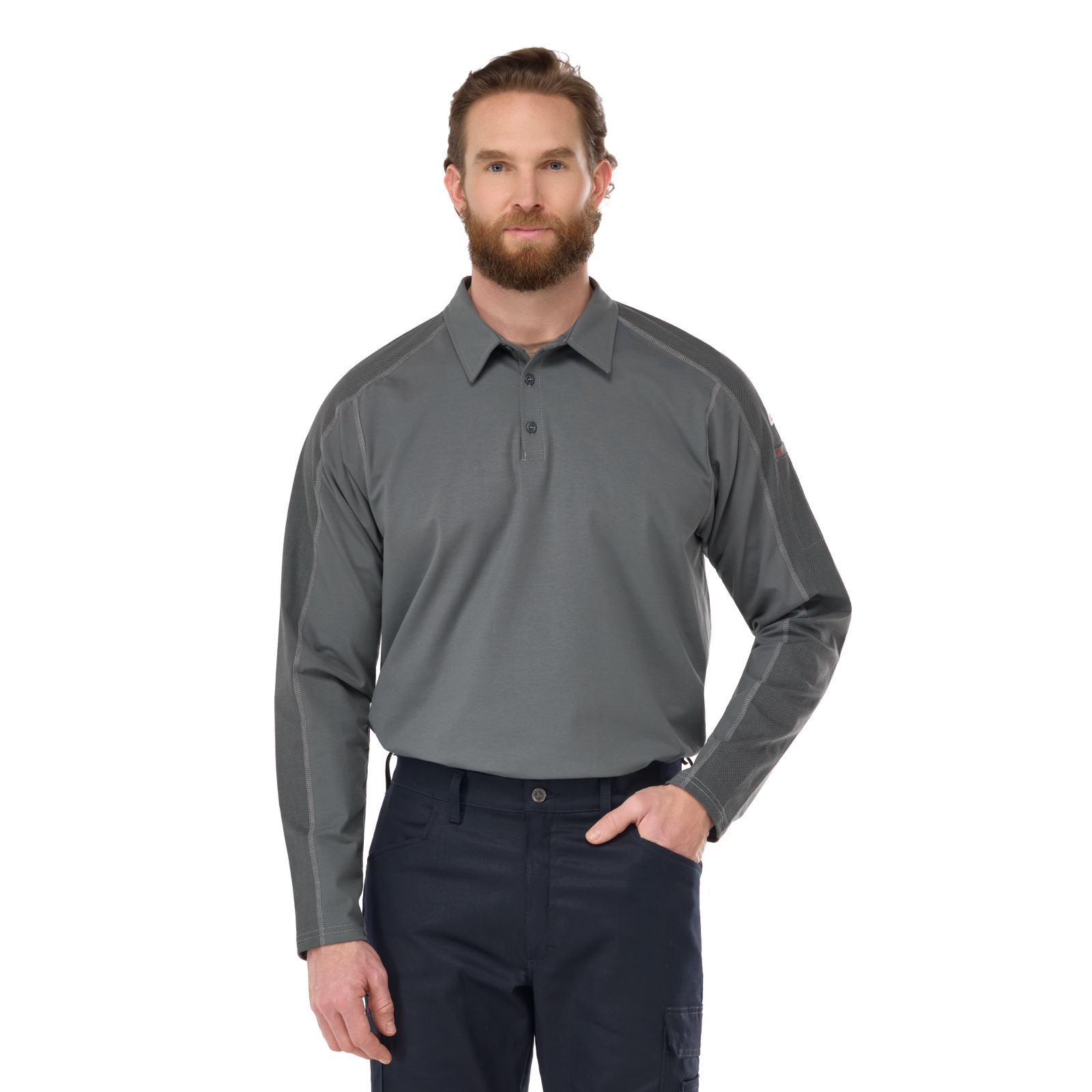


Related Welding Workwear Catalogue and Quotation





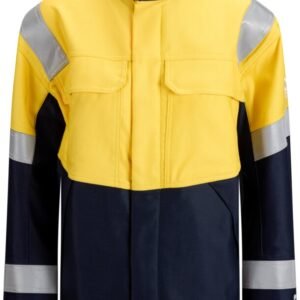
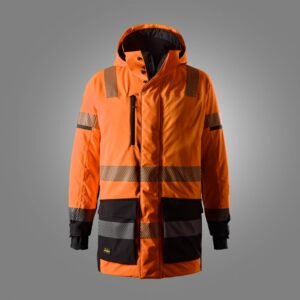
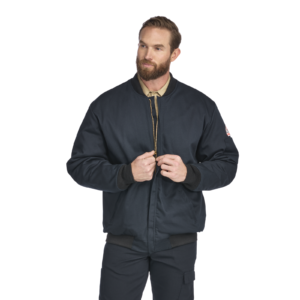

Why Choose Veelianpro for Welding Workwear Development
Veelianpro supports coordinated welding apparel programs from initial concept through sampling and production, with practical customization for brands, distributors and sourcing teams.
Coordinated Uniform Programs
Develop coordinated welding shirts, pants, jackets, vests, coveralls and branded layers from your tech pack, sketch, sample or product idea.
Flexible Production Models
Choose OEM, ODM, private-label or wholesale production with pattern development, fabric sourcing, sampling, grading and quality checks aligned to your program.
Consistent Team Branding
Apply embroidery, screen printing, heat transfer, patches, woven labels and care labels for consistent branding across your welding crew.
Sampling Before Production
Review fit, materials, trims, colors and construction details during sampling before confirming production, subject to the agreed project specification.
Conditional MOQ Planning
Start at 100 pieces per style and color, subject to fabric, certification, construction and other project requirements.
Welding Workwear We Develop
Custom garment development for welding and hot-work teams, designed around process exposure, mobility, layering and buyer-specified protective requirements.

MIG Welding Workwear
MIG welding garments can be developed for production-floor coverage, with work shirts, jackets, trousers, coveralls or two-piece sets. Discuss fabric selection, reinforced wear areas, pocket layout, closures, cuffs and branding around the operator’s workflow and required protective documentation.
Get a Quote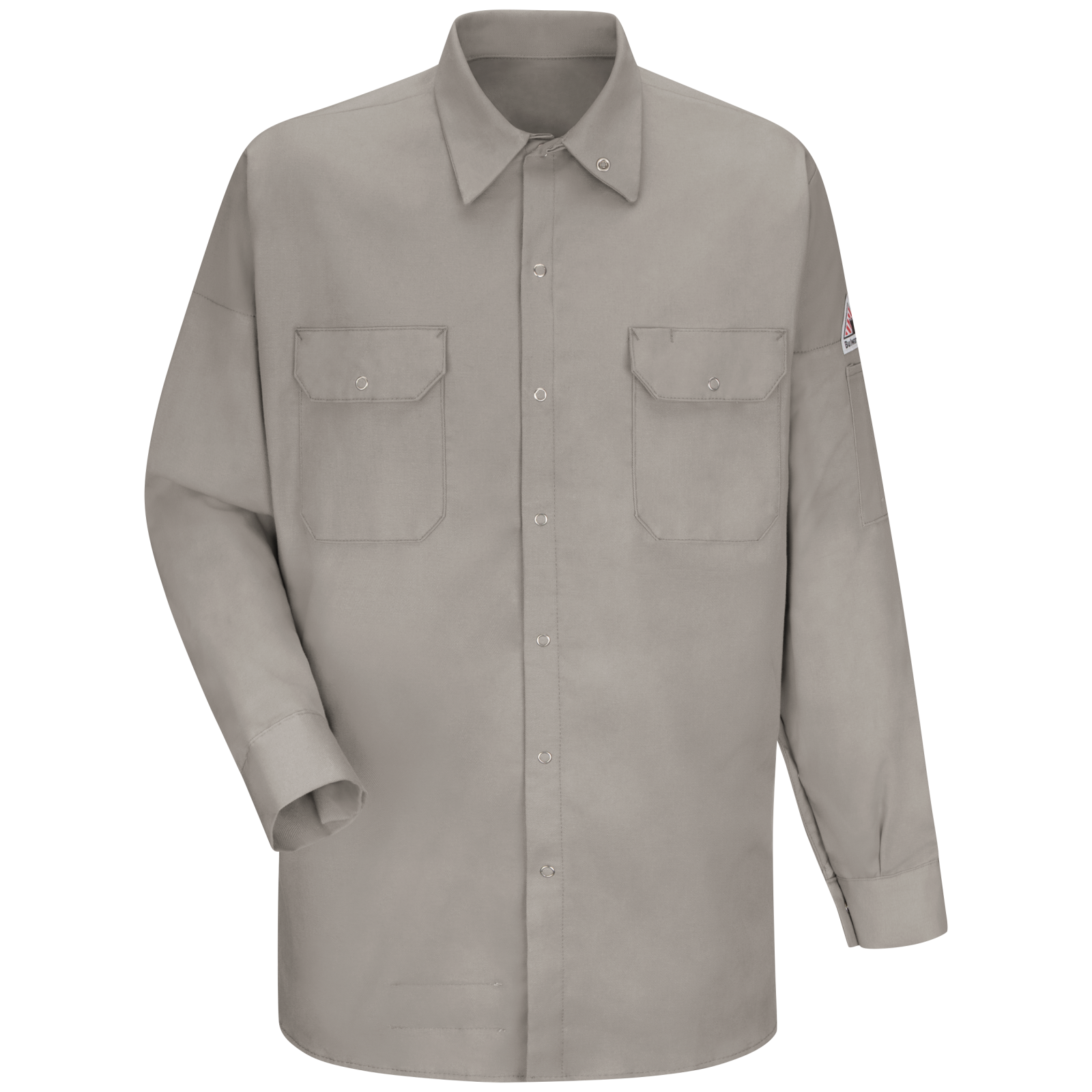
TIG Welding Workwear
TIG welding workwear can prioritize close, controlled movement for precision tasks. Develop lighter-profile shirts, jackets, trousers or coveralls with fit, sleeve construction, collar shape, pocket placement and seam reinforcement tailored to the work environment, specified fabric and requested standard.
Get a Quote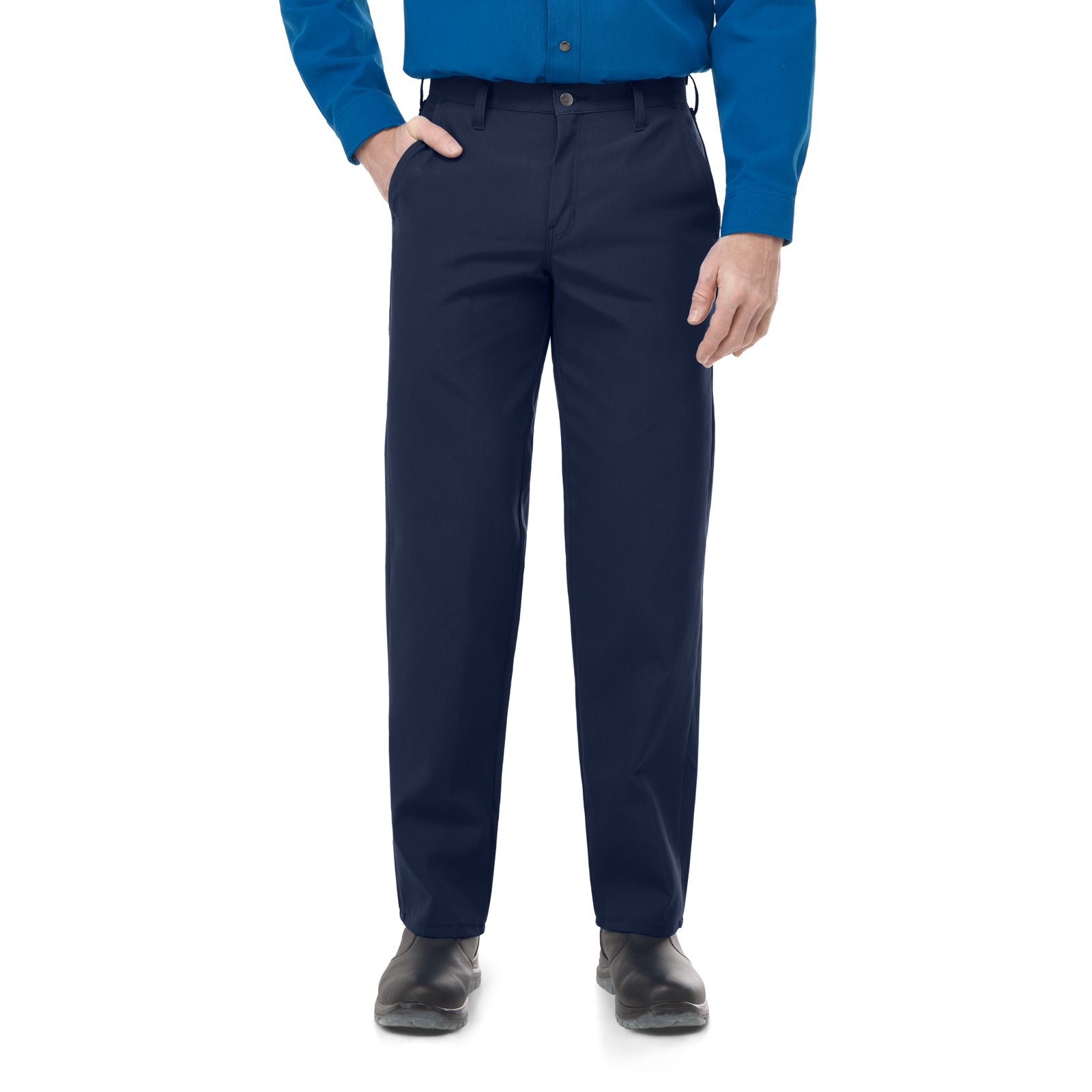
Stick Welding Workwear
Stick welding apparel can be configured for demanding field or fabrication work, including coveralls, jackets, bib overalls and work sets. Specify durable construction details such as reinforced knees, bartacks, triple stitching, gussets, utility pockets, reflective tape placement and private-label trims.
Get a Quote
Plasma Cutting Workwear
Plasma cutting uniforms can be developed as coordinated shirts, jackets, pants, coveralls or vests for shop teams. Select fabric, closure arrangement, pocket systems and decoration methods to suit the intended operation; any protective performance target requires SKU-specific test evidence and certification scope.
Get a Quote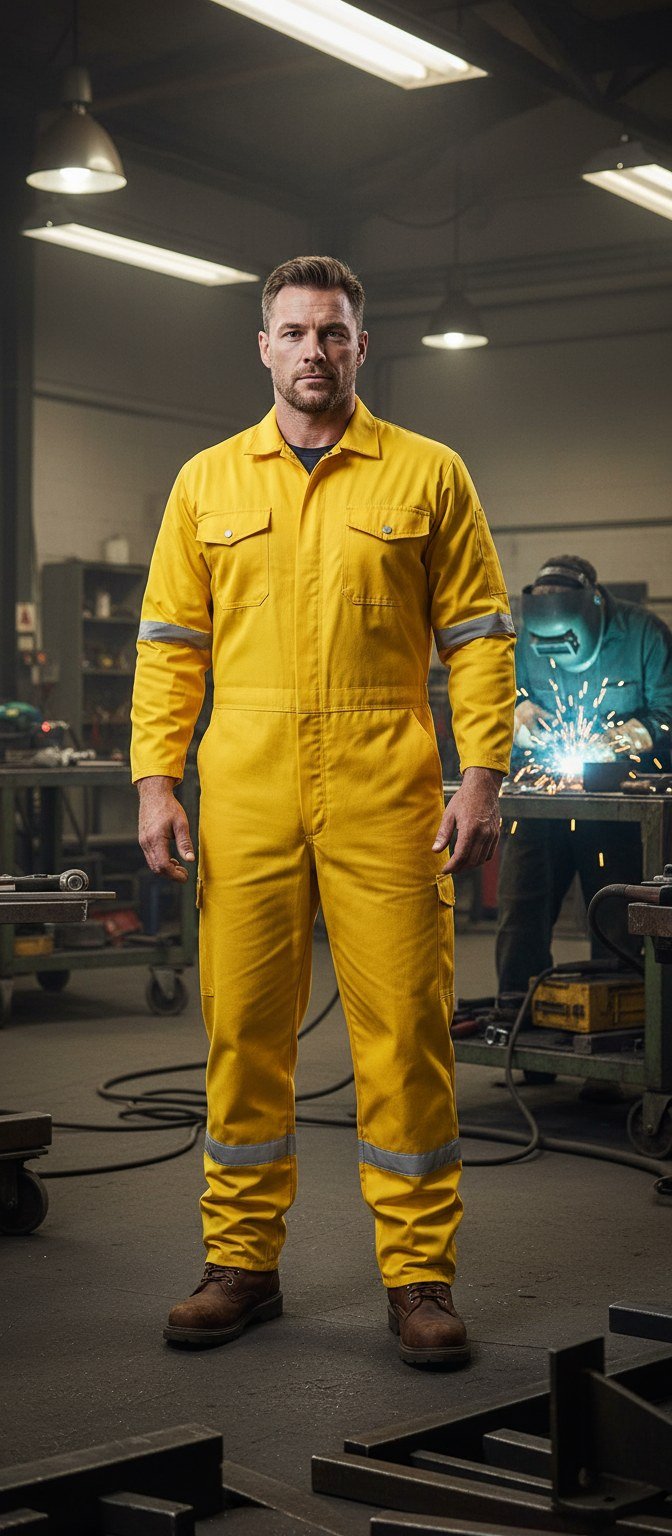
Grinding Workwear
Grinding workwear supports fabrication teams needing practical coverage and durable daily construction. Build polos, shirts, jackets, cargo pants, coveralls or layered sets with fabric sourcing, reinforced stress points, tool-pocket layouts, size grading, labels and custom packaging for your program.
Get a Quote
Hot Work Workwear
Hot-work workwear covers garment development for welding, cutting, grinding and related industrial tasks. Combine jackets, trousers, coveralls, vests or two-piece suits with buyer-defined fabrics, weather layers, branding and construction details. Confirm applicable standards and test requirements before making protection claims.
Get a QuoteMaterial Options for Welding Workwear




Decoration and Construction Options



Trims and Branding Details for Welding Workwear


About Veelianpro Workwear Manufacturing
Hubei Veelianpro Workwear Co., Ltd. is a Wuhan-based manufacturer developing custom workwear for industrial, safety and service brands. The company profile states that its workwear operation began in 2012, with a mission to turn buyer concepts, sketches and tech packs into practical, coordinated garments for demanding work environments.
Veelianpro supports OEM, ODM, private-label and wholesale programs, including custom uniforms for welding teams. Development can cover fabric and trim sourcing, pattern making, sampling, size grading, cutting, sewing, reinforcement, decoration, finishing, inspection, packing and export coordination. MOQ starts at 100 pieces per style and color, subject to project requirements.
What sets the company apart is a development-led approach that connects construction details with brand consistency. Buyers can discuss pocket layouts, reinforced areas, stitching, reflective placement, weather protection and logo application before production. Company-supplied figures describe a team of more than 300 skilled workers; buyers should verify current scale and project-specific capabilities during quotation.

Capabilities Behind Your Welding Workwear Program
Translate Ideas Into Production Files
Veelianpro reviews your tech pack, sketch, sample or product idea and turns it into a practical development brief. We align garment construction, pocket systems, reinforcement details, branding locations and target quantities before sampling begins.
- Tech-pack, sketch and sample interpretation
- Construction details for pockets, knees, gussets and bartacks
- Branding, label and packaging requirements
- Feasibility review for OEM, ODM and private-label programs

Build the Fit Across Sizes
Our pattern development process supports coordinated welding-team uniforms across shirts, jackets, trousers, coveralls, vests and sets. Size grading, fit adjustments and construction reviews help buyers evaluate proportions and wearability before approving a production run.
- Pattern development from approved references
- Size grading for your requested range
- Fit review during sample development
- Coordinated styling across multiple garment categories

Source Fabrics And Trims
Veelianpro helps source fabrics, trims and functional details according to the intended work setting and design target. Buyers can discuss fabric weight and composition, reflective tape placement, weather protection, closures and reinforcement requirements during development.
- Fabric and trim sourcing support
- Color, weight and composition discussions
- Reflective tape and weather-protection placement
- Thread, closure, label and reinforcement coordination

Control Sampling Through Shipment
From sample approval through cutting, sewing, decoration, inspection, packing and export coordination, Veelianpro keeps the program organized around your specifications. MOQ starts at 100 pieces per style and color, subject to fabric, certification and construction requirements.
- Sampling before production approval
- Embroidery, screen printing, heat transfer and patch options
- Quality checks against approved specifications
- Packing and export coordination for wholesale programs

Custom Uniforms for Welding Teams: Compare Supply Routes
Compare custom development with off-the-shelf garments decorated after selection. Starting MOQ is subject to fabric, certification and construction requirements.
← Swipe left or right to view →
From Workwear Brief to Shipment
A practical, buyer-focused workflow covering development, production, branding, inspection, export coordination, and reorder support for OEM, ODM, private-label, and wholesale programs.
Inquiry and Feasibility
Share your garment concept, work setting, quantities, sizing, destination, timeline, and required protection standards so Veelianpro can review feasibility and prepare the next steps.
Materials and Specifications
Select fabrics, colors, trims, pocket systems, reinforcements, reflective details, branding methods, and packaging requirements suited to your welding-team uniform program.
Pattern and Sampling
Veelianpro develops patterns, grades sizes, and produces samples for review, allowing your team to confirm fit, construction, branding placement, and requested revisions.
Production and Branding
After approval, cutting, sewing, reinforcement, decoration, and finishing proceed against the confirmed specifications, with MOQ starting at 100 pieces per style and color subject to requirements.
Quality, Shipment, Reorders
Quality checks, packing, and export coordination complete the order, while documented specifications help simplify future replenishment and consistent team uniform reorders.
How to Develop Welding Workwear With Veelianpro
Veelianpro develops custom uniforms for welding teams from your tech pack, sketch, sample or concept. We confirm fabrics, trims, fit, branding and construction requirements, then sample, quote and produce for OEM, ODM, private-label or wholesale programs. MOQ starts at 100 pieces per style and color, subject to project requirements.
Submit Your Concept
Share your tech pack, sketch, sample, or product idea with garment types, work setting, target quantity, destination, and timeline included.
Confirm Materials and Requirements
Confirm fabric composition, weight, colors, size range, trims, reinforcement, reflective details, branding method, and any required protection standard or test evidence.
Review Samples and Quote
Review development samples and quotation, checking fit, measurements, decoration placement, construction details, packaging, and project assumptions before approval for production.
Approve Production
Approve the final specification, confirm order terms, and authorize production after feasibility, sample, quantity, and quality requirements are aligned.
Coordinate Shipment and Reorders
Coordinate inspection, packing, export documentation, and shipment with Veelianpro, then retain approved specifications to support efficient reorders for future programs.
Protection Evidence for Welding Workwear


Custom Uniforms for Welding Teams: Illustrative Procurement Scenarios
Illustrative scenario: A safety distributor needs one two-piece uniform program for welders and shop support roles but has no agreed pocket, cuff, or logo-placement specification. Veelianpro proposes a role-based specification for buyer review, including fabric target, pocket layout, cuff closure, logo position, and any required protection documentation. Intended acceptance criteria are approved fit, construction details, branding placement, and any requested SKU-specific test documentation.
Illustrative scenario: An enterprise uniform buyer must distinguish field-welder coveralls from branded shirts intended only for non-protective team use. The proposed solution separates garment specifications, decoration methods, and role requirements before sampling. Intended acceptance criteria are size grading, color approval, practical access points, and confirmation of the applicable standard where protection is required.
Illustrative scenario: A workwear brand has sketches and a target size range but needs a production-ready private-label welding collection. Veelianpro proposes pattern development, fabric and trim sourcing, and samples for buyer review. Intended acceptance criteria are an approved sample, labels and packaging, production-ready artwork, and quantity by style and color.
Welding Workwear Procurement FAQ
Practical answers for buyers planning coordinated welding workwear, from sampling and branding to MOQ, production requirements and compliance documentation.
Can Veelianpro develop custom uniforms for welding teams?
What is the MOQ for custom uniforms for welding teams?
How long does it take to produce custom uniforms for welding teams?
Can we review a sample before approving production?
What logo application methods are available for welding-team uniforms?
Which materials and construction details can we specify?
Can Veelianpro provide certified protective welding uniforms?
What payment and shipping arrangements apply to a custom order?
How does Veelianpro protect our designs and brand assets?
Custom Uniforms for Welding Teams: A Procurement Guide
A practical framework for selecting welding uniform systems, evaluating construction and customization, comparing supplier quote scope, and avoiding specification, sizing, decoration, and replenishment mistakes before purchase.
1. Defining a Welding-Team Uniform Program
A welding-team uniform program is a coordinated garment program: each item is matched to the wearer’s task, exposure, work area, identification needs, and replacement cycle. A logo is only one specification alongside the selected garment type, fabric and construction target, required protective documentation where applicable, size range, and consistent placement of names or marks.
The brief changes between shop welding, field installation, fabrication, maintenance, and customer-facing service work. Sourcing teams should separate a design target from a tested performance claim: if flame-resistant, arc-rated, high-visibility, or other protective performance is required, provide the applicable standard and required test or certificate before product selection.
Direct purchasing means the buyer controls the initial issue, spare stock, distribution, and reorders through purchase orders. A recurring uniform-service model instead includes ongoing collection, laundering, delivery, tracking, and replacement by a service provider; decide which operating model is needed before comparing garments. Veelianpro can develop OEM, ODM, private-label, or wholesale orders from a tech pack, sketch, sample, or product idea. Applicable minimums and development conditions should be confirmed in the quotation.
Before selecting products, define who wears each garment, what work they perform, whether names or roles are needed, how many pieces form an issue set, and how replenishment will be controlled. Include destination, timeline, color, branding method, and the complete size breakdown in the inquiry so the quotation reflects the actual program rather than a generic logo order.
2. How Welding Uniform Programs Evolved
A welding uniform program starts with job roles and the employer-defined exposure requirement, not a single branded shirt. A fabricator, site supervisor, fitter, and delivery or service employee may need different garment types, layers, pocket layouts, weather layers, and identification treatments. Where protection is required, define the applicable standard and requested test or certificate before approving a style.
Branding is also a controlled production detail. A documented specification identifies approved logo artwork, decoration method, placement, size, thread or print colors, label content, and garment color so initial and replenishment orders use the same visual reference.
Sizing and replenishment turn a purchase into an operating program. Record the size run, fit or length needs, role-based allocation, approved trims, packing rules, and reorder reference with the sample approval. This gives the buyer a consistent baseline for replacement or expansion quotes. Veelianpro can begin custom development from a tech pack, sketch, sample, or product idea.
3. Types of Custom Uniforms for Welding Teams
A welding-team issue program works best when garment roles are separated instead of forcing one style onto every task. Select the coverage level around the work sequence, mobility needs, climate, and the exposure requirements established by the employer.
| Garment Type | Primary Role | Program Placement |
|---|---|---|
| Long-sleeve shirt | Core upper-body layer | Routine issue |
| Coveralls | Continuous coverage | Task-specific issue |
| Jacket | Removable outer layer | Shared or assigned layer |
| Work pants | Modular lower-body wear | Routine issue |
| Polo or tee | Non-exposure identification | Support-role issue |
Long-Sleeve Work Shirts
Long-sleeve work shirts suit routine shop work, fitting, and lower-coverage assignments where a separate outer layer can be added. They make a practical core issue piece for welders, helpers, and supervisors.
Confirm required flame-resistant performance before specifying an FR fabric or decoration method; an unspecified shirt must not be represented as protective.
Coveralls For Full Coverage
Coveralls provide a single garment from torso to leg for teams that prefer one on-and-off item for welding bays, maintenance work, or dirty changeover tasks.
The trade-off is less modular layering and more size-management complexity, especially when workers wear layers underneath.
Jackets And Outer Layers
Welding jackets add a removable outer layer when heat, sparks, weather, or task duration changes during a shift. Issue them to welding operators or mobile crews as a task-specific layer rather than assuming every employee needs one.
Specify the work exposure first, then align the jacket construction and any requested protective documentation to that scope.
Work Pants And Cargo Trousers
Dedicated work pants support kneeling, climbing, carrying tools, and frequent laundering while allowing shirts or jackets to be replaced separately. They are useful across welders, fitters, and support staff when a two-piece program improves sizing flexibility.
Pocket layout, reinforcement, and movement features should follow the actual tool-carry and posture requirements.
Lighter Branded Layers
Polos, tees, and lightweight layers can identify estimators, delivery staff, apprentices, or office-to-shop personnel when welding exposure is not part of the assigned task. Keep them distinct from welding garments in the issue matrix.
They are a branding and comfort layer, not a substitute for exposure-appropriate workwear.
4. Materials and Layering Choices
Material selection begins with the exposure zone, not the logo location. Document the required standard and test scope before treating any fabric choice as protective.
| Material Approach | Practical Properties | Garment Applications | Selection Caution |
|---|---|---|---|
| Treated FR cotton | Supplier-specified fabric option; documentation required for any protective claim | Potential development options for shirts, trousers, or coveralls | Verify care and documented finished-garment scope |
| Inherently FR fabric | Supplier-specified fiber composition; request finished-garment documentation | Potential development options for shirts, coveralls, or jackets | Confirm composition and applicable evidence |
| FR blend | Specified fiber blend for buyer review | Task-specific core garments | Do not infer protection from blend name |
| Leather panels | Reinforcement-panel development option | Potential placement on sleeves, fronts, or knees | Specify placement and mobility needs |
| Non-FR branded layer | Branding and comfort outside exposure | Tees, fleece, shells | Keep separate from exposure-critical issue |
FR Fabric Approaches
A buyer may request treated FR cotton or another specified FR fabric for shirt, coverall, or trouser development. The inquiry should identify the intended standard, care expectations, and the exact test or certificate required for the finished garment.
A fabric name or fiber description does not establish a finished garment’s protective scope. Compare supplier documentation, color and comfort preferences, construction, and the requested evidence before approving a material.
Blends And Leather Panels
If an FR blend is proposed, record the exact composition in the tech pack and request documentation for the finished garment scope. Do not infer suitability for a stated hazard from a blend name.
Leather or other reinforcement panels are development choices that should be shown on the garment drawing. Review placement during sampling for movement, access, and compatibility with task-specific equipment.
Separate Branded Layers
A branded tee, hoodie, fleece, or shell may be useful away from welding exposure, but it is not an automatic substitute for exposure-critical apparel. Define where each layer may be worn in the issue plan.
Provide the intended work setting, garment layering plan, and required standard with the quote request. Veelianpro can discuss sourcing and construction, while protective claims require the exact evidence scope.
5. Customization and Finishing Options
Branding should be planned with the garment pattern, pocket layout, and intended welding exposure—not added after the base style is chosen. Veelianpro can discuss decoration, labels, and packaging during product development.
| Option | Best Planning Check | Construction Interaction |
|---|---|---|
| Embroidery | Stitch detail and logo size | Avoid pockets, thick seam crossings, and restricted areas |
| Screen Printing | Artwork coverage and panel shape | Use a clear, flat print area away from folds |
| Patch Or Woven Label | Attachment location and edge finish | Allow for pocket openings, labels, and seam allowances |
| Employee Identification | Name list and repeat-order rule | Reserve a consistent, accessible placement |
Logo Placement Planning
A chest logo can conflict with a patch pocket, flap, or seam; a large back graphic may be impractical on a jacket with a yoke or ventilation detail. Mark each proposed location on the approved garment drawing.
Illustrative placement plan: place a small company mark above a left chest pocket, an employee identifier on the opposite chest, and a larger mark on a non-pocketed back panel. Confirm that the selected protective garment and decoration approach remain within the required documented scope.
Decoration Method Fit

Embroidery, screen printing, heat transfer, and patches create different visual weights and attachment points. Choose after confirming the fabric, panel area, seam locations, artwork detail, and required protective specification—not from a logo file alone.
Labels And Identification
Woven labels, care labels, patches, and custom packaging can carry private-label information, while employee names need a consistent spelling and placement rule. Keep individual identification separate from core logo artwork so replenishment orders remain manageable.
- Company logo and approved color version
- Employee-name list matched to sizes
- Care-label content and country requirements
- Packaging and carton-marking instructions
Color Blocking And Artwork
Color blocking should follow the garment’s actual panels, reinforcement zones, and trim rather than forcing a brand layout across seams. Supply vector artwork where available, state intended logo dimensions, and identify any required color references before sampling.
6. Construction Details for Welding Workwear
Construction planning should address where the garment bends, pulls, or carries tools, not only the main fabric. Specify construction details alongside the pattern, decoration map, and intended work movement.
Seams And Stress Points

Review crotch seams, underarms, pocket corners, and knee areas during pattern and sample approval. Specify bartacks, triple stitching, gussets, or reinforcement panels only where the approved design calls for them. Keep decoration clear of seam crossings and flex zones so its placement can be inspected consistently.
Closures, Cuffs, And Collars
A closure must suit the garment’s use and the wearer’s need to adjust it while working. Define button, zipper, or other closure preferences early, then check cuff and collar construction against sleeve movement, glove use, and the required protection specification rather than assuming one closure fits every job.
Pockets And Movement Allowance
Pocket placement should be reviewed against the tools carried, required access, and intended movement. Map tools and pens to reachable areas, keep bulky artwork away from flex points, and assess reaching, crouching, and overhead movement in the sample. Record any requested ease or gusset changes on the approved pattern notes.
Reinforcement And Size Grading
Reinforced knees and high-wear zones should follow the wearer’s actual posture, not a generic panel location. Use a measurement chart and graded sample review across the ordered size range; inconsistent grading can shift knee panels, pocket height, sleeve length, and logo position from one size to another.
7. Choosing a Welding Uniform Manufacturer
A capable manufacturer converts a welding uniform brief into controlled specifications, rather than treating a logo as the complete order. Compare evidence at the garment, artwork, size-set, inspection, packing, and replenishment levels before approving production.
| Selection Area | Evidence To Confirm | Why It Matters |
|---|---|---|
| Protection | Standard and test or certificate scope | Avoids unsupported claims |
| Artwork | Approved file and placement record | Prevents logo variation |
| Packing | Carton marks and size breakdown | Supports receiving and reorders |
Match Capability To The Brief
Start with the required garment family and work setting: coveralls, two-piece suits, jackets, trousers, or shirts need different pattern and pocket decisions. Where protection is required, provide the applicable standard and required test or certificate; a design target is not a documented performance claim.
Veelianpro develops from a tech pack, sketch, sample, or product idea and supports fabric and trim sourcing through packing and export coordination.
Require A Quote Evidence Pack
A usable quote identifies fabric composition and weight, trims, construction details, decoration method, color, size range, quantity, destination, and packing scope. It should separately identify any requested protective documentation and its exact product scope.
Confirm the applicable MOQ, development scope, and final conditions in the individual quotation.
Approve Samples And Artwork
Review a physical sample against the approved specification: fit, pocket access, reinforcement locations, closures, label content, and logo position. Confirm artwork version, dimensions, thread or print colors, and placement measurements before bulk release.
Use a signed approval record so later changes to embroidery, screen printing, heat transfer, patches, woven labels, care labels, or packaging are traceable.
Plan Sizes And Reorders
Build a size-set matrix by garment and wearer group before ordering, including any length or fit needs. Keep the approved bill of materials, pattern version, artwork files, and packing instructions for replenishment.
Define inspection checkpoints and carton marking in advance. Veelianpro’s stated flow includes sampling, production, inspection, shipment, and reorder support; production timing and final conditions belong in the individual quote.
8. Common Welding Uniform Buying Mistakes
Many avoidable welding-uniform problems begin at the specification stage. A usable brief connects task exposure, garment role, decoration, sizing, quote scope, and replenishment before samples are approved.
Treating Every Layer Alike
A tee, overshirt, jacket, and coverall do not serve the same task or exposure condition; treating them as interchangeable can put the wrong garment into the issue pack.
Define each role by work setting and required protection, then submit the applicable standard and test requirement where protection is requested.
Decorating Before Defining Use
Selecting embroidery, print, or patches before choosing the garment can place branding where pockets, closures, reflective tape, reinforcement, or protective requirements conflict.
Approve the garment construction first, then issue artwork with the decoration method, placement zone, dimensions, and color treatment specified.
Leaving Team Data Incomplete
Missing role counts and size data creates an uneven issue pack, while artwork approved without placement rules can vary between styles or later production lots.
Use a role-by-size breakdown and one placement sheet per garment. Illustrative procurement scenario, not customer feedback: a distributor separates welders, supervisors, and visitors before sampling, avoiding one generic size and logo plan.
Accepting A Partial Quote
A garment-only price may exclude pattern work, sampling, trims, decoration, labels, packing, inspection, or export coordination. An unclear reorder plan can also leave later orders without an agreed specification baseline.
Request a line-by-line scope and retain approved tech packs, artwork, fabric and trim references, size grading, and packing details for reorders.
9. Launching the Uniform Program
A launch brief turns a mixed welding crew into a controlled garment program. Define each role, exposure context, branding need, and applicable protection requirement before selecting fabrics, trims, or decoration.
Brief Roles And Garments
Separate welders, fitters, supervisors, and visitors by task, weather exposure, and required garment type. Shortlist coveralls, two-piece suits, shirts, jackets, or vests only after the buyer confirms any required standard and documentation scope.
- Role and task conditions
- Garment and color allocation
- Protection requirement and standard
- Destination and target timeline
Prepare Artwork And Sizes
Supply approved logo files, placement drawings, label text, and any employee-name rules as one artwork package. Collect sizes by role and garment, including any regular, tall, or extended-size needs, before grading and sampling are released.
Approve Sample And Order Scope
Evaluate a sample or pre-production piece for fit, pocket access, reinforcement locations, trim placement, decoration, and wash-care labeling. The purchase order should lock the style, color, fabric target, size breakdown, artwork revision, packing method, inspection criteria, and required protection evidence.
Record Inspection And Reorders
Inspect against the approved sample and PO, checking size labels, logo placement, specified seam and bartack details, quantities, and carton marks. Keep the approved tech pack, artwork files, size curve, and inspection record together so replenishment can be checked against the initial issue.
Worked example only: a 60-person issue could allocate 36 welder sets, 12 fitter sets, 8 supervisor sets, and 4 visitor garments. The allocation totals 60 and is not Veelianpro’s MOQ or a purchase recommendation.
10. Pricing and Quote Scope
A welding-uniform quote changes first with the garment platform: a basic work shirt, reinforced trouser, coverall, or jacket does not use the same fabric, components, sewing operations, or protection documentation. If flame-resistant or other protective performance is required, identify the exact standard, test evidence, and certificate scope before quotation; a design request is not a documented performance claim.
Veelianpro’s starting MOQ is 100 pieces per style and color, subject to fabric, certification, and construction requirements. Request a line-by-line quote that separates development, garments, decoration, packing, and delivery so a lower garment figure does not conceal excluded services.
| Cost Driver | What Changes Cost | Quote Must Specify |
|---|---|---|
| Garment construction and materials | Fabric composition and weight, closures, pocket system, reinforcement, bartacks, triple stitching, gussets, and protective documentation needs. | Garment style, approved material approach, construction details, required standard, testing or certificate scope. |
| Branding and personalization | Decoration method, artwork colors, stitch count or print coverage, logo locations, individual names, patches, woven labels, and care labels. | Artwork files, method by location, logo dimensions, name list, label content, and placement diagram. |
| Colorways and size mix | Each style-color combination, grading requirements, extended sizes, and uneven size ratios affect planning and material allocation. | Color codes, size chart, size breakdown, regular or tall requirements, and quantity per style-color. |
| Development, packing, and delivery | Pattern work, samples, custom packaging, carton marking, inspection scope, destination, and shipping terms may be quoted separately. | Sample requirements, packaging specification, inspection request, delivery address, Incoterms, and quote validity. |


Start Your Custom Uniforms for Welding Teams Program
Send garment details, quantities, sizes, branding, destination, standards, and timeline for a practical feasibility review and tailored quote.